 Chad Keates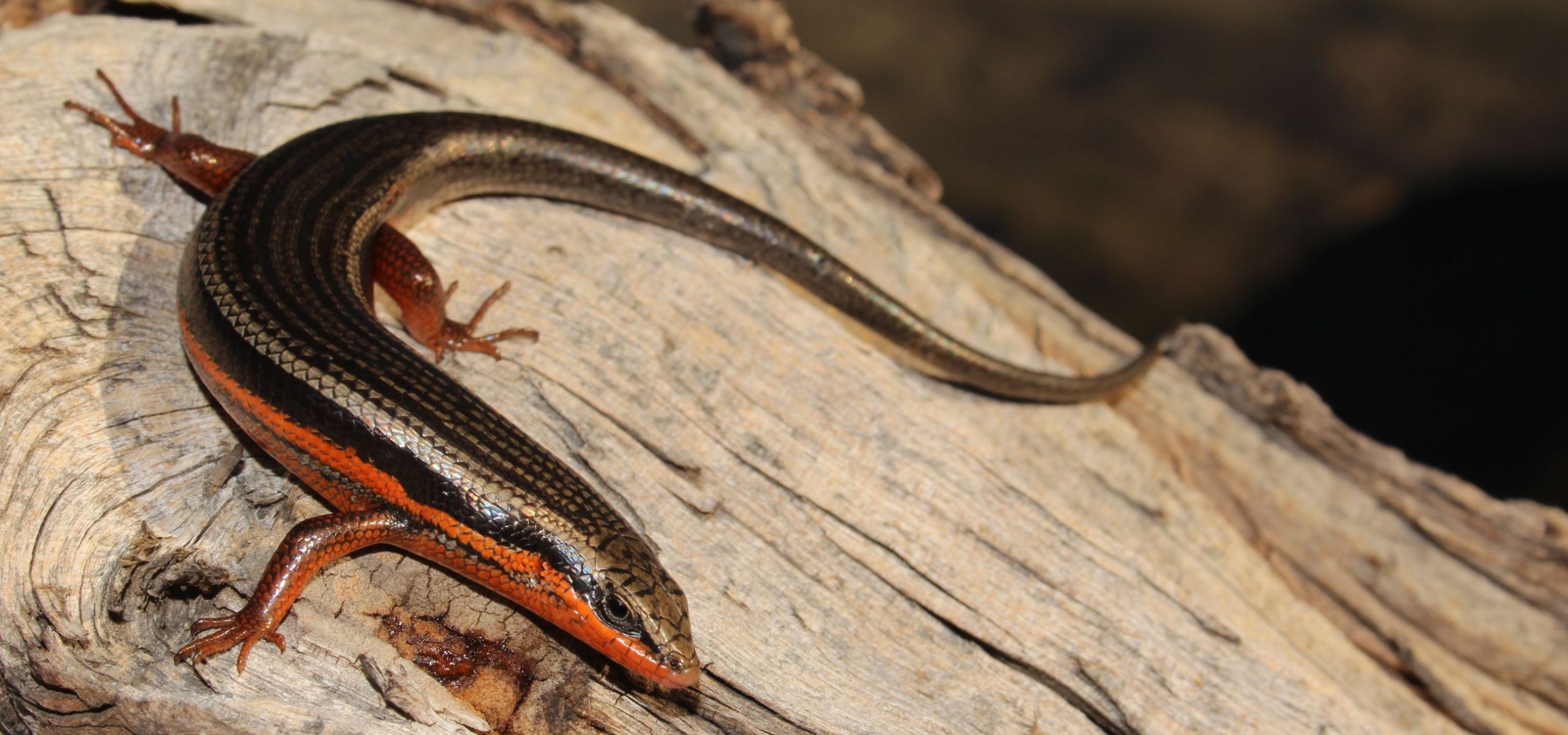
Listed below are the skinks that you are most likely to see or find in and around Grahamstown.
Family: Scincidae
The Scincidae family is considered the most species-rich lizard family in the world. In South Africa, Lesotho and Swaziland combined, there are 59 recognized species and several subspecies. Skinks are characterized by shiny overlapping scales and a cylindrical, robust body. Most skinks also feed on invertebrates and irrespective of whether they have limbs or not, these lizards can become hyper-abundant in certain localities, where they often form a large part of the diet of predators’.
Subfamily: Lygosominae
Genus: Trachylepsis
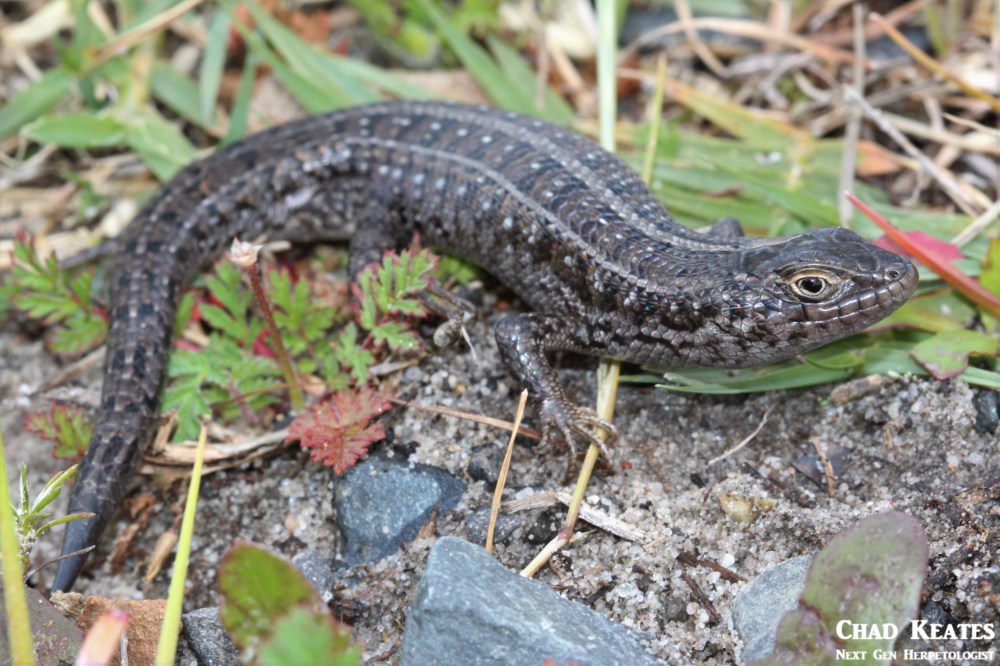
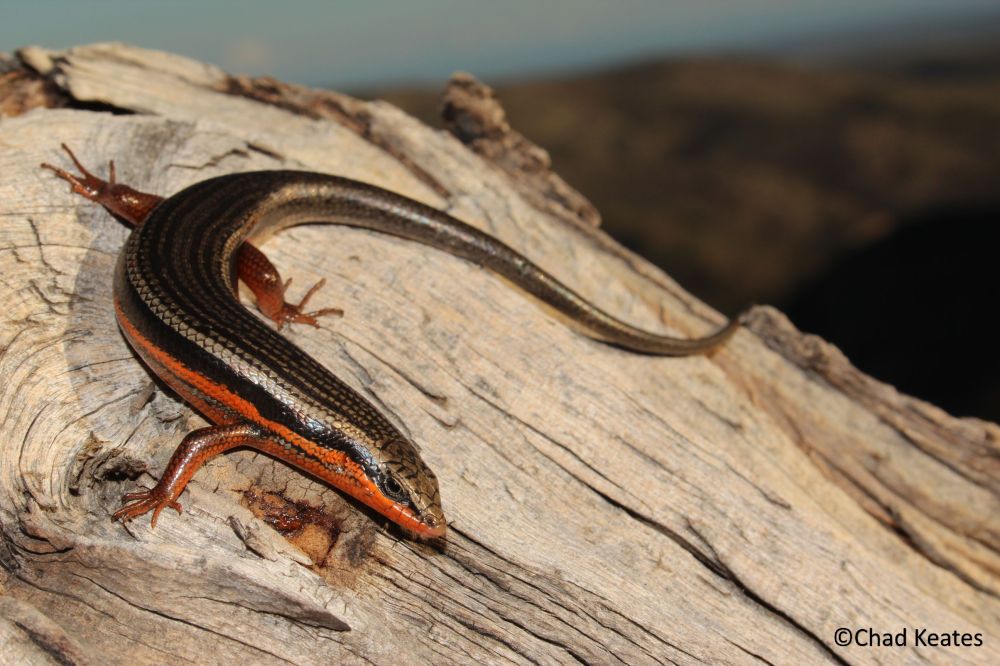
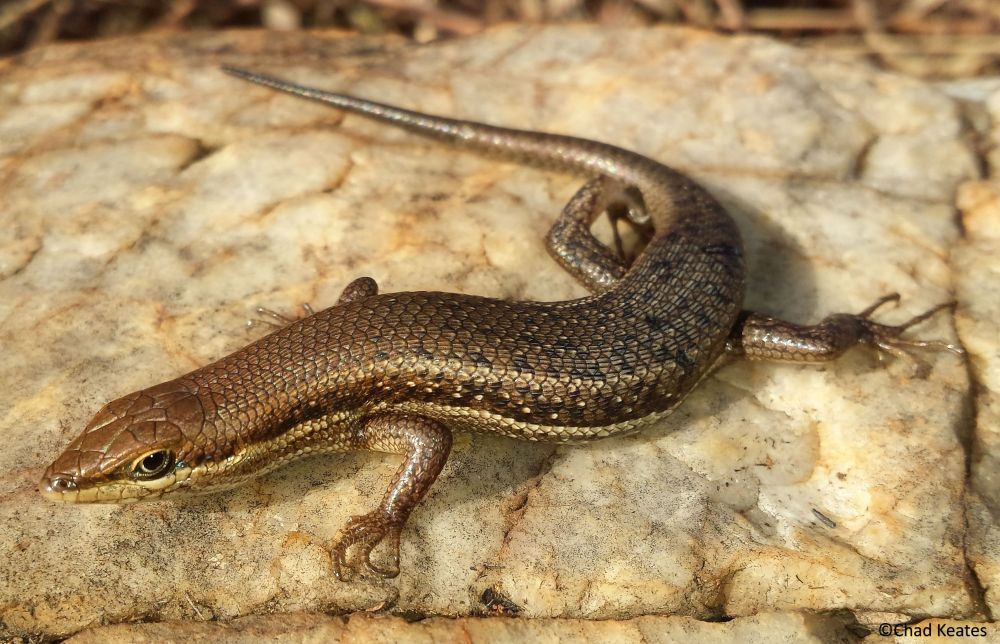
The members of this genus are referred to as ‘typical skinks’ and they are widespread and present in all the major biomes of South Africa. There are currently 13 members of this genus in South Africa, most of which are viviparous (live bearing offspring). All the lizards in this group are diurnal (active by day) and most spend their time on rocks where they can often be seen darting in and out crevices in search of food, safety and warmth.
Cape Skink (Trachylepis capensis)
Red-Sided Skink (Trachylepis homalocephala)
Variable Skink (Trachylepis varia)
Subfamily: Acontinae
Genus: Acontias
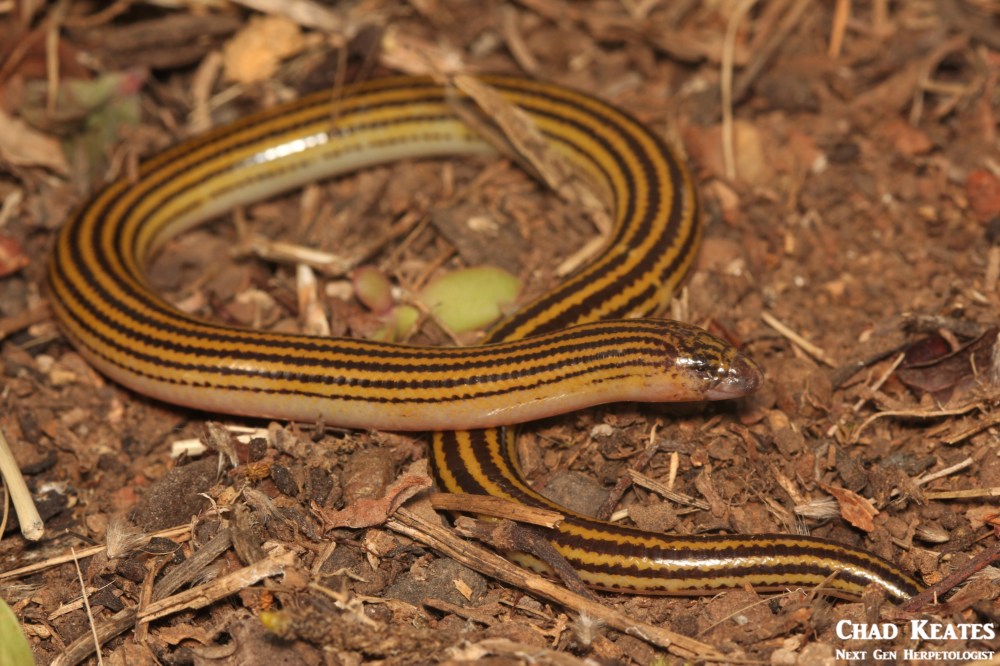
This genus is highly diverse with 20 species currently residing in South Africa. Twelve of these are endemic to South Africa and thus exist nowhere else in world. The legless skinks are fossorial skinks (live underground) that tend to favour soft sediments. Whilst you are unlikely to spot them basking in the daylight, they can often be found under loose rocks, rubble, fallen logs or at the base of grass tufts. Once spotted however, they often escape quickly into the ground with the help of their large rostral scale on their snouts which enables them to plough through the sediment with ease. This group is also characterized by a lack of limbs, an adaptation which aids them in their fossorial lifestyles.
Eastern Cape Legless Skink (Acontias orientalis)
References:
Alexander, G. & Marais, J. 2007. A Guide to the Reptiles of Southern Africa. Cape Town. STRUIK Nature.
Bates, M.F., Branch, W.R., Bauer, A.M., Burger, M., Marais, J., Alexander, G.J. & de Villiers, M.S. (eds). 2014. (CD set). Atlas and Red List of the Reptiles of South Africa, Lesotho and Swaziland. Suricata 1. South African National Biodiversity Institute, Pretoria.





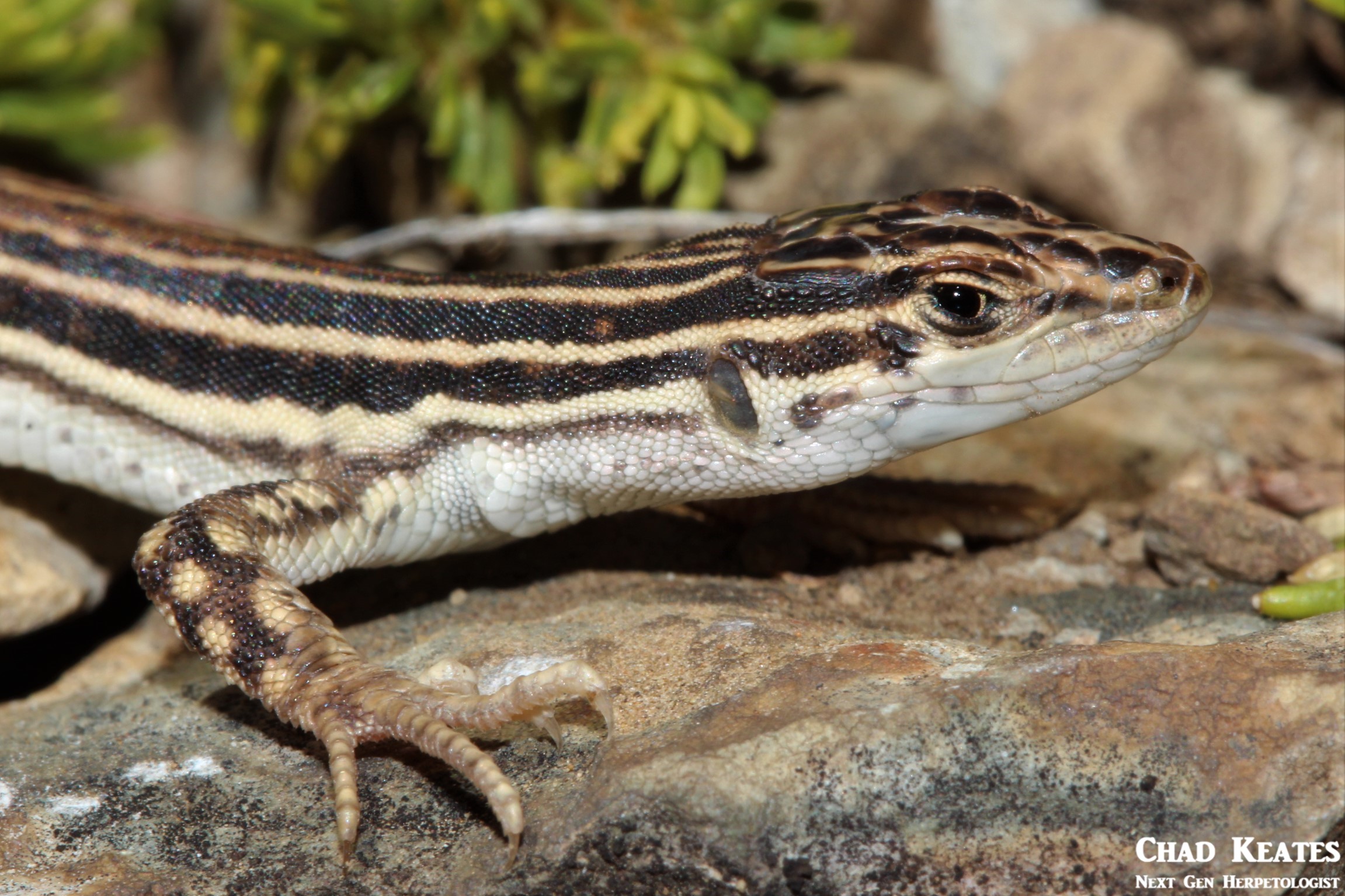

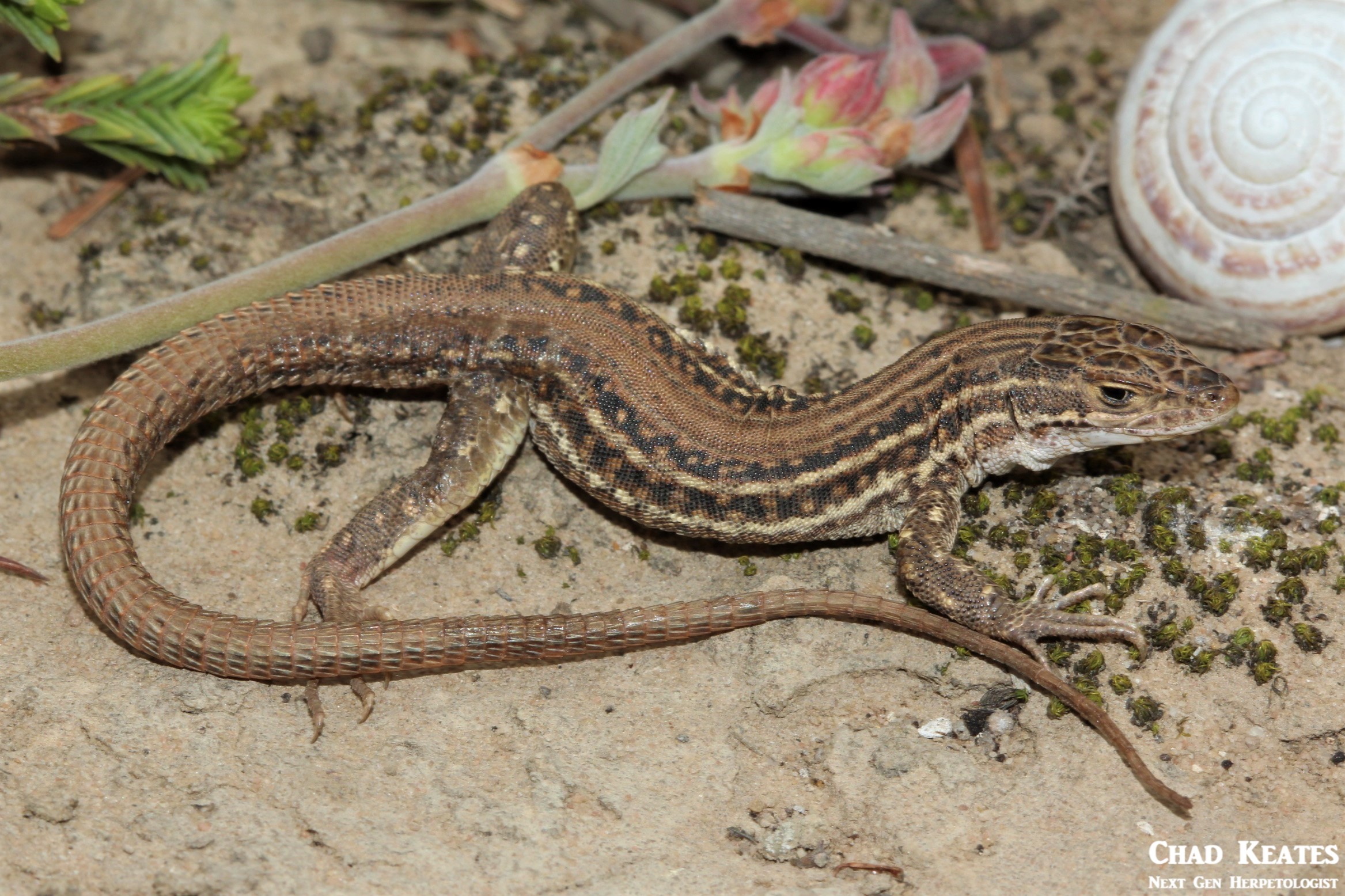

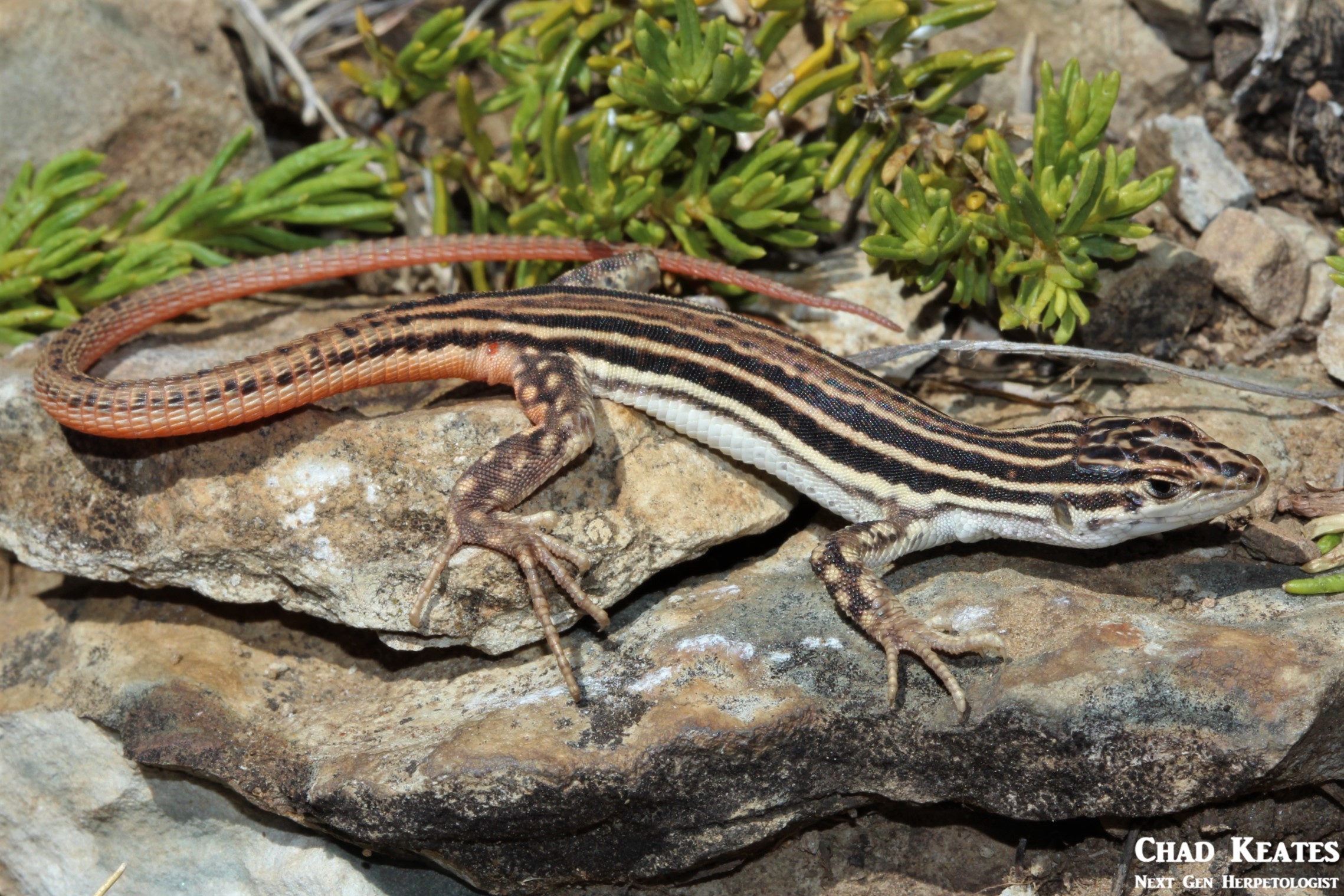


Yesterday, Luke and I conquered tick bite fever and to celebrate, we ventured to Alicedale in search of the elusive berg adder, a species of dwarf adder which has not been seen in the region for over 75 years. To give context to the story, we had been in Alicedale one week prior and whilst we did not find the fabled berg adder, we did manage to find pepper ticks, lots and lots of pepper ticks. It’s safe to say the ticks did not come in peace for a few days later we were bed bound as a result of their dreaded bite. The second trip to Alicedale thus felt like redemption. It was bumpy, it was jerky, it was a flat tire on a dirt road.

Our plans were once again foiled by the crafty pepper ticks, who took it upon themselves to debilitate my car like they debilitated my glands. Lucky for us, the spare tire was found nestled in the boot of the already lob-sided car. We were back on our way and it is at that moment that I realised the weakness in the pepper tick’s armour… the elusive spare tire, a marvel of mechanical engineering. The pepper ticks had stood in the way of greatness for too long. It was our time to shine, it was our time to find a dwarf adder.

We got to our destination soon after, and to our delight, we were greeted by a flustered cape girdled lizard attempting an escape after it’s rock fortress was removed from above it. This find although meant to symbolise impending success, represented only a high point in a relatively uneventful afternoon.
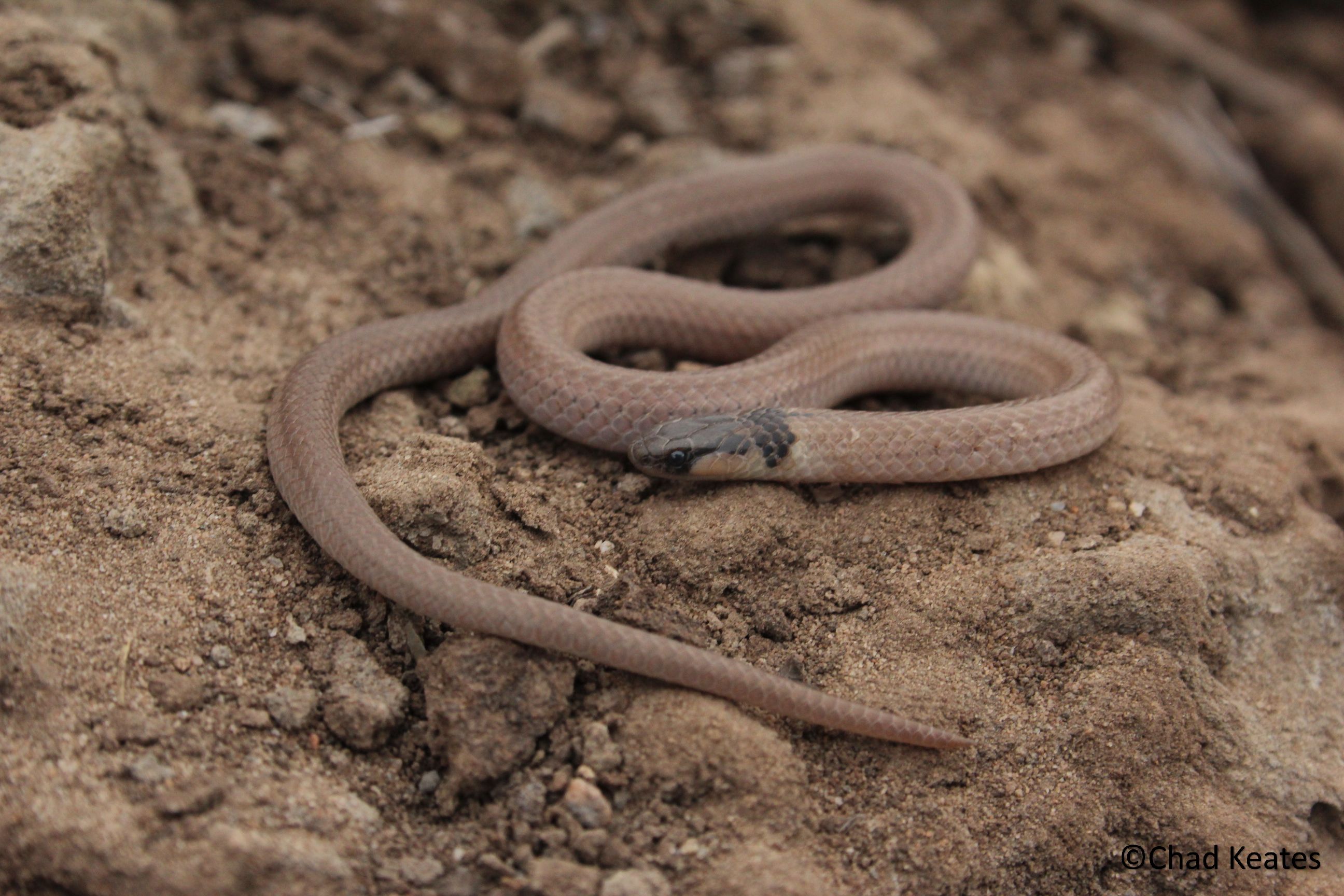
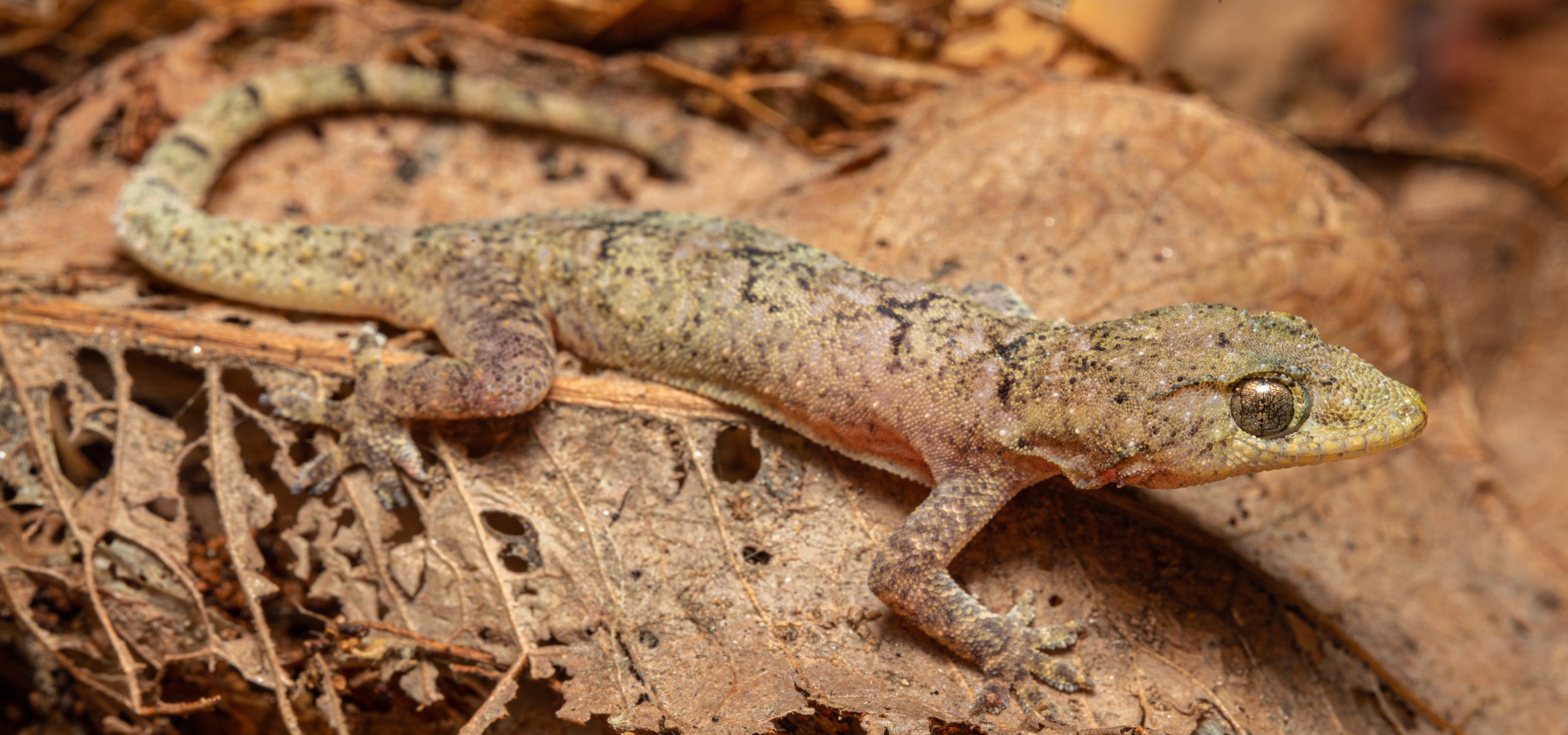
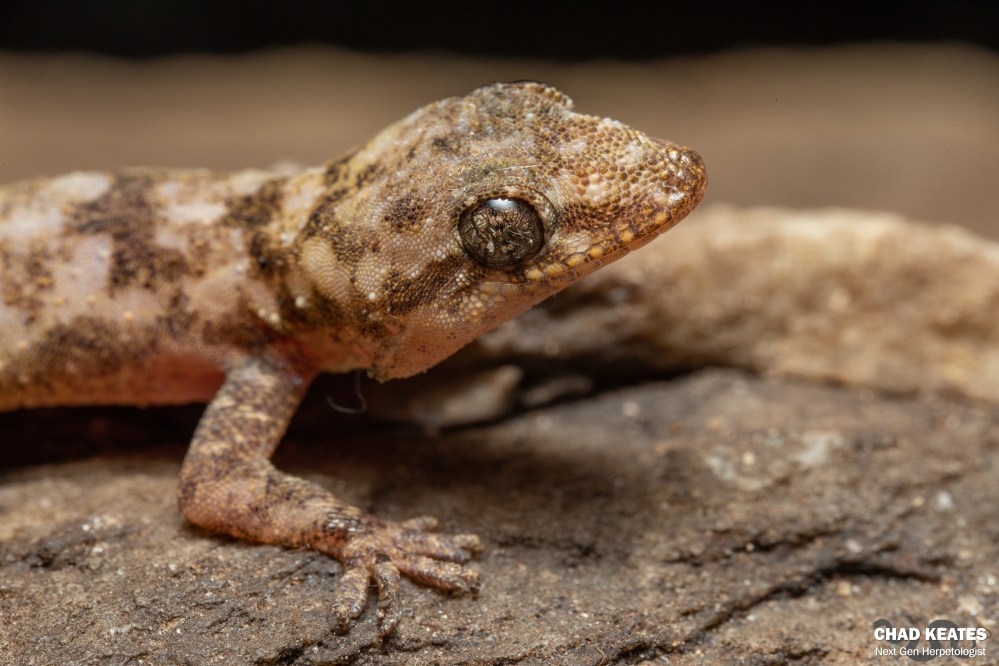
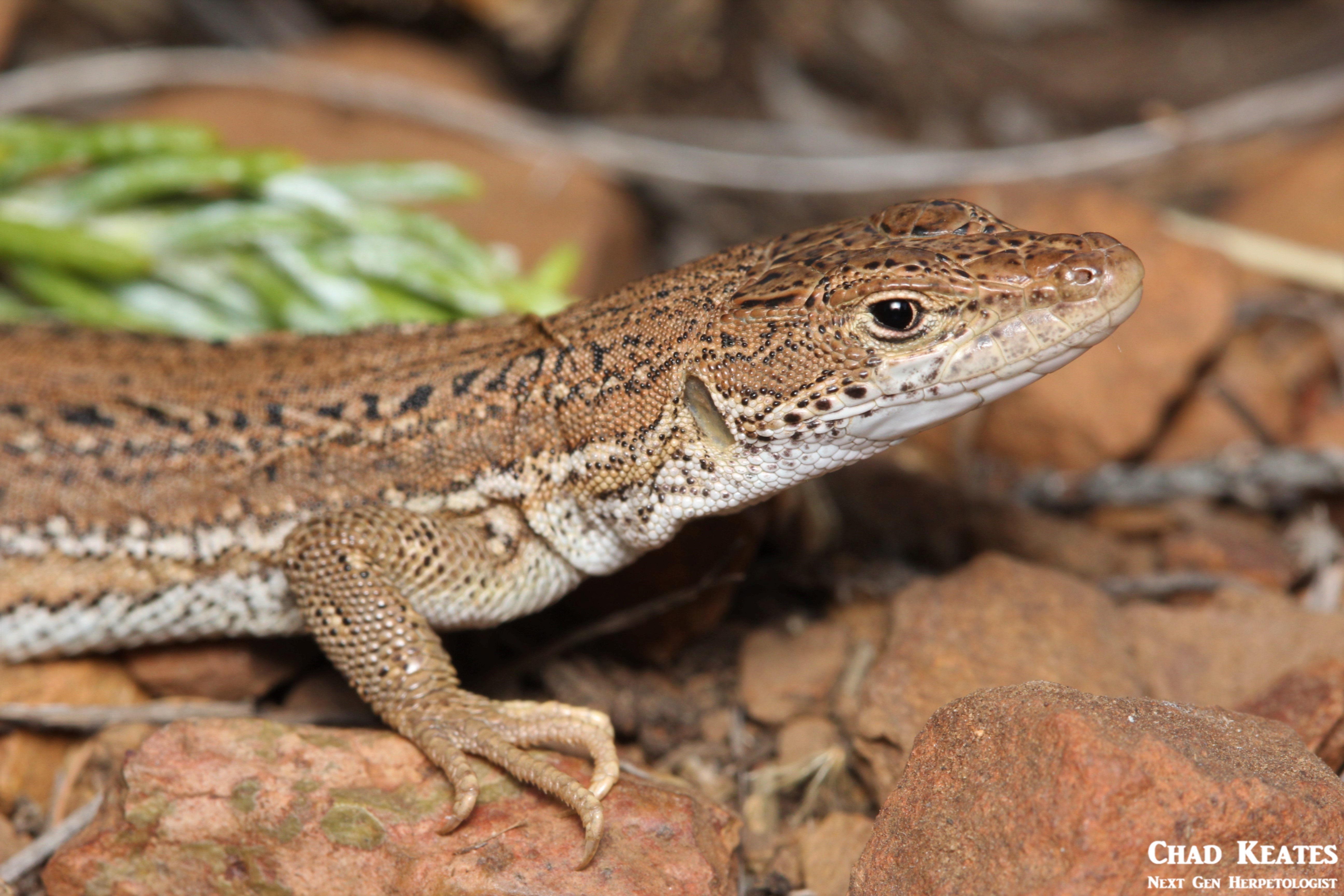
In addition to the girdled lizard we found several eastern cape legless skinks, an unidentified lacertid lizard and two black headed centipede eaters, one of whom decided to have the webbing of Luke’s finger for lunch. Black headed centipede eaters have potent prey-specific venom that has been known to kill berg adders, but luckily for Luke, he was neither centipede nor adder and so he managed to pull through the harmless bite easily. Soon after finding the snakes, we came to the joint conclusion that we had not conquered tick bite fever. Contrary to popular belief we were not bullet proof and so we left.

Although we did not find the berg adder we so sorely desired, we did find something equally spectacular on our journey, the Bushman Sands golf course and halfway House, for what Alicedale lacked in serpents, it made up in bacon and avo tramezzinis.
Trip completed with Luke Kemp.
The text in this submission was adapted from my project manuscript which was submitted as part of my Zoology Honours course.
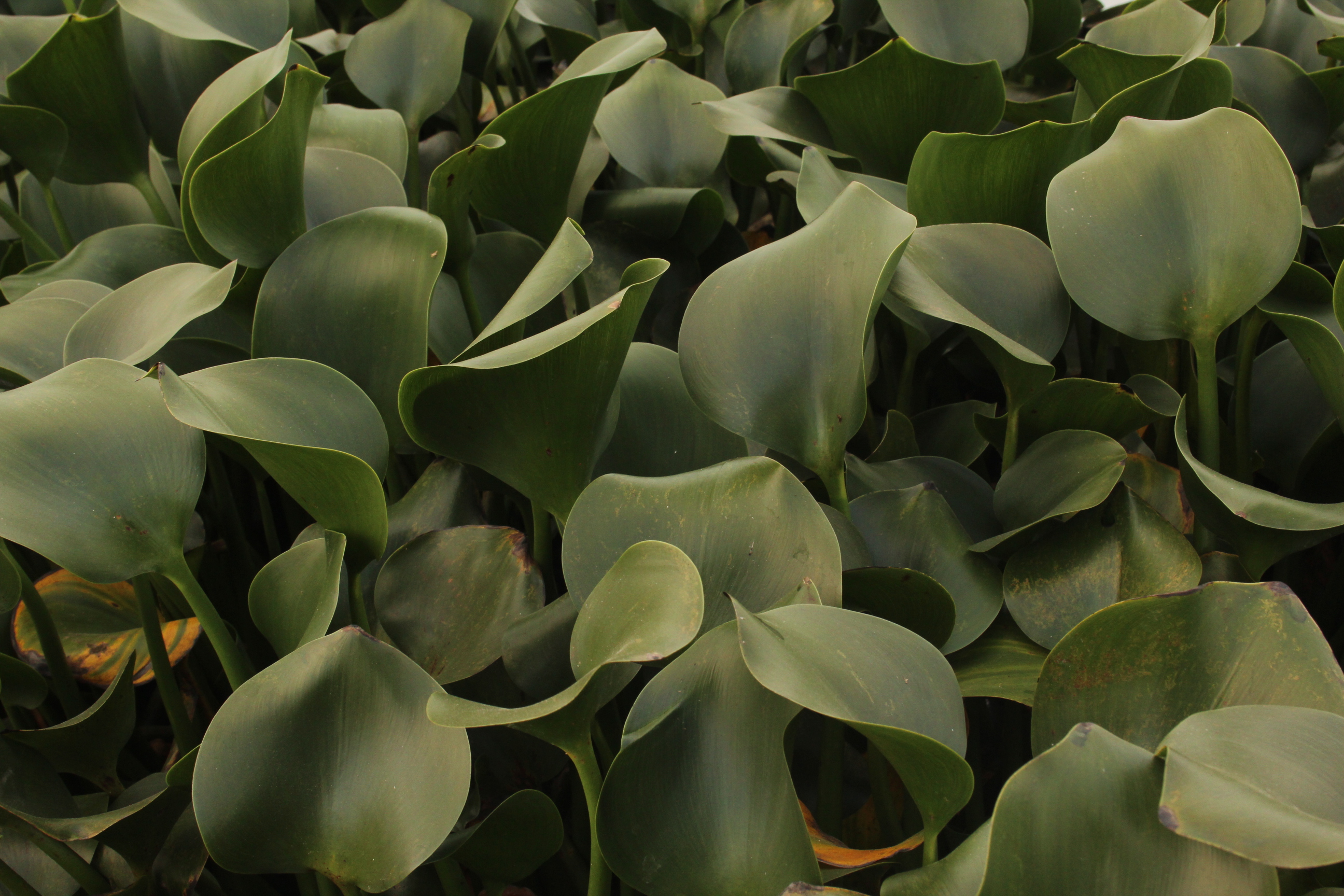
Water hyacinth (Eichhornia crassipes) (Mart.) Solms-Laub, is an invasive South American water weed that was originally imported into South Africa more than 100 years ago because of its beauty as an ornamental plant in ponds and aquariums (Guillarmod 1979). Much like the other major invasive water weeds in South Africa, water hyacinth has spread to many water sources throughout the country and has grown to become the most invasive water weed in South Africa (Cilliers 1991). Water hyacinth forms dense mats of vegetation that interfere with aquatic ecosystems, subsequently degrading the habitat of indigenous fauna and flora resulting in environmental, recreational and agricultural losses (Hill 2003).
Water hyacinth was originally controlled using herbicides and mechanical removal but because these forms of management damage indigenous biota, are expensive and offer only short term relief, biological control has become the preferred method of controlling water hyacinth as it is more efficient and sustainable than other means of control (Cilliers 1991, Hill 2003, Coetzee et al. 2011).
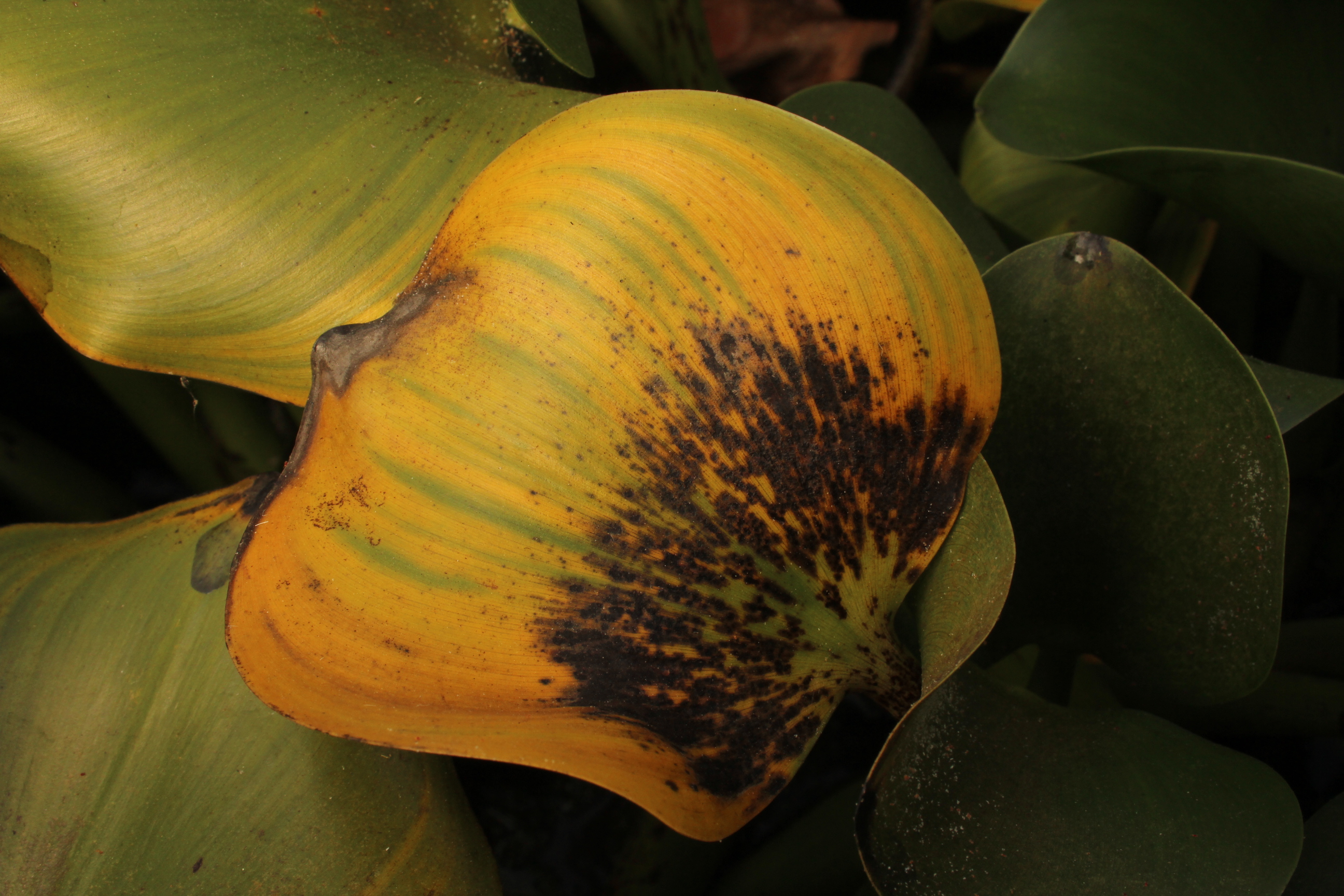
My study investigated the two species of biological control agents currently reared for water hyacinth at Waainek Mass Rearing Facility (WMRC), Rhodes University, Grahamstown. These include the water hyacinth mirid (Eccritotarsus catarinensis) and the delphacid plant hopper (Megamelus scutellaris). Both E. catarinensis and M. scutellaris are host-specific South American sap feeders that feed on the chlorophyll in water hyacinth. Continued feeding leads to a reduction in plant vigor and in some cases, death (Coetzee et al. 2005, 2011, Hernandez et al. 2011).
Eccritotarsus catarinensis is a 3mm long mirid that is found on leaves of water hyacinth, where it gathers nutrients through the uptake of chlorophyll from the leaf. The feeding process facilitates the leaf’s colour change from green to yellow and even brown, making the mirid important, because it weakens the water hyacinth and affords indigenous flora the opportunity to outcompete the invasive water weed (Coetzee et al. 2005).
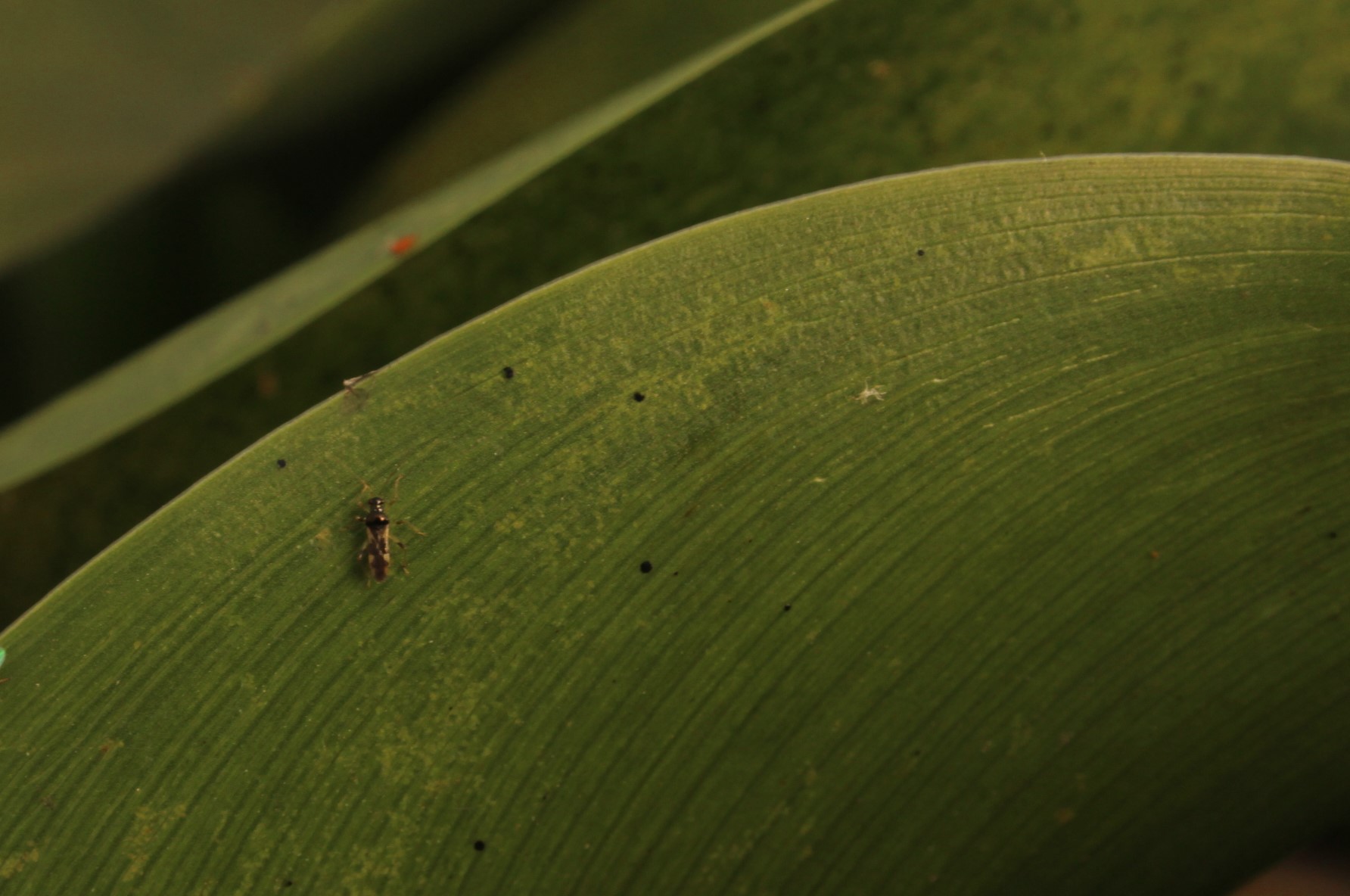
Megamelus scutellaris is a 3.8-4.3mm long planthopper from Argentina which has found much success in South American studies because of its ability to combat the spread of water hyacinth (Hernandez et al. 2011). The adults exhibit wing dimorphism. There is a long winged form (macropterous), which is capable of flight and a short-winged form (brachypterous), which is not capable of flight.
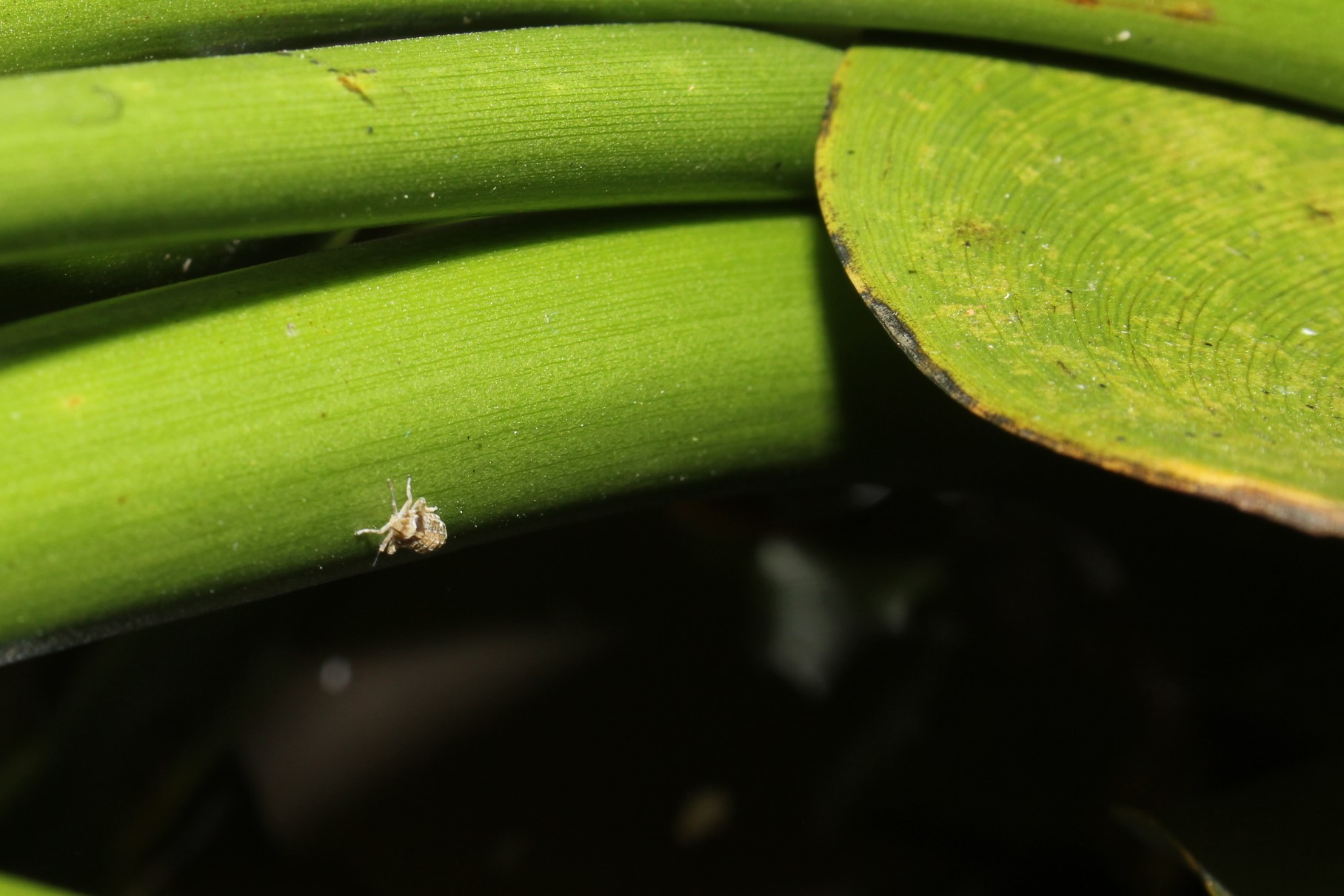
Both insects are being reared at the WMRC for release in the field and are thus of great import to scientists because they offer the best method of controlling the spread of water hyacinth in South Africa.
References
Cilliers CJ. 1991. Biological control of water hyacinth, Eichhornia crassipes (Pontederiaceae), in South Africa. Agriculture, Ecosystems and Environment 37: 207-217.
Coetzee JA, Center TD, Byrne MJ, Hill MP. 2005, Impact of the biocontrol agent Eccritotarsus catarinensis, a sap feeding mirid, on the competitive performance of water hyacinth, Eichornia crassipes. Biological Control 32: 90-96.
Coetzee JA, Hill MP, Byrne MJ, Bownes A. 2011. A review of the biological control programmes on Eichhornia crassipes (C.Mart.) Solms (Pontederiaceae), Salvinia molesta D.S.Mitch. (Salvibiaceae), Pistia stratiotes L. (Araceae), Myriophyllum aquaticum (Vell.) Verdc. (Haloragaceae) and Azolla filiculoides Lam. (Azollaceae) in South Africa. African Entomology 19: 451-468.
Guillarmod AJ. 1979. Water weeds in Southern Africa. Aquatic Botany 6: 377-391.
Hill MP. 2003. The impact and control of alien aquatic vegetation in South African aquatic ecosystems. African Journal of Aquatic Science 28: 19-24.
Hernandez MC, Brentassi MJ, Sosa AJ, Sacco J, Elsesser G. 2011. Feeding behaviour and spatial distribution of two planthoppers, Megamelus scutellaris (Delphacidae) and Taosa longula (Dictyopharidae), on water hyacinth. Biocontrol Science and Technology 21: 941-952.


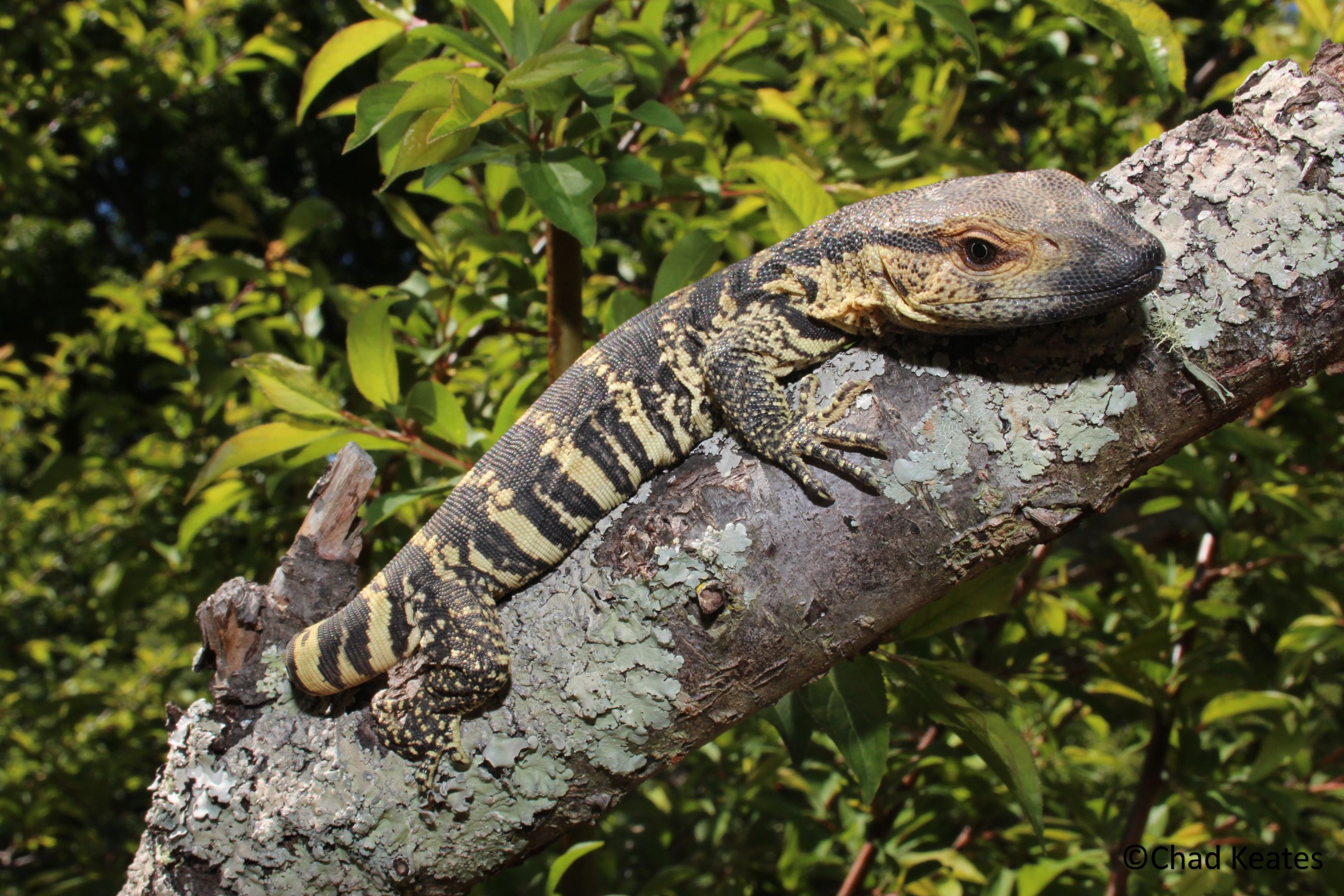
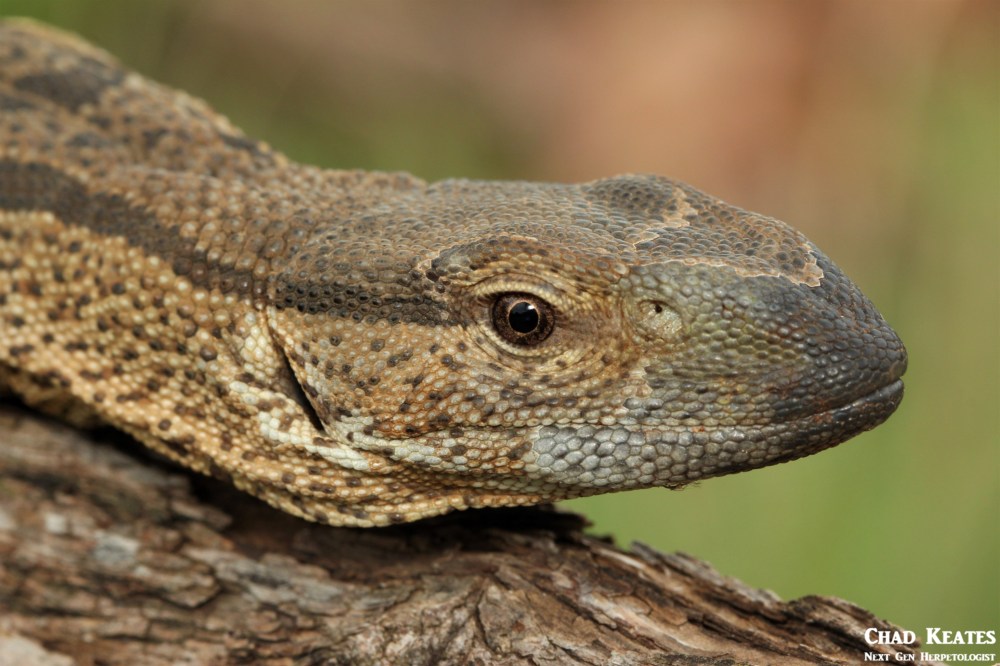
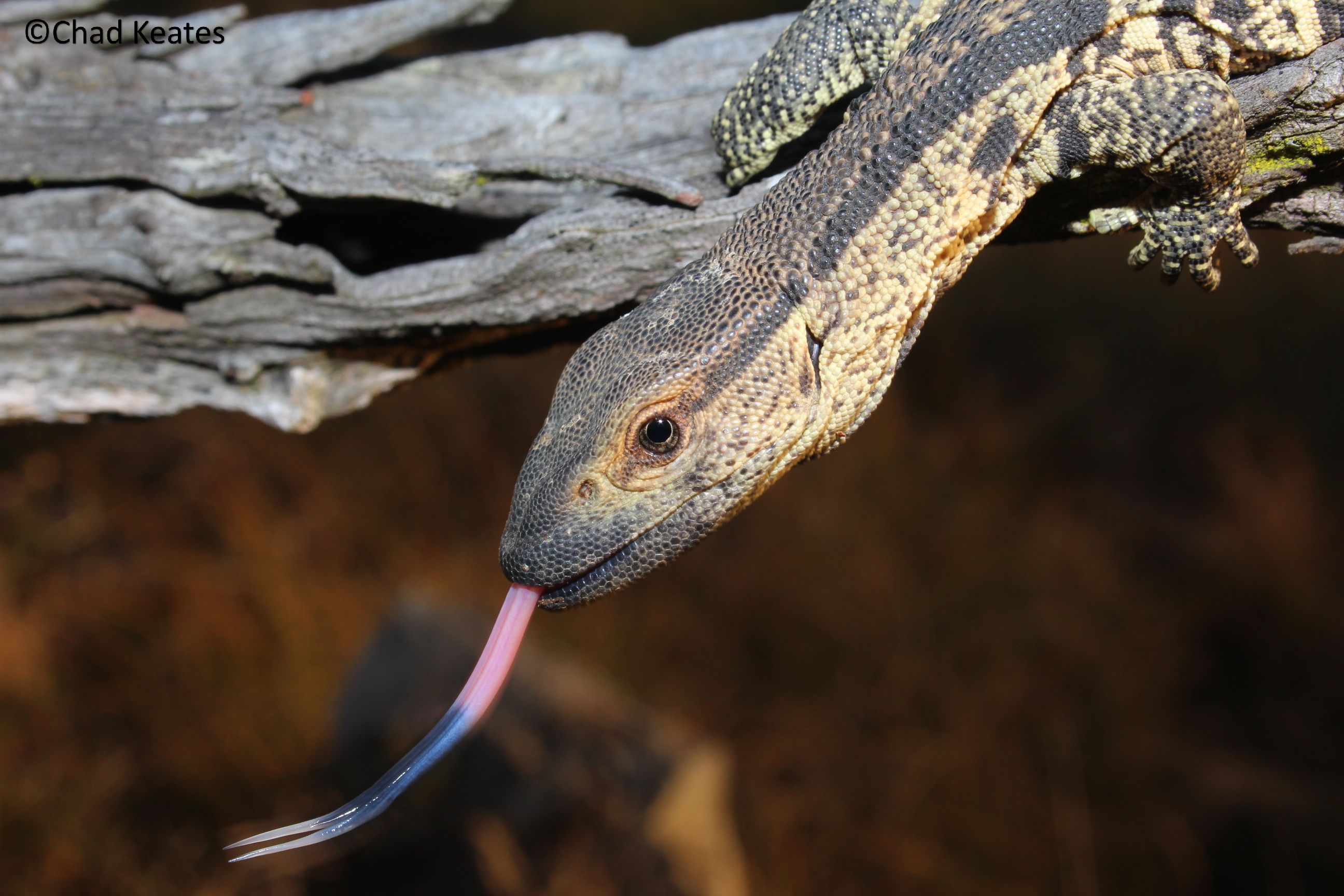
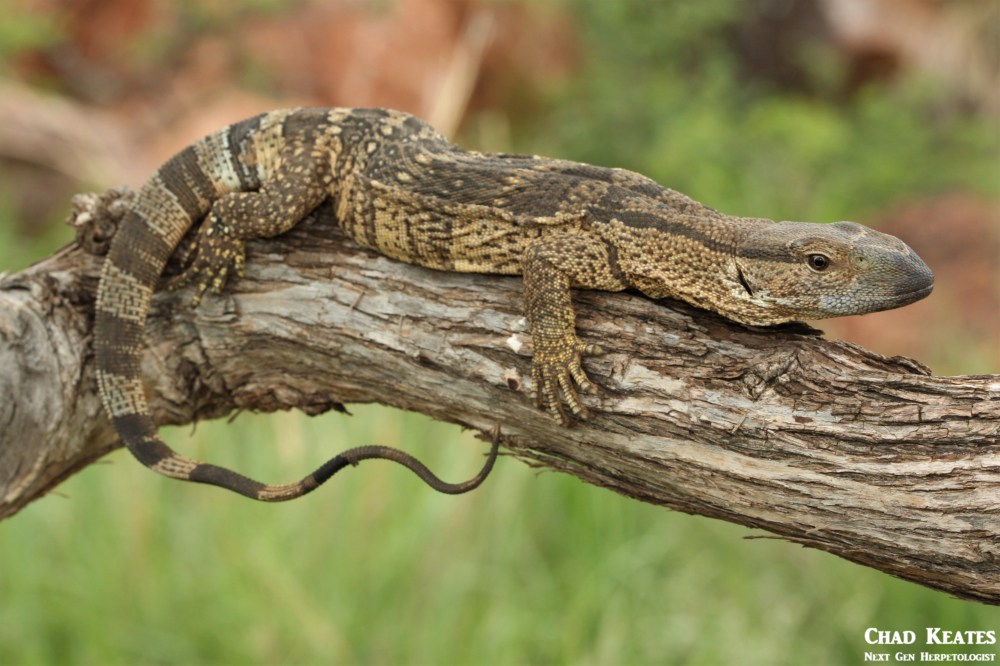
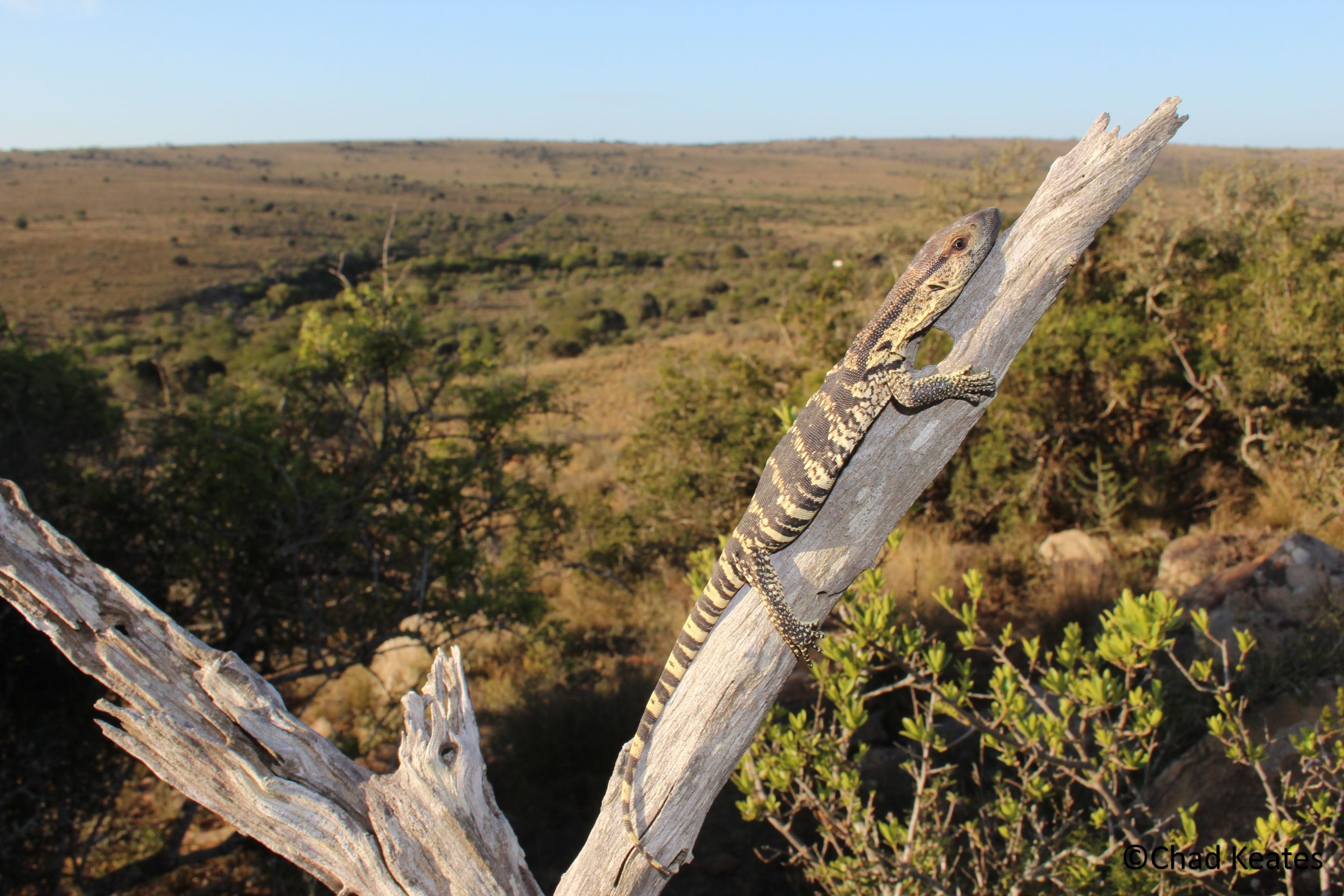
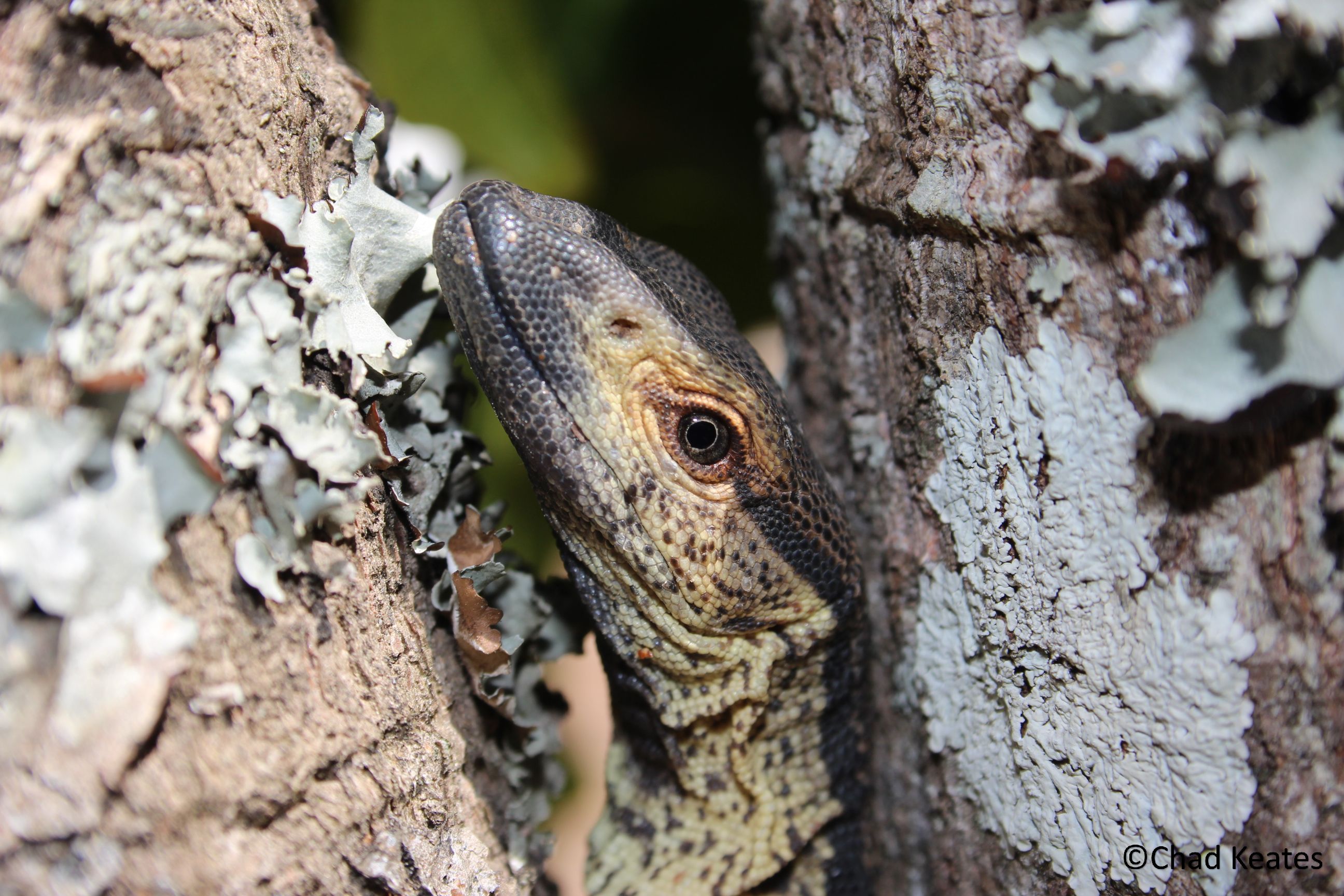
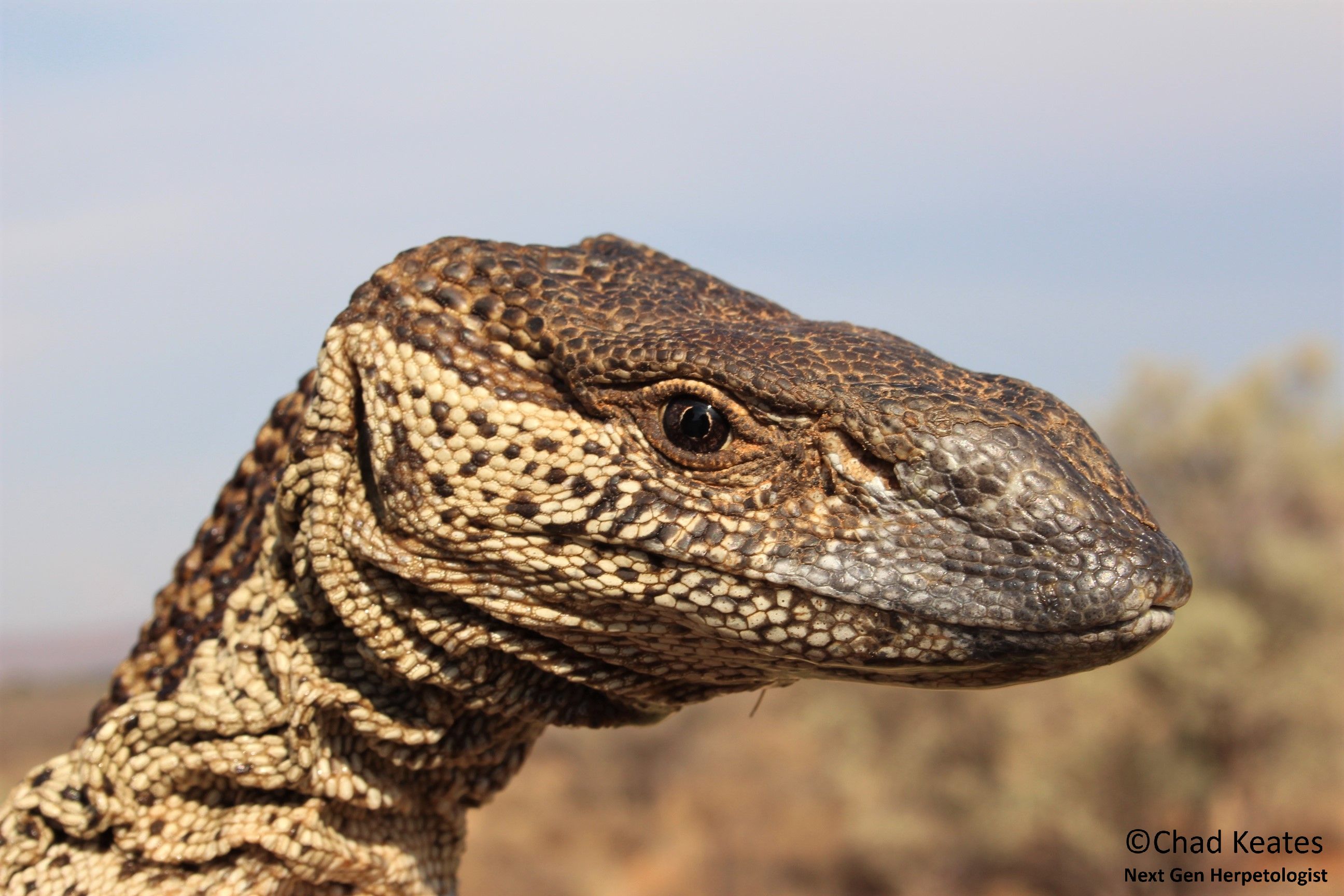

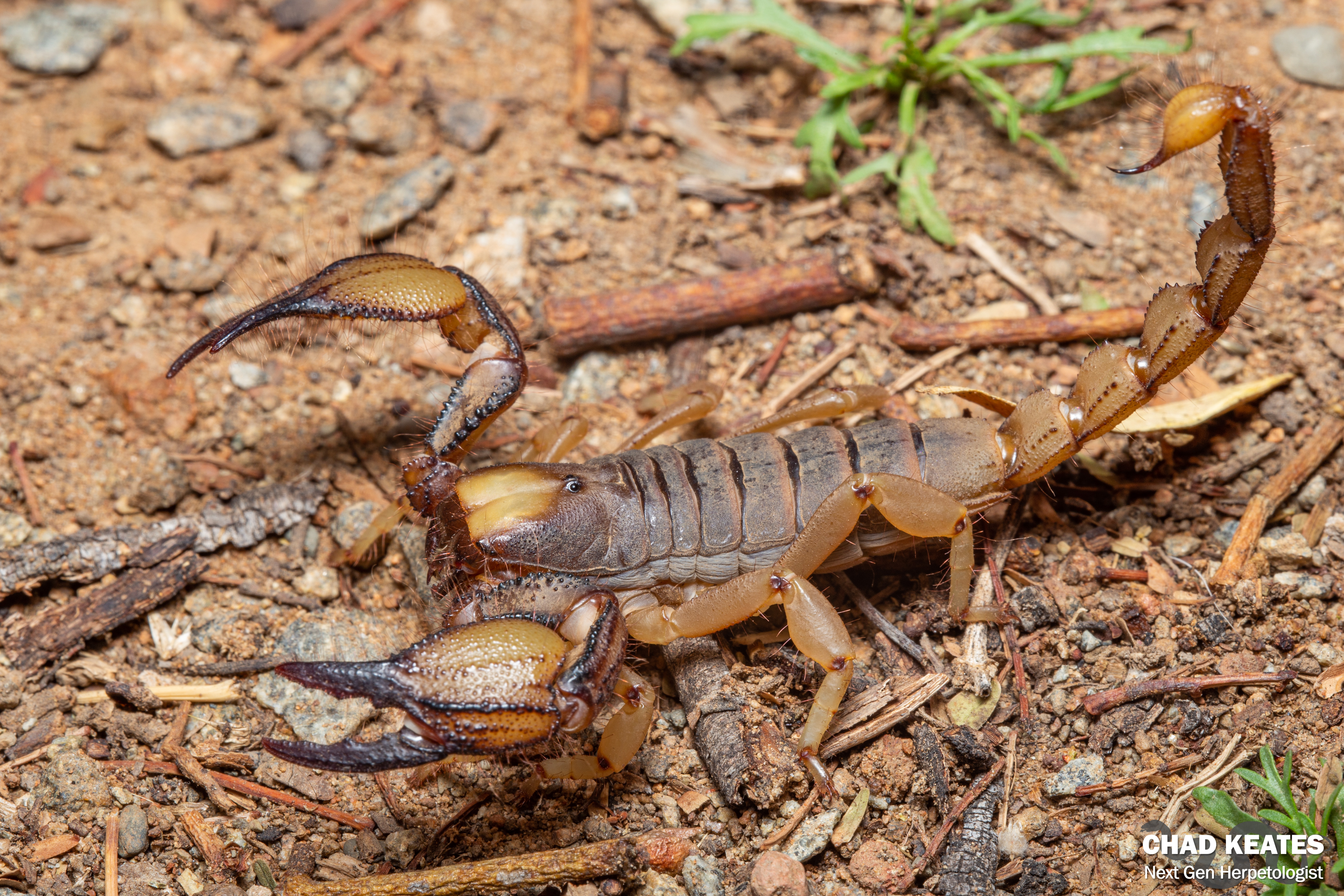
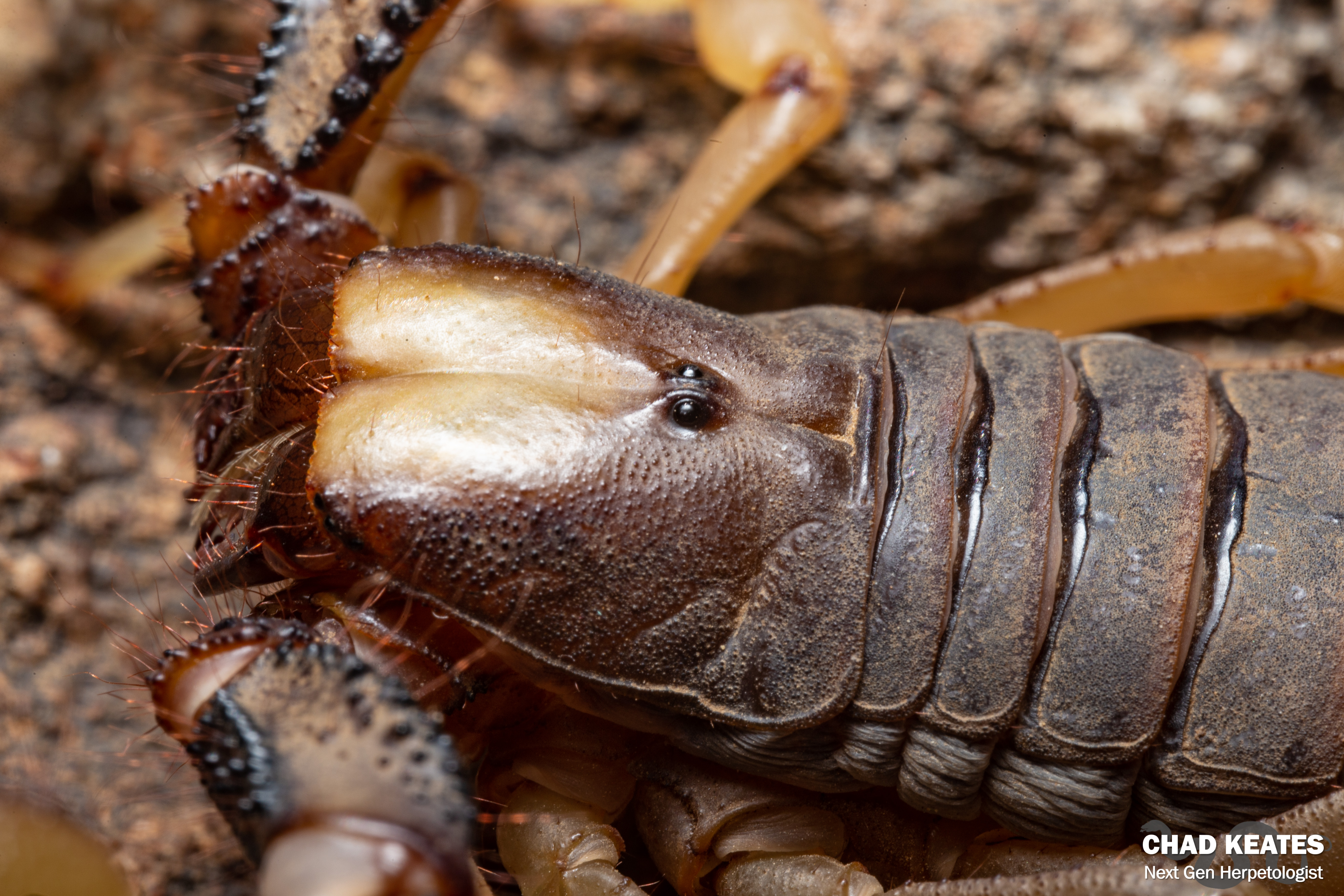
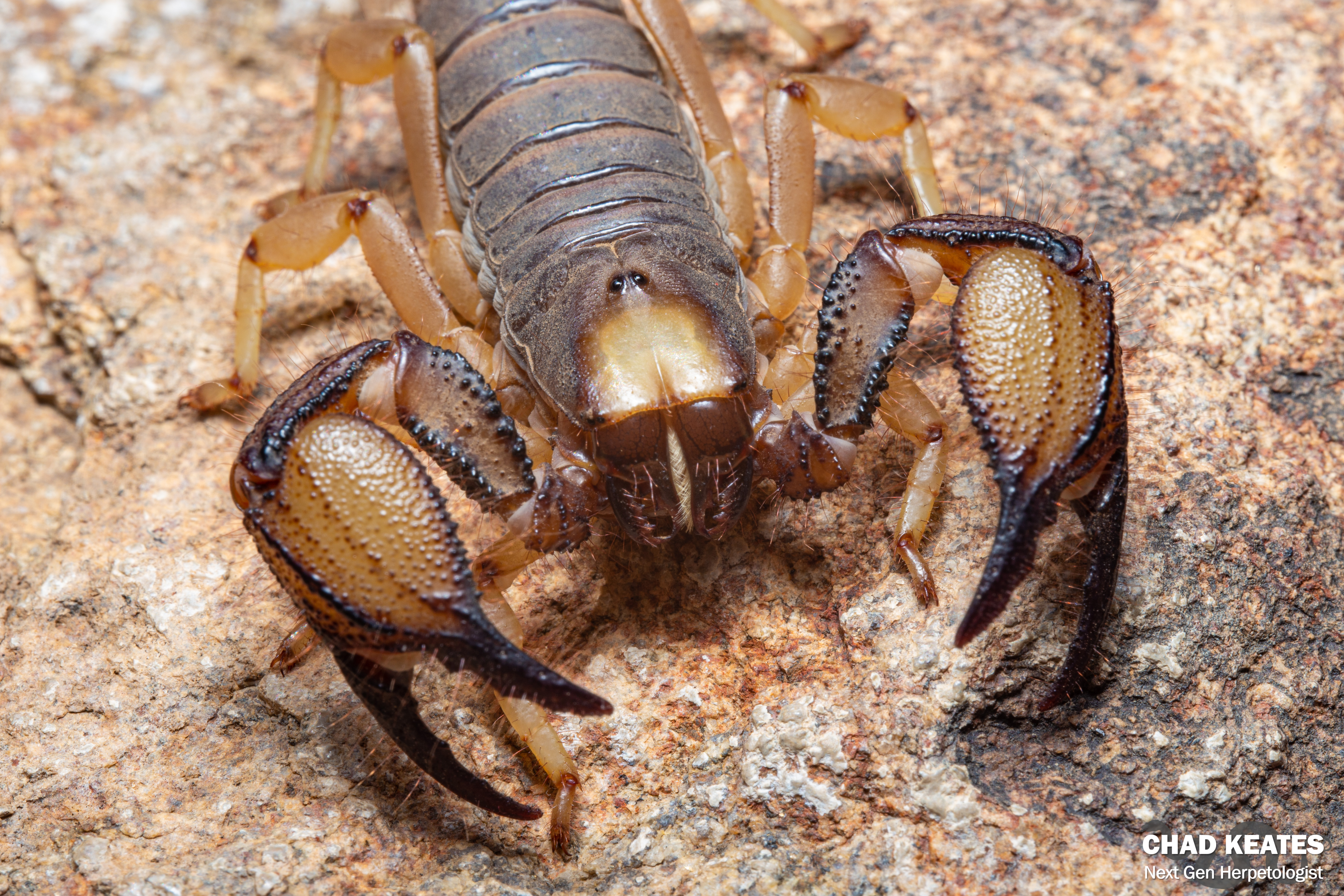
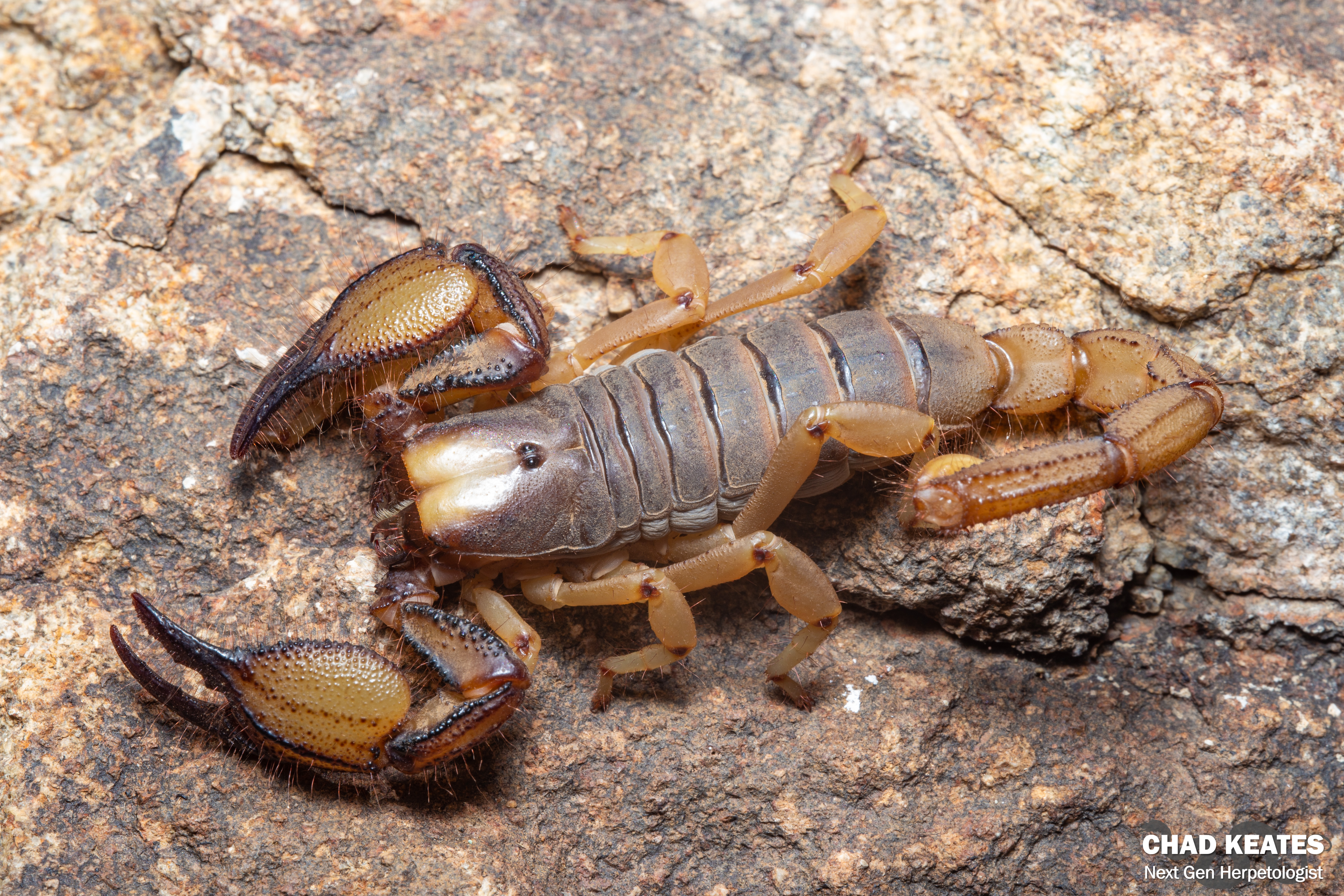
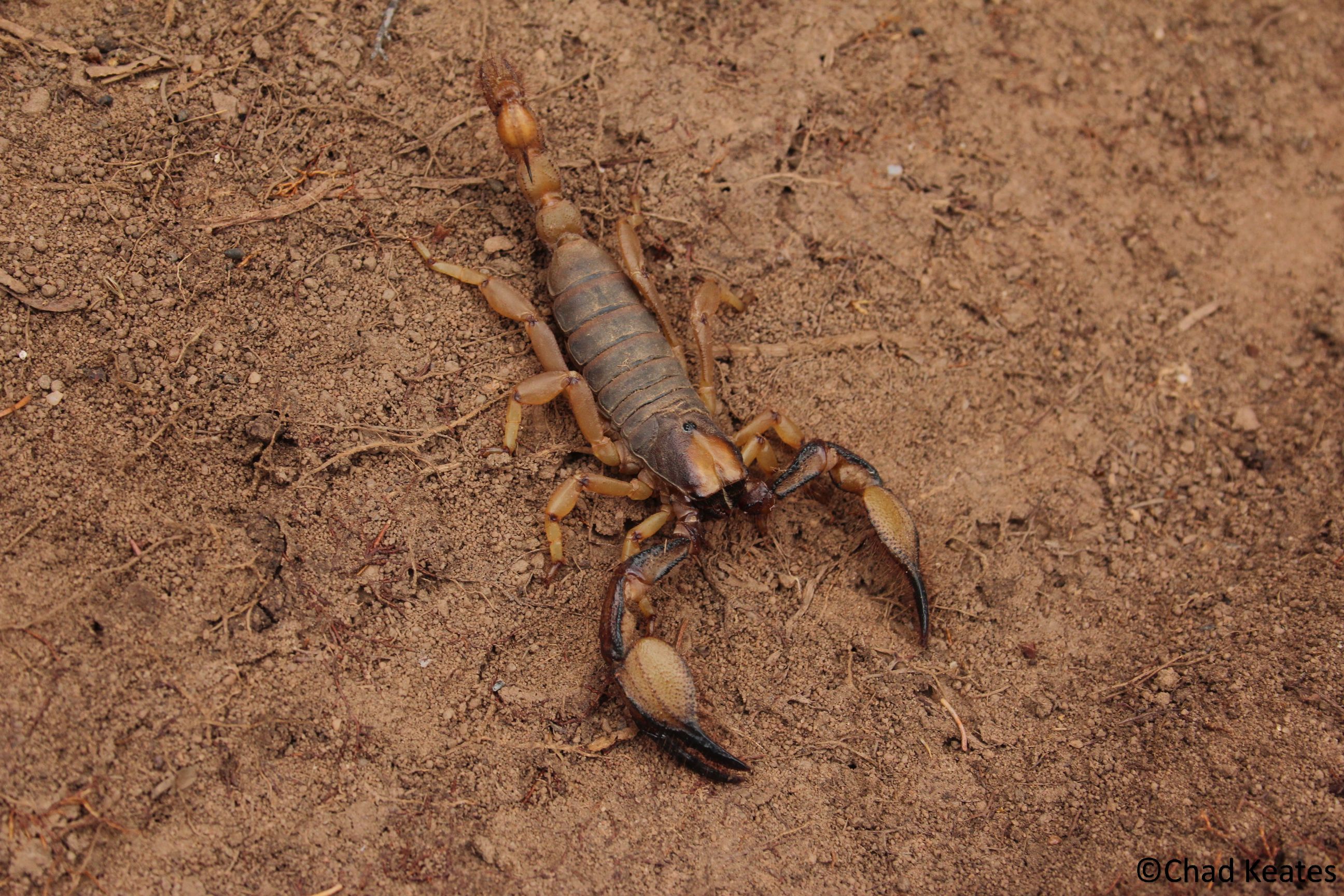

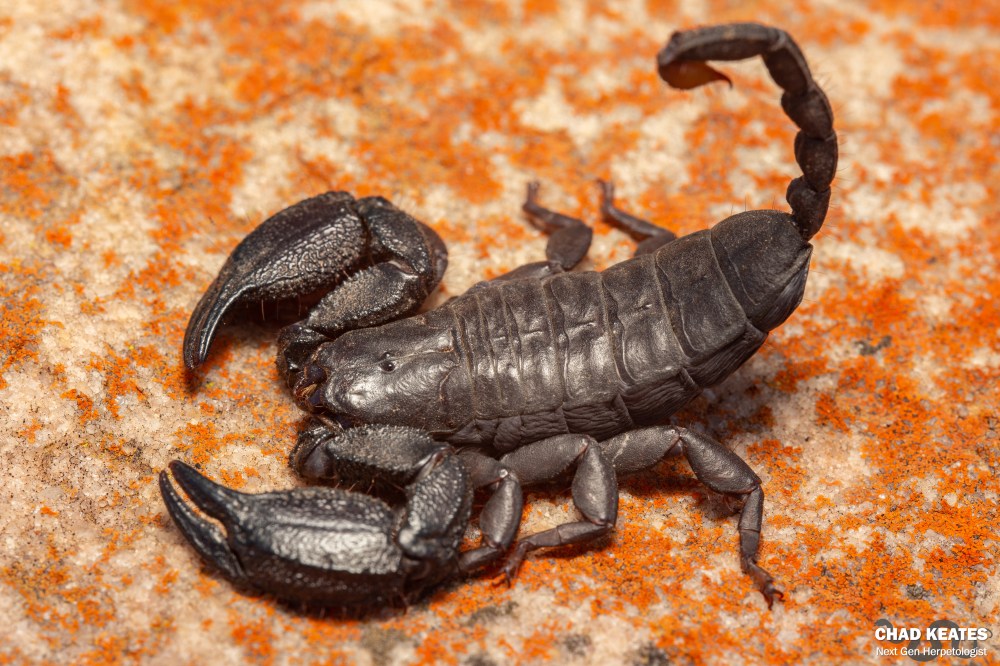
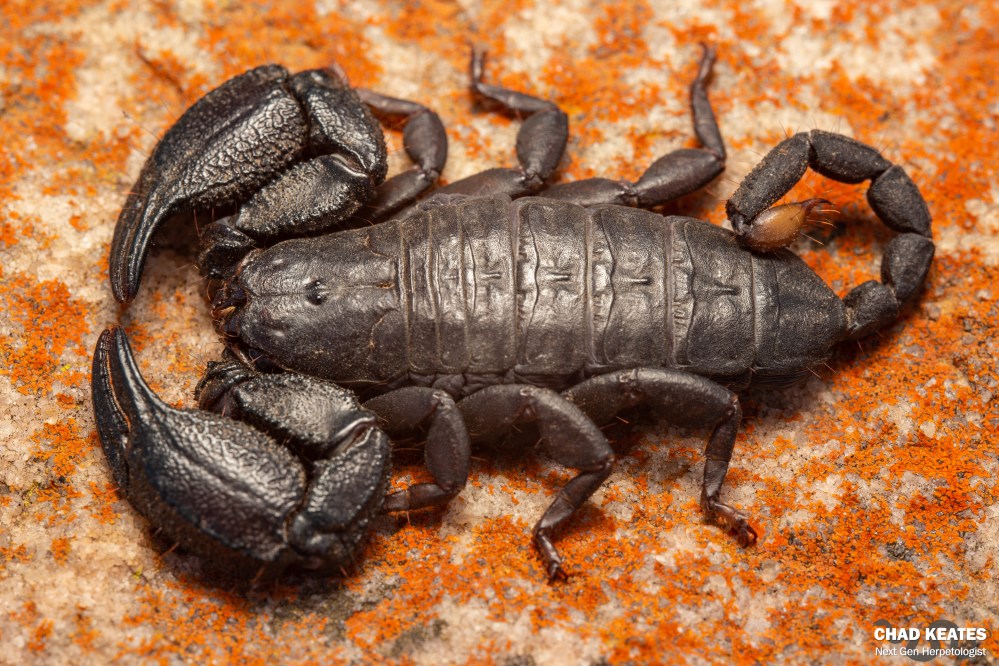
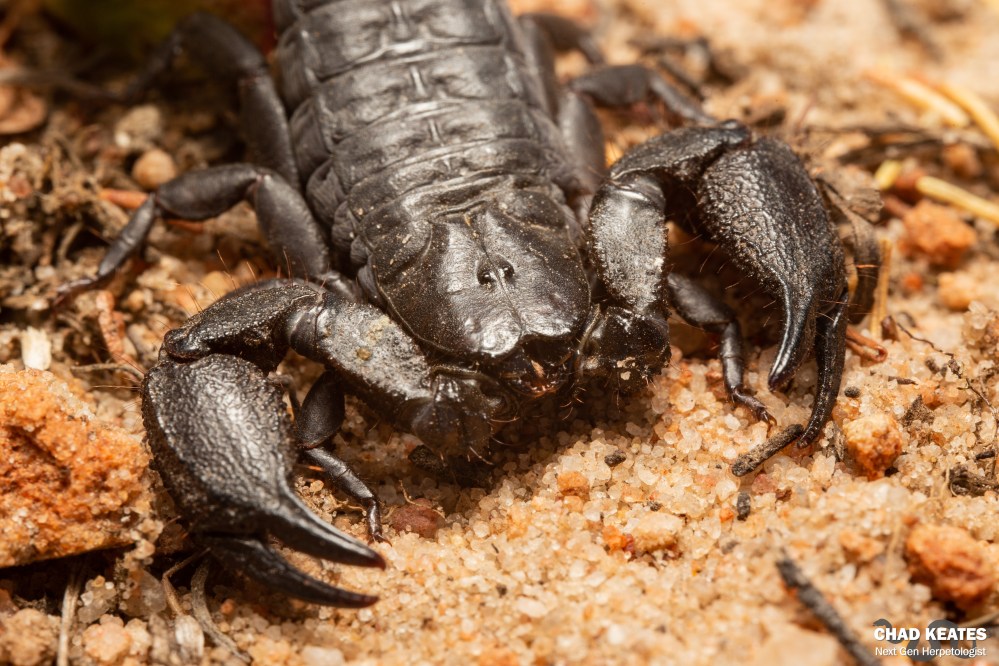
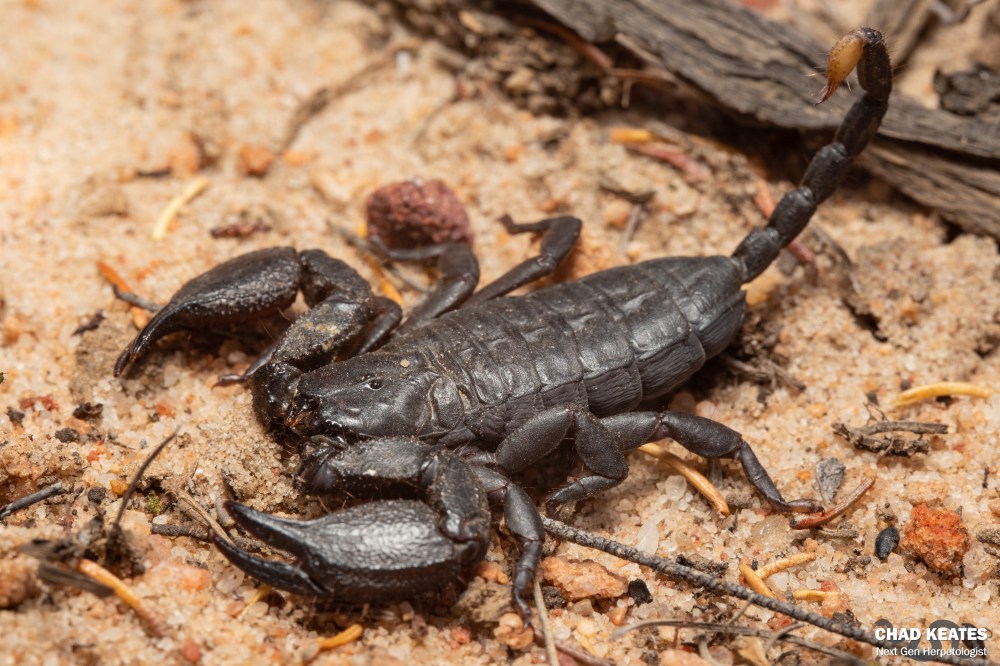
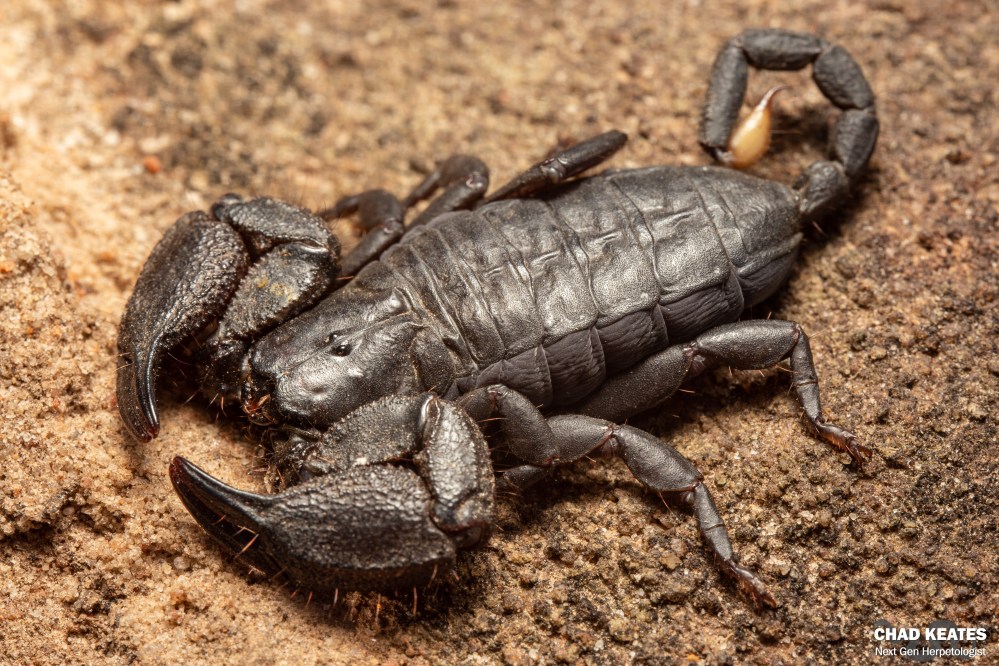
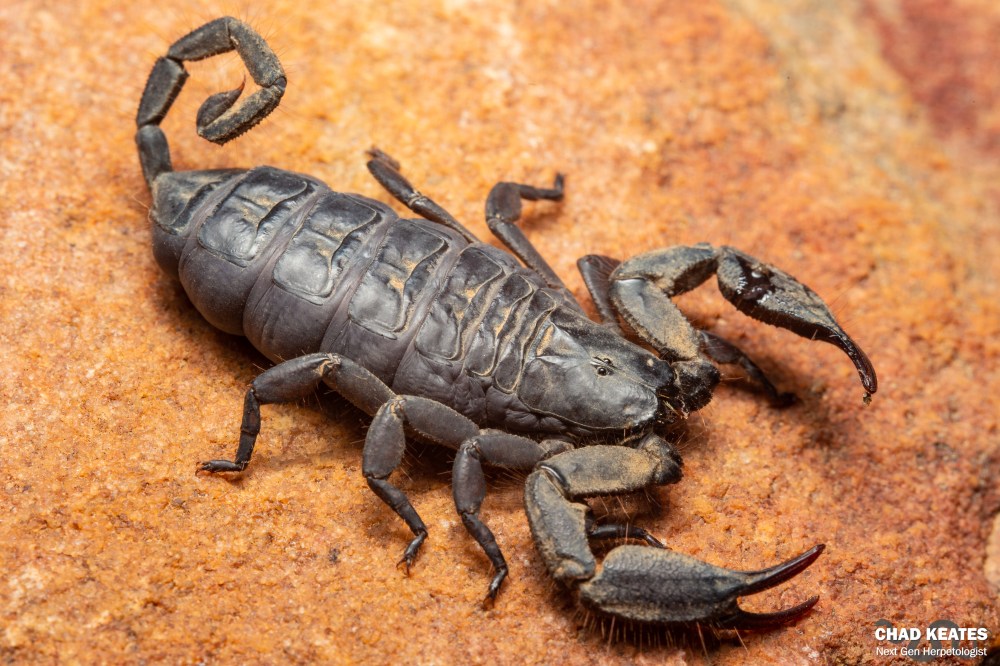
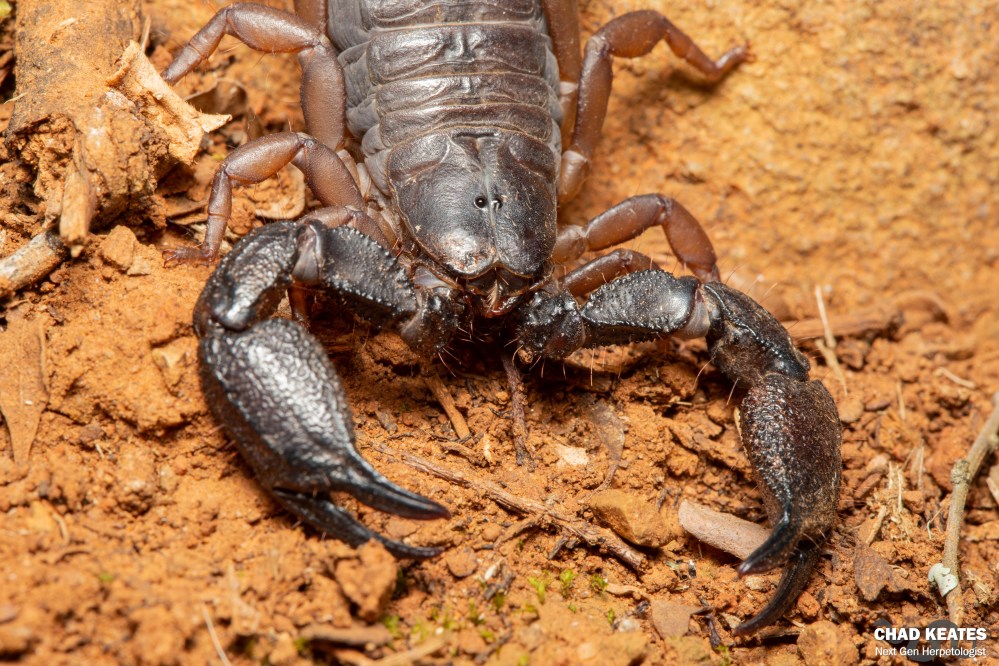
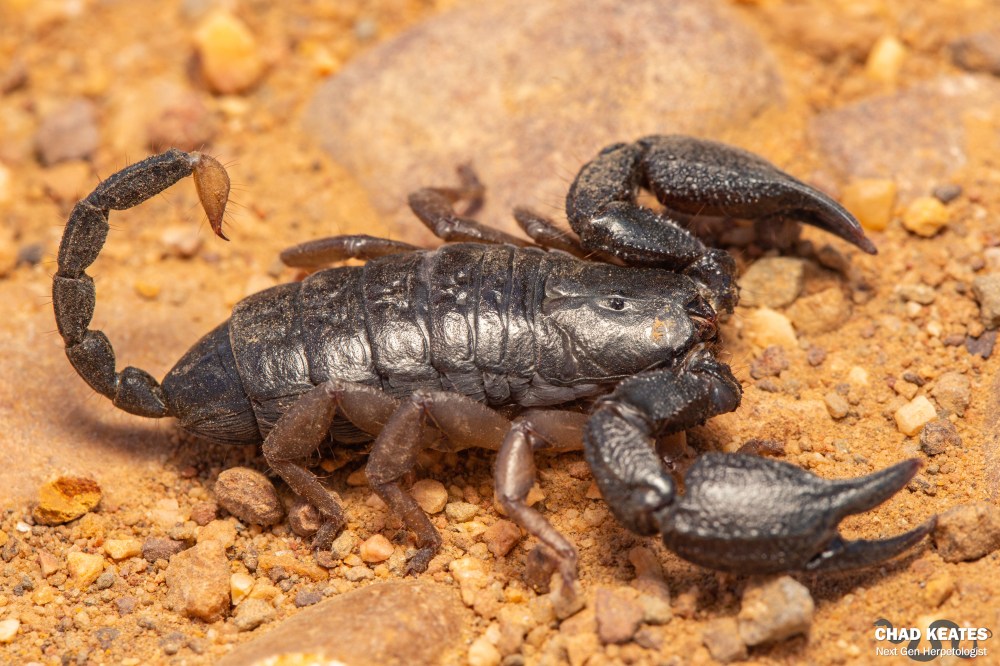
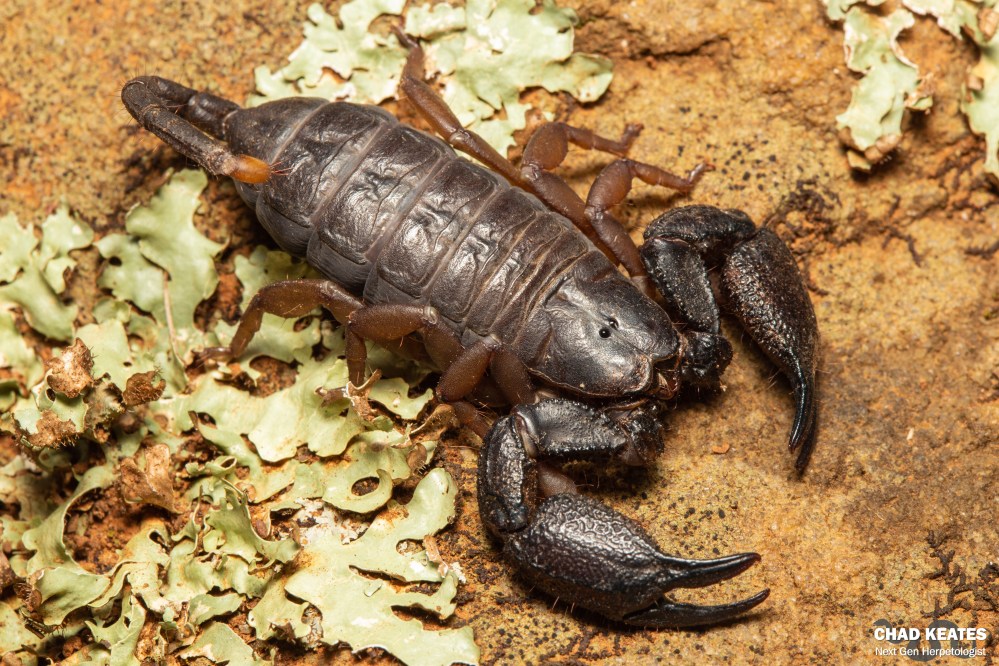
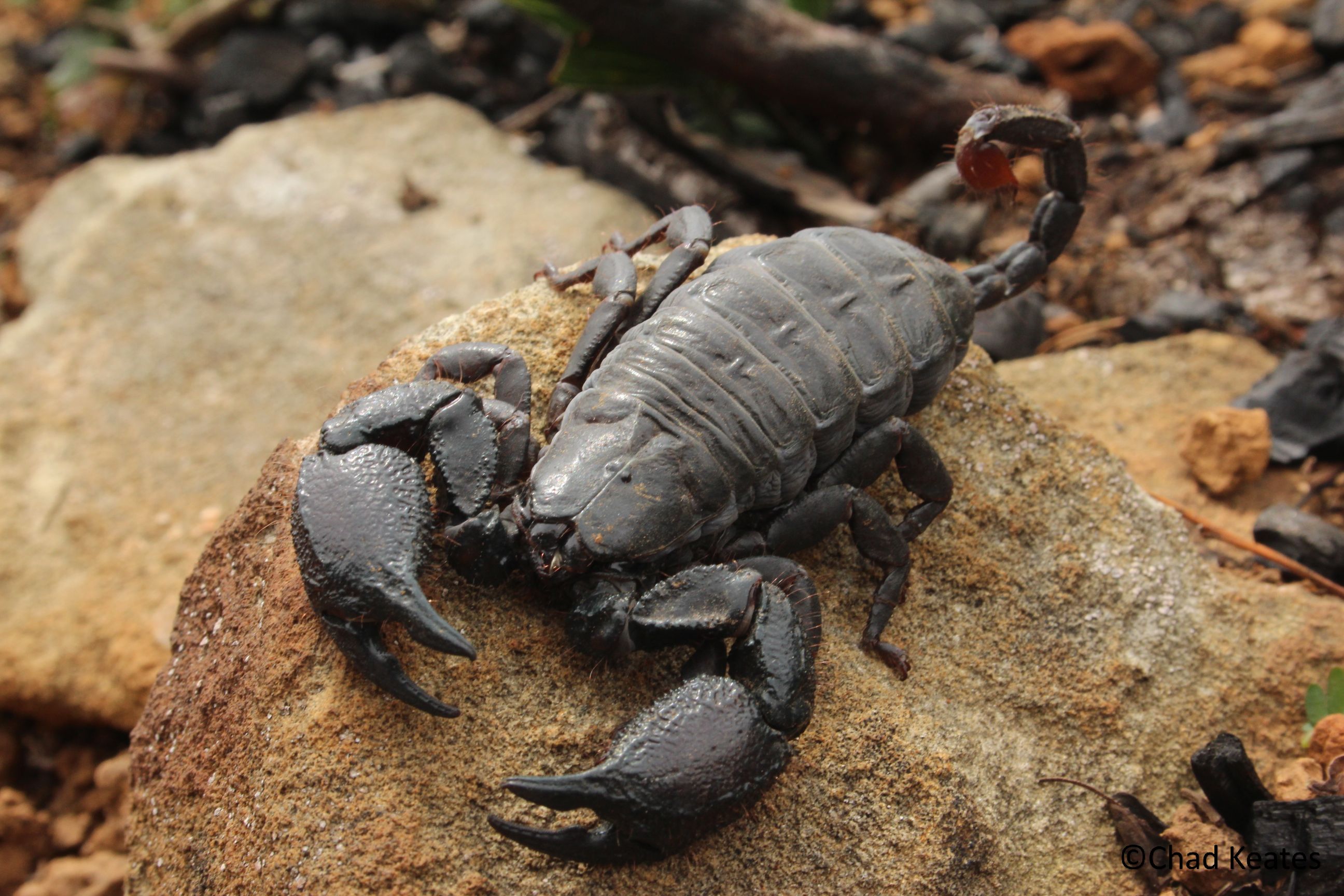
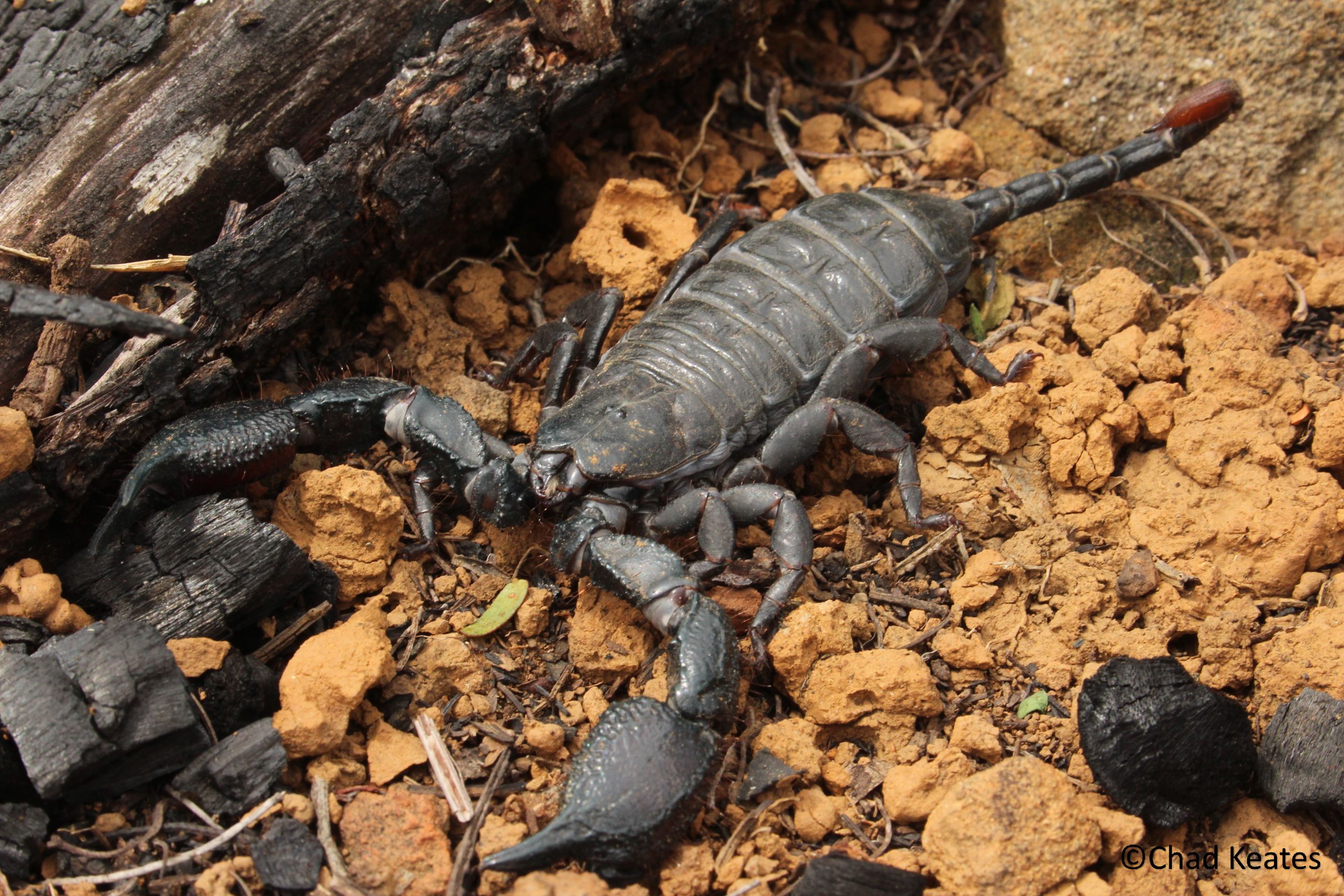
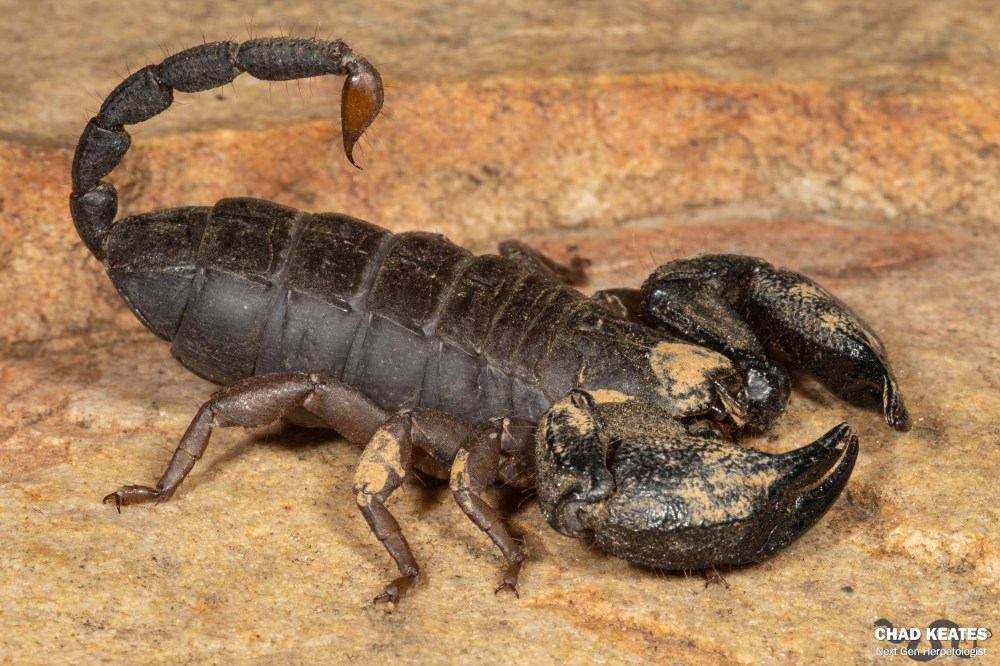

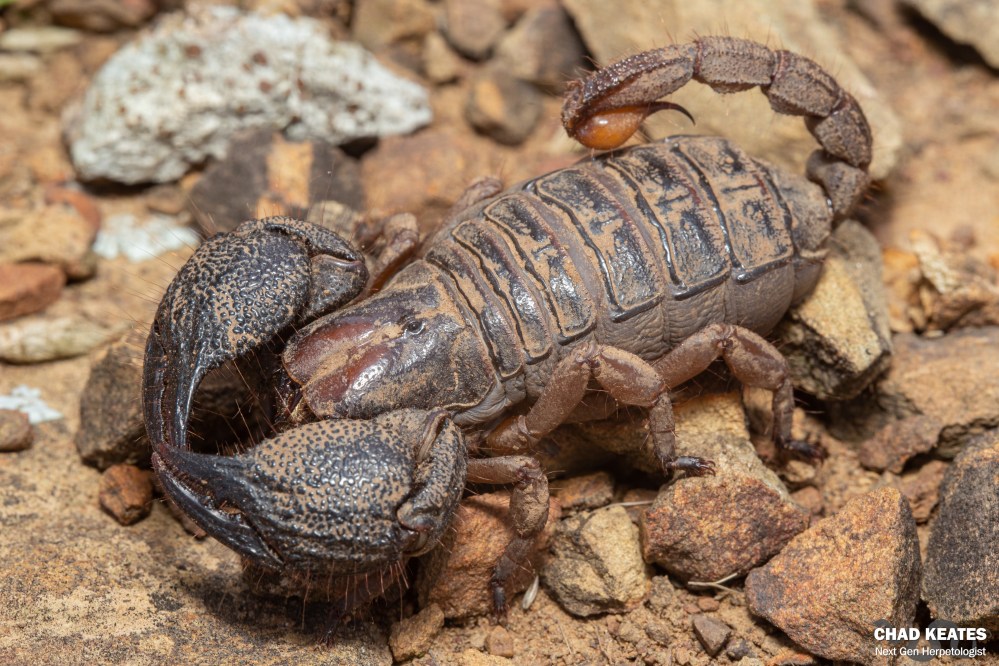
Bedford, Eastern Cape, South Africa
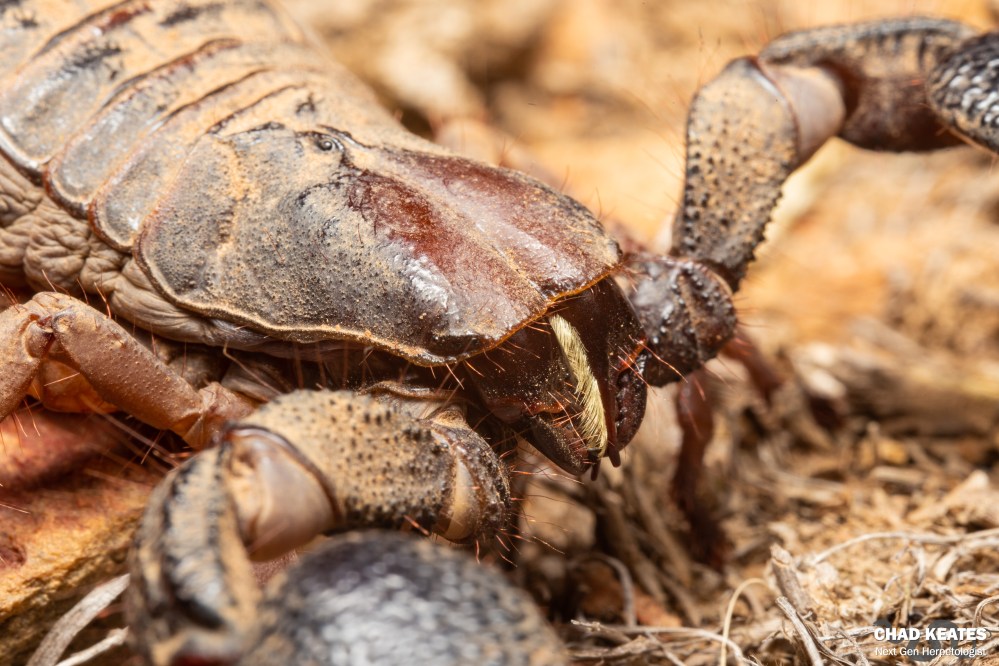
Riebeek East, Eastern Cape, South Africa
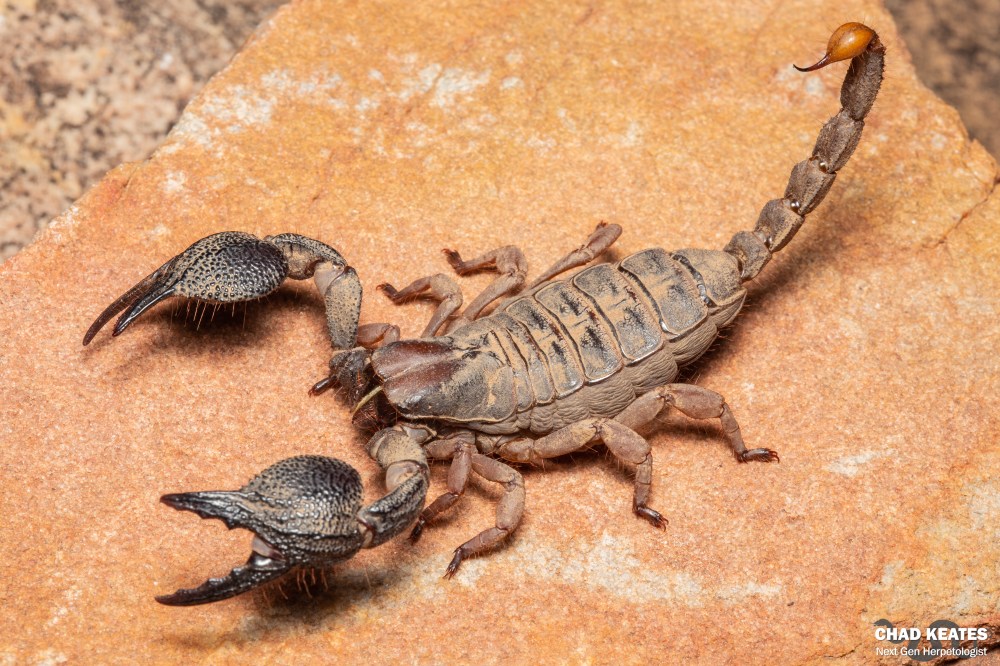
Riebeek East, Eastern Cape, South Africa
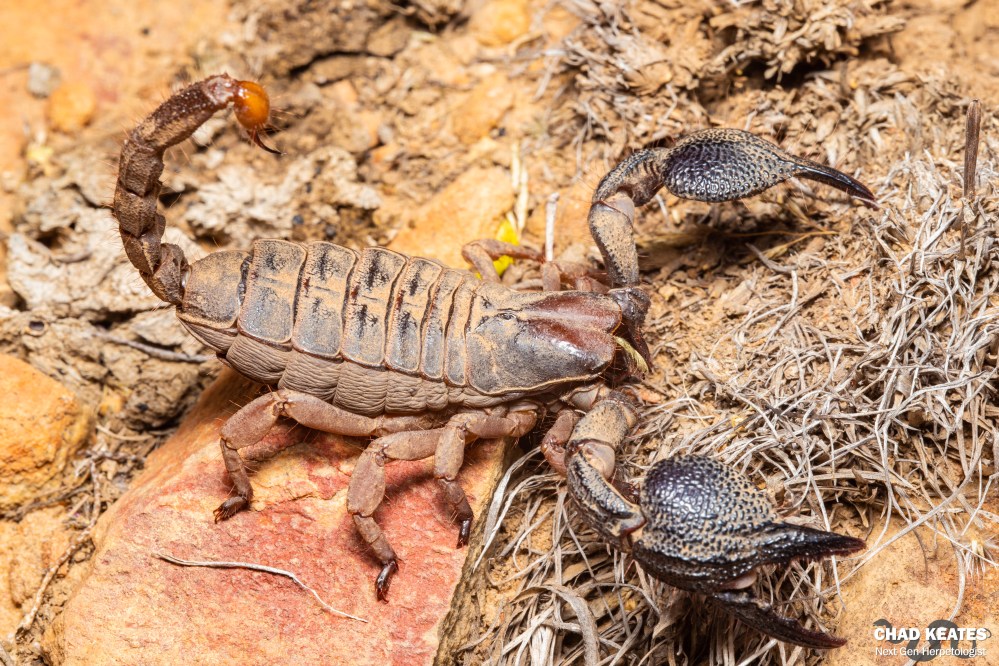
Riebeek East, Eastern Cape, South Africa

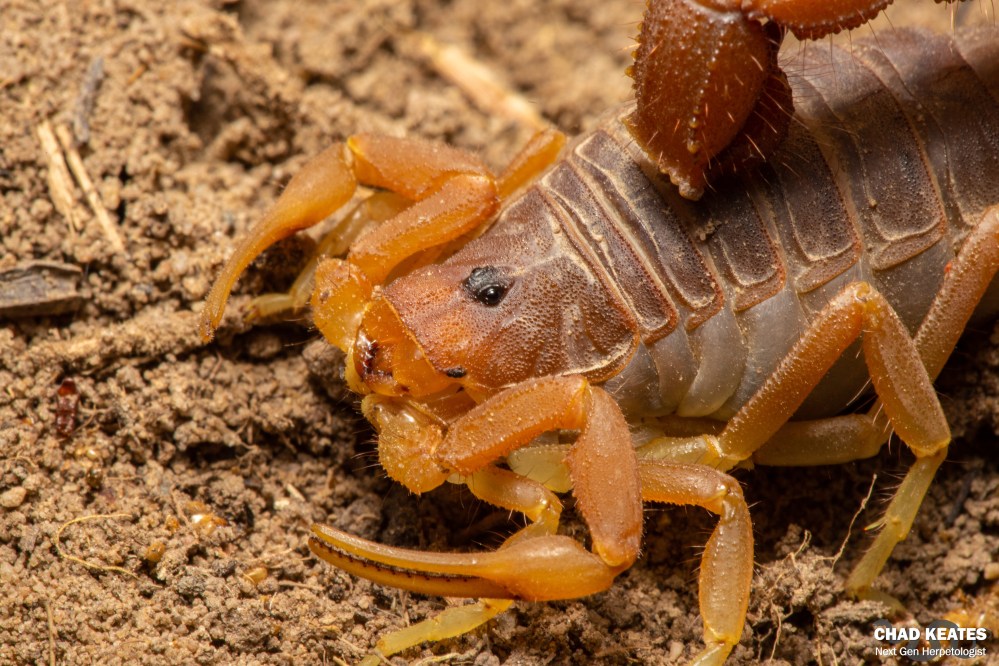
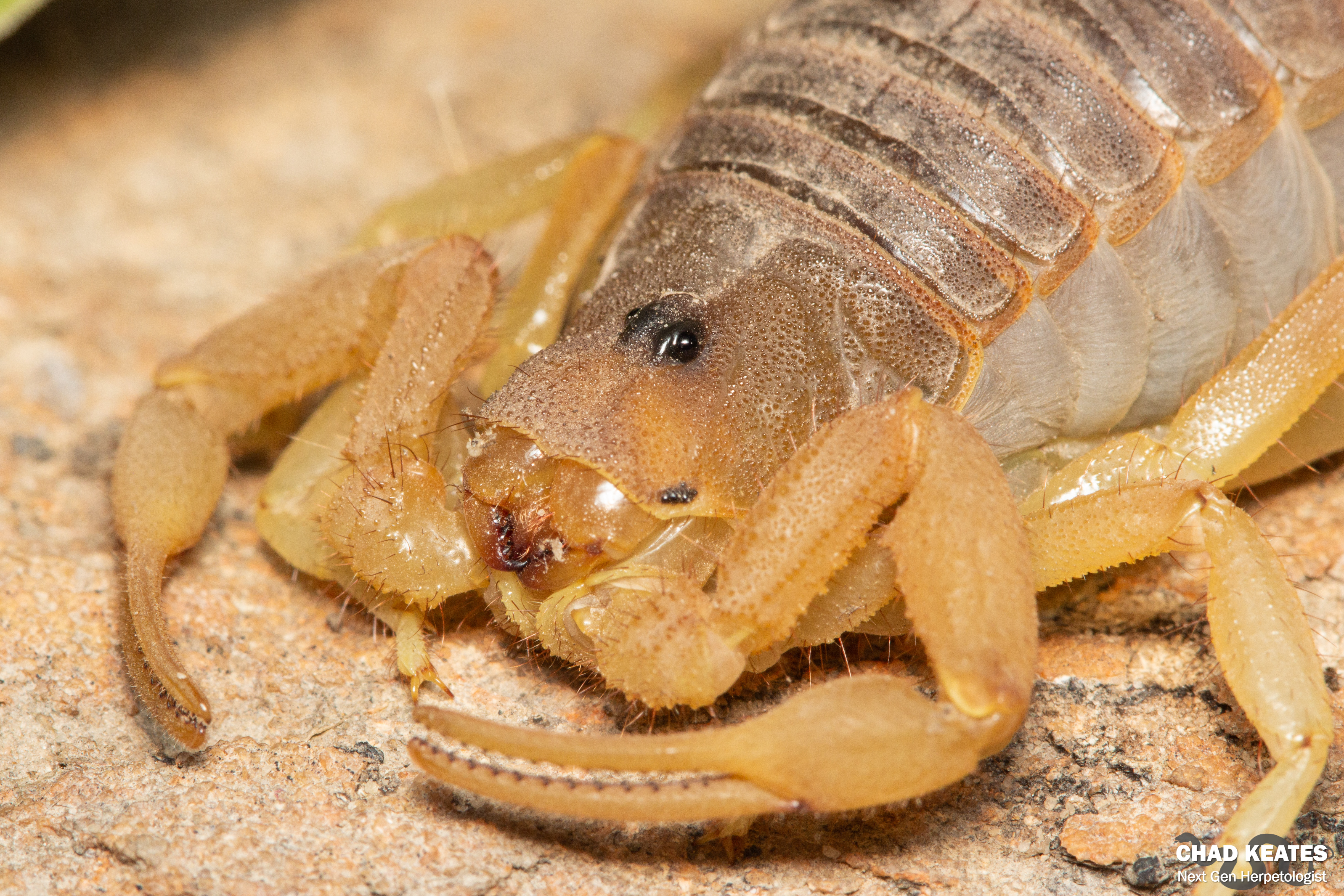
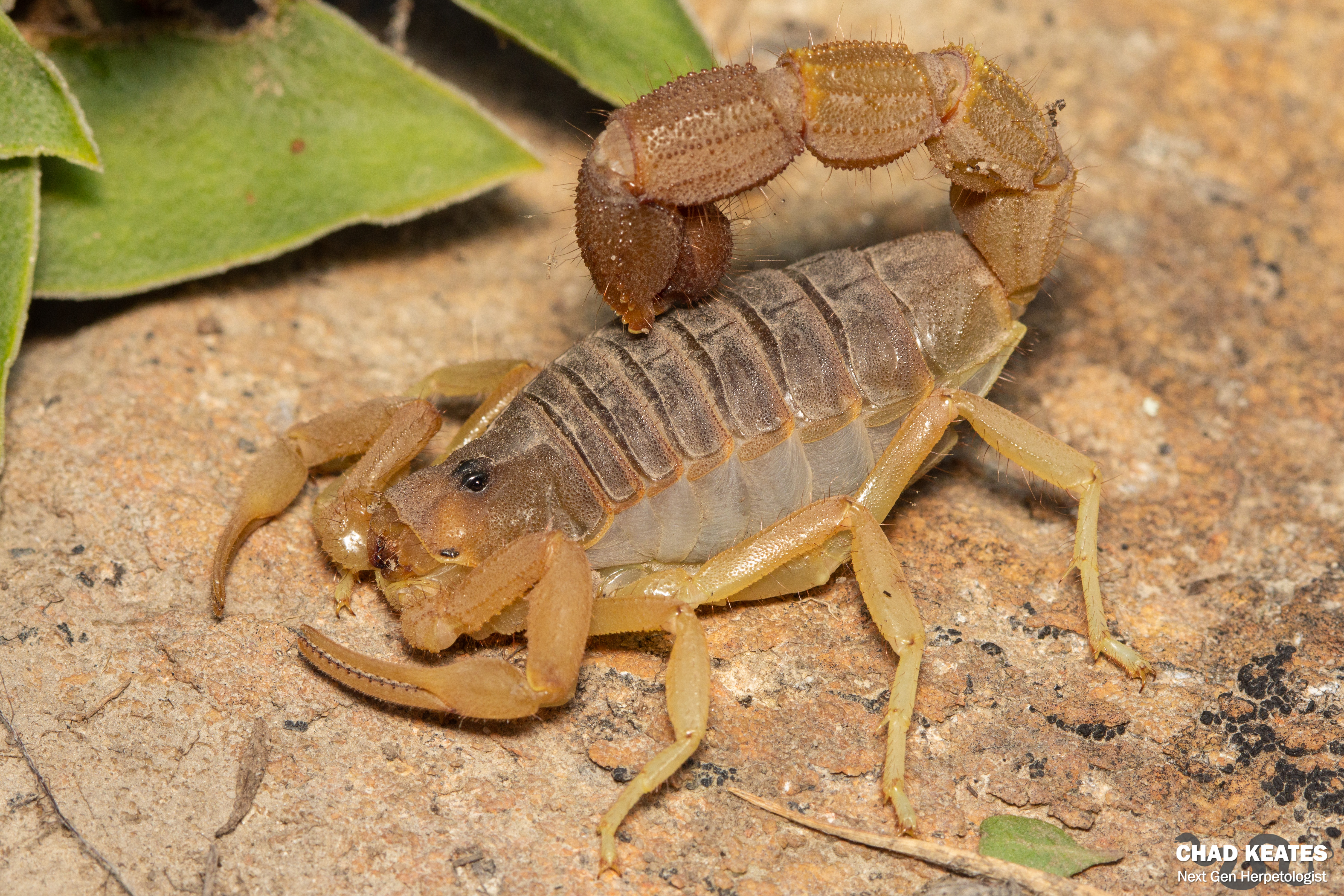
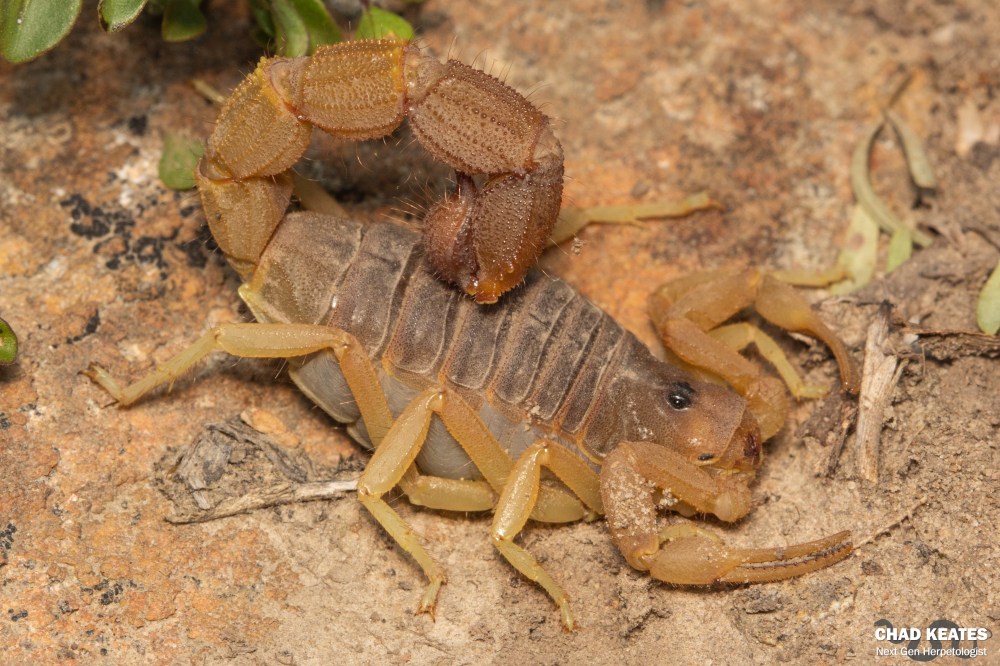
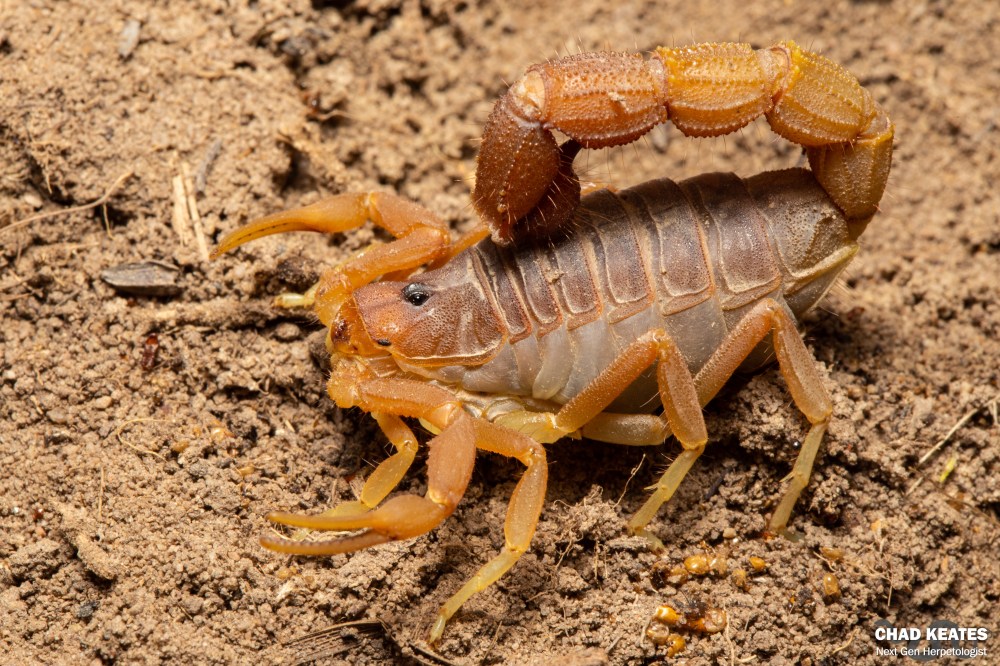
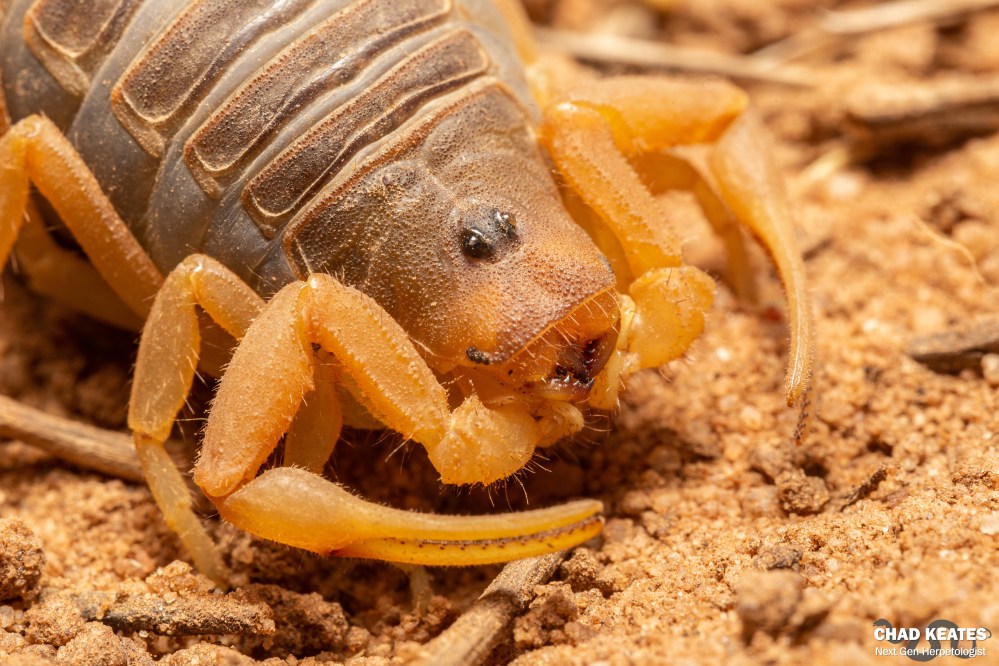
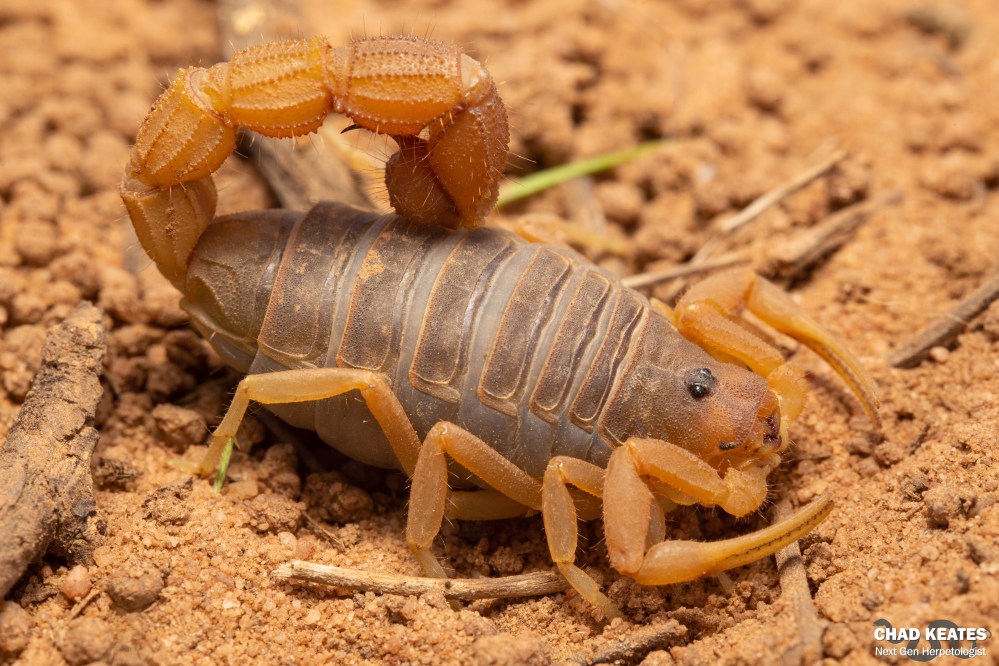
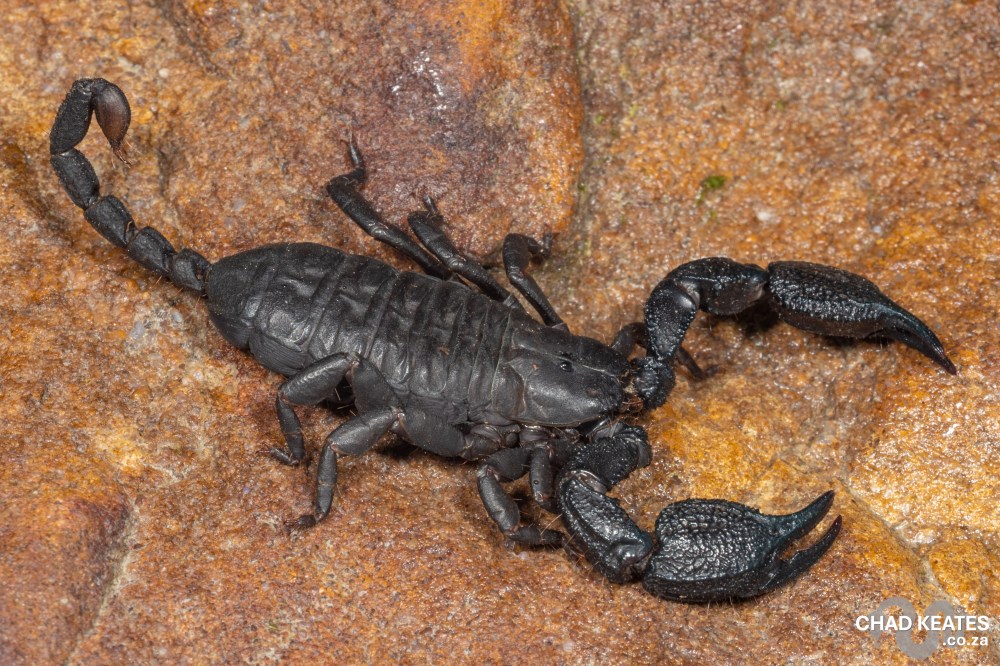
from Grootvadersbosch Nature Reserve, Western Cape, South Africa
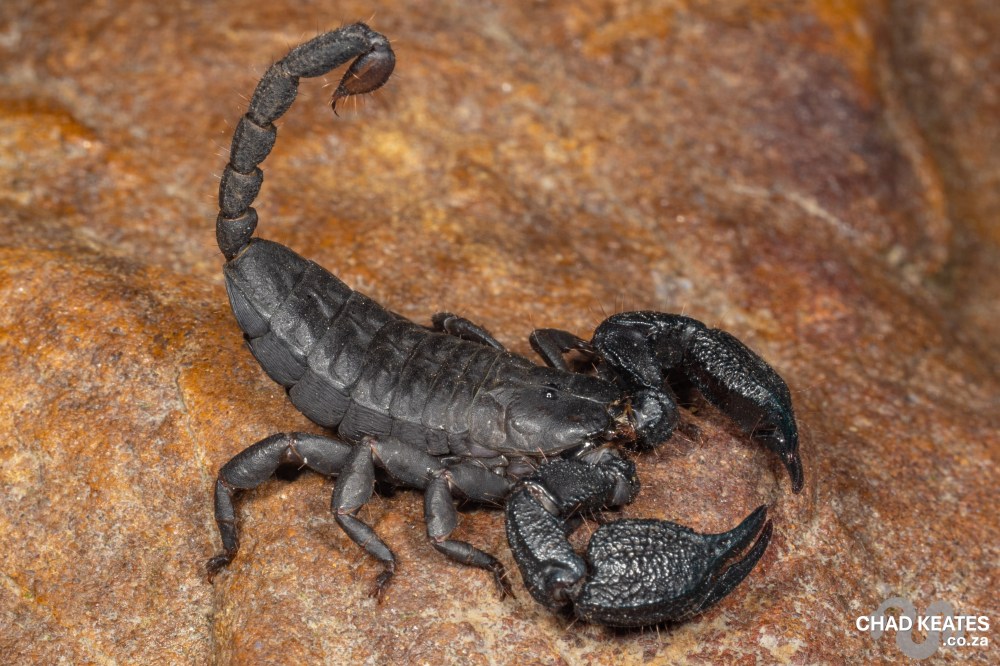
from Grootvadersbosch Nature Reserve, Western Cape, South Africa
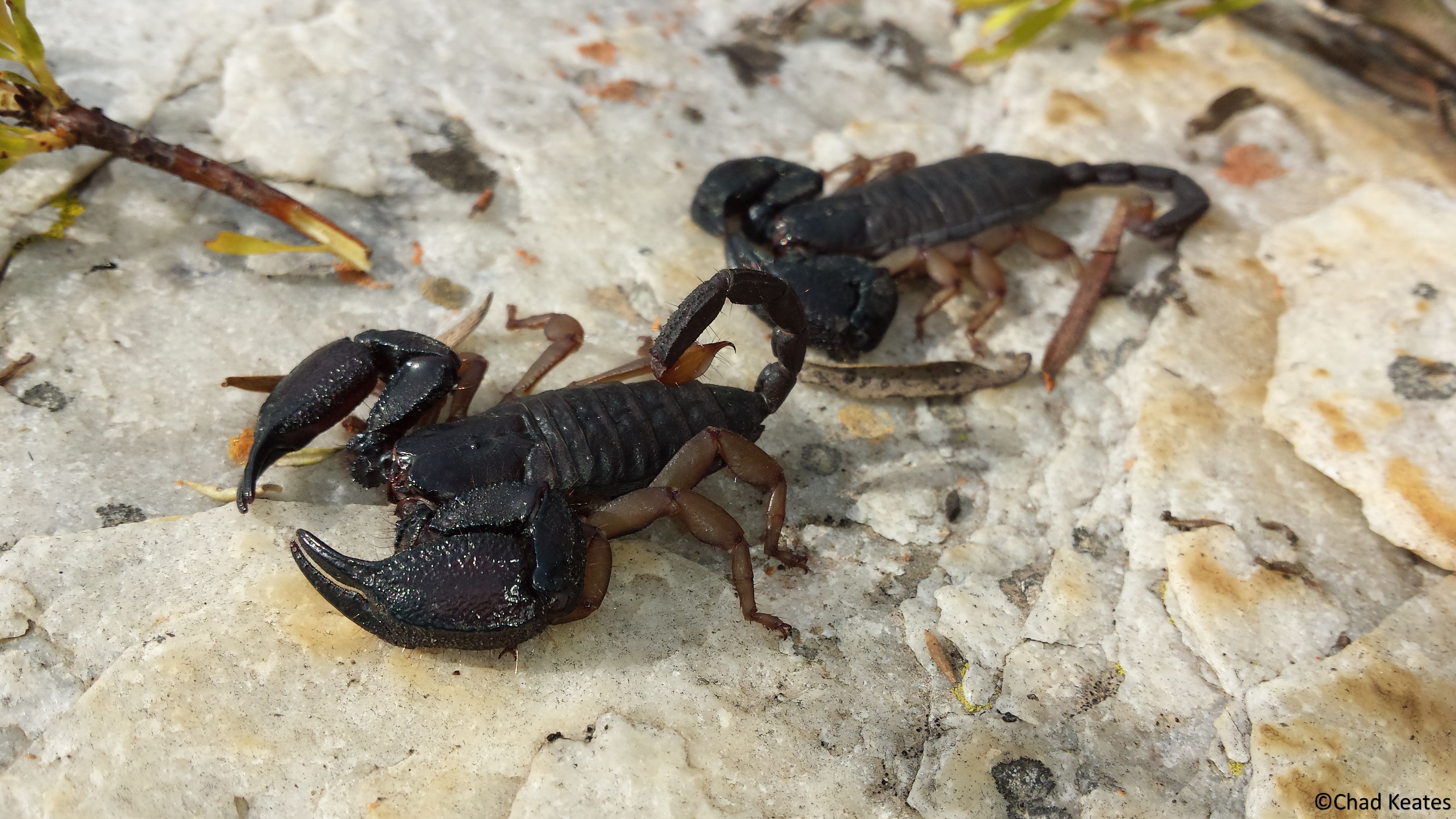
from Lady’s Slipper, Eastern Cape, South Africa
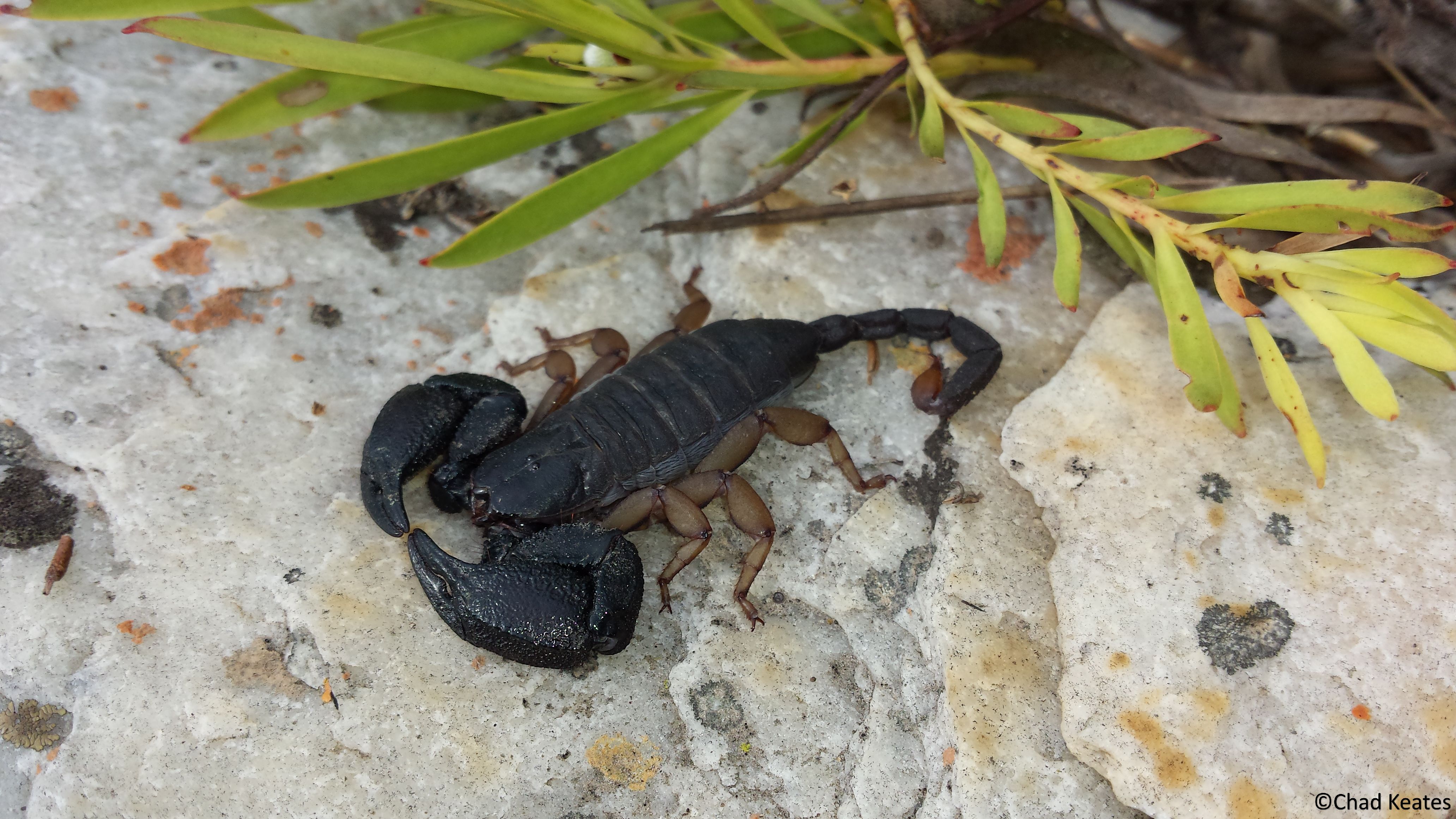
from Lady’s Slipper, Eastern Cape, South Africa

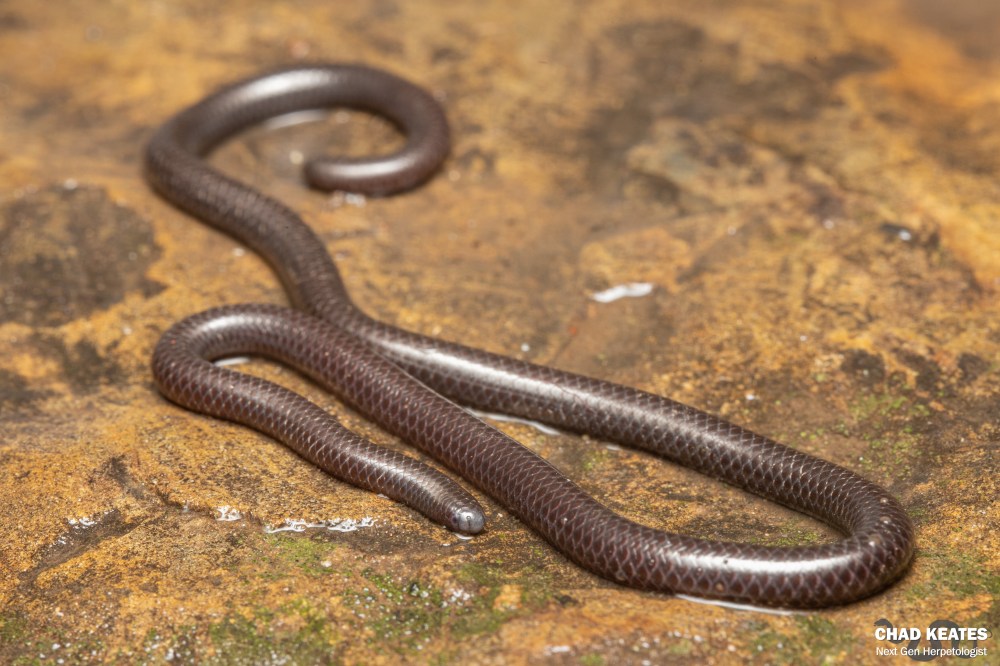
from Bedford, Eastern Cape, South Africa

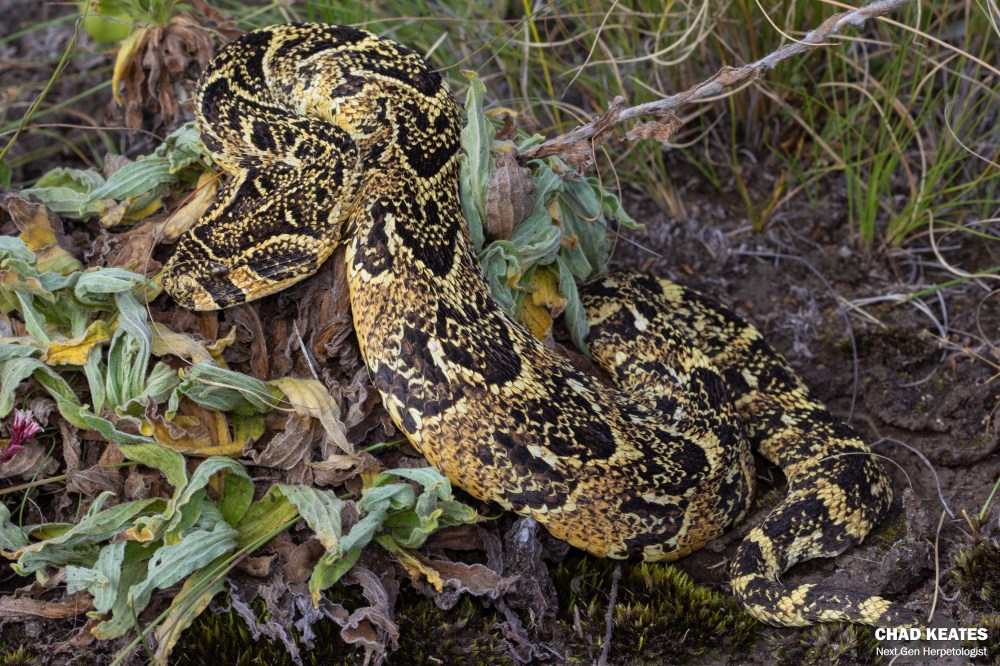
So now that winter is coming to an end, snakes and other reptiles are starting to become far more abundant. One species that has become particularly abundant in the last few weeks, is the puff adder (Bitis arietans). To give context, in the last week, I have come across three puff adders. Two of them were average-sized adult males and the the third was a very large, very pregnant, female puff adder, which was on the verge of popping.
The reason for the increase in puff adder sightings is the direct result of the time of year we find ourselves in. We are smack-bang in the middle of breeding season, and males are prowling for receptive females. Although large, puff adders are usually very hard to find, and this is a product of their amazing cryptic camouflage coupled with their ability to remain motionless even when you are on the verge of stepping on them. Puff adders spend much of their time concealed beneath tufts of grass, but when it comes to breeding season (Late winter/early spring), males leave the safety of their hiding spaces in search of mates, which they find with the help of pheromone trails left by the females.
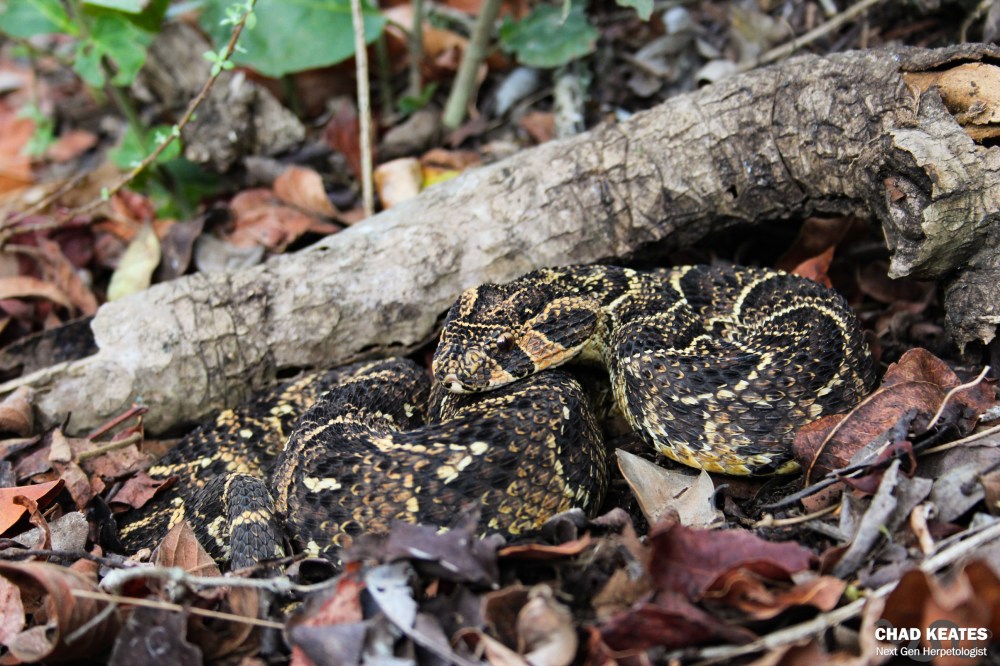
So whilst some people may believe these snakes have finally decided to take over Africa, the truth is; the puff adders are on the hunt, not for food and not for you, but rather for love. To put it bluntly, they are looking for a ‘betty’ and they will fight with any male puff adder that gets in their way. Because the female drops a scent trail, she has the ability to draw a large number of males, and in some cases, seven males have answered the call of just one female.
Interesting facts about puff adder mating:
Females give birth to live young
Males engage in combat for females
Puff adders can hybridize with Gaboon adders (Bitis gabonica)
One Kenyan puff adder has given birth to 156 juveniles, the largest recorded litter of any snake species
Whilst many males may follow the same scent trail, only one male is allowed to mate, and to determine this, male puff adders engage in neck-to-neck wrestling matches in which they wrap their bodies around their competitors and attempt to force their competitors’ to the ground. The male which wins the bout approaches the female, wraps his tail around hers, inserts his hemipenes into her cloaca and proceeds to mate. Mating can last several hours, but once done, both snakes part ways.
After 7-9 months, the female gives birth to 20-40 live young (viviparous), which measure anywhere between 15 and 20cm. Broods of up to 80 juveniles have been recorded, but the record still resides with a puff adder from Kenya, which gave birth to 156 juveniles in a Czech zoo.
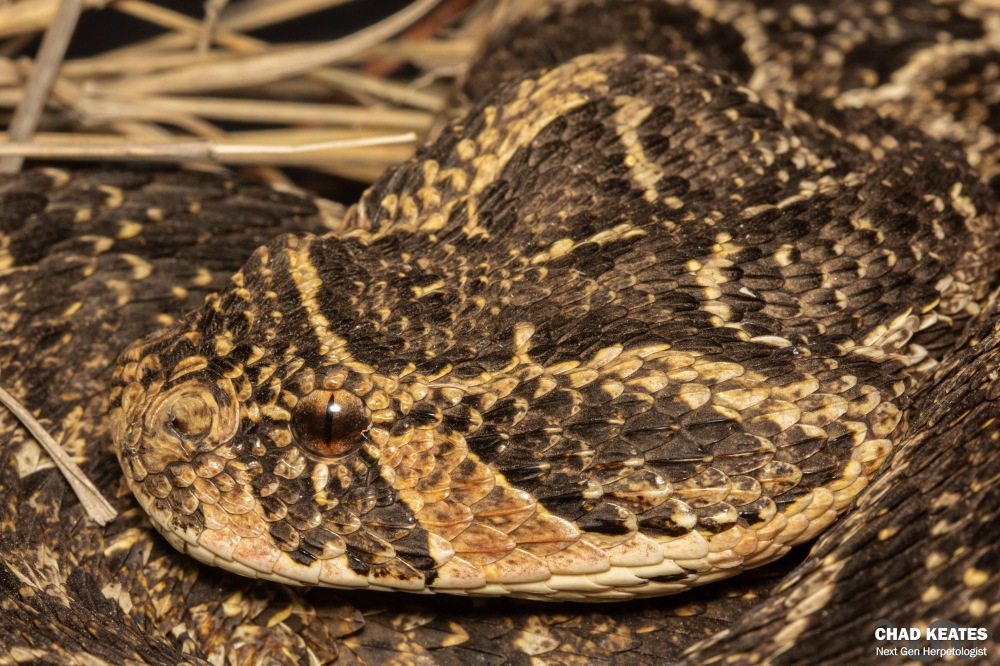
So whilst puff adders may be dangerous and scary to those who are not fond of snakes, I hope this article illustrates just how fascinating these snake can be, because after all, If you can produce 156 children in one sitting, and live to tell the tail, you surely are a marvel to behold.
References:
Alexander, G. & Marais, J. 2007. A Guide to the Reptiles of Southern Africa. Cape Town, STRUIK Nature.
Marais, J. 2004. A Complete Guide to the Snakes of Southern Africa. Cape Town, STRUIK.
Marais, J. 2014. Snakes & Snakebite in Southern Africa. Cape Town, STRUIK Nature.
More about puff adders:
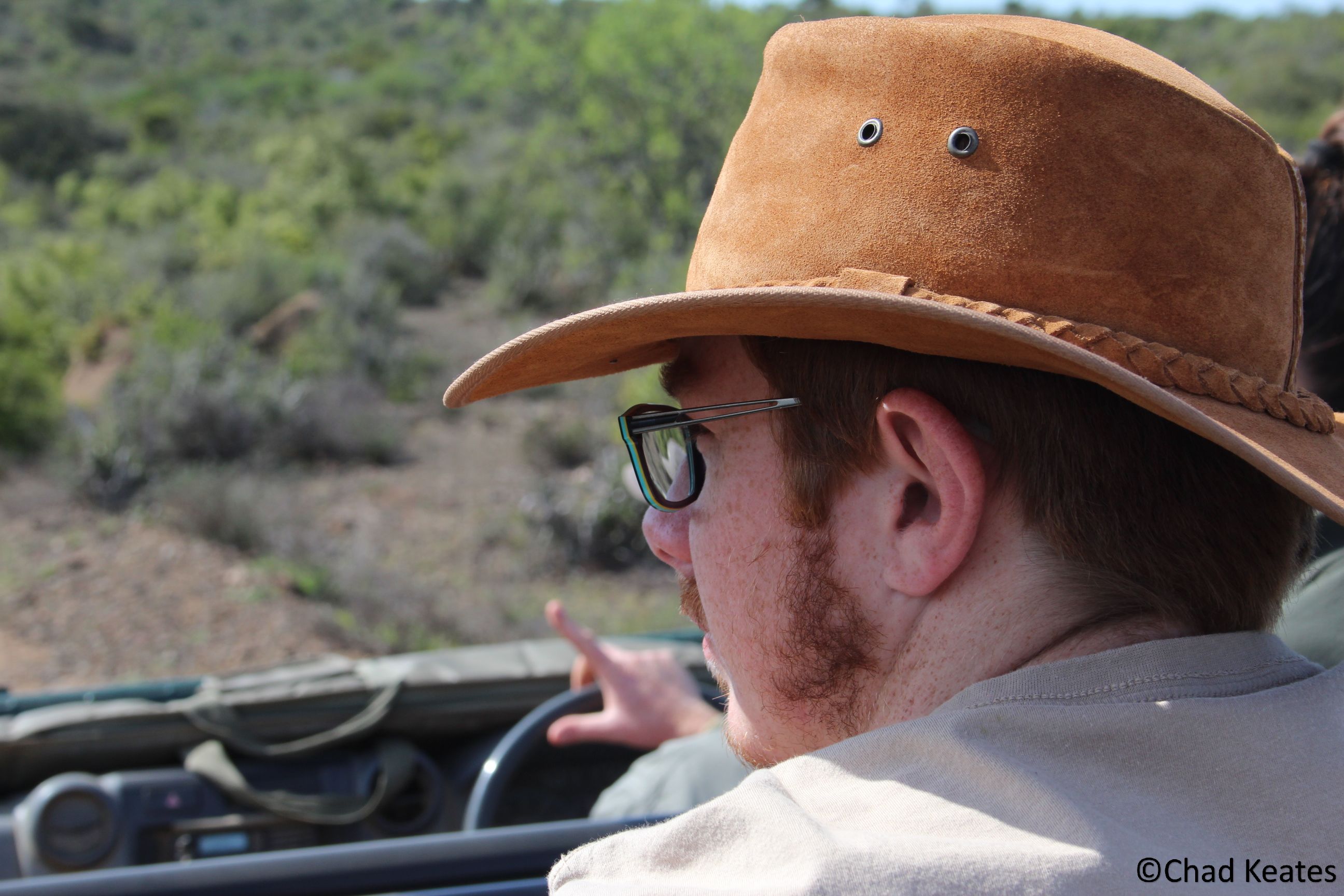
Today I accompanied Gareth to Kwandwe Private Game Reserve. He was looking for friends, because as I am sure you know, zoologists have few in the way of friends. Zoologists tend to keep to themselves, and when they do interact, they end up talking incoherently about the misconceptions of elephant-ecosystem interactions. Gareth is a prime example. But enough about that! Let’s rather talk about his project.
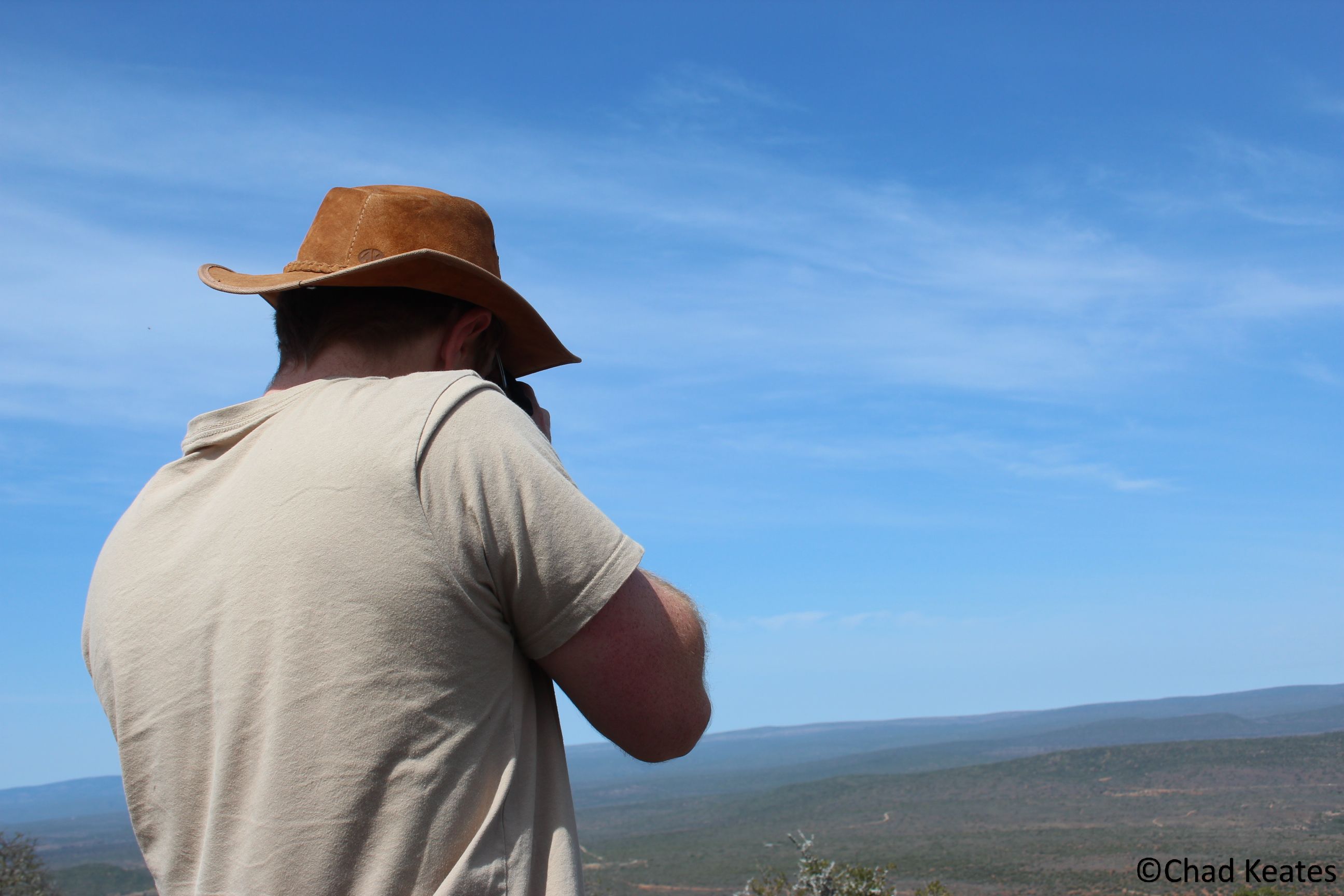
Today he was setting up camera traps at Kwandwe Private Game Reserve – one of 13 reserves participating in his masters thesis. It is rather large project and by the end he should have some rather interesting results.
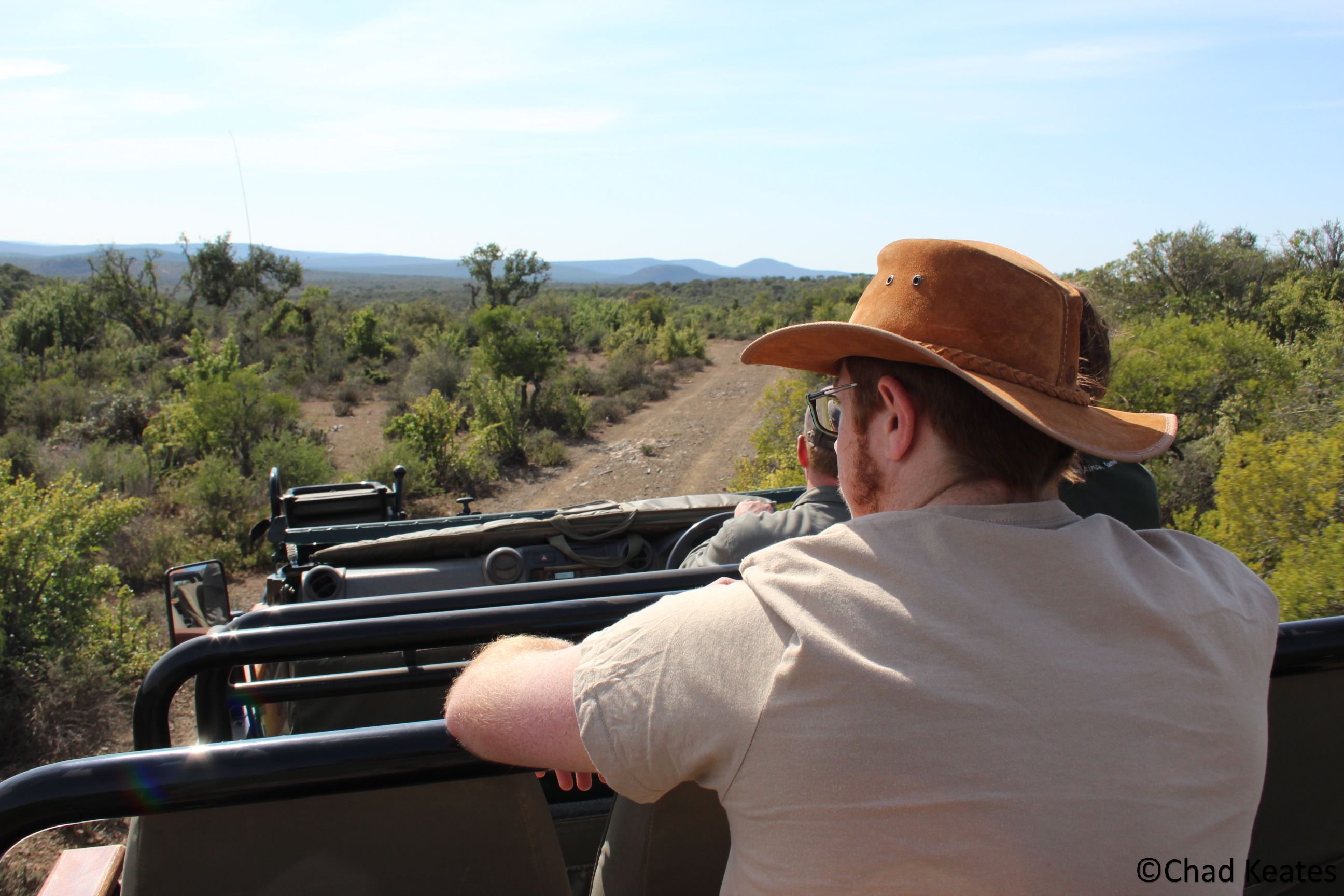
If you are wondering why all the pictures are taken from behind and why he is always looking into the distance…
Well… it’s because he is permanently lost! Not really. Jokes aside, Gareth’s project is going well and irrespective of size or scope, Gareth is driving this project forward with admirable determination. I can’t wait to see what results he gets….
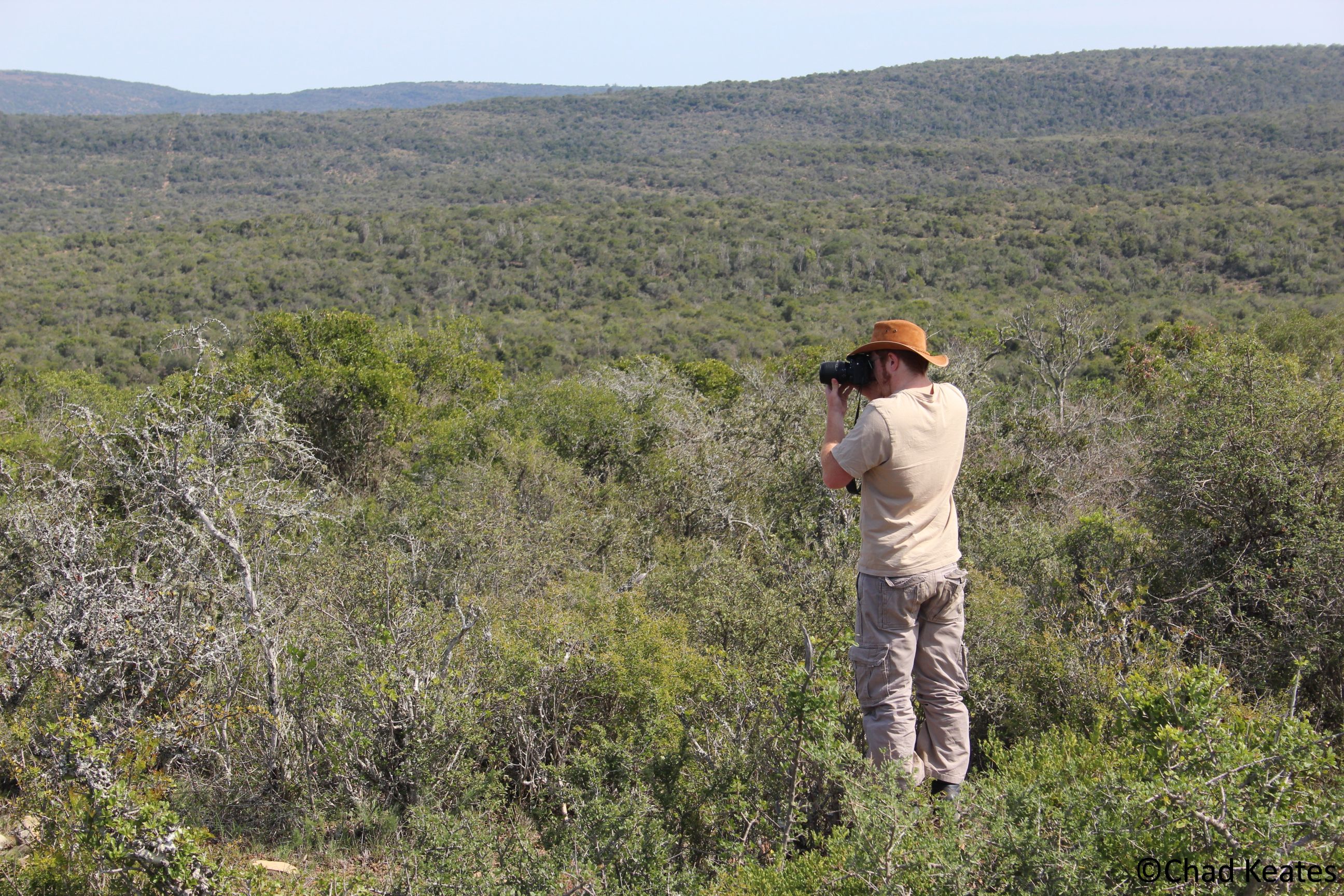
P.s. Thanks Gareth for inviting me on your project trips! They are great fun and I always learn so much.

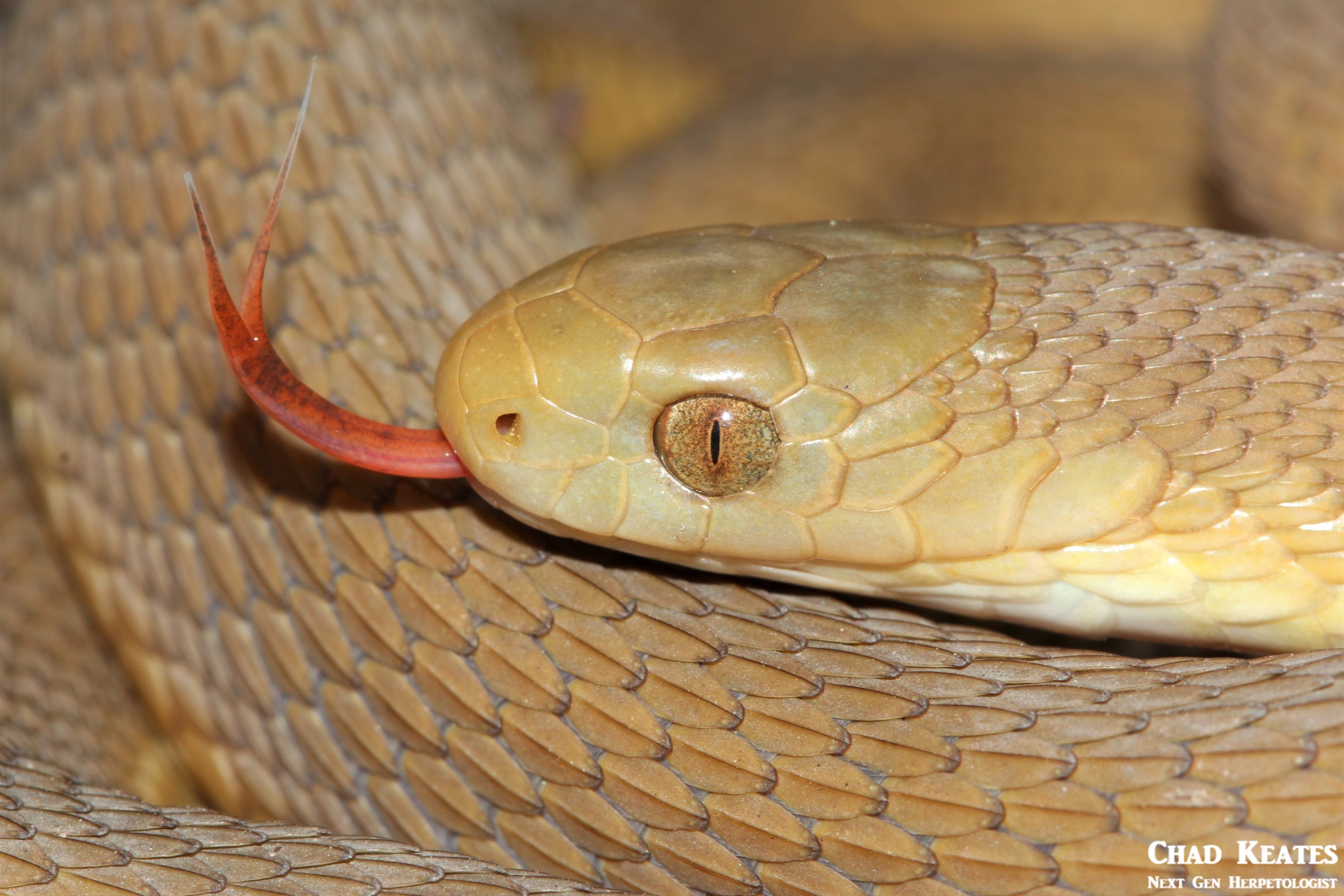
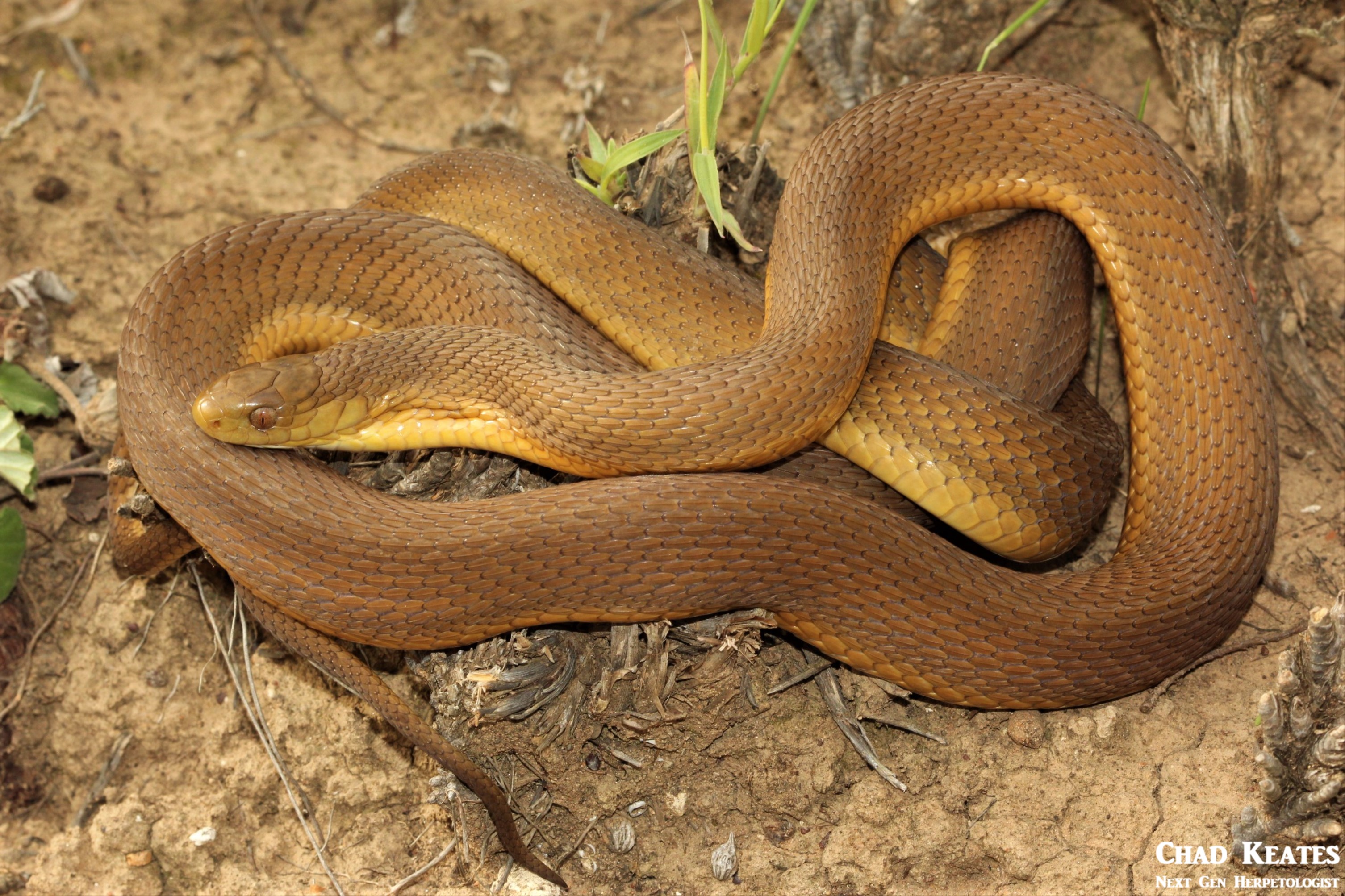
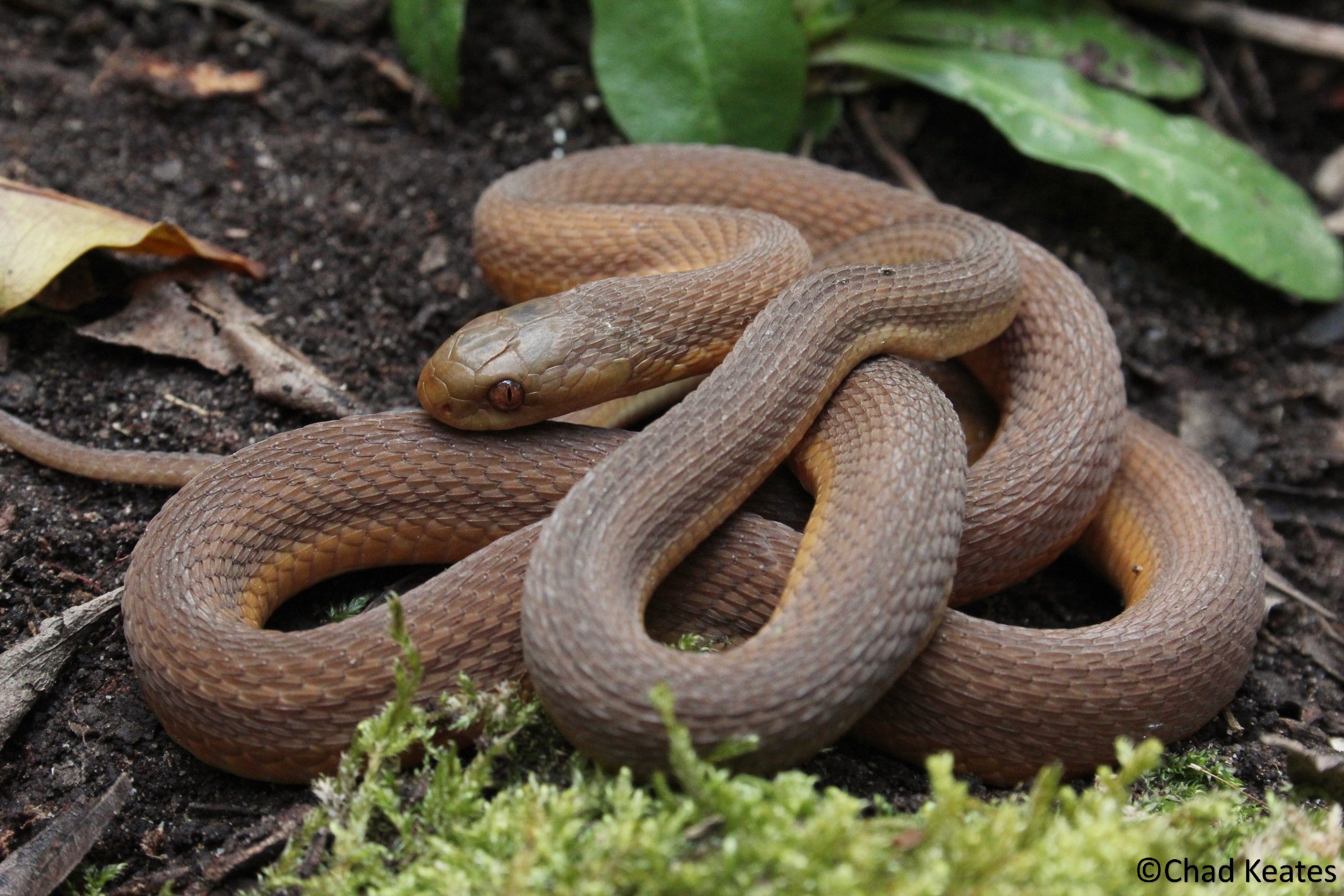
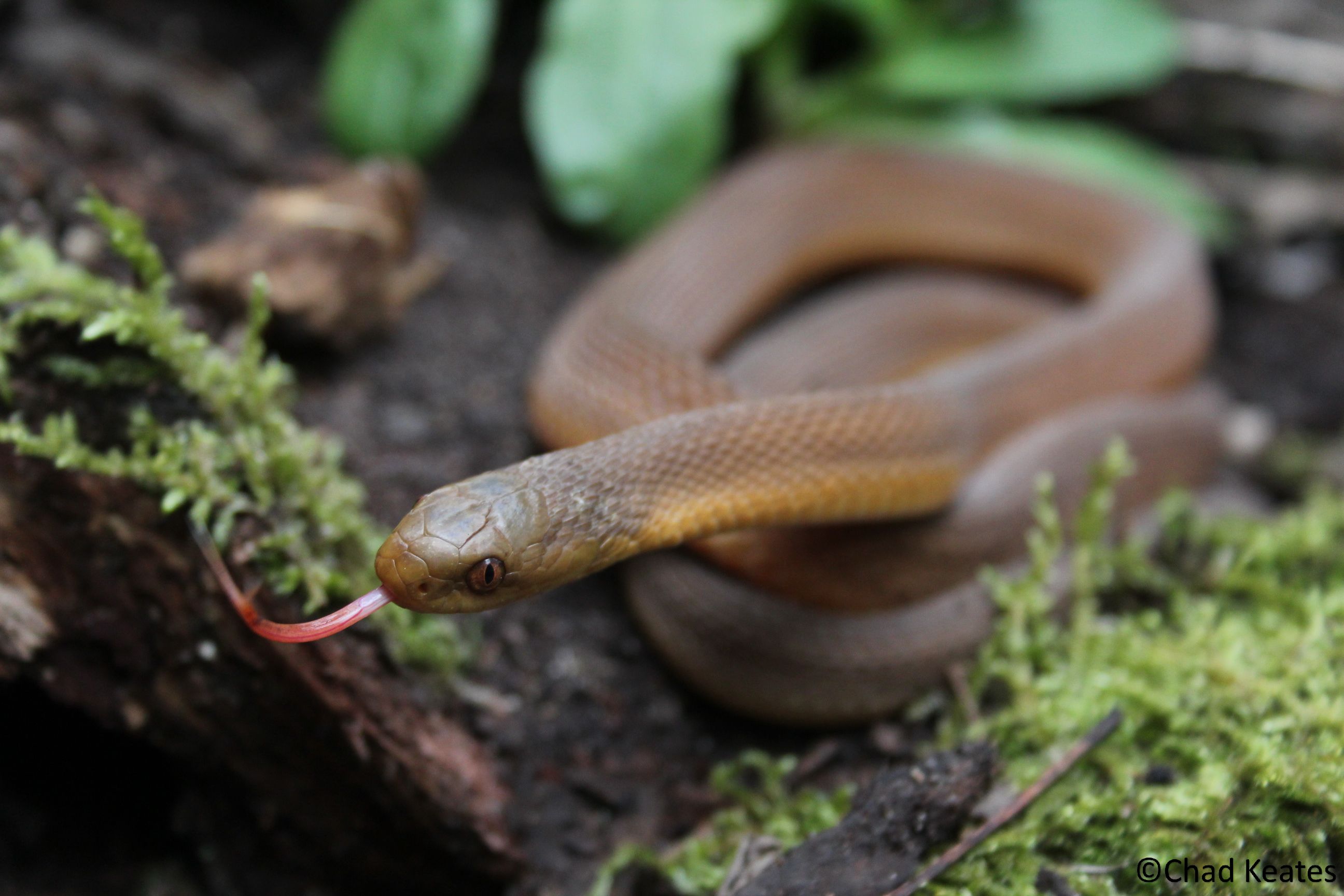
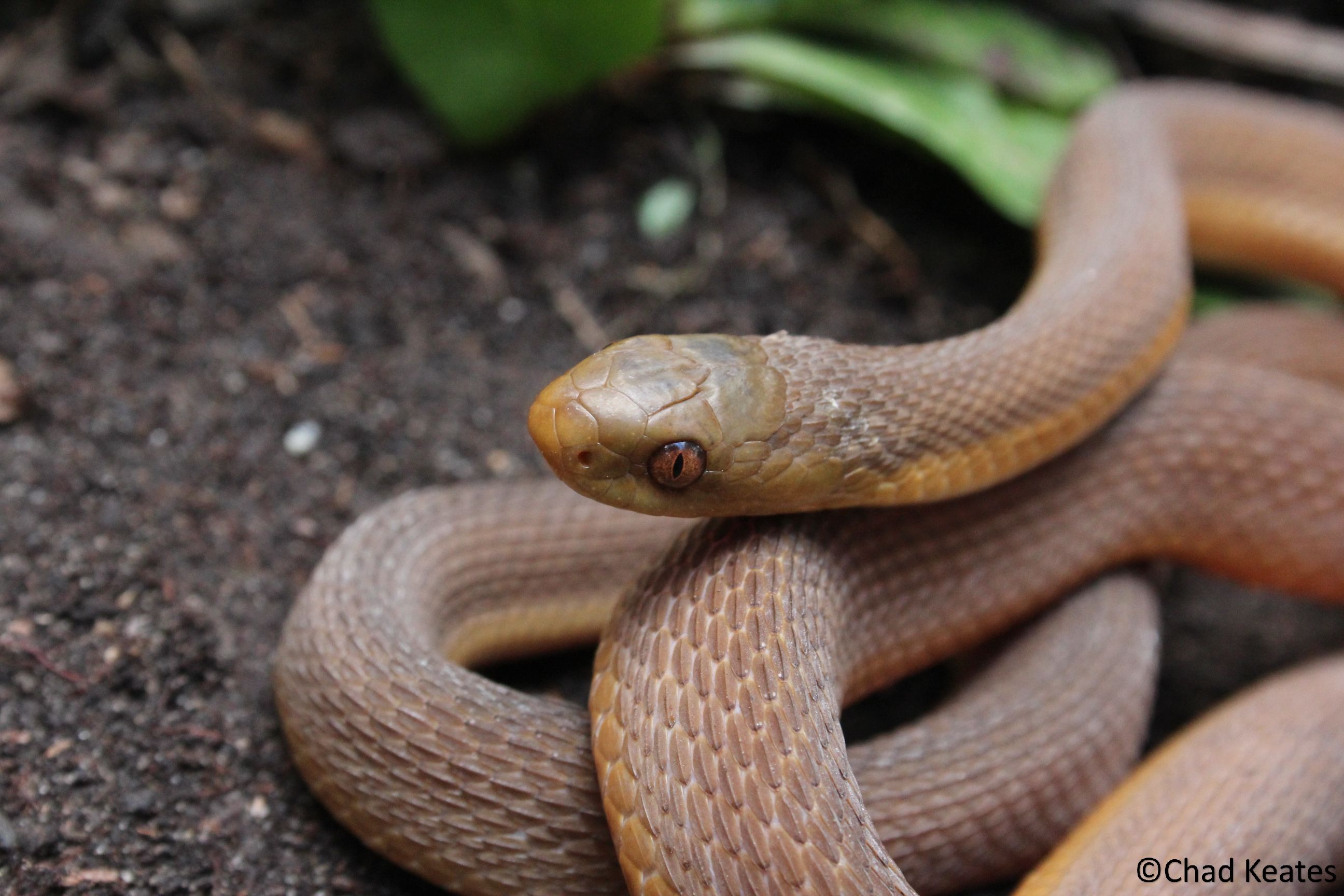
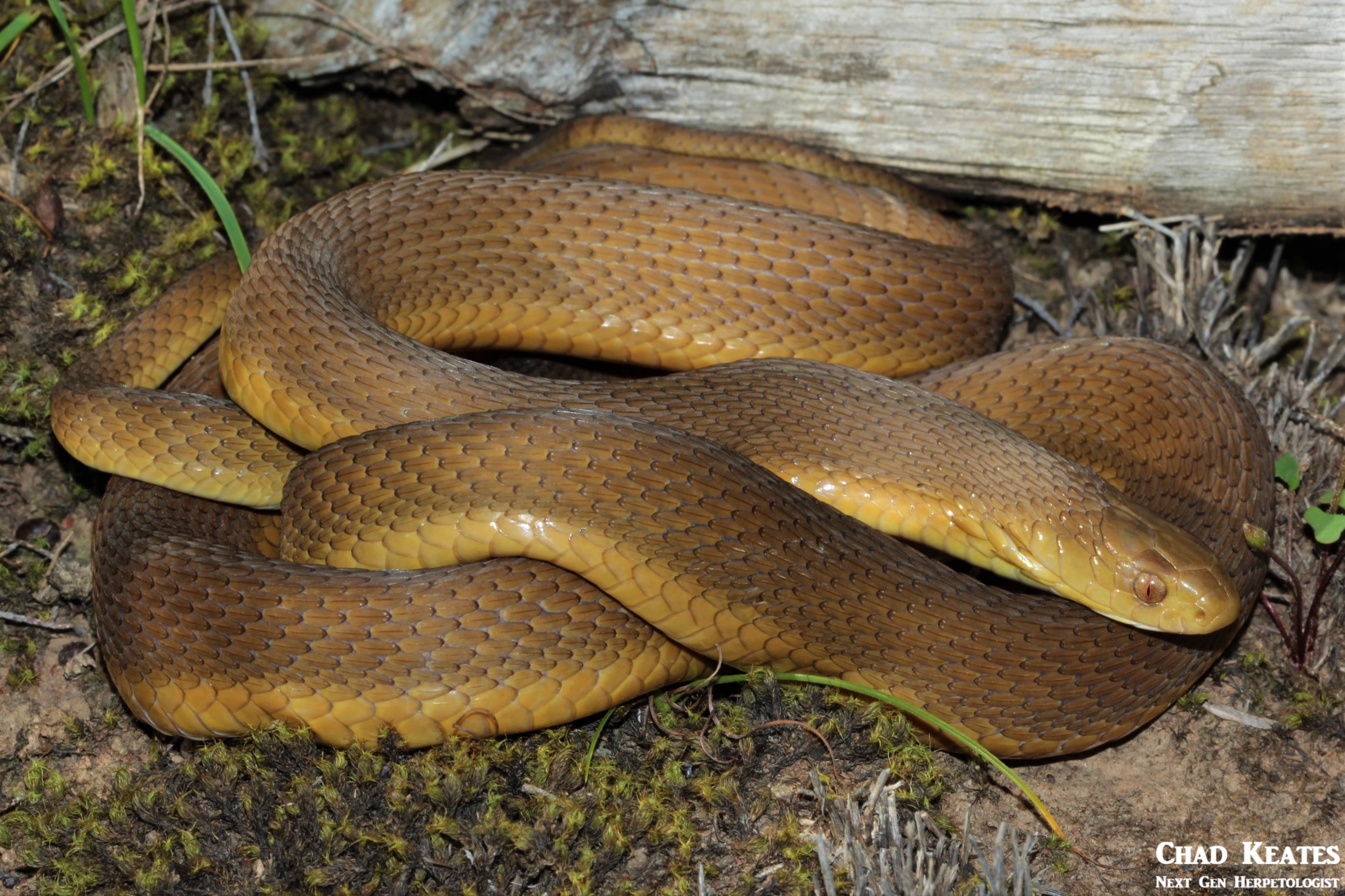


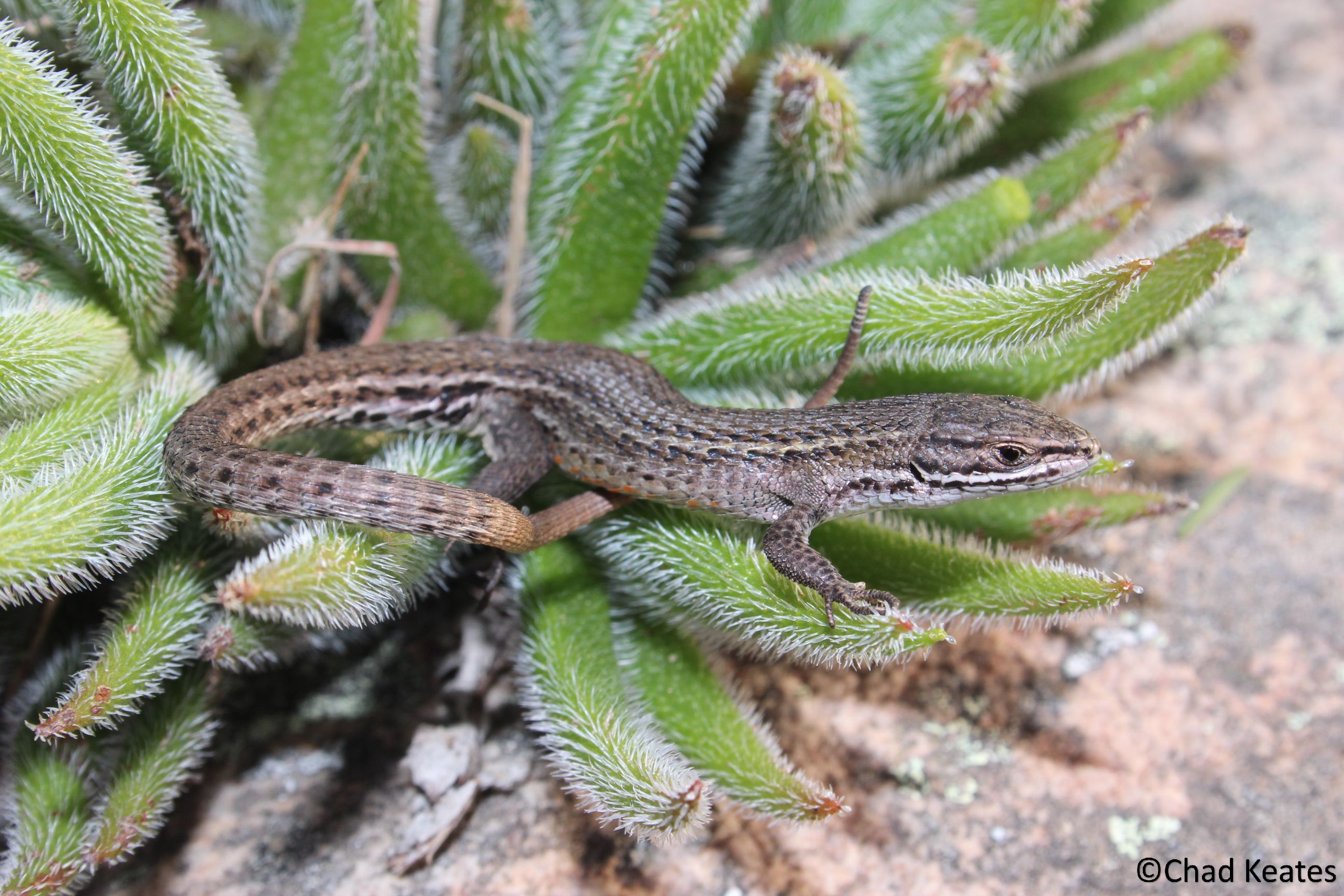


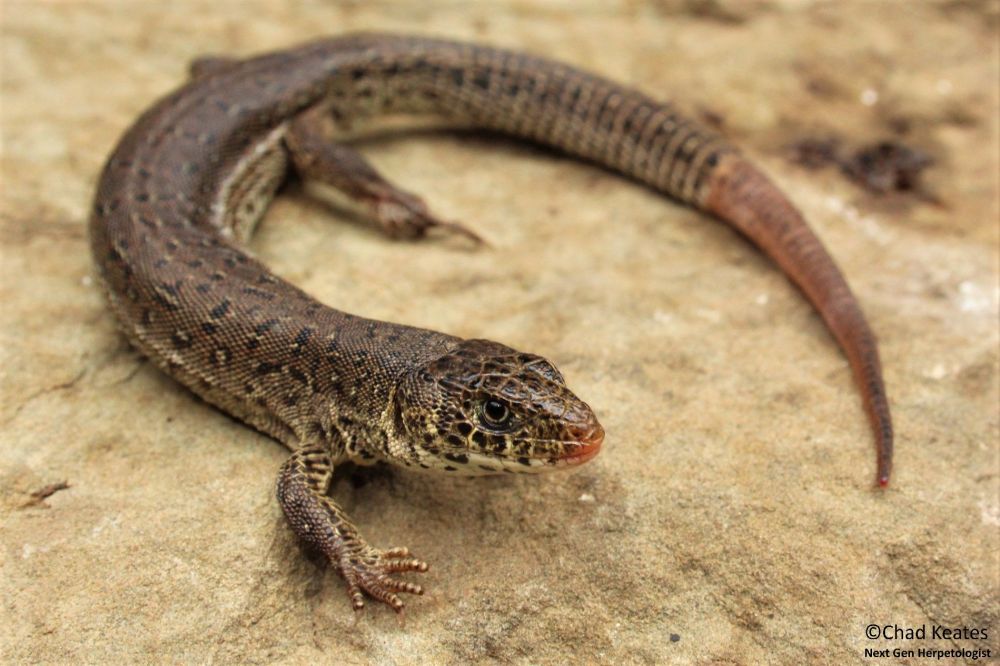
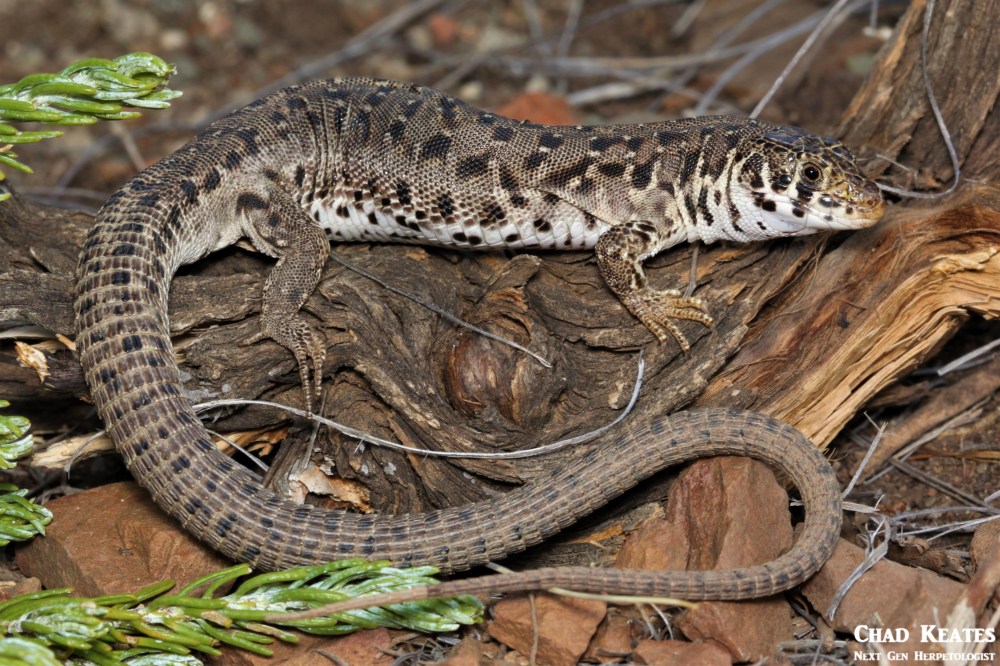

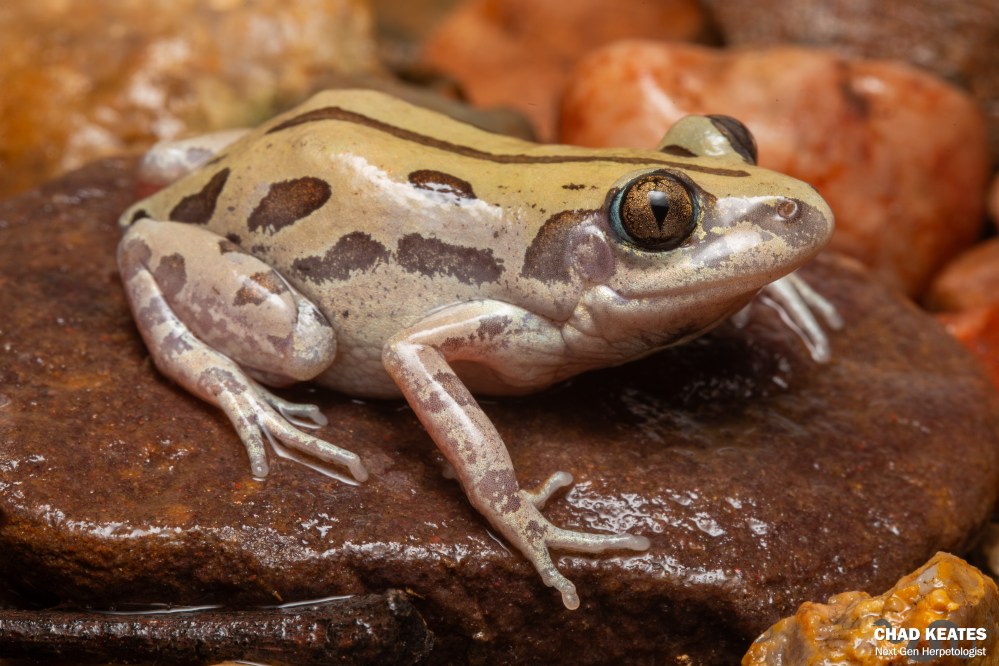
from Pafuri, Kruger National Park, Limpopo, South Africa
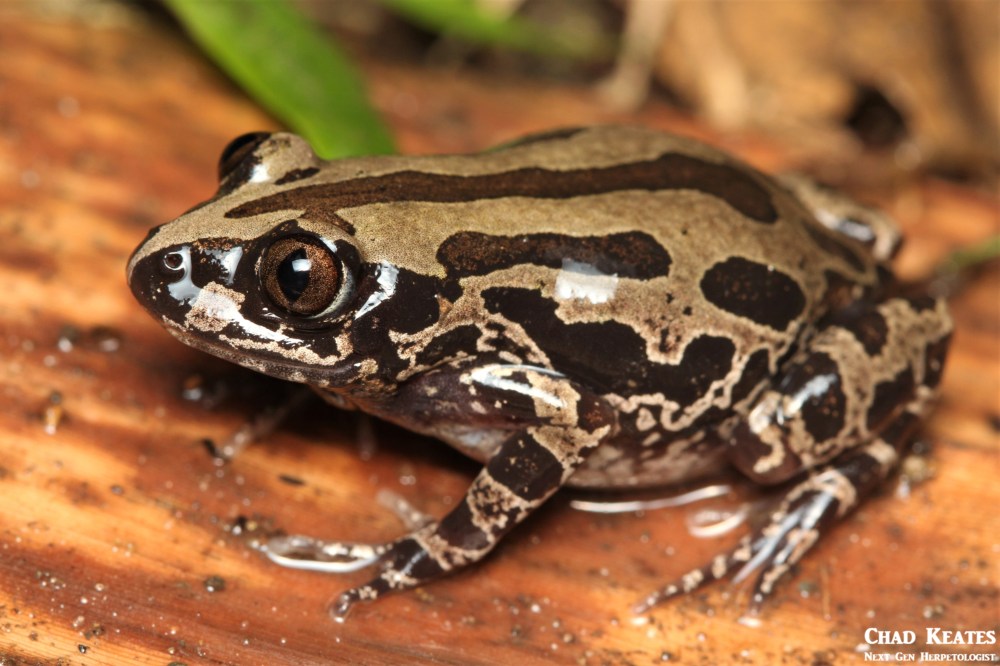
from Morgans Bay, Eastern Cape, South Africa
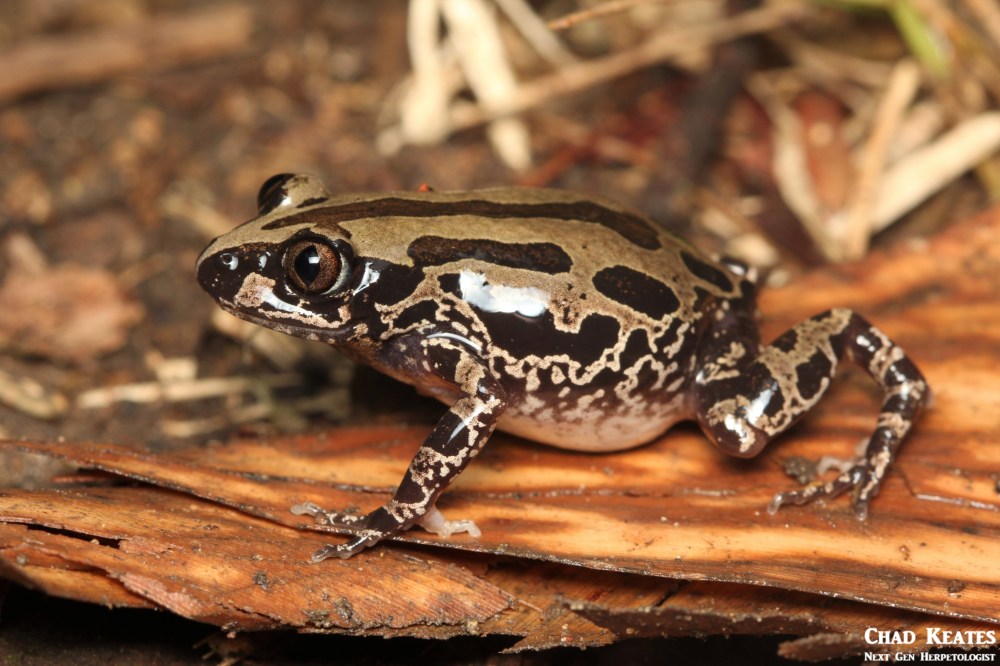
from Morgans Bay, Eastern Cape, South Africa
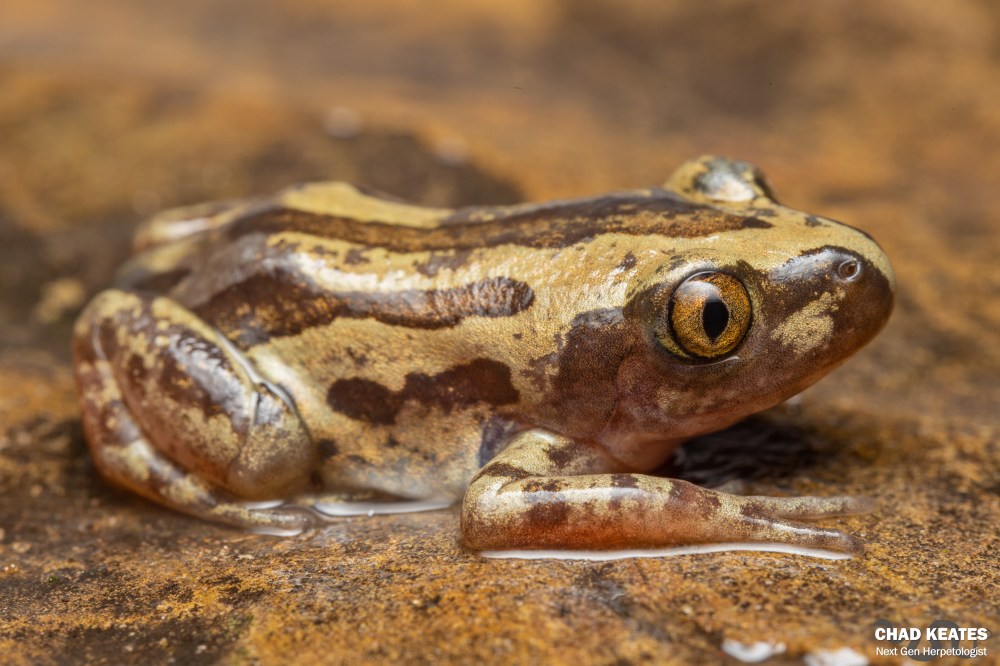
from Bedford, Eastern Cape, South Africa
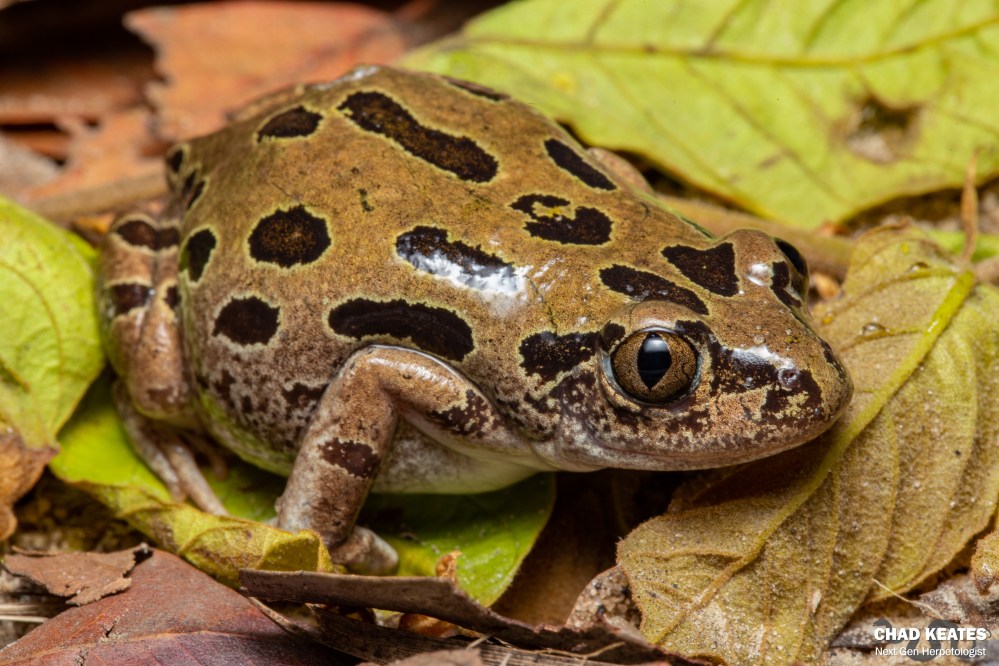
from southeastern Angola
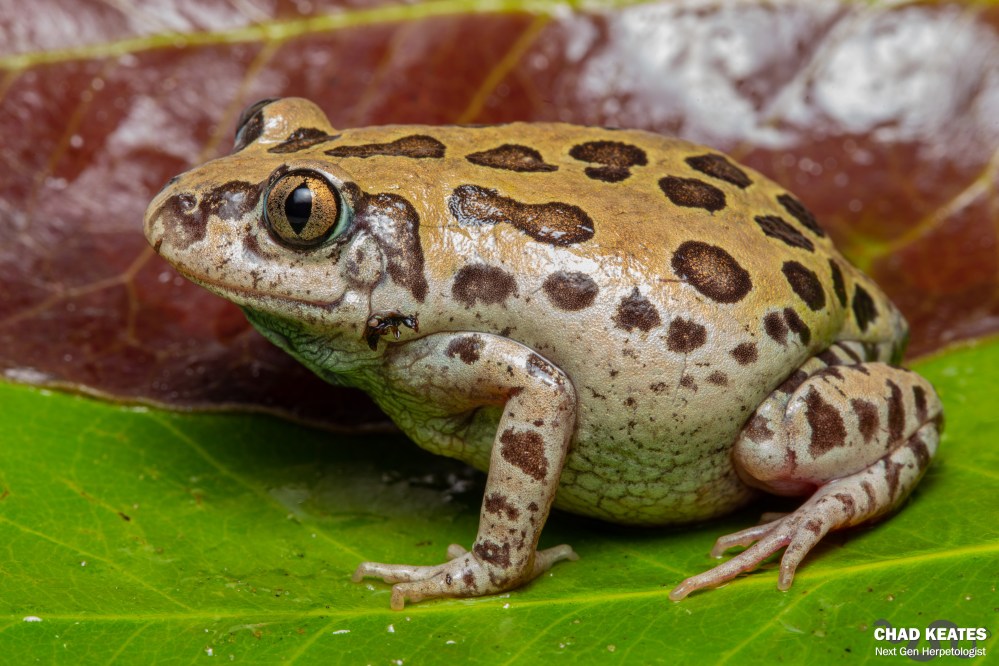
from southeastern Angola
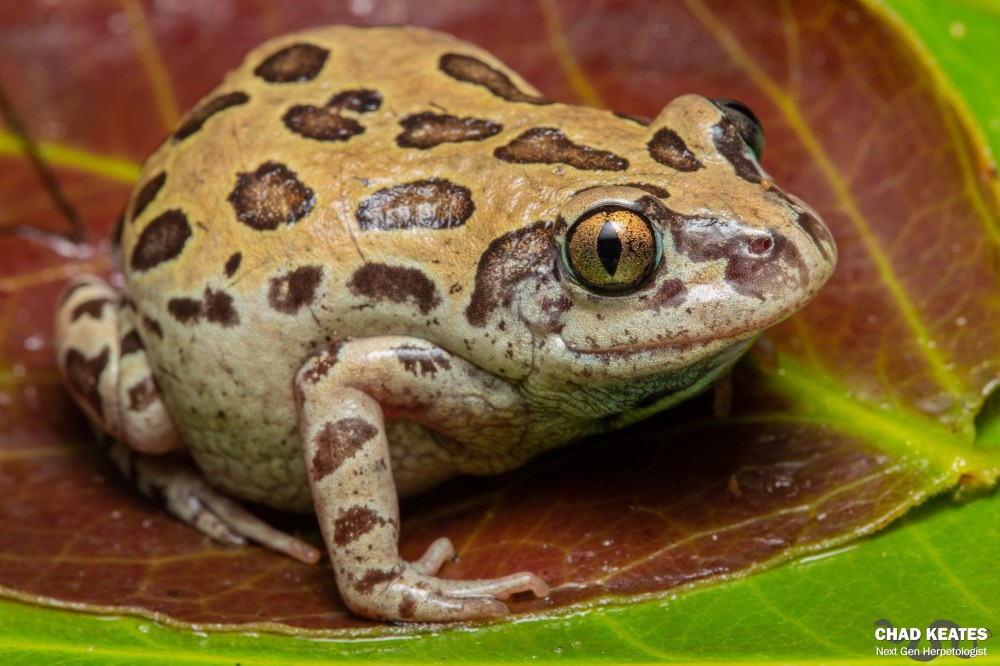
from southeastern Angola
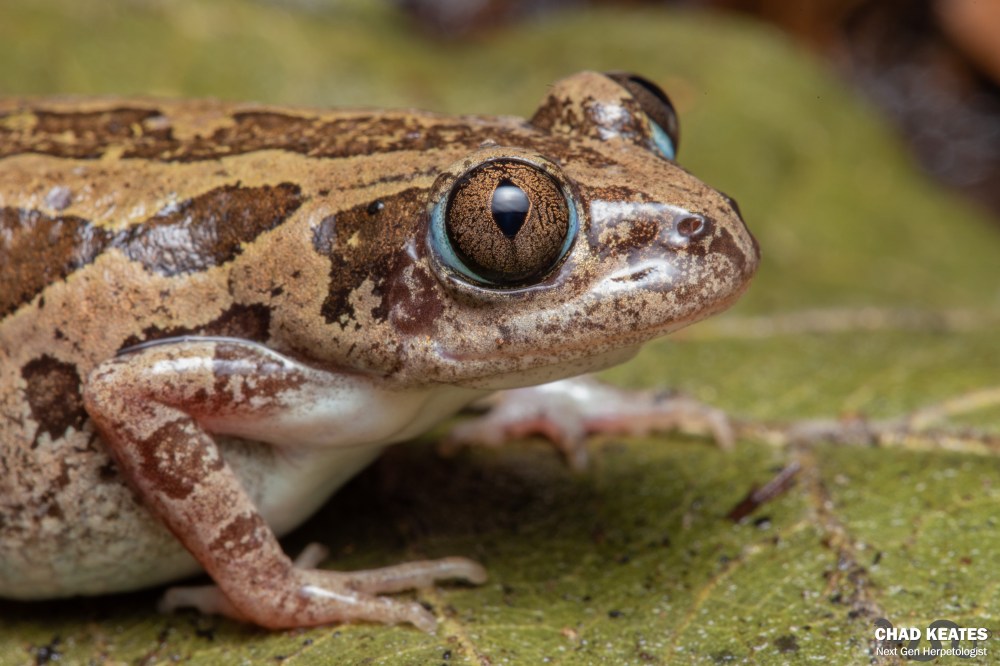
from southeastern Angola
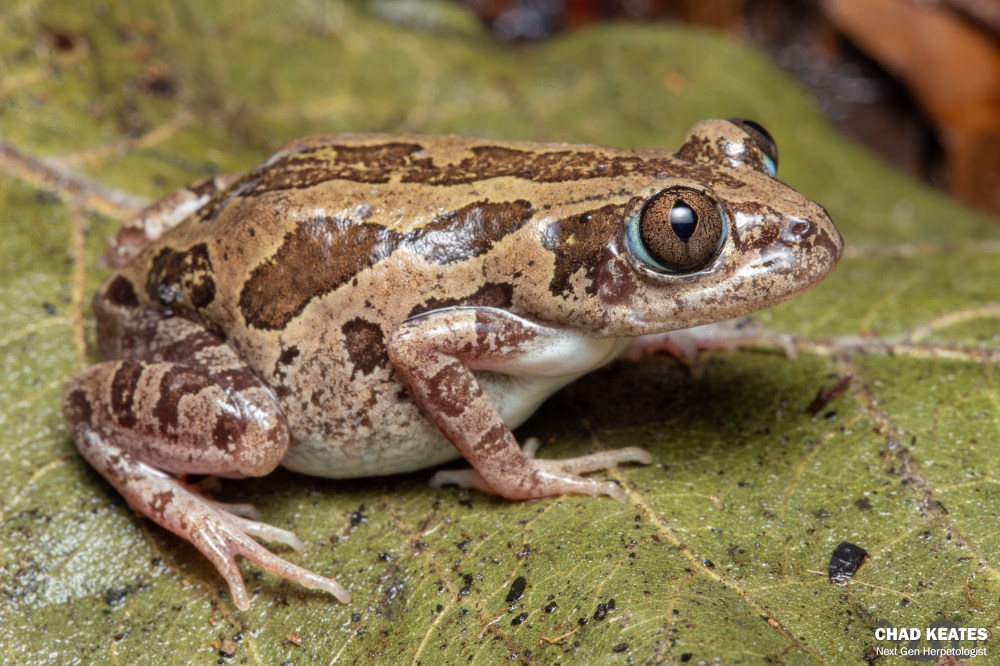
from southeastern Angola
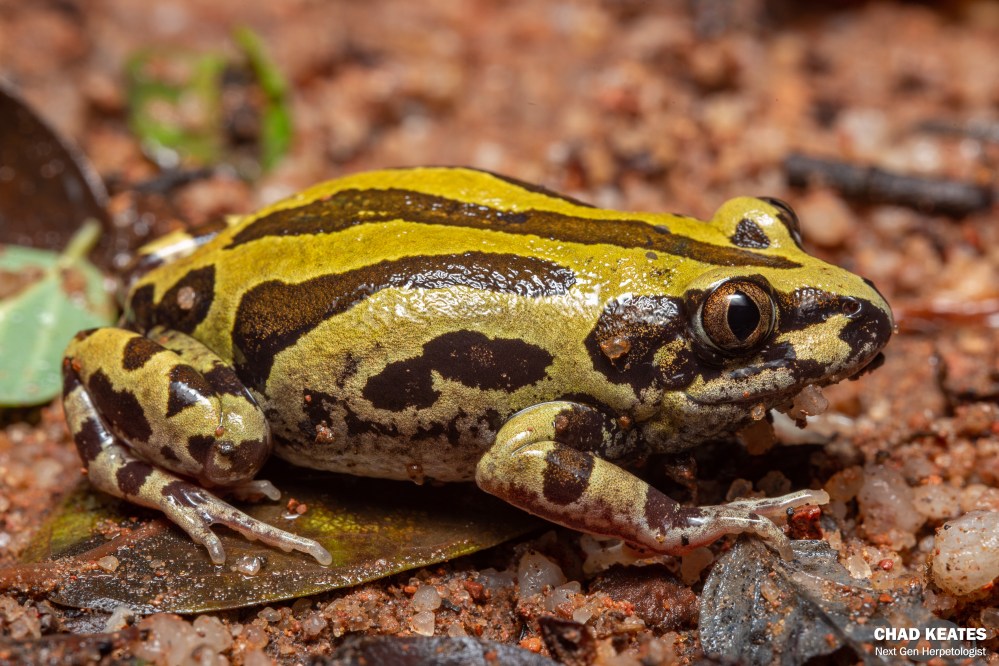
from Waterberg, Limpopo, South Africa

from Waterberg, Limpopo, South Africa
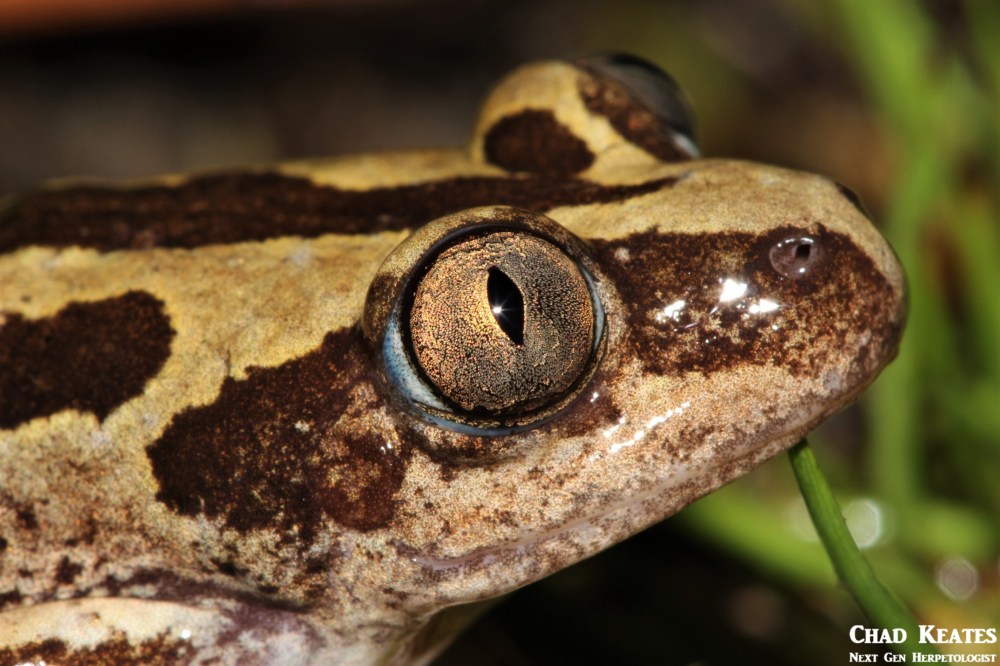
from Grahamstown, Eastern Cape, South Africa

from Grahamstown, Eastern Cape, South Africa

from Grahamstown, Eastern Cape, South Africa

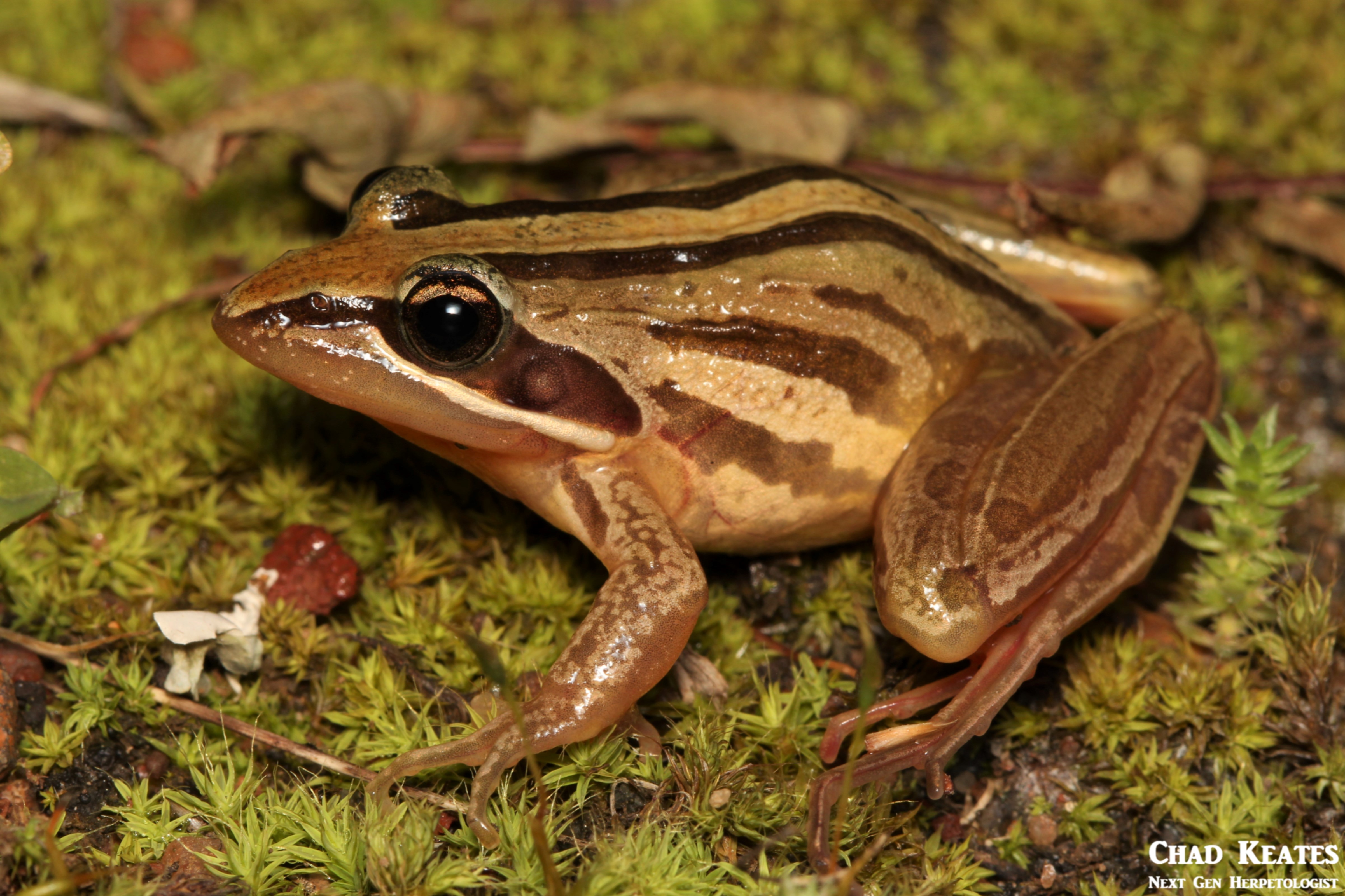
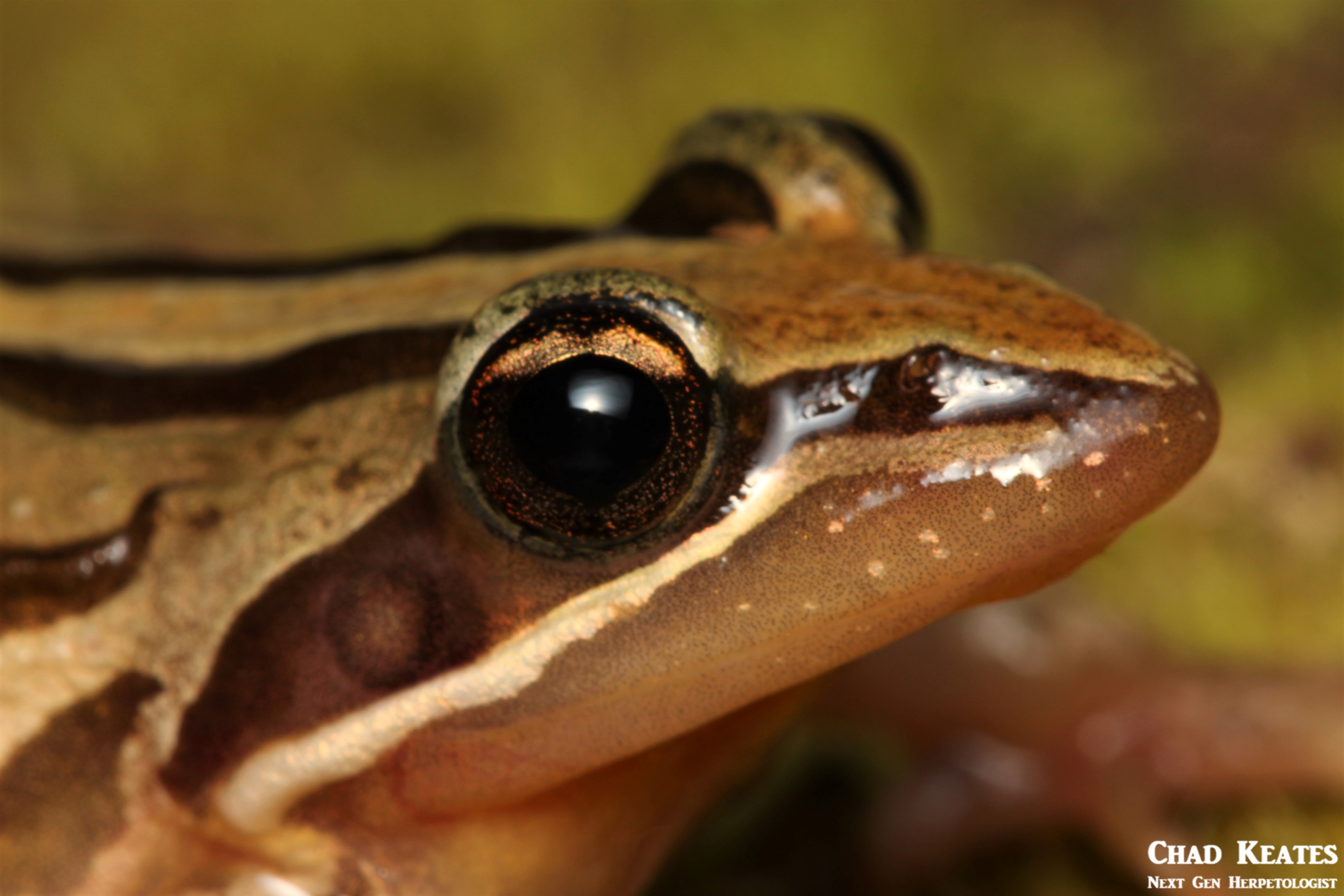
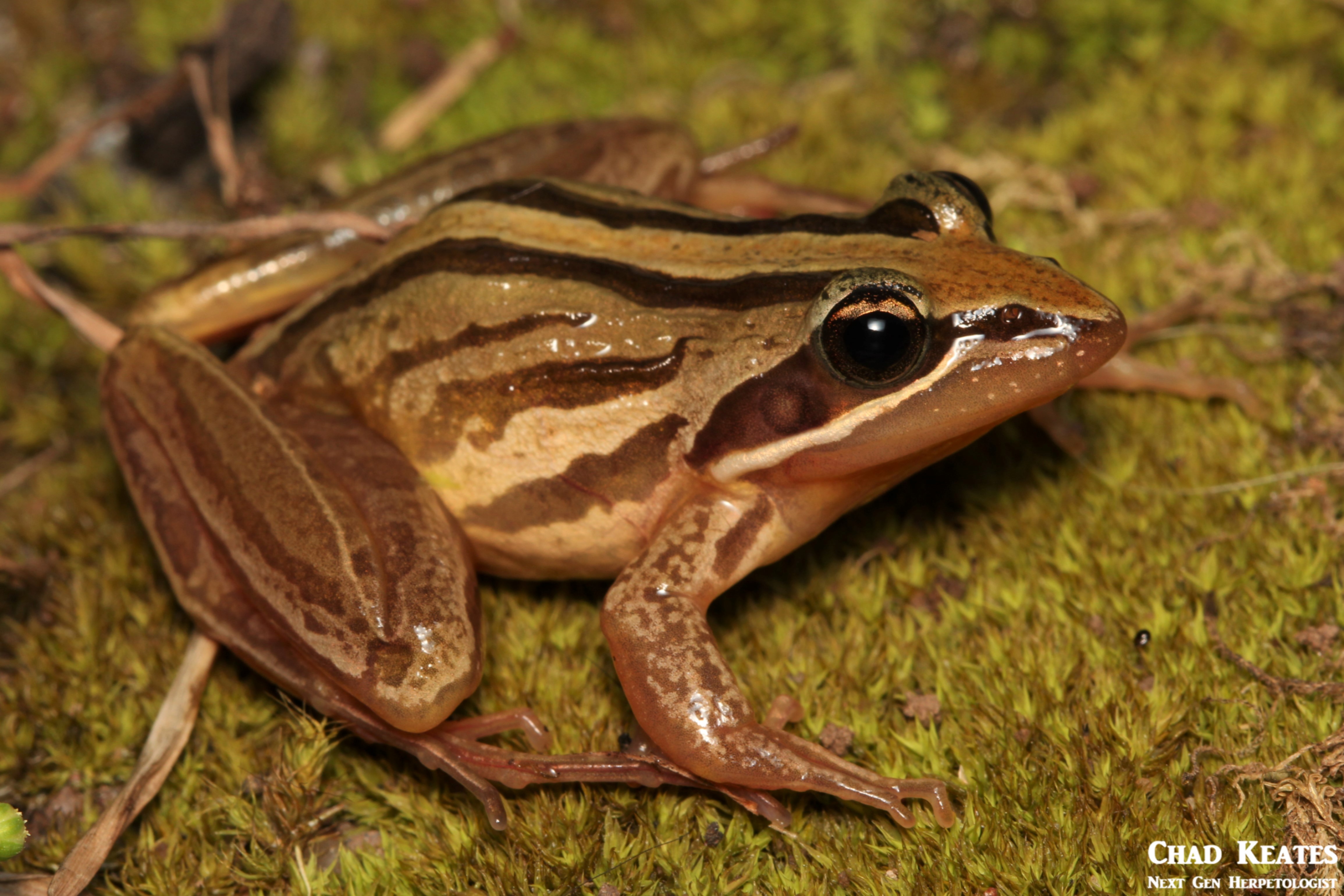
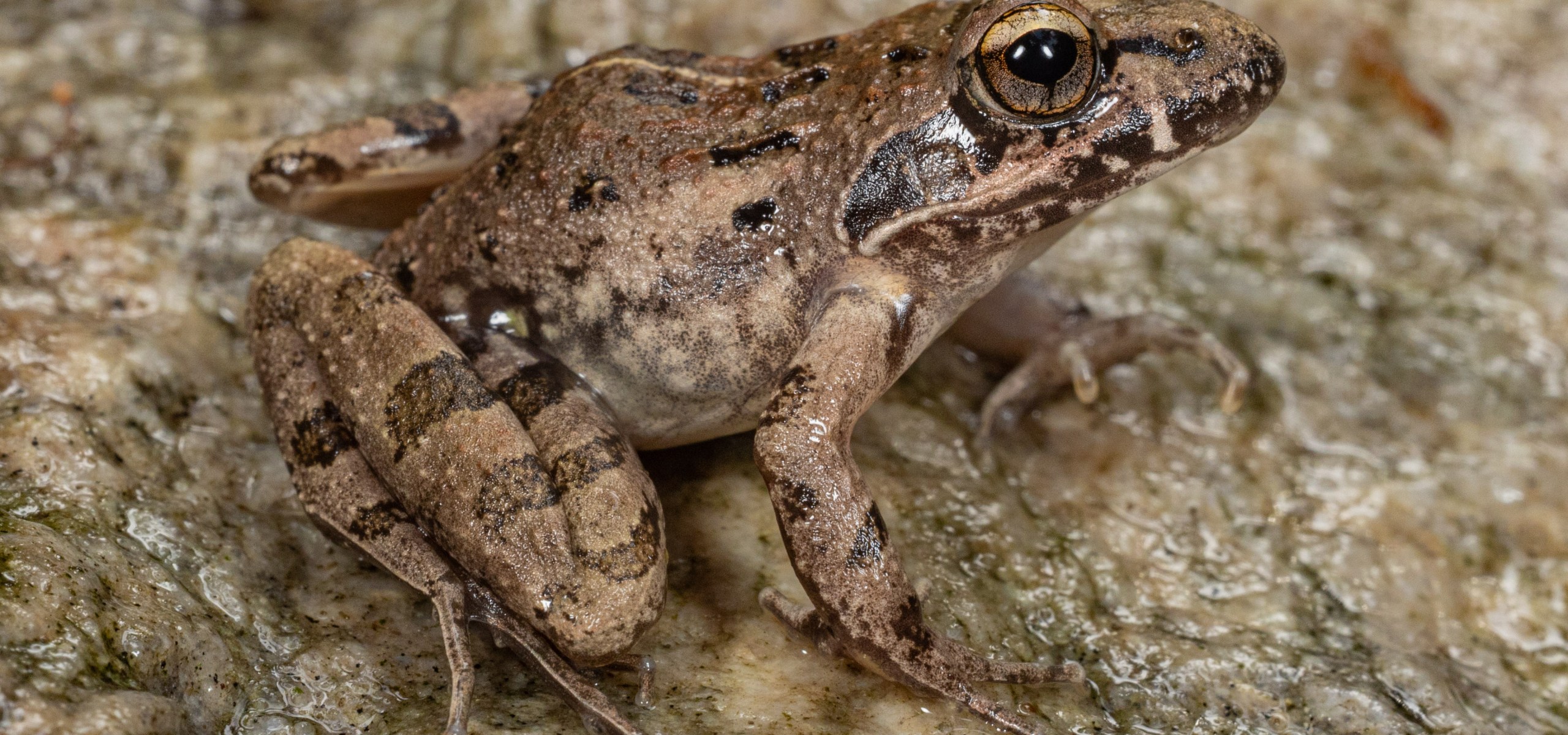
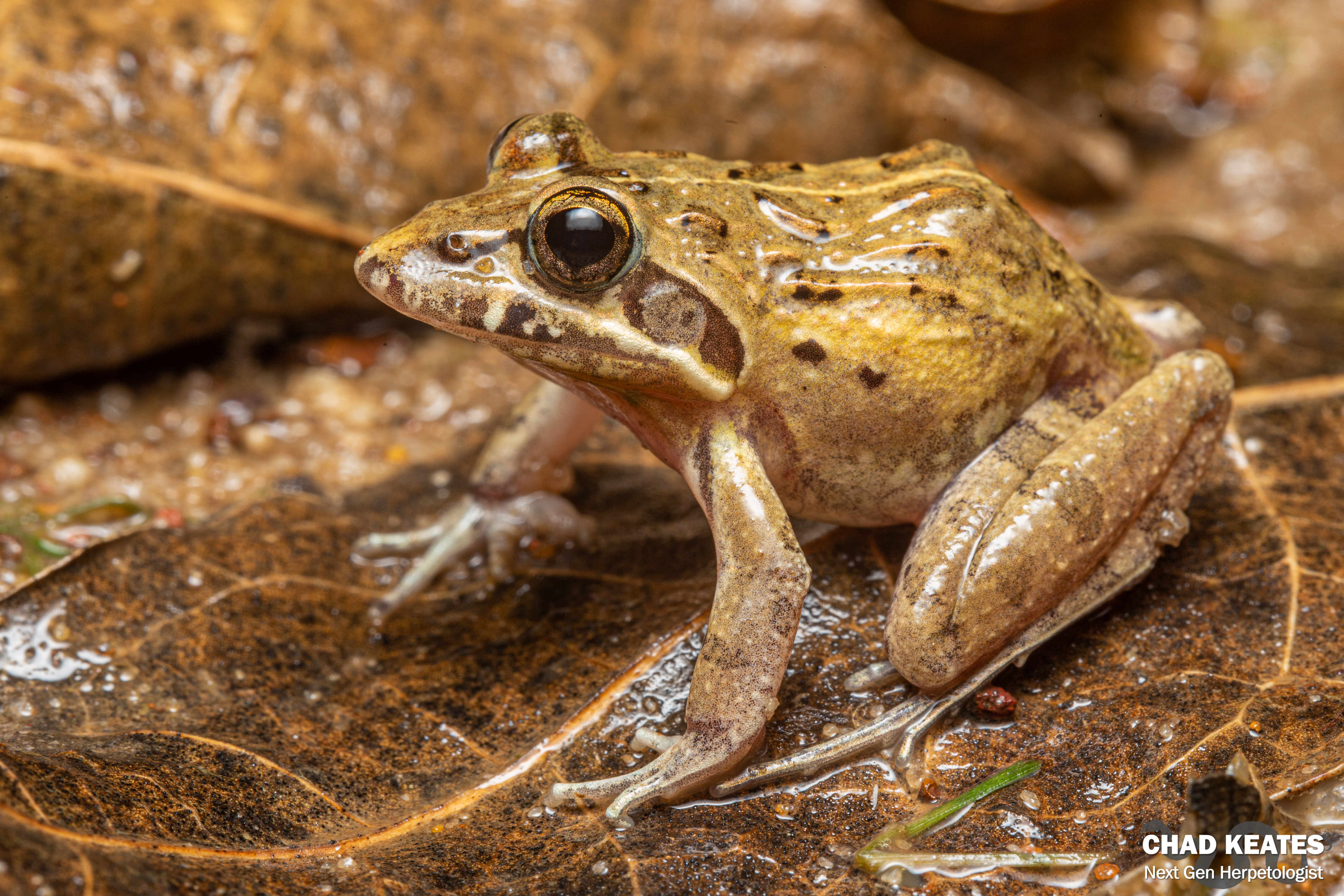
from Tsitsikamma, Eastern Cape, South Africa
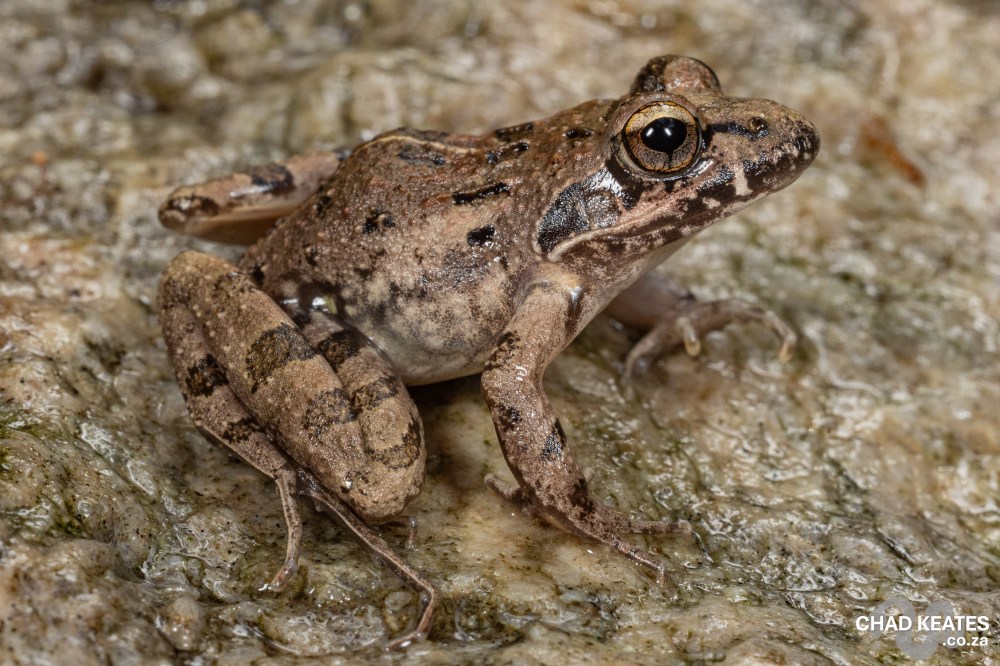
from Grootvadersbosch Nature Reserve, Western Cape, South Africa
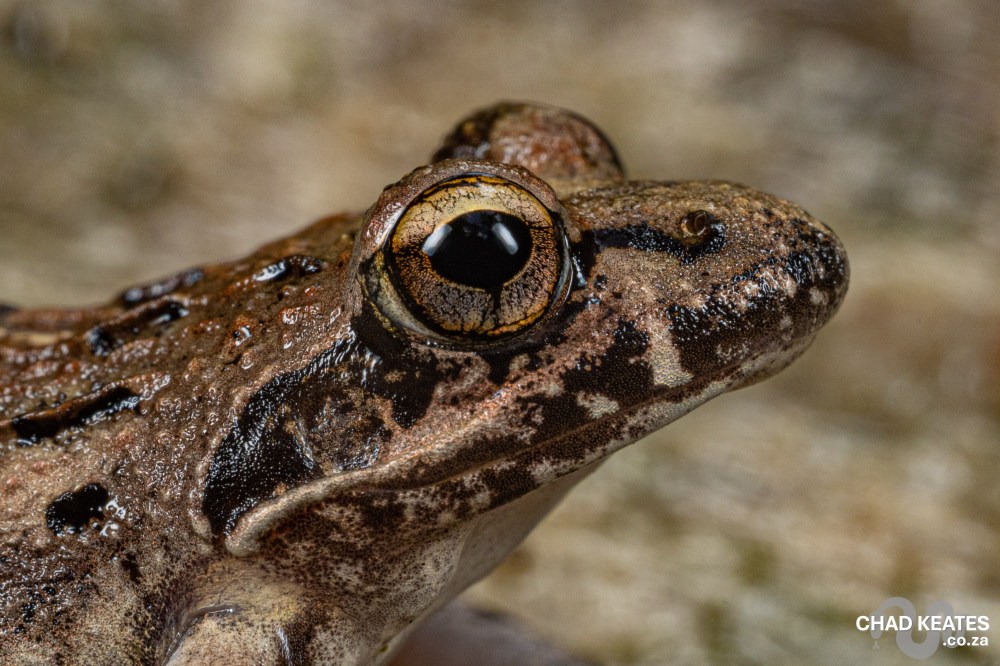
from Grootvadersbosch Nature Reserve, Western Cape, South Africa
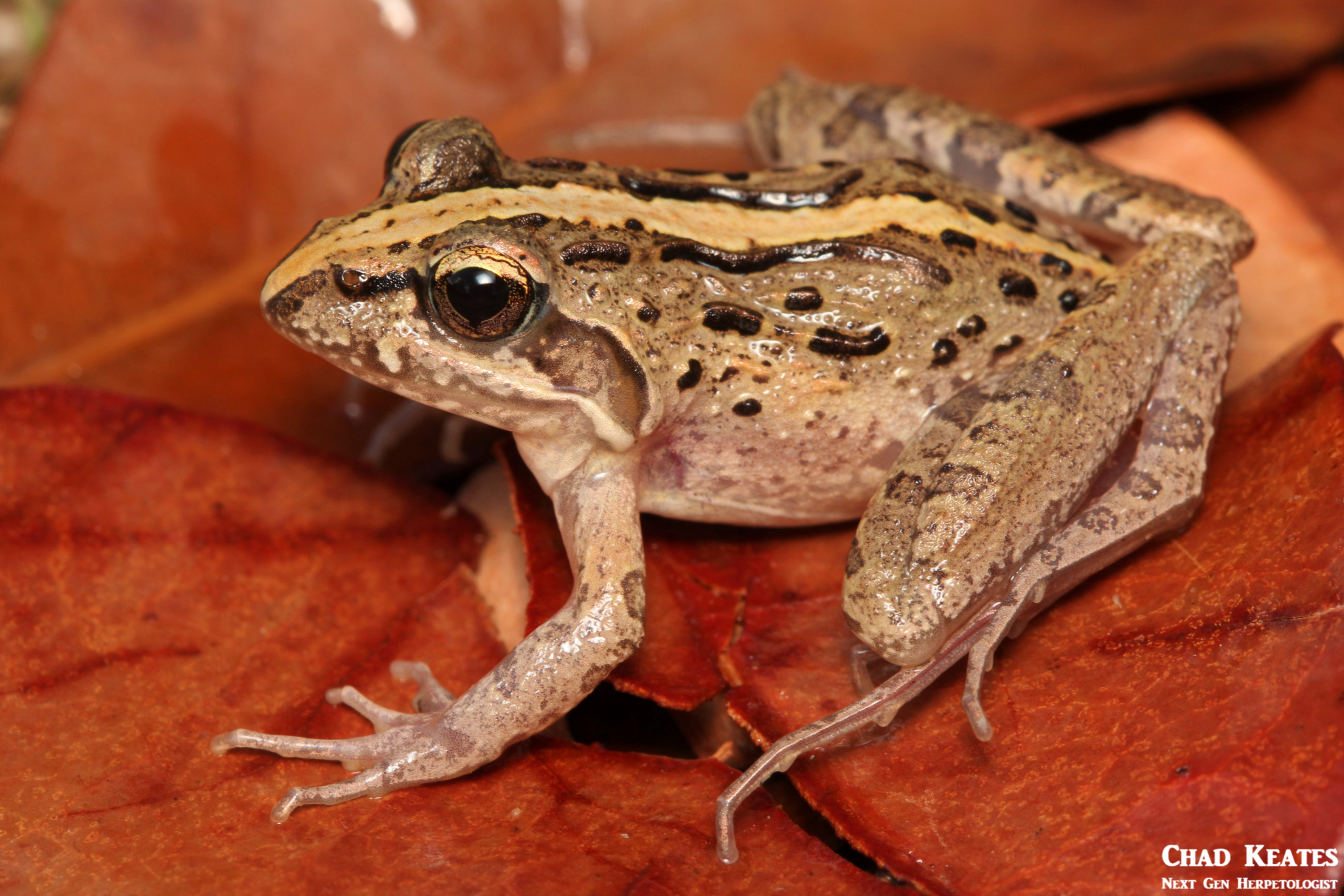
from Brenton-on-Sea, Western Cape, South Africa
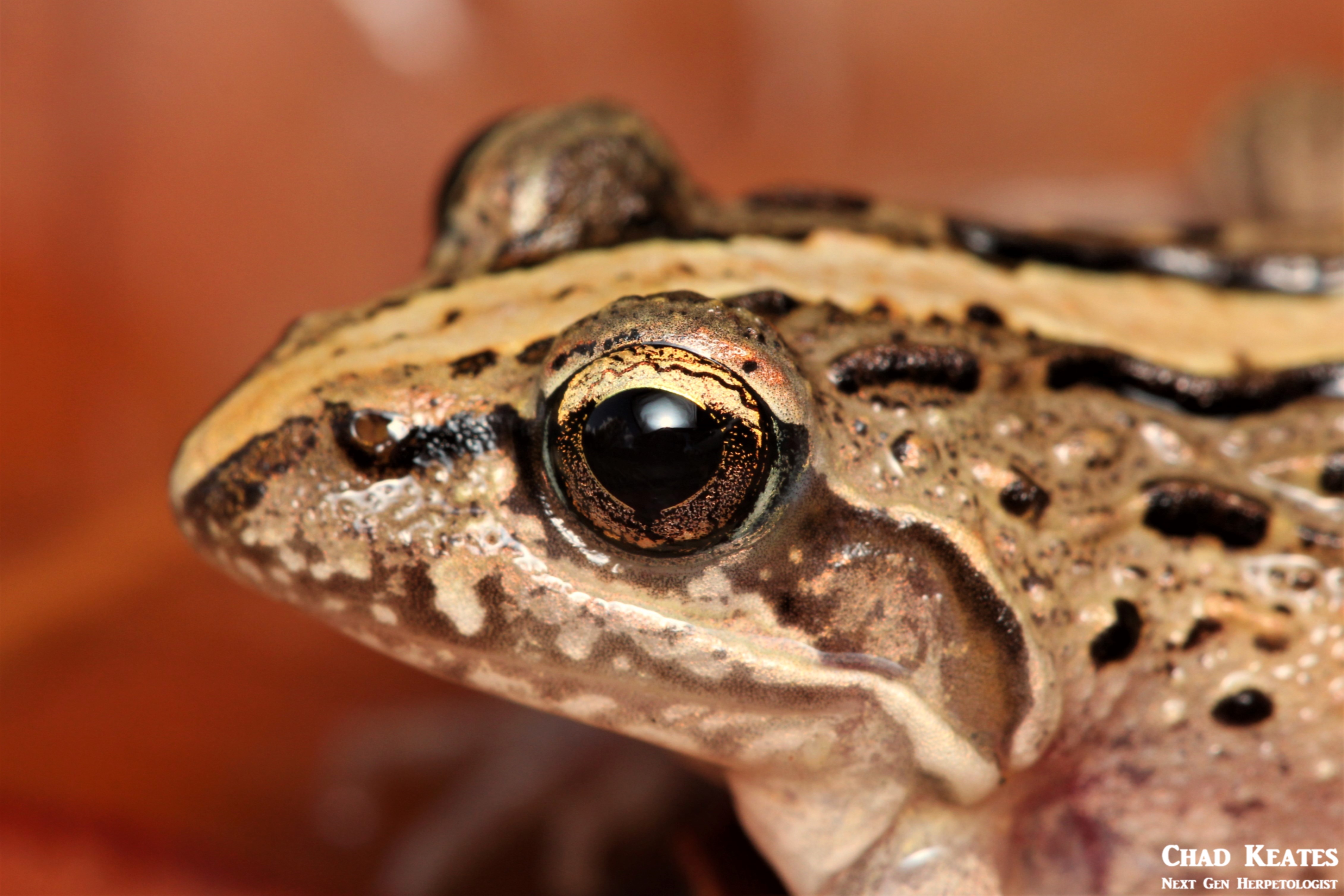
from Brenton-on-Sea, Western Cape, South Africa
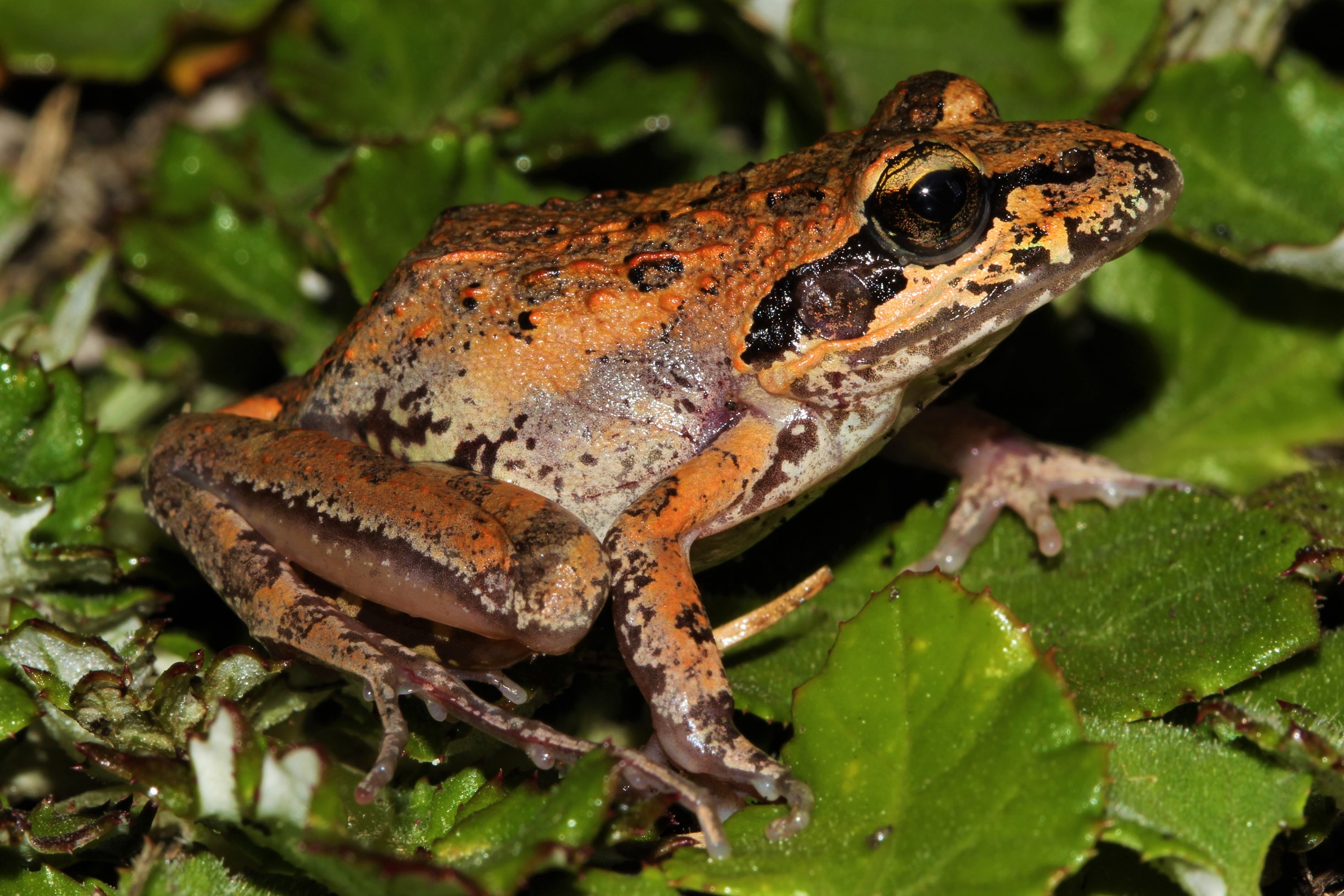
from George, Western Cape, South Africa
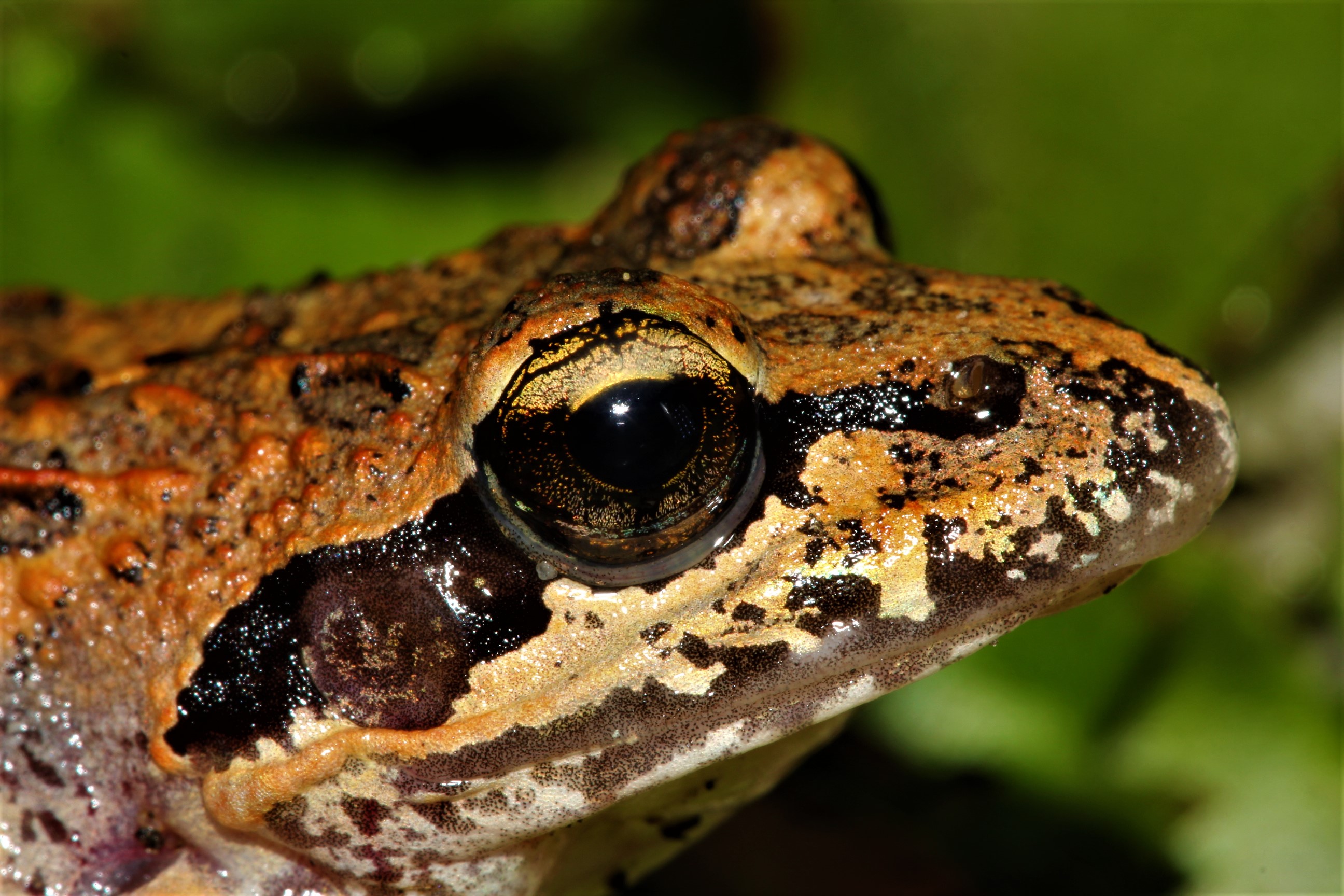
from George, Western Cape, South Africa
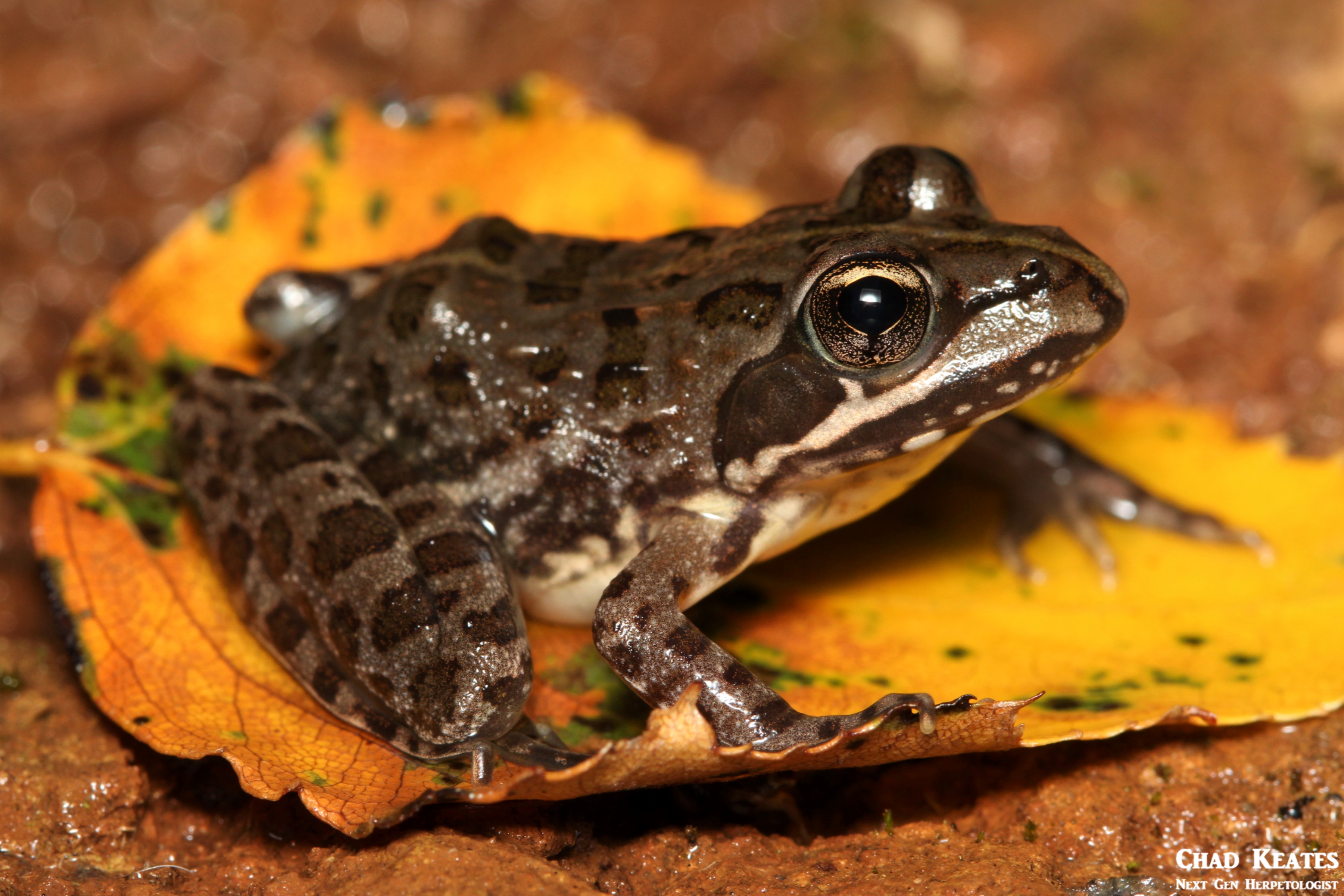
from Hogsback, Eastern Cape, South Africa
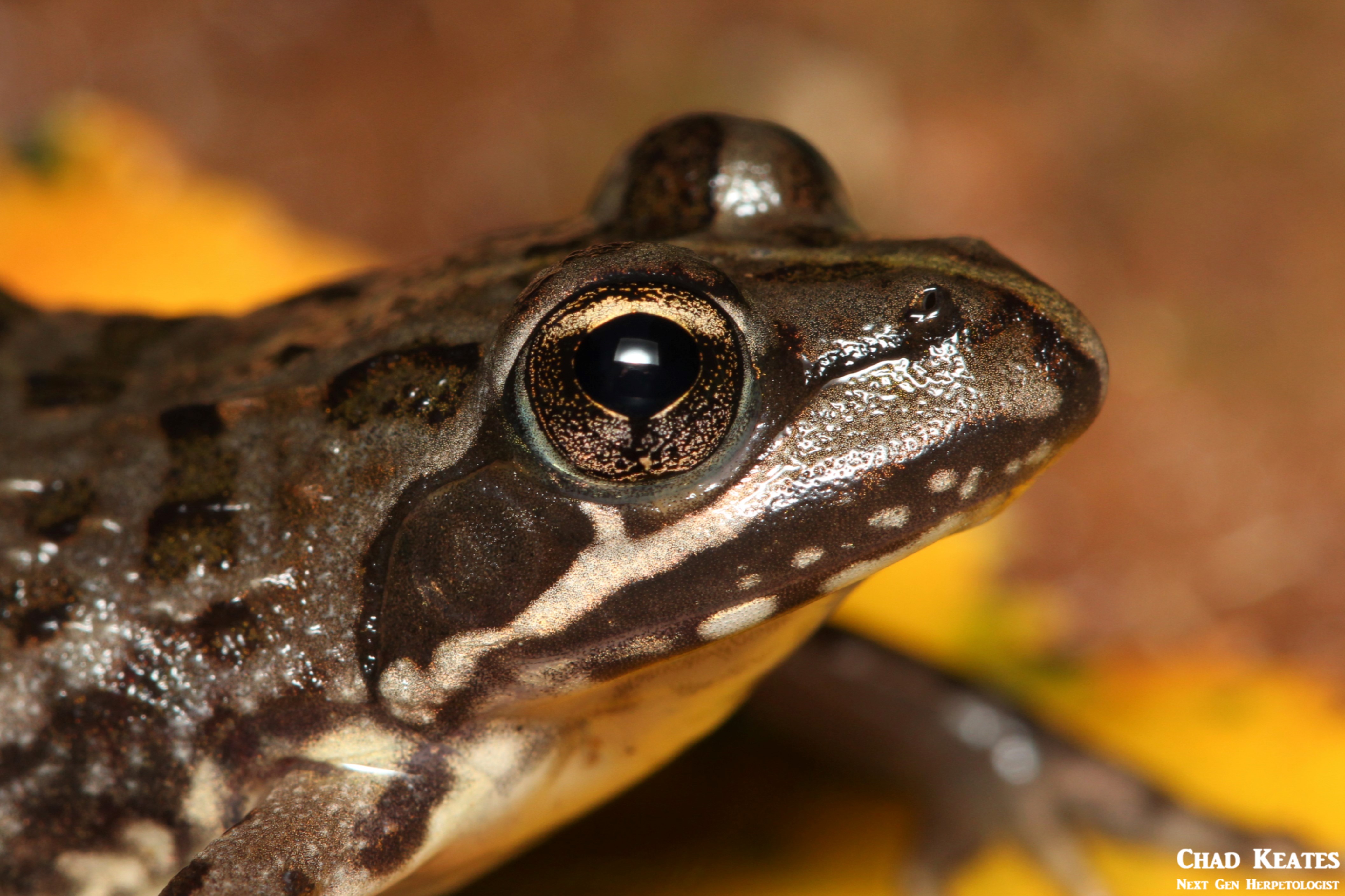
from Hogsback, Eastern Cape, South Africa
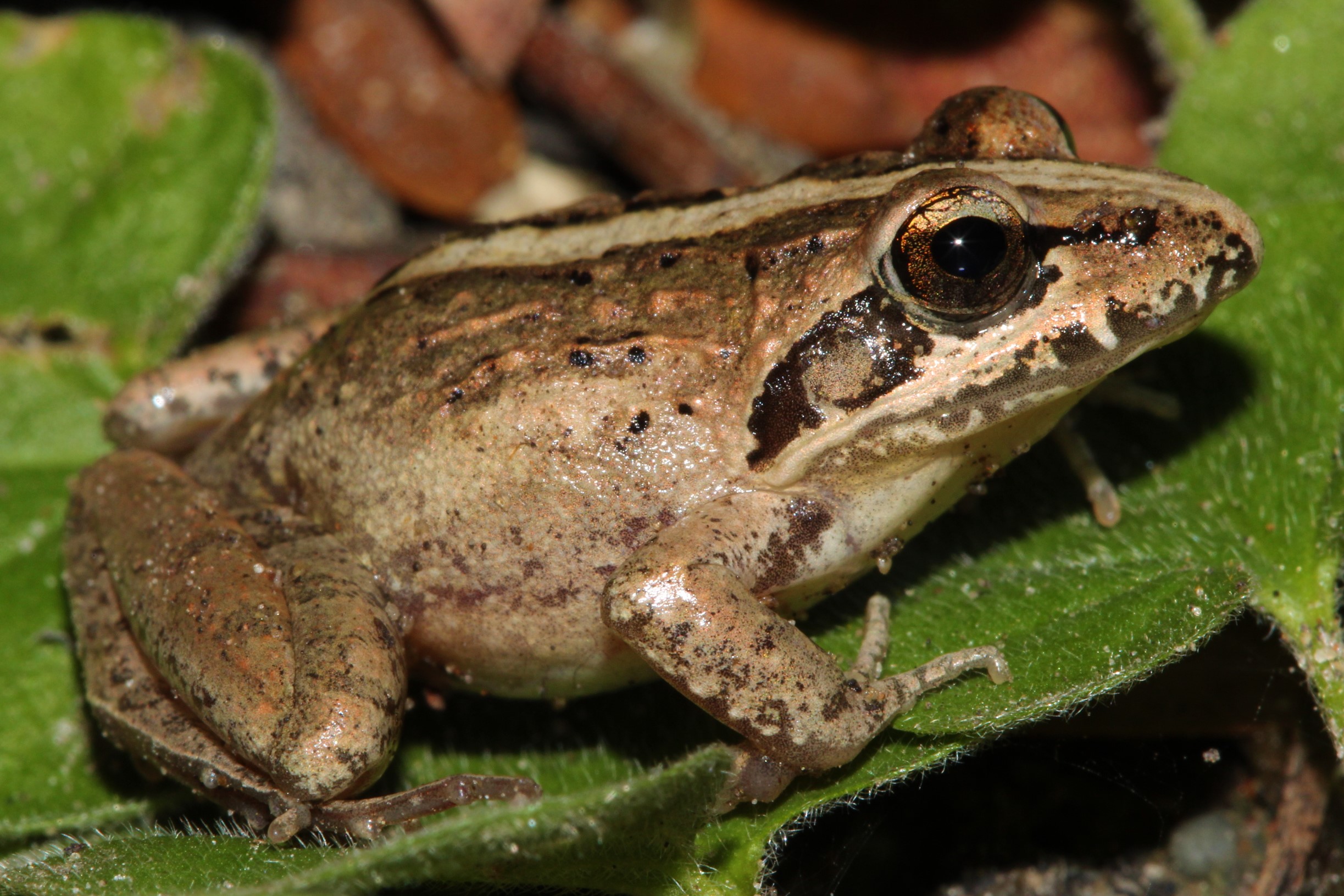
from George, Western Cape, South Africa
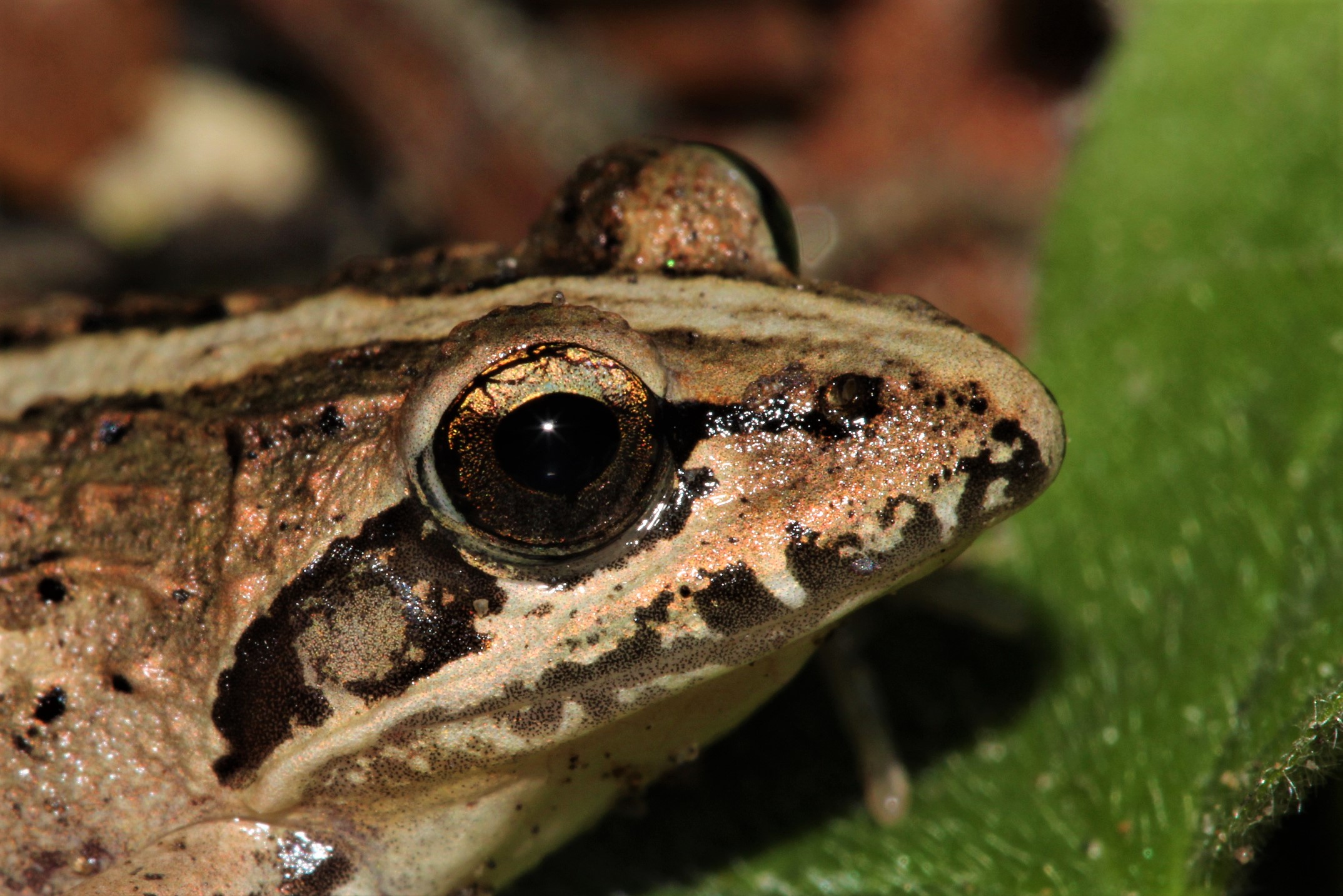
from George, Western Cape, South Africa
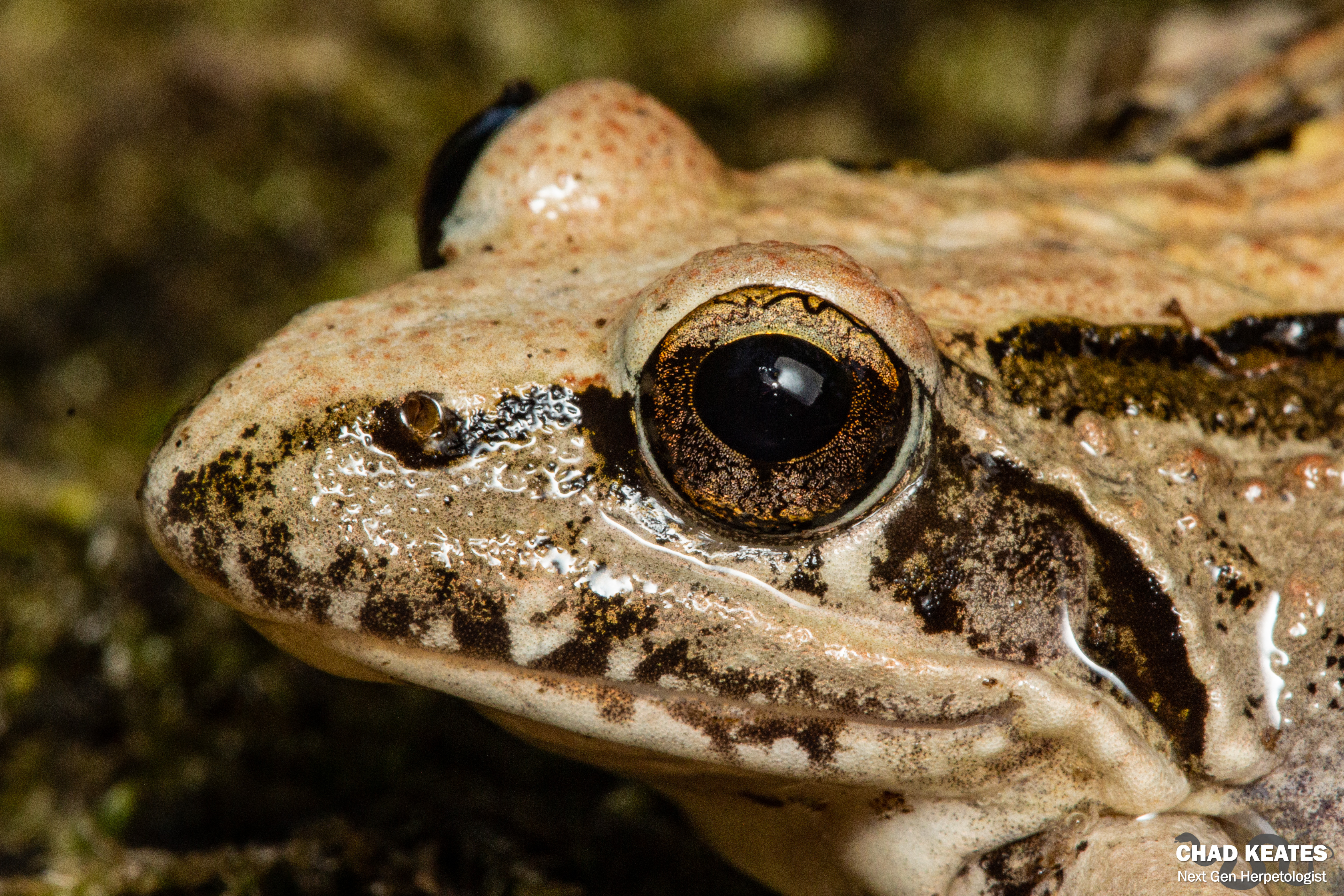
from Hogsback, Eastern Cape, South Africa
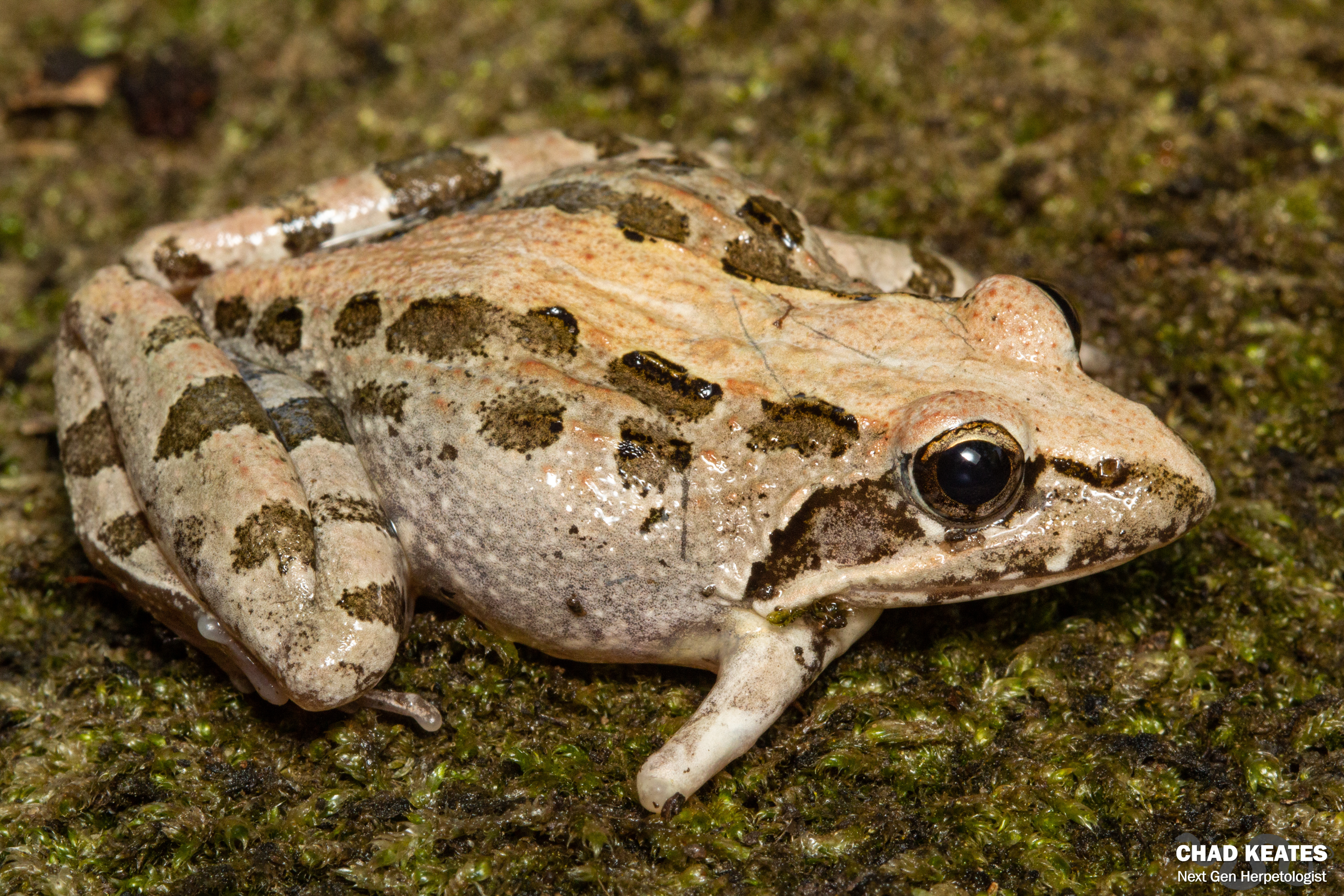
from Hogsback, Eastern Cape, South Africa

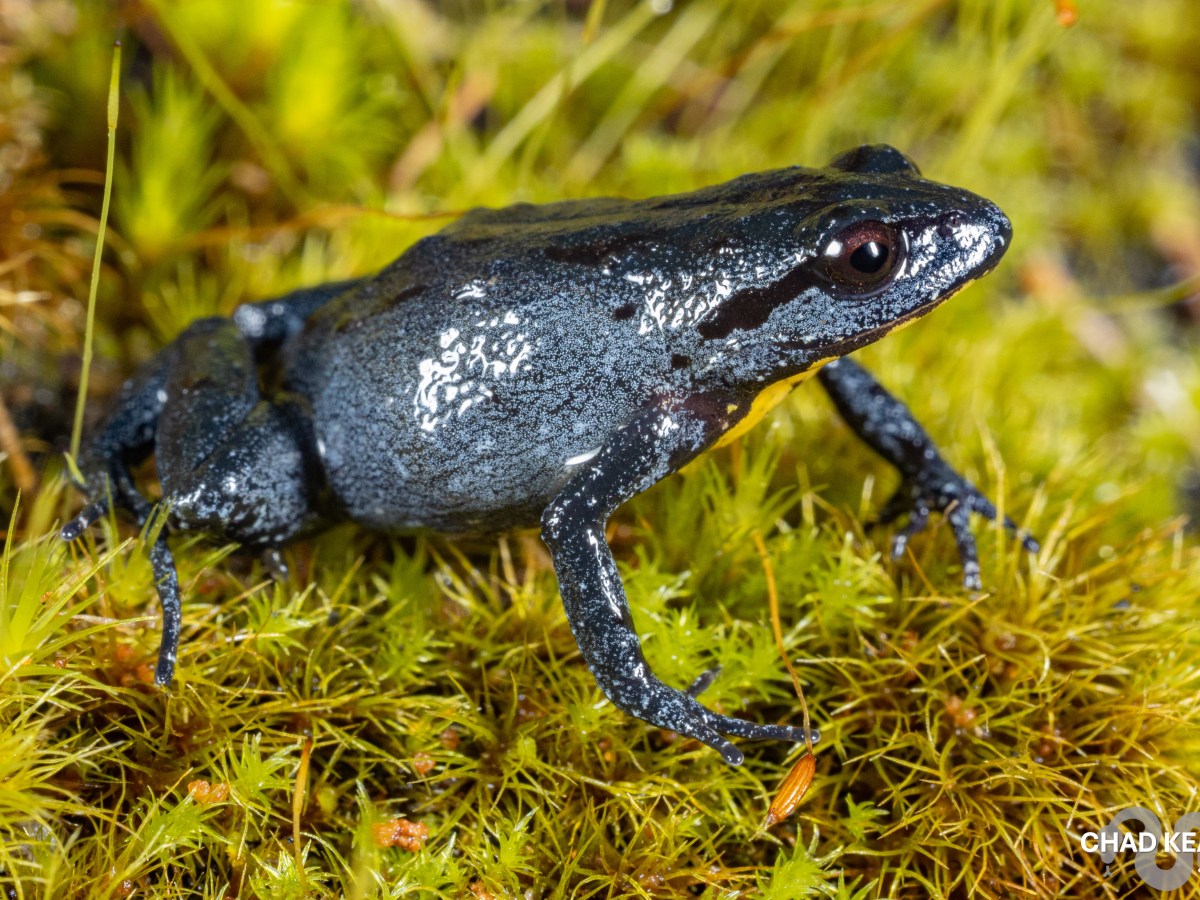

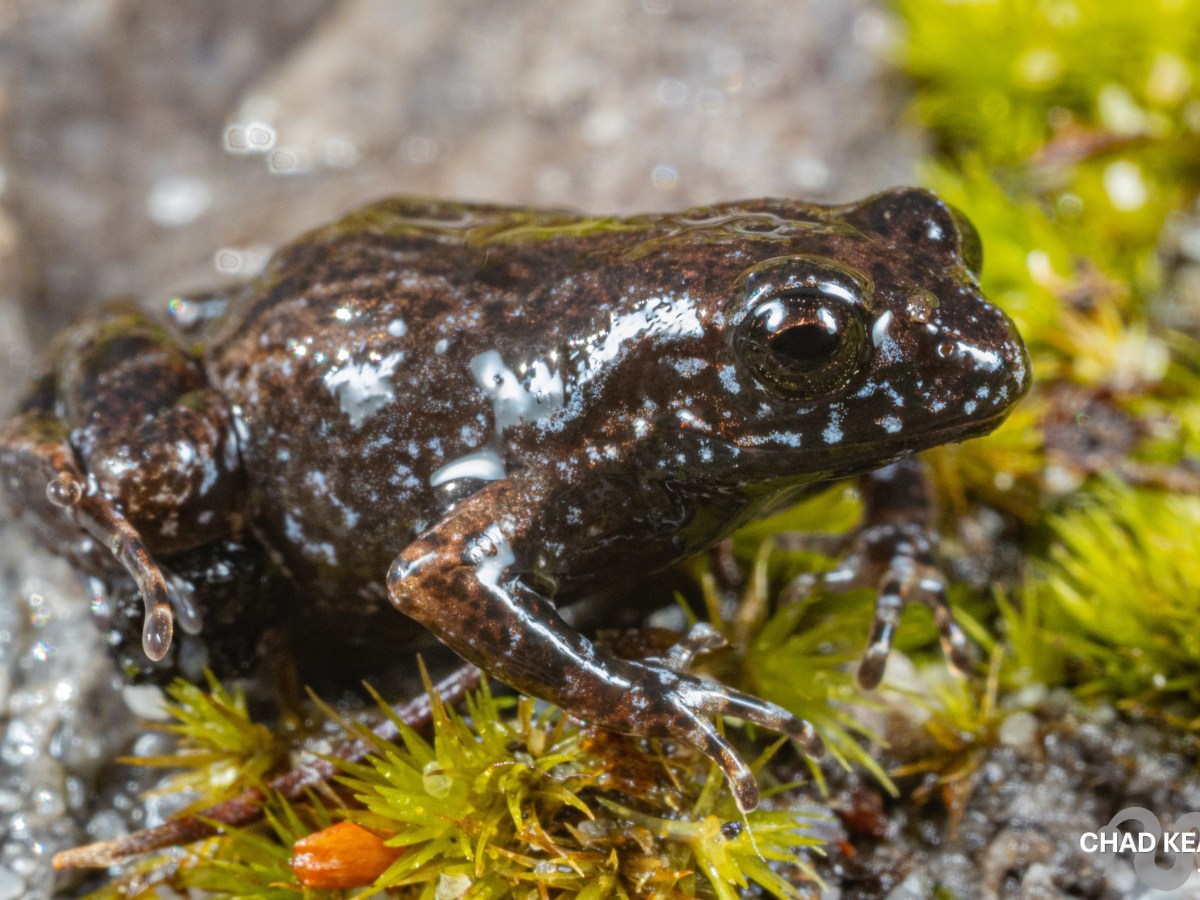
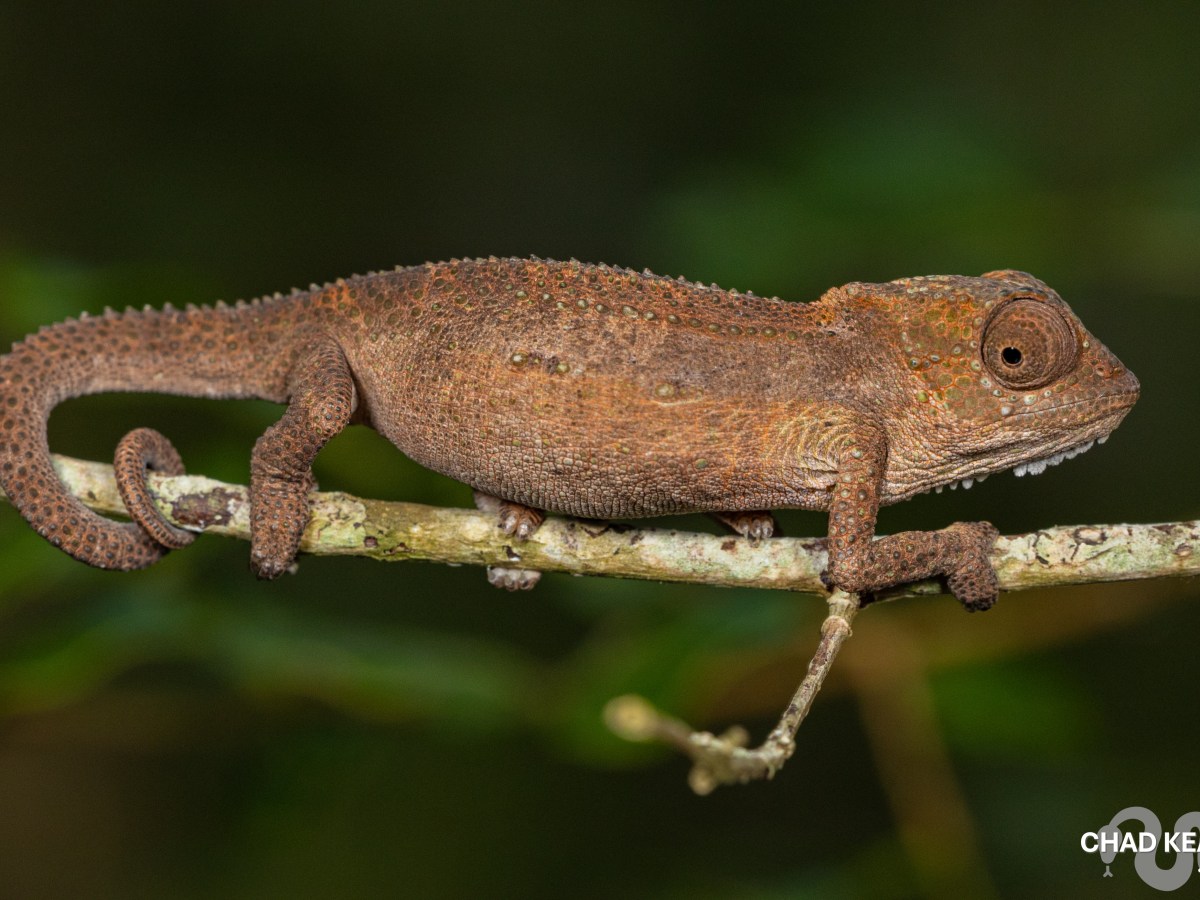


 Chad Keates