 Chad Keates
from Westville, KwaZulu Natal, South Africa
from Westville, KwaZulu Natal, South Africa
from Westville, KwaZulu Natal, South Africa
from Westville, KwaZulu Natal, South Africa
from Umhlanga, KwaZulu Natal, South Africa
from Umhlanga, KwaZulu Natal, South Africa





from Umhlanga, KwaZulu Natal, South Africa
from Umhlanga, KwaZulu Natal, South Africa
from Umhlanga, KwaZulu Natal, South Africa
from Hluhluwe, KwaZulu Natal, South Africa

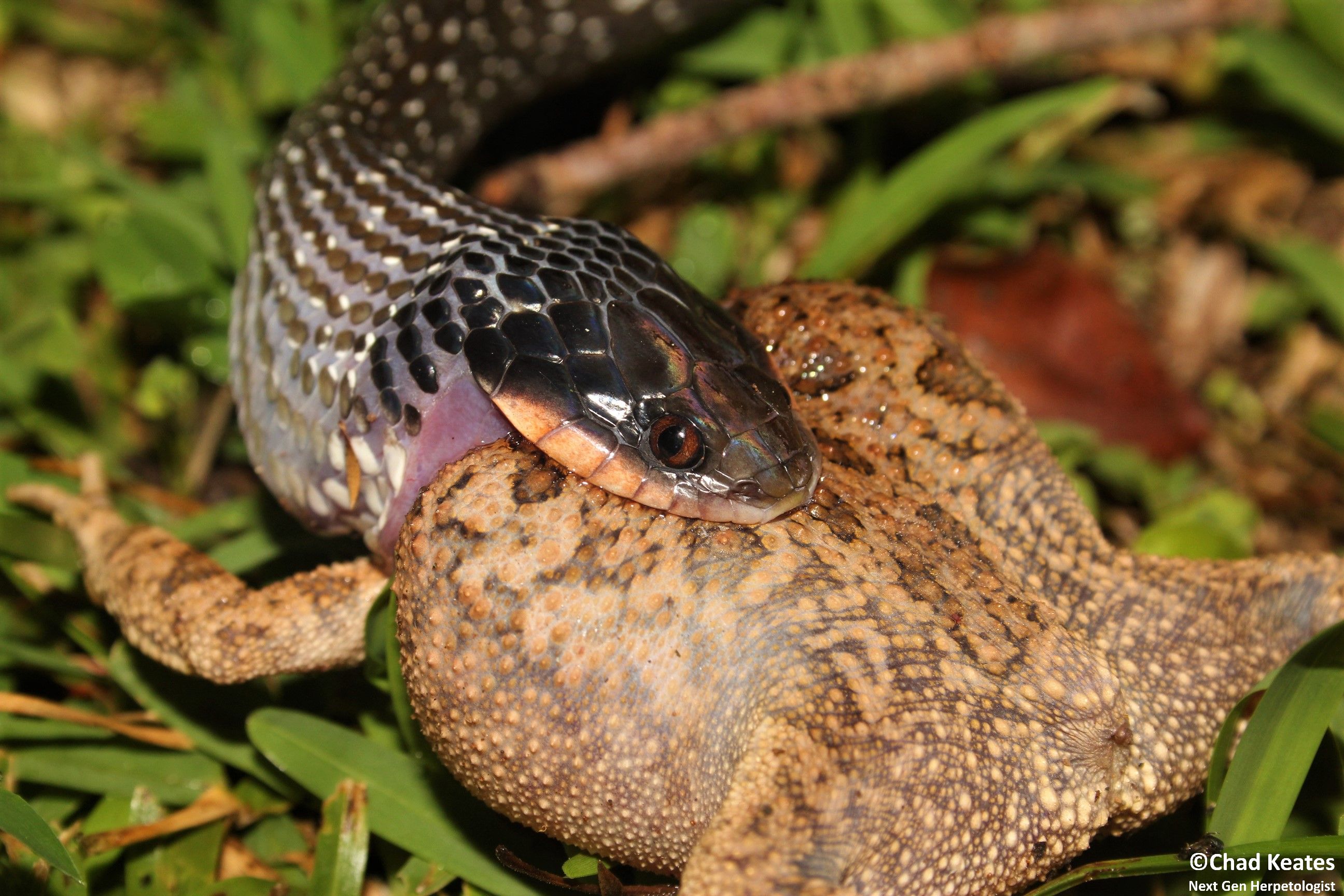
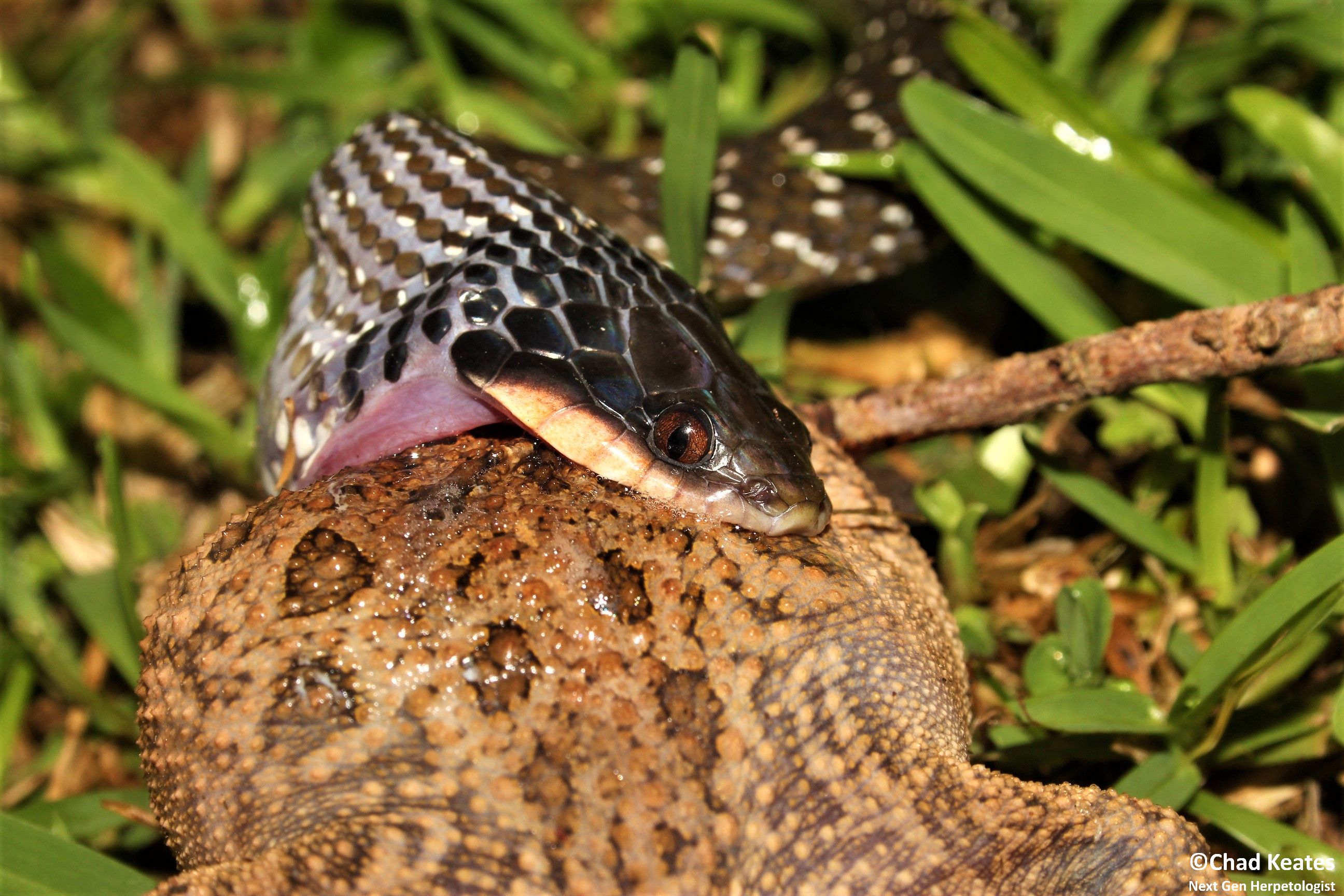
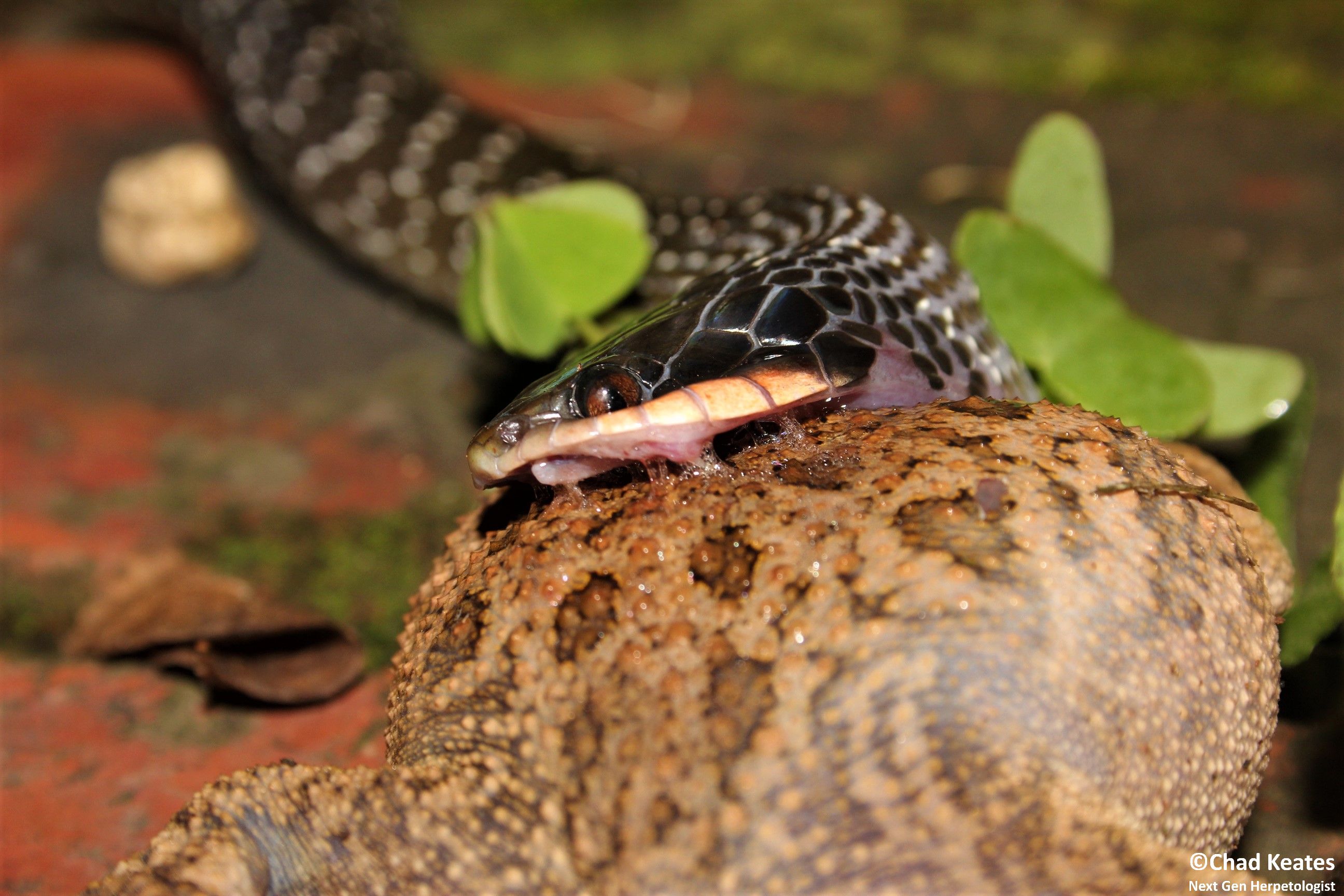
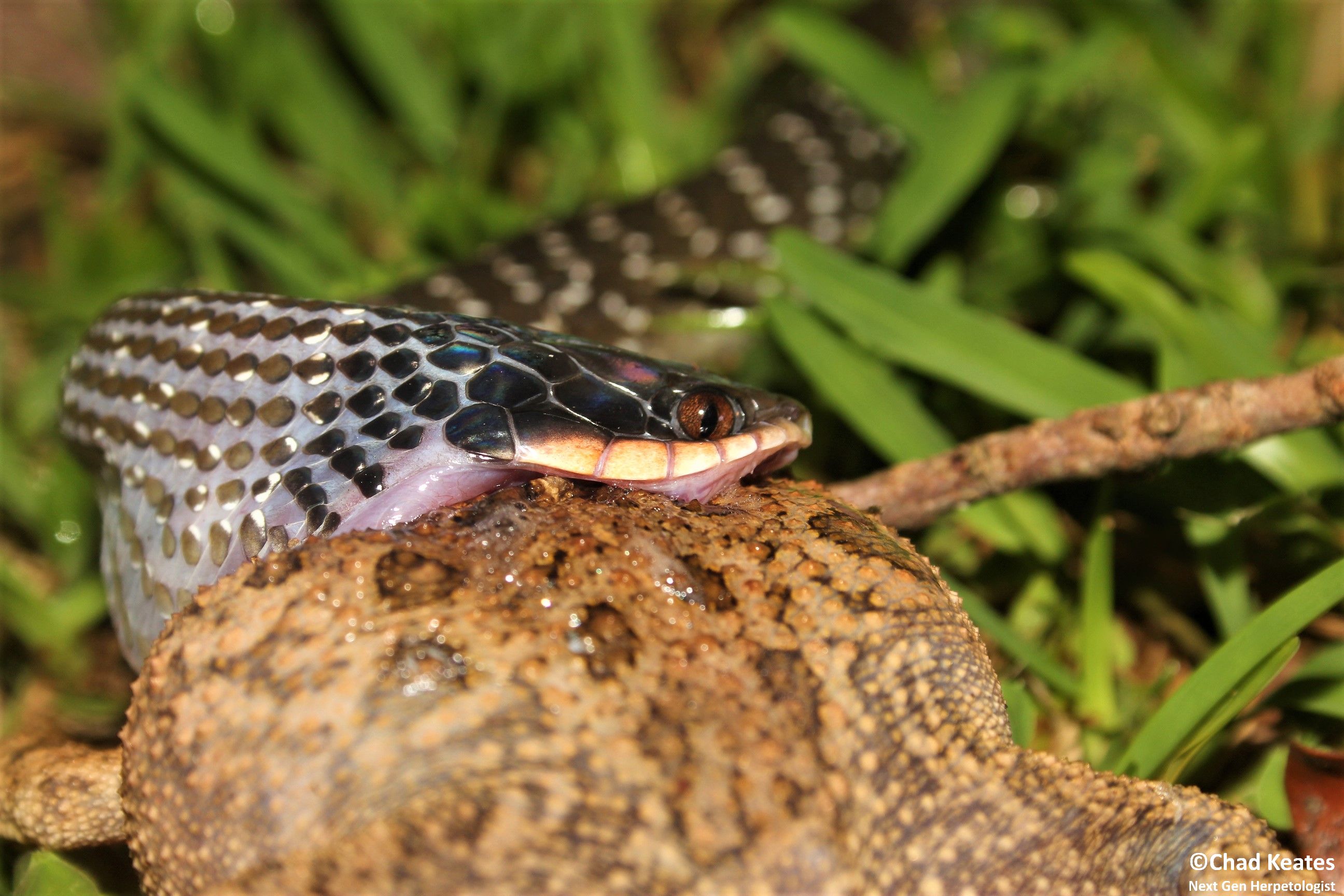
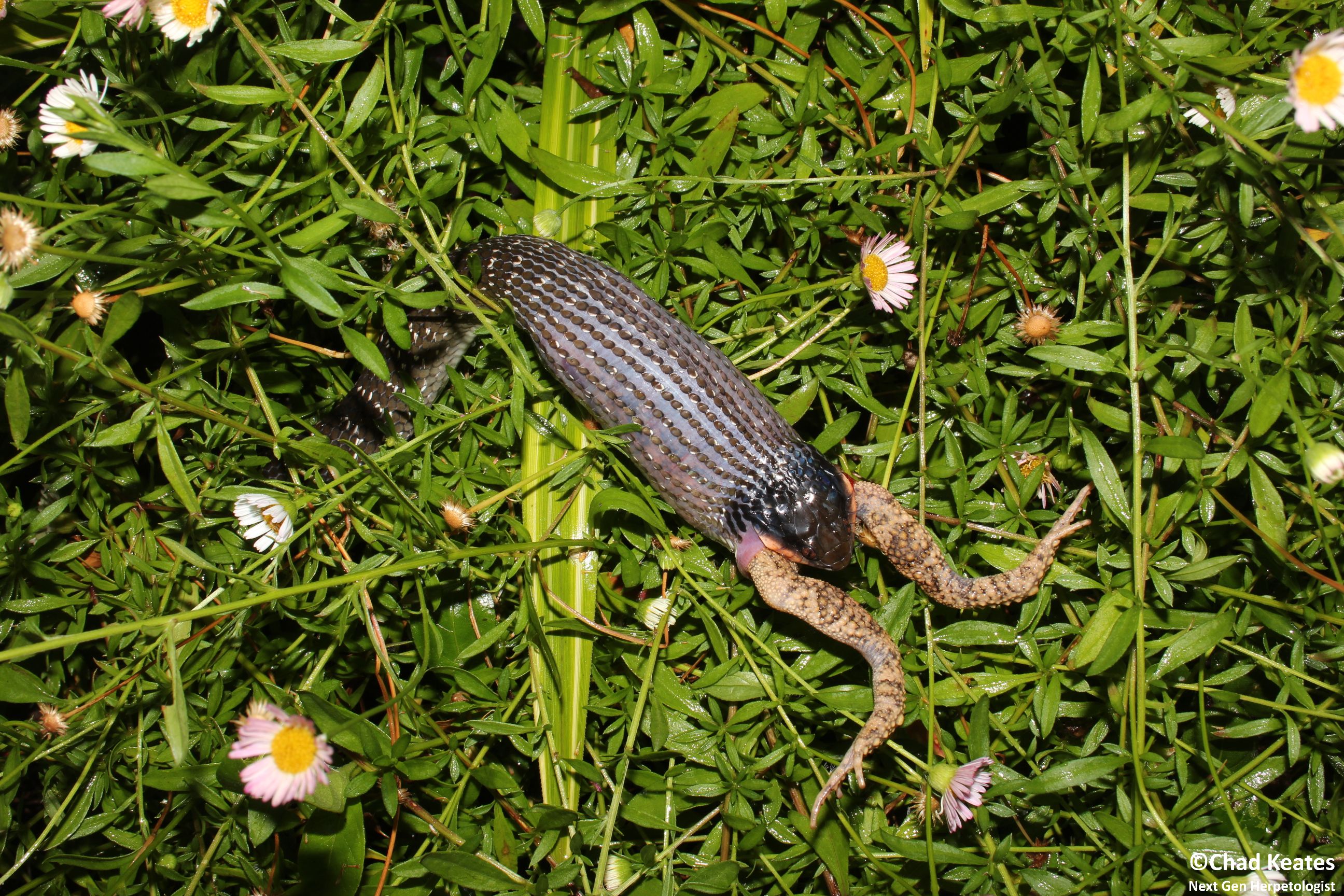
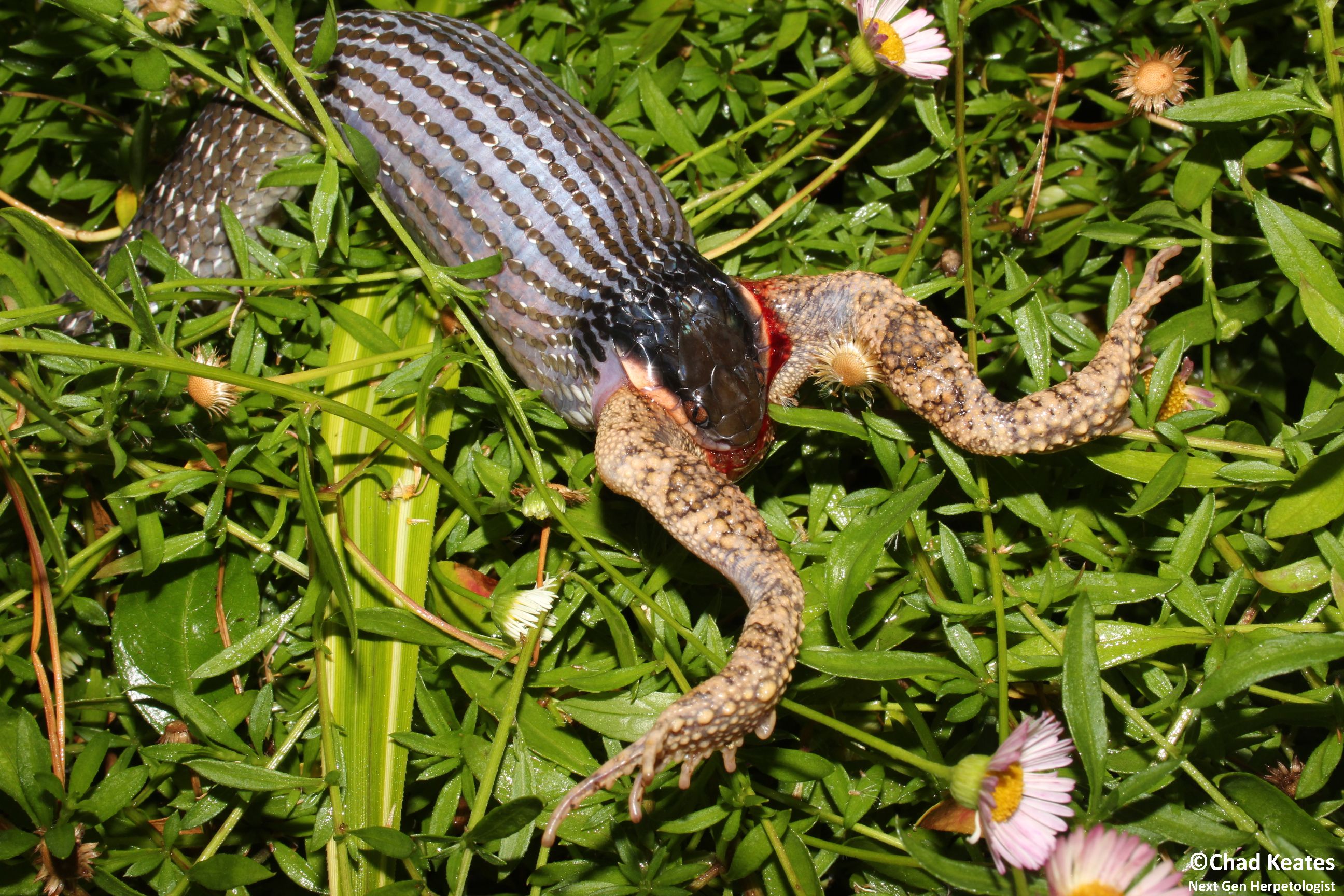
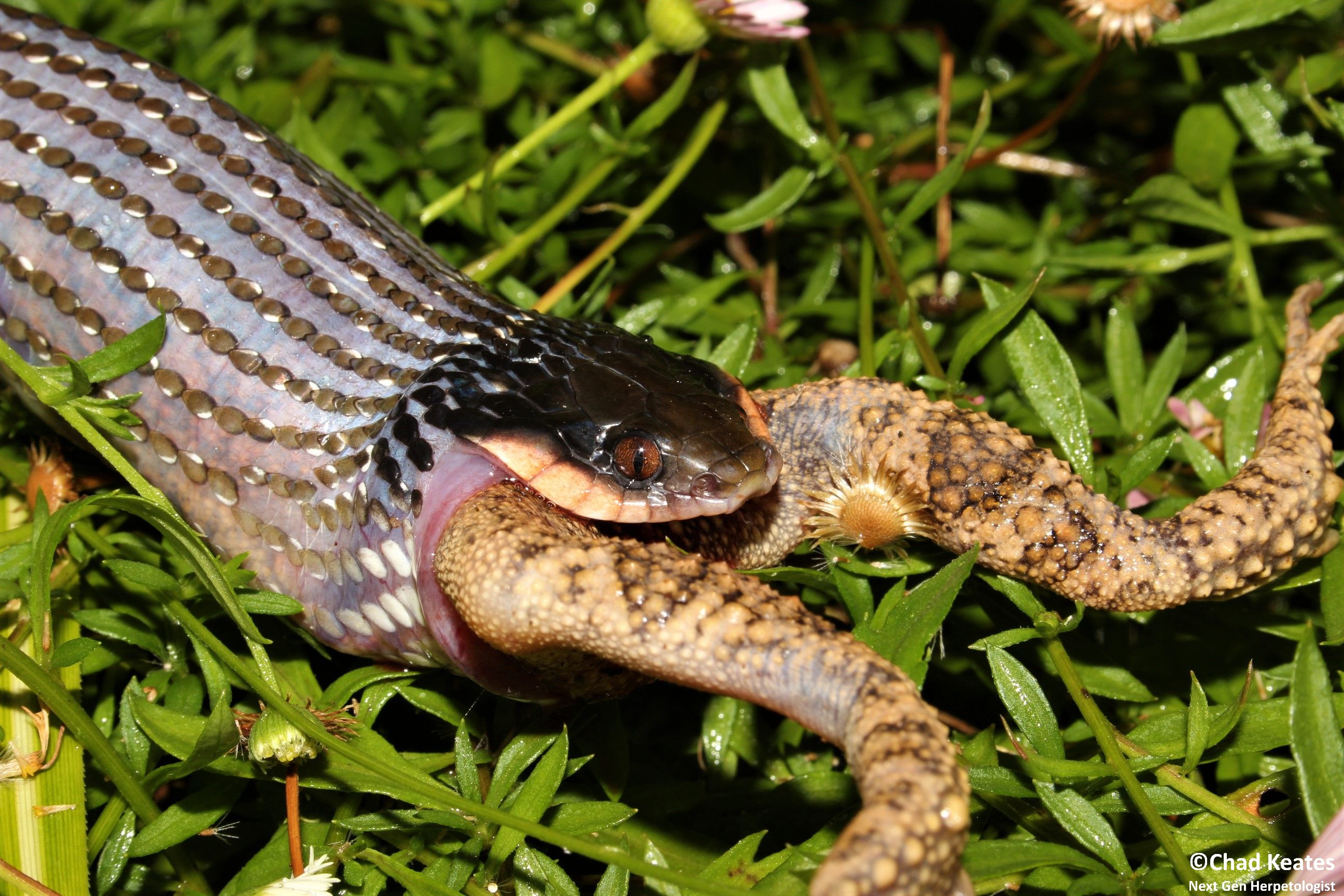
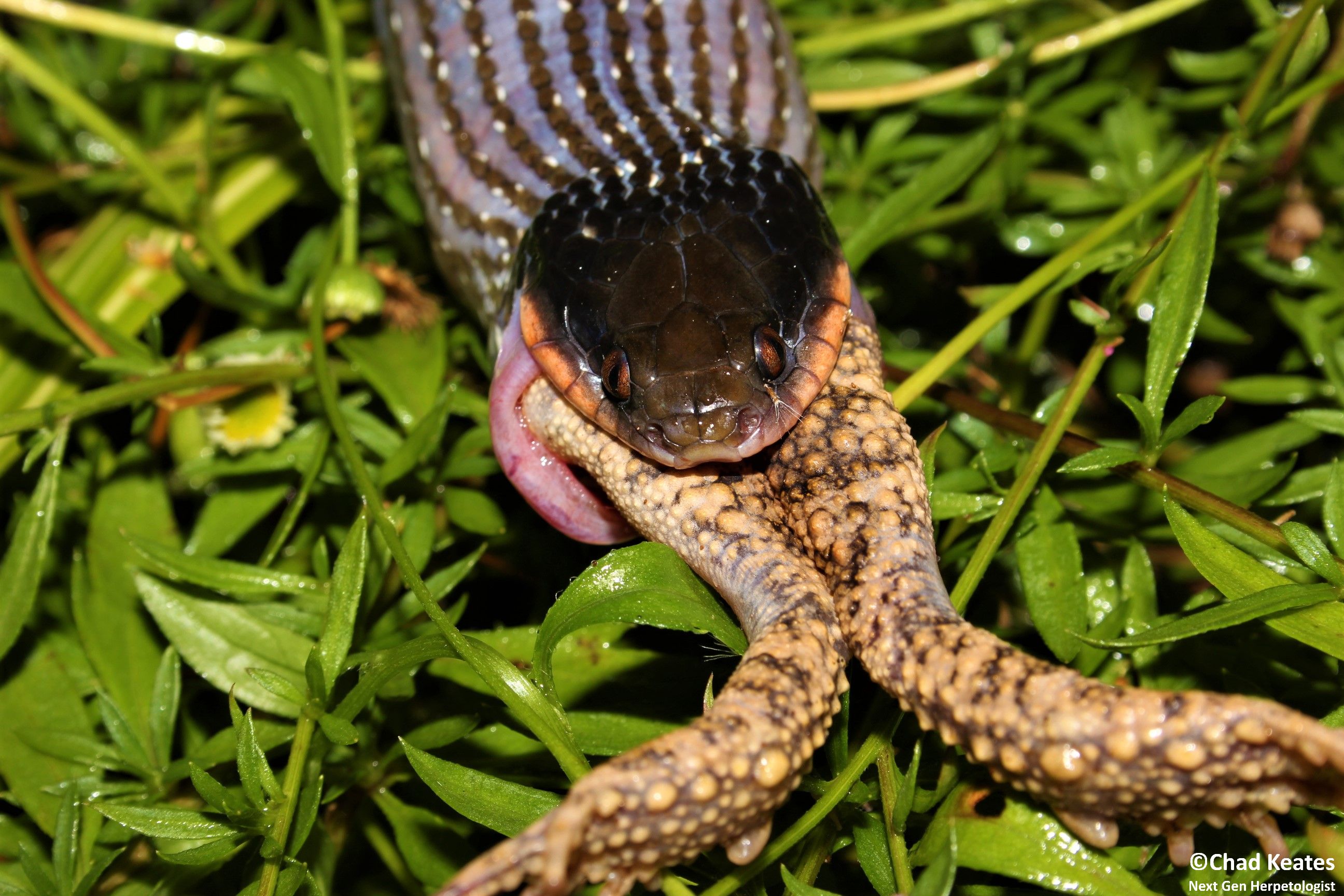
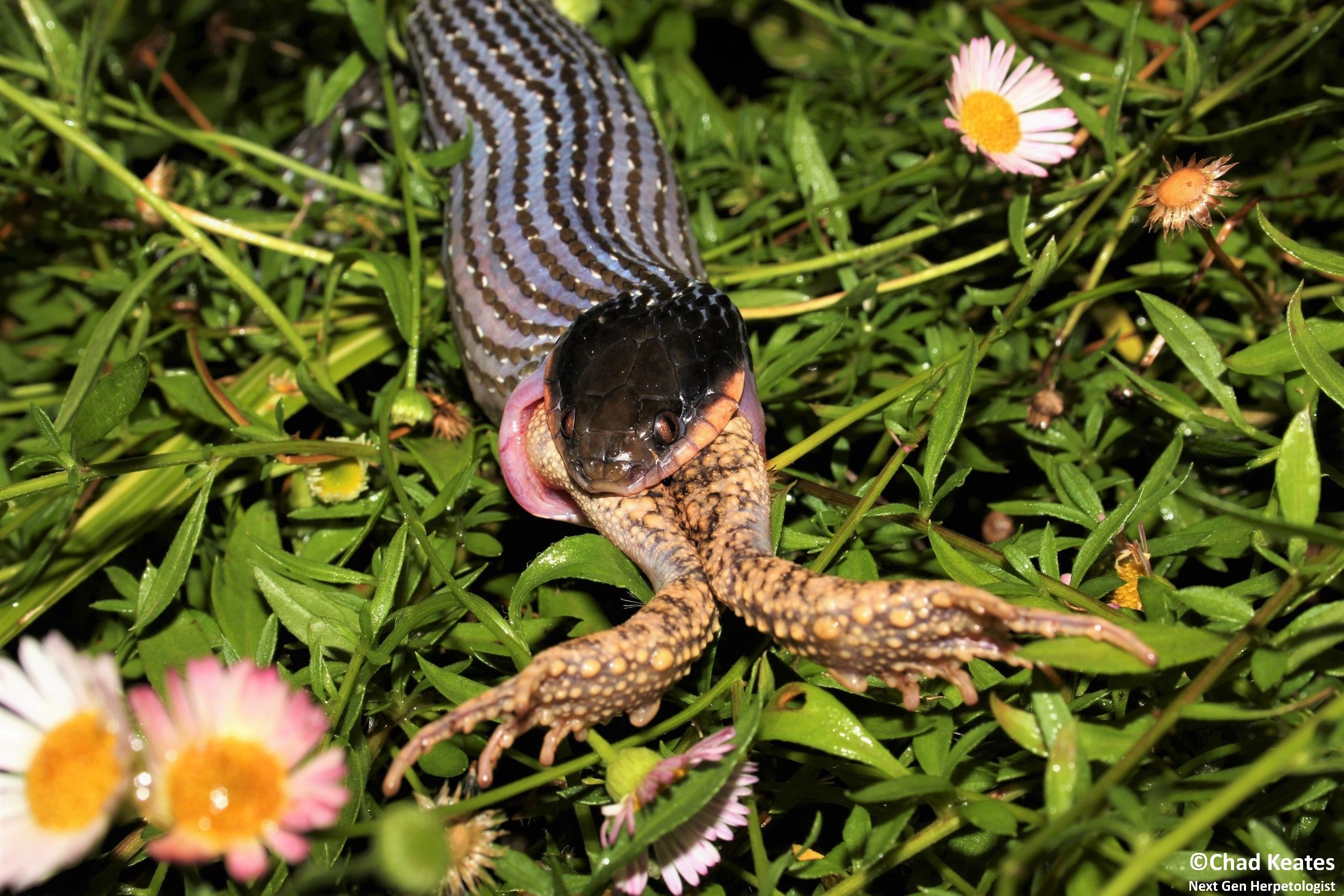
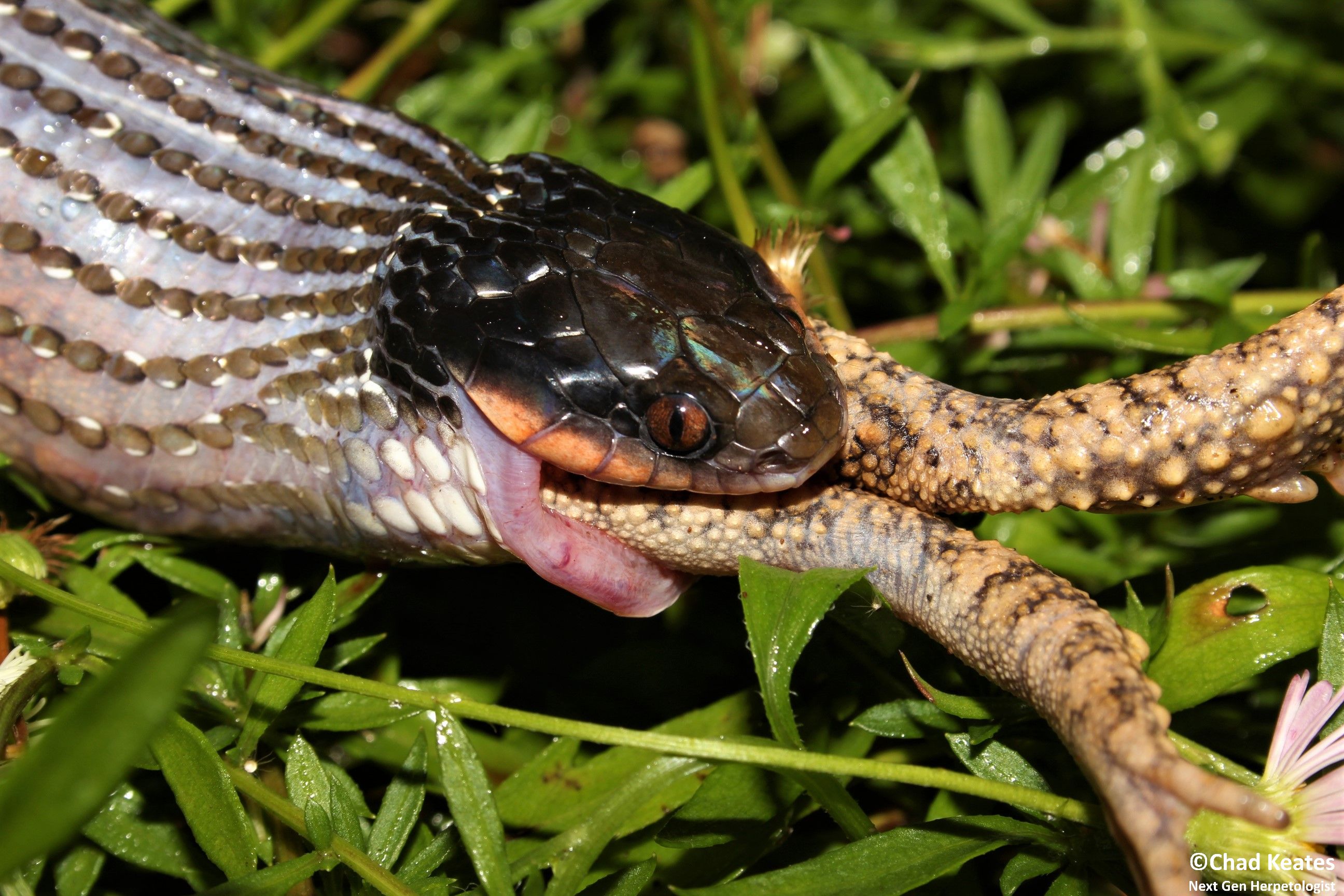
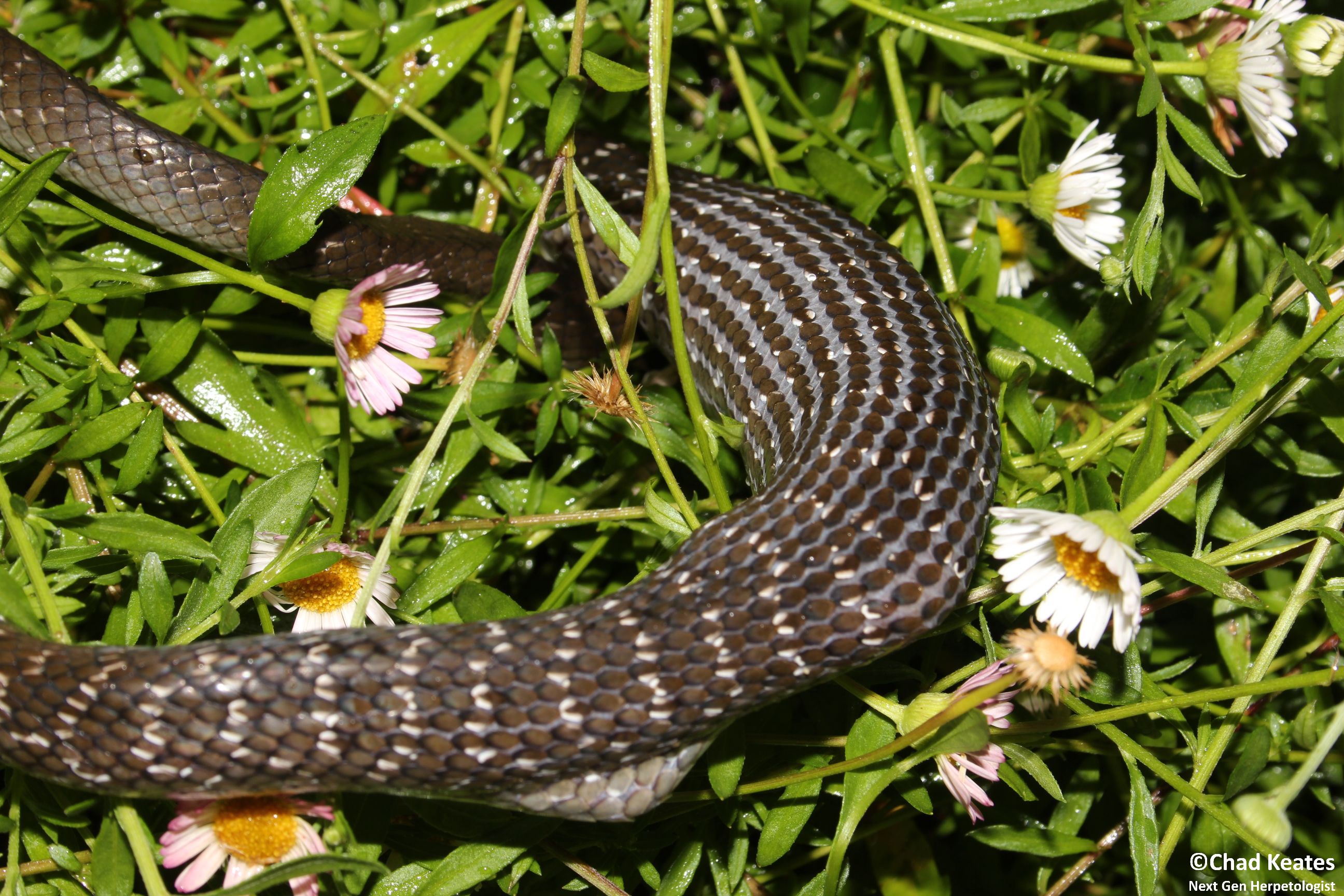
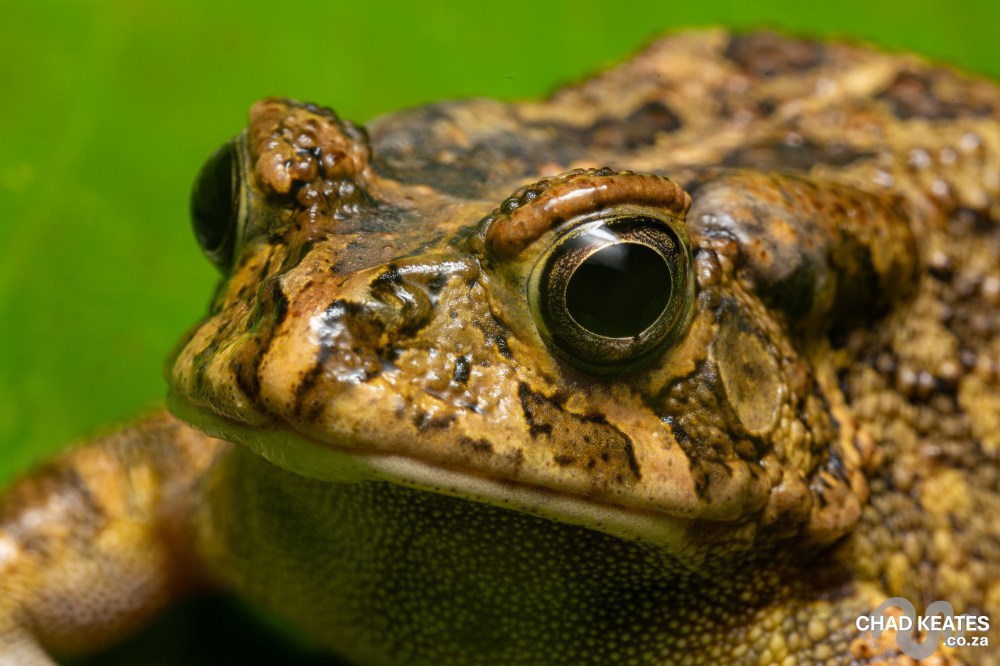
This red-lipped herald (Crotaphopeltis hotamboeia) was found in the process of eating a guttural toad (Amietophrynus gutturalis) last night (9 december 2016) in Westville, Kwazulu Natal. The toad was still alive when the snake started eating it but died during the process of consumption. The snake took over an hour to consume the entire toad.

from Midlands, KwaZulu Natal, South Africa
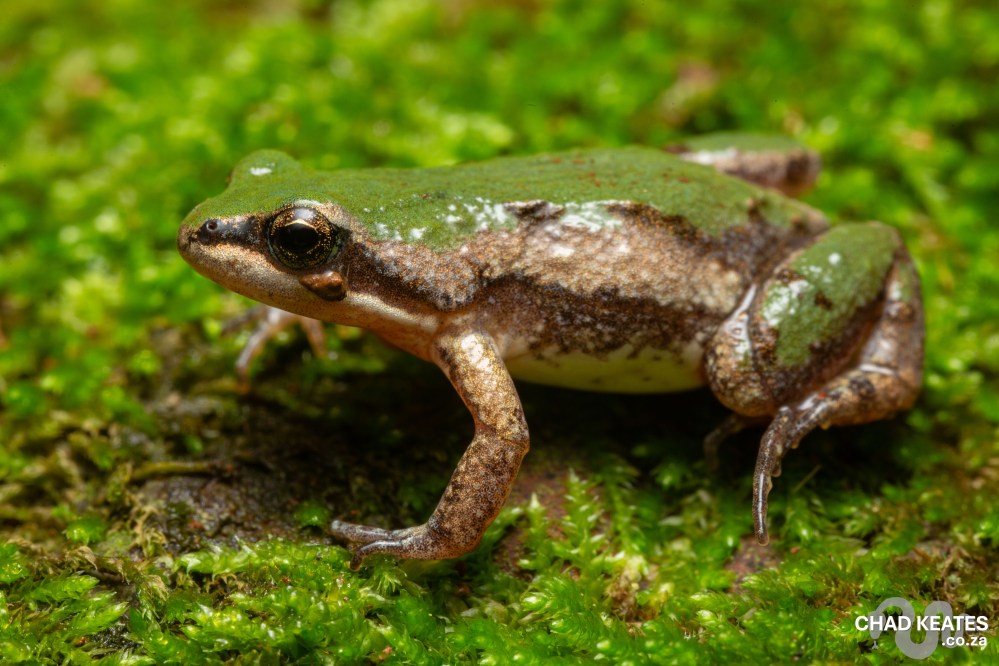
from Midlands, KwaZulu Natal, South Africa
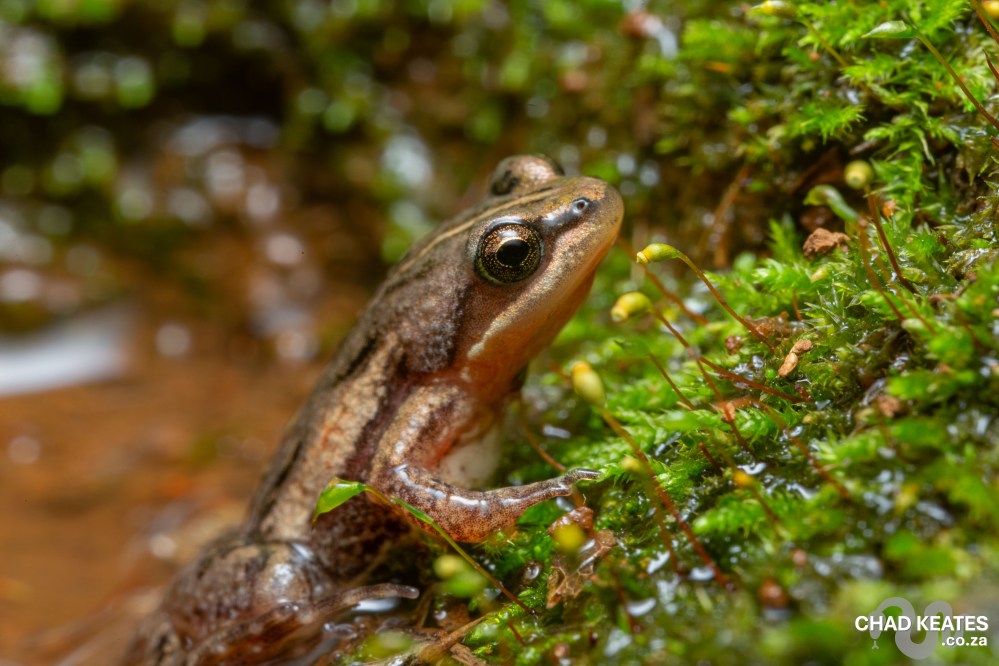
from Midlands, KwaZulu Natal, South Africa
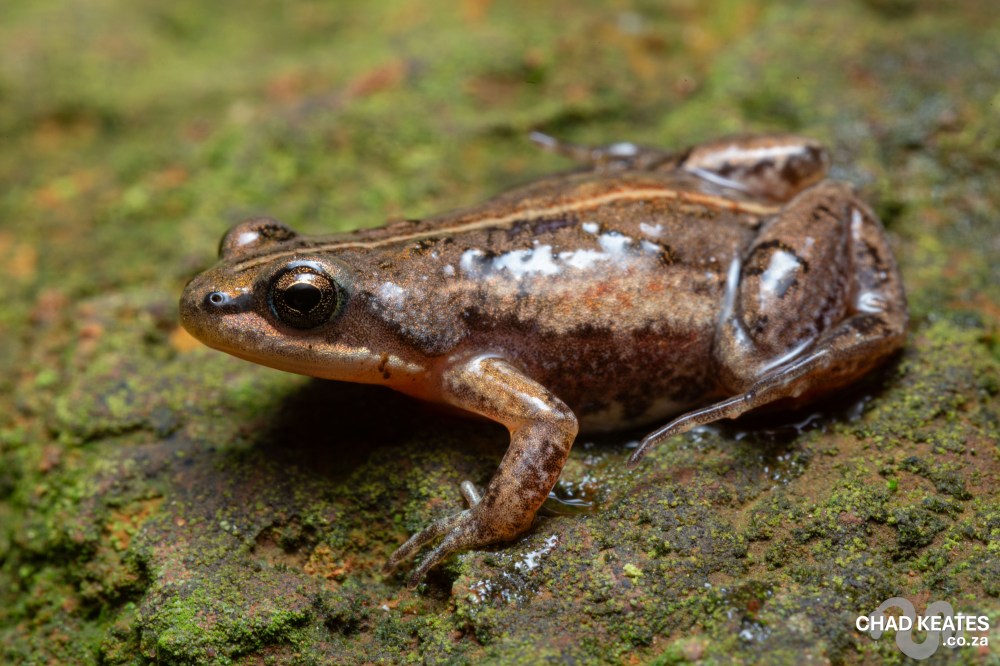
from Midlands, KwaZulu Natal, South Africa
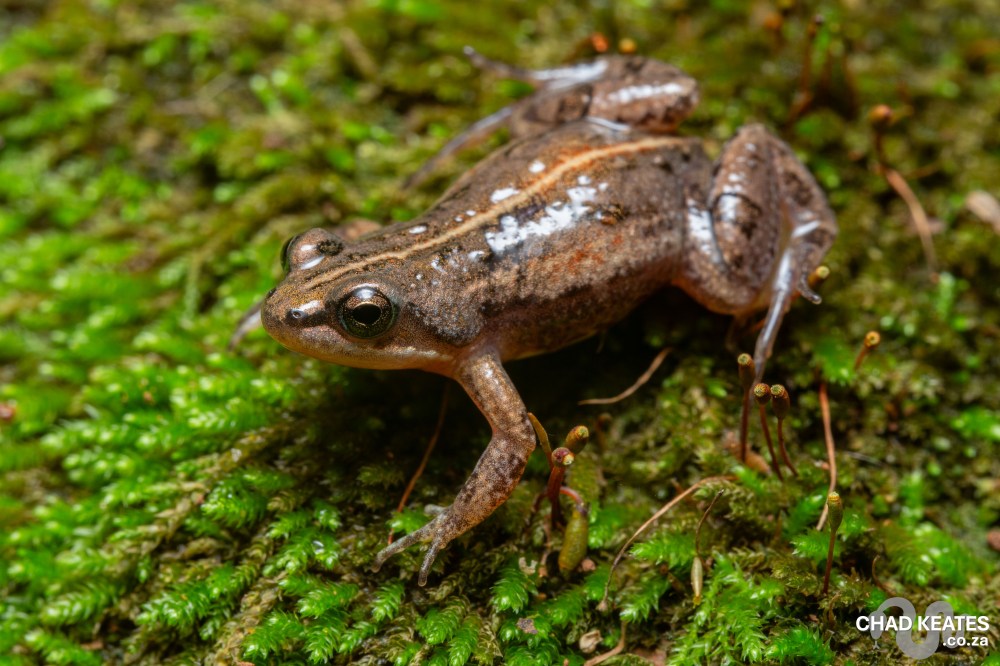
from Midlands, KwaZulu Natal, South Africa
from Midlands, KwaZulu Natal, South Africa

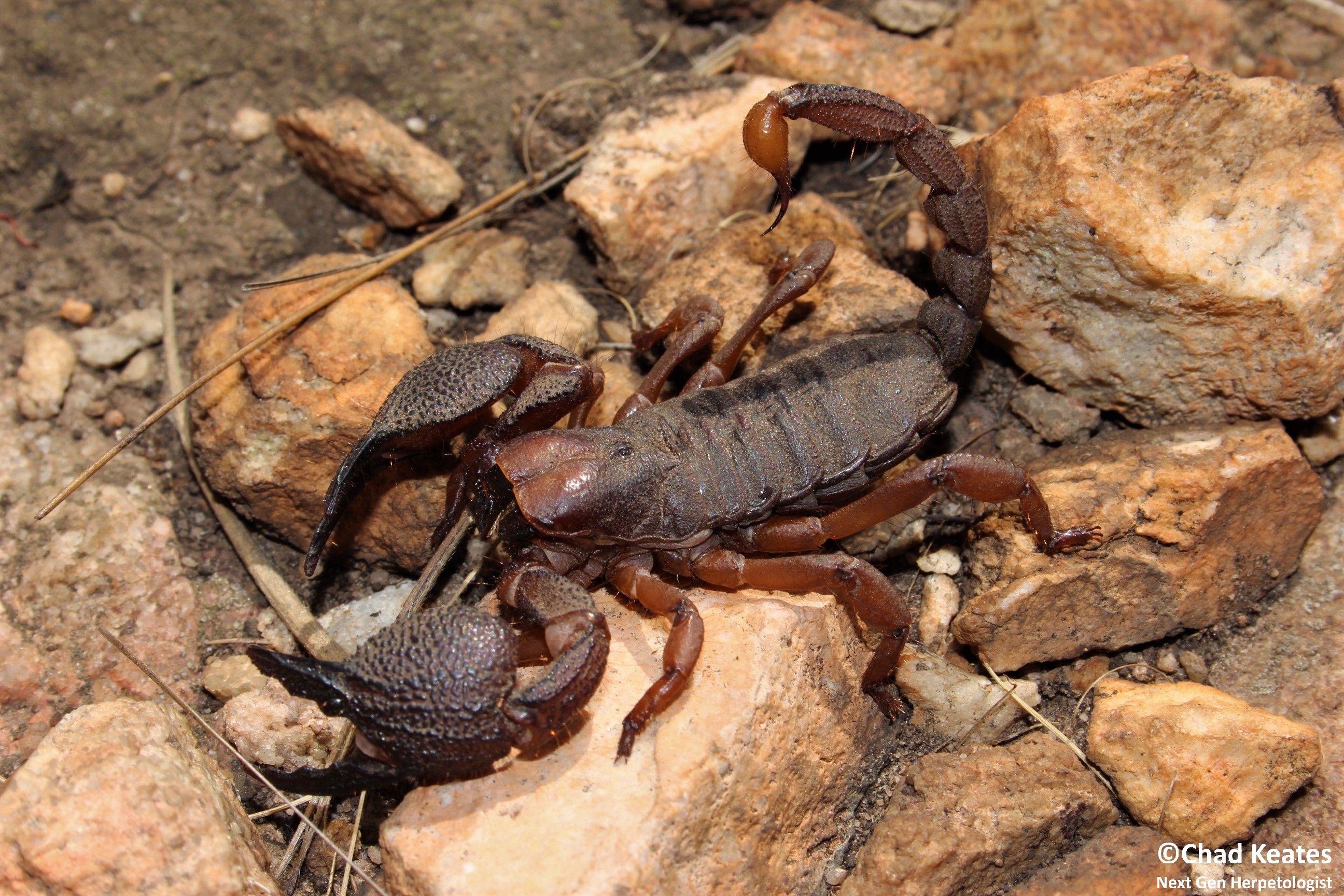
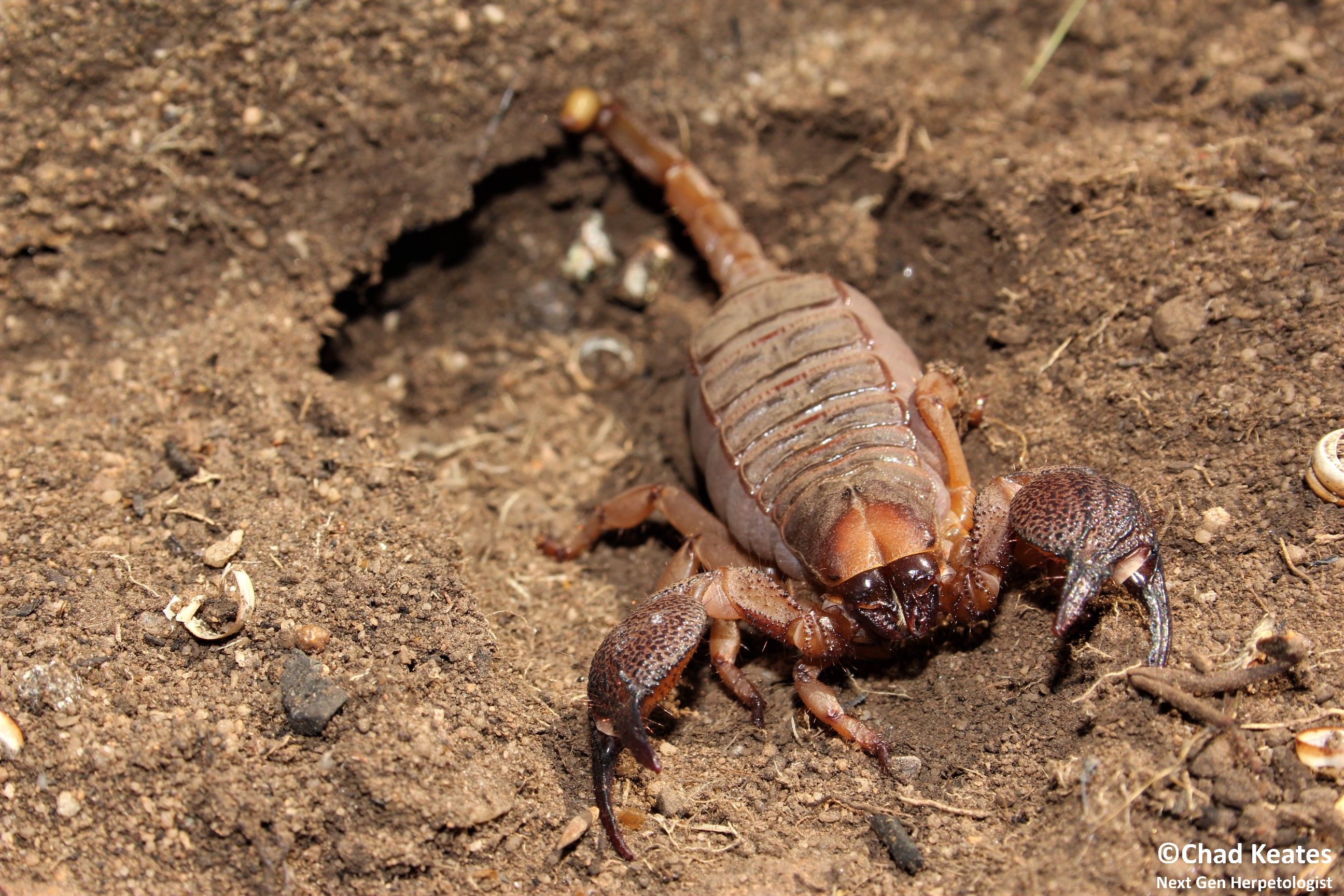
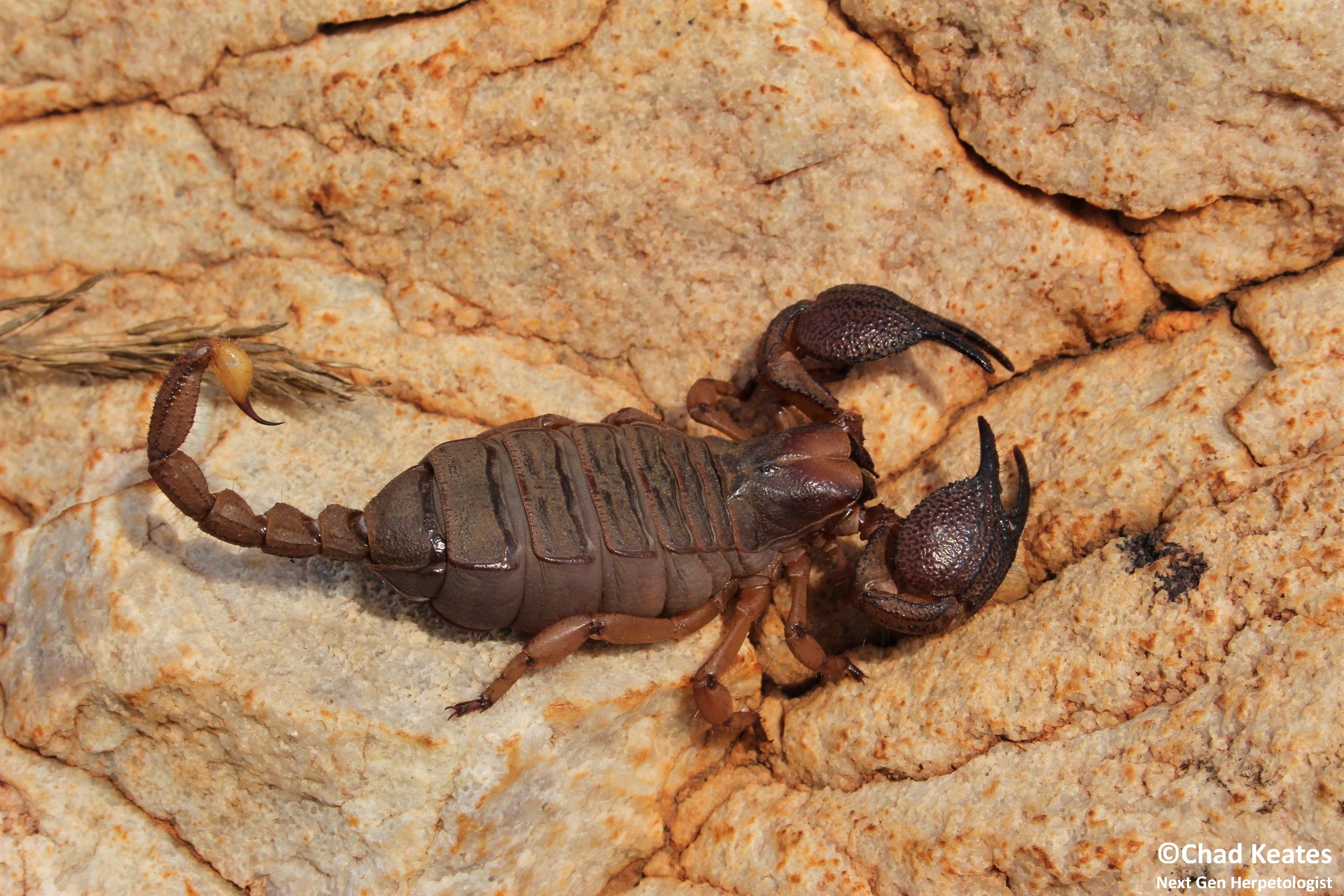
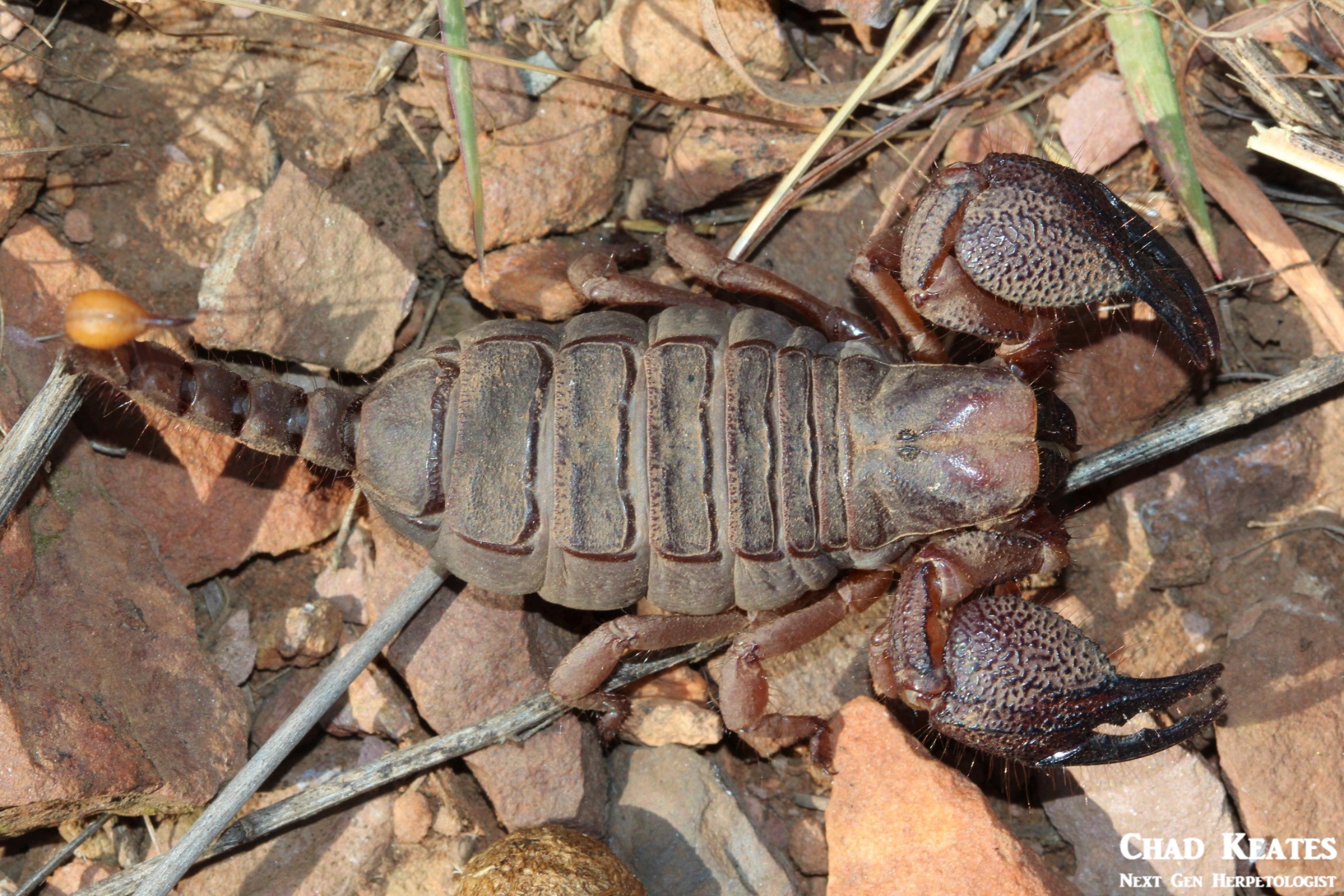
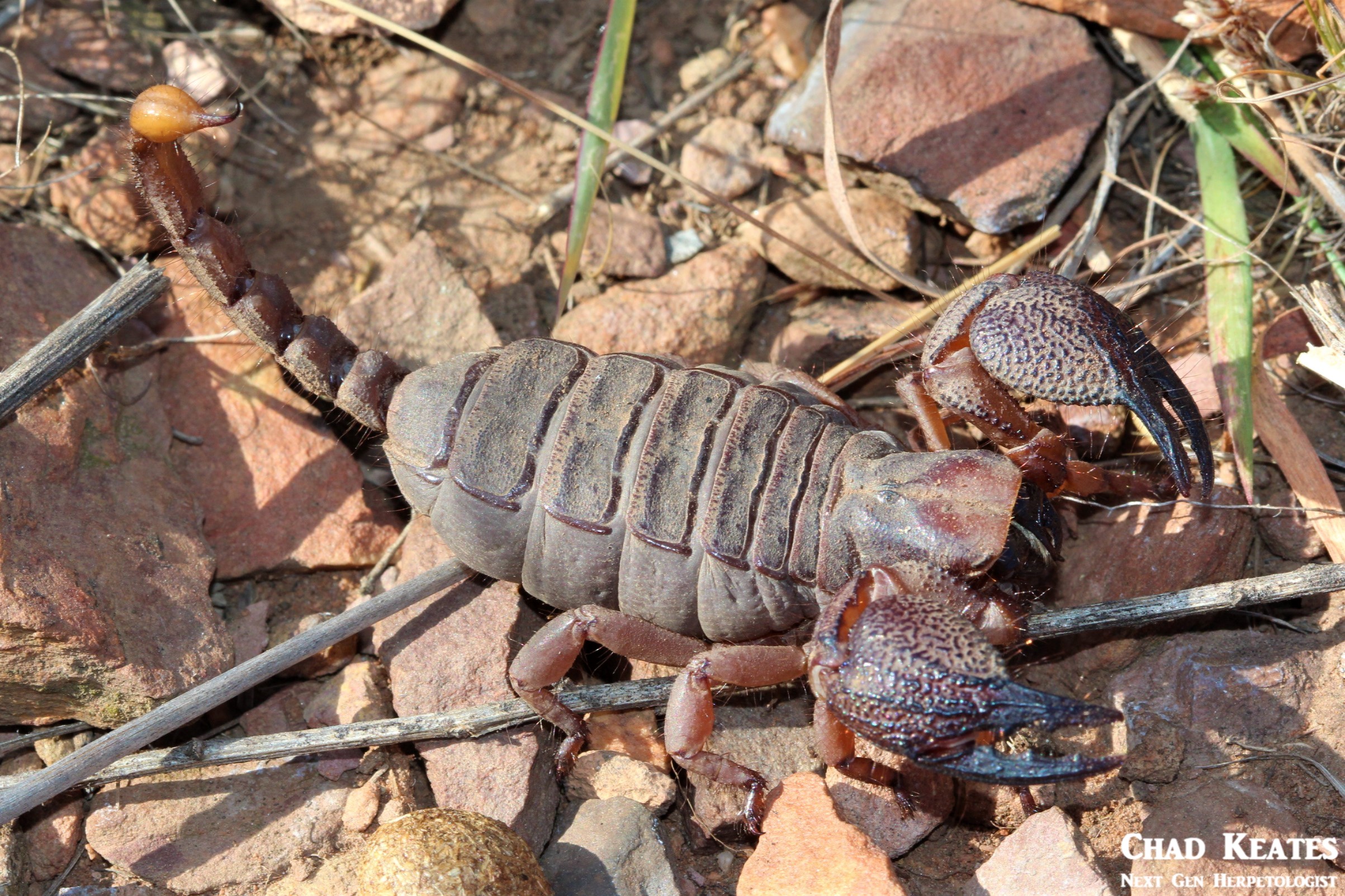

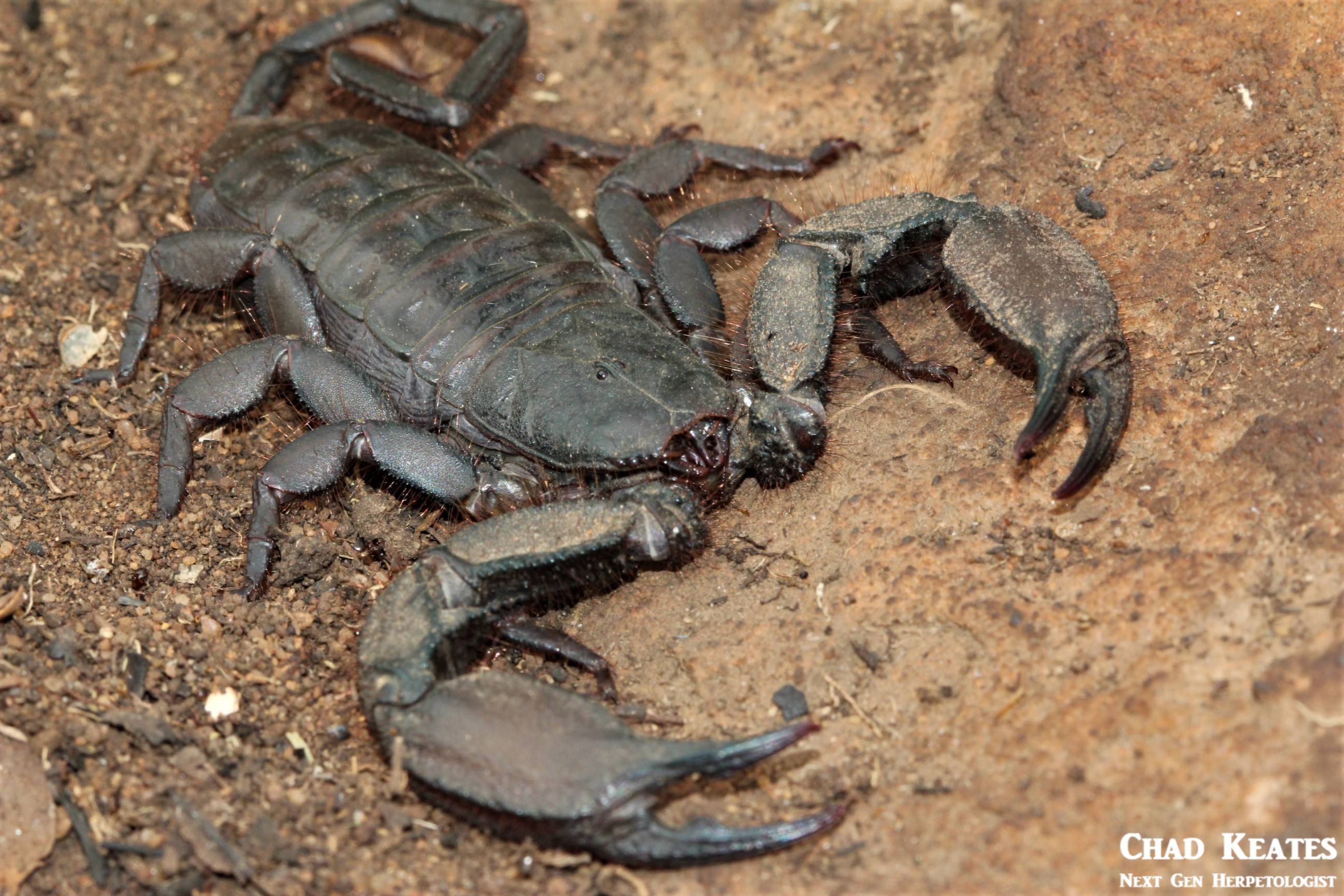
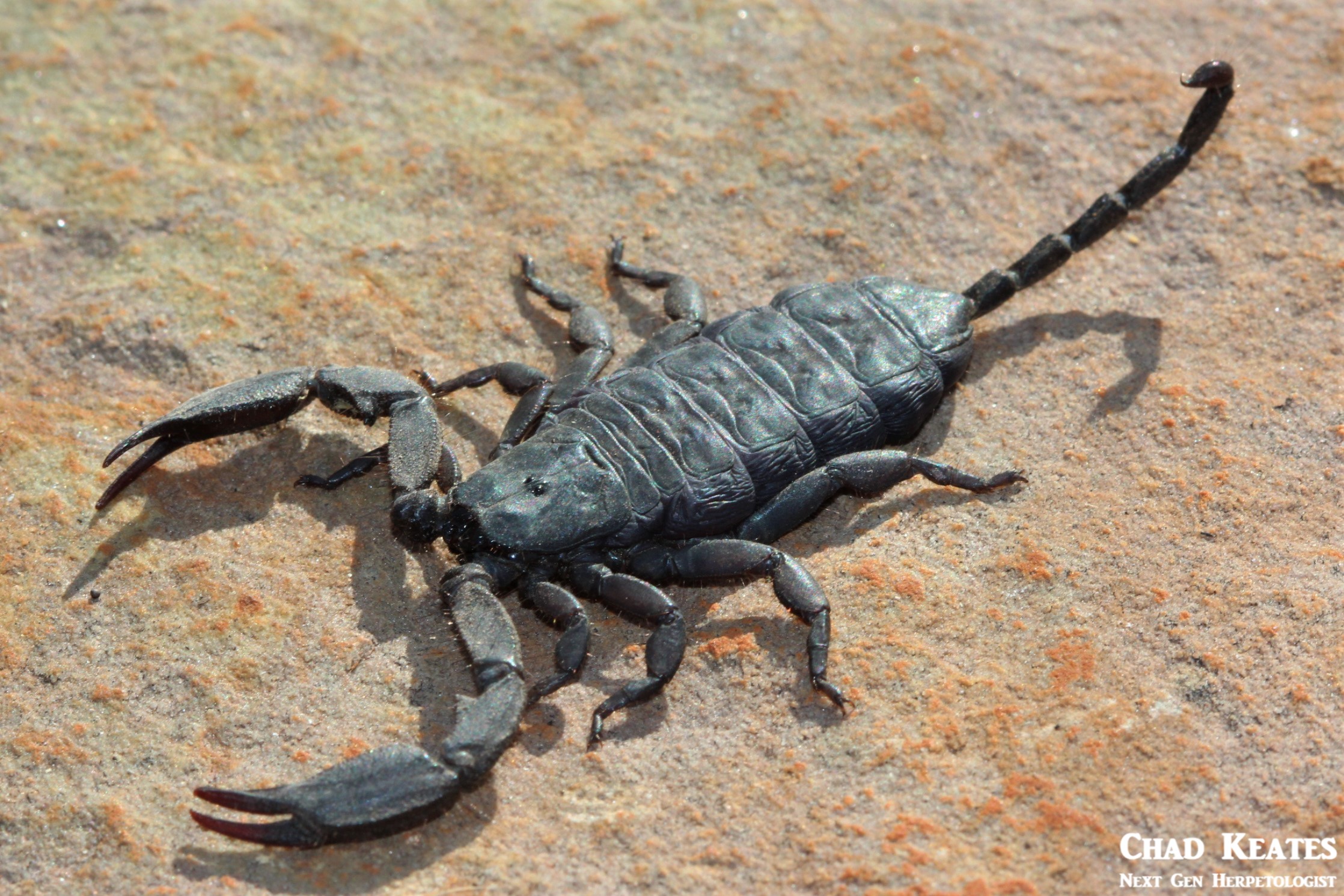
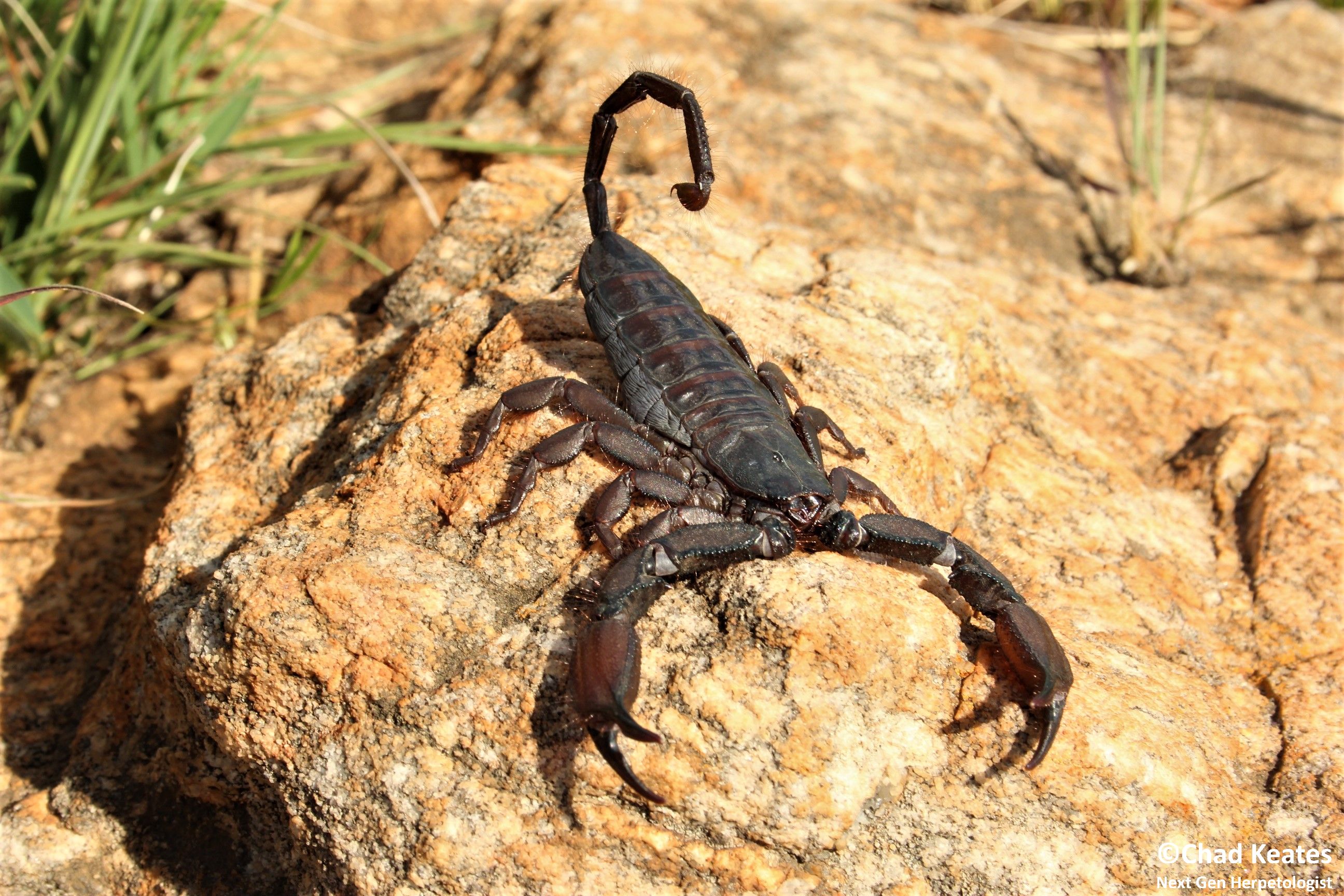
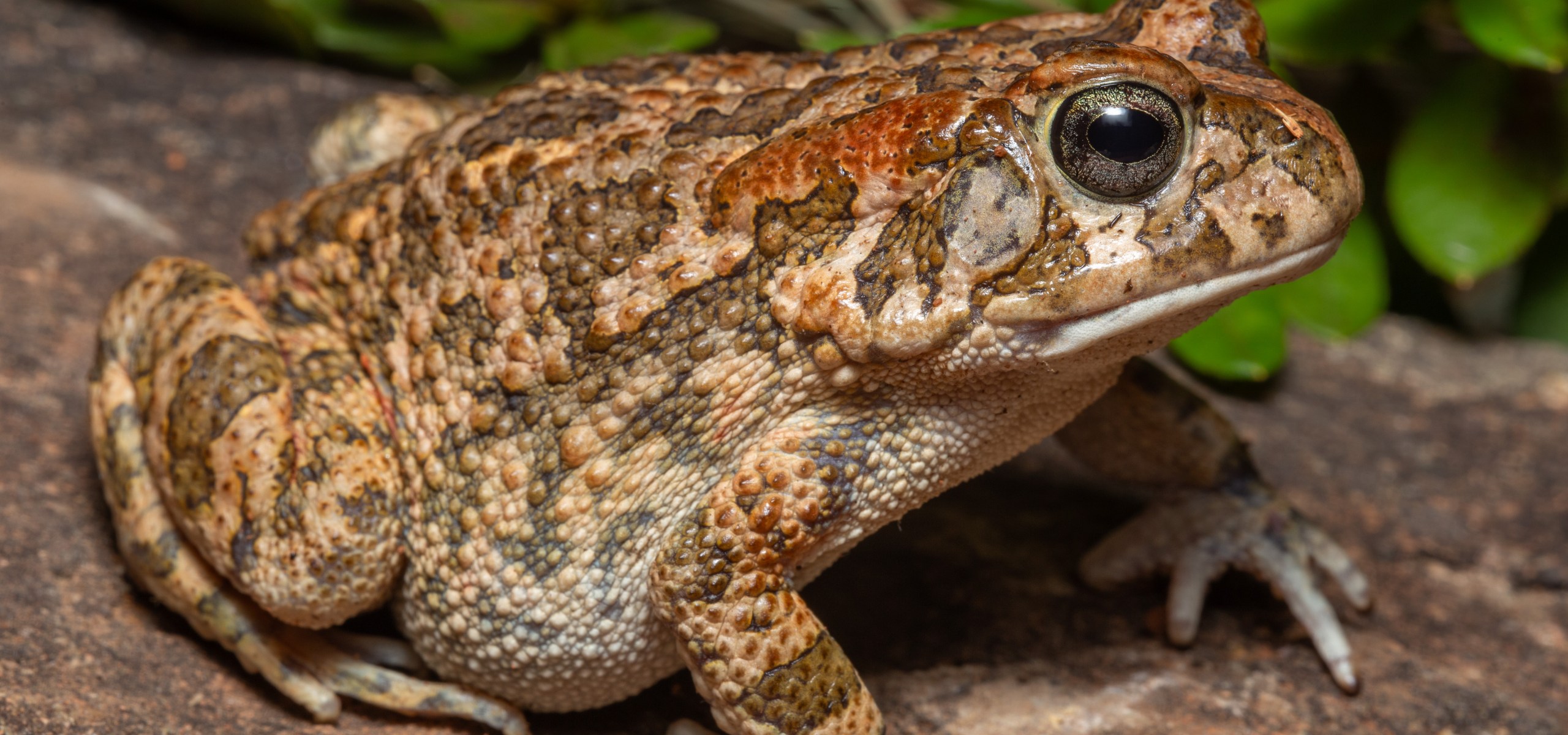

from Augrabies, Northern Cape, South Africa
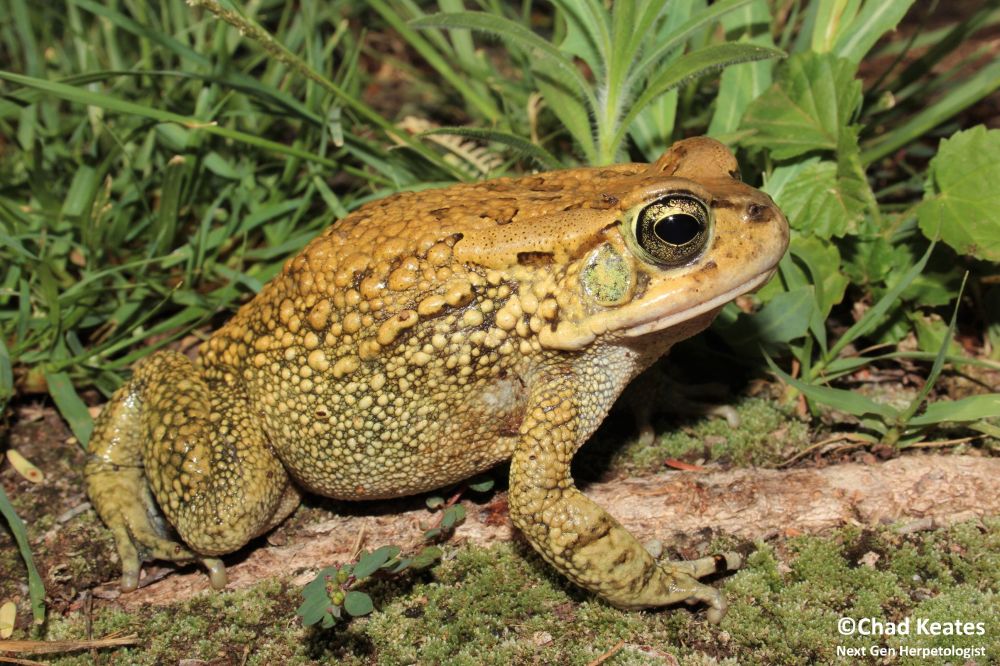
from Augrabies, Northern Cape, South Africa
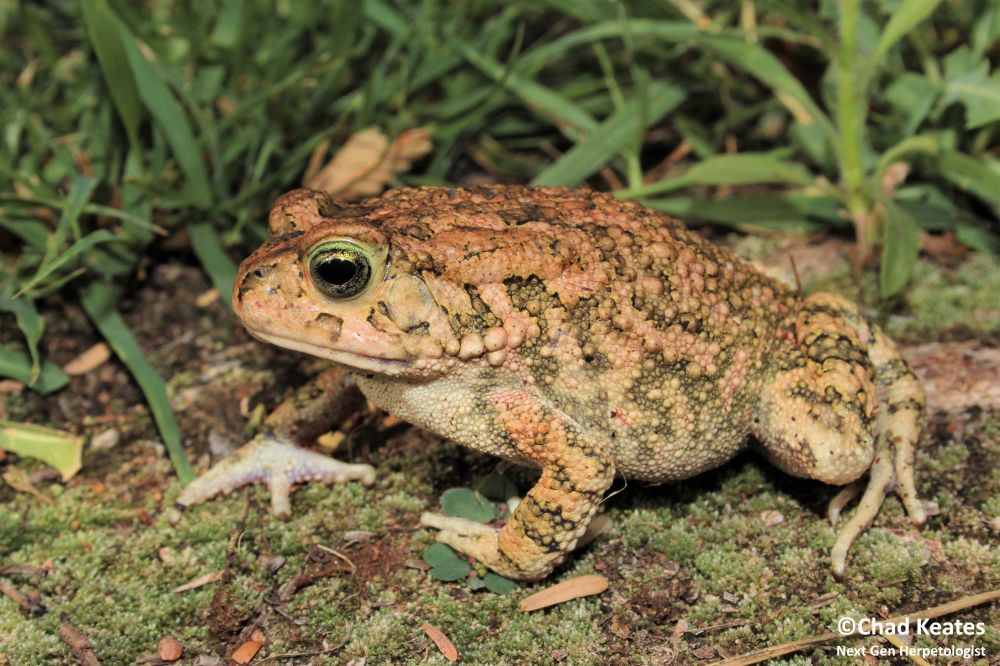
from Augrabies, Northern Cape, South Africa
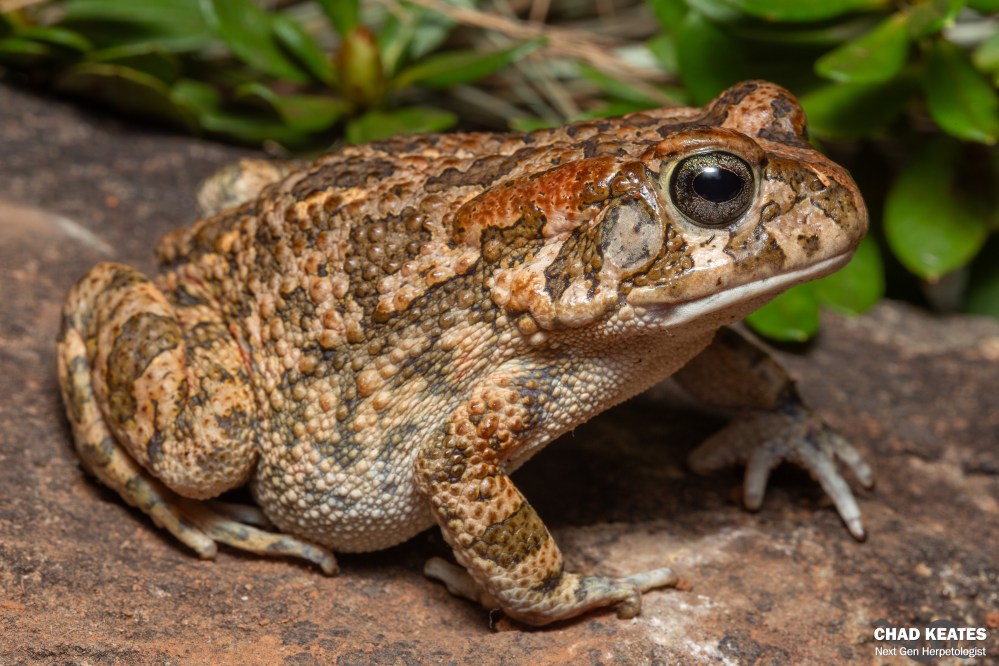
from Haenertsberg, Limpopo, South Africa

from Haenertsberg, Limpopo, South Africa

from Umhlanga, KwaZulu Natal, South Africa
from Umhlanga, KwaZulu Natal, South Africa

from Umhlanga, KwaZulu Natal, South Africa

from Umhlanga, KwaZulu Natal, South Africa

from Johannesburg, Gauteng, South Africa
from Johannesburg, Gauteng, South Africa

from Morgans Bay, Eastern Cape, South Africa

This list contains all the water snakes that can be found in and around water in the Grahamstown area. As the names suggest, this means that these snakes are usually found in close proximity to water because of their diets that mostly consist of frogs, tadpoles and fish. Although not as closely related to water as the other snakes on this list, the red-lipped herald has been listed at the end because it is closely associated with damp, moist areas.
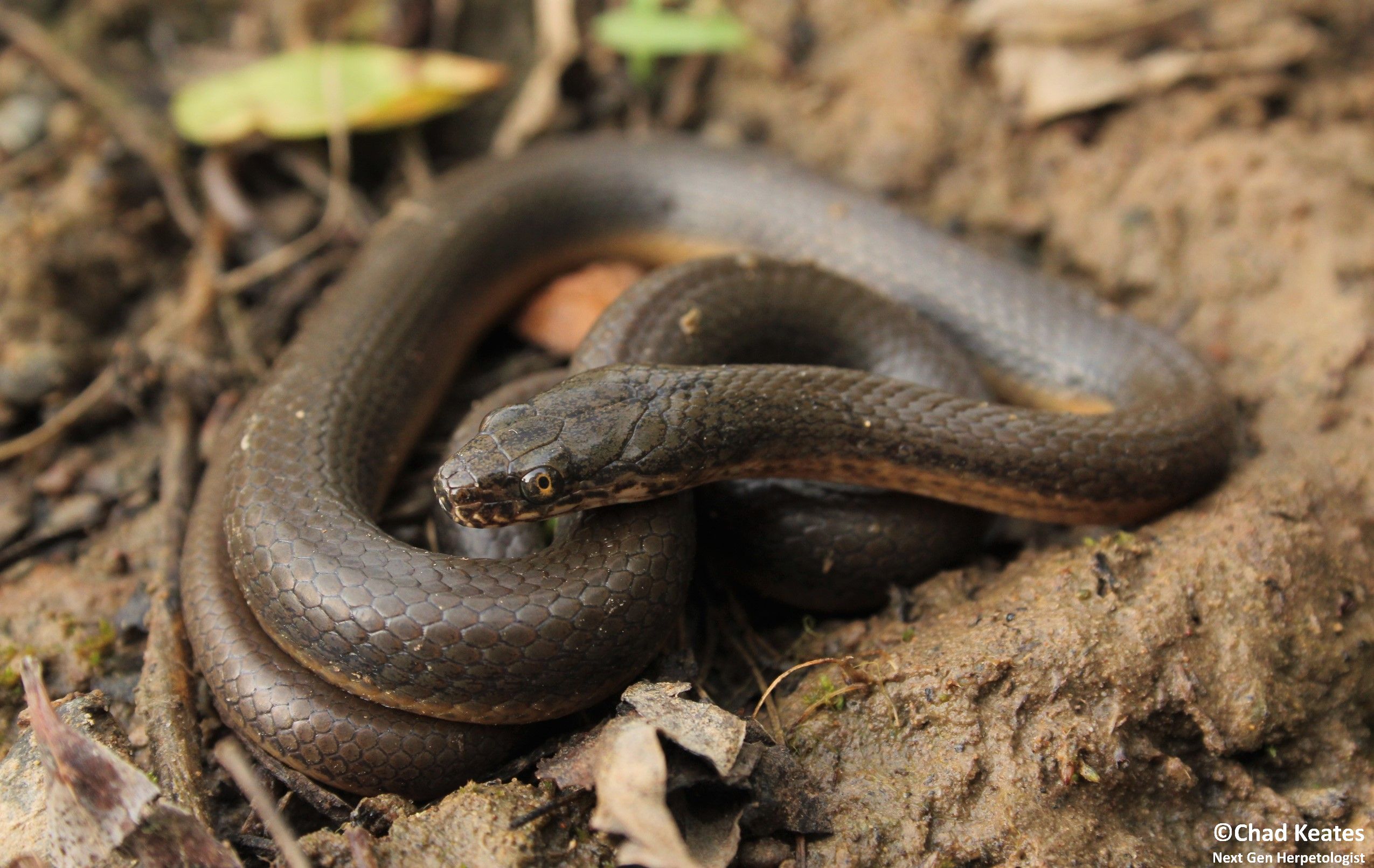
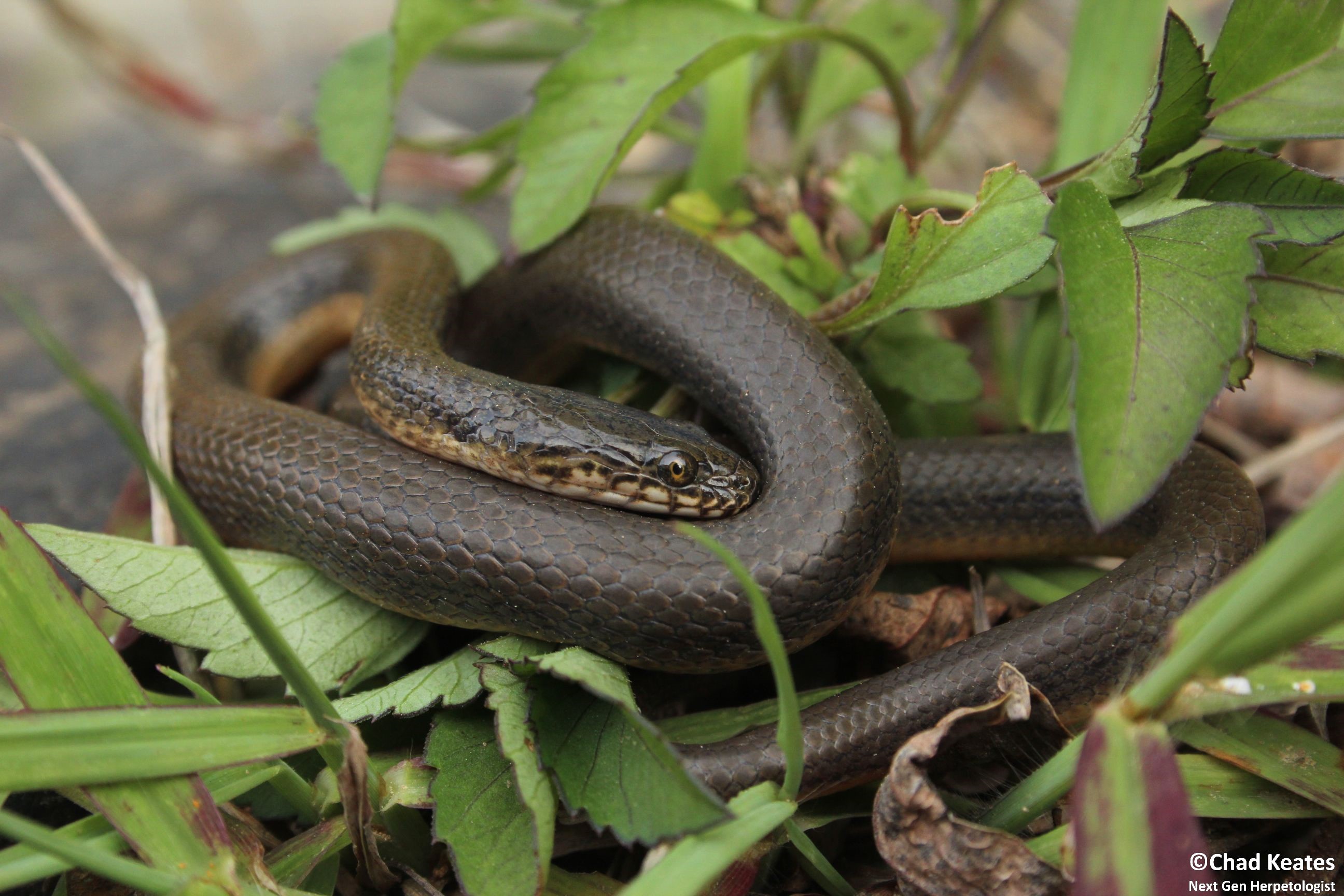
Common brown water snake (Lycodonomorphus rufulus)
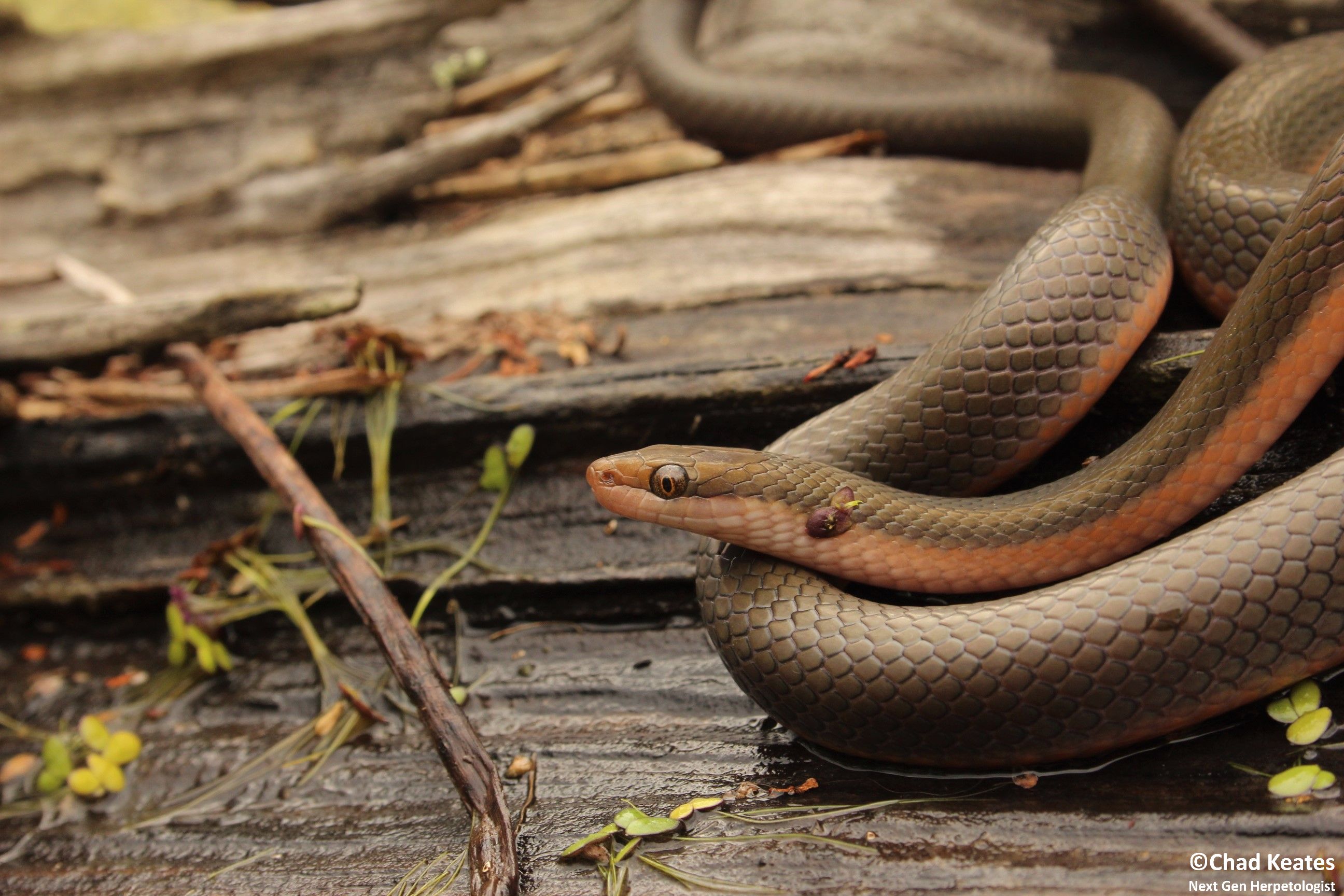
Family: Lamprophiidae.
Length: 60-85cm.
Description: The snake has a plain olive body with smooth scales and a pale, pearl underbelly. The eyes also have elliptical pupils.
Distribution: Endemic to Southern Africa. The species is present in every province except the Northern cape where it is only found along the outskirts of the province.
Habitat: Closely associated with water sources such as dams, streams and rivers where it is often found beneath rocks and debris on the banks of the water sources.
Reproduction: Oviparous, 6-23 eggs in summer.
Diet: Mainly frogs, tadpoles and small fish but can take small rodents. Nocturnal hunter.
Conservation concern: Least concern, common.
Threat to humans: None.
Interesting facts: The most common water snake in Southern Africa.
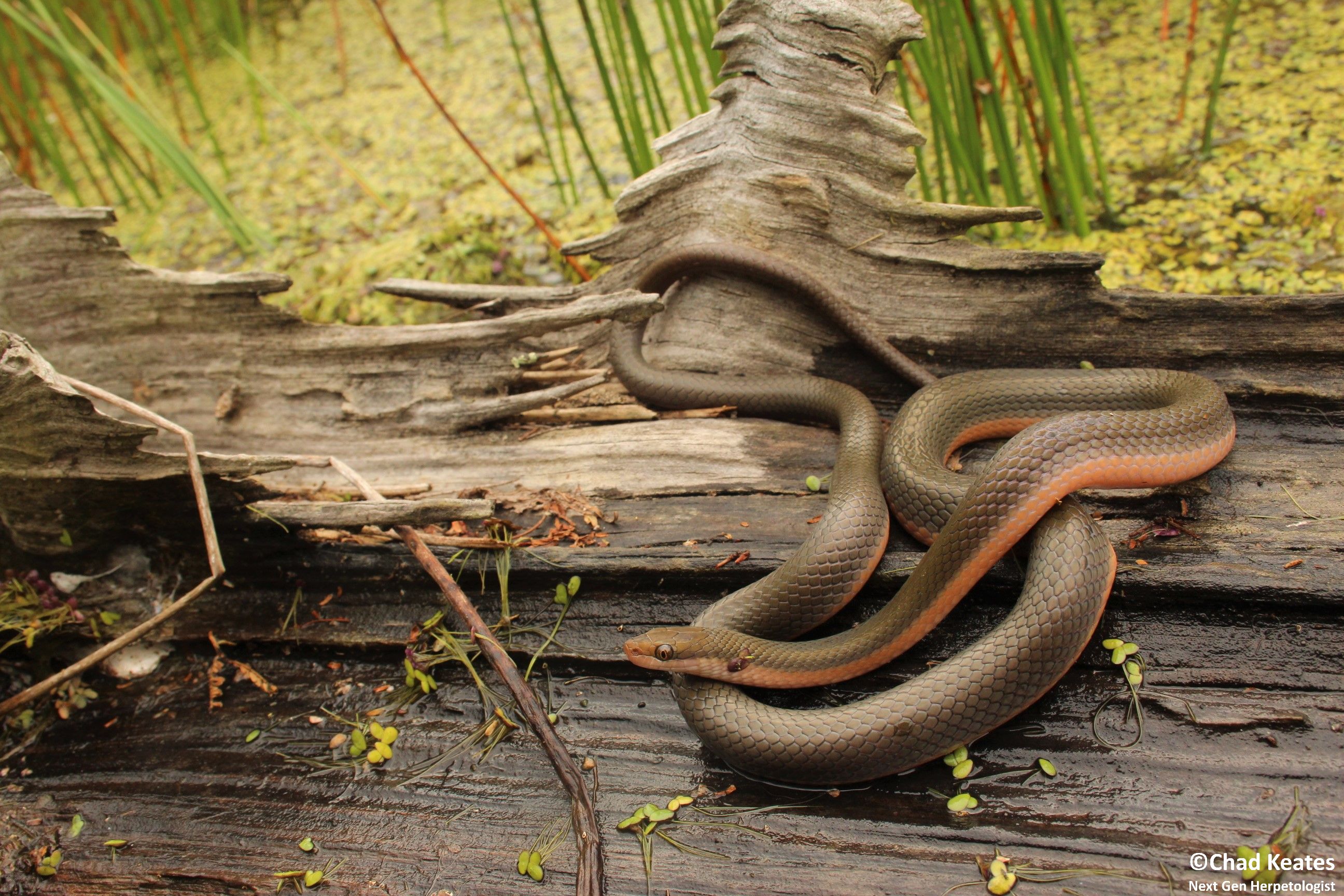
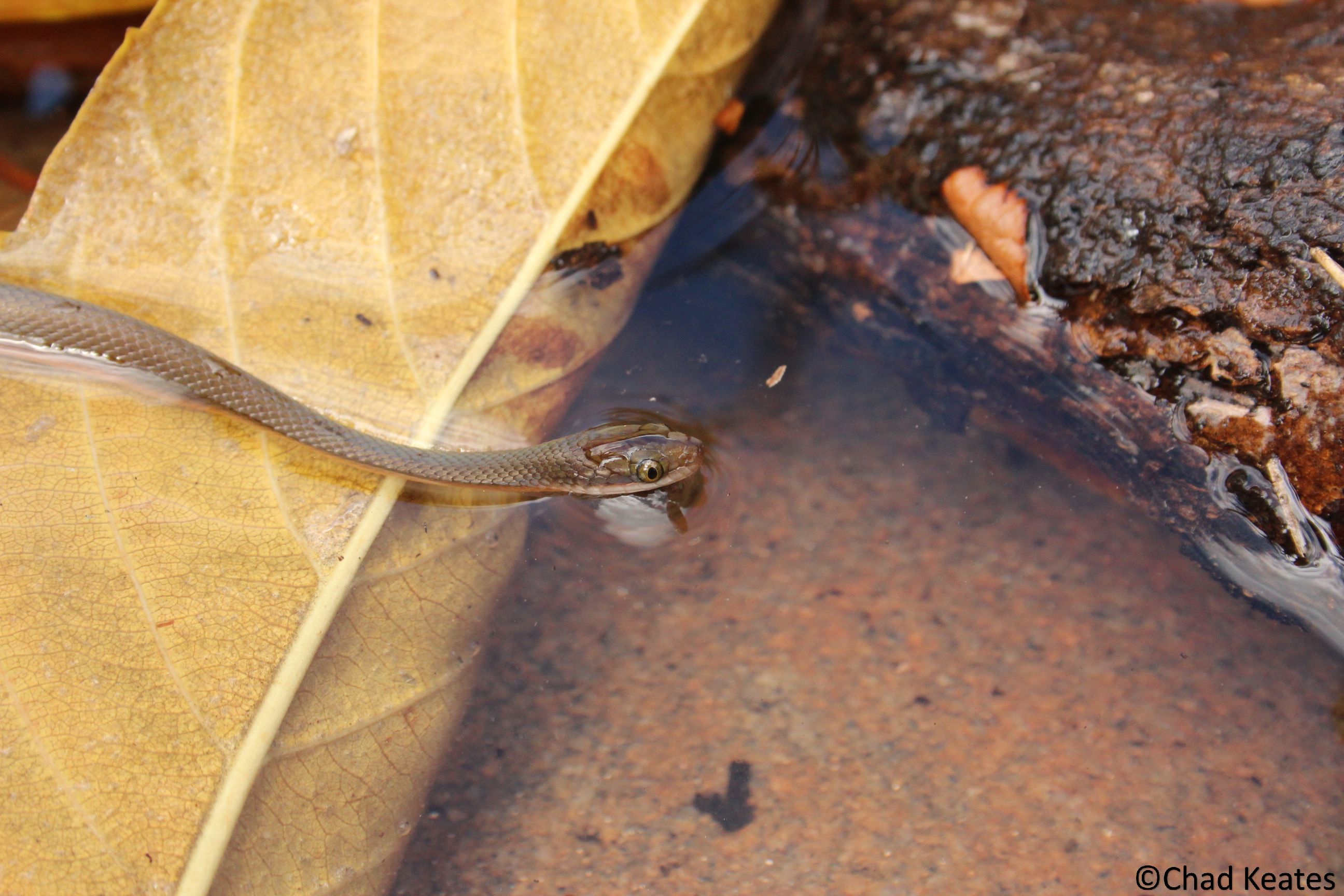
Dusky-bellied water snake (Lycodonomorphus laevissimus)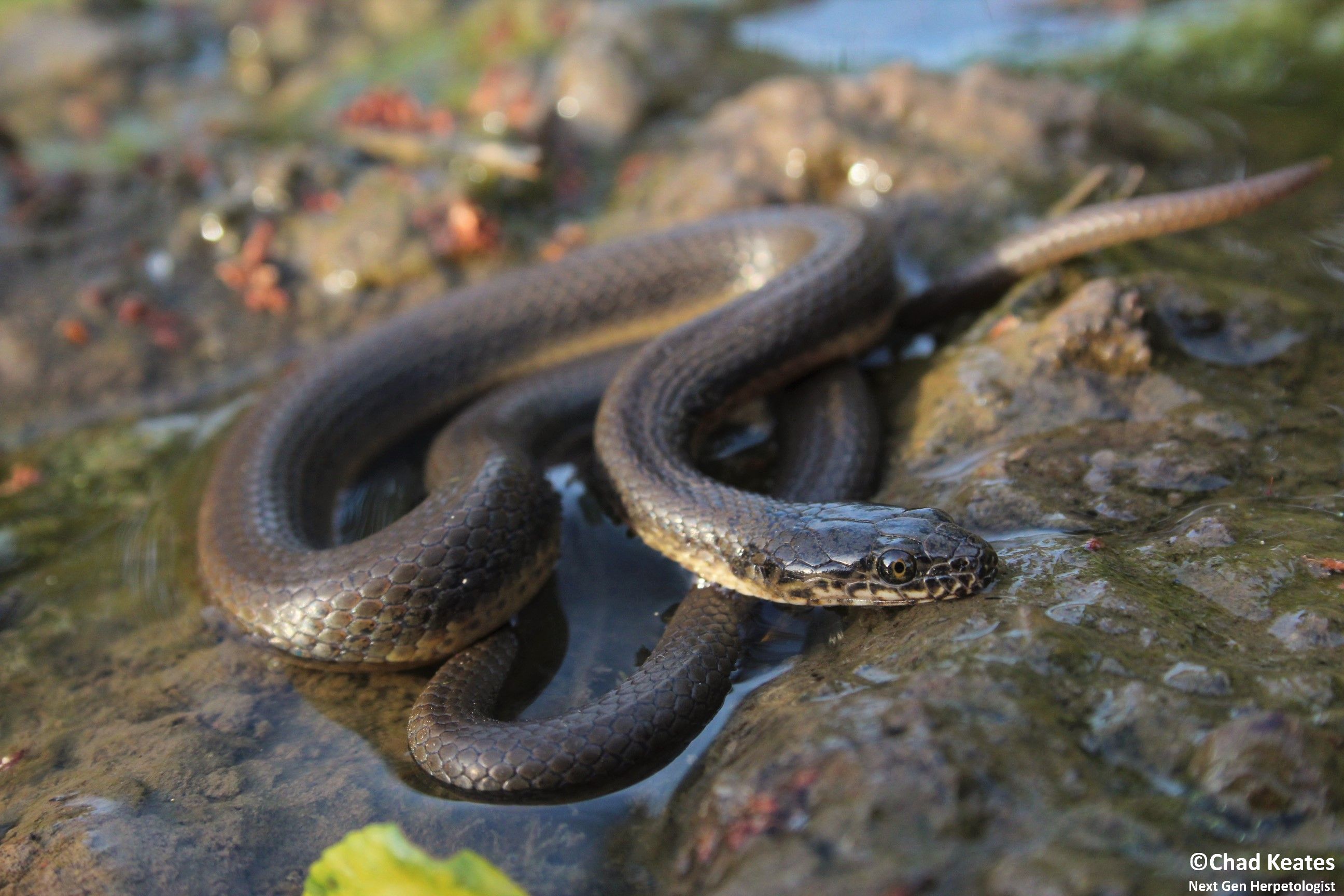
Family: Lamprophiidae.
Length: 70-120cm.
Description: This snake has an olive to brown-black body with a cream underbelly. The upper lip is usually spotted and the snake has small eyes with round pupils.
Distribution: Endemic to South Africa. It occurs in the Eastern cape where its range extends up through Kwazulu Natal and into Mpumulanaga and Swaziland.
Habitat: Closely associated with water sources such as dams, streams and rivers where it is often found beneath rocks either on the banks of water sources or in the water itself.
Reproduction: Oviparous, lays 17 eggs in summer.
Diet: Frogs, tadpoles and fish. Diurnal hunter.
Conservation concern: Least concern, common.
Threat to humans: None
Interesting facts: The largest water snake in the region. During the day, the snake takes refuge under submerged rocks in the water column where it ambushes fish and frogs.
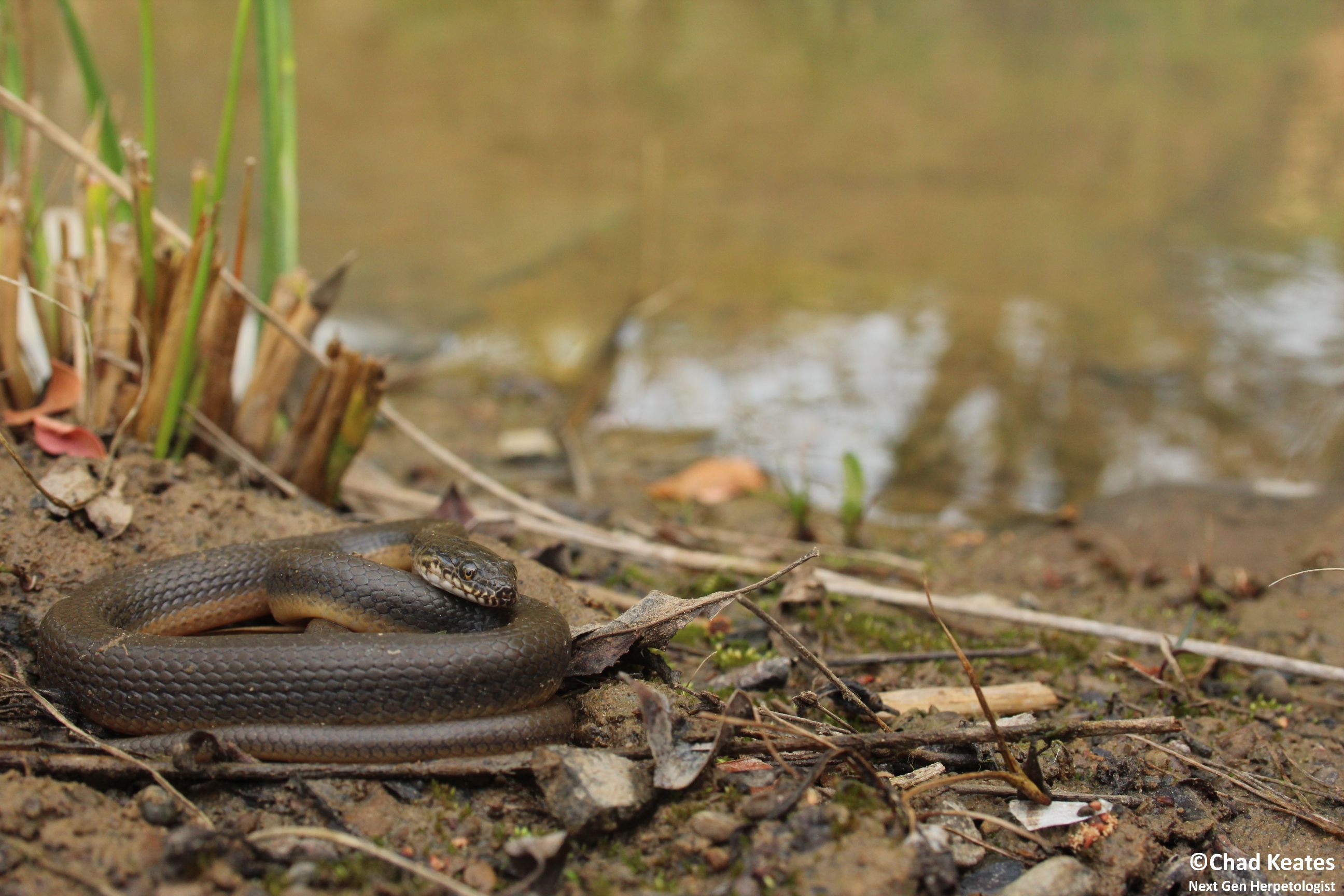
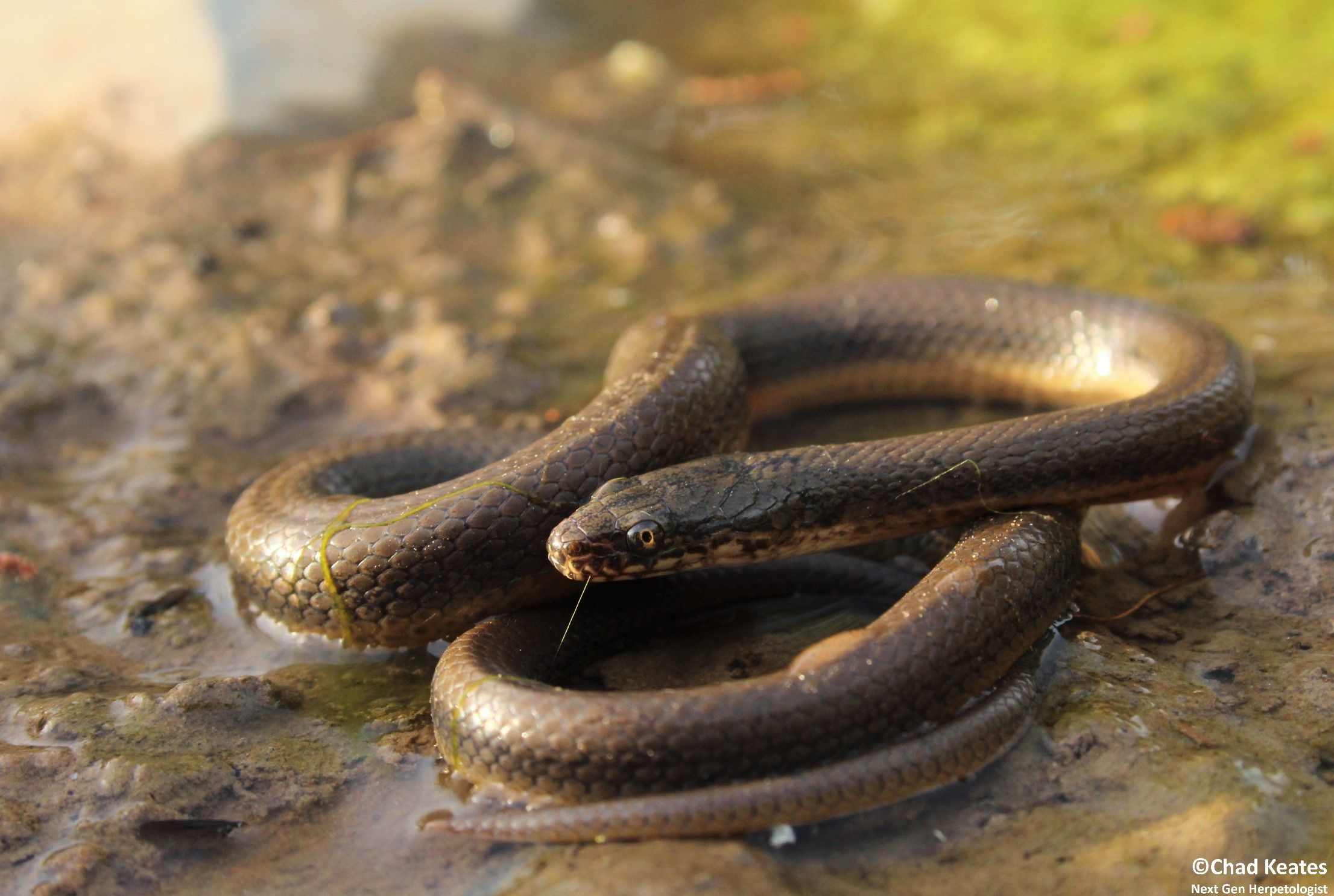
Red-lipped herald (Crotaphopeltis hotamboeia)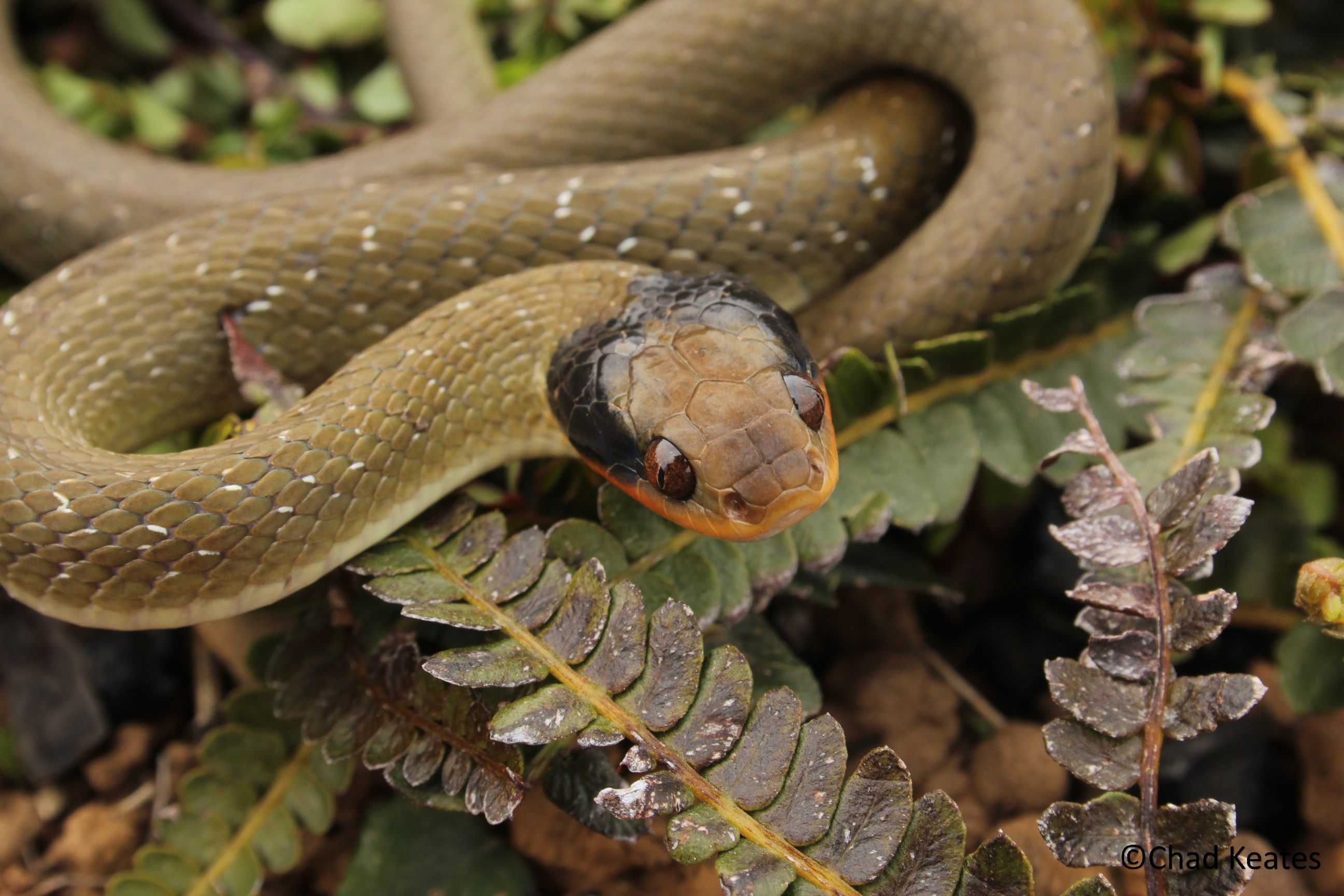
Family: Colubridae.
Length: 60-75cm.
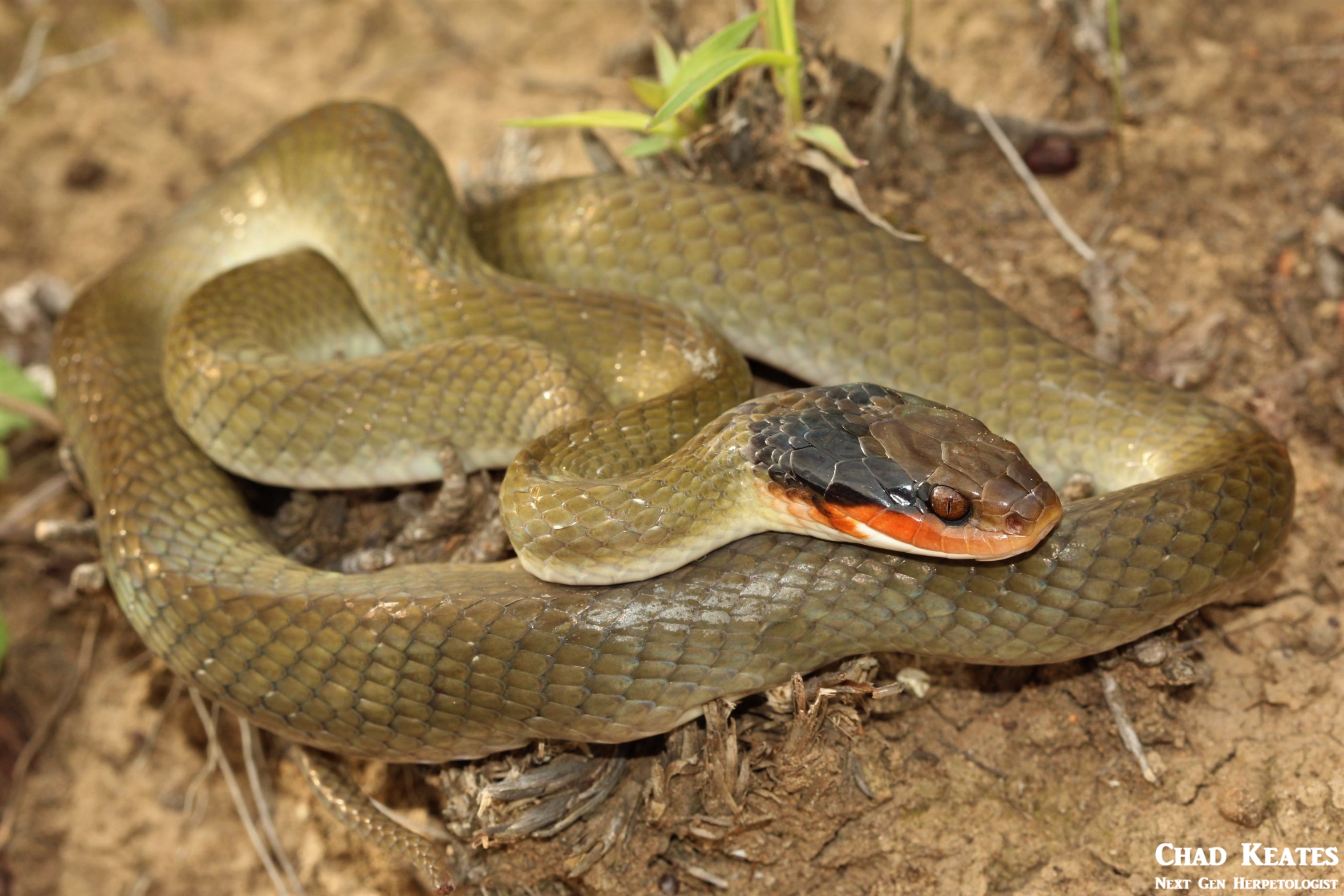
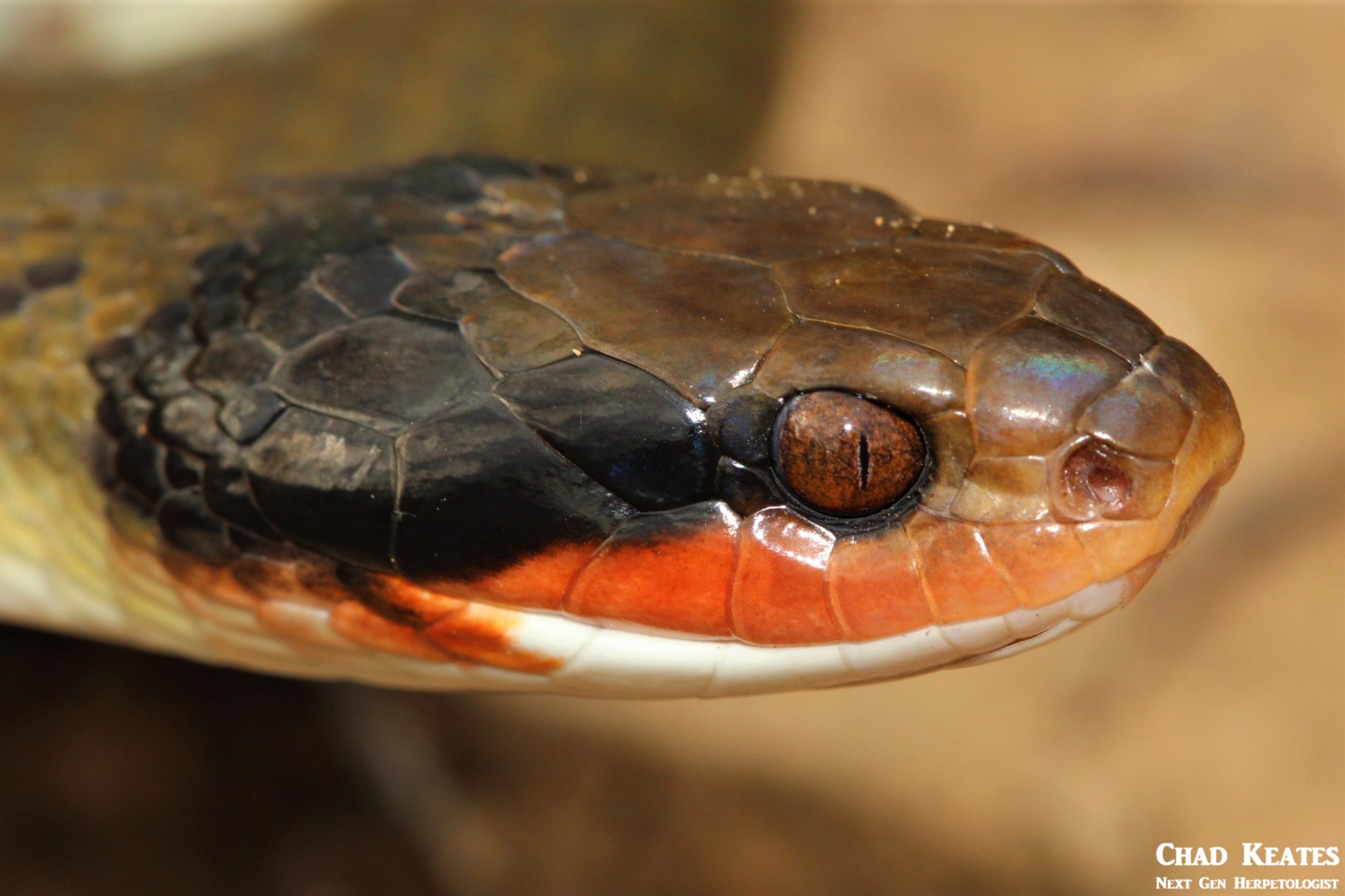
Description: The snakes has an olive body with white flecks. The snake is most easily recognized by its red lip which is absent from some individuals. It has large eyes and vertical pupils.
Distribution: The species is present in every province except the Northern cape where it is only found along the outskirts of the province.
Habitat:Found in damp areas where it can be found under rocks and logs. It can also be found in termite mounds.
Reproduction: Oviparous, lays 6-19 eggs in early summer.
Diet: Mainly frogs and toads but can take lizards. Nocturnal hunter.
Conservation concern: Least concern, common.
Threat to humans: None, venom is incredibly mild.
Interesting facts: Along with the brown house snake, the red-lipped herald is the most commonly encountered snake in South Africa. The snake also flattens its head and flairs its red lips when threatened.
Resources
Alexander, G. & Marais, J. 2007. A Guide to the Reptiles of Southern Africa. Cape Town. STRUIK Nature.
Branch, B. 2016. Snakes and other Reptiles of Southern Africa. Cape Town. STRUIK Nature.
Bates, M.F., Branch, W.R., Bauer, A.M., Burger, M., Marais, J., Alexander, G.J. & de Villiers, M.S. (eds). 2014. (CD set). Atlas and Red List of the Reptiles of South Africa, Lesotho and Swaziland. Suricata 1. South African National Biodiversity Institute, Pretoria.
Marais, J. 2014. Snakes and Snakebite in Southern Africa. Cape Town. STRUIK Nature.

Once again I found myself in Hogsback, and this time I was determined to catch and photograph (properly) the Amatola Flat Gecko (Afroedura amatolica). This trip to Hogsback was however not intended for herping or adventure but rather as a farewell for the Rhodes Zoology Honours class of 2016 who were staying on a nearby Hogsback farm for the weekend. Unlike my classmates who sought to study in the spare time between meals, I opted to use the Saturday afternoon to find my arch nemesis gecko, which had thwarted my photography session weeks earlier.
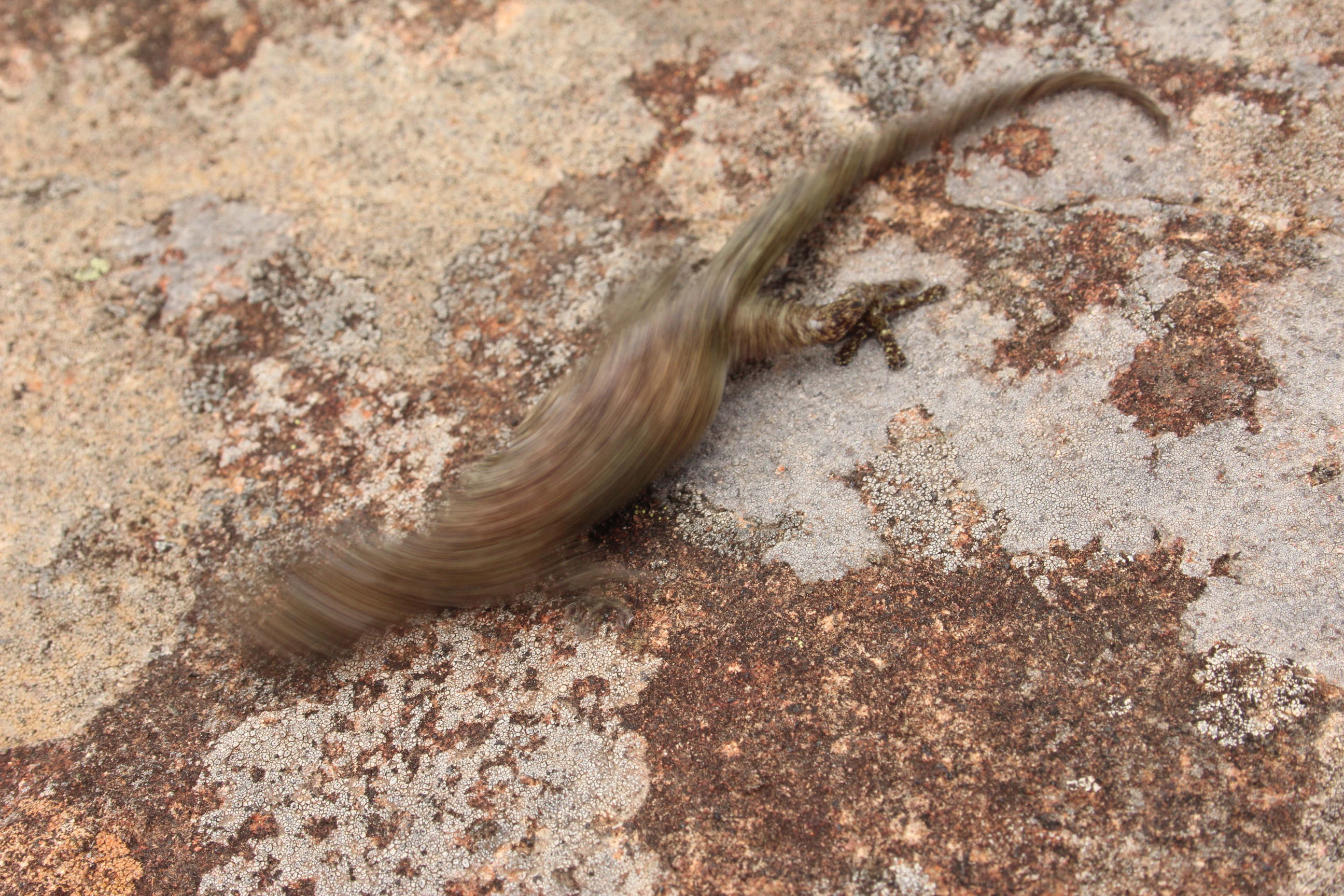
The gecko which got away just weeks ago
The day was neither pleasant nor neutral, it was kak, giving new meaning to the misty mountains, mountains which were so wet they ran the risk of slipping off the map. After mustering up the will and once I had acquired a rain jacket, I was on my way. I was dropped off at the base of the mountain by my friend Ella who quickly disappeared into the mist after pulling away. The mountain which usually towered over Hogsback, was nowhere to be seen, a product of the mist which obscured landmarks just metres away. Using my bad sense of direction and a fervent desire to catch the regionally endemic gecko, I set off in the direction of the mountain I had ‘herped’ just weeks earlier.
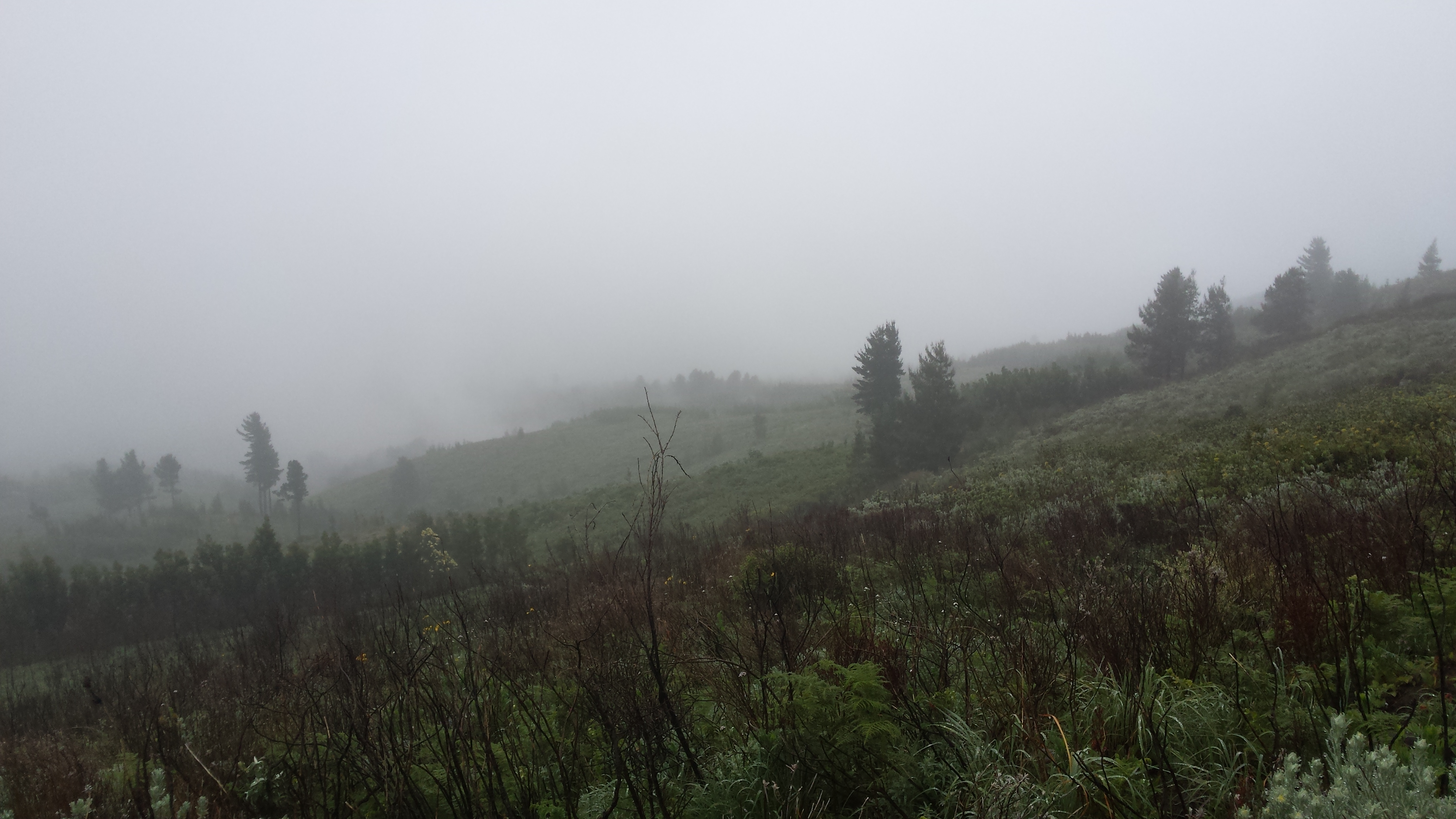
Every step was wetter than the last, and I soon realized, the rain jacket which I so proudly wore did little to retard the constant stream of water falling from the sky. After what seemed like an eternity of walking, I reached a familiar hill, and I decided to flip a few rocks in hopes that I would find a natal black snake. Granted I was not in the right area but I saw no harm in trying, that is until of course I heard something growling just 20m away. The direction which the growl emanated from was obscured by a pile of boulders so I couldn’t quite decide if I was going to die or not. The growl sent shivers down my spine, and after contemplating the fabric of my existence, I cycled through a list of possible ‘growlers’. The list included but was not limited to: caracal, leopard, baboon and feral dog. It’s safe to assume that nothing came of the growl because you are reading this now but at the time it was frightening to say the least. After cycling through the list of possible ‘growlers’ I mustered the courage to walk ‘quickly’ away from the scene of the growl.
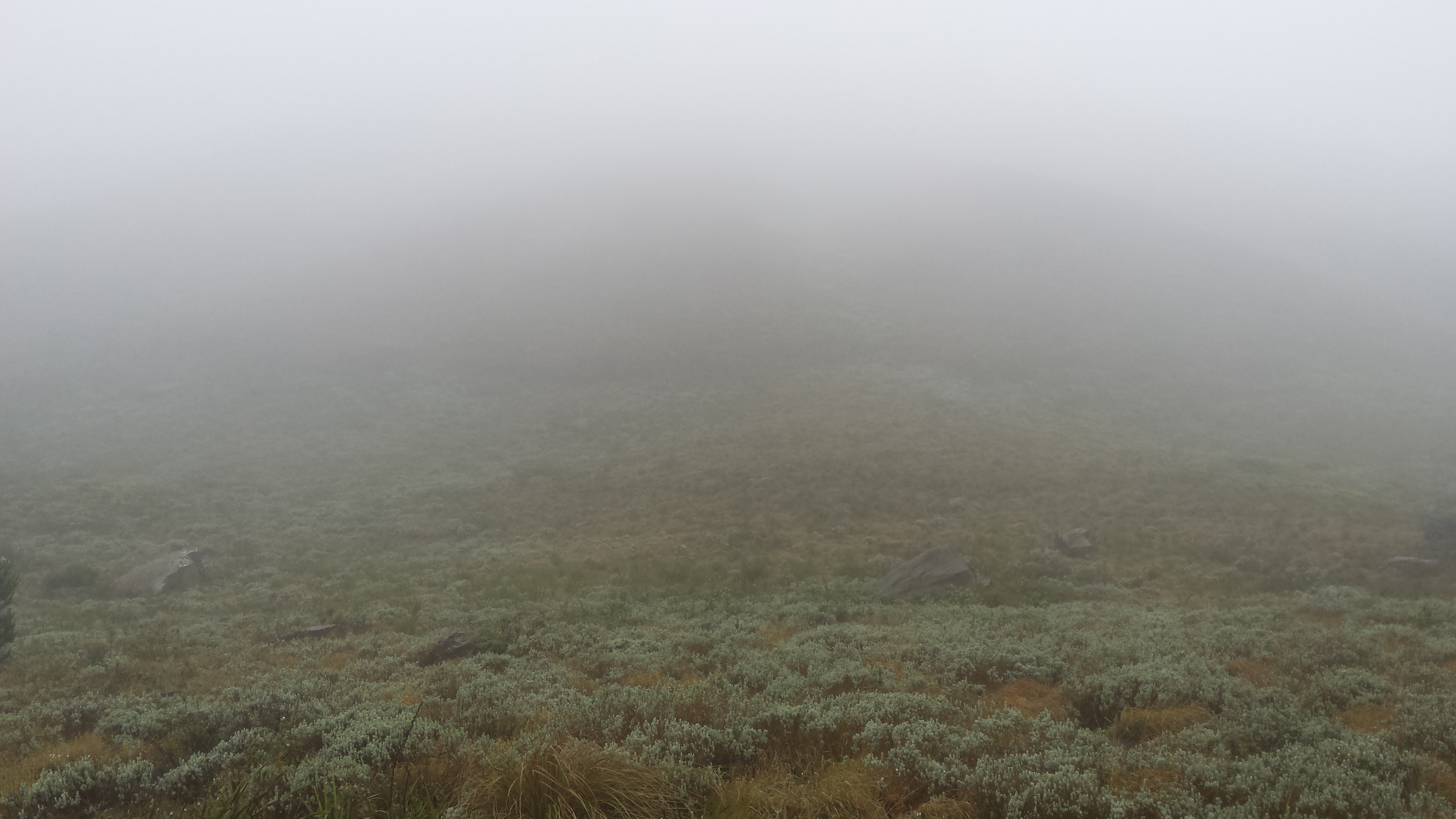
I ventured further up the mountain, following a winding road which hugged the slope. I followed the road to its highest point and then moved off into the pathless terrain in pursuit of the flat sabs of rock at the wedged inside the hill. At this point I had already found two short-legged seps, one cape skink and a cape girdled lizard but I was itching to add some snakes and hopefully an Amathole flat gecko to the list. Once I reached the first step in the steep mountain, I decided that going any further alone would be dangerous given the conditions I found myself in.
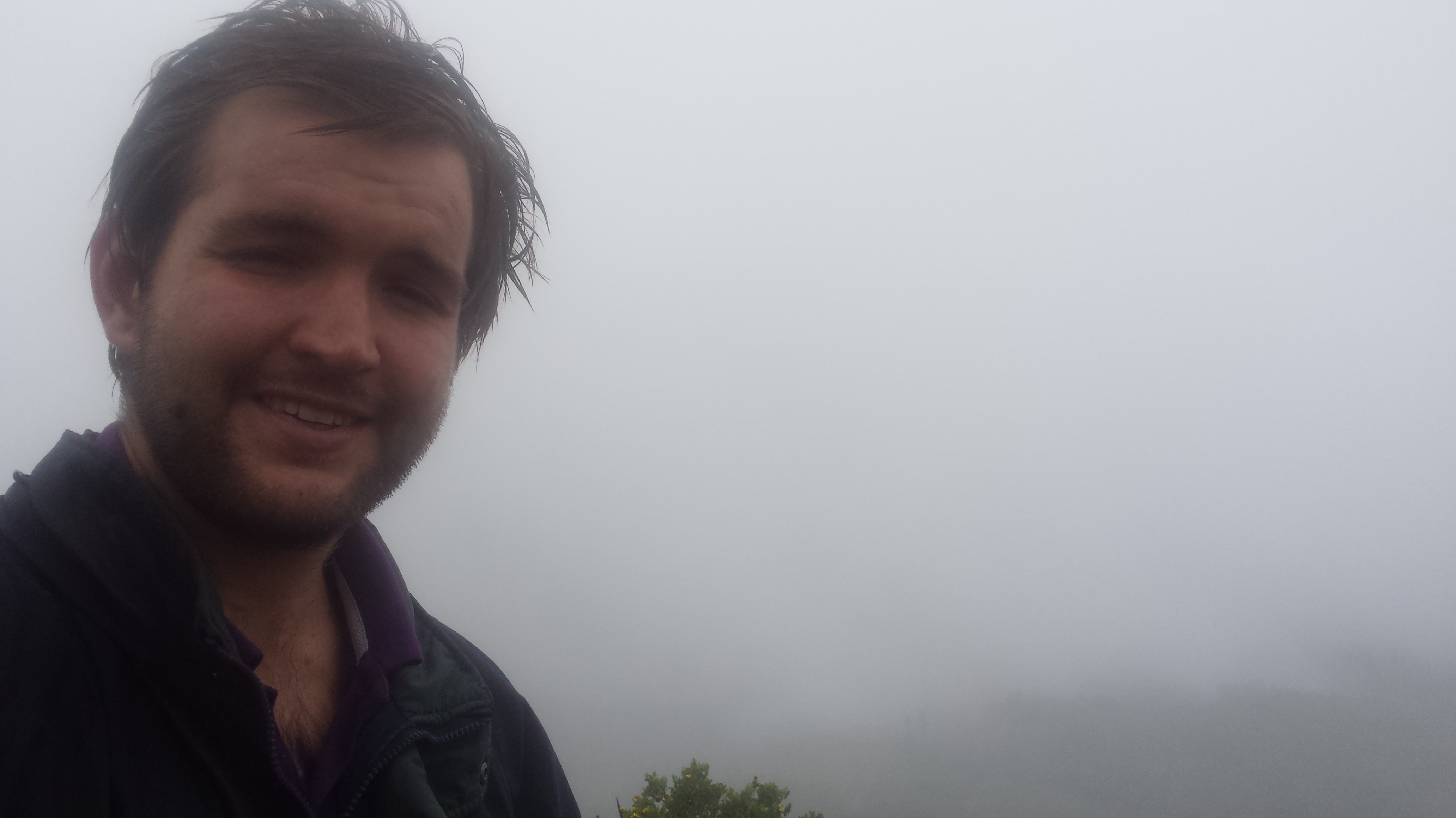
Luke and I had sought to climb this mountain weeks earlier but were defeated by the terrain which took us down a dead-end path, a path which ultimately led us to fall asleep on the same dirt road which I had decided to follow this time. In addition to looking for the gecko, this herping trip doubled as an attempt to find an easier path up the mountain, because Luke… and now I, believe that the top of this mountain holds ‘unherped’ secrets, the subject matter of any ‘herpers’ ‘wet dreams’.
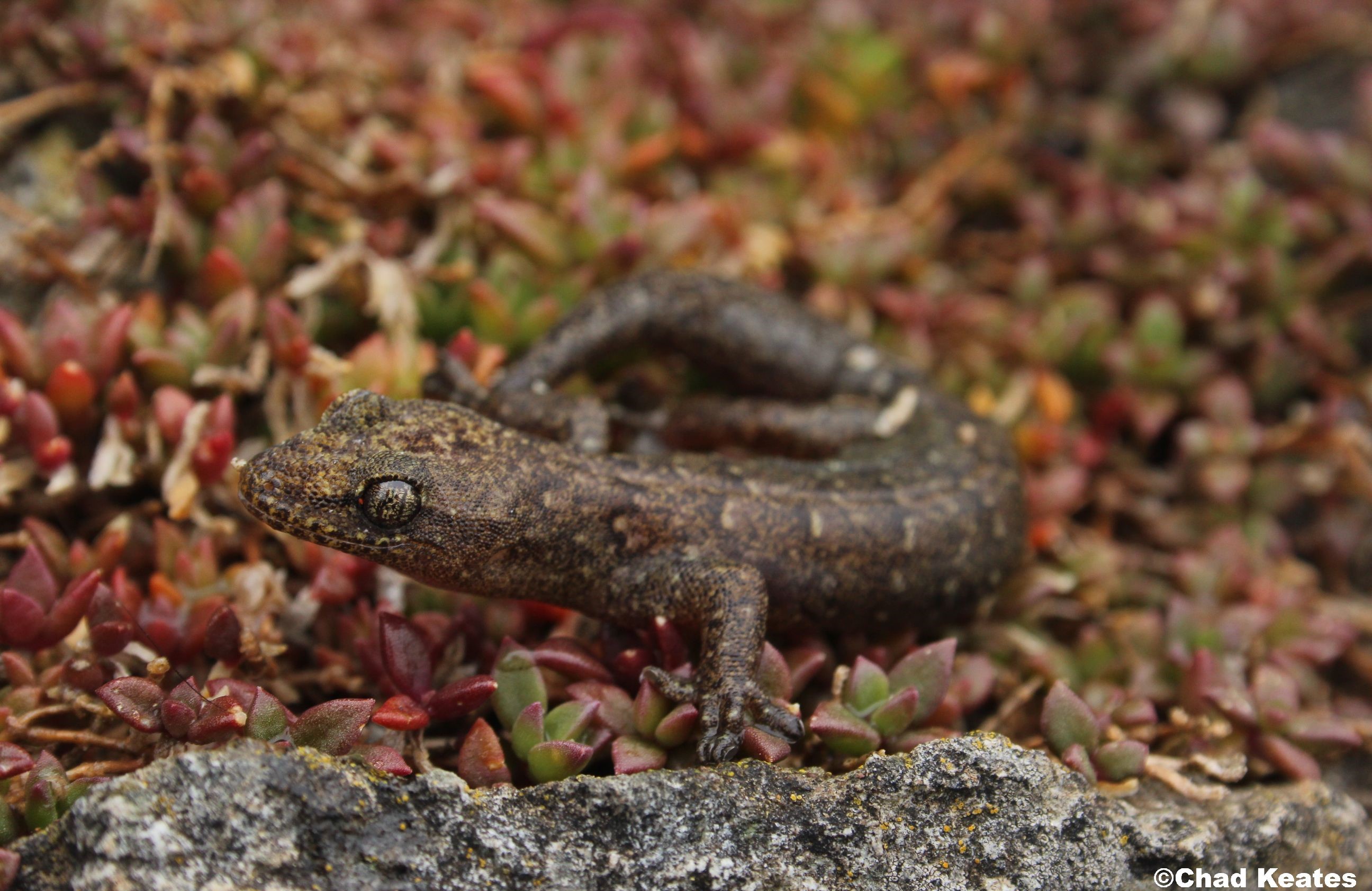
My secret mission was thus complete because although I was unable to find the gecko on the way up the mountain, I was able to find a route which Luke and I could use in the future to climb to the peak of the mountain. On the way down I decided to peak into the gaps of the last big slab of rock left in my path. I saw gecko eggs and one gecko just out of reach. Just when I thought I would not get it, I found not one but two geckos nestled between a loose piece of rock stuck to the slab. I was over-joyed and after snapping some pictures, of the now-soaked geckos, I put the geckos back and set-off back to the pick-up point with a smile stretched across the entire length of my face.
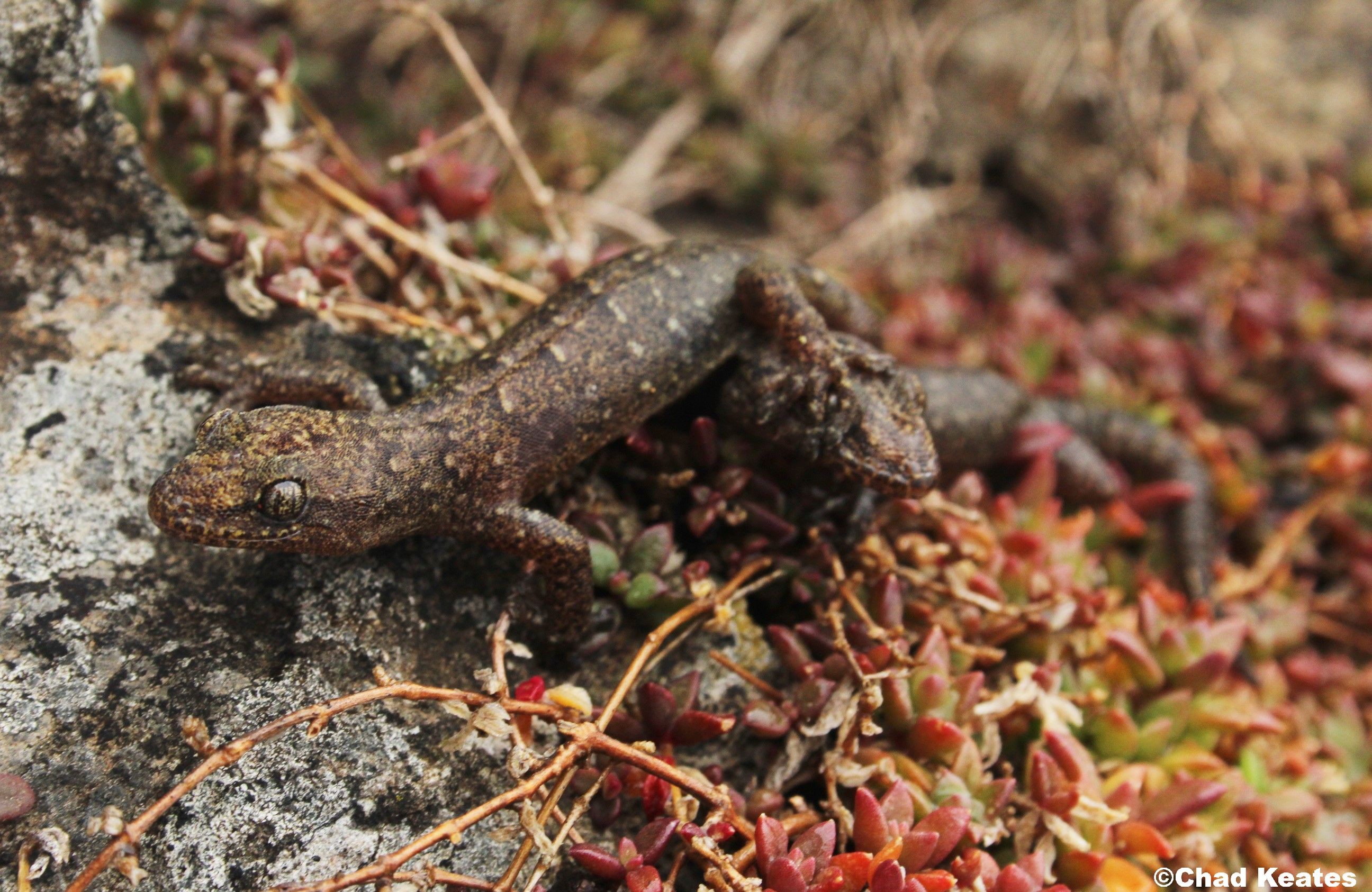
I was picked up soon after and while I was unable to find a natal black snake nor any snake for that matter, on this trip, I was able to find a ‘lifer’, making this trip a trip worth getting soaked for.
For more pictures of the Amatola flat gecko click here:

from Grahamstown, Eastern Cape, South Africa

from Grahamstown, Eastern Cape, South Africa
from Grahamstown, Eastern Cape, South Africa

from Grahamstown, Eastern Cape, South Africa

from Grahamstown, Eastern Cape, South Africa
from Grahamstown, Eastern Cape, South Africa

from Grahamstown, Eastern Cape, South Africa
from Grahamstown, Eastern Cape, South Africa

from Grahamstown, Eastern Cape, South Africa

from Grahamstown, Eastern Cape, South Africa

from Grahamstown, Eastern Cape, South Africa

from Grahamstown, Eastern Cape, South Africa

from Grahamstown, Eastern Cape, South Africa


from Grahamstown, Eastern Cape, South Africa

from Grahamstown, Eastern Cape, South Africa
from Grahamstown, Eastern Cape, South Africa

from Grahamstown, Eastern Cape, South Africa
from Fort Fordyce, Eastern Cape, South Africa
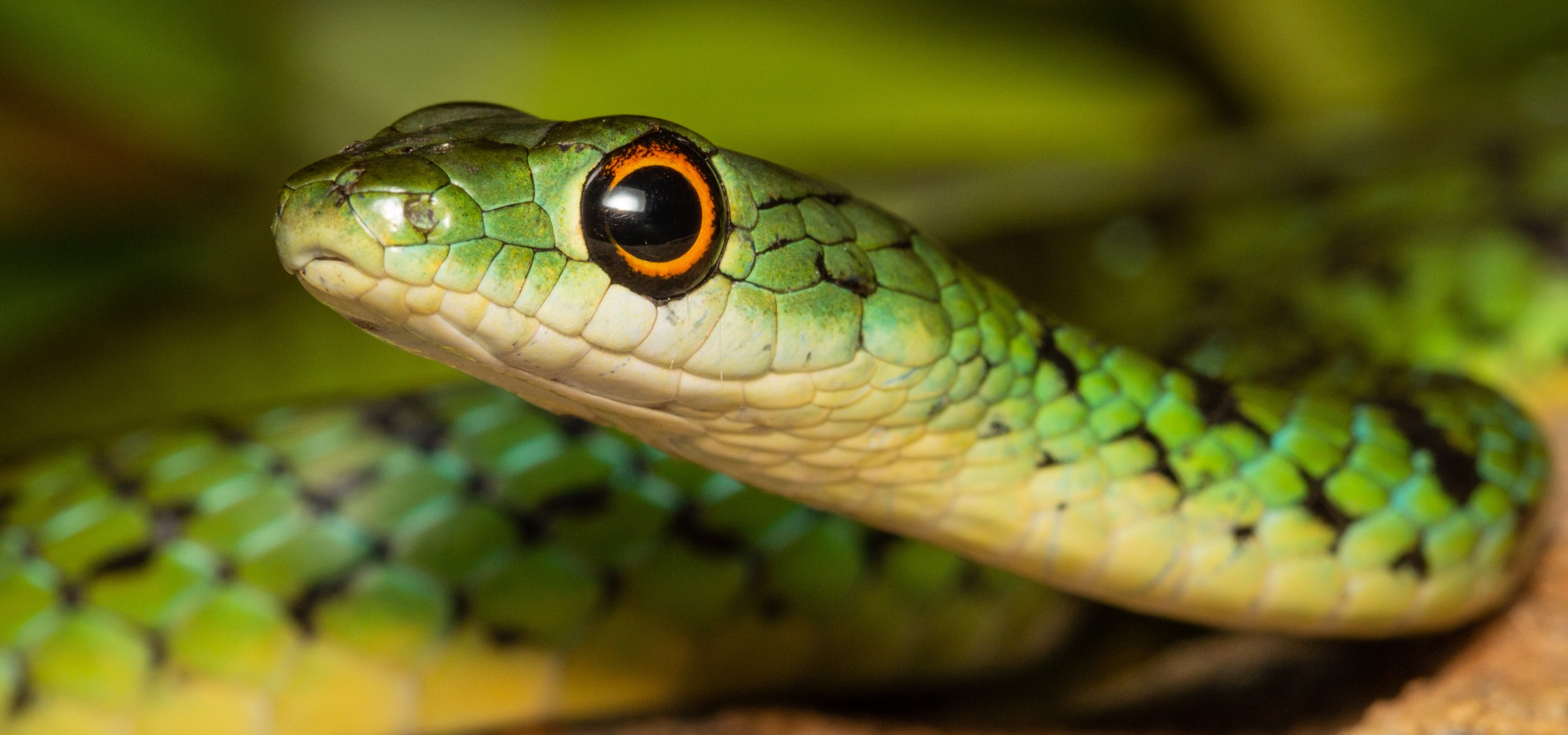
This list includes all the green snakes that can be found in the Eastern Cape. Barring the boomslang (Dispholidus typus) and the many-spotted reed snake (Amplorhinus multimaculatus), all the individuals listed come from the genus Philothamnus and they are all closely related. In the Eastern Cape, the boomslang is not uniform green. Females are olive and males are green/yellow with black barring. Irrespective of this, the boomslang has been included at the end of the list.
Green Water Snake (Philothamnus hoplogaster)
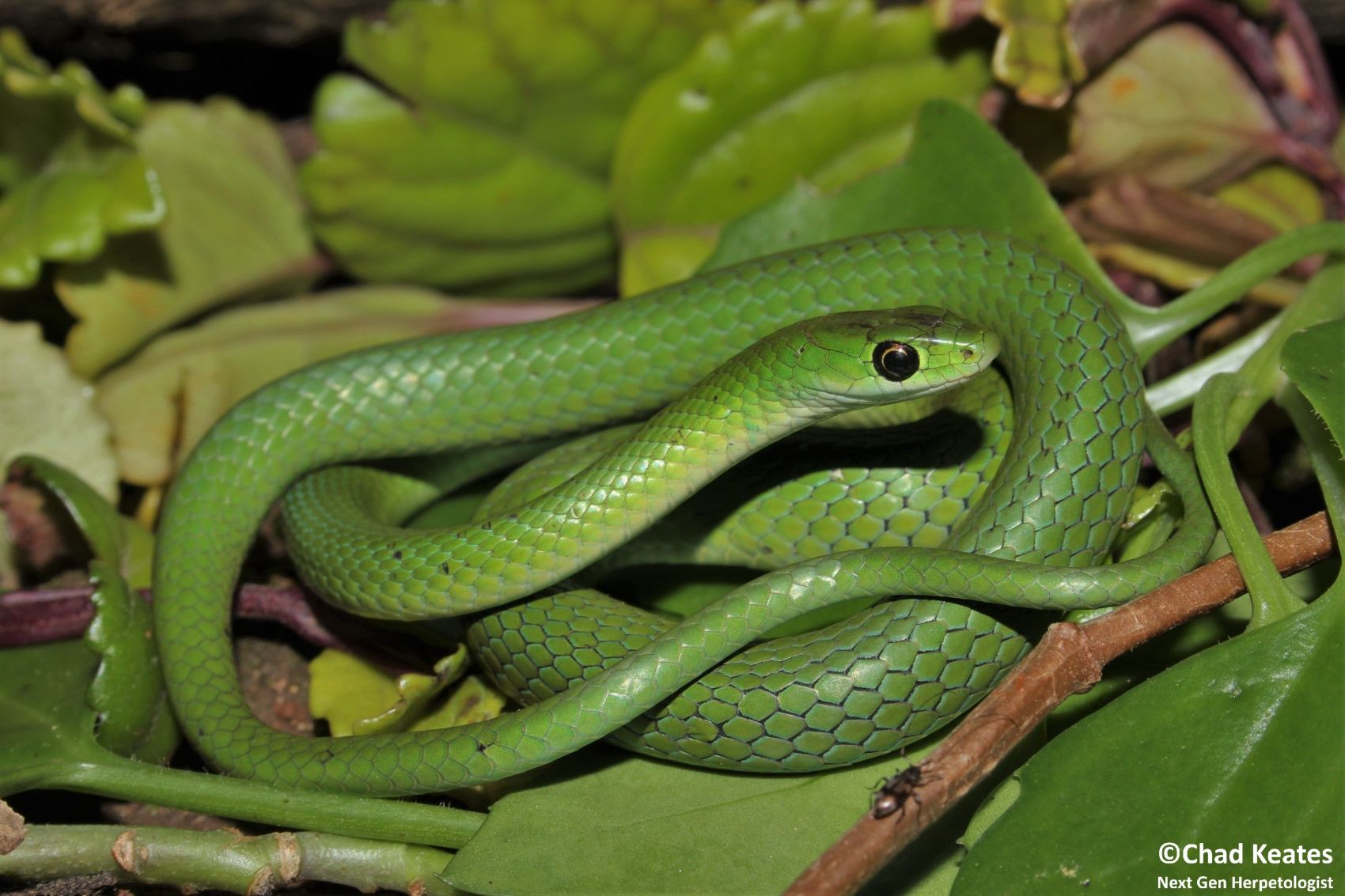
Size: 50-90cm.
Habits: This snake is a fantastic swimmer that spends much of its time in and around water. Although closely related with water sources, it can also be found basking in trees and low bushes. Green water snakes also tend to be active during the day.
Diet: Fish, lizards and frogs.
Danger to man: None, it has no venom.
Similar species: This snake is easily confused with all members of the Philothamnus genus (green snakes).
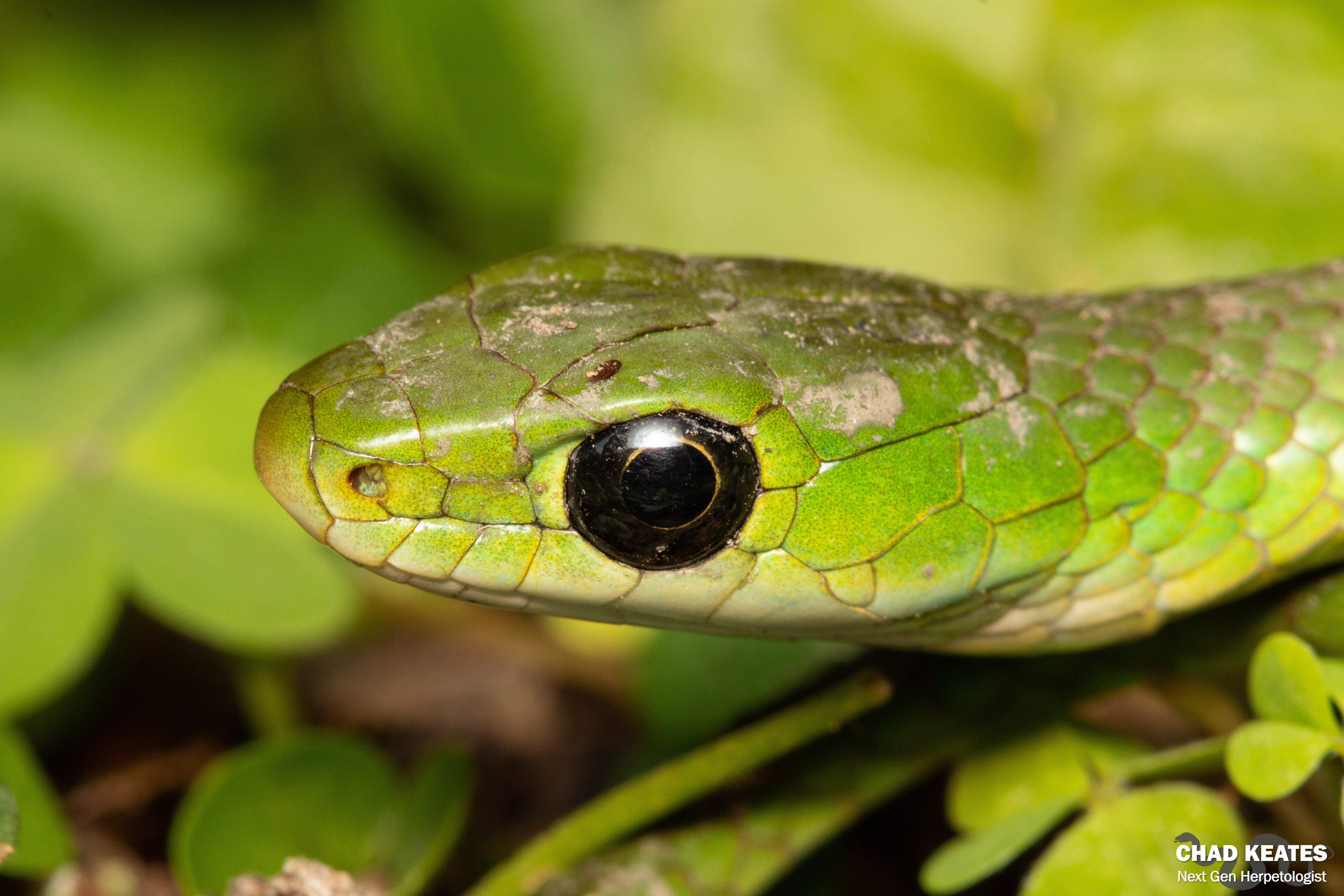
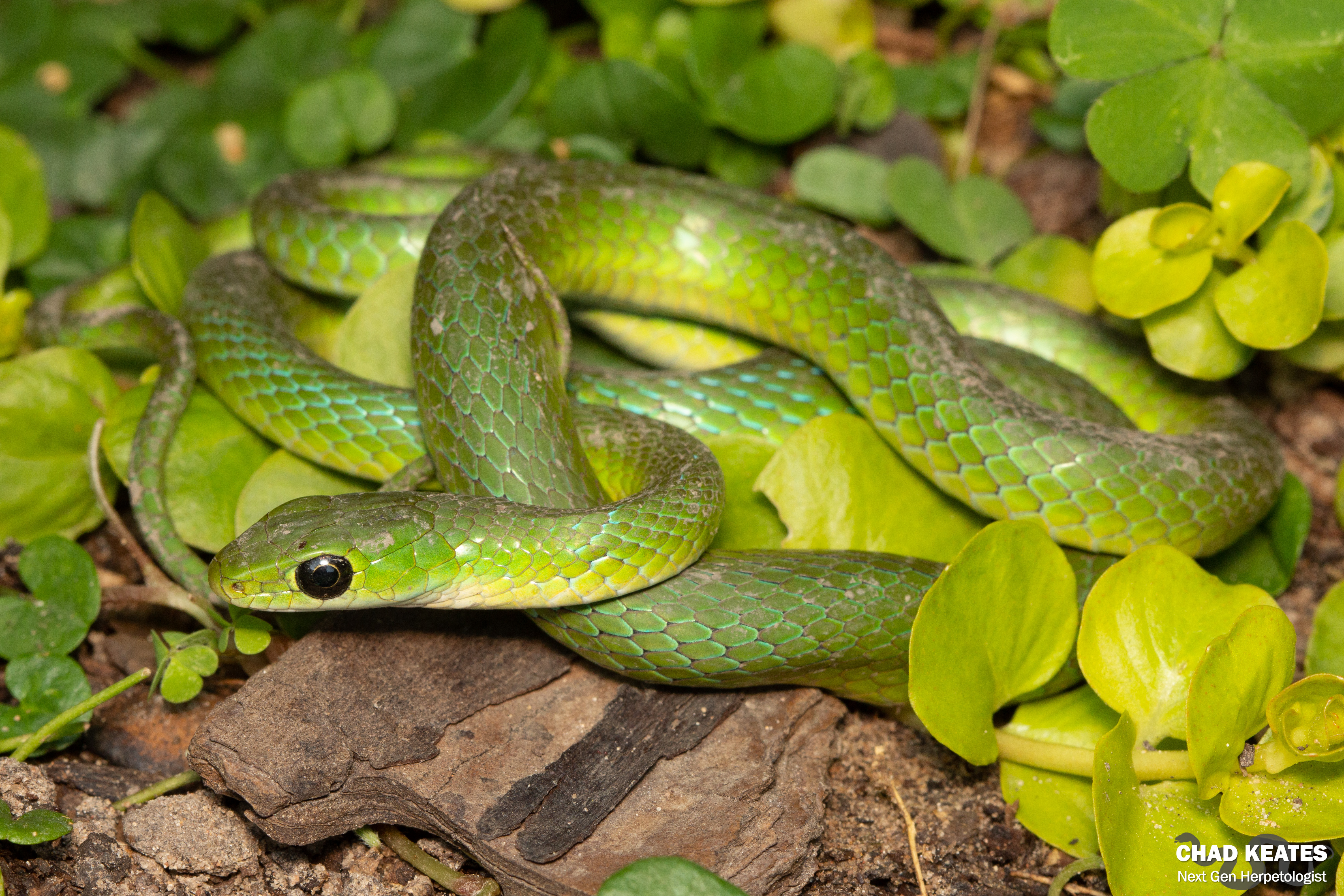
Spotted-Bush Snake (Philothamnus semivariegatus)
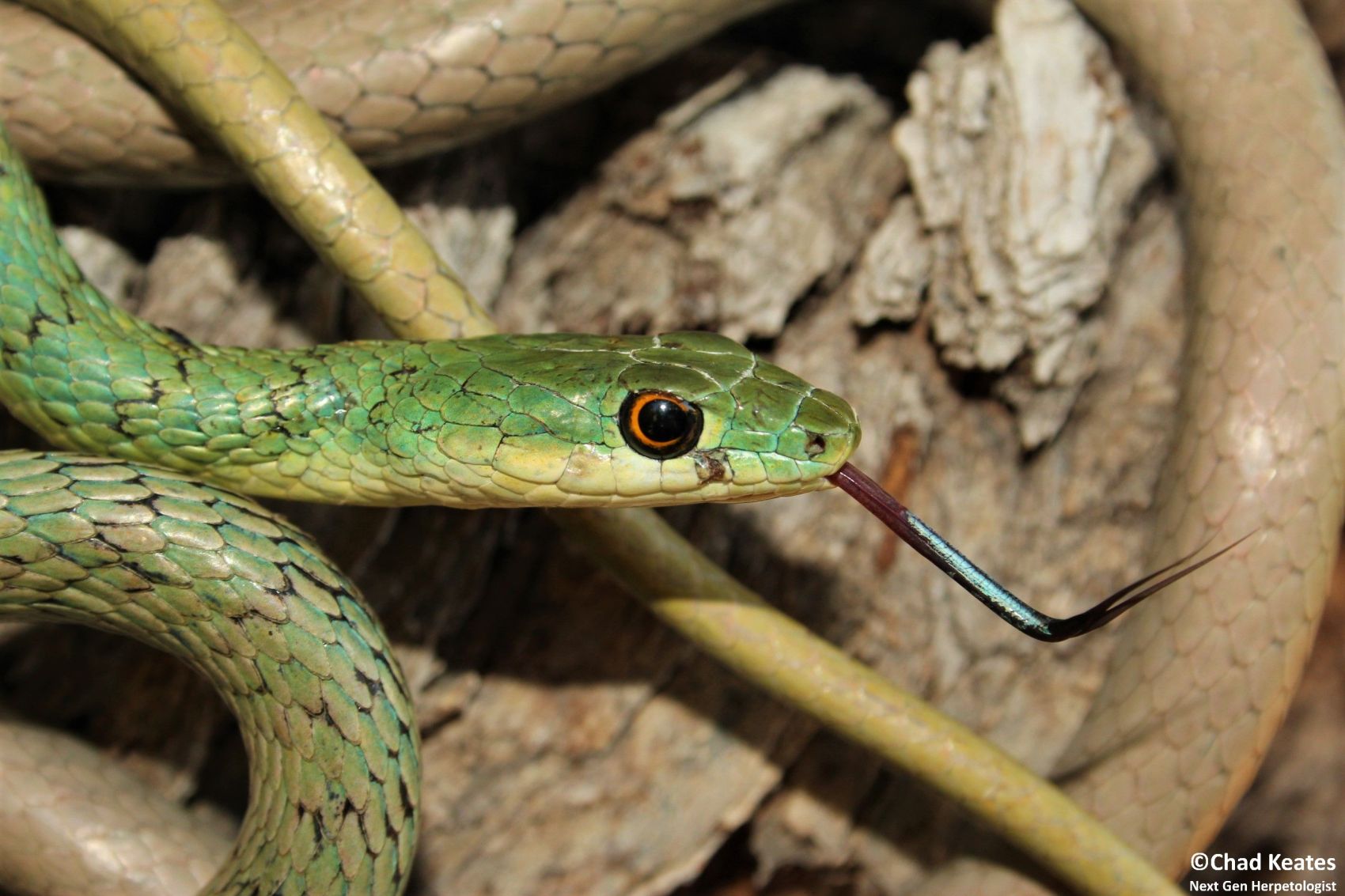
Size: 40-90cm.
Habits: This snake is an excellent climber and can be found almost exclusively in trees and shrubs where it hunts during the day for its food.
Diet: Lizards, chameleons, geckoes, and frogs.
Danger to man: None, it has no venom.
Similar species: This snake is easily confused with all members of the Philothamnus genus (green snakes). In terms of Grahamstown however, This snake is most easily confused with the western natal green snake, a snake which is far more common than the spotted bush snake in the area.
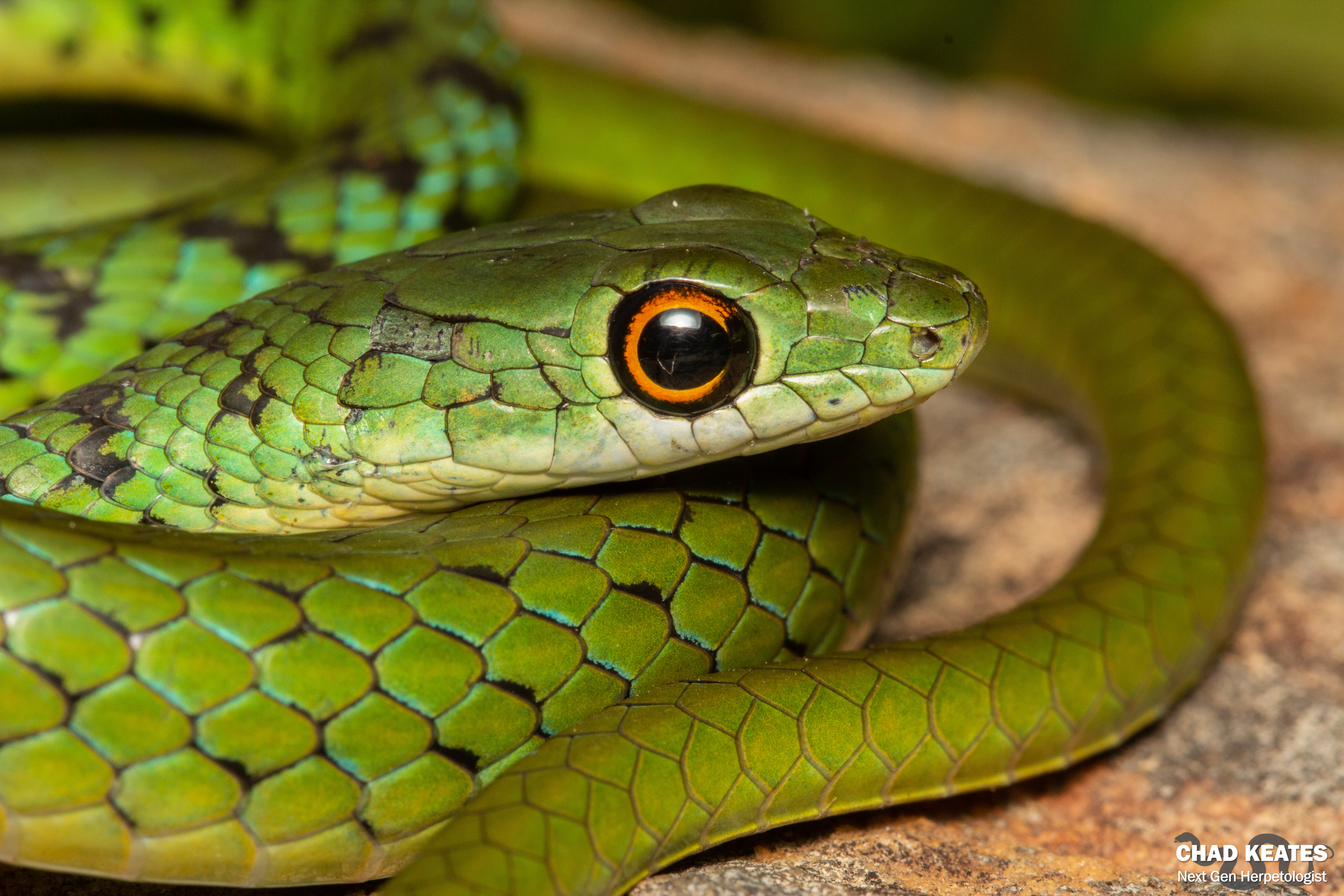
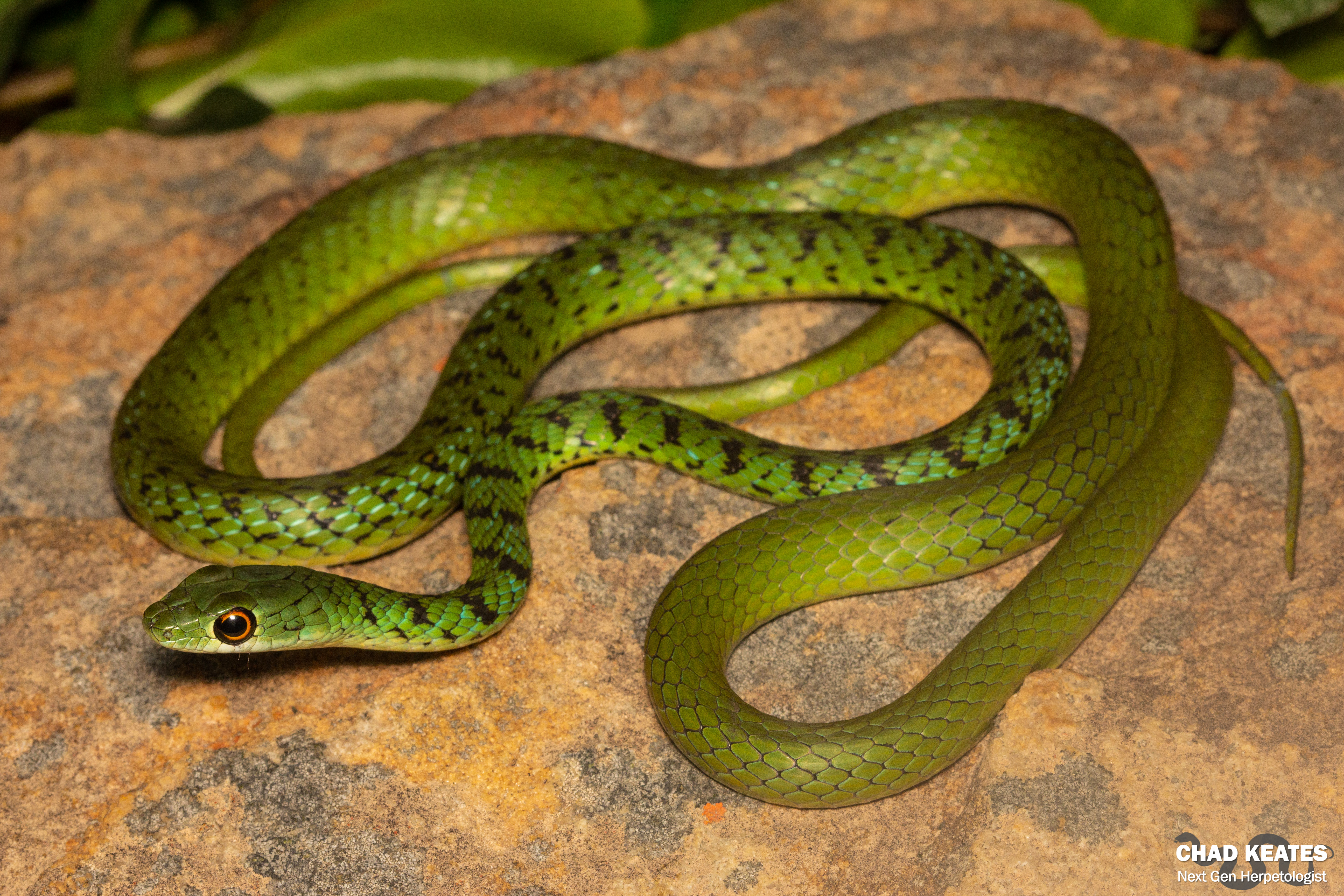
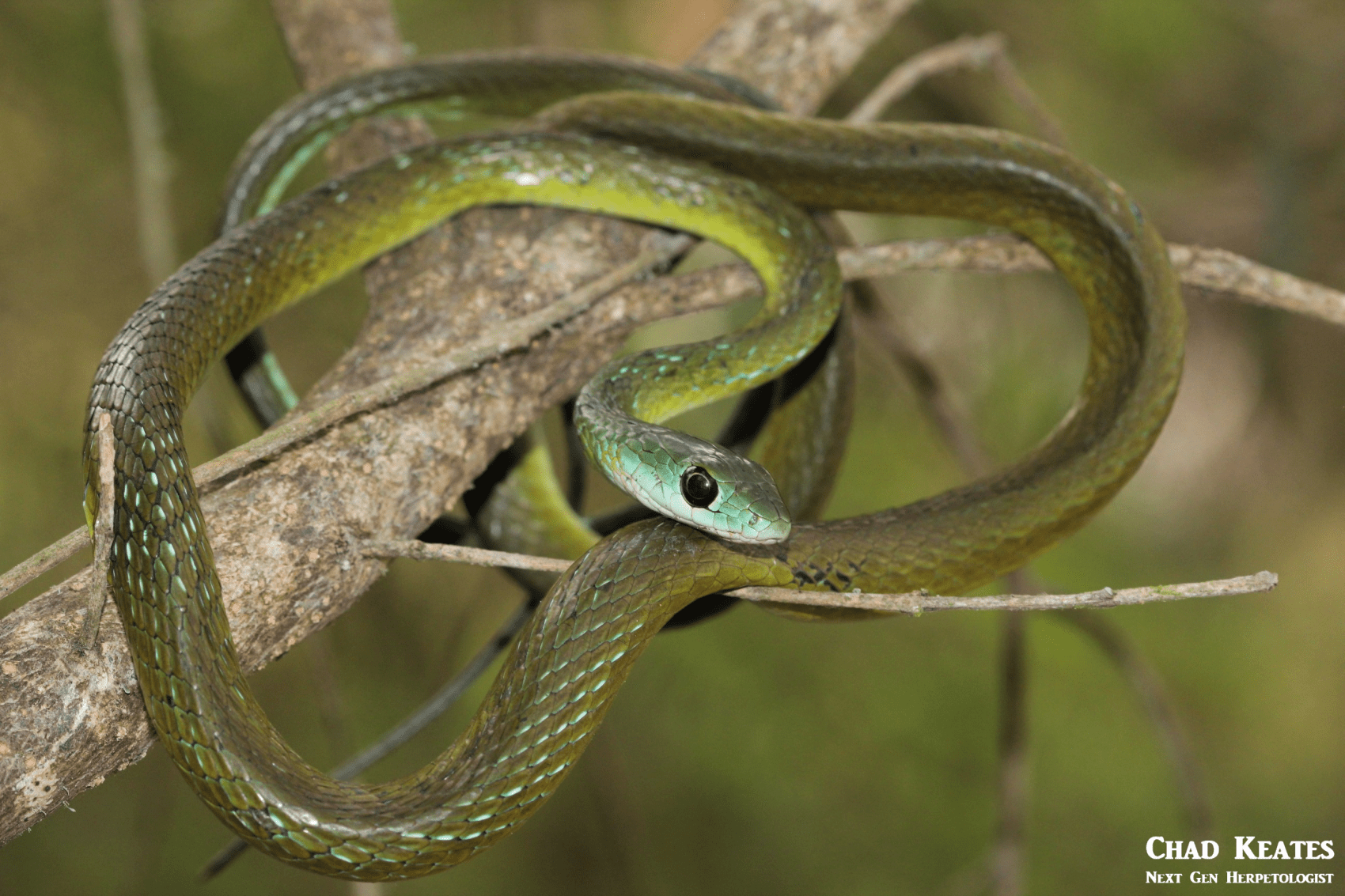
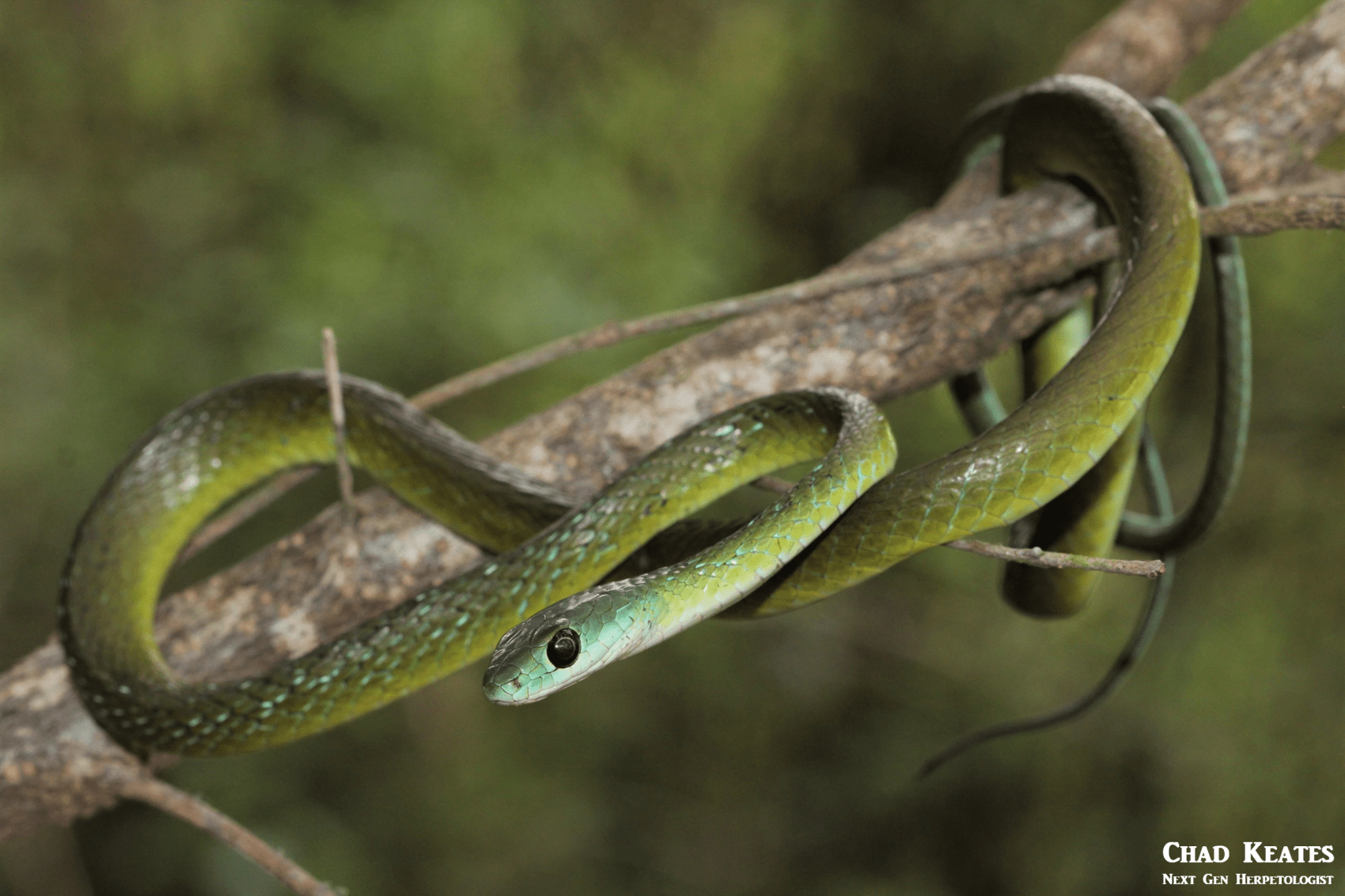
Western Natal Green Snake (Philothamnus natalensis occidentalis)
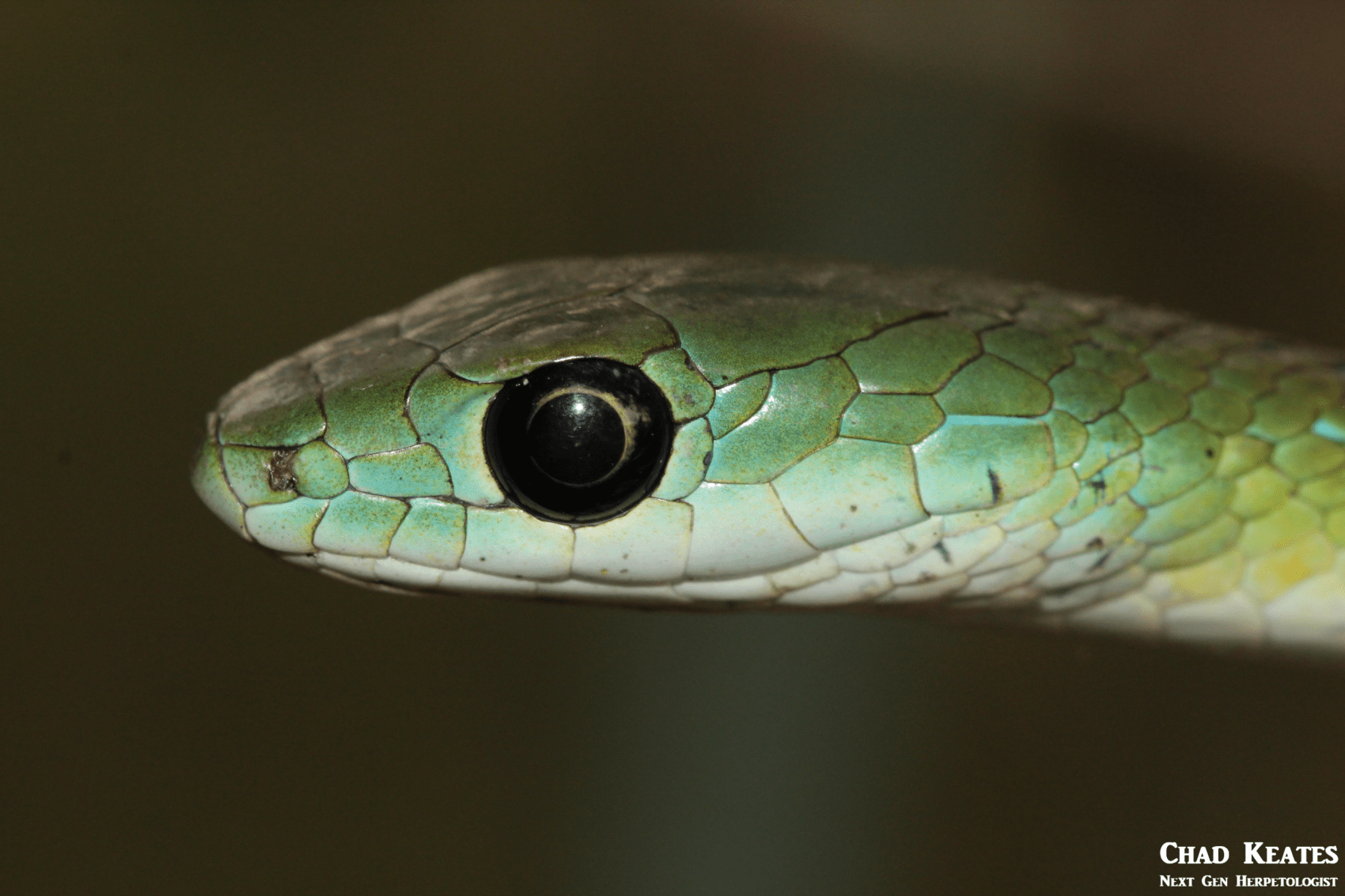
Size: 60-90cm.
Habits: This snake is a fantastic climber that spends much of its time in trees and shrubs near water. Western natal green snakes also tend to be active during the day.
Diet: Lizards, geckos and frogs.
Danger to man: None, it has no venom.
Similar species: This snake is easily confused with all members of the Philothamnus genus (green snakes). In terms of Grahamstown however, This snake is most easily confused with the spotted bush snake, but the spotted bush snake is far less common in the area.
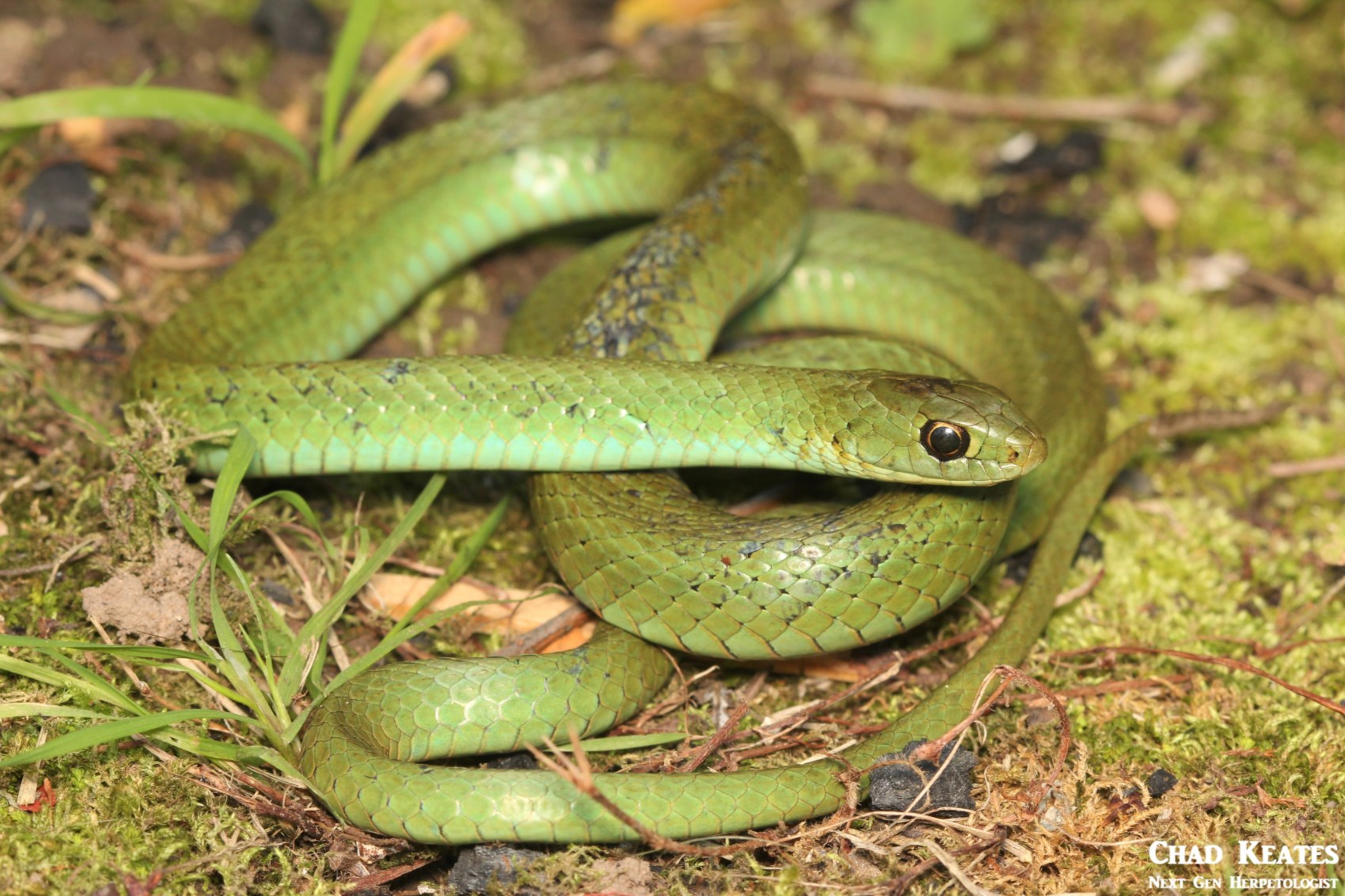
Many-spotted Reed Snake (Amplorhinus multimaculatus)
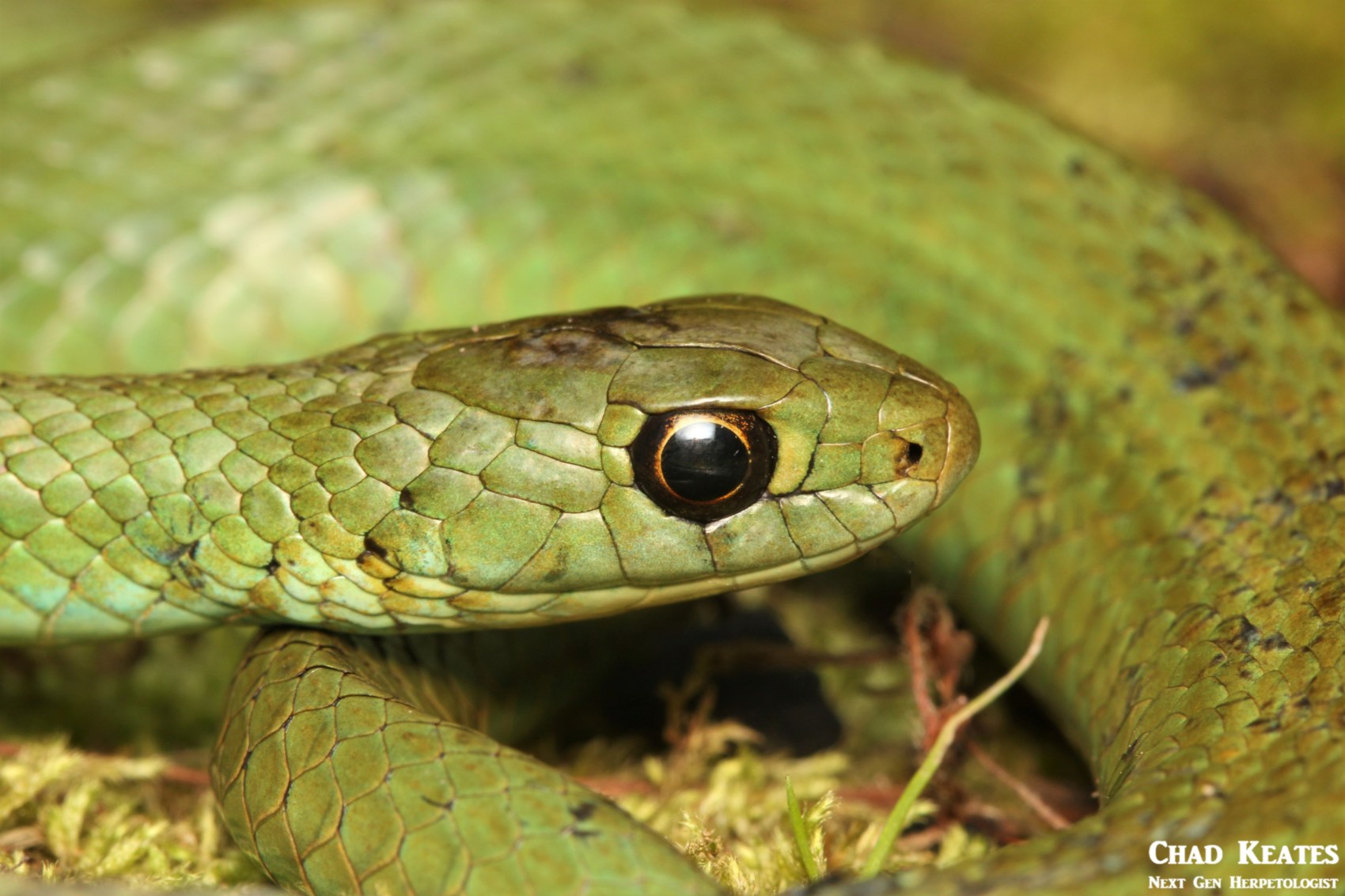
Size: 45-60cm.
Habits: This small, secretive snake can be found in isolated populations in cool regions. The snake is most commonly associated with damp localities and can often be found in reed-beds and waterside vegetation. There is considerable colour variation in this species with colour ranging from olive/brown with spots and mottling to uniform green.
Diet: Frogs and toads.
Danger to man: Mildly venomous, but venom is of consequence to humans.
Similar species: This snake is easily confused with all members of the Philothamnus genus (green snakes).
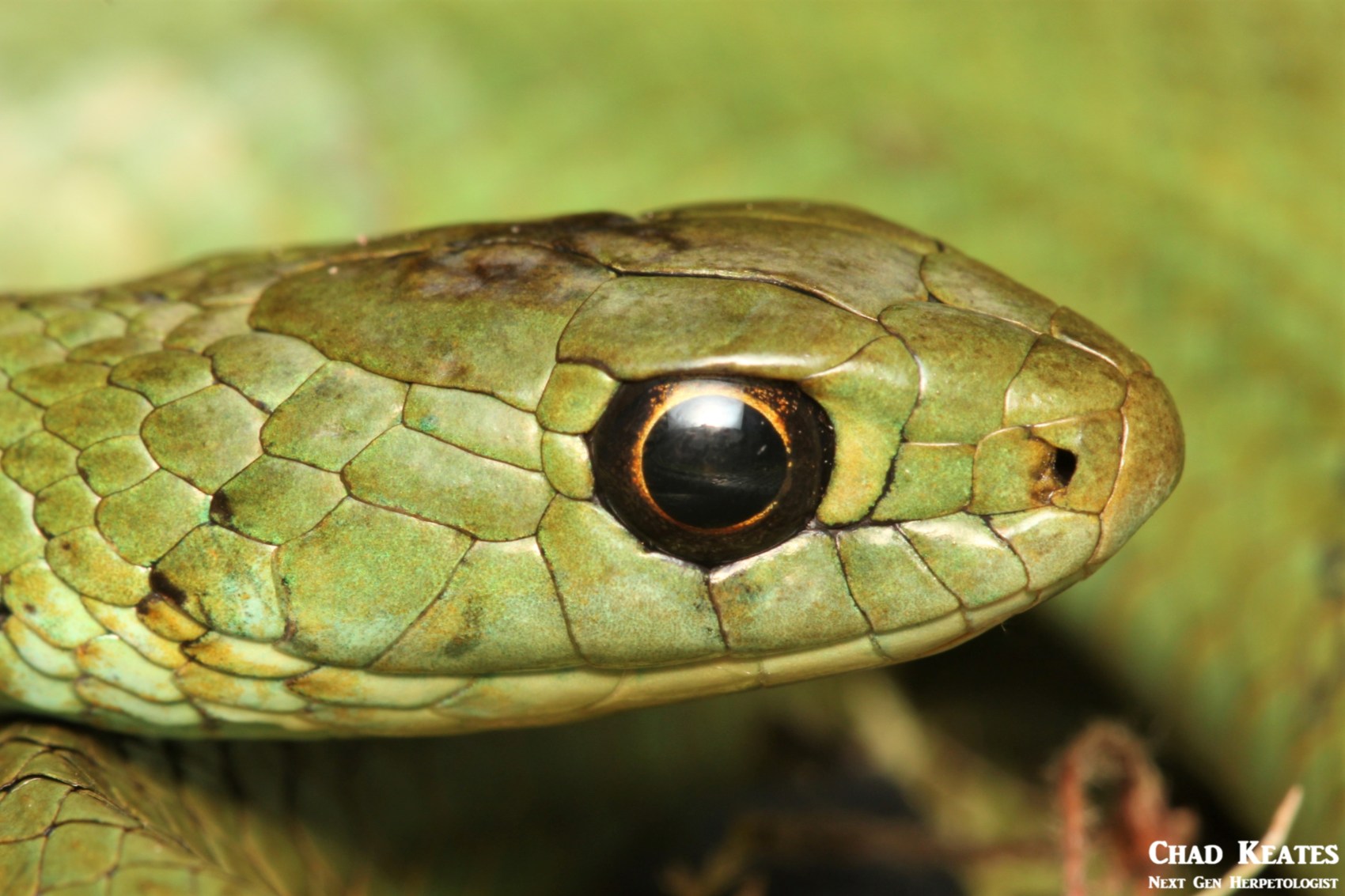
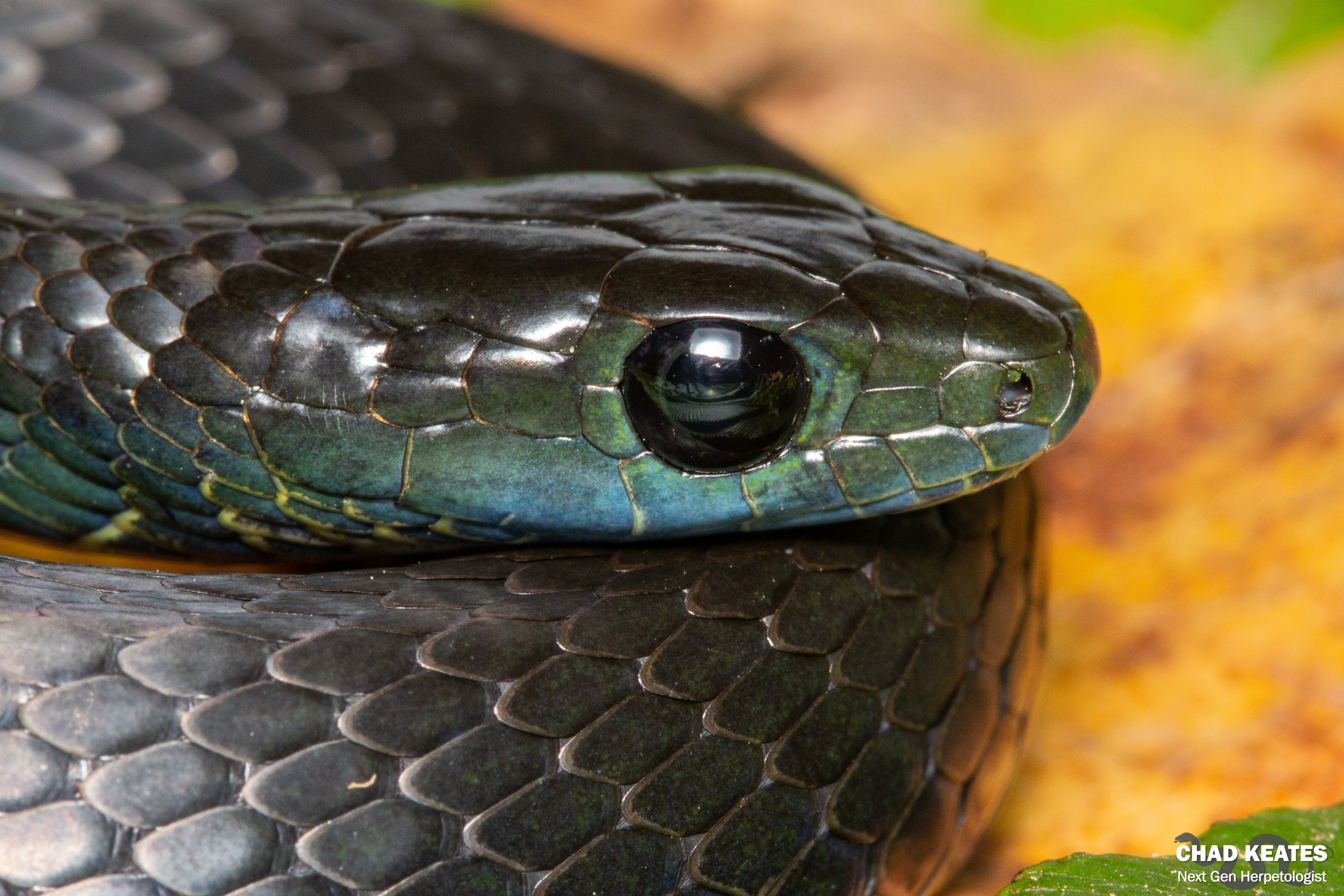
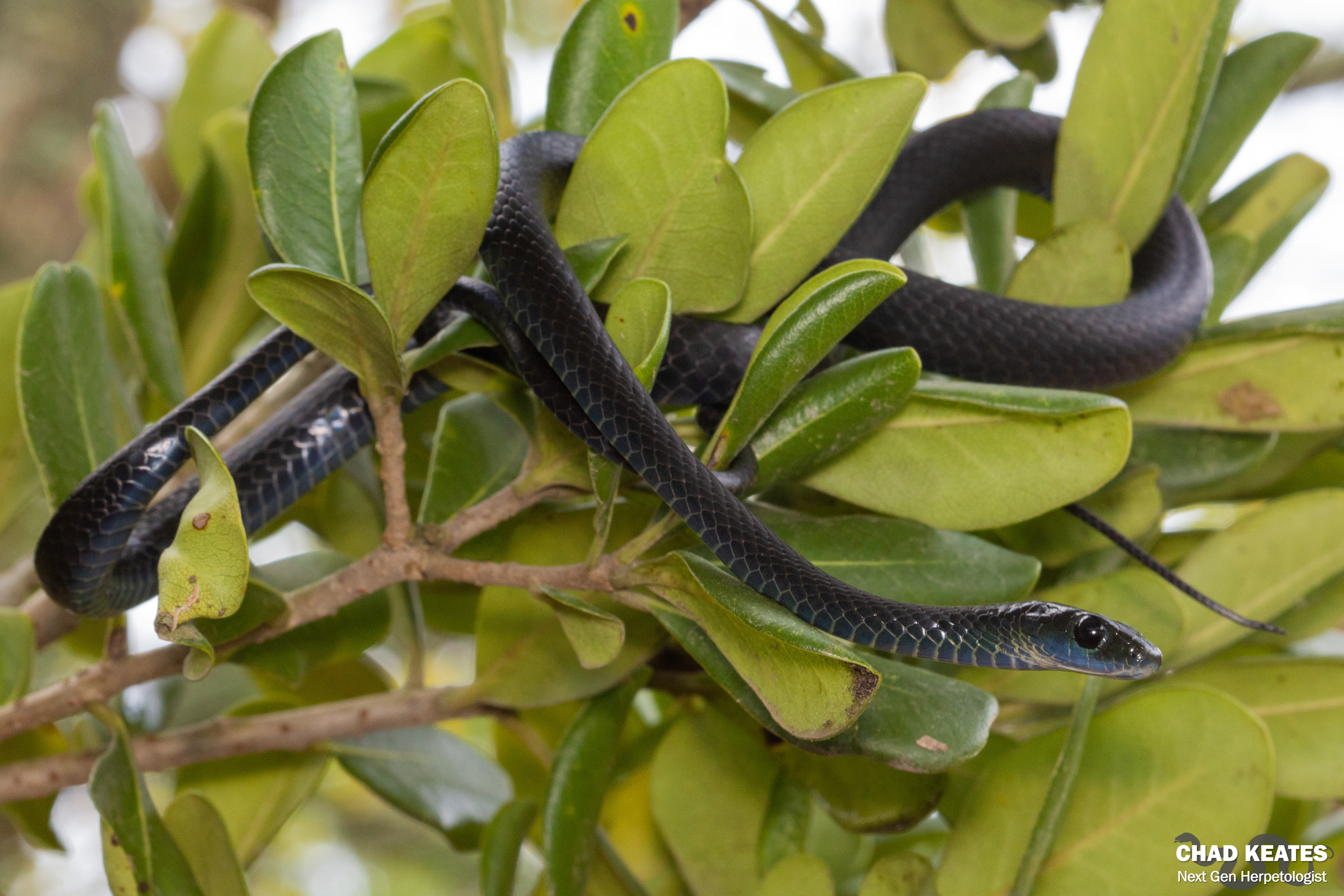
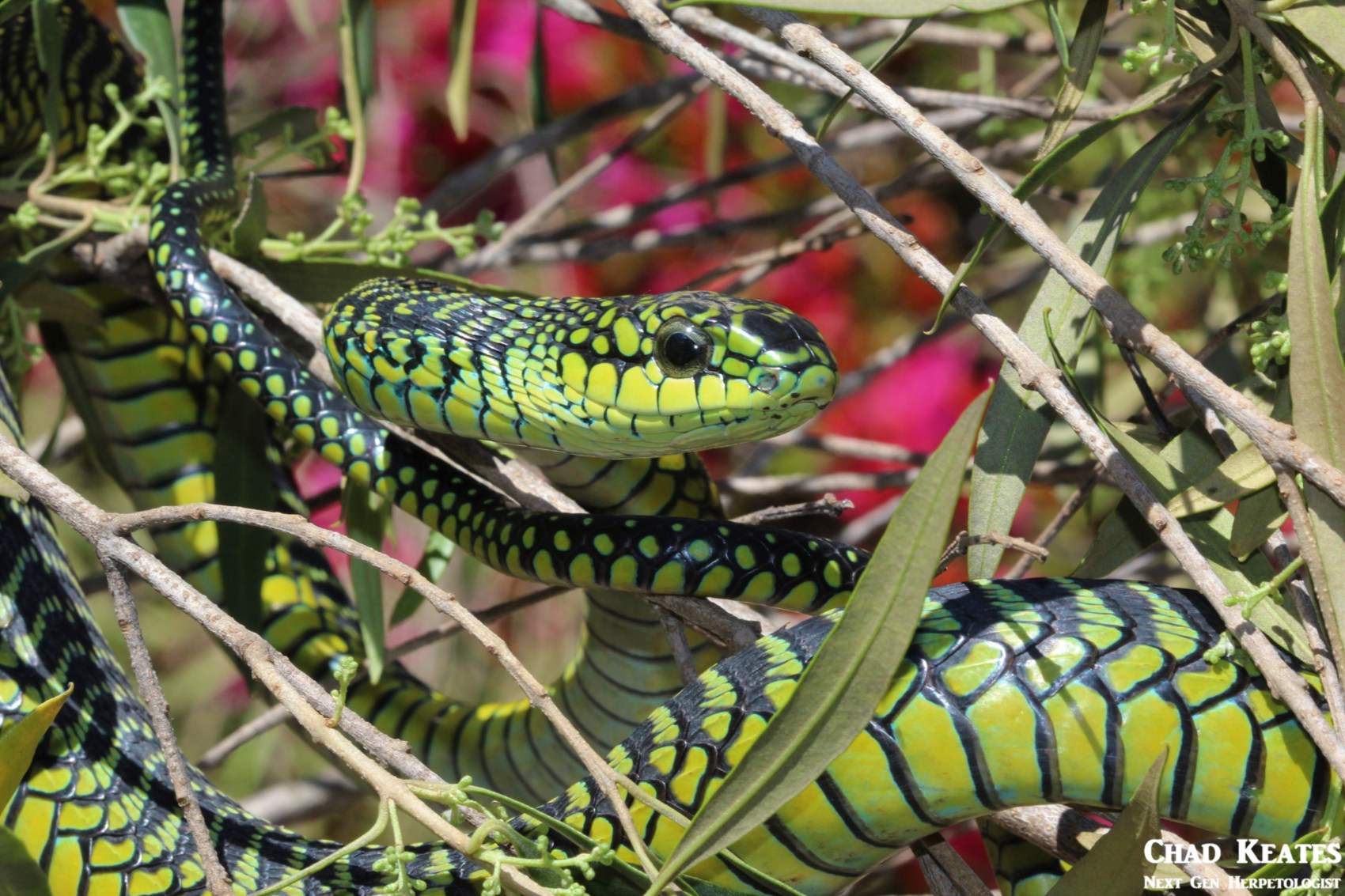
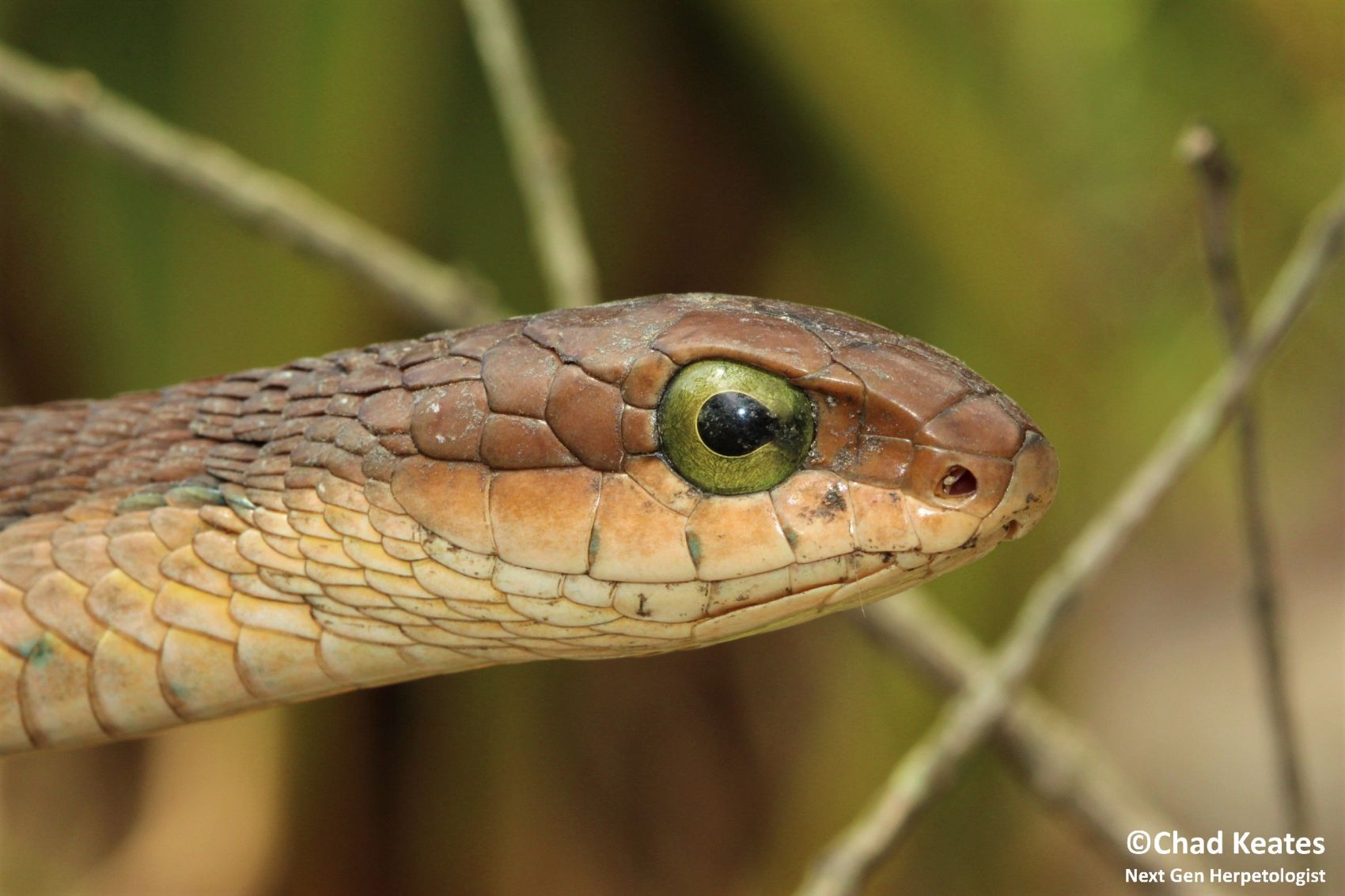
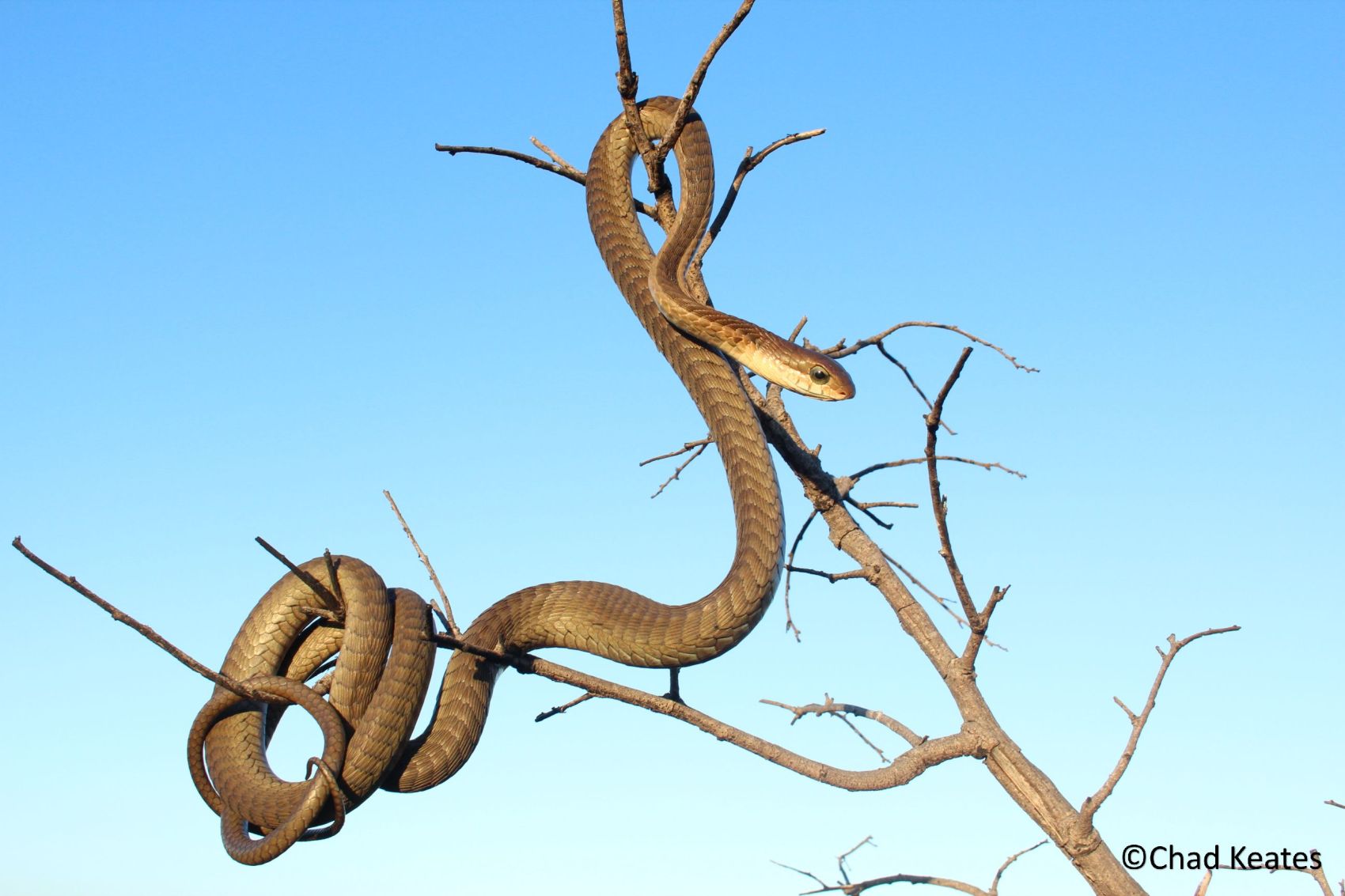
Boomslang (Dispholidus typus typus)
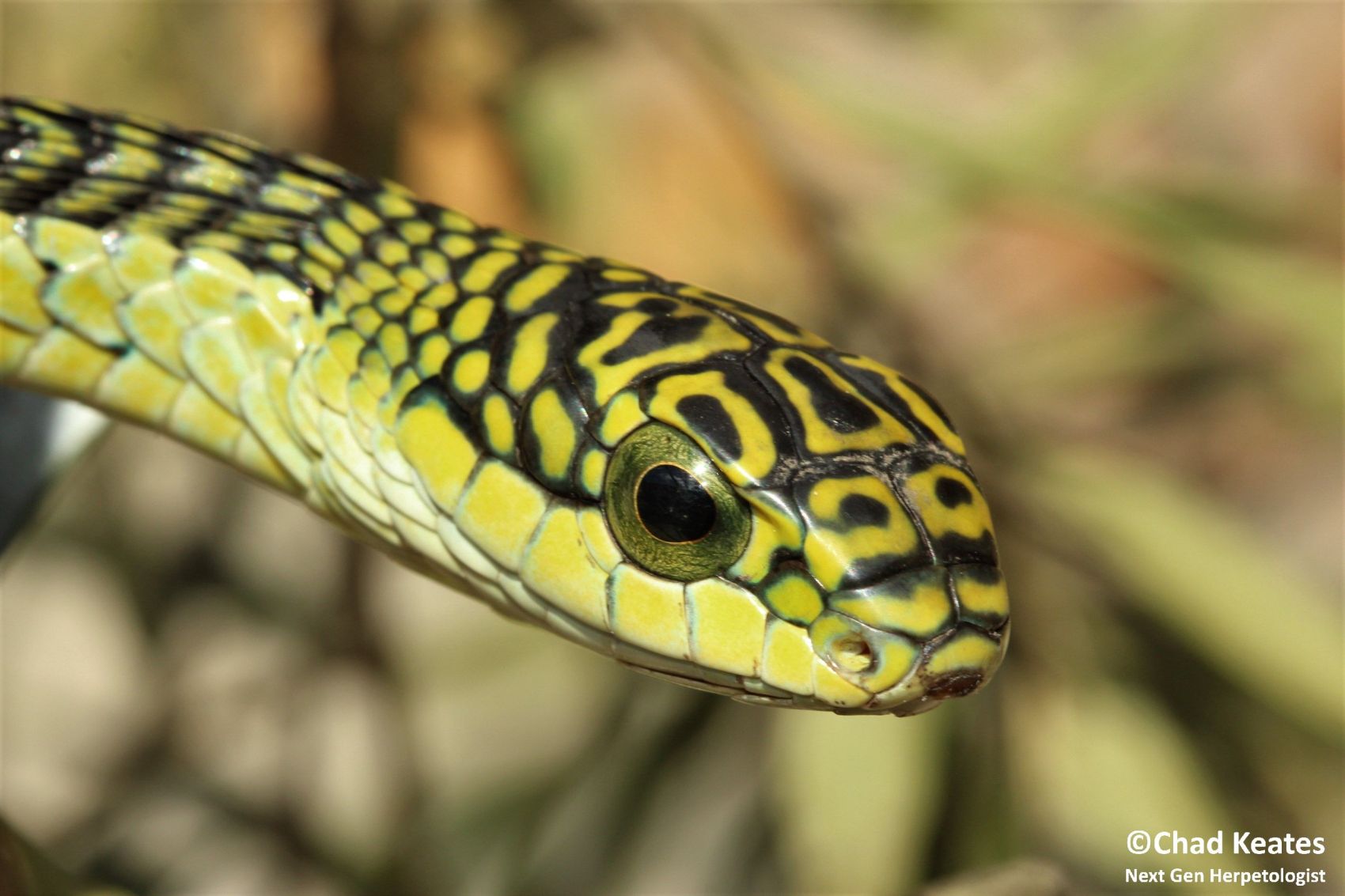
Size: 1.2-1.5m.
Habits: Diurnal snakes which are found in a large variety of habitats, most commonly in trees and shrubs, but may descend to the floor to bask or find food.
Diet: Chameleons, frogs, tree-living lizards, birds and occasionally rodents.
Danger to man: The boomslang possesses a very dangerous haemotoxic venom capable of killing people. Monovalent antivenom is however available and has been found to be very effective in counteracting the venom. Although dangerous, the snake rarely bites, with most bites being received from snake handlers. There is a big misconception that boomslangs cannot inject venom on larger body parts because they are back-fanged. This is however untrue as boomslangs can open their mouth’s 170 degrees and can thus easily inject venom into a leg or an arm. Due to the placid and shy nature of this snake, there is virtually no chance of simply walking past a tree and being bitten.
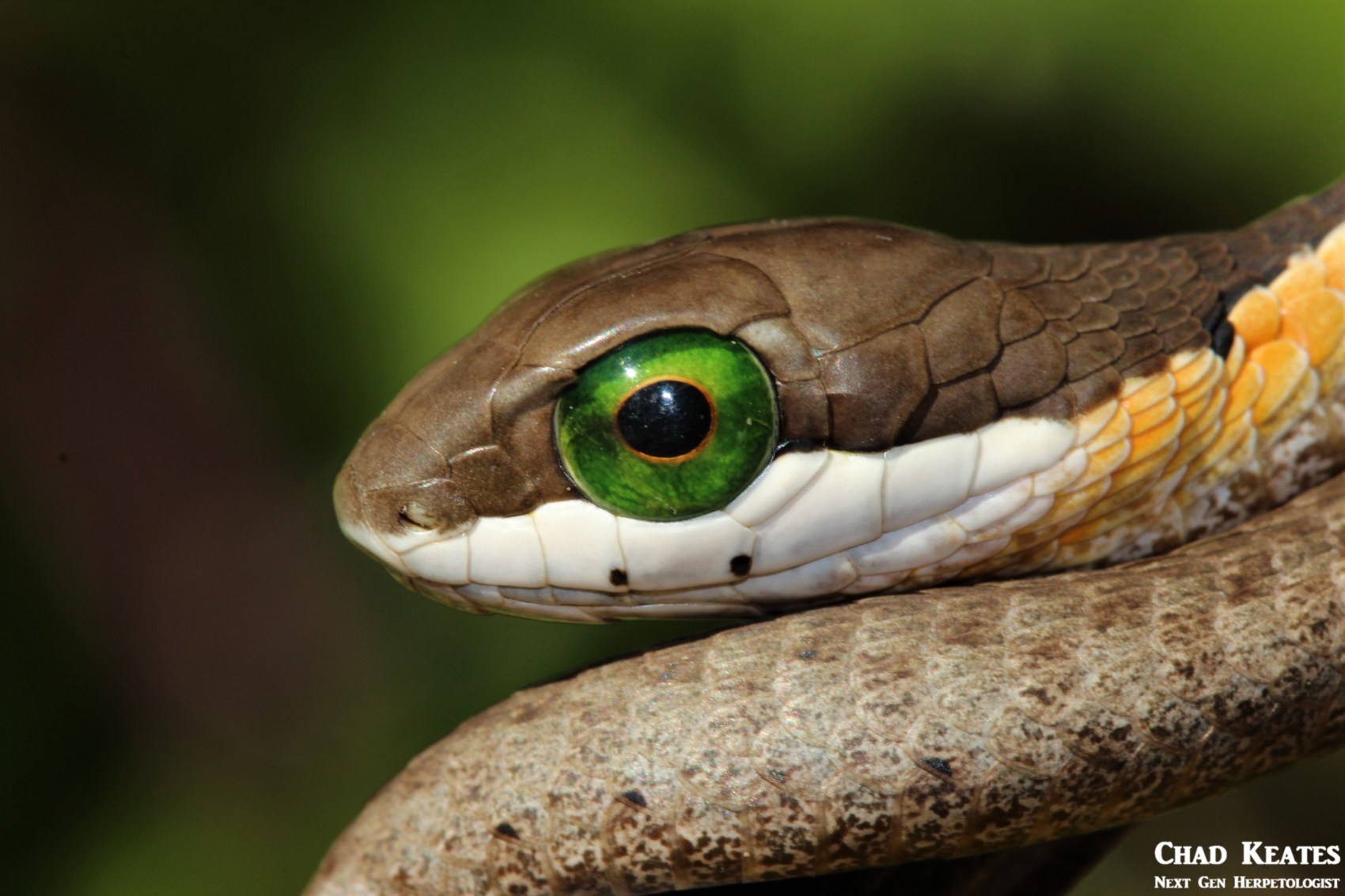
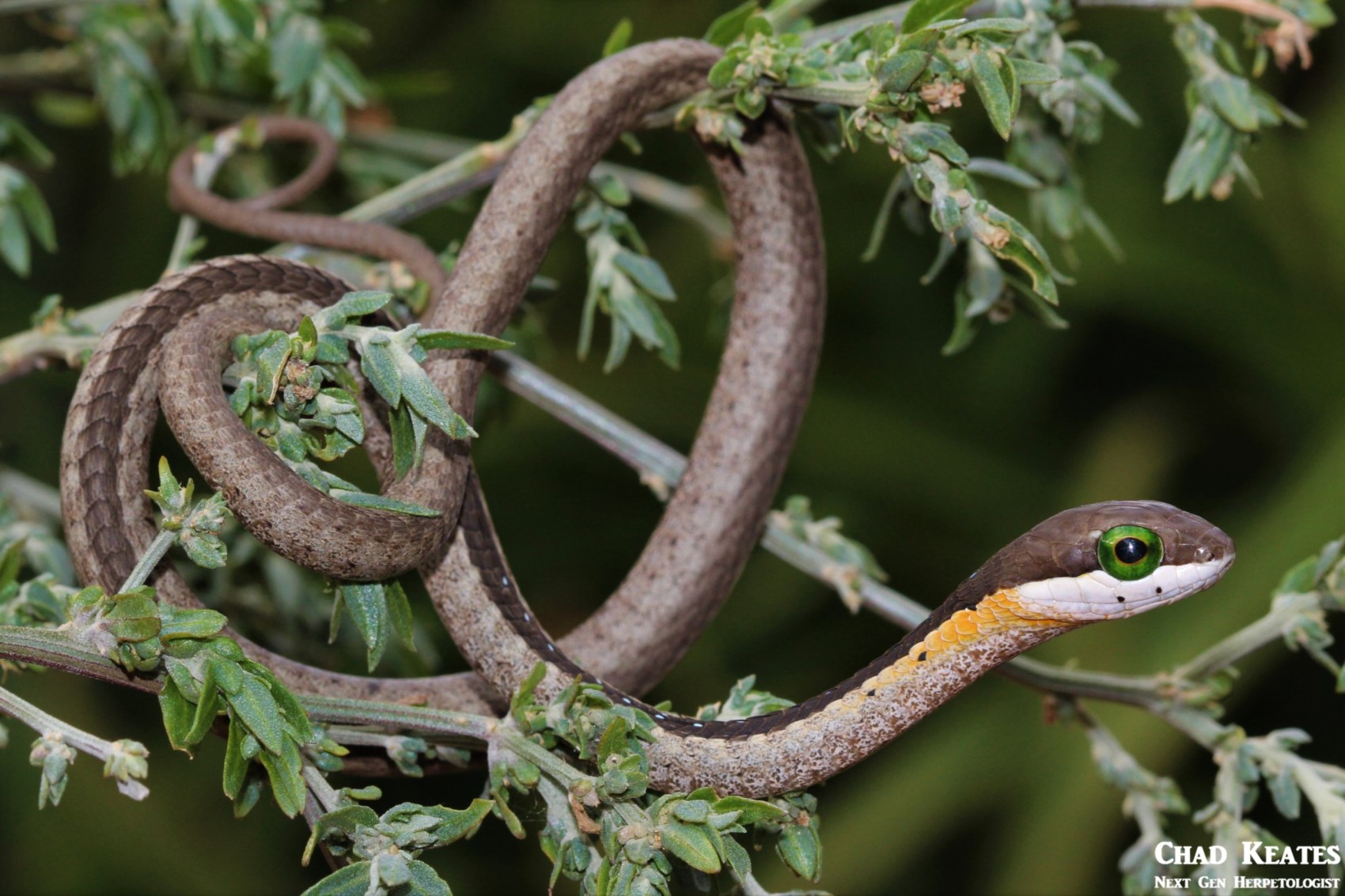
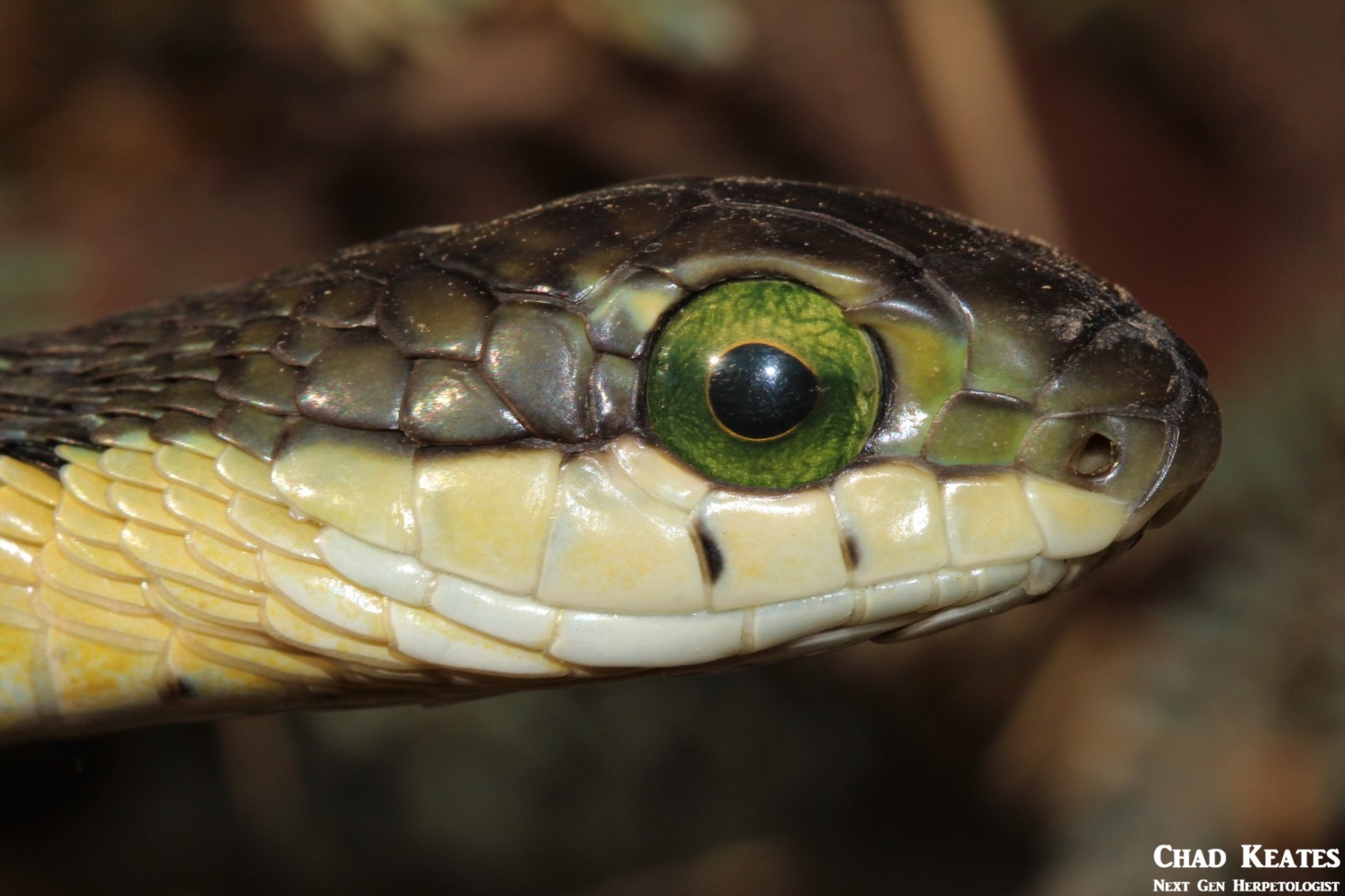
Similar species: Boomslangs are easily confused with green mambas and members of the genus Philothamnus (green snakes) north of the Transkei because of the uniform green colour but in eastern Cape males tend to be more of a fluorescent green and females tend to be brown.


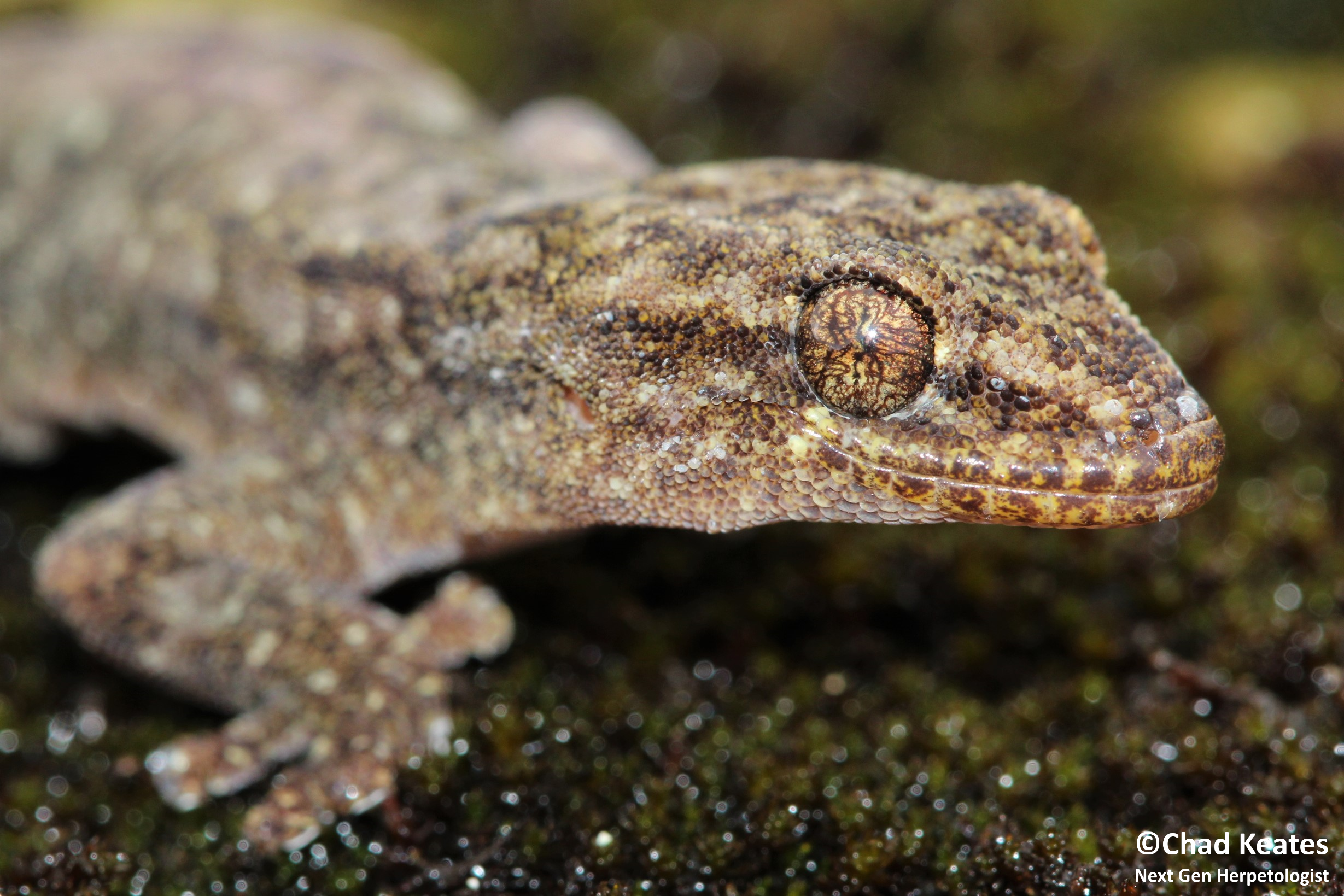
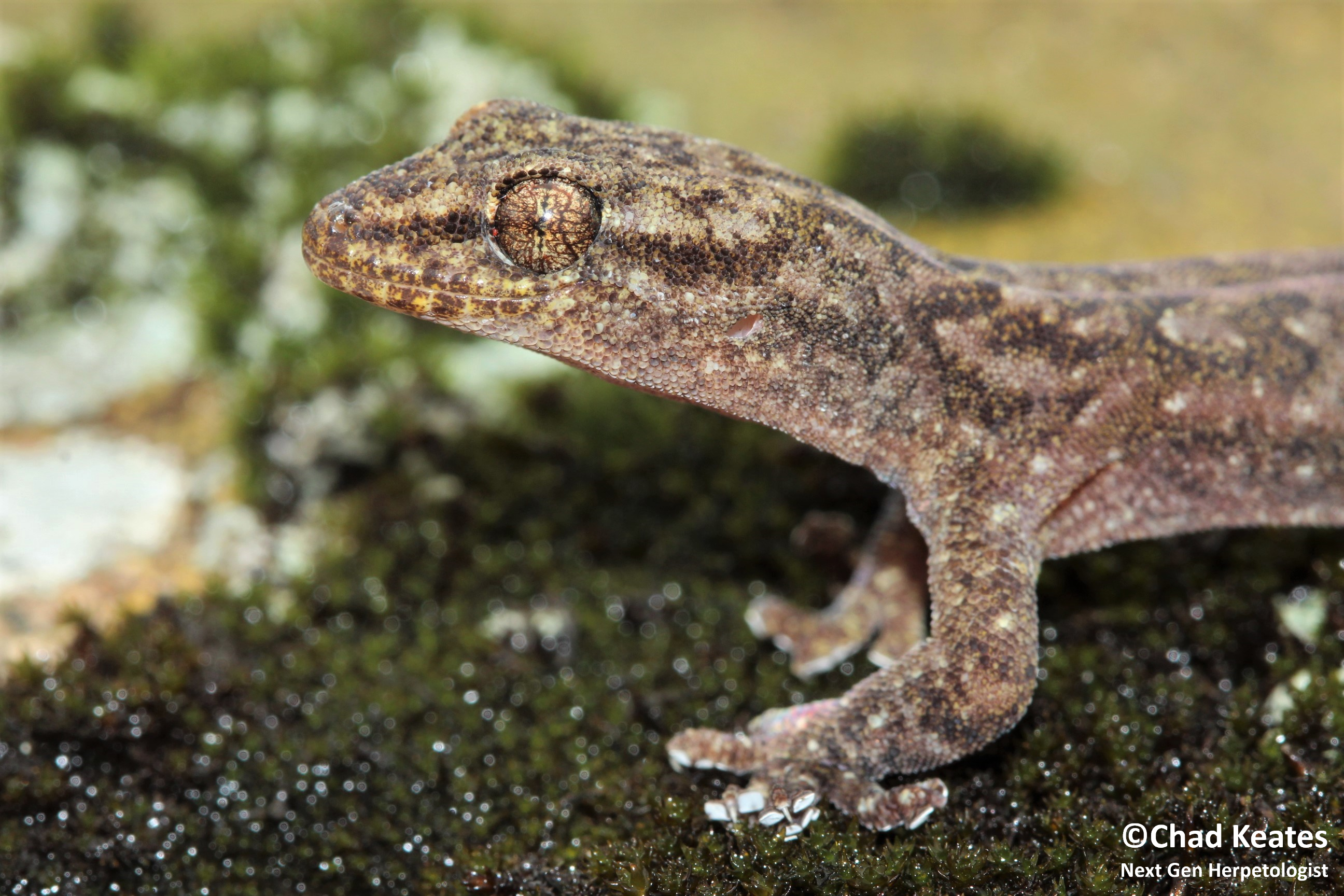
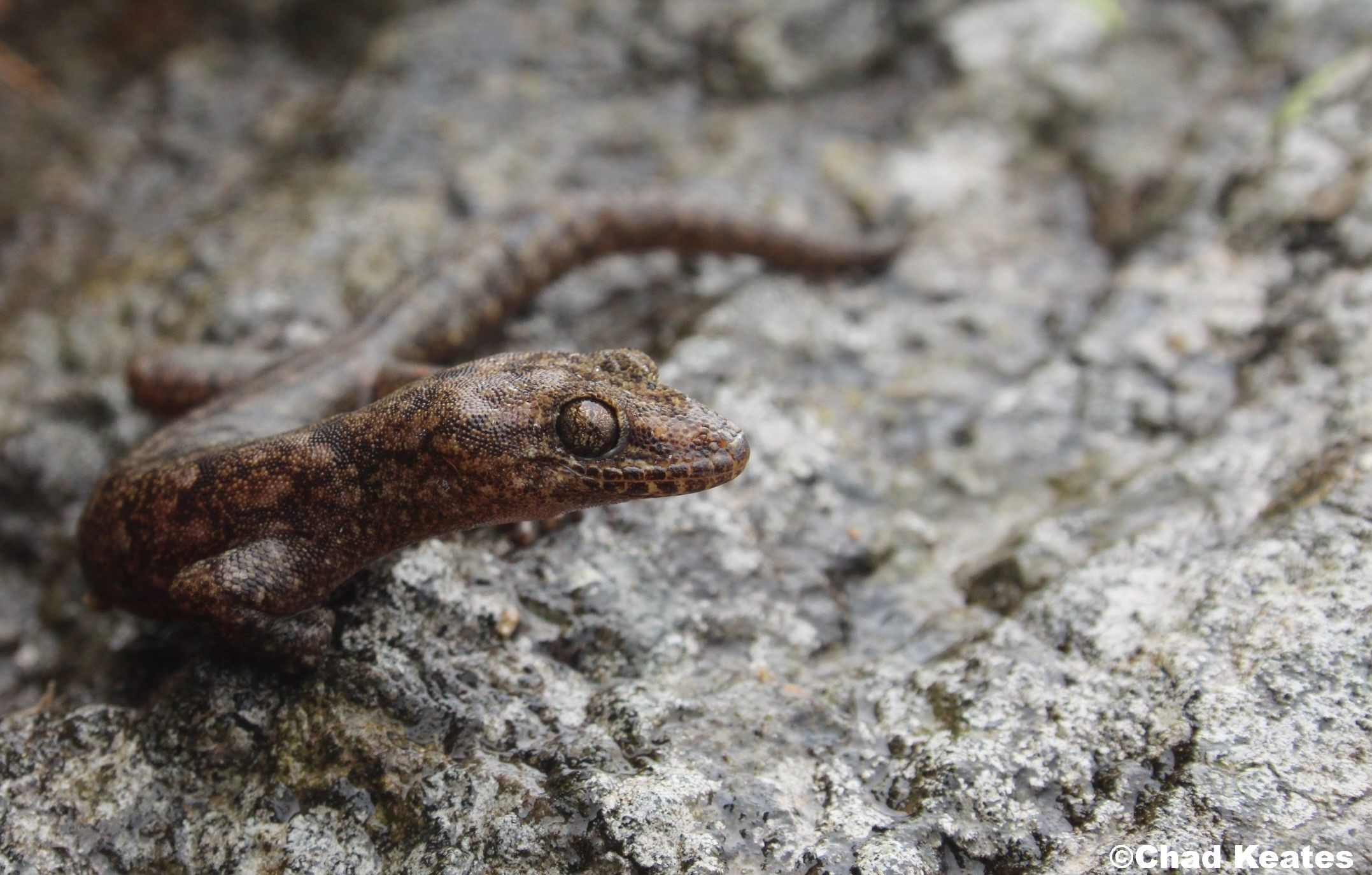
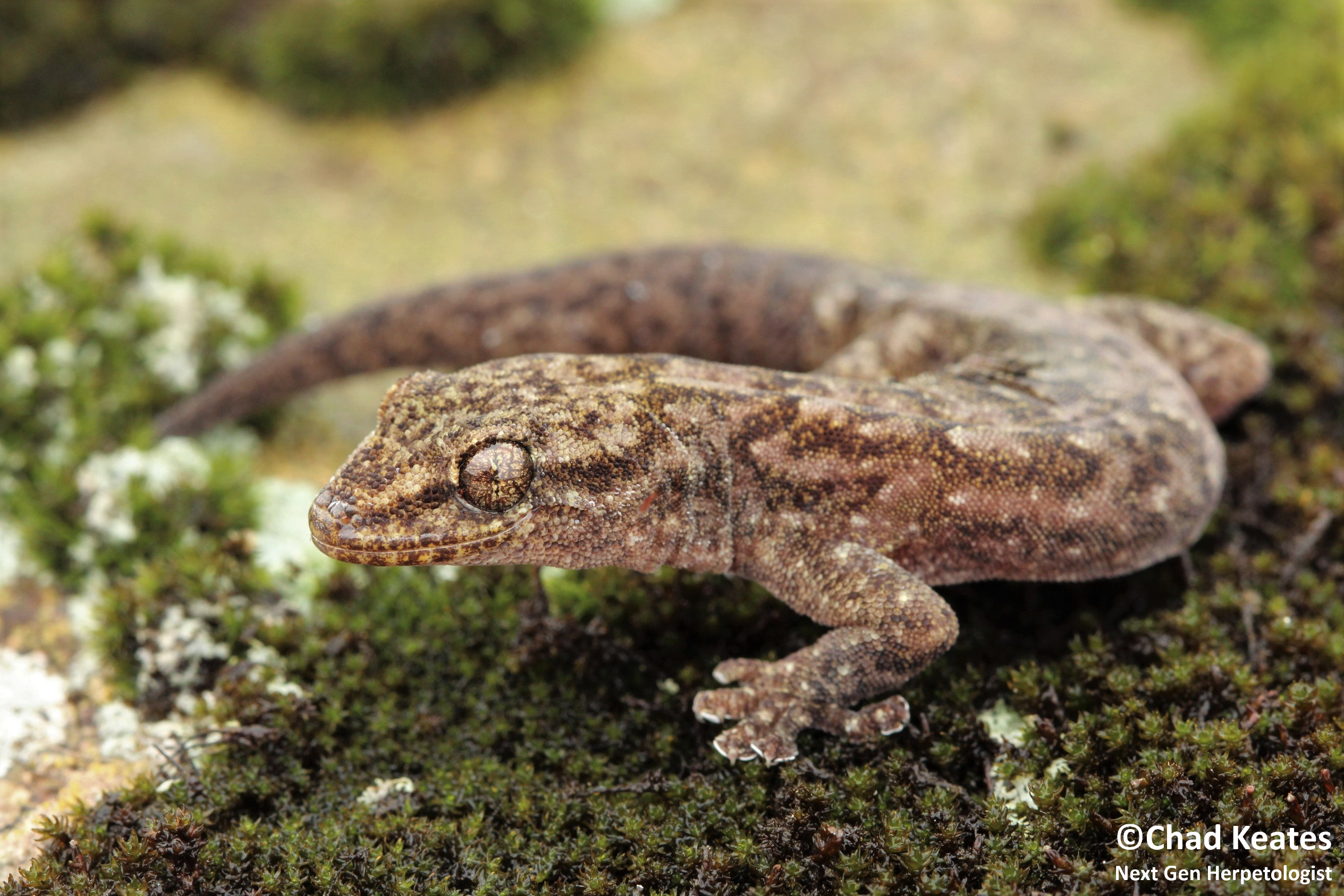

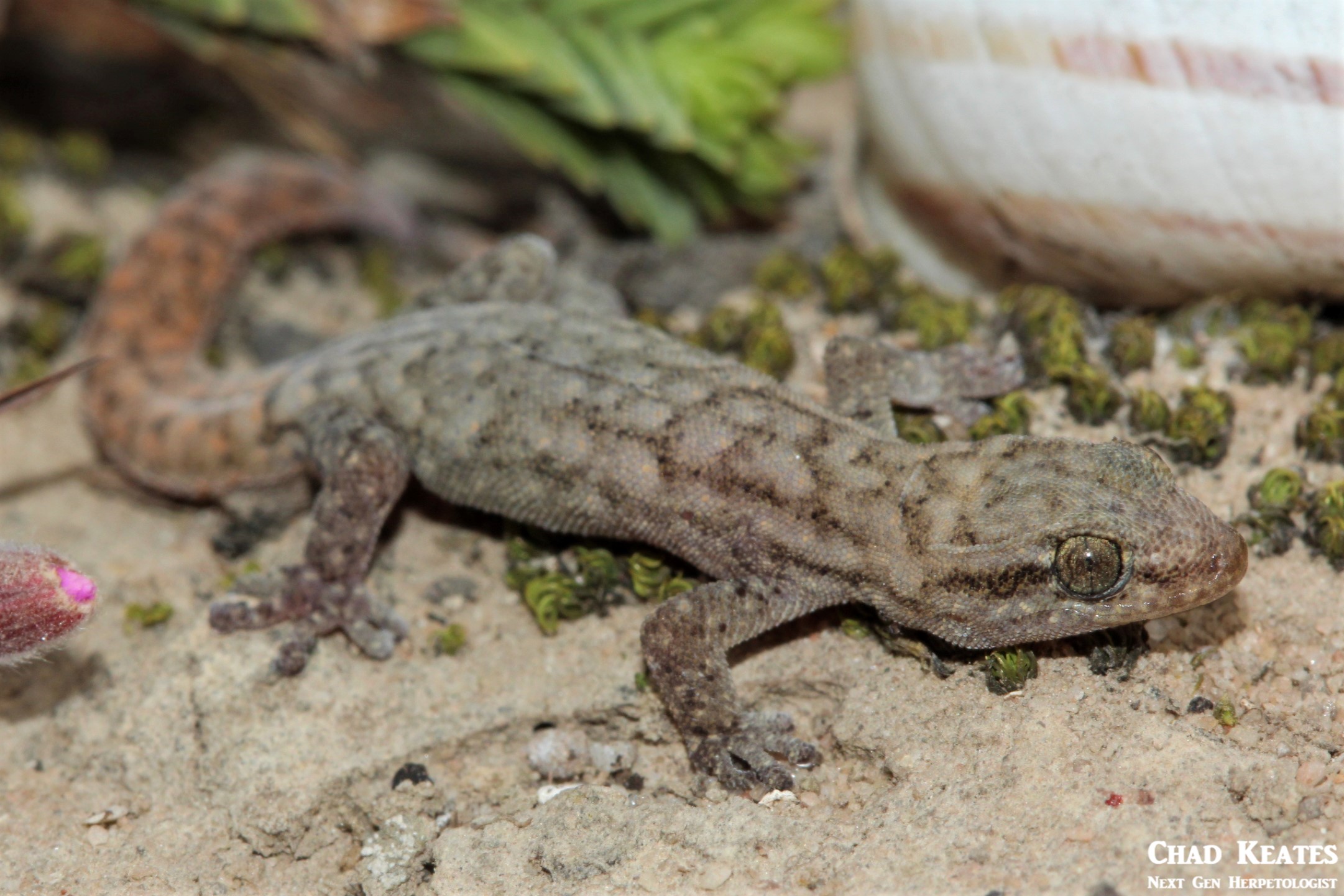
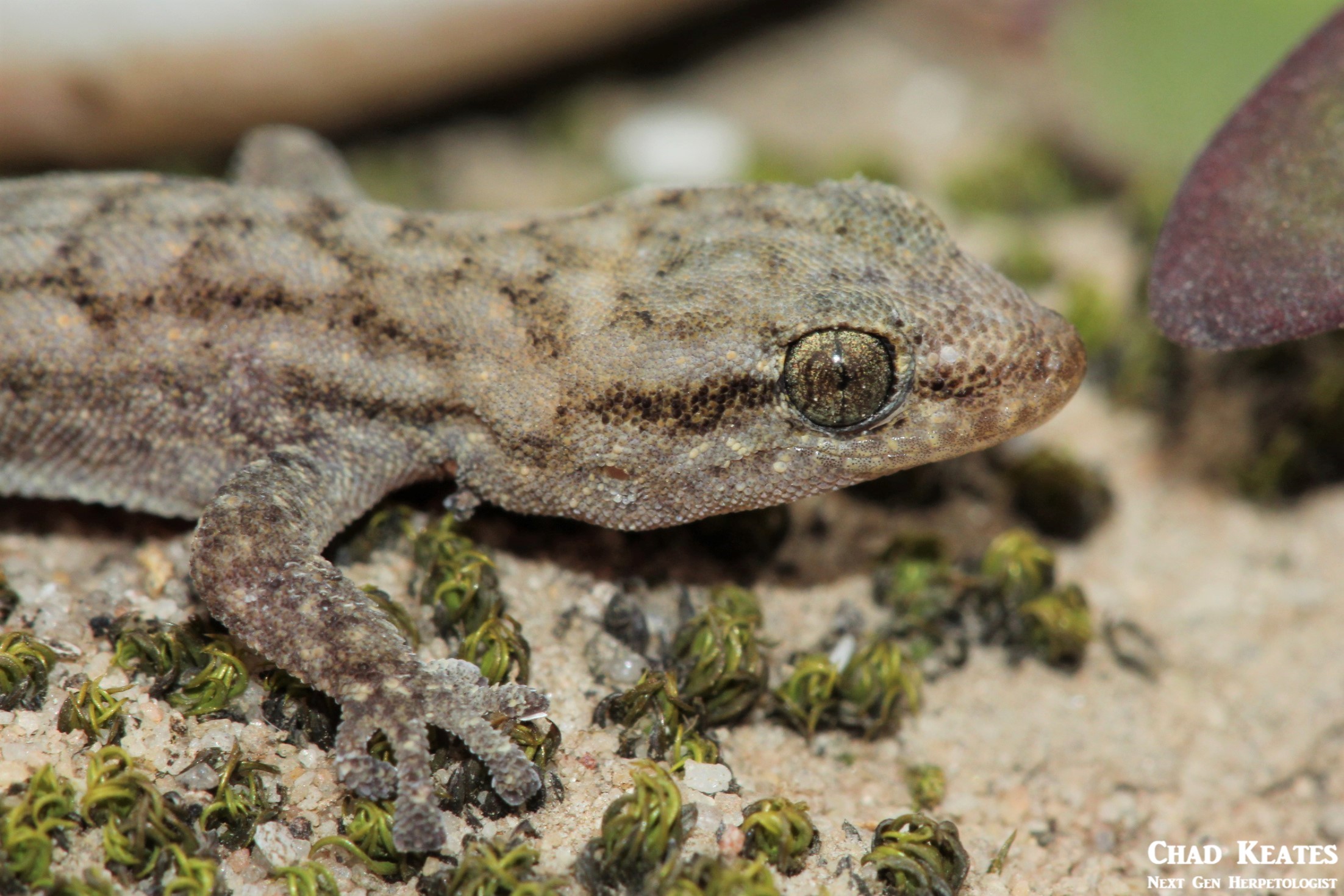
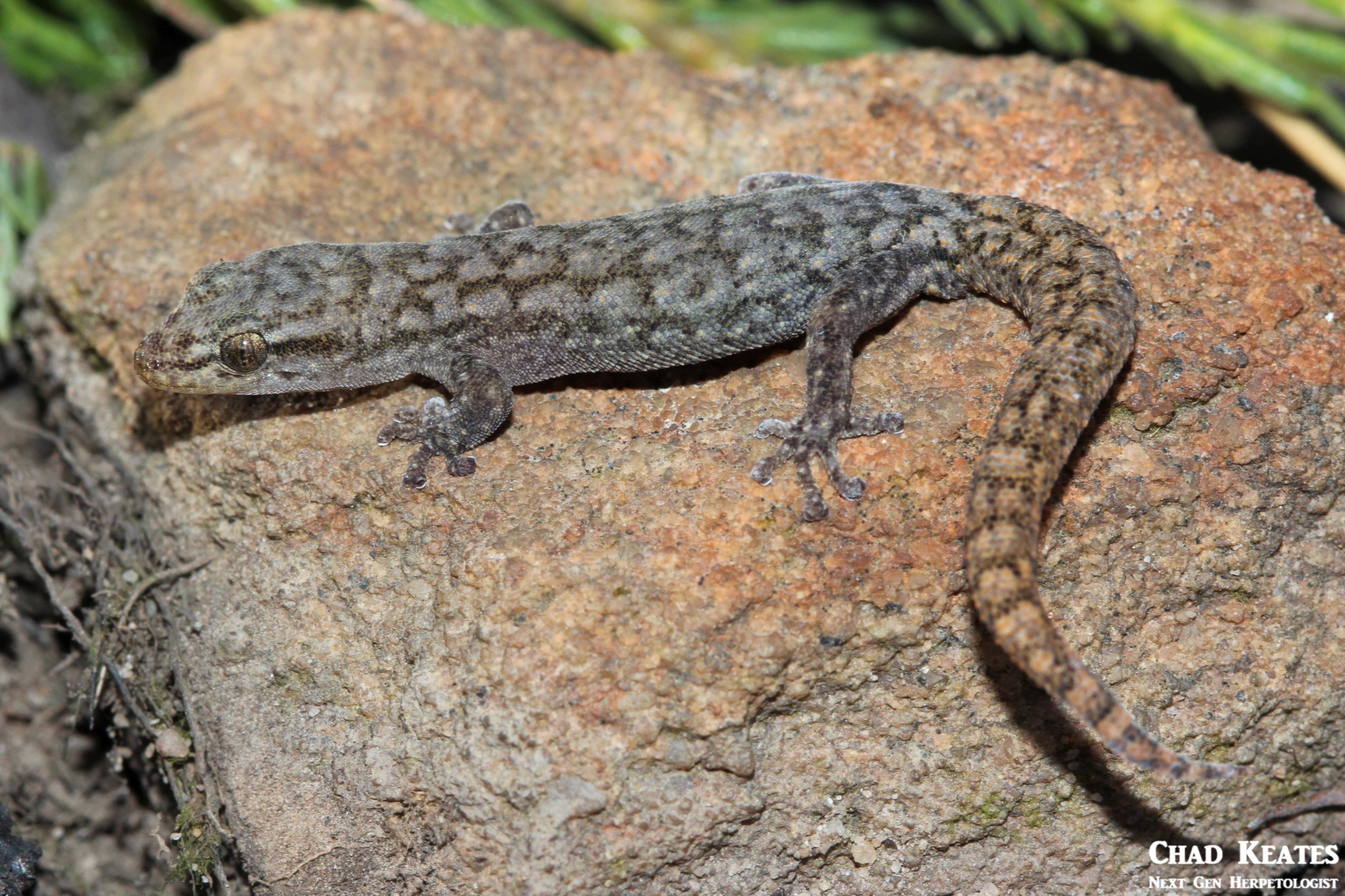
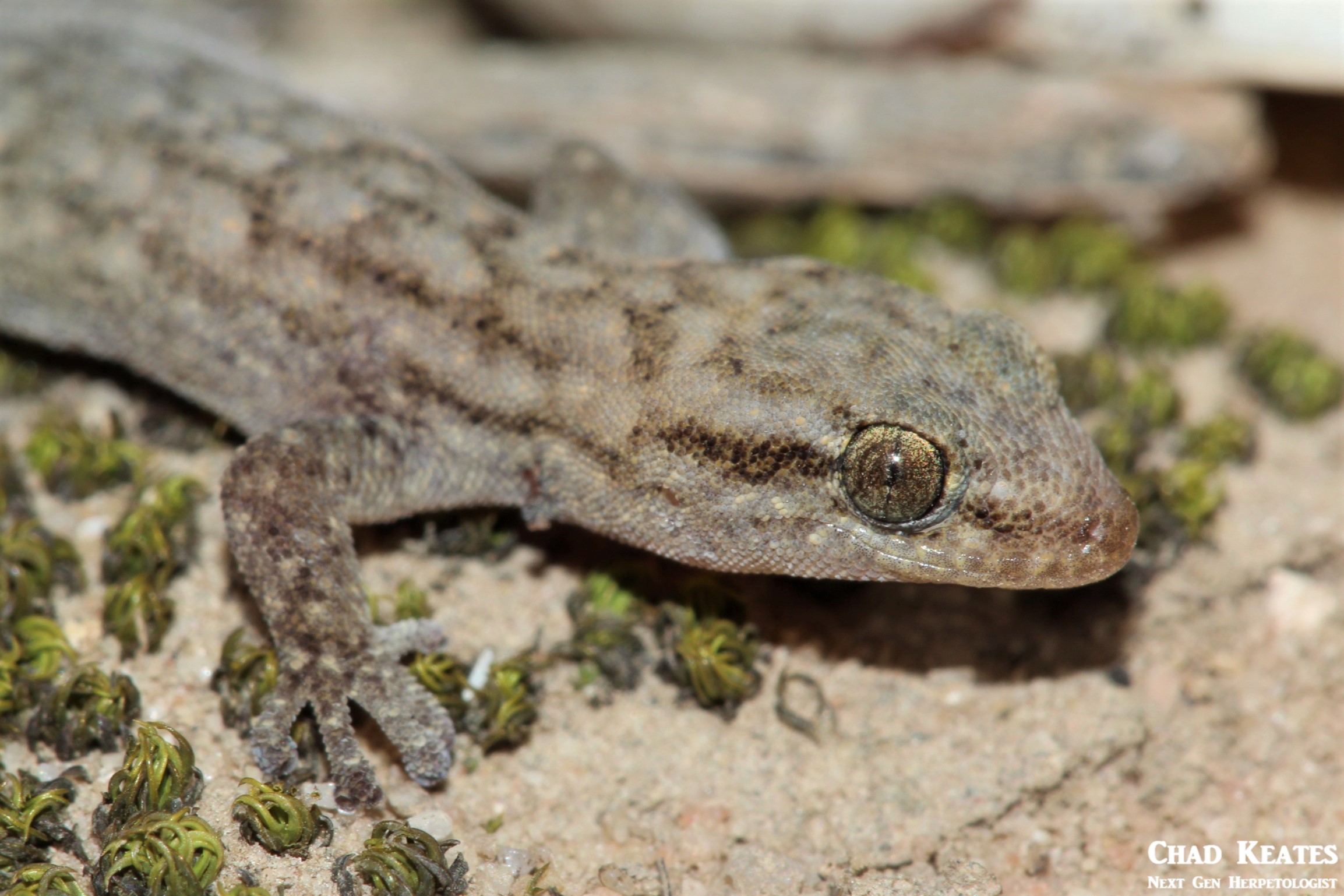

from Midlands, KwaZulu Natal, South Africa
from Makhanda, Eastern Cape, South Africa
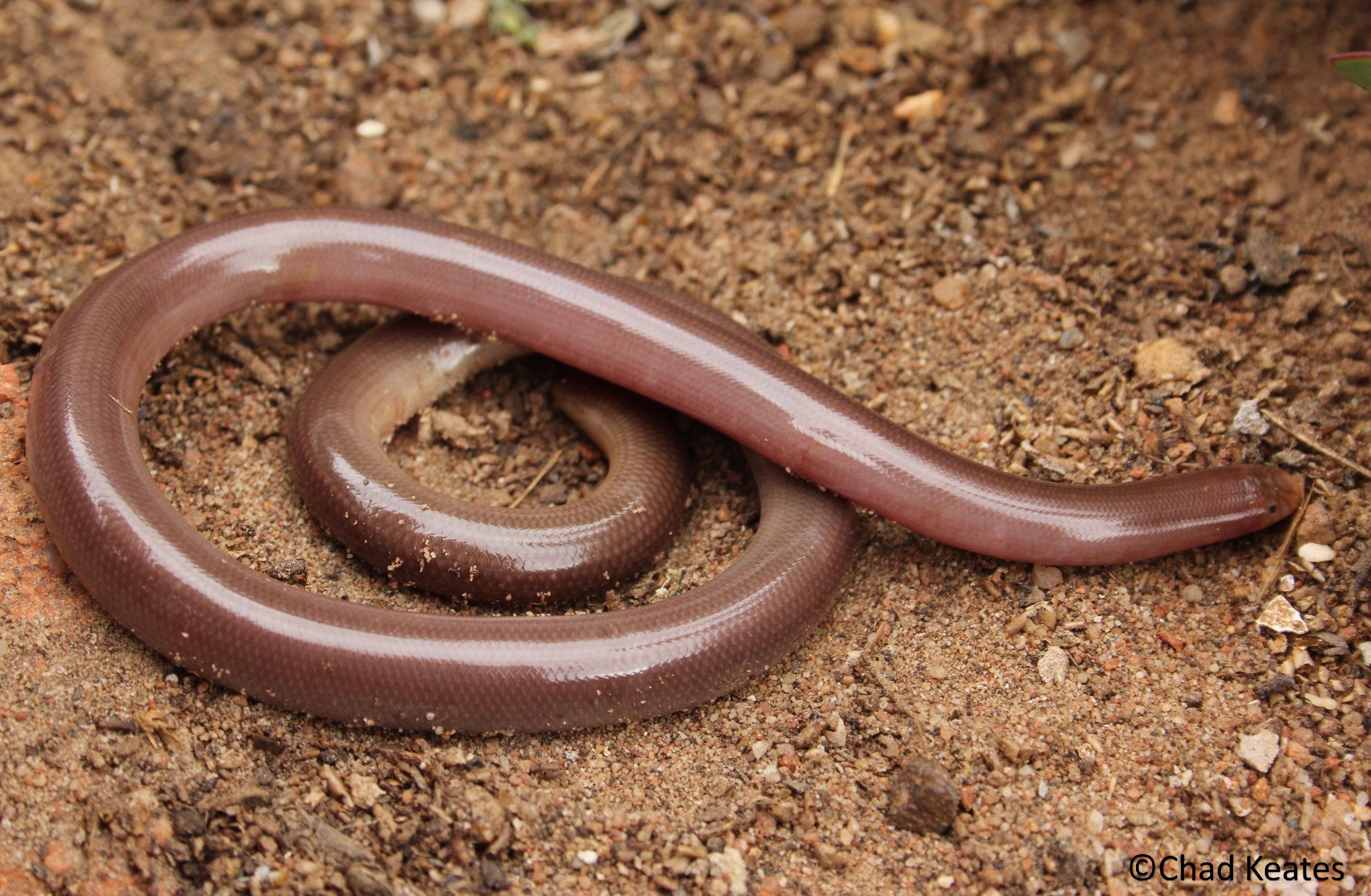
from Makhanda, Eastern Cape, South Africa
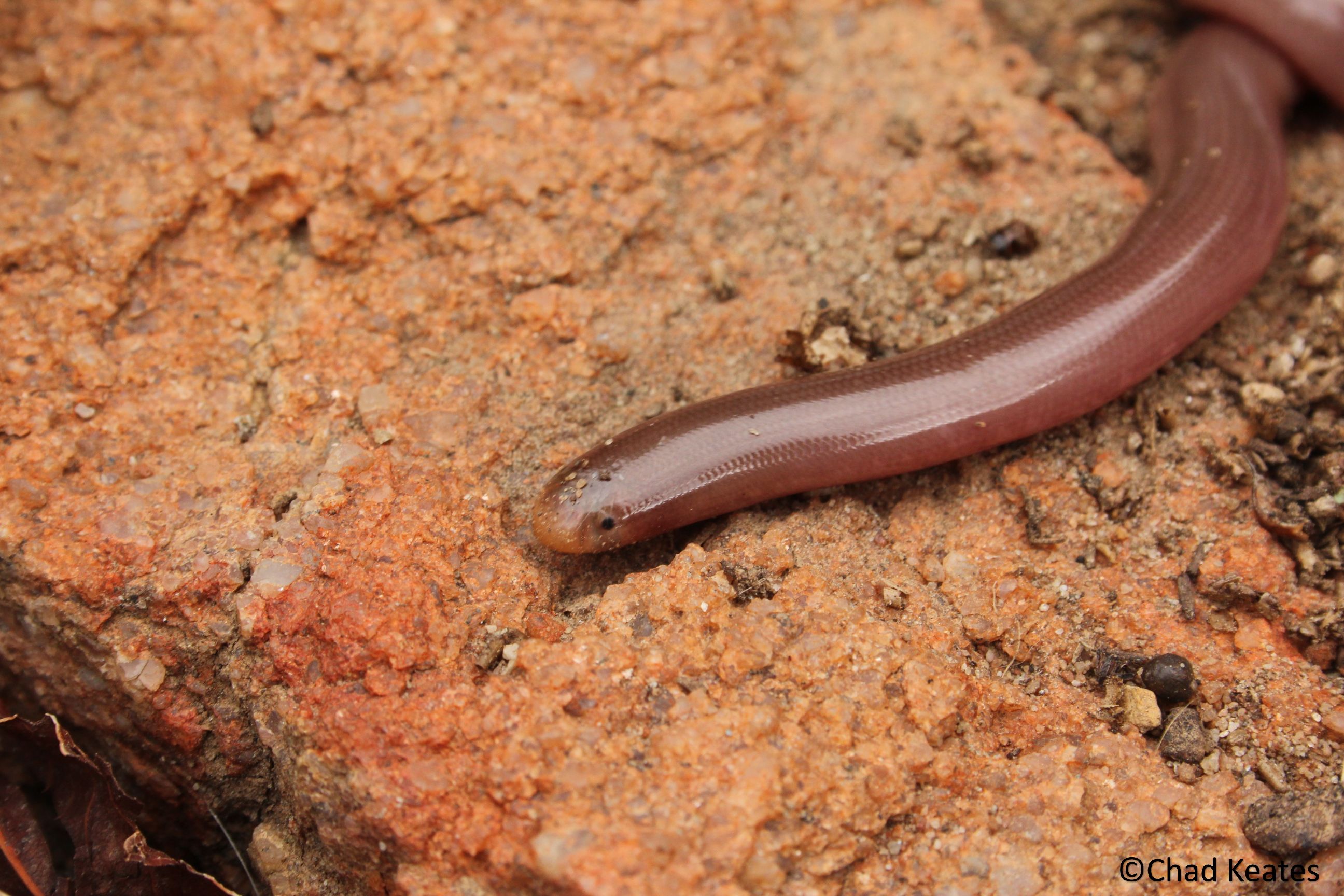
from Makhanda, Eastern Cape, South Africa
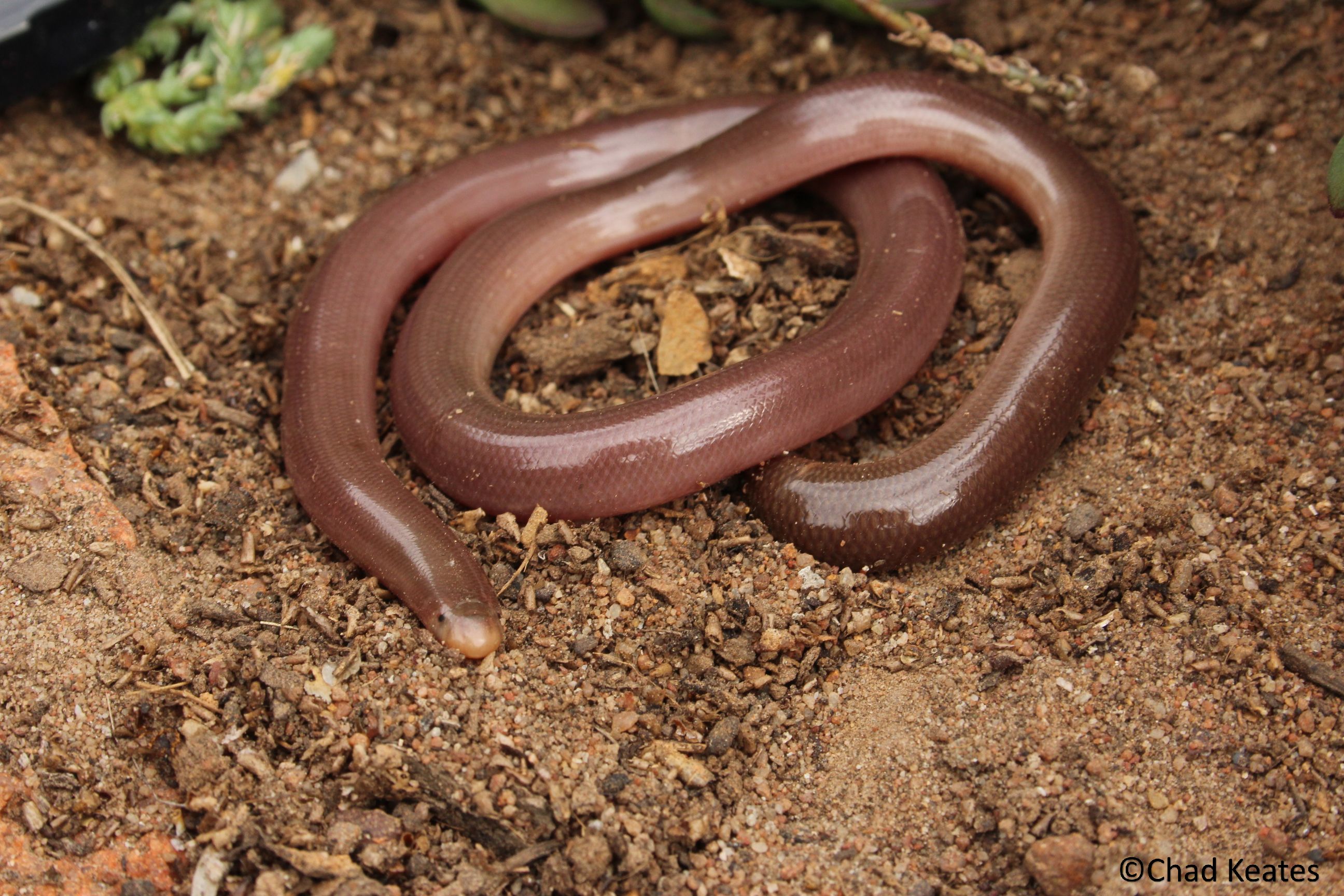
from Makhanda, Eastern Cape, South Africa
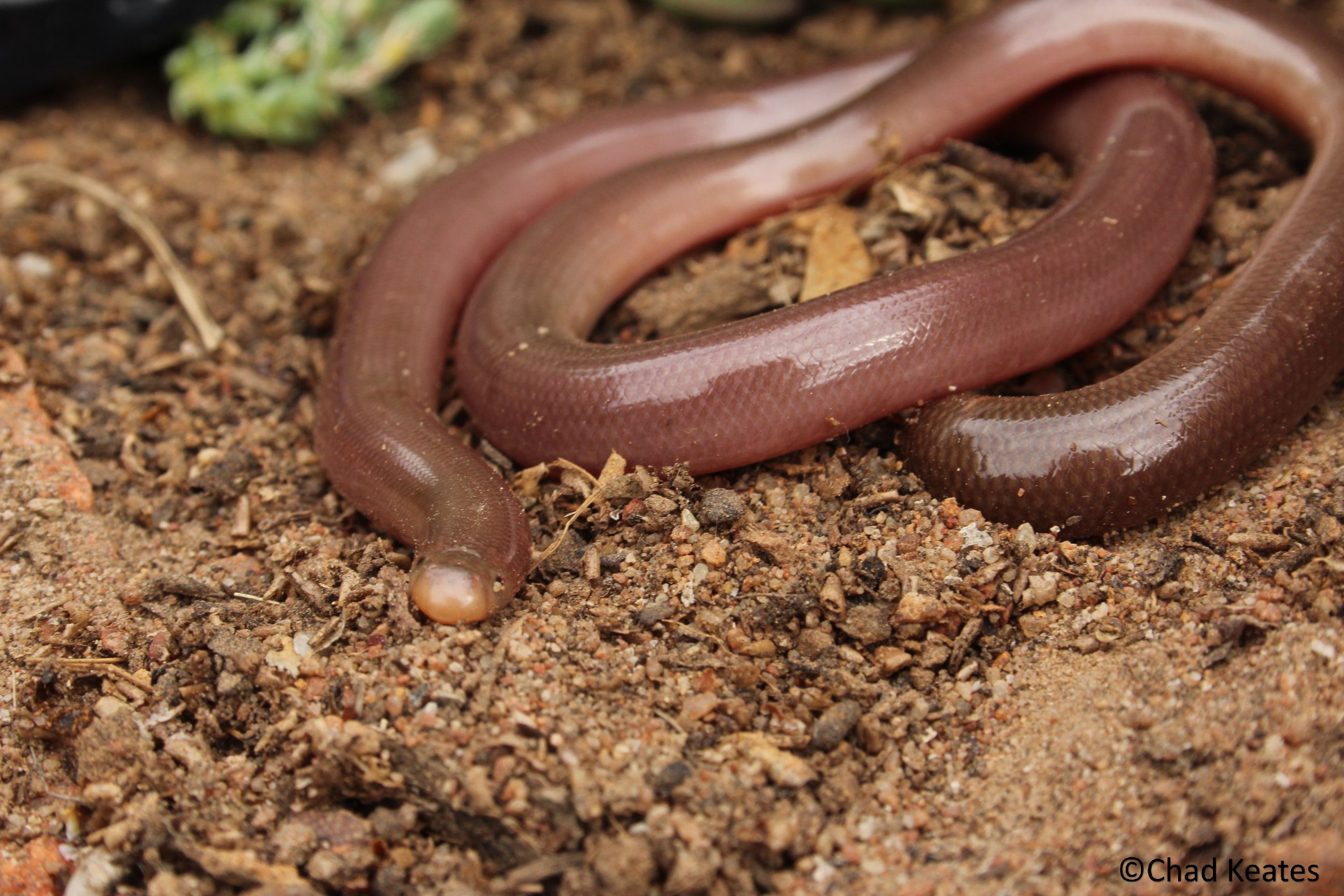
from Makhanda, Eastern Cape, South Africa
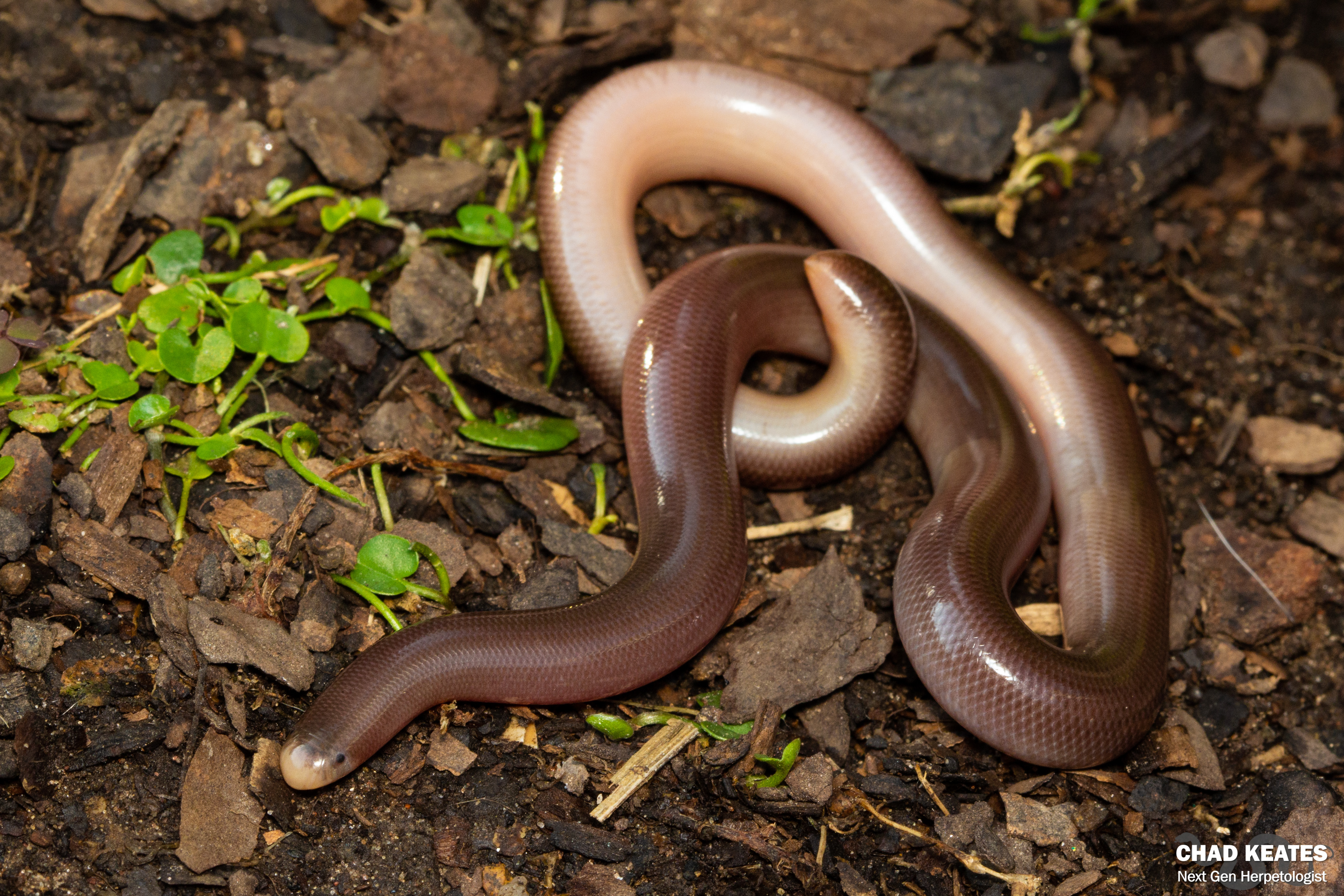
from Makhanda, Eastern Cape, South Africa

This weekend saw Luke and I on the road again. This time we traveled to a far more magical place – Hogsback, the home of fairies, hobbits and more importantly, Natal black Snakes. We had been to Hogback several months prior and in the grips of winter, we had found many species from a large range of taxa.
Red-Lipped Herald
Last weekend held much promise because unlike last time, it was summer. We were in for a big surprise because the first few hours of our expedition were marked by the discovery of only one crab and one frog, meager findings by anyone’s standards.
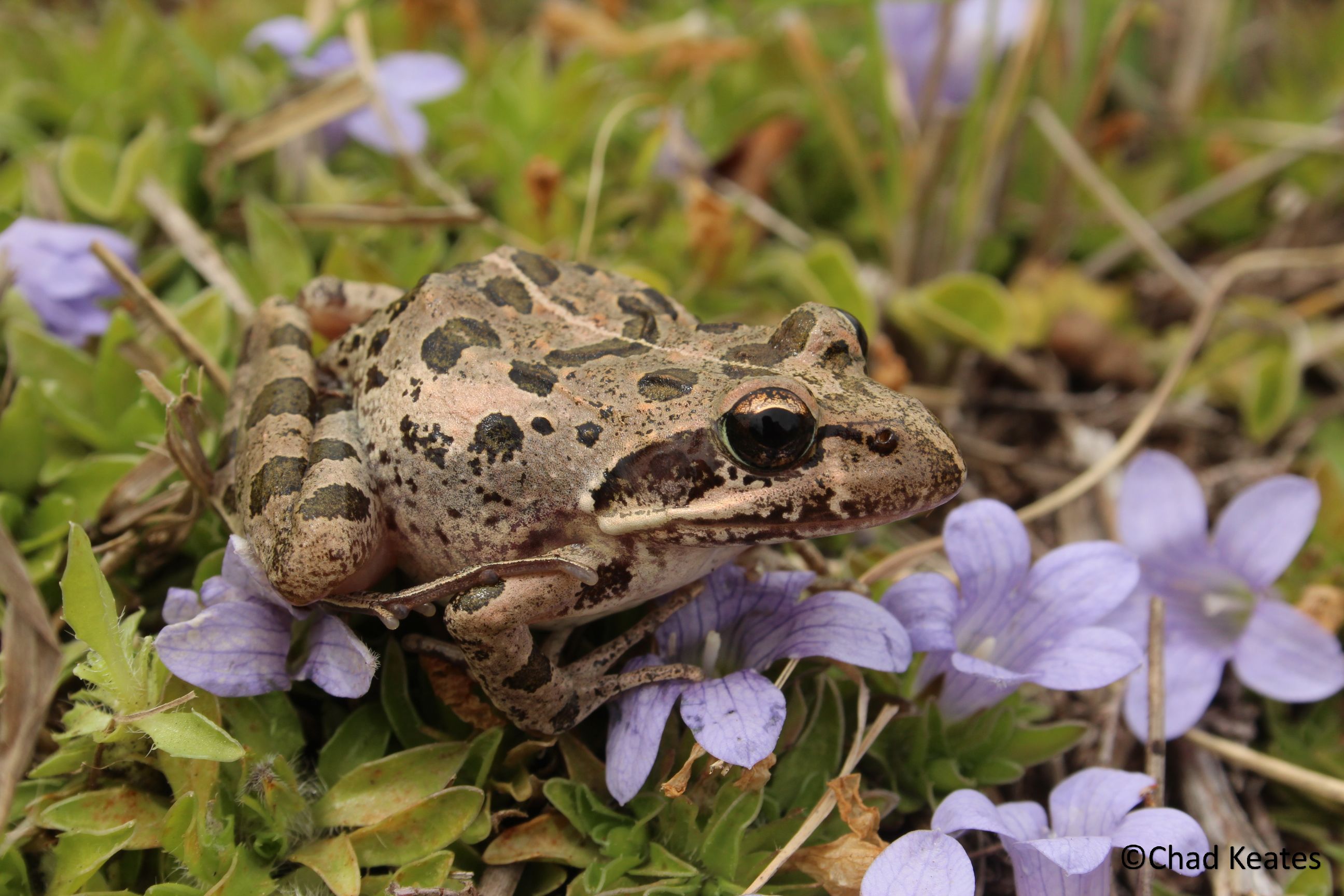
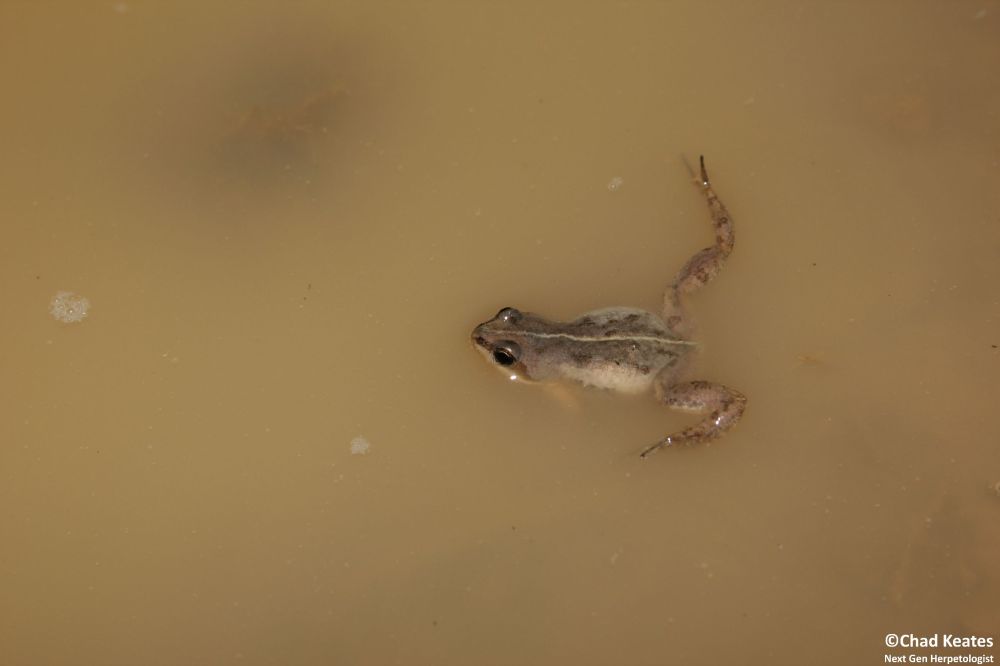
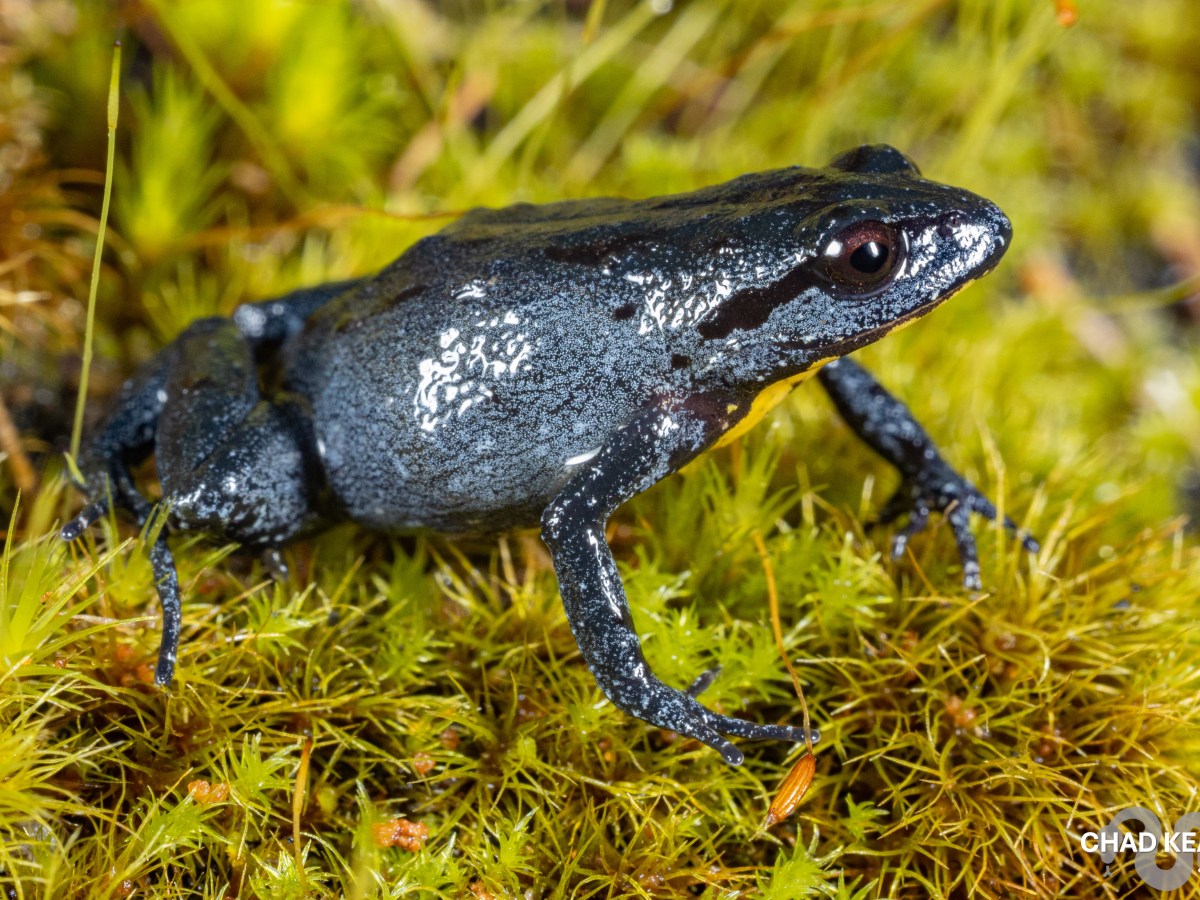
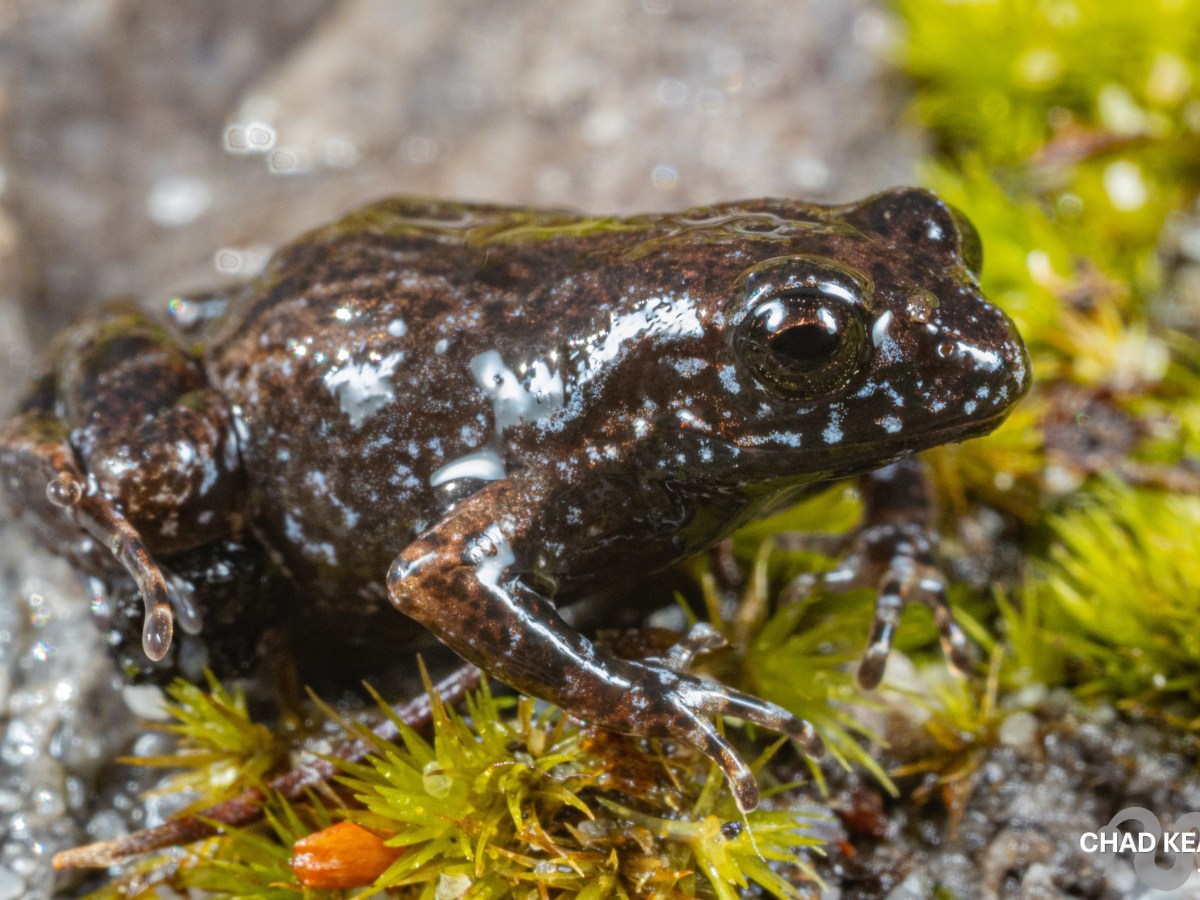
Clicking Stream Frog
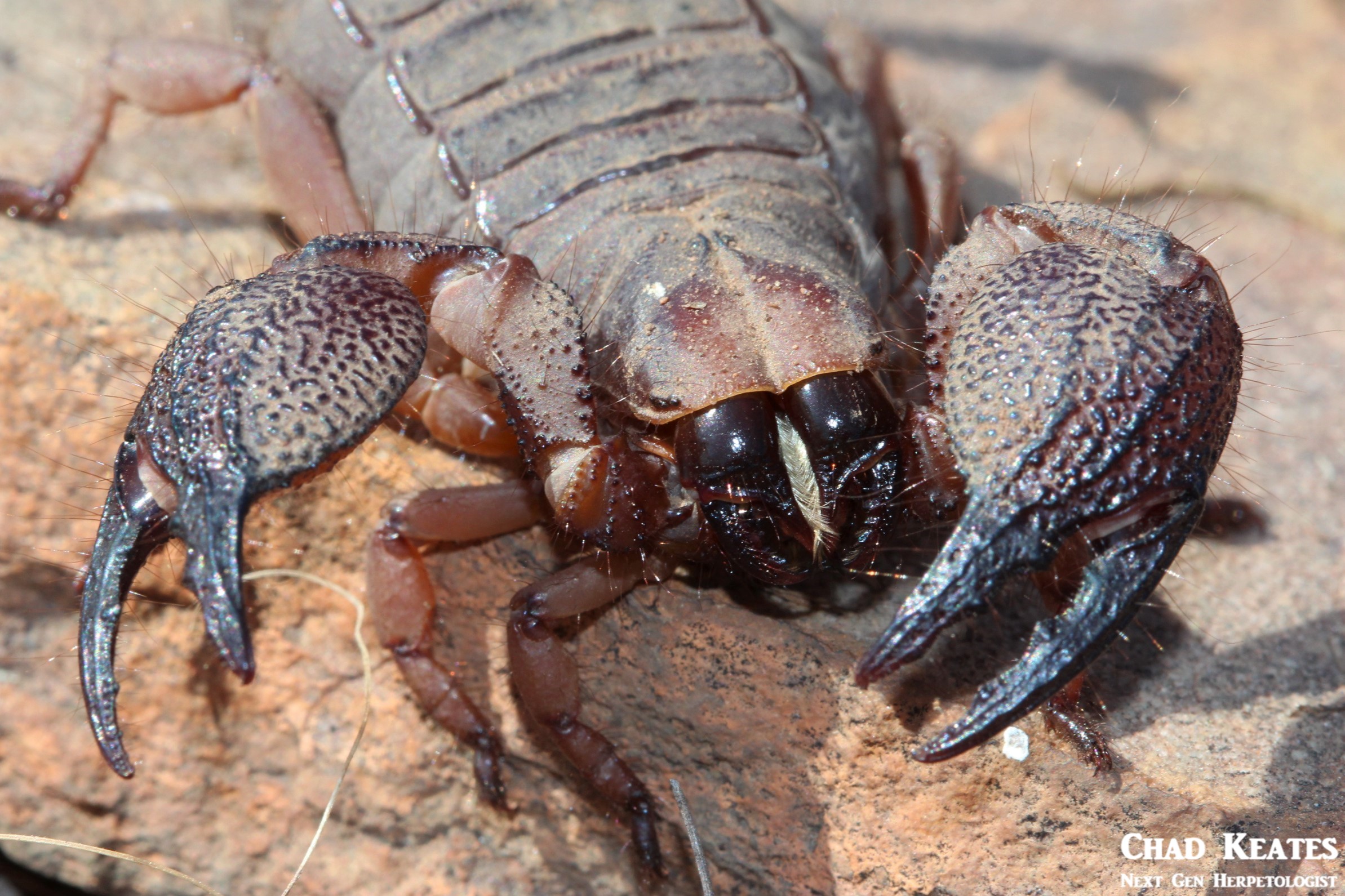
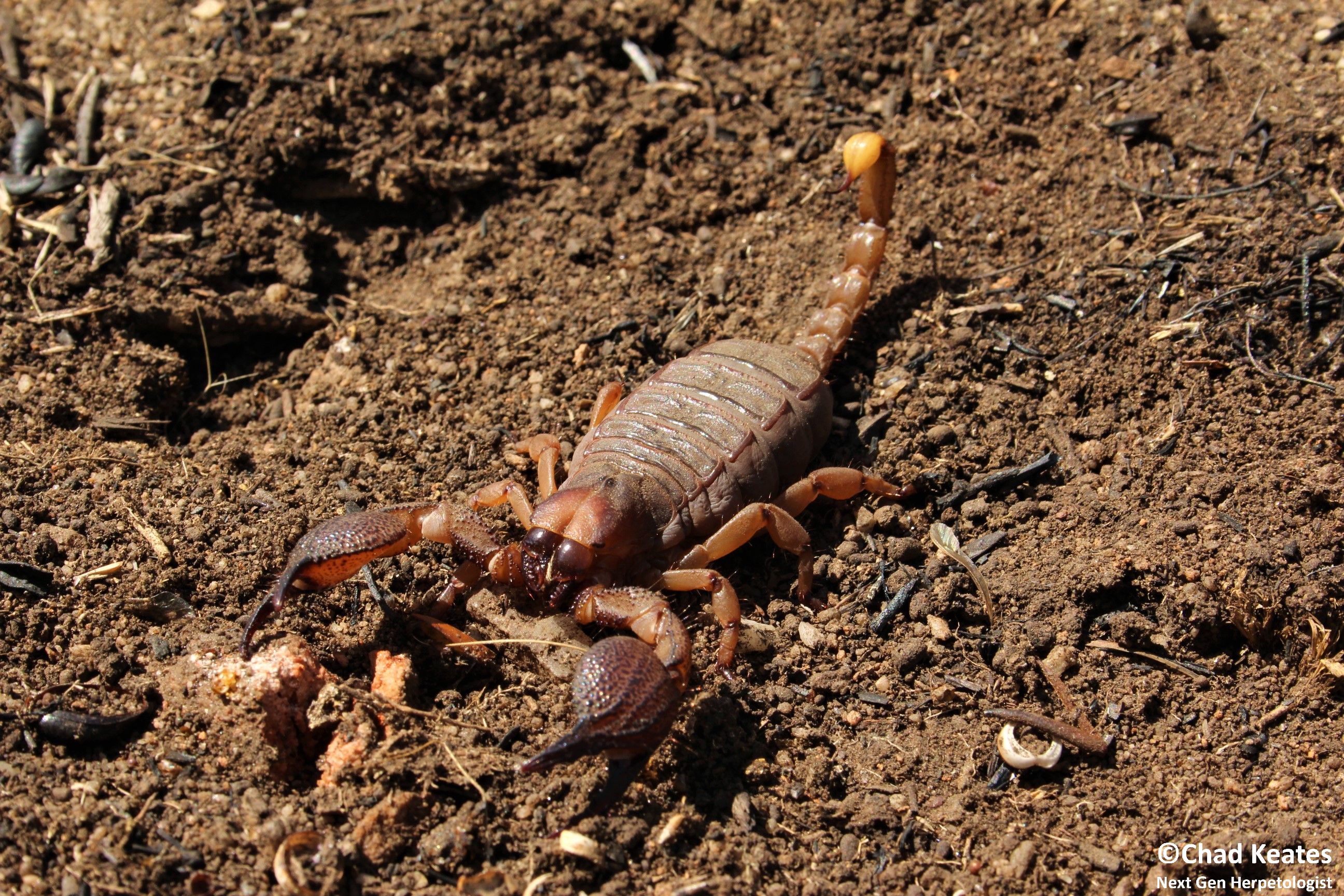
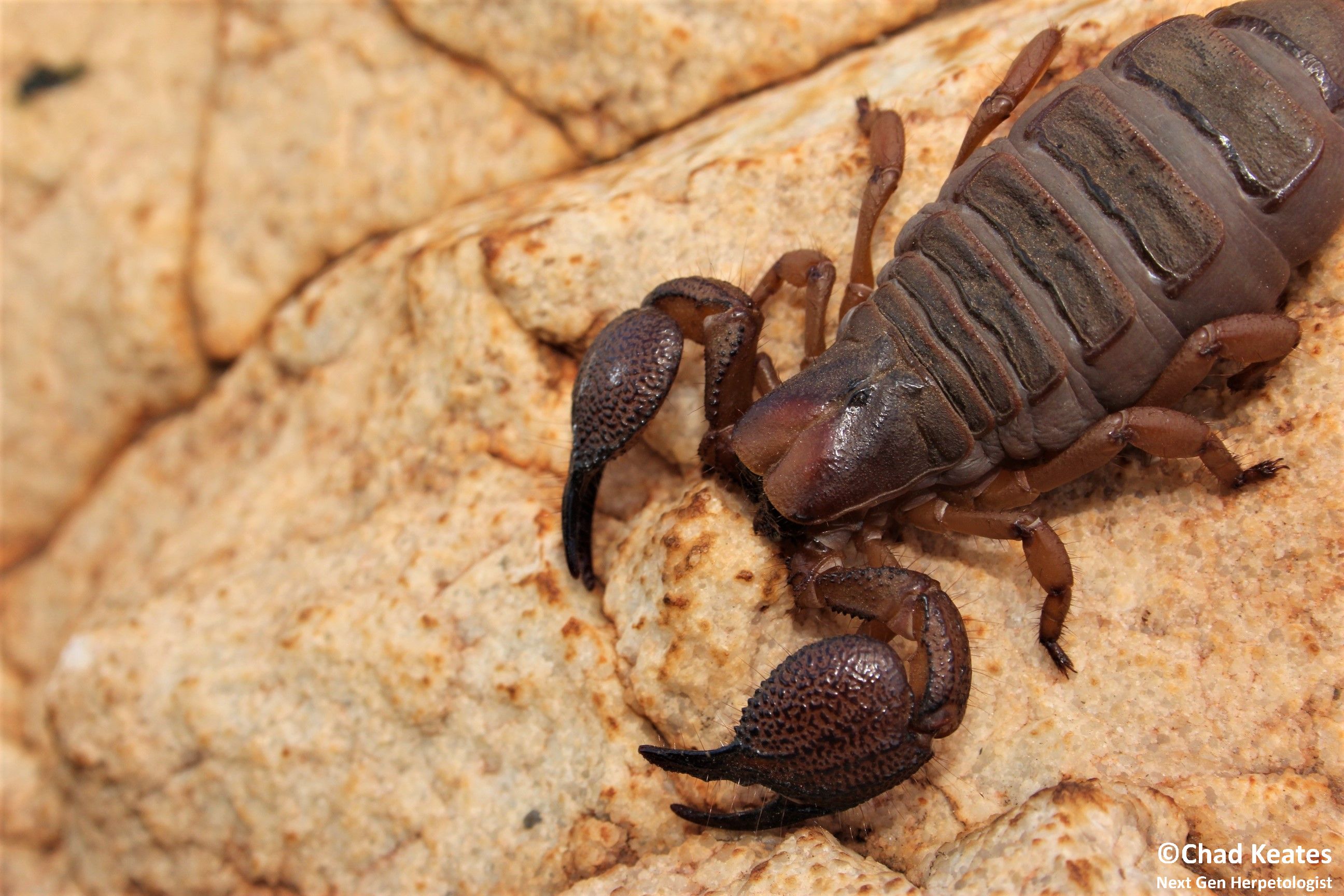
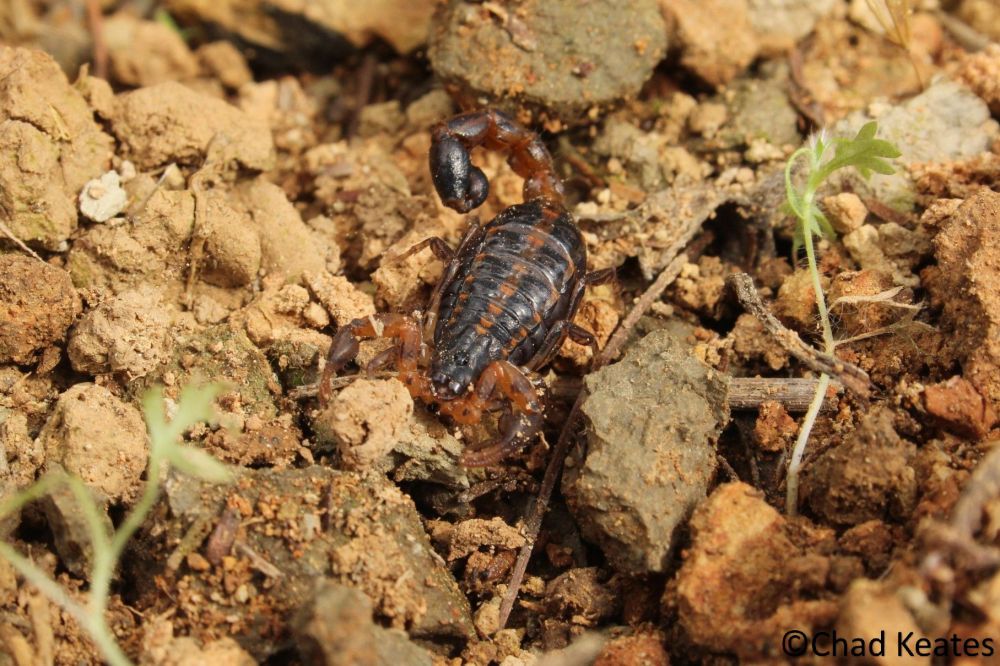
We traded in the forests and marshlands of Hogsback’s lower reaches and ventured onward and upward in search of the high-altitude species. Luke found two red-lipped heralds, several clicking stream frogs, and several more scorpions. What I lacked in discoveries I made up for in comic relief, for the journey was filled with many laughs, most of them directed at me.
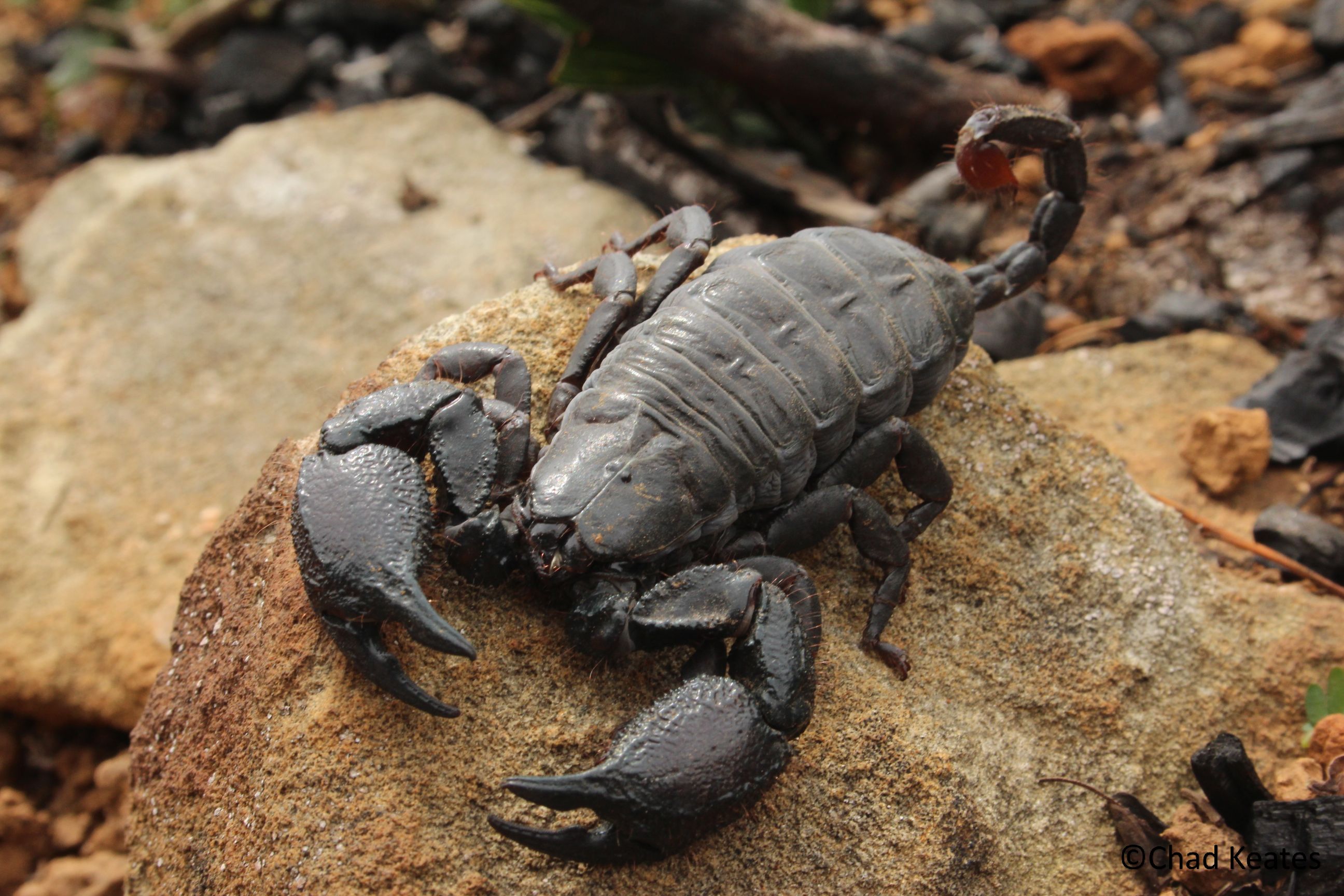
Scorpion
On our expedition through the mountains we were greeted by the sighting of many a lizard. However, few of these touched our fingertips because our recent bout of tick bite fever had made us clumsy and slow on the jig saw puzzle of rocks at the top of the mountain. Species that eluded our camera lens included the Red-Sided Skink, the Drakensburg Crag Lizard. Luke managed a few good shots of the regionally endemic Amathole Flat Gecko, but sadly I did not. Before I could lift my camera to capture her beauty, she was gone, leaving me with just a single blurry picture. Luke found the whole escapade rather amusing, it’s just a pity he didn’t choke on his pie while laughing at me.
Amathole Flat Gecko in the process of escaping
Soon after the gecko embarrassed me, we were off hiking further up the mountain in search of the berg adder, a species that was recently found in the region. However, we did not reach our destination because soon after setting off, we found ourselves on a dead-end animal path in the middle of a rather dense stand of vegetation. Our navigation error resulted in us having to push through the sharp, unforgiving thorns for quite some time in search of a clearing. After much cursing, and many an ‘ouch’ we found ourselves on a dirt road. We lay down, propped our heads on our backpacks and slept in the middle of the road. Our expedition literally took a ‘dirt nap’, and upon awaking 20 minutes later, we decided to give up on the mountain. We knew we were beat, so we headed back down the mountain and ‘herped’ on the way.
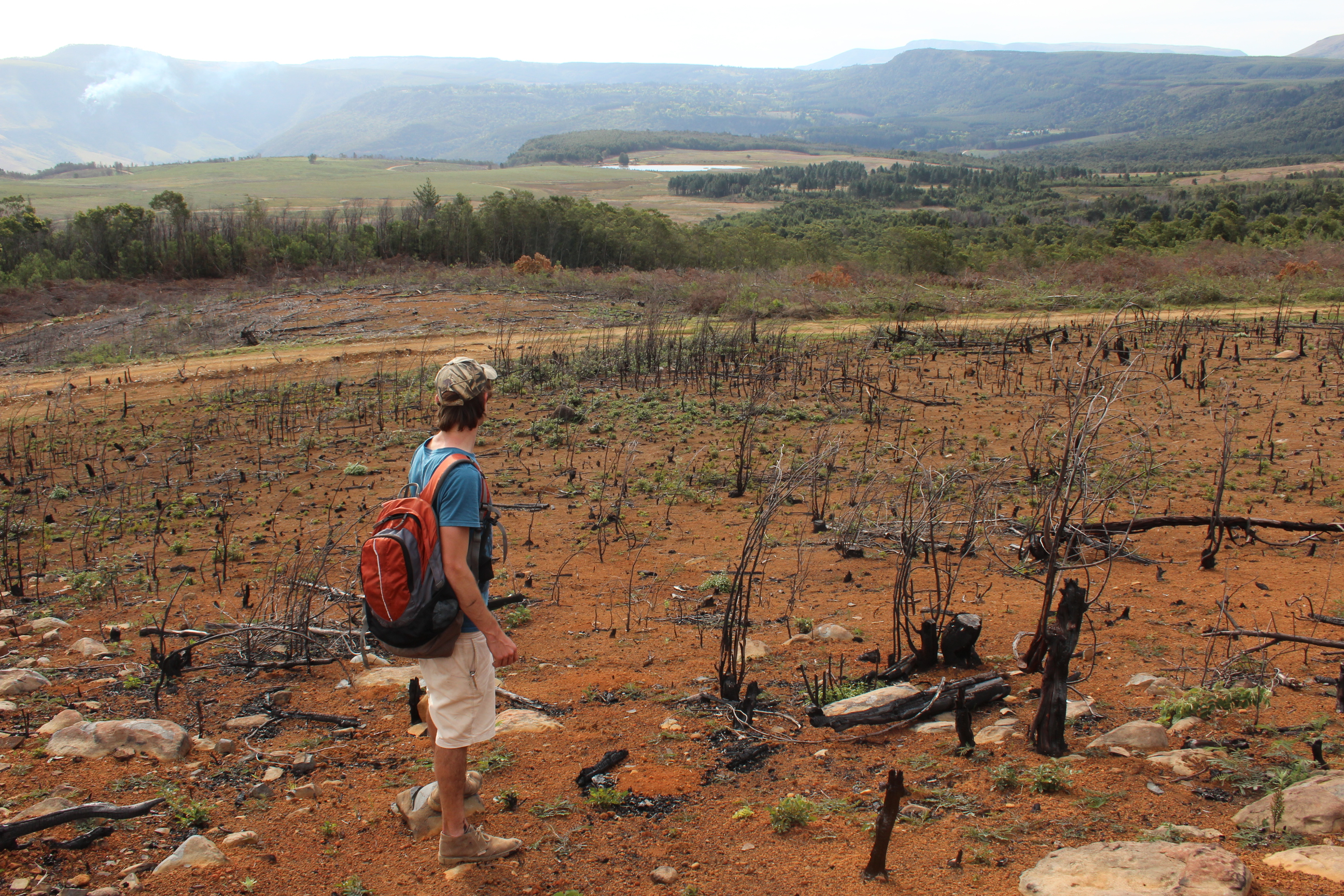
Luke surveying the mountain area in Hogsback
We managed to get a few more species on the way down, and for the first time I felt like I made a significant contribution to the trip. I managed to find two Short-Legged Seps, a beautiful lizard species which I had only ever found in Hogsback.

Short-Legged Seps
Soon after taking pictures, we decided to leave. We stopped at a trail on the way out of the town and flipped a few rocks. We hoped for a Natal Black Snake but found only moss. Our trip thus came to an end, and whilst we didn’t find exactly what we were looking for, we still had a great time looking for some pretty exceptional reptiles.
Chad Keates and Luke kemp






 Chad Keates