 Chad Keates
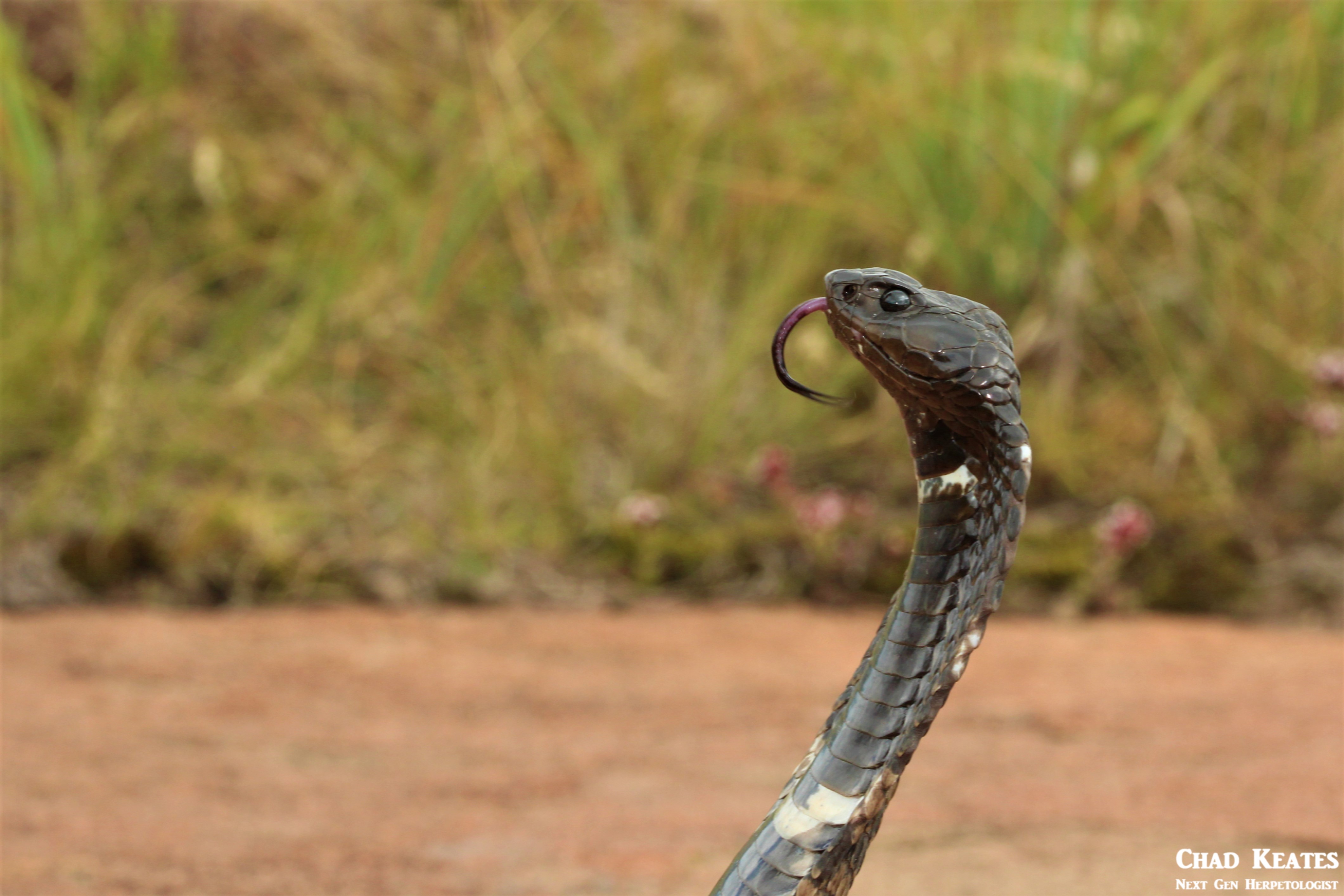
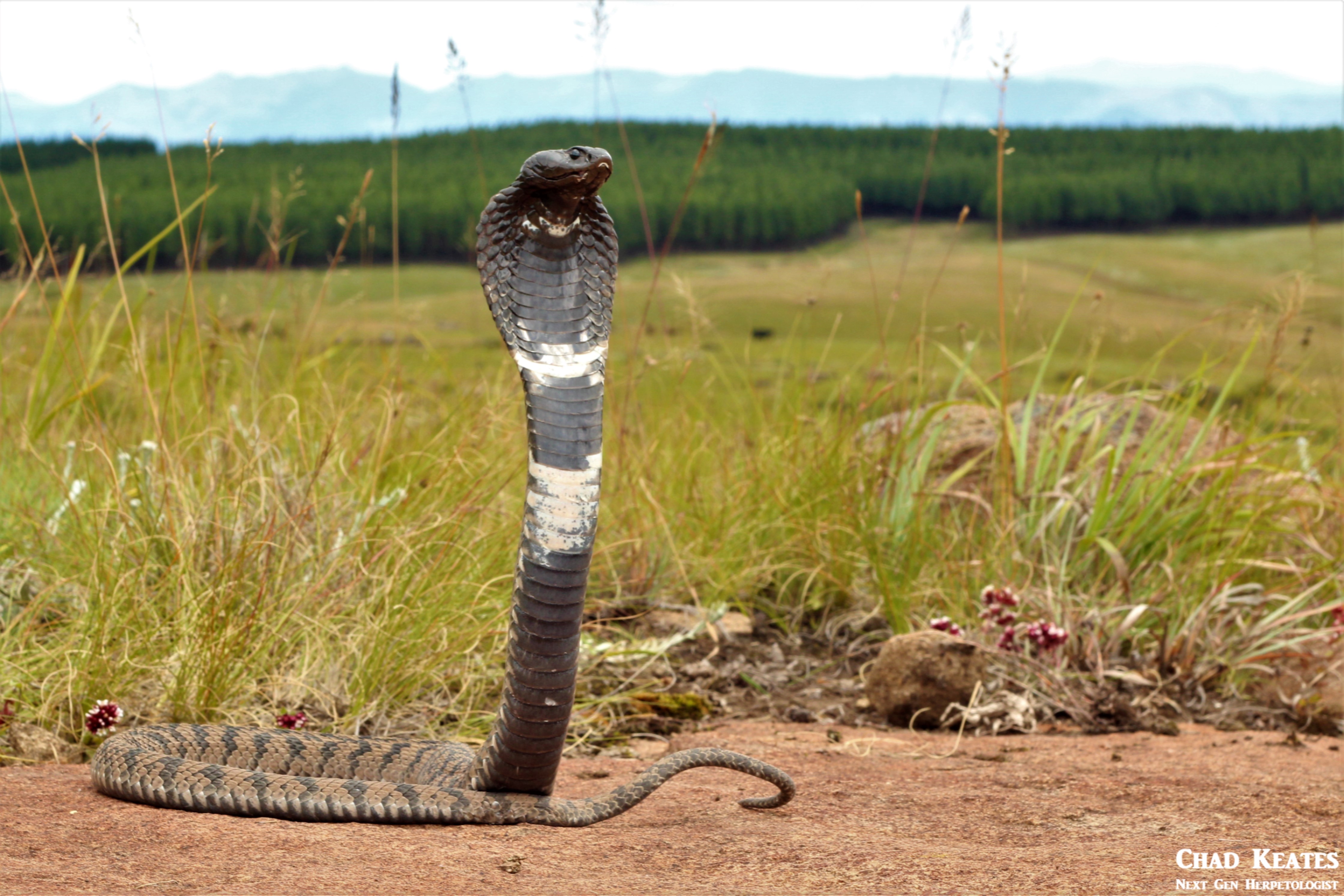

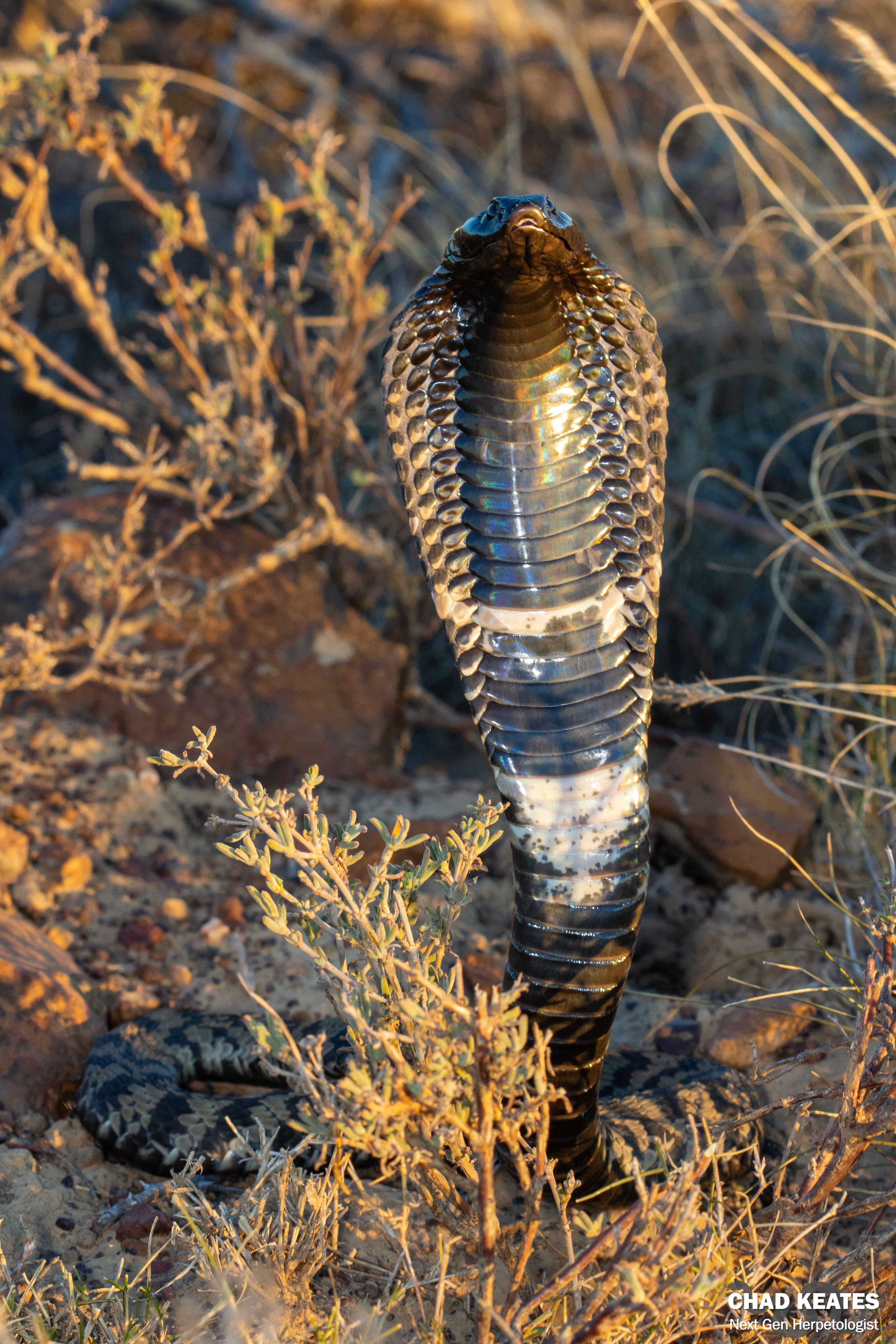
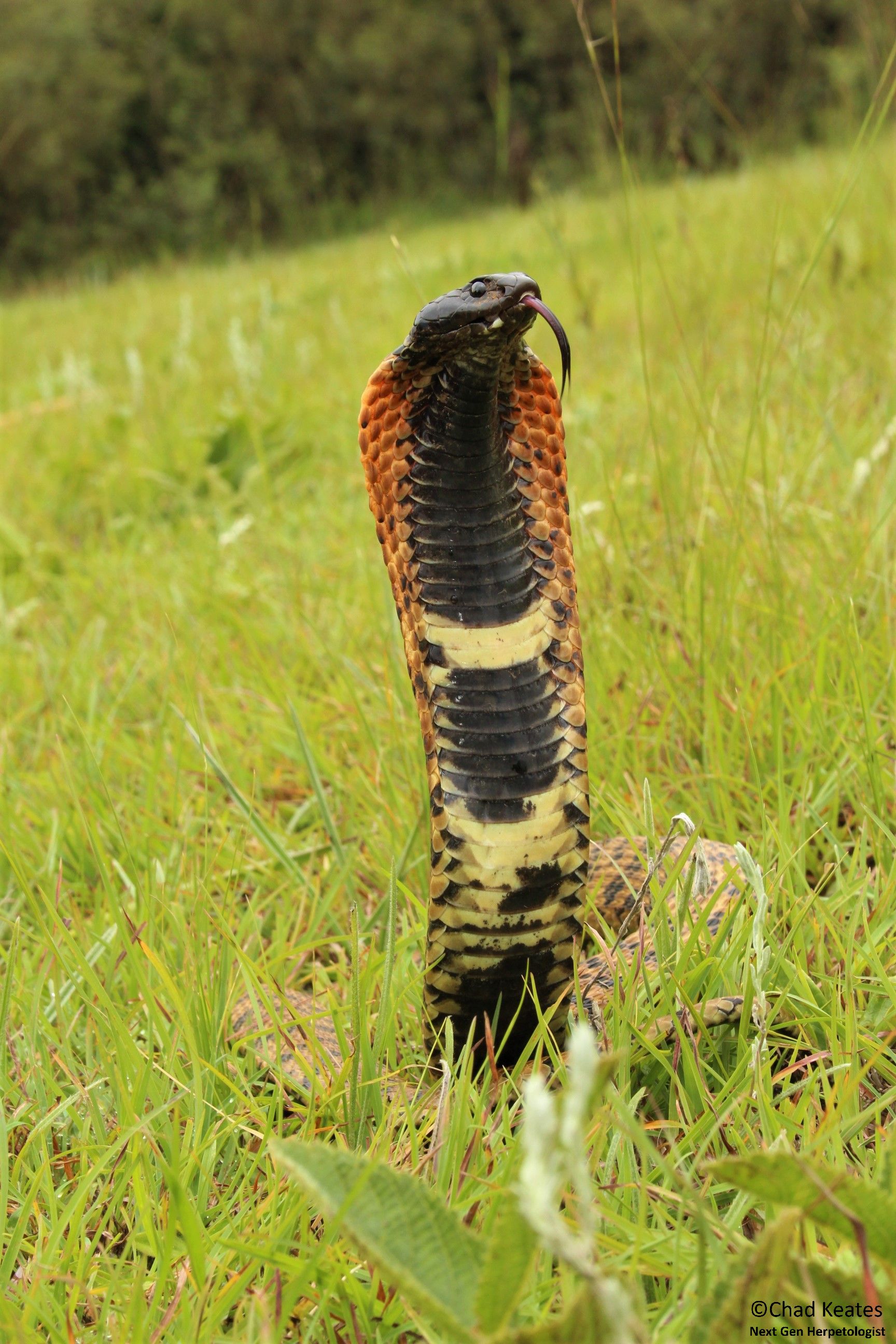
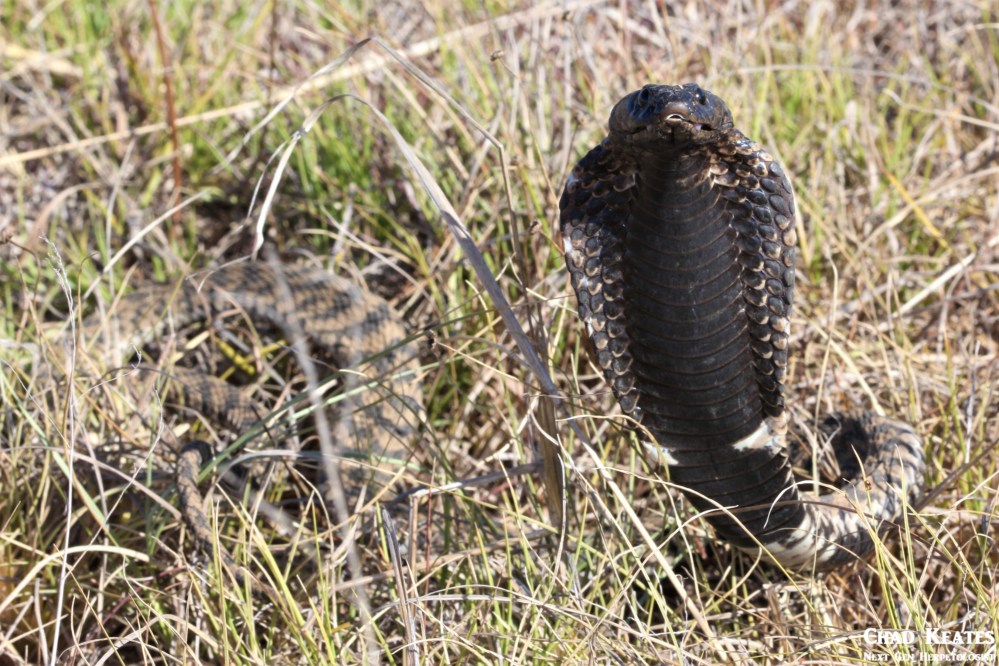

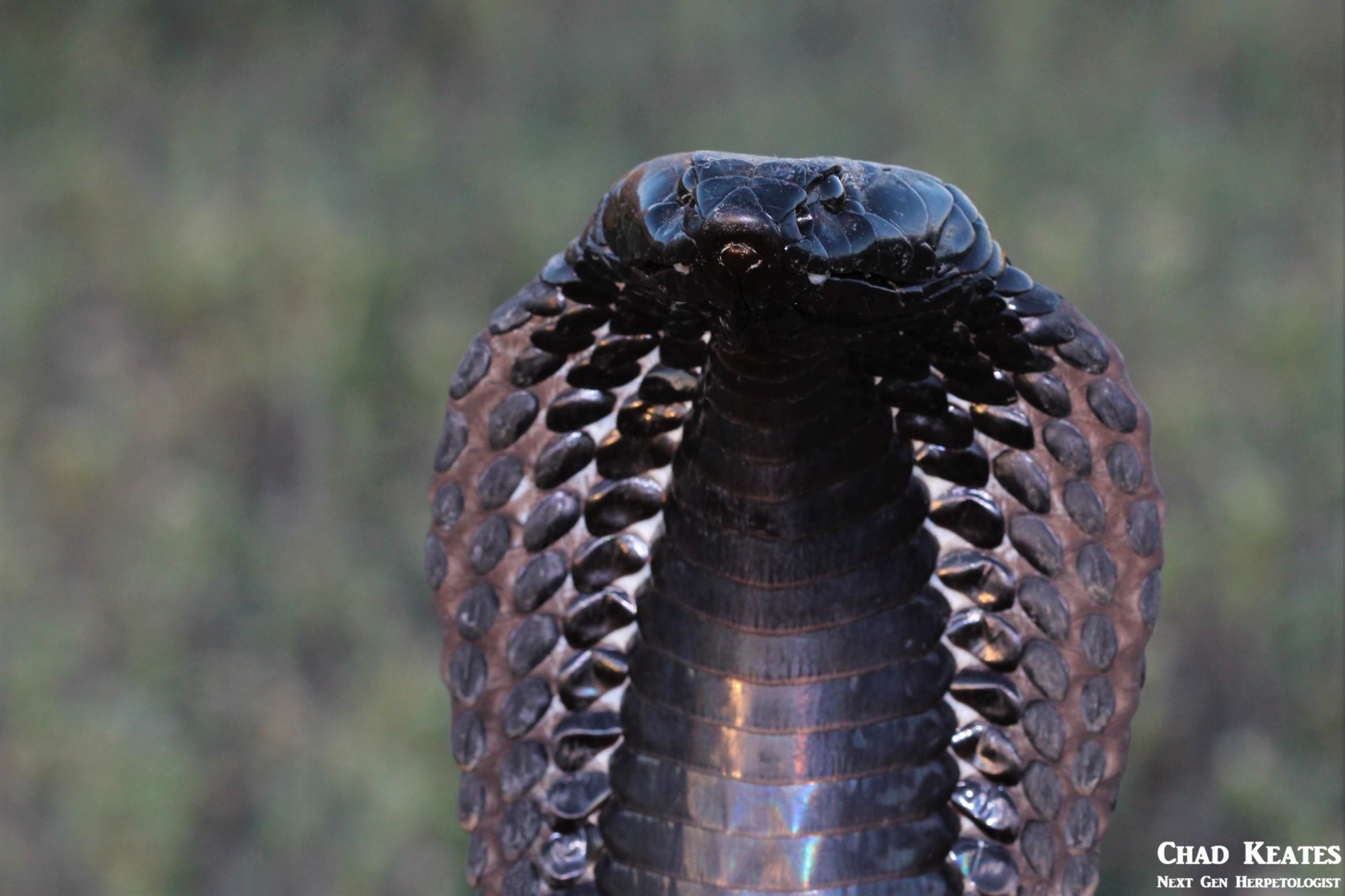
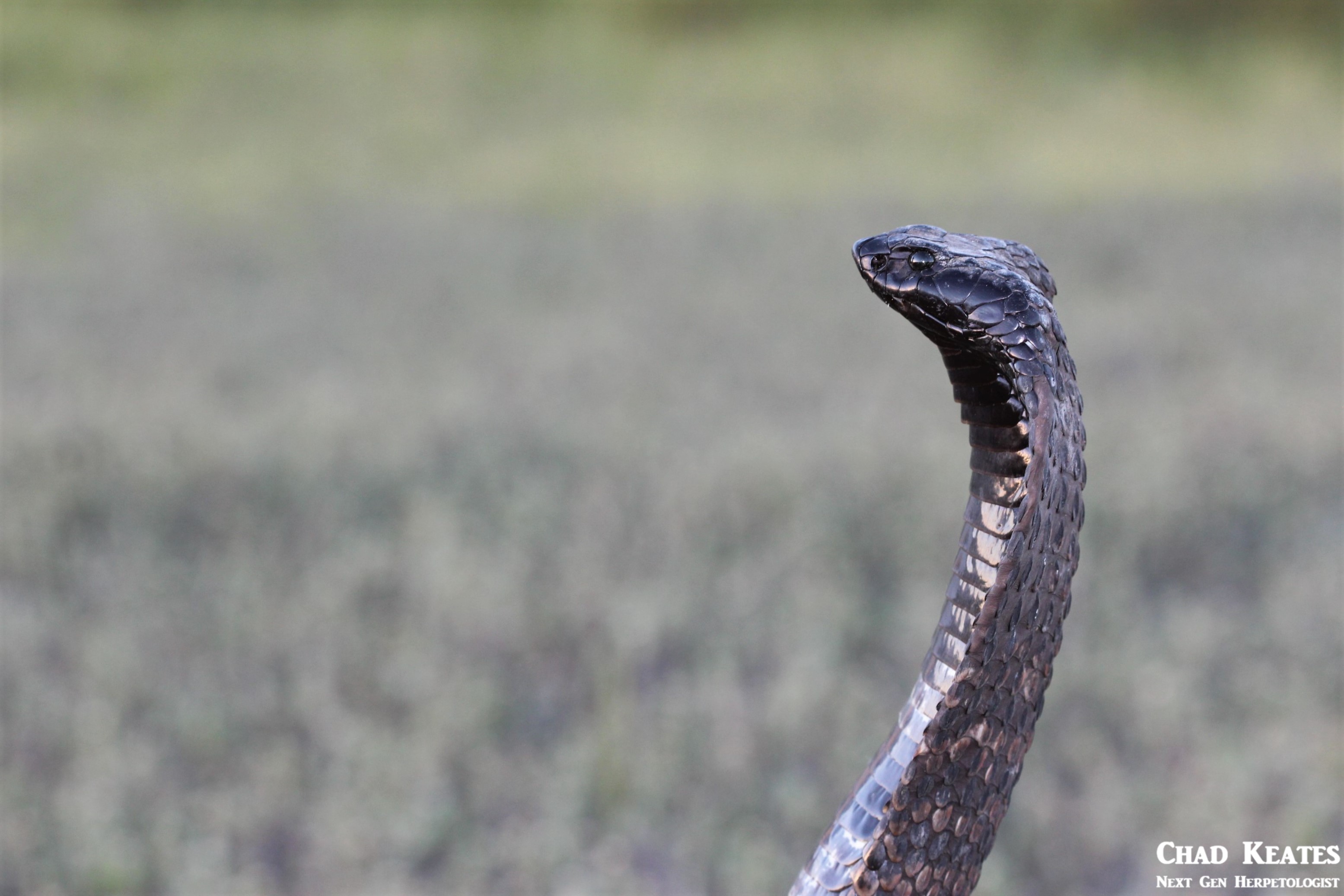
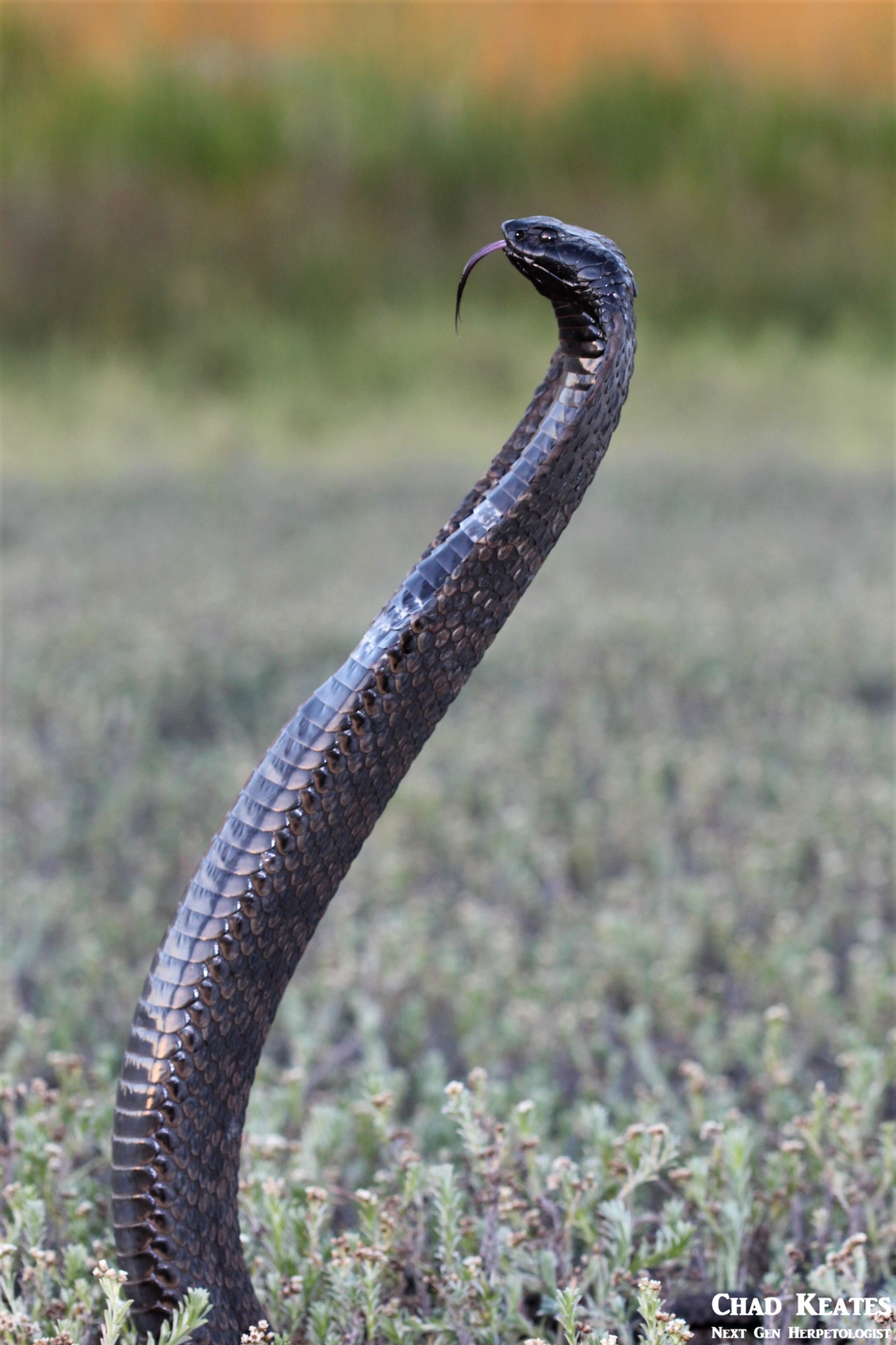

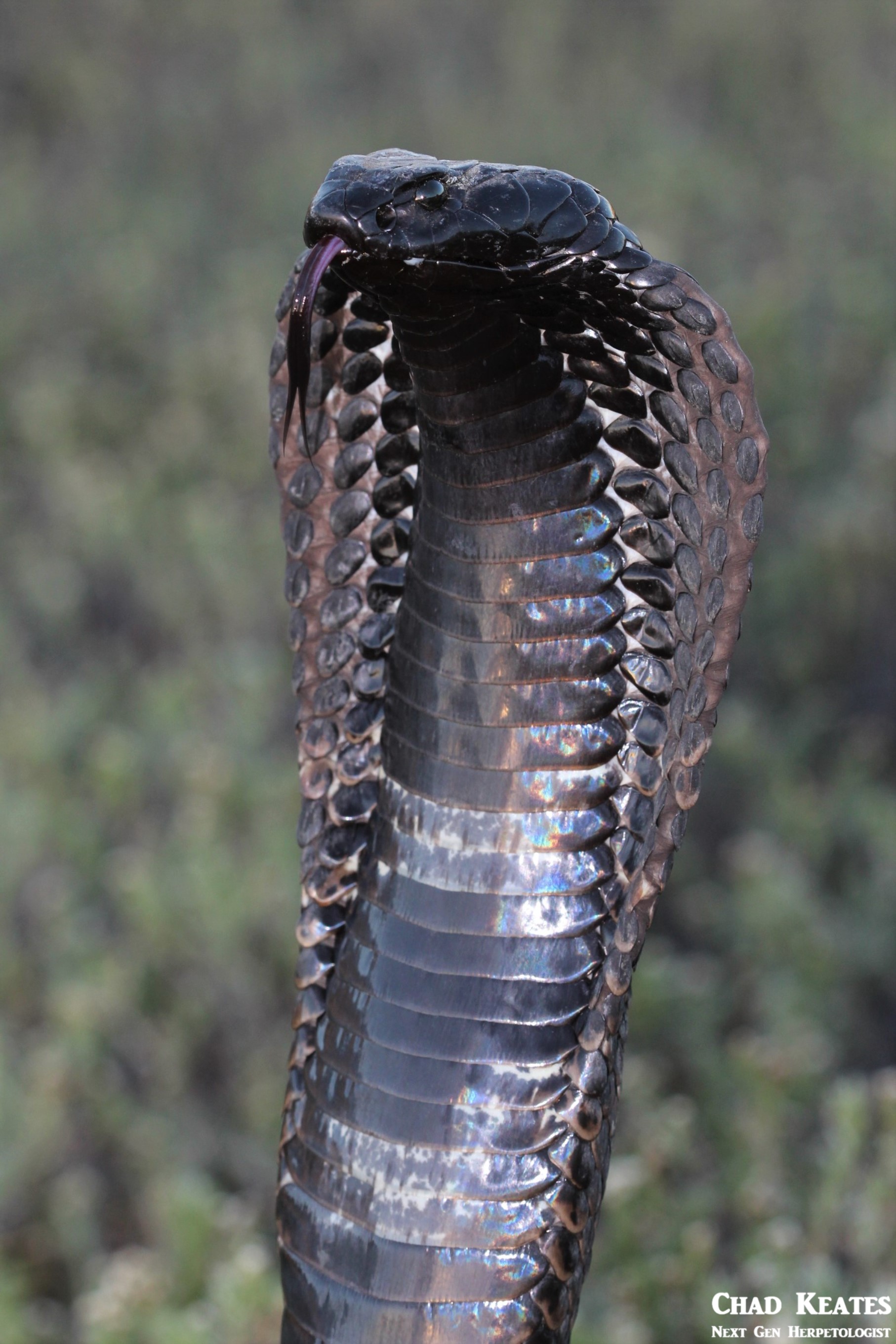
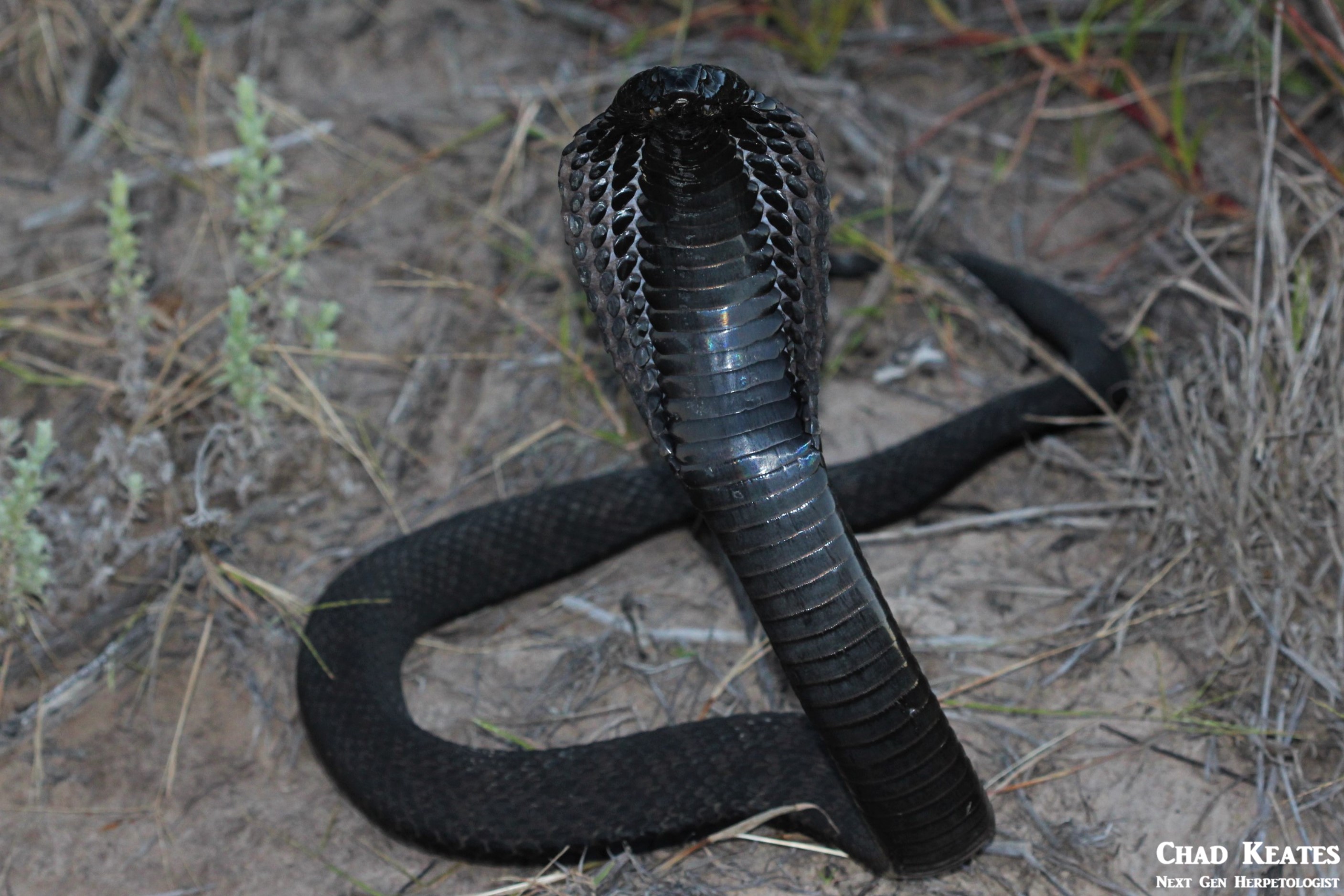
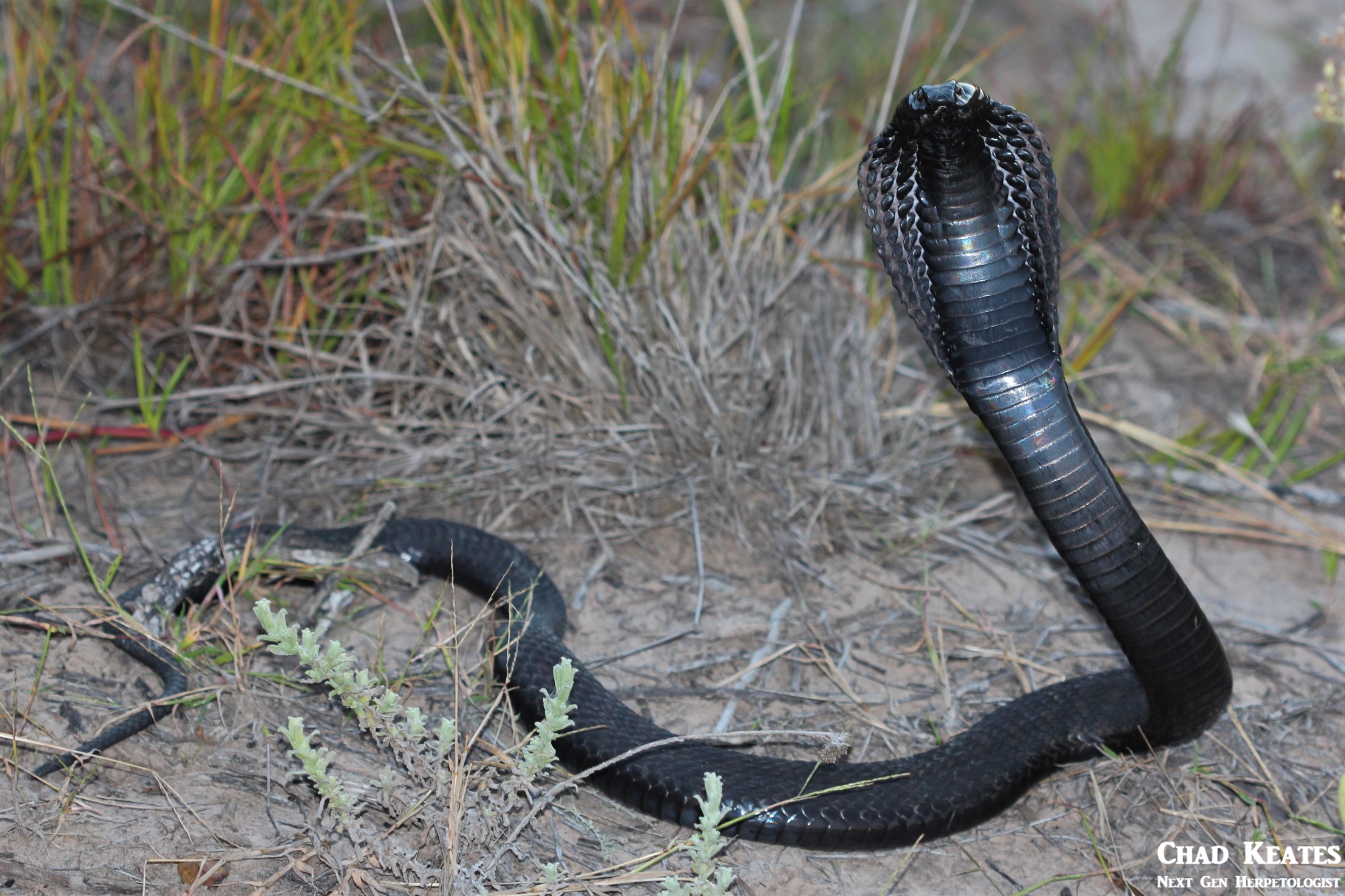
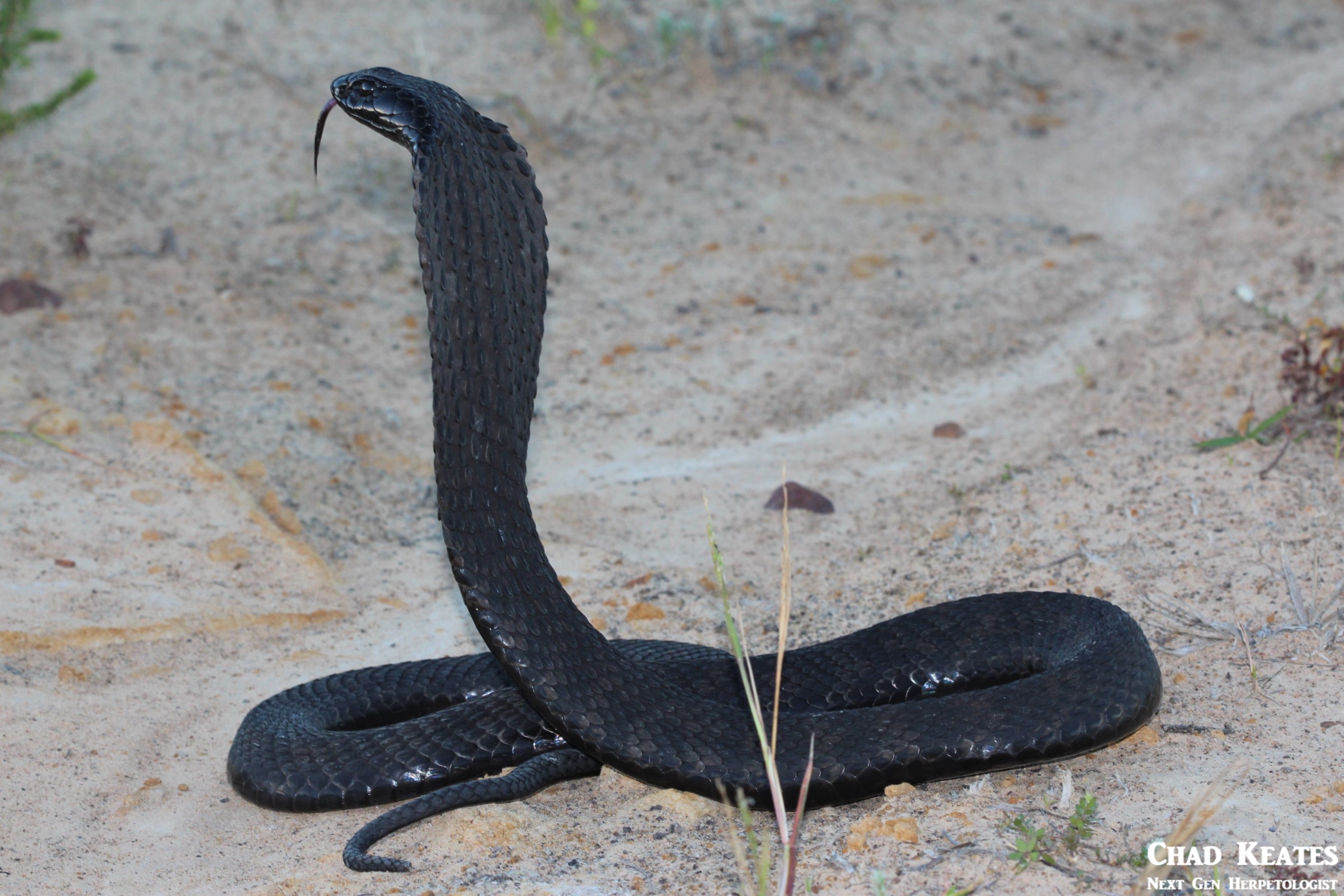
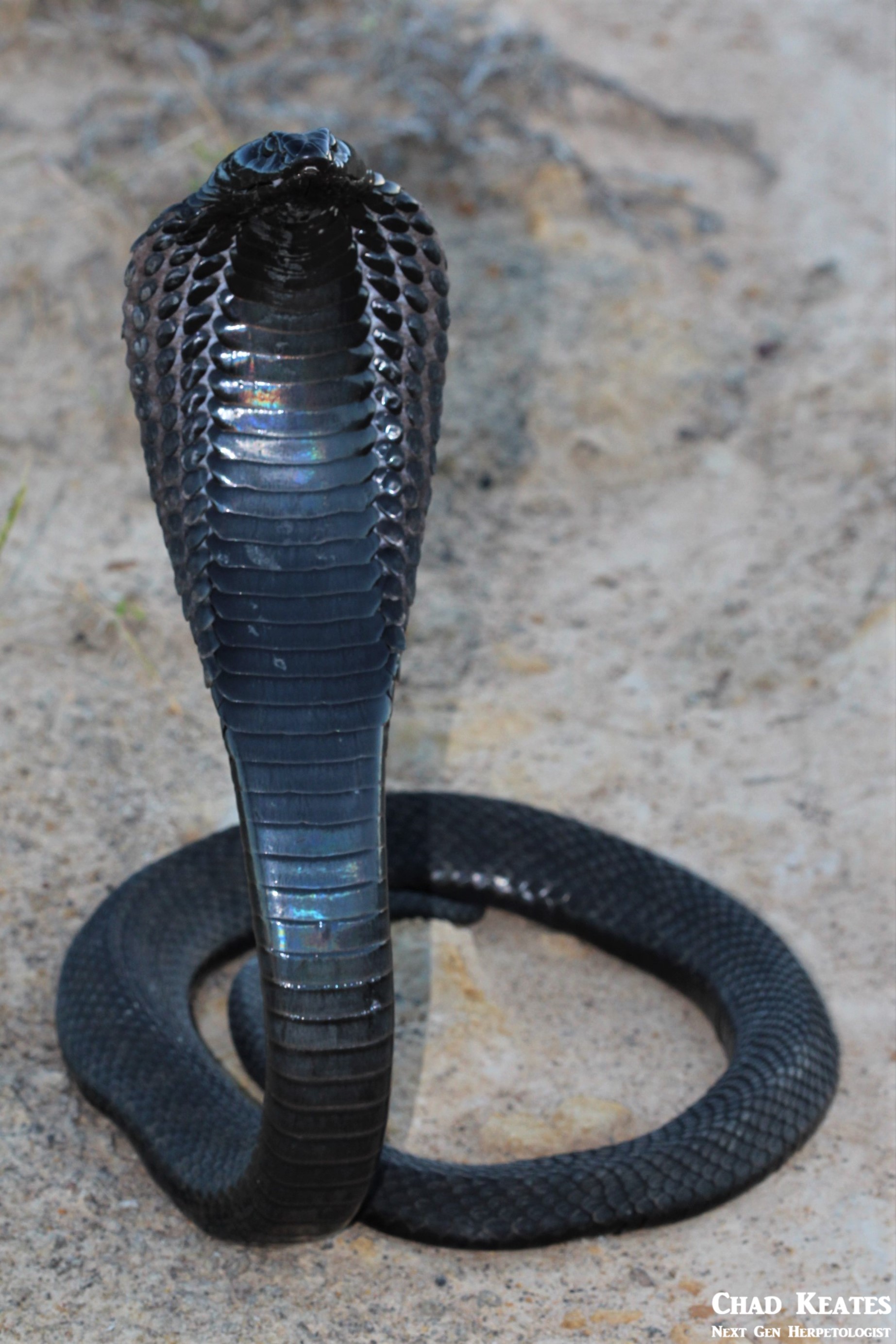
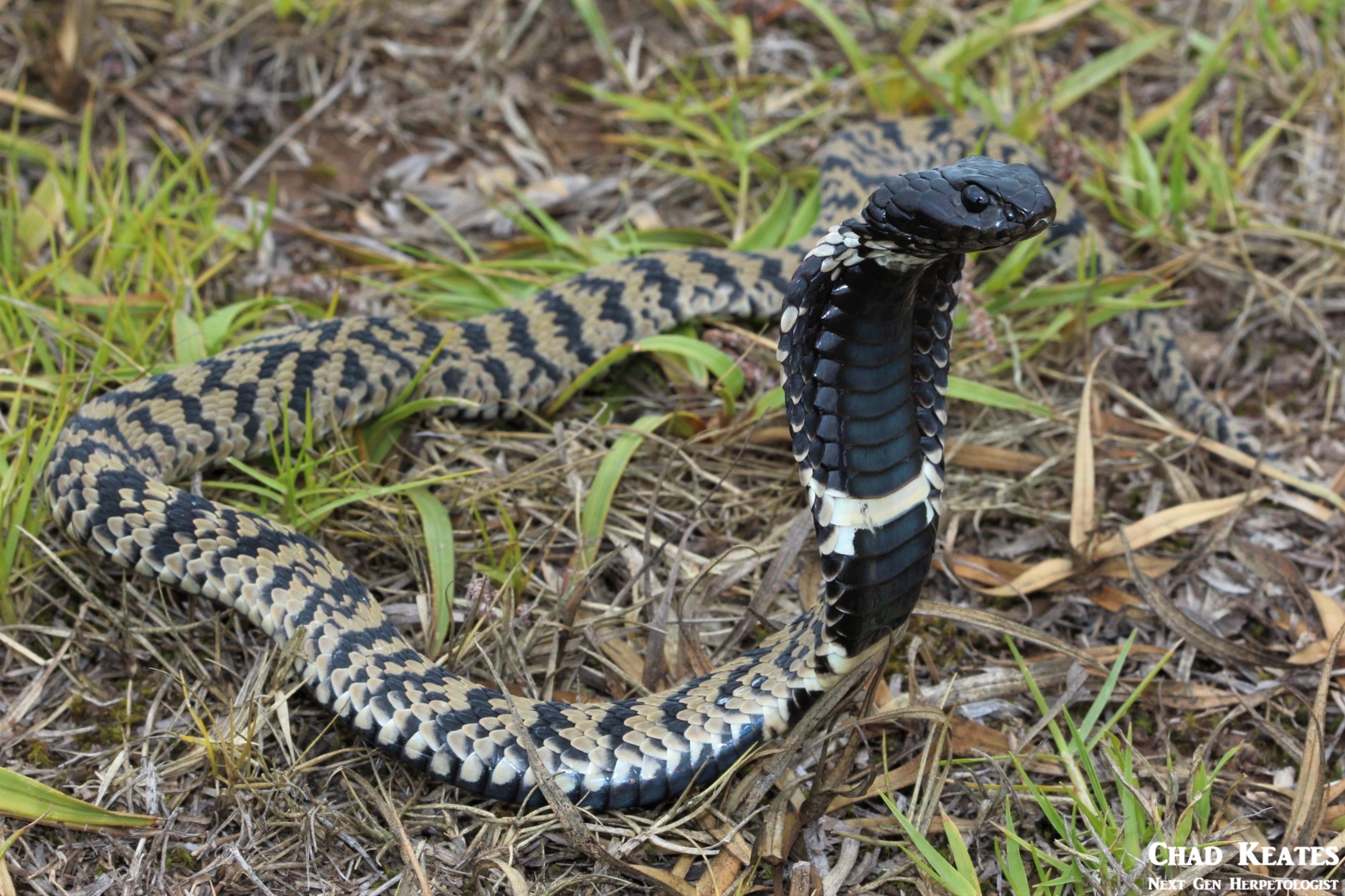
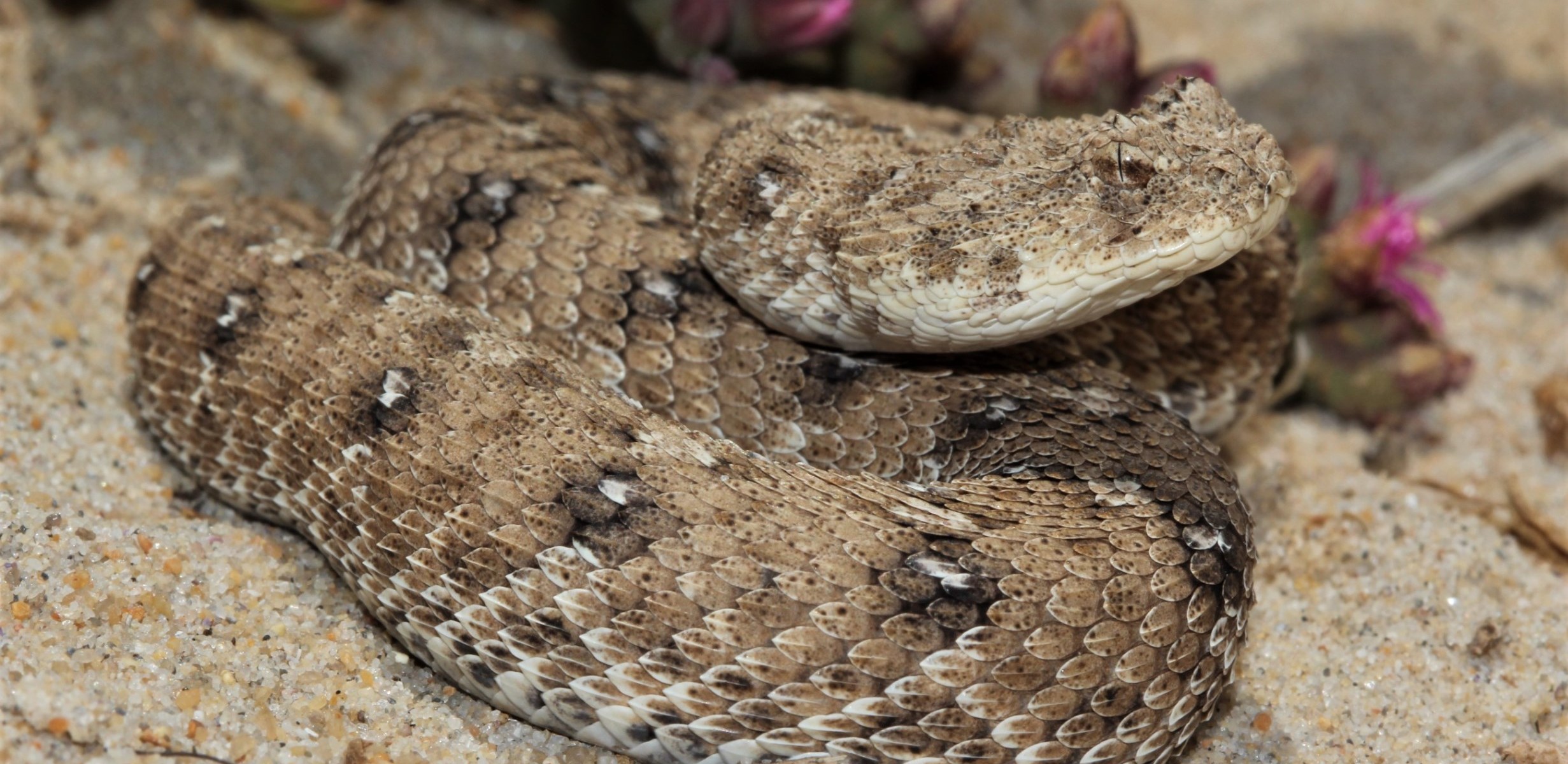

From near Koingnaas, Northern Cape, South Africa
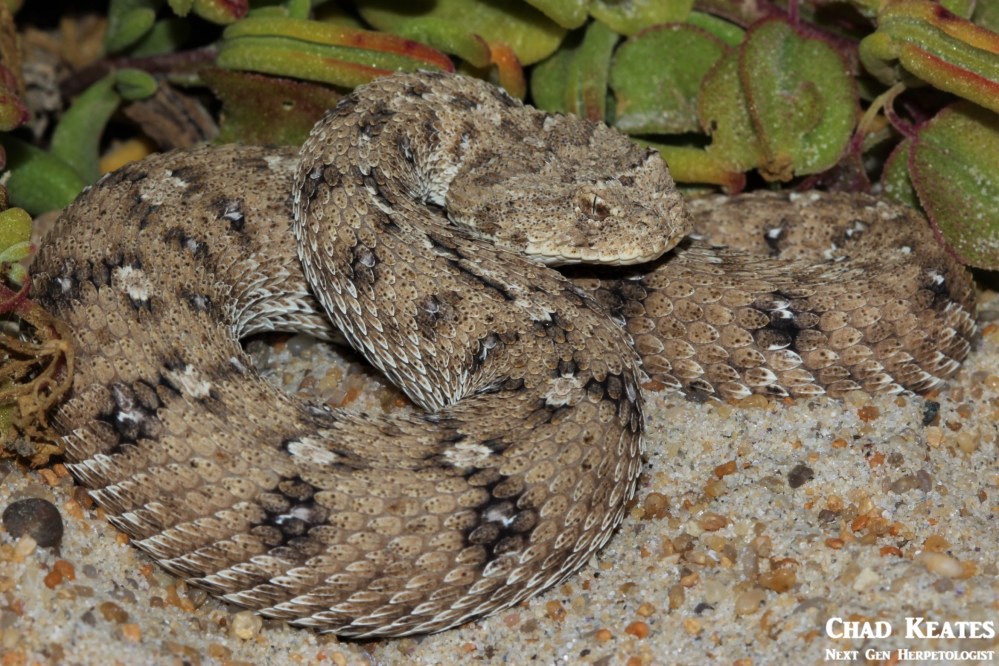
From near Koingnaas, Northern Cape, South Africa
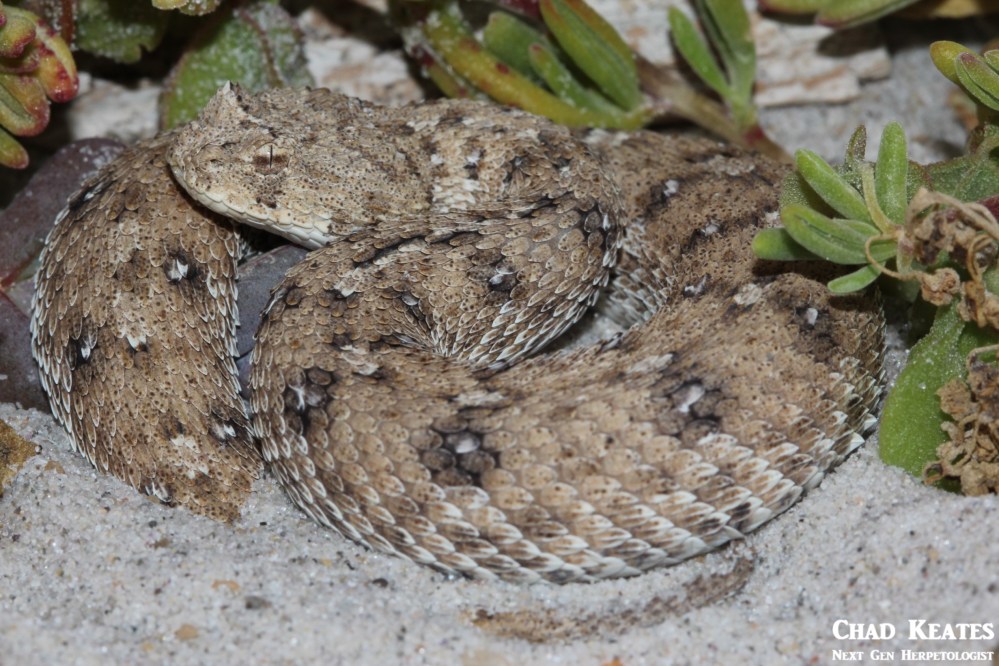
From near Koingnaas, Northern Cape, South Africa

From near Koingnaas, Northern Cape, South Africa
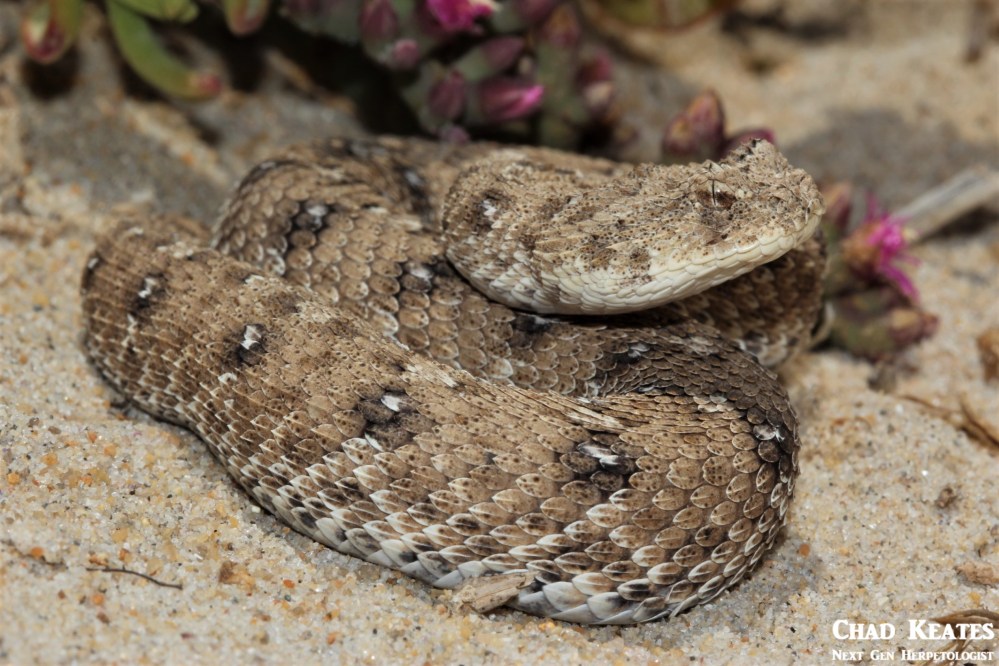
From near Koingnaas, Northern Cape, South Africa
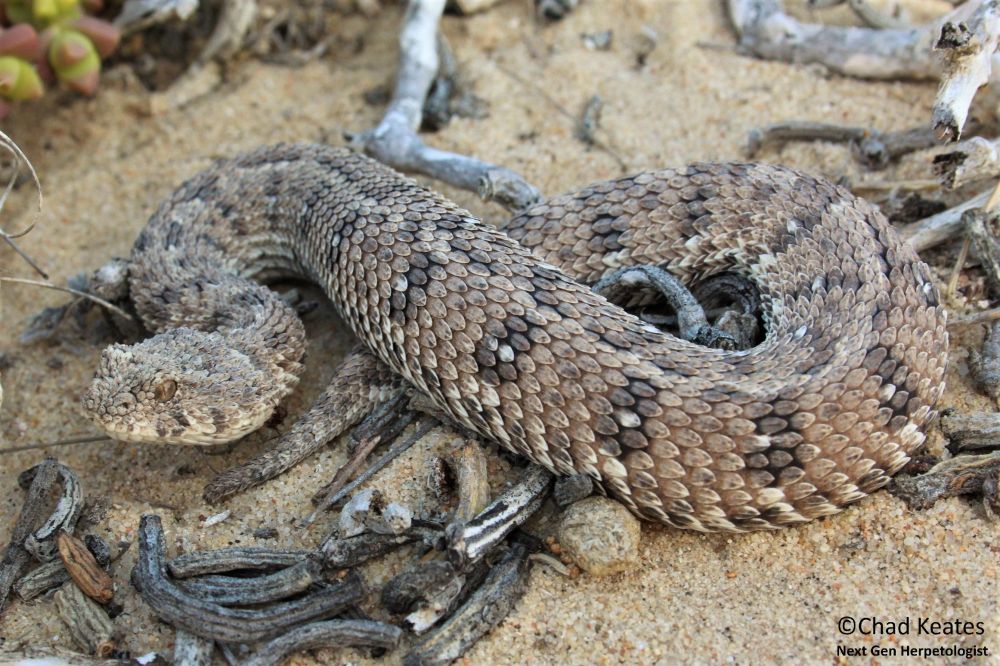
From Port Nolloth, Northern Cape, South Africa
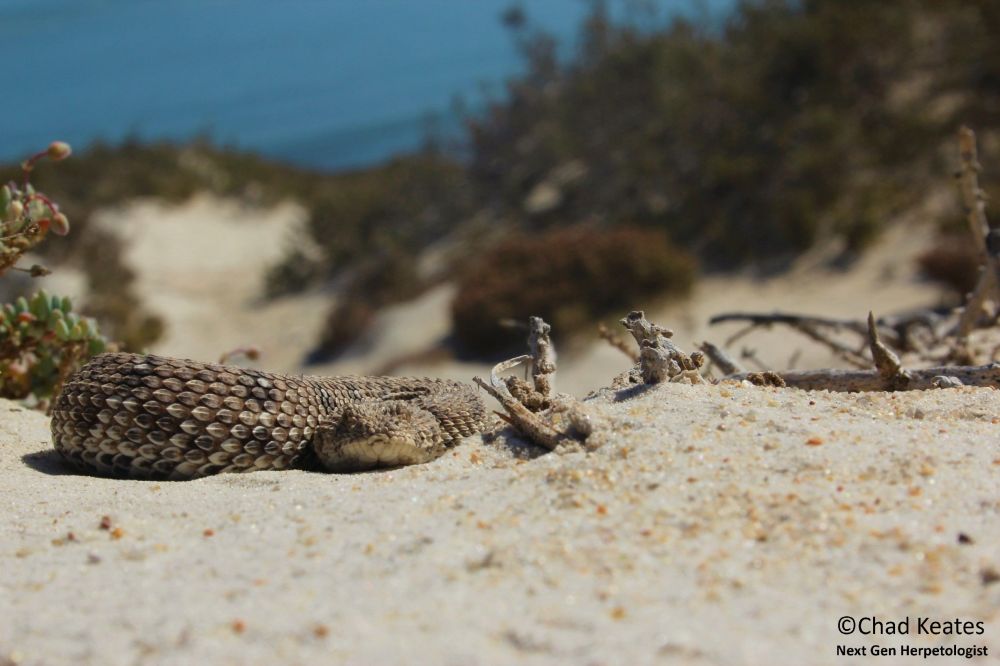
From Port Nolloth, Northern Cape, South Africa
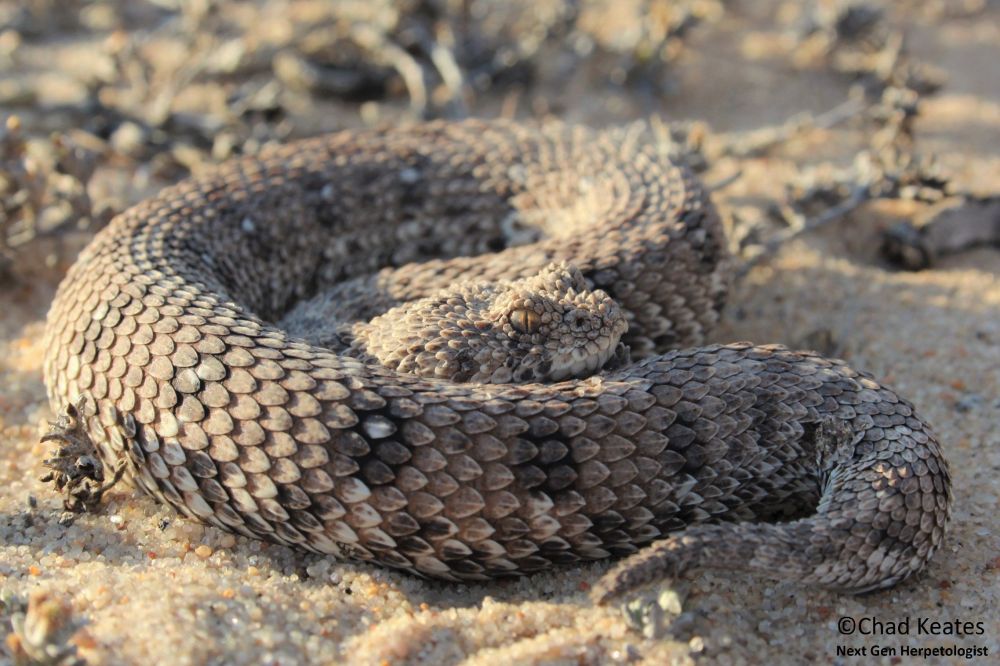
From Port Nolloth, Northern Cape, South Africa
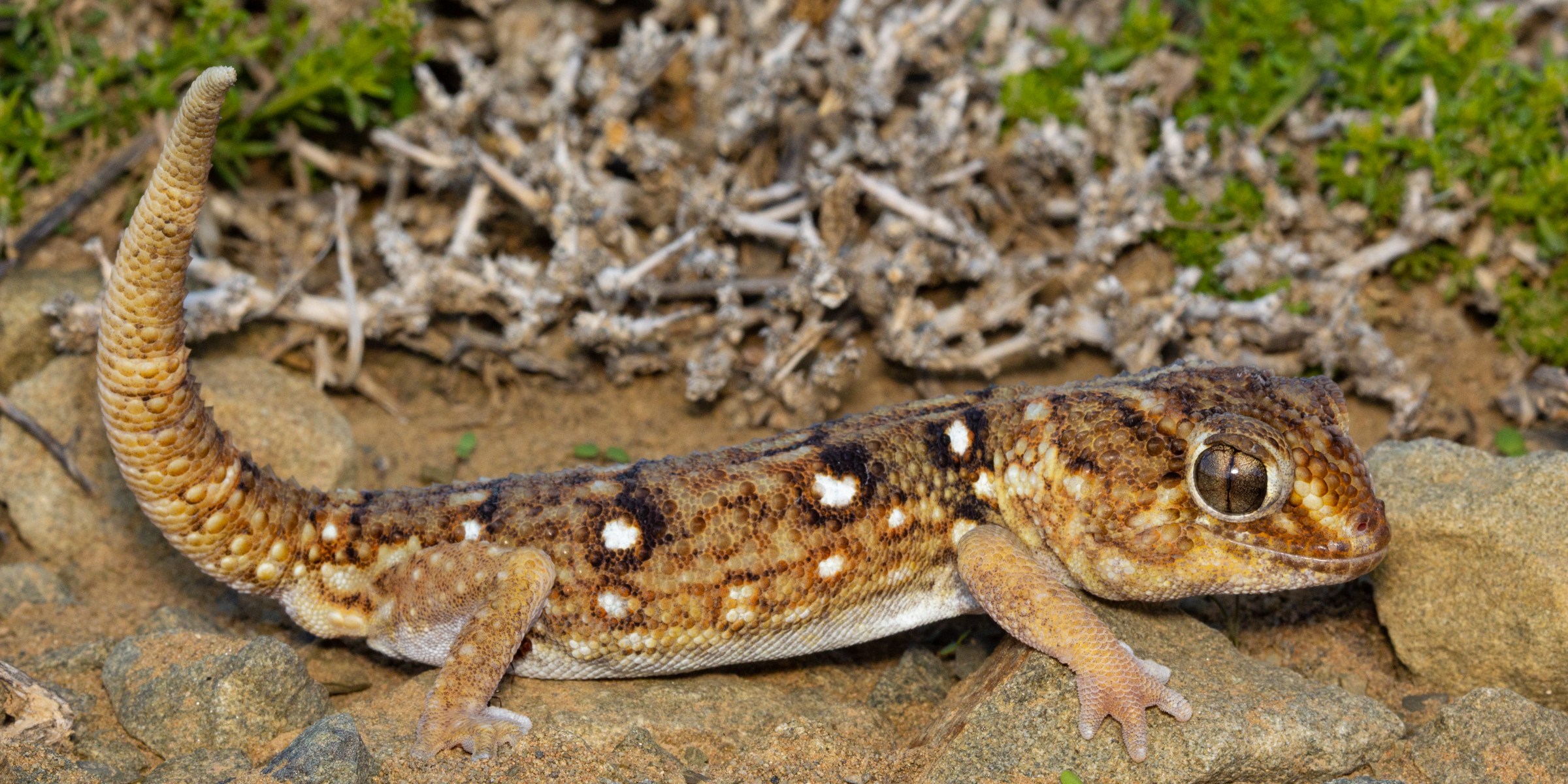
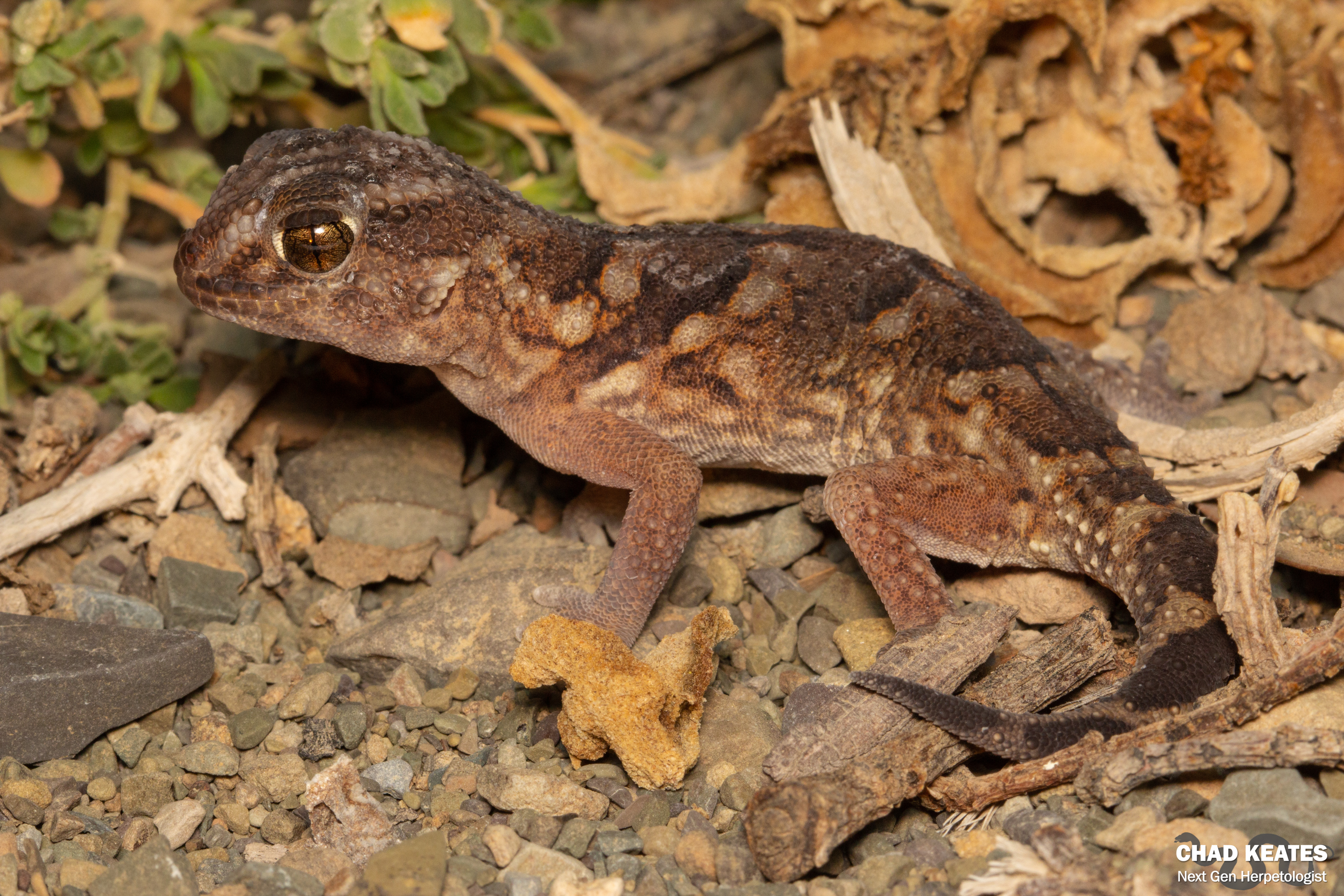

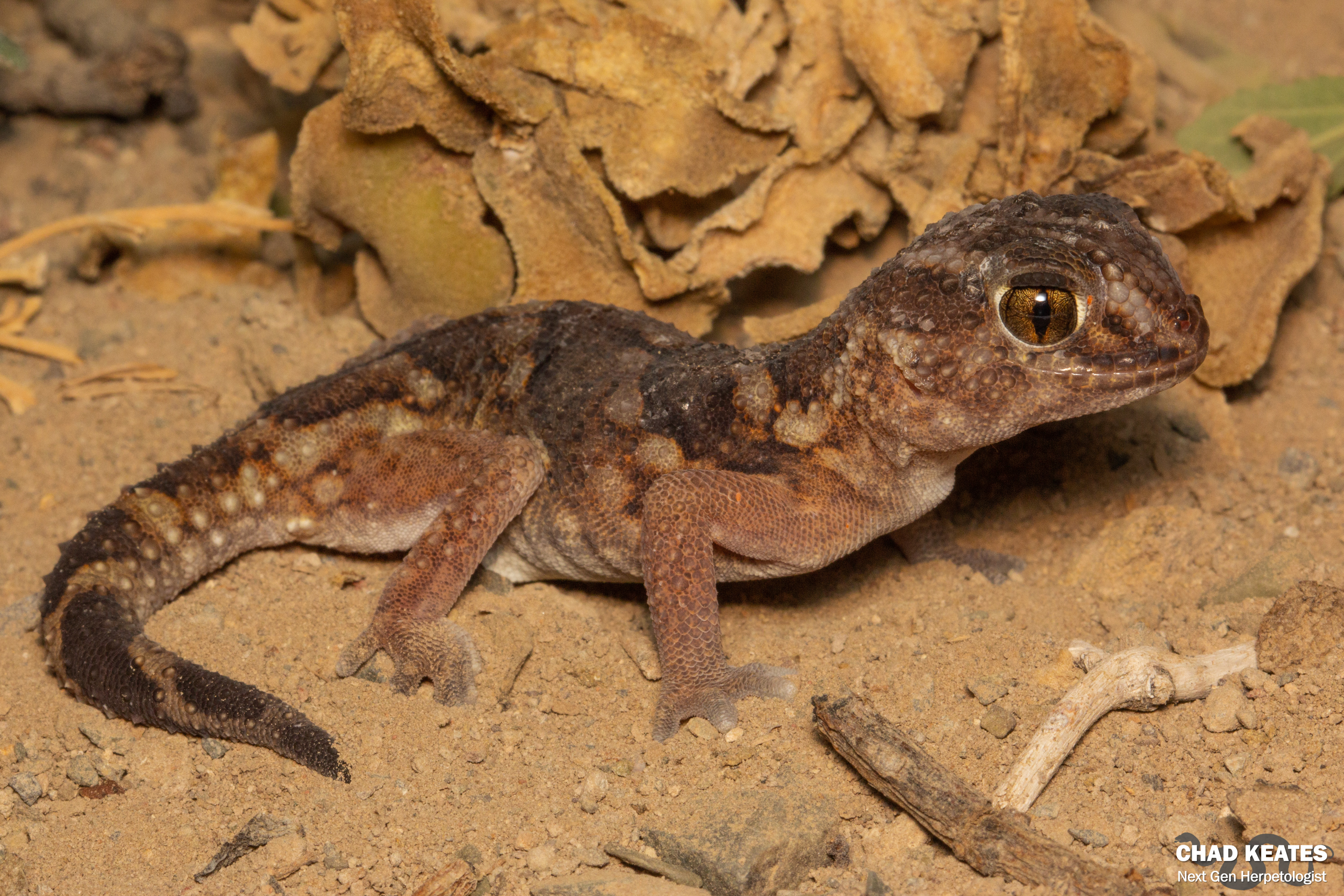

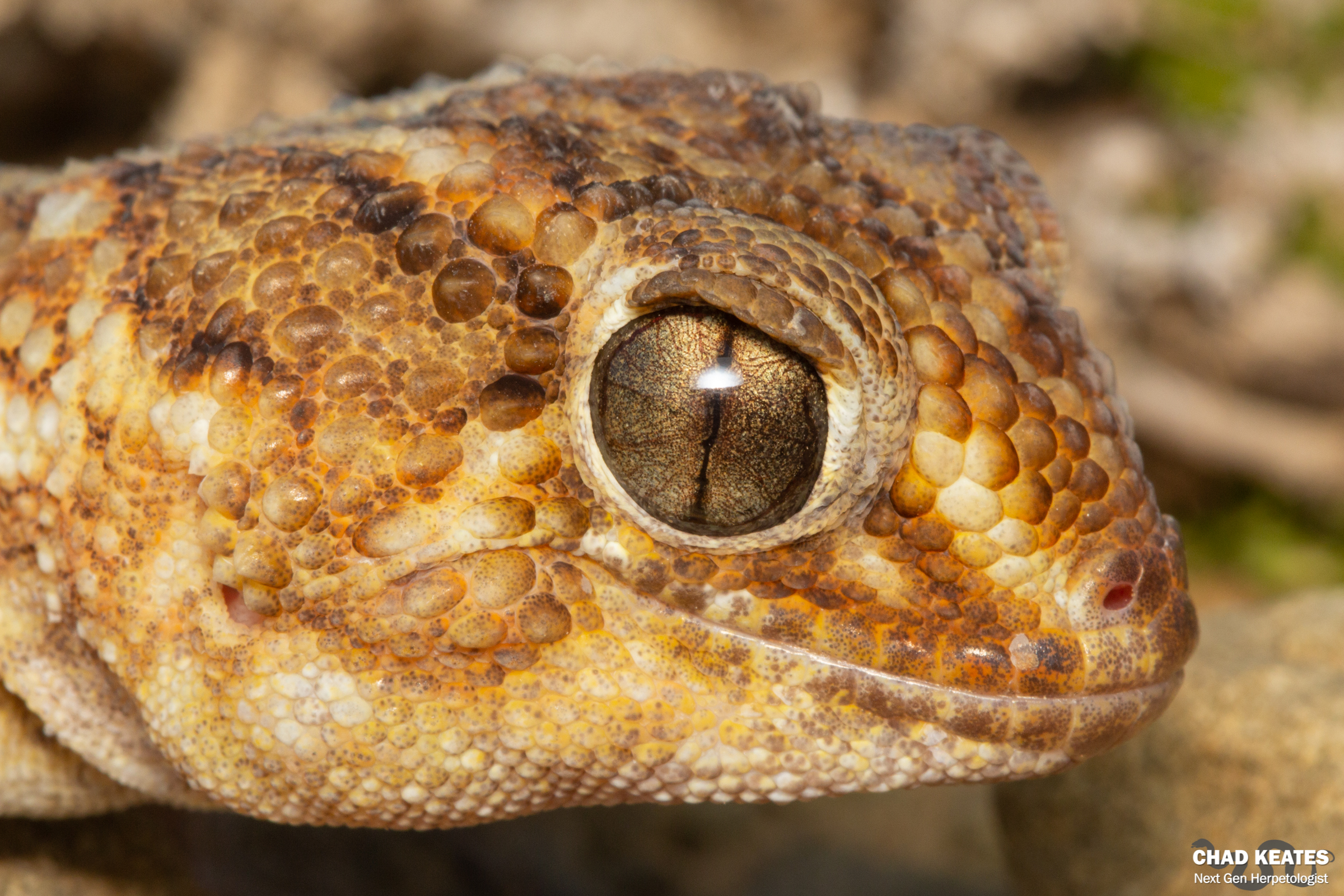

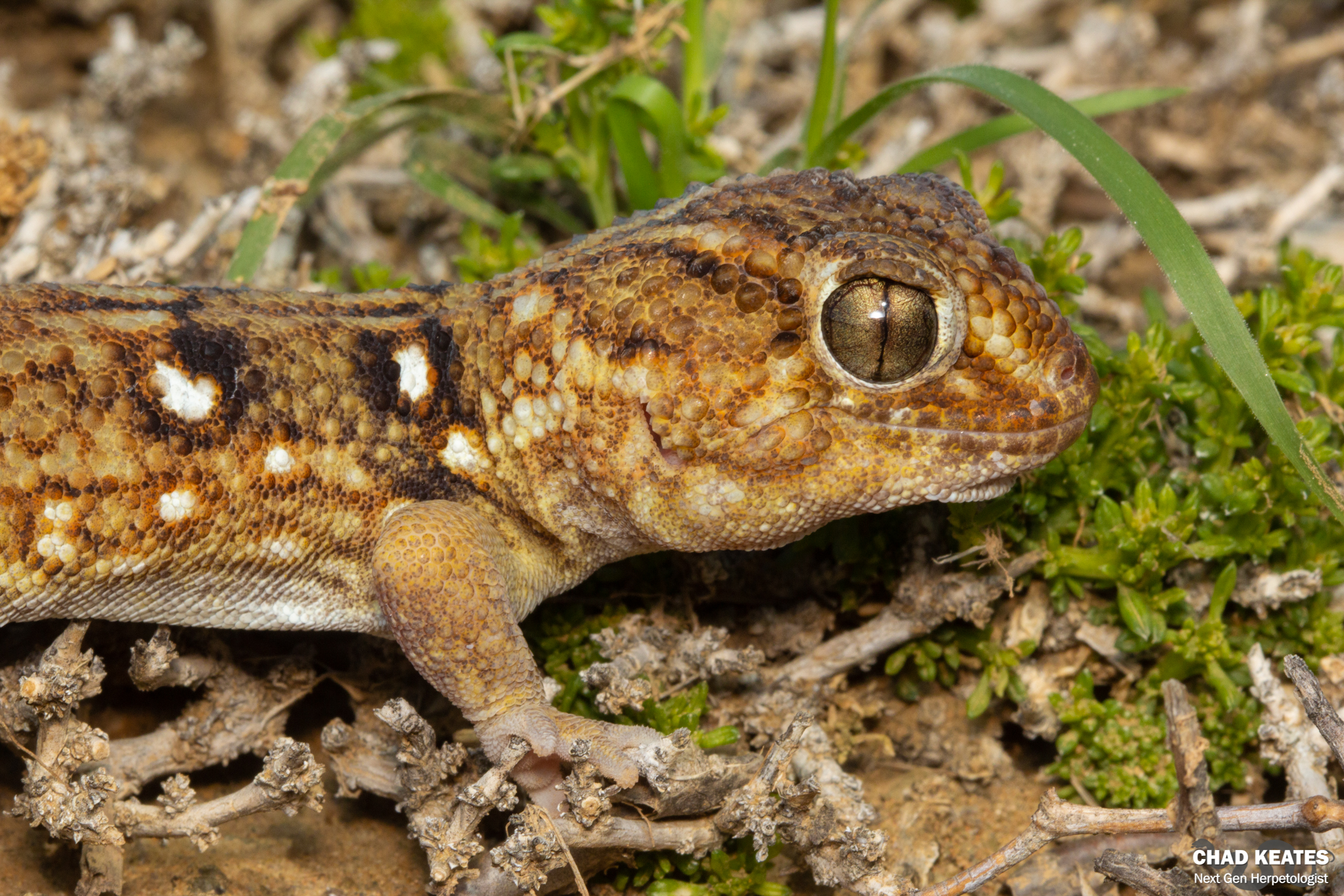
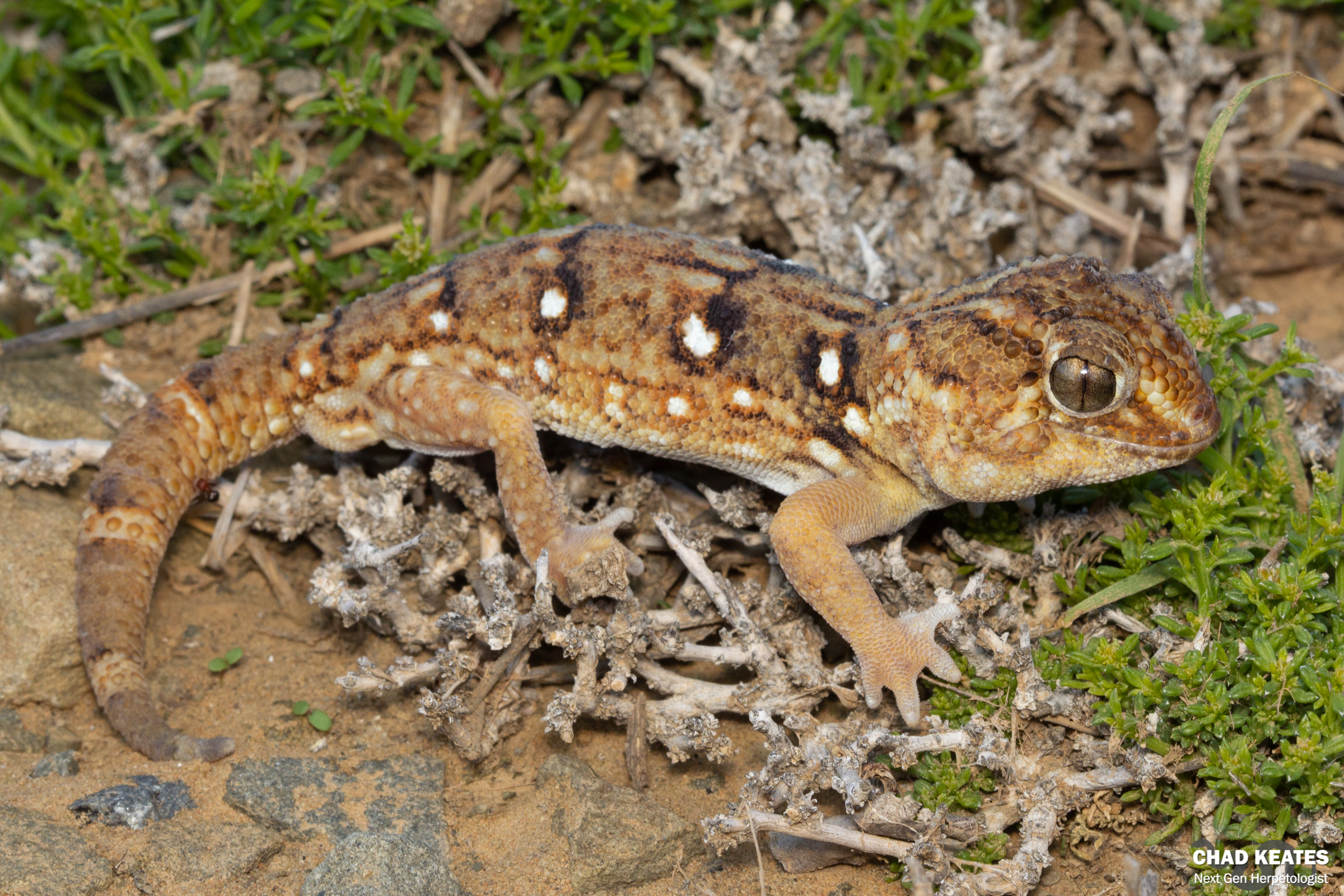


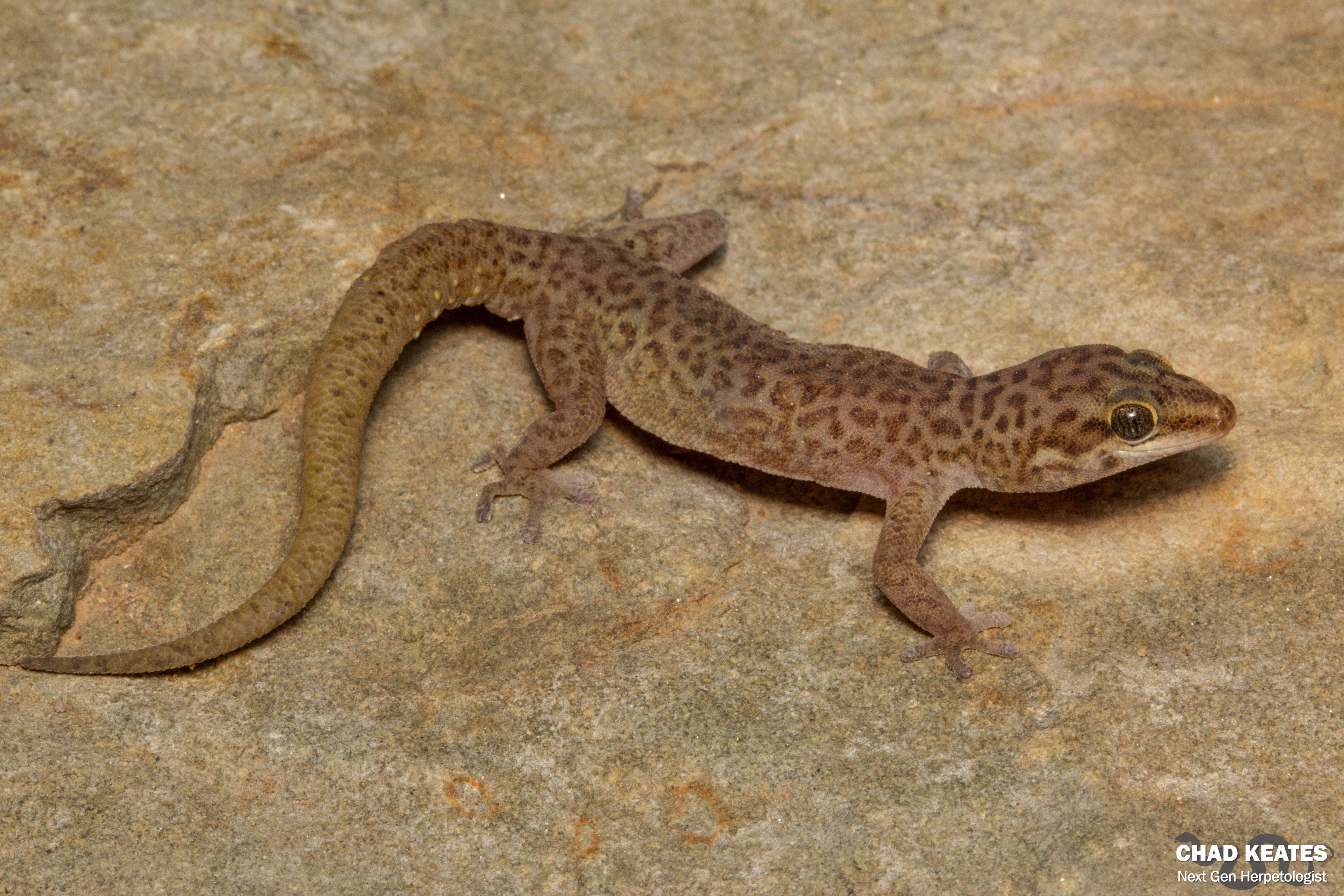


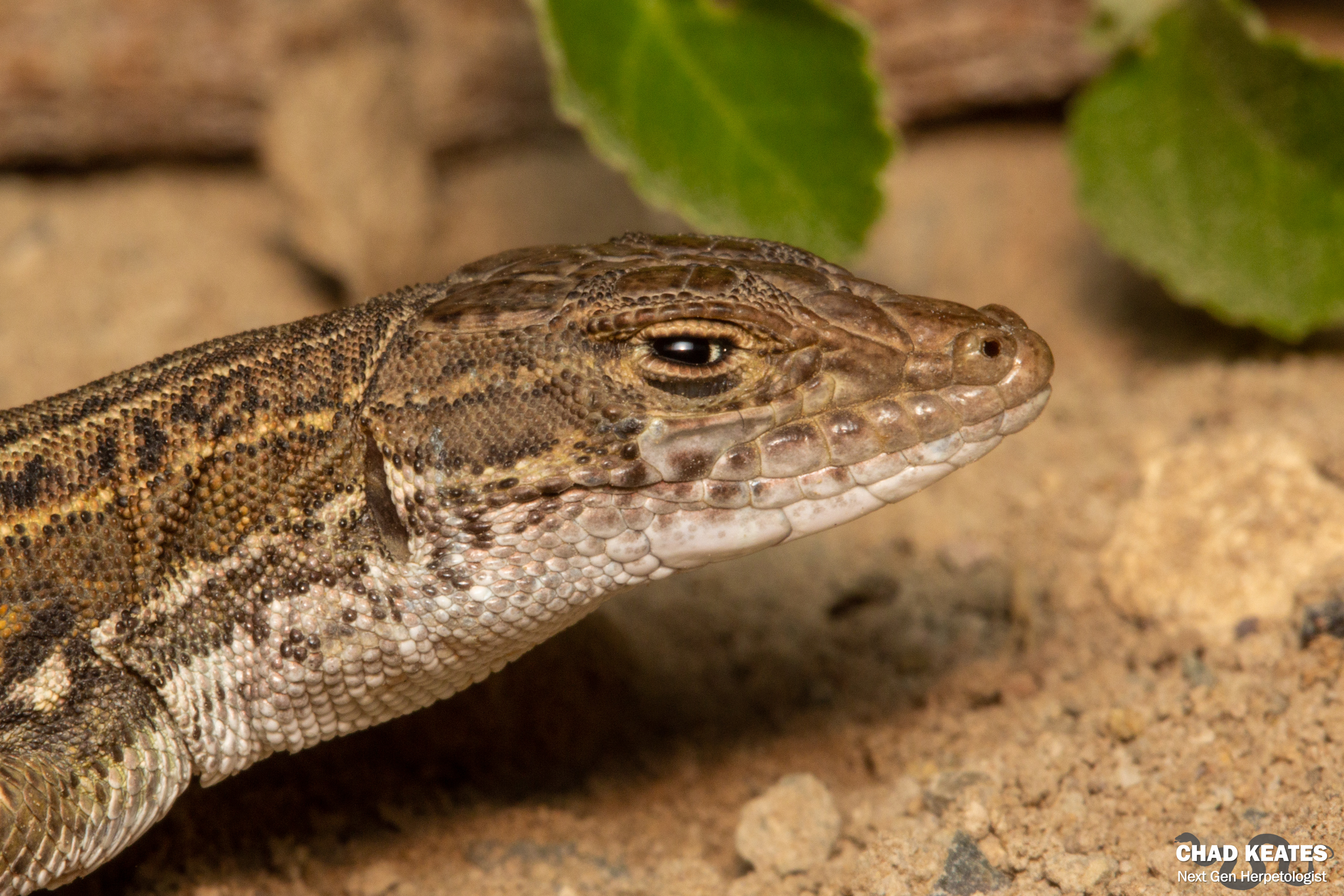
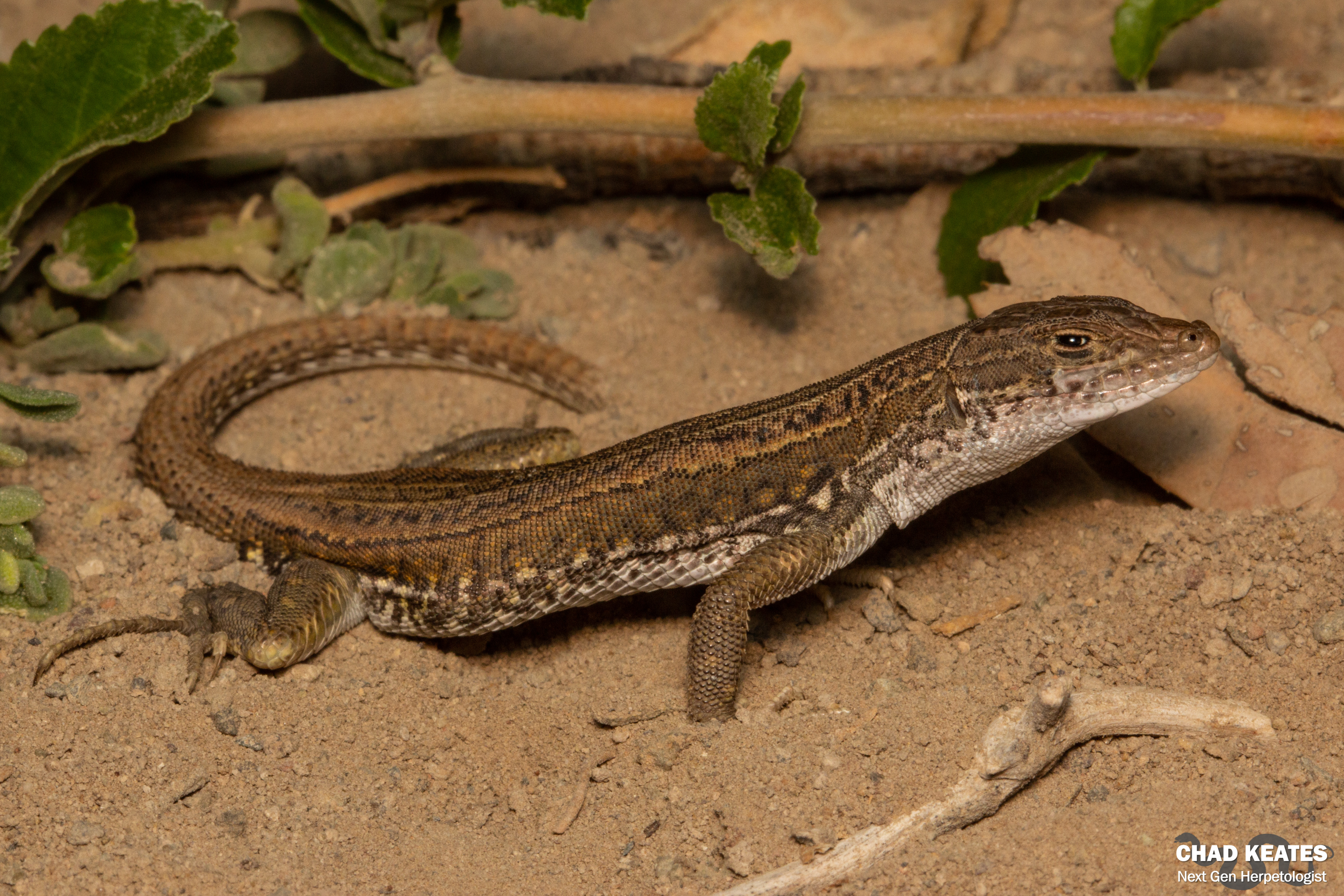
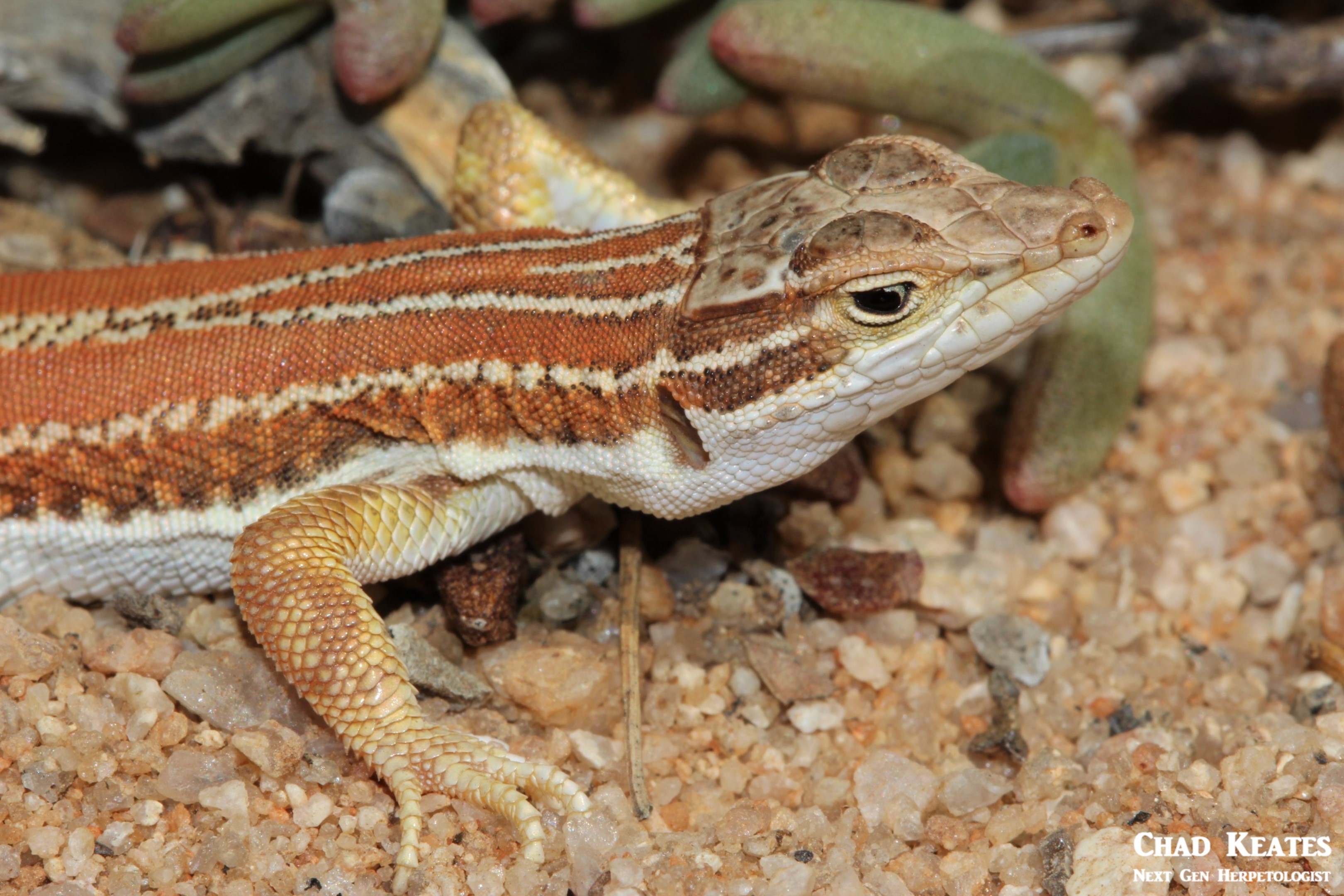


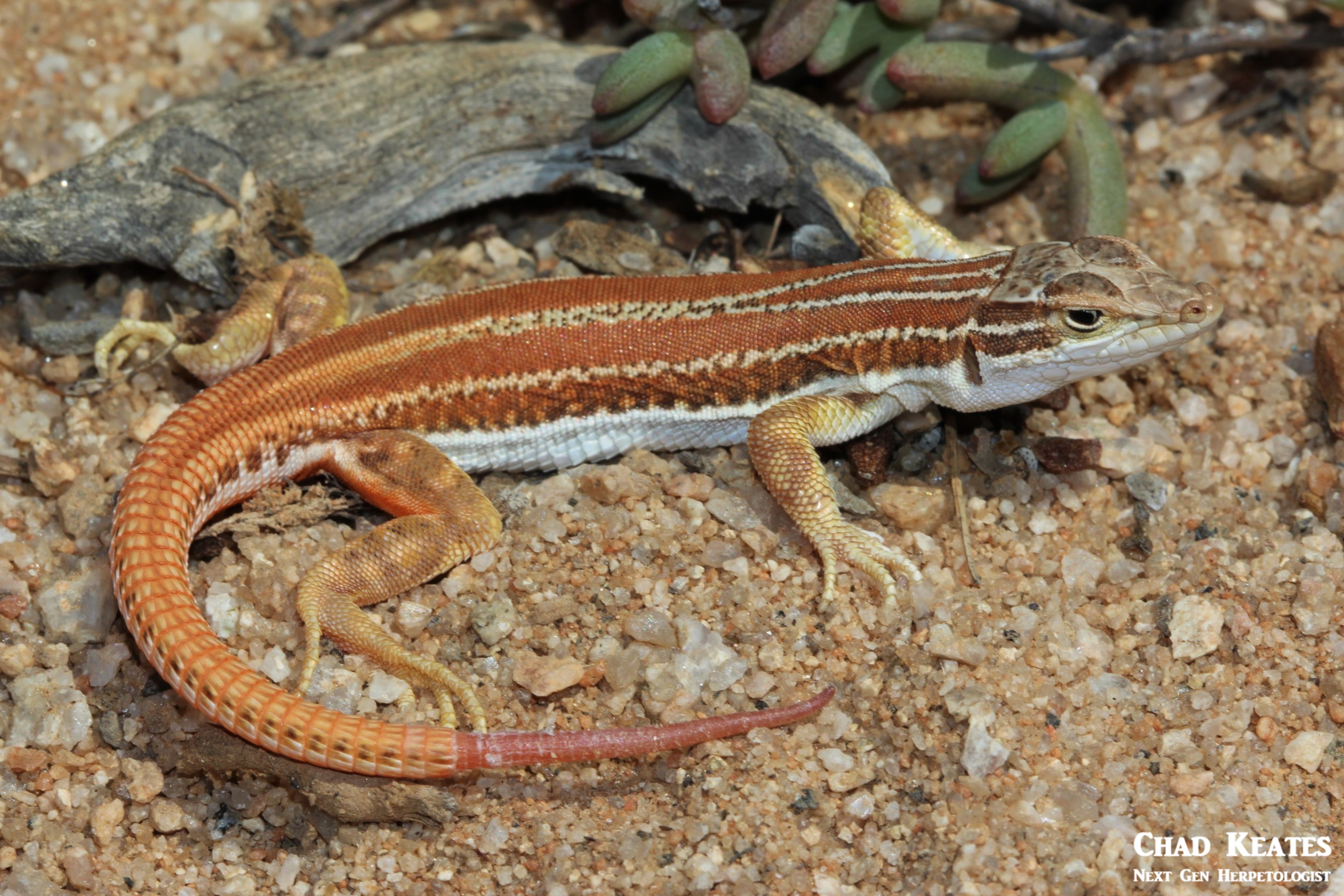
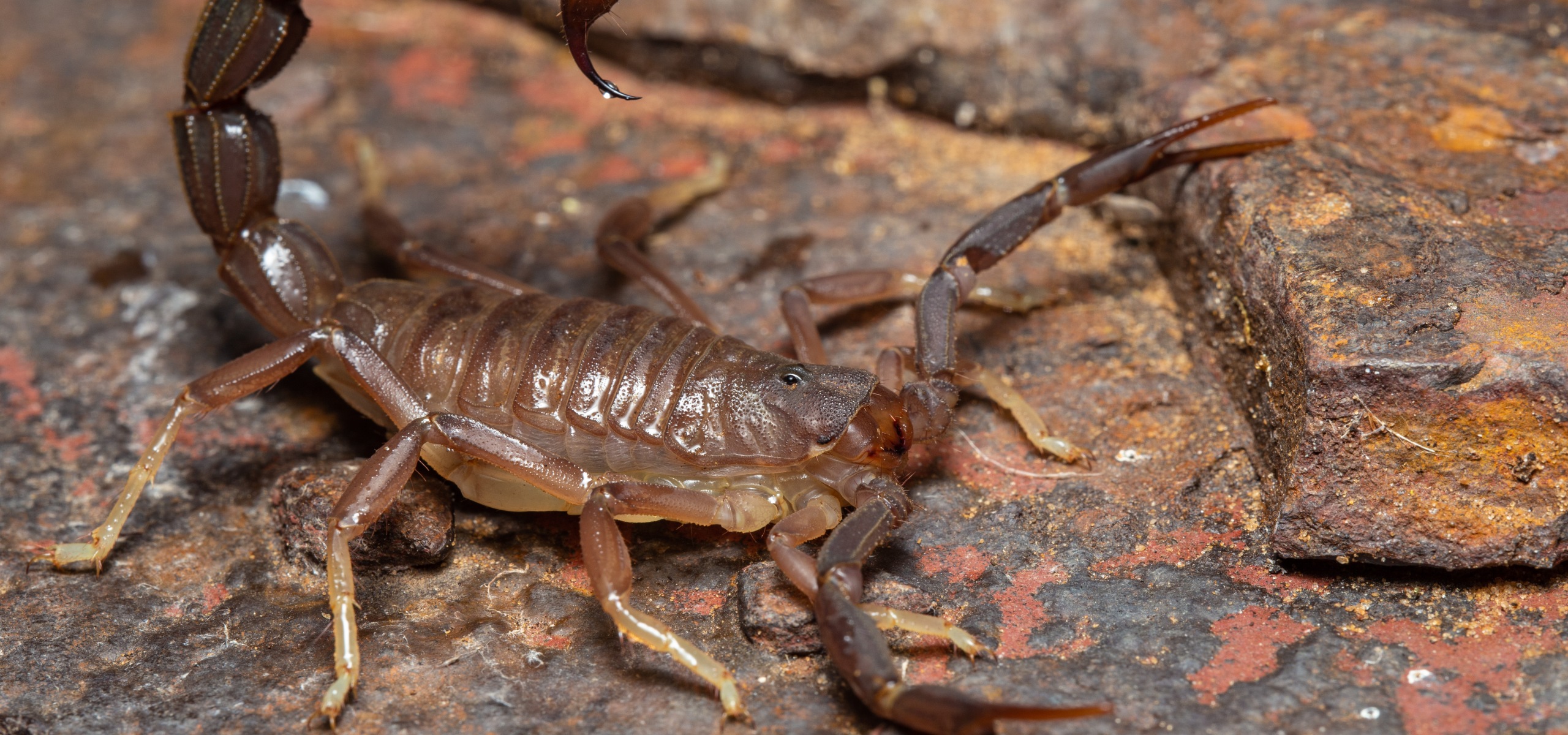
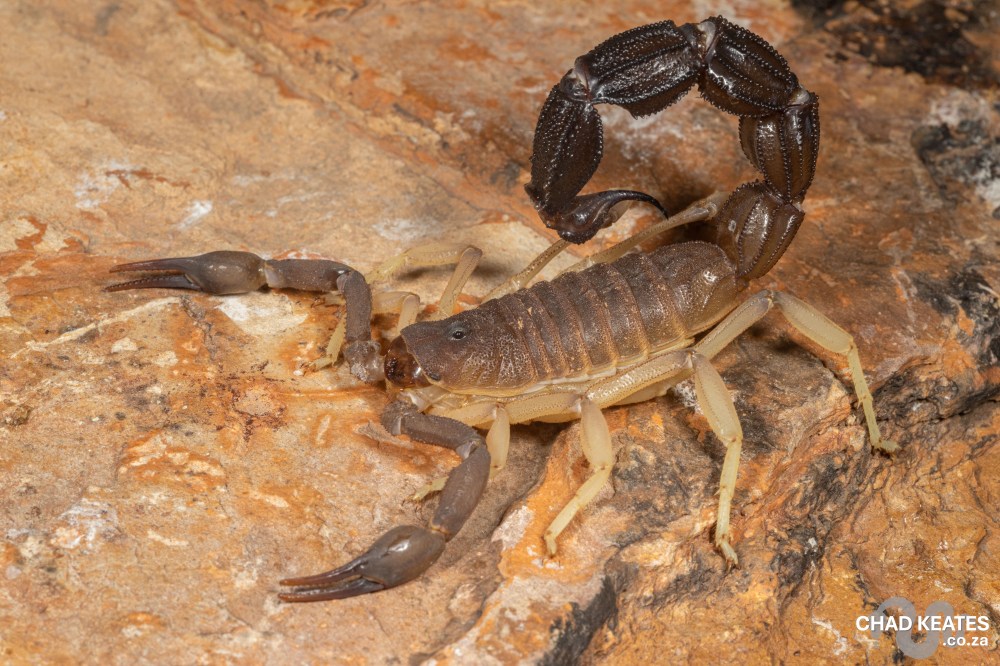
from Springbok, Northern Cape, South Africa
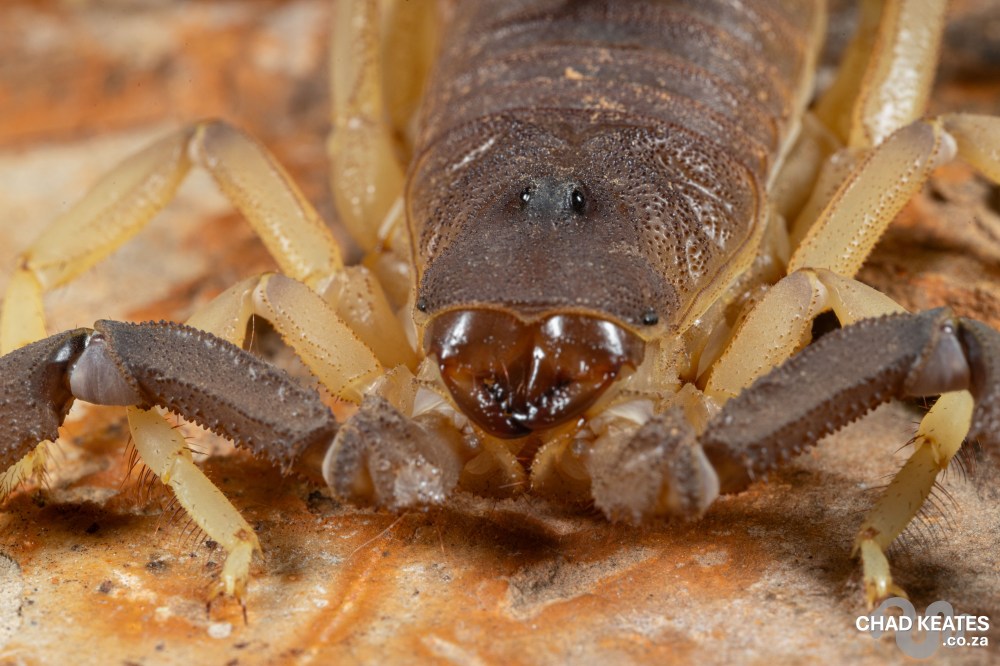
from Springbok, Northern Cape, South Africa

from Graaff-Reinet, Eastern Cape, South Africa

from Graaff-Reinet, Eastern Cape, South Africa

from Khakea/Bray Transboundary Aquifer Region, North-West, South Africa

from Khakea/Bray Transboundary Aquifer Region, North-West, South Africa

from Port Nolloth, Northern Cape, South Africa

from Port Nolloth, Northern Cape, South Africa


from Pafuri, Kruger National Park, Limpopo, South Africa
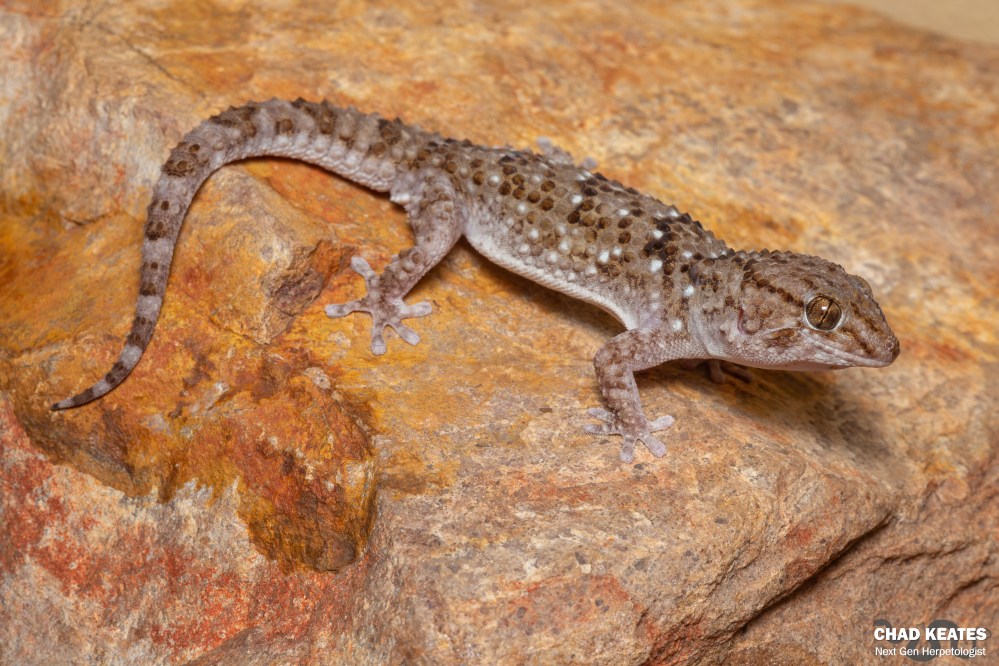
from Pafuri, Kruger National Park, Limpopo, South Africa
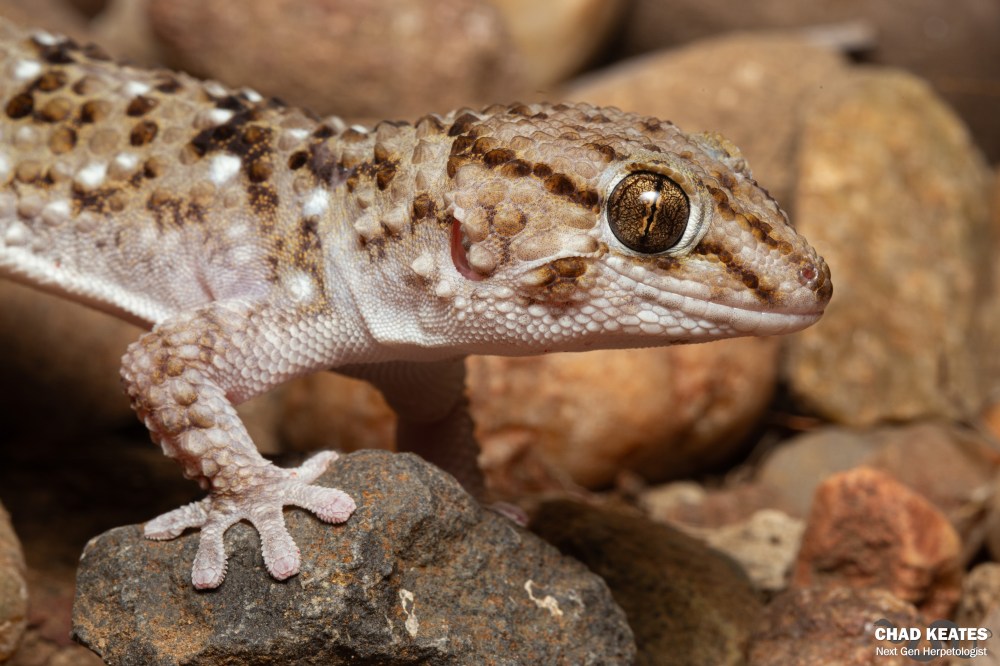
from Pafuri, Kruger National Park, Limpopo, South Africa
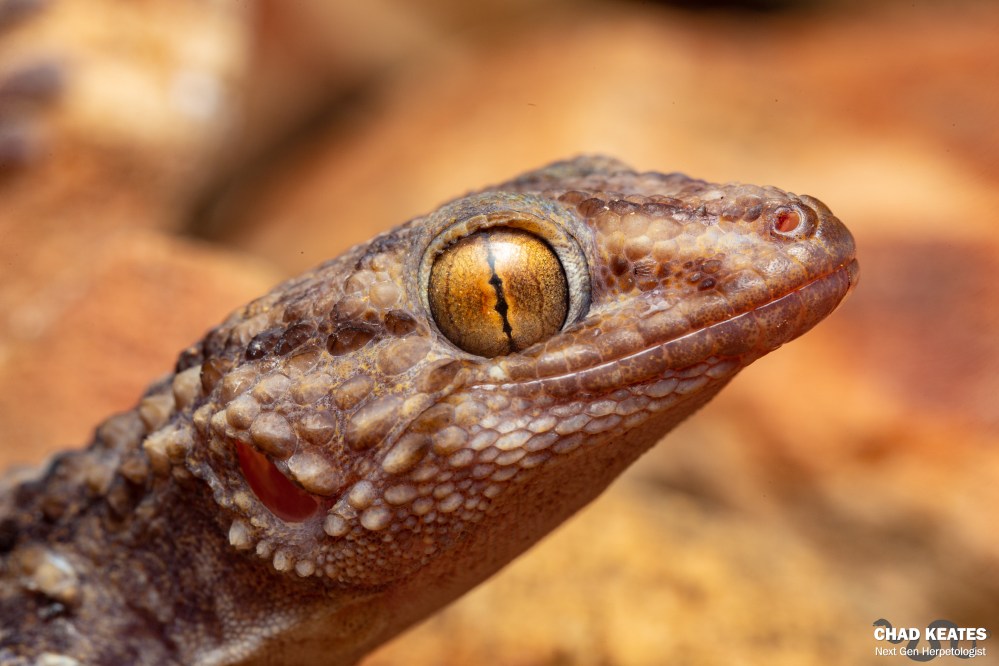
from Pafuri, Limpopo, South Africa
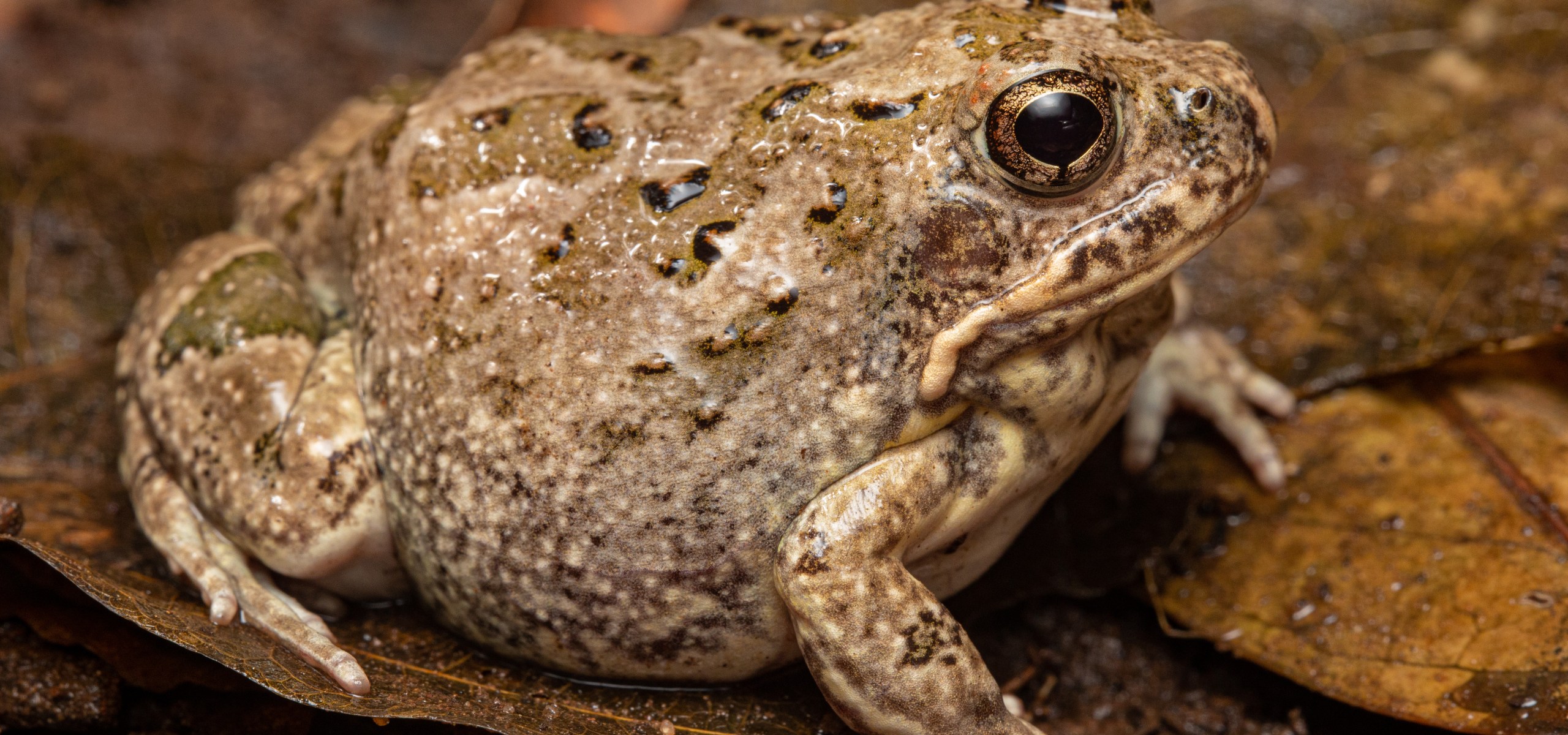


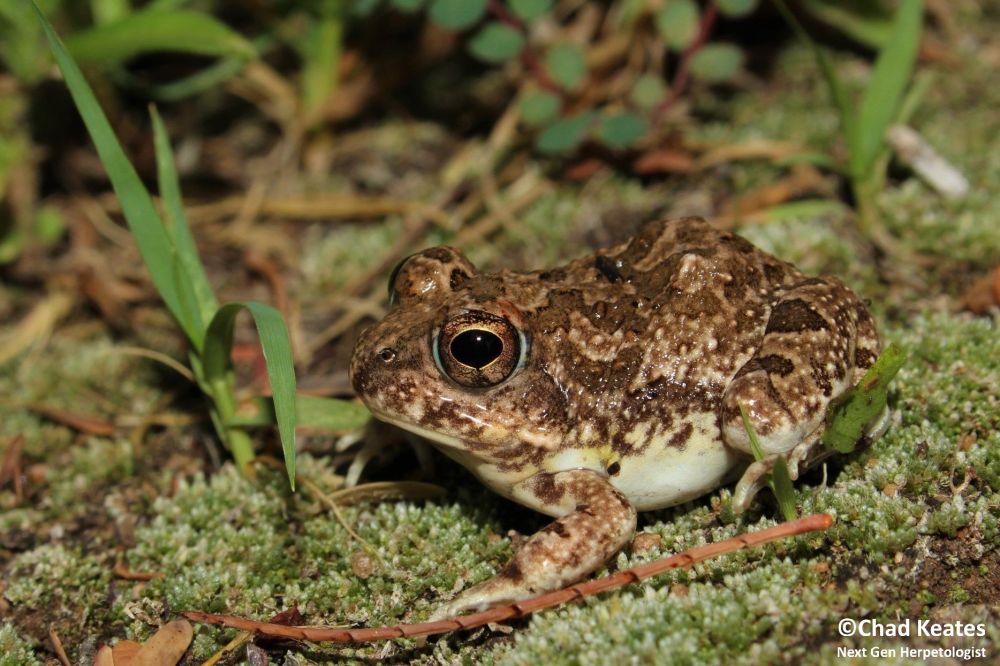


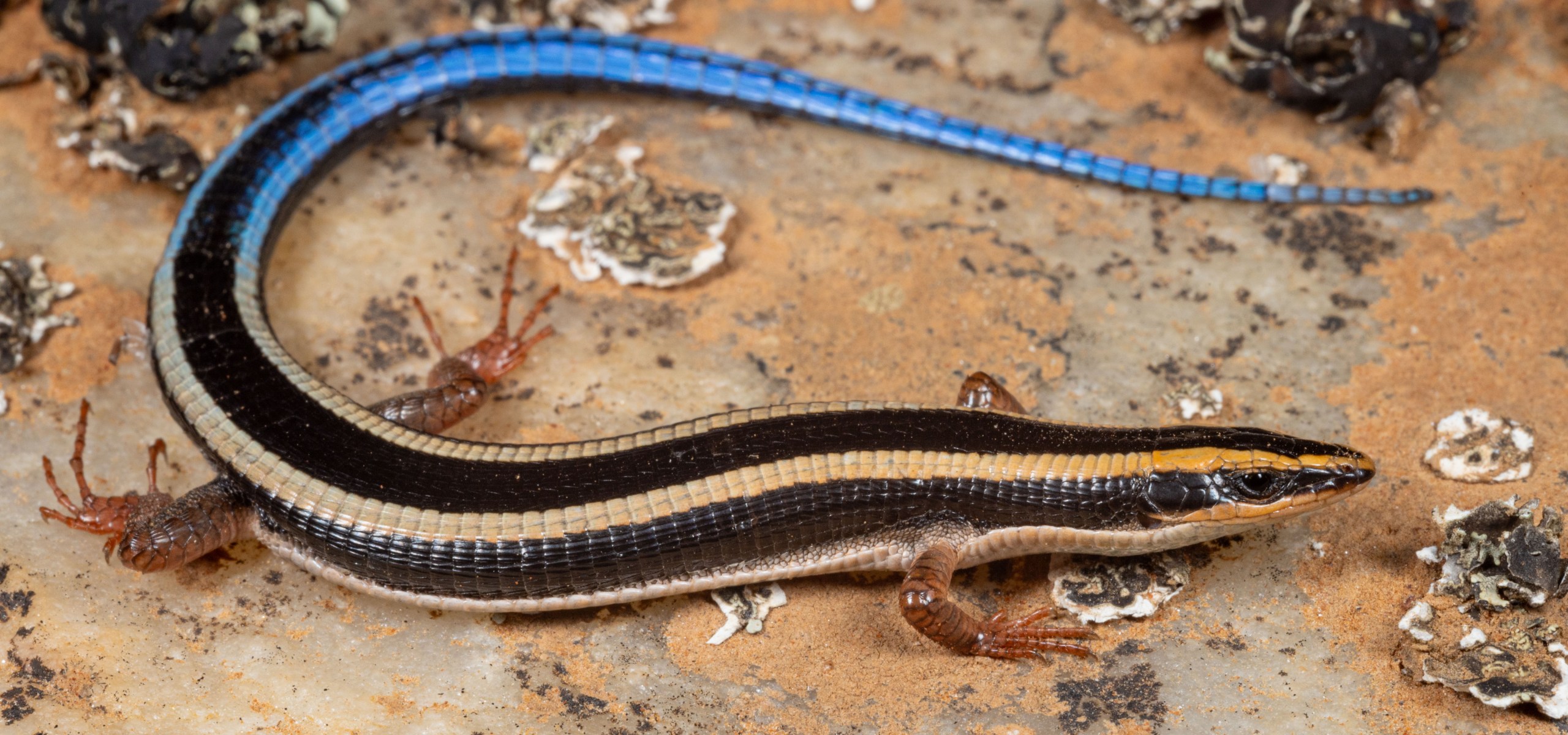
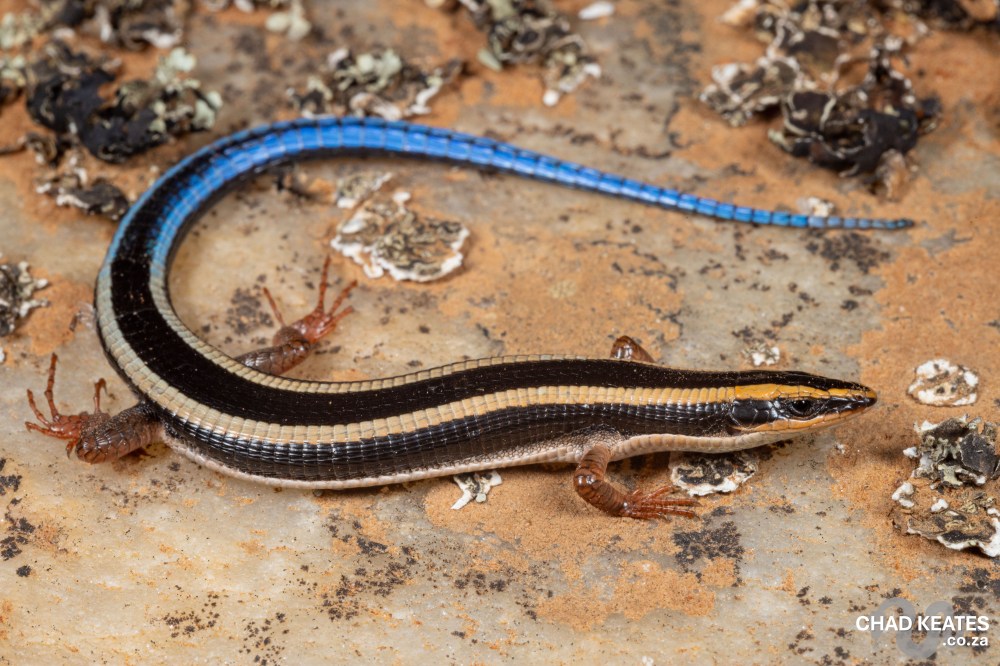
from near Port Nolloth, Northern Cape, South Africa

from near Port Nolloth, Northern Cape, South Africa

from near Port Nolloth, Northern Cape, South Africa


from Kamiesberg, Northern Cape, South Africa

from Kamiesberg, Northern Cape, South Africa

from Kamiesberg, Northern Cape, South Africa

from Kamiesberg, Northern Cape, South Africa
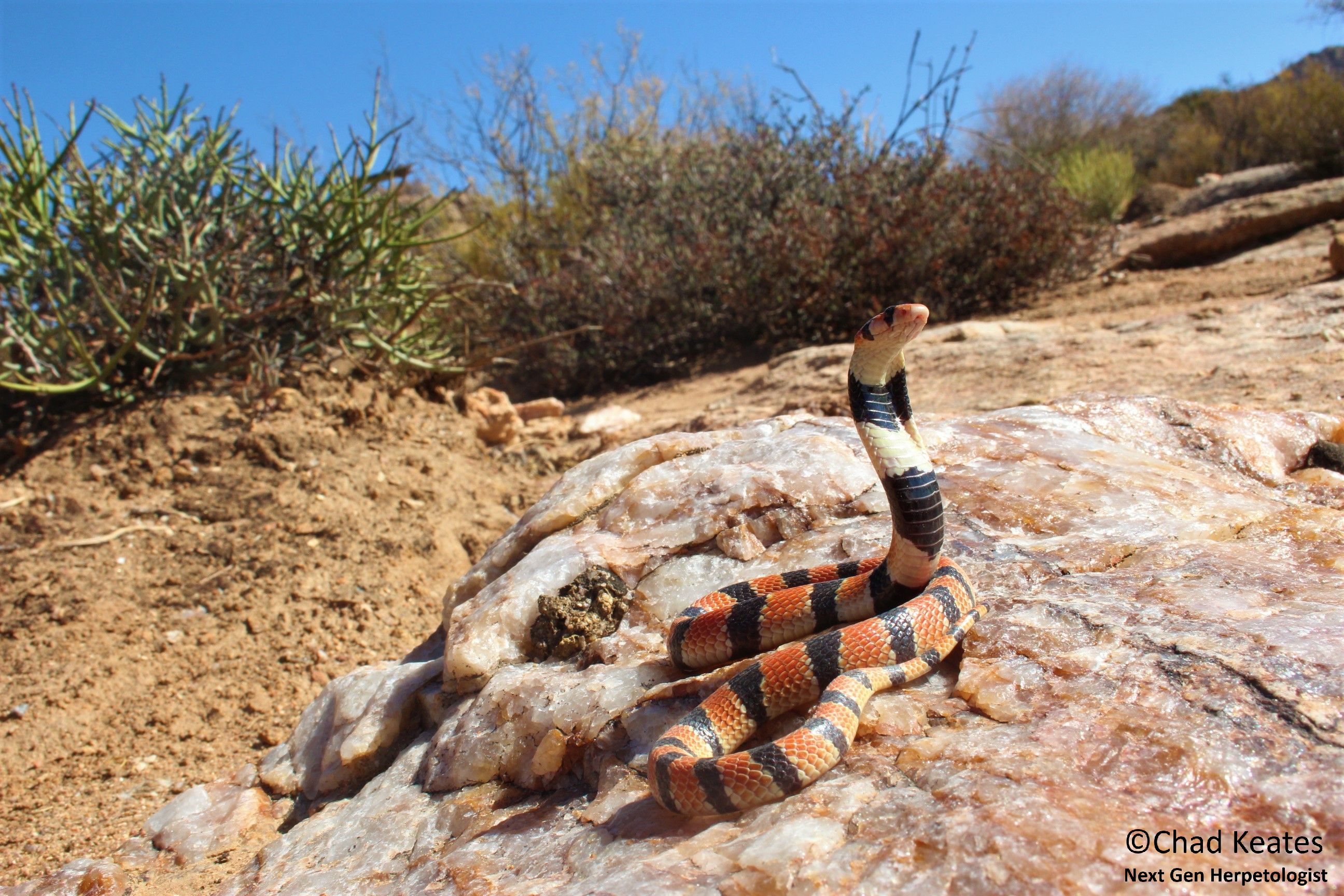
from Springbok, Northern Cape, South Africa

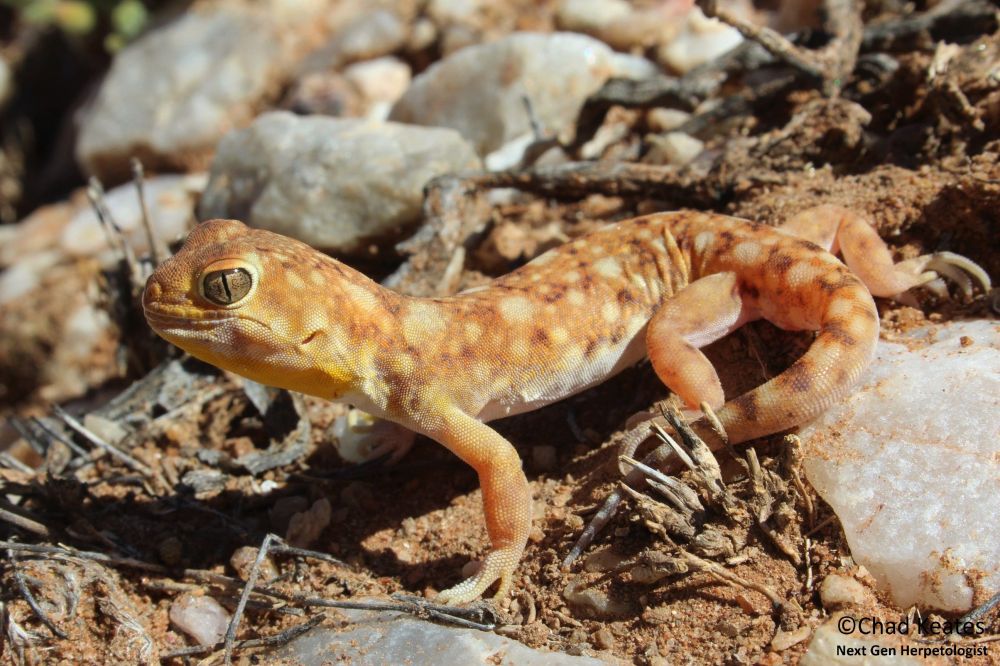
from Aggeneys, Northern Cape, South Africa
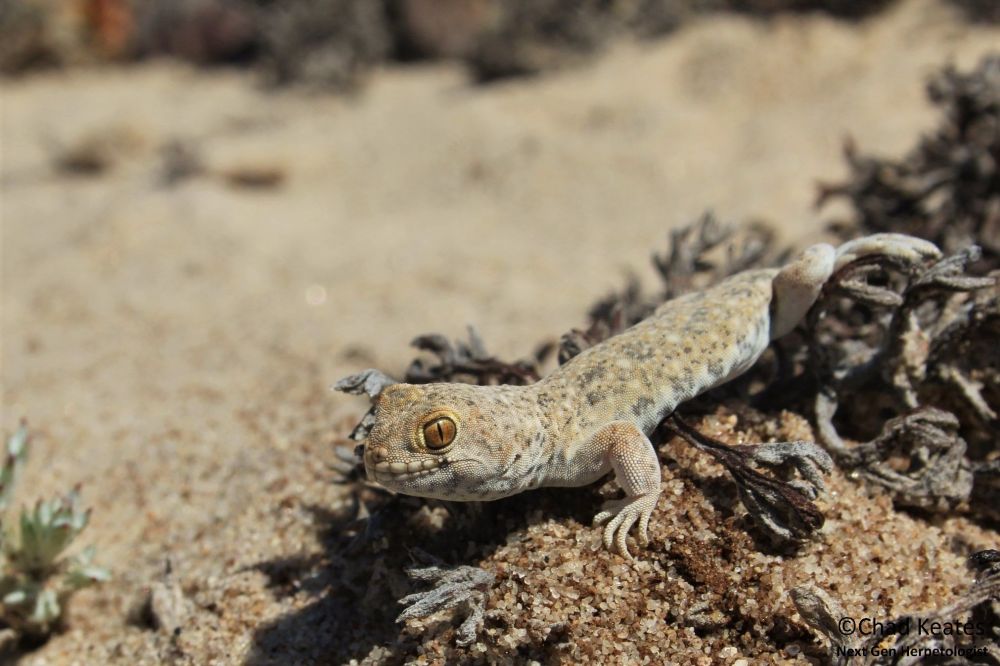
from Port Nolloth, Northern Cape, South Africa
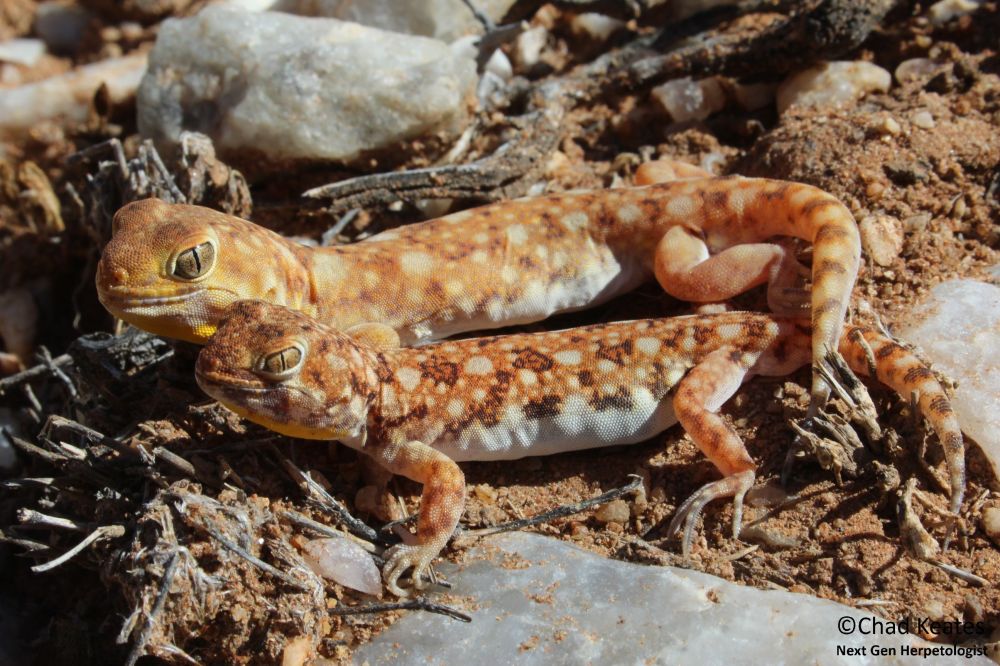
from Aggeneys, Northern Cape, South Africa
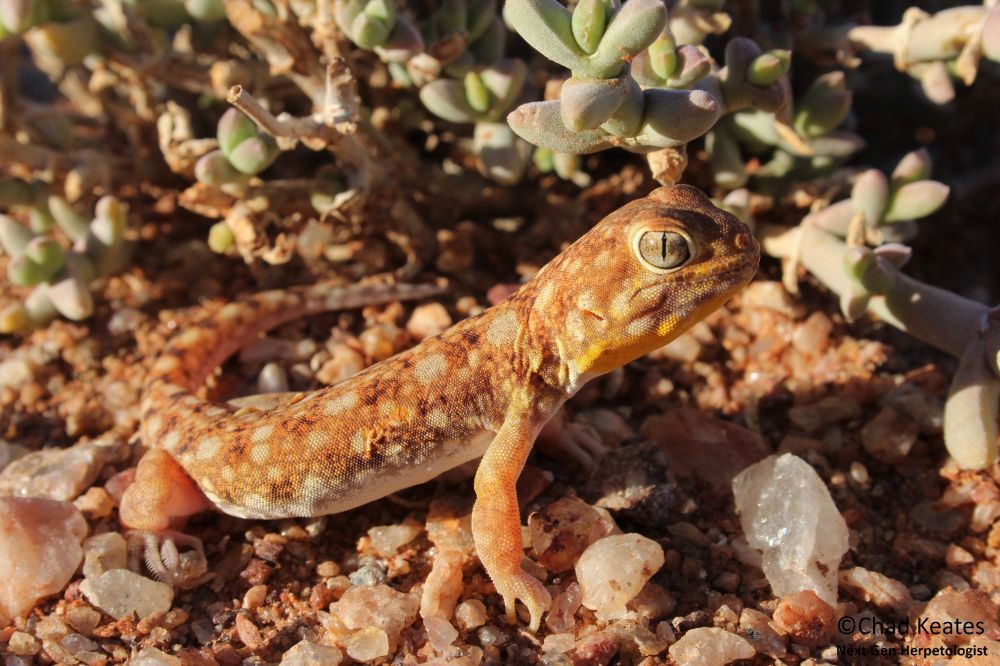
from Aggeneys, Northern Cape, South Africa
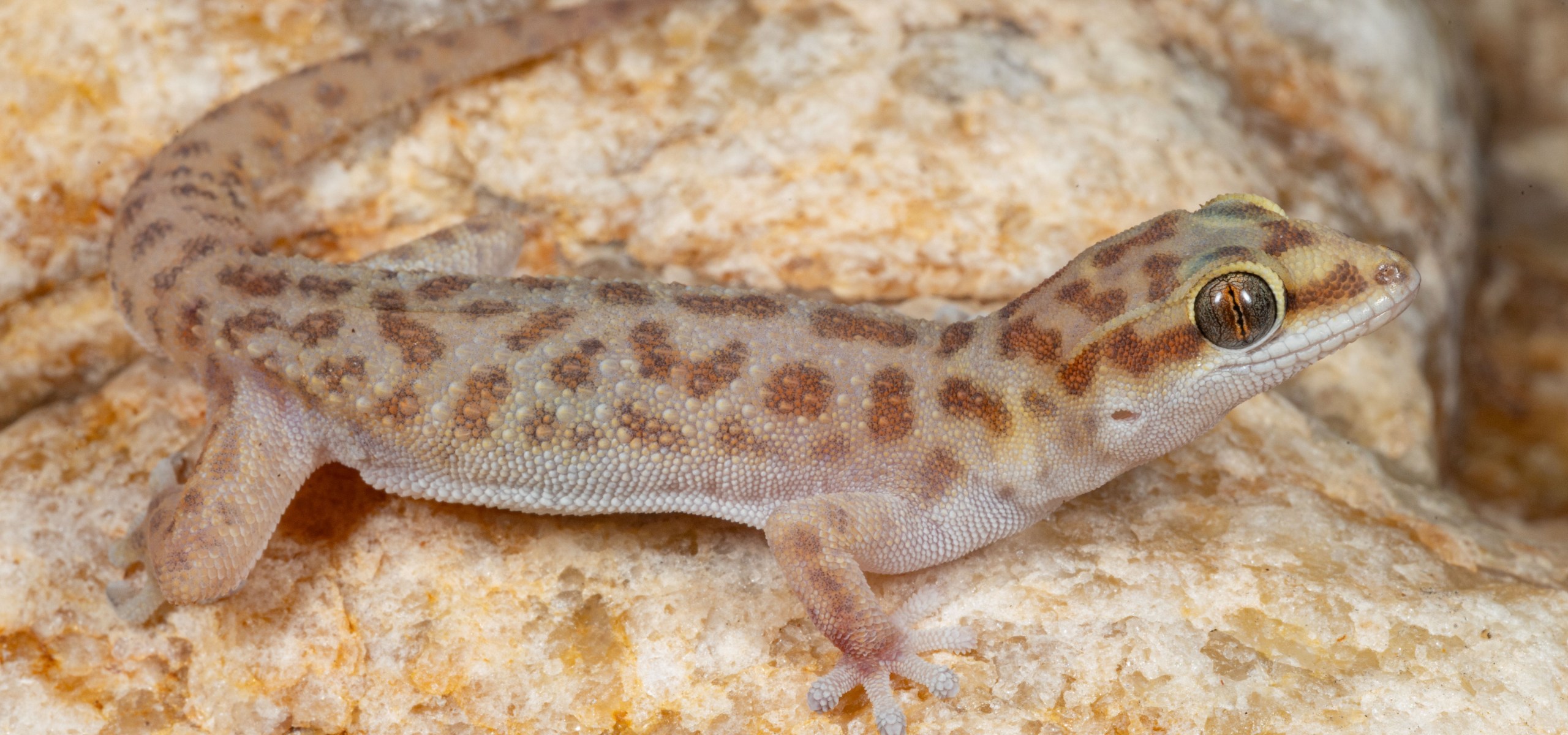

from Aggeneys, Northern Cape, South Africa
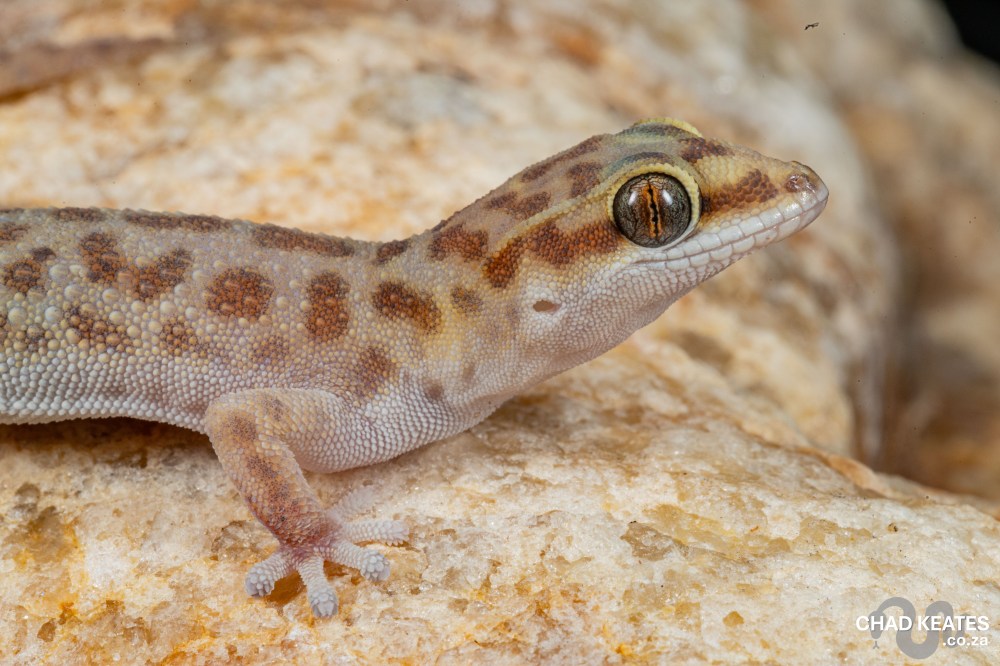
from Aggeneys, Northern Cape, South Africa

from Augrabies, Northern Cape, South Africa

from Augrabies, Northern Cape, South Africa









Southern Africa plays host to two species of monitor lizards, the Water/Nile Monitor and the Rock Monitor. These animals are often confused with crocodiles because of their large size, and similar ecology (Nile/Water Monitors live near water). Despite their apparent similarities, they could not be more different.
Both monitor lizards fall into the family Varanidae which means they are closely related to the world-renowned Komodo Dragon.
Firstly they are distantly related genetically and evolutionarily, which is illustrated by the fact that monitor lizards are lizards and are thus more closely related to snakes than crocodiles. Secondly, monitor lizards pose absolutely no threat to human beings. They don’t hunt or predate upon humans, and prefer much smaller prey. They will only bite, scratch, or strike you with their tails if they feel cornered or directly threatened. If you leave them alone they will stay well clear.
These animals go by many names, and are often interchangeably referred to as either monitor lizards or leguaans. While the leguaan is often ascribed to the Water/Nile Monitor there are instances where the Rock Monitor is referred to as the Rock Leguaan.
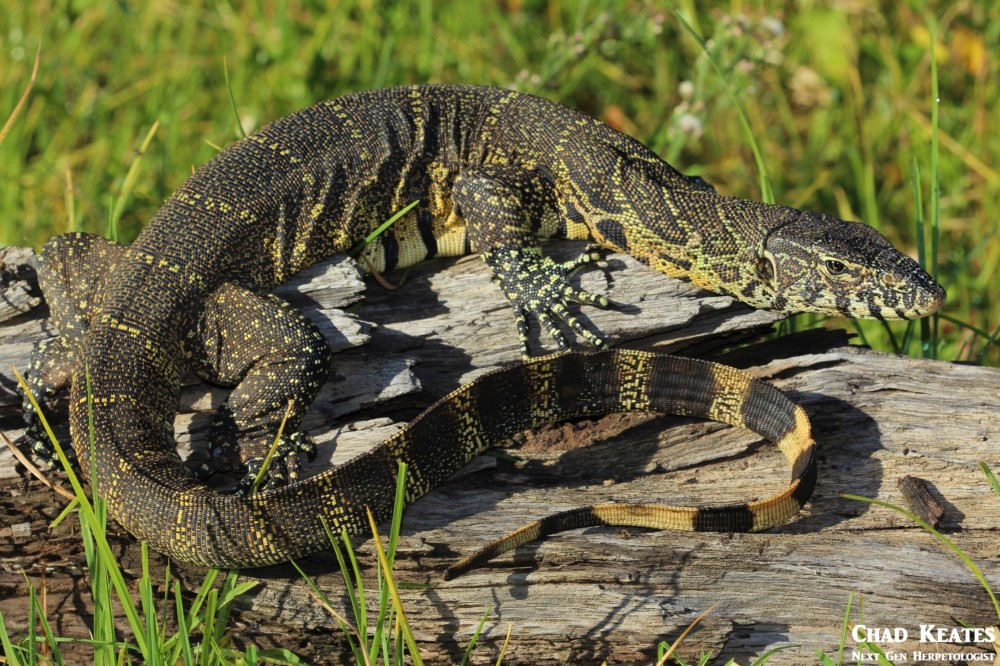
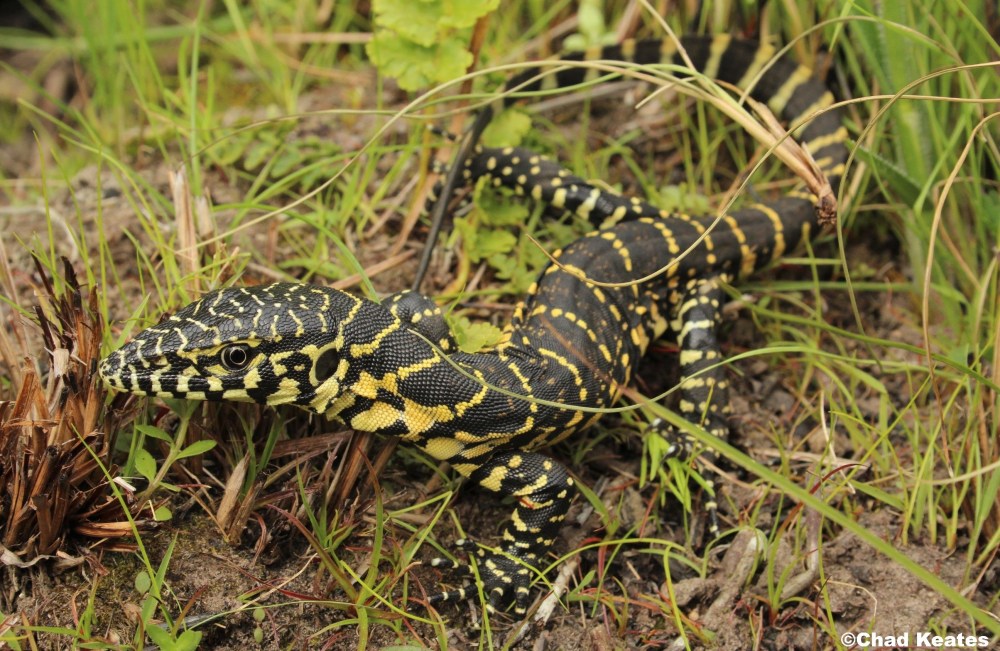
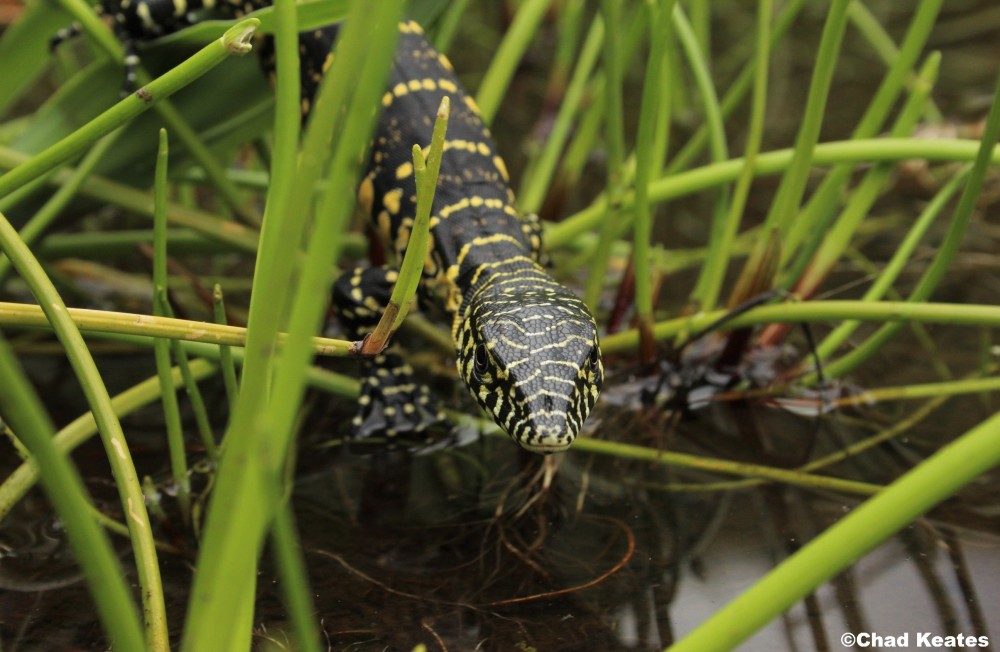
Nile/Water Monitor – Varanus niloticus
Family: Varanidae.
Length: 120-220cm.
Description: The lizard is black and yellow with an elongated head and a flat tail to aid in swimming. Juveniles are usually more vividly coloured than adults.
Distribution: The species is present in the eastern part of Southern Africa but it is also present along the Orange river all the way to the Atlantic ocean. The species reaches is southern-most limit at Seekoei river, Eastern Cape and is thus not present in the Western Cape.
Habitat: Closely associated with water sources such as dams, pans and rivers where it can be found from 0-1600m above sea level.
Reproduction: Oviparous, a female can lay up to 60 eggs. females lay their eggs in live termite mounds and juveniles emerge from the termite mound 4-6 months later.
Diet: Freshwater Crabs and mussels, frogs, fish, birds and their eggs. Nile monitors are also known to eat the eggs of terrapins, sea turtles and crocodiles. Juveniles tend to stick to reed beds in shallow water where they hunt frogs and insects
Predators: Crocodiles and southern African pythons are among the main predators of the nile monitor.
Conservation concern: Common and widespread. They are not of conservation concern.
Threat to humans: Non-venomous, but an adult may bite or thrash their powerful tail if they feel threatened.
Interesting facts: Africa’s largest lizard.
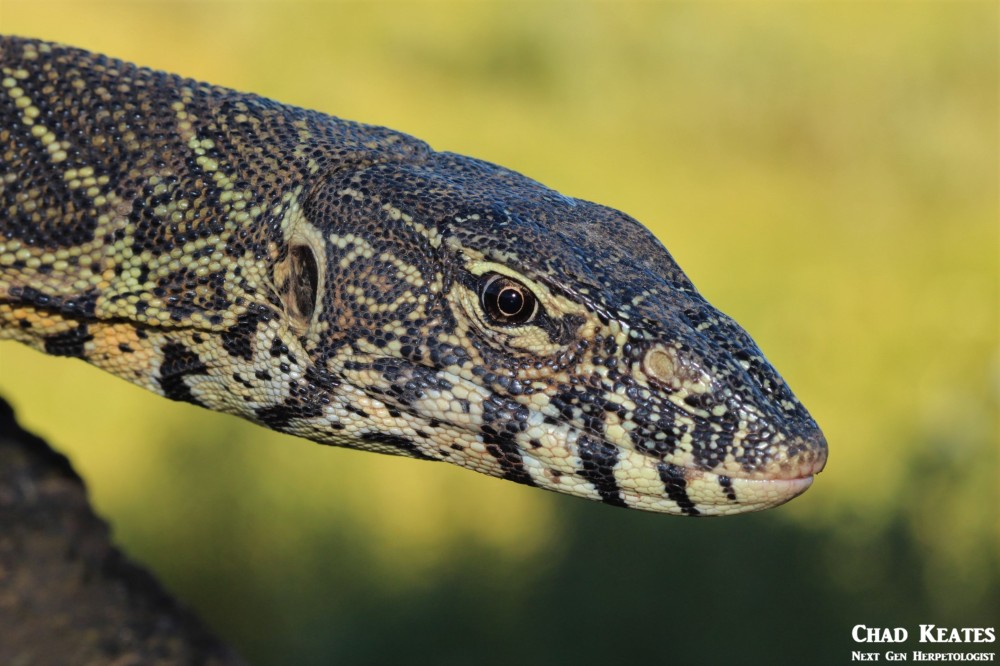
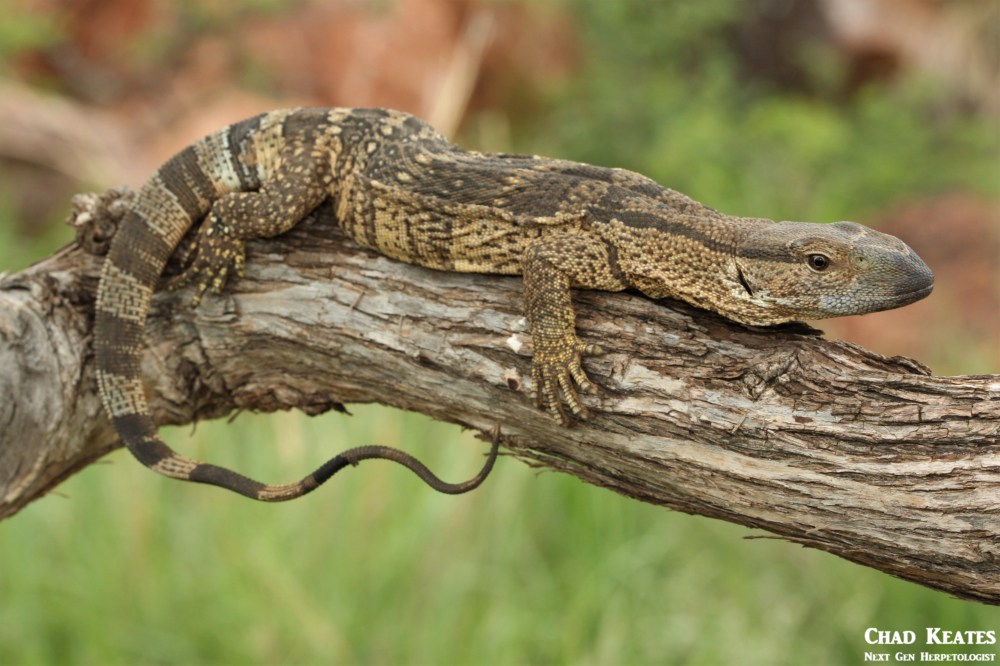
Rock Monitor – Varanus albigularis
Family: Varanidae.
Length: 100-150cm.
Description: The rock monitor is smaller than the nile monitor. It has strong, stocky limbs and an large swollen snout. The tail is longer than the body and the body is dark brown/grey with dark blotches spread across the back. the juveniles are more vividly coloured than adults with a less pronounced snout.
Distribution: It is found throughout the savannah and semi-arid regions of the southern and eastern parts of Southern Africa. It is absent from western Western Cape and the southern Northern Cape.
Habitat: Closely associated with rocky outcrops where it tunnels underneath rock overhangs to create burrows. Also known to use abandoned animal burrows and climb trees.
Reproduction: Lays 8-50 eggs in soft soil.
Diet: Mainly invertebrates but will hunt and eat animals small enough to swallow. Also eats carrion and baby tortoises.
Predators: The martial eagle is the main predator of adults.
Conservation concern: Common and widespread. They are not of conservation concern.
Threat to humans: Non-venomous, but an adult may bite or thrash their powerful tail if they feel threatened.
Interesting facts: If threatened, the rock monitor may eject its cloacal contents or sham death.

Resources:
Bates, M.F., Branch, W.R., Bauer, A.M., Burger, M., Marais, J., Alexander, G.J. & de Villiers, M.S. (eds). 2014. (CD set). Atlas and Red List of the Reptiles of South Africa, Lesotho and Swaziland. Suricata 1. South African National Biodiversity Institute, Pretoria.
Branch, B. 1994. Snakes and other Reptiles of Southern Africa. Cape Town. STRUIK.
Branch, B. 2016. Snakes and other Reptiles of Southern Africa. Cape Town. STRUIK Nature.

Recently I visited Durban, and more specifically Westville to see my cousins after a long year of work. While I was excited to see my cousins, and catch up, I was also excited to see some new ‘herps’ in Kwazulu Natal, one of the provinces with the highest diversity of reptiles and amphibians in South Africa. What I didn’t expect was just how much I would see.
Westville
Whilst there I spent my spare time searching around my cousin’s house and around the river that bordered their property. Just on their property I was lucky enough to find a brown water snake, several frog species and a red-lipped herald mid-meal. Although great, none of these were ‘lifers’ for me and so in order for me to find the fabled KZN diversity, I enlisted the help of two well-known KZN herpers, Tyrone Ping and Nick Evans.

Red lipped herald (Crotaphopeltis hotamboeia) eating a guttural toad (Sclerophrys gutturalis)
Midlands
I met Nick for the first time on the 8th of December and he invited me to join himself and fellow ‘herpers’, Dylan Leonard and Courtney Robert Hundermark, on a trip to the Midlands. Before we went to the Midlands, a trip that was set for the evening, I tagged along on an last-minute, morning search for the endangered Smith’s Dwarf Burrowing Skink (Scelotes inornatus) in the Bluff. I am happy to say, I saw it… well some of it. To be honest, I only saw the tail of the lizard, because before it could be scooped out of the soft, coastal soil, it burrowed, never to be seen again. Soon after my first Smith’s Dwarf Burrowing Skink’s tail, I returned back to my cousin’s place in preparation for the evening, an evening in the Midlands.
That night I saw my first rhythmic caco (Cacosternum rhythmum) and Natal Midlands Dwarf Chameleon (Bradypodion thamnobates). It was an awesome experience and whilst chameleons have never been my favourite, I must admit that the Natal Midlands Dwarf chameleon is one cute individual, well worth the search. Thanks to Nicks knowledge and experience in the area, I was able to cross two new ‘herps off my list’.

Rhythmic caco (Cacosternum rhythmum)

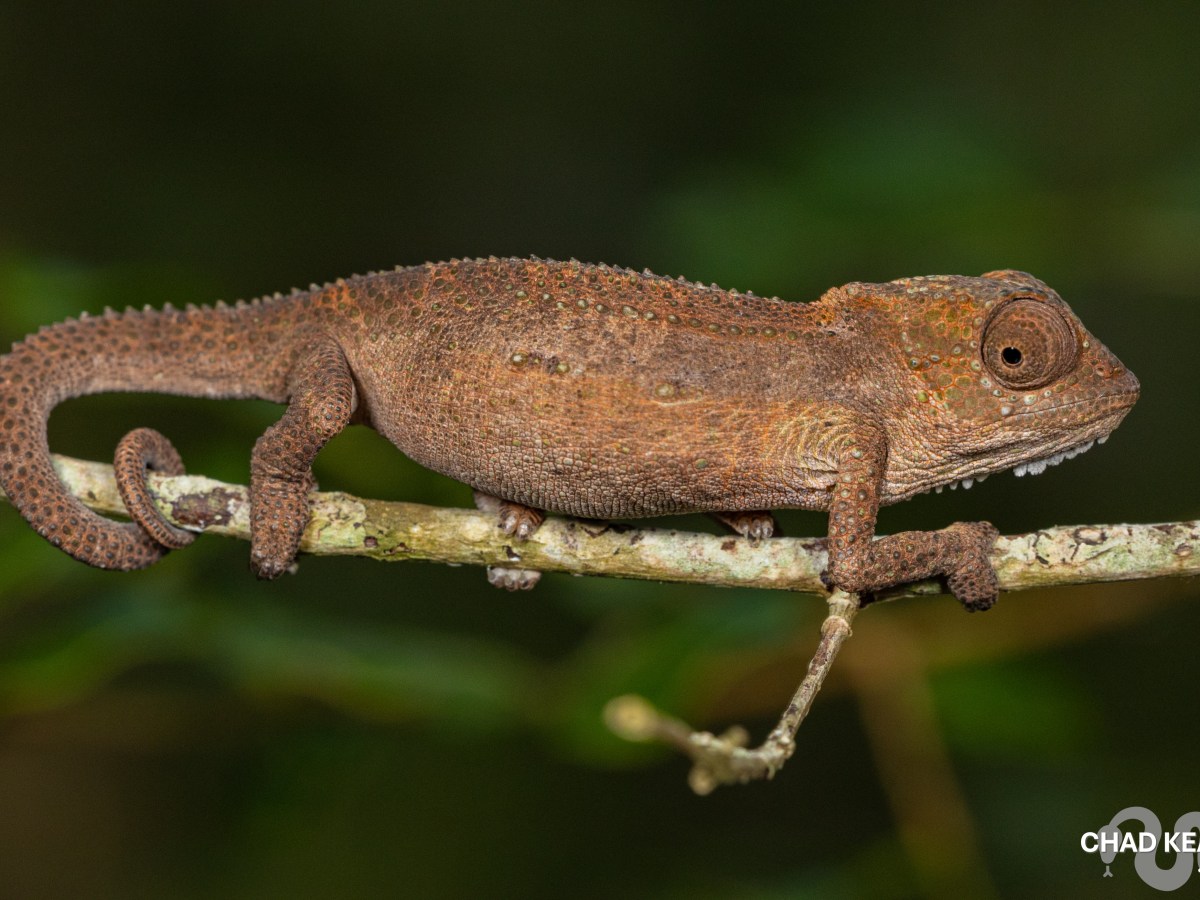
Natal midlands dwarf chameleon (Bradypodion thamnobates)
Umhlanga
For my last evening in Durban (11th of December) I organised to meet up with Tyrone Ping. This was not my first-time meeting Tyrone, as I had first met him earlier in the year, when he came down to Grahamstown in search of the yellow-bellied house snakes. This time was different however because unlike last time, I was new to the terrain I was ‘herping’. Although excited, I was also very sick but irrespective of pain, I mustered the strength to join Tyrone on a ‘herping’ trip to Umhlanga, the area he knew best, and I have got to say, the reward was well worth the pain. With Tyrone’s expertise and knowledge of the area, I was able to see and photograph nine new species of reptile and amphibian, a great day by any standard.

Natal tree frog (Leptopelis natalensis)
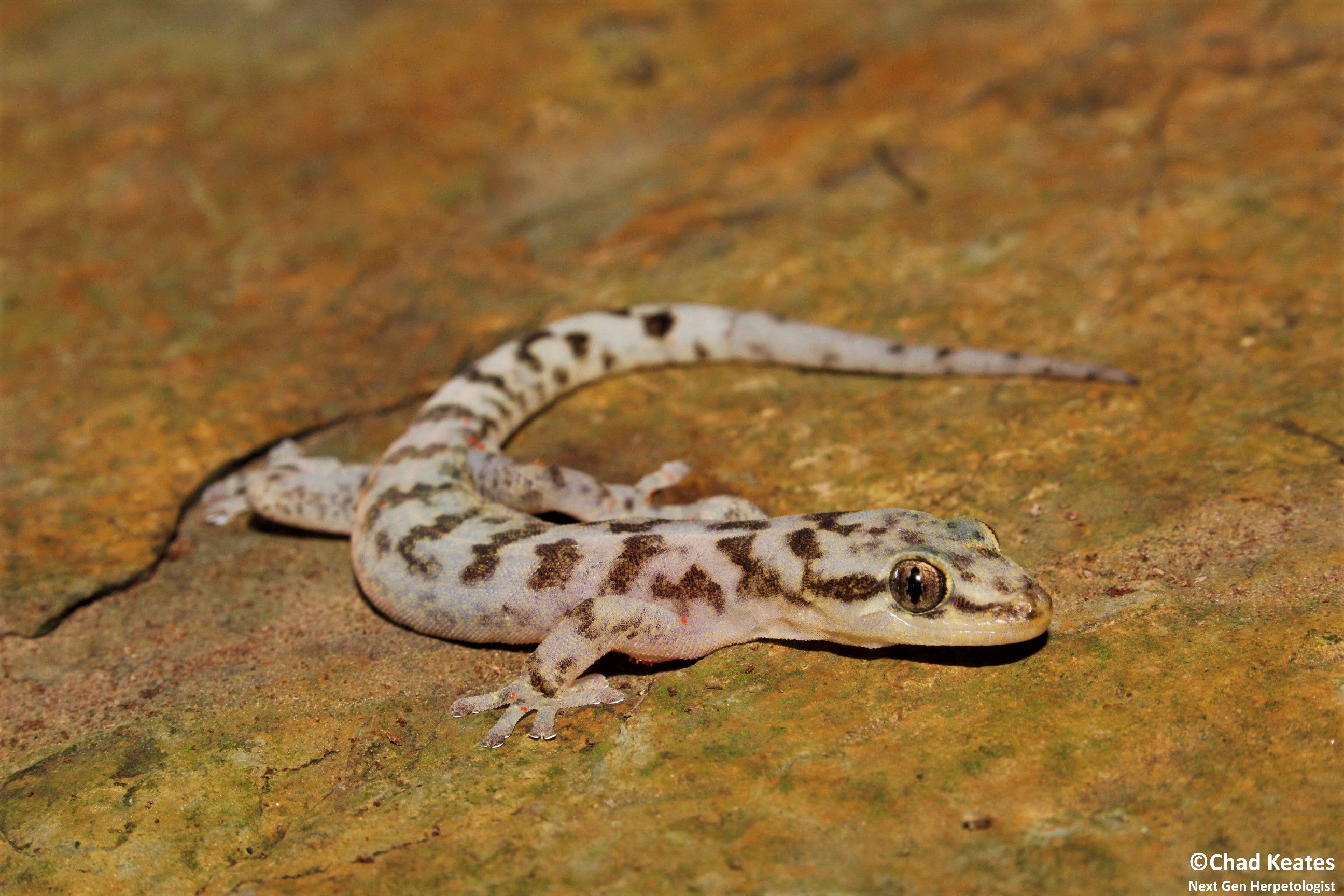
Pondo flat gecko (Afroedura pondolia)
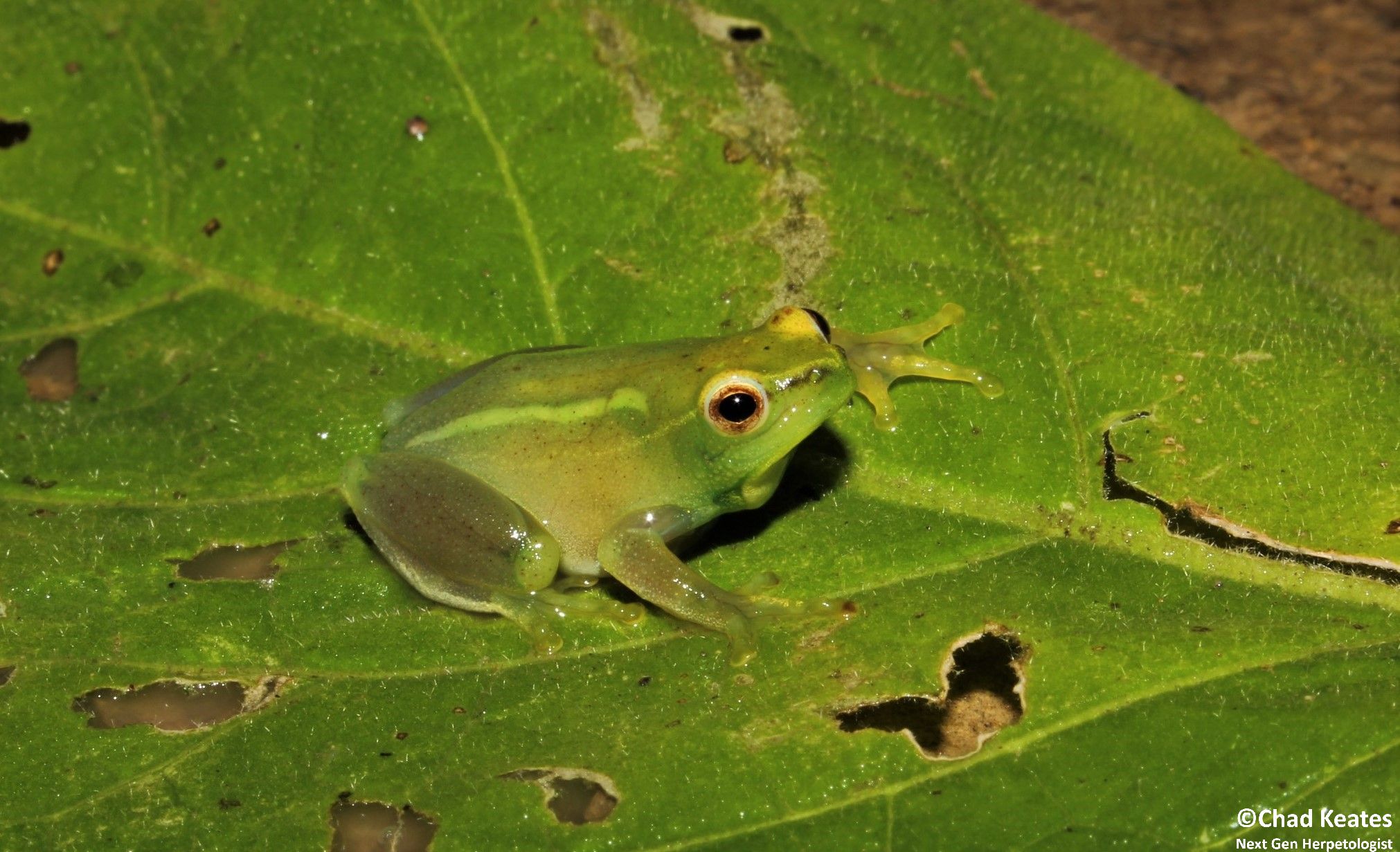
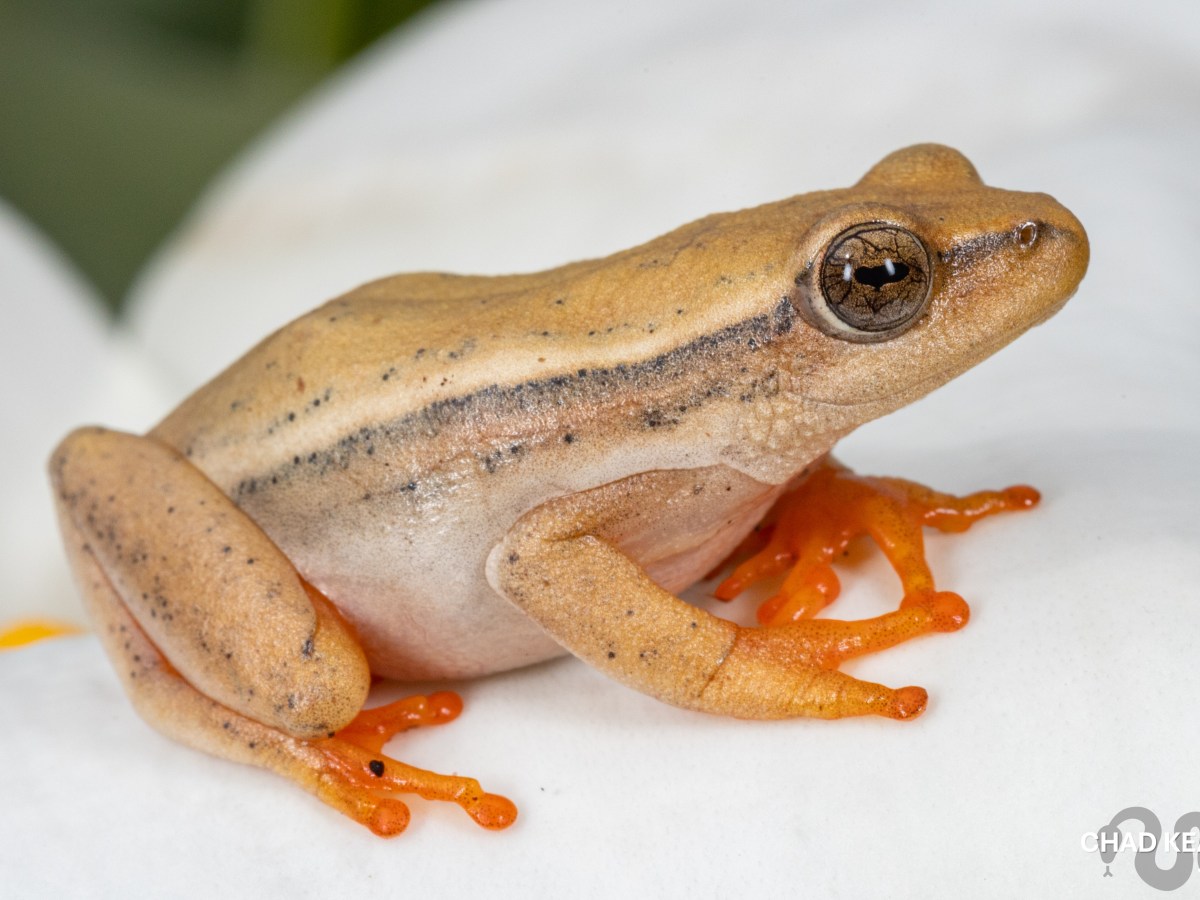
Water lily frog (Hyperolius pusillus)

Delicate leaf-folding frog (Afrixalus delicatus)
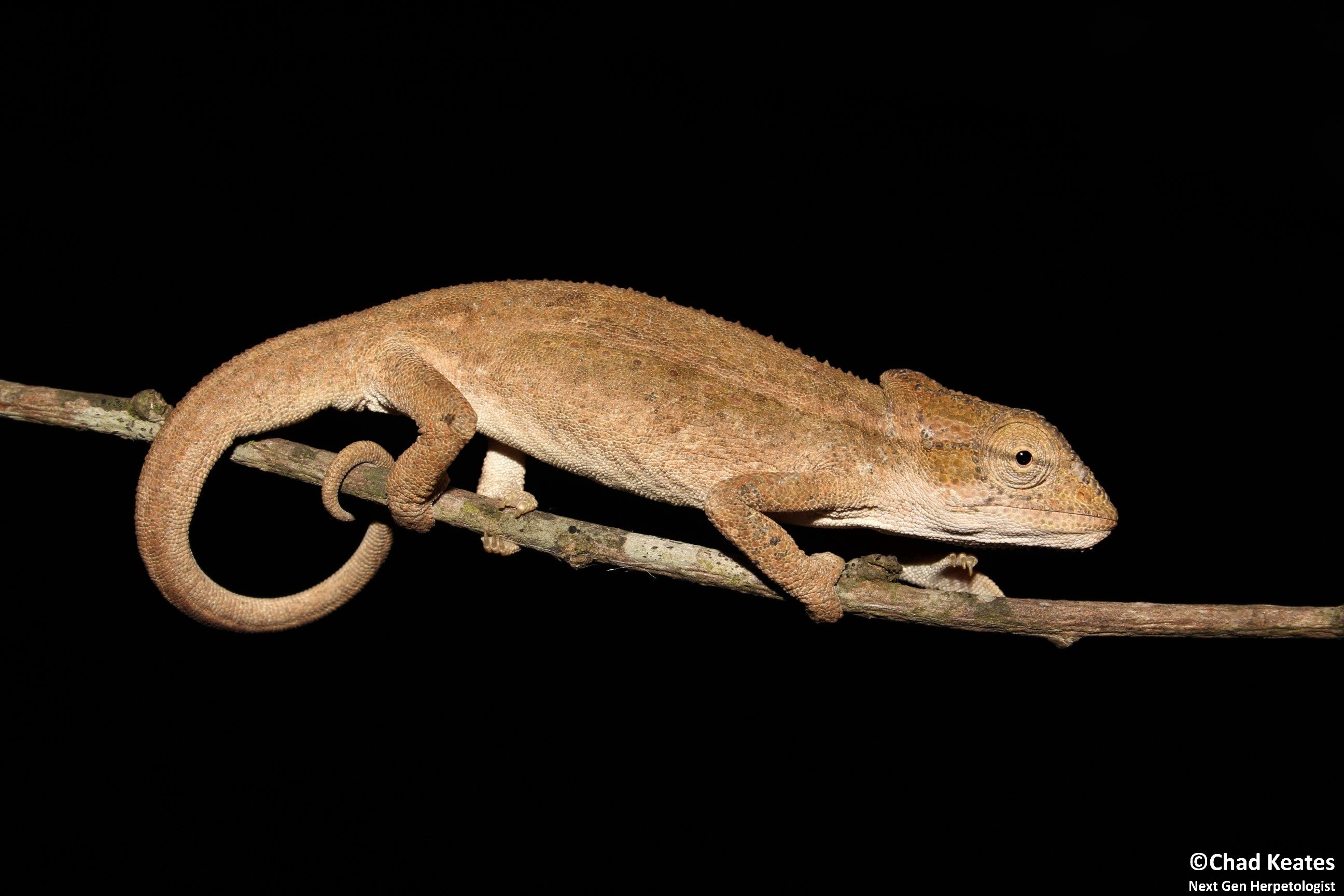
Kwazulu natal dwarf chameleon (Bradypodion melanocephalum)
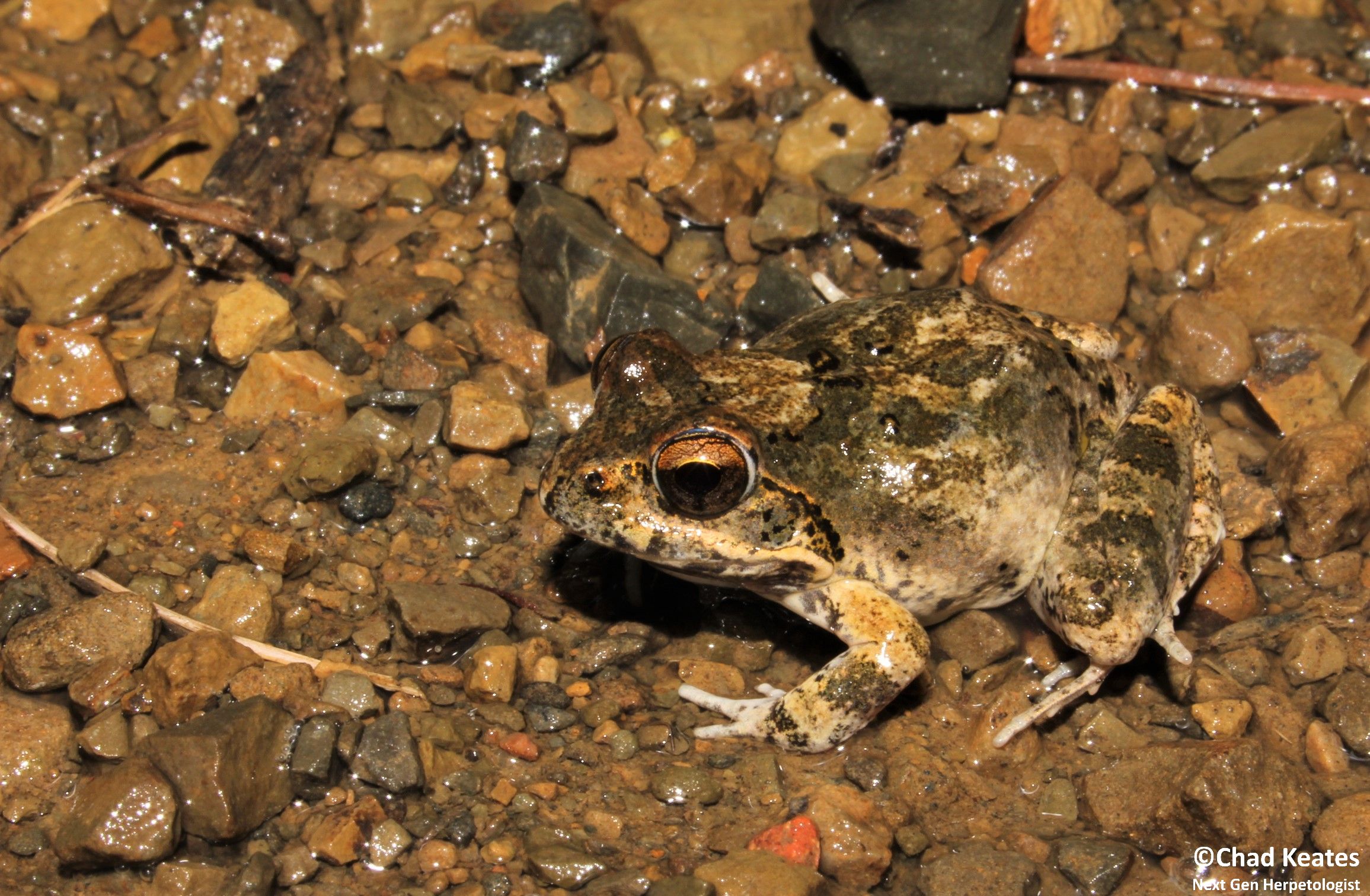
Natal sand frog (Tomopterna natalensis)
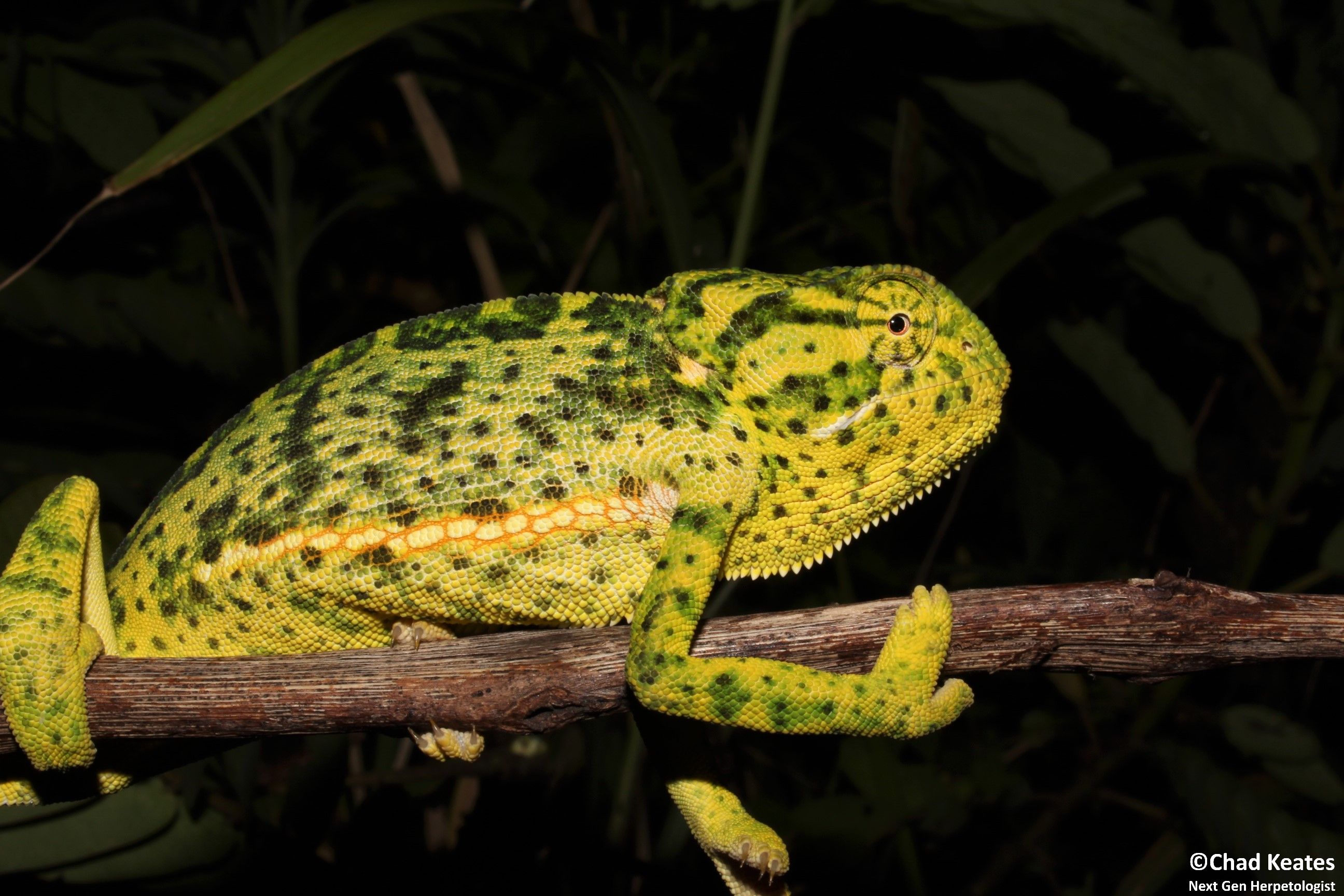
Flap-necked chameleon (Chamaeleo dilepsis)

Tinker reed frog (Hyperolius tuberilinguis)
My trip to Umhlanga was a great end to a very great ‘herping’ trip to Durban, especially since I was only ‘herping’ on the side. Thanks to everyone that ‘herped’ with me in the great unknown that is Kwazulu Natal and thanks once again to Tyrone Ping and Nick Evans for their time and knowledge.

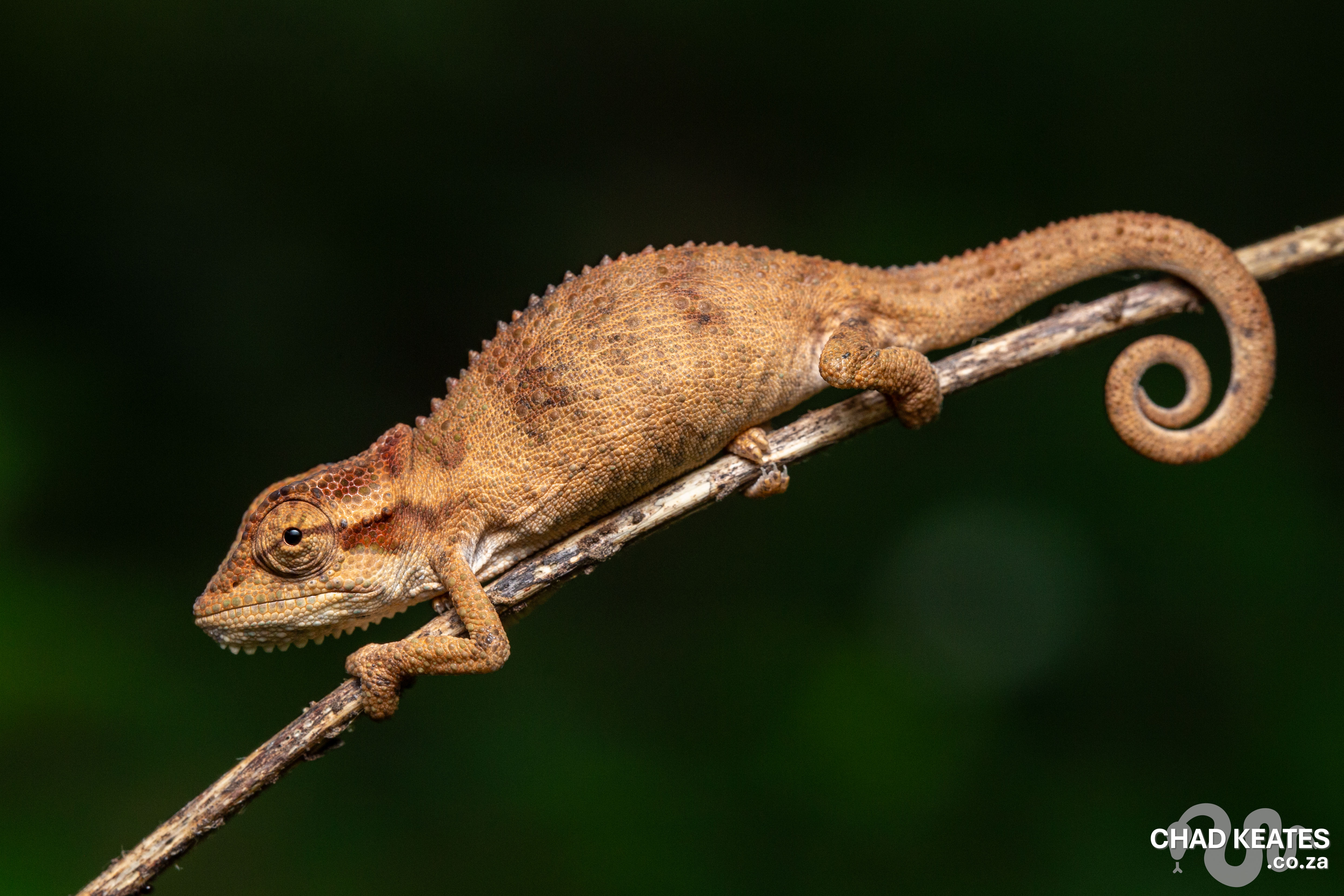
from Westville, KwaZulu Natal, South Africa
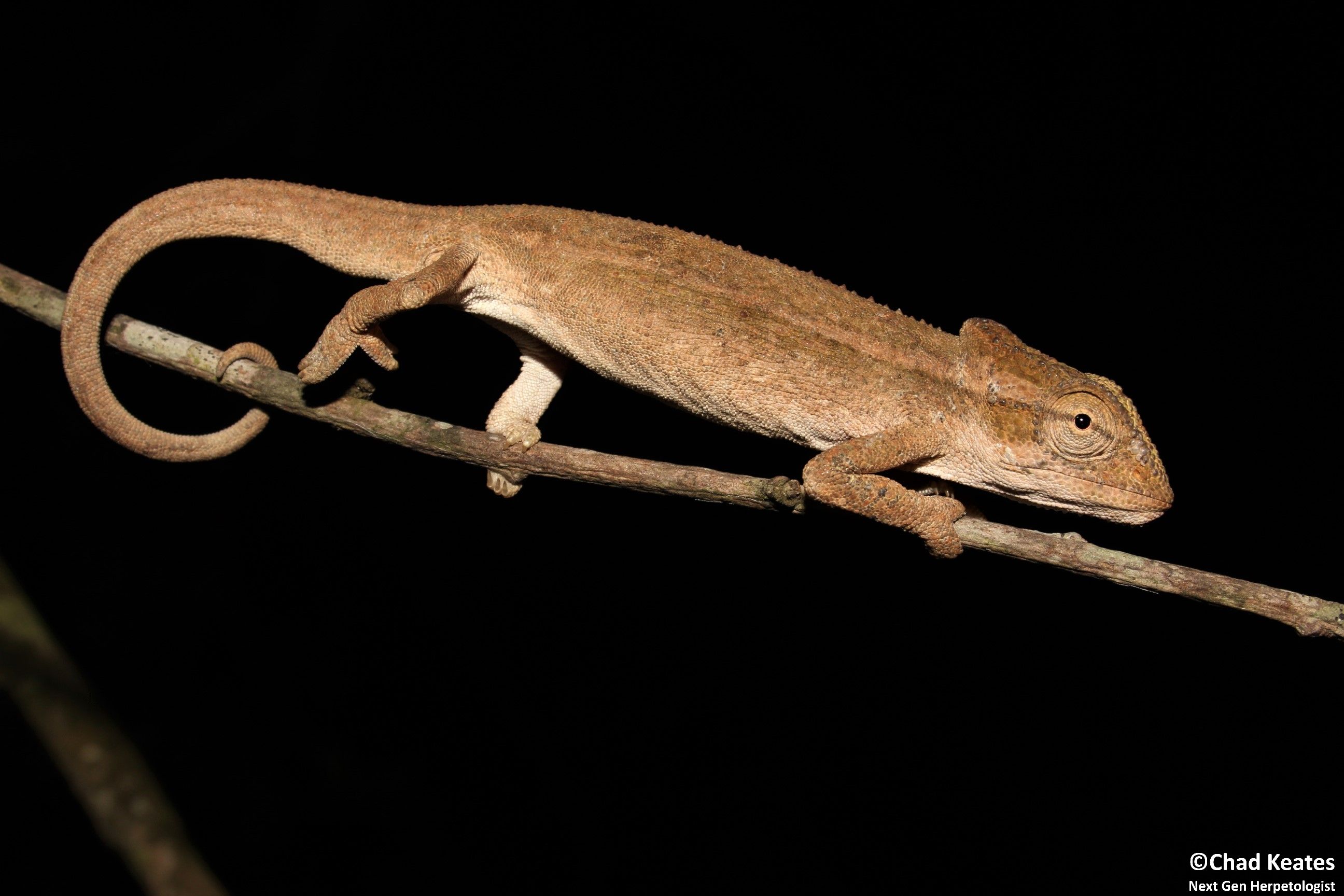
from Umhlanga, KwaZulu Natal, South Africa
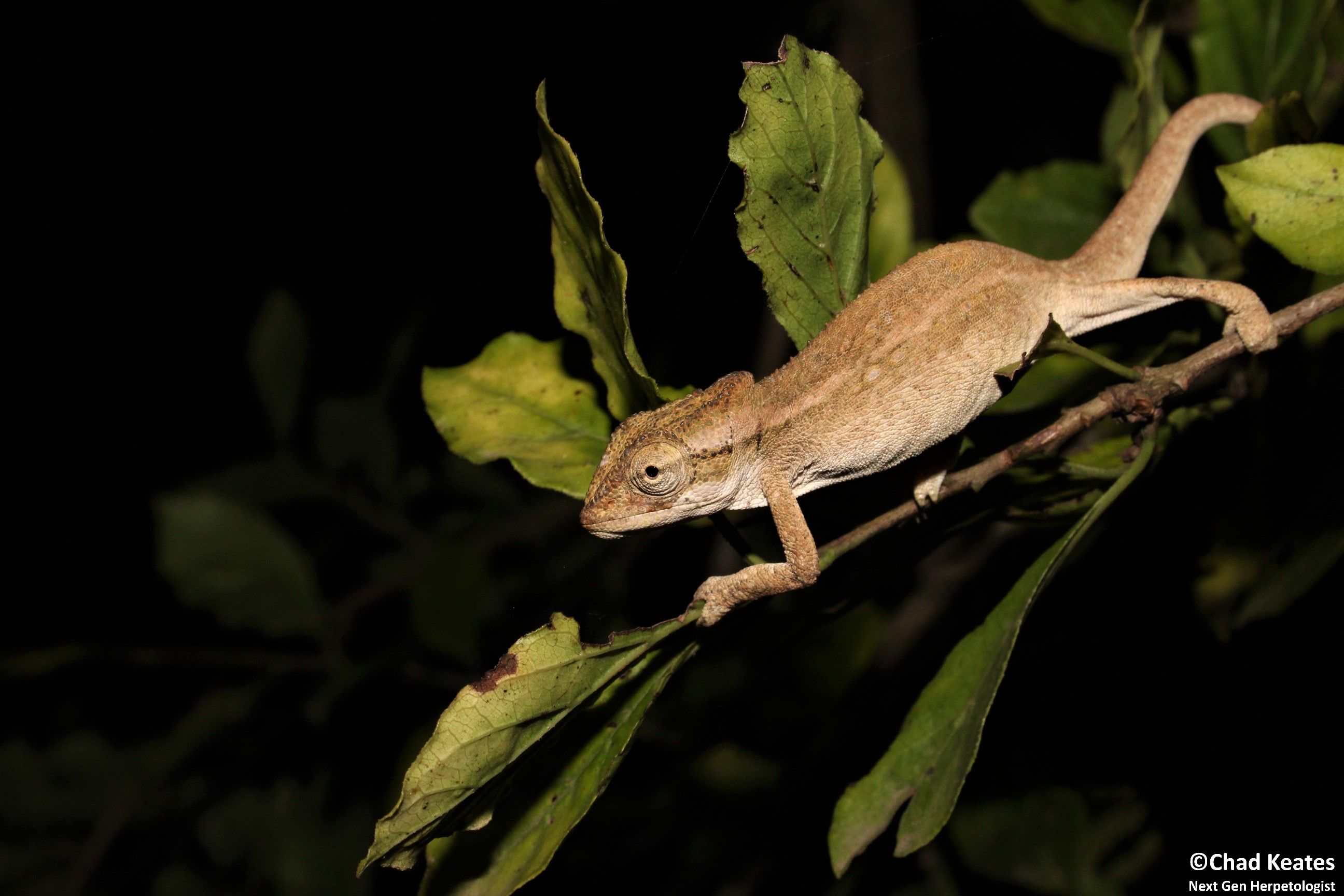
from Umhlanga, KwaZulu Natal, South Africa
from Umhlanga, KwaZulu Natal, South Africa
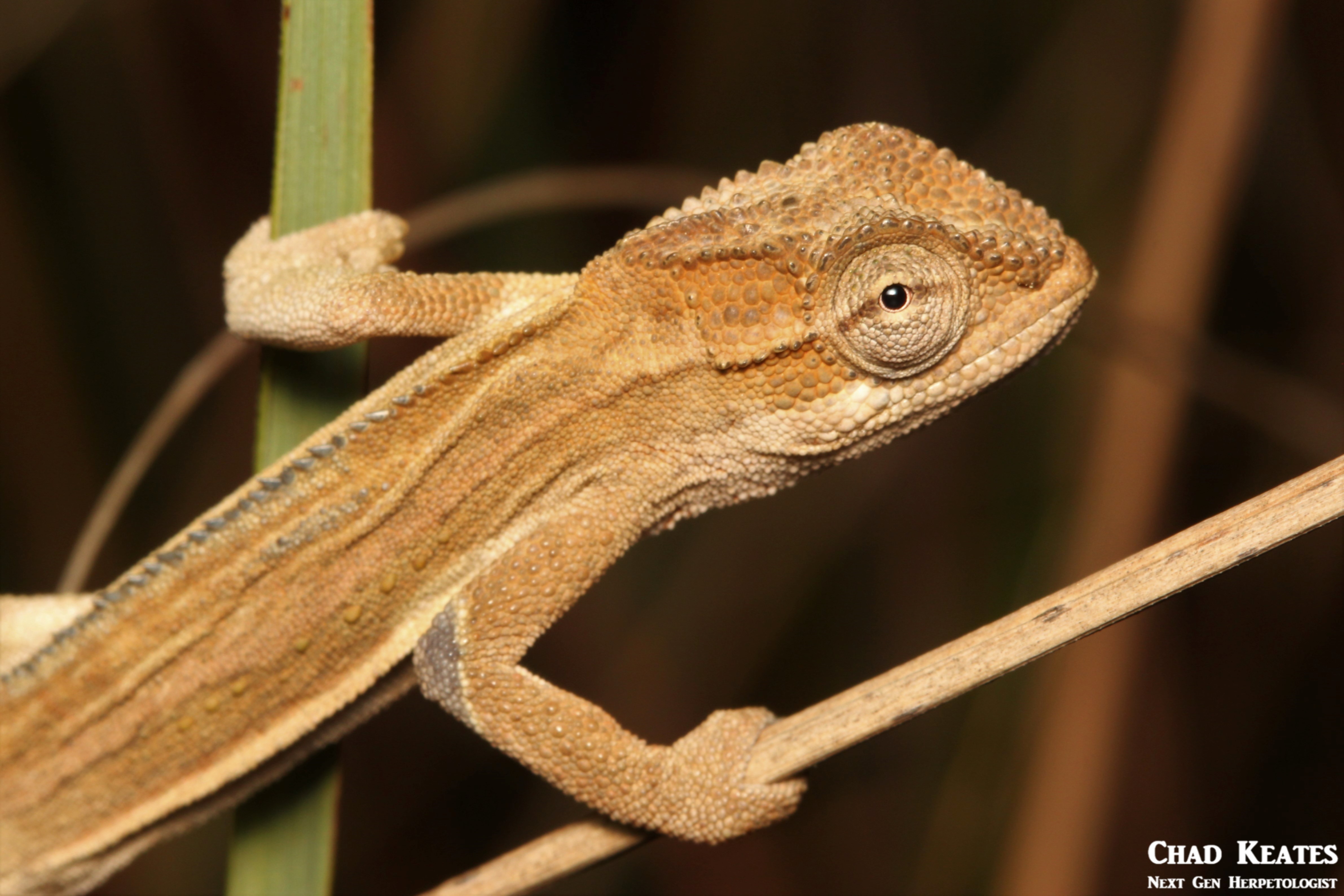
from Midlands, KwaZulu Natal, South Africa

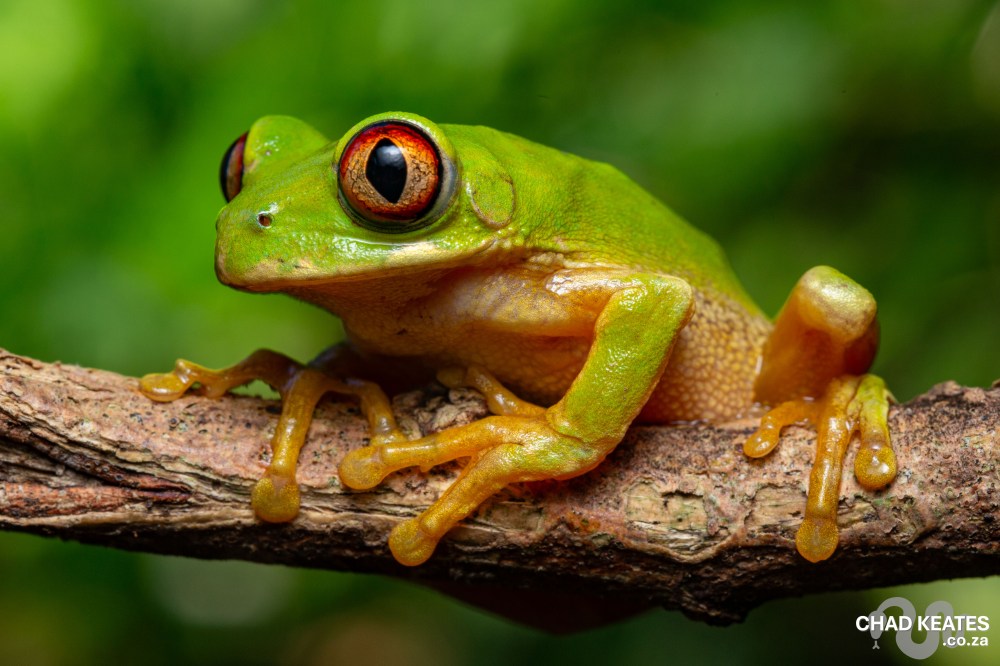
from Eshowe, KwaZulu Natal, South Africa
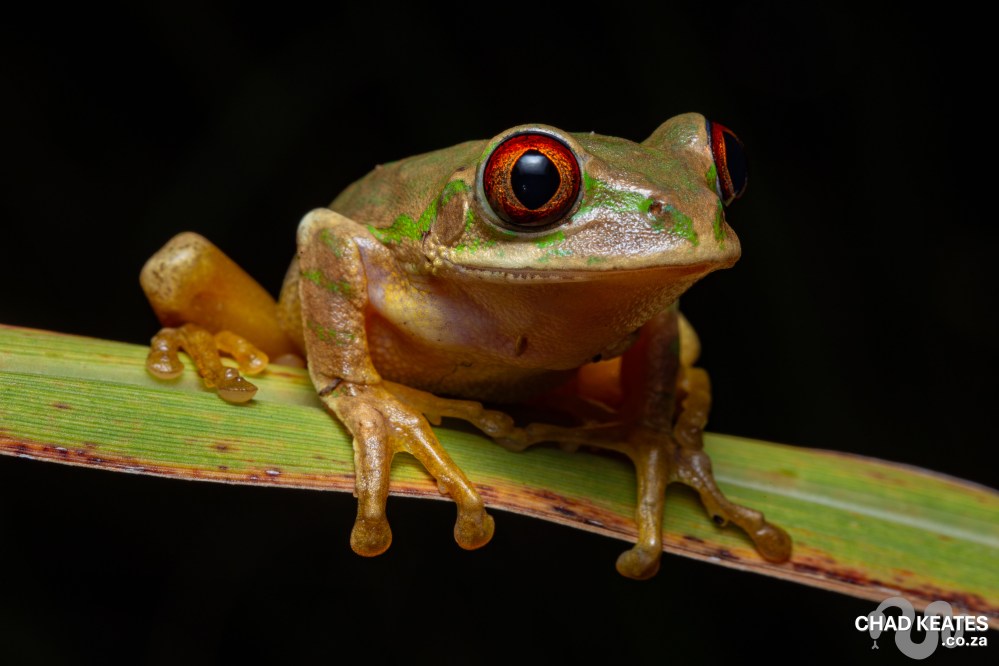
from Mount Moreland, KwaZulu Natal, South Africa
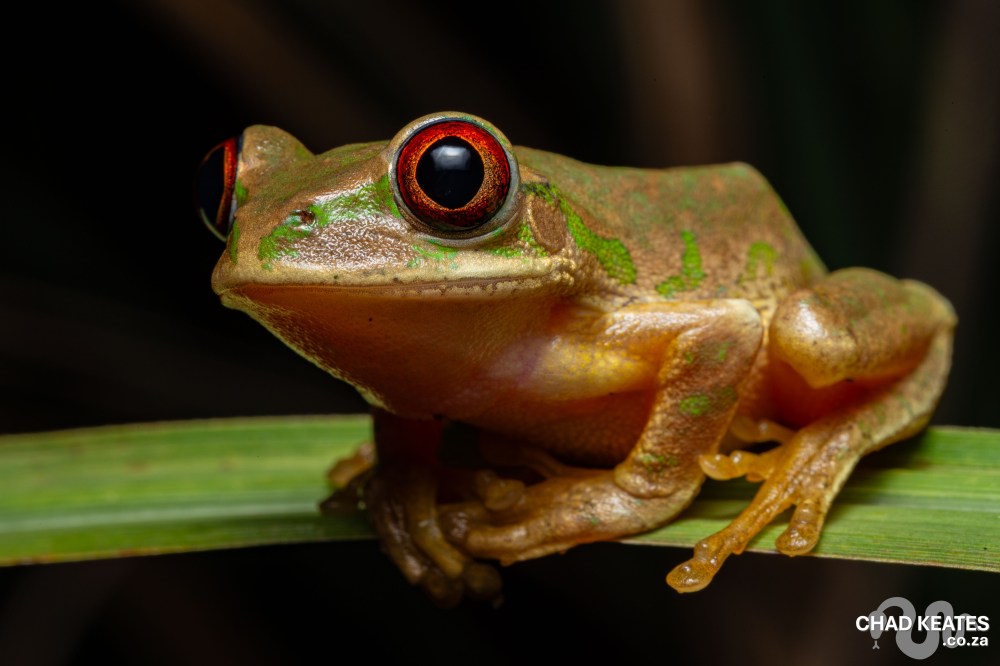
from Mount Moreland, KwaZulu Natal, South Africa
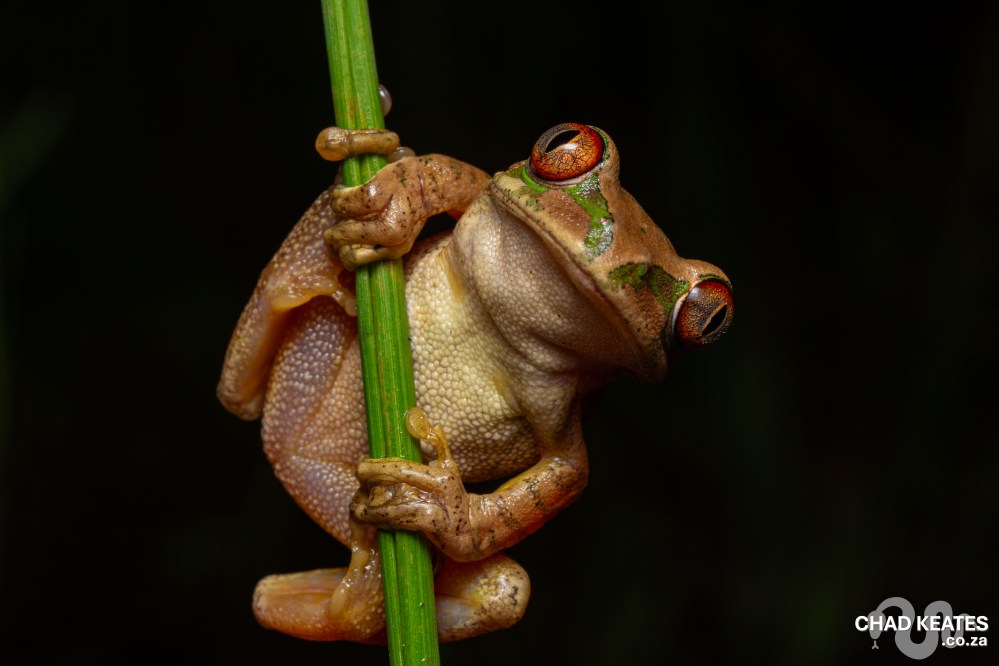
from Mount Moreland, KwaZulu Natal, South Africa

from Mount Moreland, KwaZulu Natal, South Africa

from Eshowe, KwaZulu Natal, South Africa

from Eshowe, KwaZulu Natal, South Africa
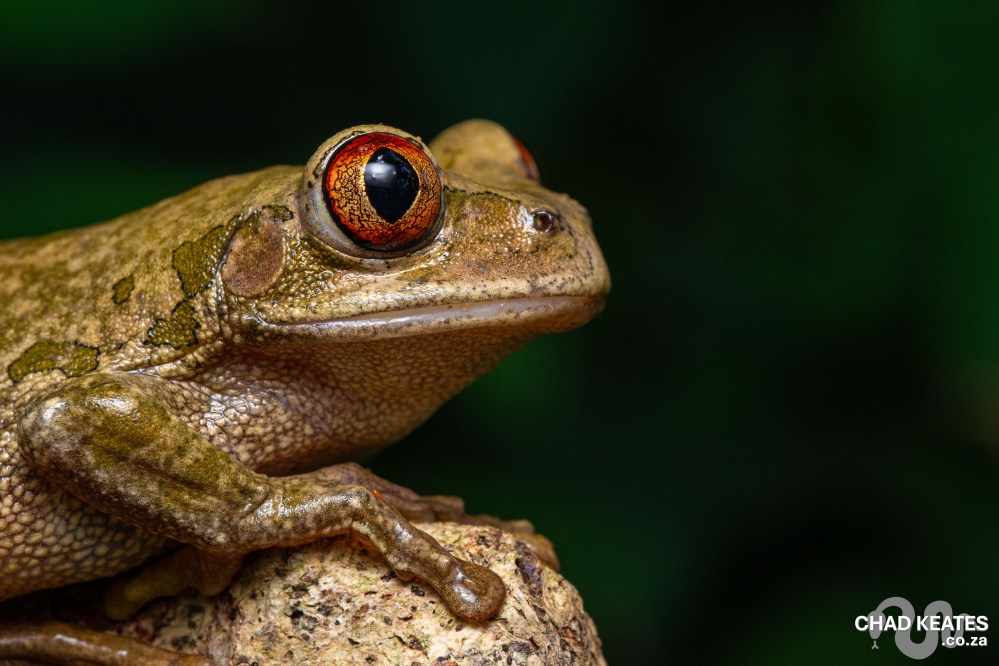
from Eshowe, KwaZulu Natal, South Africa
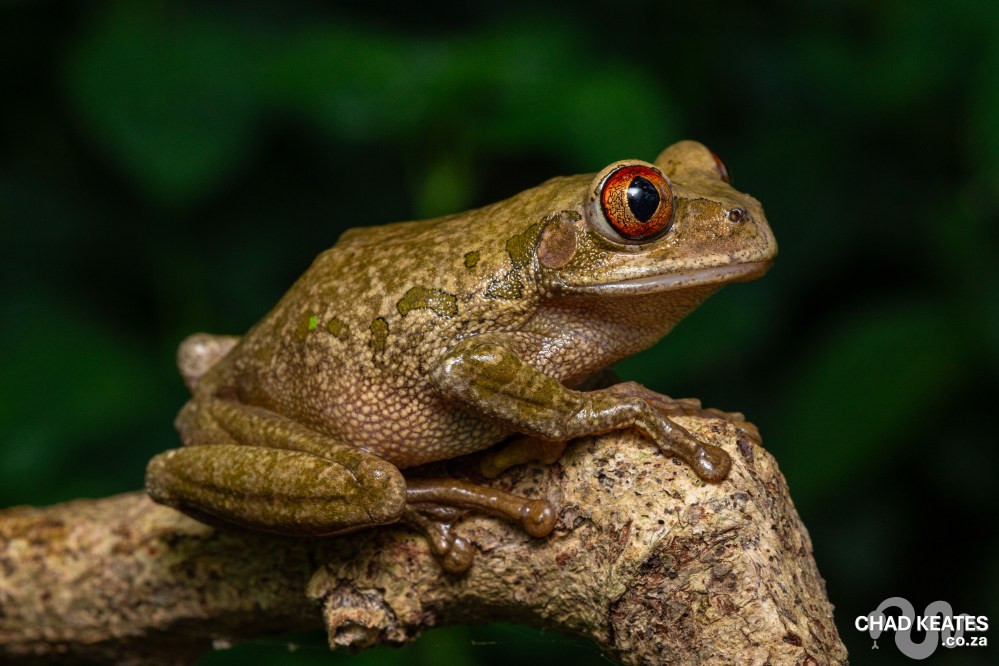
from Eshowe, KwaZulu Natal, South Africa

from Eshowe, KwaZulu Natal, South Africa

from Eshowe, KwaZulu Natal, South Africa

from Eshowe, KwaZulu Natal, South Africa
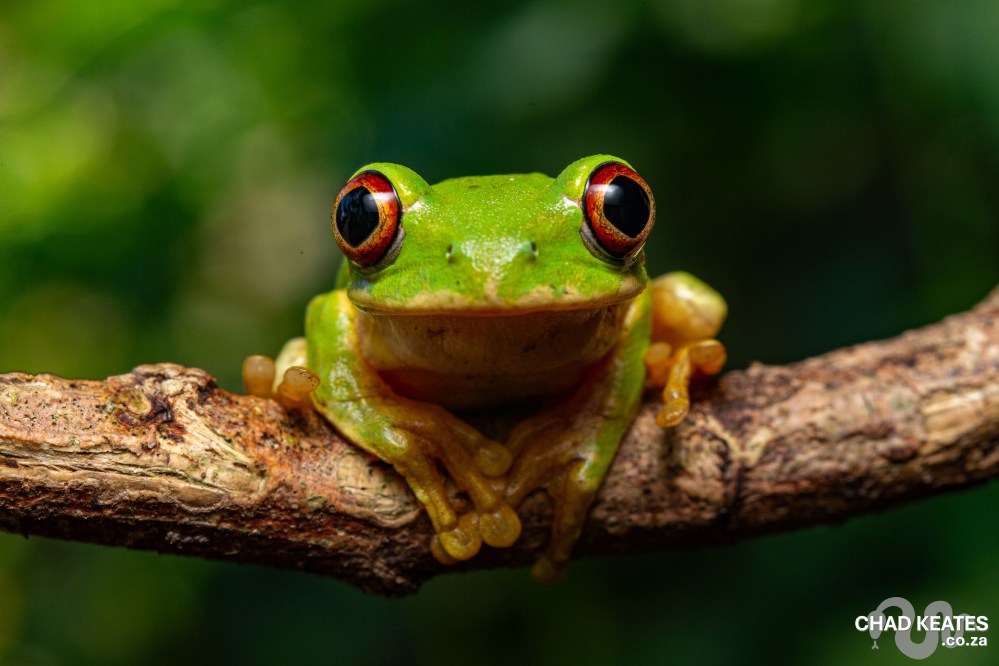
from Eshowe, KwaZulu Natal, South Africa
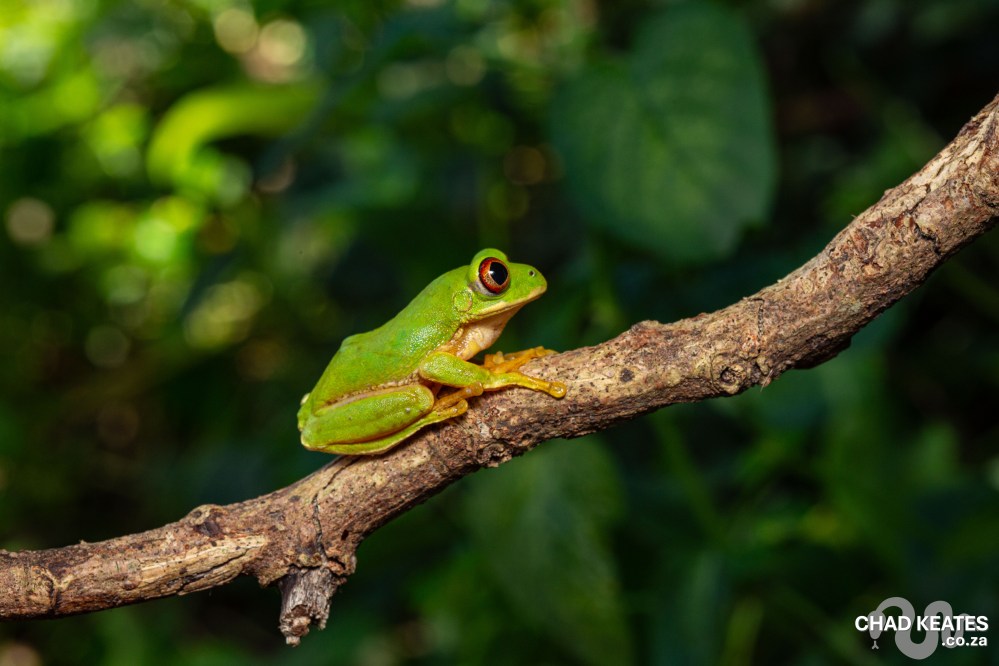
from Eshowe, KwaZulu Natal, South Africa

from Eshowe, KwaZulu Natal, South Africa
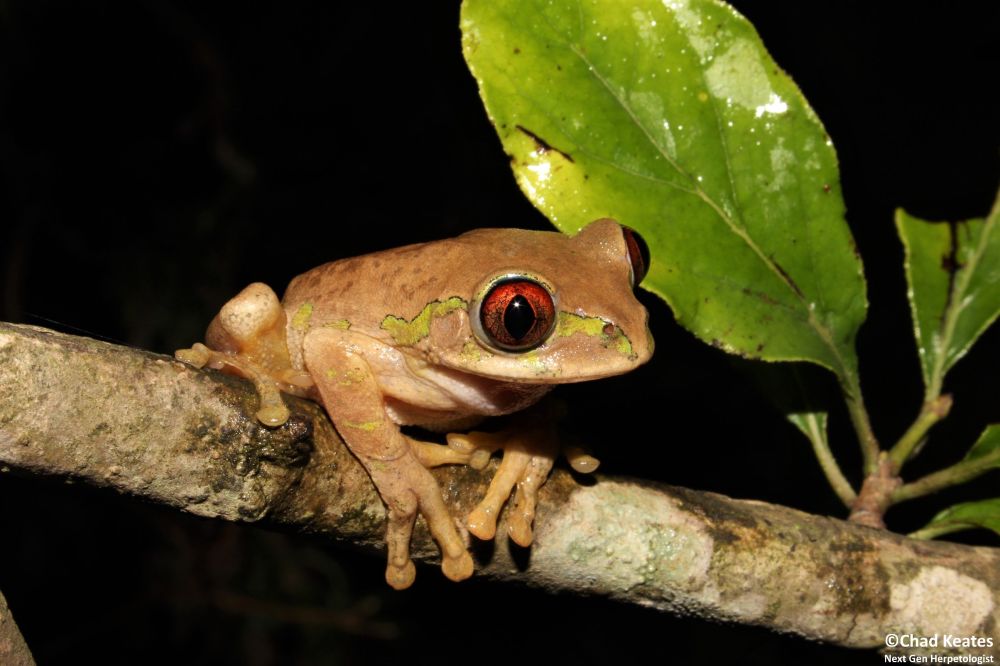
from Umhlanga, KwaZulu Natal, South Africa
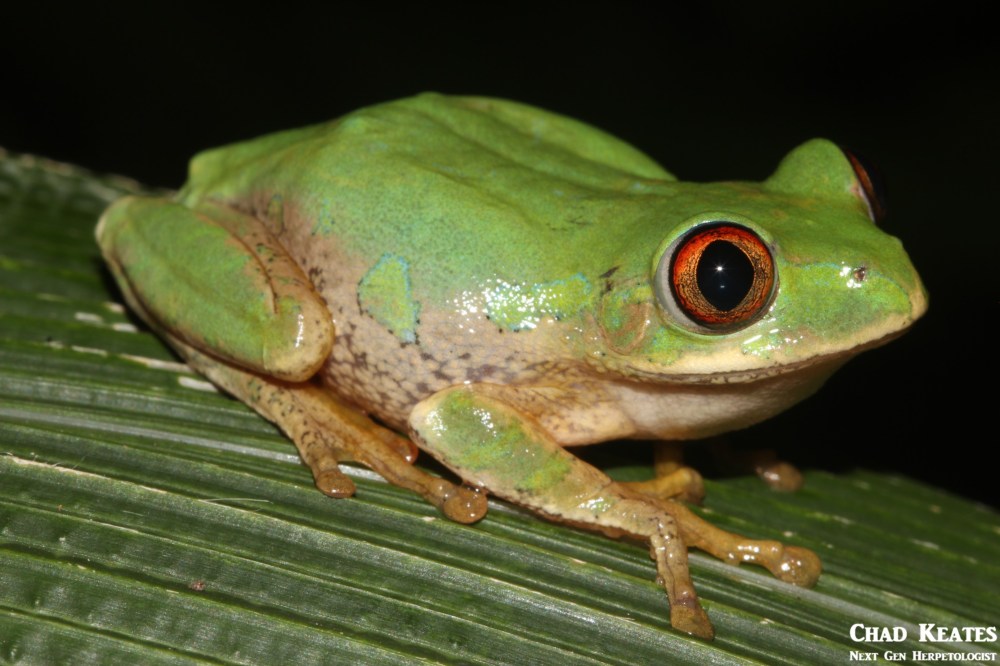
from Umhlanga, KwaZulu Natal, South Africa

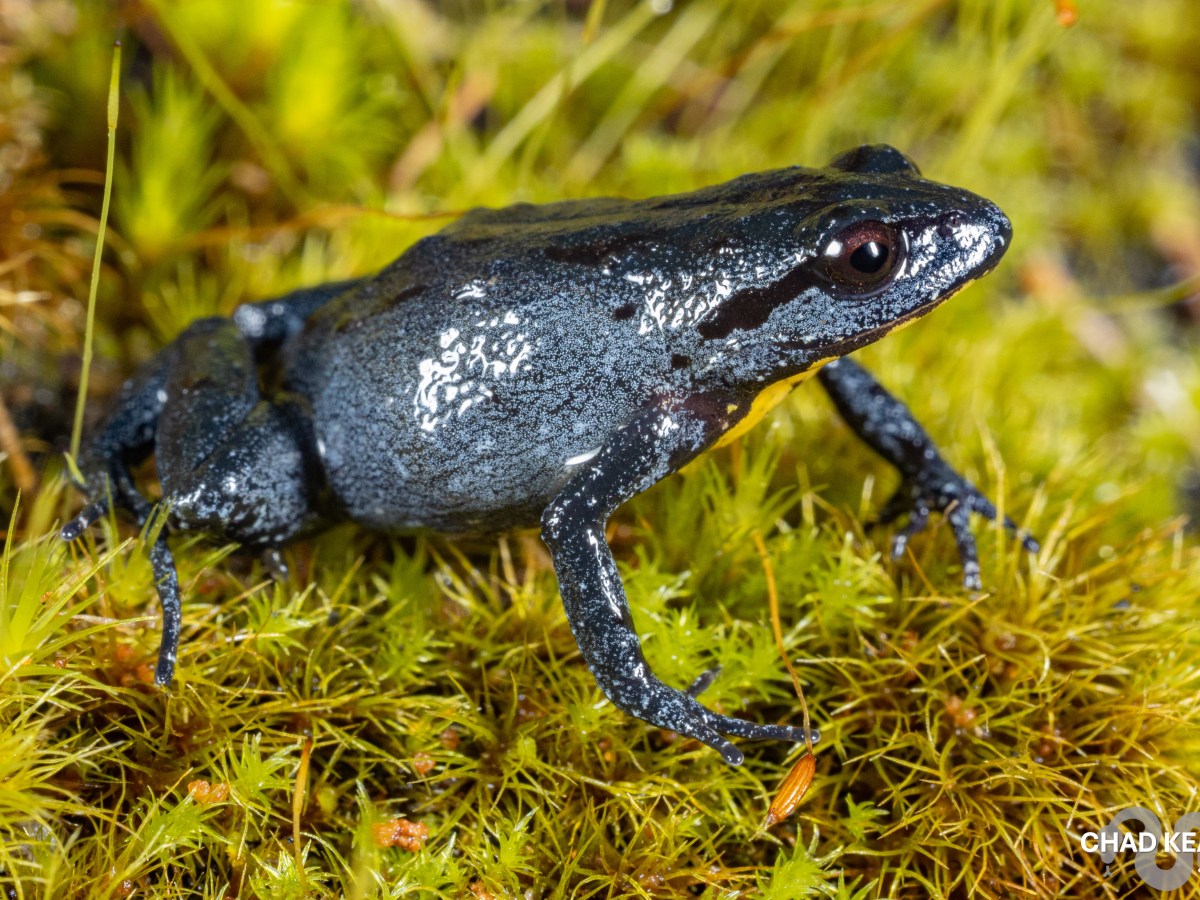

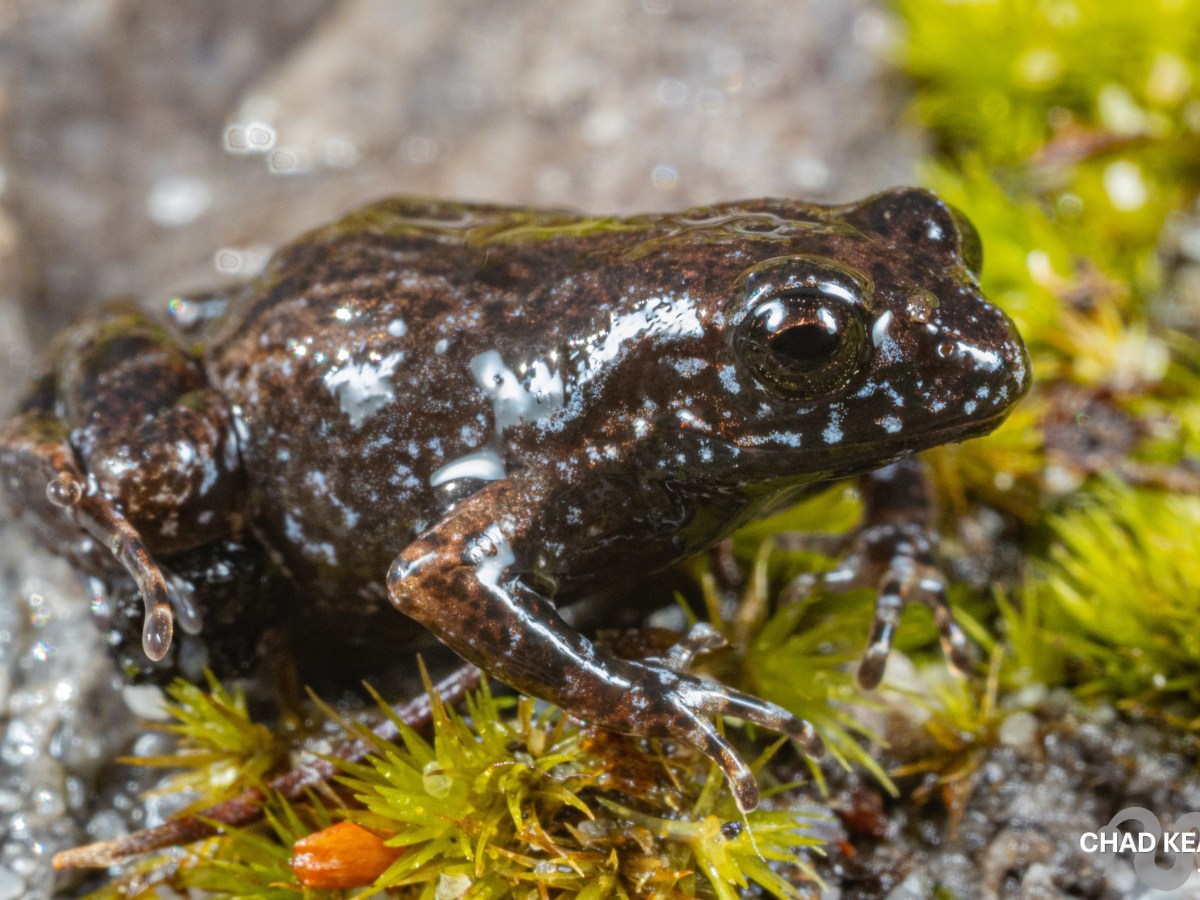


 Chad Keates