 Chad Keates
It’s not every day that you can say that you were part of the history of science, but for Luke Kemp and I, a warm summer night in Hluhluwe of this year was just one of those days. In January of this year, Luke and I attended the Herpetological Association of Africa Conference of Africa in Northern Kwazulu-Natal. In addition to presenting our work and learning of the developments in the field of herpetology, we were lucky enough to meet some of the greats of African herpetology.
Two of these greats include Prof. Les Minter and Prof. Louis du Preez, both of whom feature in our two-part video mini-series on the HAA Conference 2017 on Youtube. Both Prof. Minter and Prof. du Preez are world-renowned frog experts, and when we first met them in Hluhluwe they were excited about a frog that they had recently found. It was a small frog from the genus Breviceps (rain frogs): this is the one that is featured in the interview with Prof. Les Minter, where he describes the genus and why he is so fond of the chubby little frogs. Prof. Les Minter was convinced that it was a new species of rain frog, and I am excited to say that, as of yesterday, the little frog in his hands, in the video below, is a new species. The frog has been named Breviceps carruthersi after Vincent Carruthers, a well known contributor to southern African amphibian research and co-author if the book ‘A complete Guide to the Frogs of Southern Africa’.
Breviceps carruthersi is actually one of two new species of Breviceps that were recently discovered from northern Kwazulu-Natal. The other species that will be referred to as Breviceps passmorei from now on, was named after another ‘great’ in the South African frog world: Neville Passmore. The descriptions of both new species of rainfrog can be found at: https://biotaxa.org/Zootaxa/article/view/zootaxa.4300.2.3/28717. The scientific article, which was released yesterday, was written by Minter, Netherlands and Du Preez. Whilst physically the frogs are difficult to distinguish, when you take into account genetic differences and call variation, the frogs are very easily distinguished from other rain frogs species in the area. This finding, which adds two new species to the diversity of South Africa’s herpetofauna, is a testament to what can be found when scientists look a little closer.
Skip to 3:30 for clip with Prof Les Minter and the new species of Breviceps
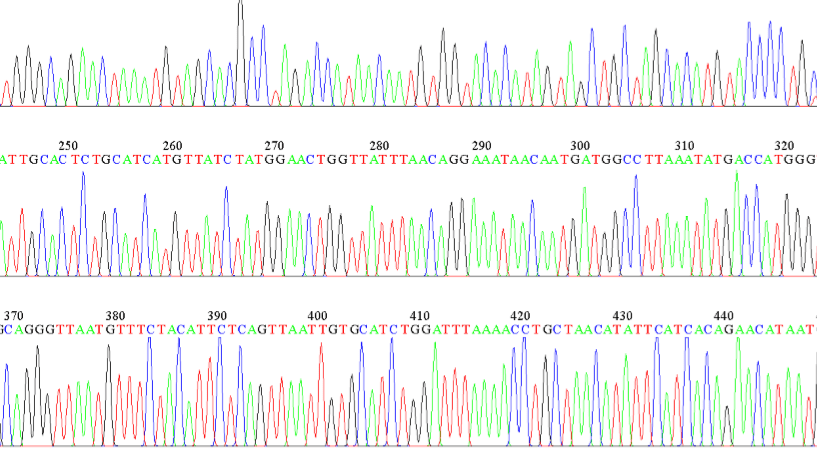
Today I received my samples back from their holiday in Amsterdam, and I am happy to announce that all but one sample worked. The samples from today coupled with the samples I received last month amount to 75 successfully sequenced samples to date. These samples, which comprise four genes, make up a large proportion of my sample set and thus represent a massive step forward in the completion of my thesis.
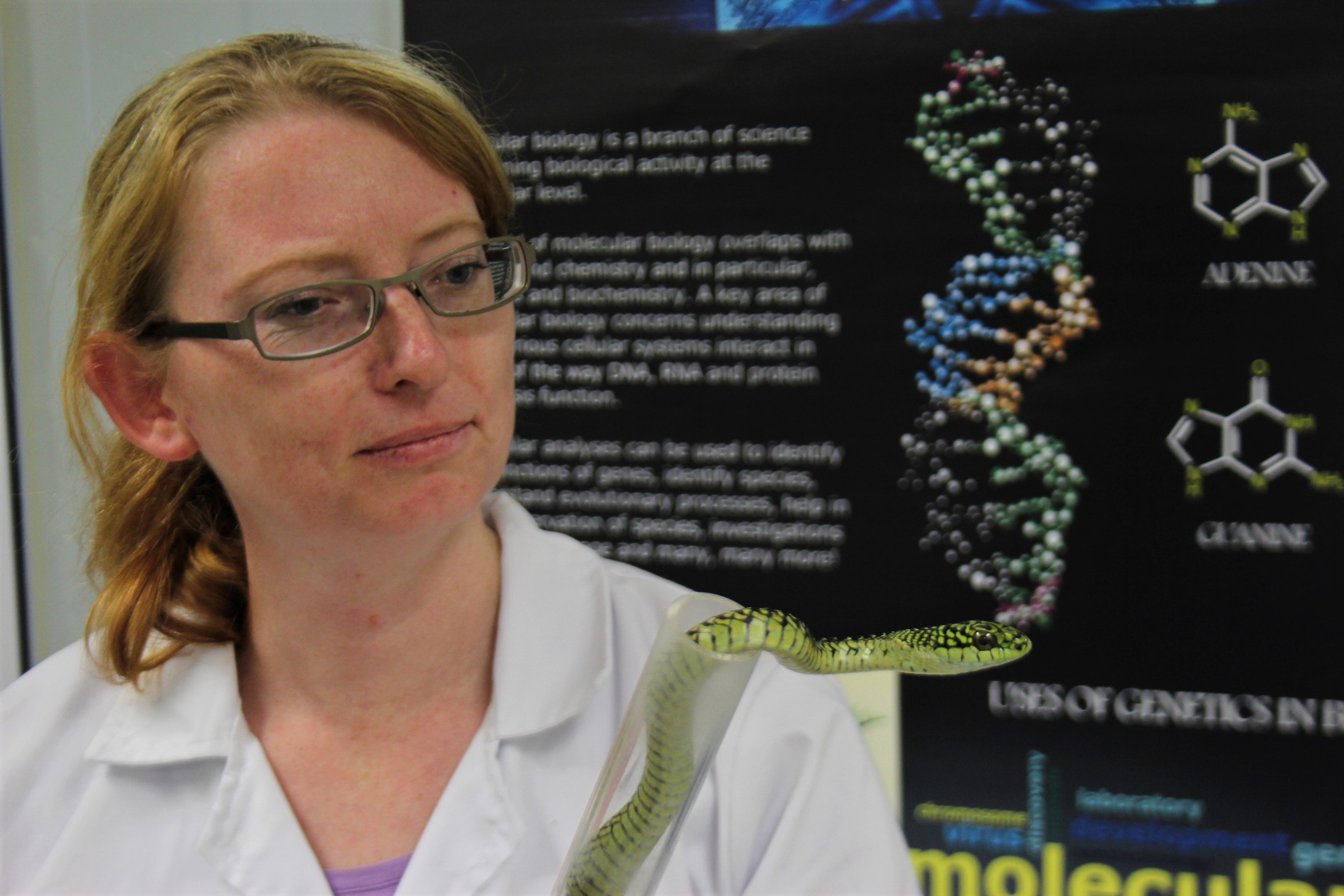
But as much as I would like to say that this is all my doing, I have to admit that I could not have donewhat i have done thus far without the help of my amazing supervisor: Dr Shelley Edwards. Her amazing grasp of genetic concepts coupled with her ability to laugh at my ‘kak’ jokes makes her an instrumental part of my thesis. Her kindness, enthusiasm, and ambition are a valuable resource to the Rhodes Zoology and Entomology Molecular Lab (ZEML), and so I see nothing but great things coming from the lab in the future.
Werner Conradie (or otherwise known as ‘Our main man Werner’ by Luke and I) is my co-supervisor and another integral part of my research progress to date. He is a herpetologist working for the Bayworld Museum in Port Elizabeth and without his expertise in the field of herpetology and his remarkable ability to source and acquire tissue samples, my data set would be nowhere near as complete as it is today.
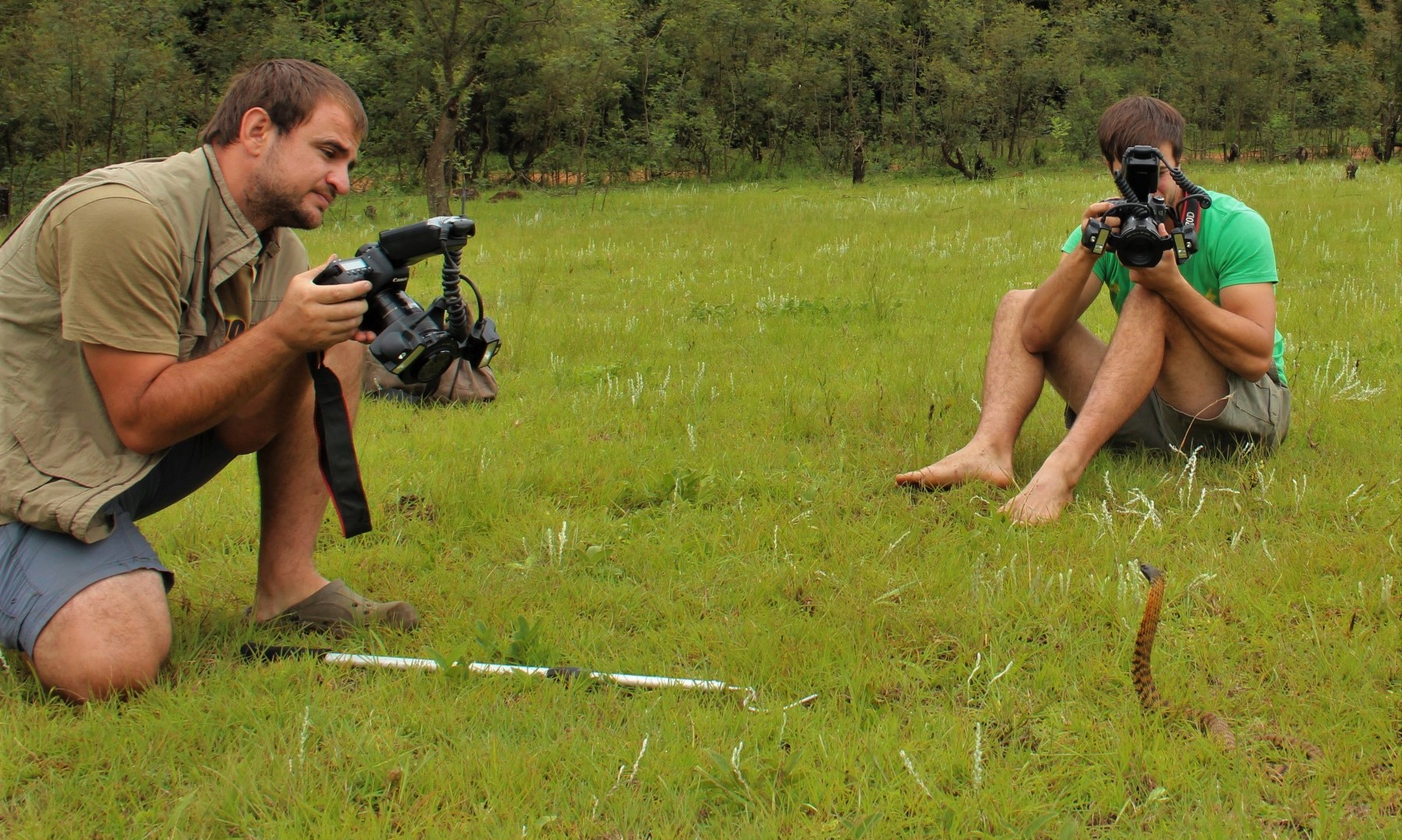
Like Dr Edwards often says, ‘Science is a collaborative endeavour’; although the skills and findings of one researcher may benefit science, the collaboration of many scientists, and thus the pooling of knowledge, results in science of the highest caliber. My achievements thus far, although easy to attribute to my efforts plus those of my supervisors, are more accurately attributed to the efforts of many people from many walks of life.
Behind every research paper there are a lot of people who have contributed to the final product. Although not everyone can get their name on the byline, their contributions are integral to the completion of the final product. My project would not exist without the help of other ‘reptile-lovers’, some from as far as the DRC, because without the samples they have provided for the study, my dataset would comprise of only Grahamstown spotted skaapstekers.
These people include:
Werner Conradie, Dr Krystal Tolley, Prof Eli Greenbaum, Dr Bryan Maritz, Prof Bill Branch, Ninda Baptiste, Luke Kemp, Gary Nicolau, Courtney Hundermark, Darren Pieterson, Luke & Ursula Verbught, Cara Trivella, Francois Theart, Tyrone Ping, Dylan Leonard, Liam Yell, Theo Busschau, Jo Balmer, Alex Rebelo.

I am roughly six months into my Master’s and this is my second post on the subject. Although I am not overly proud of my Msc coverage on the website, I am rather ‘chuffed’ with my research progress to date. My genetic samples are ‘amplifying’ and better yet, they are translating into clean, usable sequences, that I can move forward with. To put the previous sentence bluntly, my genetics are working and I am super ‘stoked’. It is however not always like this because as I am sure many other scientists will agree, science doesn’t always work out, well it rarely proceeds according to plan.
When I started work on my genetics at the beginning of this year, many, if not most of my samples gave me hassles, and this resulted in me doubting the very core of my existence, and whether I belonged in the ‘shiny’ molecular lab. Fortunately, I chose to persevere, to brave the genetic drought and my patience, or better yet, my tears, payed off. I just want to clarify, I never actually cried, I was just plagued with an acute case of ‘dribble eye’. It is a nasty ailment, that can be rather contagious if left untreated.
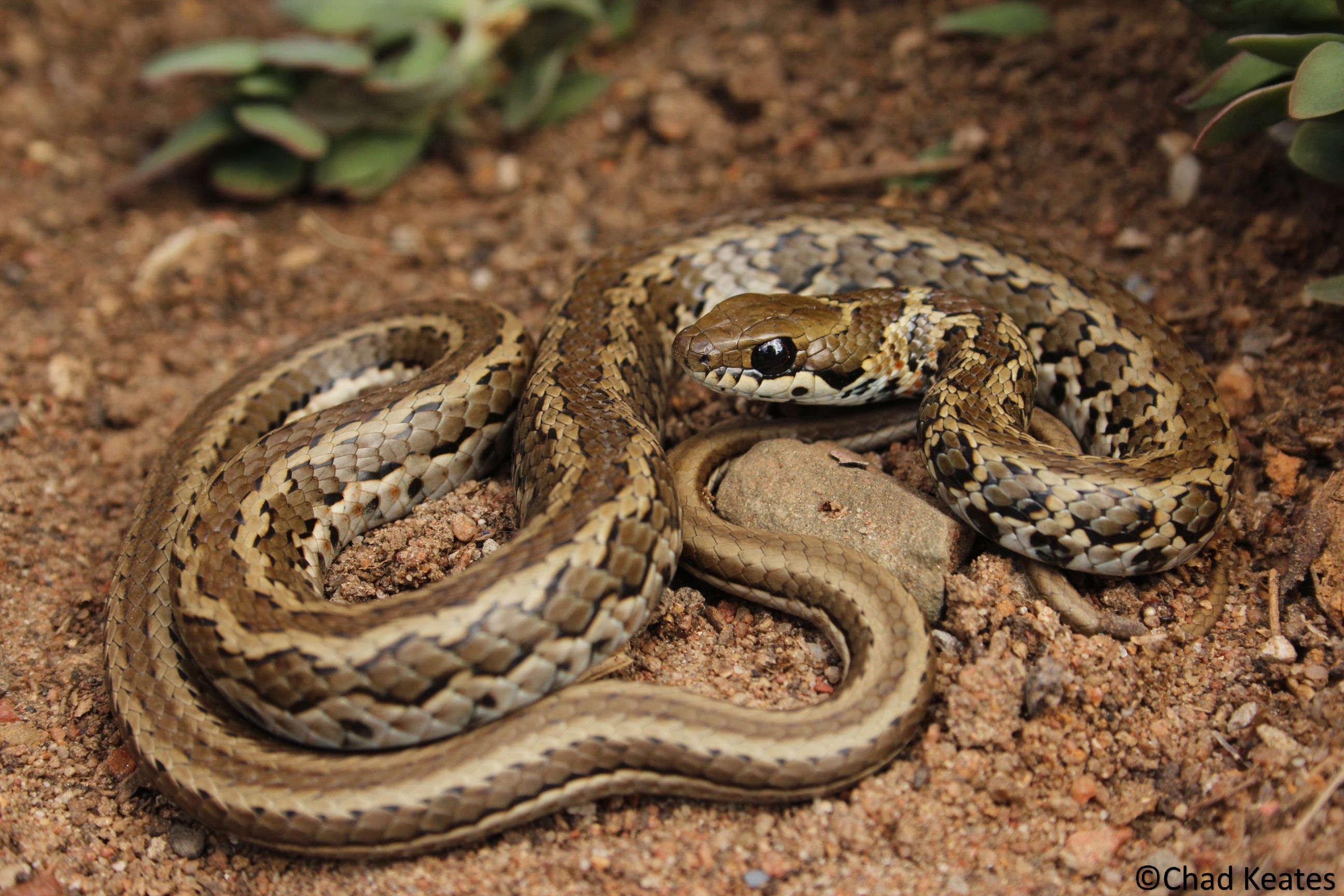
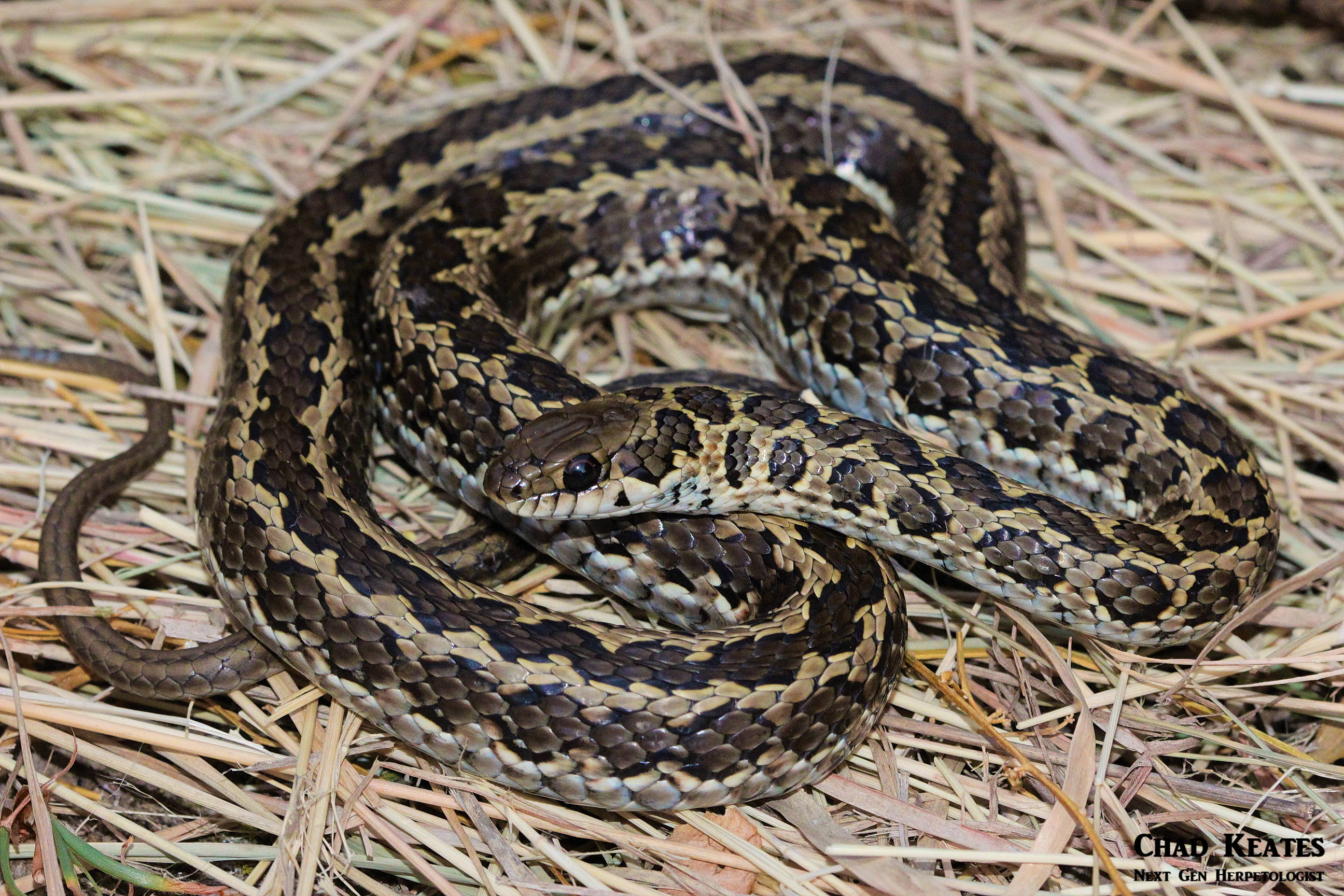
My Masters is split into two sections. The first chapter is a phylogenetic study of the genus Psammophylax and the second chapter is a phylogeographic study of the spotted skaapsteker (Psammophylax rhombeatus rhombeatus).
Chapter 1
‘Phylogenetic analysis’ is a fancy way of saying genetic analysis and it involves using genetic sequences from all the species in the genus (P. rhombeatus, P. tritaeniatus. P. acutus, P. multisquamis, P. variabilis and P. togoensis) to create a tree showing the different species’ relatedness to one another, or lack thereof. Through doing this I hope to shed light on the skaapstekers and thus resolve the taxonomical uncertainties that currently plague the genus. Because of the lack of research in many of the African countries that house several of the skaapsteker species’, there is a possibility that my research could result in a new species being recognised. There is also the possibility that we could find that there are more recognised species than there are actual species, meaning that a species needs to be culled from the field guides. This sometimes happens when taxonomists use a variable characteristic to describe a new species when it doesn’t actually represent a new species but rather just a random variation within a single species. An example of this includes hair colour in humans. Although hair colour varies between individuals, we are all one species.
Chapter 2
Although the term, ‘phylogeographic analysis’ seems daunting, it is less so than you may originally think, because what it really involves is the combination of genetic analysis with environmental differences. The analysis will determine whether individuals from the same species have different ‘genetic makeups’ based on the environment they are found in. For example, animals that live in a cold environment at high altitude will have different adaptions than animals that live in a warm environment at low altitude because the environment is different. This chapter will thus determine whether spotted Skaapstekers have different ‘genetic makeups’ based on where they are found in South Africa. Because the country is so variable, in terms of the environment, it is very possible that this chapter could unearth hidden genetic diversity enough to warrant the existence of new species of skaapsteker in South Africa.
Conclusion
My work however continues steadily and I should soon have answers to back-up or refute some of the possibilities that I have mentioned above.

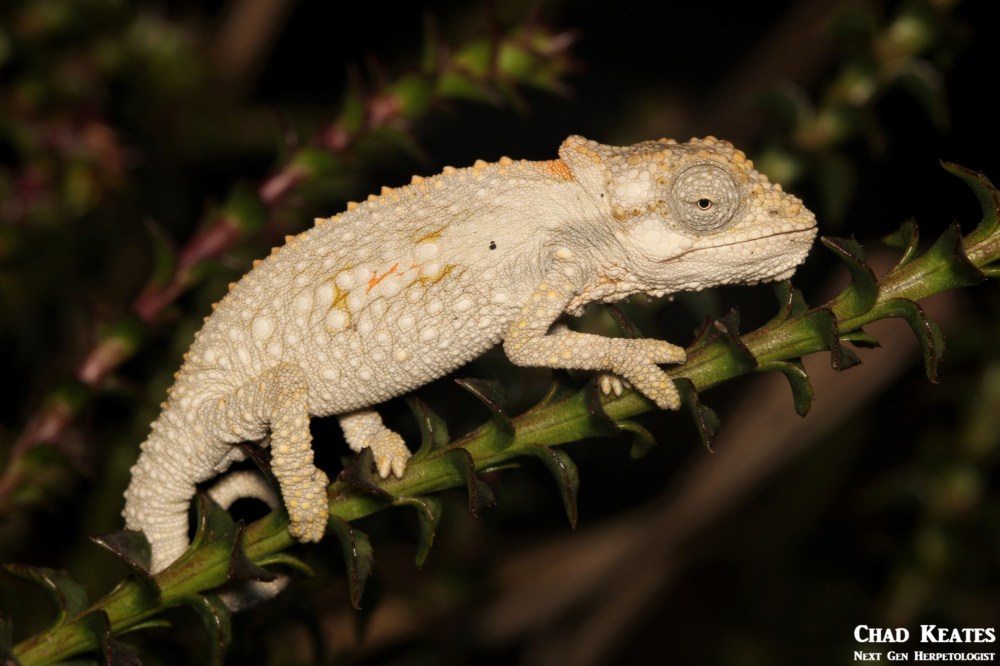
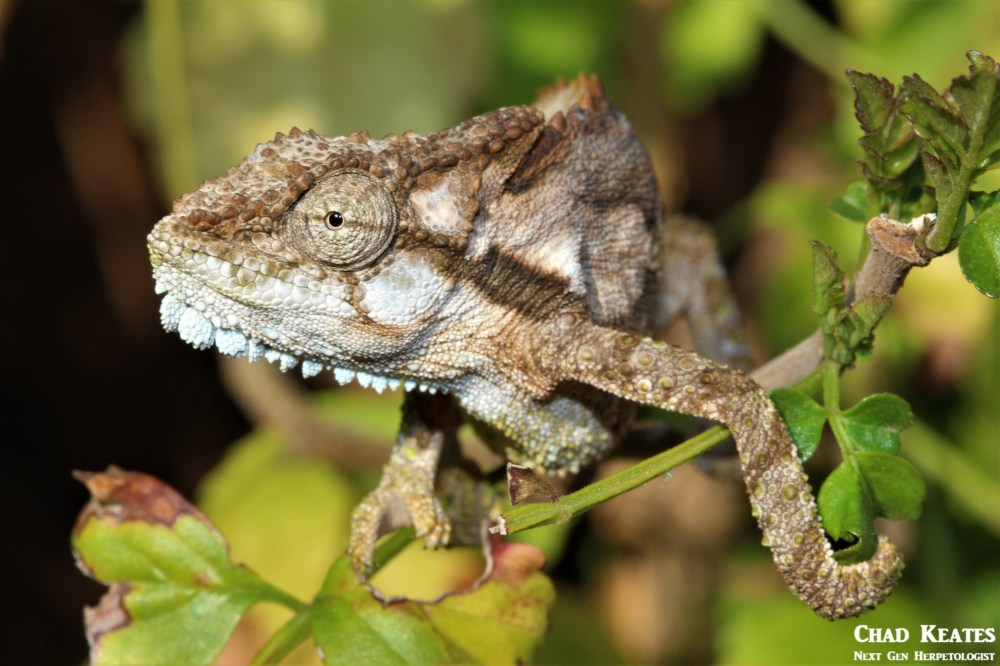
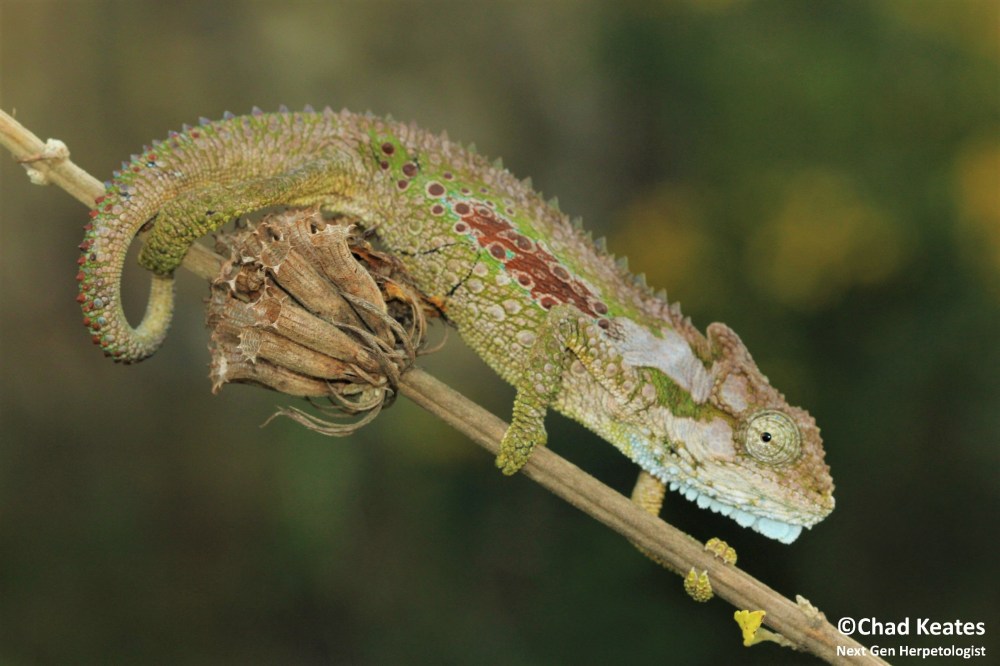
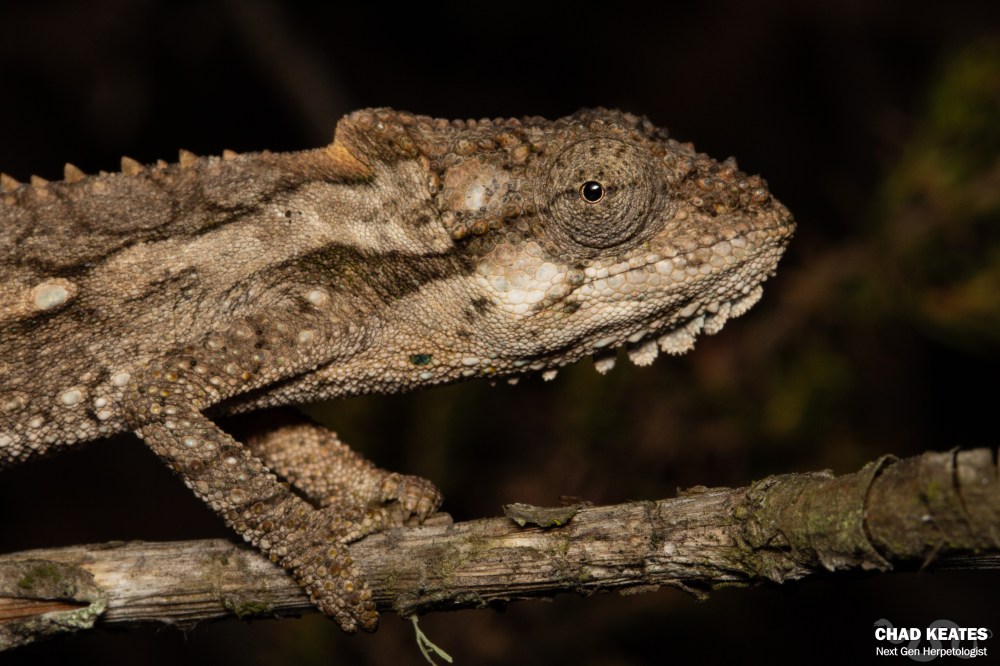
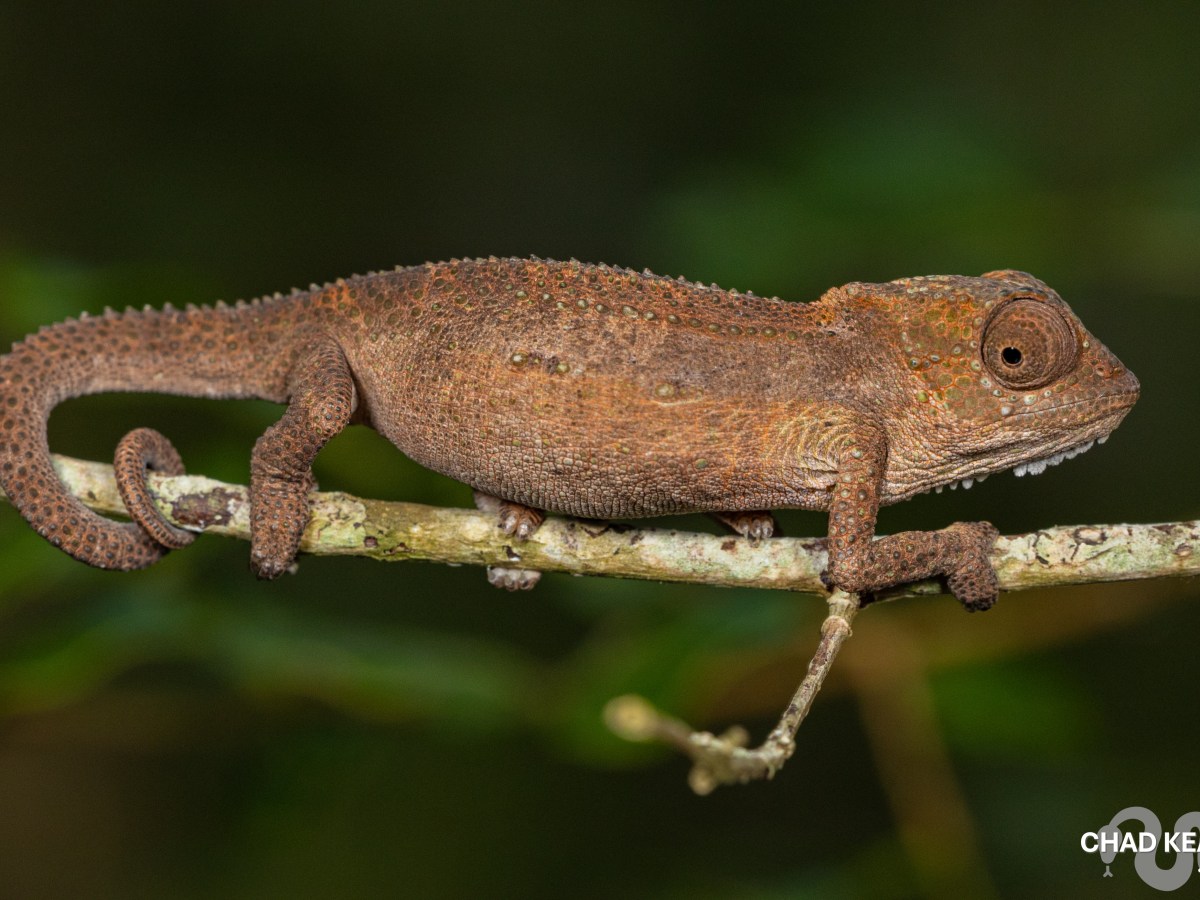
Recently Luke and I (Chad Keates) went on a herping adventure to the Western Cape. We stayed two night in Wilderness and one night in Oudtshoorn, and the function of the trip, as usual, was to find as many reptiles and frogs as we could. Whilst dwarf adders and ghost frogs remained high on our list, the main function of this trip was to find dwarf chameleons. South Africa is home to just under 20 dwarf chameleons, but on our trip, that spanned from, Wilderness to George and all the way to the Swartberg Mountain Range (near Oudtshoorn), there were three species to be found.
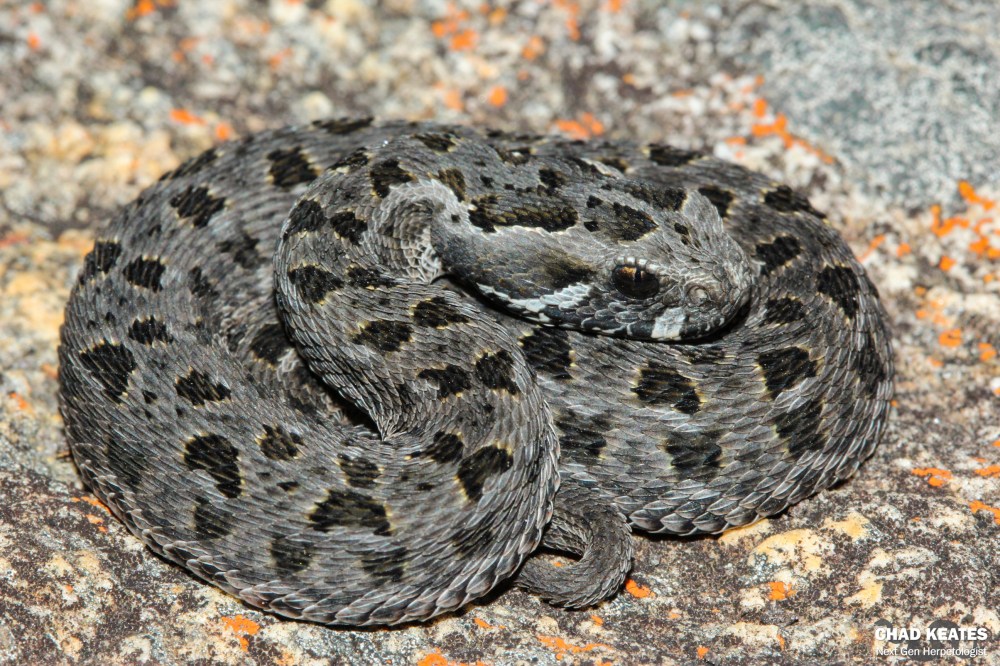
Even though the expedition spanned only three nights, we were lucky enough to find all three species of dwarf chameleon, one sneaky berg adder (Bitis atropos) and one very small southern ghost frog (Heleophryne regis). Although we were unable to find a red adder (Bitis rubida), the trip was considered a massive success and definitely one well worth remembering.
Check out the photos and videos below, to get a better idea of what we found and how we found it.
George and surrounds
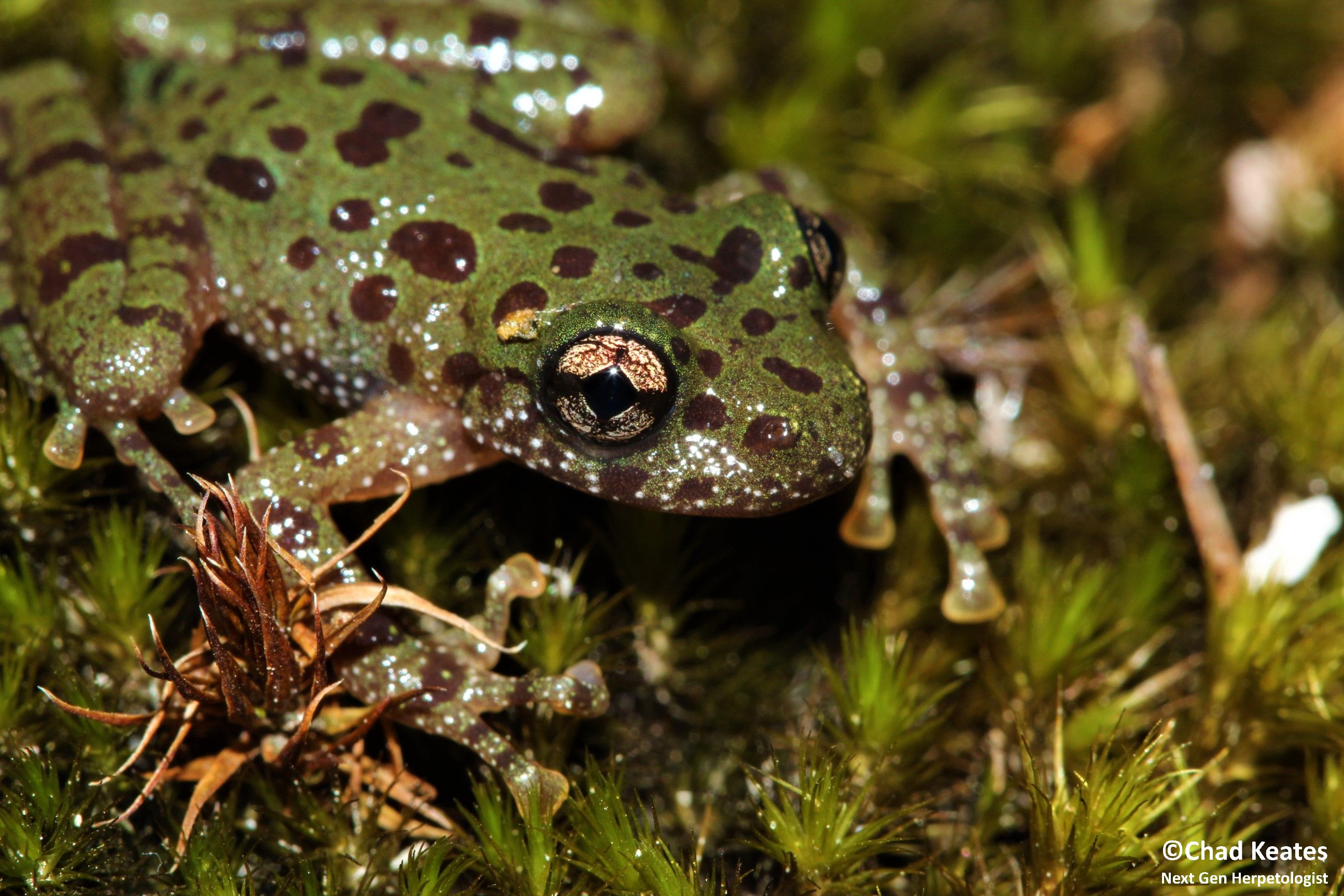
Southern Ghost Frog (Heleophryne regis)
Berg Adder (Bitis atropos)
Little Karoo Dwarf Chameleon (Bradypodion gutturale)
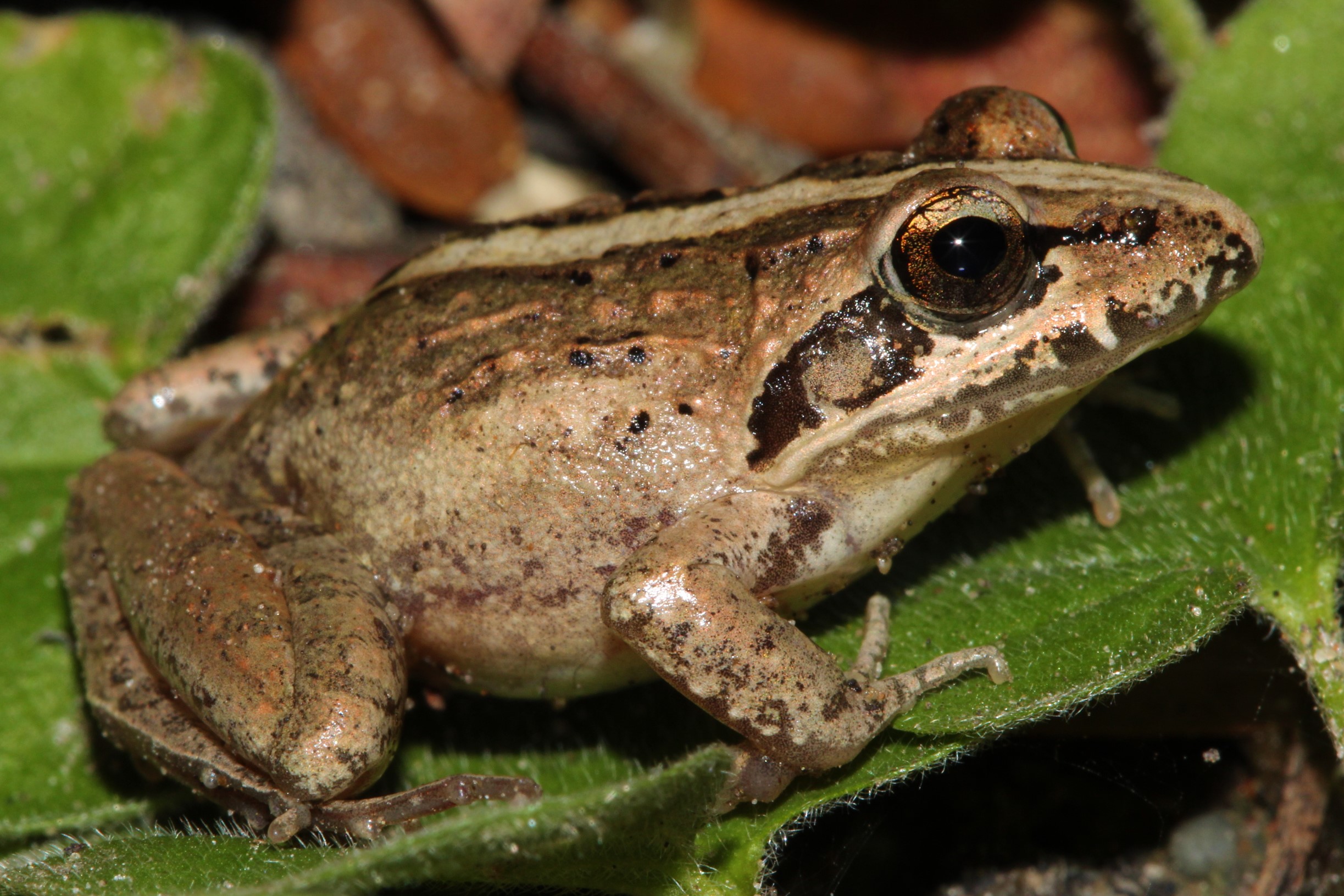
Clicking Stream Frog (Strongylopus grayii)
Knysna Dwarf Chameleon (Bradypodion damaranum)
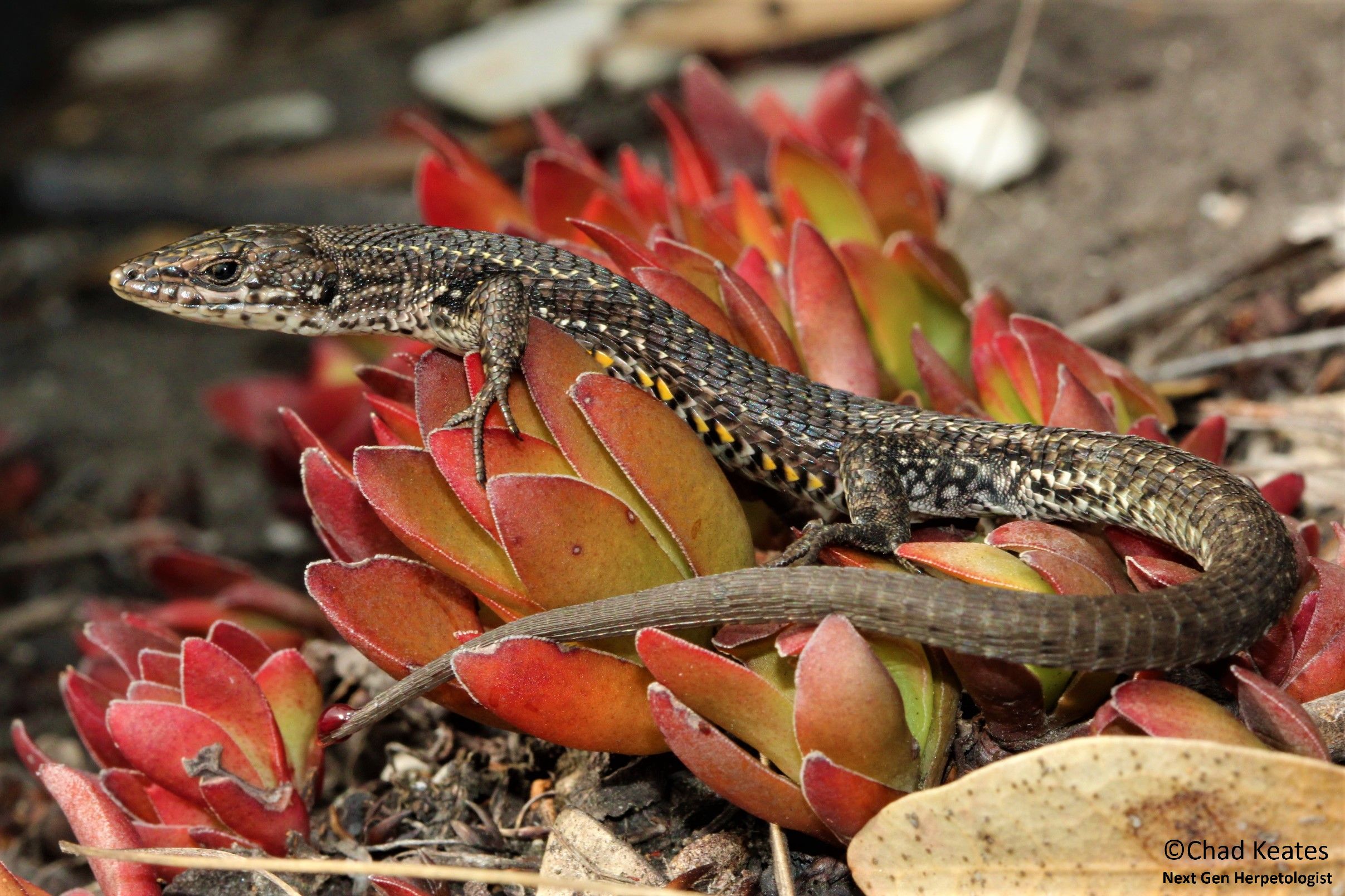
Cape Mountain Lizard (Tropidosaura gularis)
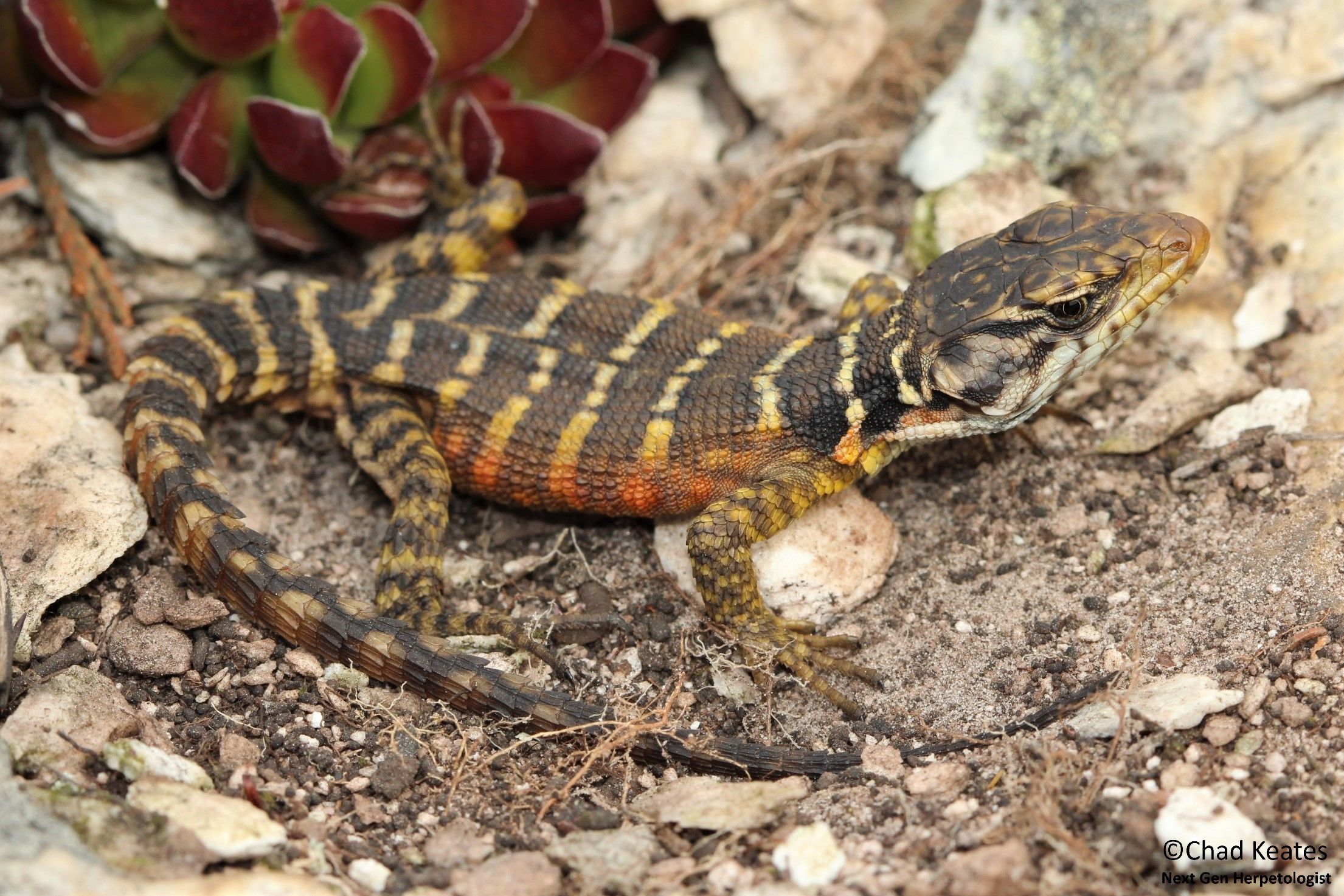
Cape Crag Lizard (Pseudocordylus microlepidotus)
Swartberg
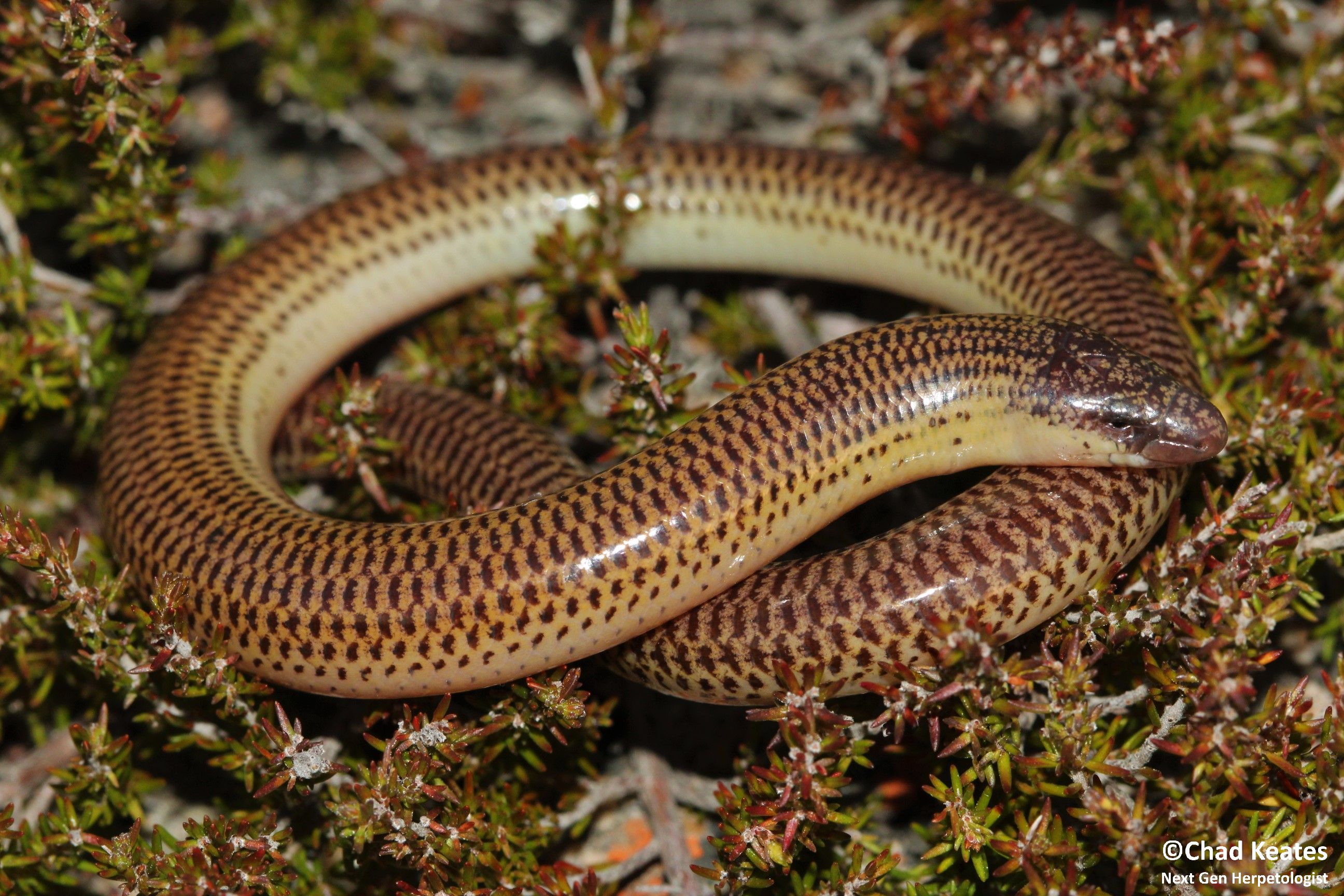
Cape Legless Skink (Acontias meleagris)
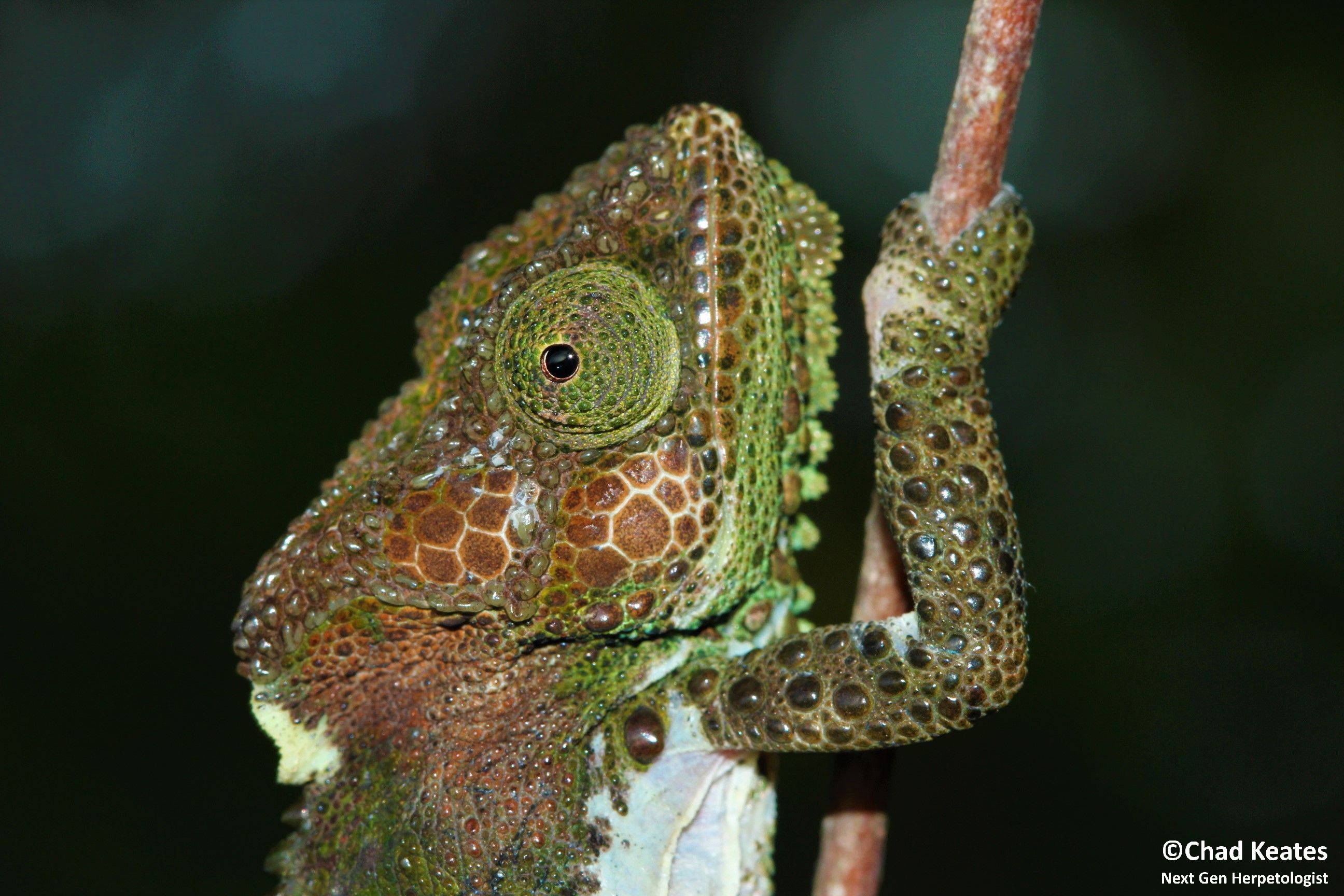
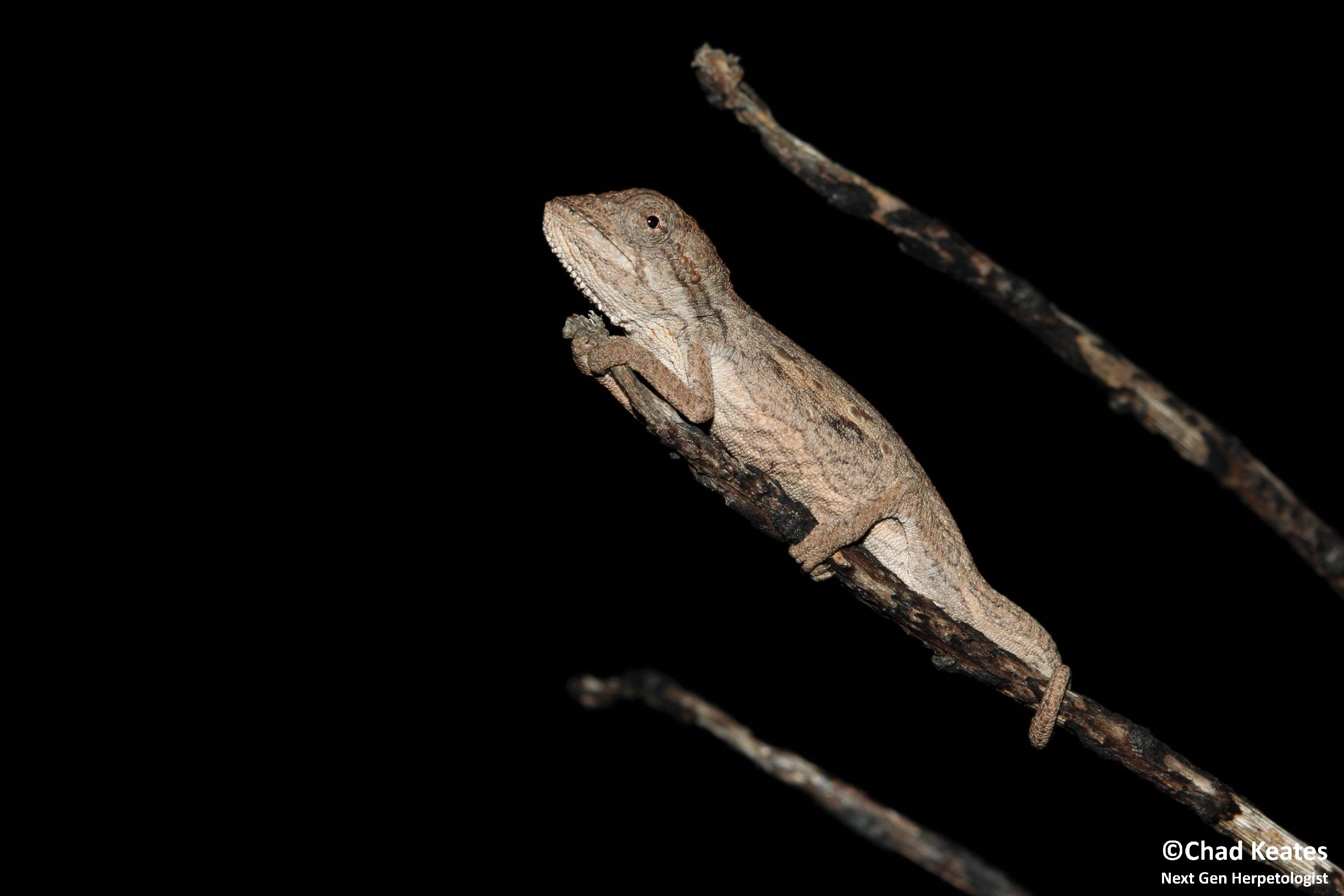
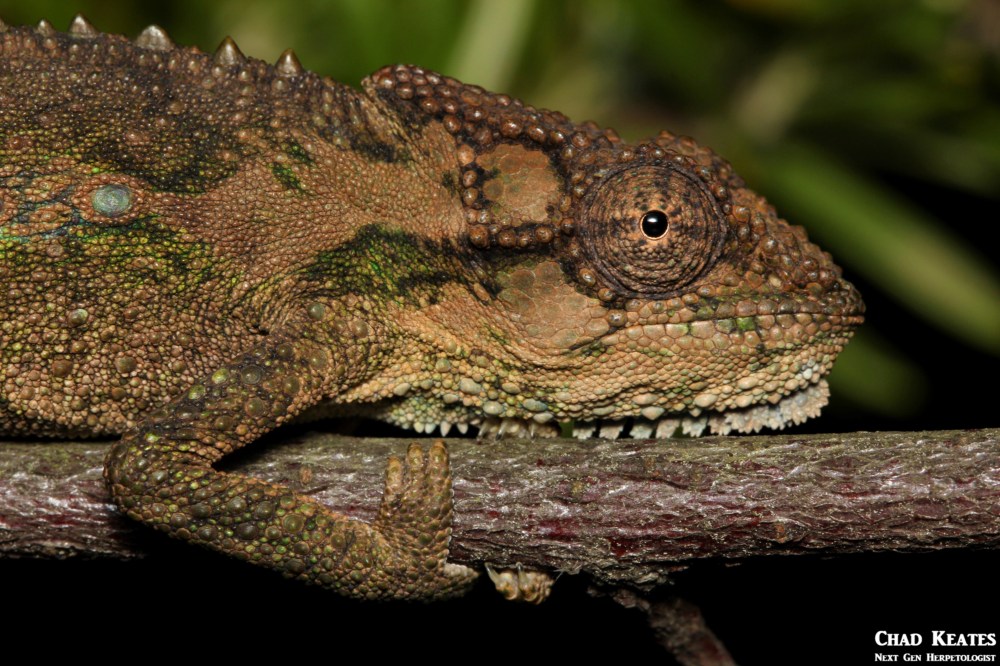
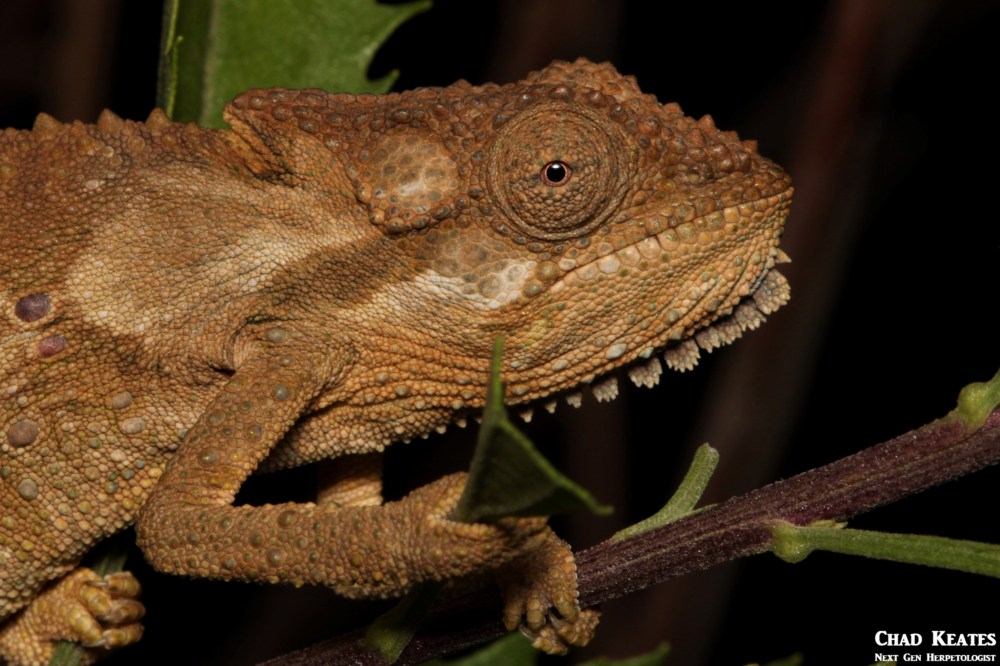
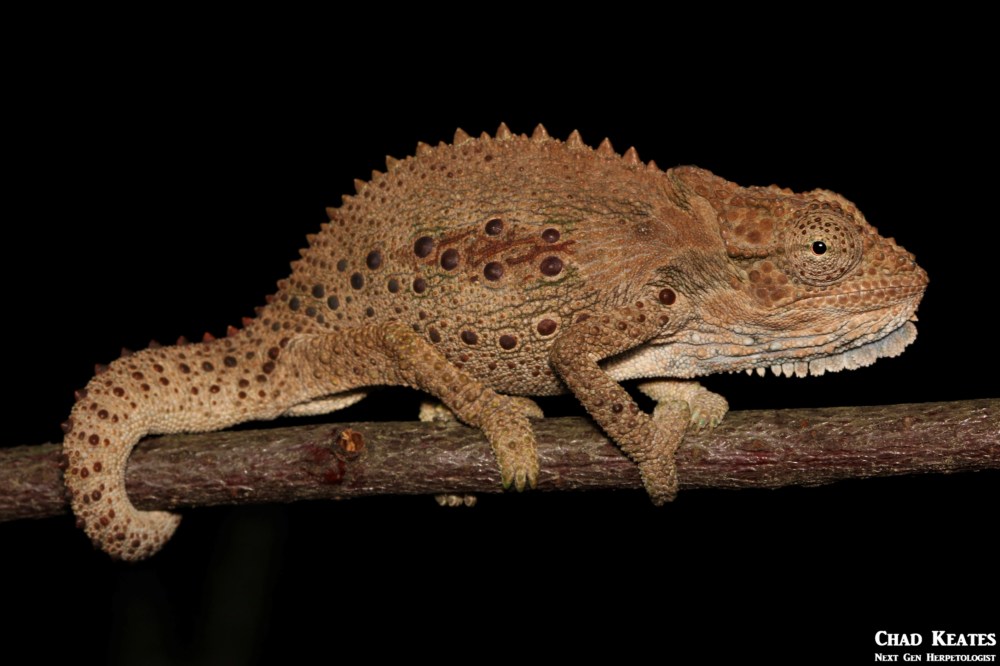
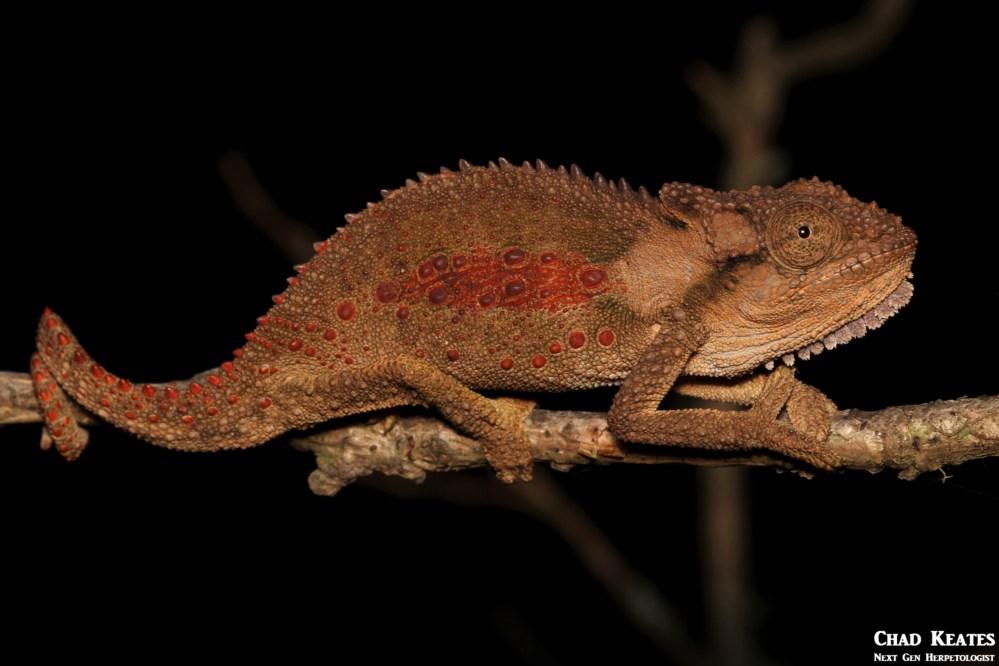
Swartberg Dwarf Chameleon (Bradypodion atromontanum)
Snakes and their Mates
Herping the Western Cape: Part 1
Herping the Western Cape: Part 2

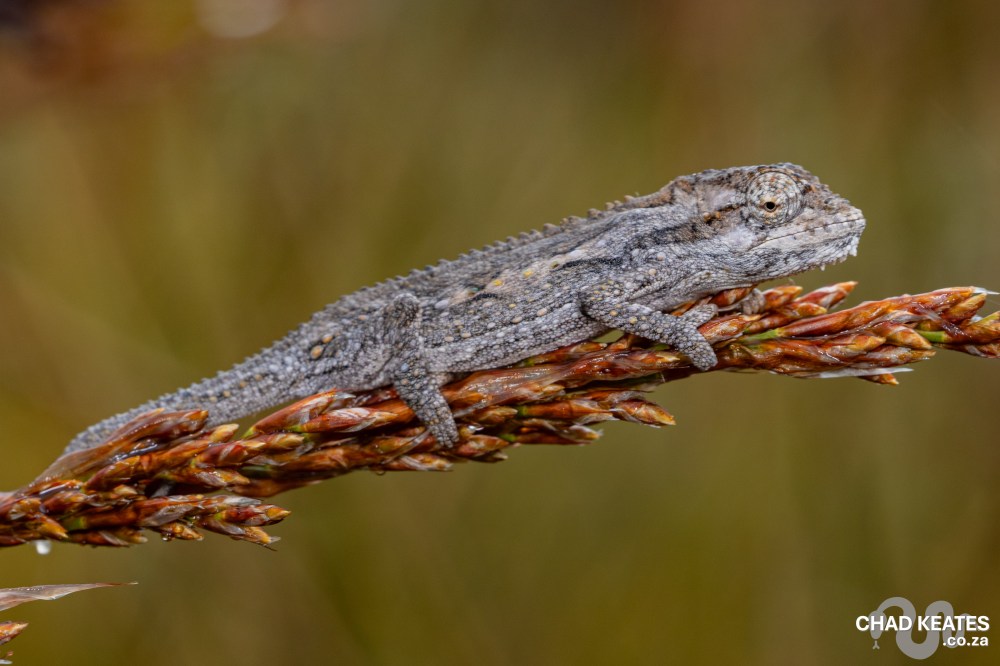
from Grootvadersbosch Nature Reserve, Western Cape, South Africa
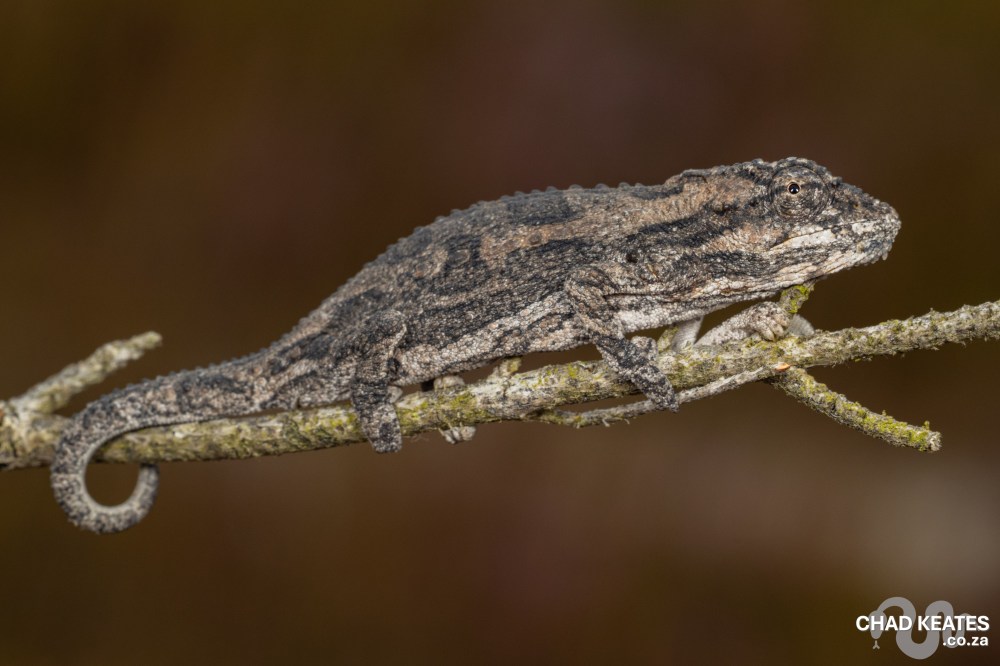
from Grootvadersbosch Nature Reserve, Western Cape, South Africa
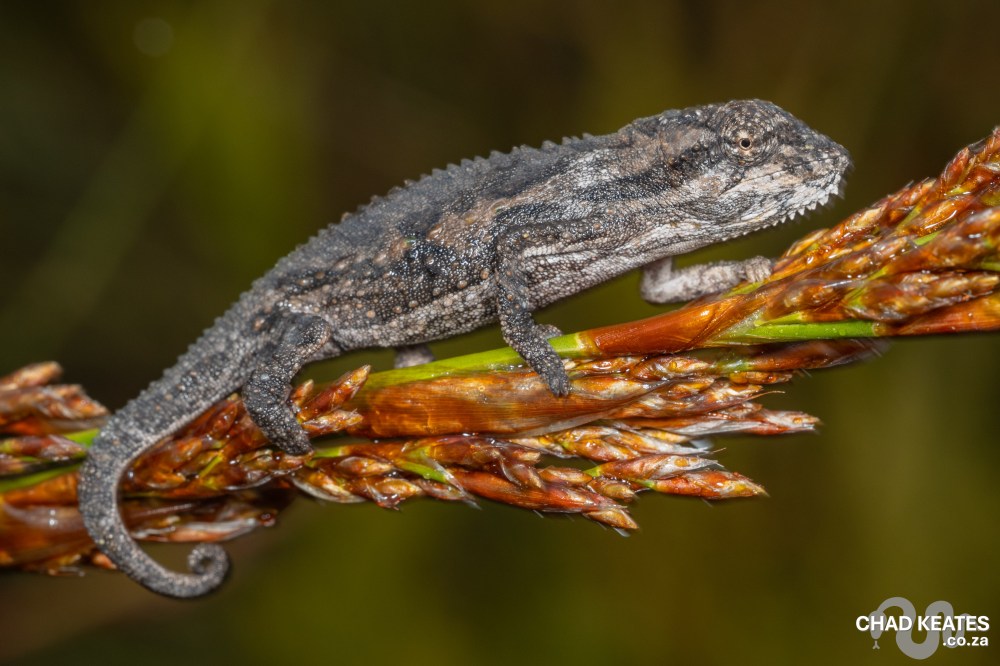
from Grootvadersbosch Nature Reserve, Western Cape, South Africa
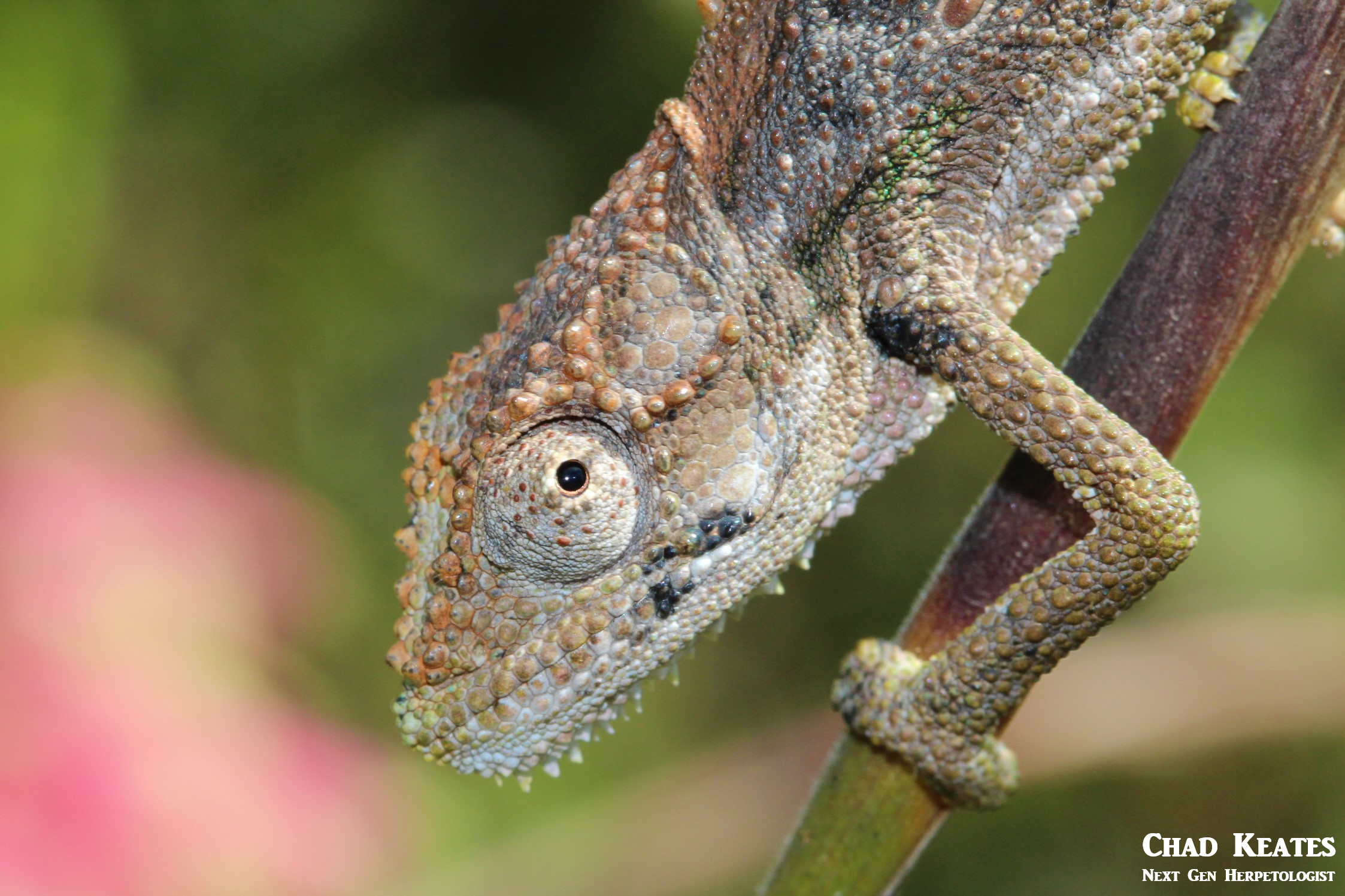
from Montagu Pass, Western Cape, South Africa
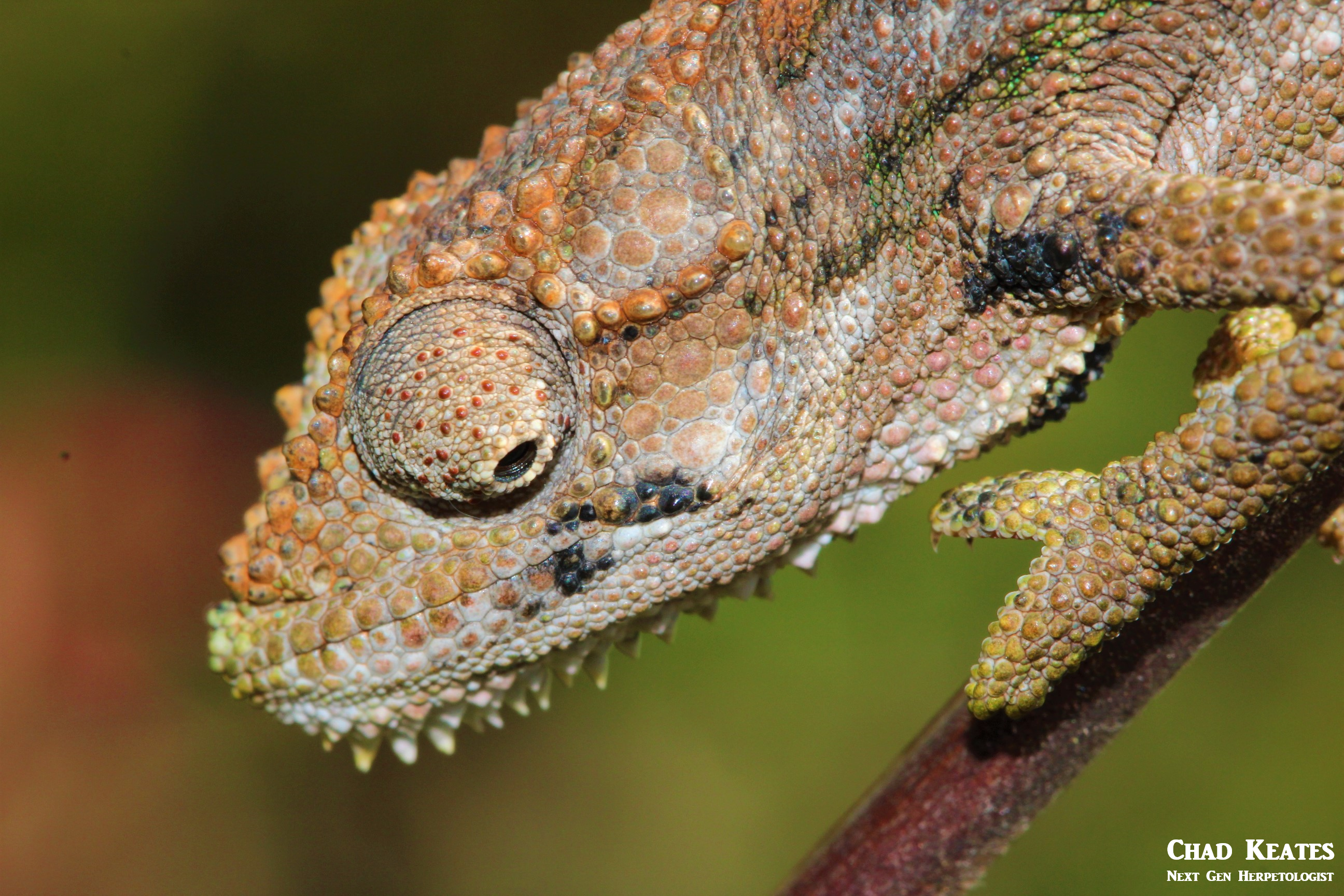
from Montagu Pass, Western Cape, South Africa
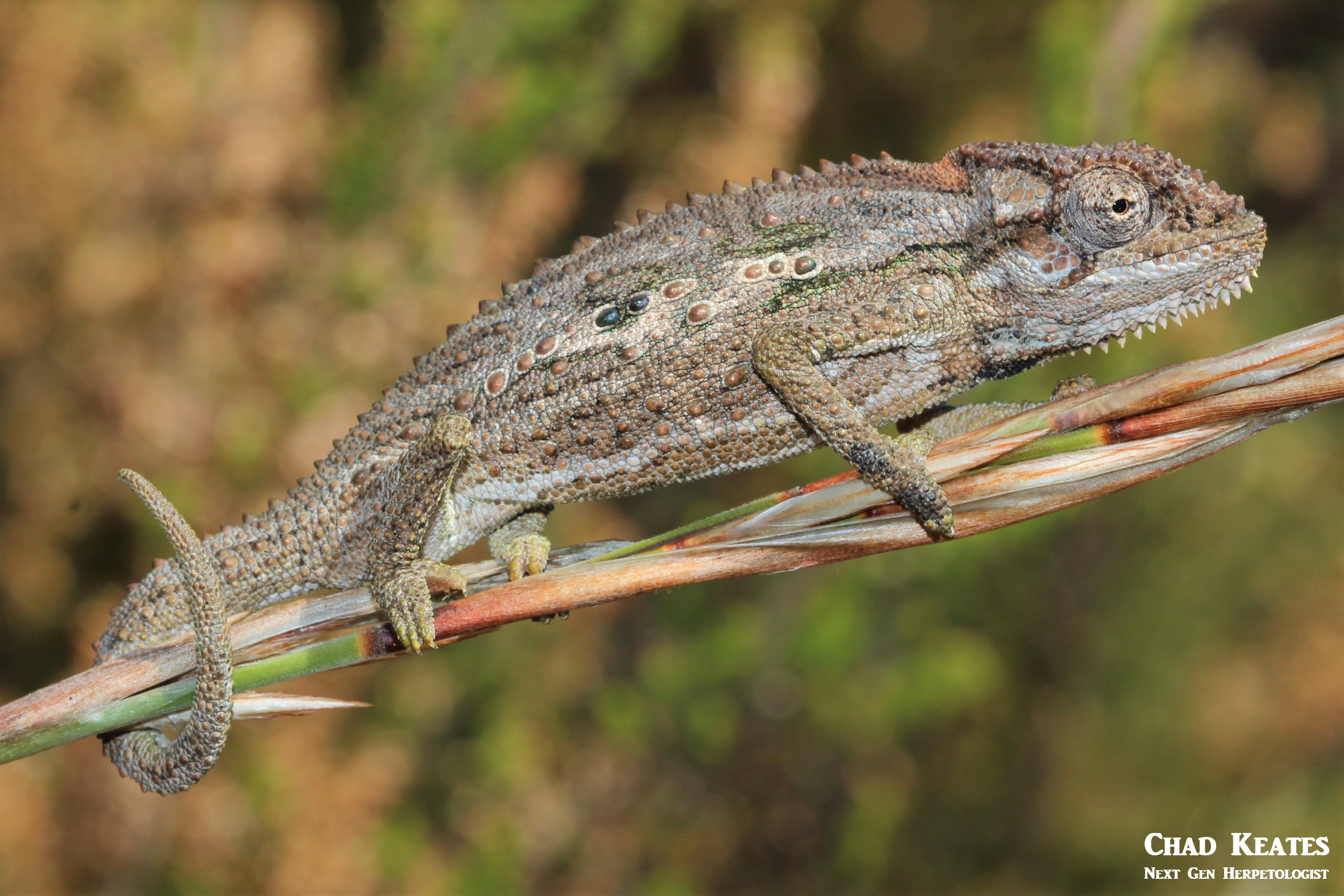
from Montagu Pass, Western Cape, South Africa

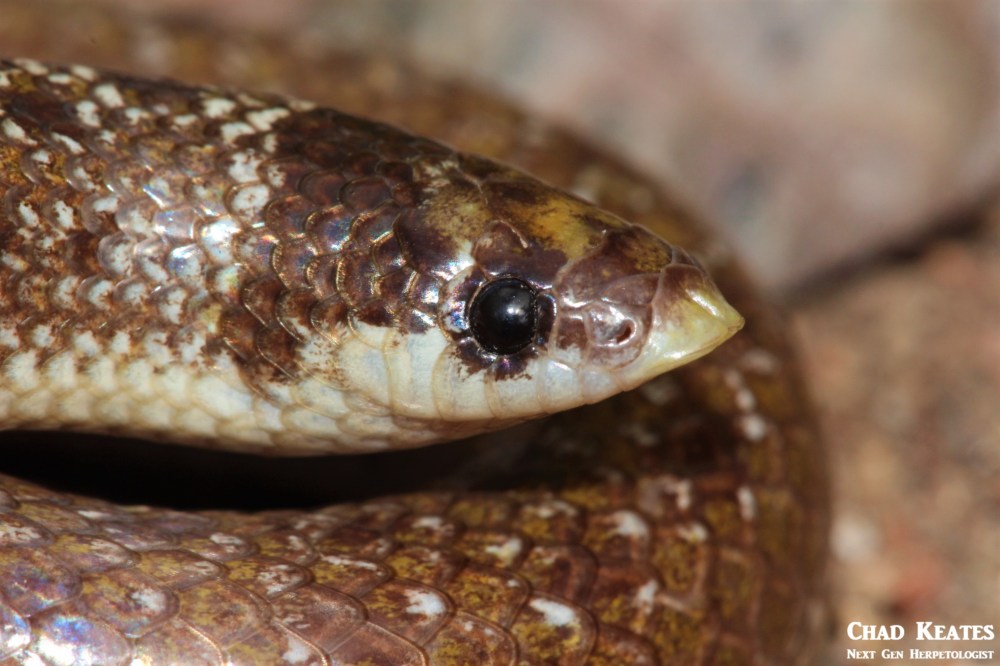
from Grahamstown, Eastern Cape, South Africa
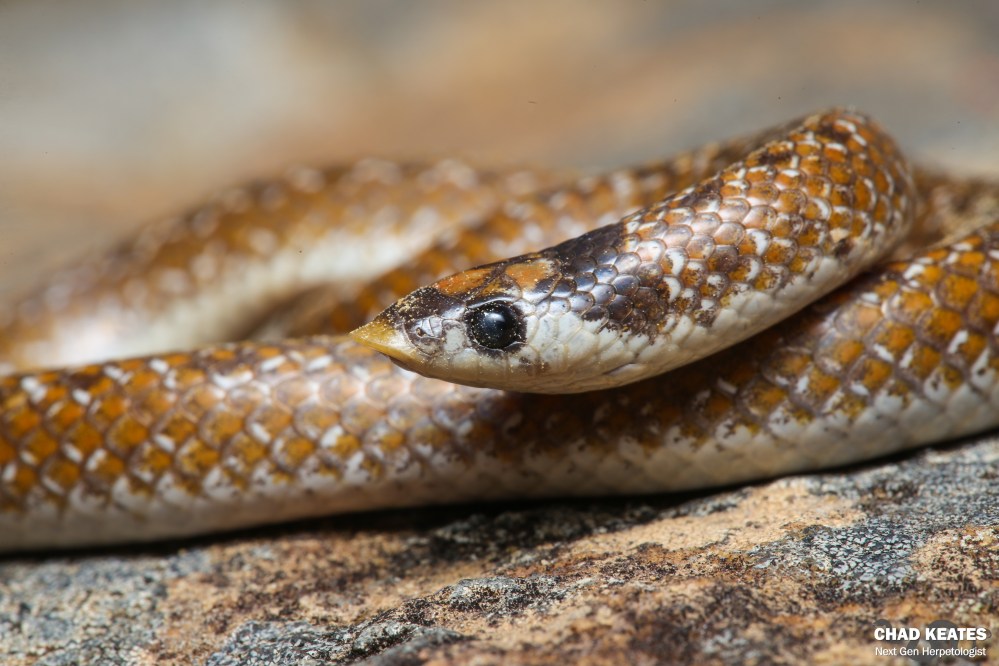
from Grahamstown, Eastern Cape, South Africa
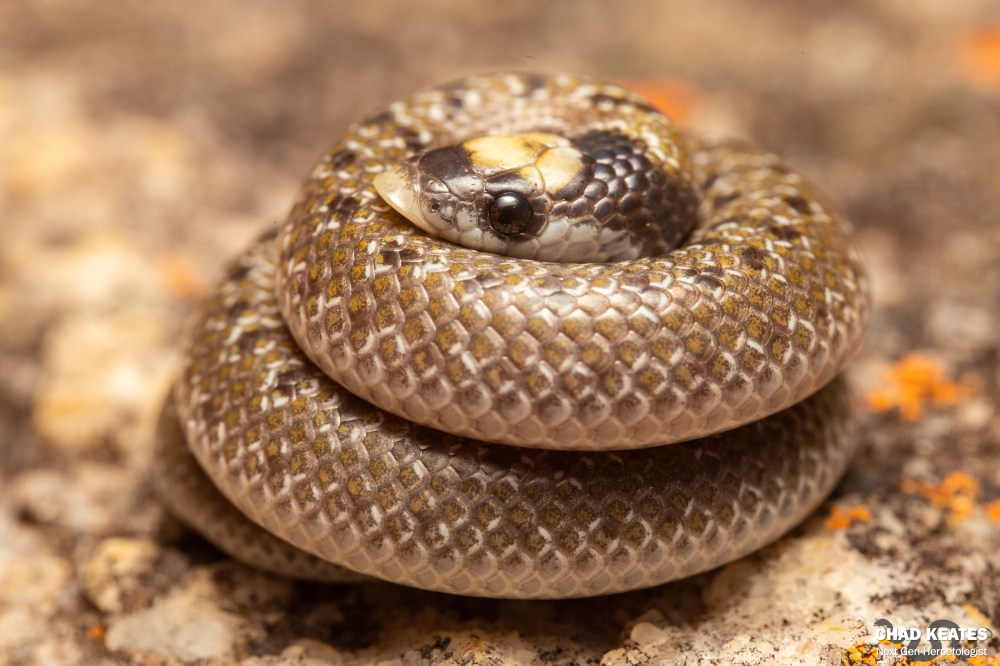
from Alicedale, Eastern Cape, South Africa
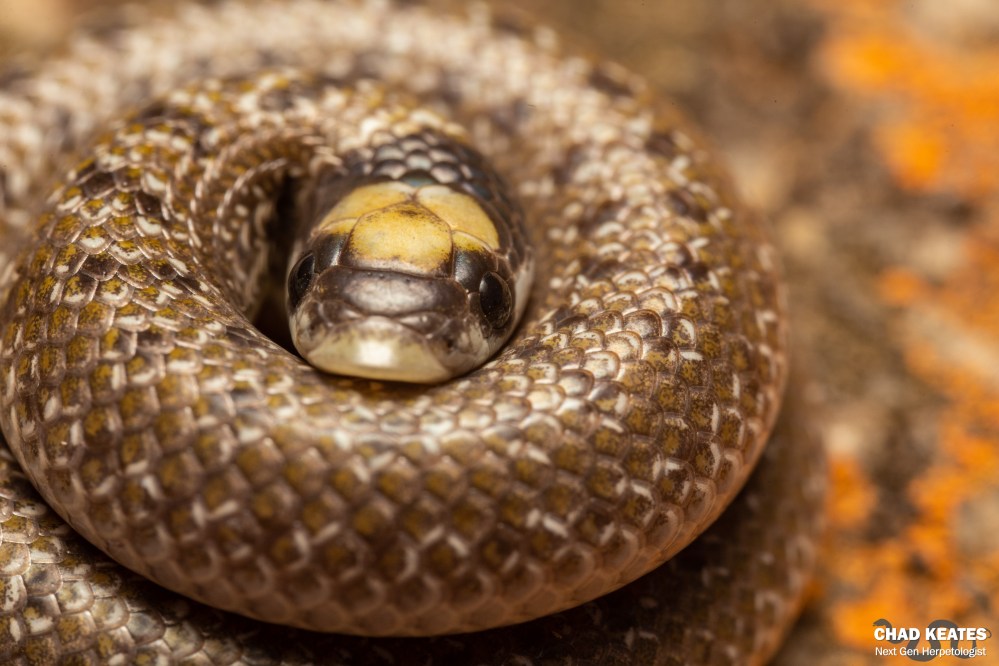
from Alicedale, Eastern Cape, South Africa
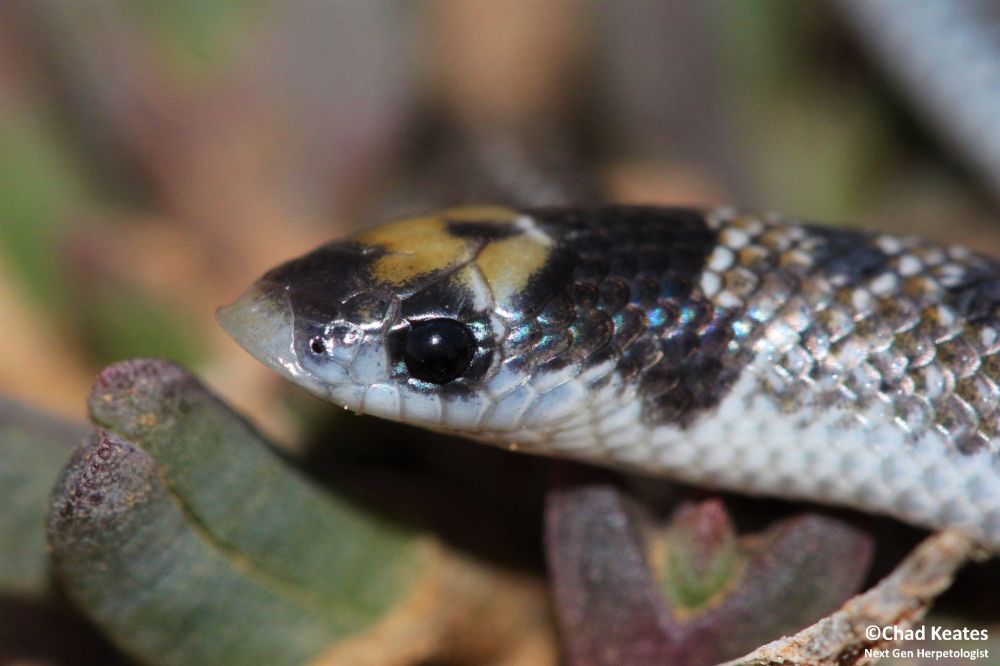
from Grahamstown, Eastern Cape, South Africa
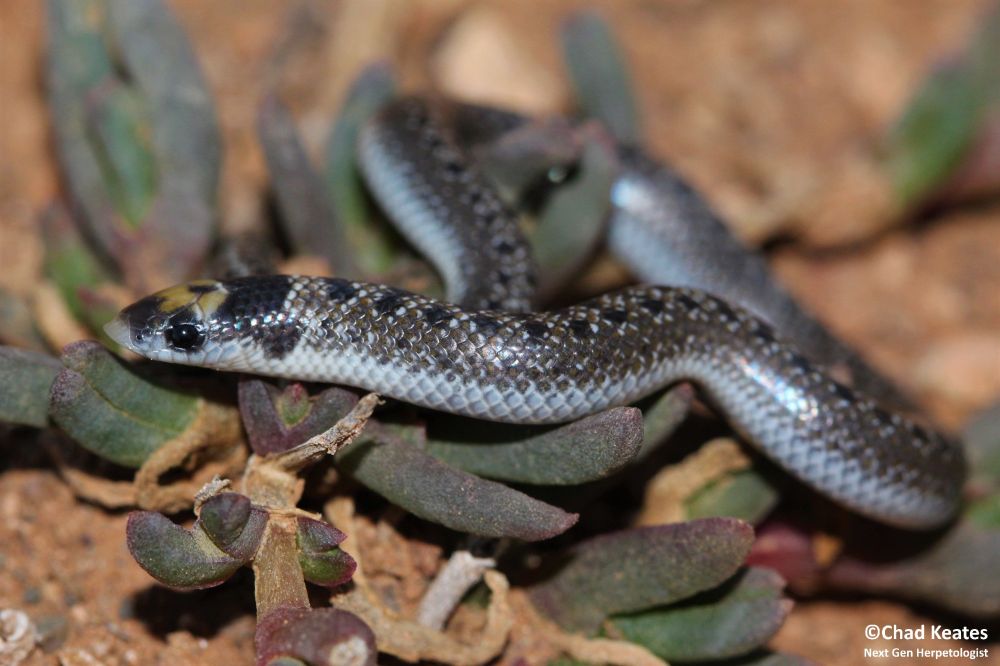
from Grahamstown, Eastern Cape, South Africa

from Grahamstown, Eastern Cape, South Africa
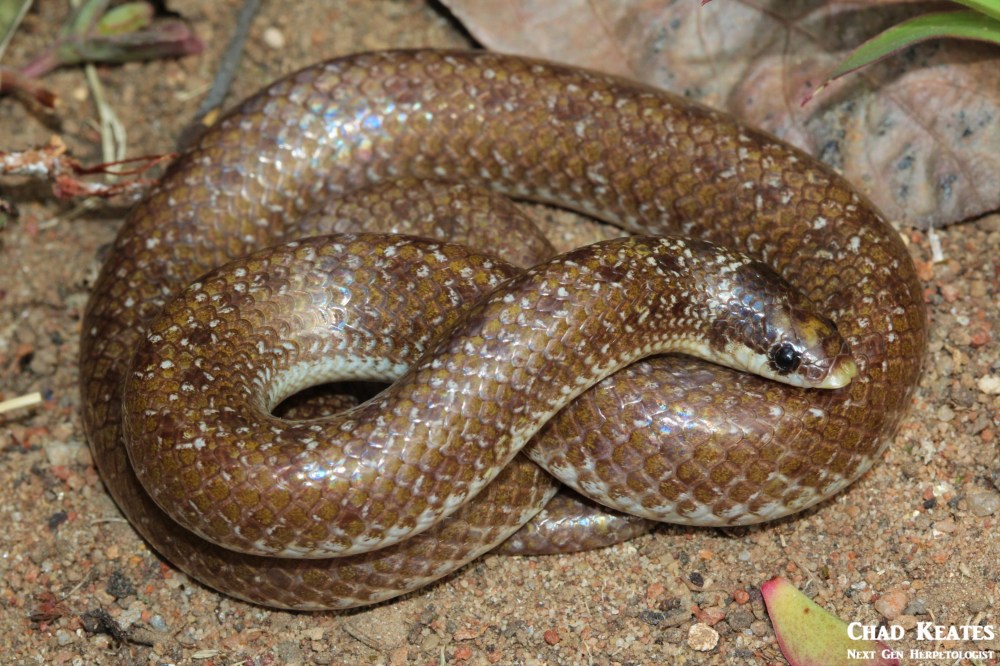
from Grahamstown, Eastern Cape, South Africa

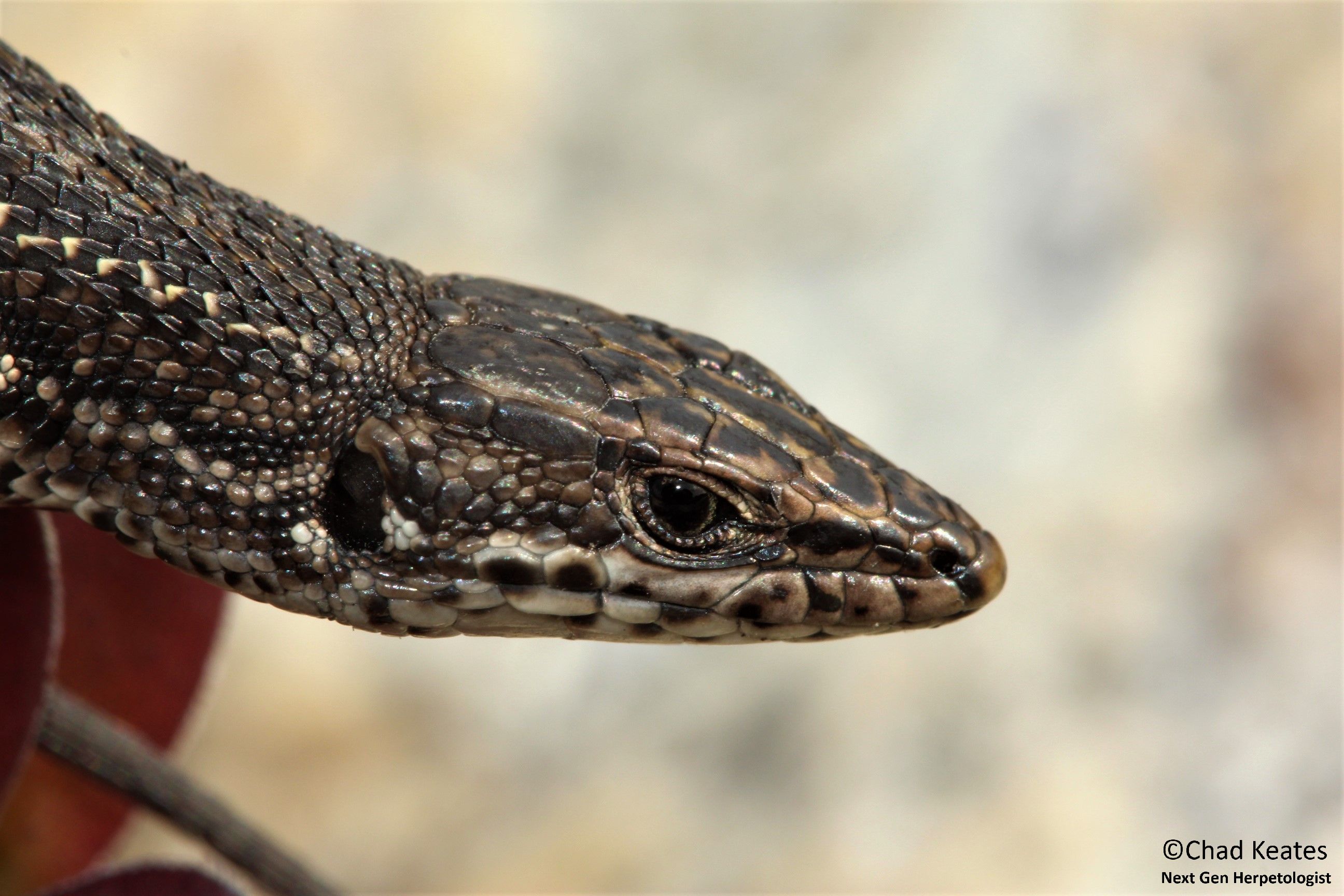
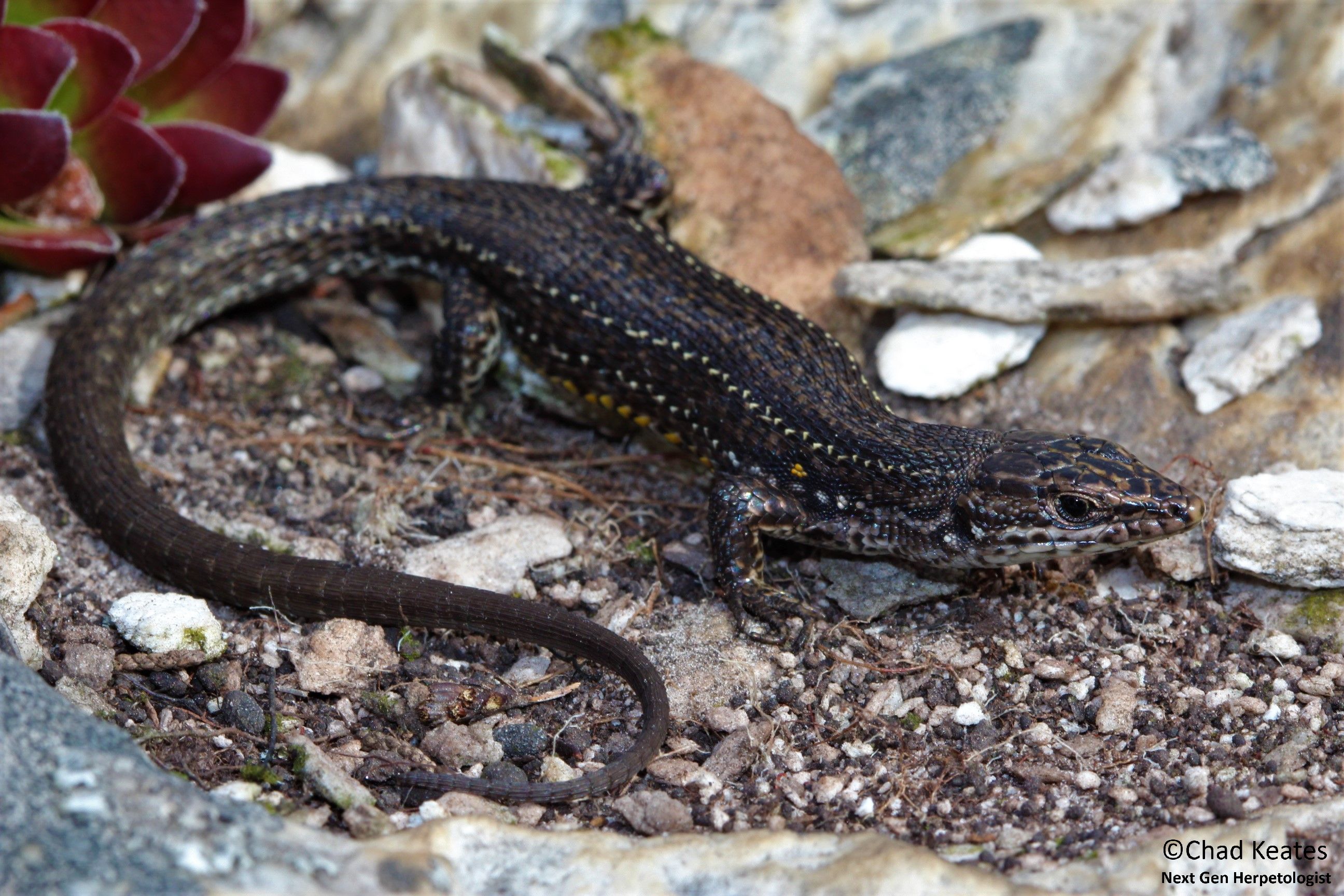

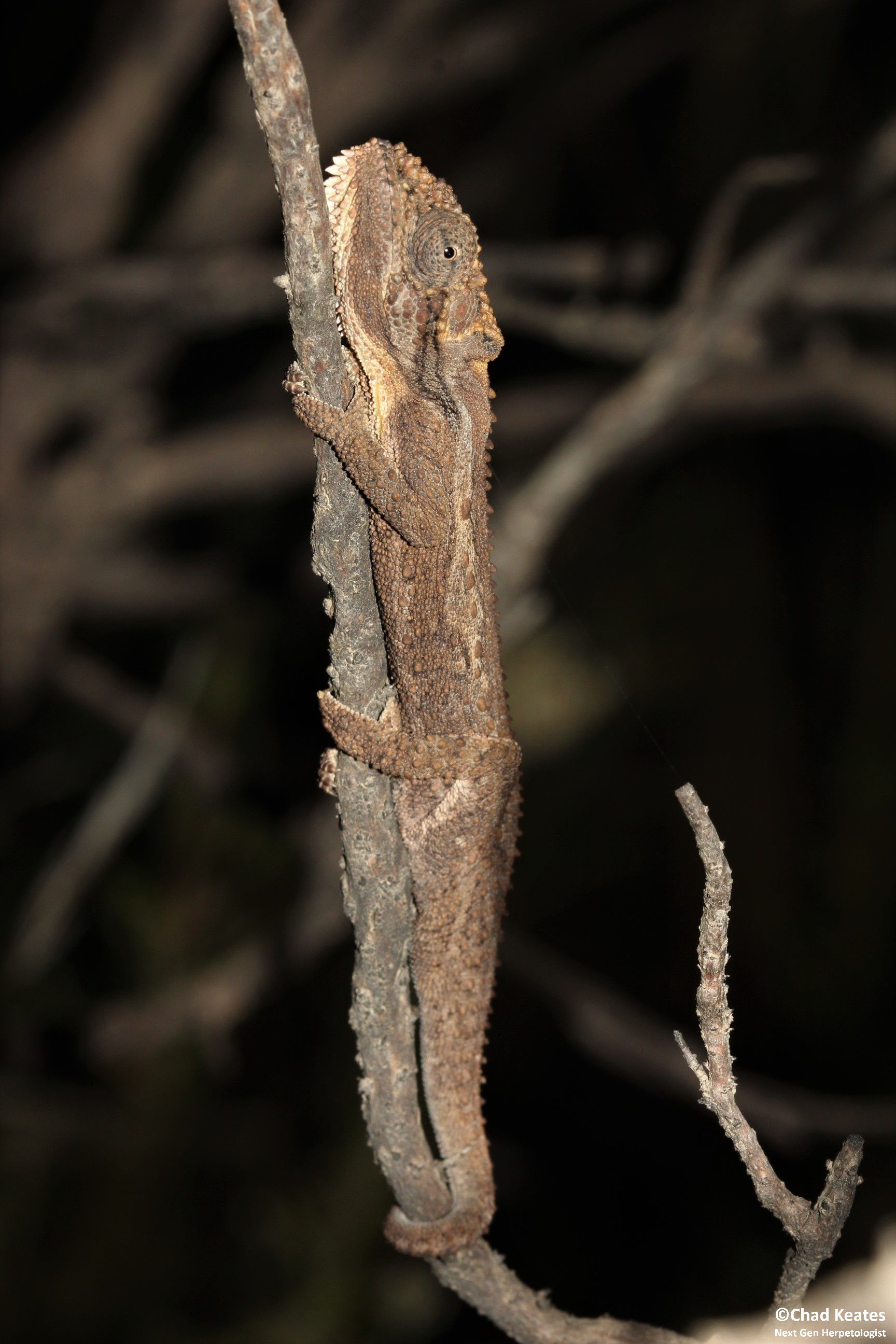
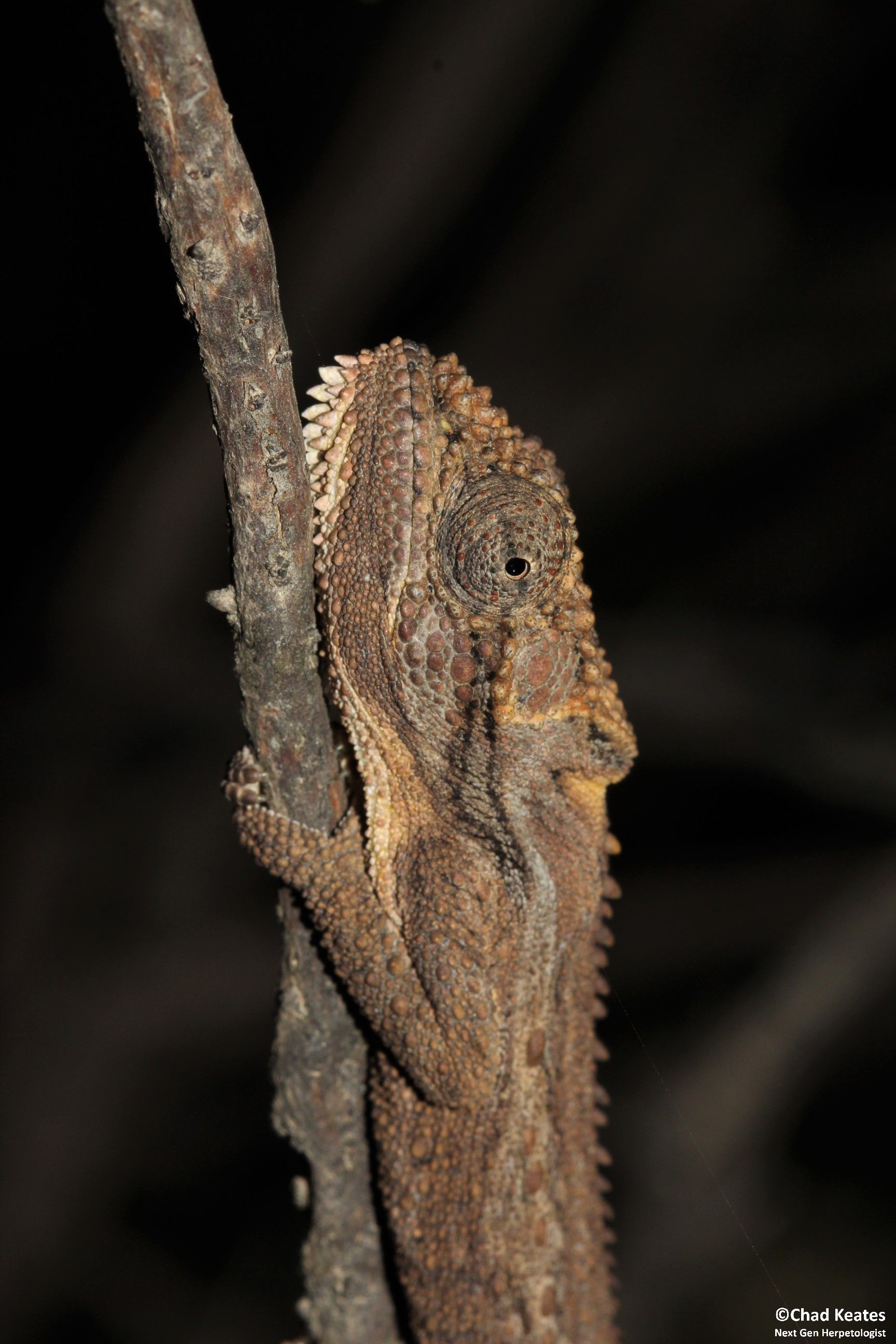
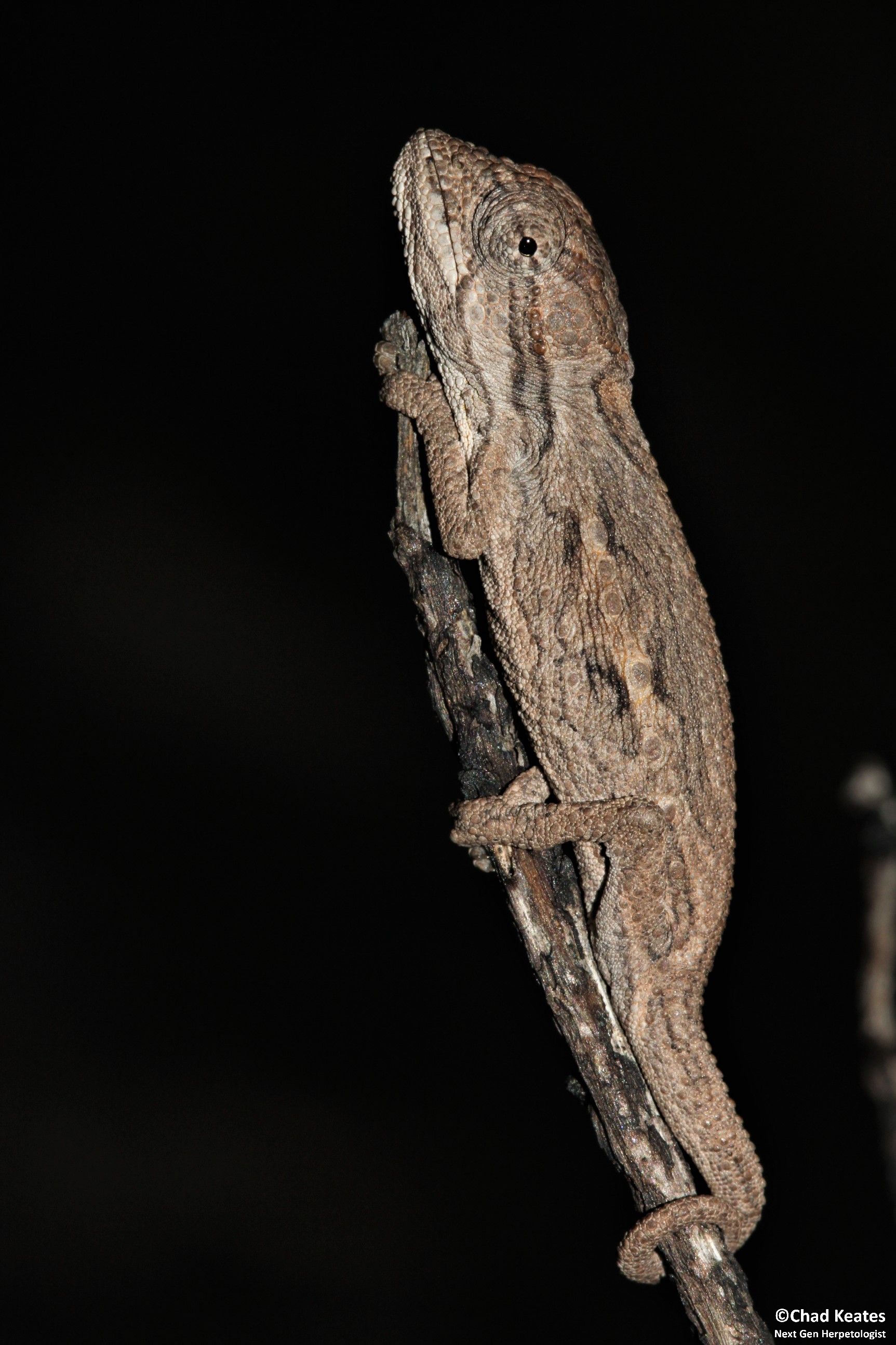
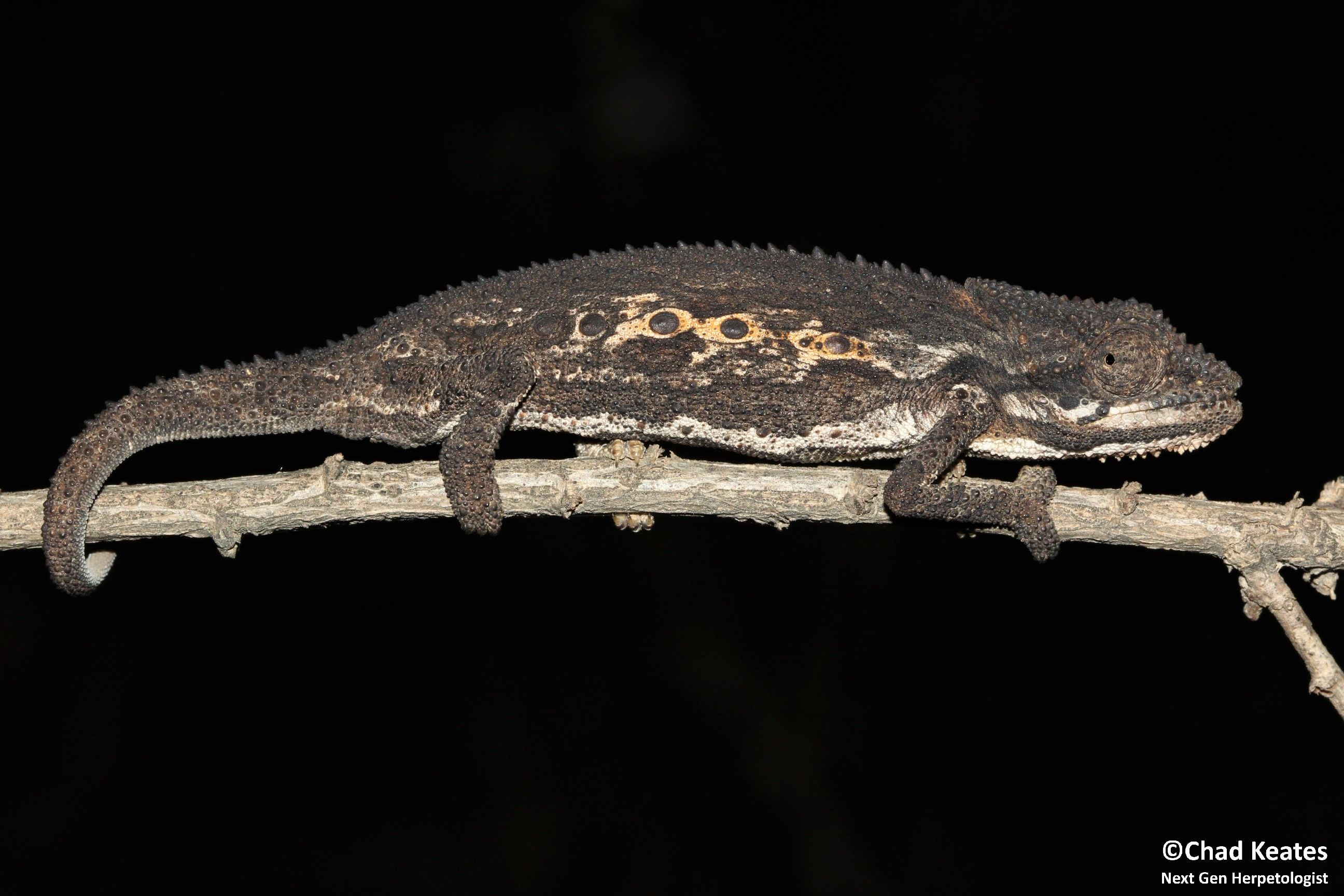
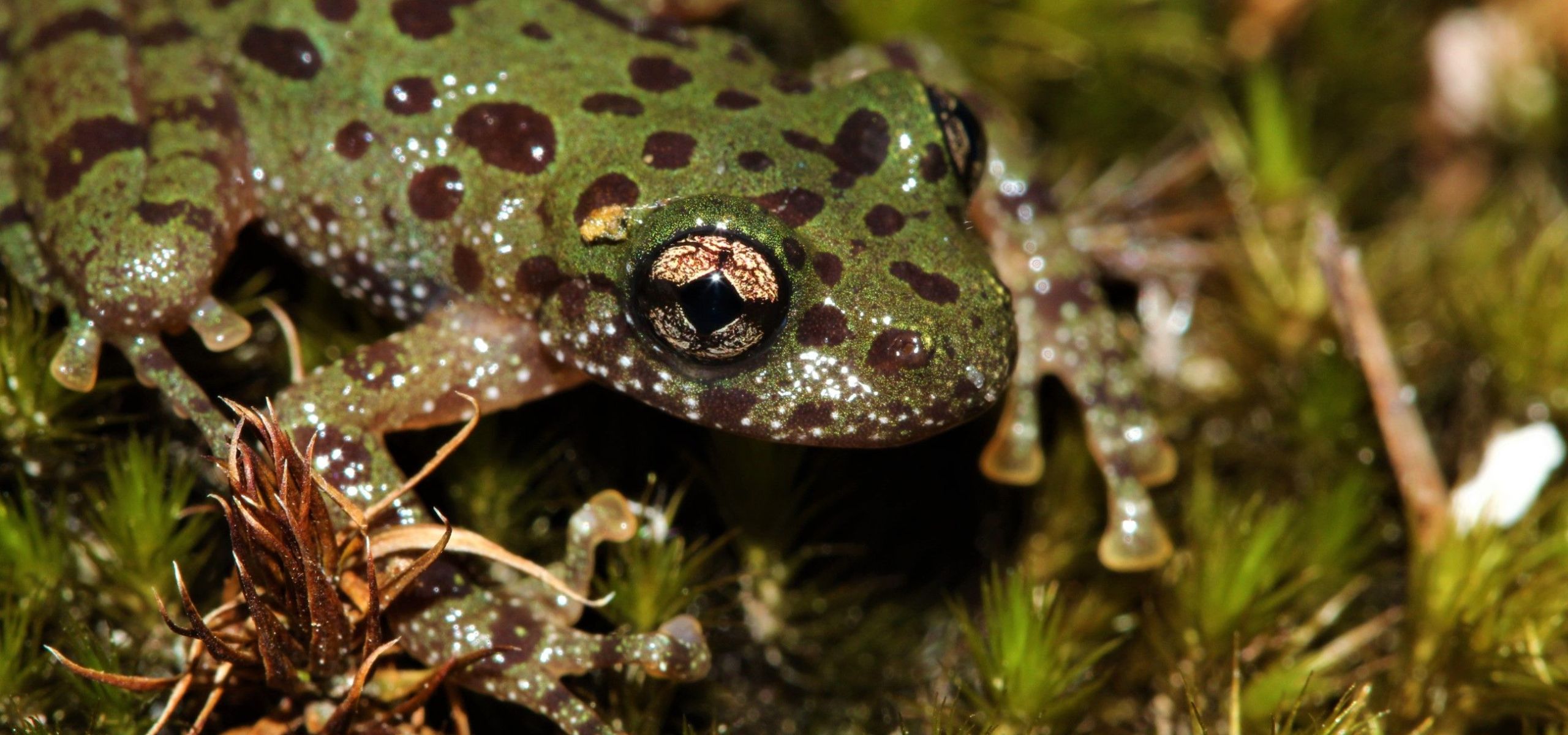
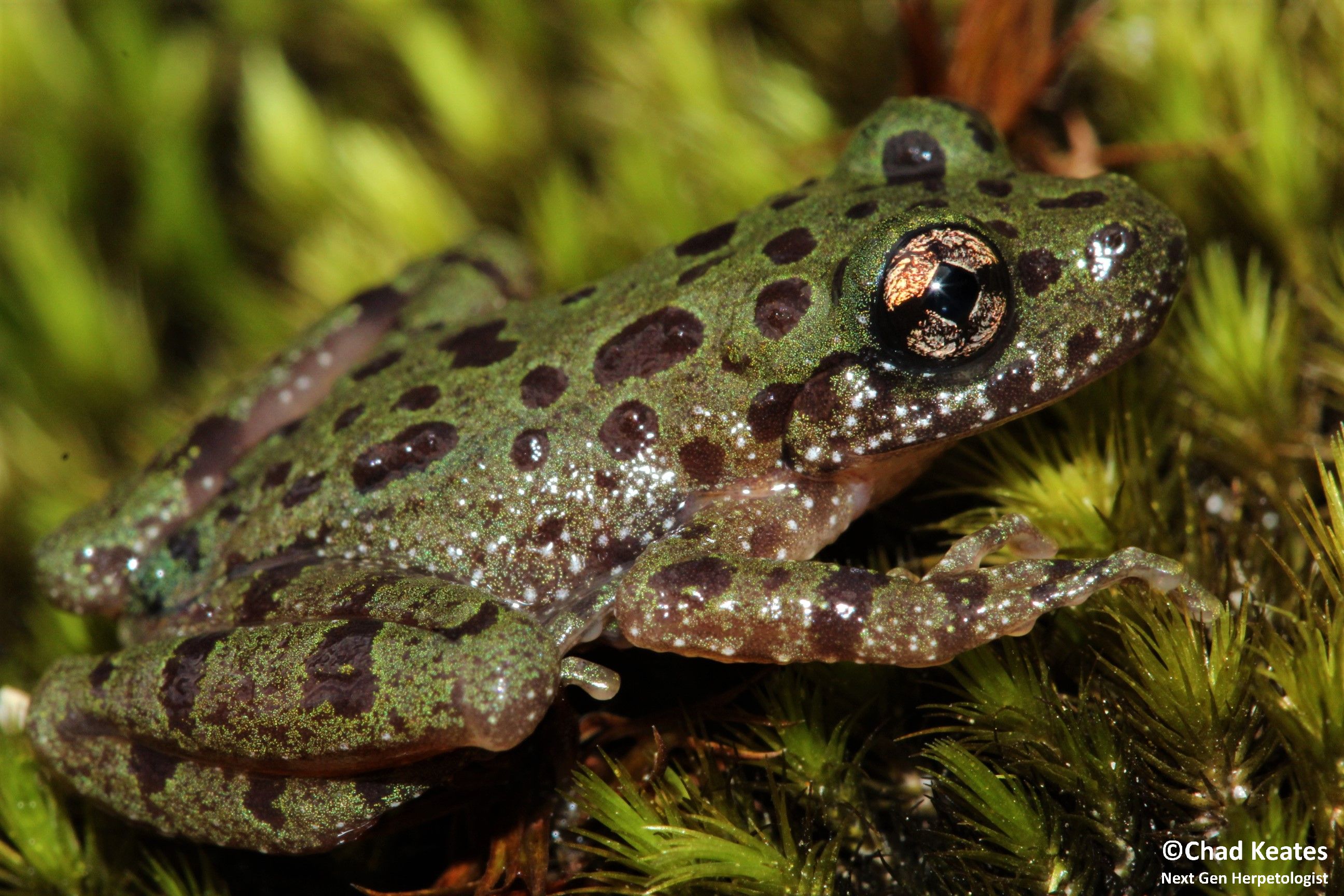
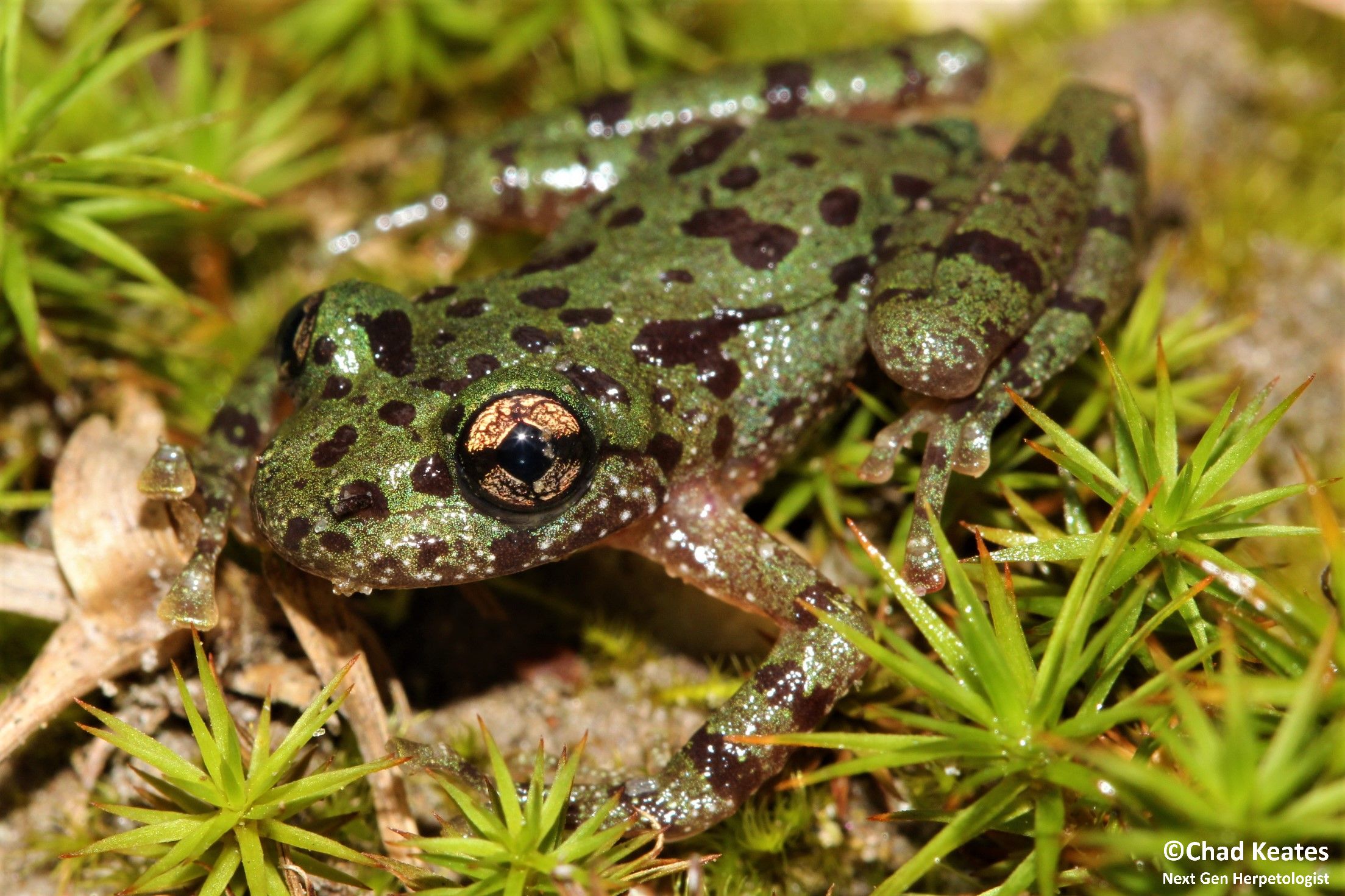
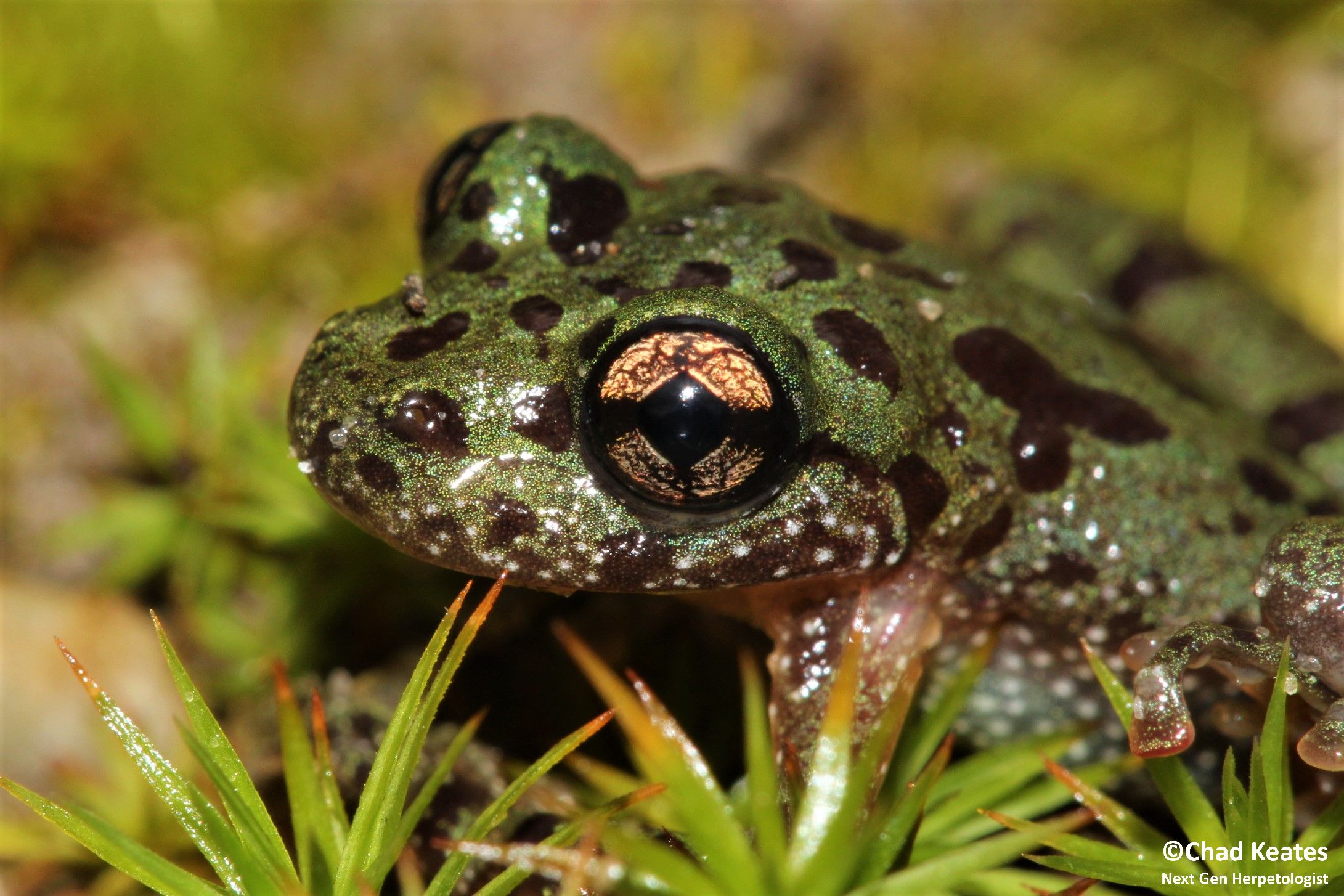
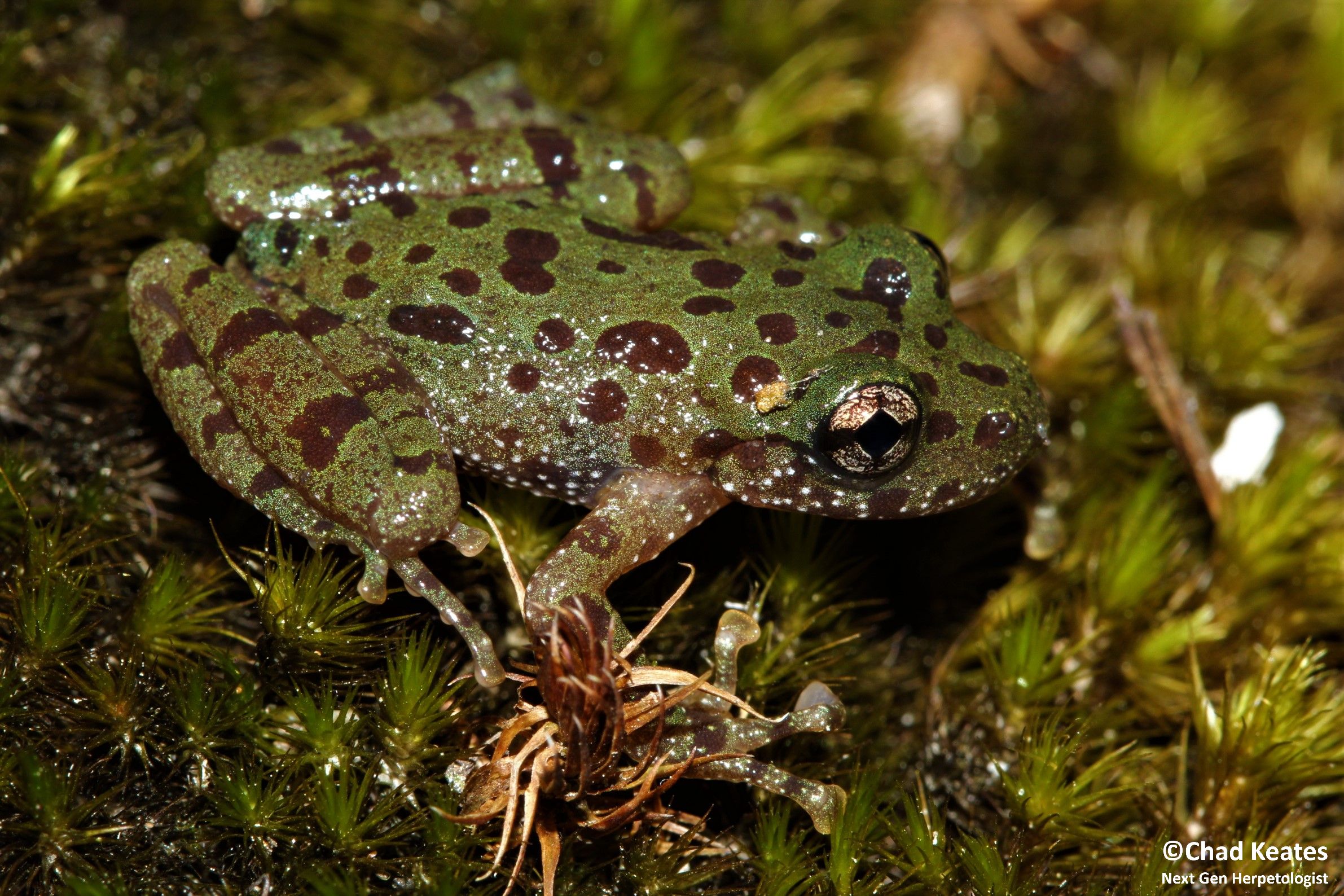
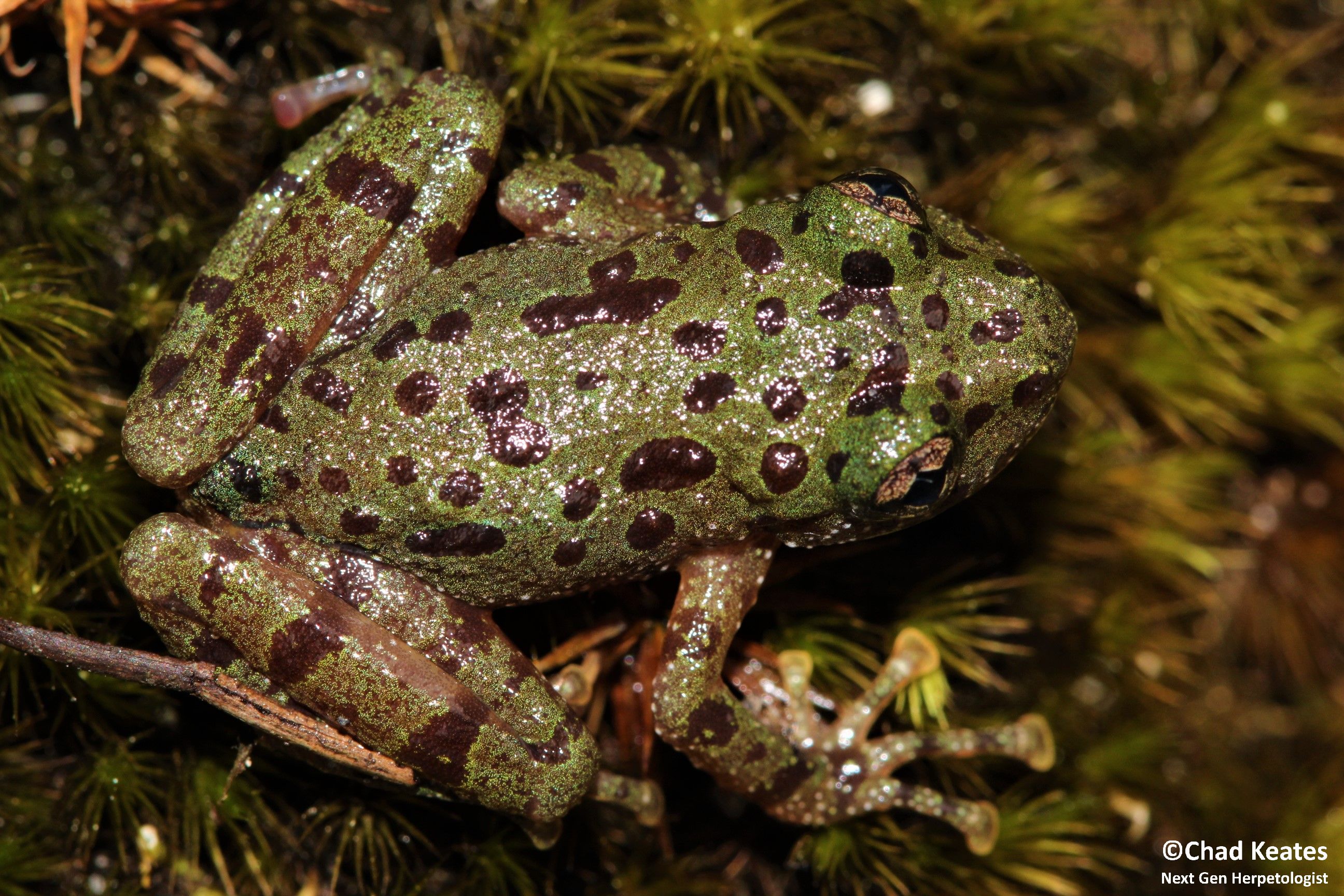


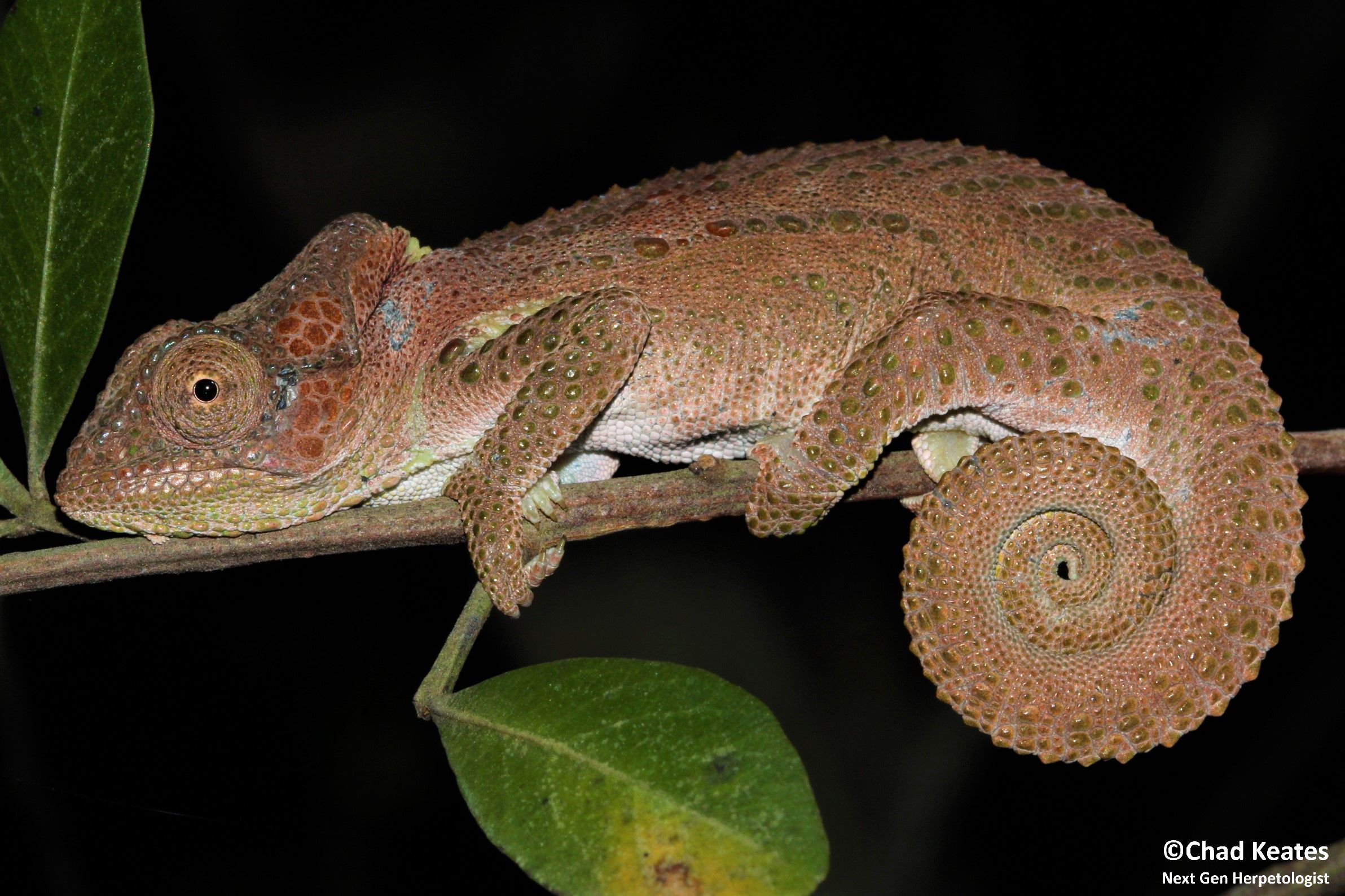

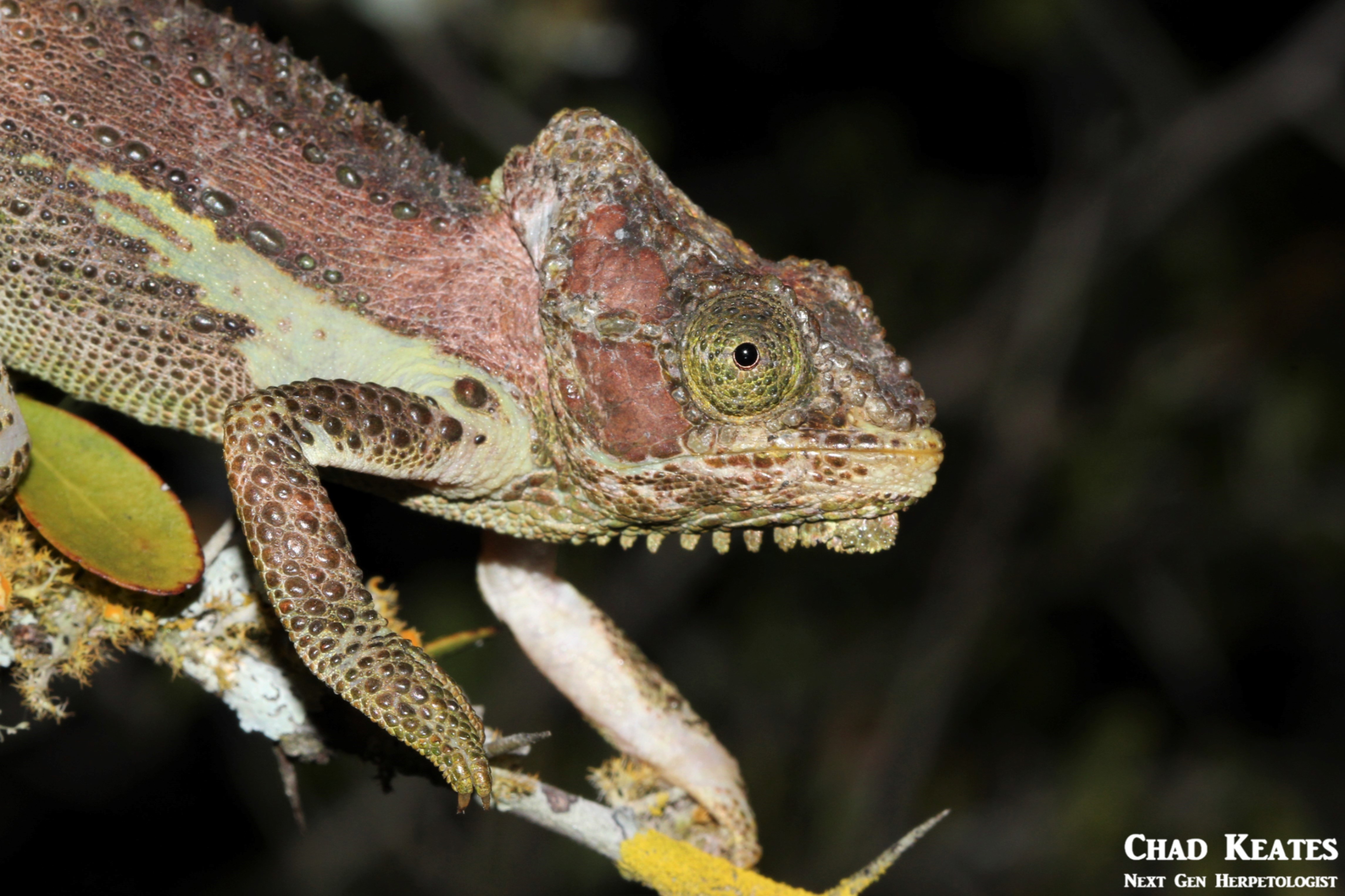
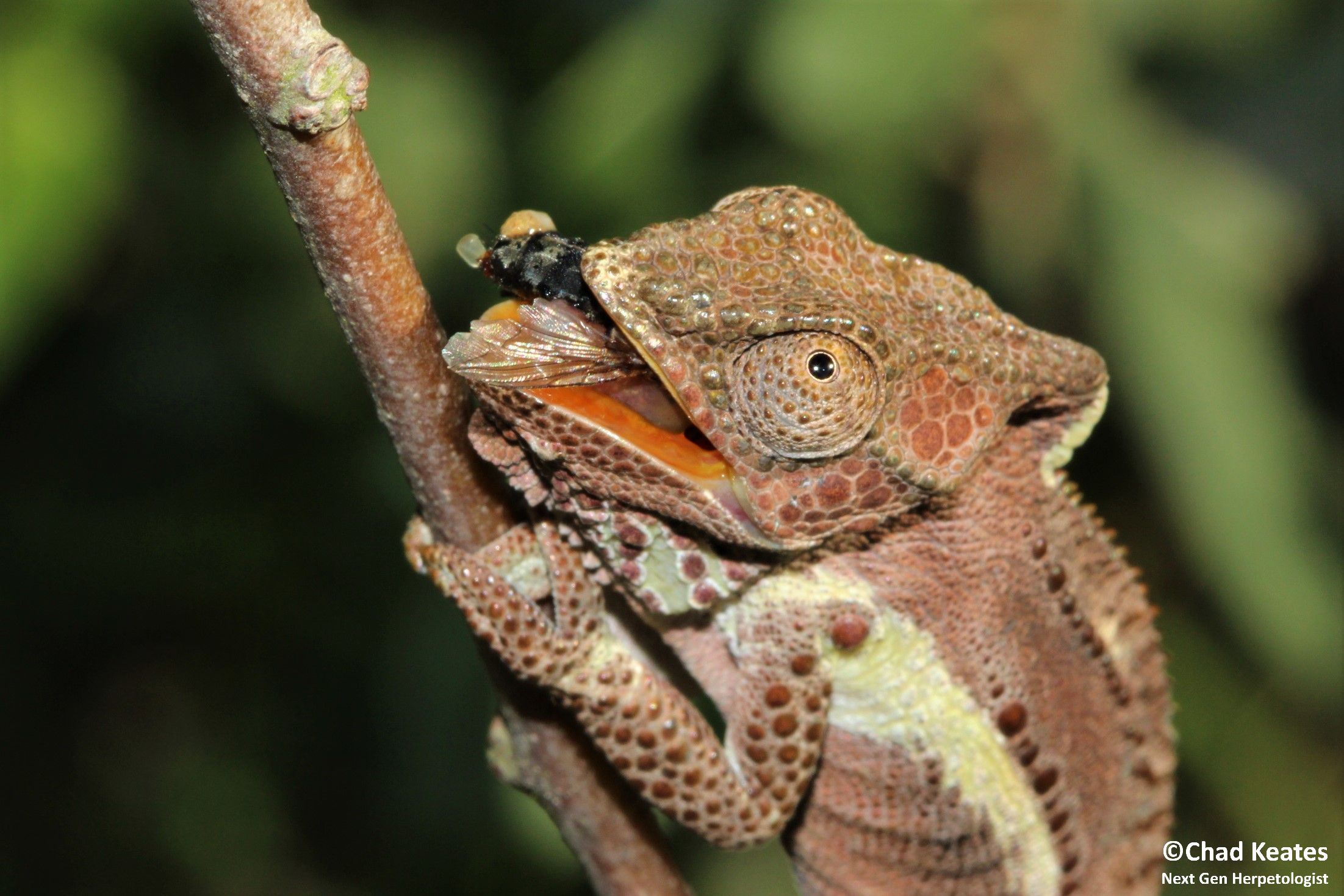


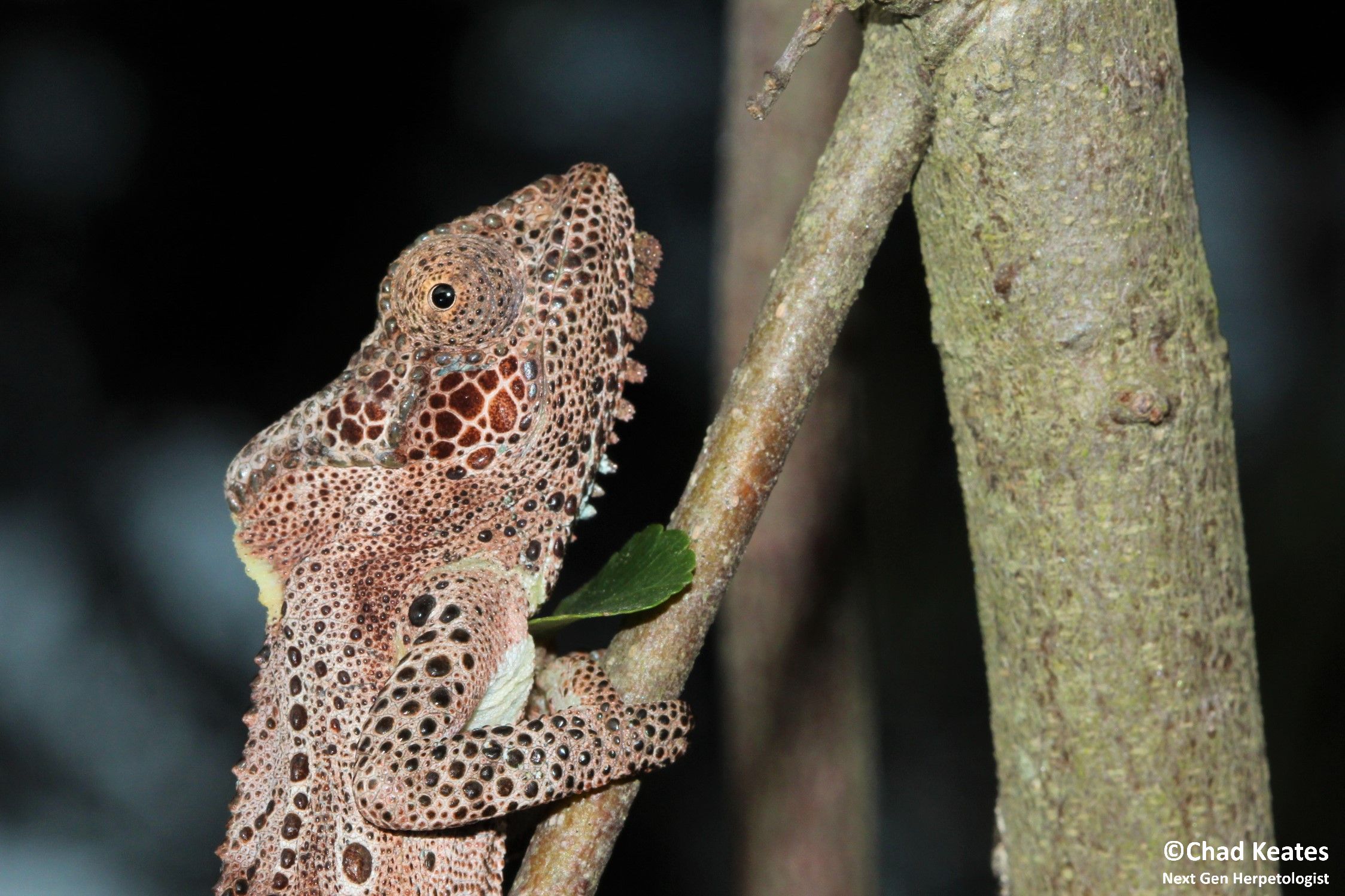

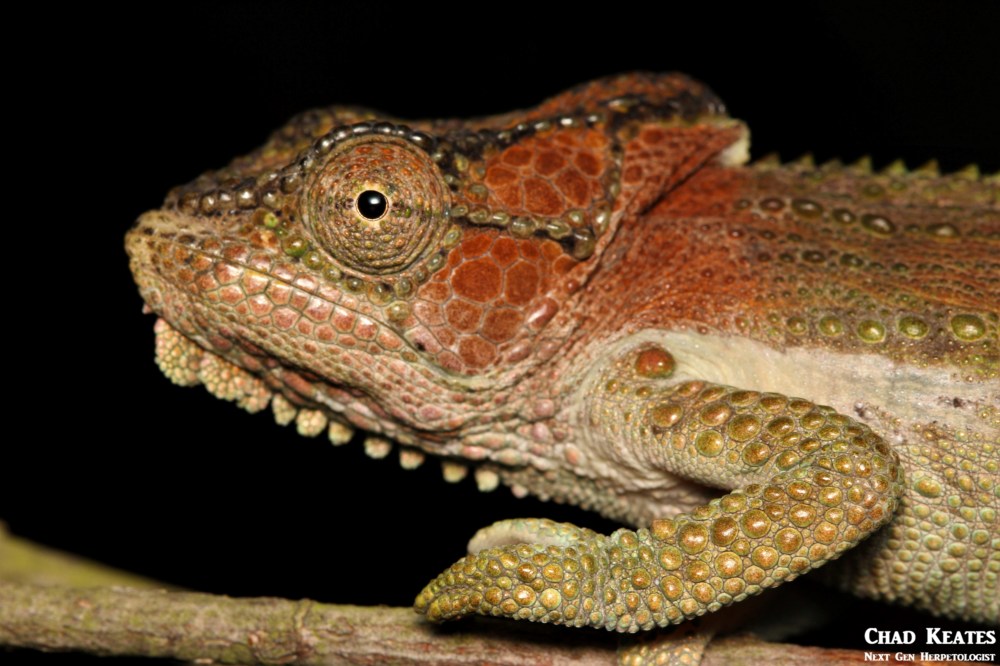


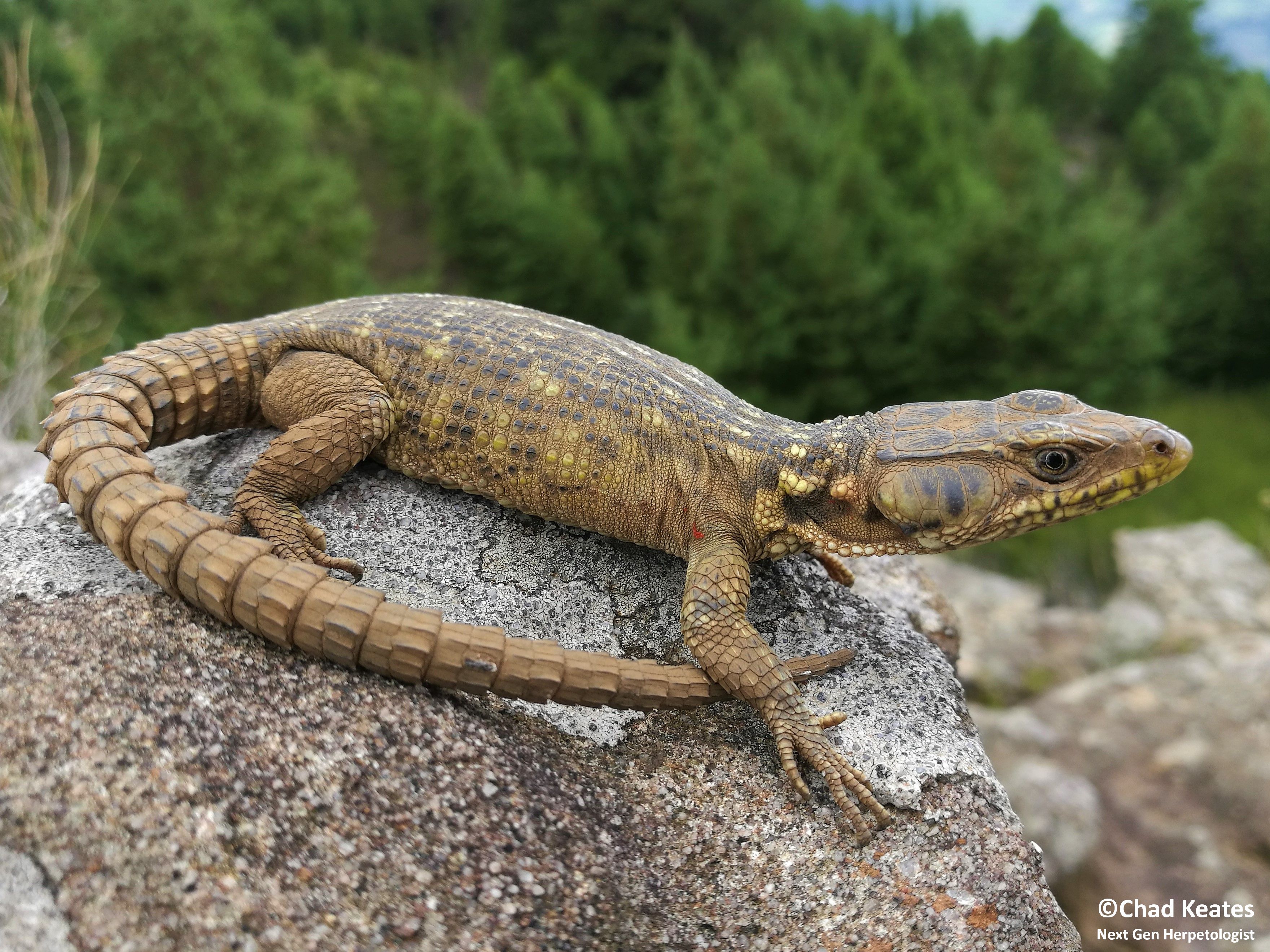
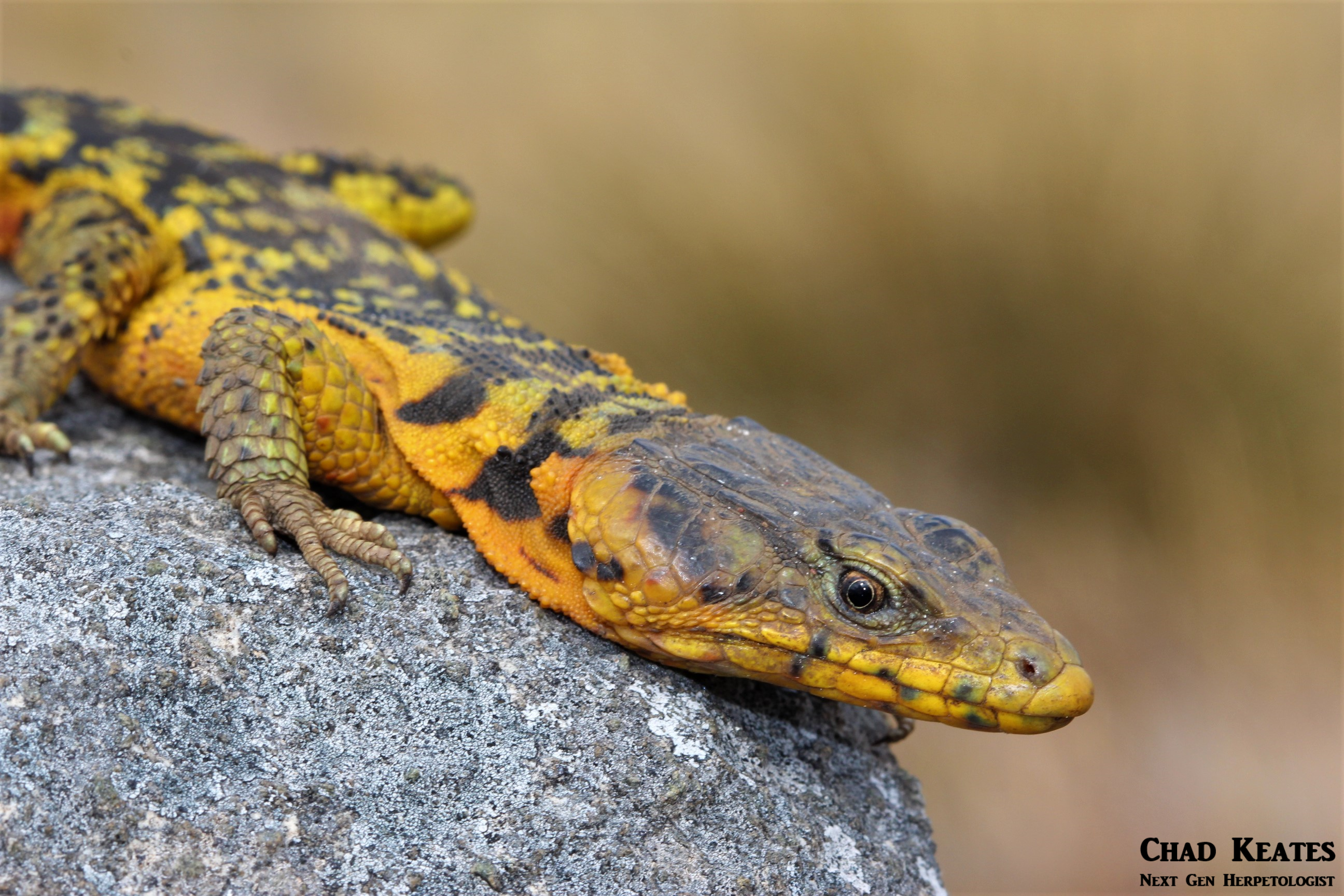
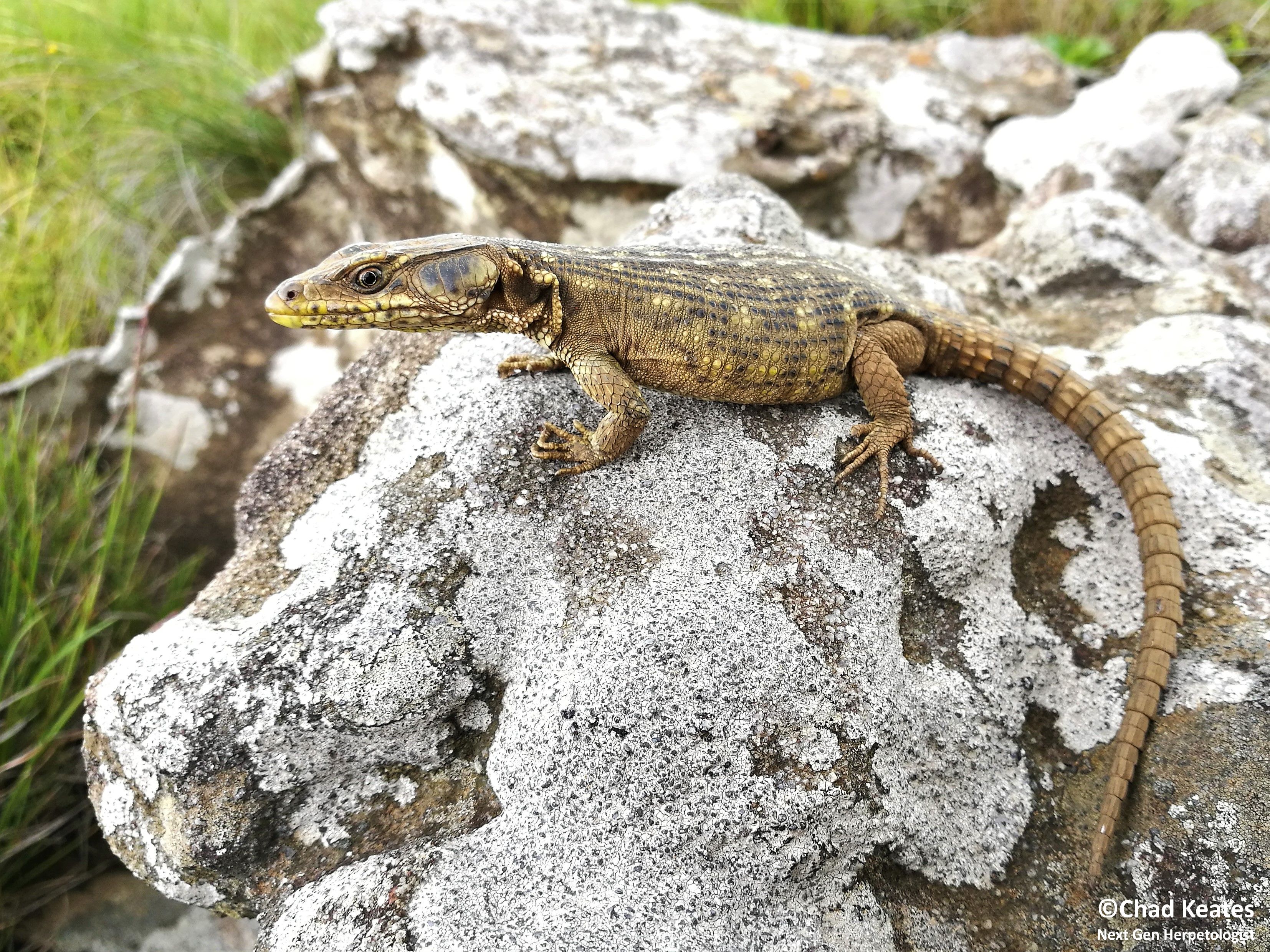
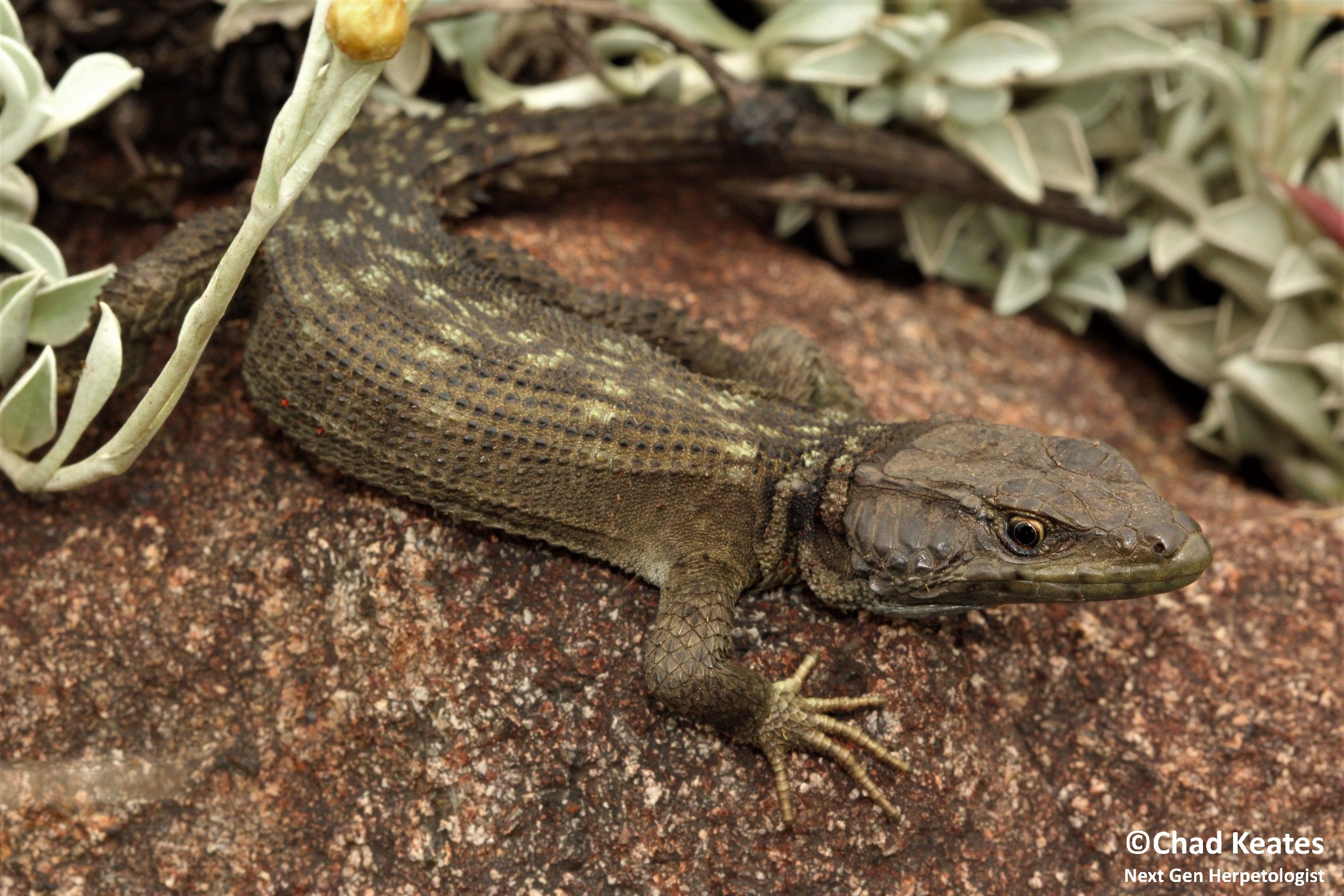
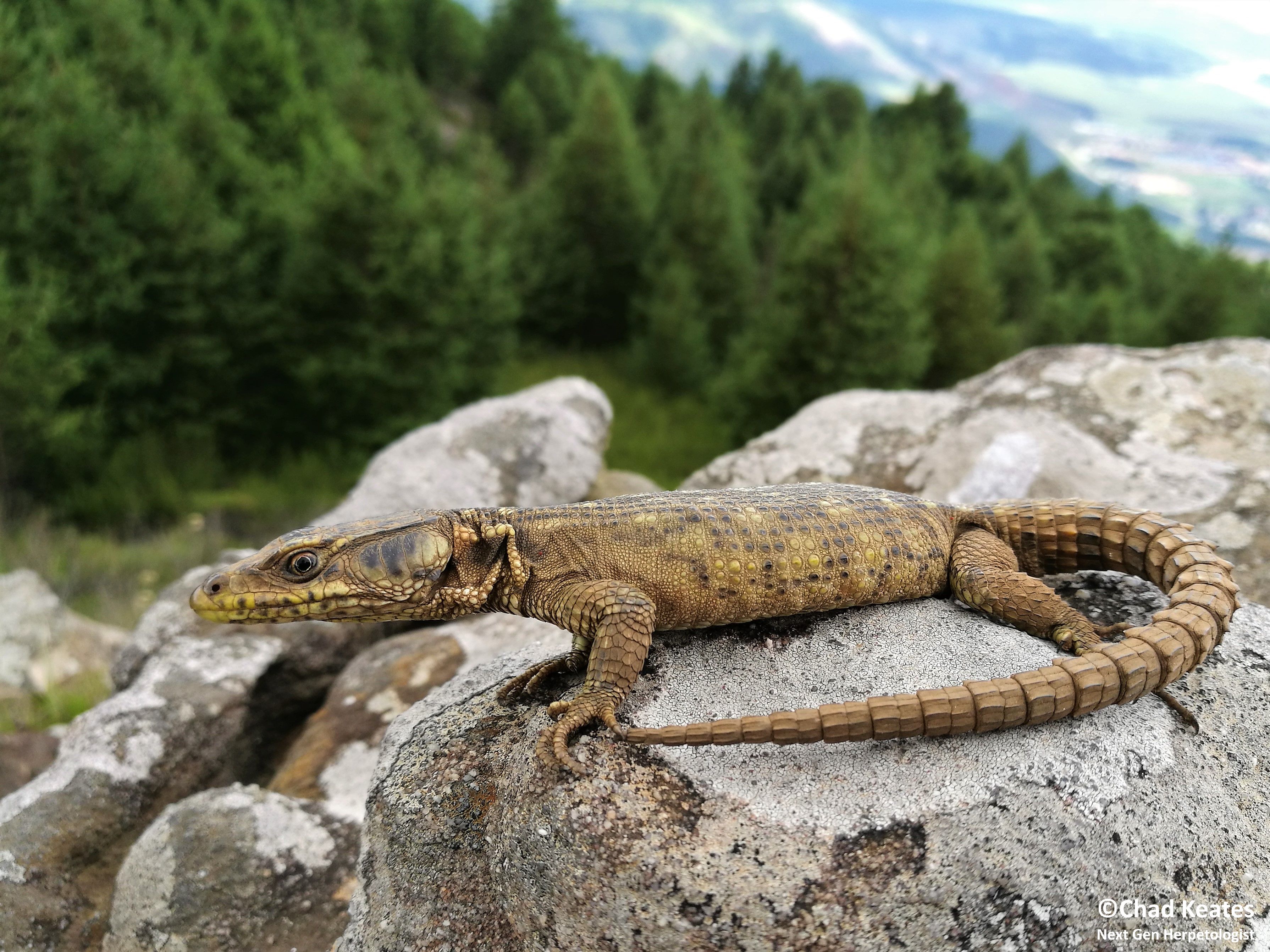
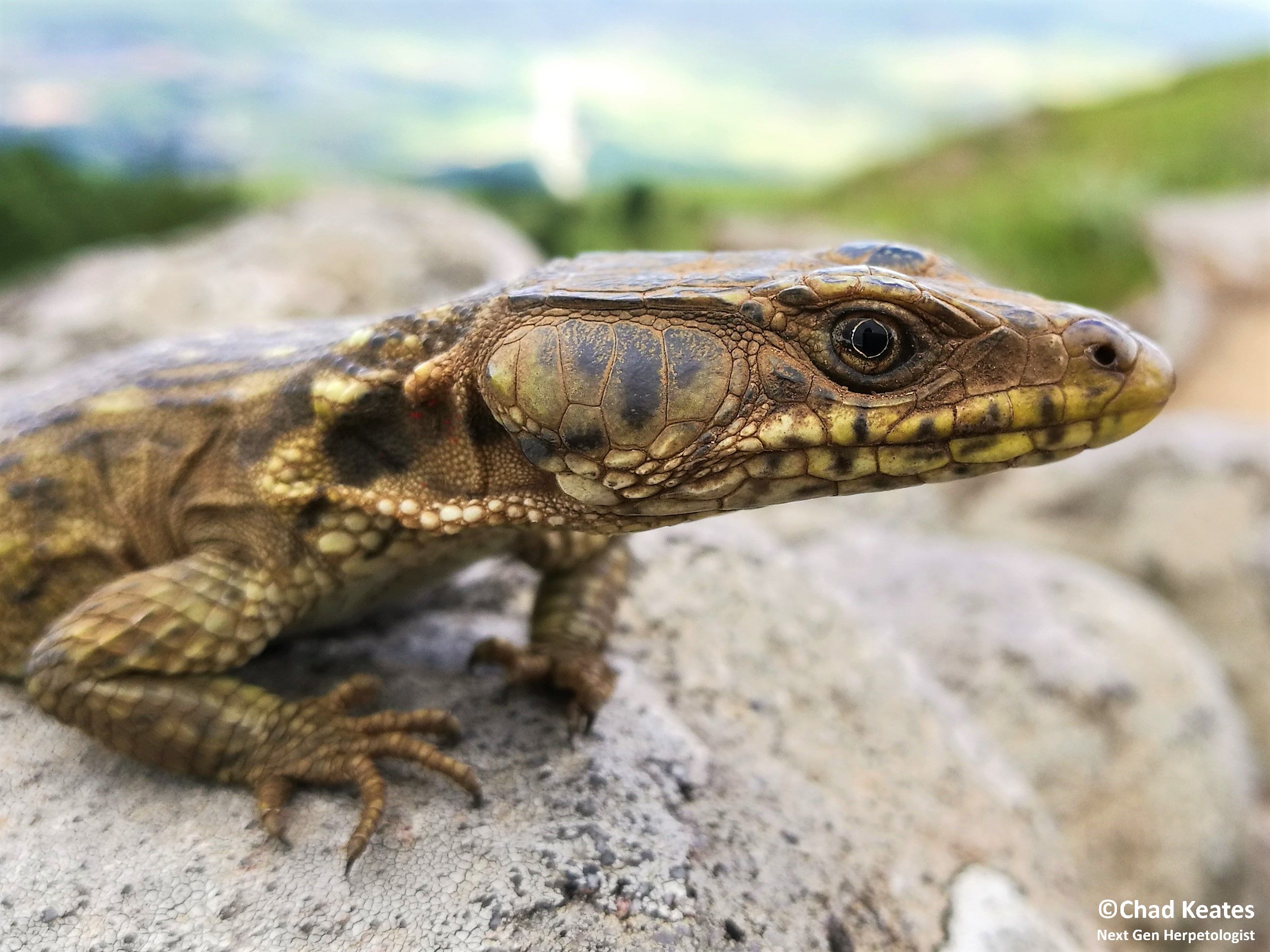
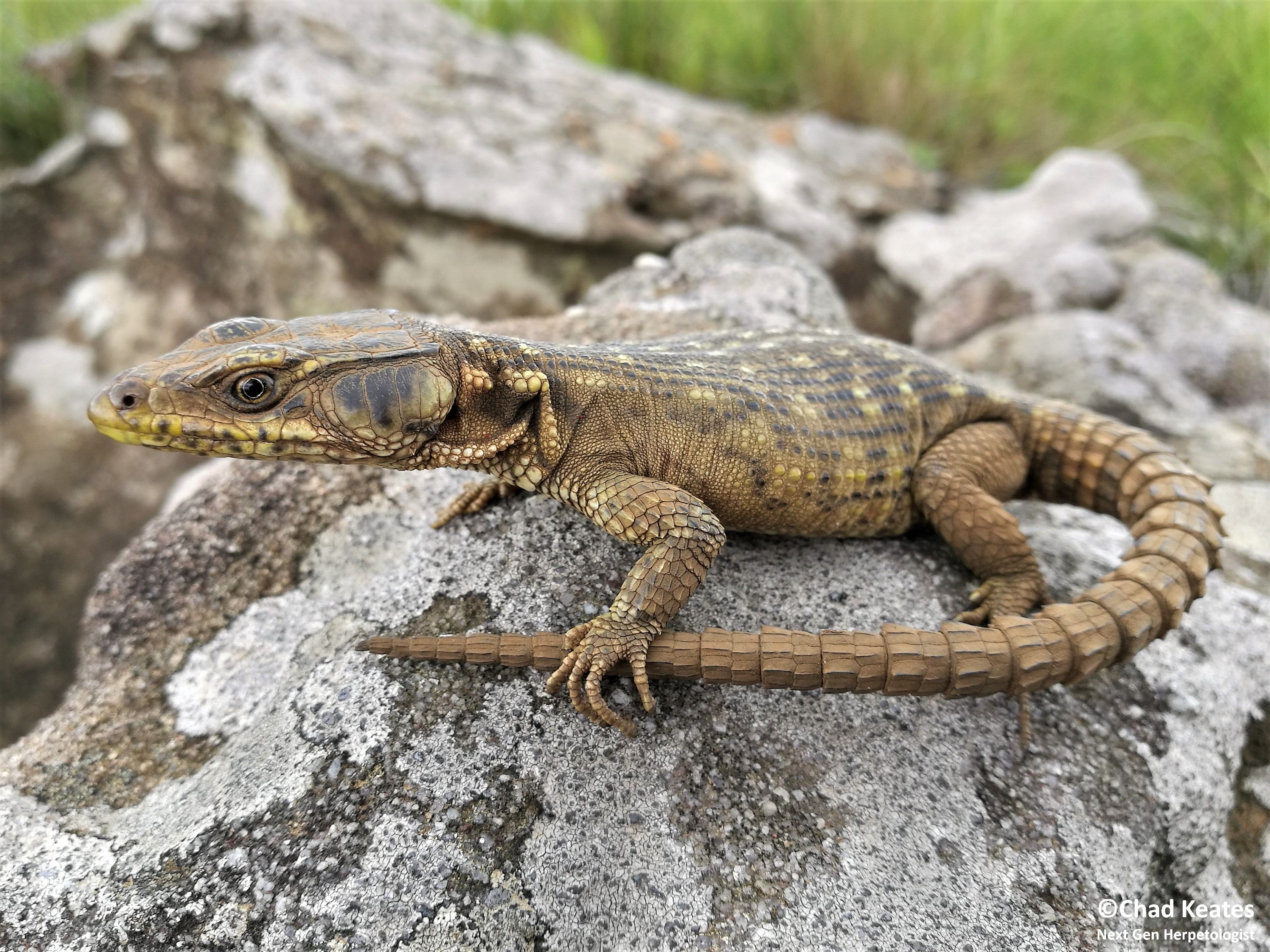
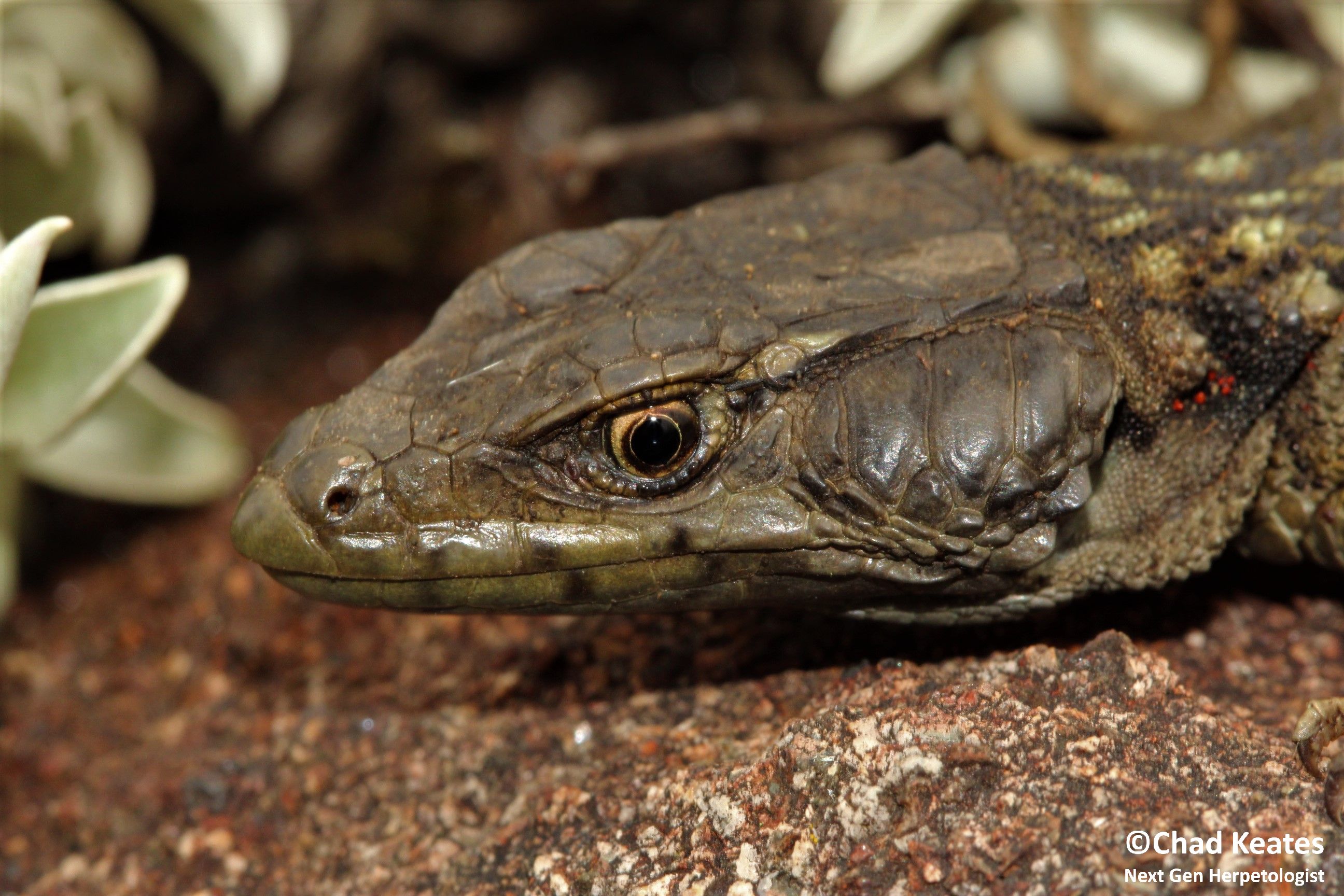
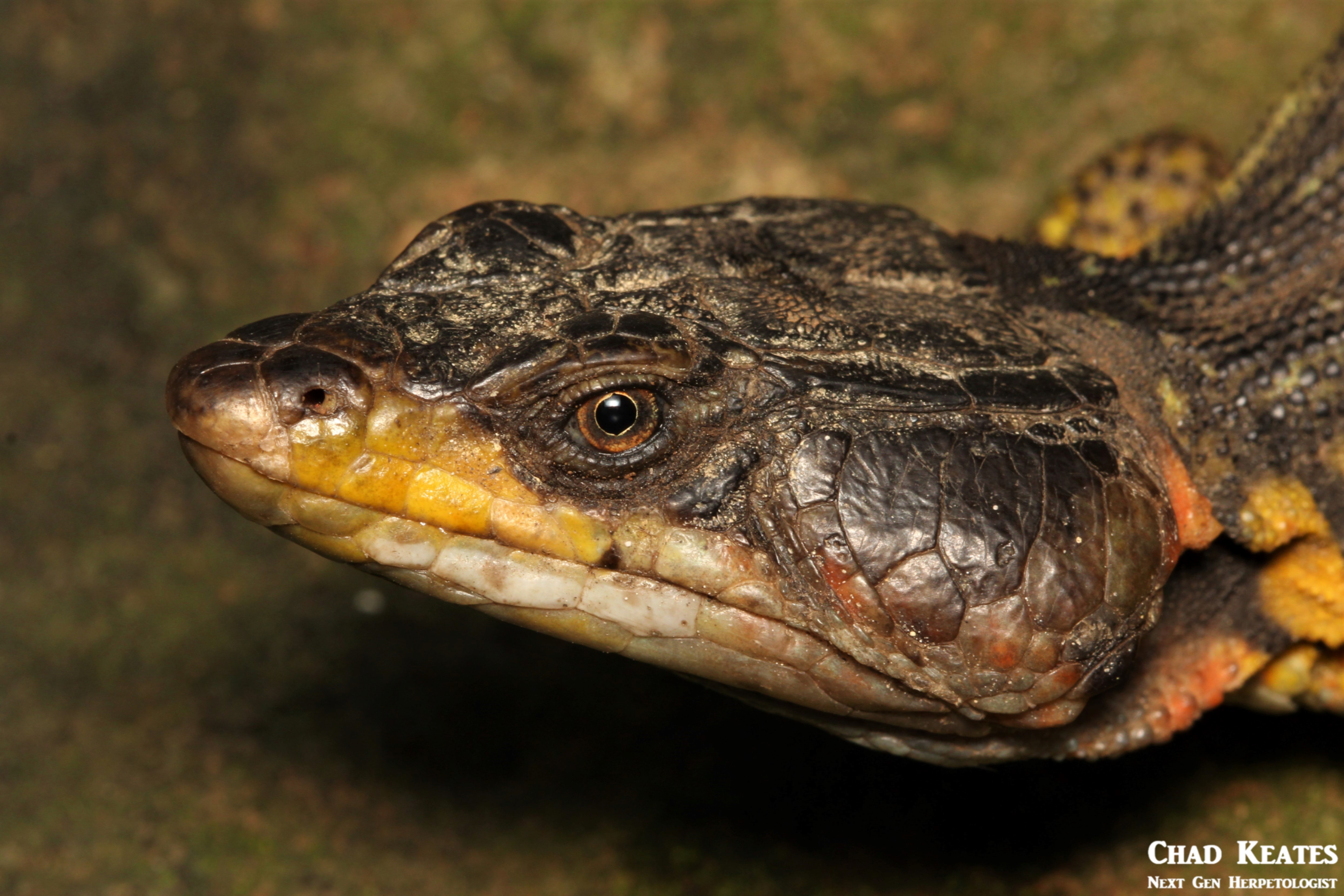
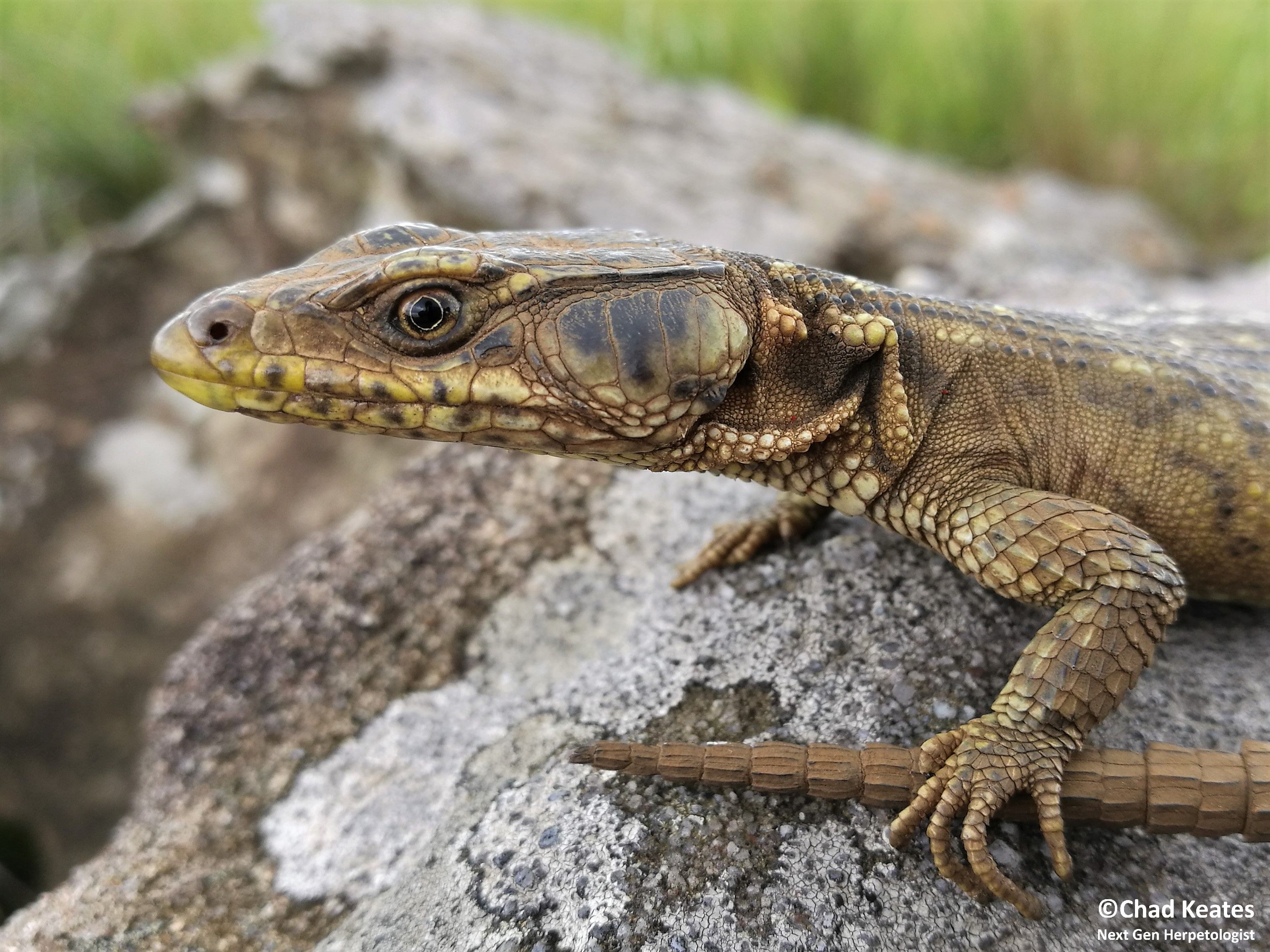
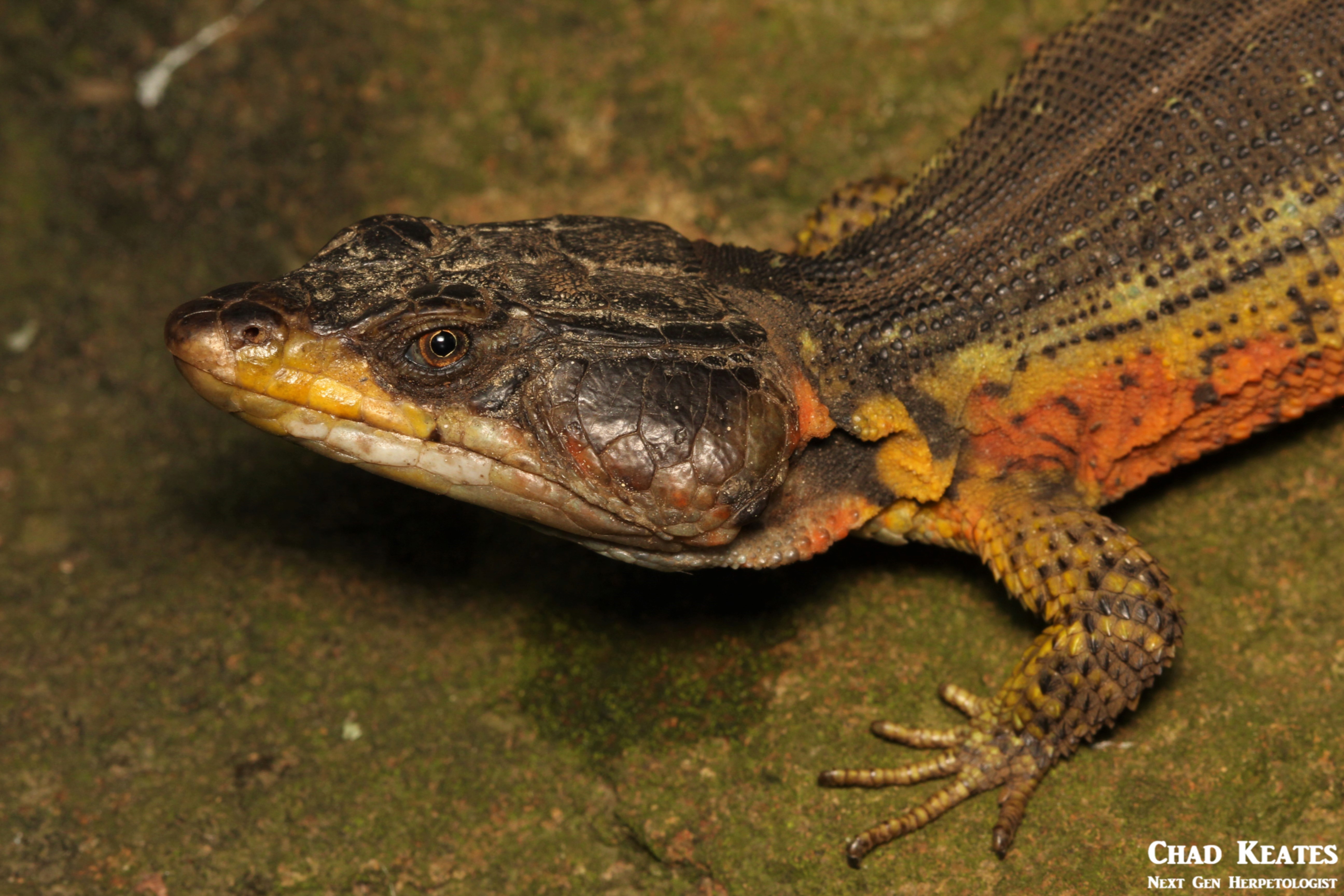
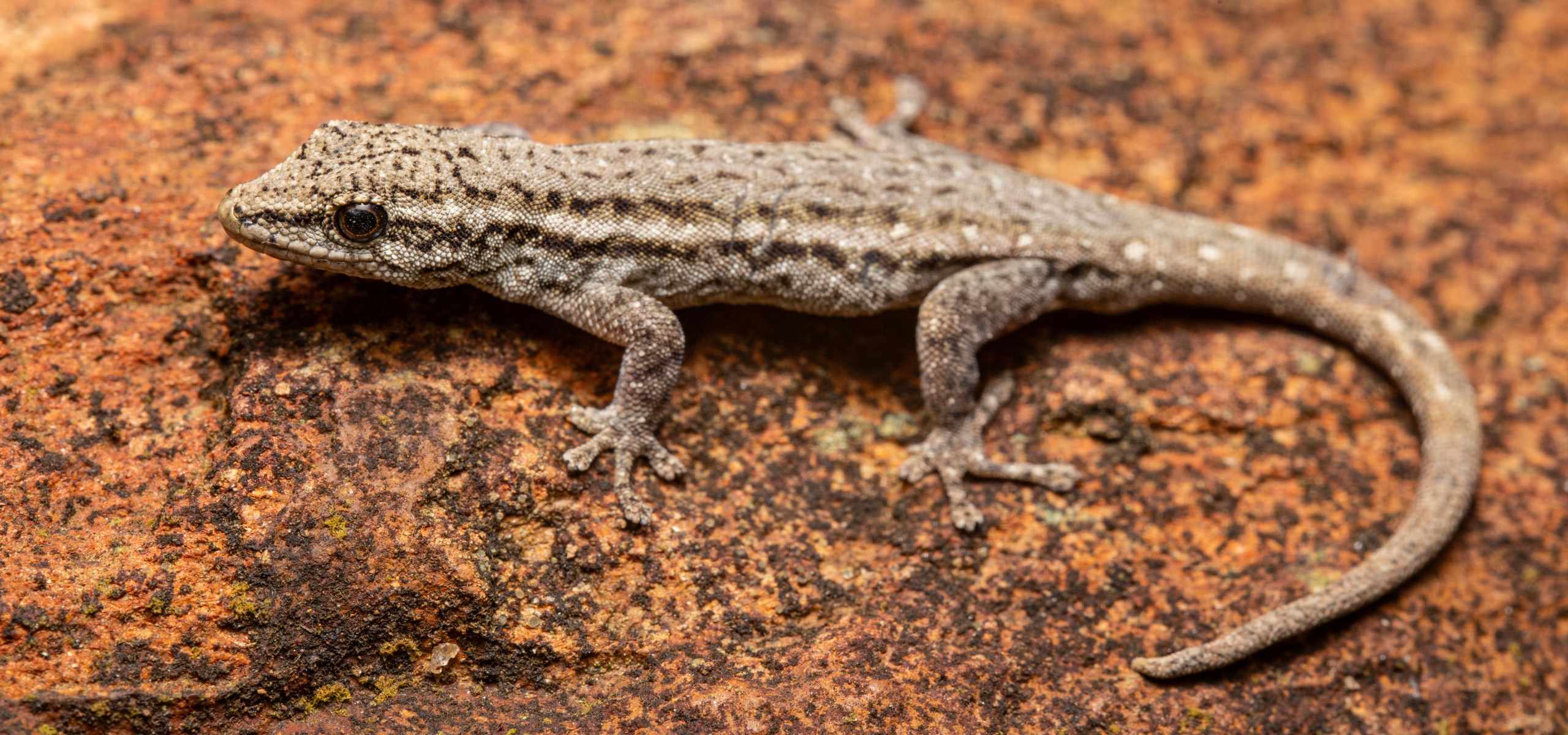
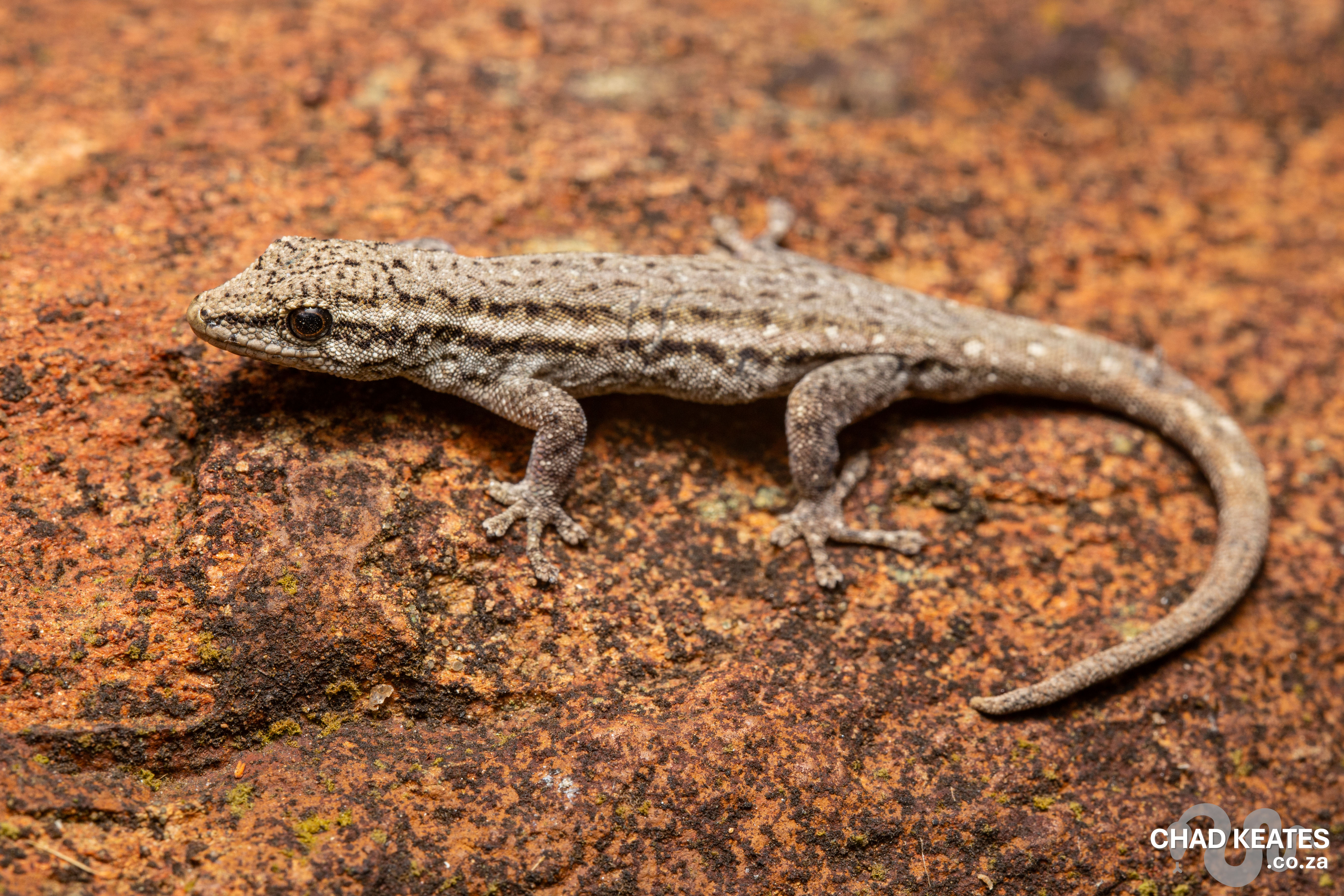
from Nkandla, KwaZulu Natal, South Africa
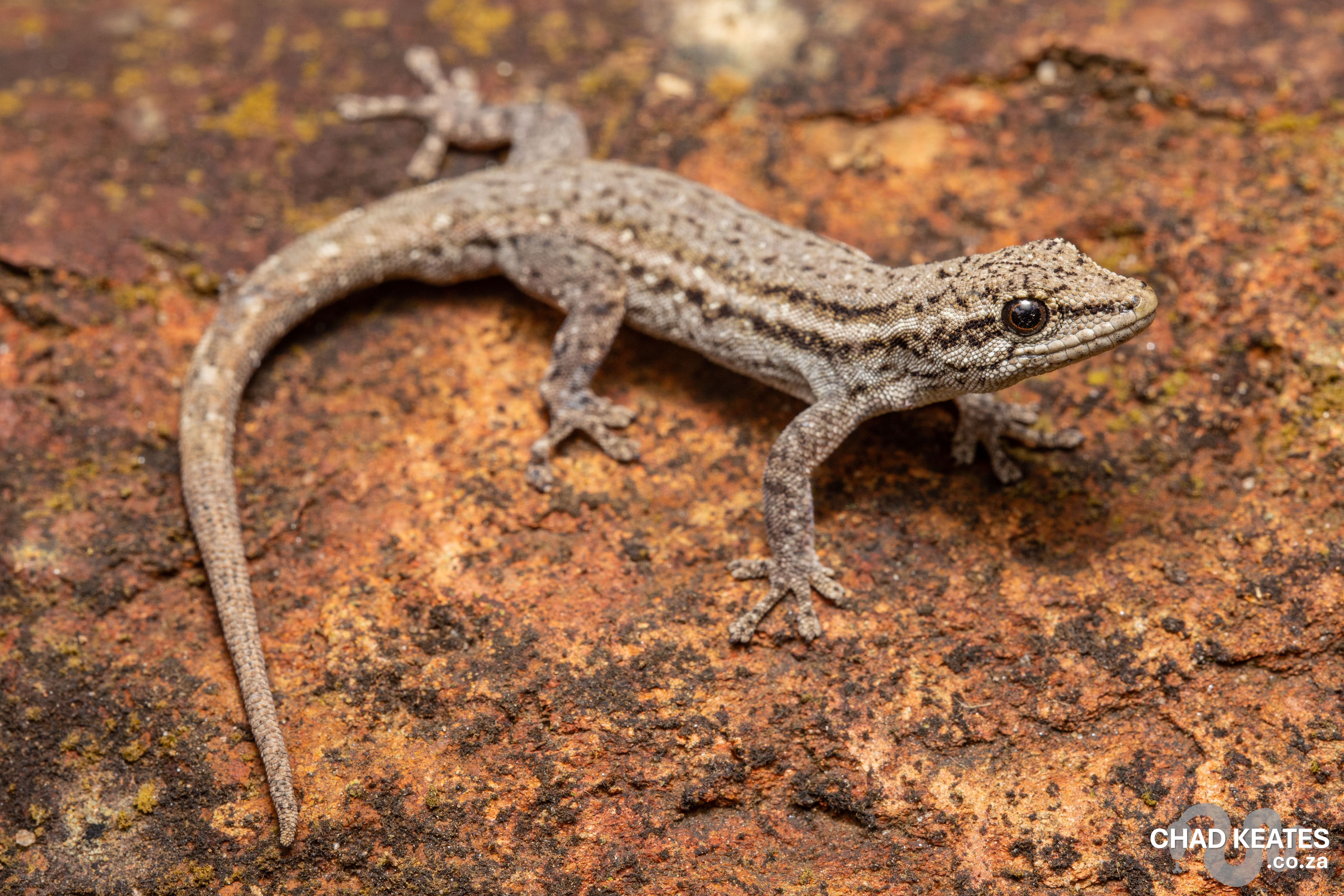
from Nkandla, KwaZulu Natal, South Africa
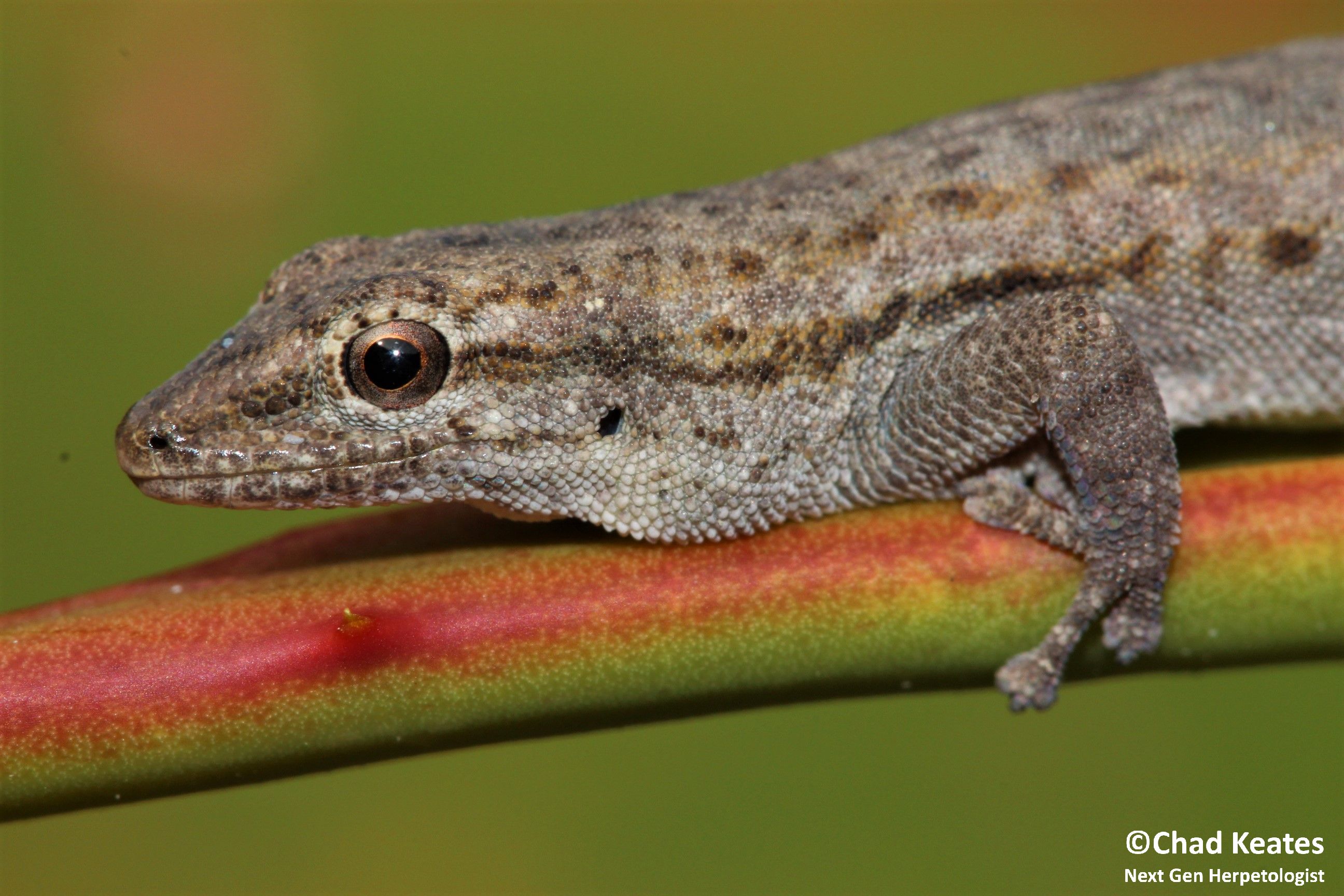
from Makhanda, Eastern Cape, South Africa
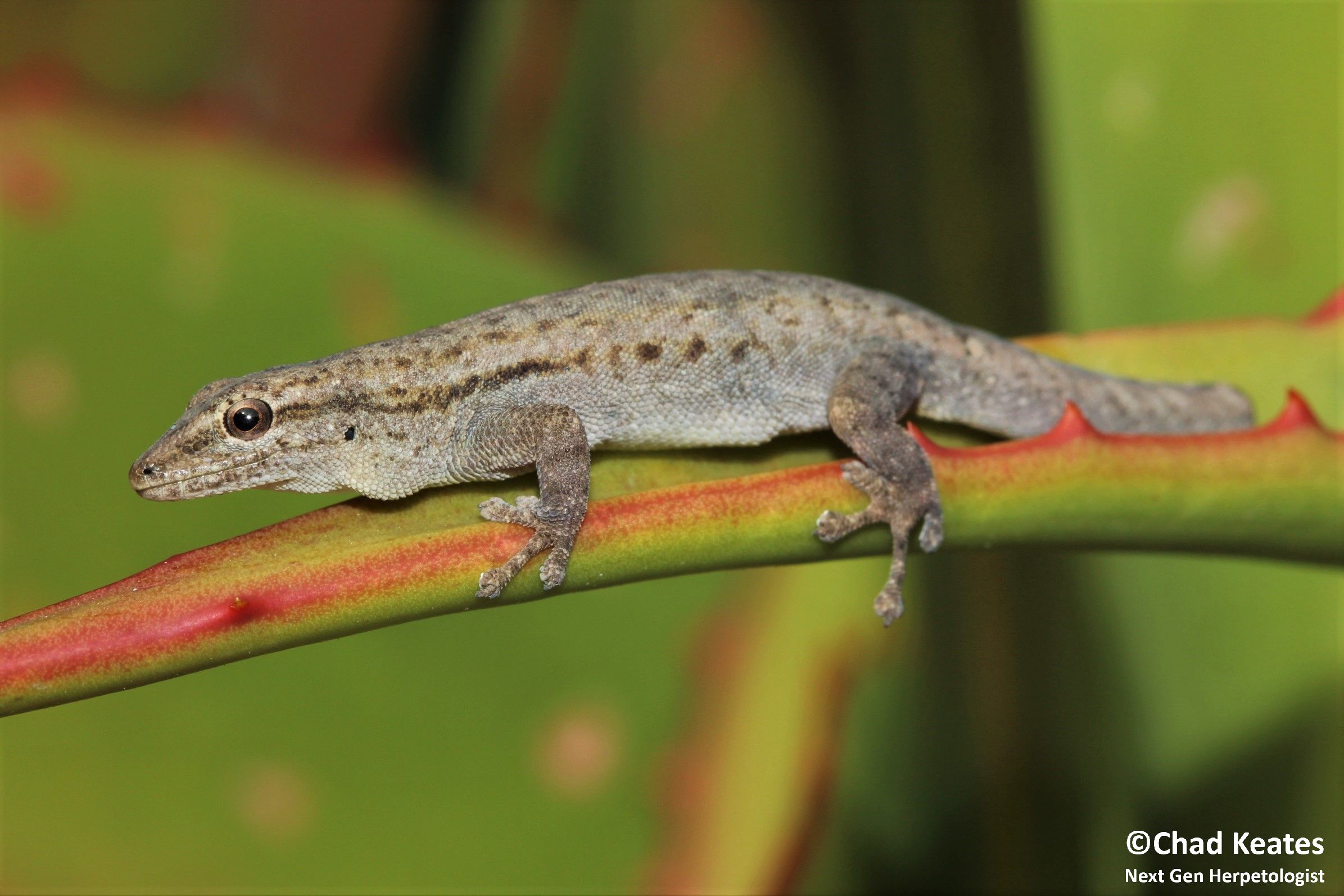
from Makhanda, Eastern Cape, South Africa
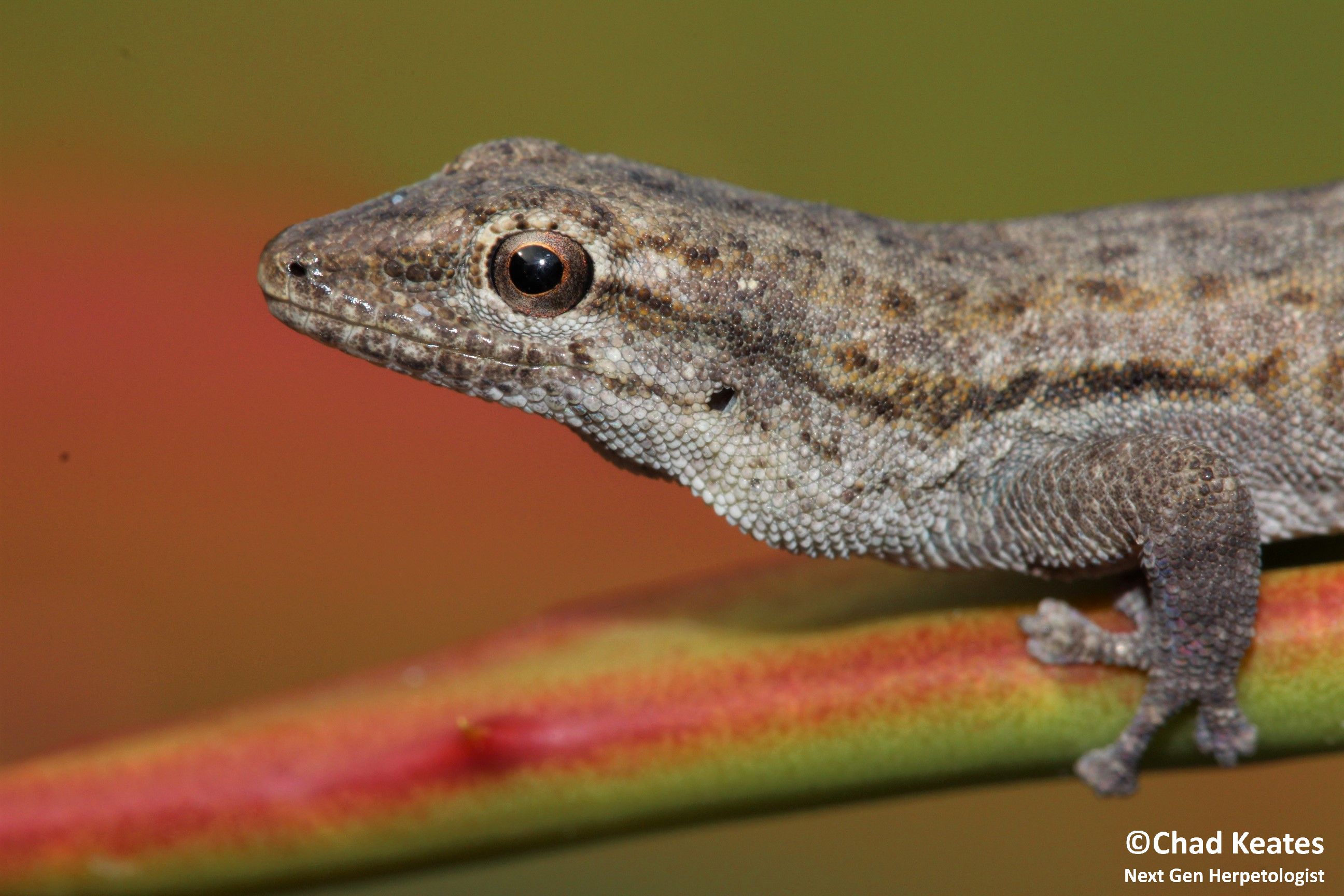
from Makhanda, Eastern Cape, South Africa
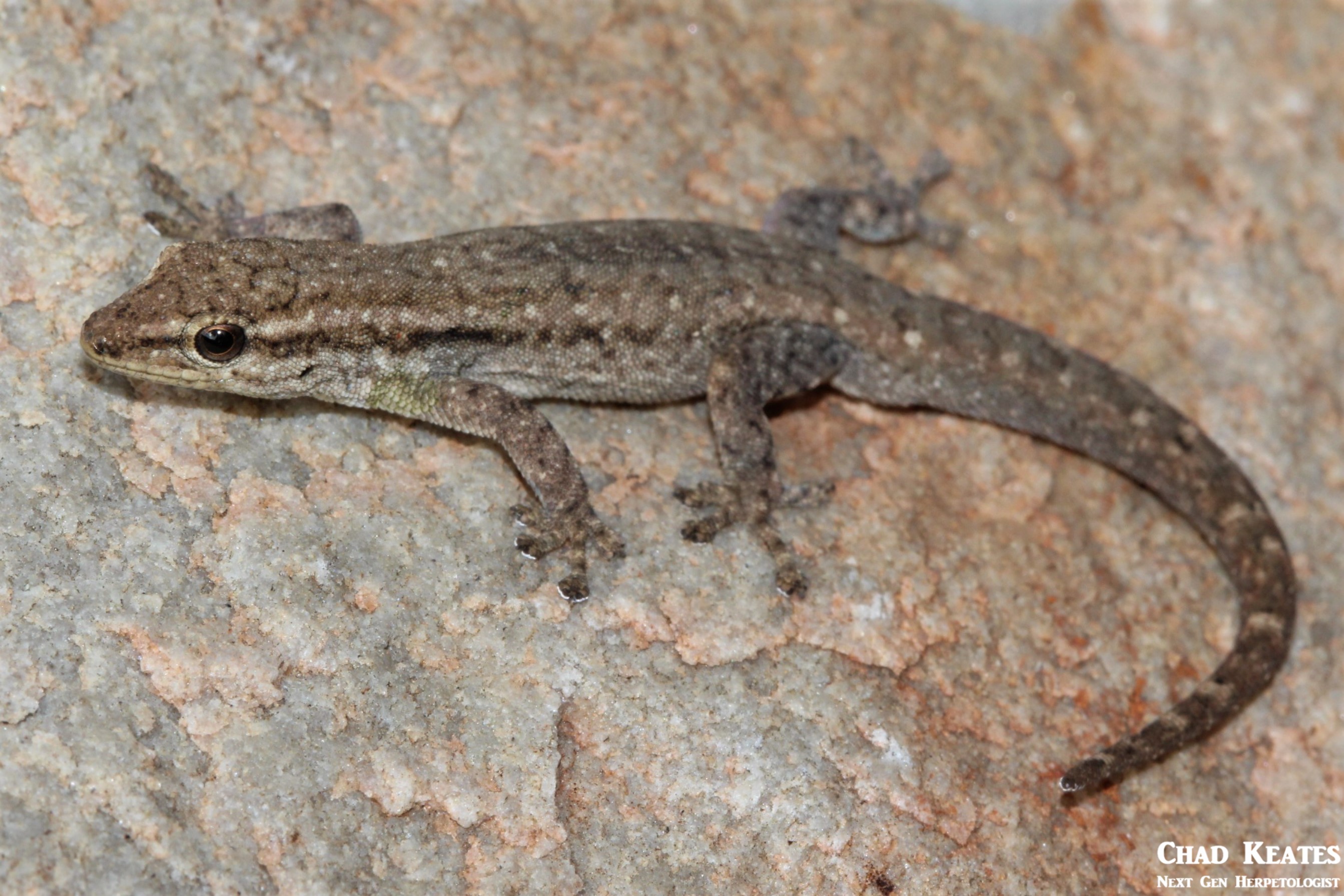
from Makhanda, Eastern Cape, South Africa
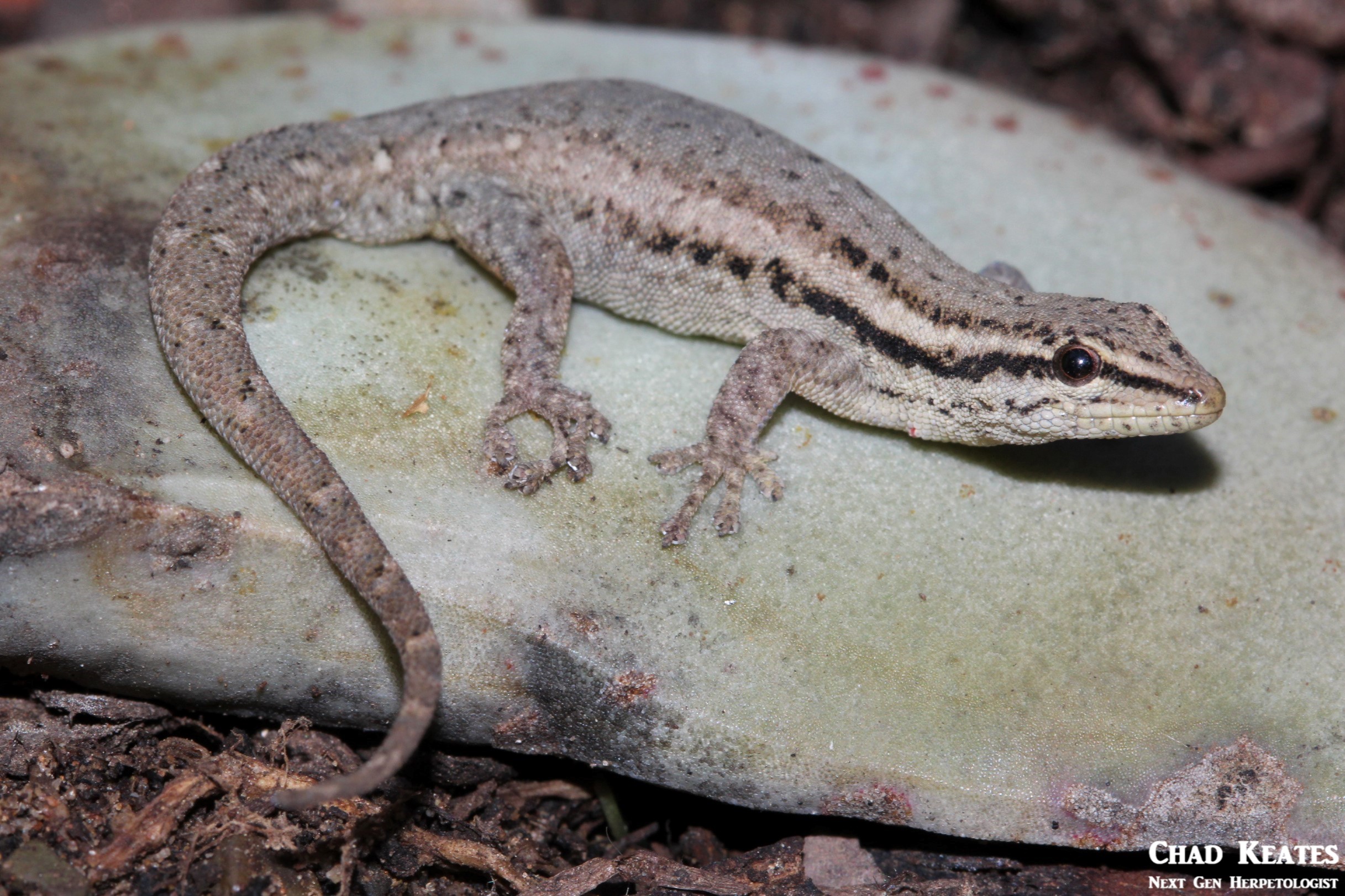
from Makhanda, Eastern Cape, South Africa
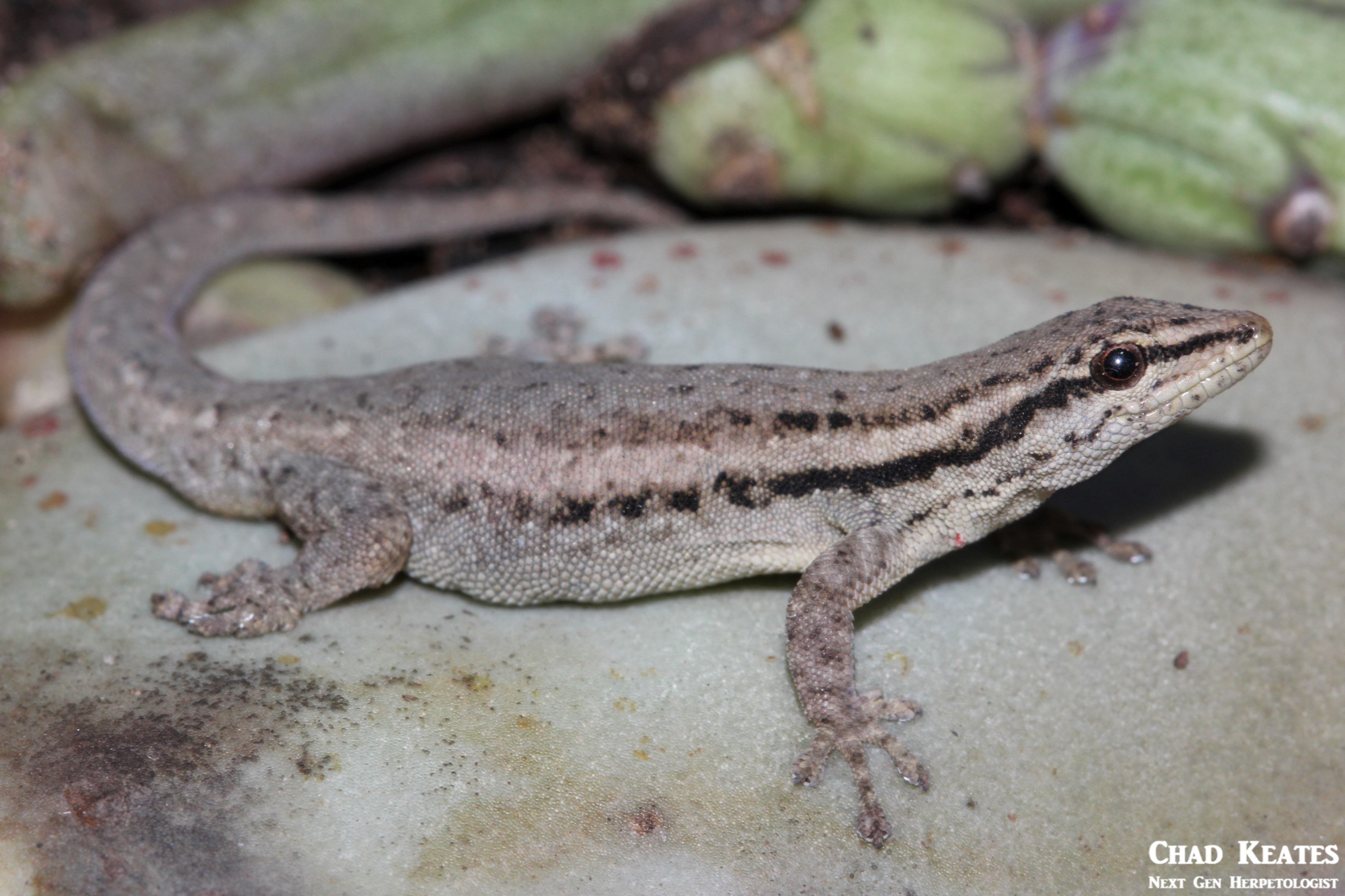
from Makhanda, Eastern Cape, South Africa
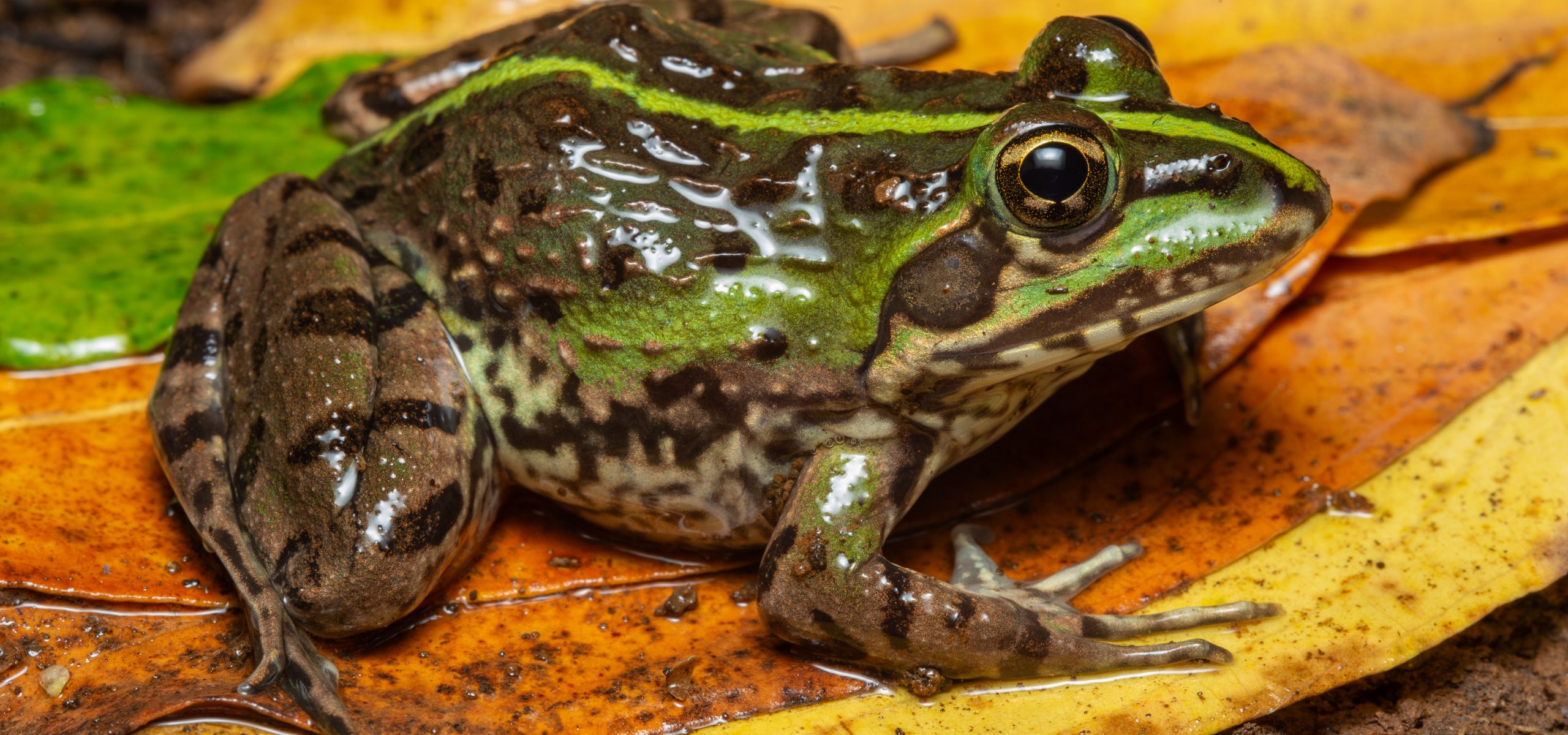

from Midlands, KwaZulu Natal, South Africa

from Thrift Dam, Eastern Cape, South Africa

from Thrift Dam, Eastern Cape, South Africa

from Grahamstown, Eastern Cape, South Africa
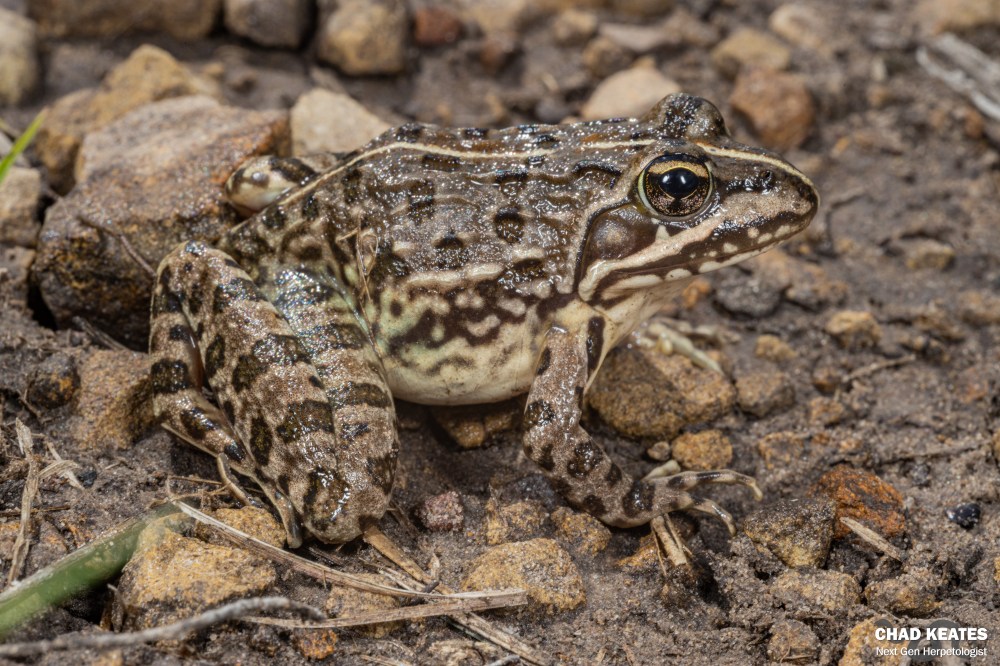
from Hogsback, Eastern Cape, South Africa

from Hogsback, Eastern Cape, South Africa

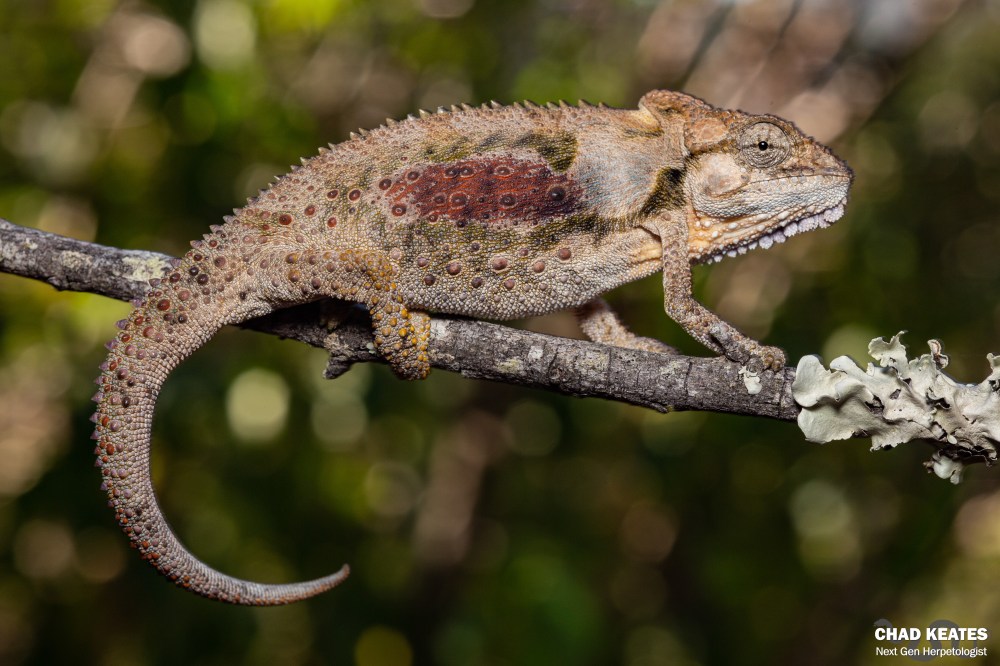
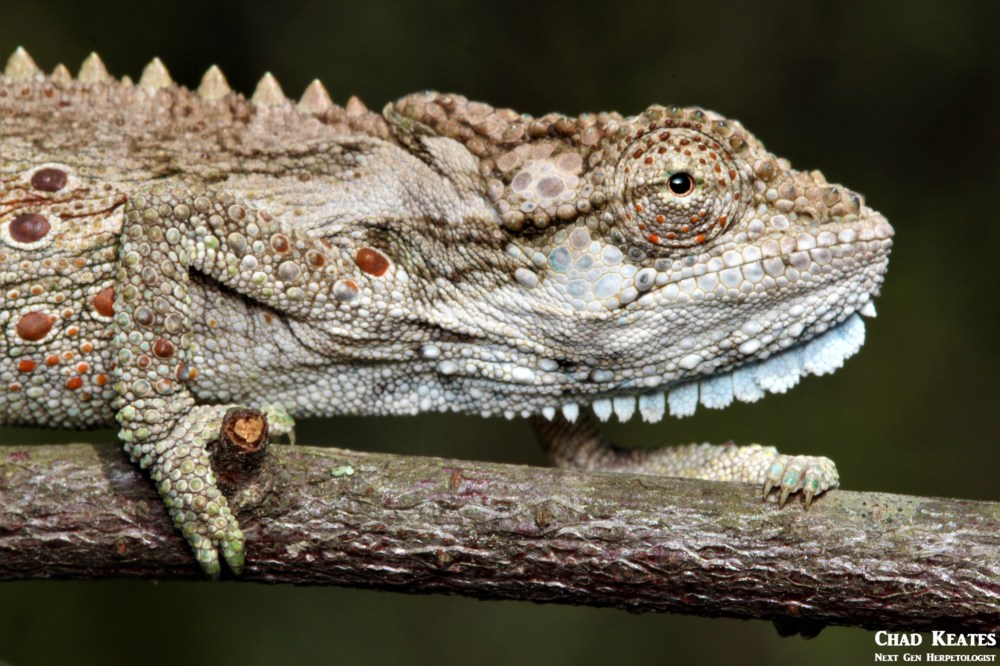
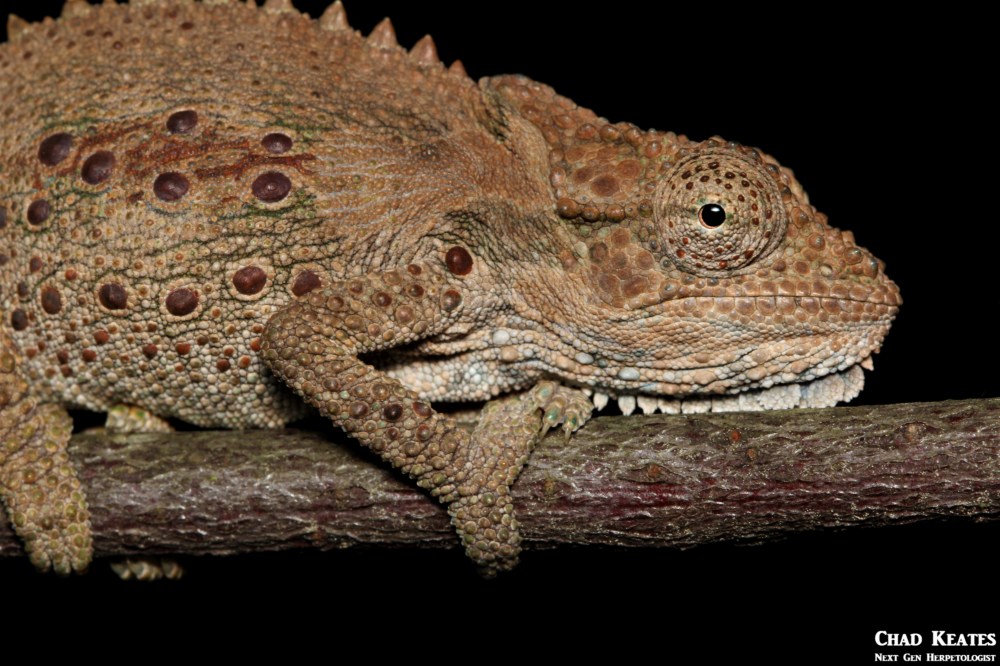
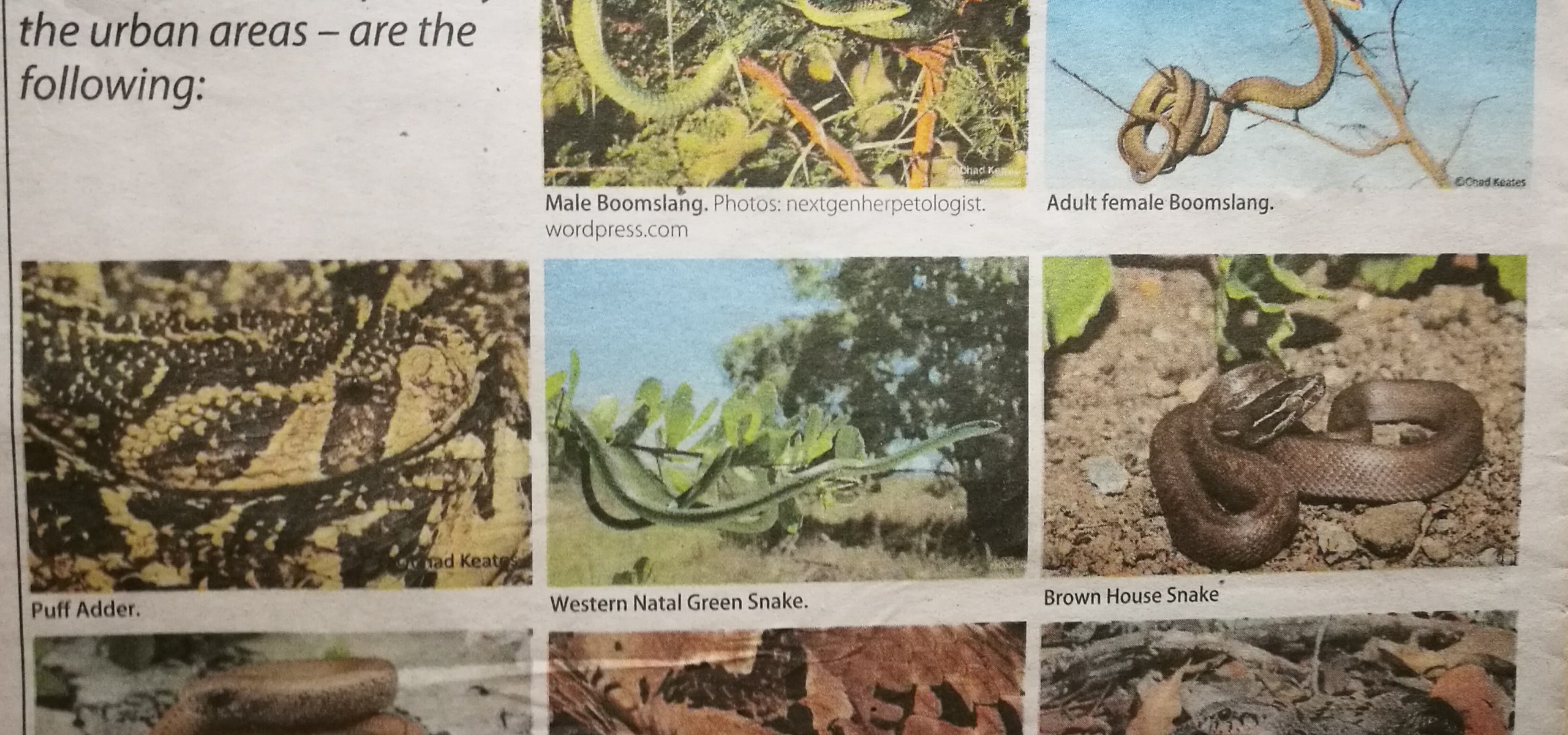
Recently I was contacted by a Rhodes journalism student who was in the process of completing an article about snakes for the Grocotts Mail. Although strange to admit, given my current path as a MSc zoology student focusing on snake genetics, I was once in her shoes, completing my hours at the Midrand Reporter in pursuit of my second year Rhodes Journalism and Media Studies credit.
Although I am very much a ‘science kid’ now, I was once undecided, I was once a BA kid. My original intentions when I came to Rhodes were to do a Bachelor of Journalism and afterwards, pursue a career as a journalist. Although its safe to assume I did not take this path, my three years in journalism are an invaluable asset which I would not give up even if I was given a second chance. Yes, I have been mocked profusely by conventional science students because of my unconventional undergrad, but it doesn’t bother me because this website, and many of my other achievements are a direct result of the lessons I learnt in journalism.
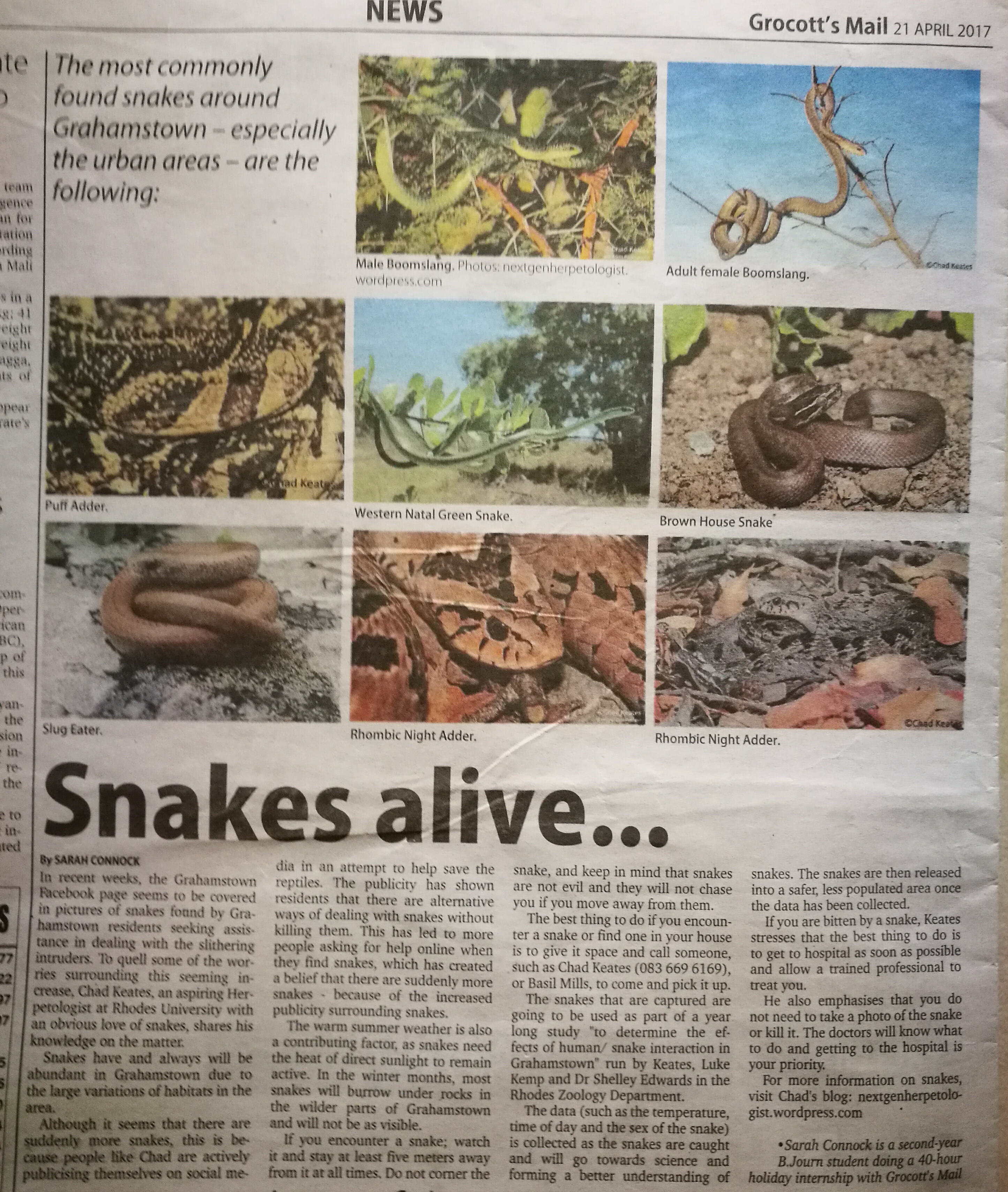
In addition to teaching me how to write eloquently, edit media and talk to people, journalism taught me how to market myself, something that is invaluable in a world galvanized by social media and the internet. Journalism has however been unsuccessful in curing my bad habit of going off-topic because what I was trying to say is that its weird to be on the other side of the questions. After so many years of asking the questions and writing the stories, I have got to say, its nice to see my name in the paper especially when its in reference to something I love.
The article which is termed ‘Snakes alive’ discusses why snakes are so common in Grahamstown in the summer months, what the most common snakes in the area are and what to do in the instance of a snake encounter.
Snakes are my passion, and although I had to give up my comfortable position on the byline to pursue my dream career, I wouldn’t change a thing because even though herpetology may not be as financially secure as lets say journalism, it gives me joy and fulfillment, something that very few people get to say these days. And if this article is anything to go by, I must be doing something right to get into the newspaper, because idiots don’t get into the newspaper… usually.
P.S. Thank you to the author for considering this topic and thank you to Grocotts Mail for publishing this article, the information in articles like this go a long way in reptile conservation because they dispel theories that often lead to unnecessary snake mortality.

So as I am sure you have you gathered, I could not let the little ‘sheep stabbers’ go. Instead of just finishing my honours and leaving the skaapstekers in my rear view mirror, like I did with the painted reed frogs, I decided to continue on studying the snake with the addition of everyone else in the genus.
Unlike with my honours, my masters will investigate the entire genus which is ‘currently’ six strong. My project which is titled: ‘Genetic structuring in the Psammophylax genus’ will investigate the genetics of the snakes to determine whether taxonomic re-evaluation is warranted within the widespread African genus.
Although the project will be by no means easy, I invite the task and the challenges that come with it.

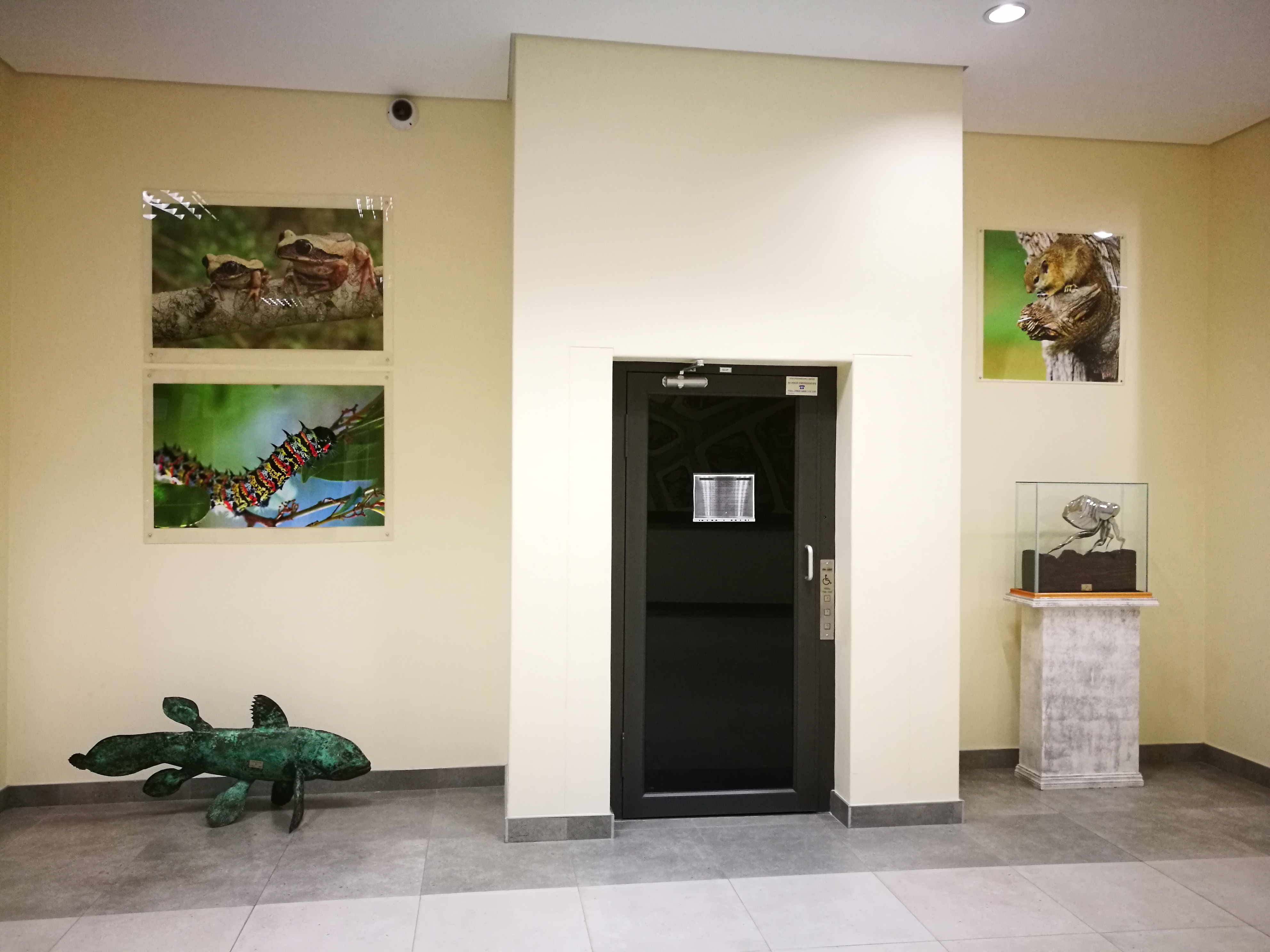
So although I started last year, and even though I have a lot… I mean a lot to learn about reptile photography, I am happy to say that I placed third in this years department photo competition. My picture of the two very cute brown-backed tree frogs now hangs on the wall, in the foyer of the Zoology and Entomology Department, amidst the other photos which placed in the top three for the competition.
Thank you to everyone who voted for my photo and thank you to the frogs who sat so patiently for me while i invaded their personal space in an effort to capture the perfect moment. Although that magic moment is ever-fleeting, i will continue to take photos in pursuit of this mystical goal.
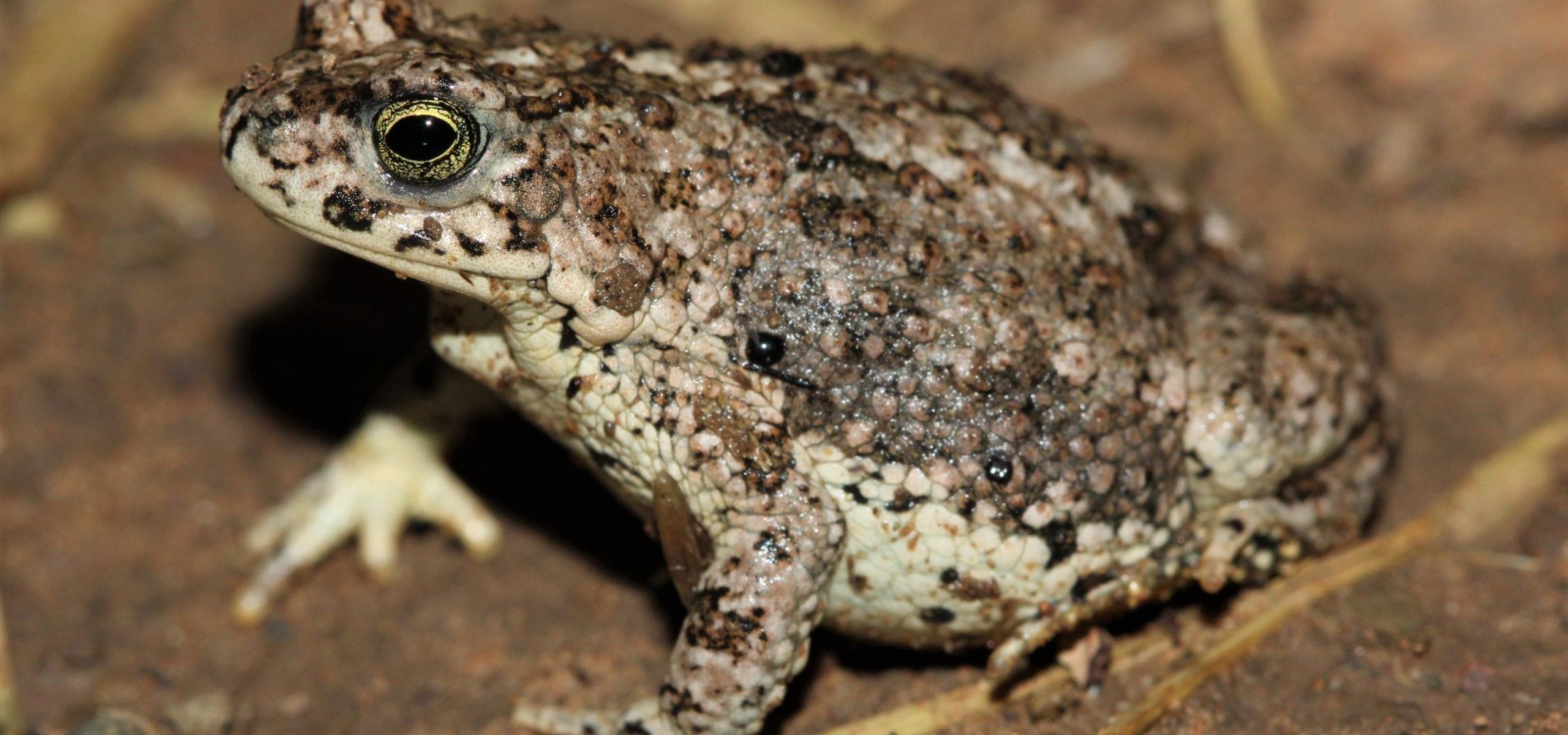
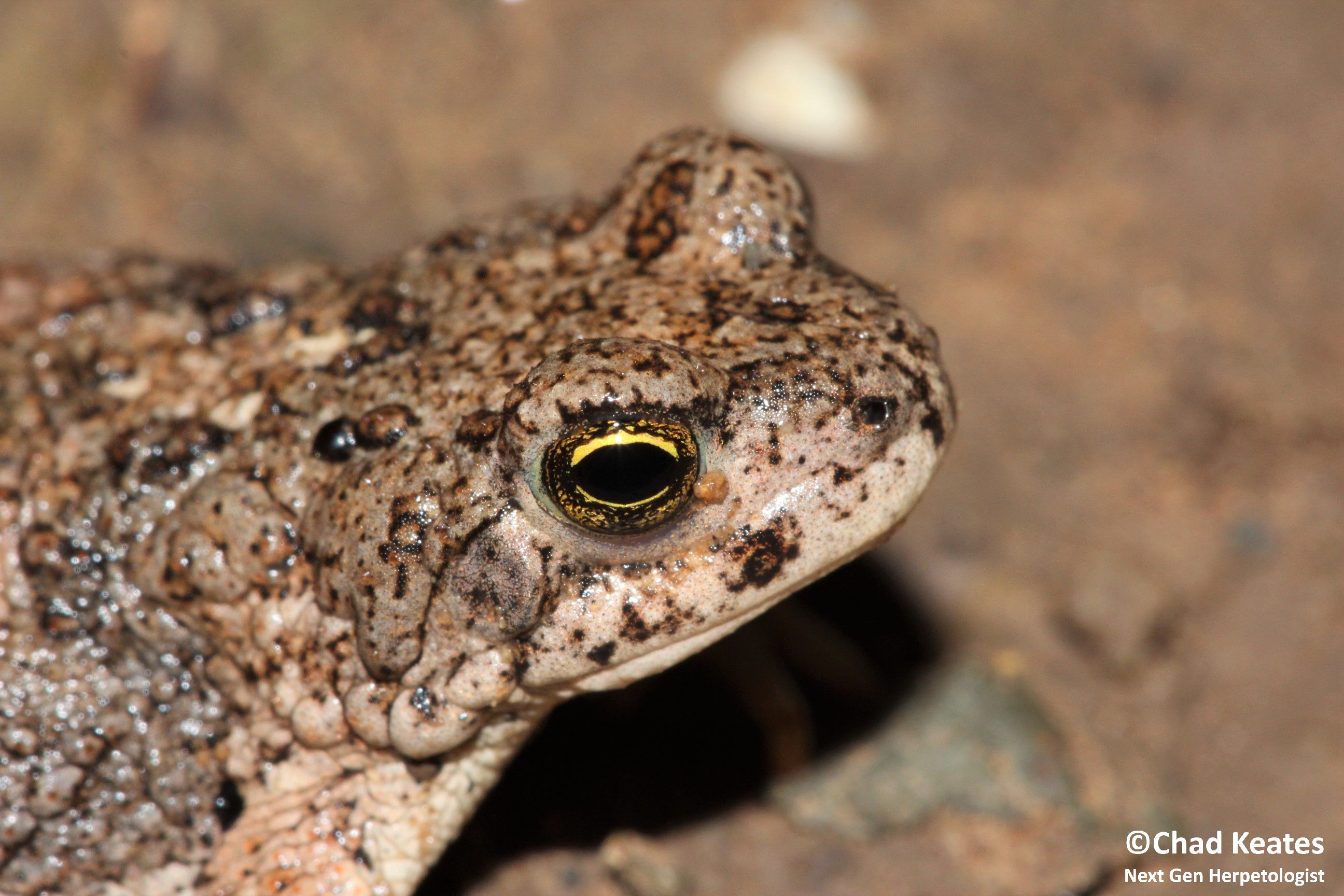
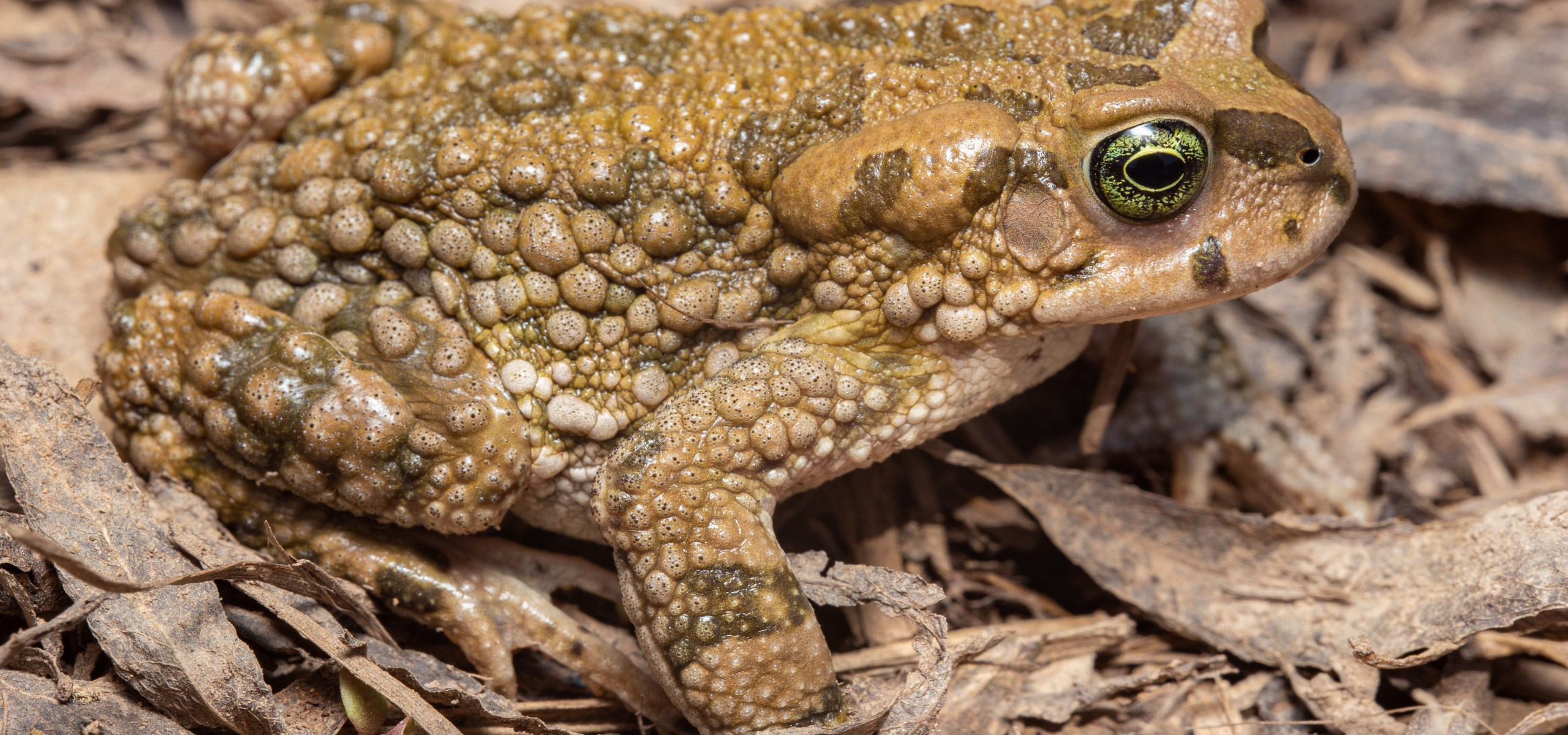
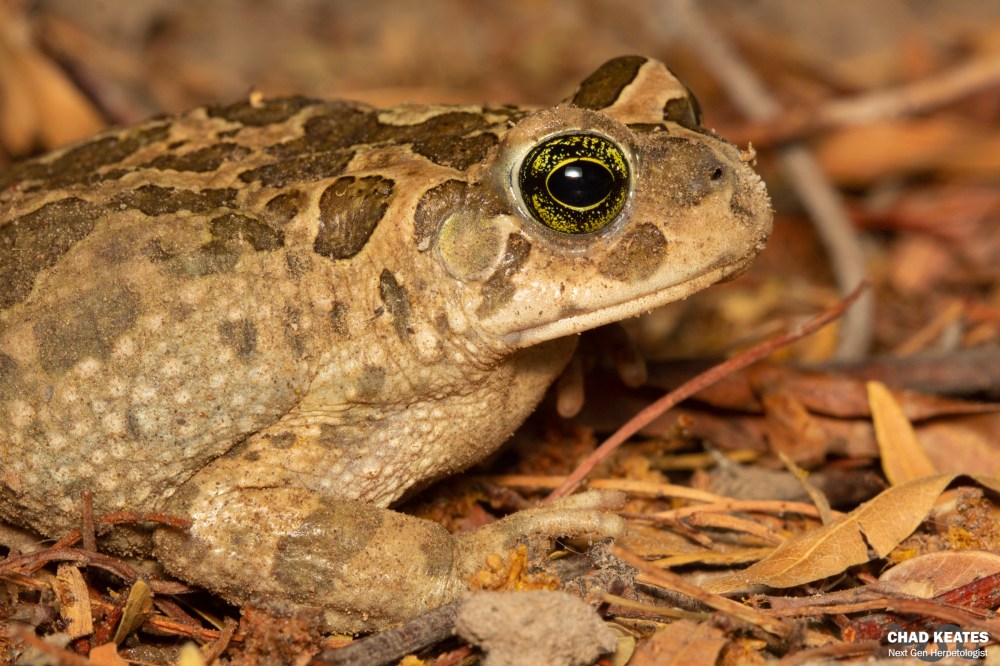
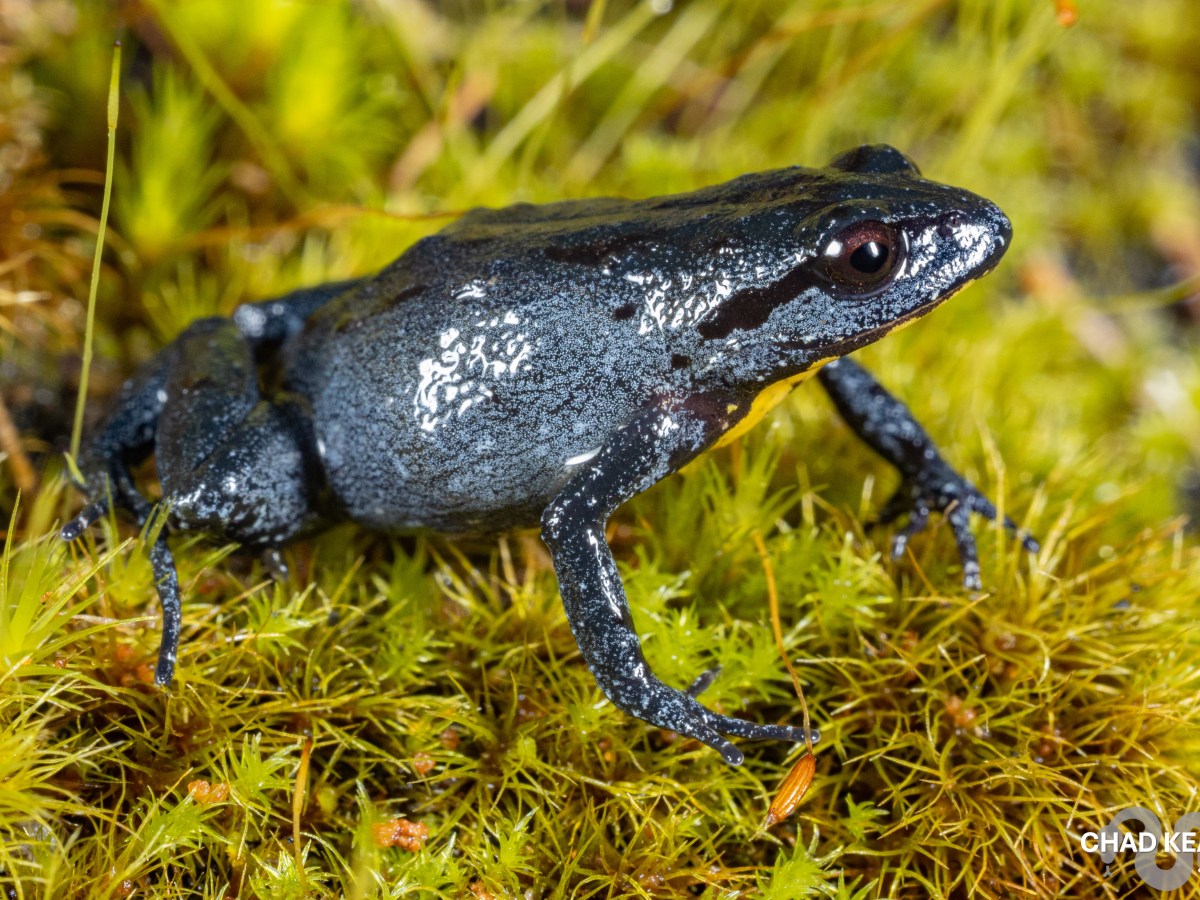
Male southern pygmy toad
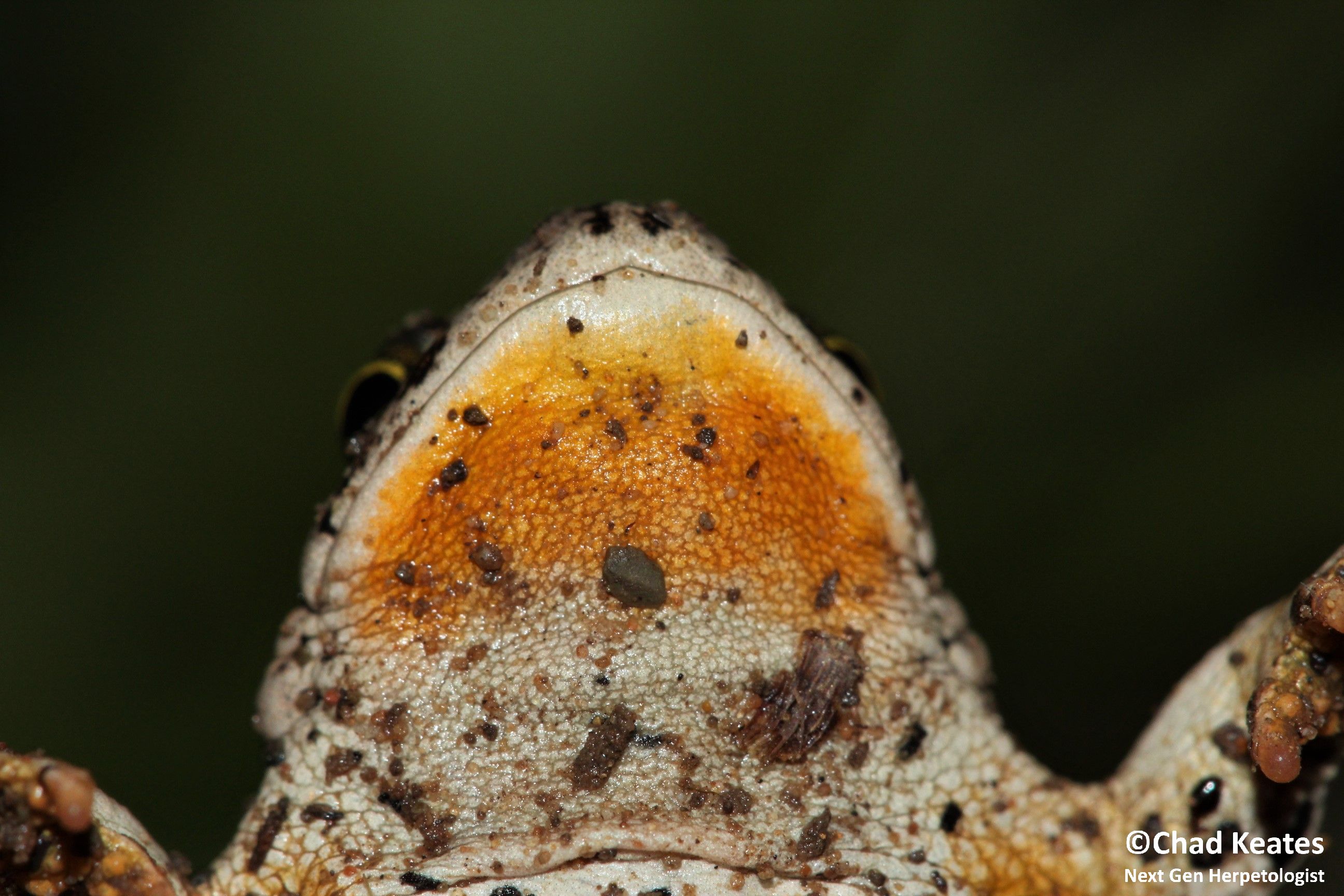
Male southern pygmy toad with yellow throat
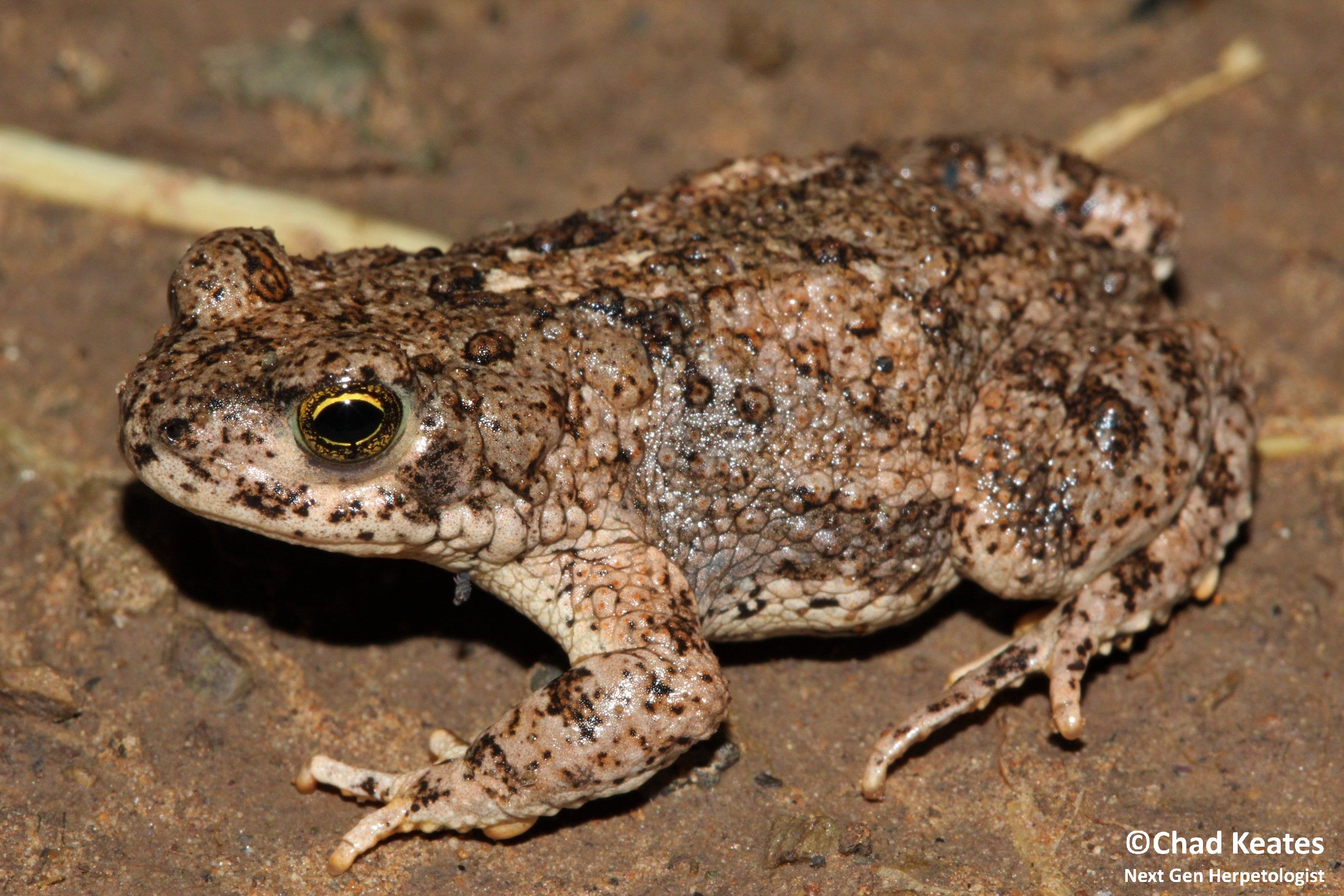
Male southern pygmy toad
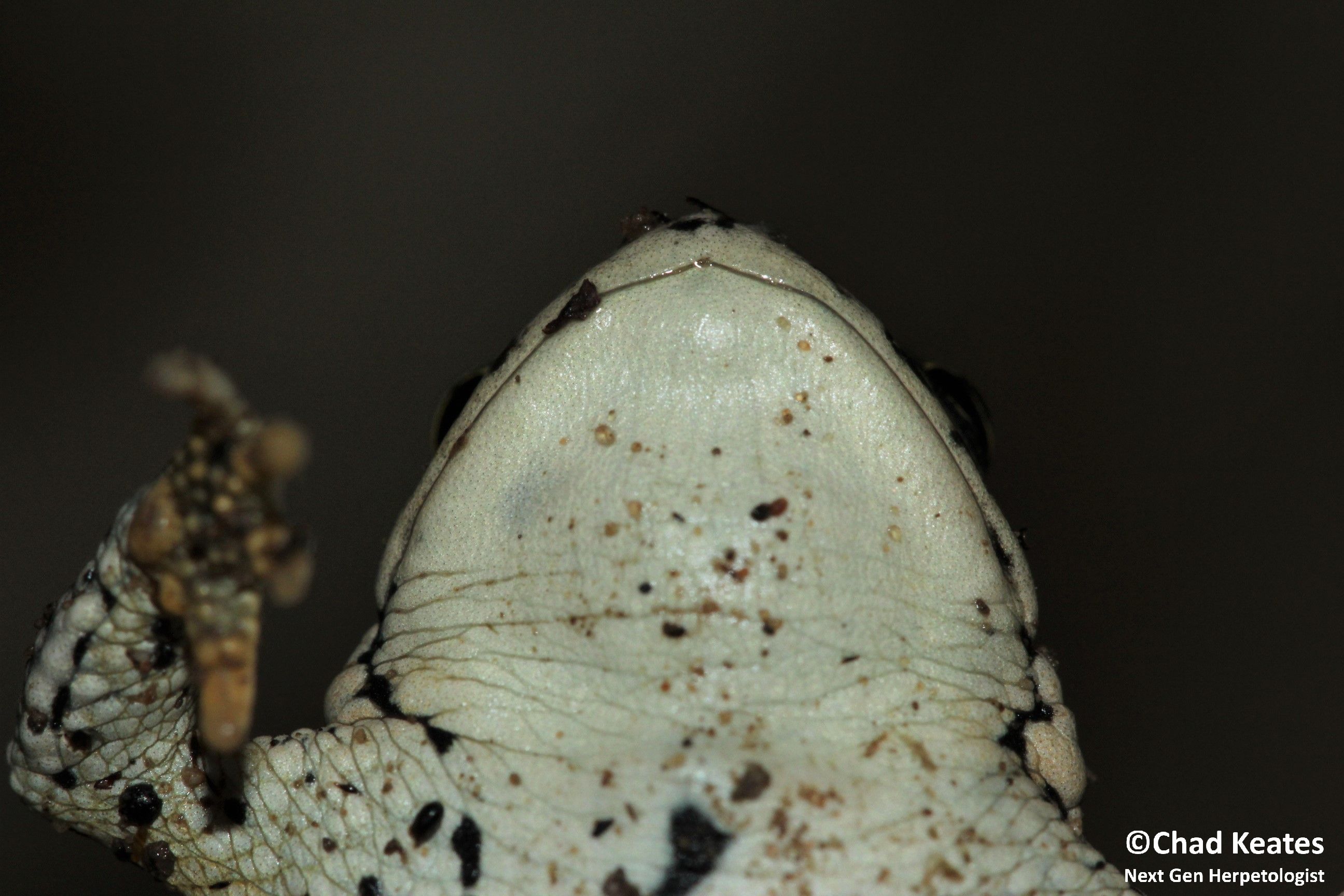
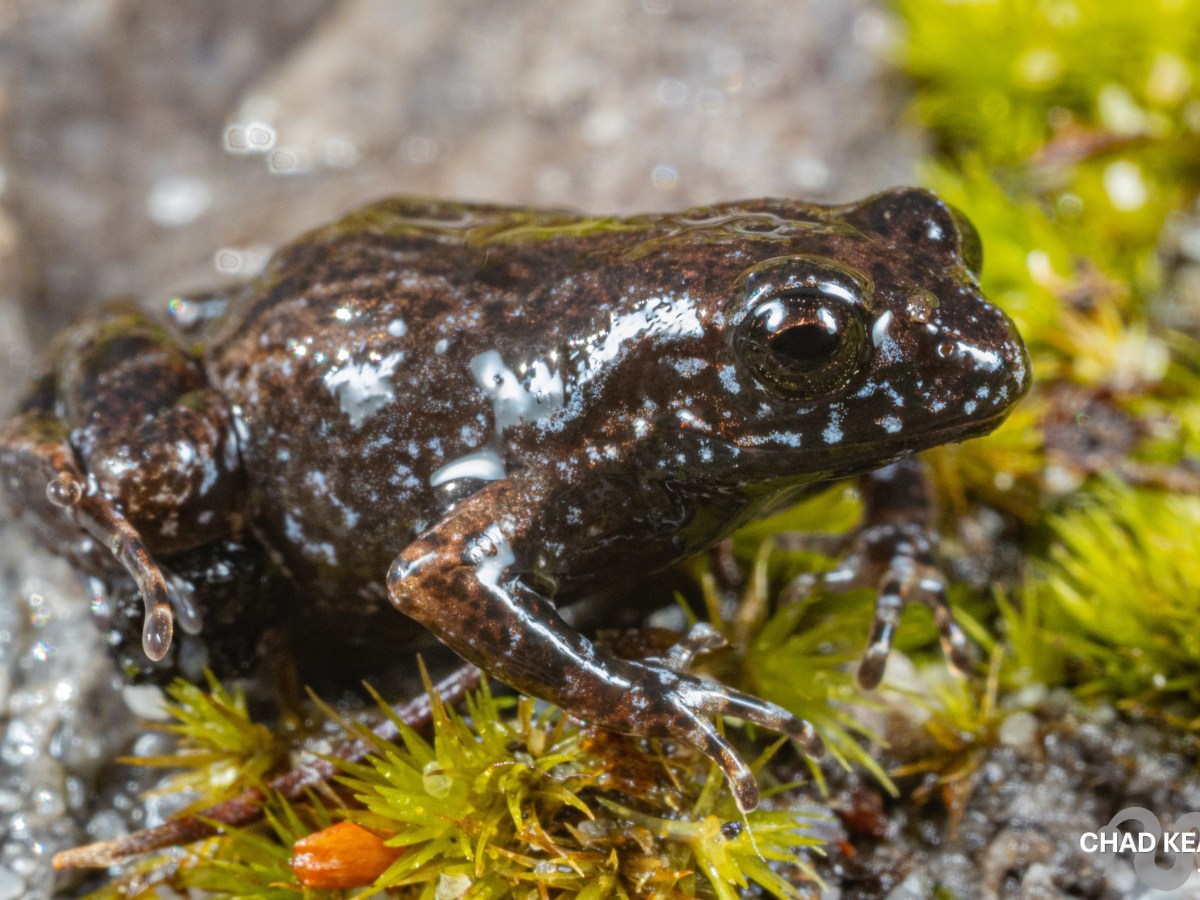
Female southern pygmy toad with plain throat
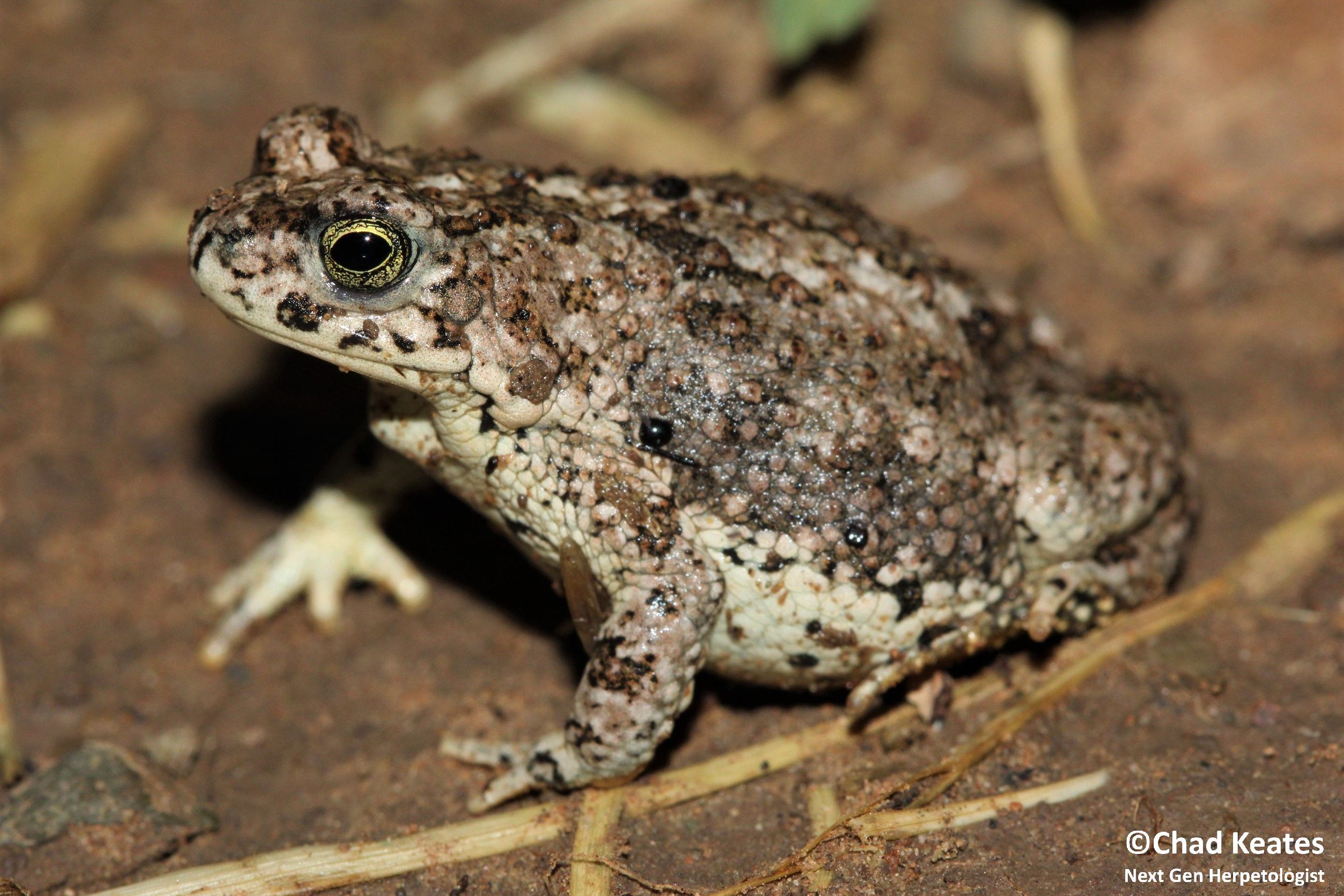
Female southern pygmy toad







 Chad Keates