 Chad Keates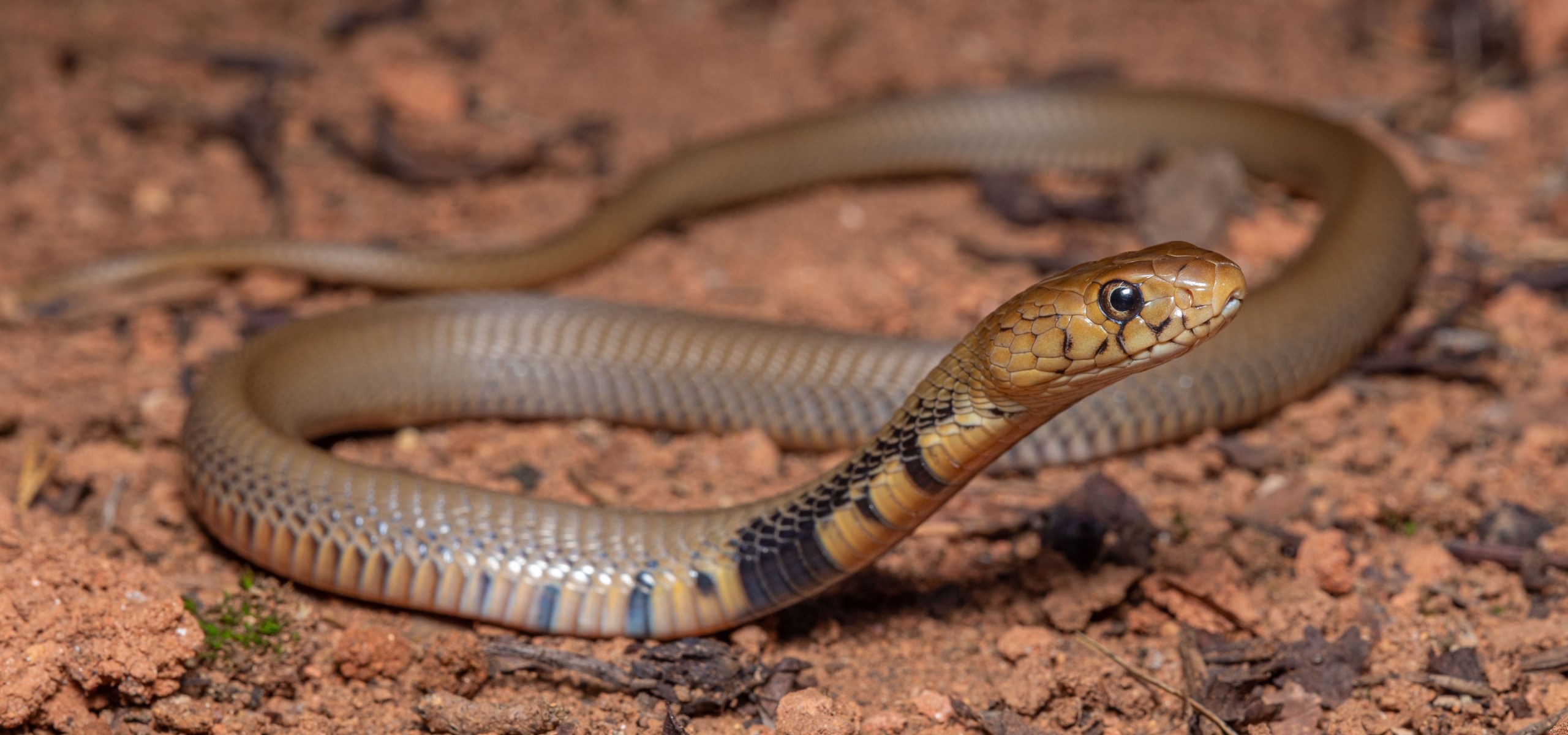
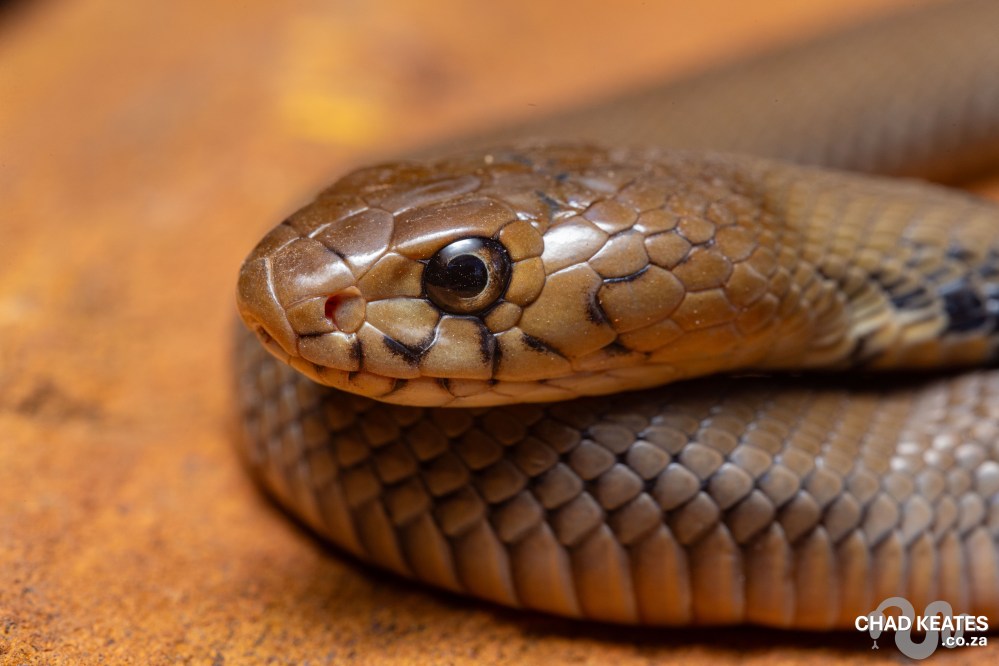
from Haenertsburg, Limpopo, South Africa
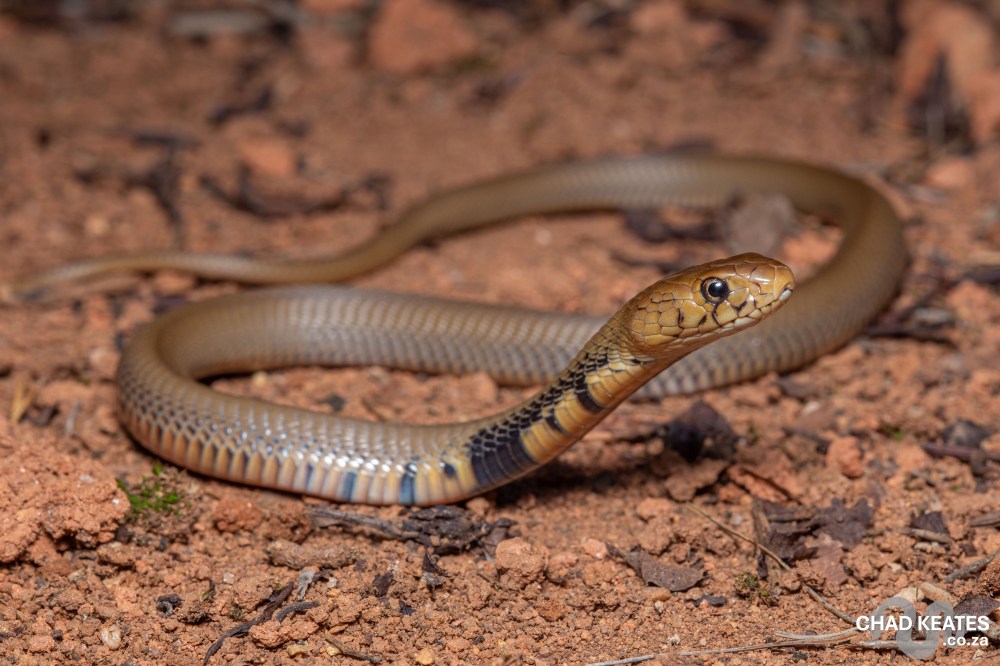
from Haenertsburg, Limpopo, South Africa

The planet currently plays host to approximately 4,145 snakes (As of August 2024), with new species being described all the time. South America, Africa and Asia have the most snake species with every other continent, except for Antarctica containing snakes. Snakes are incredibly versatile animals, and can be found in almost every biome, habitat and ecosystem on Earth. They are both predator and prey and are an integral component of most food webs. They are also famed for feasting on a wide range of animals, which benefits humans and other wildlife alike. Despite their critical role in virtually every ecosystem on Earth, they are continually persecuted by humans for their perceived danger. Whilst there exists many dangerous snakes, the amount of harmless snakes far exceed them with most regions, countries and continents only supporting a handful of truly life threatening serpents. South Africa is no exception to this rule with the vast majority of snakes bearing absolutely no threat to humans whatsoever.
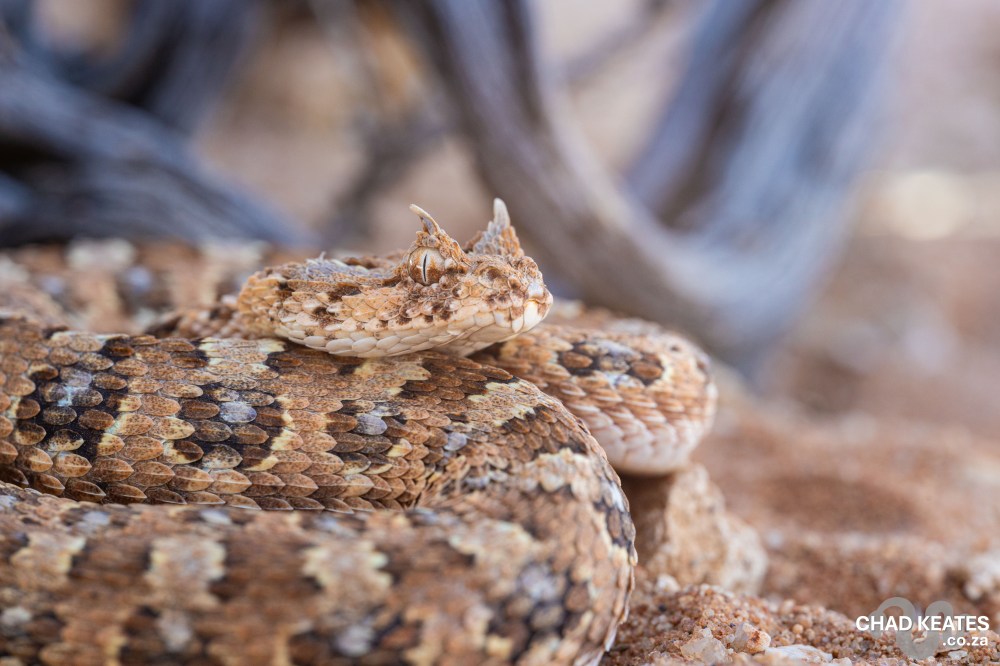
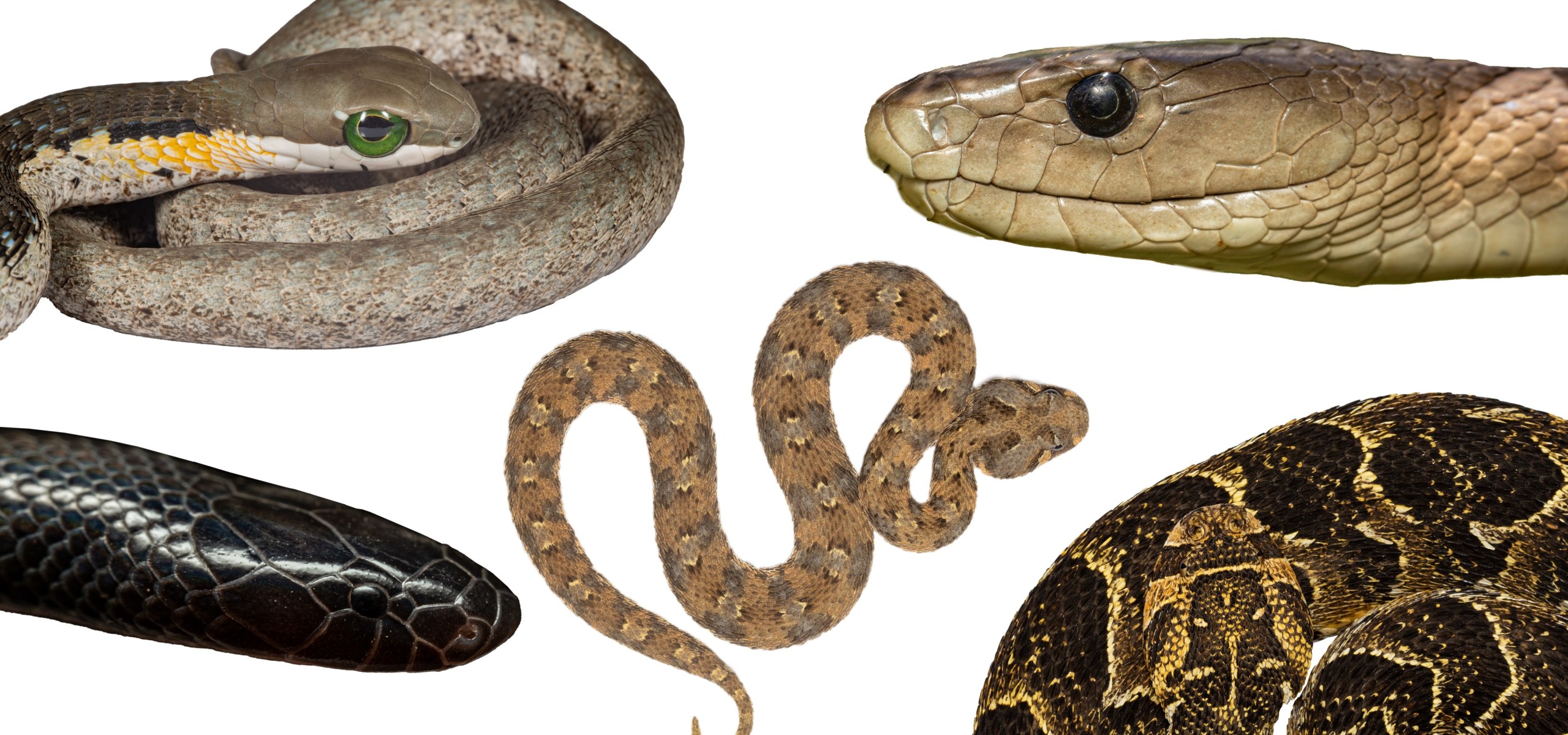
Of the 13 vipers found in South Africa, only the Puff Adder and the Gaboon Adder are considered potentially life-threatening to humans. The Berg Adder, Night Adder and Horned Adder can still produce some pretty painful bites (and serious symptoms) so it is best to treat all vipers with the utmost respect.
There are approximately 114 snakes in South Africa (not including sub-species). Most of the snakes are either mildly venomous or lack venom completely making them completely harmless, with only a small proportion being dangerous to humans. A snake is only considered dangerous to humans in this article if they are capable of taking a human life if their bite is left untreated. By this definition there are 15 snakes (including the yellow-bellied sea snake) capable of killing a human being in South Africa.
Snakes Capable of Producing Life Threatening Bites in South Africa
- Black Mamba – Dendroaspis polylepis
- Green mamba – Dendroaspis angusticeps
- Rinkhals – Hemachatus haemachatus
- Snouted Cobra – Naja annulifera
- Mozambique Spitting Cobra – Naja mossambica
- Western Barred Spitting Cobra – Naja nigricincta
- Cape Cobra – Naja nivea
- Brown Forest Cobra – Naja subfulva
- Yellow-bellied Sea Snake – Hydrophis platurus
- Speckled Shield Cobra – Aspidelaps scutatus
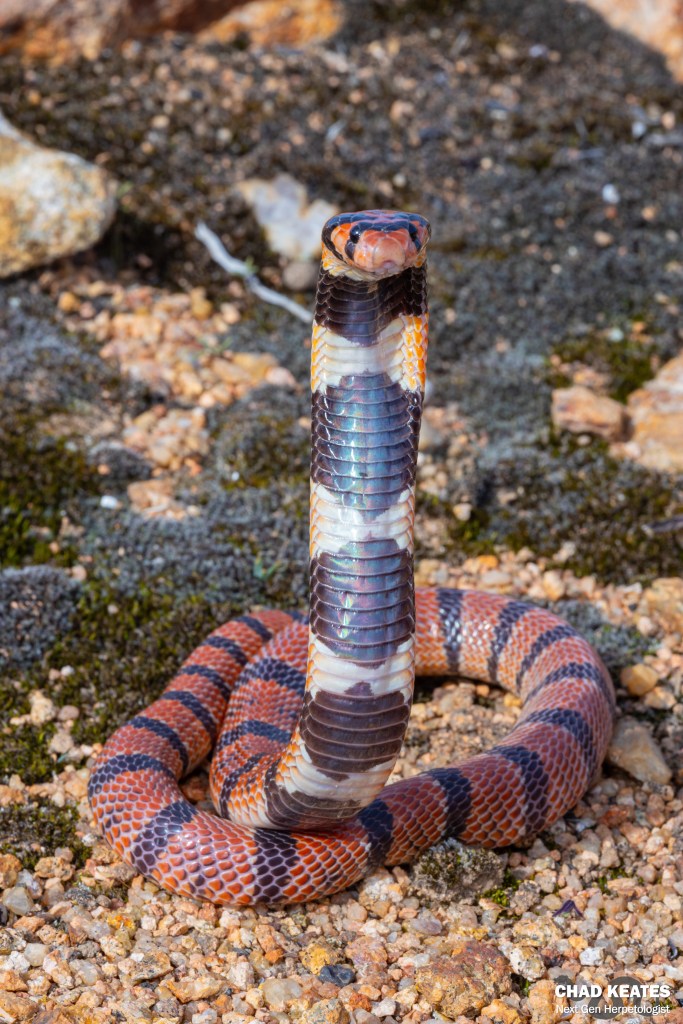
- Cape Coral Snake – Aspidelaps lubricus
- Southern Twig Snake – Thelotornis capensis
- Boomslang – Dispholidus typus
- Puff Adder – Bitis arietans
- Gaboon Adder – Bitis gabonica
Of these snakes only a handful are considered ‘very’ dangerous to humans. This is because behaviour, ecology and distribution play a massive role in human/snake interactions, so if a snake rarely bites humans it is not considered very dangerous here, even if it does have incredibly toxic venom. A great example of this is the boomslang because while its’ venom is drop-for-drop amongst the most toxic in the world, the snakes’ timid nature coupled with its’ tendency to flee instead of bite renders bites incredibly rare in South Africa. This makes the snake less of a concern to humans because it doesn’t really matter how venomous it is if it very rarely bites any humans. In other worlds… It takes ‘talent’ to get bitten by a boomslang.
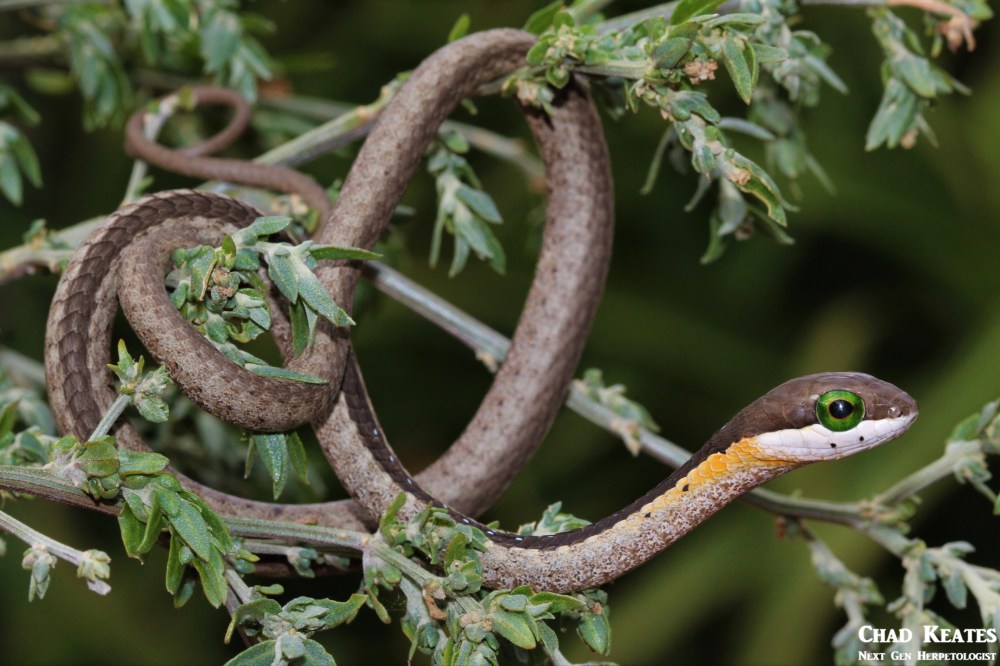
There are less than 10 confirmed fatalities from boomslang bites since 1957
Of the 15 dangerous (i.e. potentially life threatening) snakes in South Africa, four species stand out as the most important, based on a combination of their behavior, their propensity to bite and the toxicity of their venom. These four snakes are the Black Mamba, Cape Cobra, Puff Adder and the Mozambique Spitting Cobra. Of these four, the Black Mamba and Cape Cobra are definitely the most dangerous, not because they produce the most bites or are aggressive, but because of the potency of their venom. When either of these snakes bite you it is very serious and if medical treatment is not sought promptly, serious complications are very likely to follow.
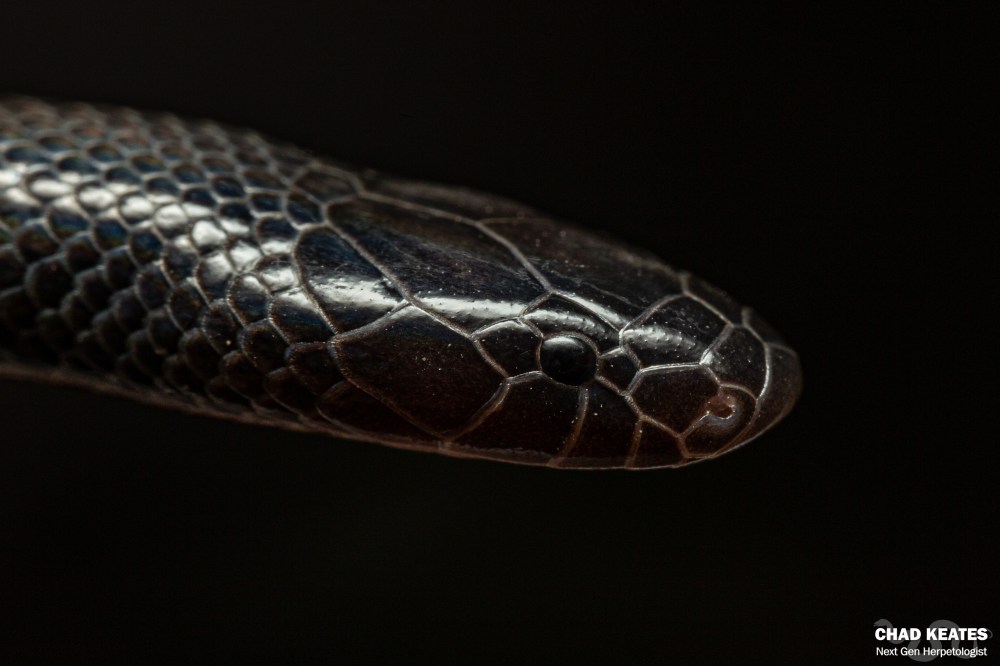
While bites from the stilleto snake are not considered life threatening in South Africa they can be incredibly painful and result in serious tissue damage, and even digit loss, if left untreated.
The Cape cobra is responsible for the most snake-related deaths in the Cape provinces and is the most venomous cobra in Africa. The Black Mamba is the most dangerous snake in South Africa, with the most confirmed snake-related deaths in the country. The Black mamba is also one the ten most venomous snakes in the world when you take into consideration the toxicity and quantity of venom injected during the average envenomation. The rest of this list belongs to snakes such as the Inland Taipan, Coastal Taipan and Eastern Brown Snake from Australia.
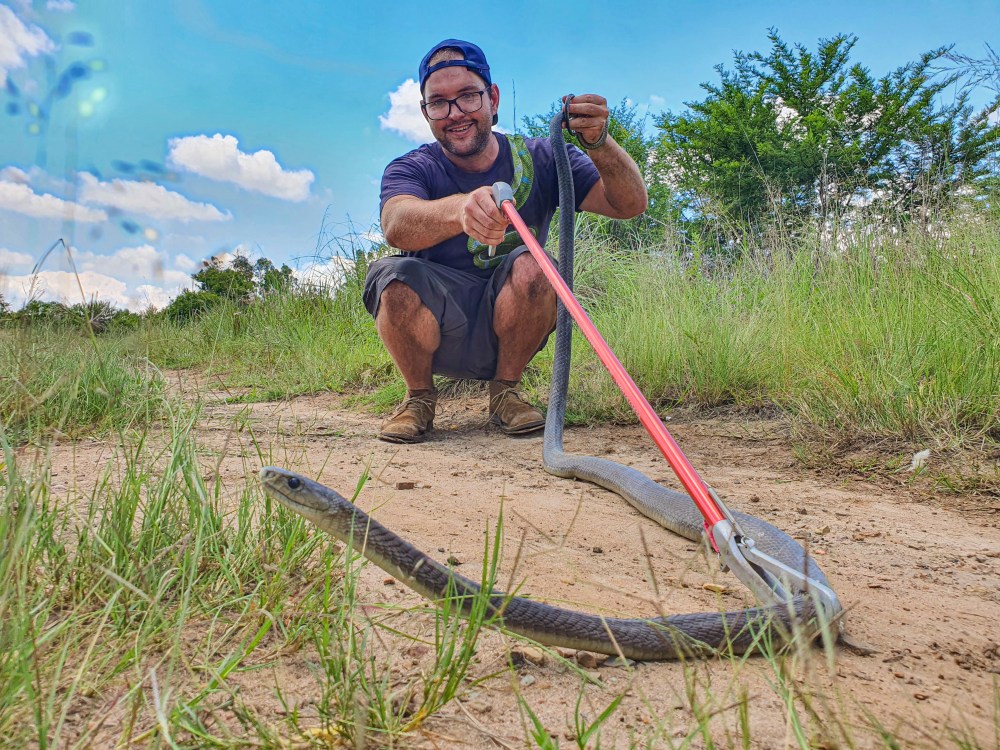
The Black mamba is the largest venomous snake in Africa with a maximum size of 4.5m. Although large, fast, and incredibly agile, these animals are quick to flee when given the opportunity, and are nowhere near as aggressive as people make them out to be.
While bites from the Puff Adder and Mozambique Spitting Cobra rarely result in human fatalities, they along with the stiletto snake (Atractaspis bibronii) are responsible for approximately 80% of all serious bites in South Africa. The venoms from these snakes are primarily cytotoxic meaning they often result in local swelling, severe pain and even limb loss in extreme cases. While bites from stiletto snakes have not resulted in human deaths in South Africa, there have been fatalities further north in Africa.
Cape Cobra – Naja nivea
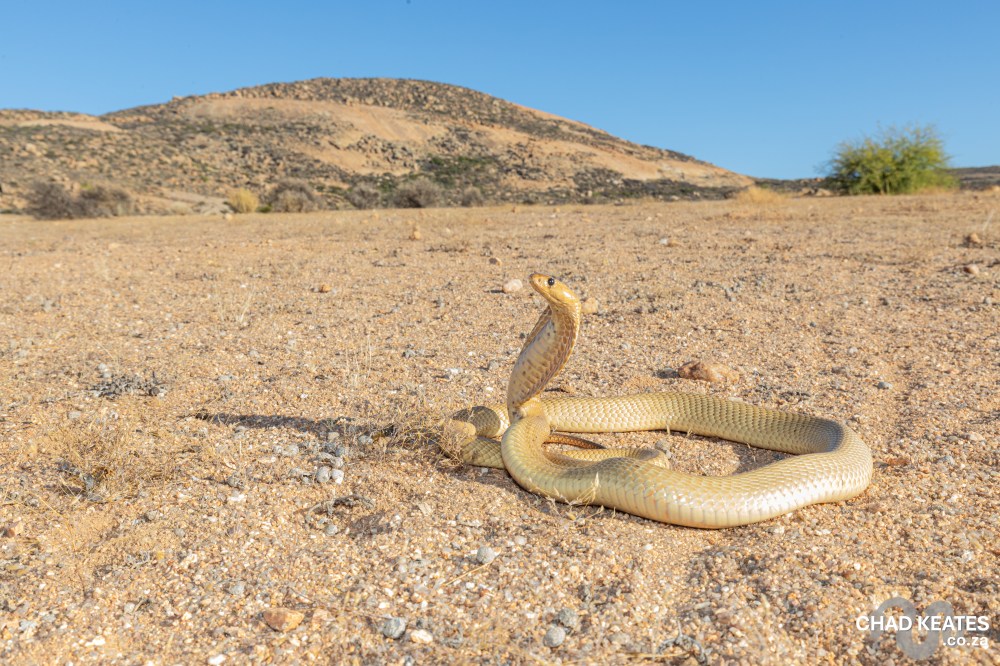
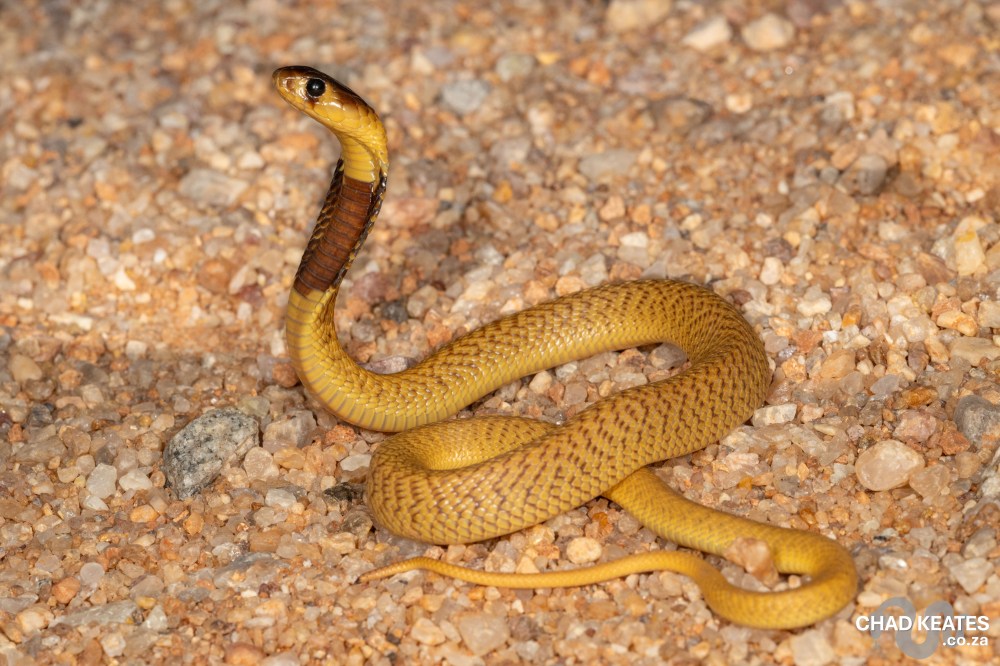
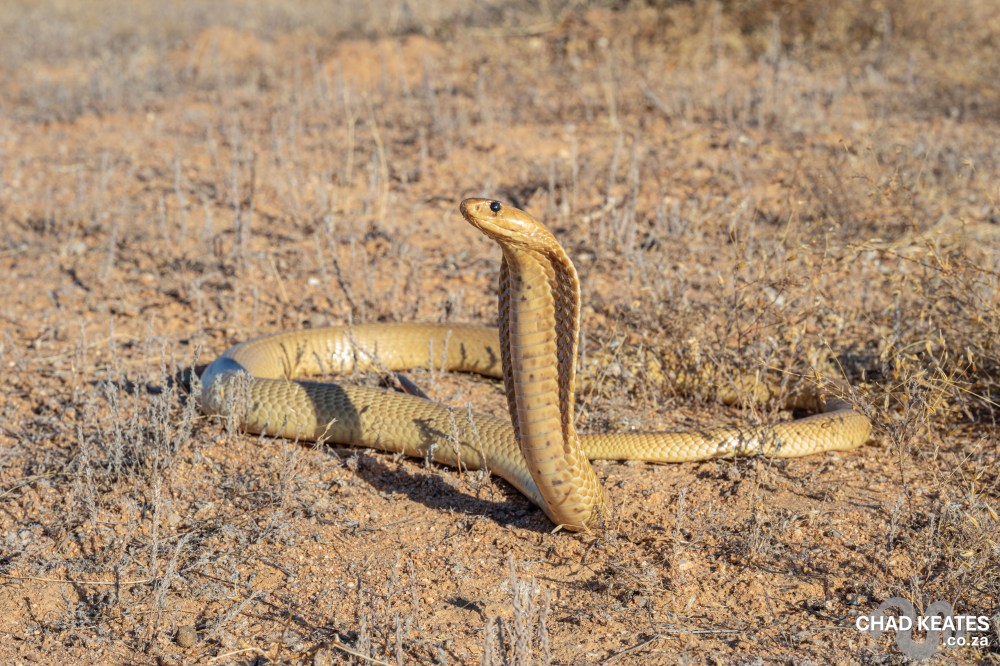
Black Mamba – Dendroaspis polylepis
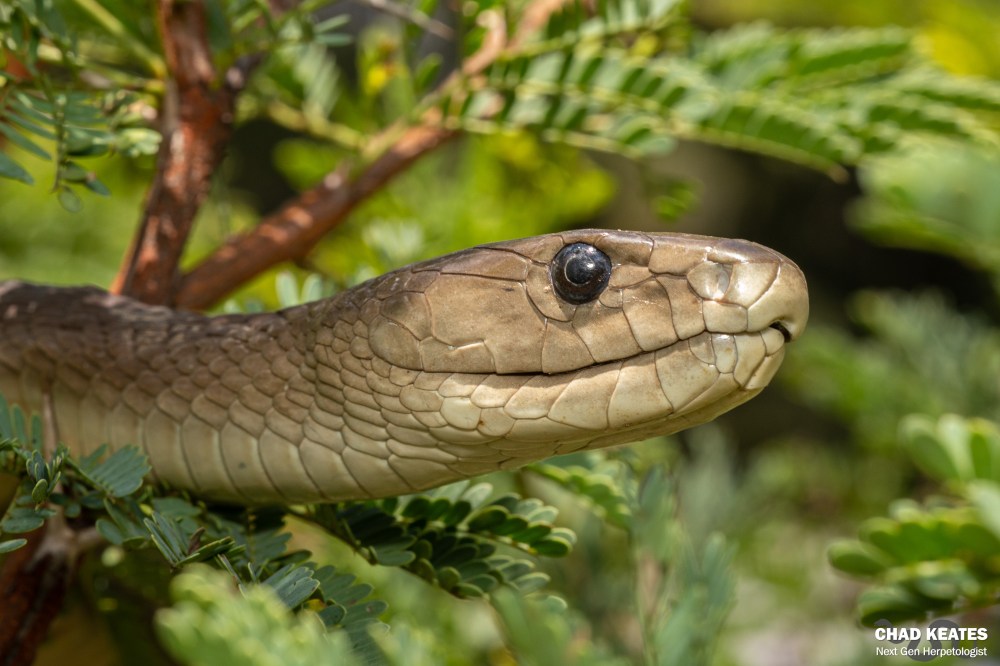
Puff Adder – Bitis arietans
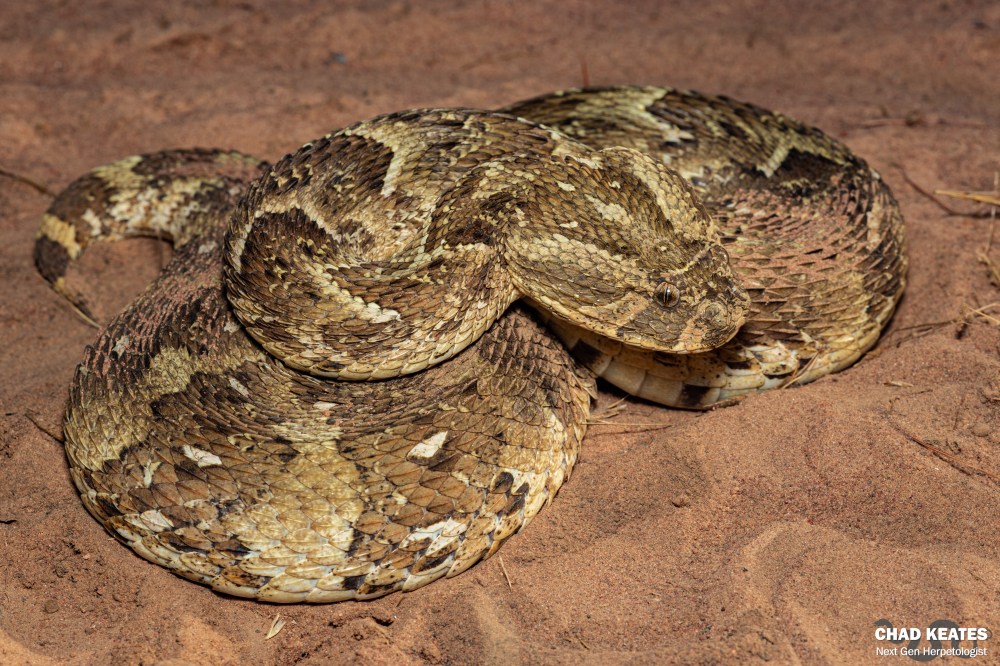
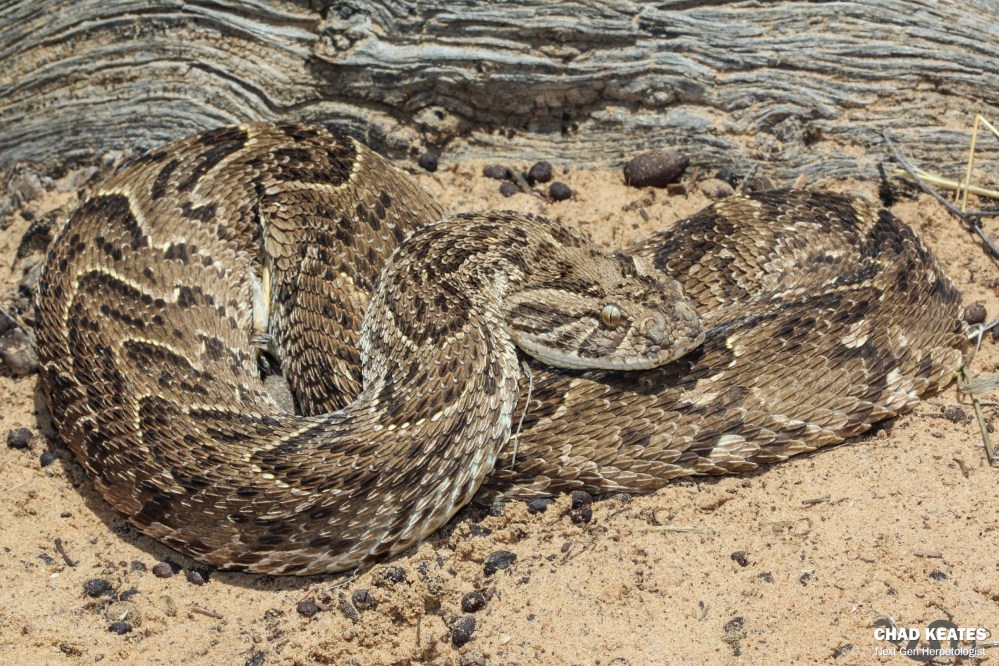
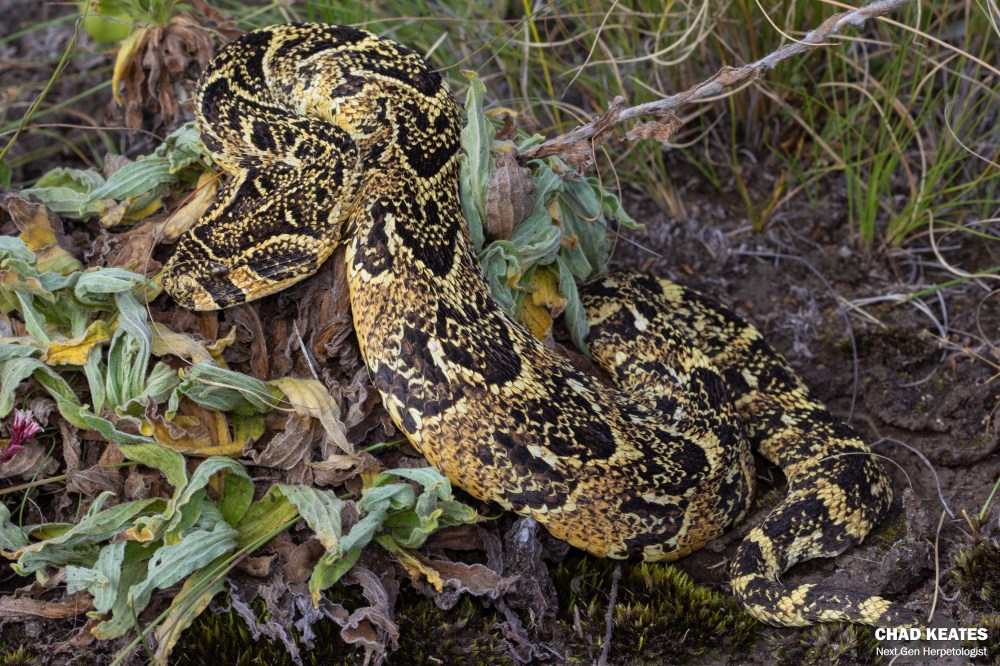
Mozamabique Spitting Cobra – Naja mossambica
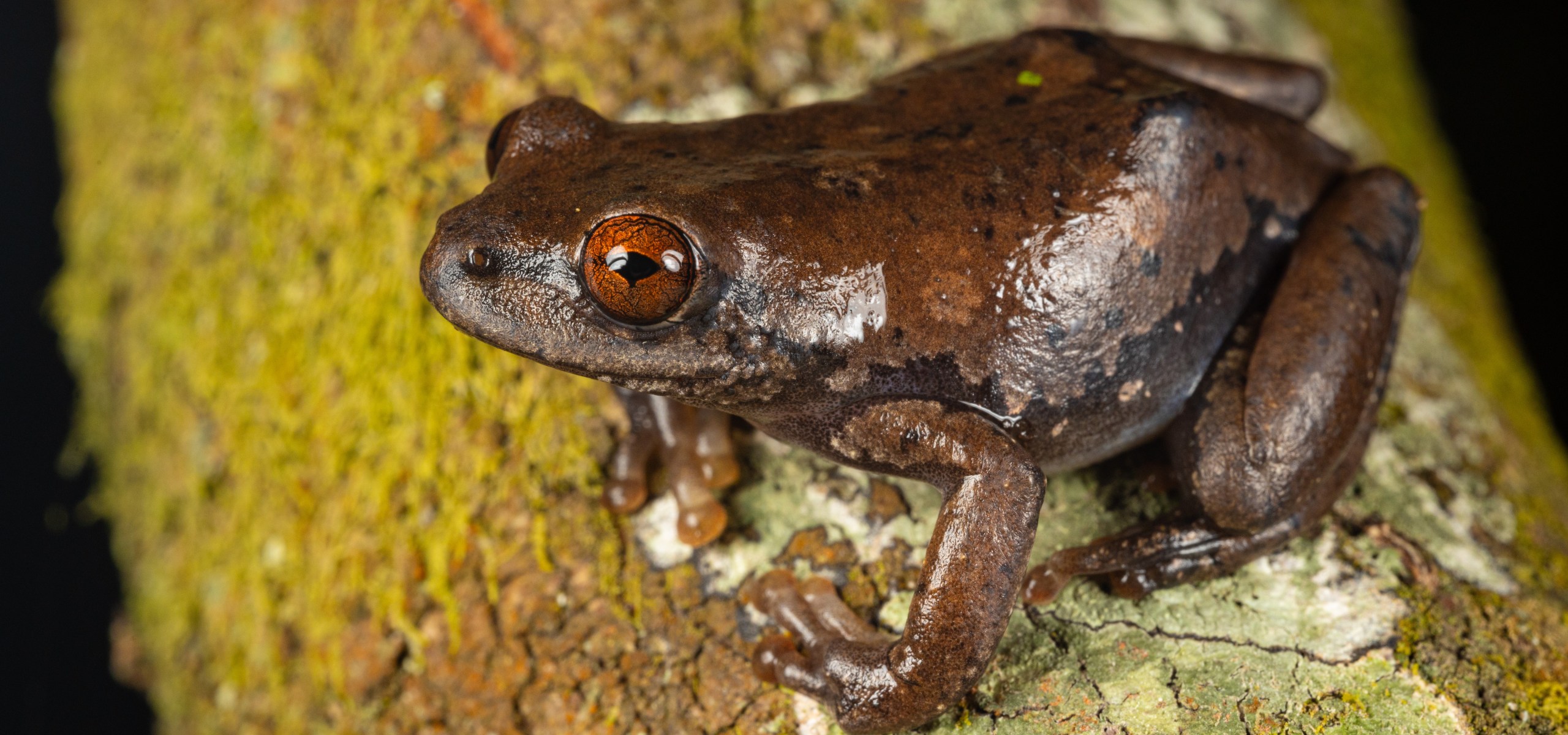
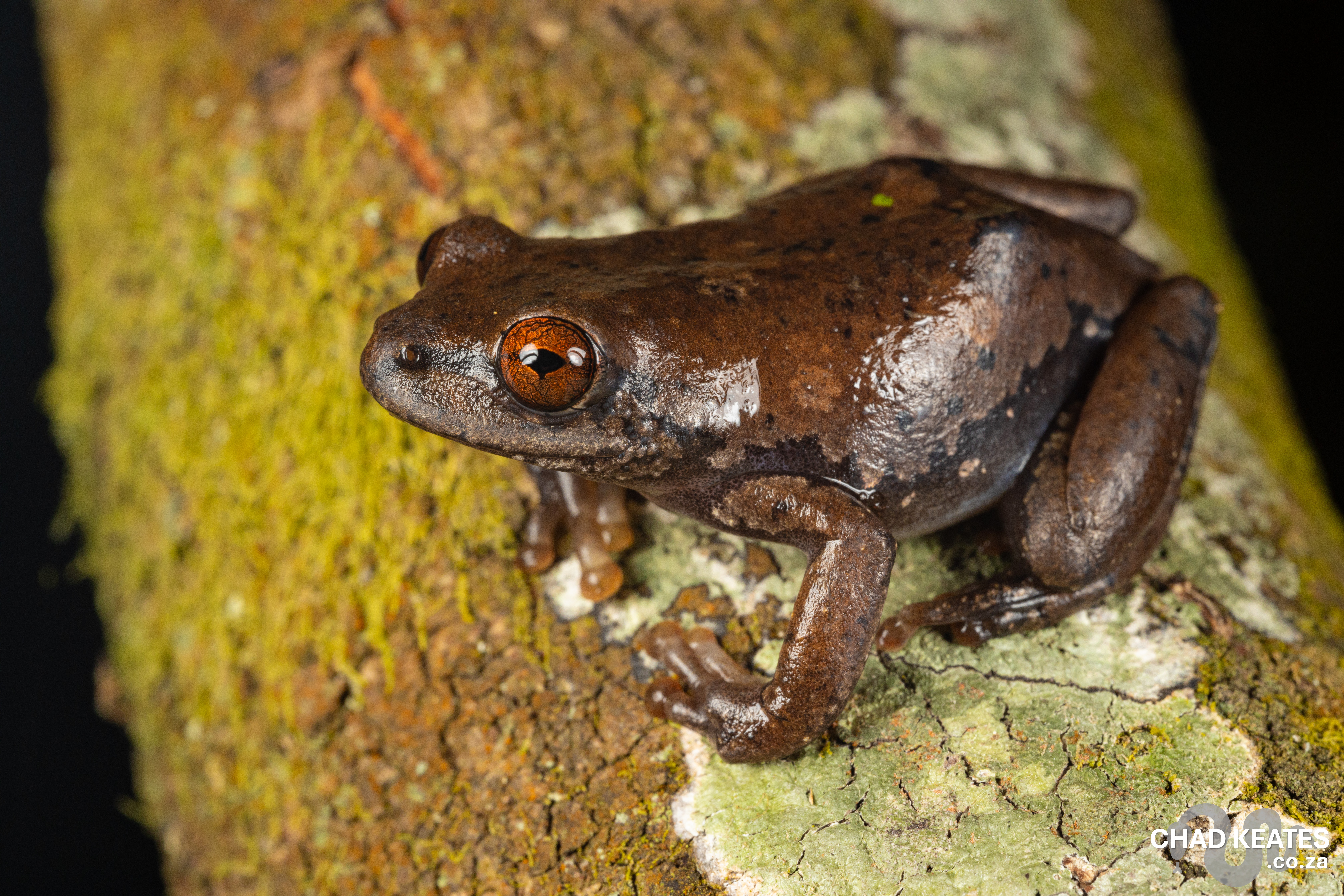
from Kibara Plateau, Upemba National Park, Democratic Republic of Congo
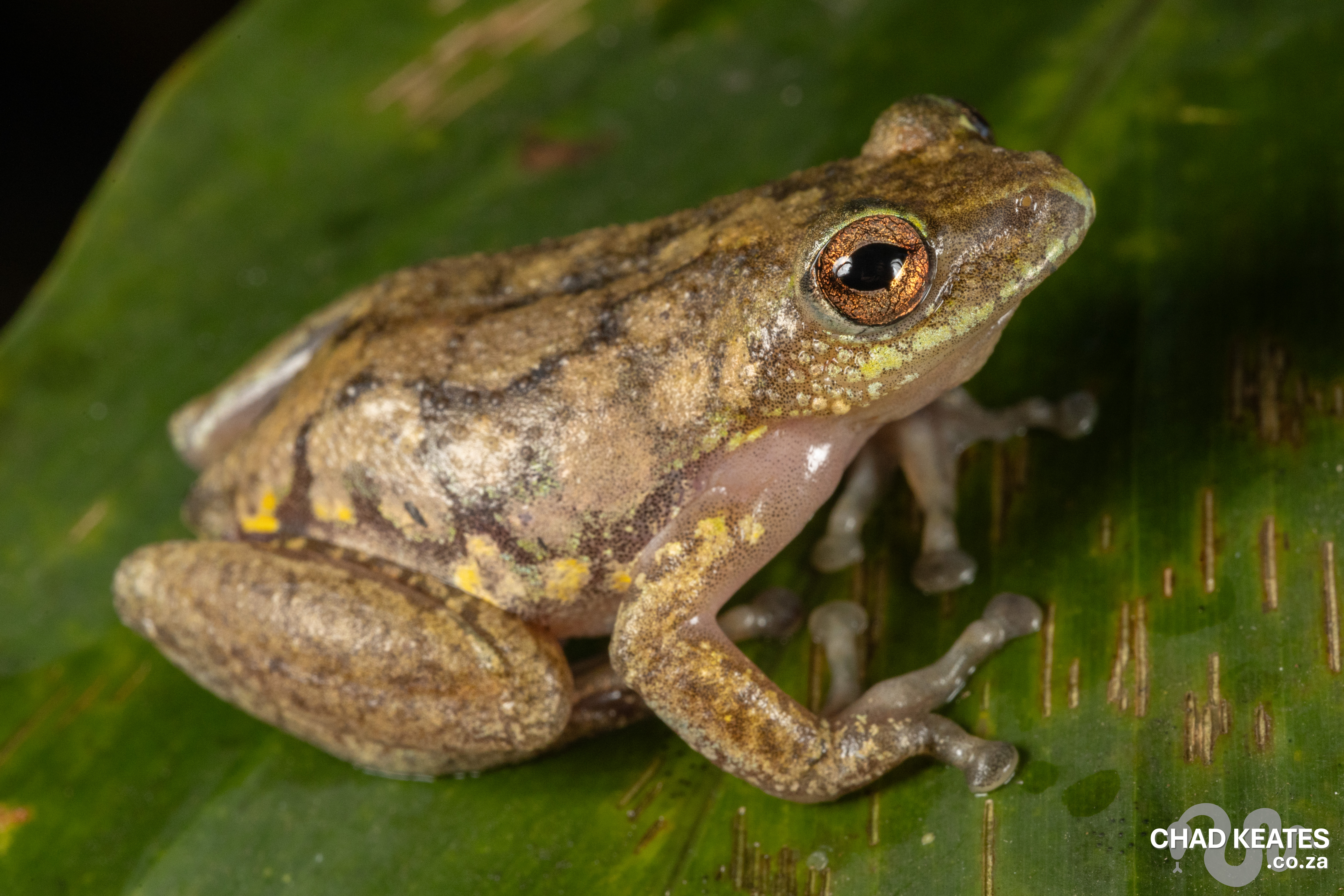
from Kibara Plateau, Upemba National Park, Democratic Republic of Congo.
Brief Description –
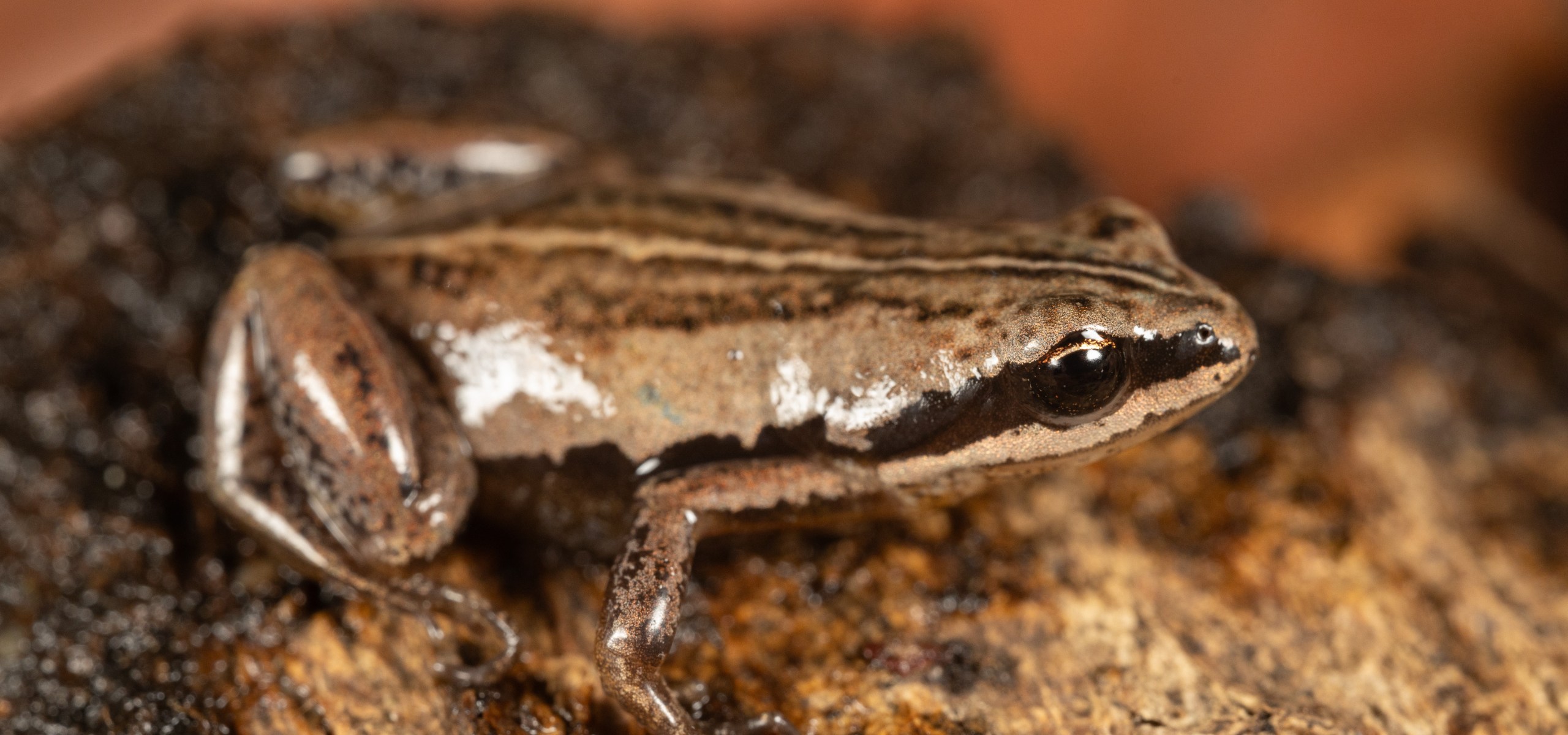
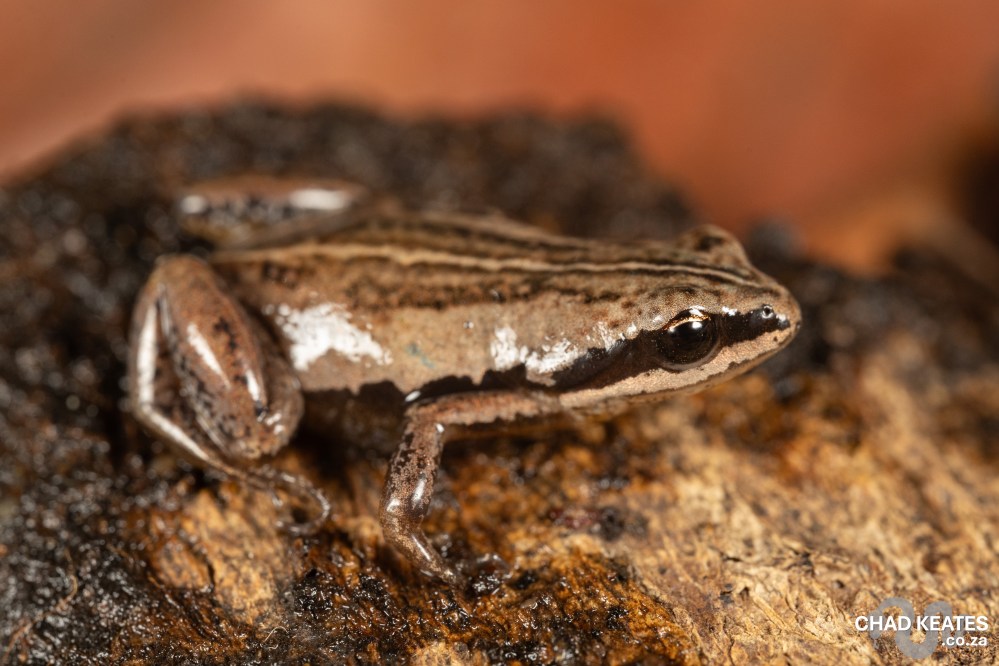
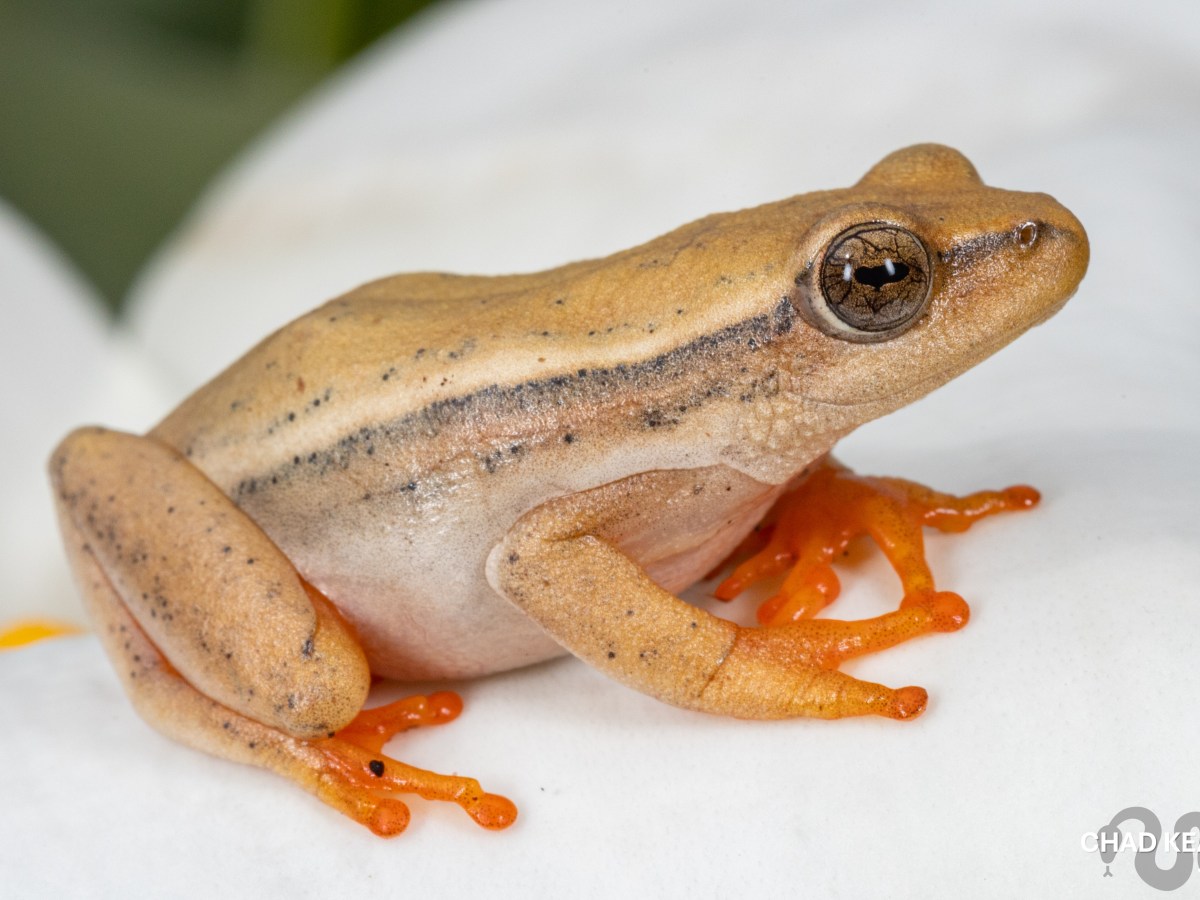
Hyperolius kibarae, commonly referred to as the Katanga Reed Frog or Shaba Reed Frog, is a species of frog in the Hyperoliidae family. Endemic to the Democratic Republic of the Congo, it is specifically found in the highlands of lower Katanga. The species was first described by Laurent in 1957, with the type locality at Lusinga (1760m) in Upemba National Park, Katanga Province. Hyperolius kibarae has a distinctive appearance, characterized by a broad head with a rounded snout that is longer than the diameter of the eye. It features large finger discs, with the third finger being longer than the snout, and the first phalanx of the fourth toe being free of webbing. Small spines are present on the limbs, and the smooth back displays a green or brown coloration with darker marbling. Faint pale dorsolateral bands are present on the snout, continuing beyond the eye, with a thin dark line connecting the nostril to the eye. The underside is white with fine speckles, and breeding males are distinguished by their yellow throat. Females are slightly larger than males, reaching an average size of 35mm, while males measure 32mm on average. Hyperolius kibarae inhabits montane grasslands at high altitudes, where they are locally abundant in gallery forests along small perennial rivers. However, the species’ advertisement call and biology remain unknown. Consequently, Hyperolius kibarae is currently classified as Data Deficient on the International Union for Conservation of Nature (IUCN) Red List, highlighting the need for further research to fully understand the biology and conservation status of this unique and fascinating species.
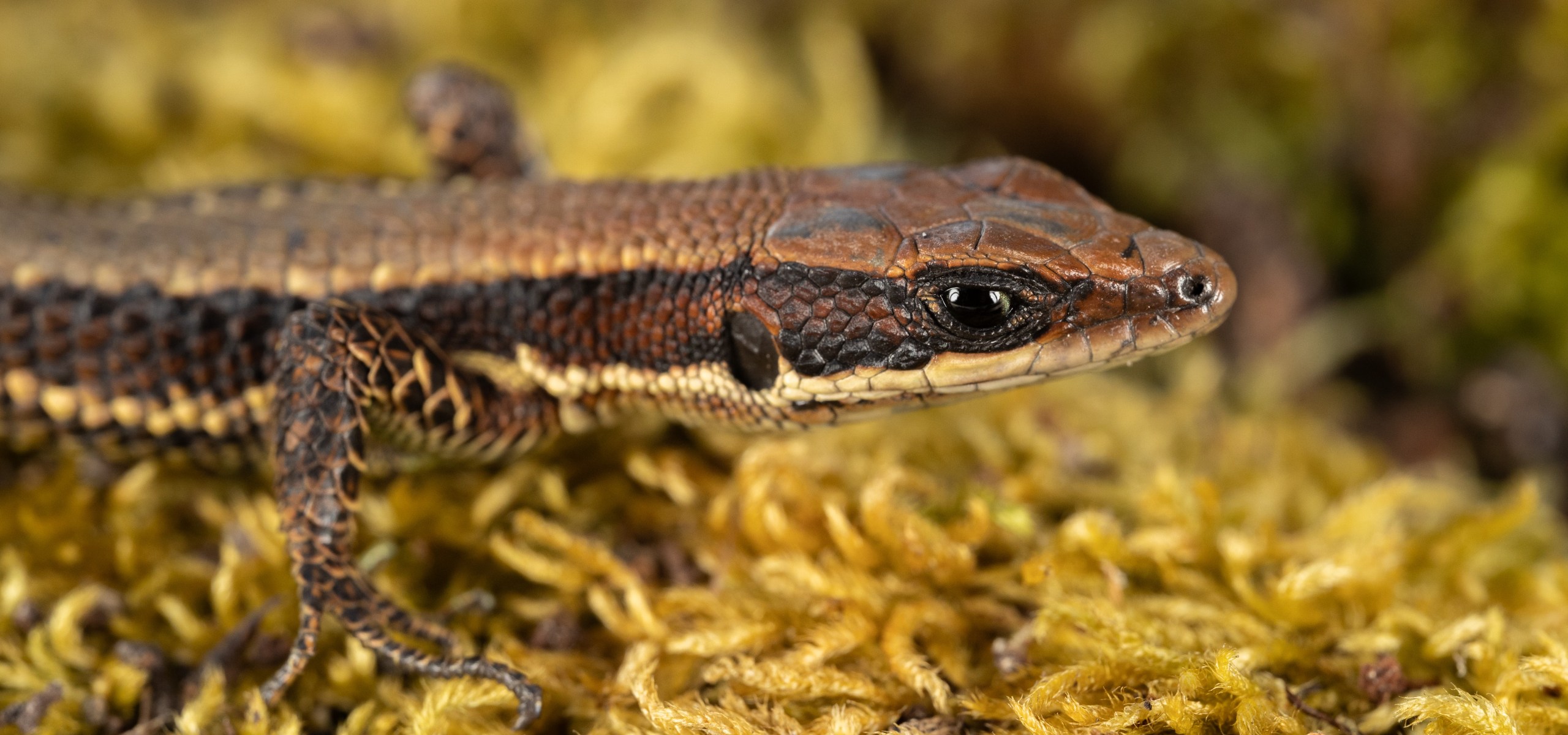
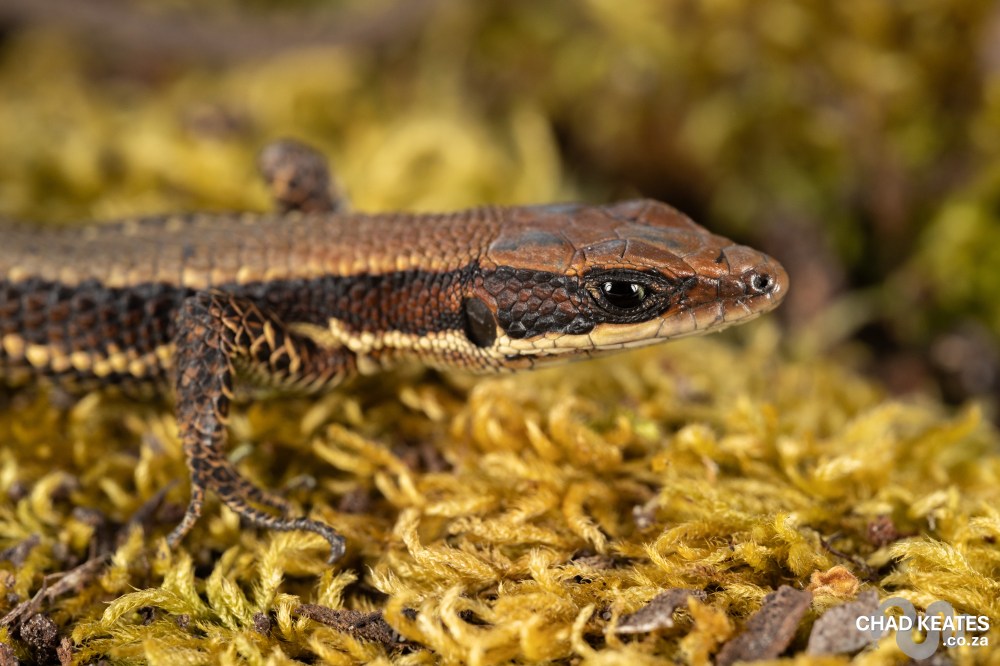
from Kibara Plateau, Upemba National Park, DRC.
Brief Description –
Adolfus africanus, commonly known as the Multi-scaled Forest Lizard or Green-bellied Forest Lizard, is a species of lizard in the family Lacertidae. The species is found in central and eastern Africa, specifically in Uganda, Rwanda, Democratic Republic of the Congo, South Cameroon, Northwest Zambia, West Kenya, Republic of South Sudan, and Central African Republic. Adolfus africanus is primarily associated with primary forests and inhabits areas up to 2200 meters above sea level, with its type locality in Entebbe, Uganda. It is currently listed as Least Concern (IUCN), but given its close association with gallery forest and primary forest it is directly threatened by ongoing deforestation in Africa. Adolfus africanus has a distinctive, rugged appearance due to its keeled back scales. It has a pointed snout, relatively large eyes, and a slender build, with a tail roughly twice the length of the body. The body scales are rhombic with diagonal keels, and the mid-dorsal scales are notably larger than those on the flanks (18–24 transverse scale rows at mid-body). It has a copper-bronze head, and the the body features a dark lateral band, which is bordered by yellow spots and lines. The tail is brown with feint lighter bands and the underside is immaculate lime green. Adolfus africanus is a diurnal and semi-arboreal species, which can often be seen basking in dappled sunlight on fallen tree limbs, trunks, and exposed roots within clearings of the forest. while it can often be seen amongst the branches, it rarely ventures above three meters on vertical trunks, which suggests it spends much of its time in the undergrowth. This species presumably lays eggs (oviparous).
from Kibara Plateau, Upemba National Park, Democratic Republic of Congo.
Brief Description –
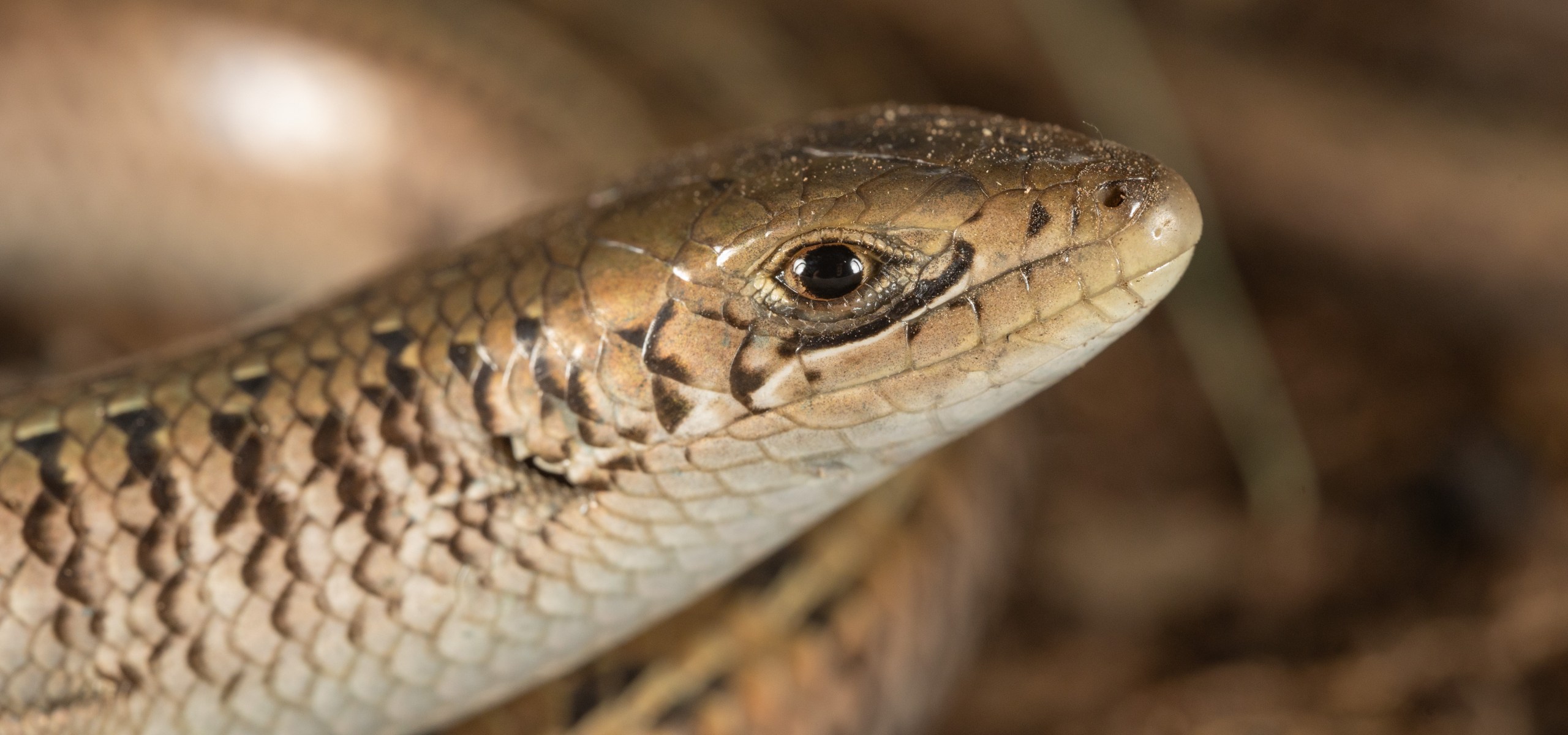
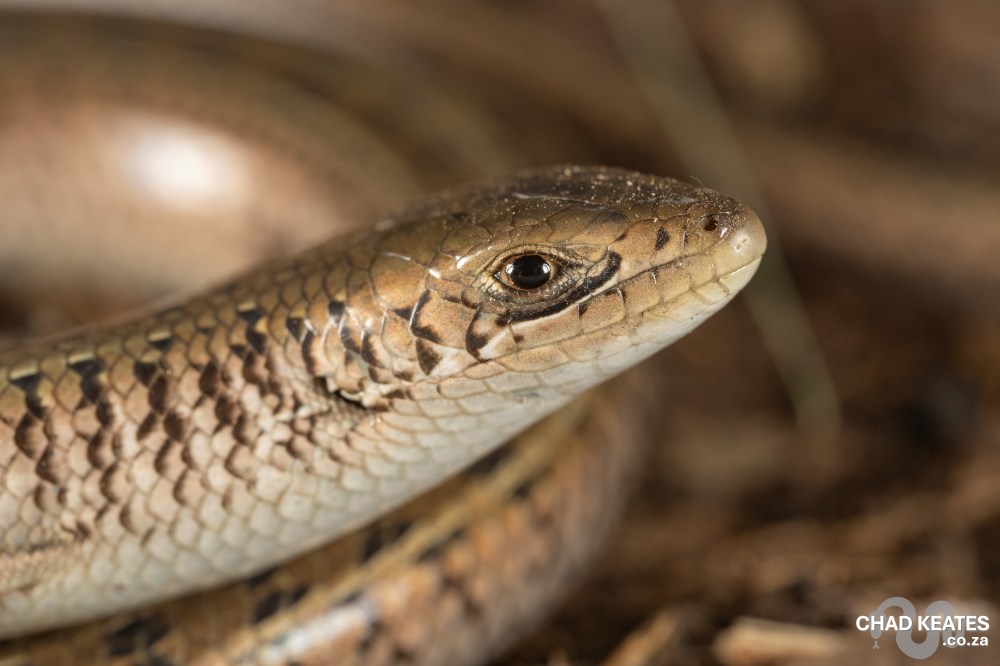
Eumecia anchietae, also known as Anchieta’s Snake Skink, Western Serpentiform Skink, or Lunda Western Snake Skink, is a species of lizard in the family Scincidae. It is found in eastern and southern Africa, specifically in Angola, southern Democratic Republic of the Congo, Kenya, Tanzania, Zambia, and the Republic of South Sudan. The type locality of the species is listed as Caconda, Angola. Eumecia anchietae is characterized by its long, serpentiform body and reduced limbs, which allow it to move efficiently through dense grass. Its’ unique body shape enables the snake-like skink to navigate through its environment with relative ease. The species was described by Bocage in 1872, and is named after the Portuguese explorer and naturalist José Alberto de Oliveira Anchieta. Three subspecies are recognized. These include E. a. anchietae, E. a. wittei, and E. a. orientalis. Eumecia anchietae is currently considered Data Deficient on the IUCN Red List and it is not listed on CITES. Although widespread the Western Snake Skink is found in grassland and savanna habitats, usually between 1000 and 2000m. Eumecia anchietae gives birth to live young and feeds on a wide range of invertebrates within its grassland ecosystem.
from Kibara Plateau, Upemba National Park, Democratic Republic of Congo.
Brief Description –
The Katanga Caco or Katanga Metal Frog (Cacosternum leleupi) is a species of frog in the family Pyxicephalidae, subfamily Cacosterninae. It is endemic to the Democratic Republic of Congo, and specifically found in the Upemba and Kundelungu National Parks. While the ecology of the species is poorly known, it is likely restricted to high altitude wetlands. The species is currently considered Data Deficient on the IUCN Red List and is not listed on CITES. Cacosternum leleupi is relatively small, with males reaching approximately 24-28 mm in length. The species was described by Laurent in 1950, and was named after the Belgian entomologist and explorer, Professor Leleup.
Botswana is a large, flat, land-locked country found within the southern African region. It is well known for its distinct Kalahari landscape, and the Okavango Delta, one of the largest wetlands on the planet. Although dry, the countries seasonal flooding and distinct topography give rise to lush vegetation, which supports some of the highest densities and diversities of large mammals on the planet. While the region is famed for its elephants, wild dogs, lions, and leopards, it also plays host to approximately 60 different species of snake, eight of which are potentially life-threatening to humans.
Why are snakes Important?
Snakes are incredibly versatile animals that can be found in almost every biome, habitat and ecosystem on Earth. They are both predator and prey and are an integral component of most food webs. They are also famed for feasting on a wide range of animals, which benefits both humans and wildlife. Despite their critical role in virtually every ecosystem on Earth, they are continually persecuted by humans for their perceived danger. Whilst there exist many dangerous snakes, the number of harmless snakes far exceed them with most regions, countries and continents only supporting a handful of truly life-threatening serpents. Botswana is no exception to this rule with most snakes presenting absolutely no threat to humans whatsoever.
Common Harmless Snakes of Botswana
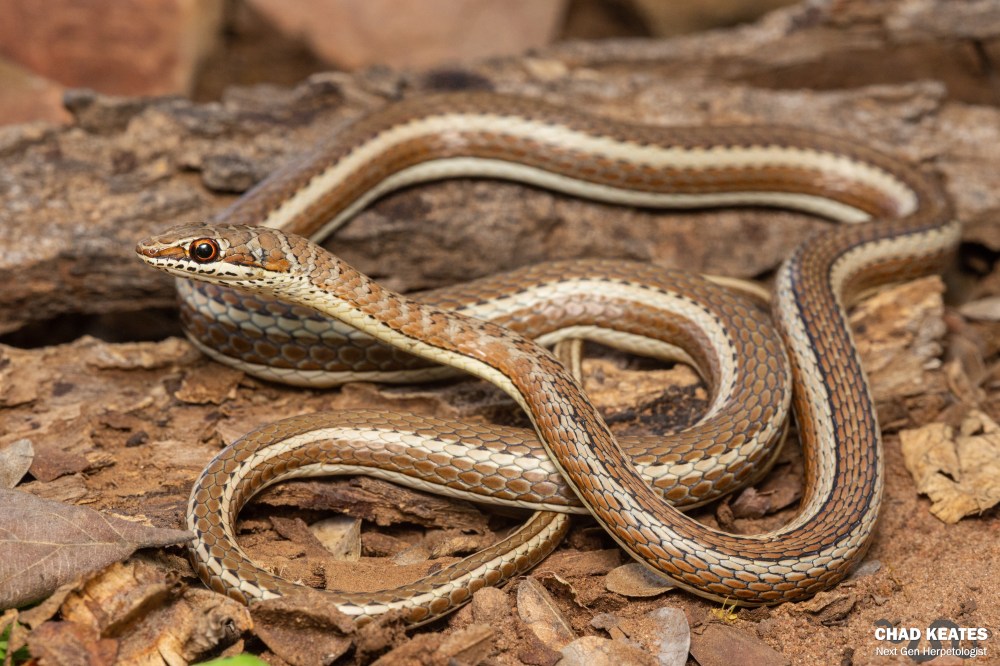
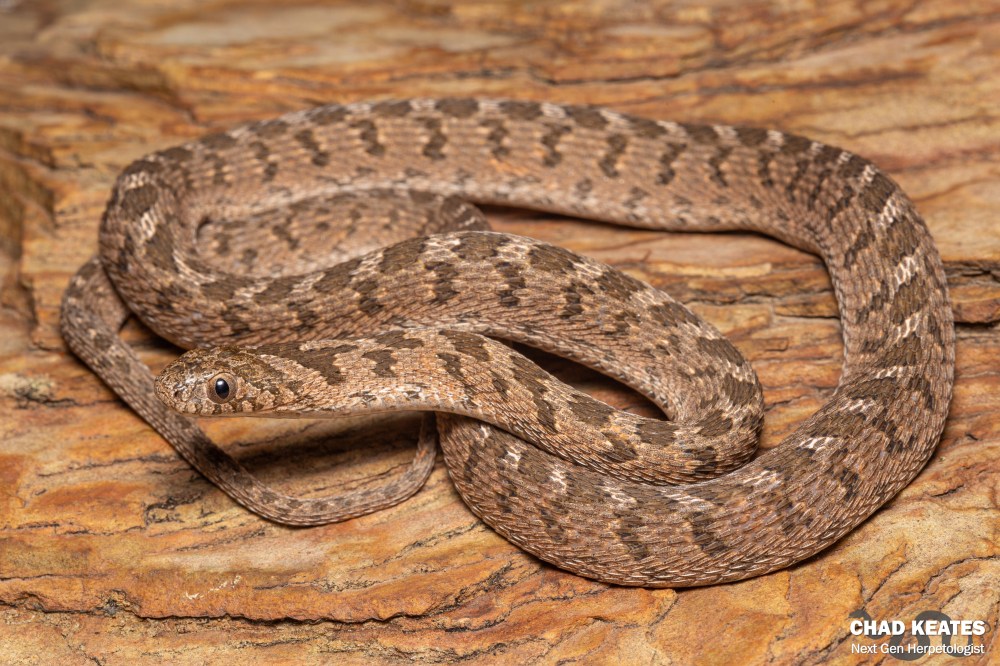
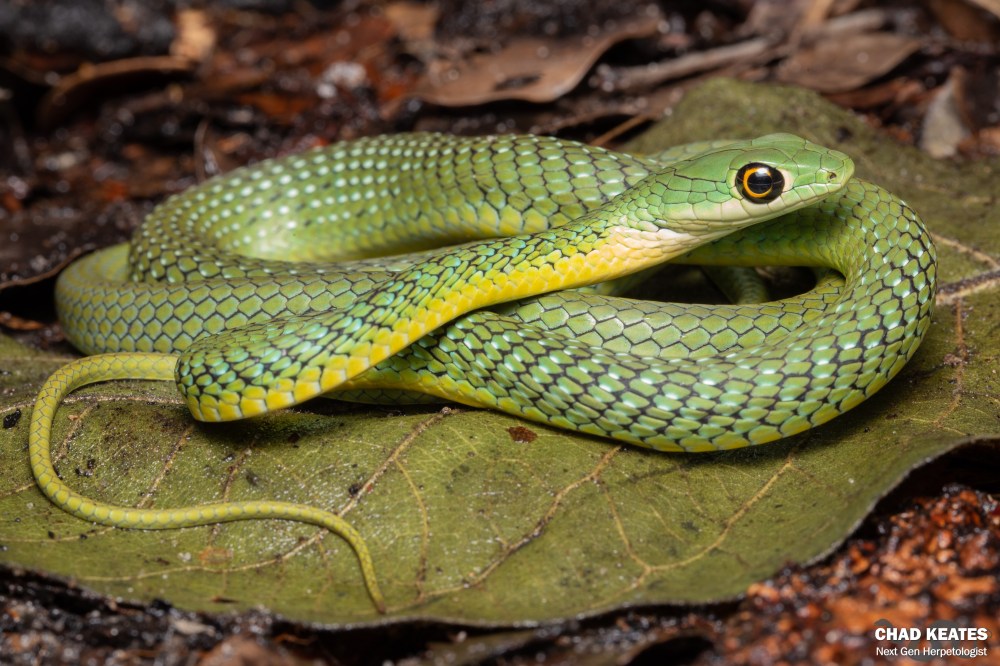
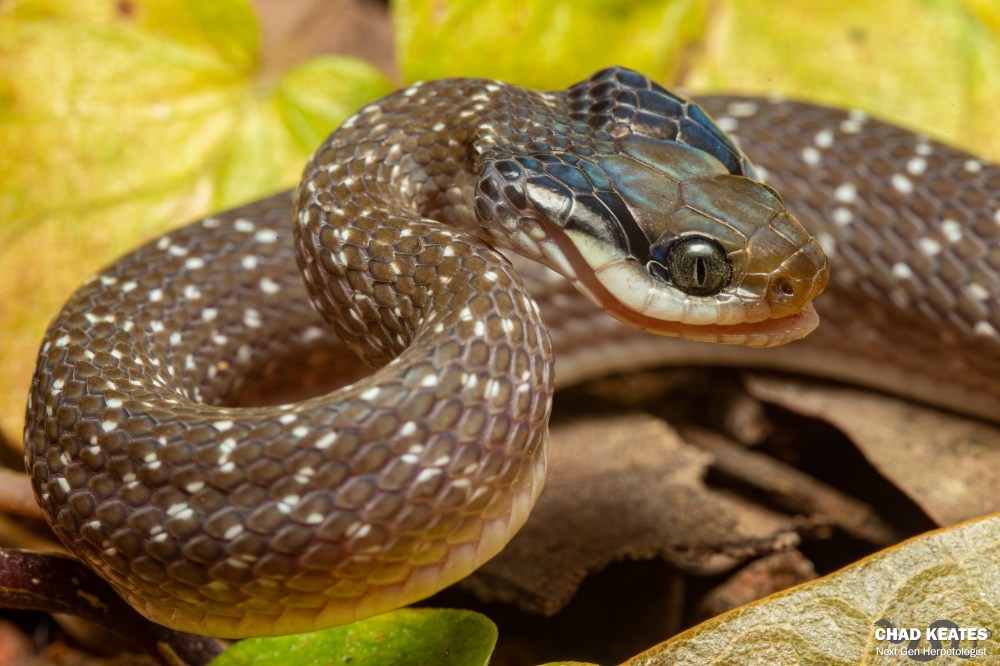
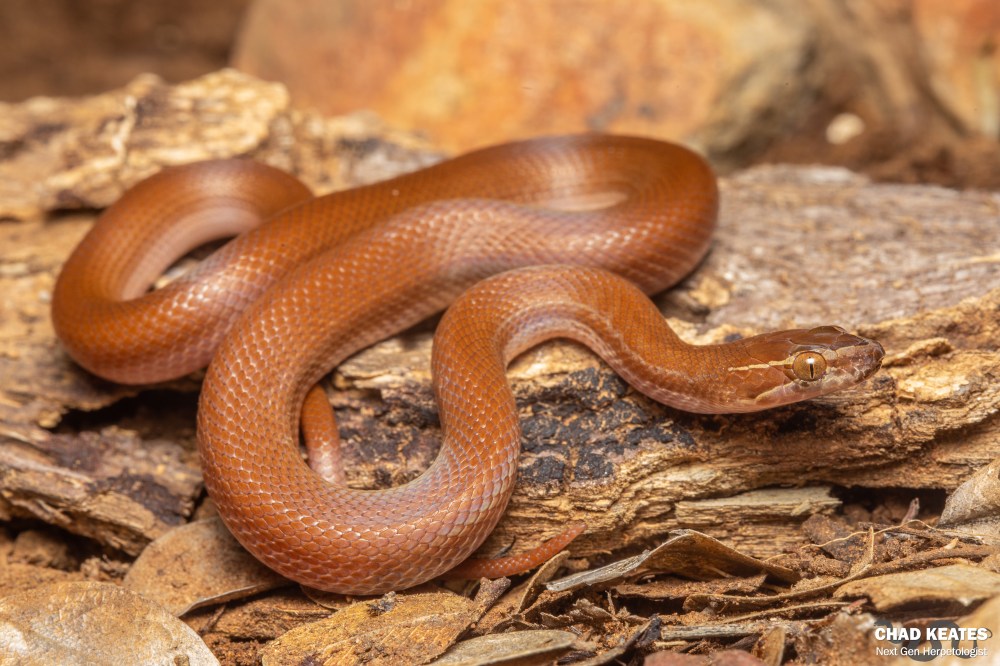
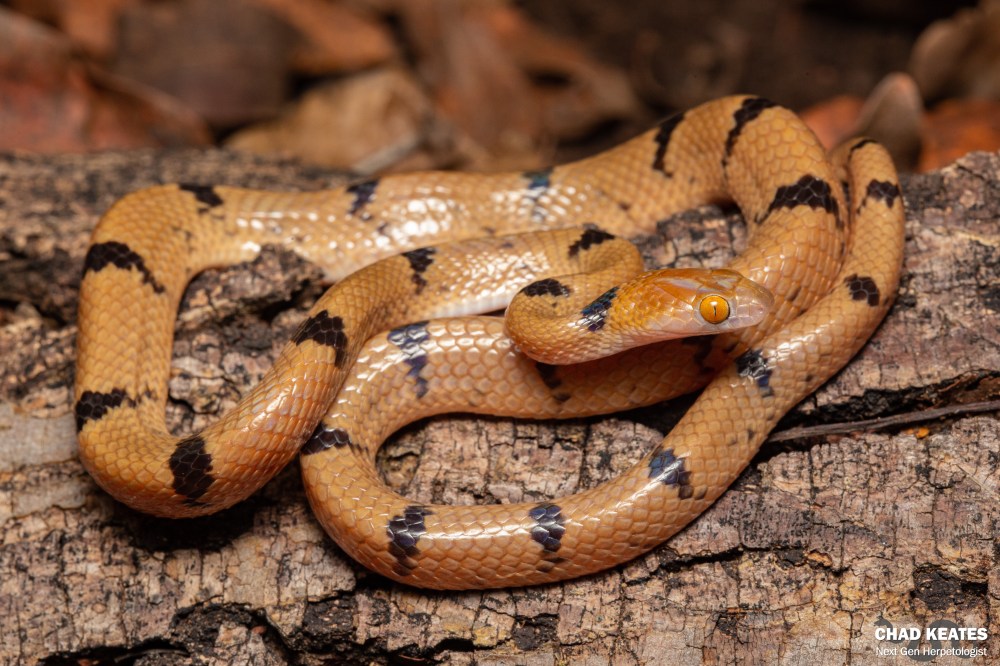
Snakes of Botswana
There are approximately 60 snakes in Botswana (not including sub-species). Most of the snakes are either mildly venomous or lack venom completely making them completely harmless, with only a small proportion being dangerous to humans. A snake is only considered dangerous to humans in this article if the bite is considered medically important. By this definition there are 11 dangerous snakes (medically important snakes) in Botswana.
Medically Important Snakes of Botswana
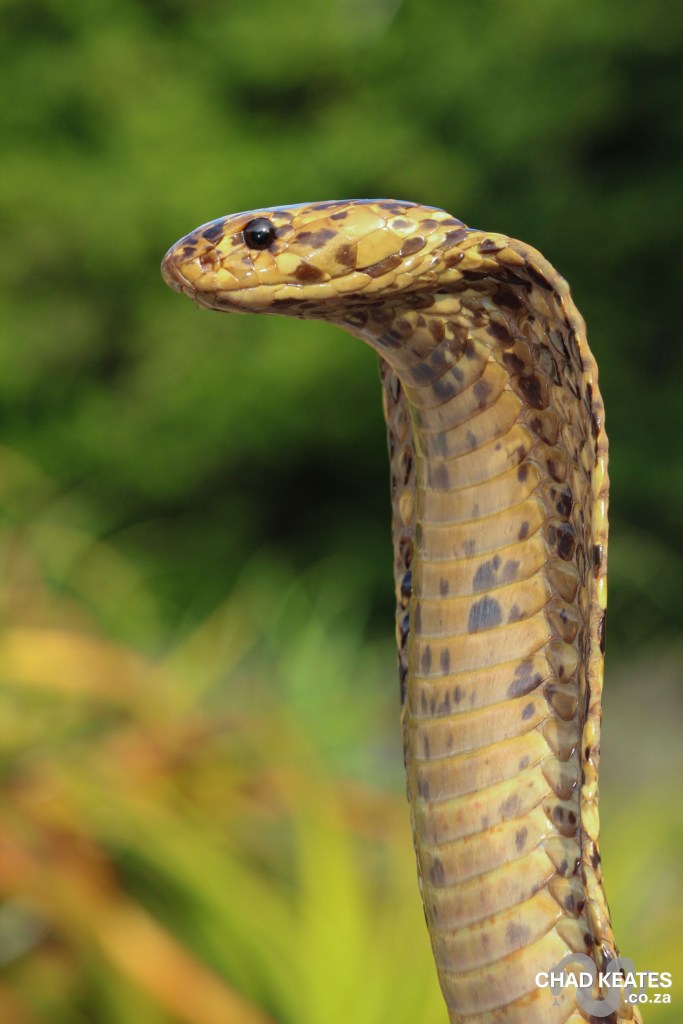
Black Mamba – Dendroaspis polylepis
Snouted Cobra – Naja annulifera
Mozambique Spitting Cobra – Naja mossambica
Cape Cobra – Naja nivea
Anchieta’s Cobra – Naja anchietae
Southern Twig Snake – Thelotornis capensis
Boomslang – Dispholidus typus
Puff Adder – Bitis arietans
Horned Adder – Bitis caudalis
Speckled Shield Cobra – Aspidelaps scutatus scutatus
Stiletto snake – Atractaspis bibronii
Of the 11 dangerous snakes, only eight are considered very dangerous (potentially life threatening snakes) in Botswana. Snakes such as the Horned Adder, the Speckled Shield Cobra, and the Stiletto Snake can yield some very painful bites (and produce rather serious symptoms), but neither of these bites require antivenom. Neither the Horned Adder, the Speckled Shield Cobra, or the Stiletto Snake are considered potentially life-threatening in Botswana. However, very dangerous snakes are considered life threatening, especially when left untreated. Bites from very dangerous snakes, as is denoted by red in the above figure, may necessitate the use of antivenom depending on the symptoms presented by the patient. Whenever someone is bitten by a very dangerous snake they should seek professional medical treatment as soon as possible.
The Mozambique Spitting Cobra is the only spitting cobra in Botswana.
Behaviour, ecology and distribution play a massive role in human/snake interactions, so if a snake rarely bites it does not present an immediate danger to humans, even if it does have incredibly toxic venom. A great example of this is the boomslang because while its’ venom is drop-for-drop amongst the most toxic in the world, the snakes’ timid nature coupled with its’ tendency to flee instead of bite renders bites incredibly rare in South Africa. This makes the snake less of a concern to humans because it doesn’t really matter how venomous it is if it very rarely bites any humans. In other worlds… It takes ‘talent’ to get bitten by a boomslang.
There are less than 10 confirmed fatalities from boomslang bites since 1957
Of the nine very dangerous snakes (i.e. potentially life threatening) in Botswana, four species stand out as the most important, based on a combination of their behavior, their propensity to bite and the toxicity of their venom. These four snakes are the Black Mamba, Cape Cobra, Puff Adder and the Mozambique Spitting Cobra. Of these four, the Black Mamba and Cape Cobra are definitely the most dangerous, not because they produce the most bites or are aggressive but because of the potency of their venom. When either of these snakes bite you it is very serious and if medical treatment is not sought promptly, serious complications are very likely to follow.
The Black mamba is the largest venomous snake in Africa with a maximum size of 4.5m. Although large, fast, and incredibly agile, these animals are quick to flee when given the opportunity, and are nowhere near as aggressive as people make them out to be.
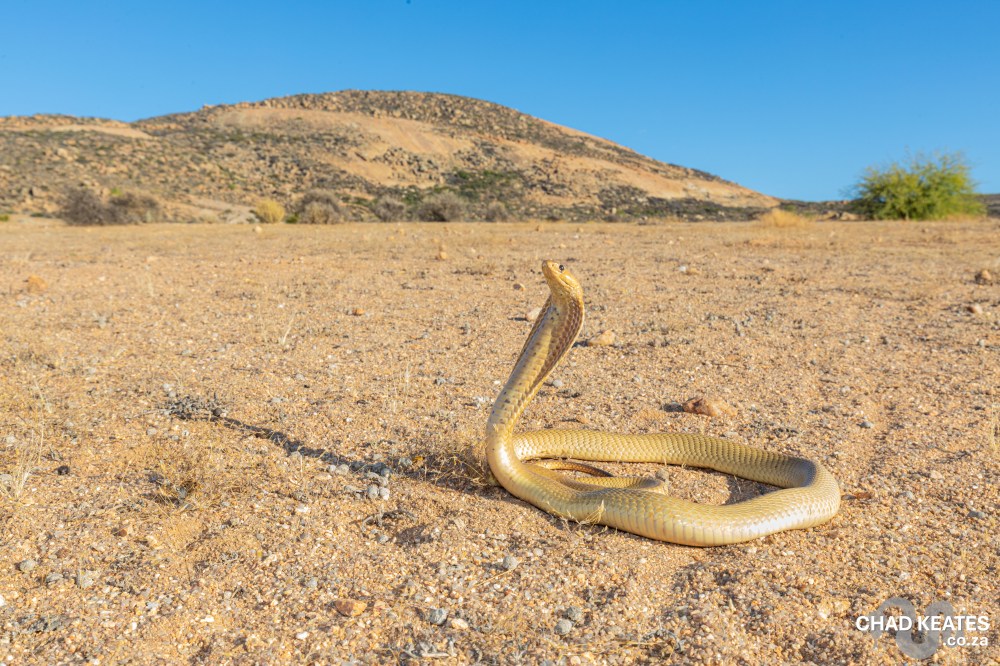
The Cape cobra is responsible for the most snake-related deaths in the Cape provinces of South Africa and it is the most venomous cobra in Africa. The Black Mamba is the most dangerous snake in Botswana with the most confirmed snake-related deaths in the country. The Black mamba is also one the ten most venomous snakes in the world when you take into consideration the toxicity and quantity of venom injected during the average envenomation. The rest of this list belongs to snakes such as the Inland Taipan, Coastal Taipan and Eastern Brown Snake from Australia.
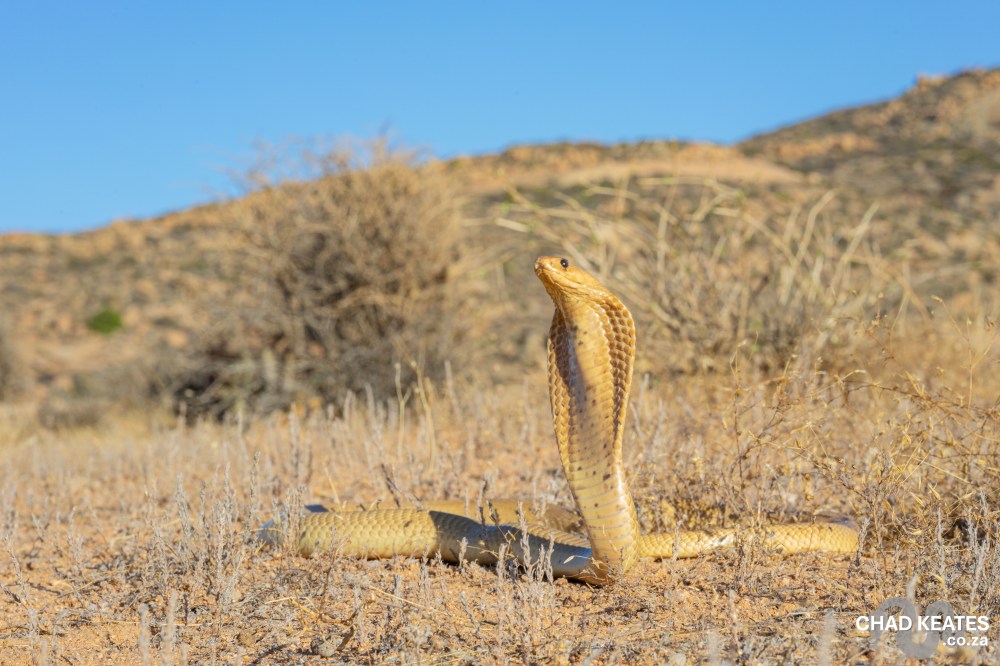
The Cape Cobra is the most venomous cobra in Africa
While bites from the Puff Adder and Mozambique Spitting Cobra rarely result in human fatalities, they along with the Stiletto Snake (Atractaspis bibronii) are responsible for approximately 80% of all serious bites in neighboring South Africa. The venoms from these snakes are primarily cytotoxic meaning they often result in local swelling, severe pain and even limb loss in extreme cases.
While bites from Stiletto Snakes have not resulted in human deaths in Botswana, there have been fatalities further north in Africa. Similarly, while the Speckled Shield Cobra is not considered to be potentially life threatening in Botswana, its close relative, the Kunene Coral Snake (Aspidelaps lubricus cowlesi) is considered very dangerous with a recent envenomation in Namibia resulting in the death of a two year old.
The Most Deadly Snakes in Botswana
Black Mamba – Dendroaspis polylepis
Cape Cobra – Naja nivea
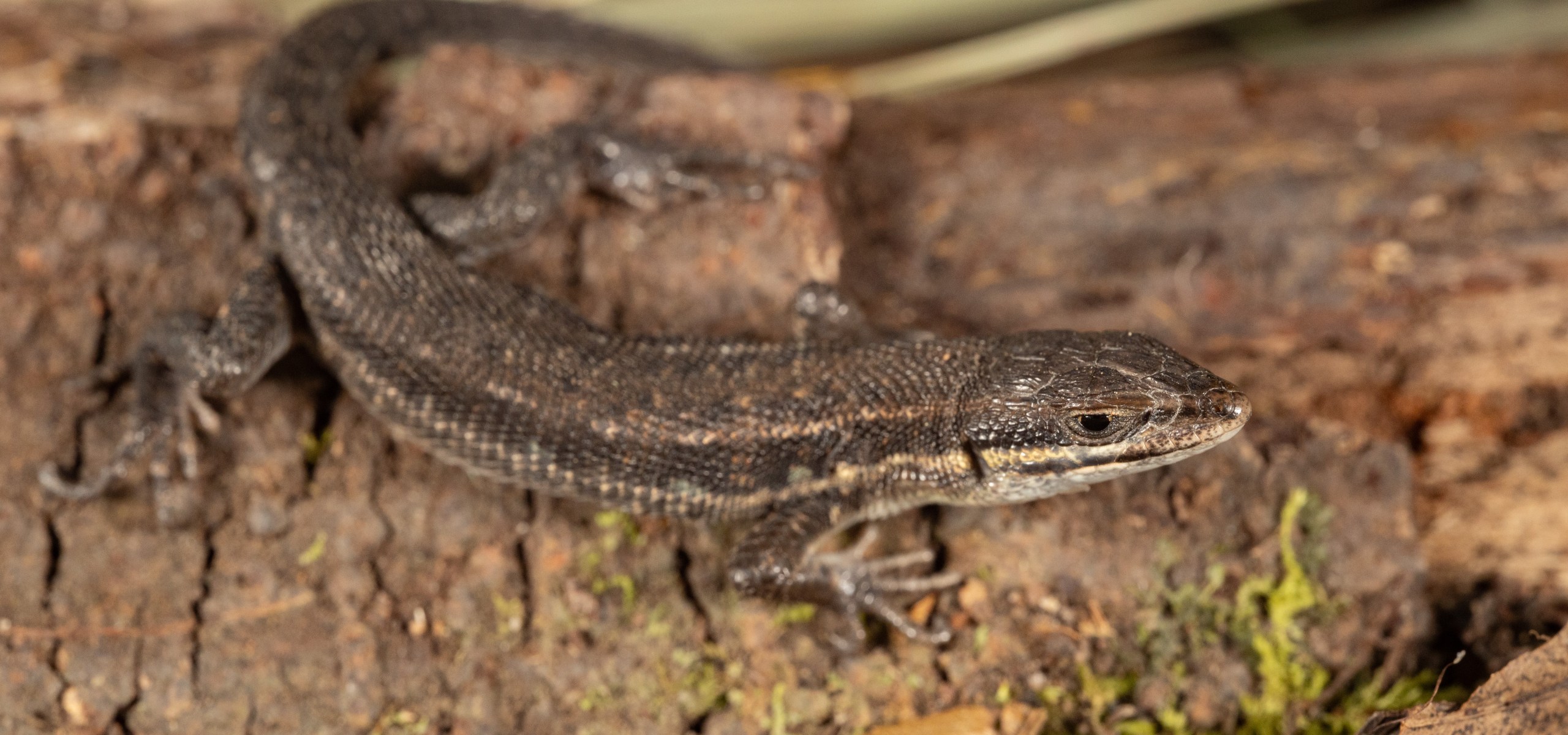

from Kibara Plateau, Upemba National Park, Democratic Republic of Congo
Brief Description
The Tanzanian Rough-Scaled Lizard, (Ichnotropis tanganicana), is a small African lizard belonging to the Lacertidae family. The genus is characterized by its distinctive rough scales and primarily terrestrial lifestyle. The Tanzanian Rough-Scaled Lizard was described from the eastern coast of Lake Tanganyika in the early 20th century, likely from either Tanzania or Burundi. As with other members of the genus, this species is oviparous and can be found in high-lying grasslands where it feeds on a wide variety of invertebrates during the day.
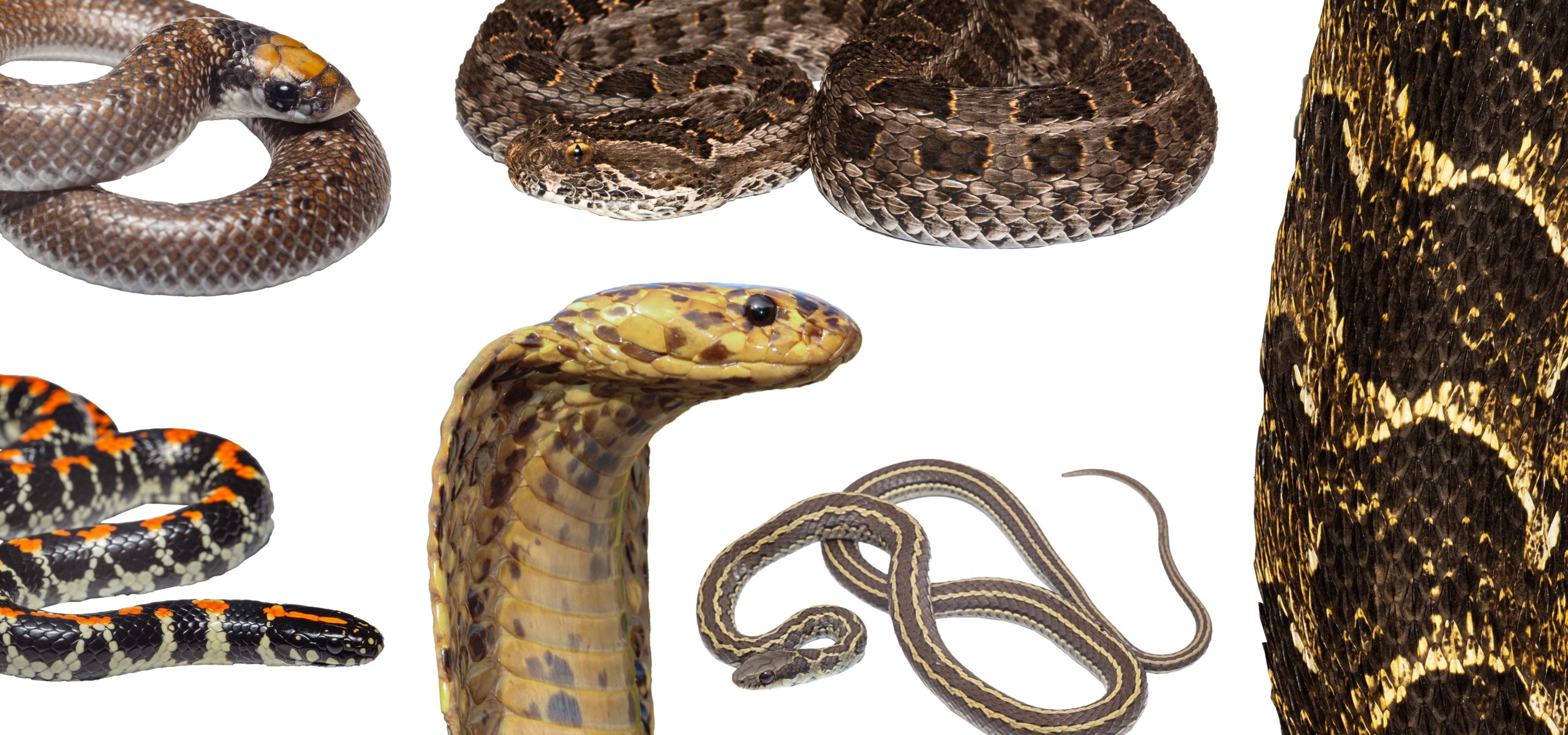
Lesotho is a small land-locked country, which is found in the heart of South Africa. The nation, which was once a kingdom, is characterized by rolling grasslands, interconnected streams and towering mountains. The region currently plays host to 21 different snake species (confirmed) with only three of them being potentially dangerous to humans.
The planet currently has approximately 4,145 snakes (as of August 2024), with new species being described all the time. All continents except for Antarctica contain snakes with Africa playing host to some of the highest snake densities on the planet. Snakes are incredibly versatile animals that can be found in almost every biome, habitat and ecosystem on Earth. They are both predator and prey and are an integral component of most food webs. They are also famed for feasting on a wide range of animals, which benefits humans and other wildlife alike. Despite their critical role in virtually every ecosystem on Earth they are continually persecuted by humans for their perceived danger. Whilst there exists many dangerous snakes, the amount of harmless snakes far exceed them with most regions, countries and continents only supporting a handful of truly life threatening serpents. Lesotho is no exception to this rule with the vast majority of snakes bearing absolutely no threat to humans whatsoever.
Snakes that may occur in Lesotho but are yet to be confirmed
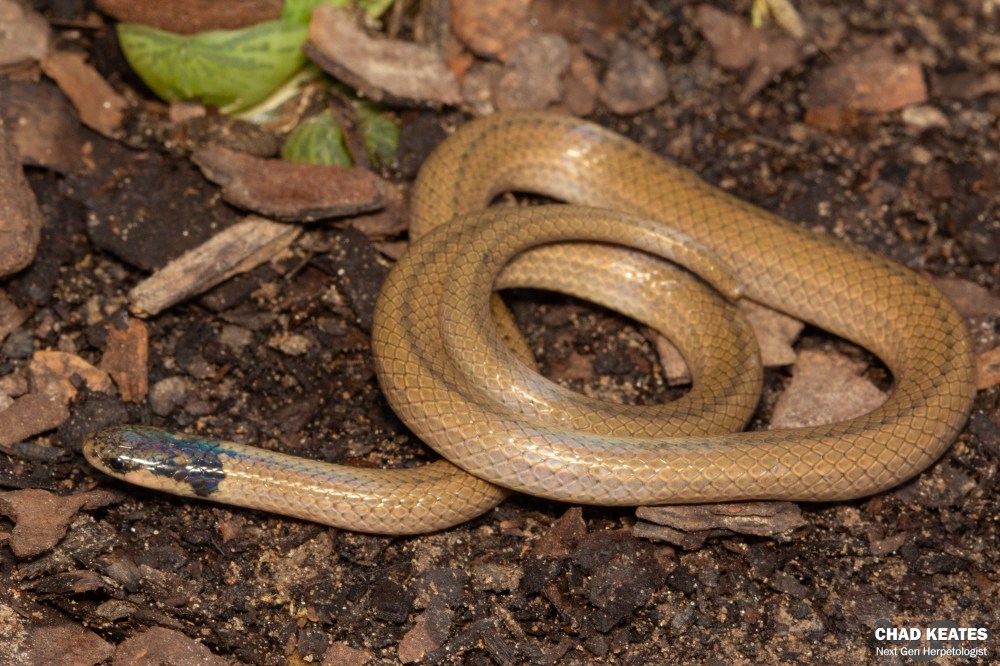
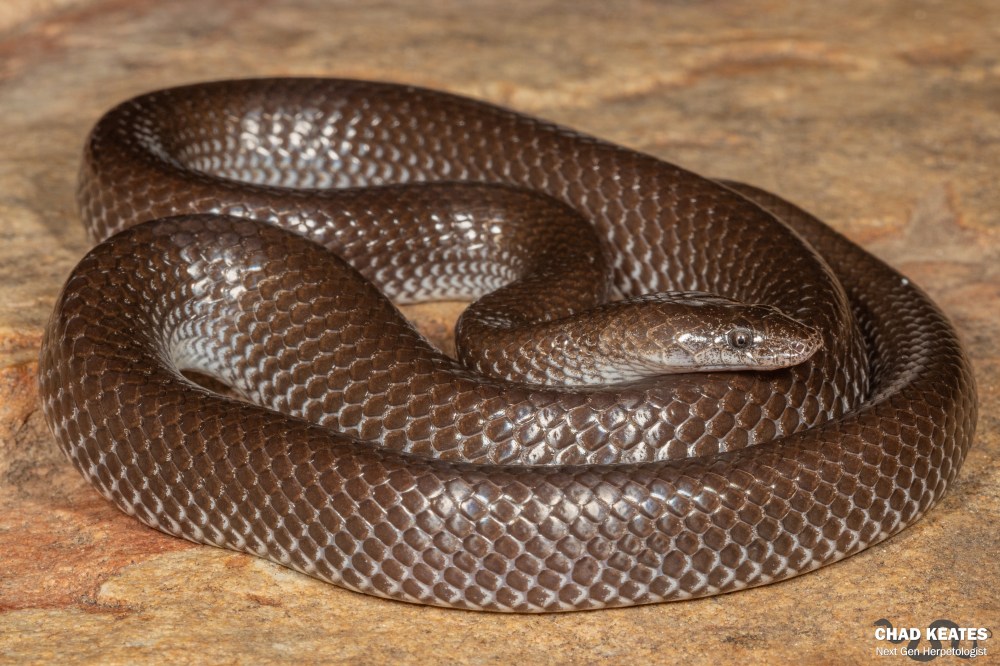
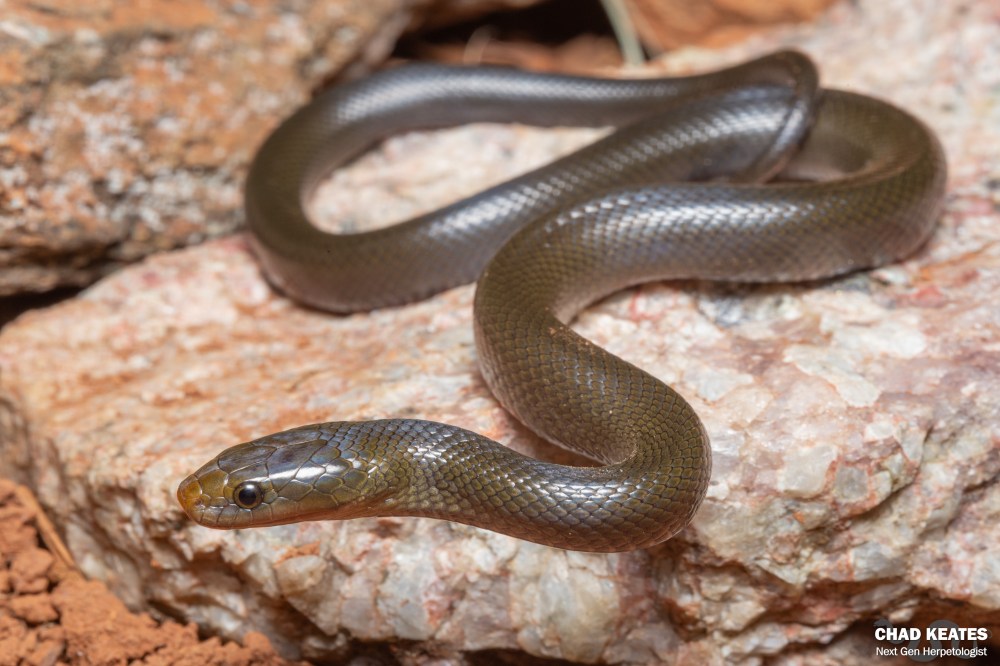

There are approximately 21 snakes in Lesotho (not including sub-species). While not confirmed, its possible that Lesotho also plays host to the black-headed centipede eater (Aparallactus capensis), Cape wolf snake (Lycophidion capense), olive ground snake (Lycodonomorphus inornatus), rhombic night adder (Causus rhombeatus) and the incredibly rare cream-spotted mountain snake (Montaspis gilvomaculata).
Most of the snakes currently found in Lesotho are either mildly venomous or lack venom completely with only a small proportion being dangerous or very dangerous to humans. A snake is only considered very dangerous to humans in this article if their venom is capable of taking a human life. By this definition there are only three snakes capable of killing a human being in Lesotho. These are the Cape cobra, rinkhals and puff adder. While venomous, and capable of a painful bite and some ‘pretty’ serious symptoms, the bite of a berg adder is not considered life threatening.
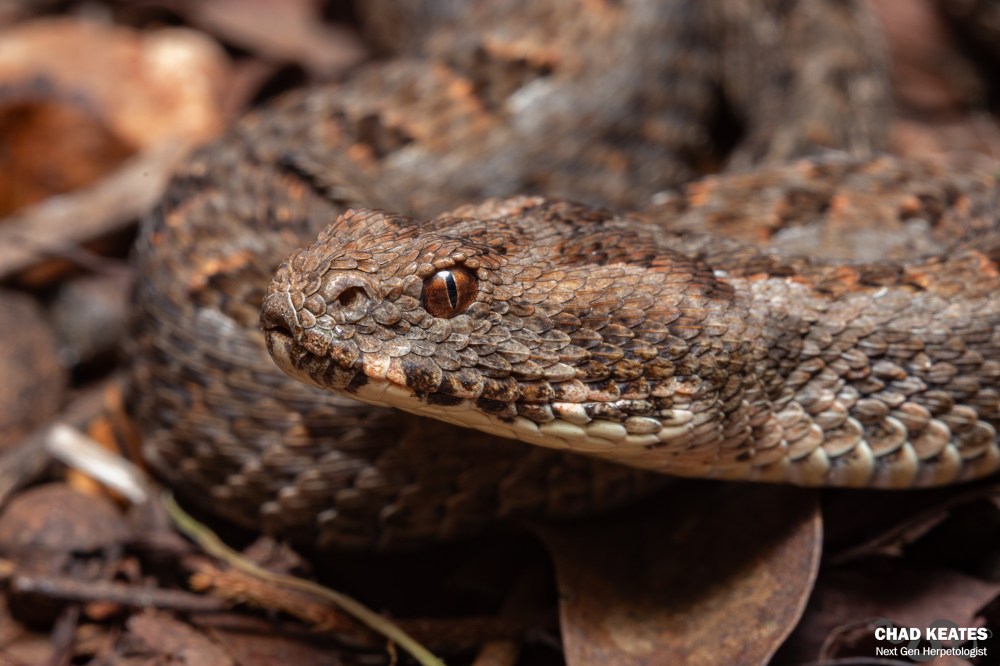
Dangerous Snakes of Lesotho
- Rinkhals – Hemachatus haemachatus
- Cape Cobra – Naja nivea
- Puff Adder – Bitis arietans
- Berg Adder – Bitis atropos
Of the three very dangerous snakes (i.e. potentially life threatening) in Lesotho, two species stand out as the most important, based on a combination of their behavior, their propensity to bite, their proximity to people and the toxicity of their venom. These two snakes are the Cape cobra and the puff adder. Of these two, the Cape cobra is definitely the most dangerous, not because it produces the most bites or because it is aggressive, but because of the potency of its venom. When this snake bites you it is very serious and if medical treatment is not sought promptly serious complications are very likely to follow.
The Cape cobra is responsible for the most snake-related deaths in the Cape provinces of South Africa and is the most venomous cobra in Africa. The Cape cobra is thus the most venomous and most dangerous snake in Lesotho. It is also one the most venomous snakes in the world when you take into consideration the toxicity and quantity of venom injected during the average envenomation. Luckily for Lesothans, most of the world’s most venomous snakes (i.e. inland taipan, coastal taipan and eastern brown snake) are from Australia.
While bites from the Puff Adder rarely result in human fatalities, they are responsible for a large portion of the serious bites in Lesotho. The venom from this snake is primarily cytotoxic meaning it often results in local swelling, severe pain and even limb loss in extreme cases. While the venom of the rinkhals is also incredibly dangerous, and capable of killing a human, it rarely bites. This is largely a product of behaviour of this snakes as it often chooses play dead (thanatosis) or ‘spit’ venom when encountered by humans and other animals. If the venom gets into your eyes it can cause intense pain and if left untreated it can cause partial or permanent blindness
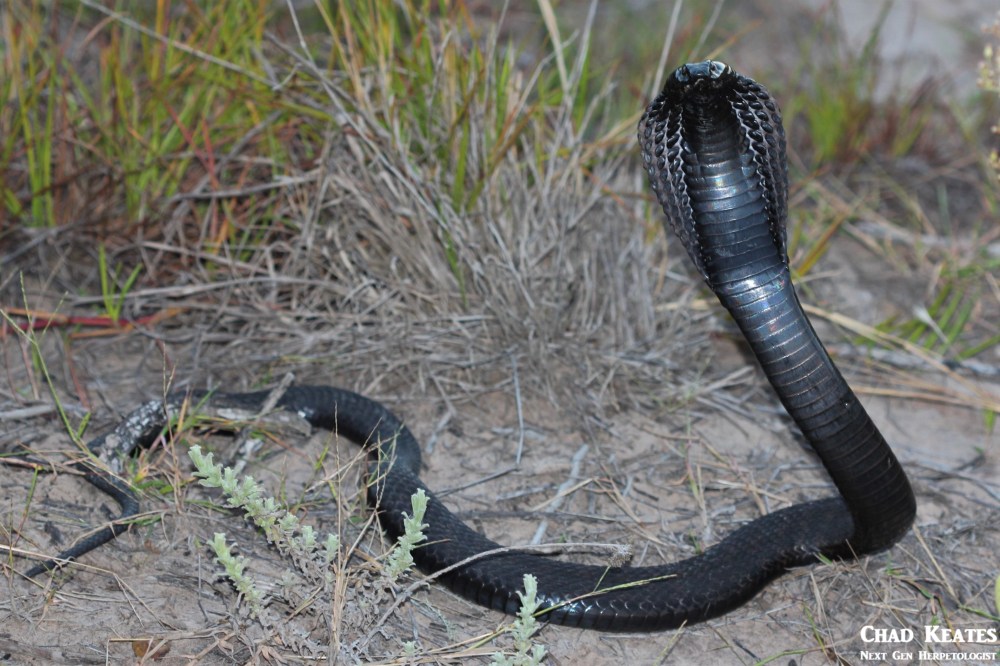
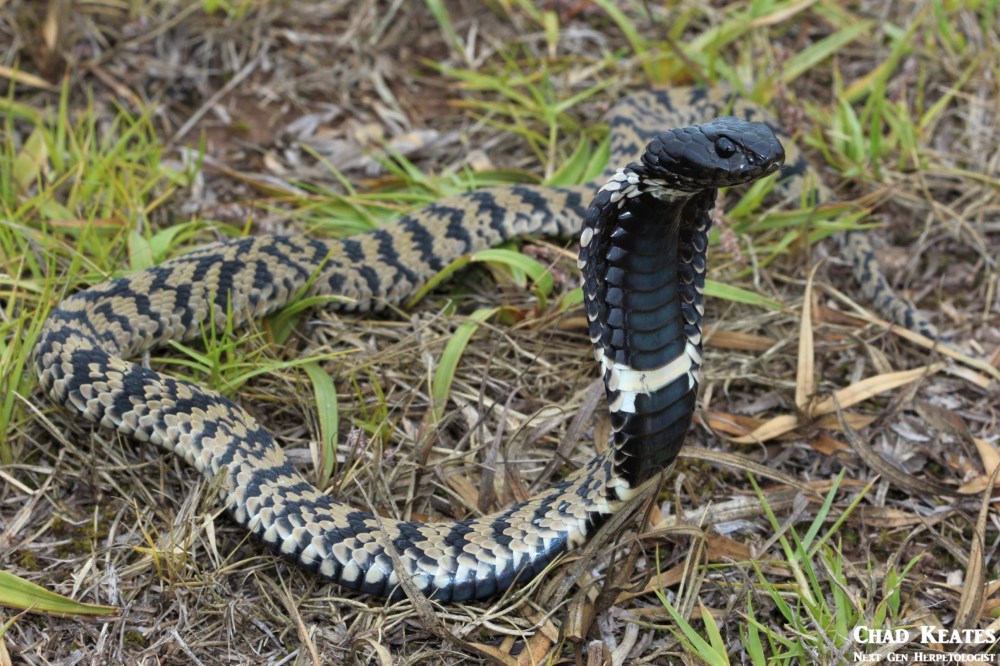
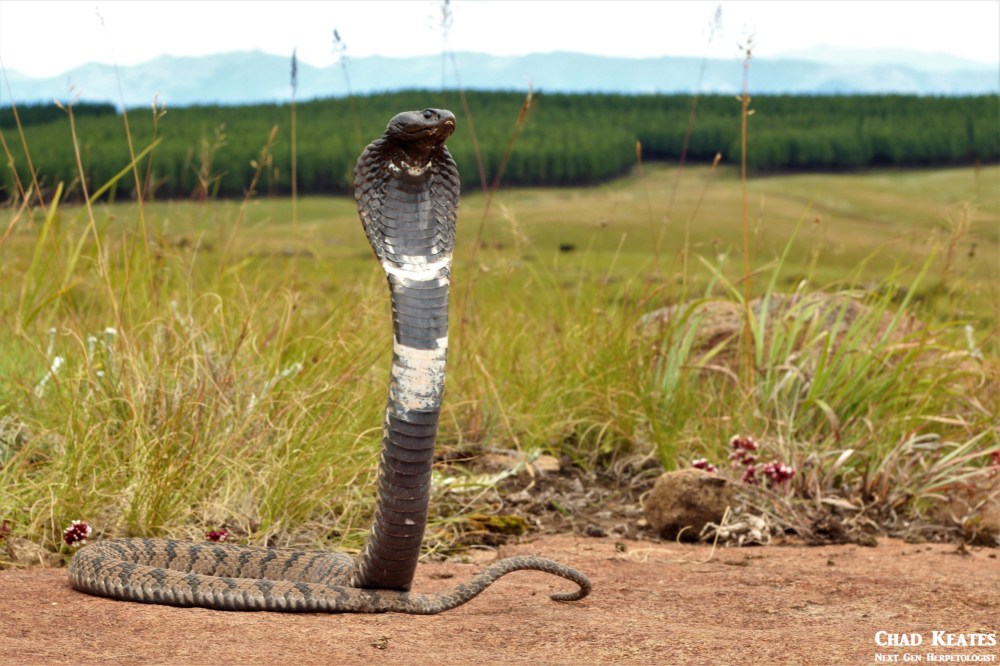
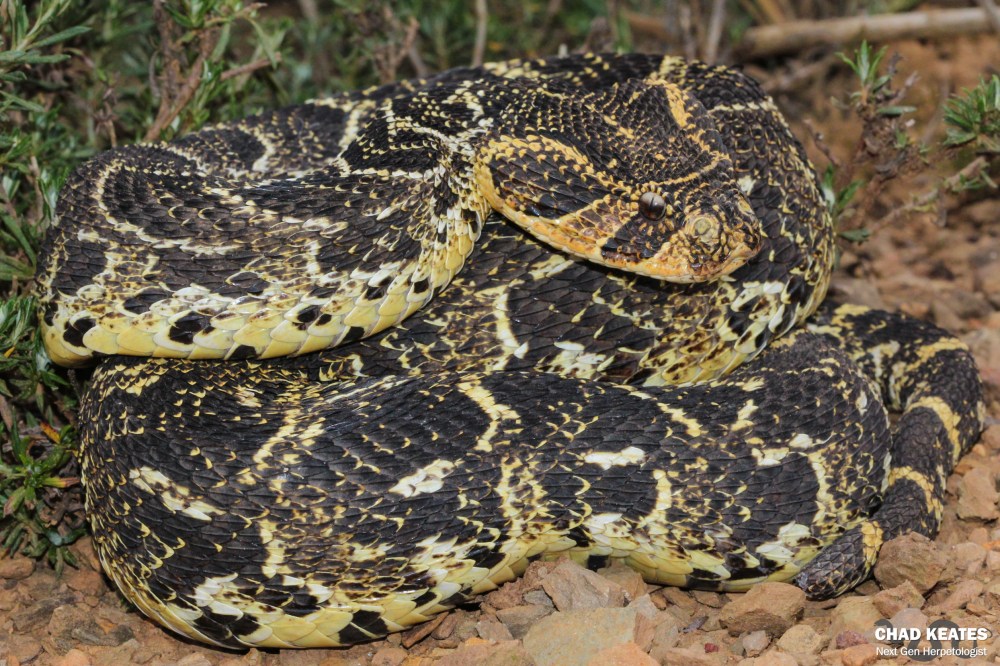
HIGHLY VENOMOUS – VERY DANGEROUS
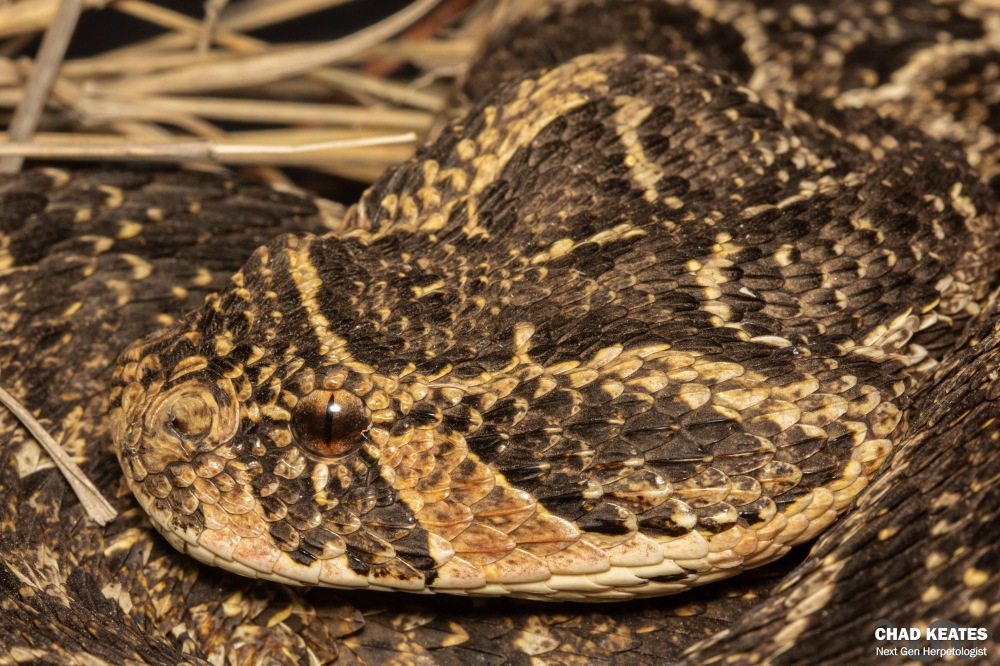
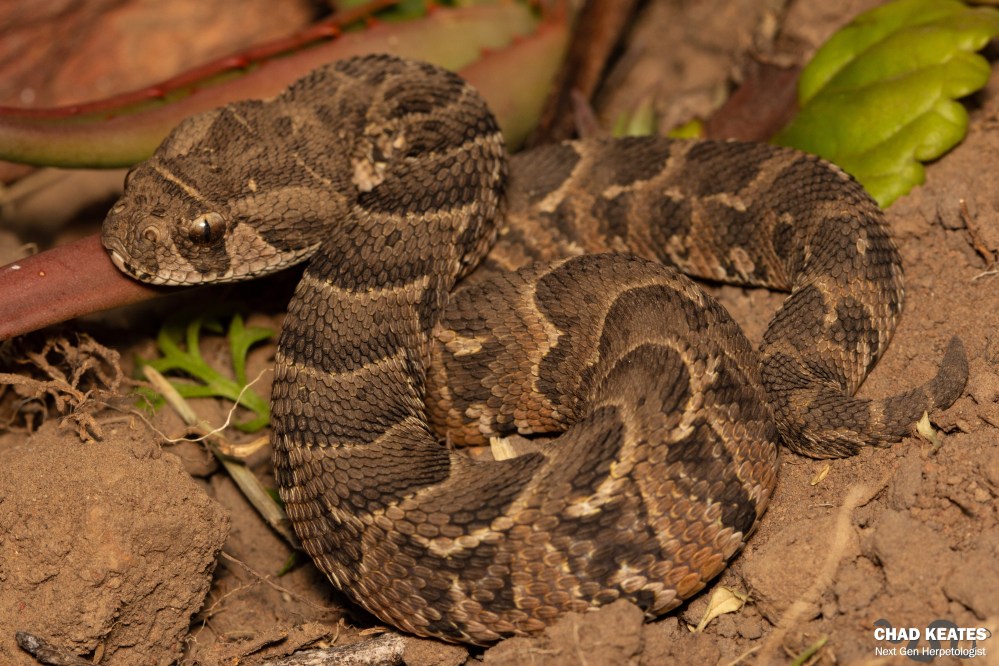
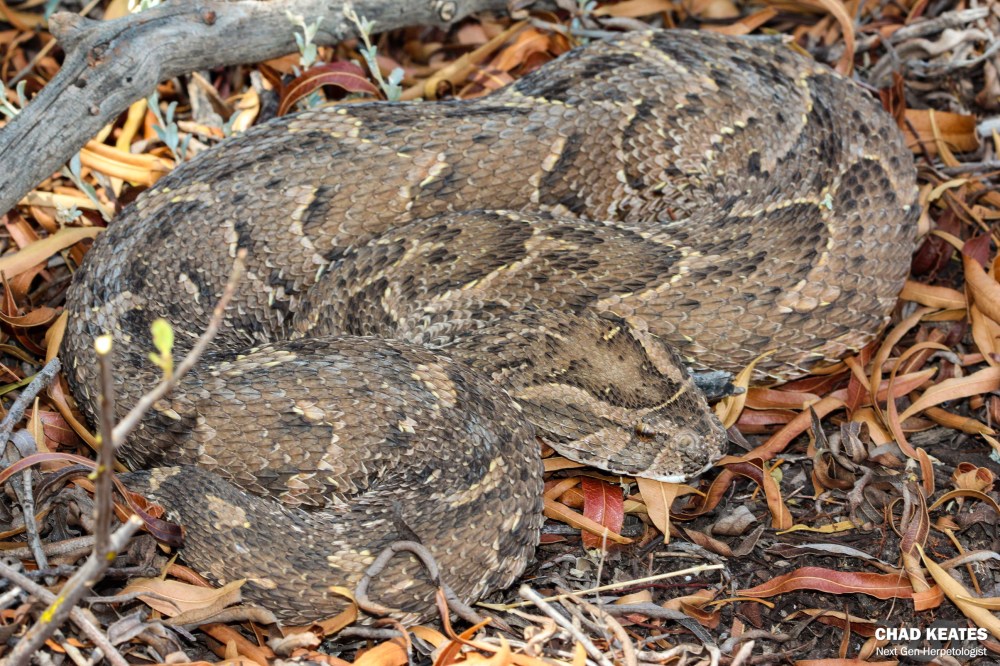
bites from these snakes are considered potentially life threatening and have resulted in human fatalities in the past. If bitten by any of these snakes, medical treatment should be sought out immediately otherwise serious symptoms will likely arise. Polyvalent antivenom is effective against the bites of all three snakes and will be used if necessary based on the symptoms presented by the patient.
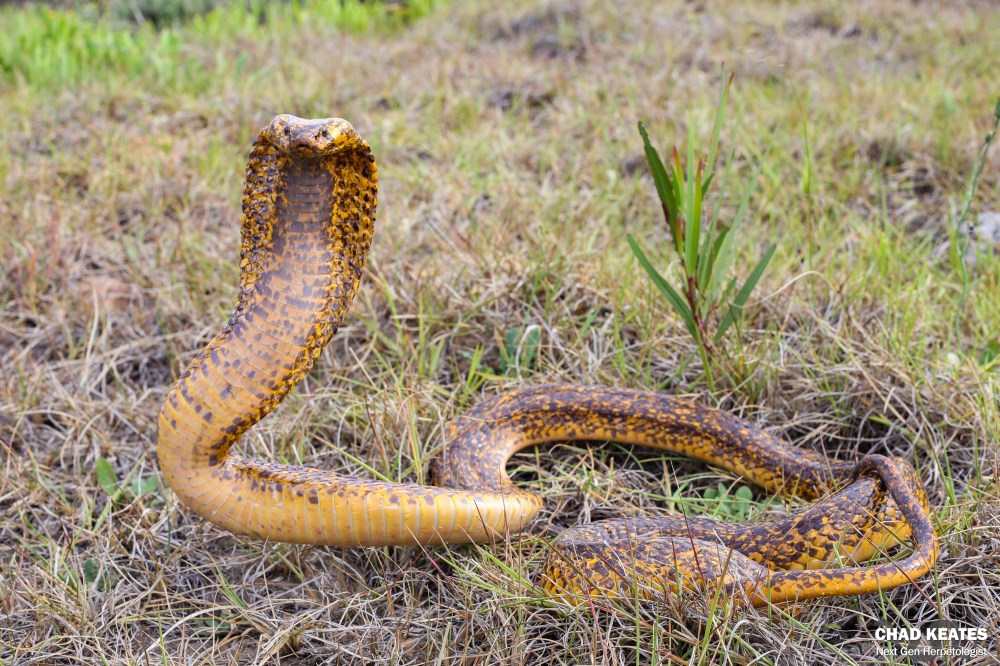
Cape Cobra – Naja nivea
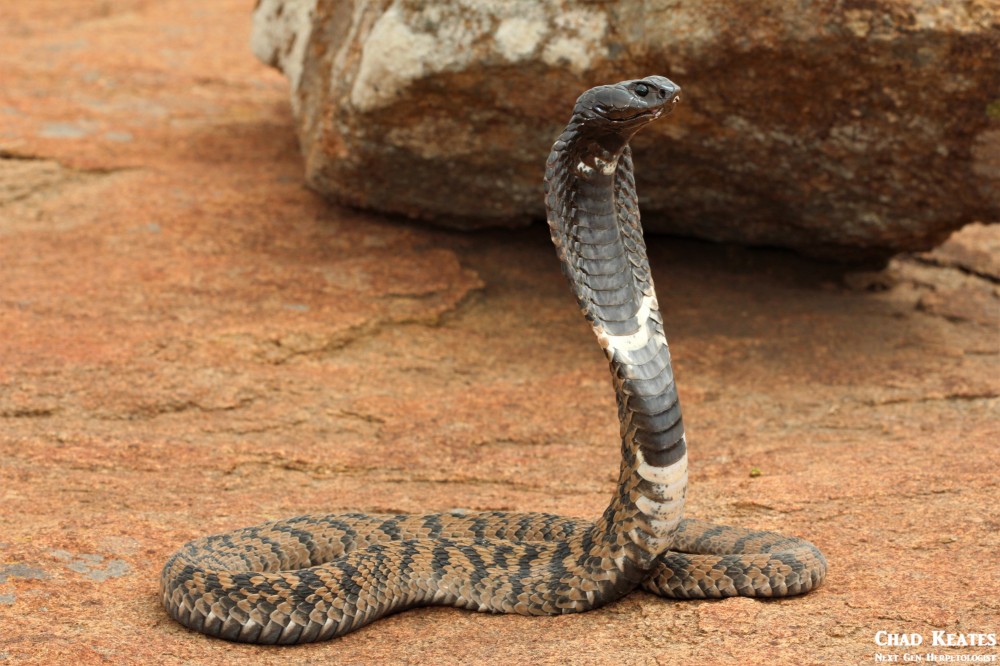
Rinkhals – Hemachatus haemachatus
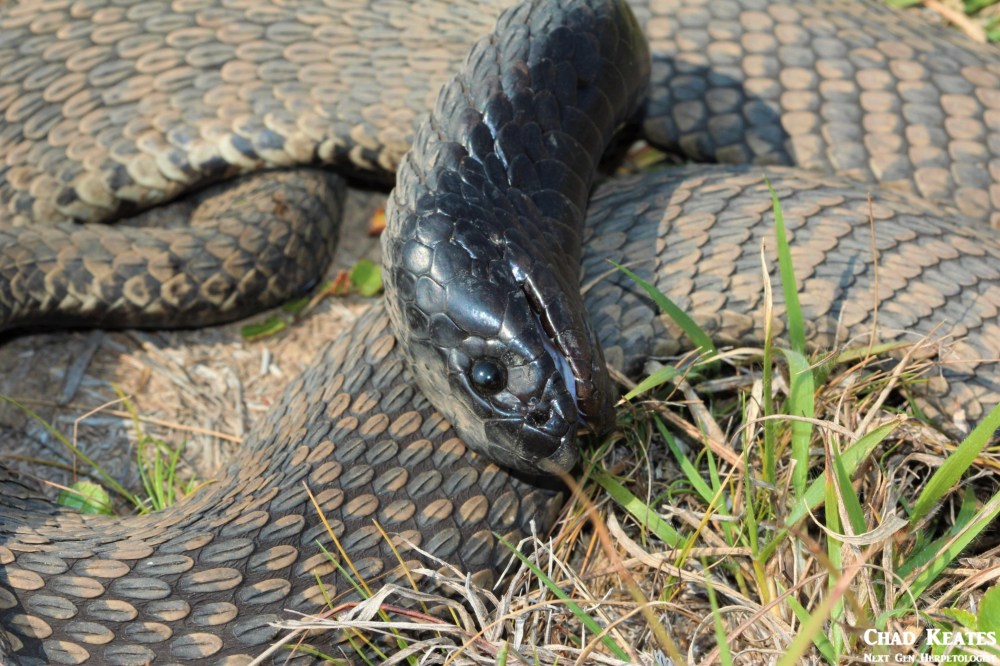
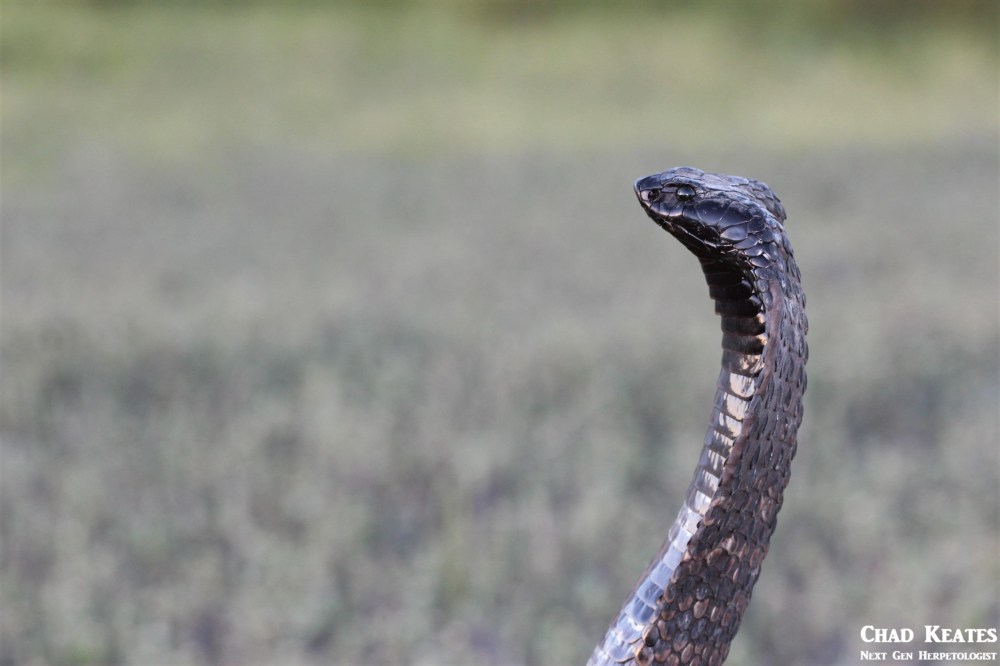
Puff Adder – Bitis arietans
MODERATELY VENOMOUS – DANGEROUS
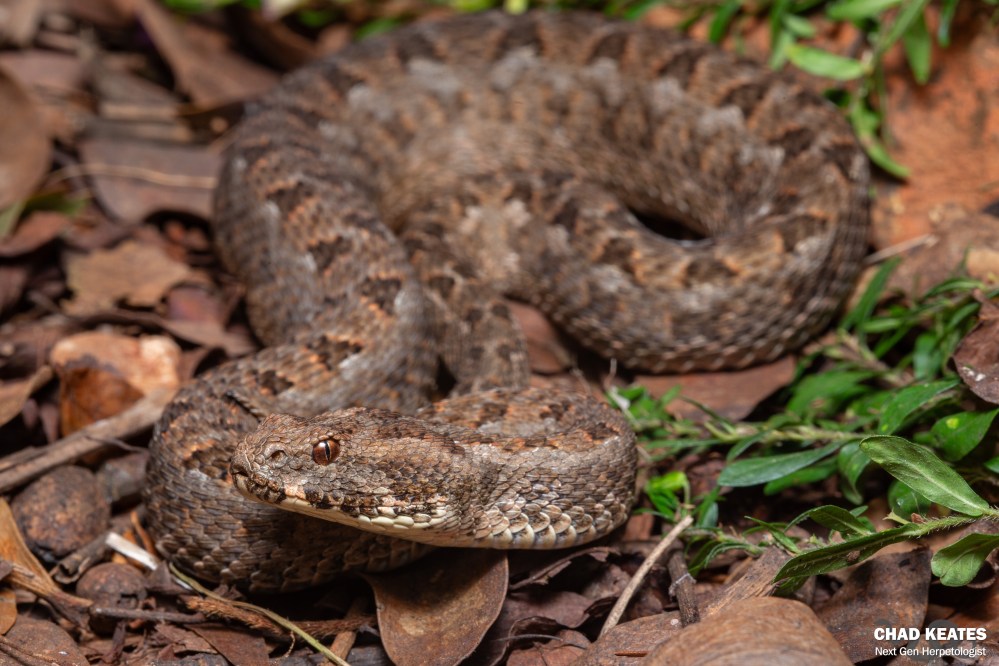
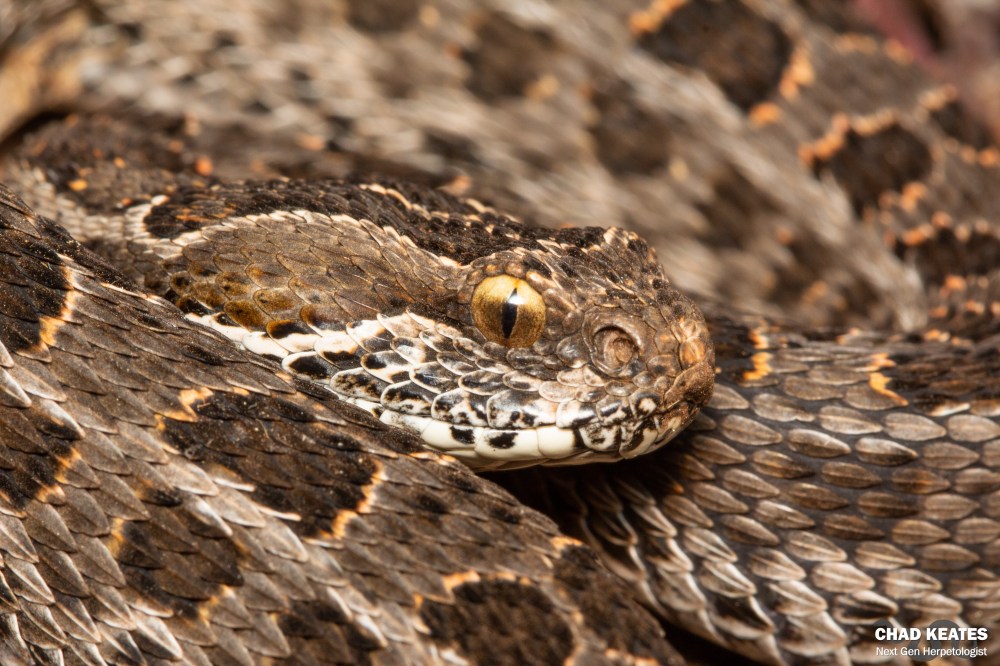
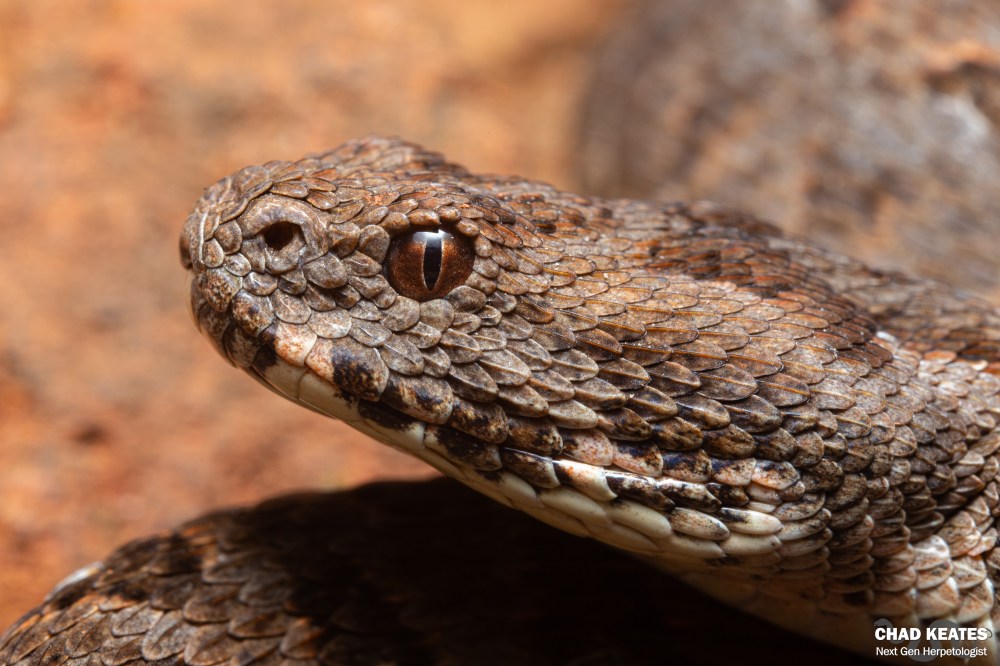
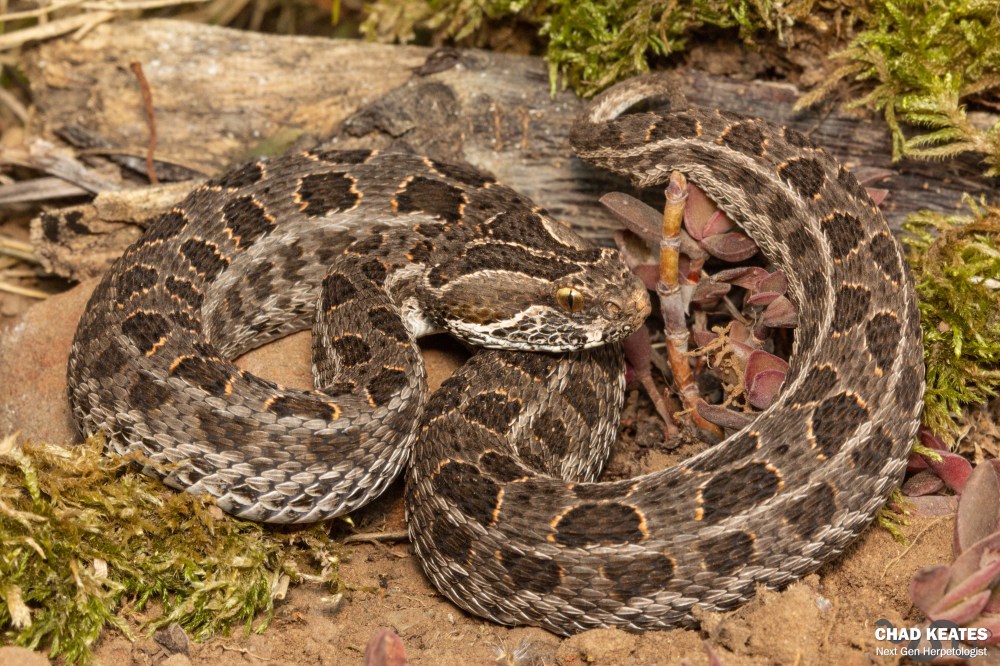
The berg adder’s venom is predominately neurotoxic and it attacks the optical nerves and the facial muscles. Although no fatalities have been recorded from these snakes, bites need to still be treated with caution as they are known to affect breathing and in some cases require the ventilation of the patient. There is no anti venom available for the berg adder.
Berg Adder – Bitis atropos
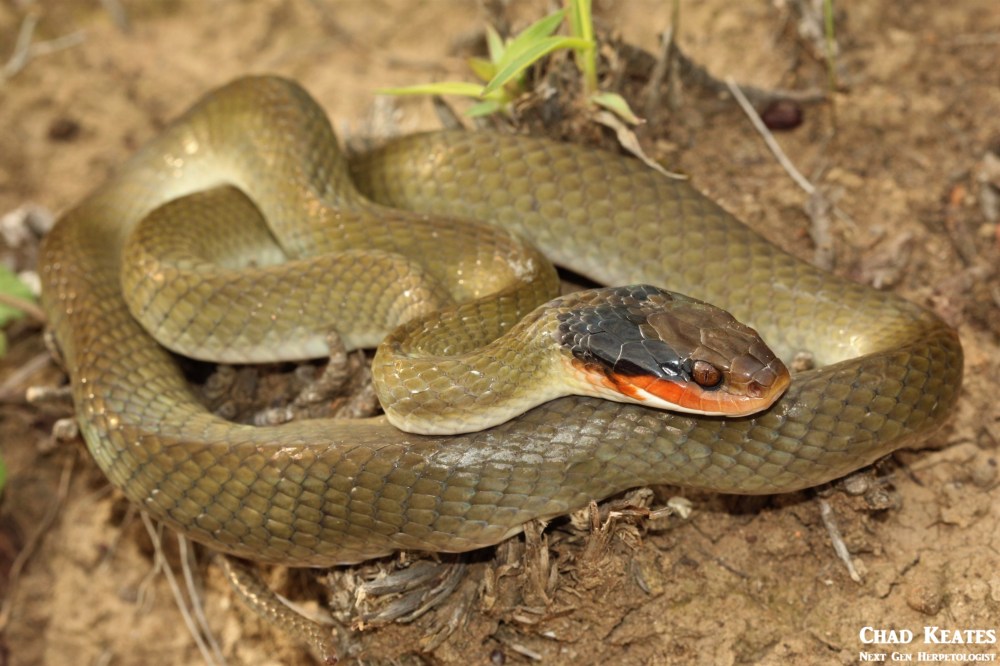
MILDLY VENOMOUS – HARMLESS
These animals have venom that is largely inconsequential to humans. The venom is intended for use against much smaller prey and thus any human envenomation will result in very mild symptoms or no symptoms at all.
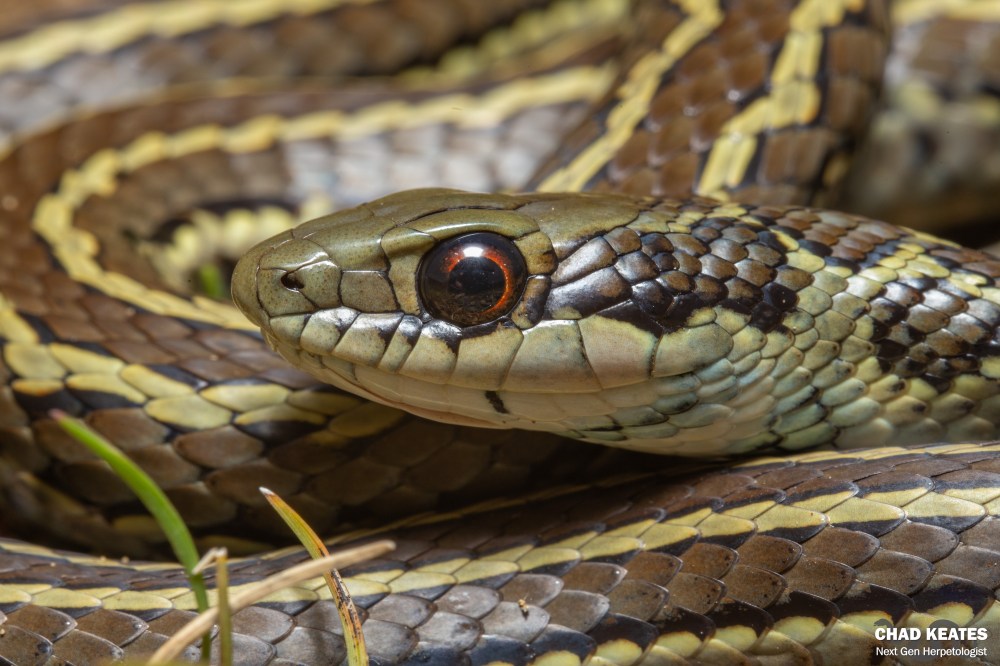
Spotted Grass Snake – Psammophylax rhombeatus
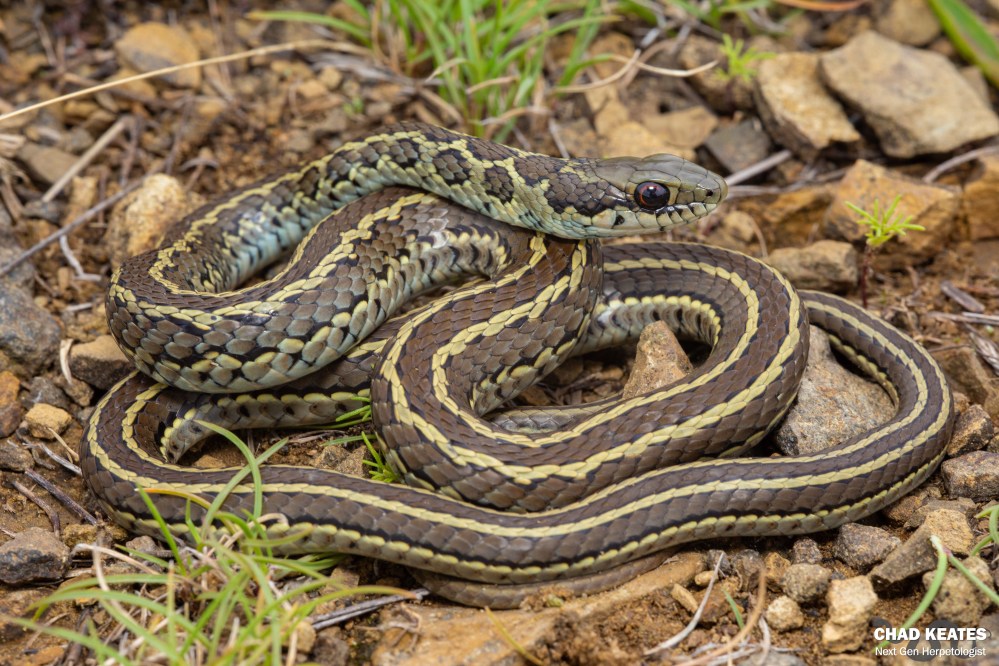
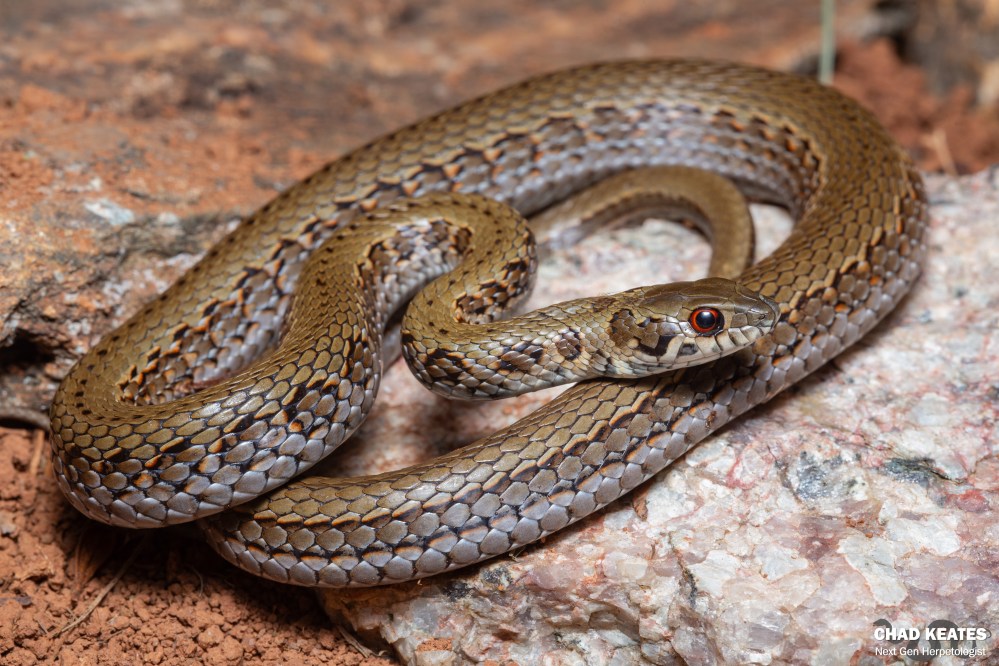
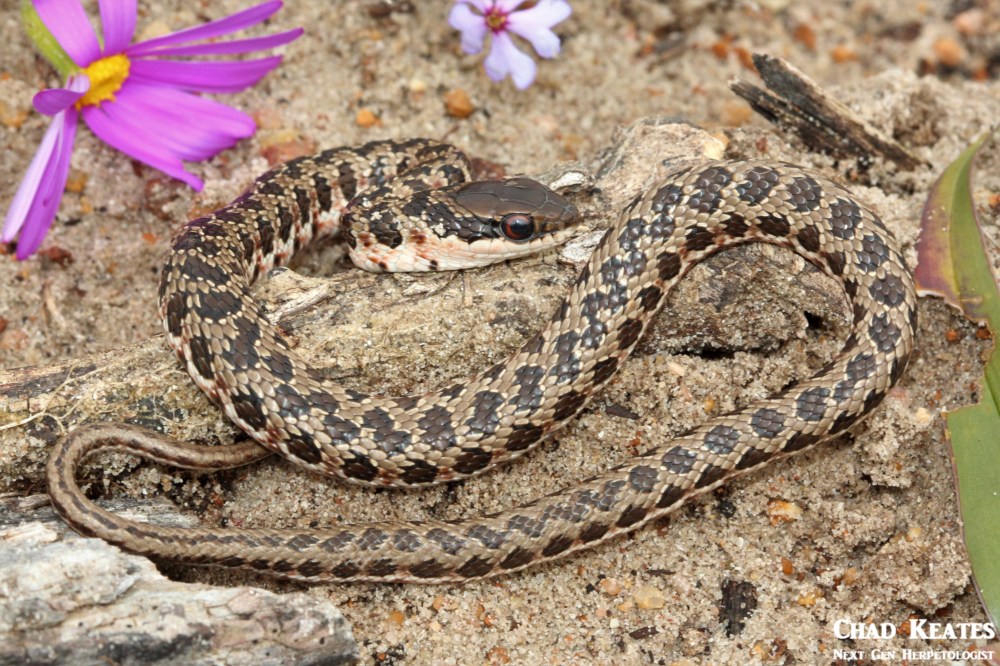
Cross-marked Whip Snake – Psammophis crucifer
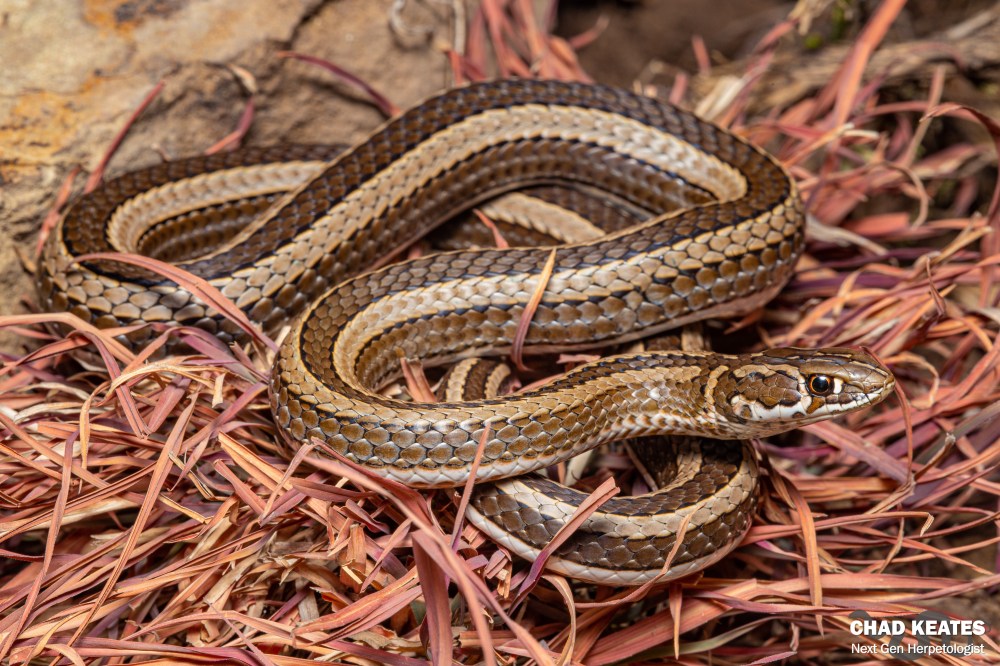
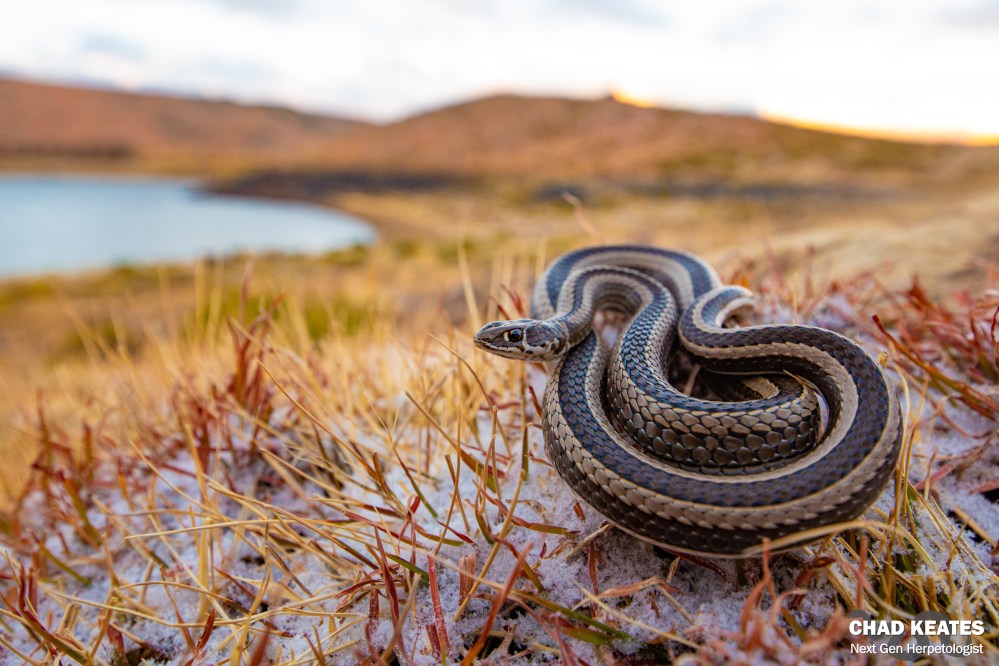
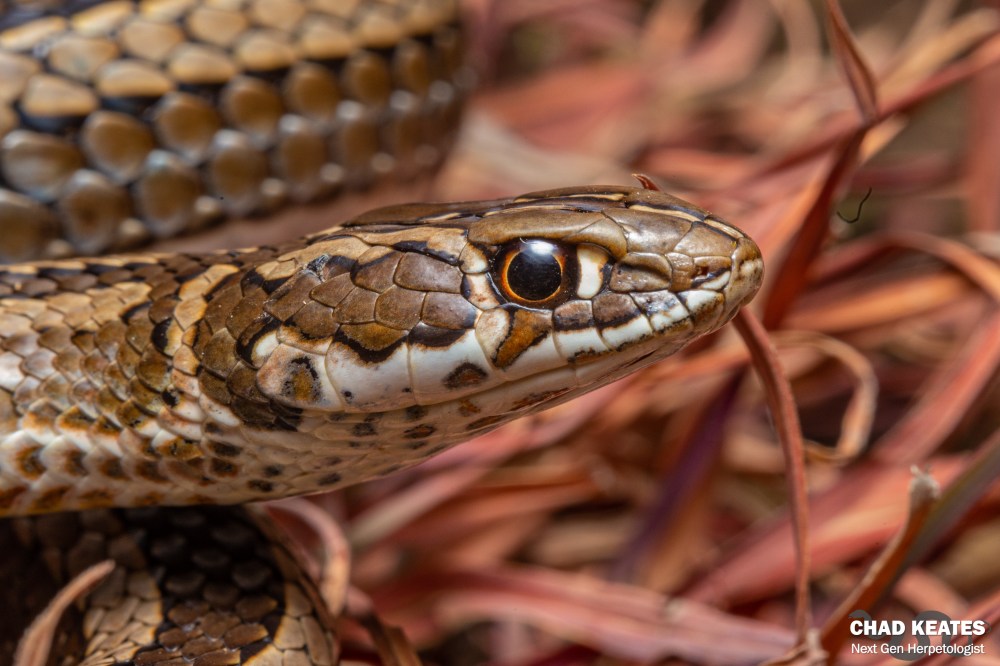
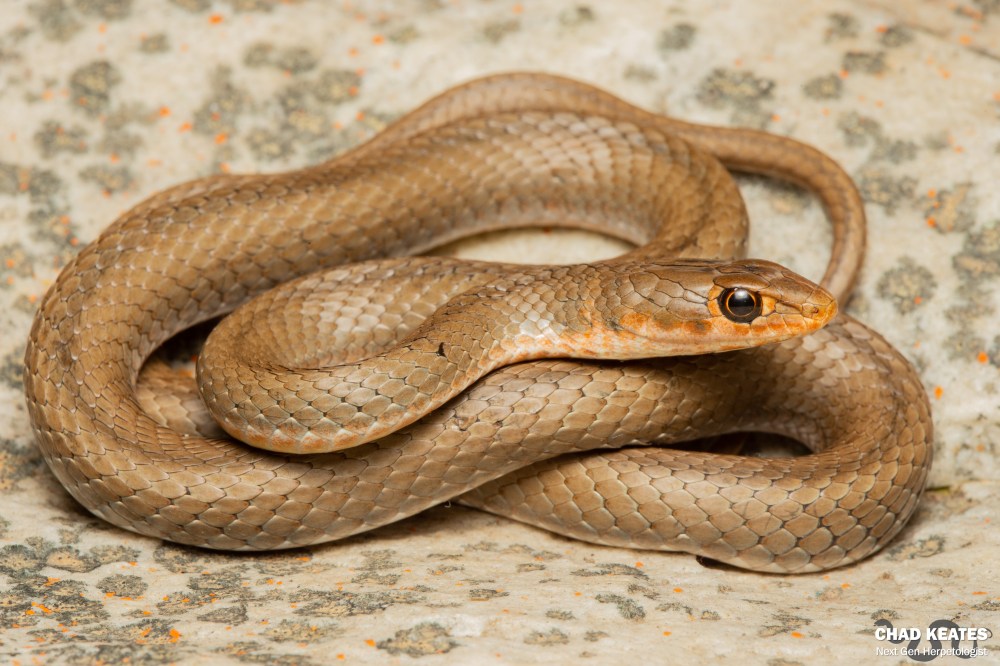
Many Spotted Reed Snake – Amplorhinus multimaculatus
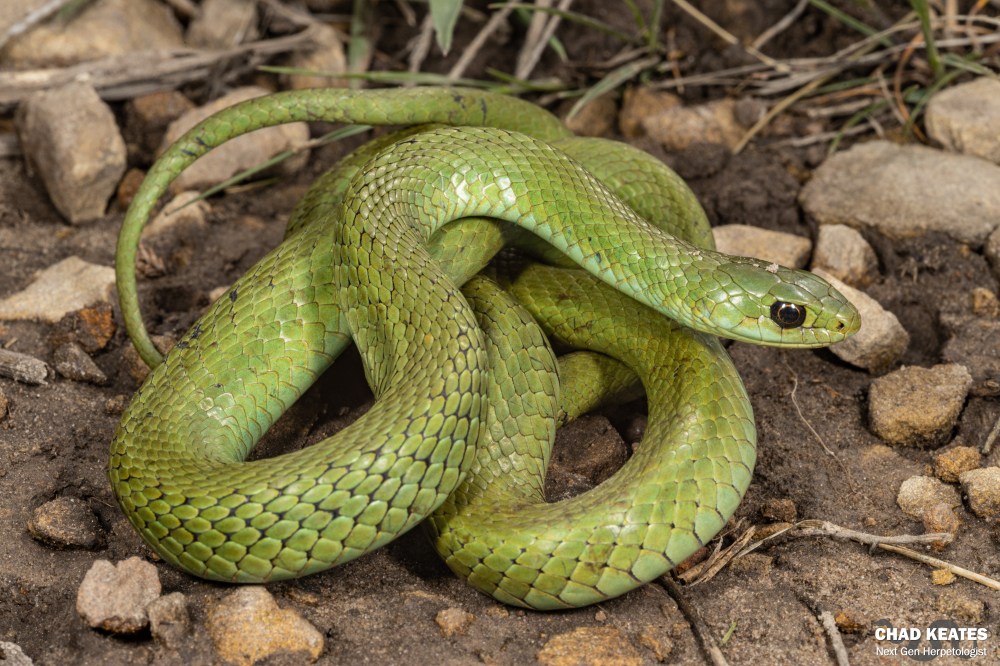
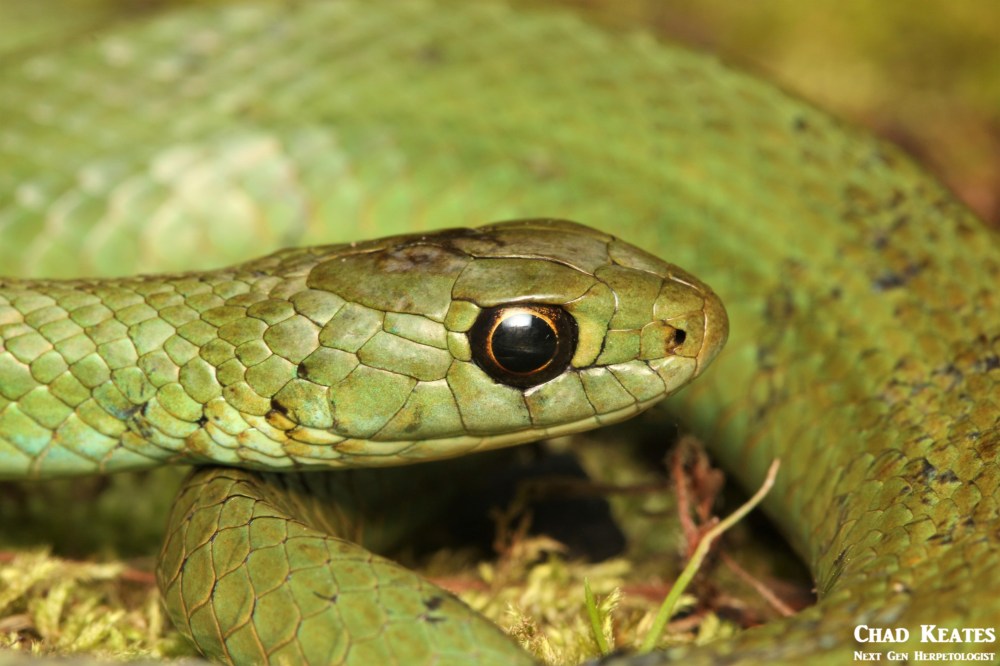
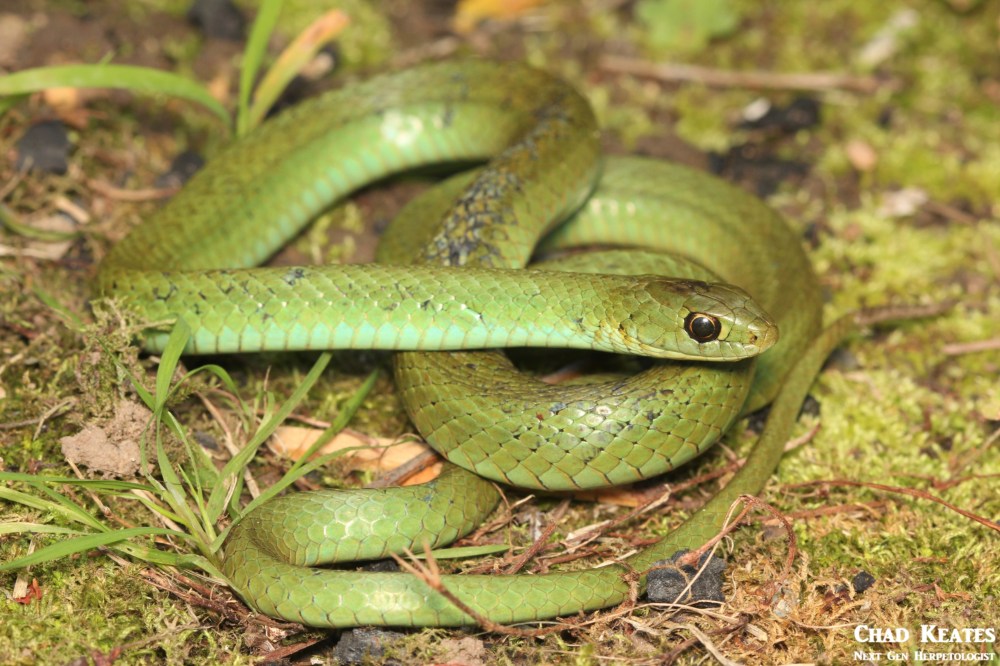
Spotted Harlequin Snake – Homoroselaps lacteus
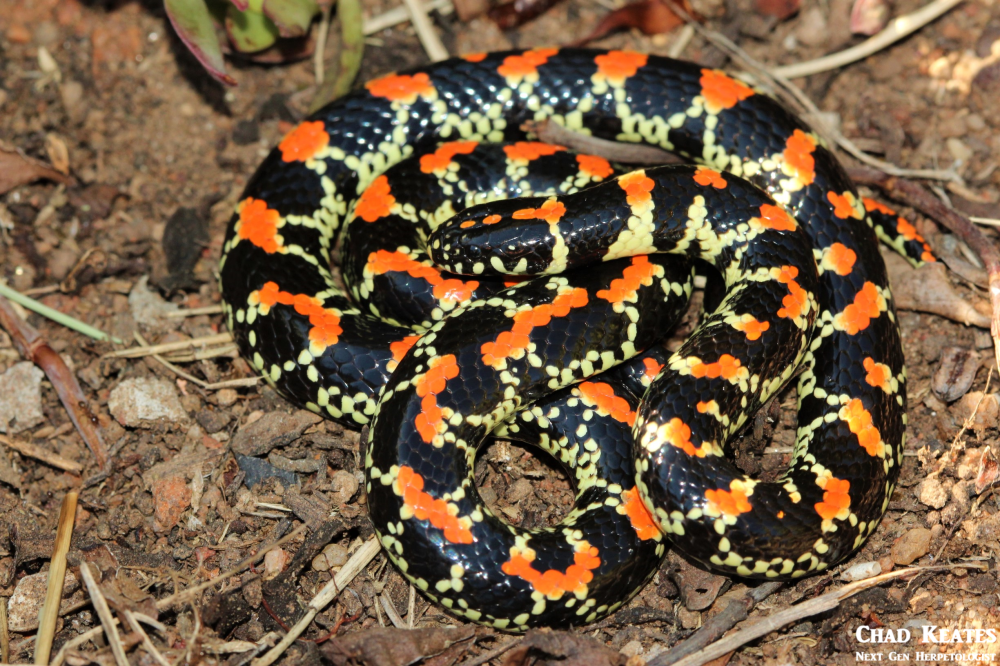
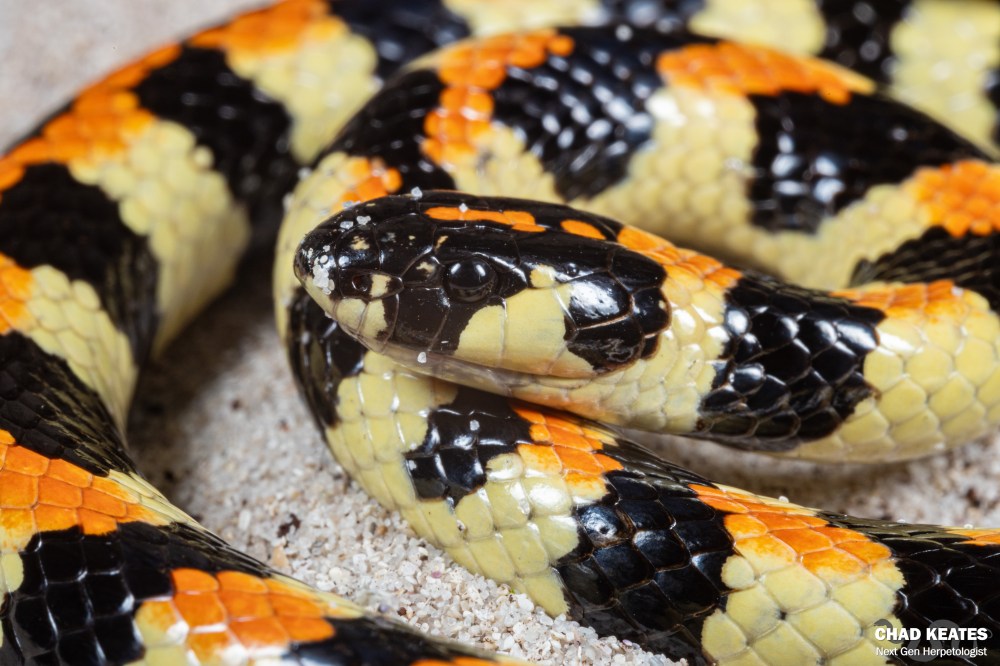
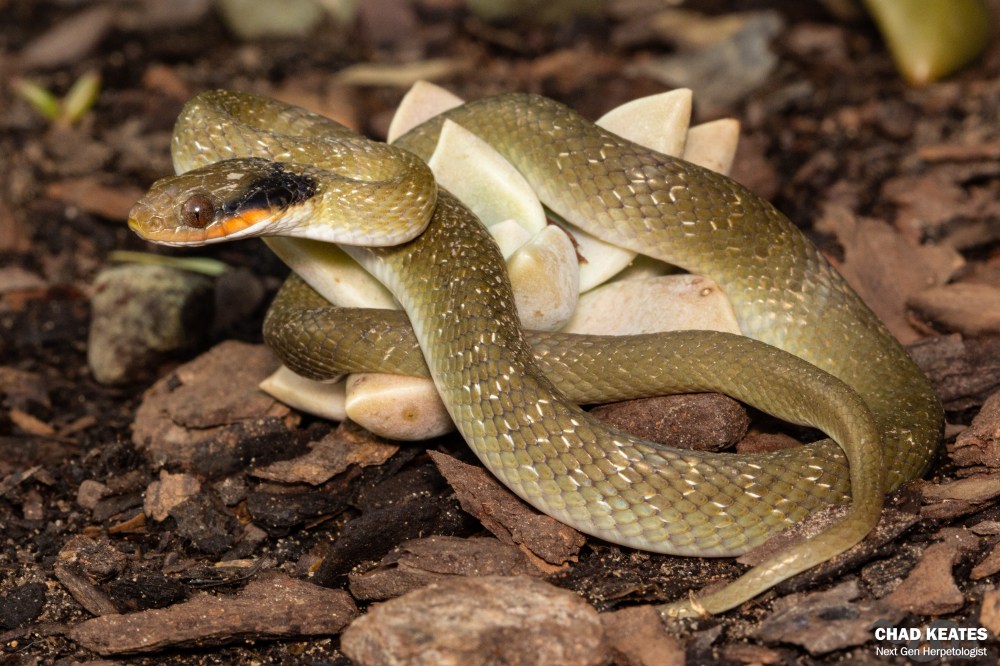
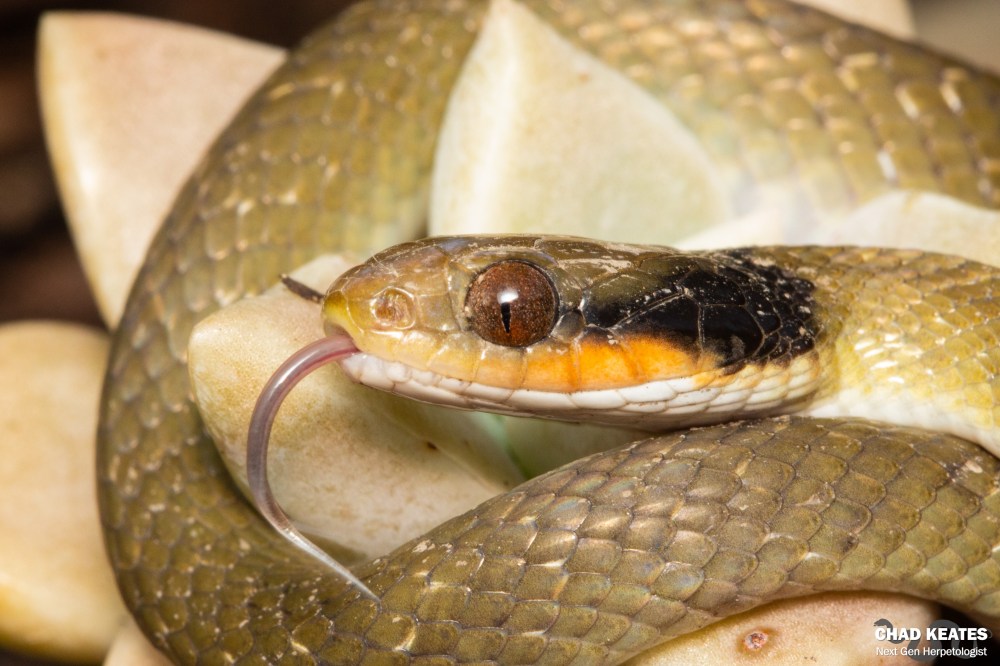
Red-lipped Herald – Crotaphopeltis hotamboeia
NON-VENOMOUS – HARMLESS
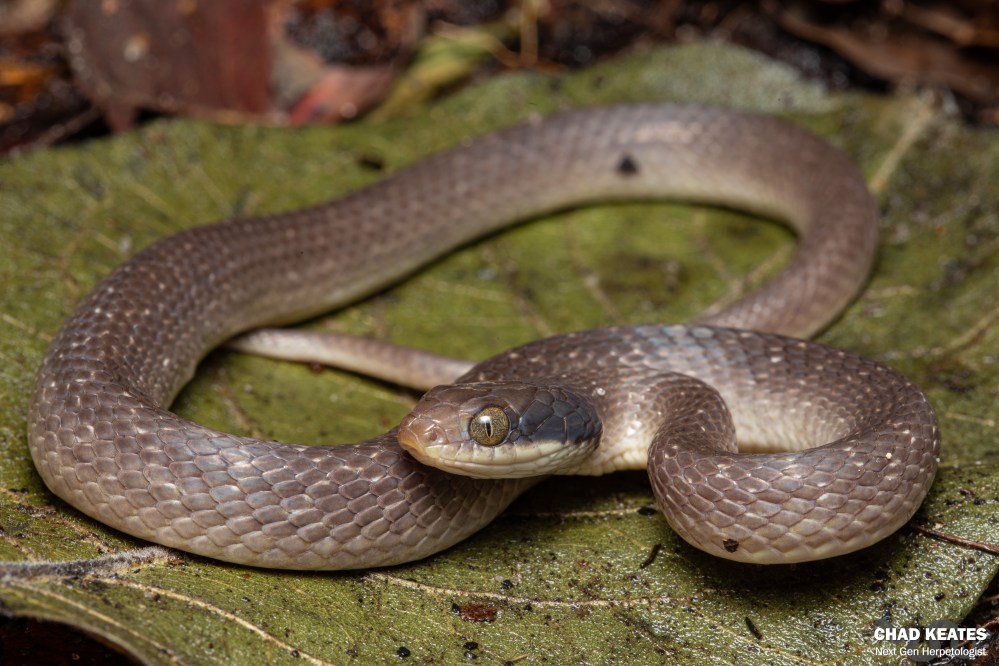
These animals have no venom whatsoever and besides the Mole snake, which is known to give a painful bite because of its large teeth, are completely harmless to humans.
Mole Snake – Pseudaspis cana

Common Slug-eater – Duberria lutrix
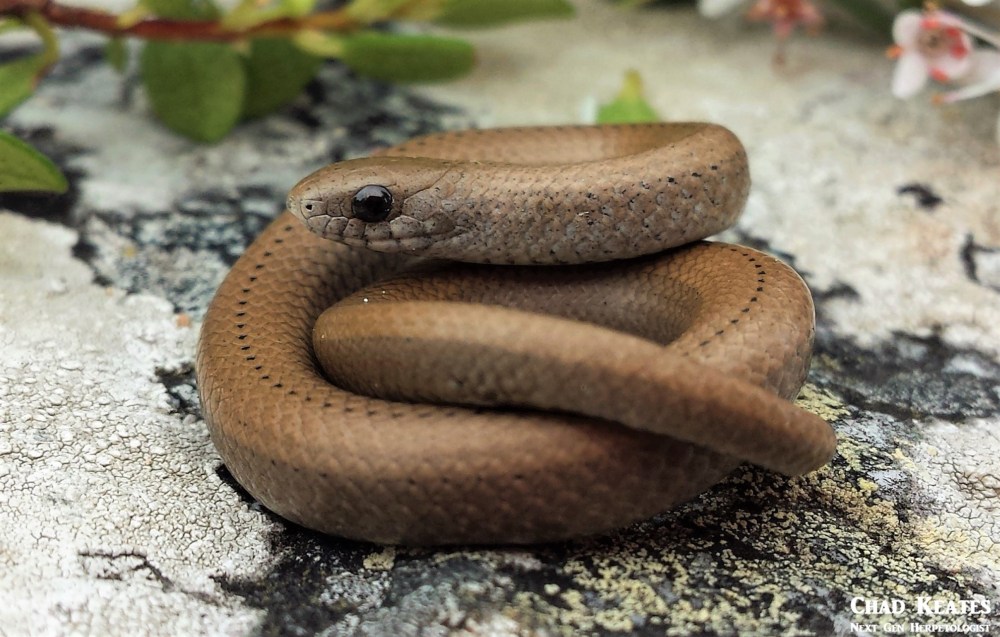
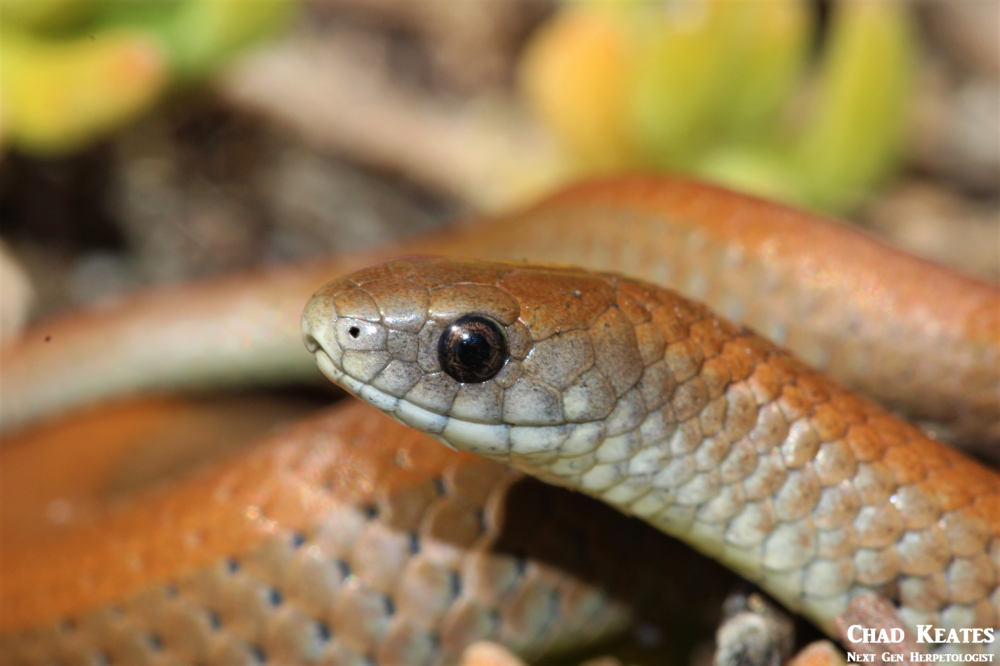
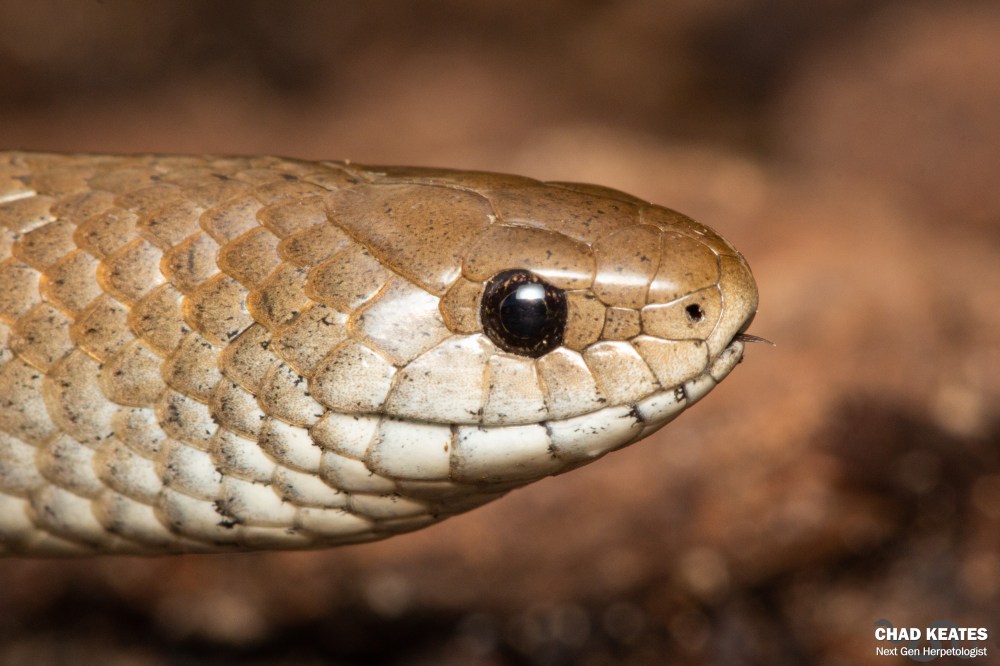
Sundevall’s Shovel-snout – Prosymna sundevallii
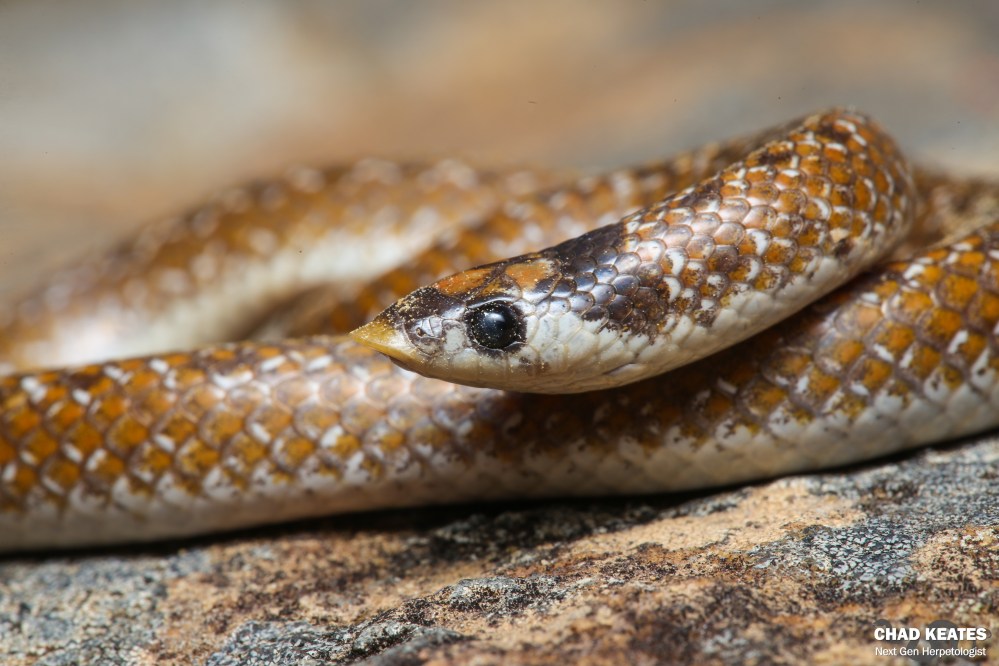
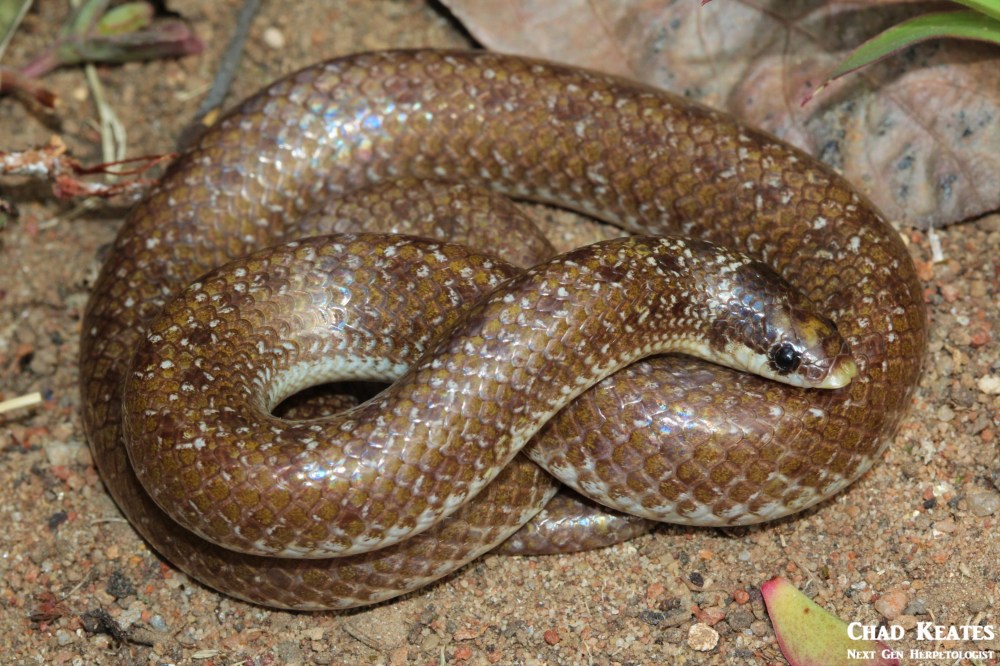
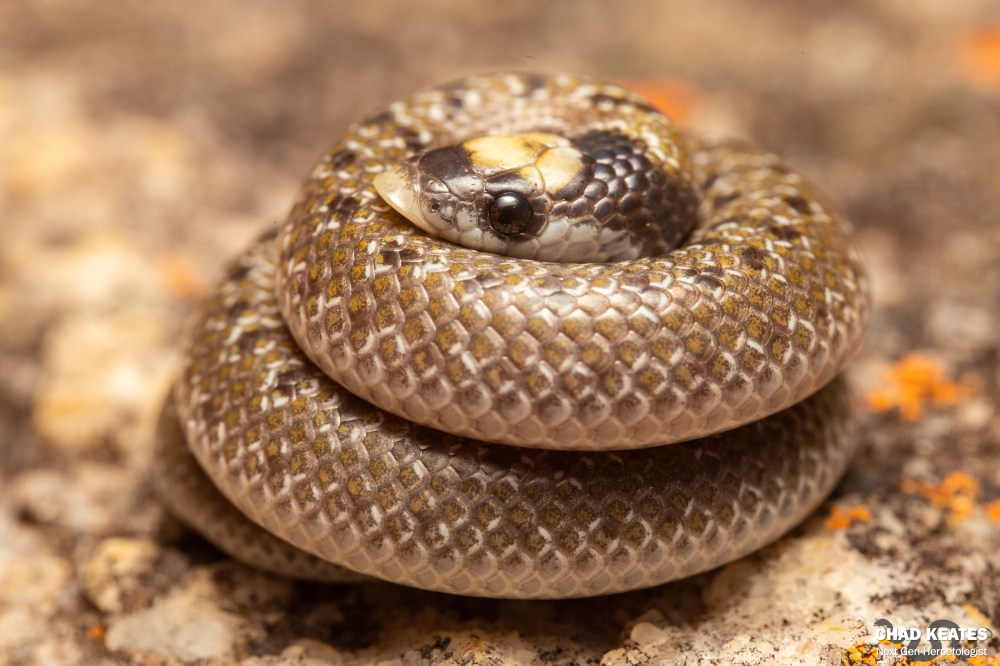
Brown Water Snake – Lycodonomorphus rufulus
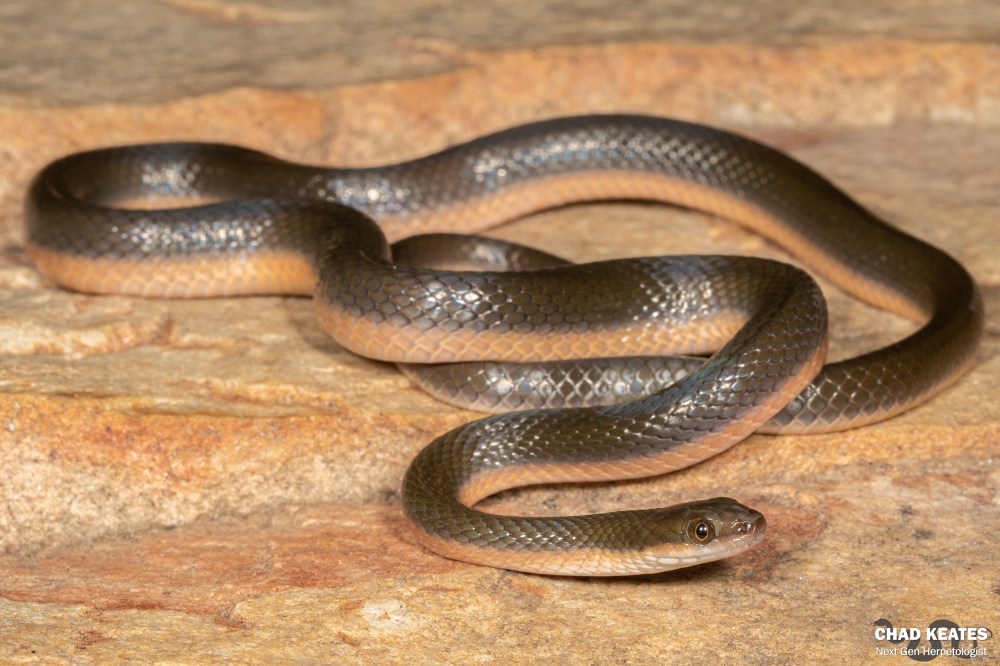
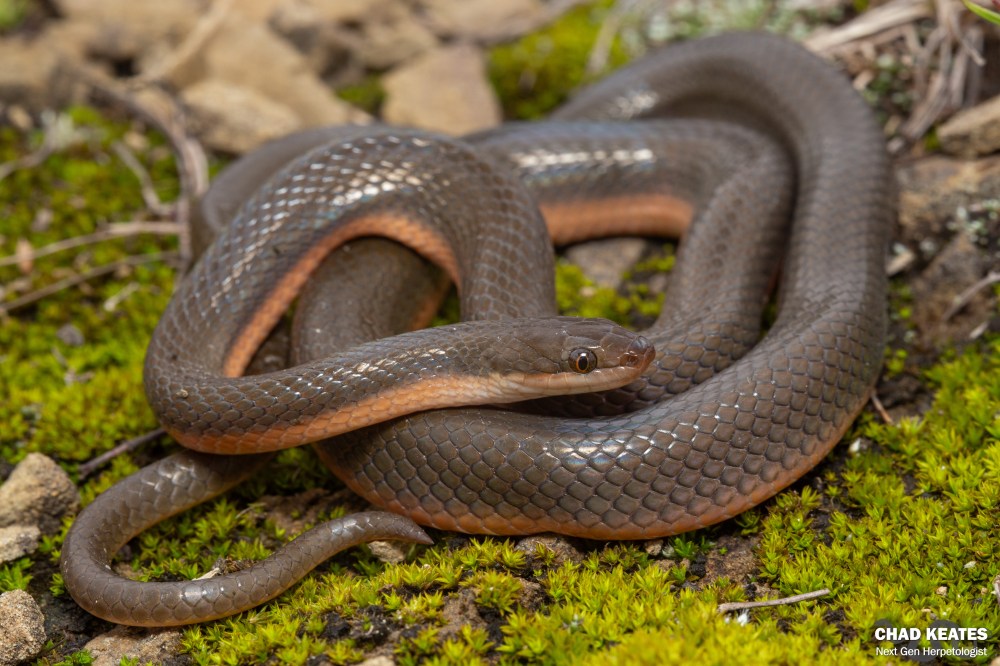
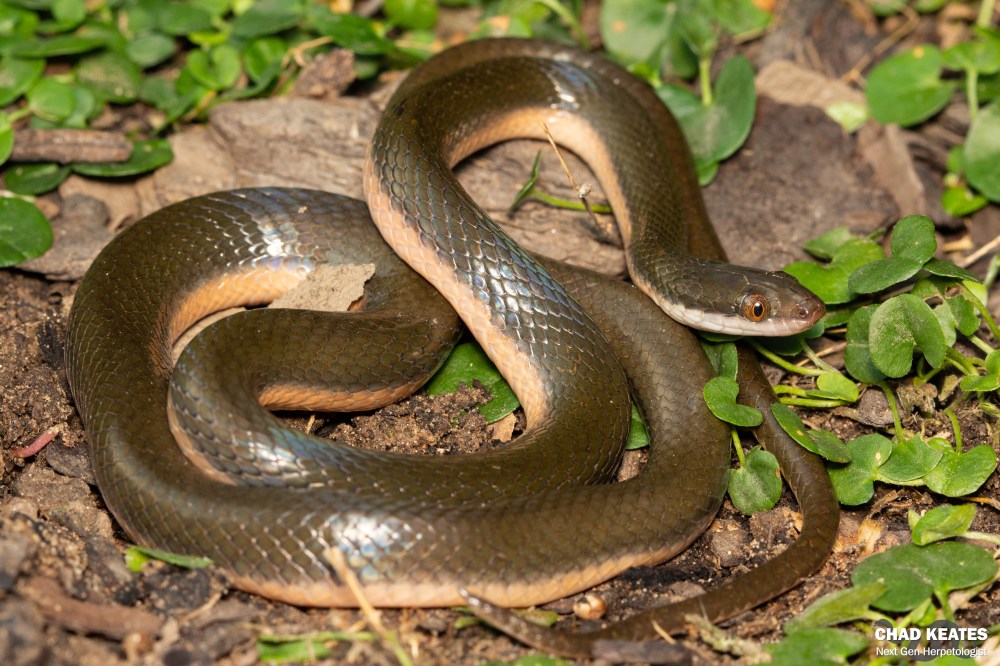
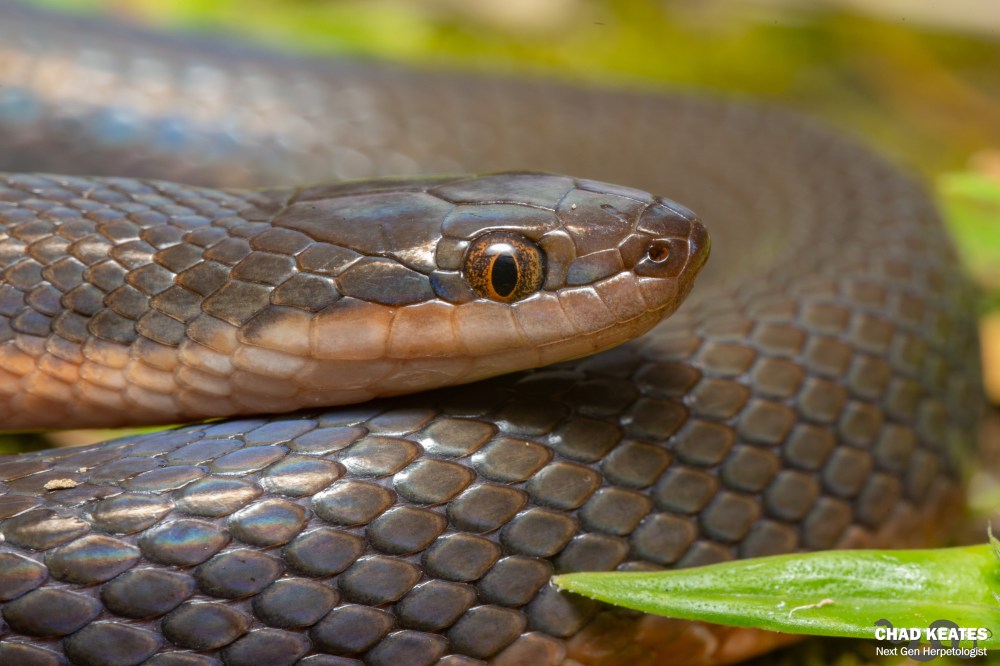
Brown House Snake – Boaedon capensis
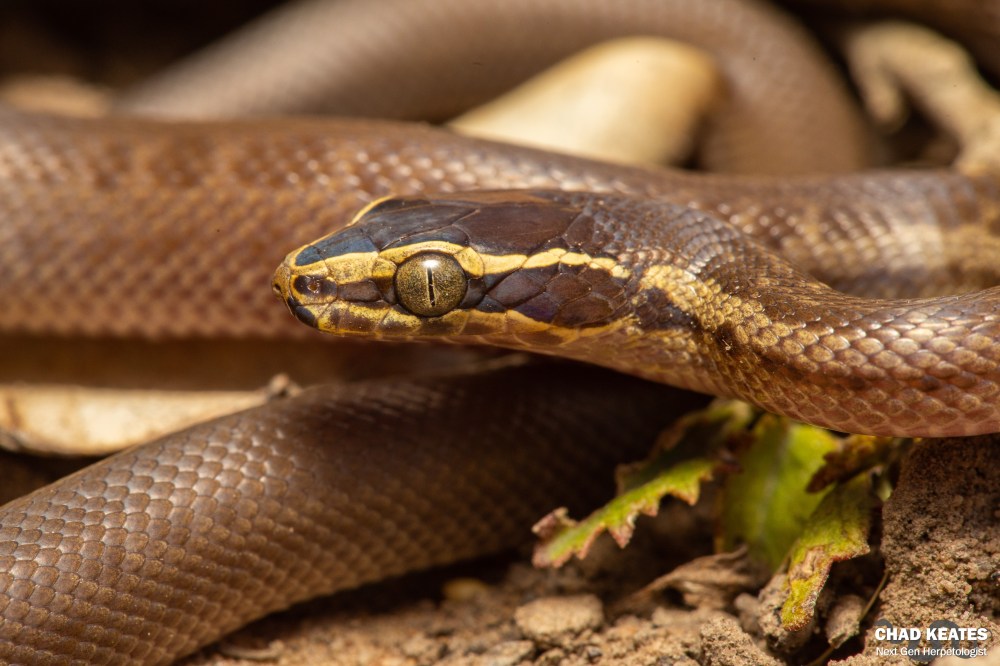
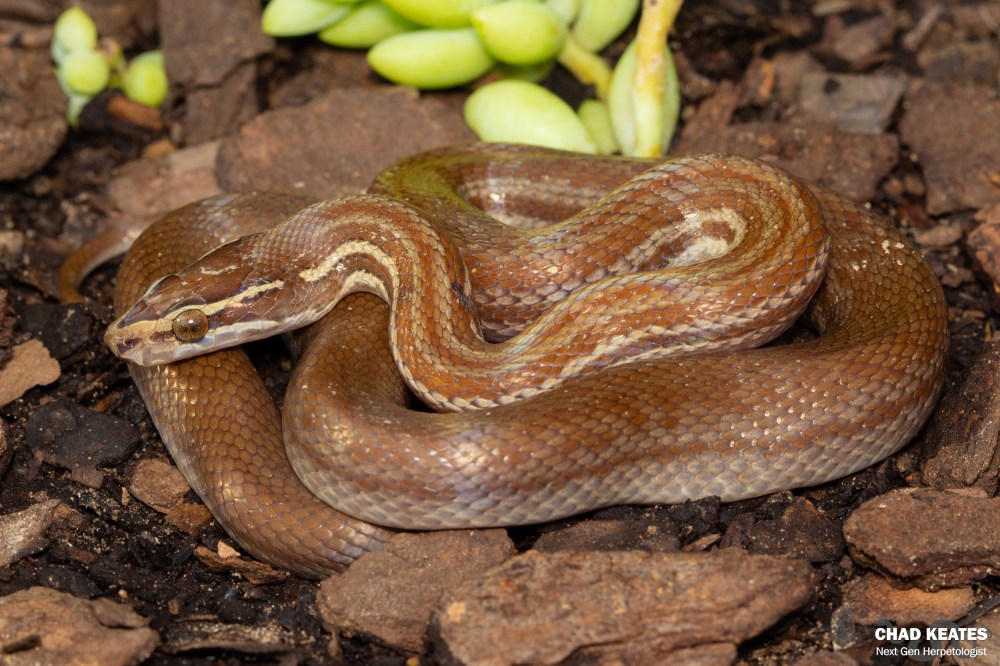
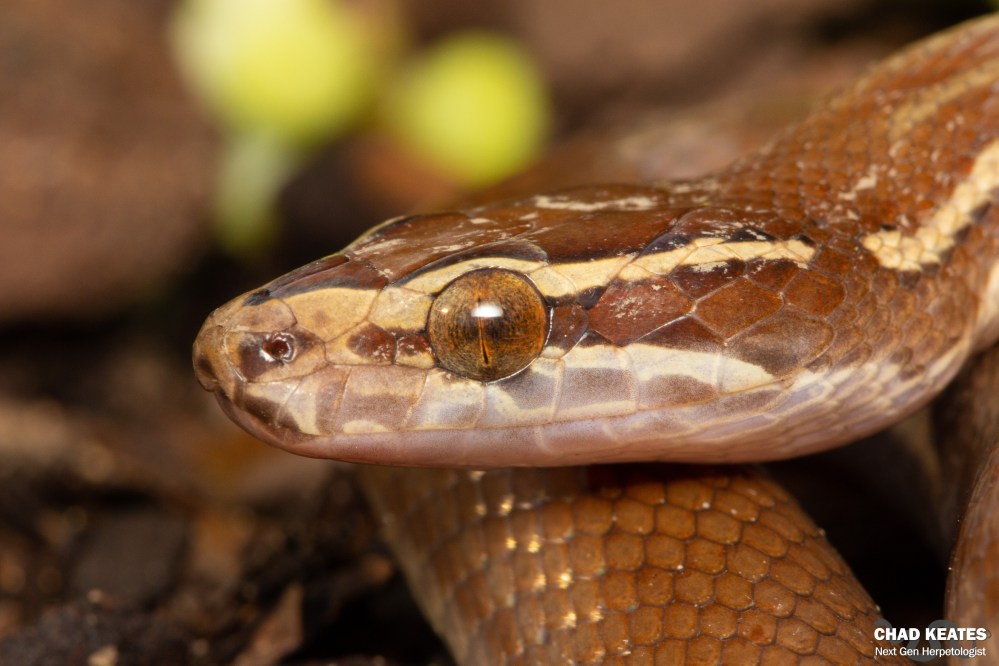
Aurora House Snake – Lamprophis aurora
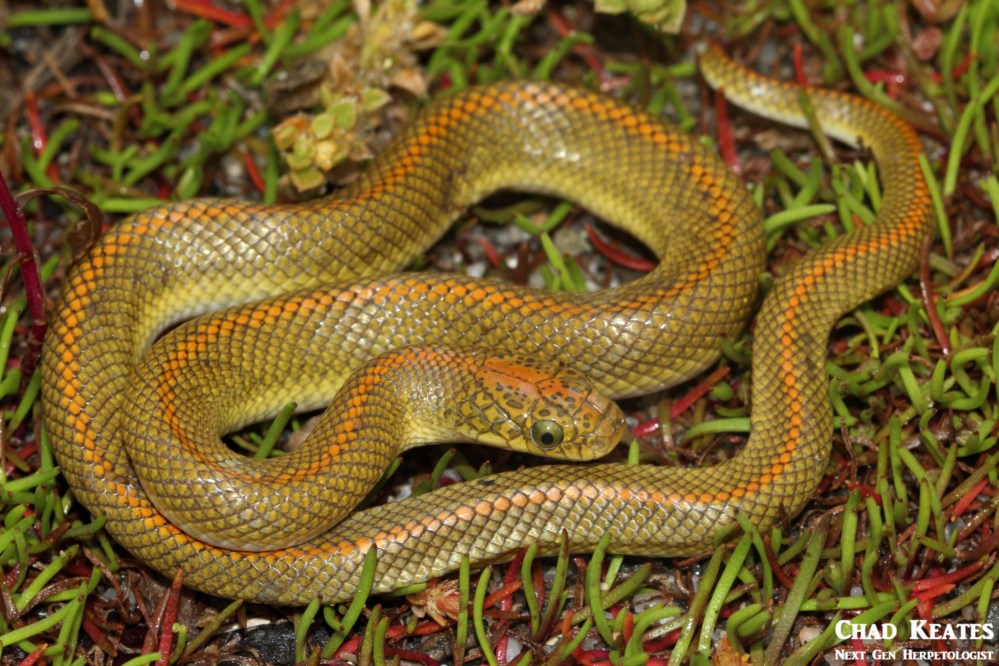
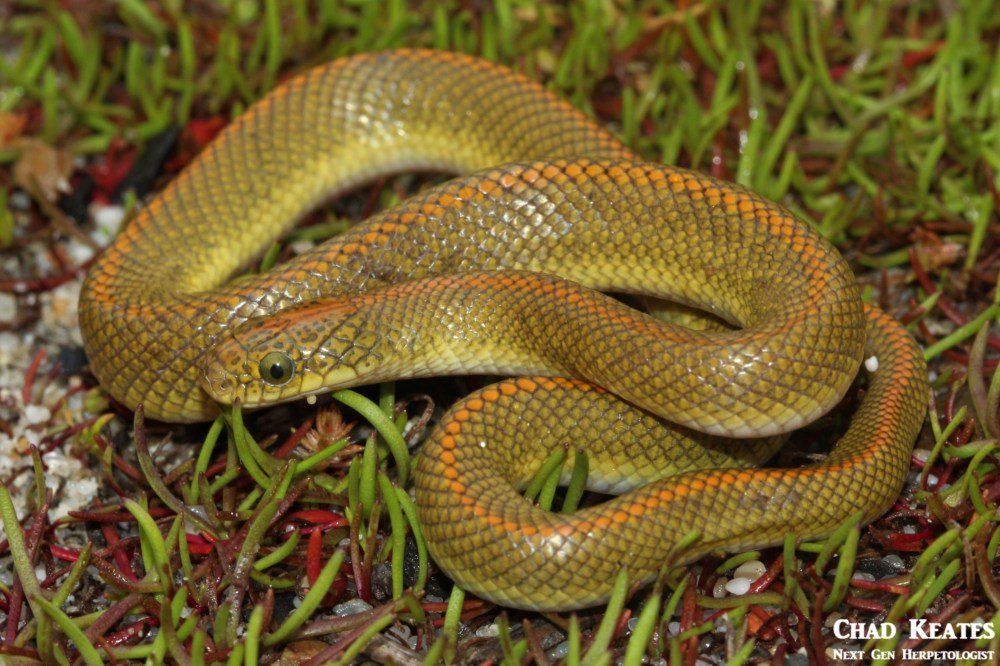
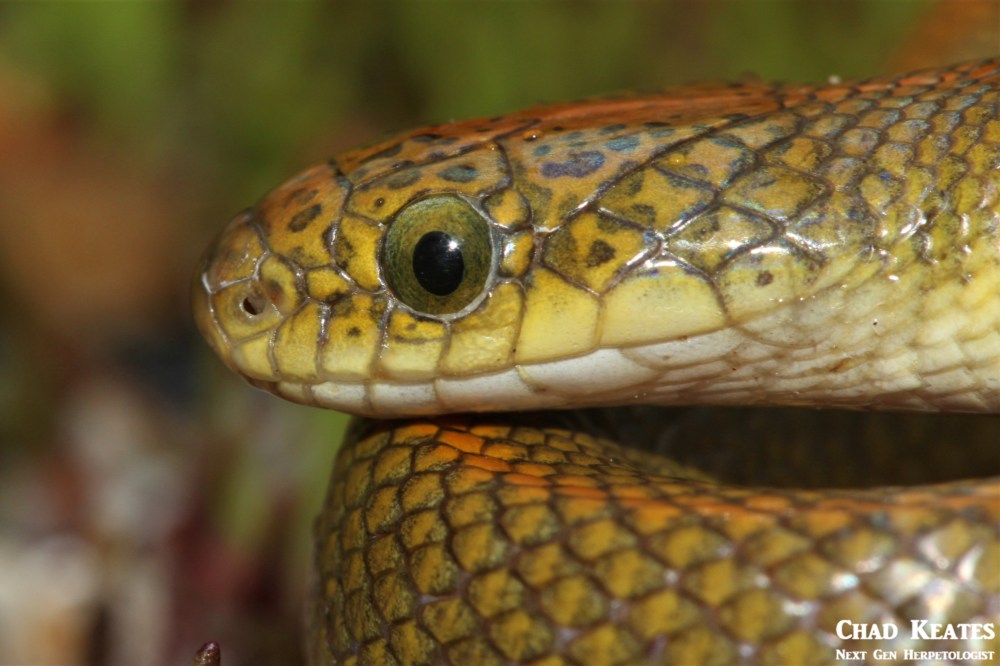
Spotted Rock Snake – Alopecion guttatus
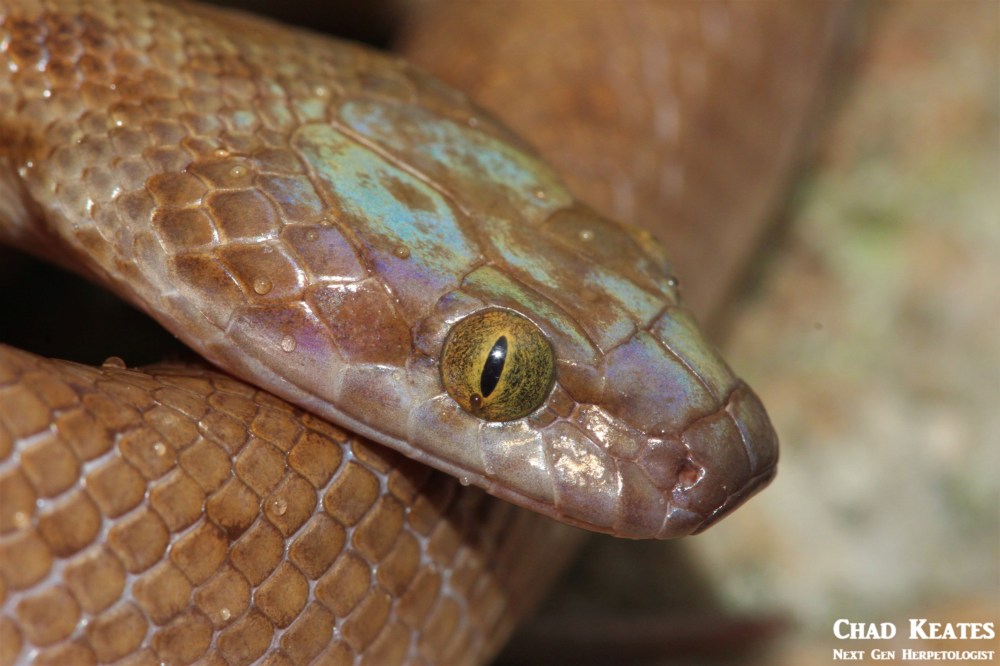
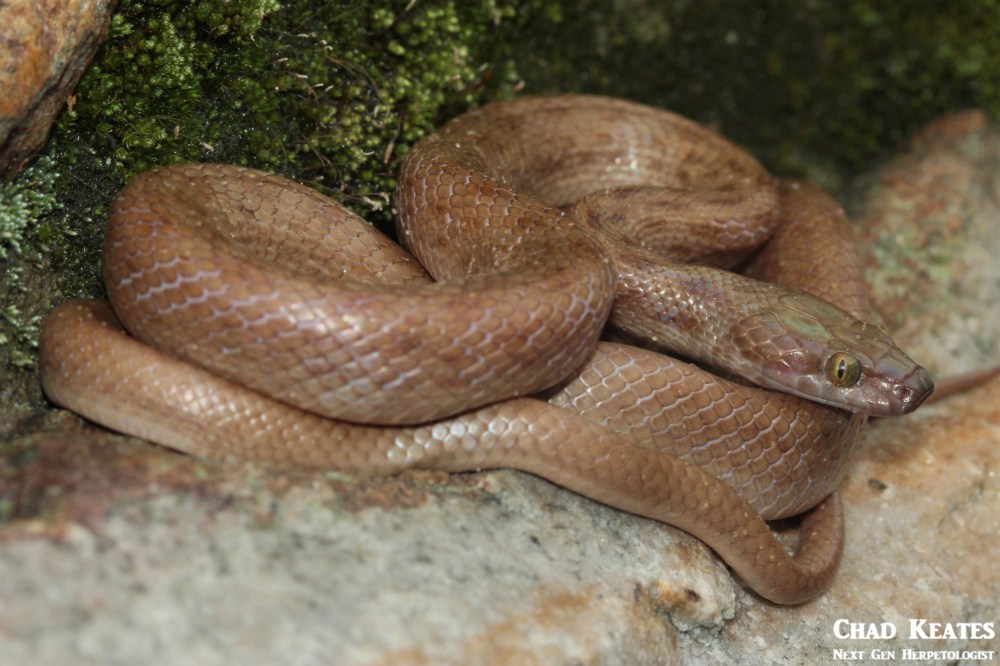
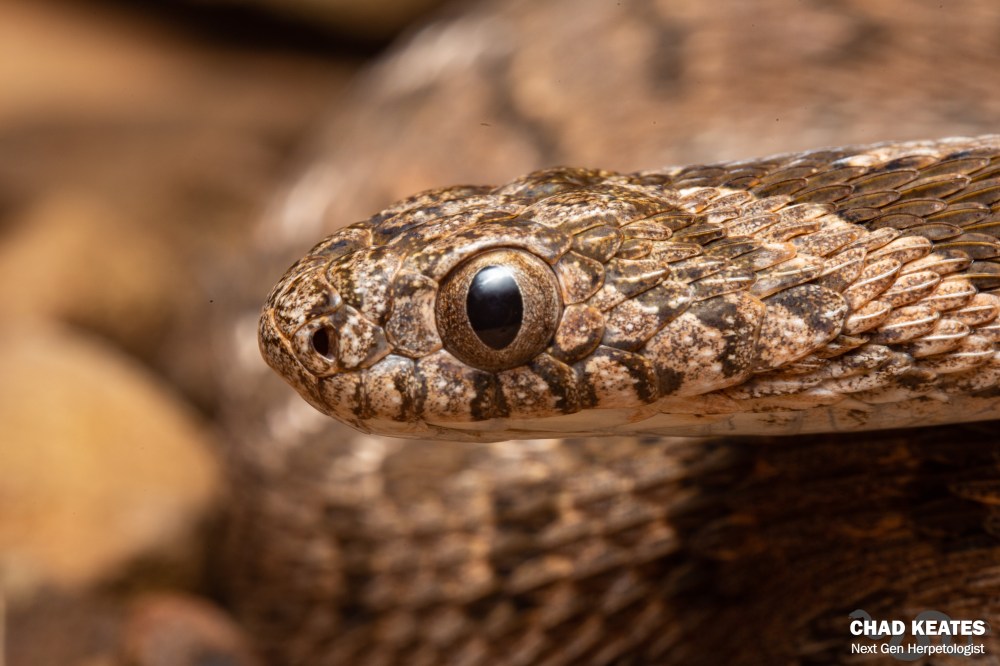
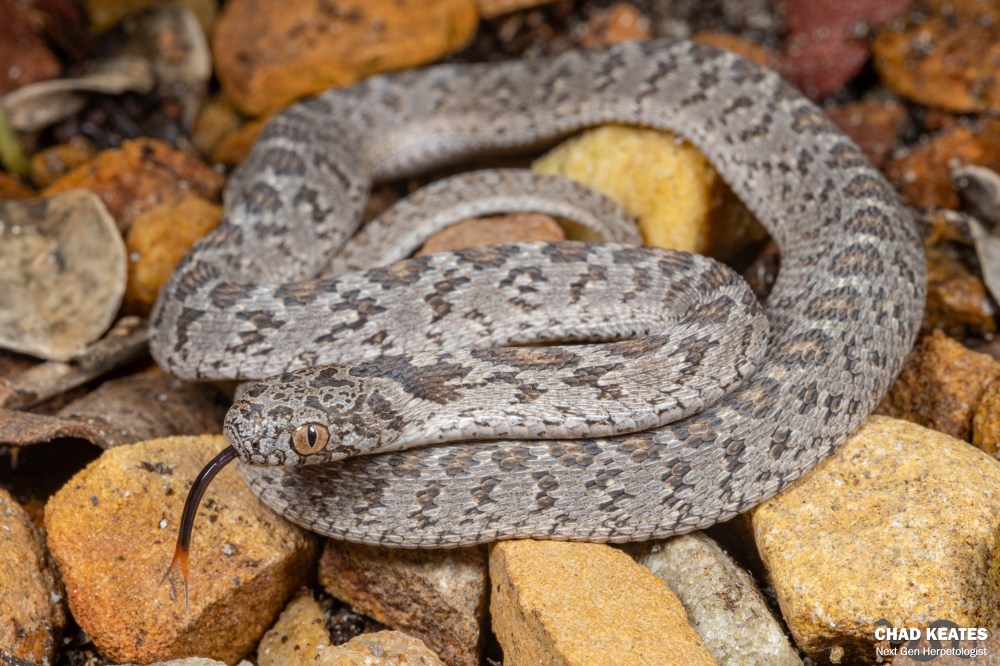
Rhombic Egg-eater – Dasypeltis scabra
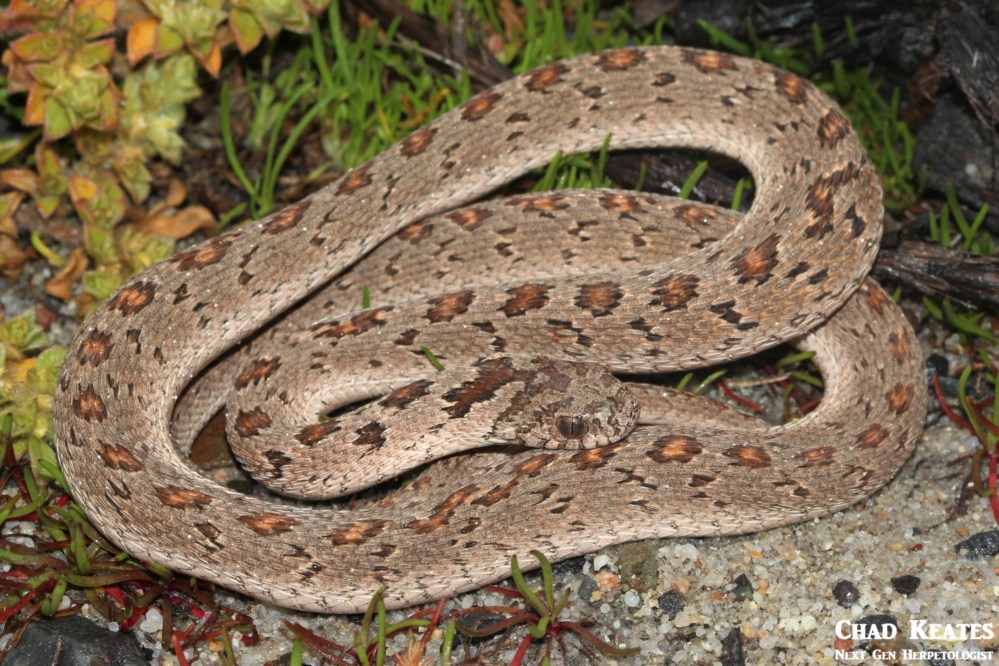
Delalande’s Beaked Blind Snake – Rhinotyphlops lalandei
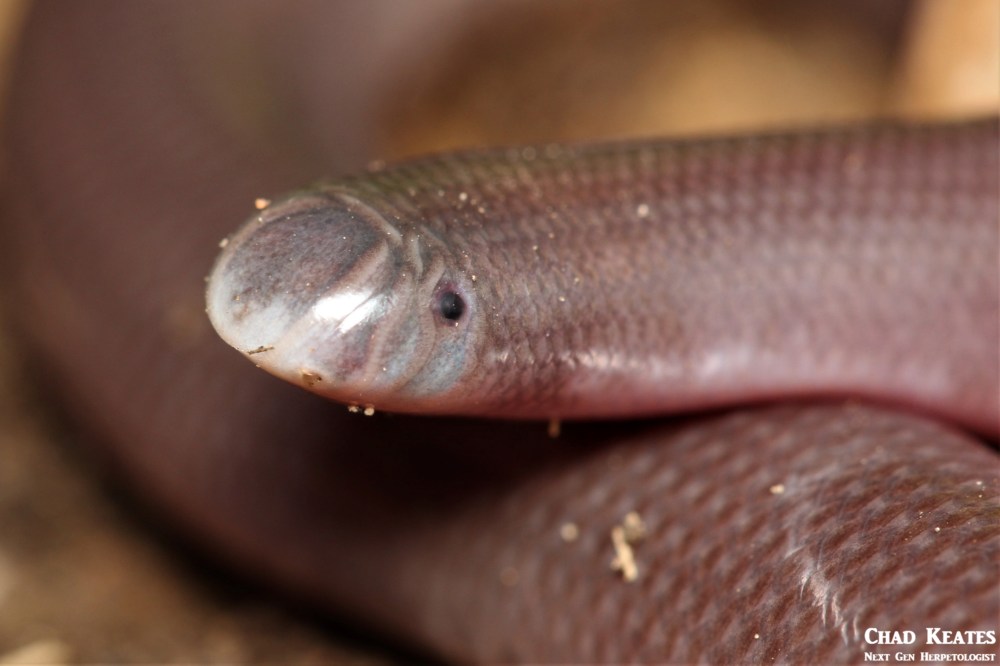
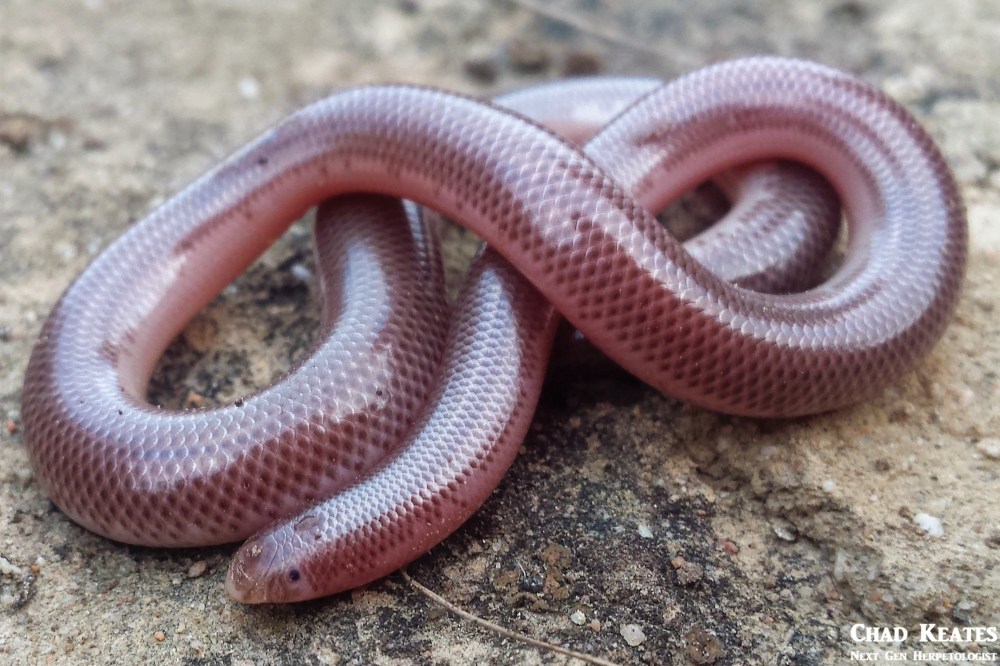
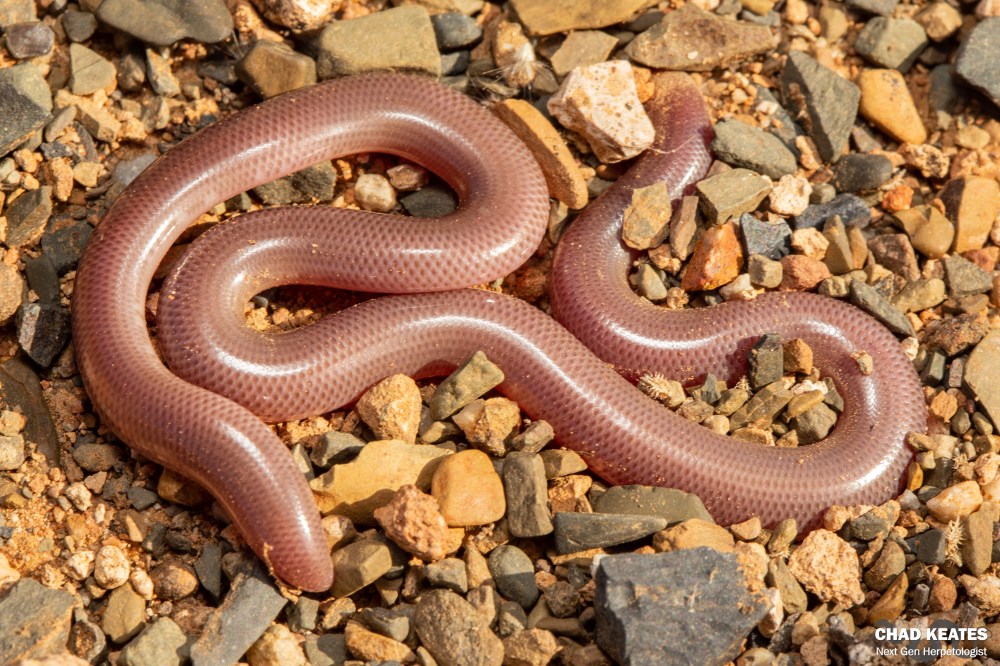
Bibron’s Blind Snake – Afrotyphlops bibronii
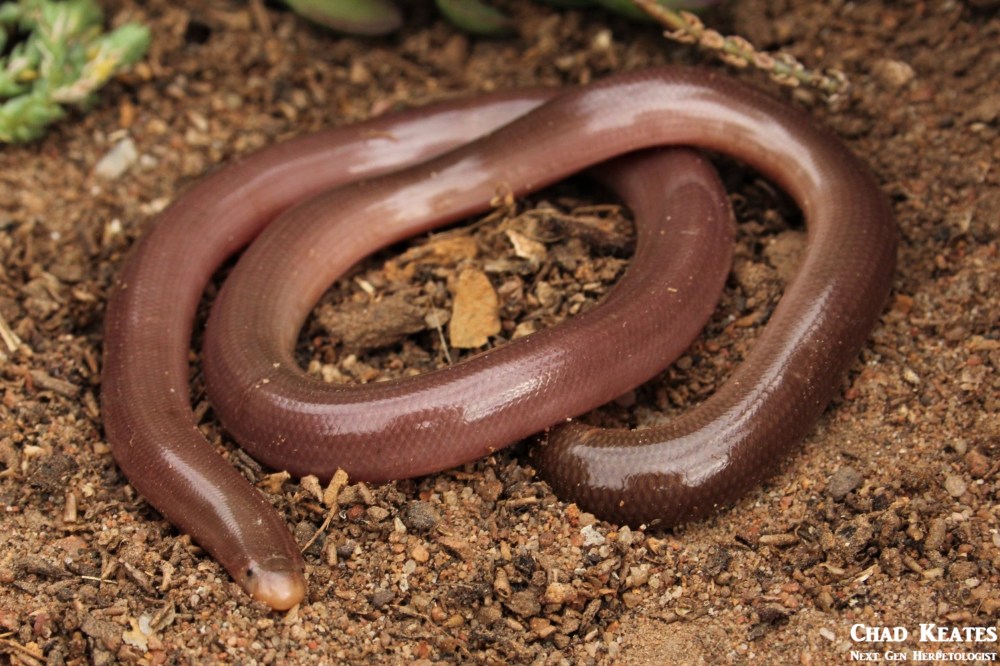
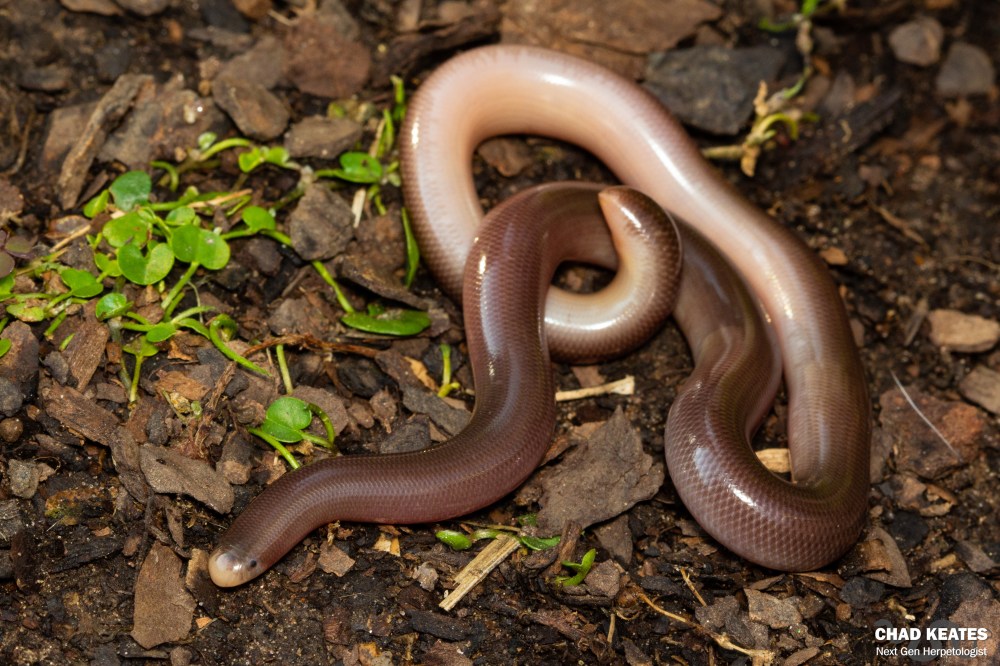
Cape Thread Snake – Leptotyphlops conjunctus
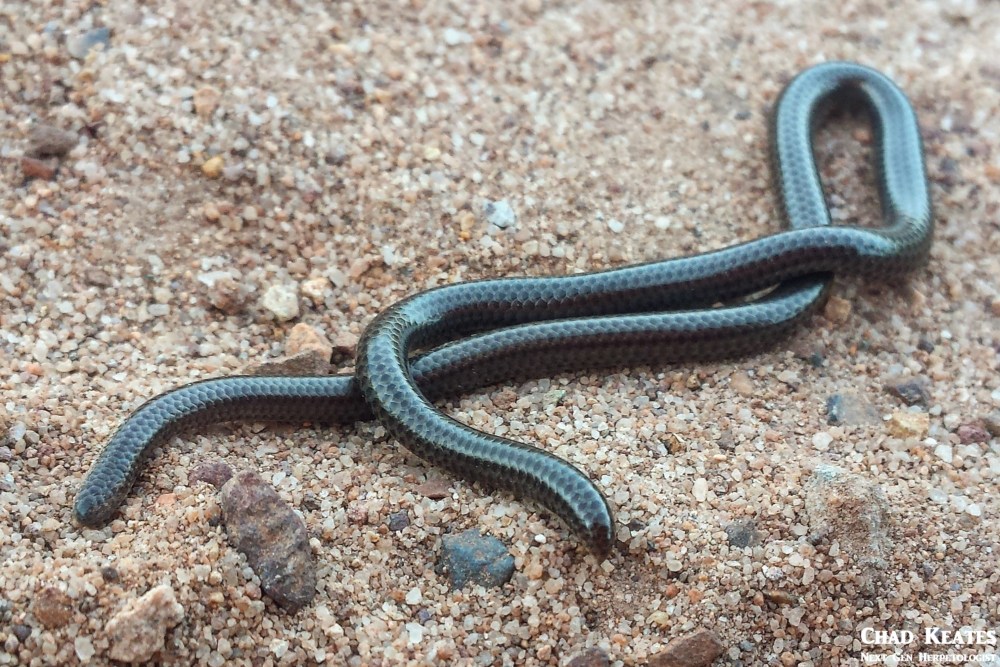
Peters’ Thread Snake – Leptotyphlops scutifrons
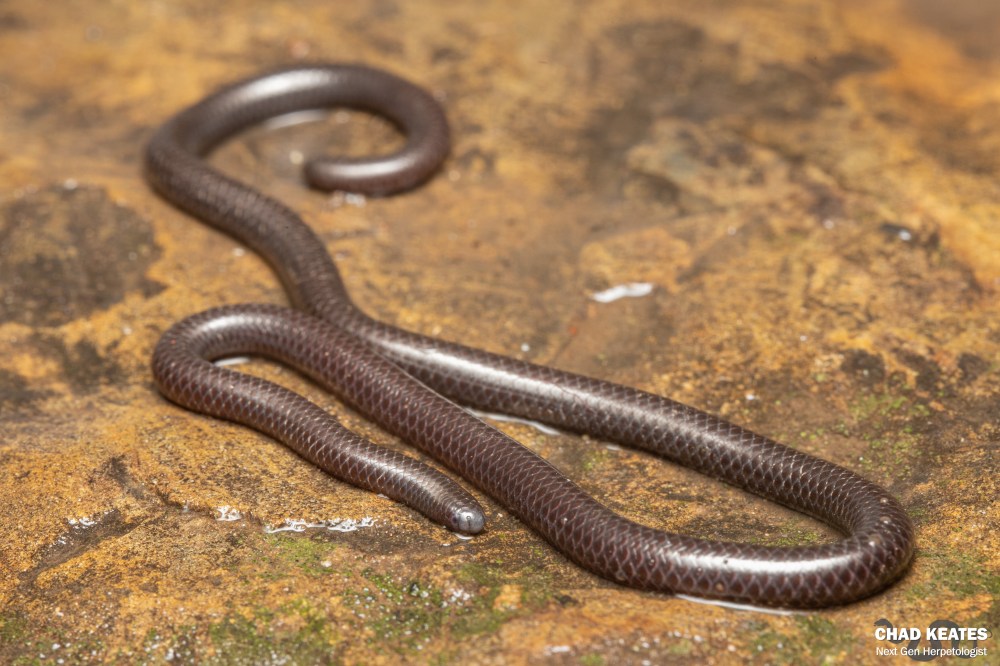
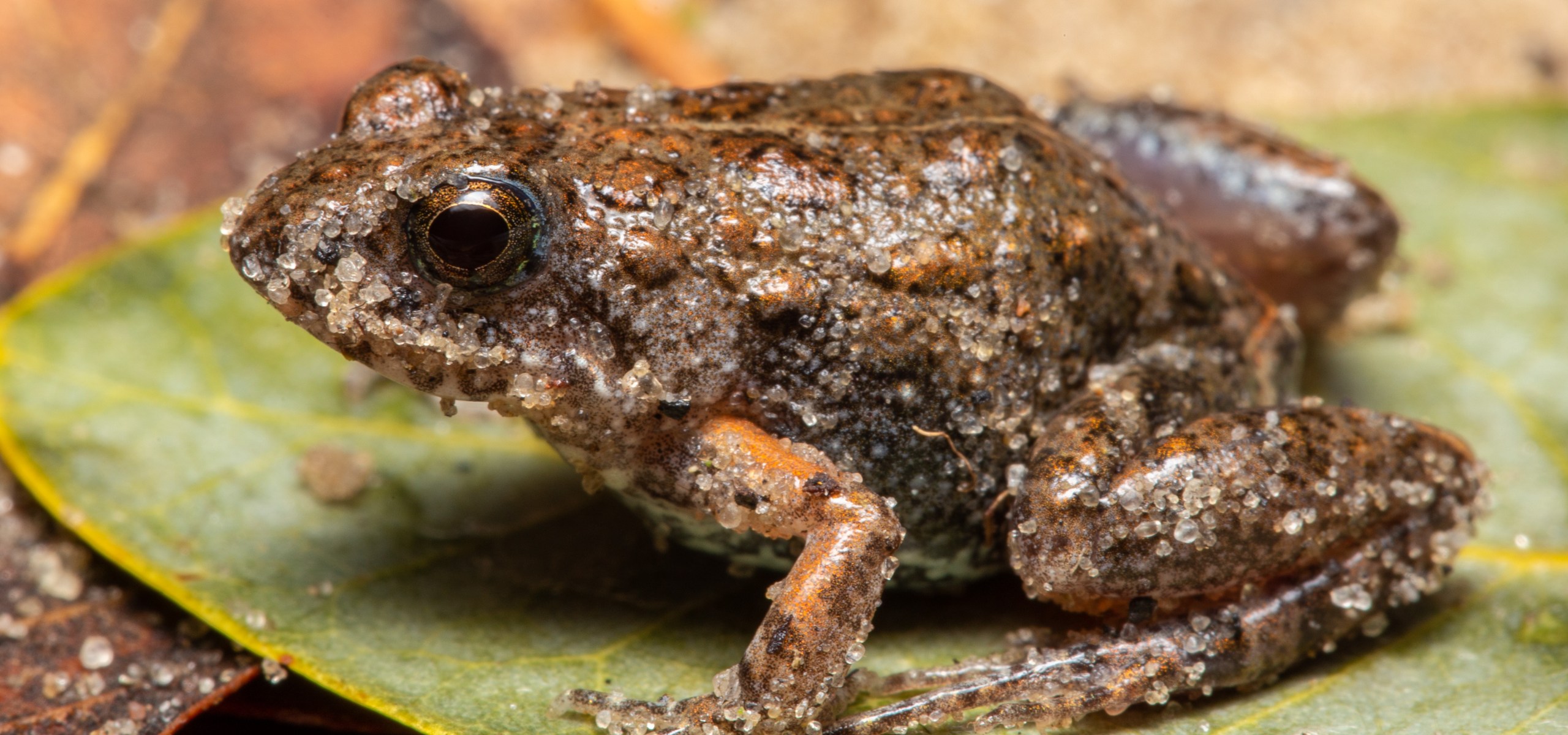
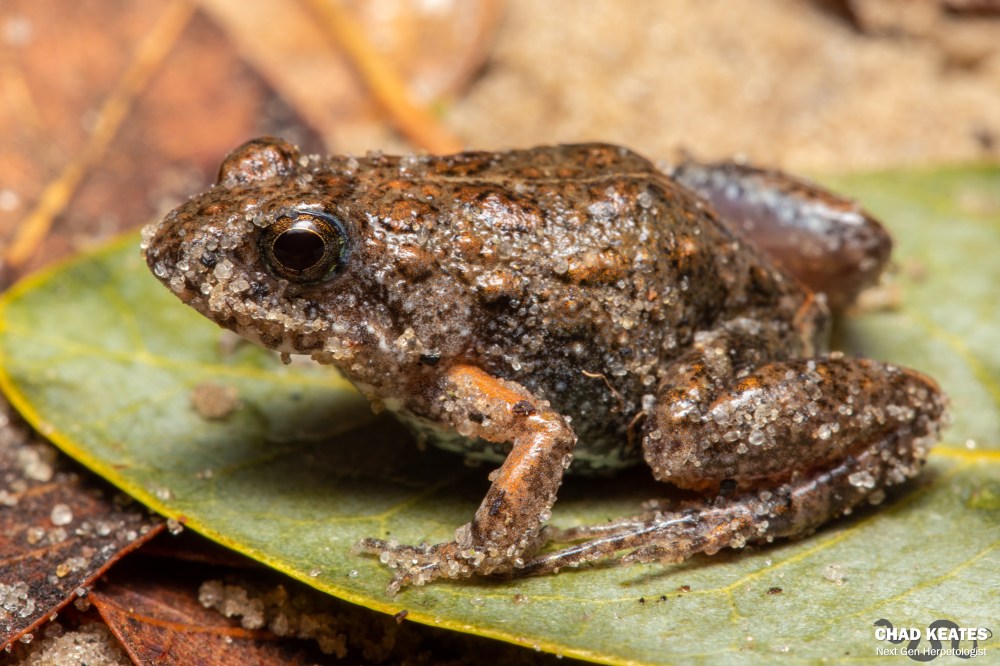
from Luchazes, Angola


from near Port Nolloth, Northern Cape, South Africa

from near Port Nolloth, Northern Cape, South Africa
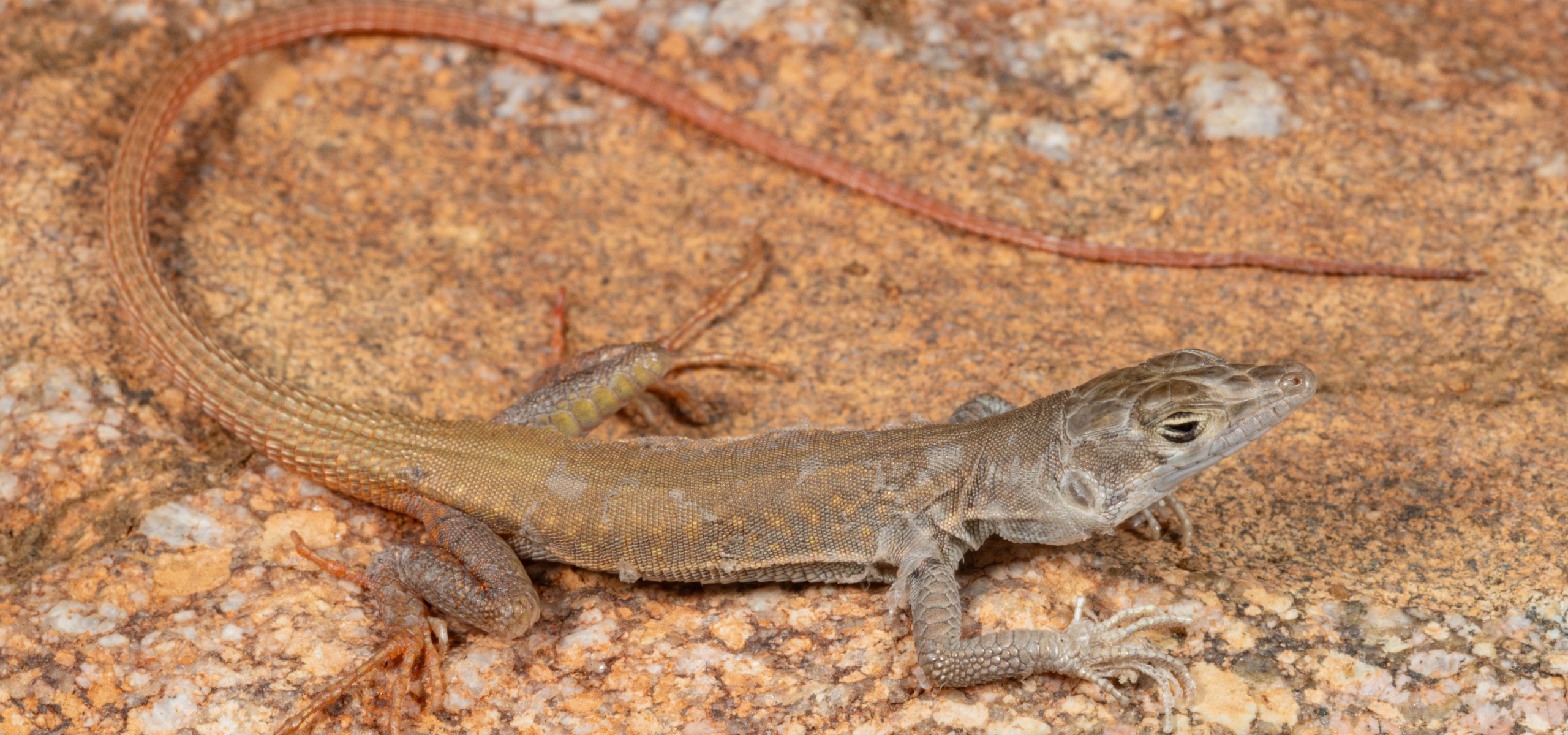
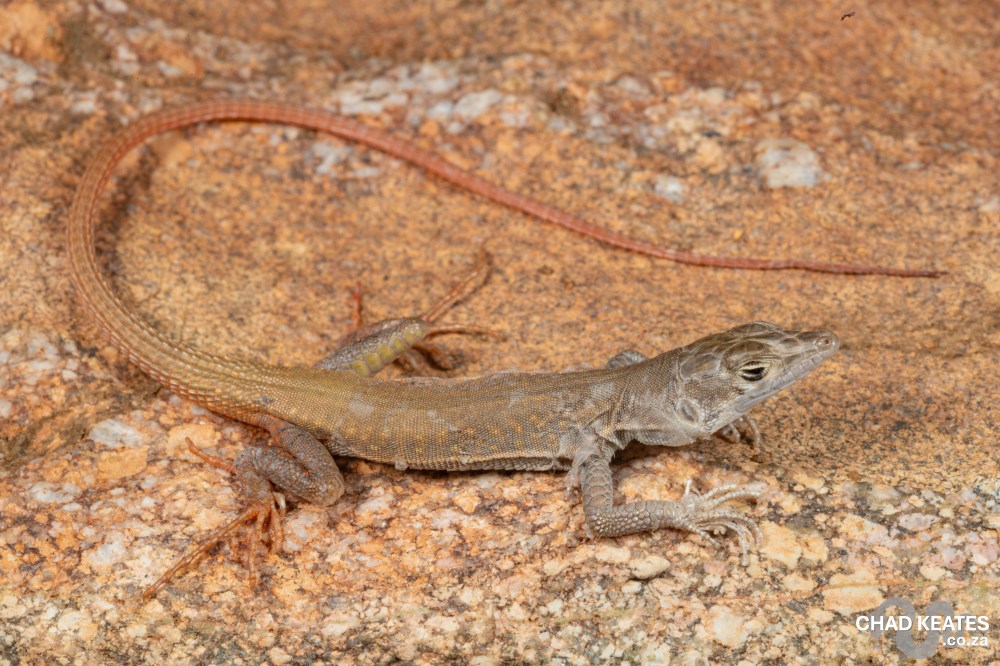
from Richtersveld, Northern Cape, South Africa

from Richtersveld, Northern Cape, South Africa
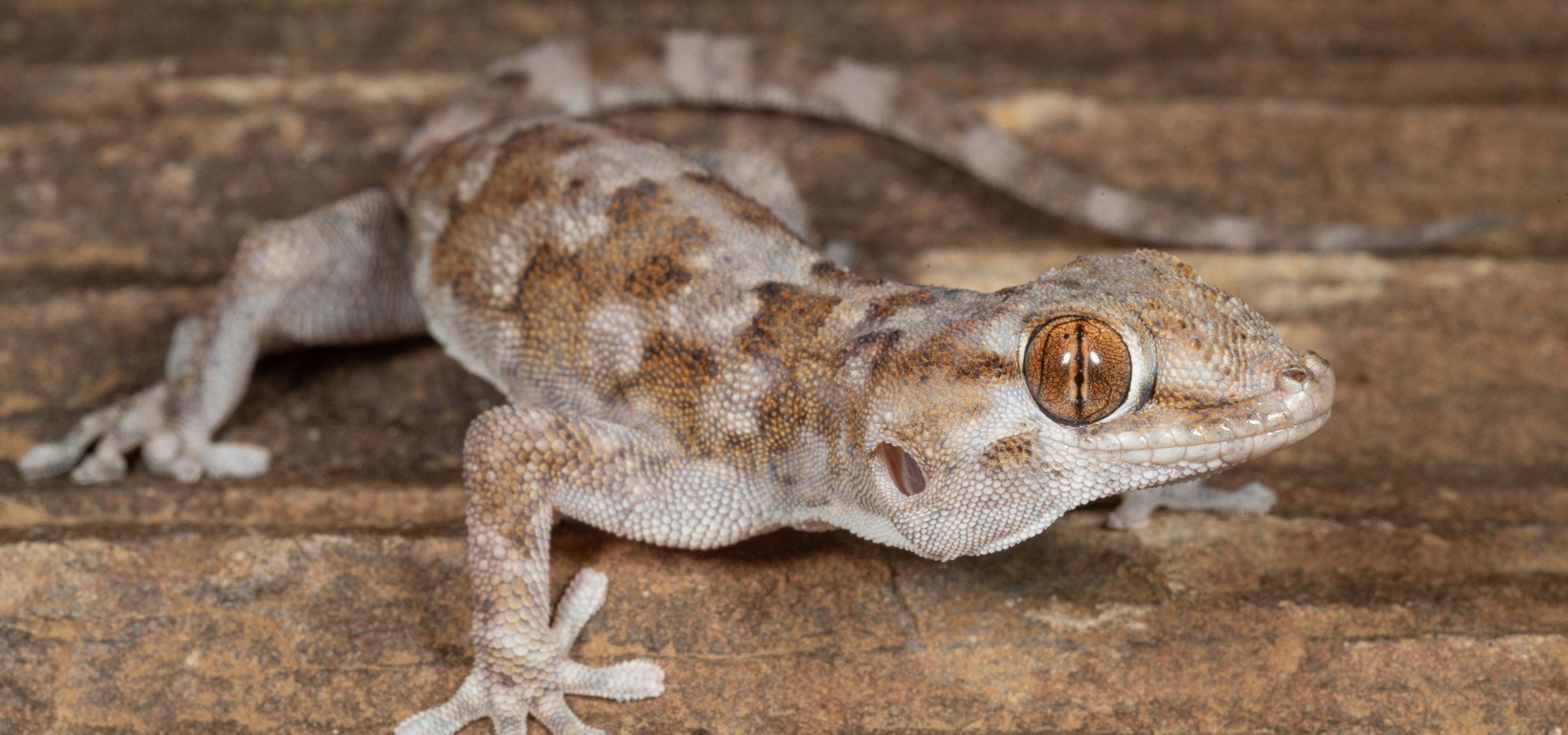
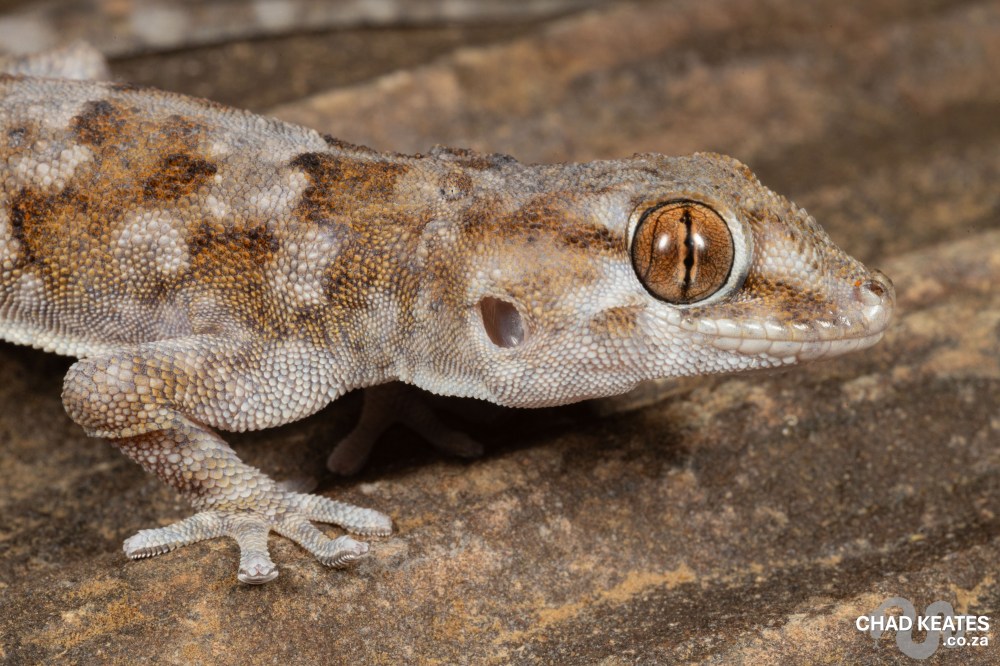
from Vioolsdrif, Northern Cape, South Africa
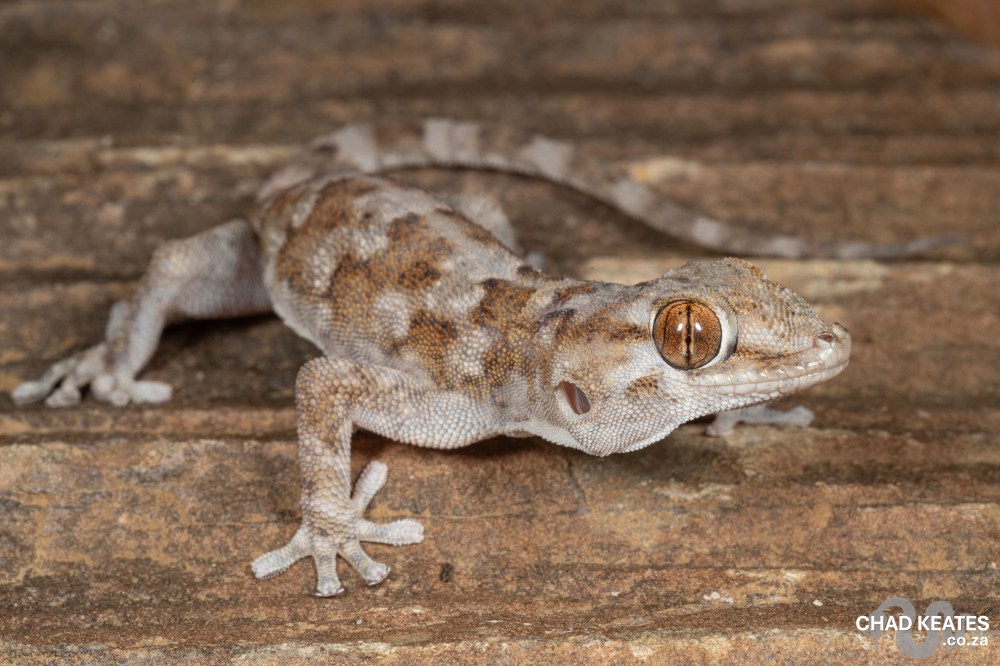
from Vioolsdrif, Northern Cape, South Africa

from Vioolsdrif, Northern Cape, South Africa

from Vioolsdrif, Northern Cape, South Africa
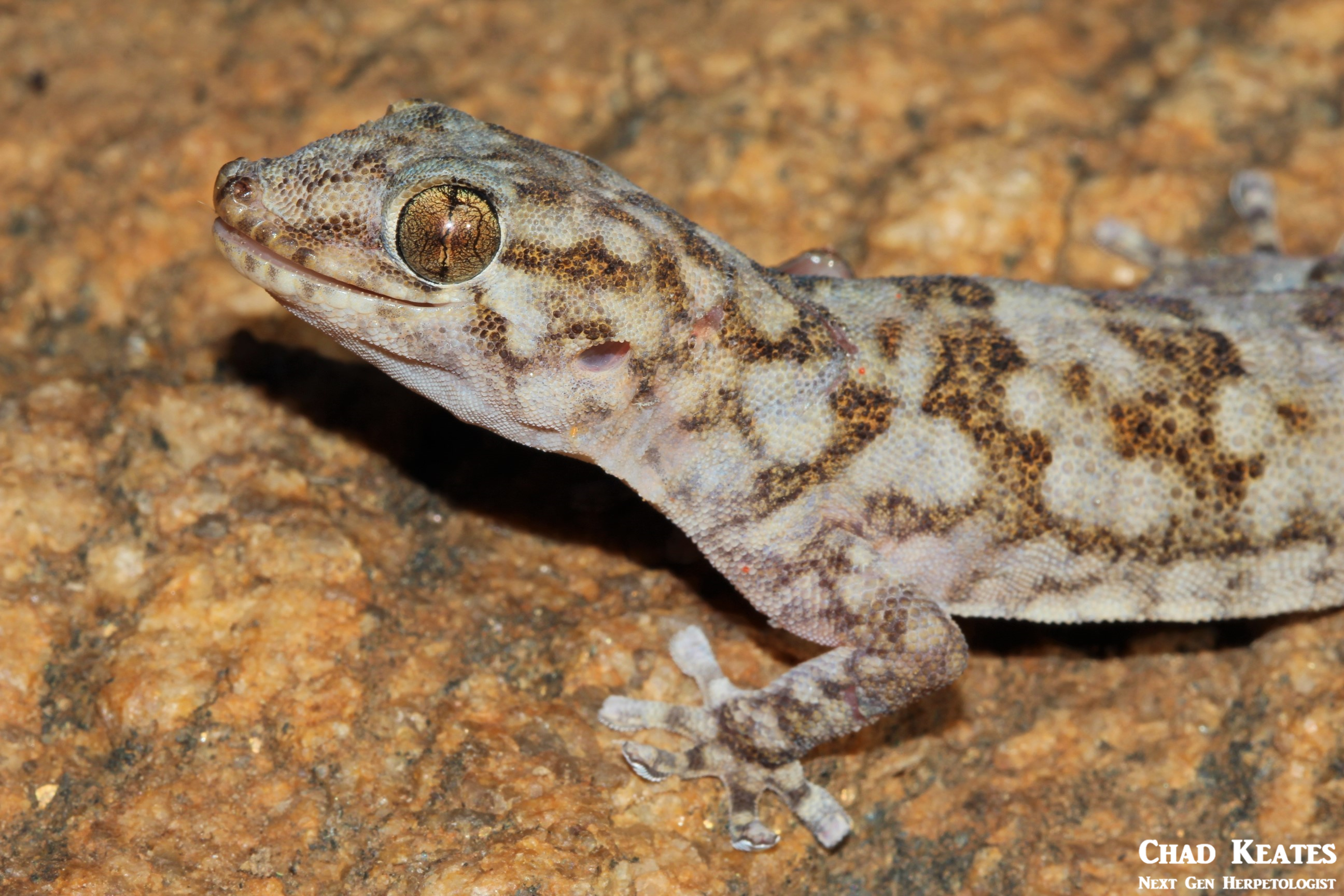
from Augrabies, Northern Cape, South Africa
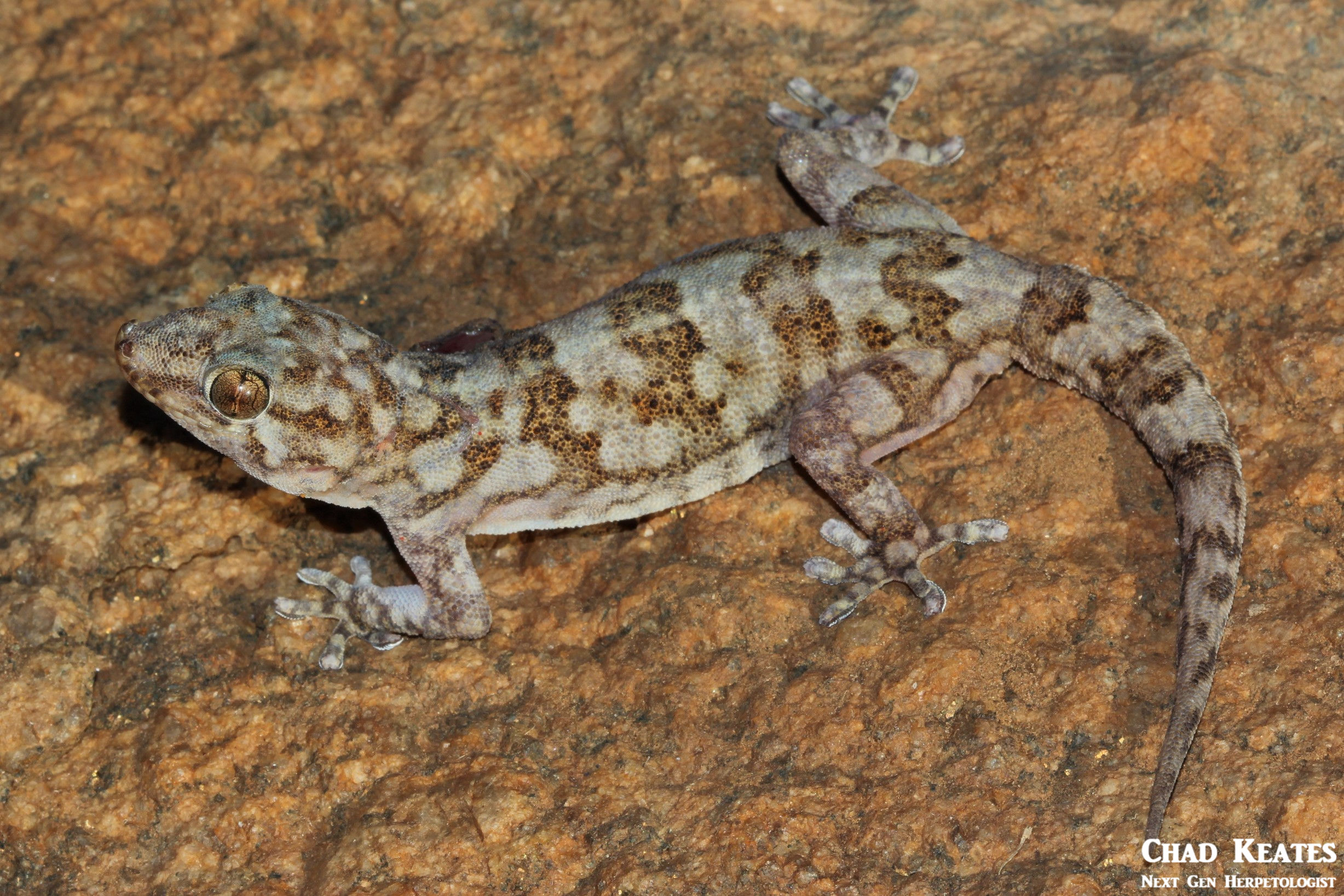
from Augrabies, Northern Cape, South Africa
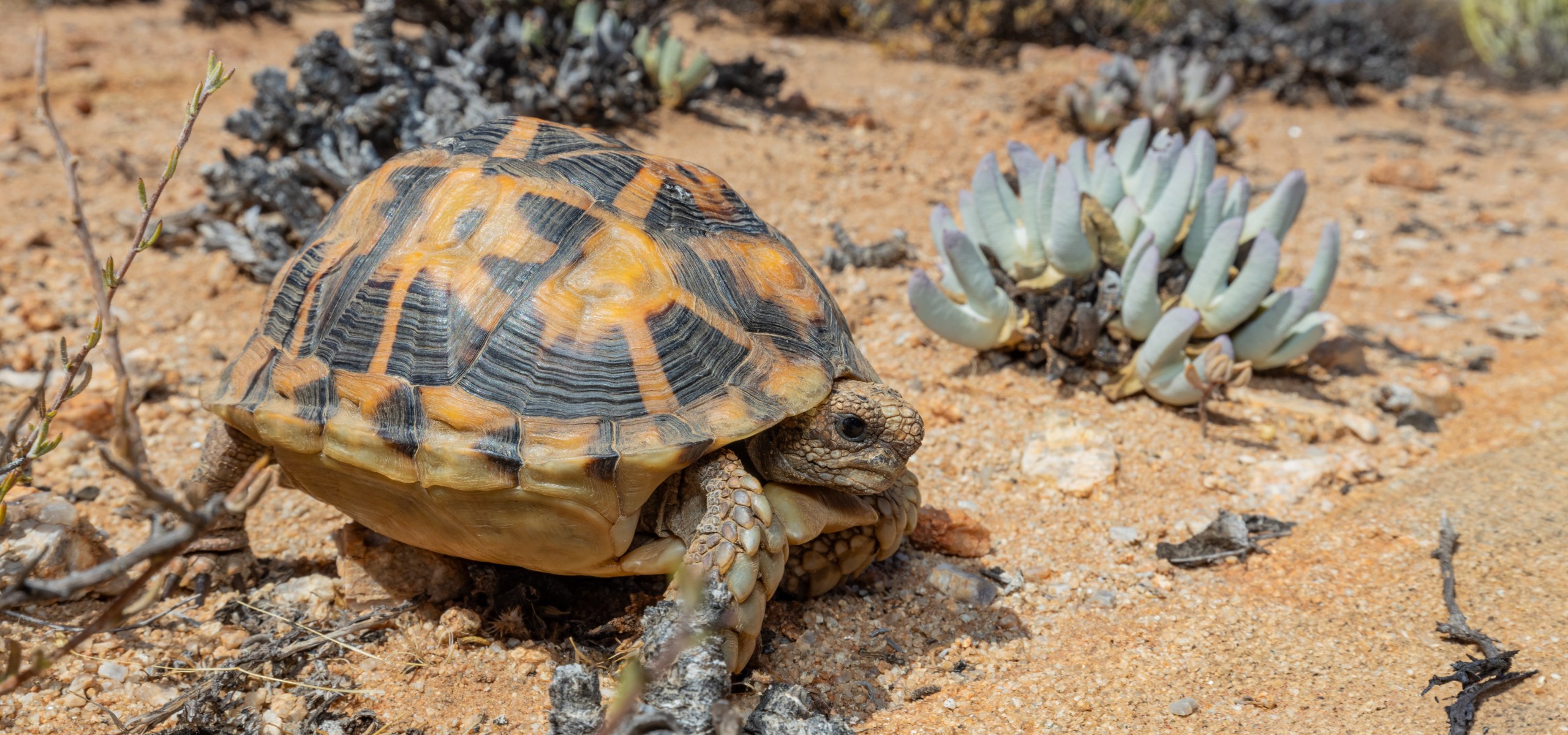

from Steinkopf, Northern Cape, South Africa

from Steinkopf, Northern Cape, South Africa

from Steinkopf, Northern Cape, South Africa

from Steinkopf, Northern Cape, South Africa
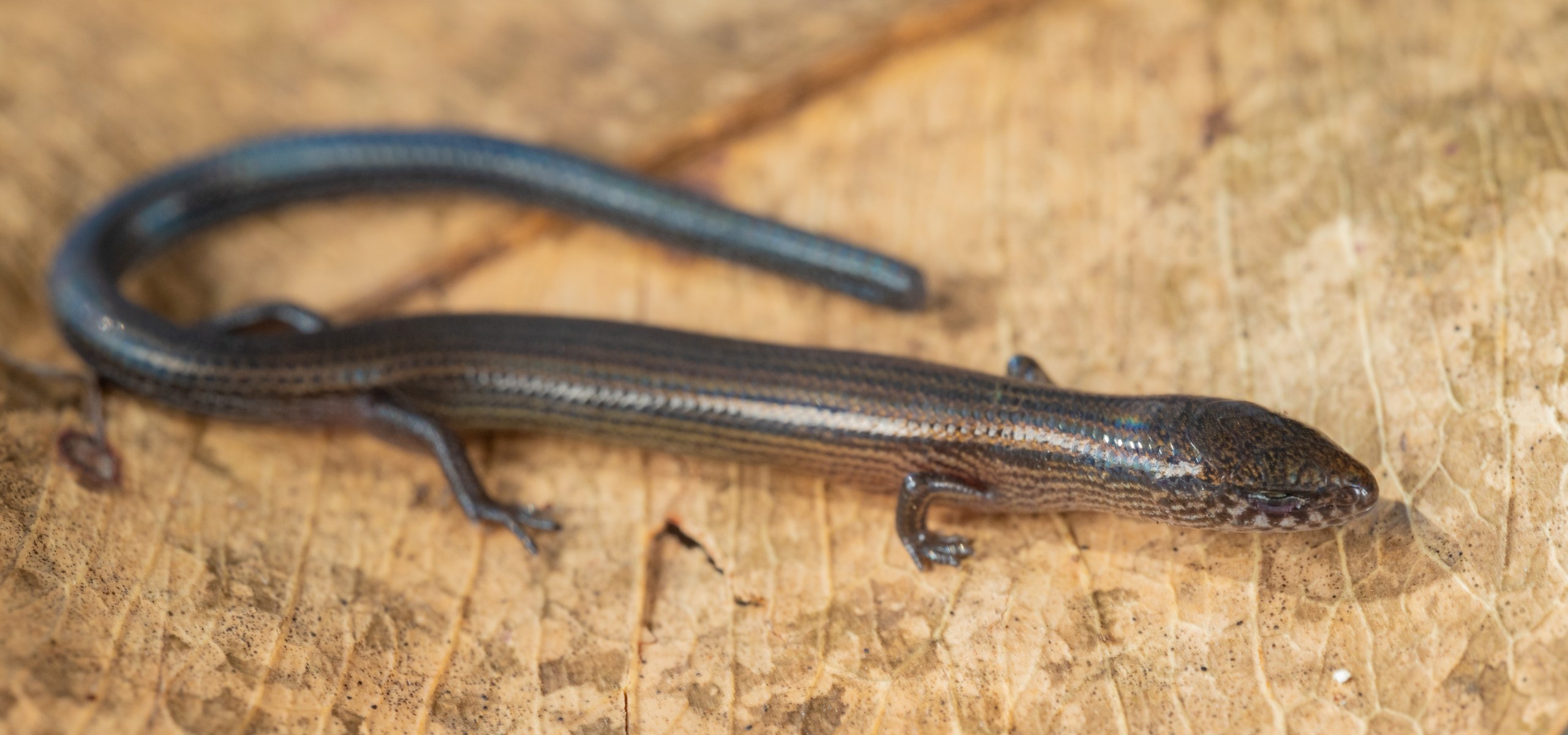

from Kibara Plateau, Upemba National Park, Democratic Republic of Congo
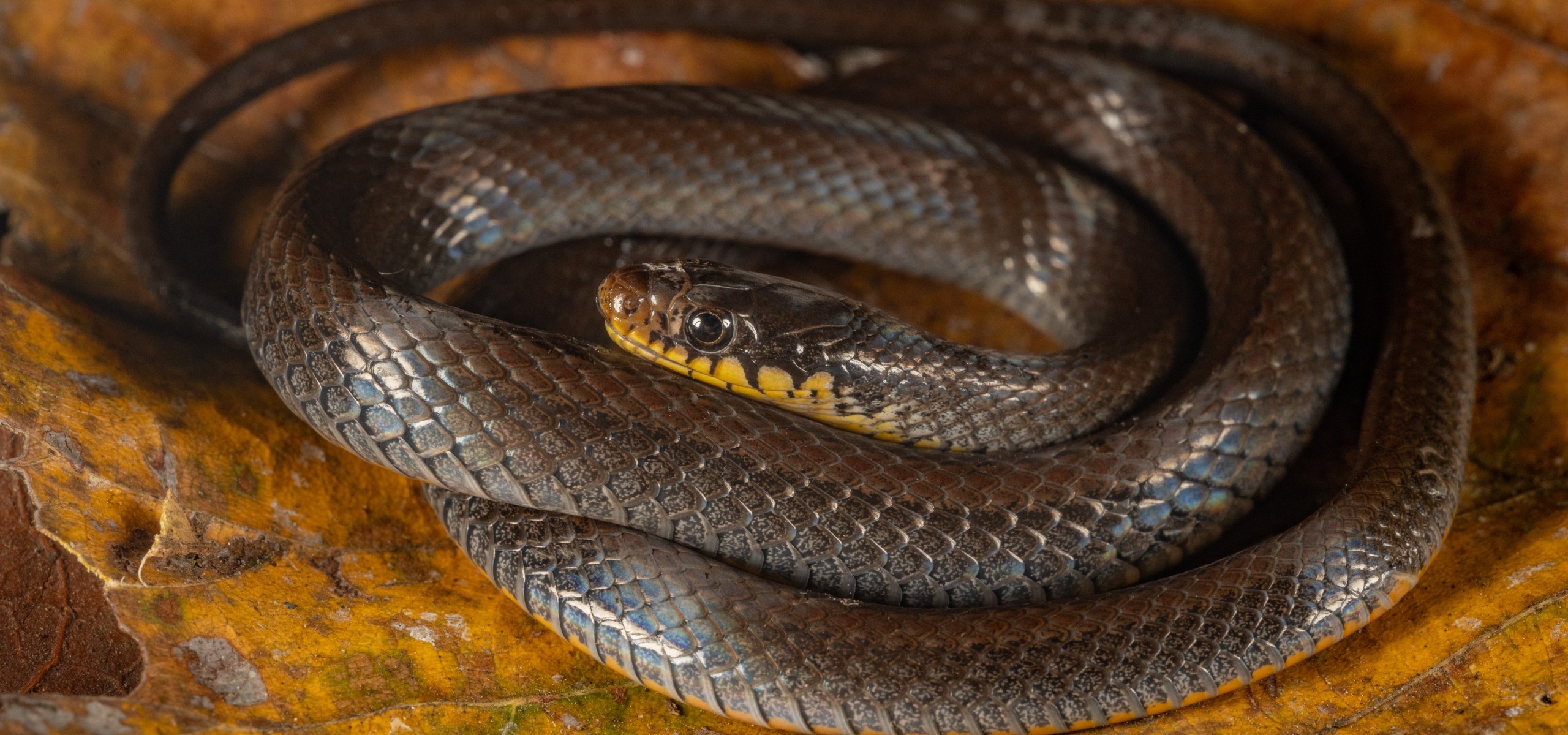
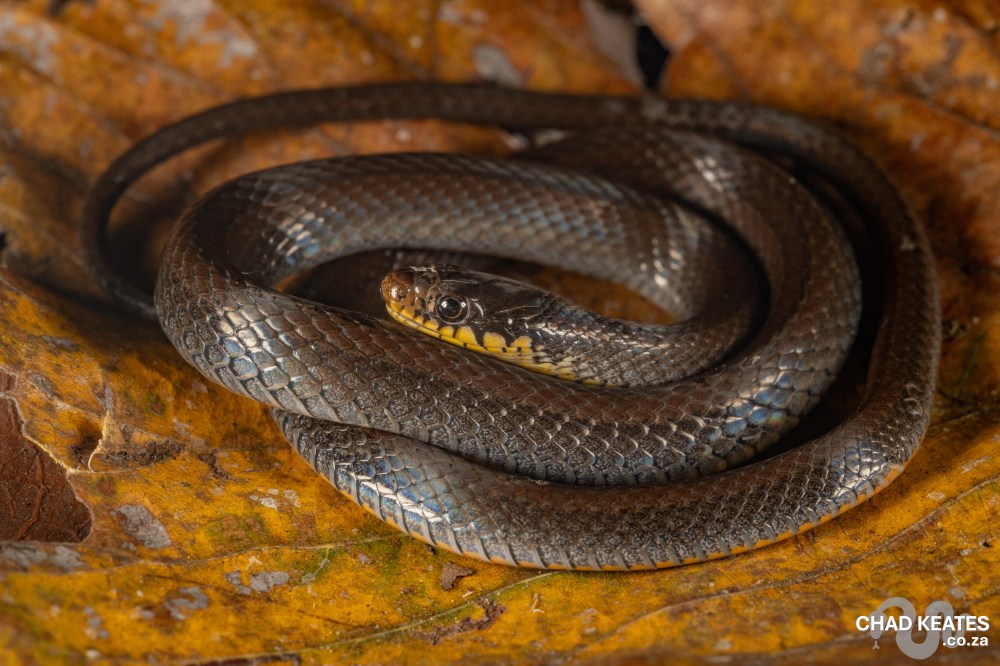
from Kibara Plateau, Upemba National Park, Democratic Republic of Congo
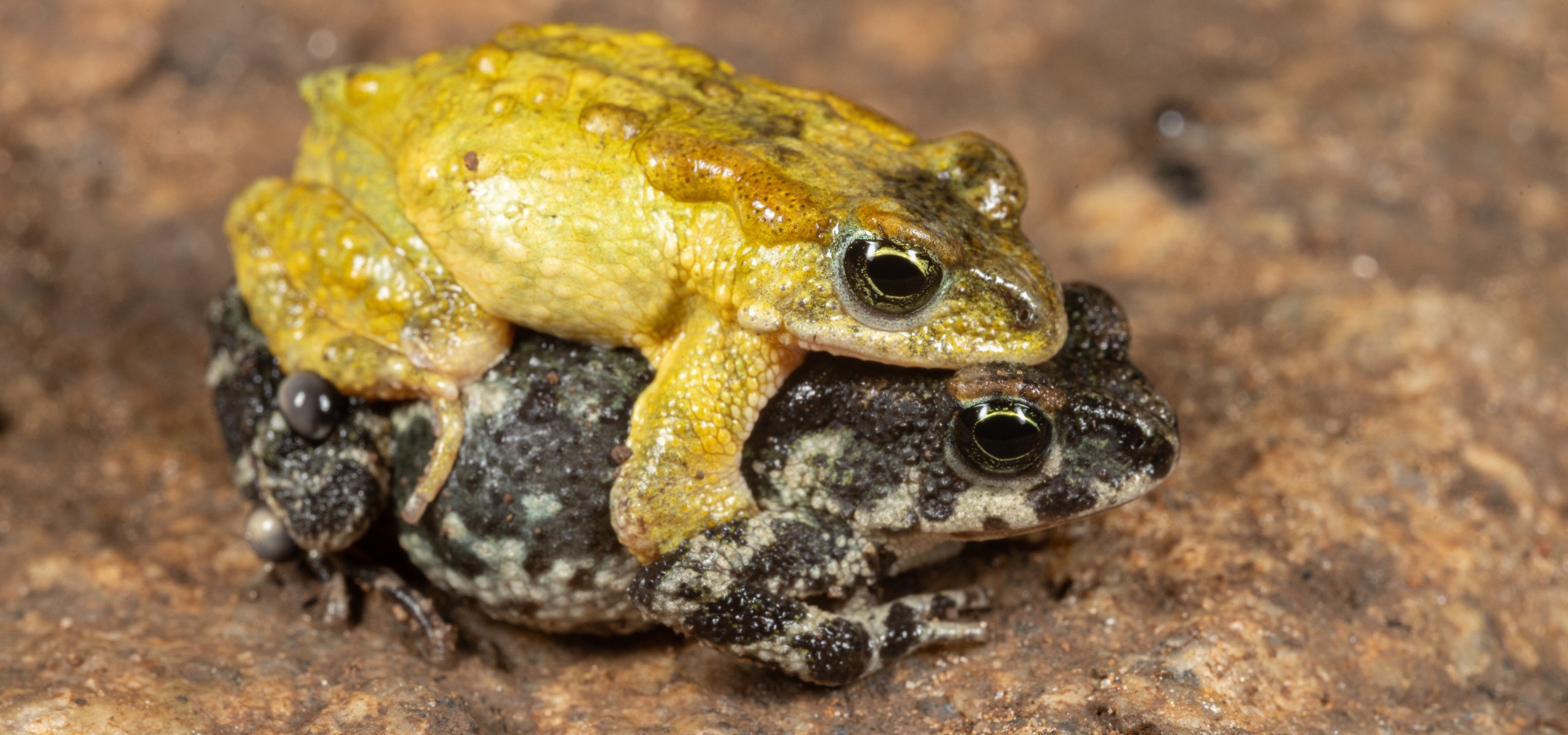

from Cuanza-Sul Province, Angola


from Table Mountain National Park, Cape Town, Western Cape, South Africa


from Kamieskroon, Northern Cape, South Africa
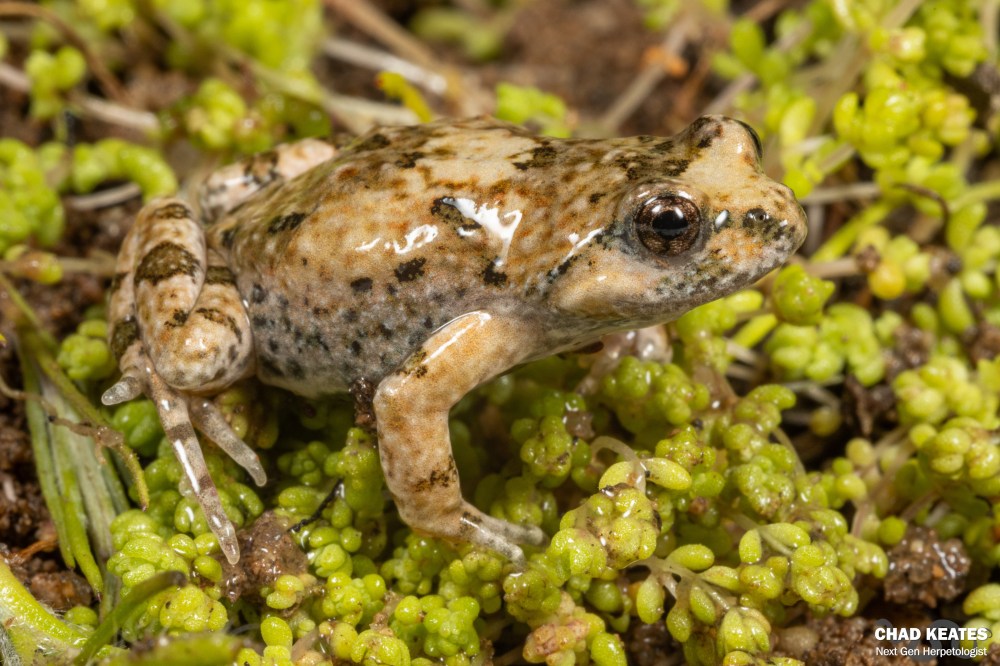
from Kamieskroon, Northern Cape, South Africa

from Kamieskroon, Northern Cape, South Africa
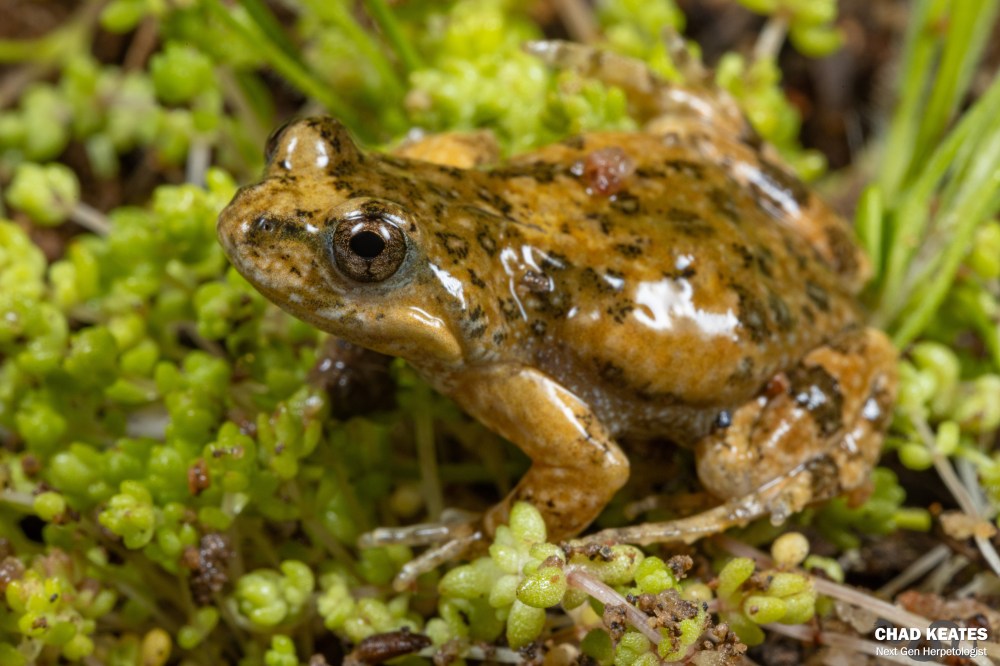
from Kamieskroon, Northern Cape, South Africa
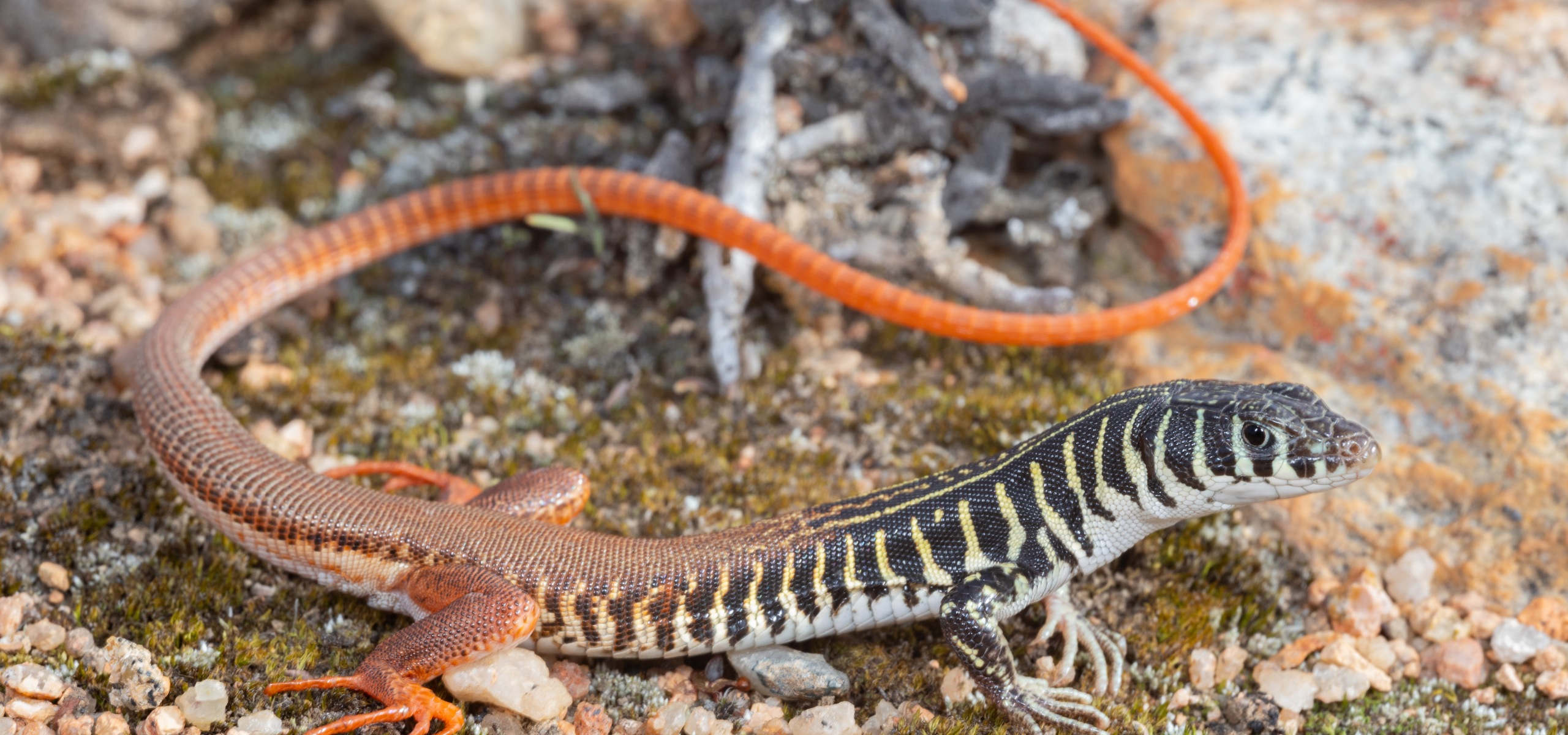

from Kamiesberg, Northern Cape, South Africa

from Kamiesberg, Northern Cape, South Africa

from Kamiesberg, Northern Cape, South Africa

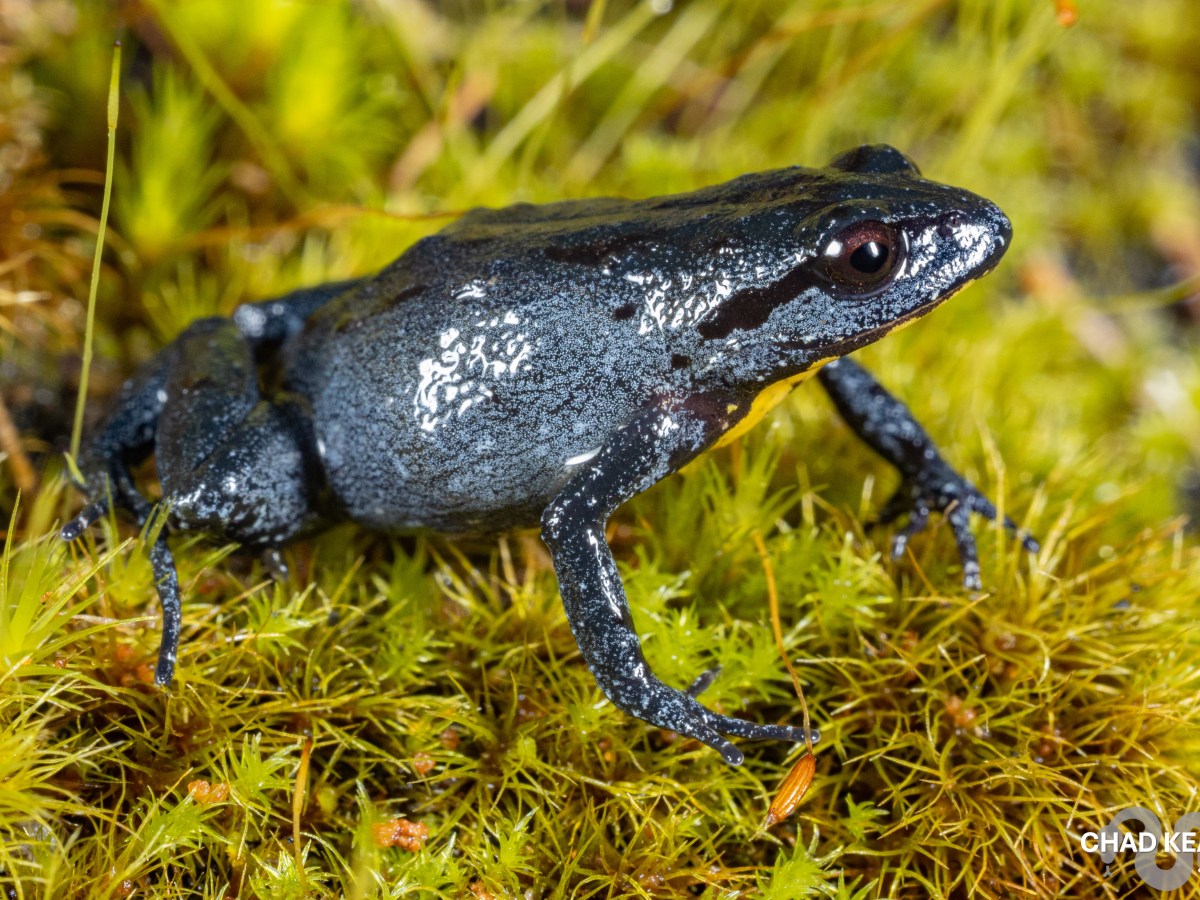

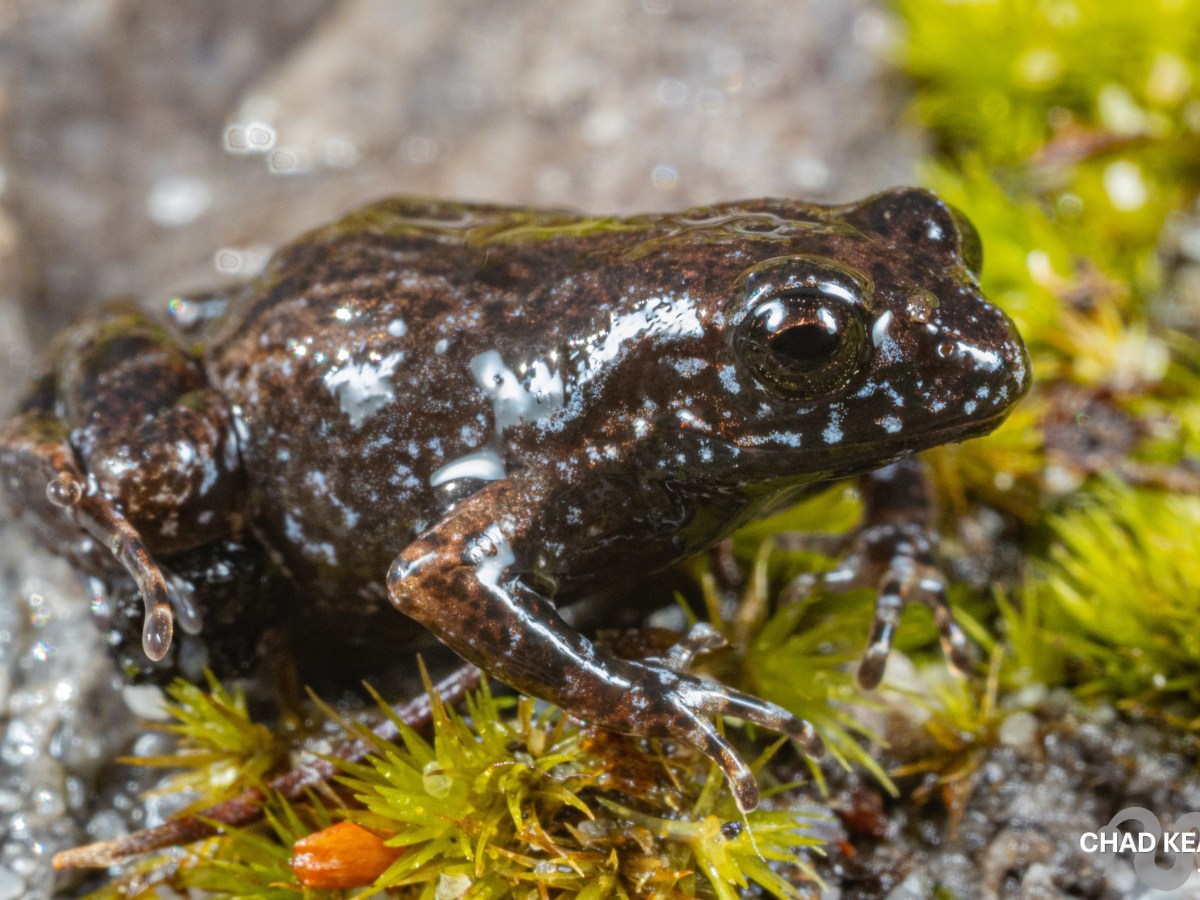


 Chad Keates