 Chad Keates

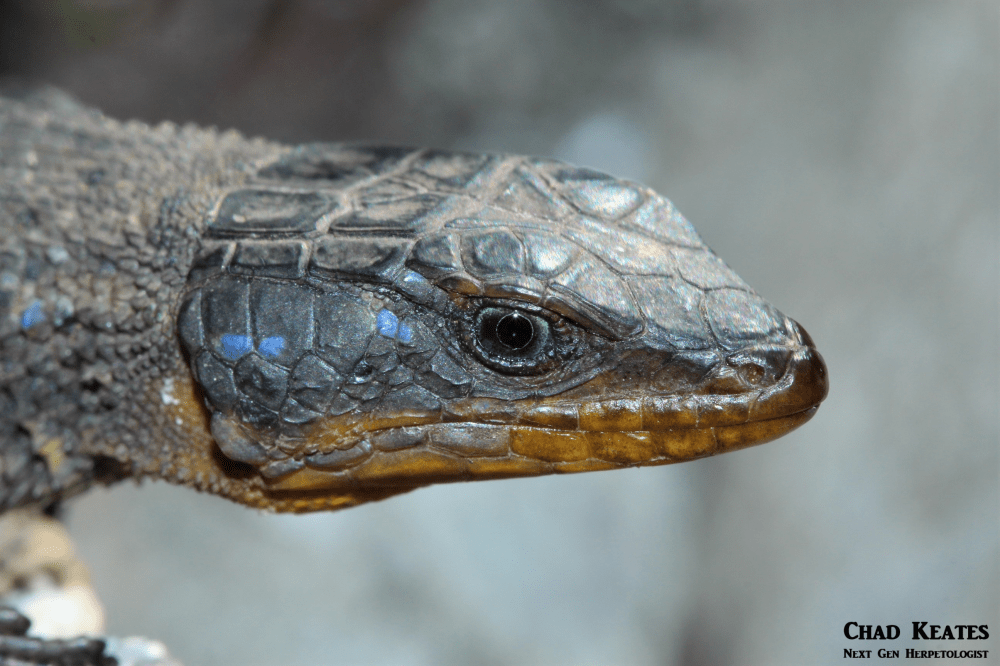
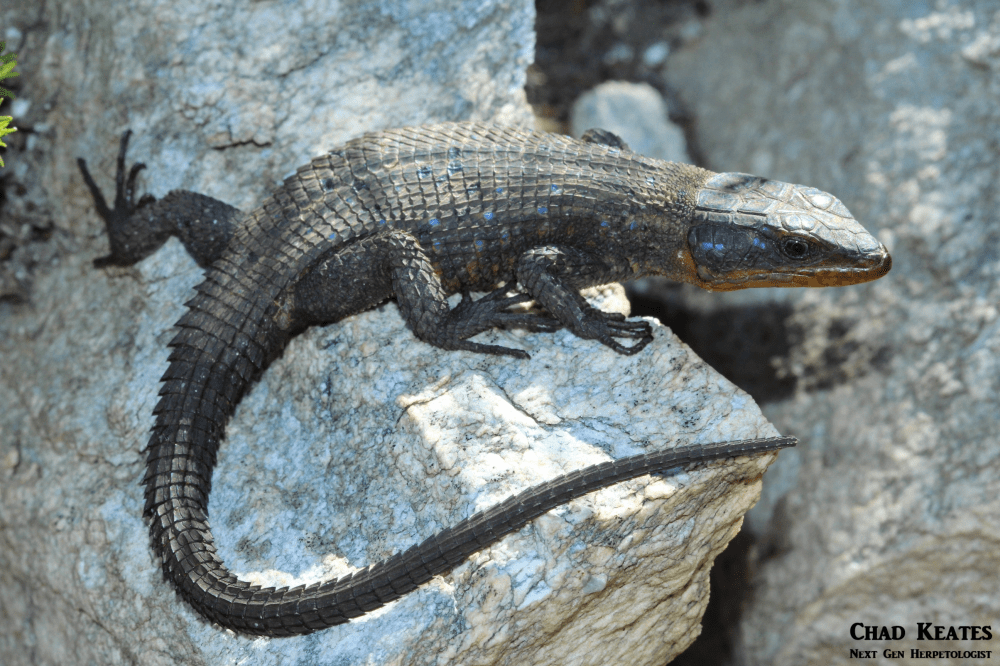


On the 30th of August I attended a BioBlitz with EWT (Endangered Wildlife trust) near Hogsback, Eastern Cape. The aim of the trip was to find as may reptiles and frogs as we possibly could, with the main aim of finding the critically endangered Amatola Toad (Vandijkophrynus amatolicus). I am excited to say that we did in fact find the rarest frog in South Africa.
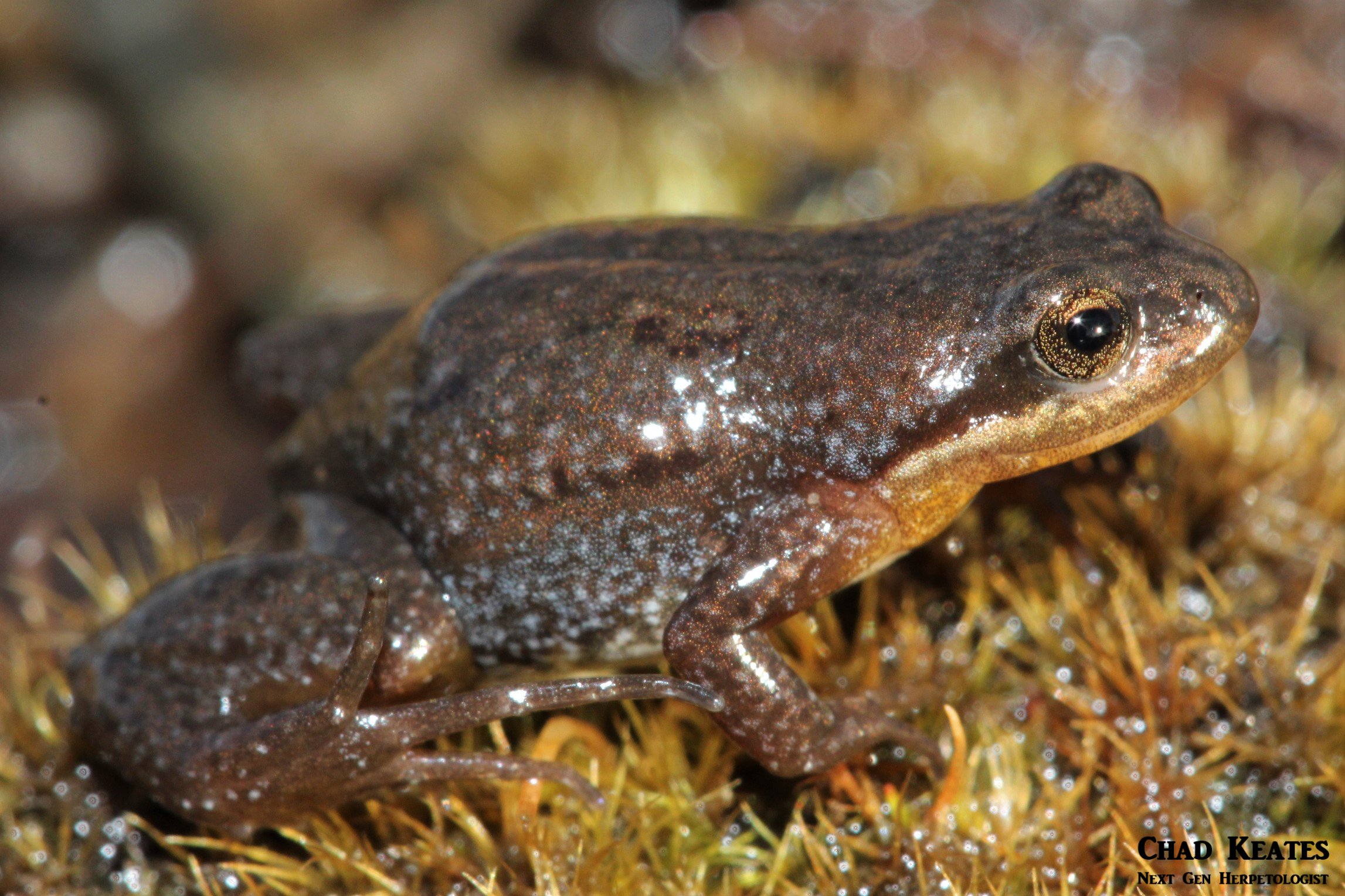
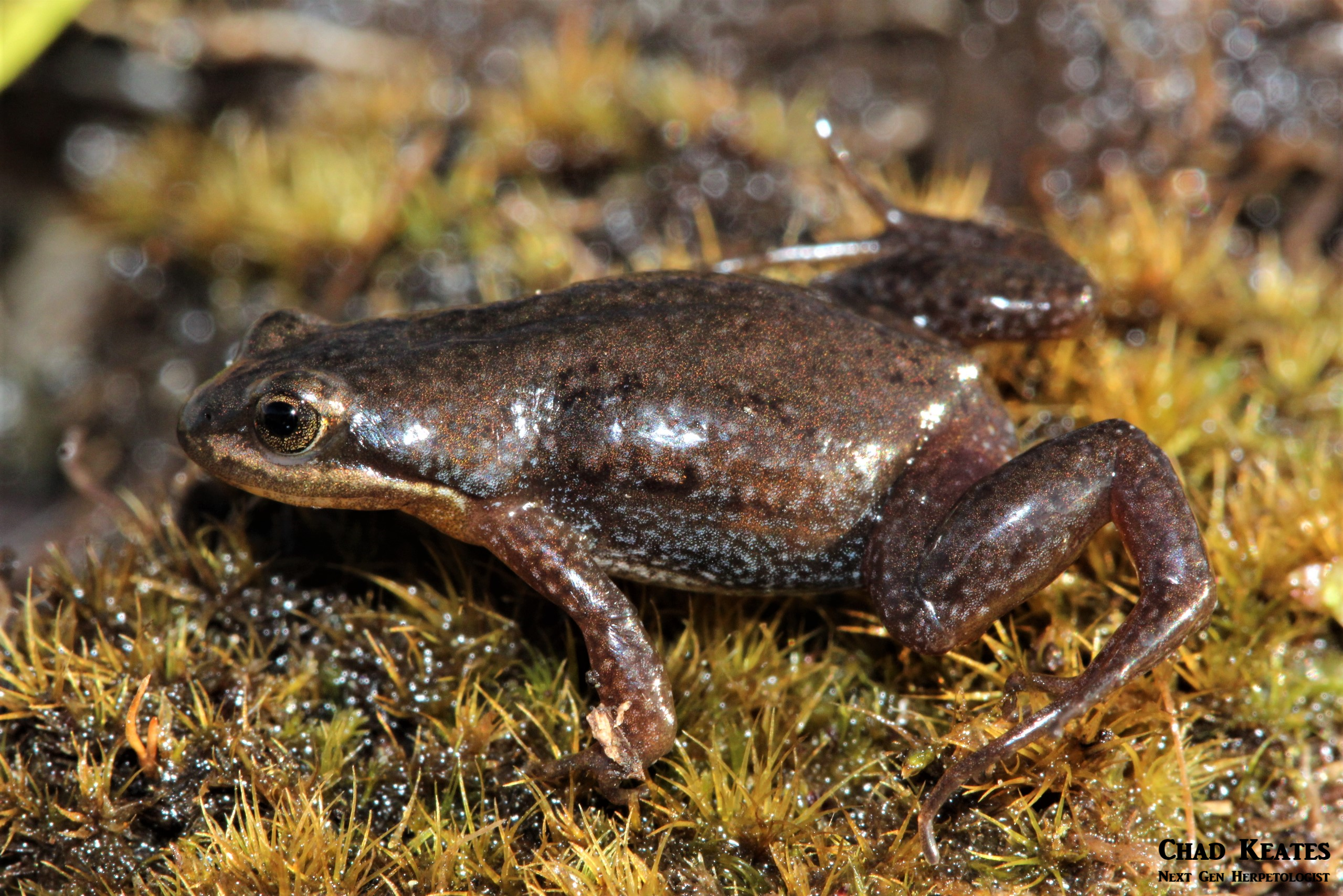
We also managed to find several other species, one being the new species of caco that Werner Conradie recently described. Thanks go to Werner Conradie, Jeanne Tarrant, Luke Kemp and Alexander Rebelo for making it such an awesome day.
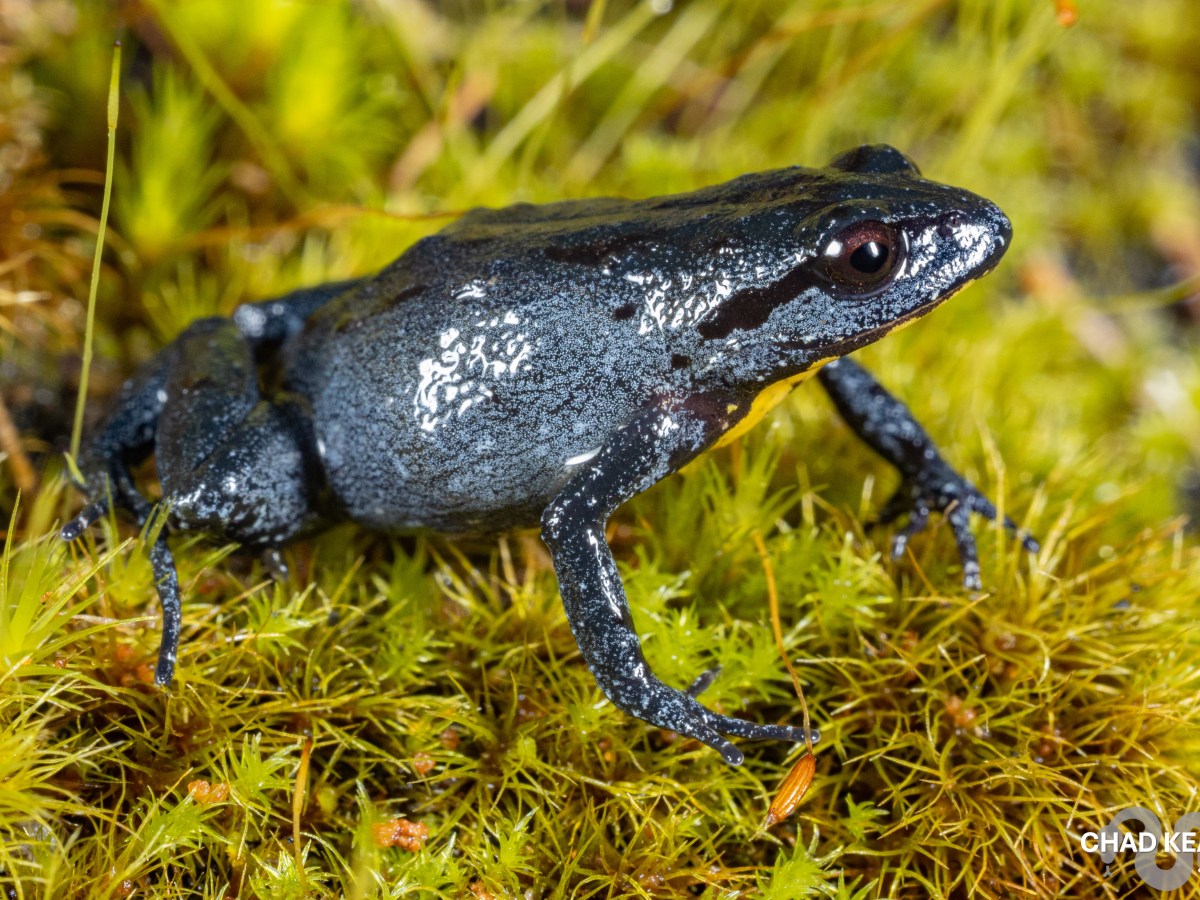
Amatola Toad (Vandijkophrynus amatolicus)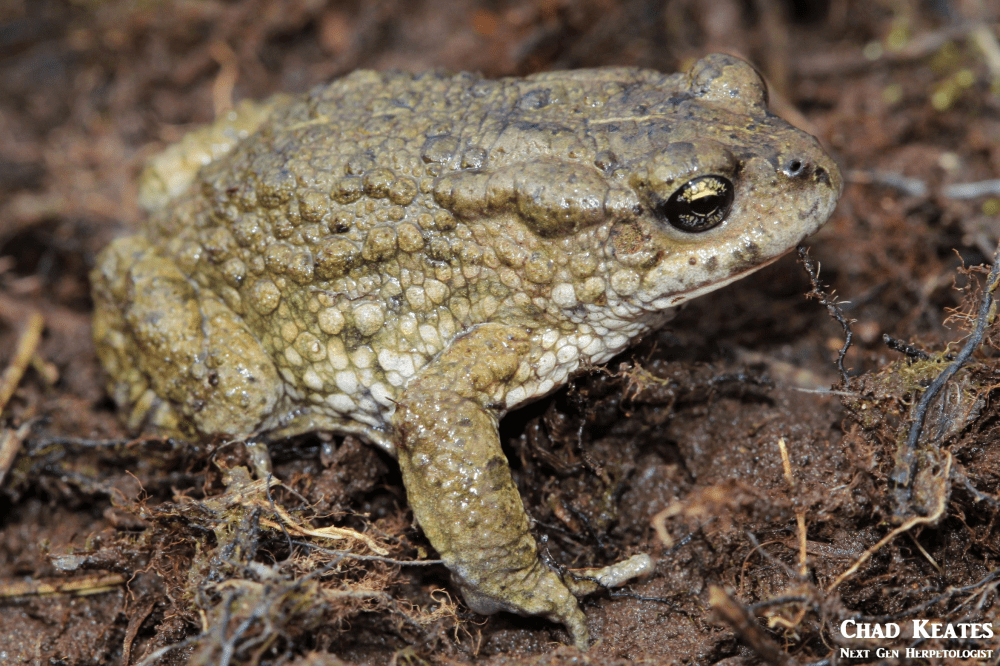
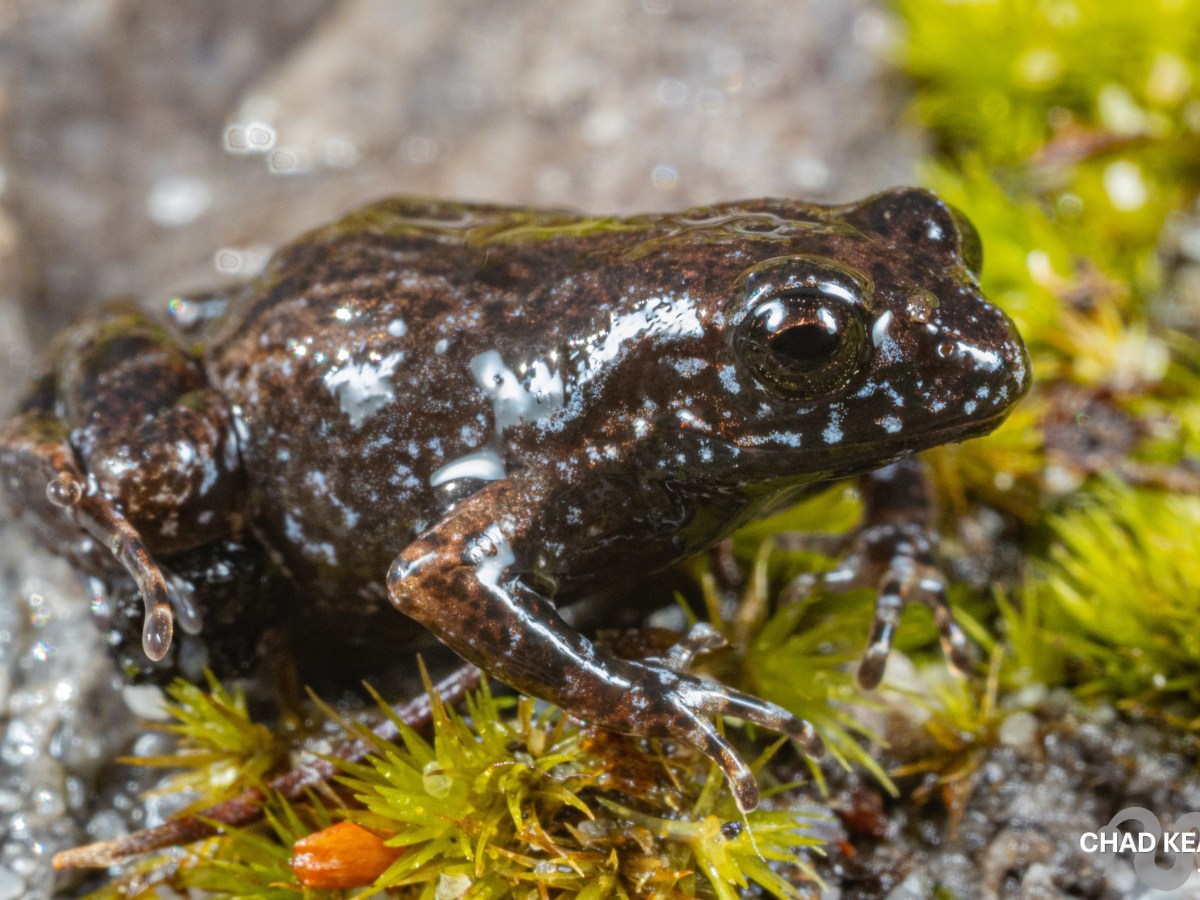
Thorin’s Caco (Cacosternum thorini)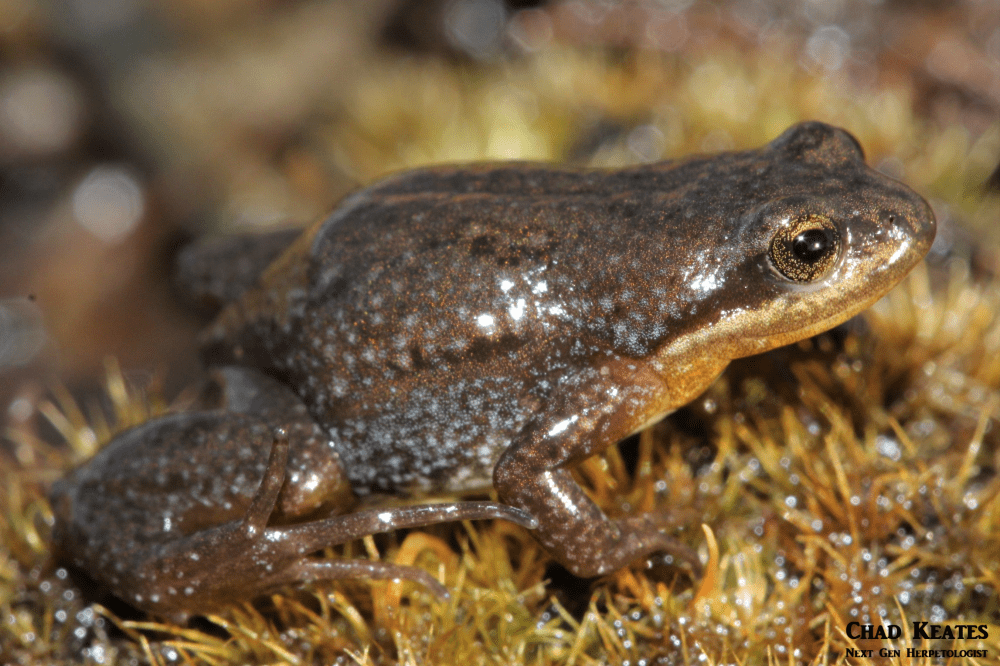
Amatola Flat Gecko (Afroedura amatolica)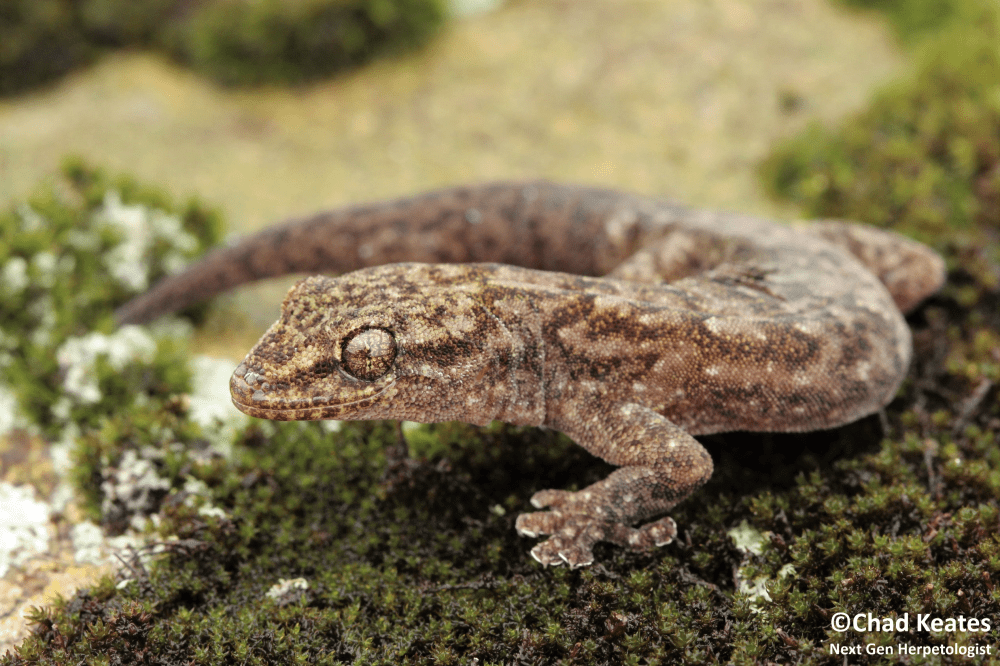
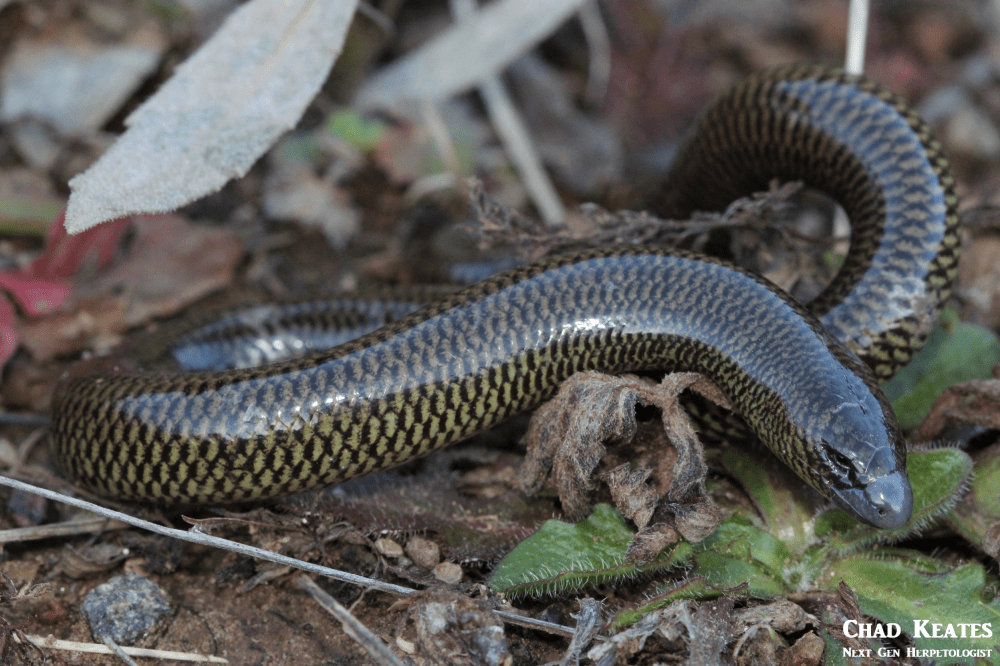
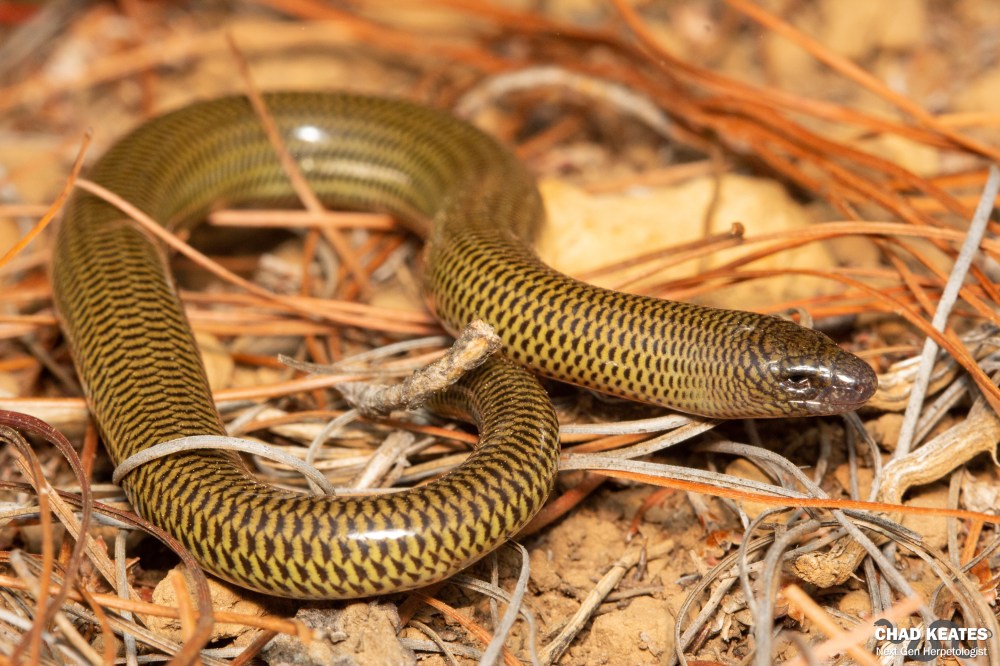
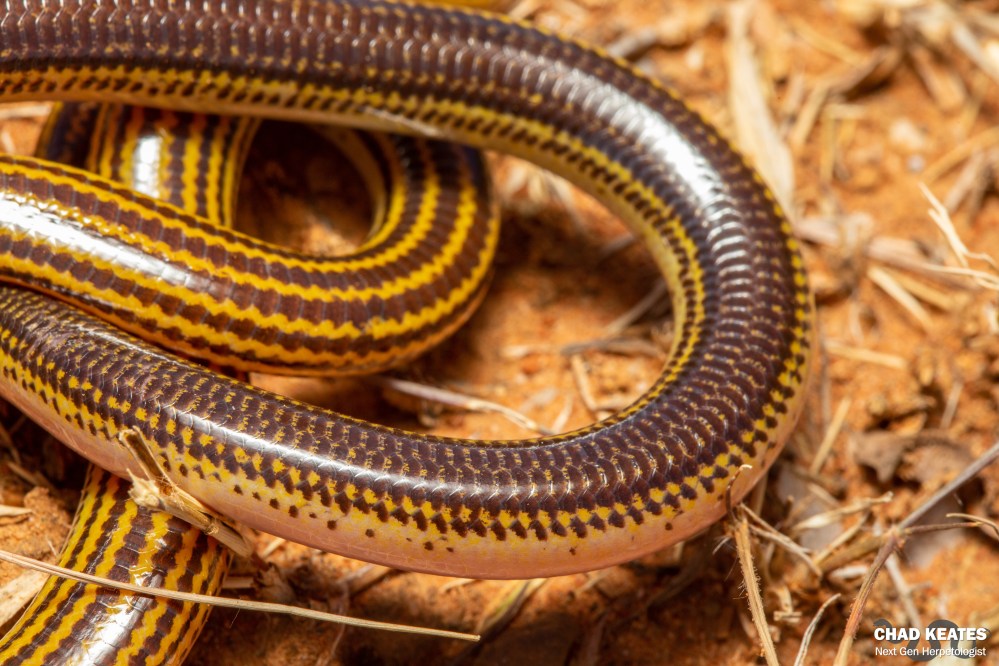
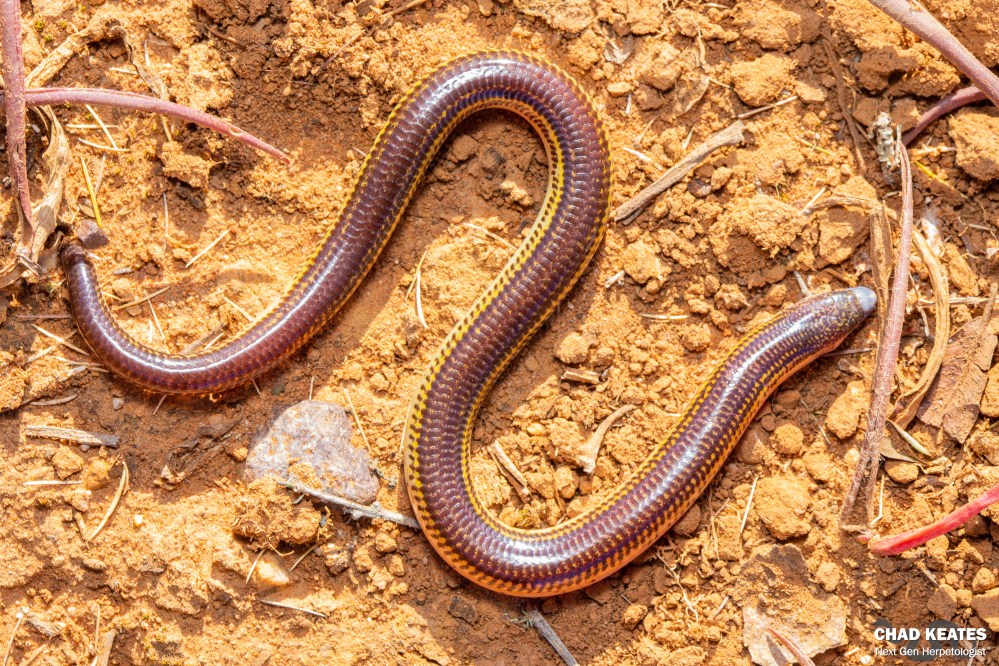
Short-headed Legless Skink (Acontias breviceps)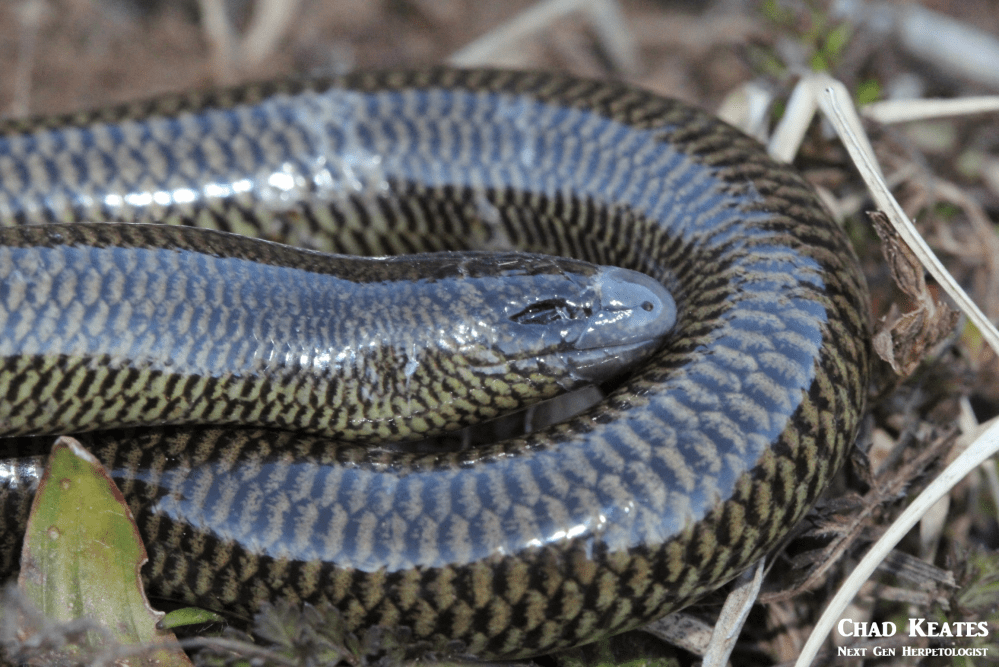
Drakensburg Crag Lizard (Pseudocordylus melanotus)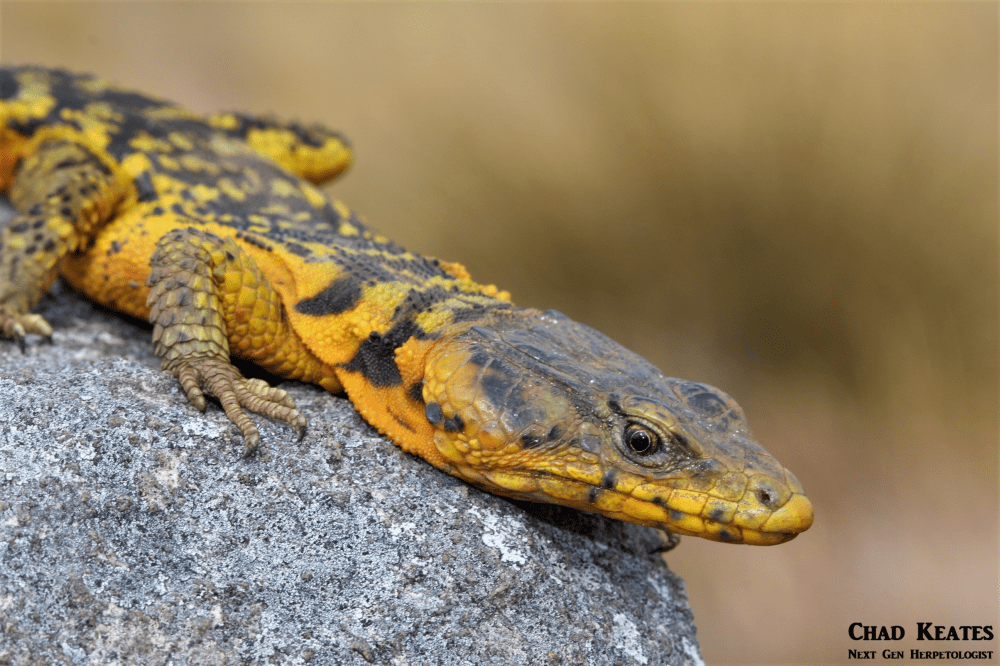
https://www.youtube.com/watch?v=FSFWlAaYdpA

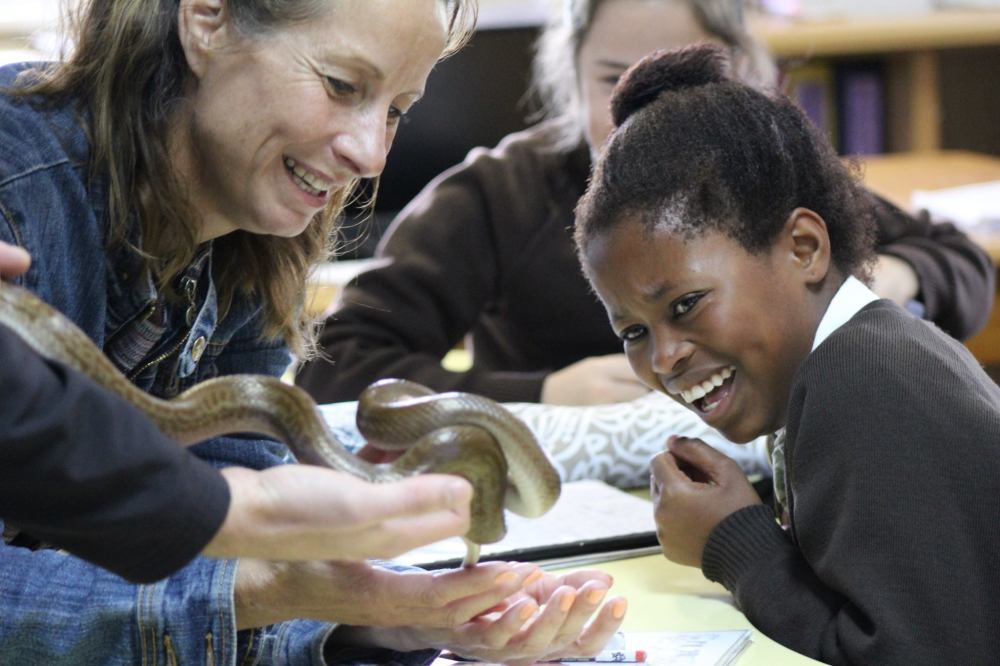
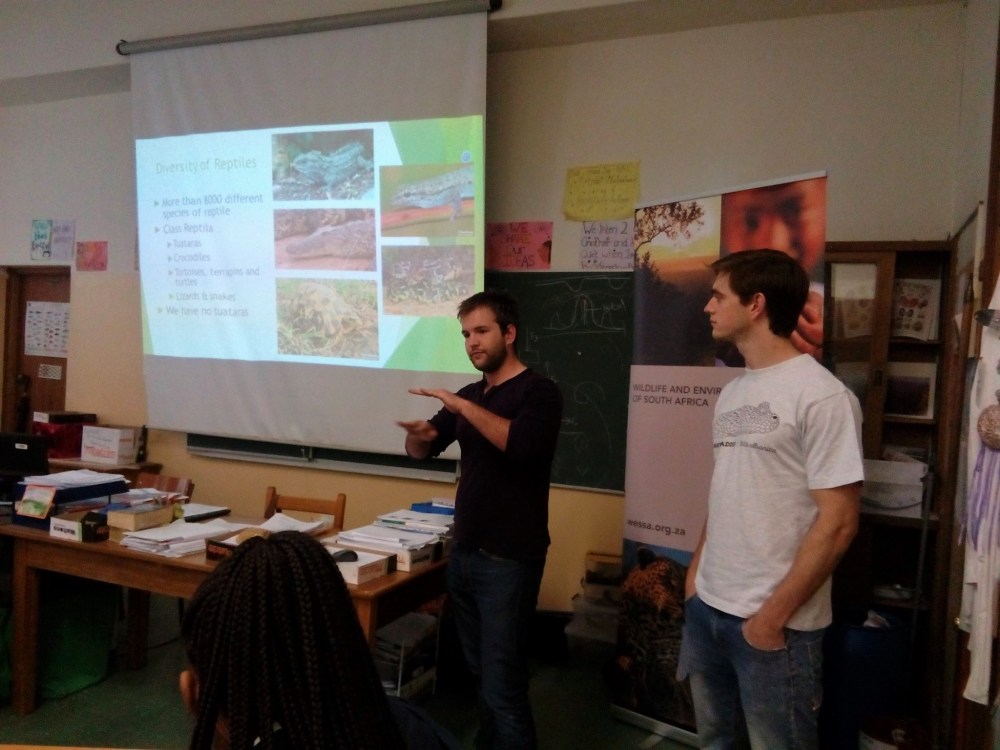
Recently myself, along with Luke Kemp, presented a reptile awareness talk at Diocesan School for girls (DSG). It was a great talk and the Grade five students that we presented too were very enthusiastic and keen to learn about, and interact with the reptiles and frogs that we brought along on the day. Photo credit Diocesan School for Girls.


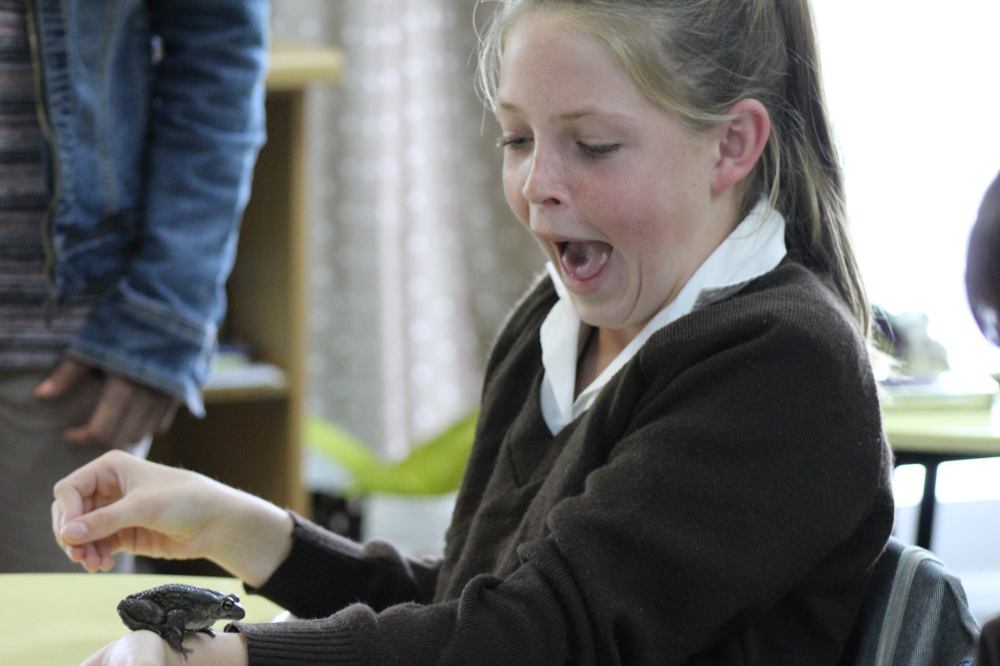





from Grahamstown, Eastern Cape, South Africa
from Grahamstown, Eastern Cape, South Africa

from Grootvadersbosch Nature Reserve, Western Cape, South Africa

from Grootvadersbosch Nature Reserve, Western Cape, South Africa
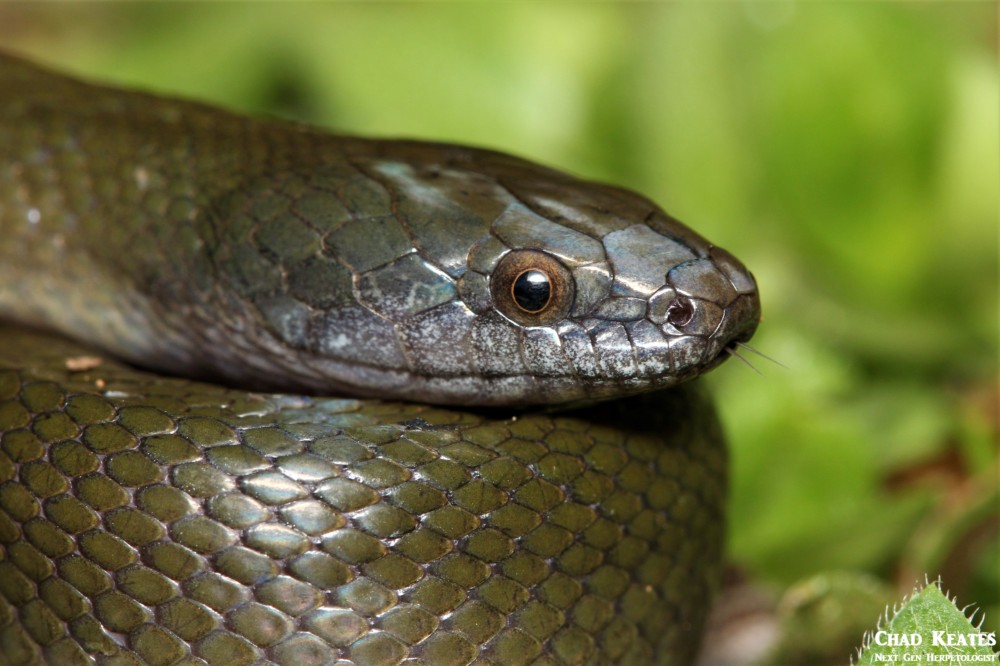
from Grahamstown, Eastern Cape, South Africa

from Grahamstown, Eastern Cape, South Africa

from Grahamstown, Eastern Cape, South Africa
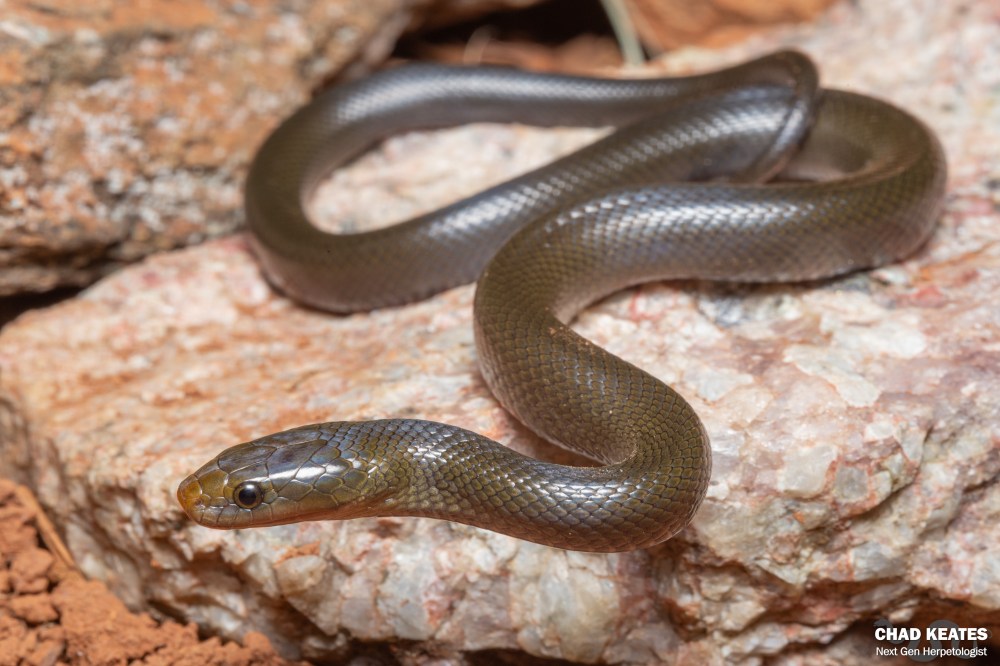
from Haenertsburg, Limpopo, South Africa

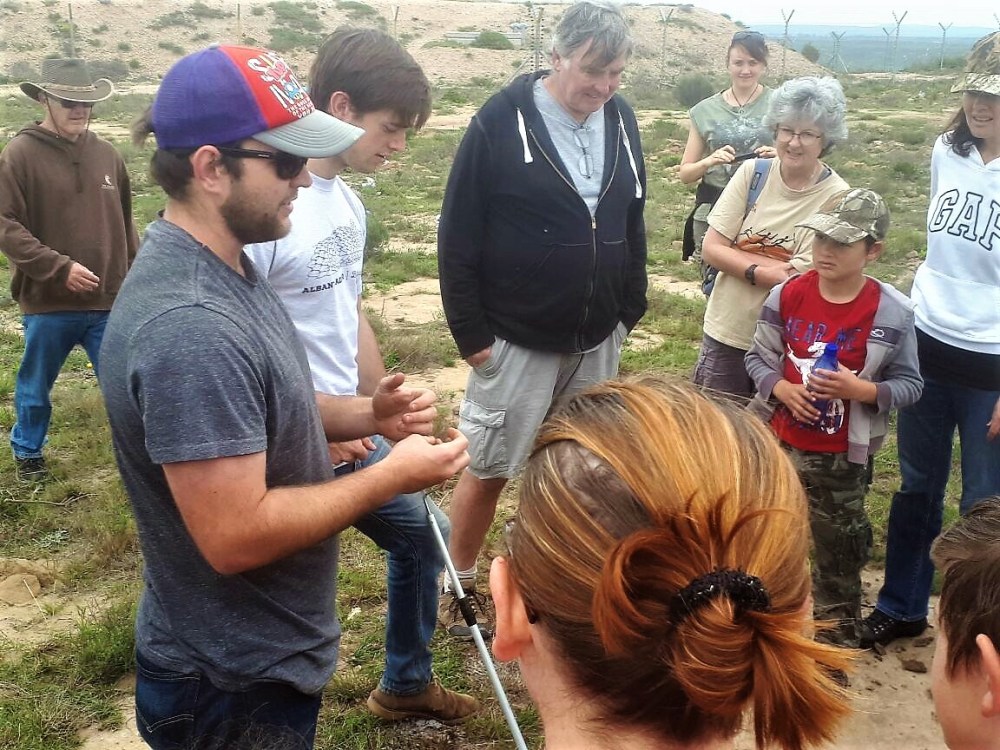
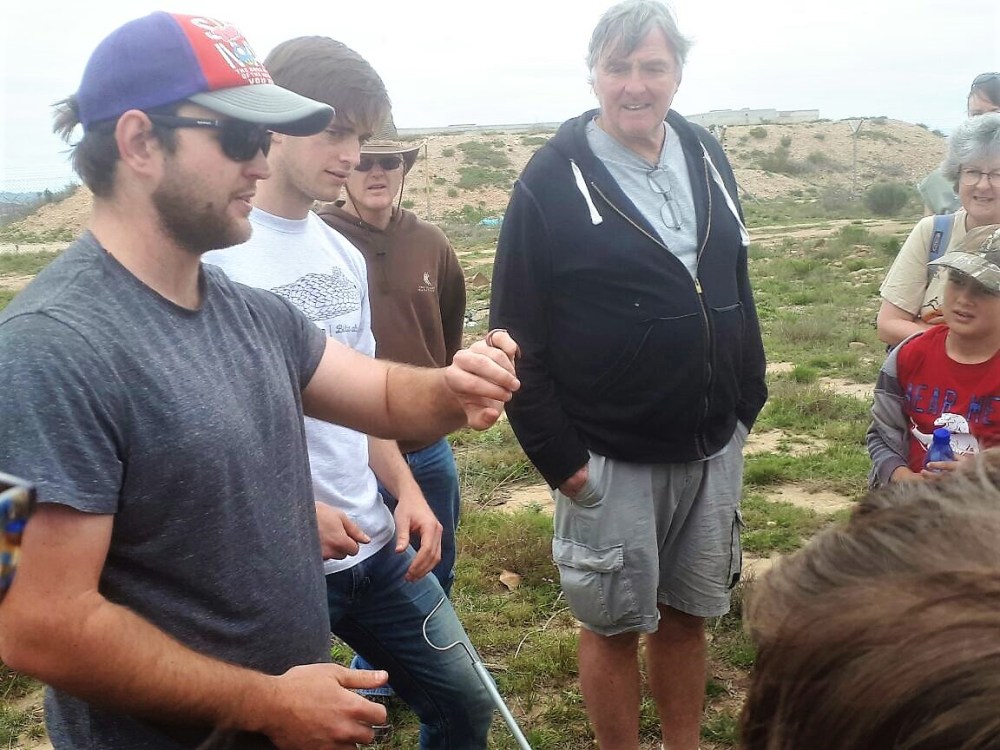
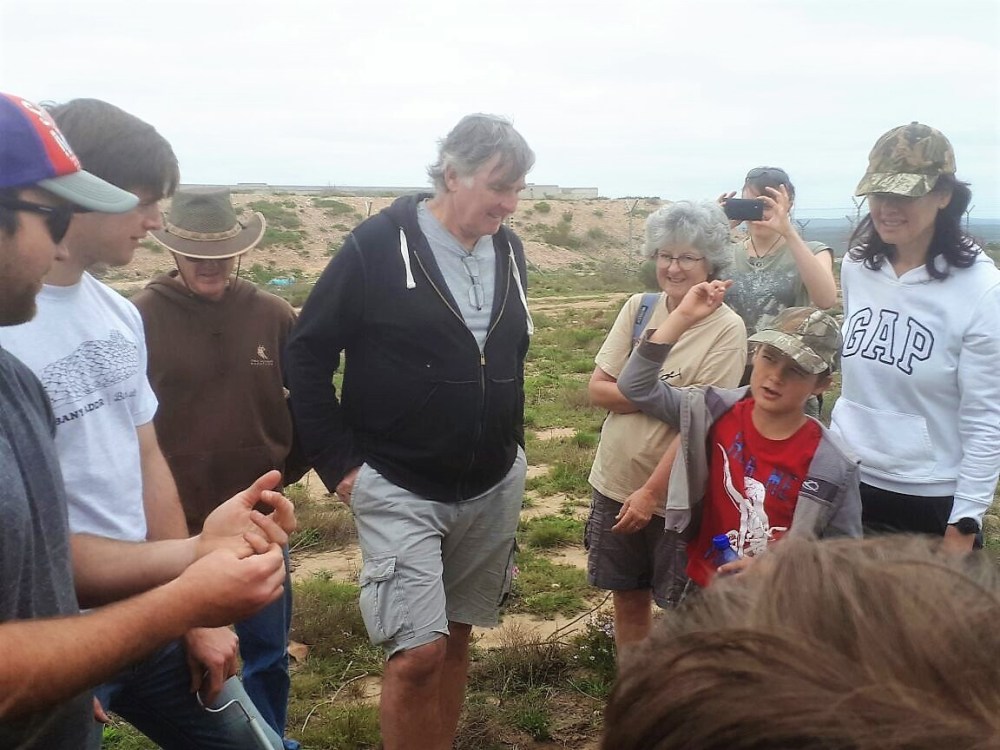
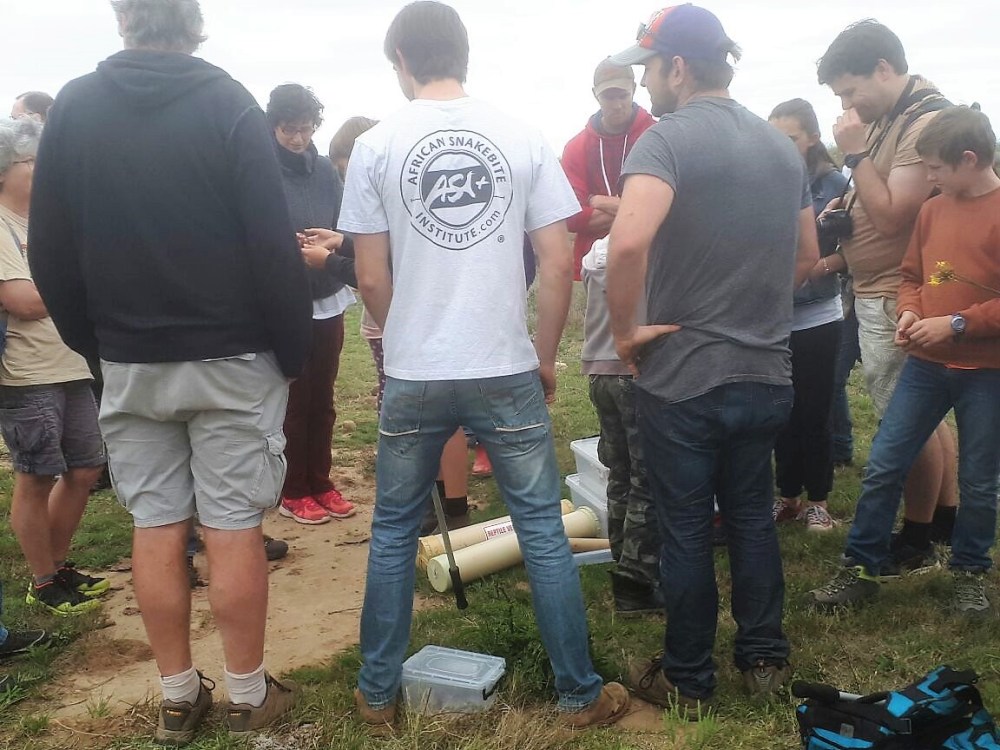
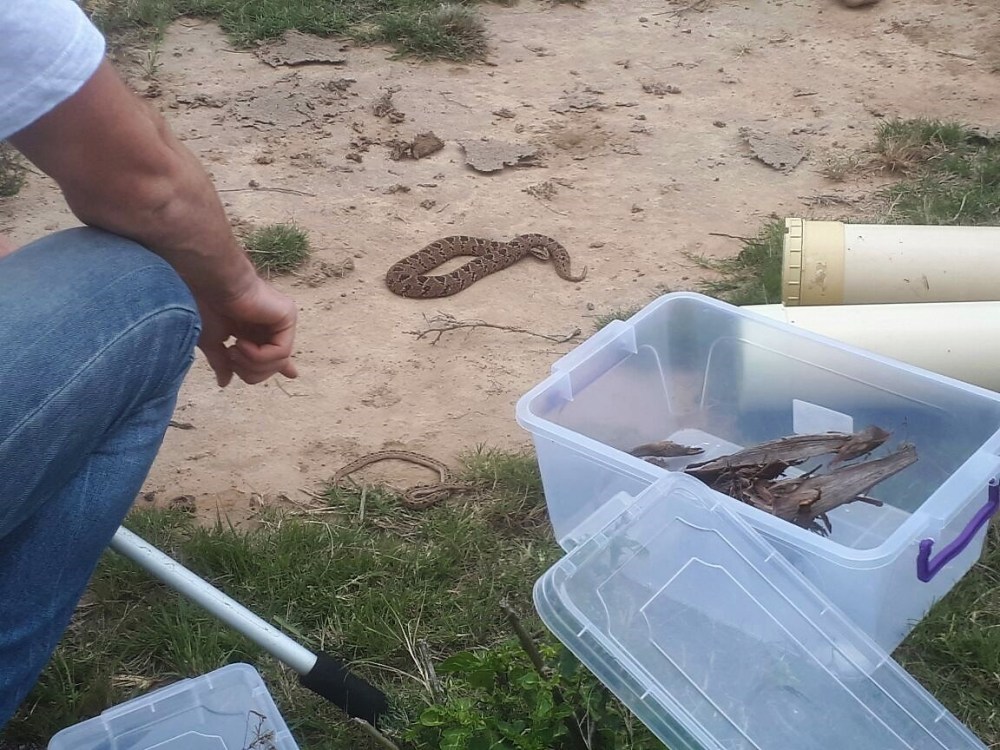
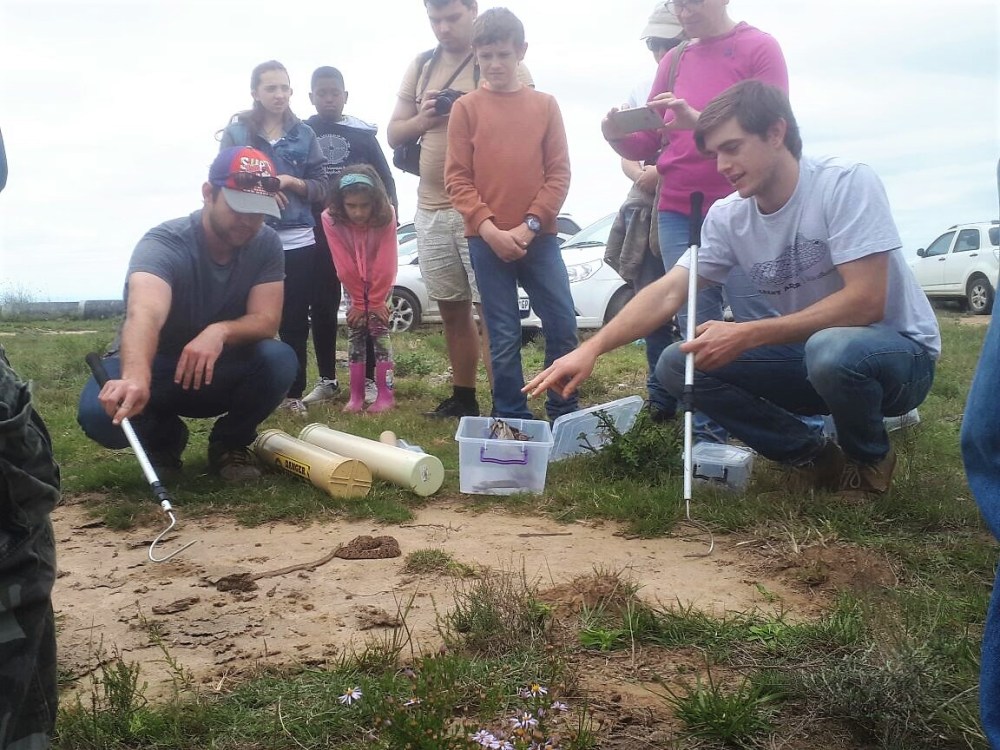
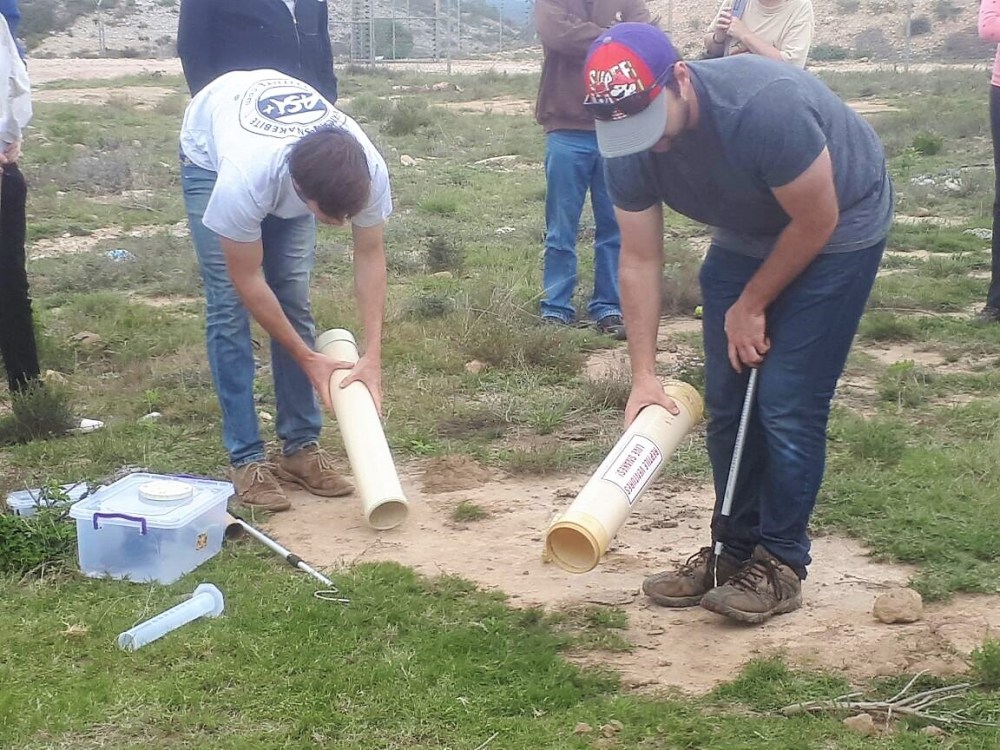
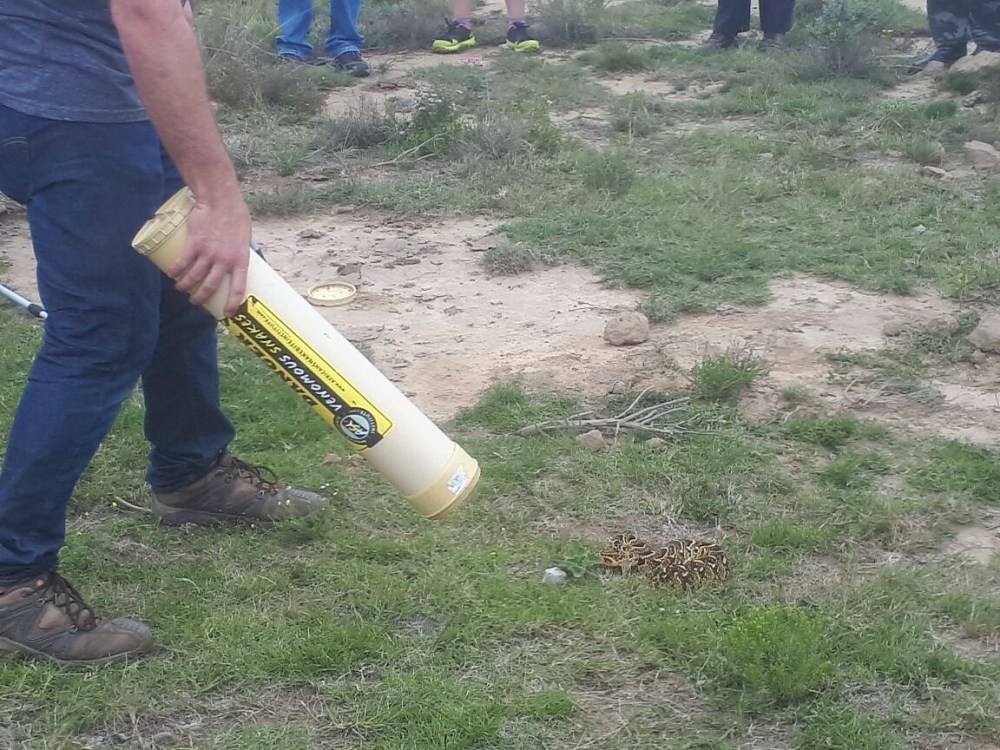
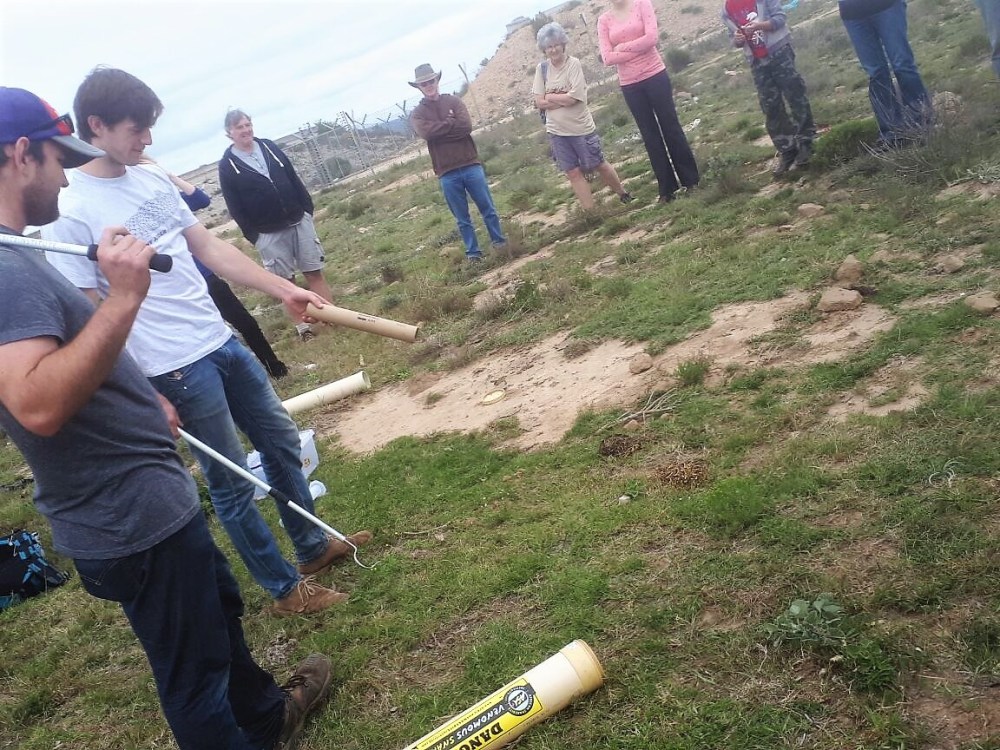
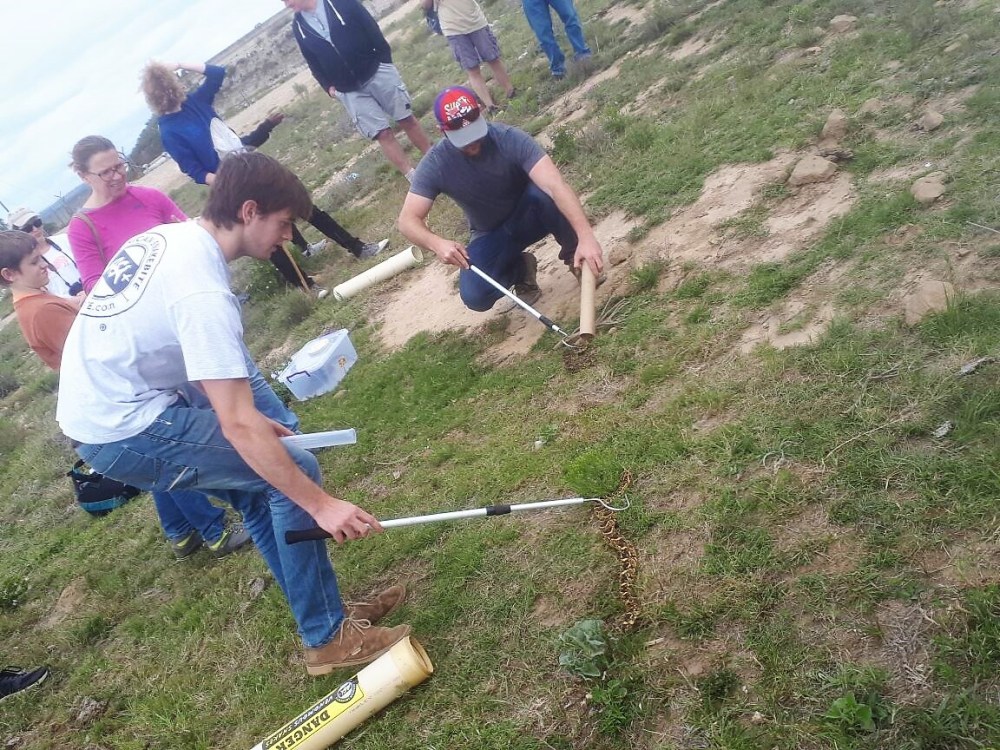
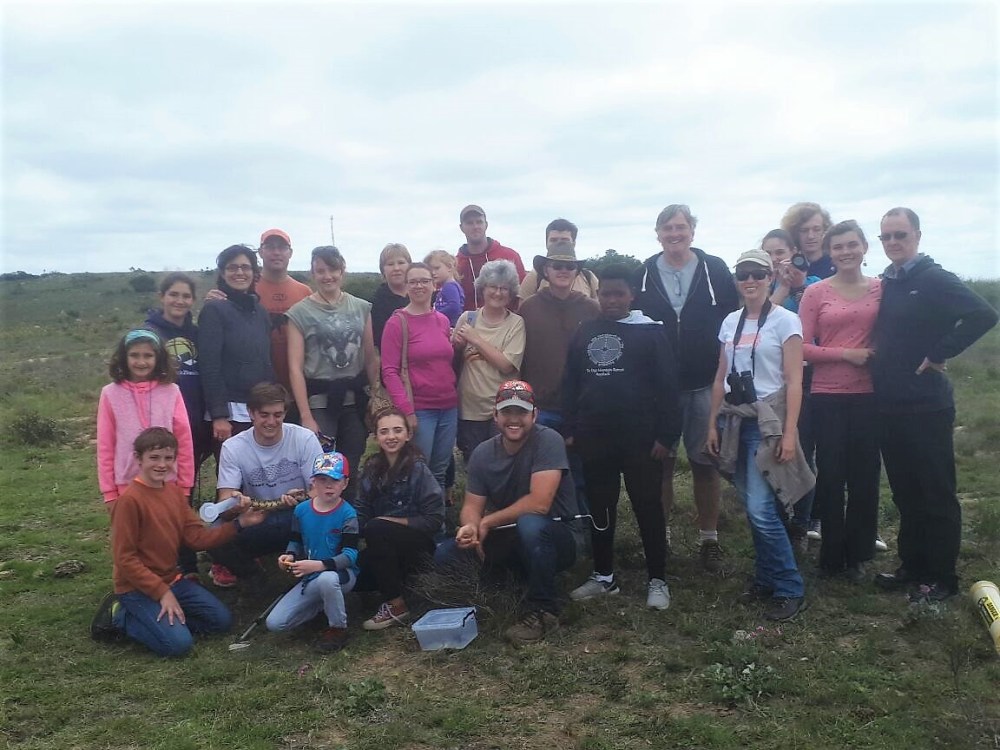
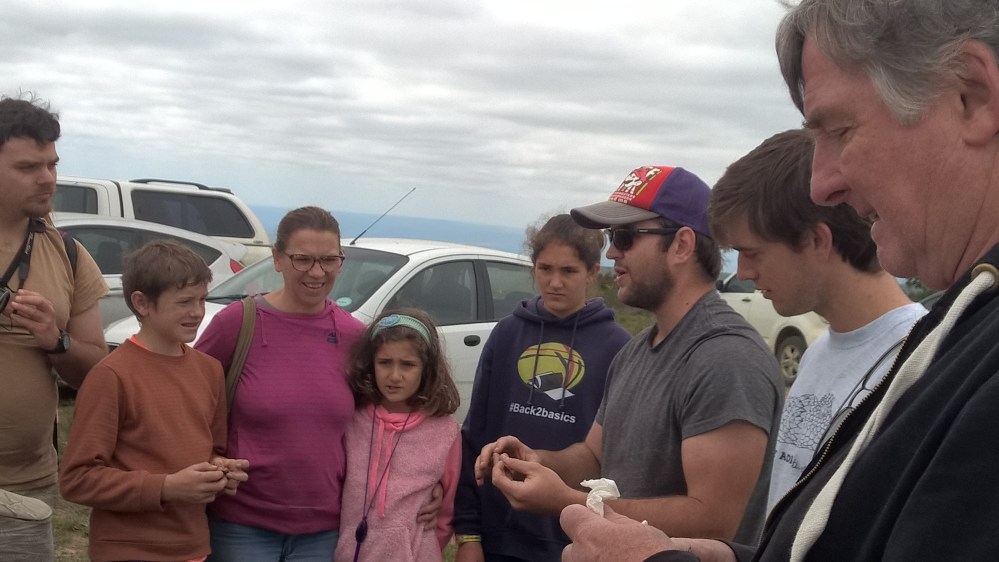
Two weeks ago, Luke Kemp and I hosted a reptile awareness ‘talk and walk’ just outside of Grahamstown and we are happy to announce that it was very well received by the larger Grahamstown community, with just over 30 people attending the event.
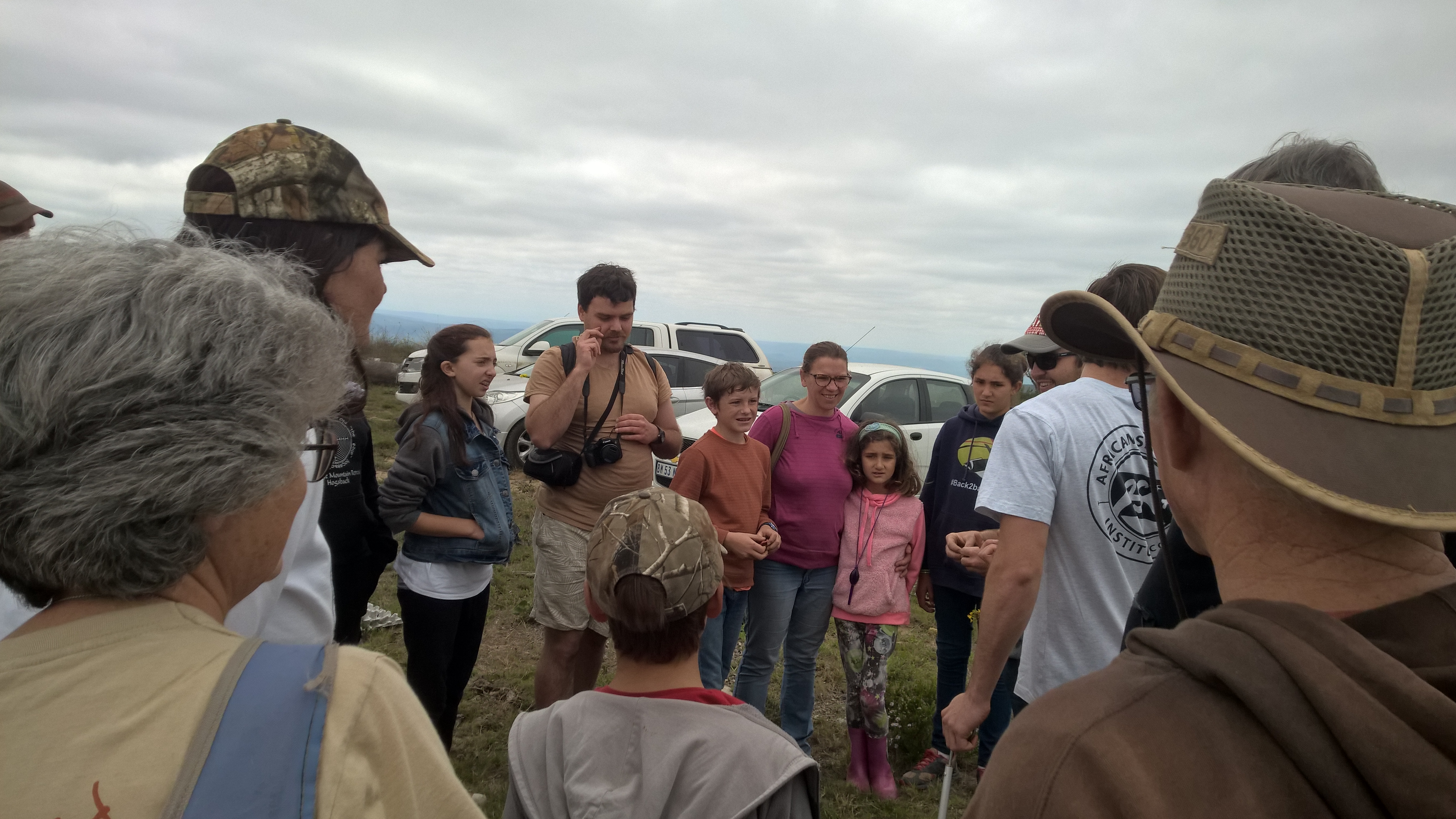 The event was hosted with the intention of exposing the residents of Grahamstown to the amazing reptile diversity that our area has to offer and while we did not find as many reptiles as we had hoped to, because of the cold weather, the group managed to find all the most common species, and one less common species, the Sundevall’s Shovel-snout.
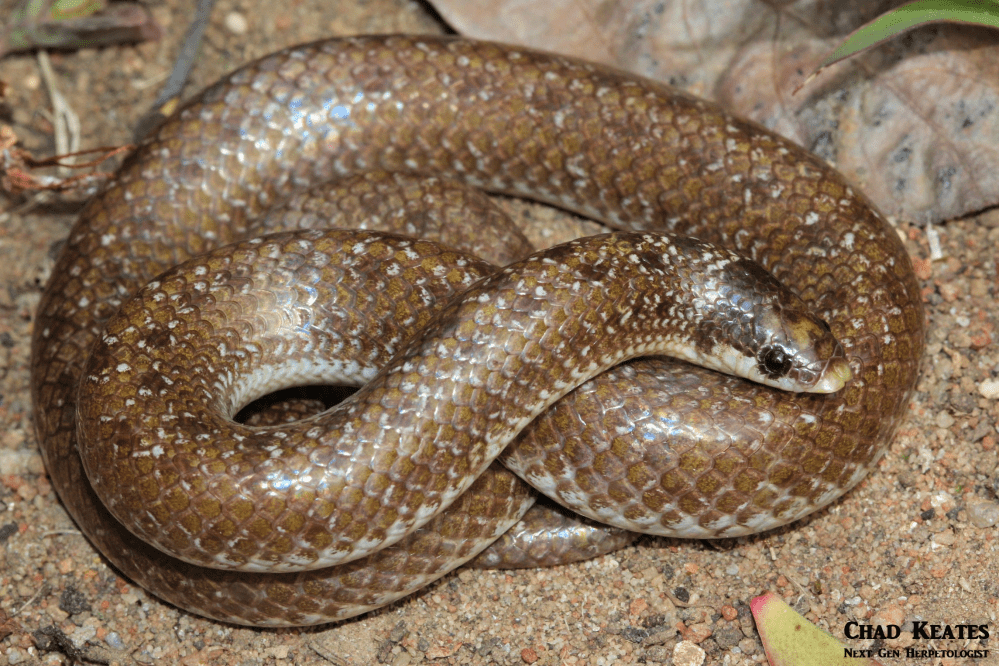
At the end of the walk we did a quick show-and-tell with snakes that we had at the time and then we promptly released them back into the wild. Overall it was an awesome day that I hope to replicate in the not too distant future.
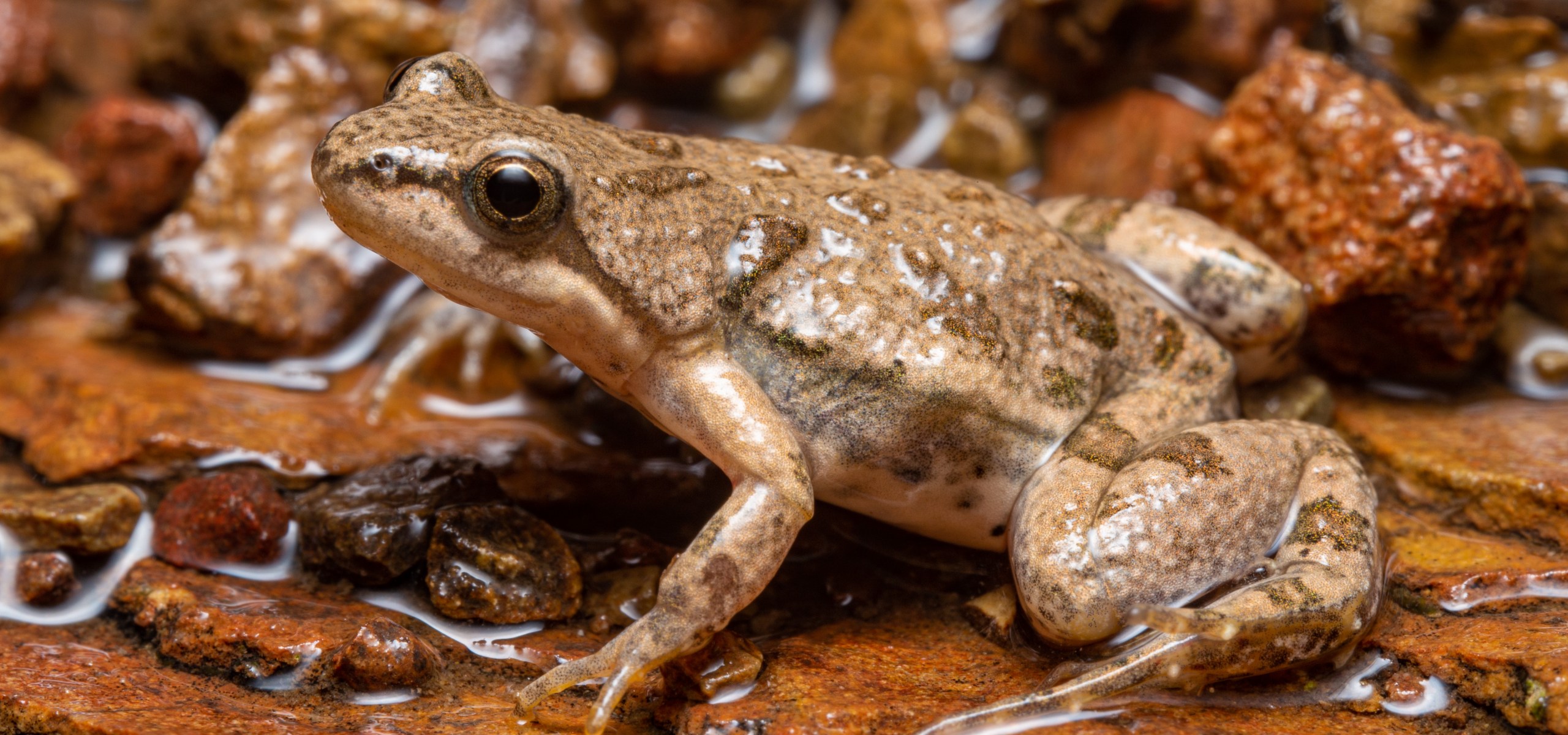

from Bedford, Eastern Cape, South Africa

from Nieu Bethesda, Eastern Cape, South Africa
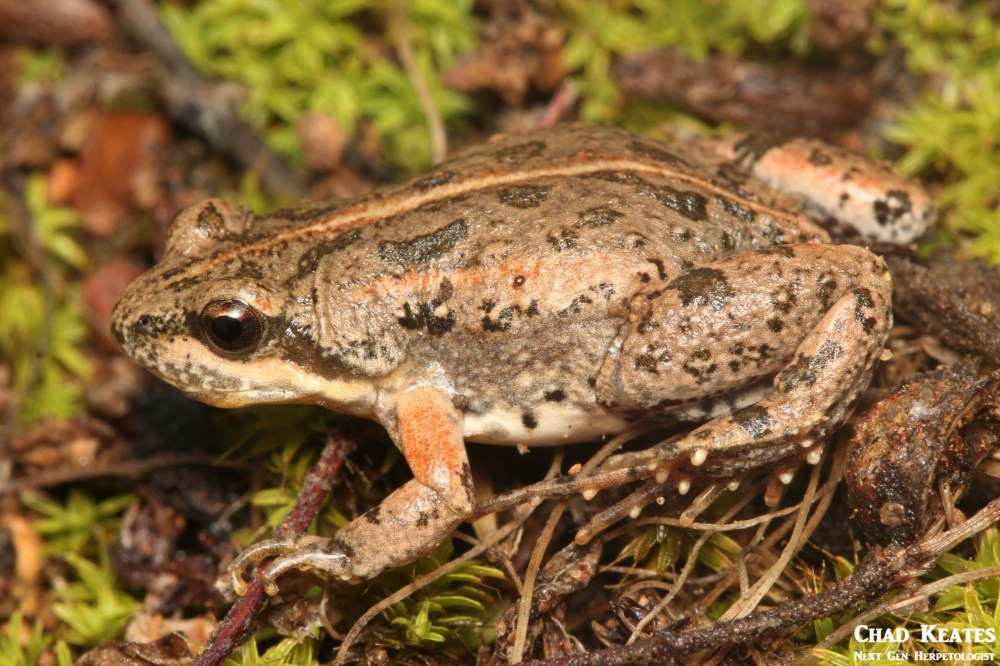
from Grahamstown, Eastern Cape, South Africa
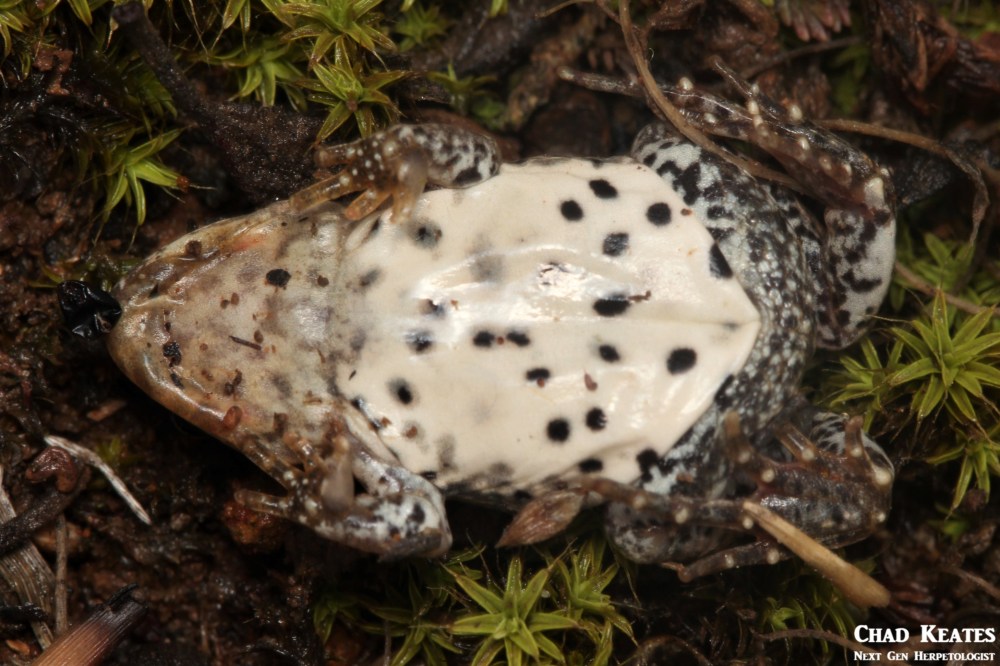
from Grahamstown, Eastern Cape, South Africa

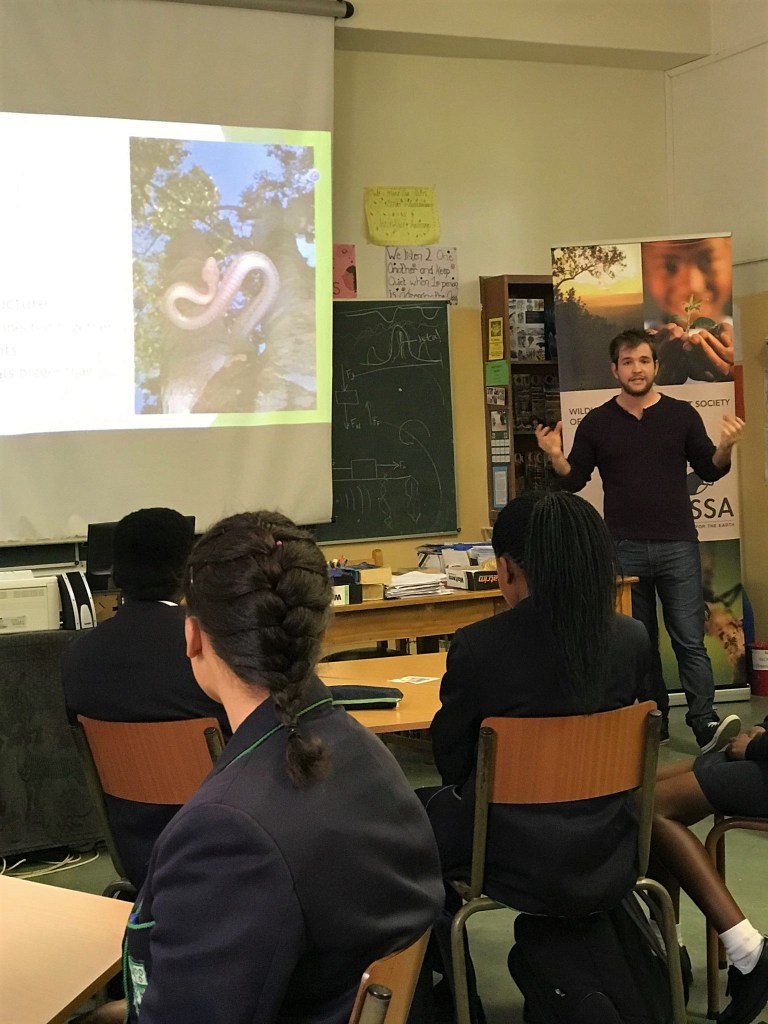
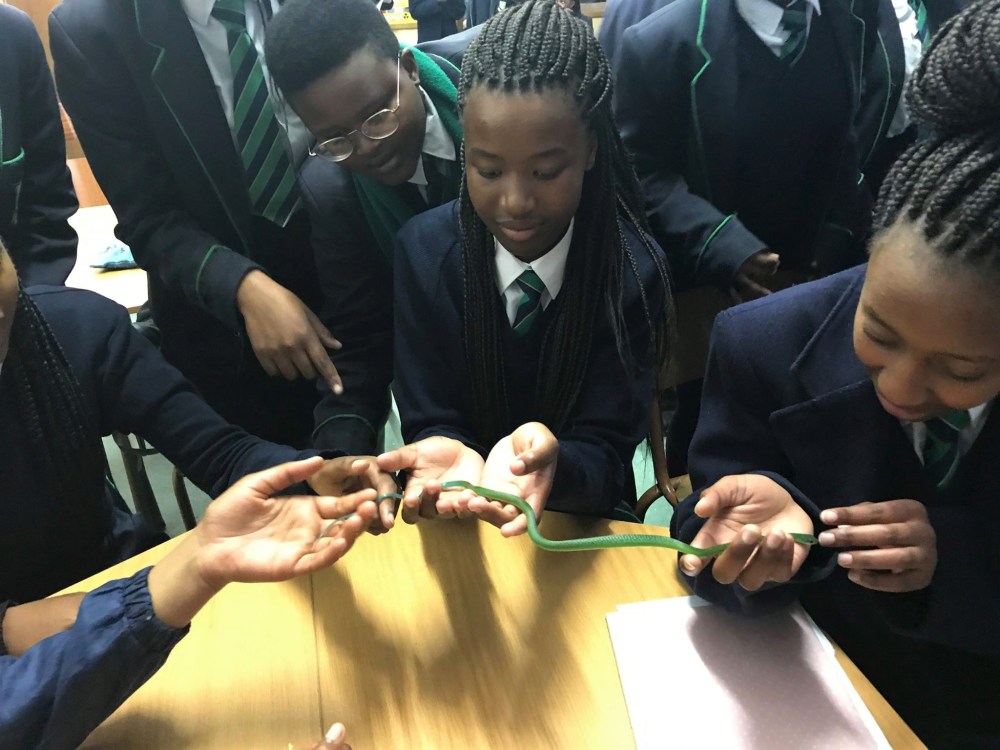
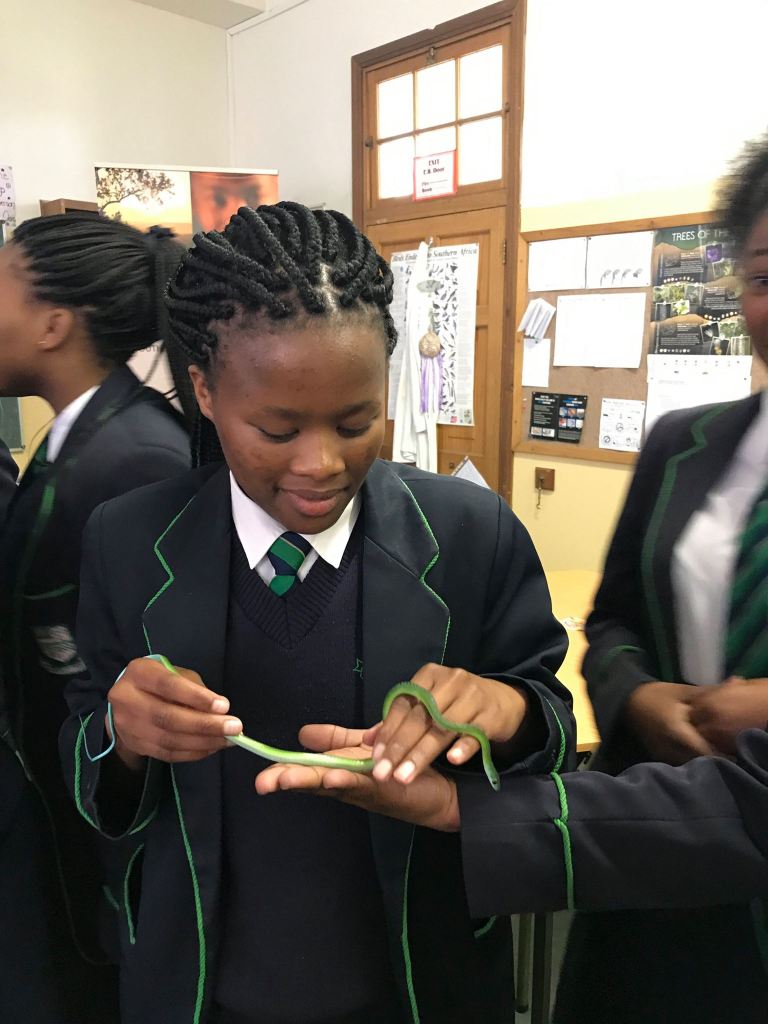
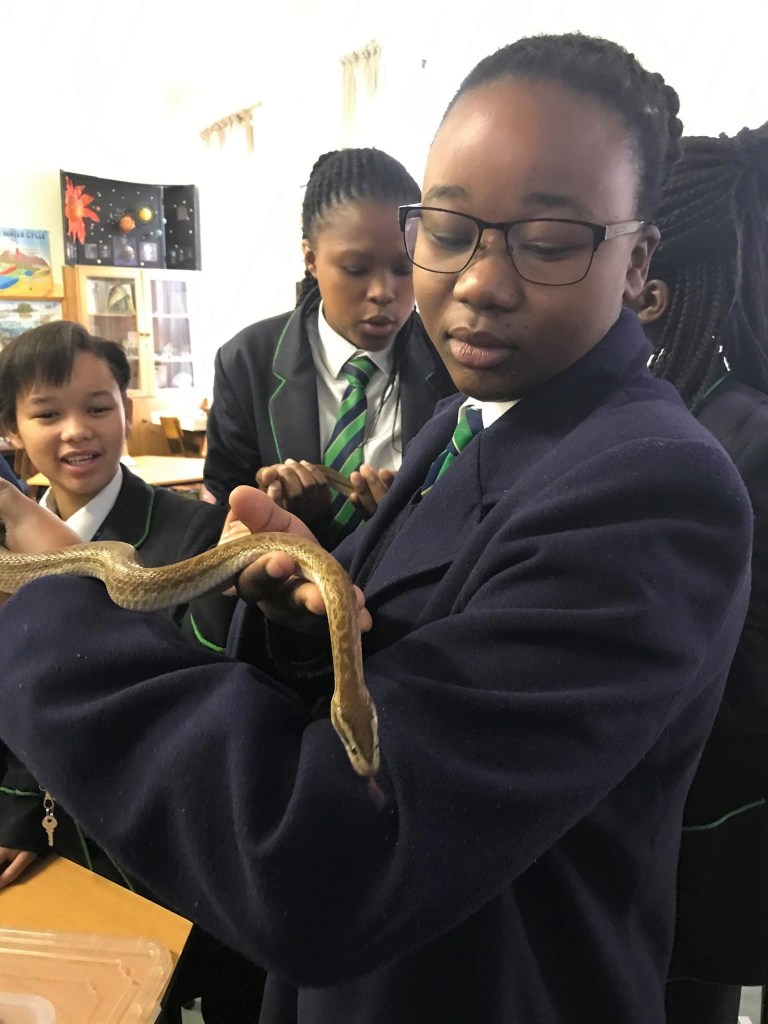
A few weeks back I performed two back-to-back snake talks at Victoria Girls High School with Luke Kemp. The aim of the talks were to expose the Grade 11 students of the all-girl high school to the wonders of the reptile world. The talk, that ran for 30 minutes, consisted of general information about Grahamstown reptile diversity, followed by information pertaining to snake biology, taxonomy and snakebite awareness. The presentation was capped-off with an overview of the most common snakes in Grahamstown. The talk was followed by a 15 minute show-and-tell session, that saw Luke and I showcasing some live specimens to the class.
Overall, it was a great experience that tested my public speaking skills as much as my general knowledge of the animals that I have grown to love. Special thanks goes to Eileen Shepherd (WESSA) for organising it, Dr Sarah Hanton for opening up her Life Science class for the presentation and Victoria Girls’ High School for hosting myself and Luke for such a fun and enjoyable day.

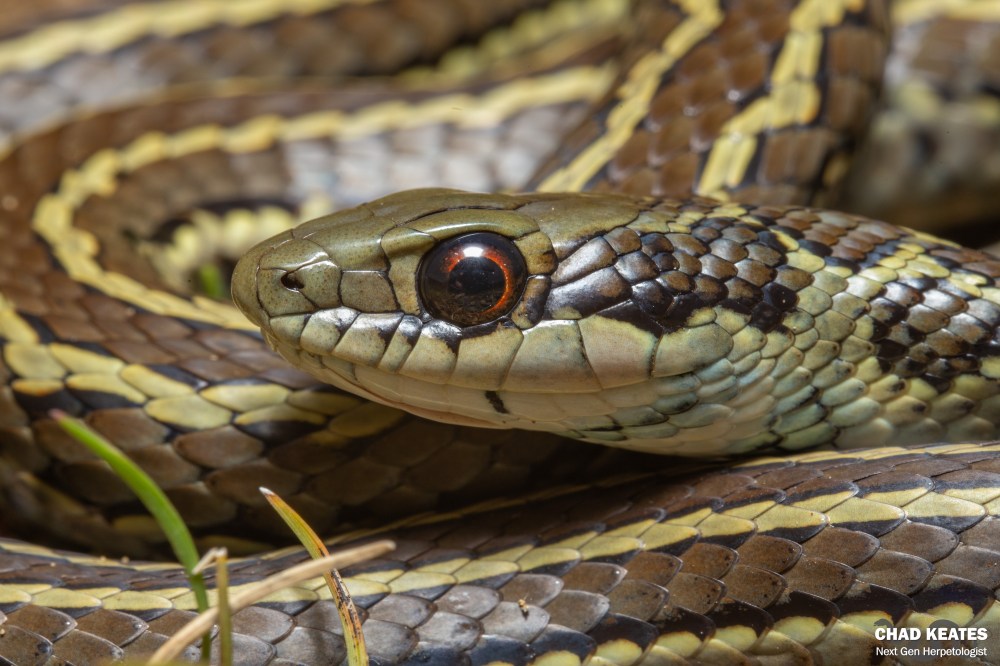
from Midlands, KwaZulu Natal, South Africa

from Midlands, KwaZulu Natal, South Africa
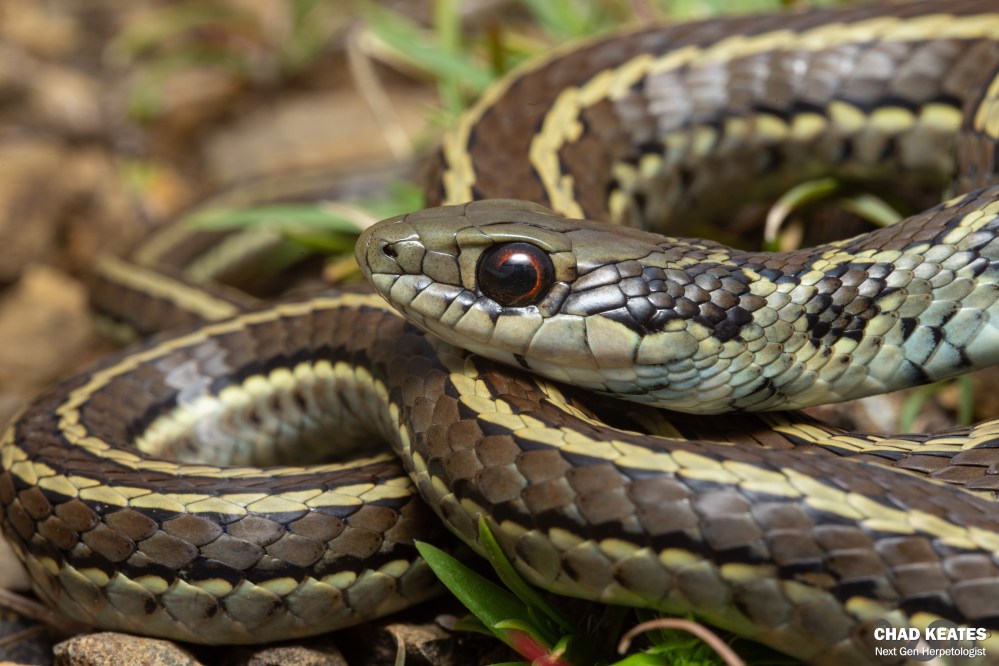
from Midlands, KwaZulu Natal, South Africa
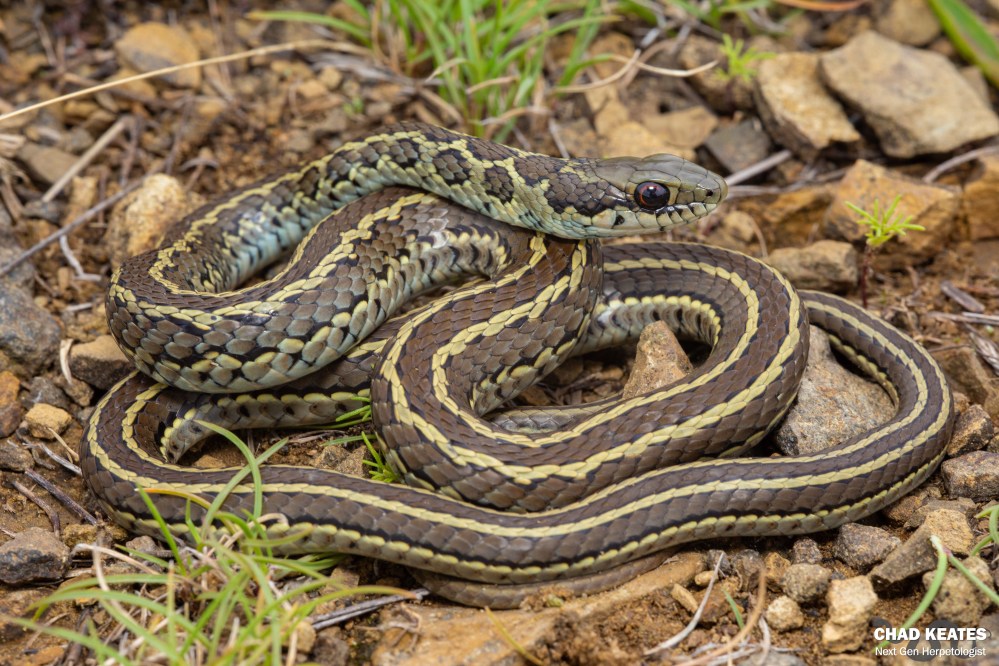
from Midlands, KwaZulu Natal, South Africa
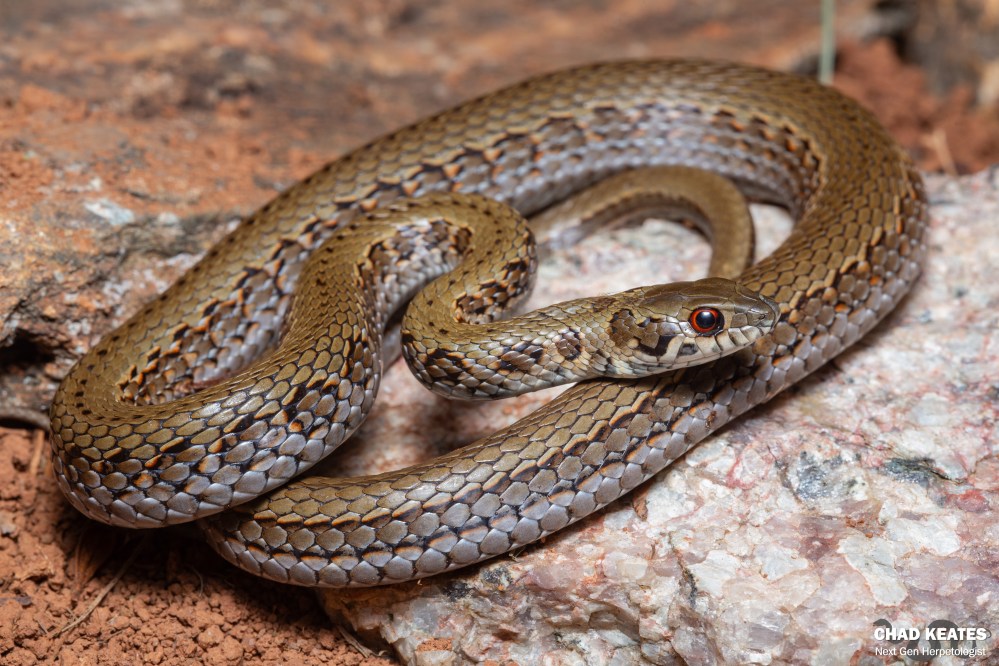
from Haenertsberg, Limpopo, South Africa

from Lamberts Bay, Western Cape, South Africa

from Lamberts Bay, Western Cape, South Africa

from Franklin, KwaZulu Natal, South Africa
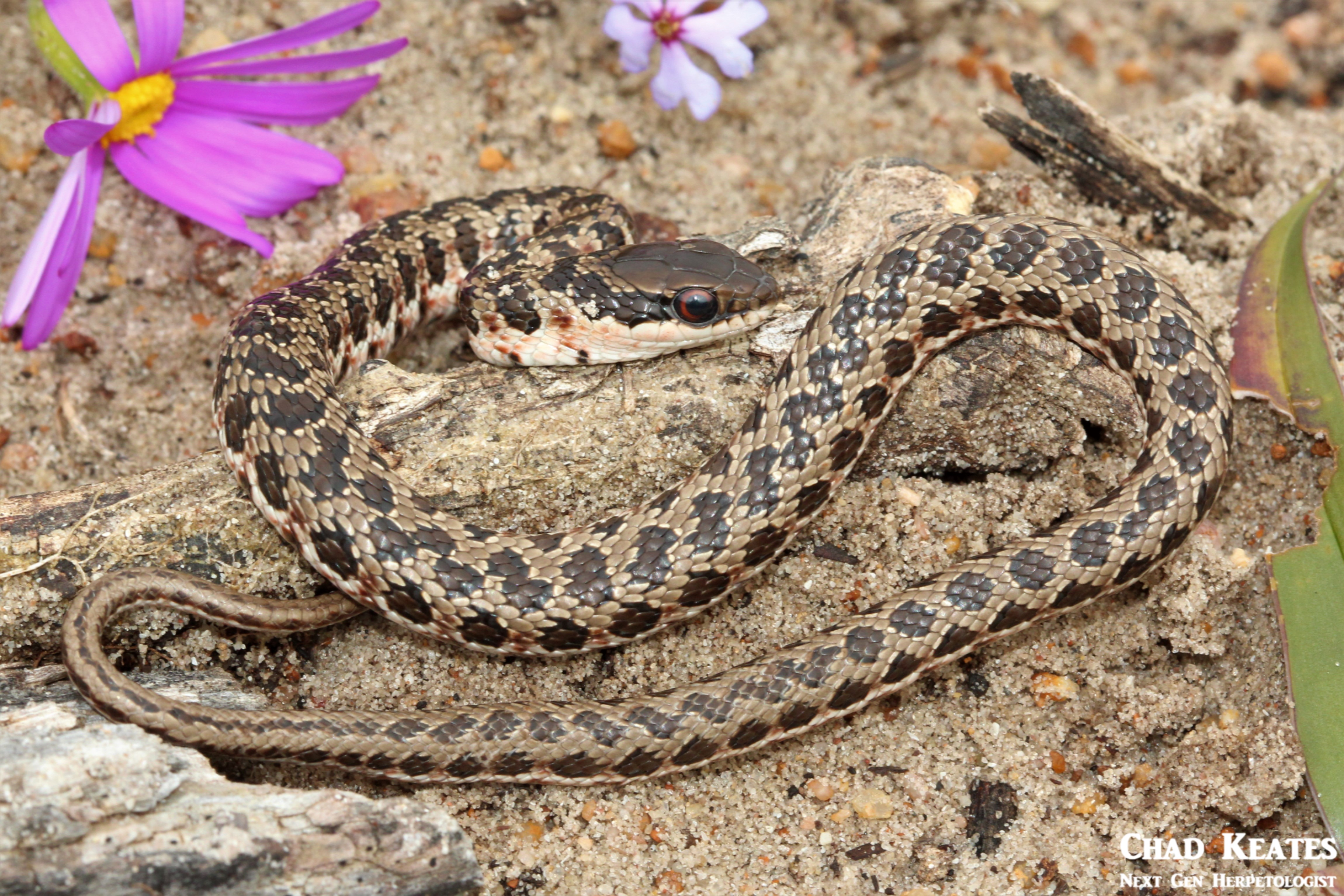
from Koega, Western Cape, South Africa
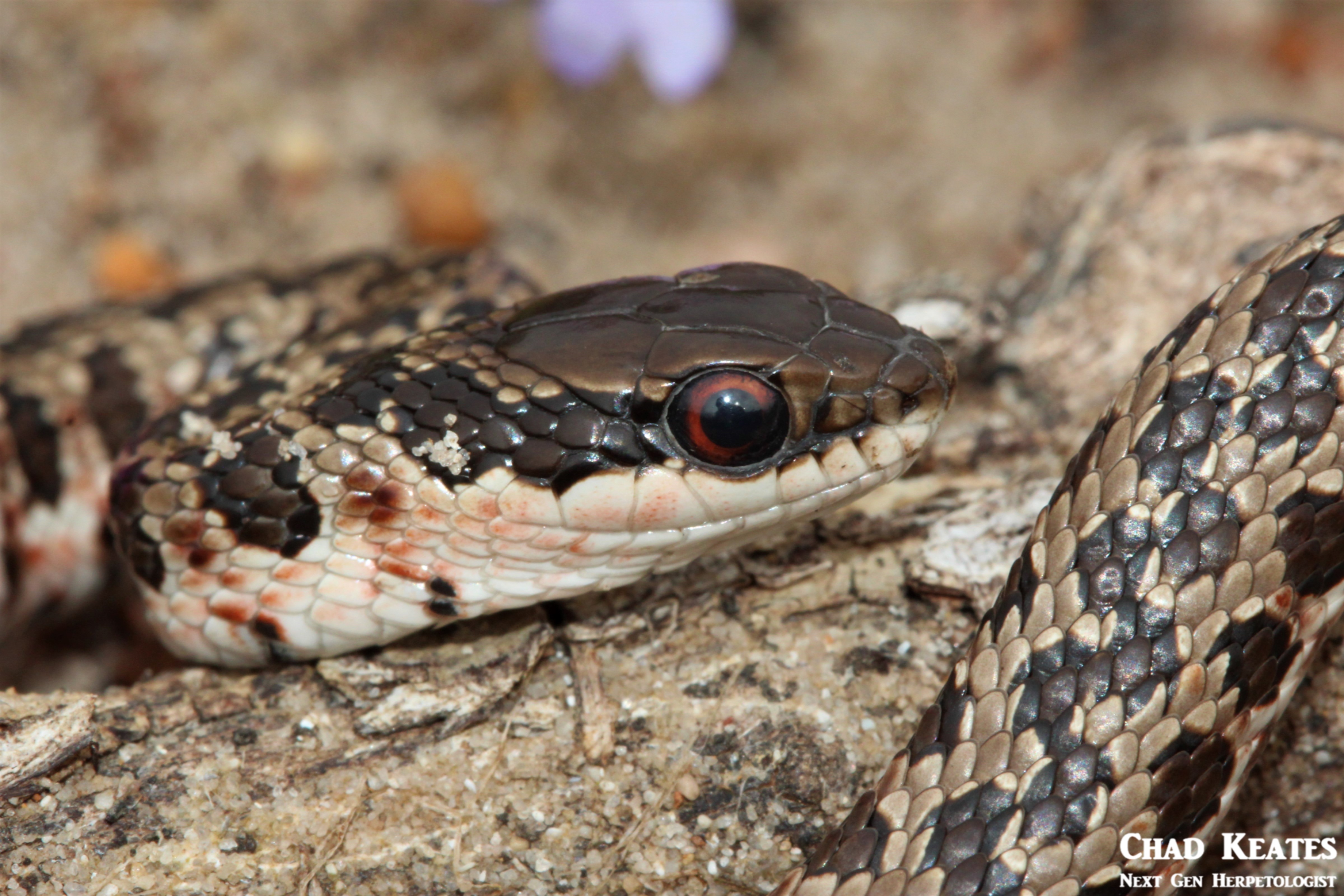
from Koega, Western Cape, South Africa

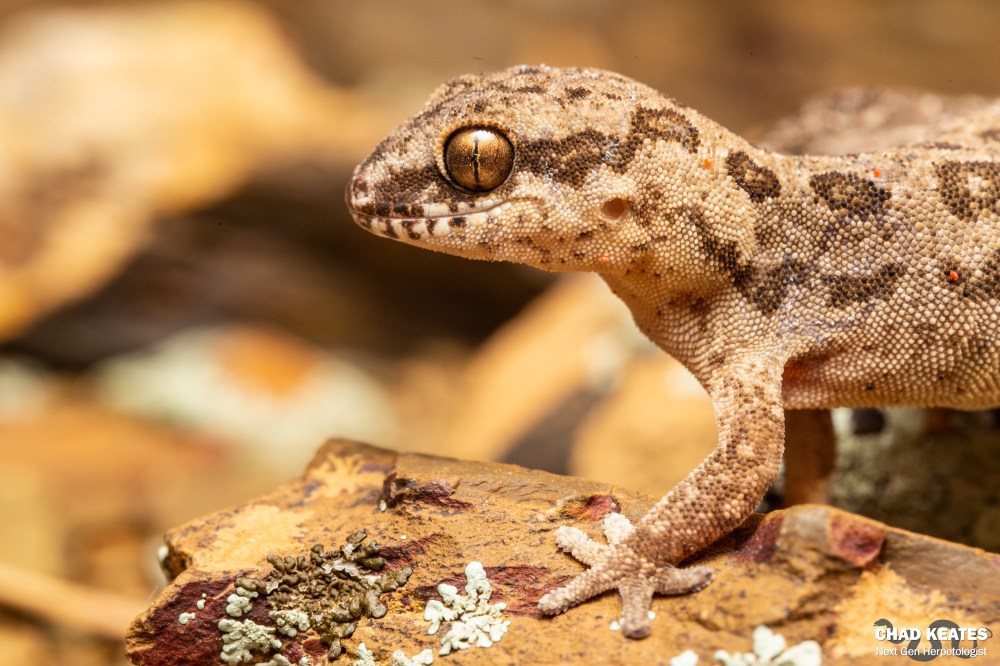
from Grahamstown, Eastern Cape, South Africa

from Grahamstown, Eastern Cape, South Africa
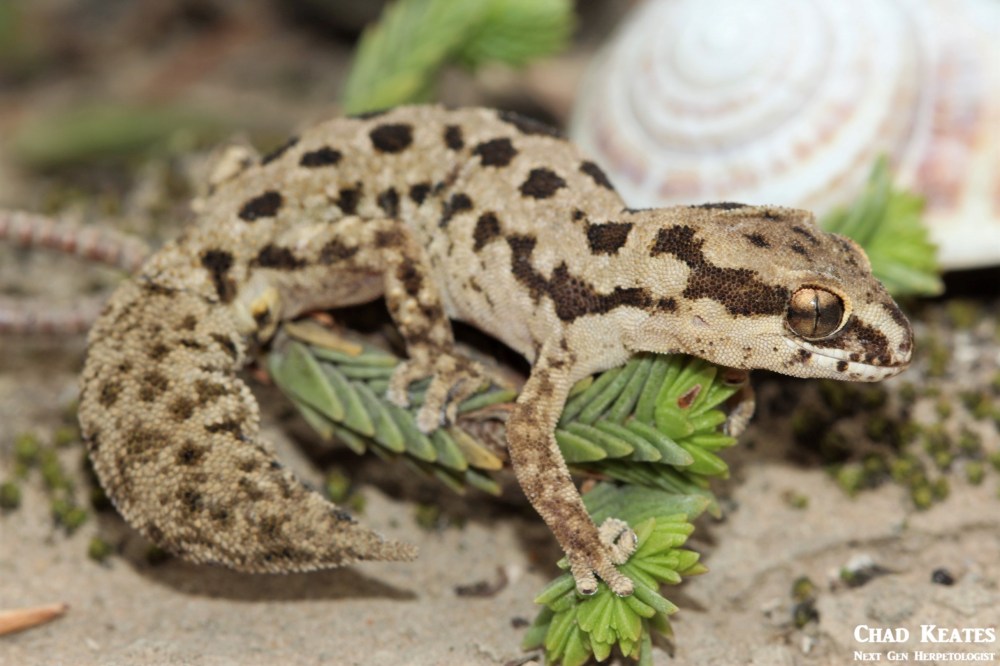
from Grahamstown, Eastern Cape, South Africa

from Grahamstown, Eastern Cape, South Africa

from Grahamstown, Eastern Cape, South Africa

from Grahamstown, Eastern Cape, South Africa

from Bedford, Eastern Cape, South Africa

from Port Alfred, Eastern Cape, South Africa






Last week as you may have read, I published my comprehensive list of the reptiles and amphibians of the Eagle Canyon Gold Estate. After contacting the estate, to make them aware of my article, they decided to share it, and in addition, add it to the Estate’s newsletter, which comes out on a regular basis.

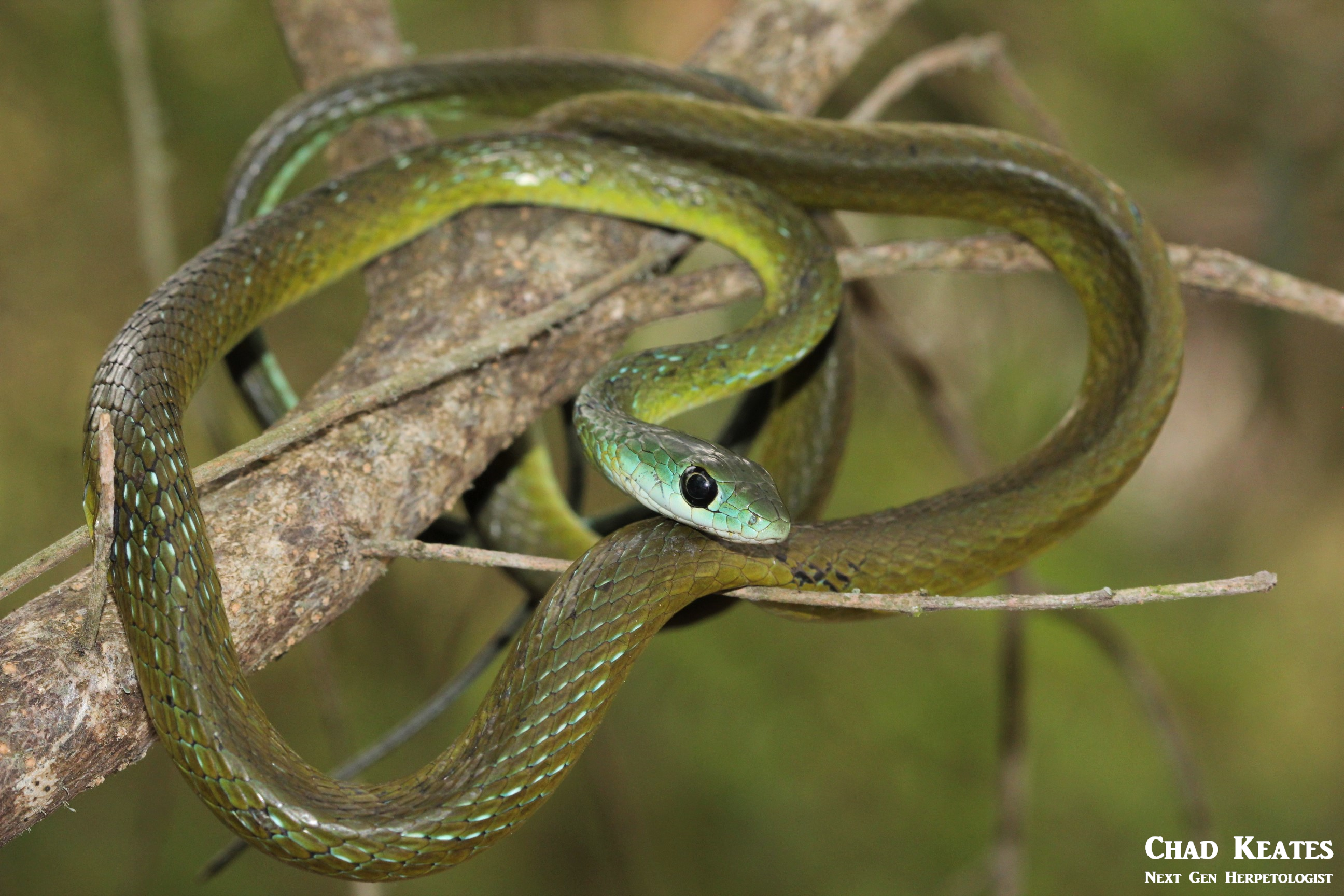
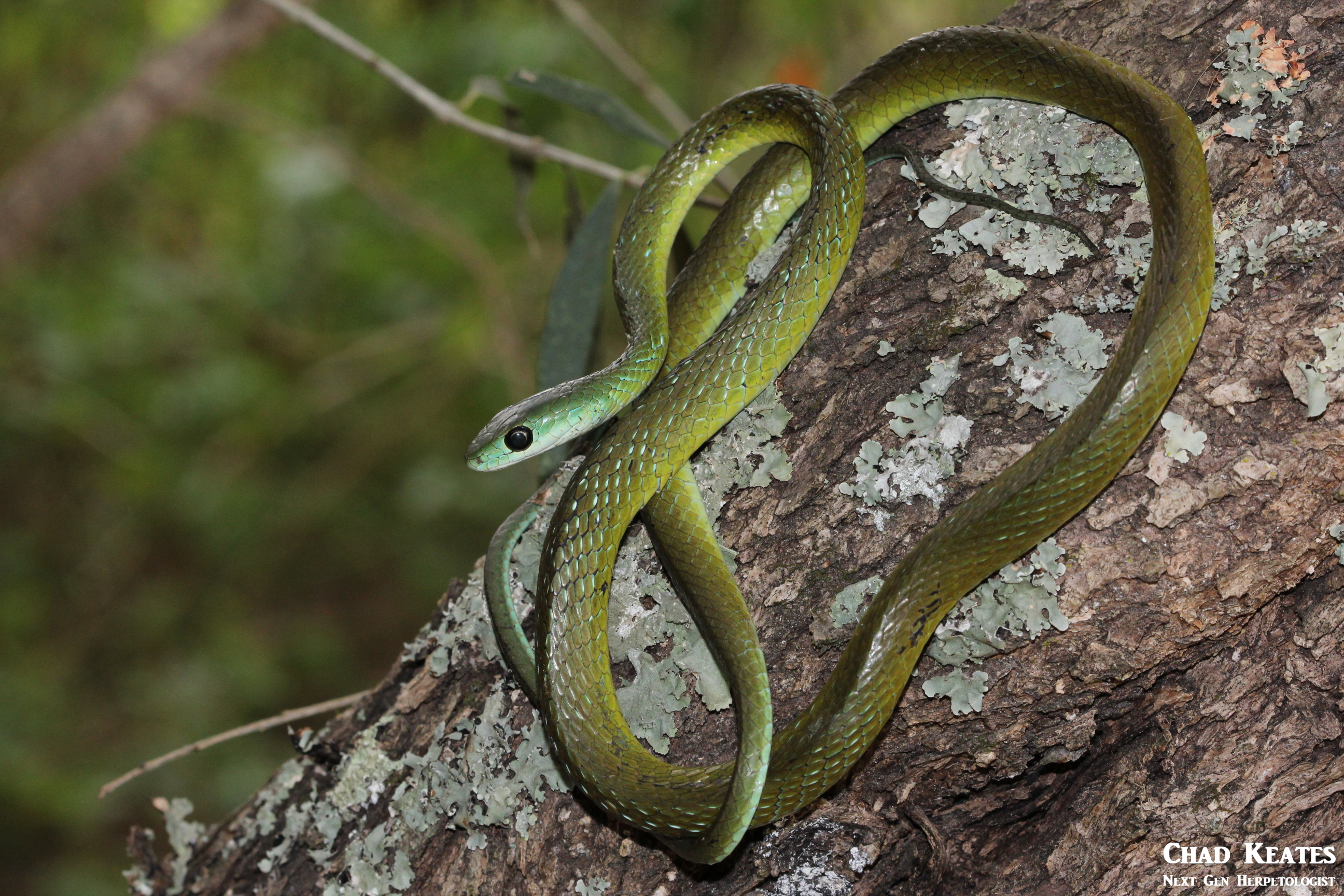
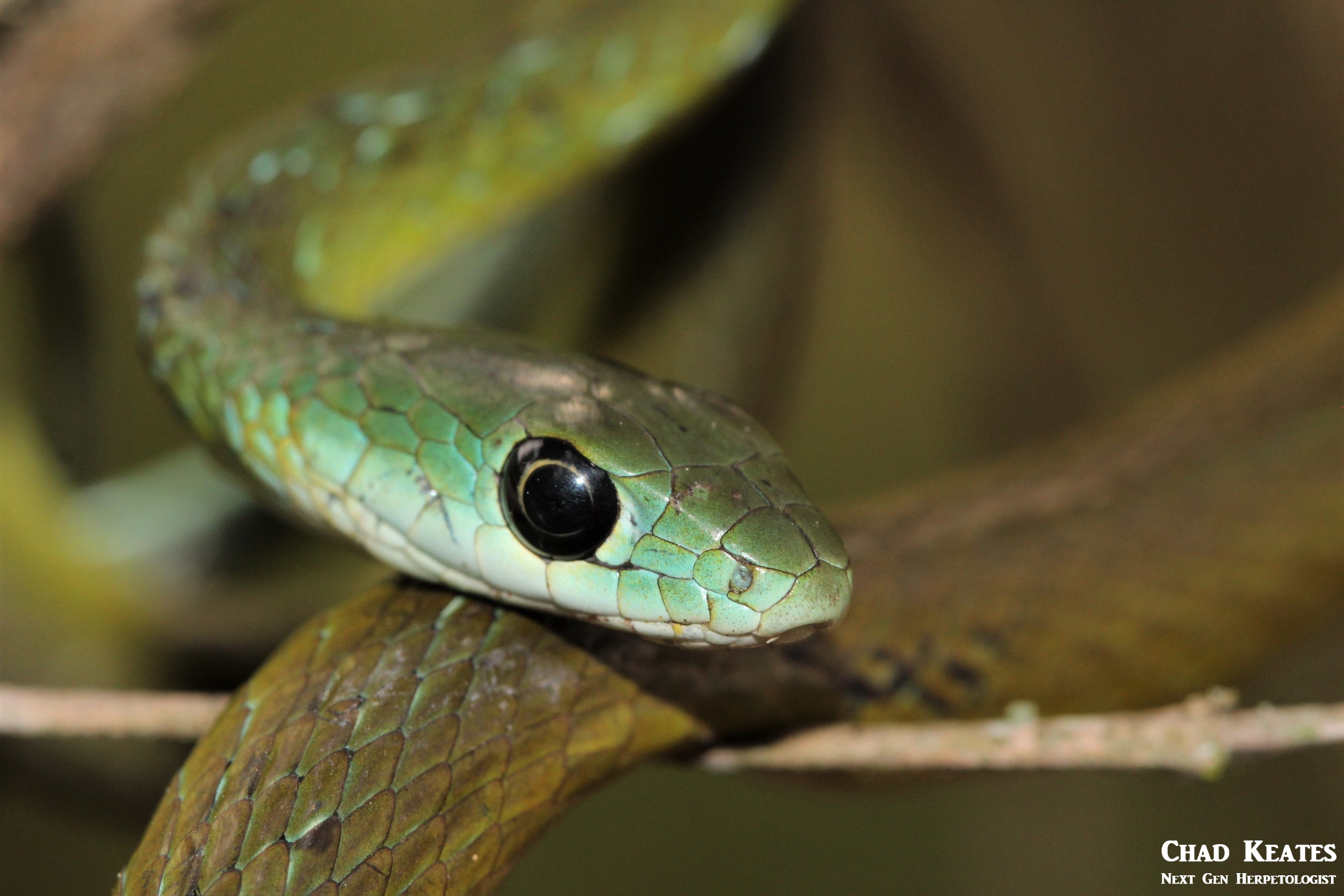
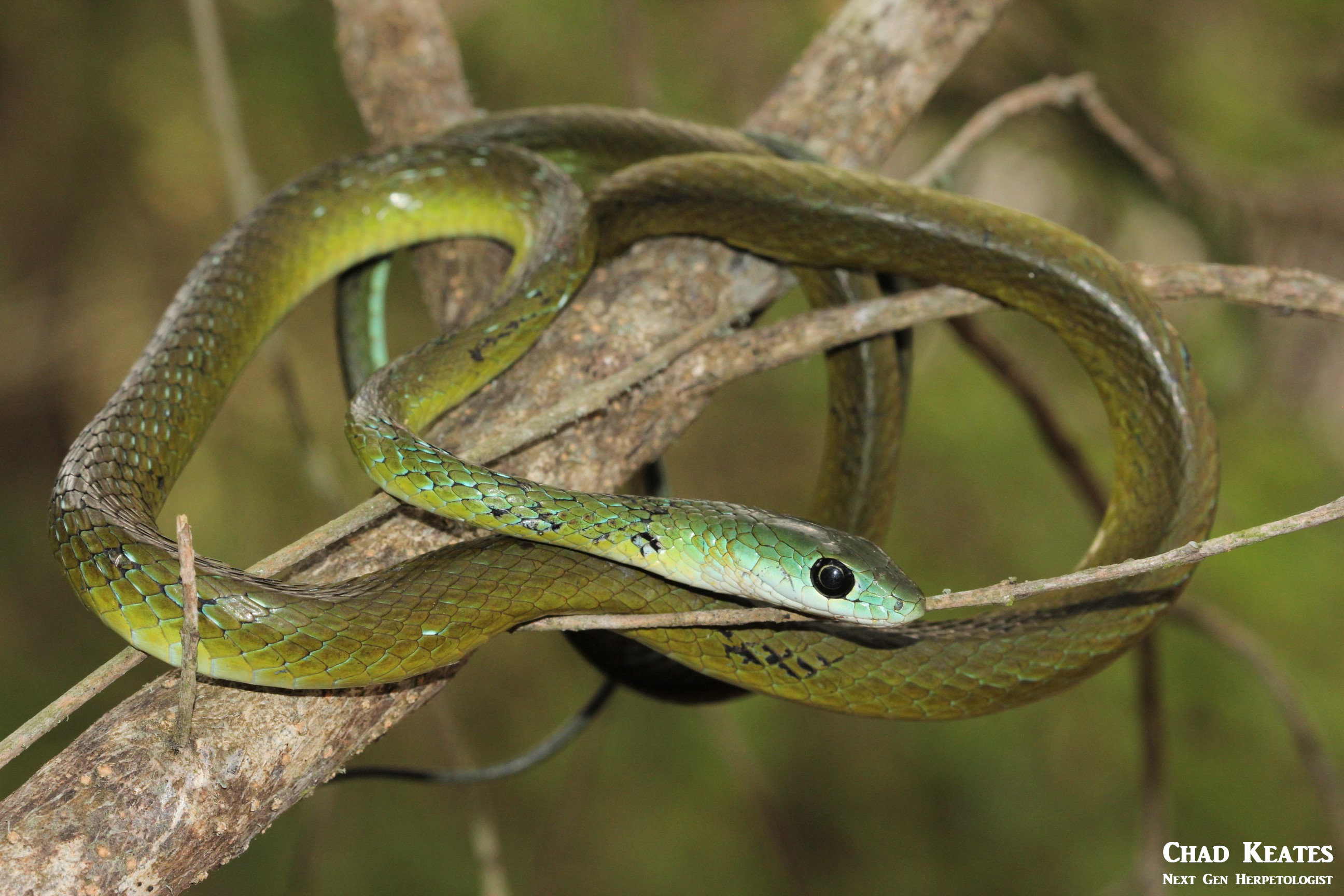
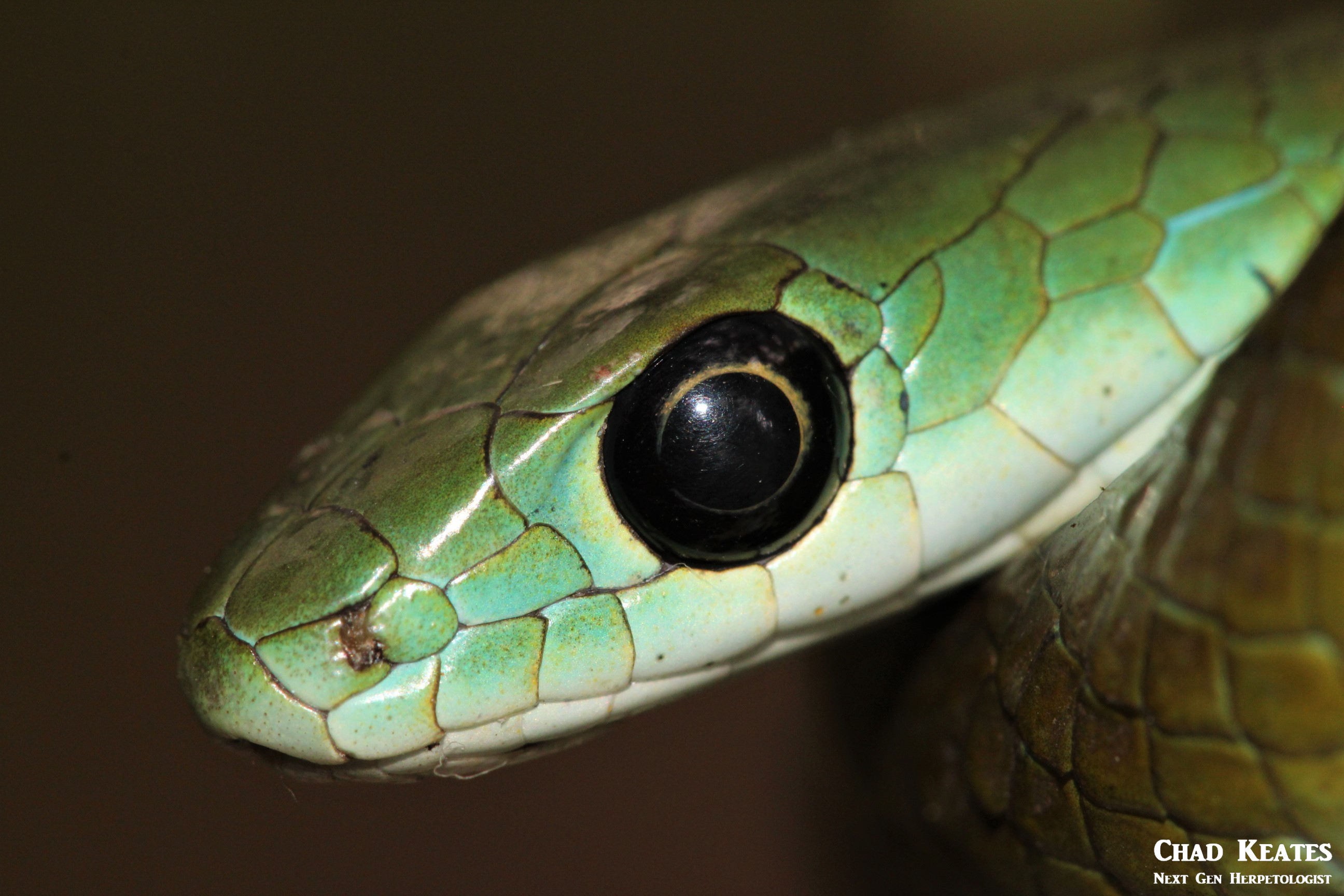
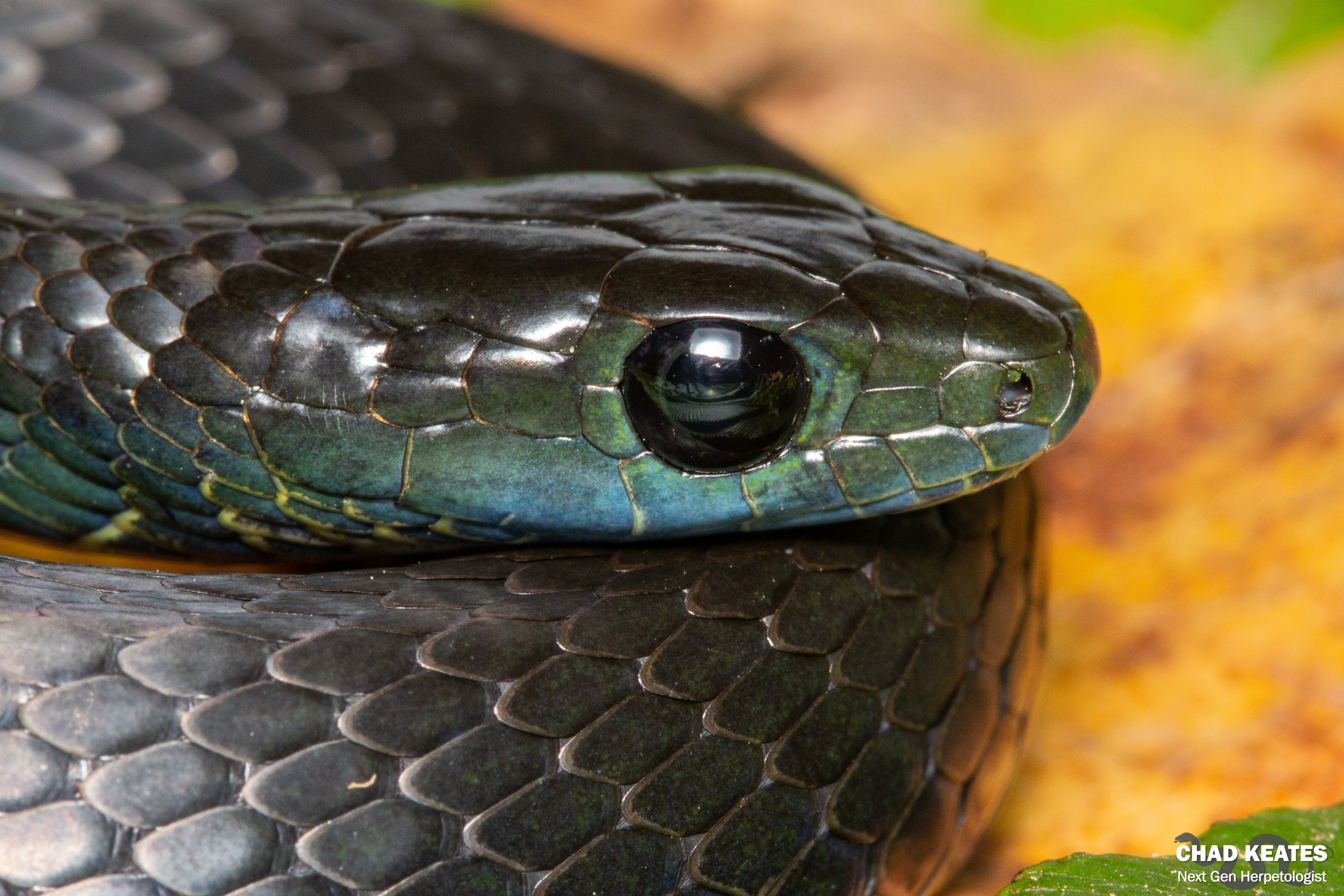
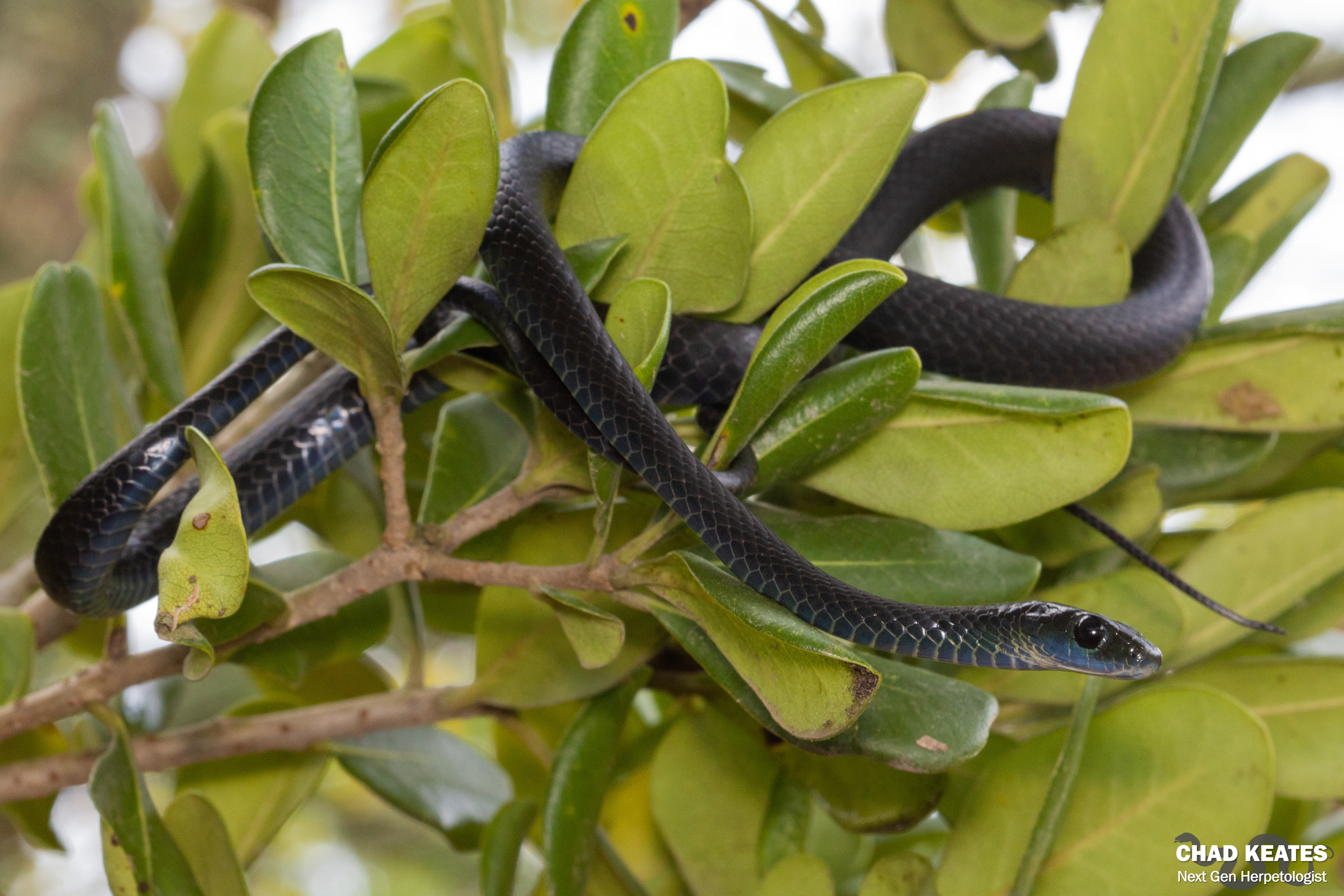
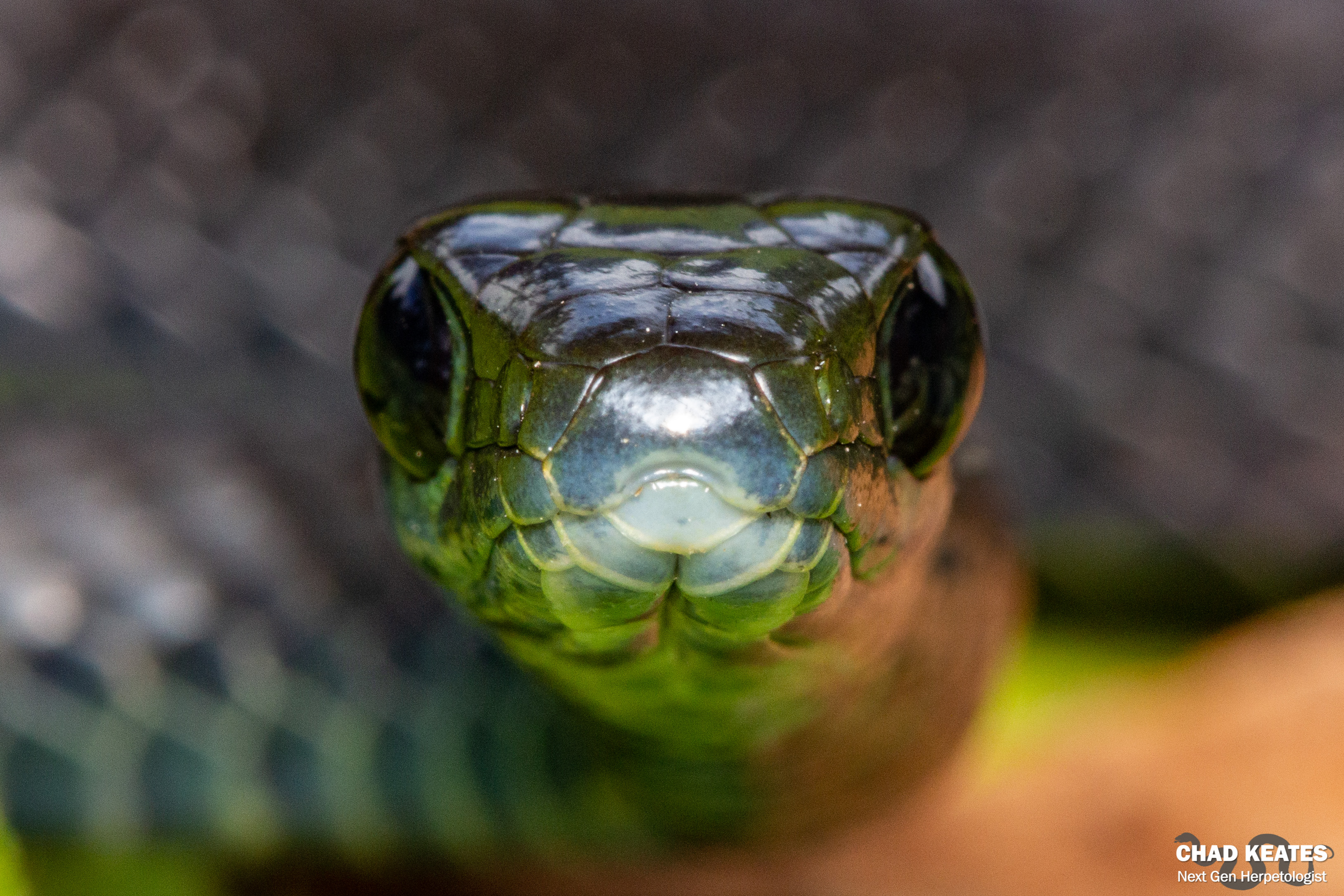
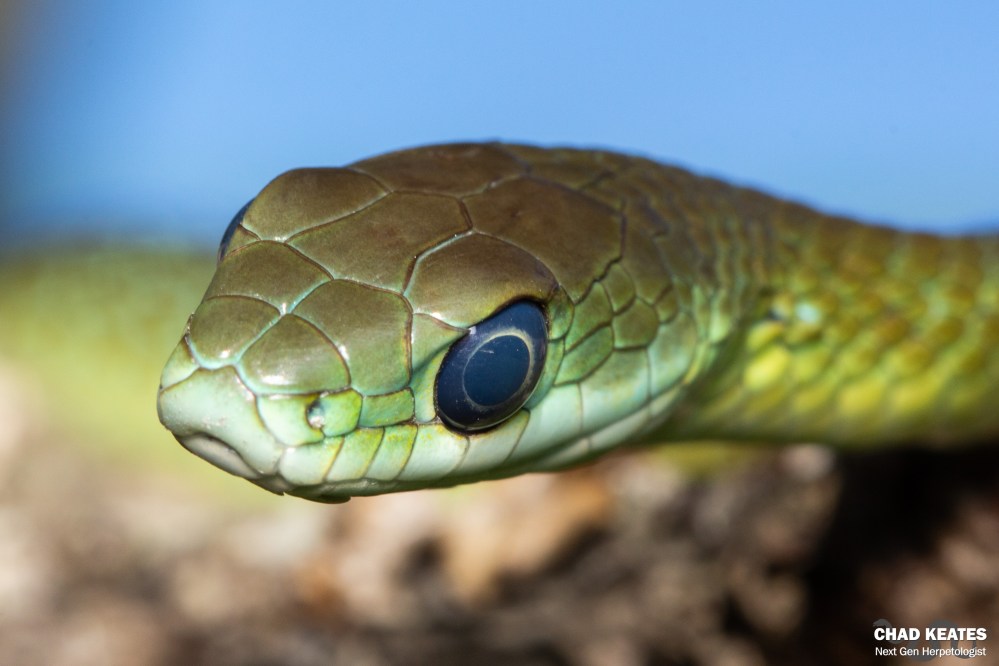



This list is in no particular order and is based on what I have seen inside or very close to Grahamstown.
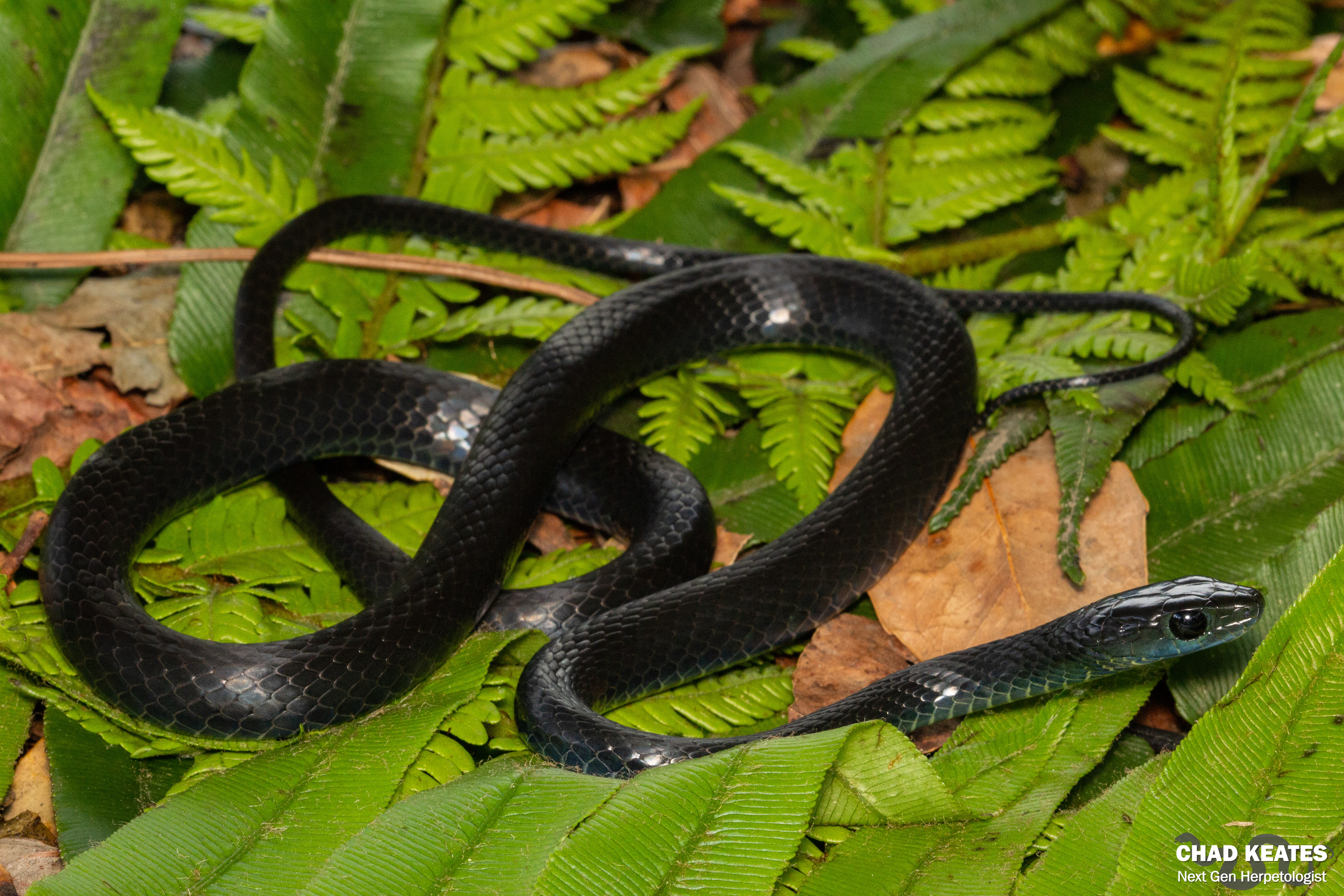
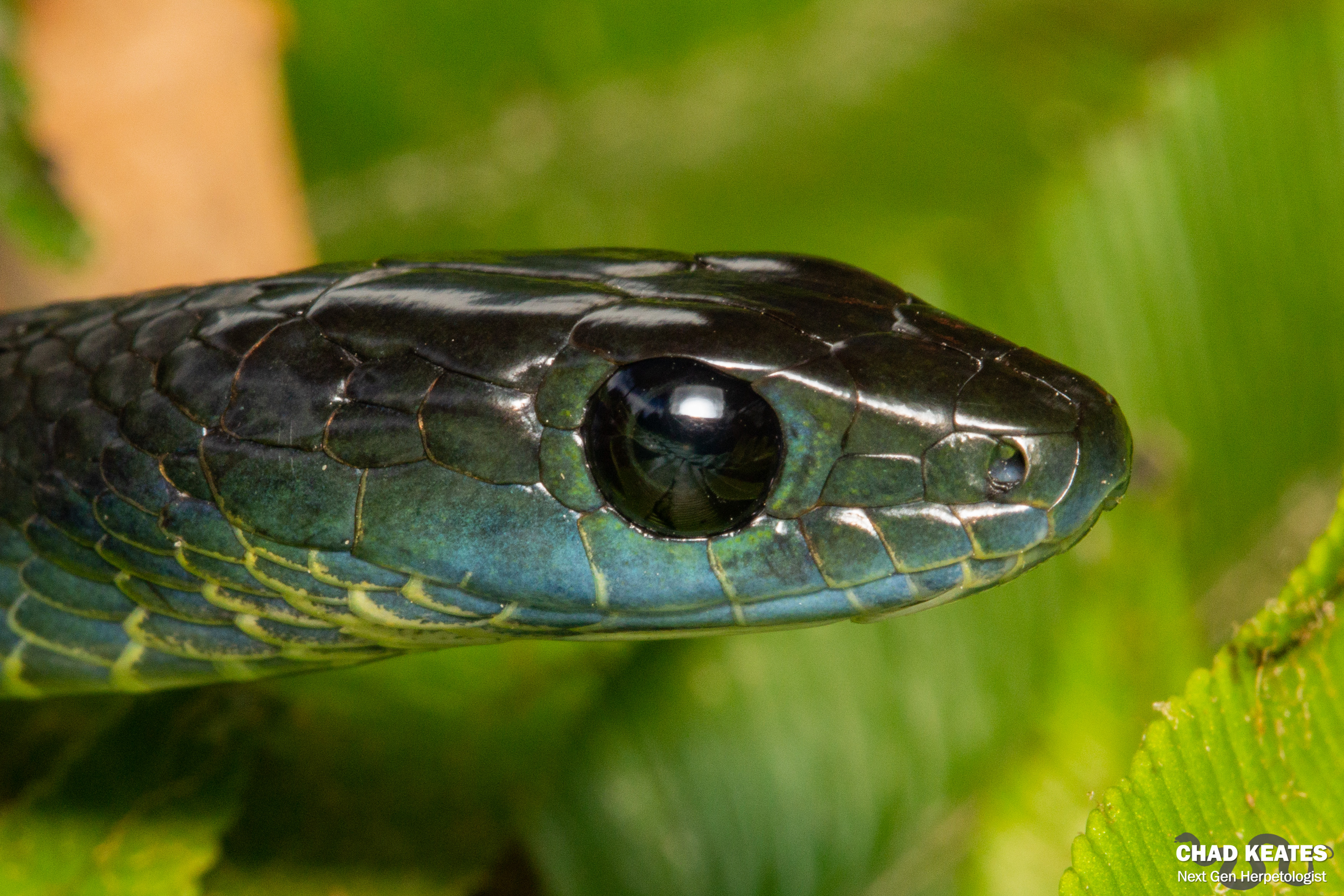
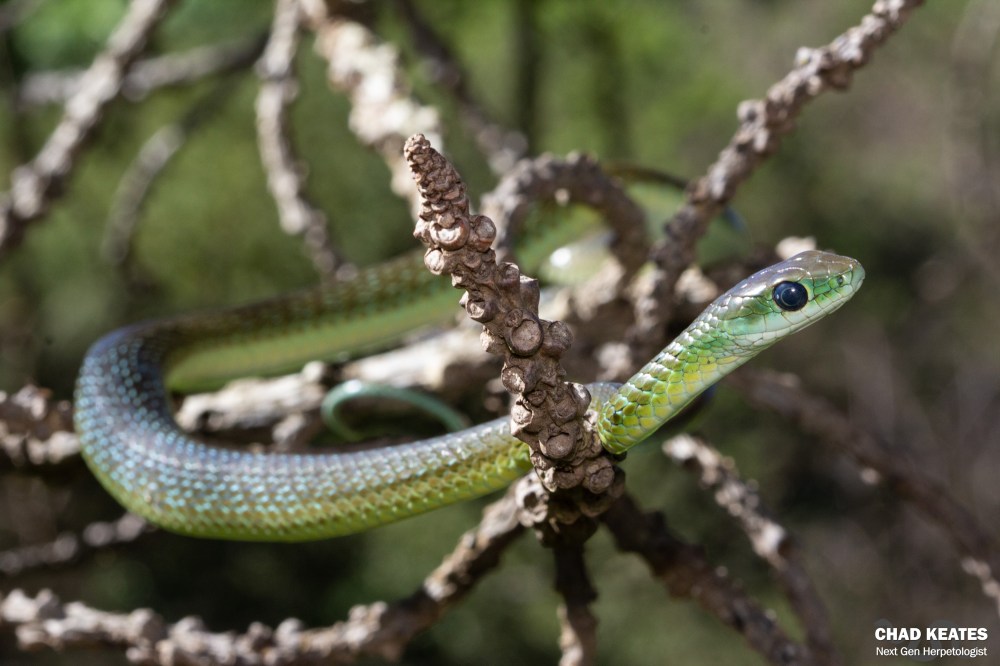
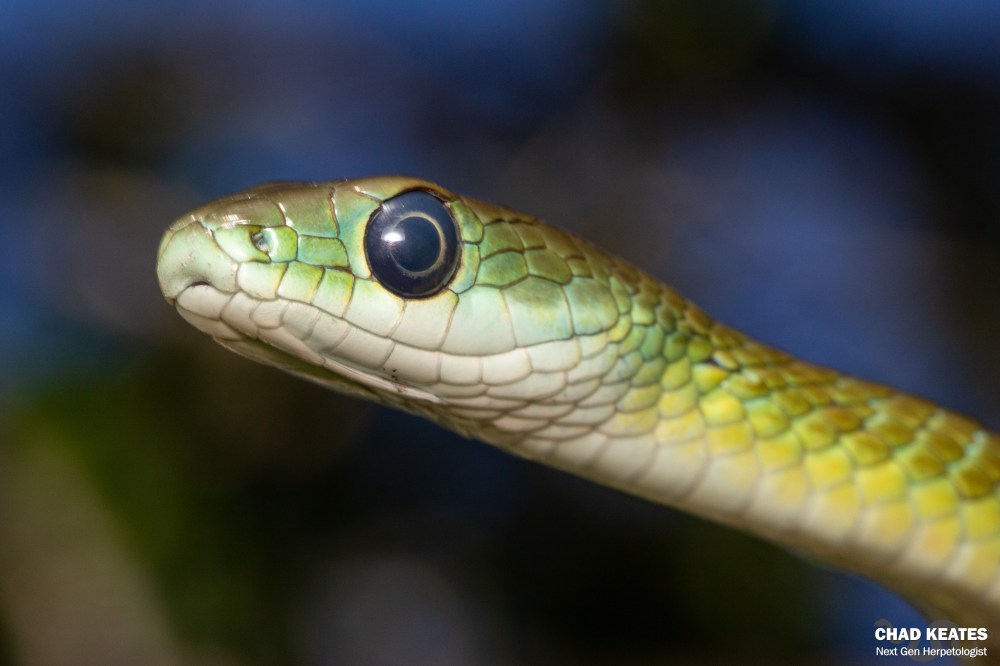
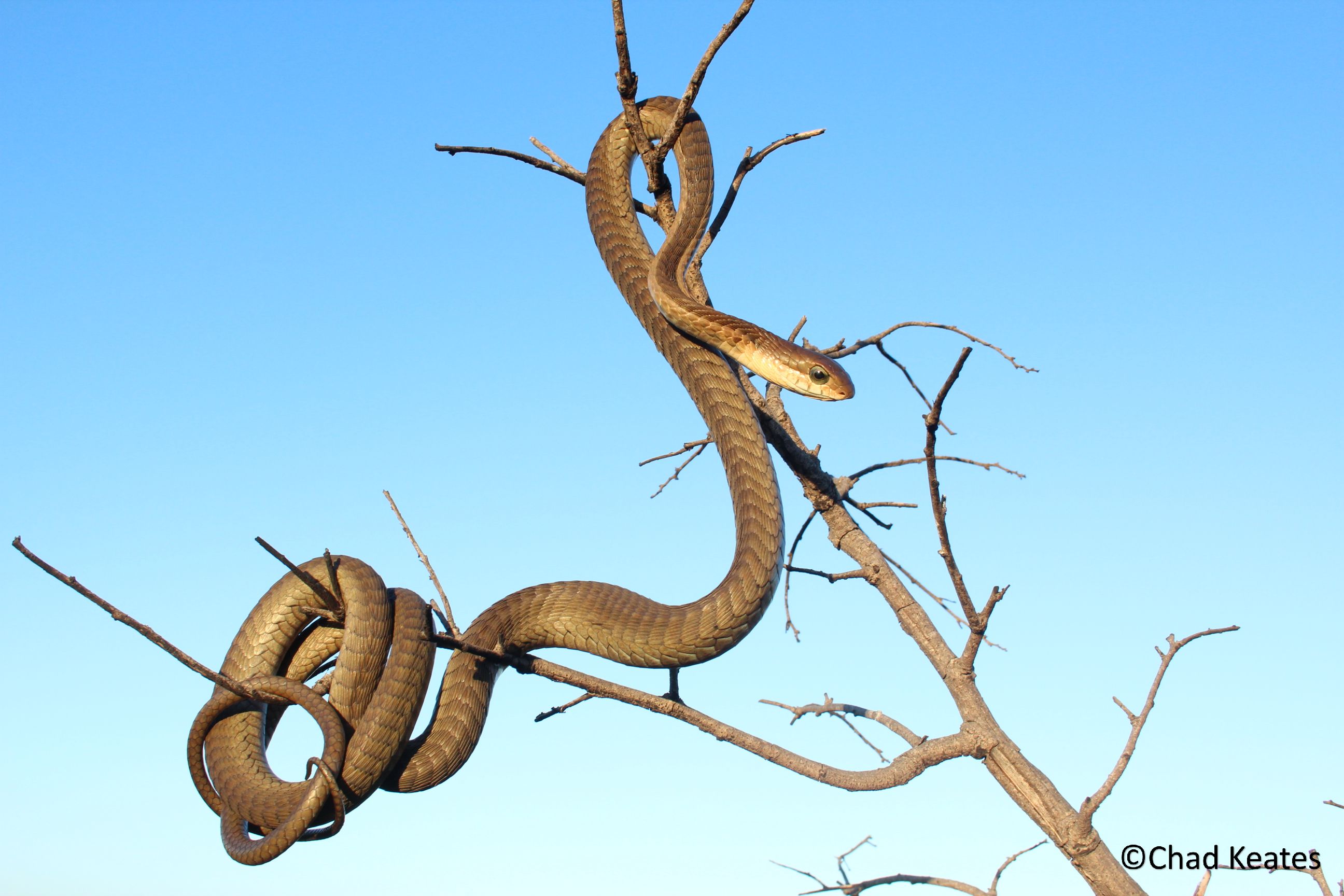
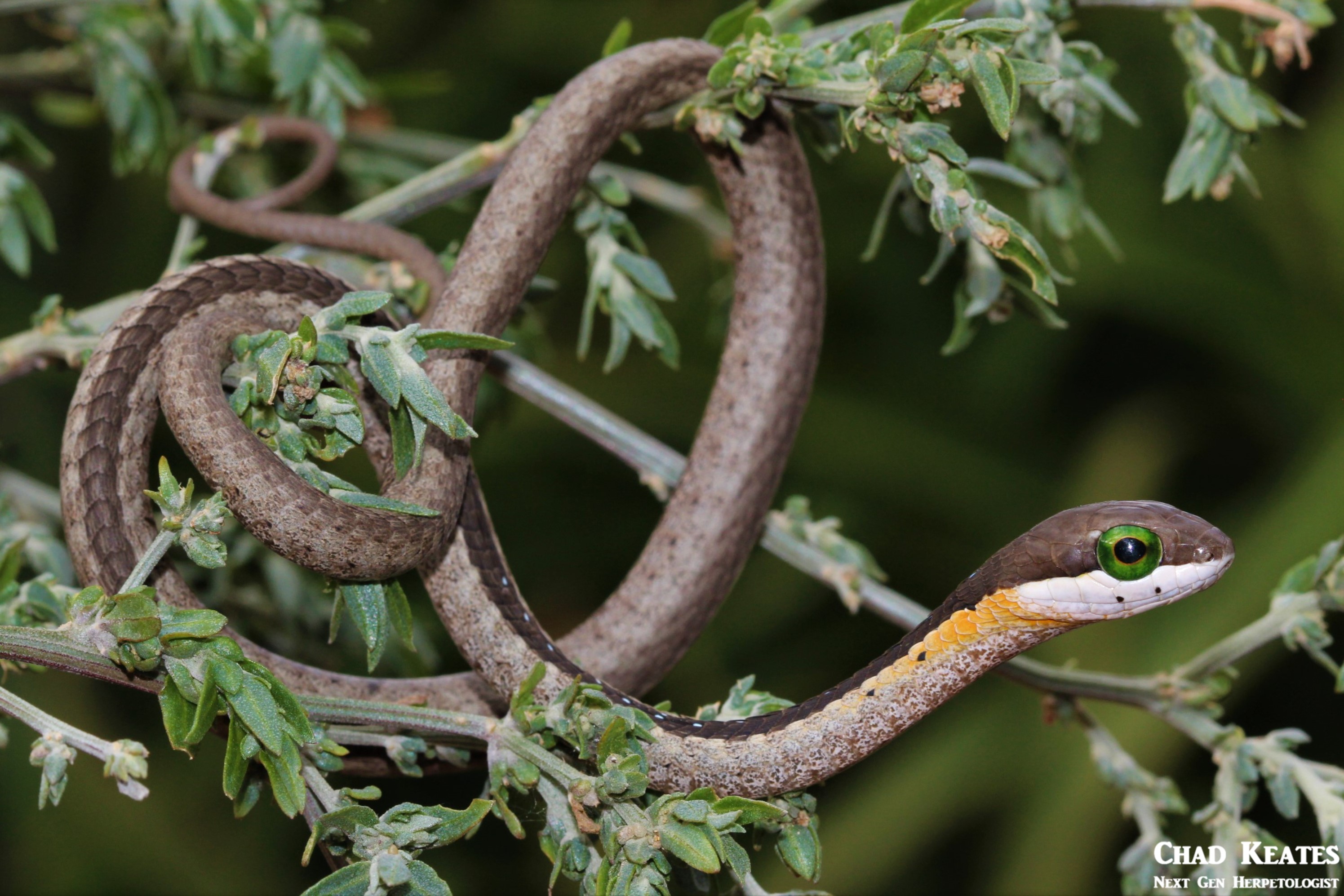
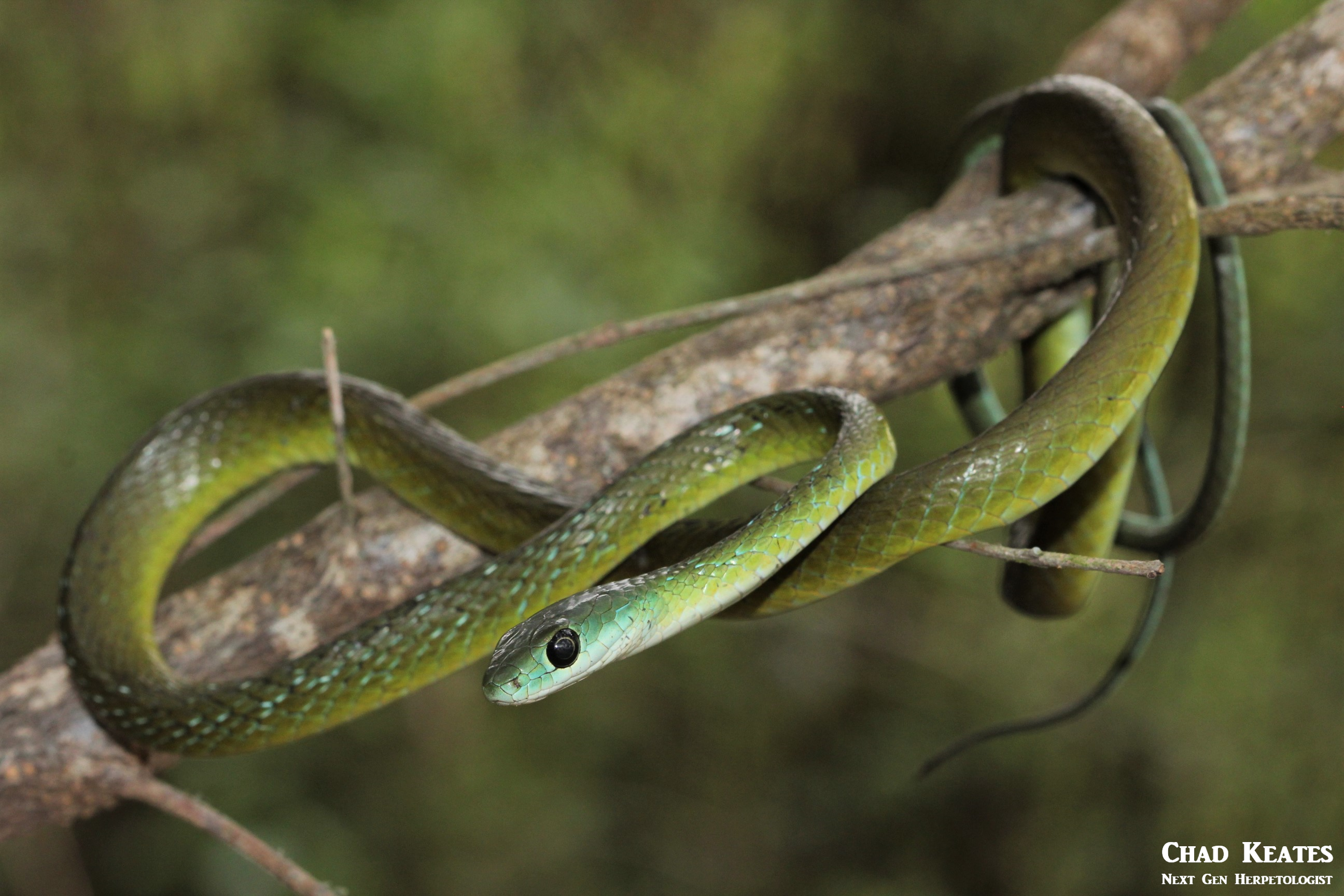
Boomslang (Dispholidus typus typus)
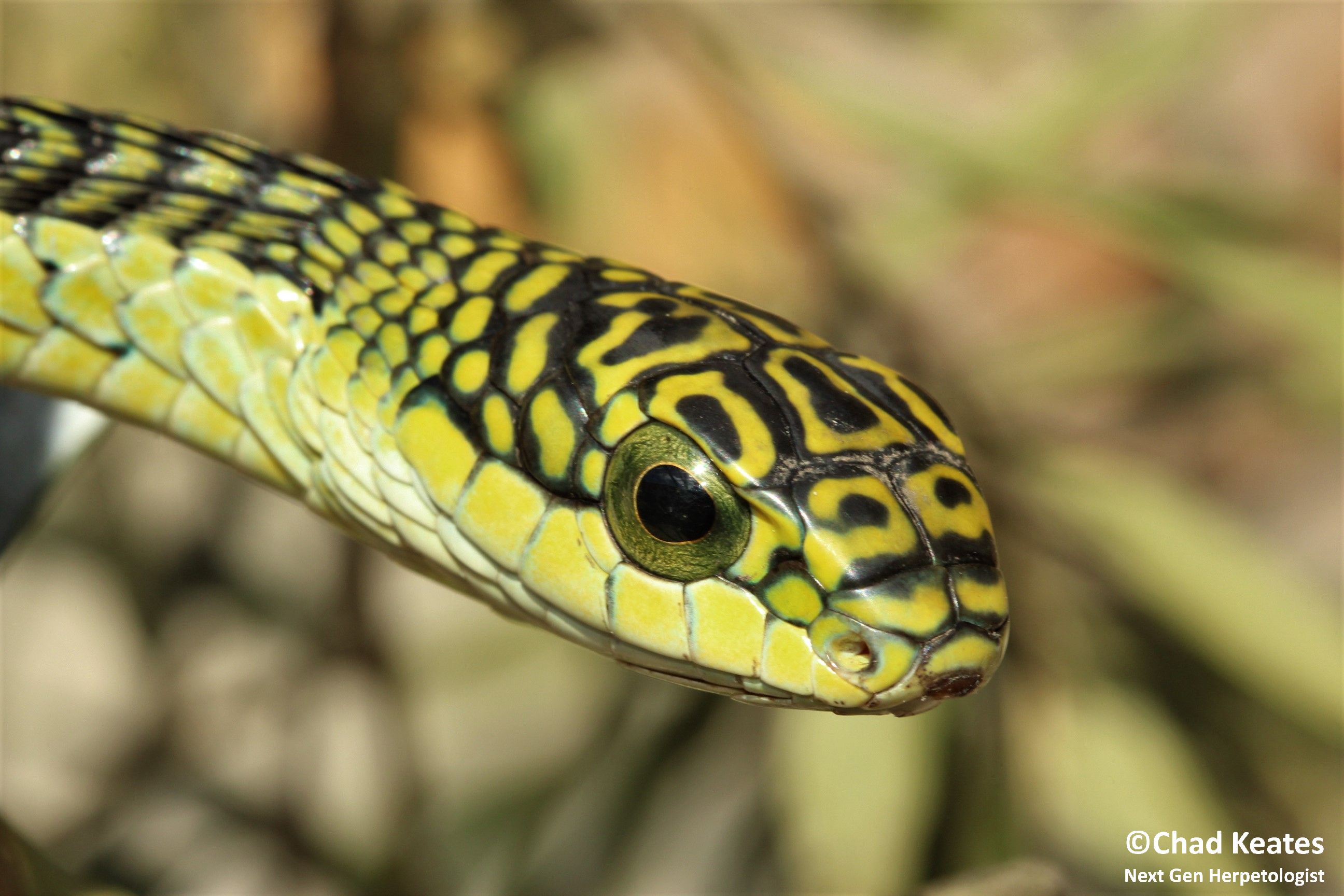
Size: 1.2-1.5m.
Habits: Diurnal snakes which are found in a large variety of habitats, most commonly in trees and shrubs, but may descend to the floor to bask or find food.
Diet: Chameleons, frogs, tree-living lizards, birds and occasionally rodents.
Danger to man: The boomslang possesses a very dangerous haemotoxic venom capable of killing people. Monovalent antivenom is however available and has been found to be very effective in counteracting the venom. Although dangerous, the snake rarely bites, with most bites being received from snake handlers. There is a big misconception that boomslangs cannot inject venom on larger body parts because they are back-fanged. This is however untrue as boomslangs can open their mouth’s 170 degrees and can thus easily inject venom into a leg or an arm. Due to the placid and shy nature of this snake, there is virtually no chance of simply walking past a tree and being bitten.
Similar species: Boomslangs are easily confused with green mambas and members of the genus Philothamnus (green snakes) north of the Transkei because of the uniform green colour but in Grahamstown males tend to be more of a fluorescent green and females tend to be brown.
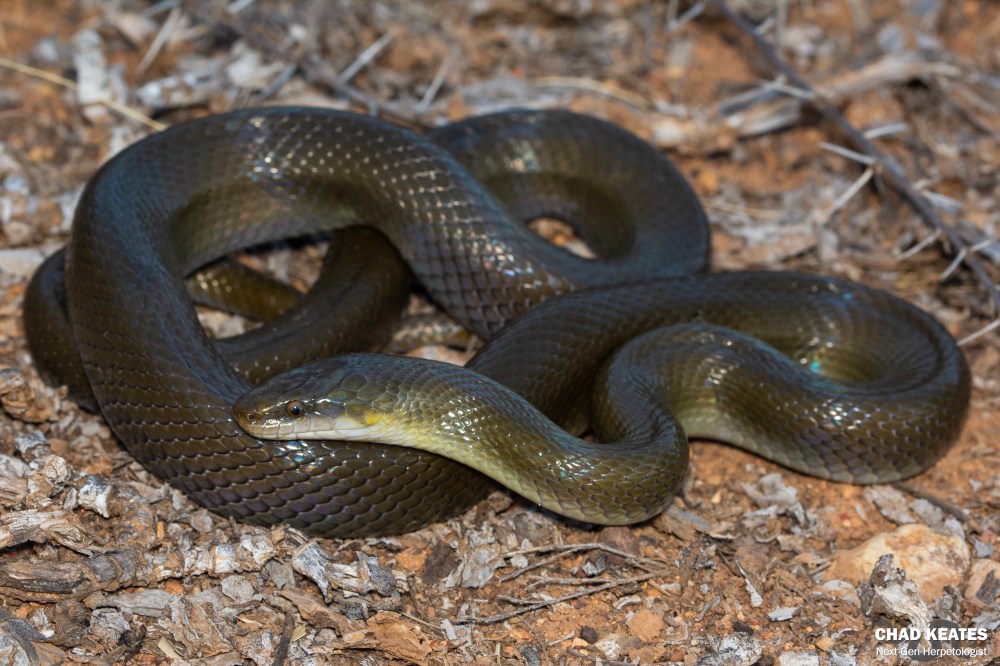
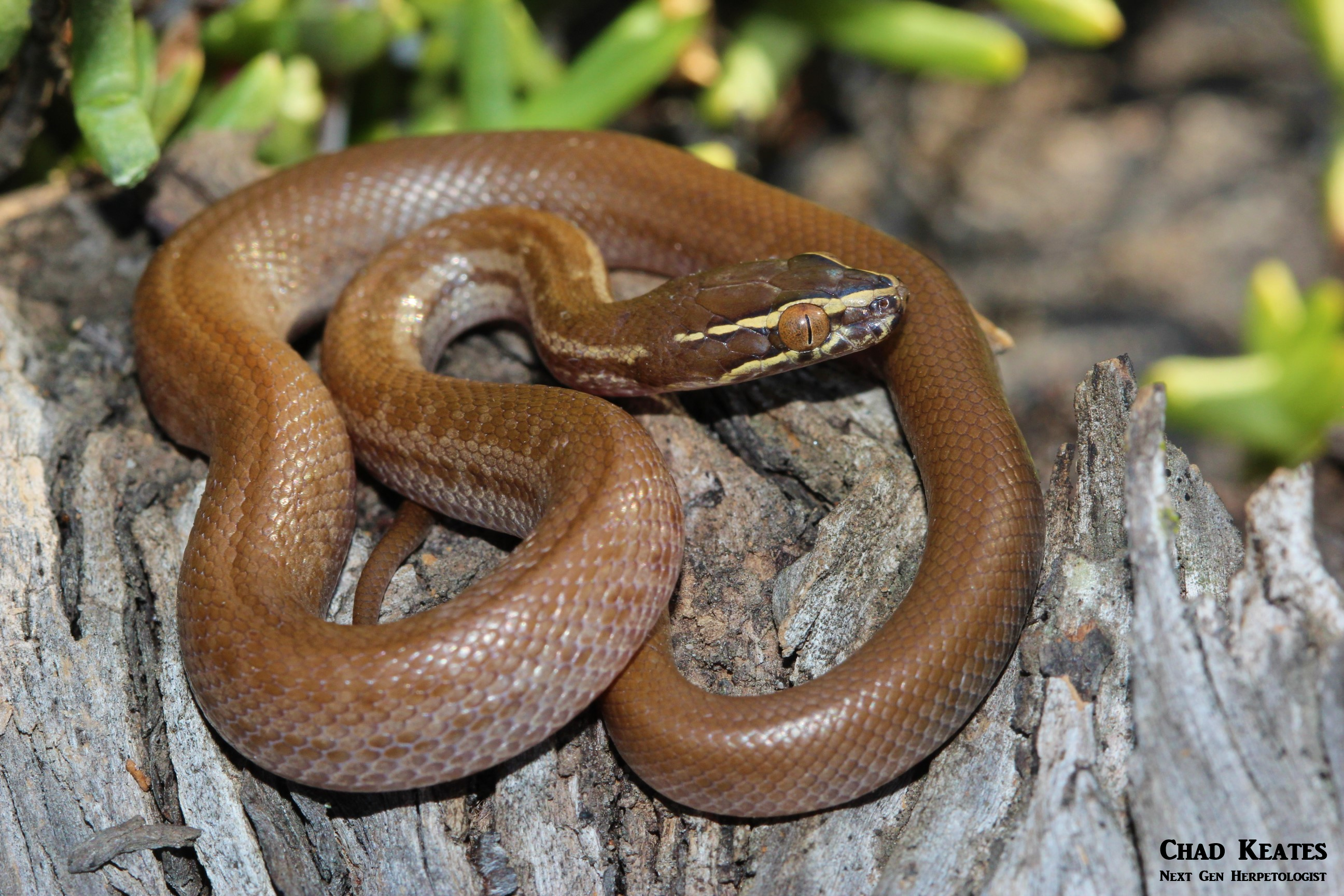
Brown House Snake (Boaedon capensis)

Size: 60-90cm.
Habits: A nocturnal species which is common around houses where it is often found beneath building rubble, rocks and corrugated metal.
Diet: Rodents, bats, birds, frogs, lizards and other small vertebrates.
Danger to man: None, does not possess venom.
Similar species: Larger individuals can resemble pythons but the gold bar either side of the eye is very distinctive, making identification relatively easy.
Western Natal Green Snake (Philothamnus natalensis natalensis)
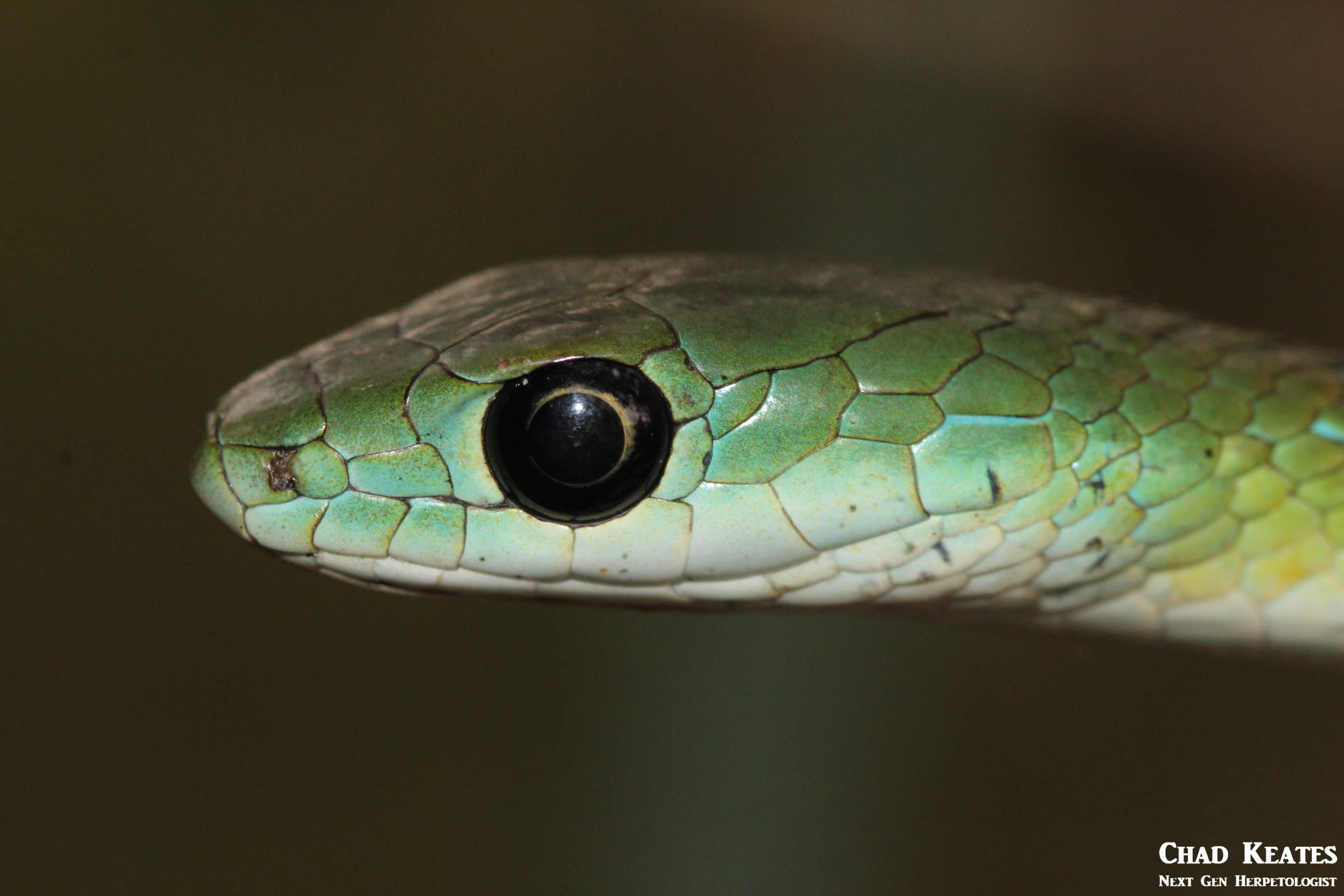
Size: 60-90cm.
Habits: This snake is a fantastic climber that spends much of its time in trees and shrubs near water. Western natal green snakes also tend to be active during the day.
Diet: Lizards, geckos and frogs.
Danger to man: None, it has no venom.
Similar species: This snake is easily confused with all members of the Philothamnus genus (green snakes). In terms of Grahamstown however, This snake is most easily confused with the spotted bush snake, but the spotted bush snake is far less common in the area.
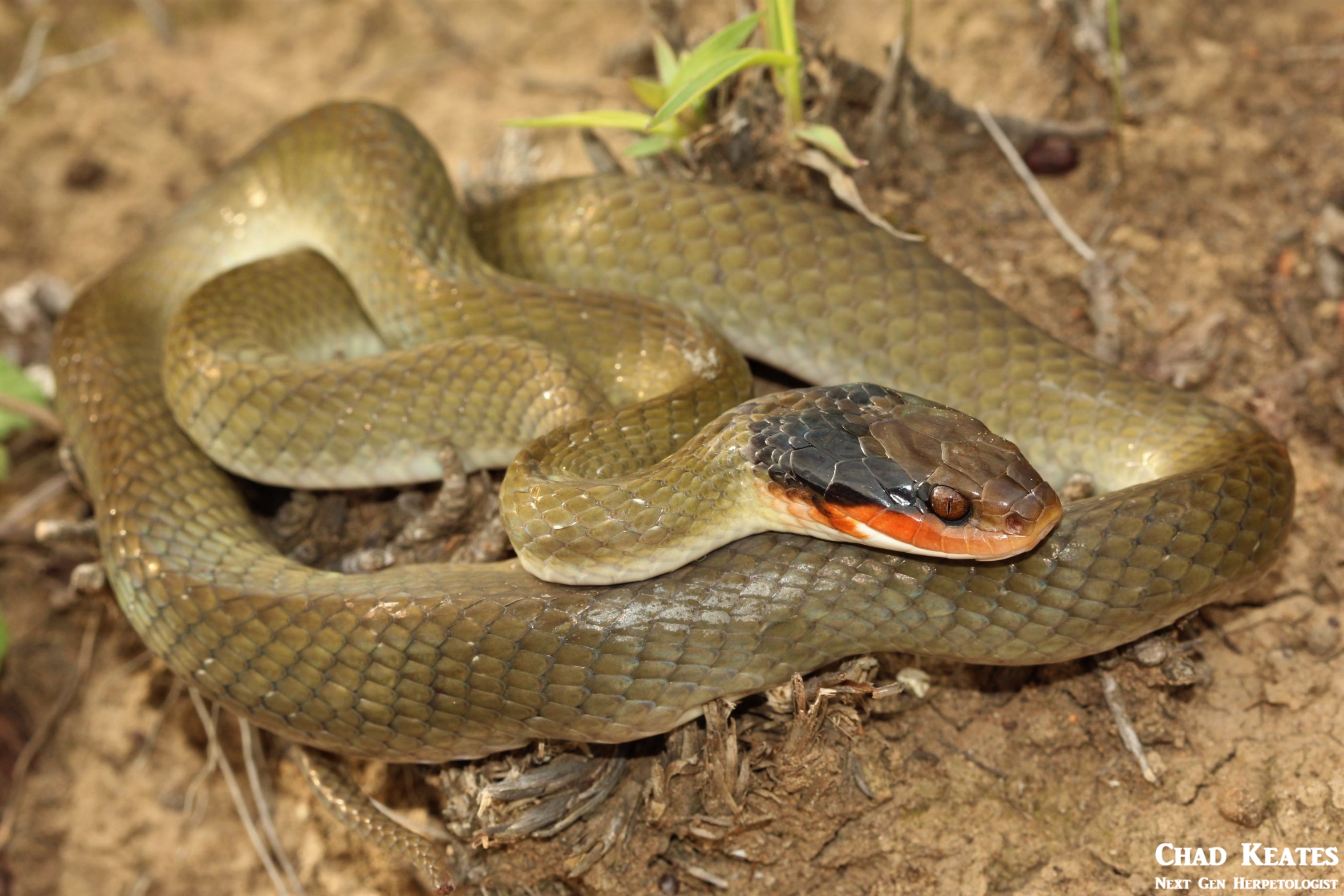
Red-Lipped Herald (Crotaphopeltis hotamboeia)
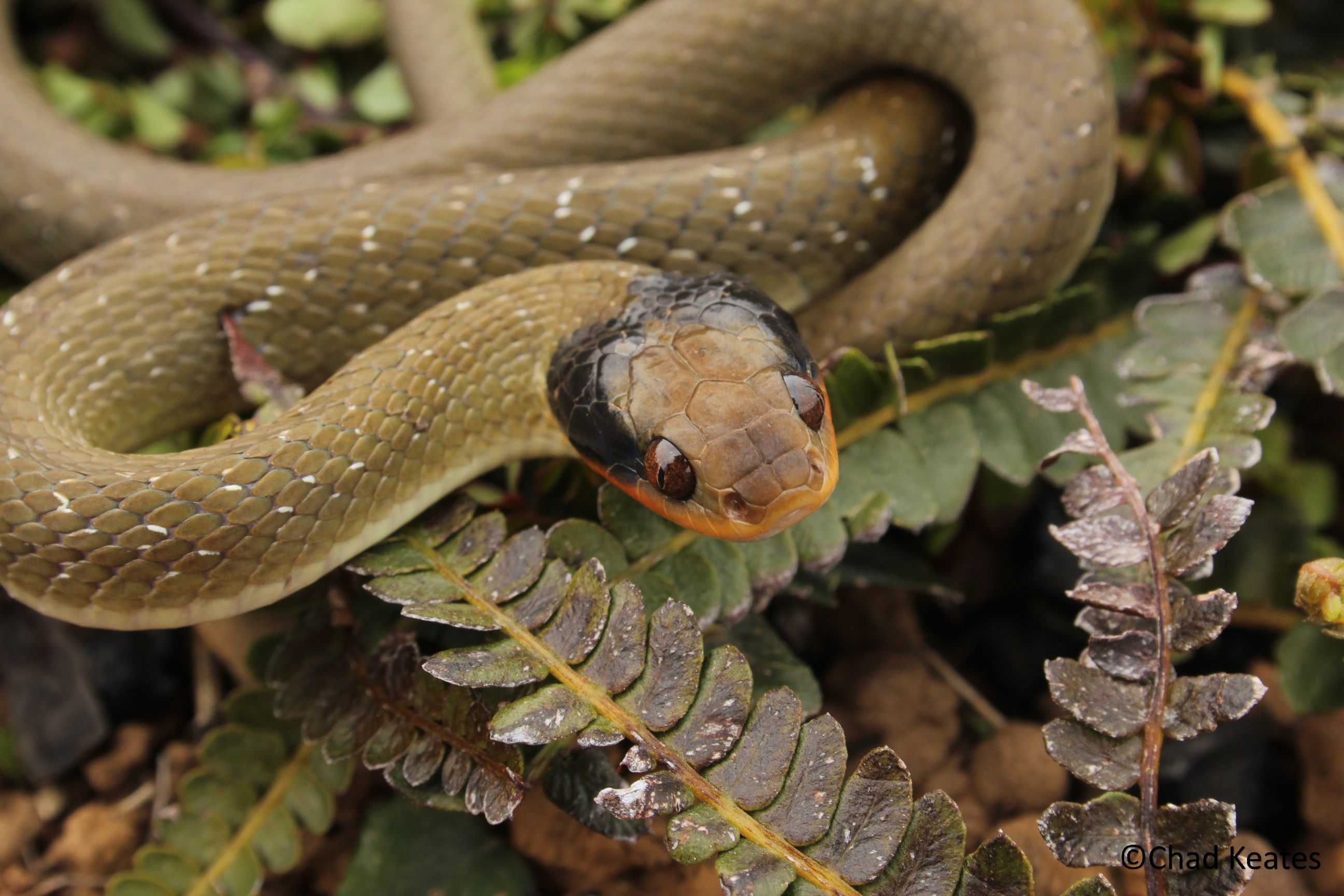
Size: 30-70cm.
Habits: Widespread and abundant species which is commonly found in damp areas, under rocks, building debris and compost heaps.
Diet: Frogs, toads and sometimes lizards.
Danger to man: Mildly venomous, but the venom is of no concern to humans.
Similar species: Although quite distinctive, they are sometimes mistaken for rhombic night adders because of their similar nocturnal behaviourial patterns.
Rhombic Egg Eater (Dasypeltis scabra)
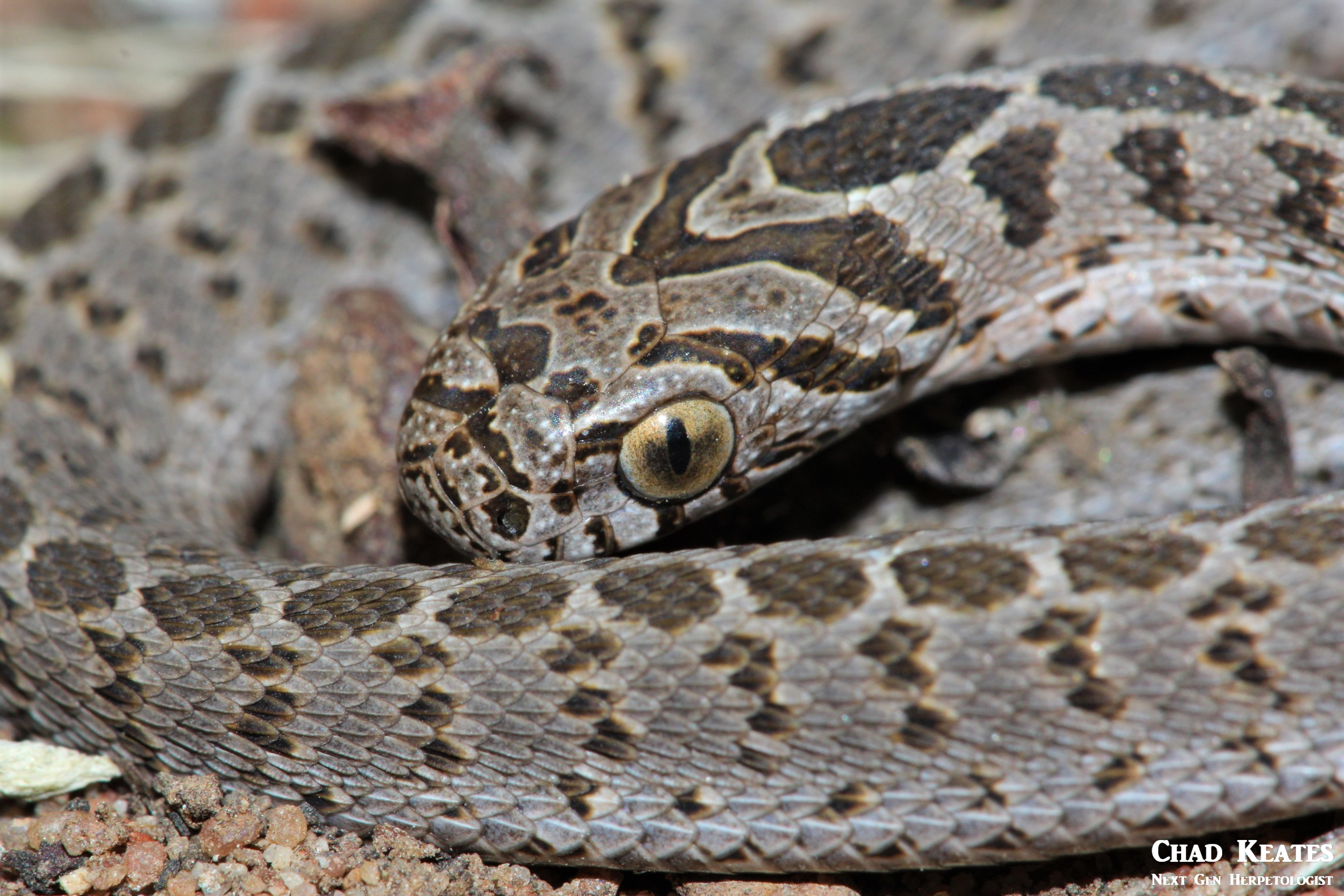
Size: 40-75cm.
Habits: Can be found in most habitats, but it is particularly common in old termite mounds.
Diet: Bird eggs.
Danger to man: None, the snake does not possess venom and it is virtually toothless.
Similar species: This species is easily confused with the rhombic night adder.
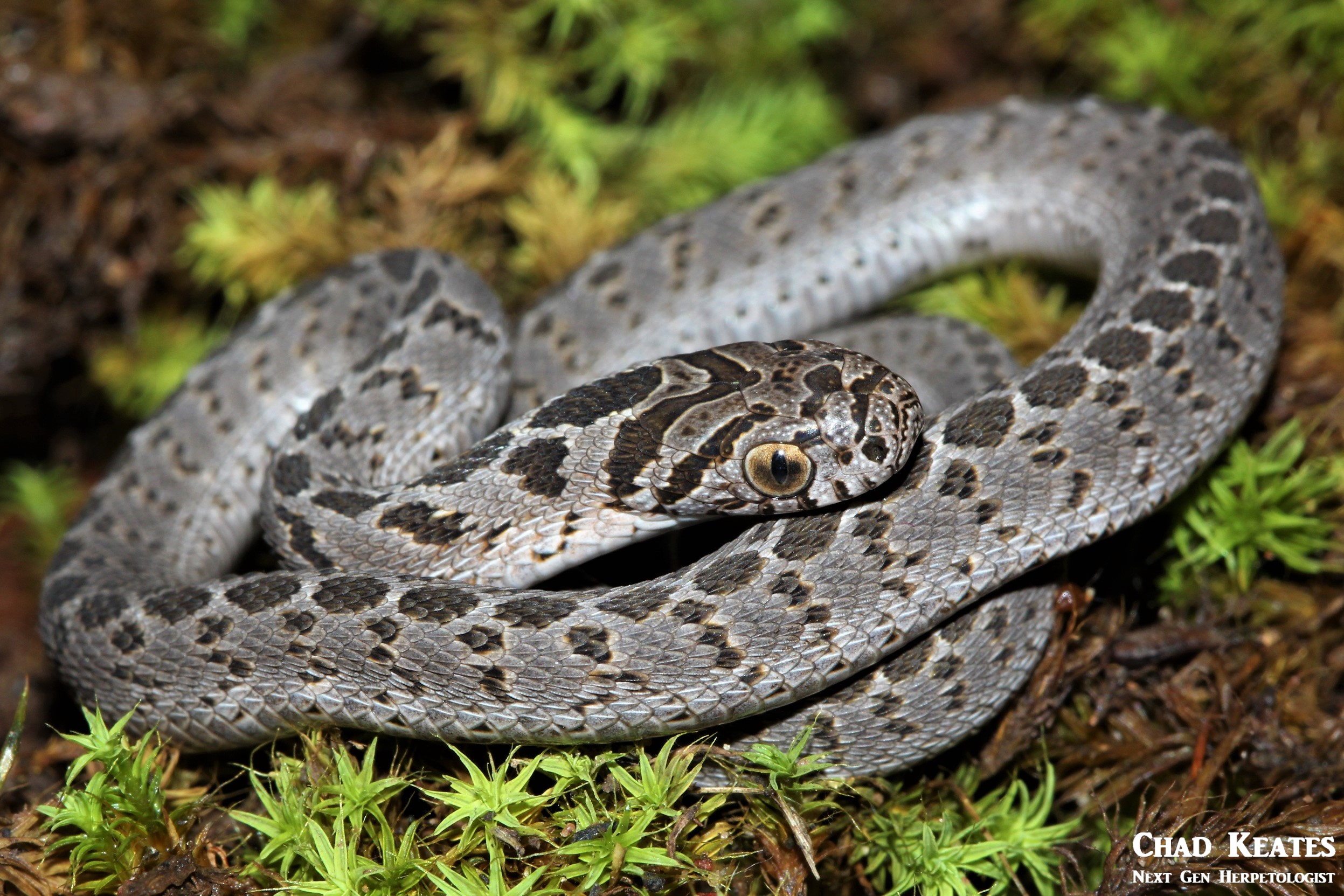
Common Brown Water Snake (Lycodonmorphus rufulus)
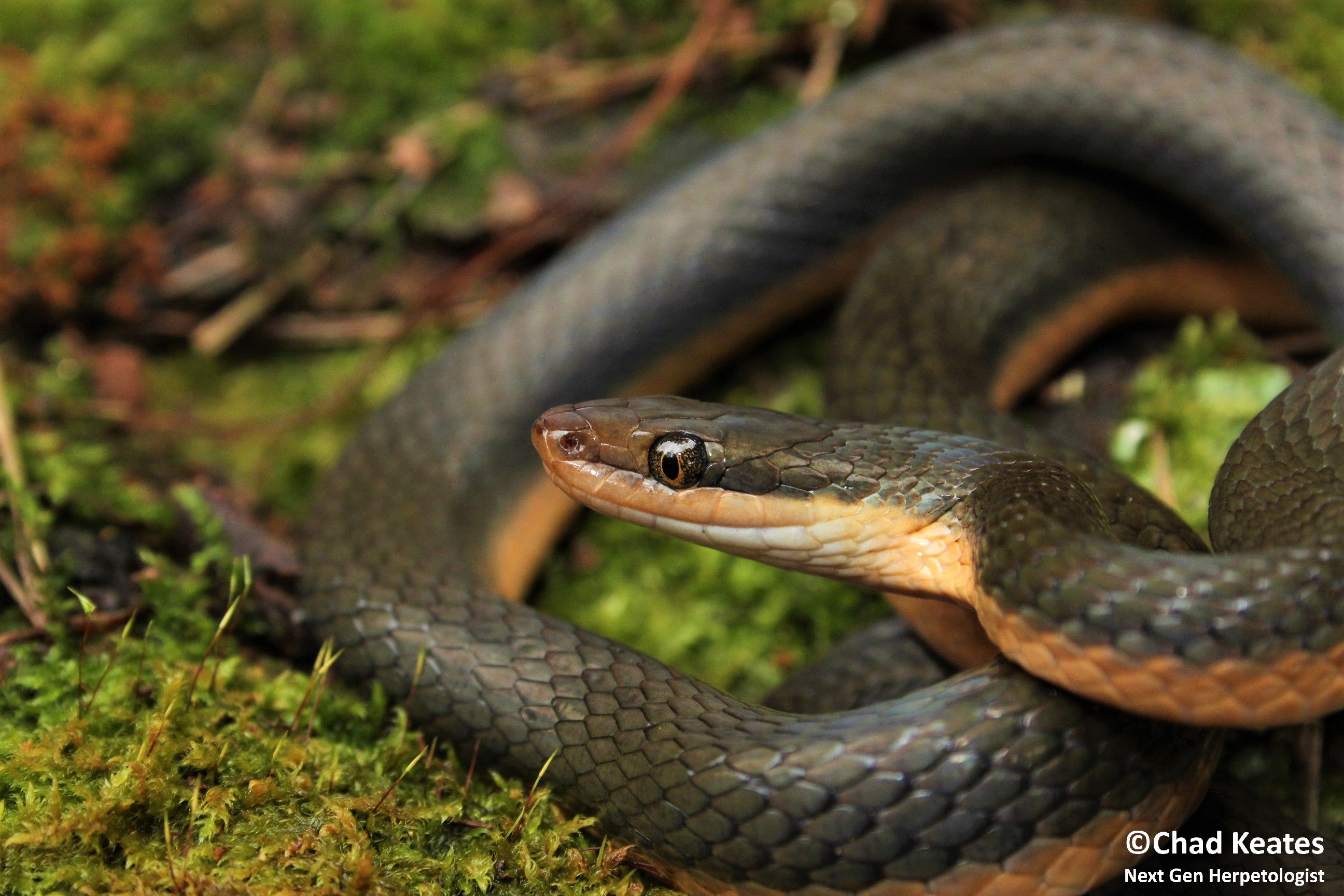
Size: 45-85cm.
Habits: The snake is a nocturnal hunter which is closely associated with water bodies such as dams, streams and rivers where it is often found beneath rocks and debris on the banks of the water sources.
Diet: Mainly frogs, tadpoles and small fish but can take small rodents.
Danger to man: None, this species does not possess venom.
Similar species: Can be confused with the olive ground snake and yellow-bellied house snake but within Grahamstown, the brown water snake tends to be the most commonly encountered of the three.
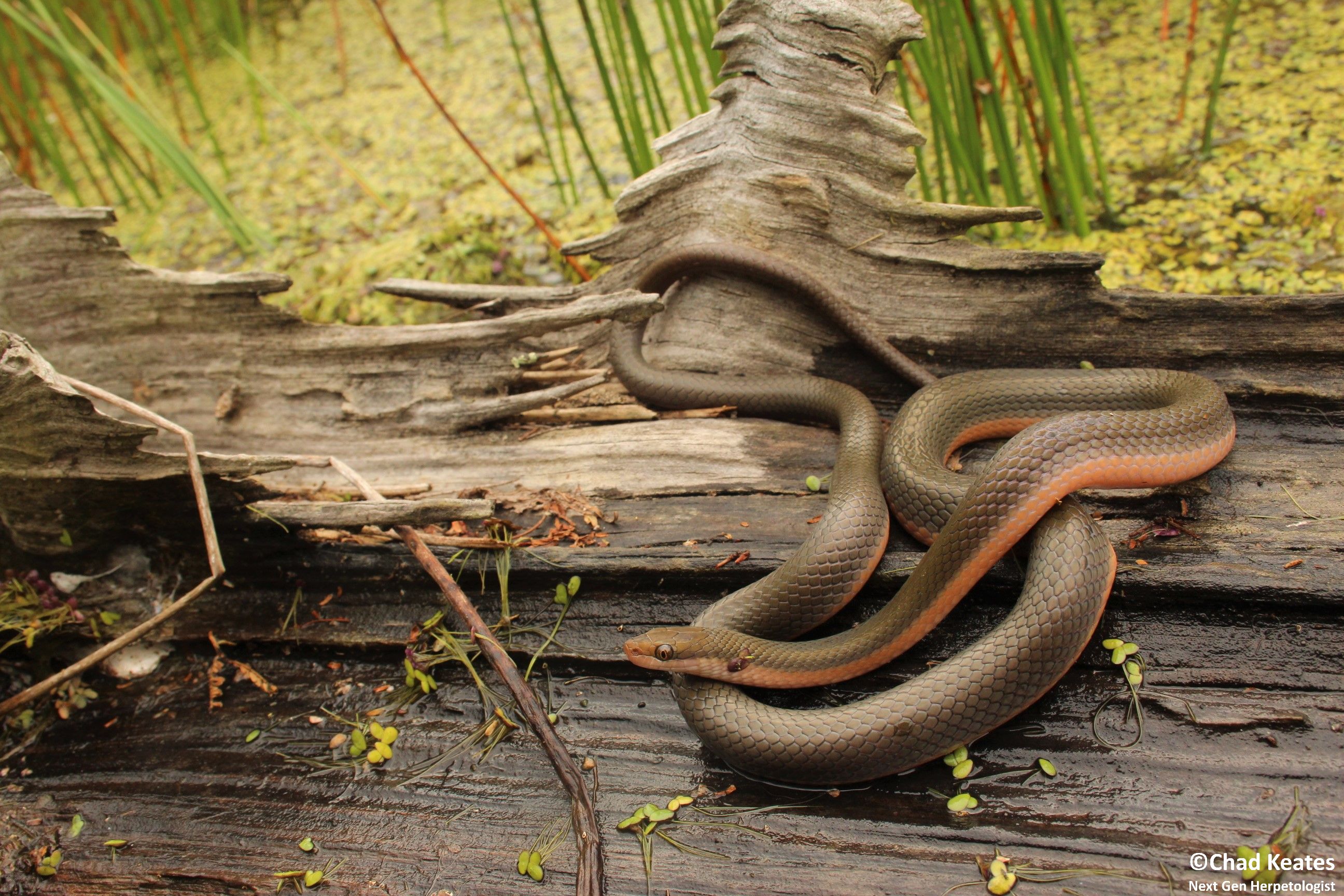
Spotted Skaapsteker (Psammophylax rhombeatus rhombeatus)
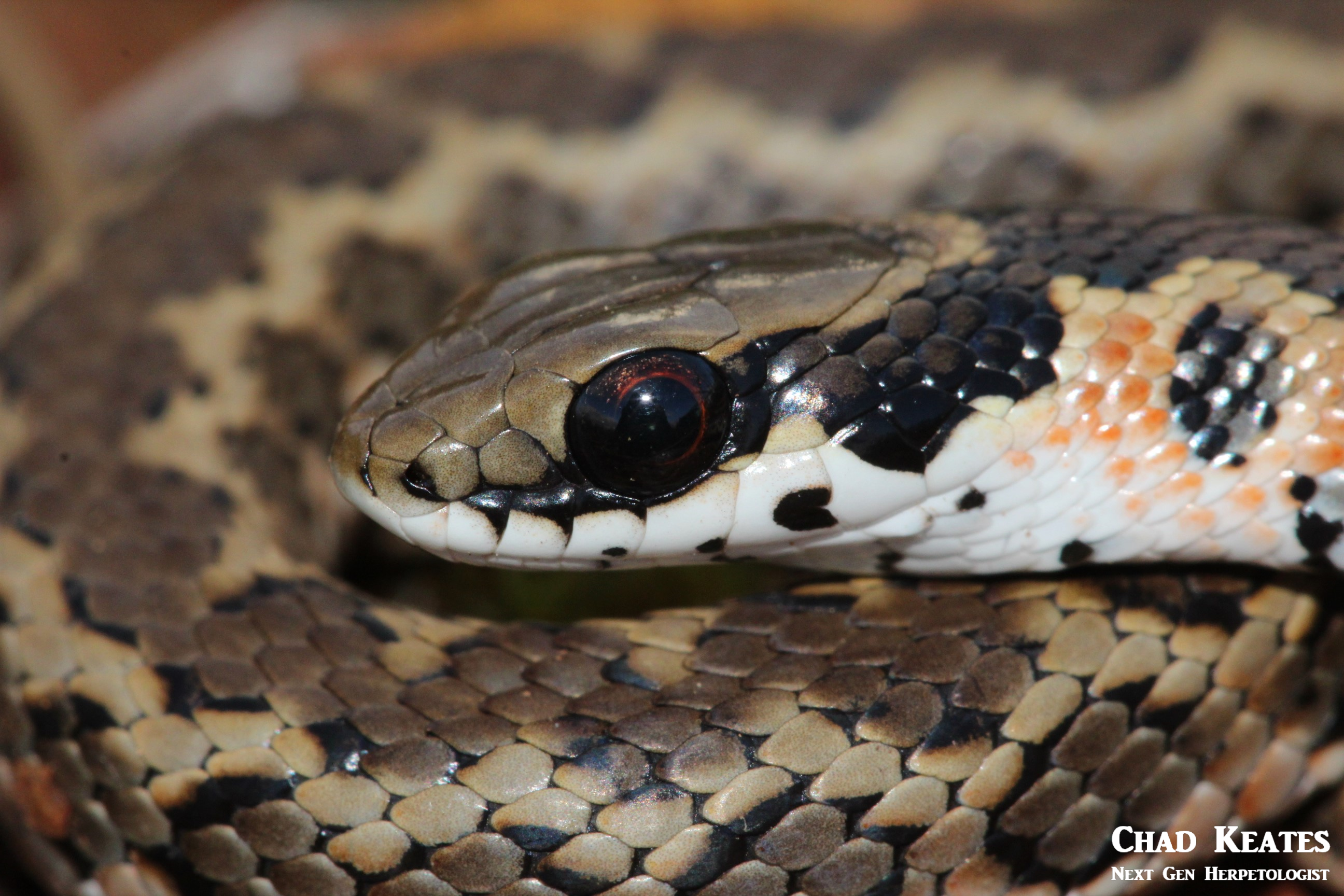
Size: 45-85cm
Habits: A fast-moving, diurnal species which can be found in a large range of habitats, mainly under rocks and fallen debris.
Diet: Mainly rodents, but also eats lizards, birds, frogs and other snakes
Danger to man: Mildly venomous species which may cause localized swelling, but the venom is not capable of killing or even hospitalizing humans.
Similar species: Easily confused with other sand, whip and grass snake species. Luckily the cross-marked whip snake is the only other commonly encountered whip snake in the area, making positive identification relatively easy in Grahamstown.
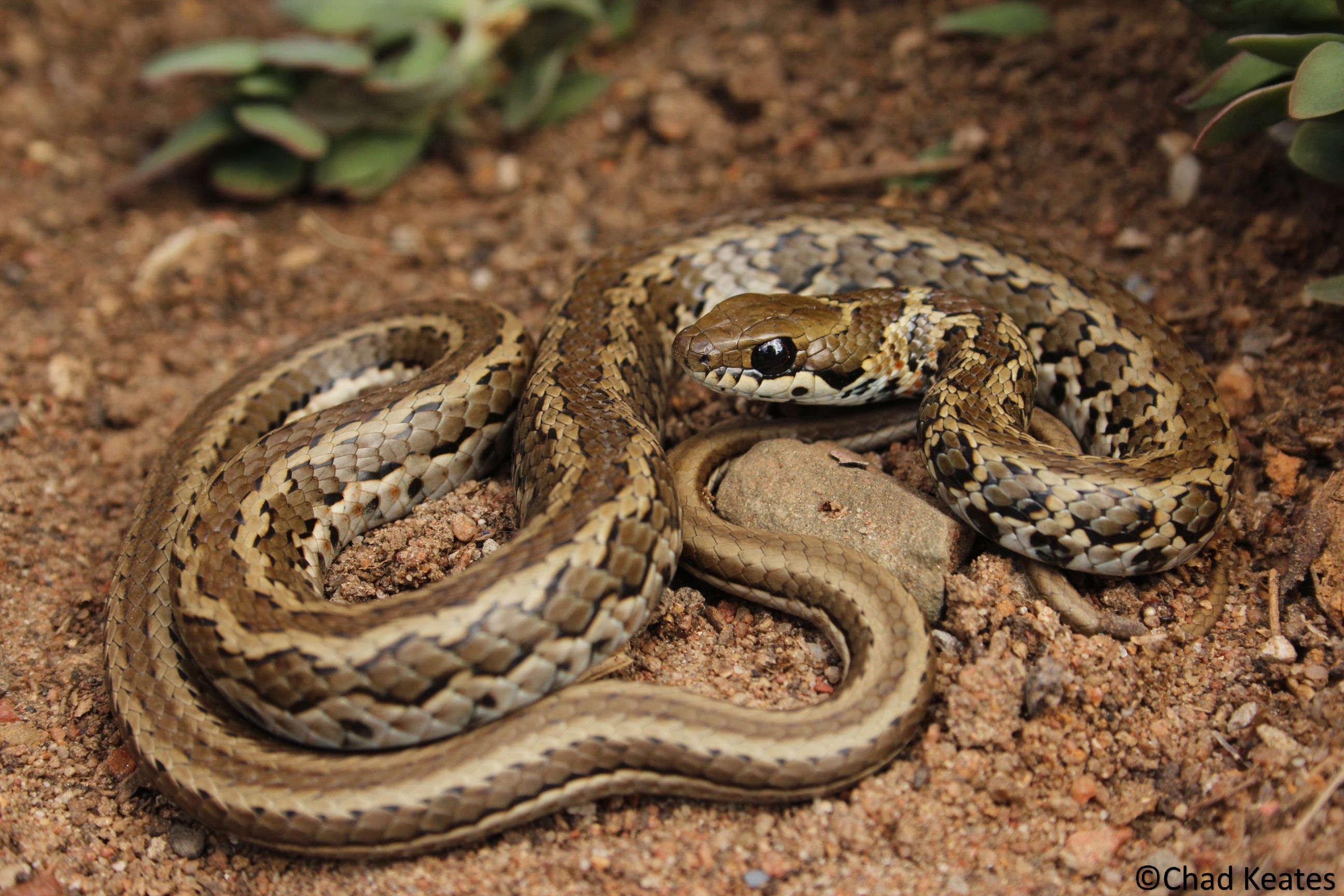
Cross-Marked Whip Snake (Psammophis crucifer)
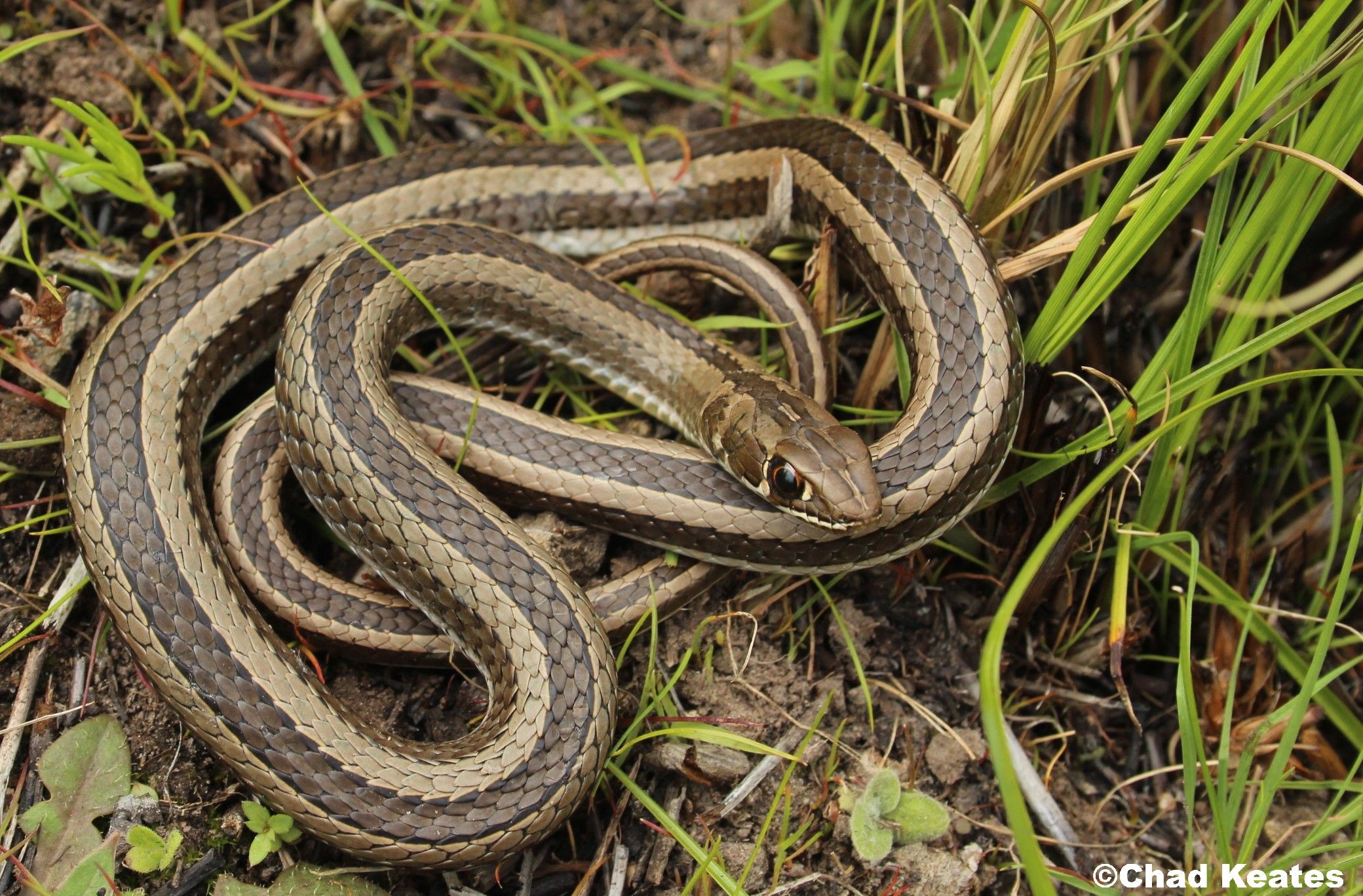
Size: 40-60cm.
Habits: Diurnal snakes that are often found inside old termite mounds and under rocks and other fallen debris.
Diet: Lizards, geckos and frogs.
Danger to man: Mildly venomous, but the venom is of no concern to humans.
Similar species: Easily confused with other sand, whip and grass snake species. Luckily the spotted skaapsteker is the only other commonly encountered psammophid in the area, making positive identification relatively easy in Grahamstown.
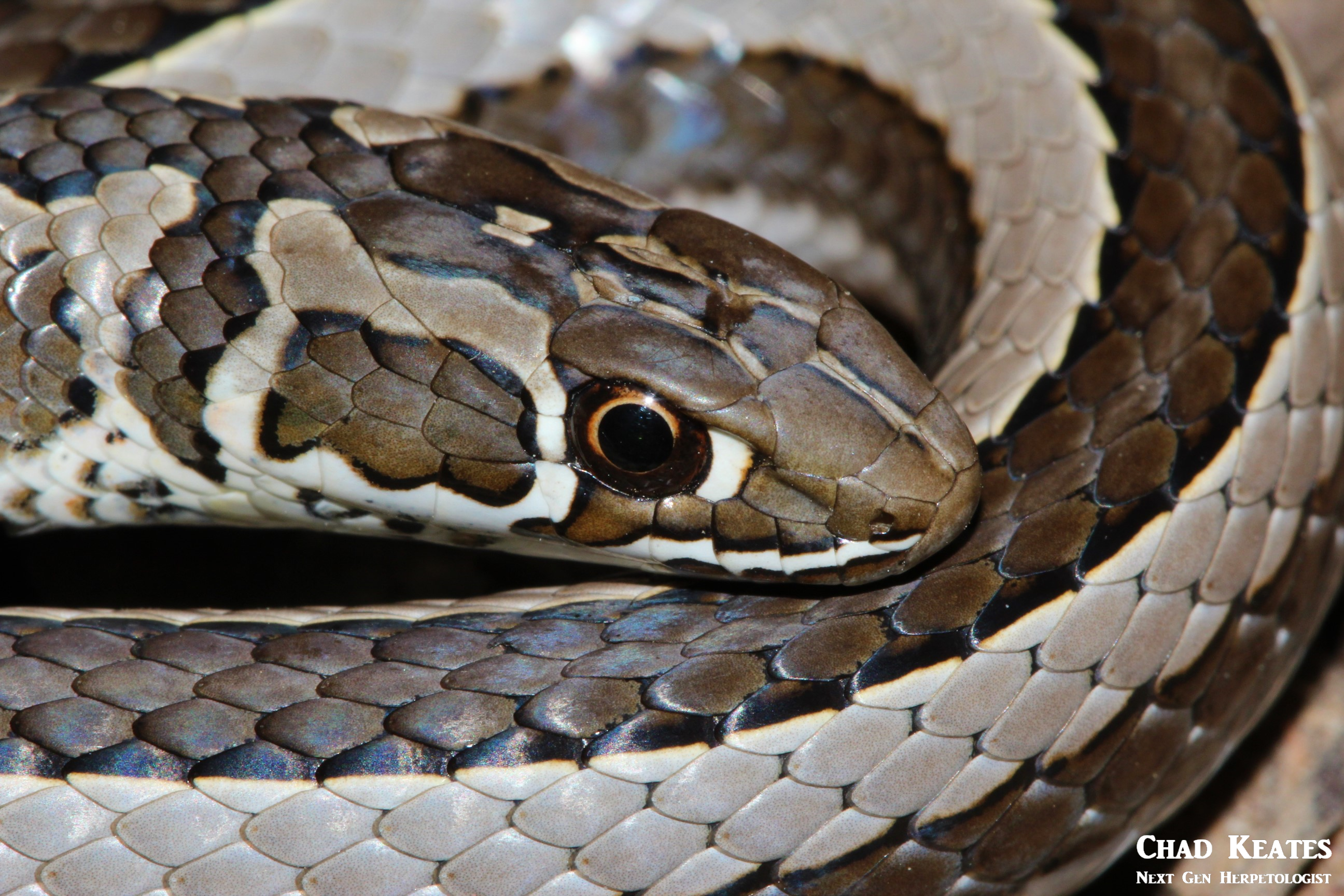
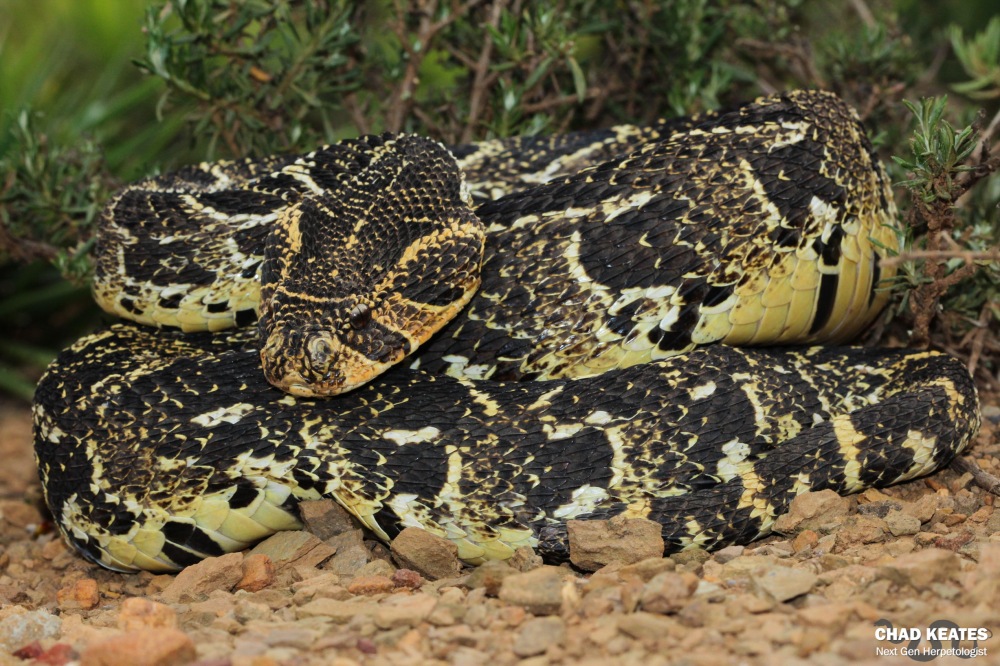
Puff Adder (Bitis arietans)
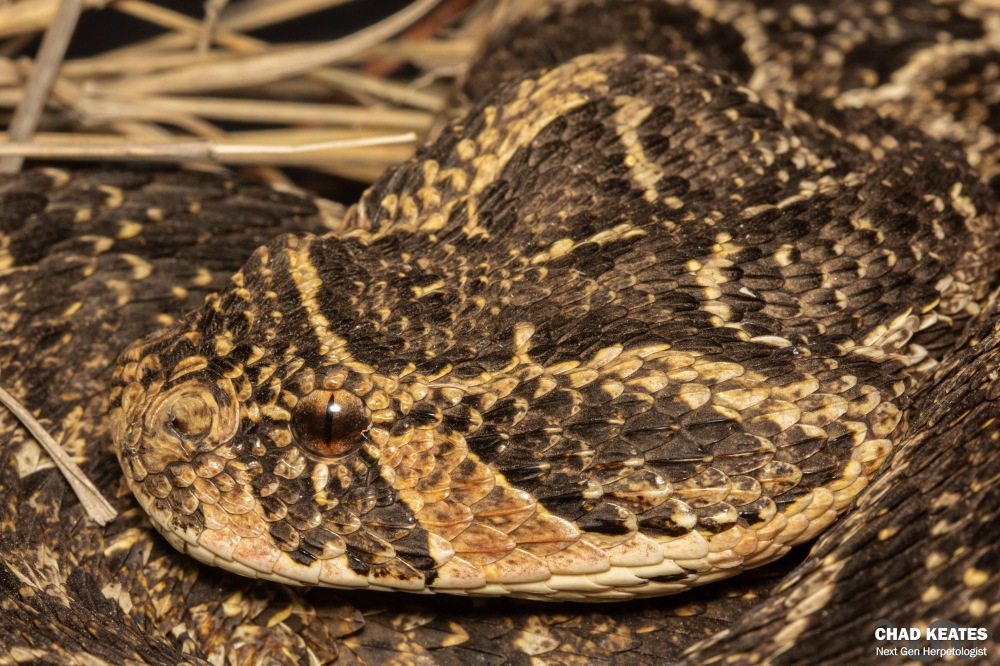
Size: 90-100cm
Habits: This snake spends much of its time under bushy cover where it uses its’ camouflage to blend into its surroundings. During mating season these snakes however become very active and thus become more common to walkers and hikers who often see them cruising through the veld in search of mates
Diet: Rats, mice and other small vertebrates
Danger to man: Very dangerous cytotoxic venom that can kill if left untreated. The venom of this snake is however slow acting leaving victims of this bite much time to get to hospital. Although this snake has a bad reputation because of the sheer amount of bites recorded throughout South Africa as a result of people accidentally stepping on them whilst they are in ambush mode, very few bites actually prove to be fatal.
Similar species: Easily confused with other adders, but luckily, the rhombic night adder is the only other adder found in Grahamstown. There are records of berg and albany adder in and around Grahamstown but neither of these species have been seen for a long time.
Rhombic Night Adder (Causus rhombeatus)
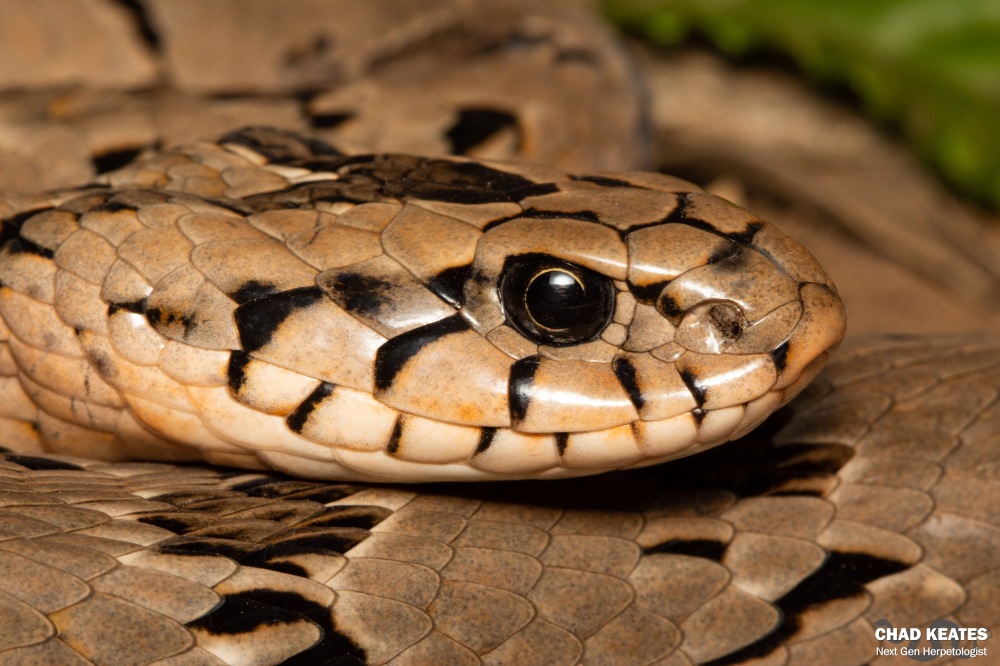
Size: 30-60cm
Habits: Common in damp areas where they can be found under rocks, logs and in abandoned termite mounds.
Diet: Toads and other frogs
Danger to man: Mild cytotoxic venom that is dangerous but not life-threatening, hospitalization may be required though. The venom may be potentially lethal to small dogs.
Similar Species: This snake is very easily confused with the rhombic egg eater. It is also sometimes confused with adders but luckily the puff adder is the only other adder currently recorded in and around Grahamstown.

Sources:
Alexander, G. & Marais, J. 2007. A Guide to the Reptiles of Southern Africa. Cape Town. STRUIK Nature.
Branch, B. 1988. Snakes and other Reptiles of Southern Africa. Cape Town. STRUIK.
Branch, B. 2016. Snakes and other Reptiles of Southern Africa. Cape Town. STRUIK Nature.
Marais, J. 2004. A Complete Guide to the Snakes of Southern Africa. Cape Town. STRUIK.
Marais, J. 2014. Snakes and Snakebite in Southern Africa. Cape Town. STRUIK Nature.

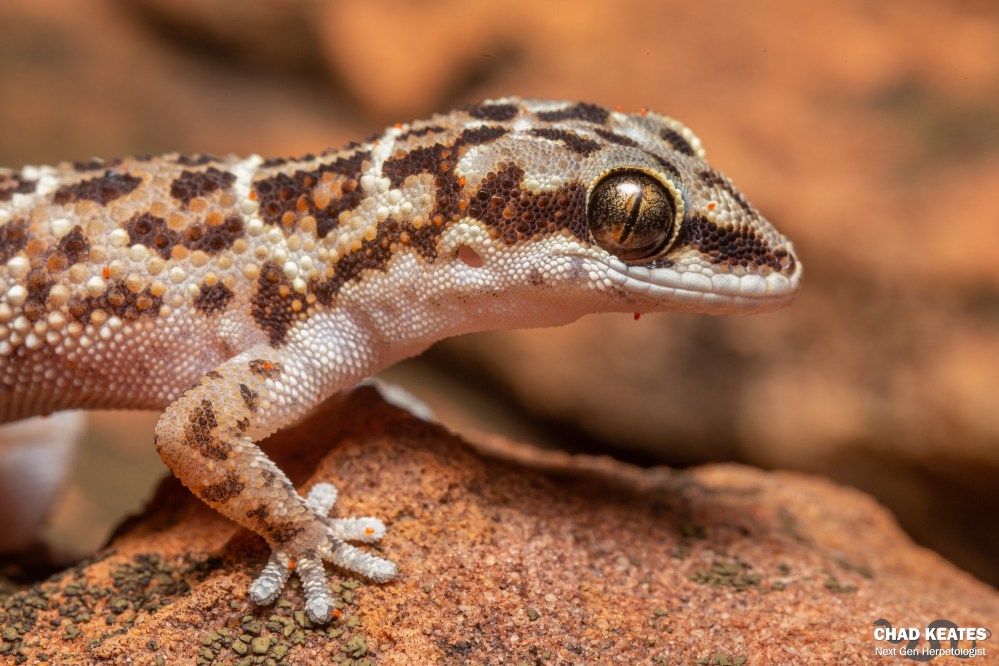
from Tshipise, Limpopo, South Africa

from Tshipise, Limpopo, South Africa

from Tshipise, Limpopo, South Africa

from Honeydew, Gauteng, South Africa

from Magaliesberg, Gauteng, South Africa
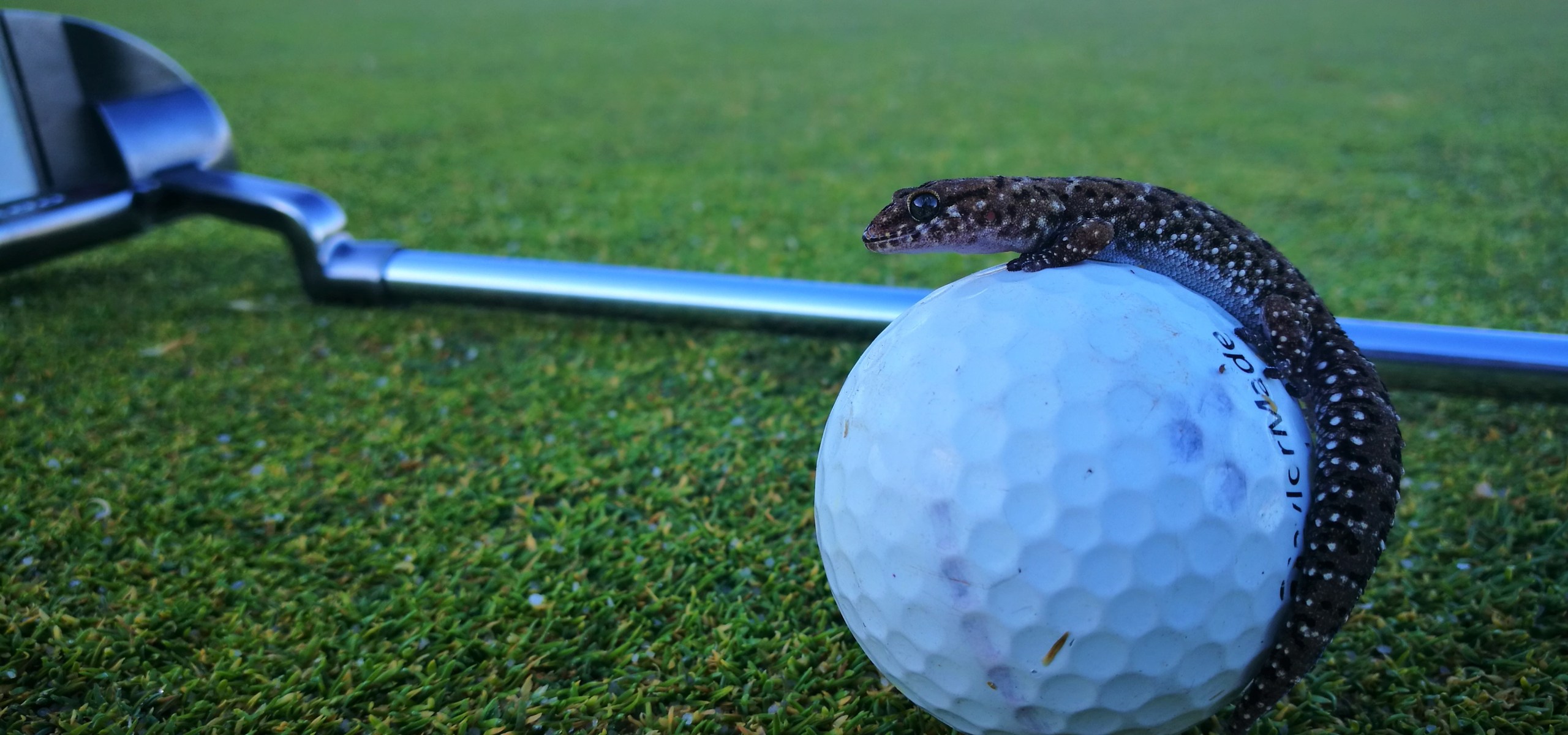
I have lived in Eagle Canyon Since its inception all the one back in 2005. A lot has changed since then and while many species have been forced out by the continuous development, due to habitat loss, many species have remained and can still be found to this day. Although the large expanses of open veld are all but absent from the estate, there still are a few spots where wildlife thrives, oblivious to the development of the rest of Johannesburg. All of the animals listed below have been seen by myself, on the estate, in the past year.
Rinkhals (Hemachatus haemachatus) and Aurora House Snake (Lamprophis aurora) have been found in the estate in the past but because I have not seen or heard of them in the estate in the past five years, I have omitted them form the list as I am not sure whether they are still present in the area.
Snakes
Brown Water Snake (Lycodonomorphus rufulus)
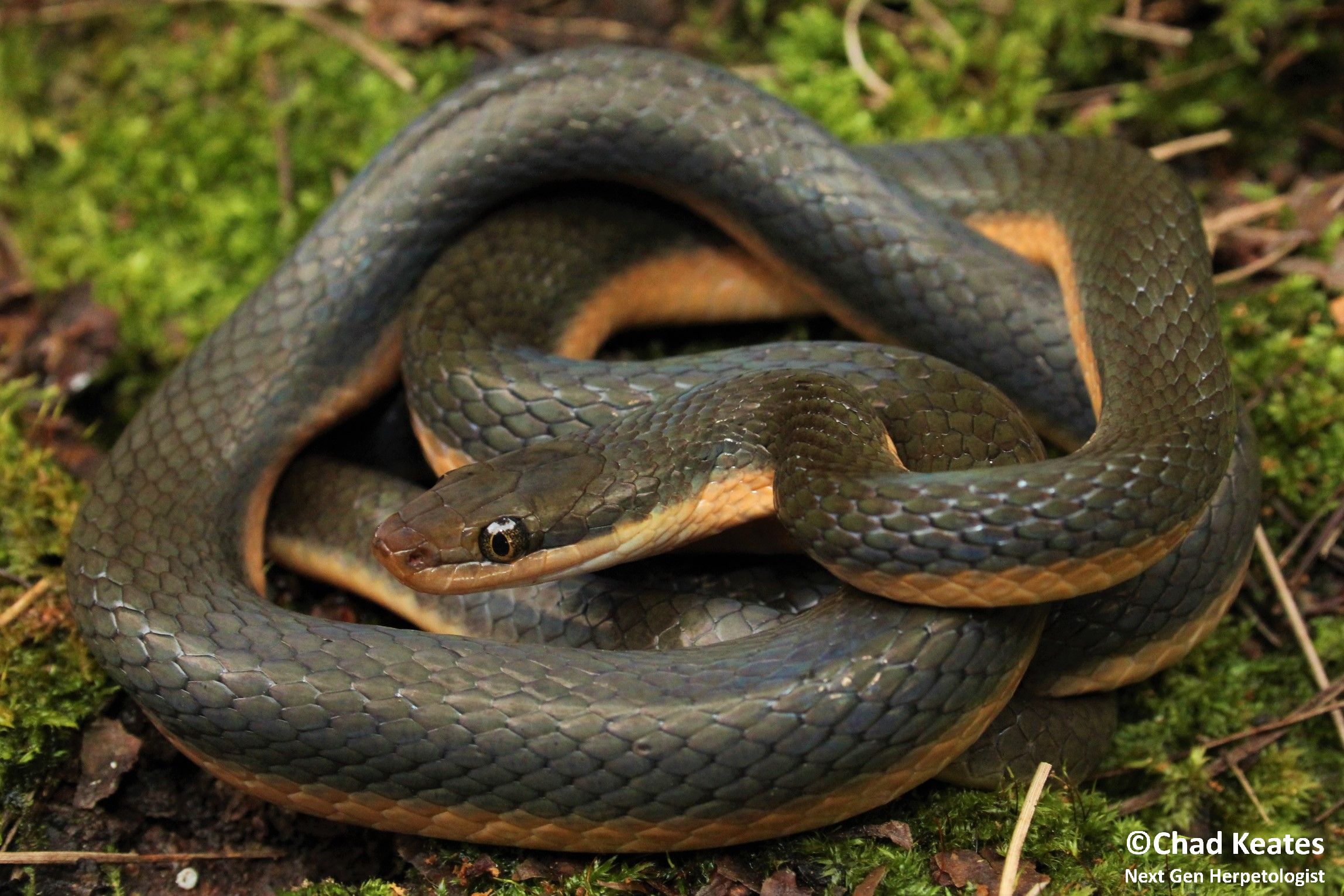
Red-lipped Herald (Crotaphopeltis hotamboeia)
Lizards
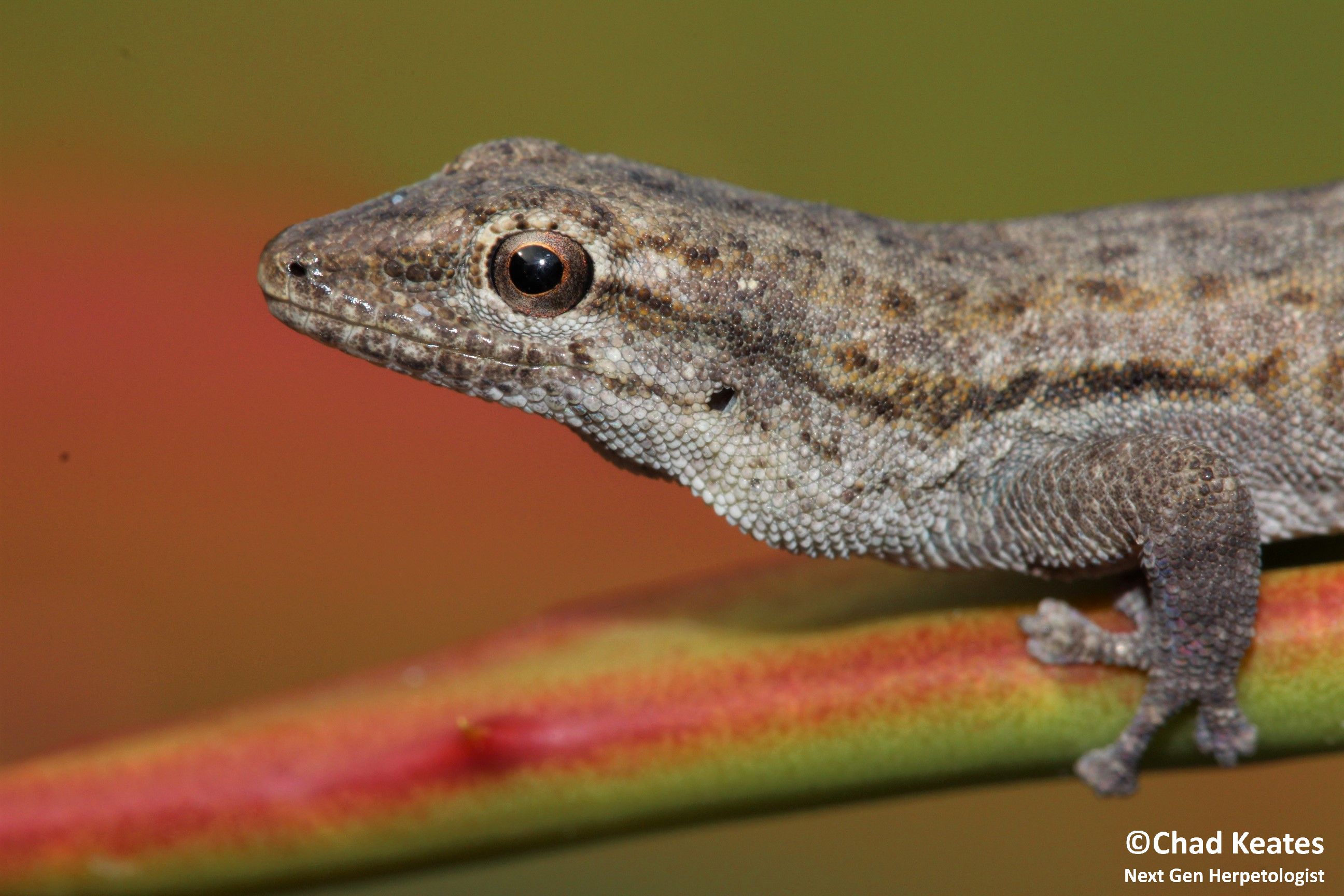
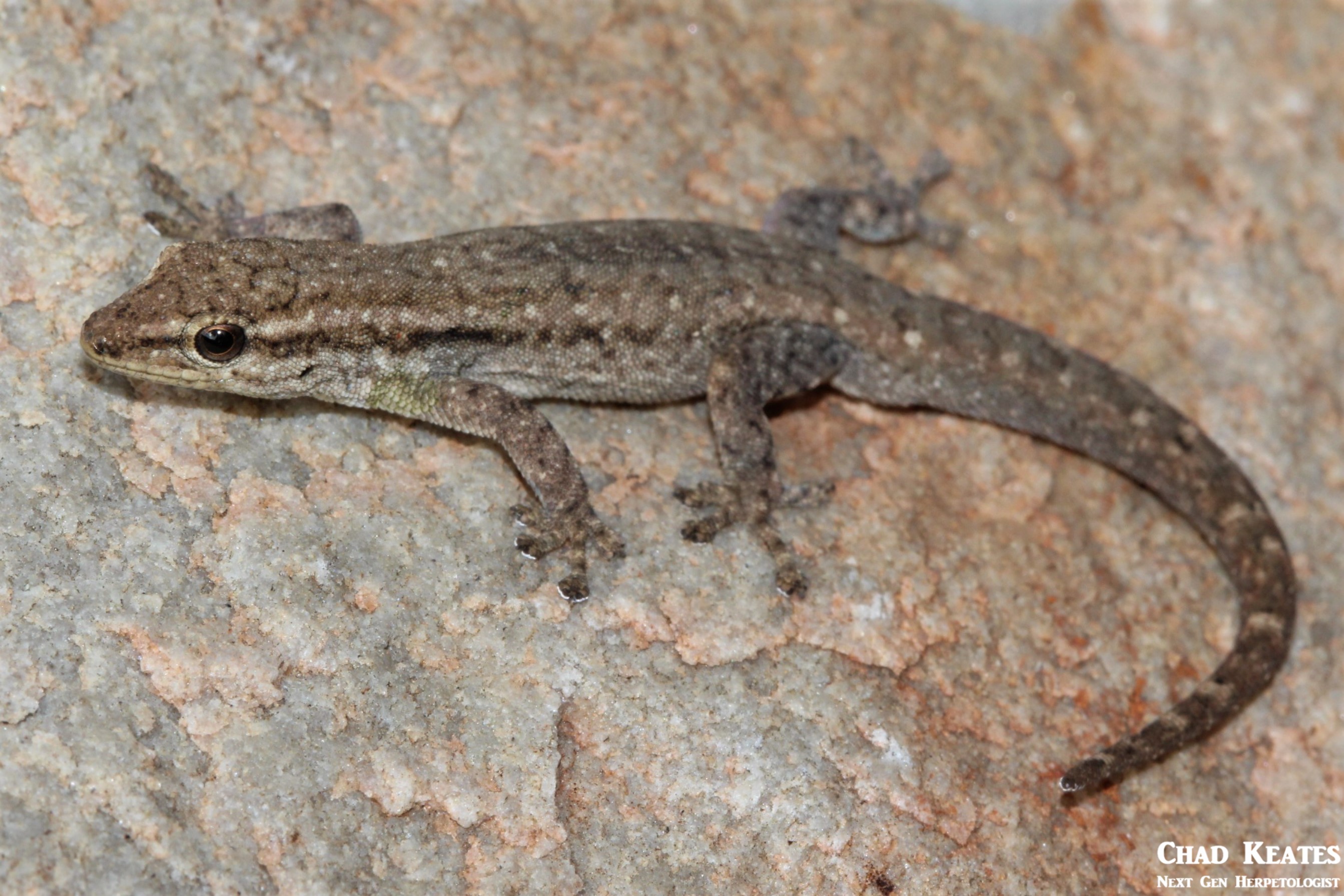
Transvaal Thick-toed Gecko (Pachydactylus affinis)

Cape Dwarf Day Gecko (Lygodactylus capensis)
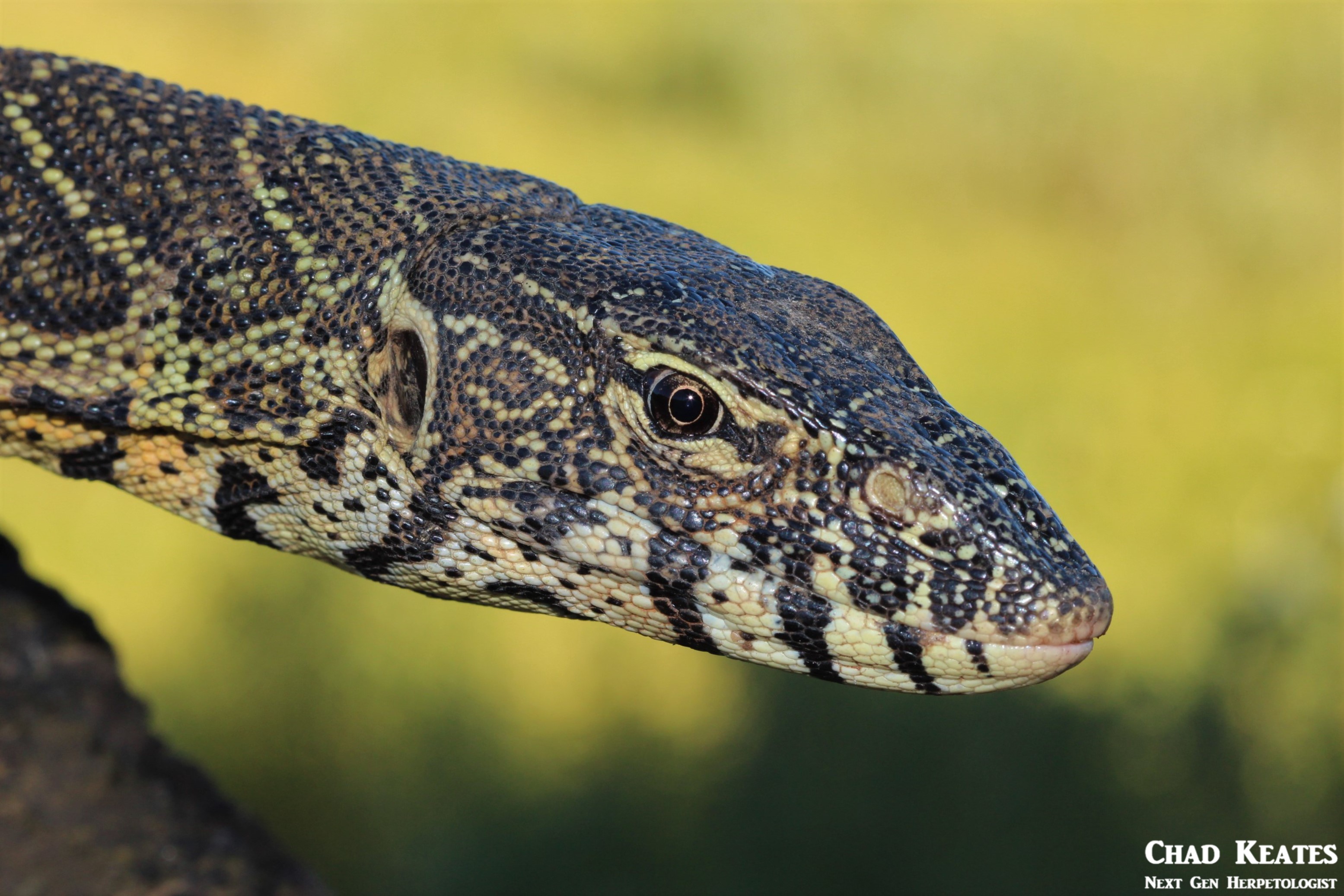
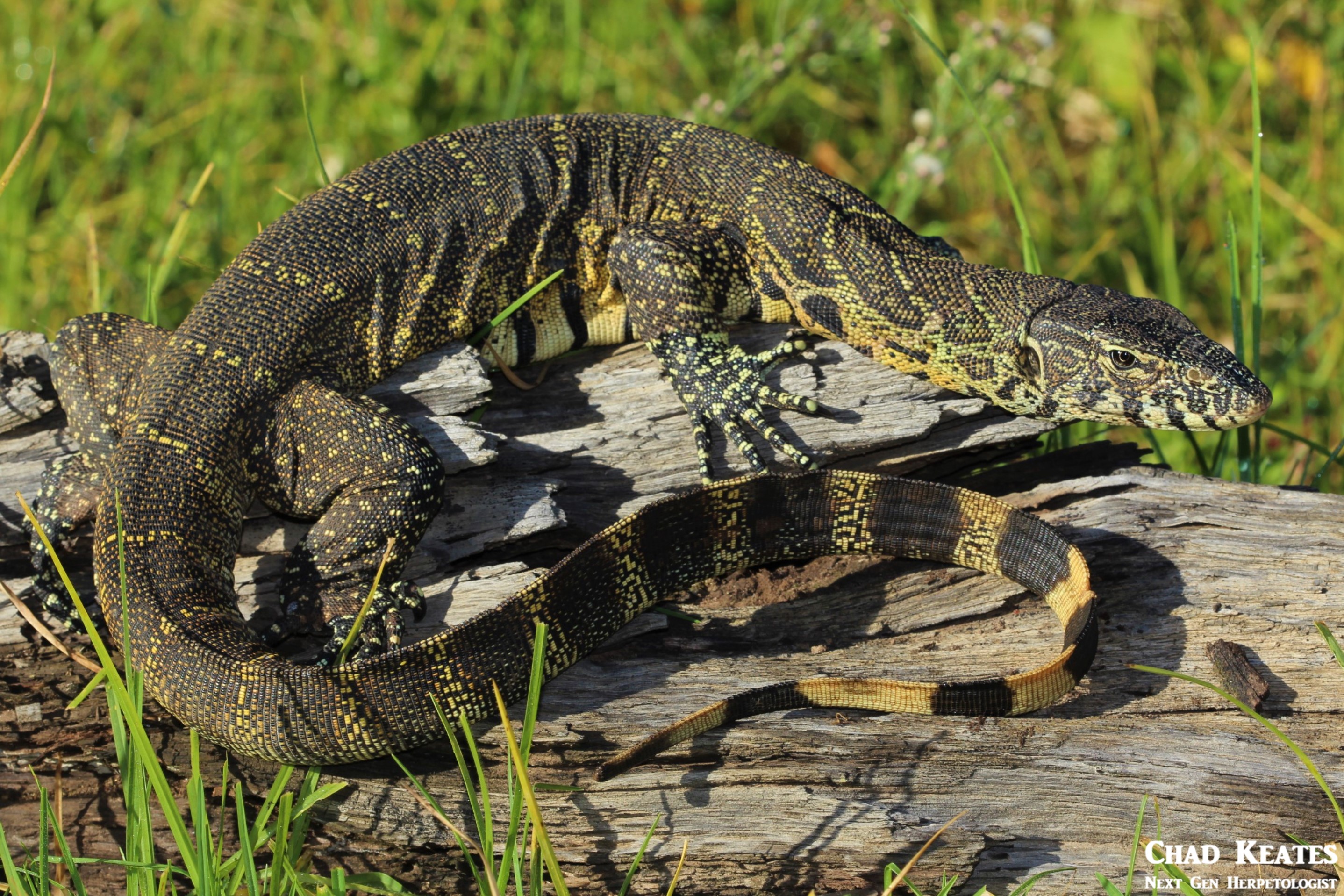
Water Monitor (Varanus niloticus)
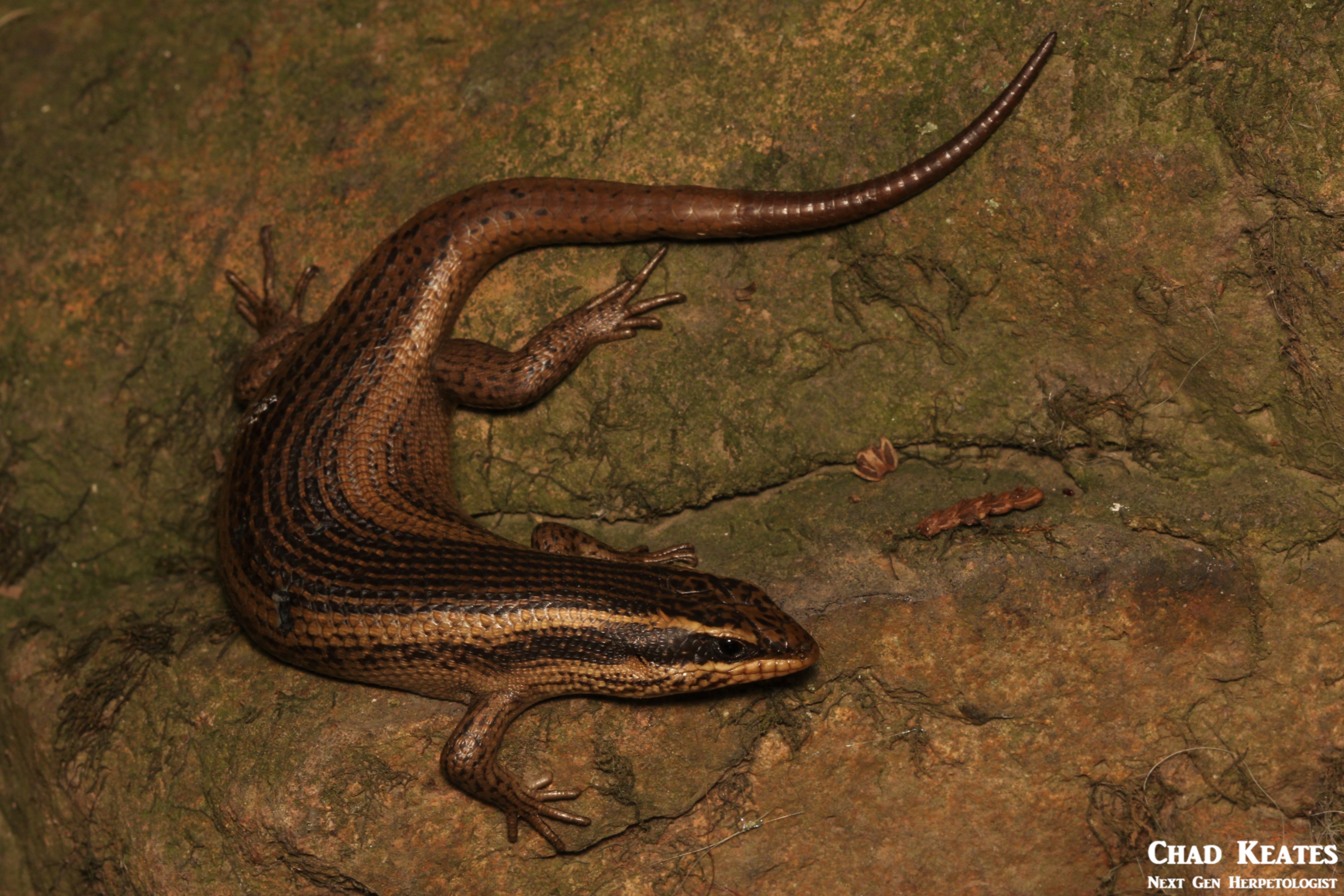
Speckled Rock Skink (Trachylepis punctatissimus)

Amphibians
Guttural Toad (Sclerophrys gutturalis)

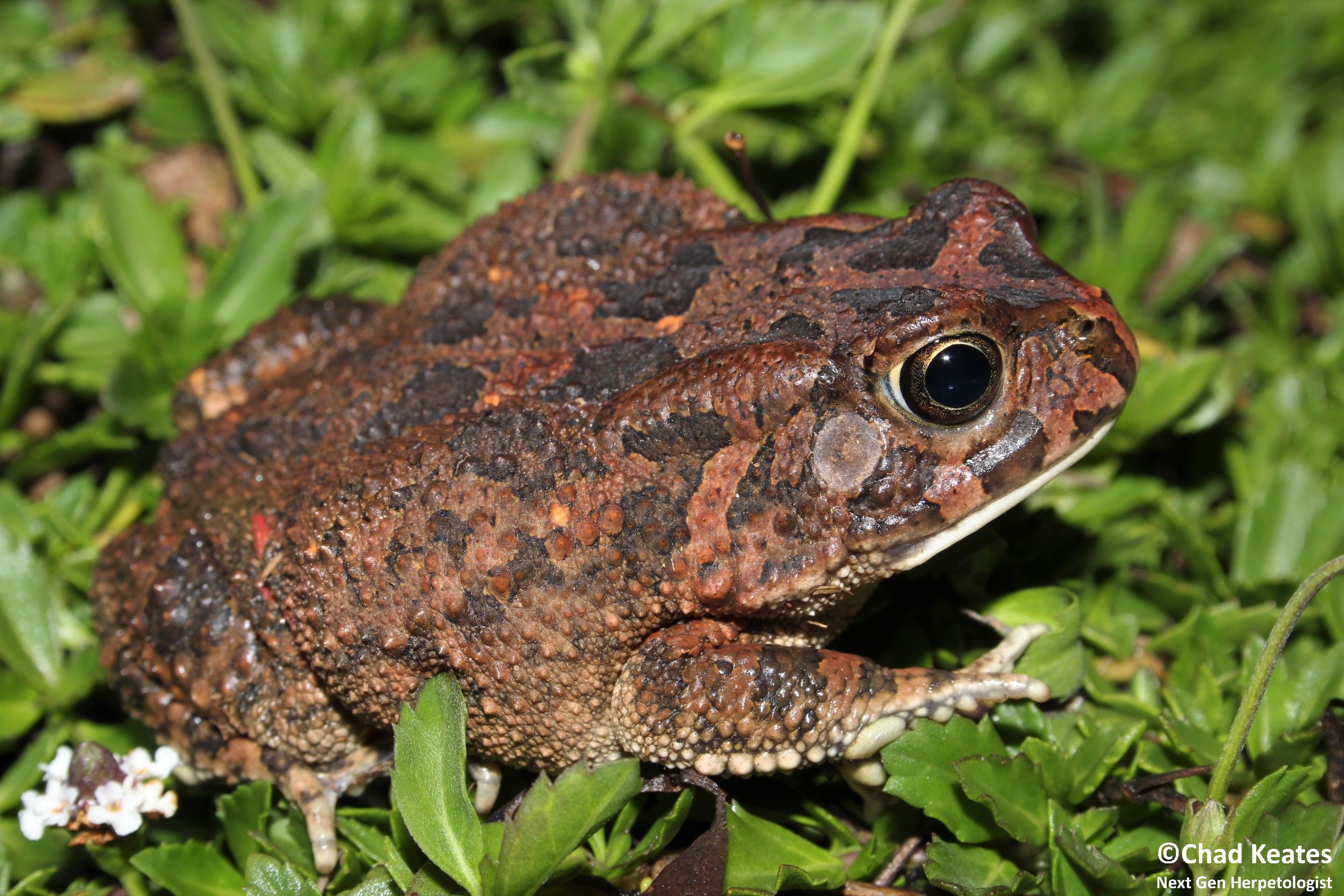
Red Toad (Schismaderma carens)


Common River Frog (Amietia delalandii)


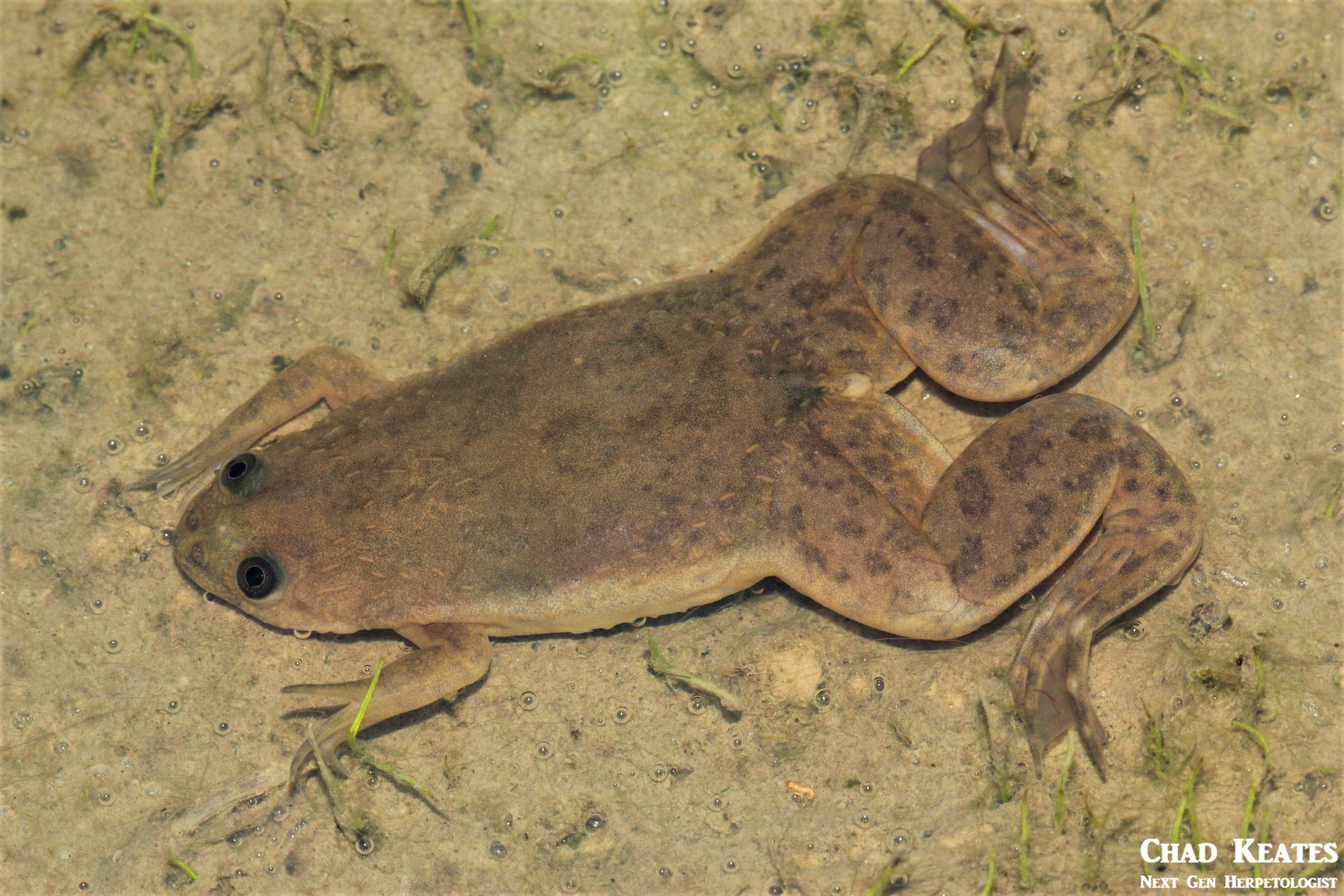
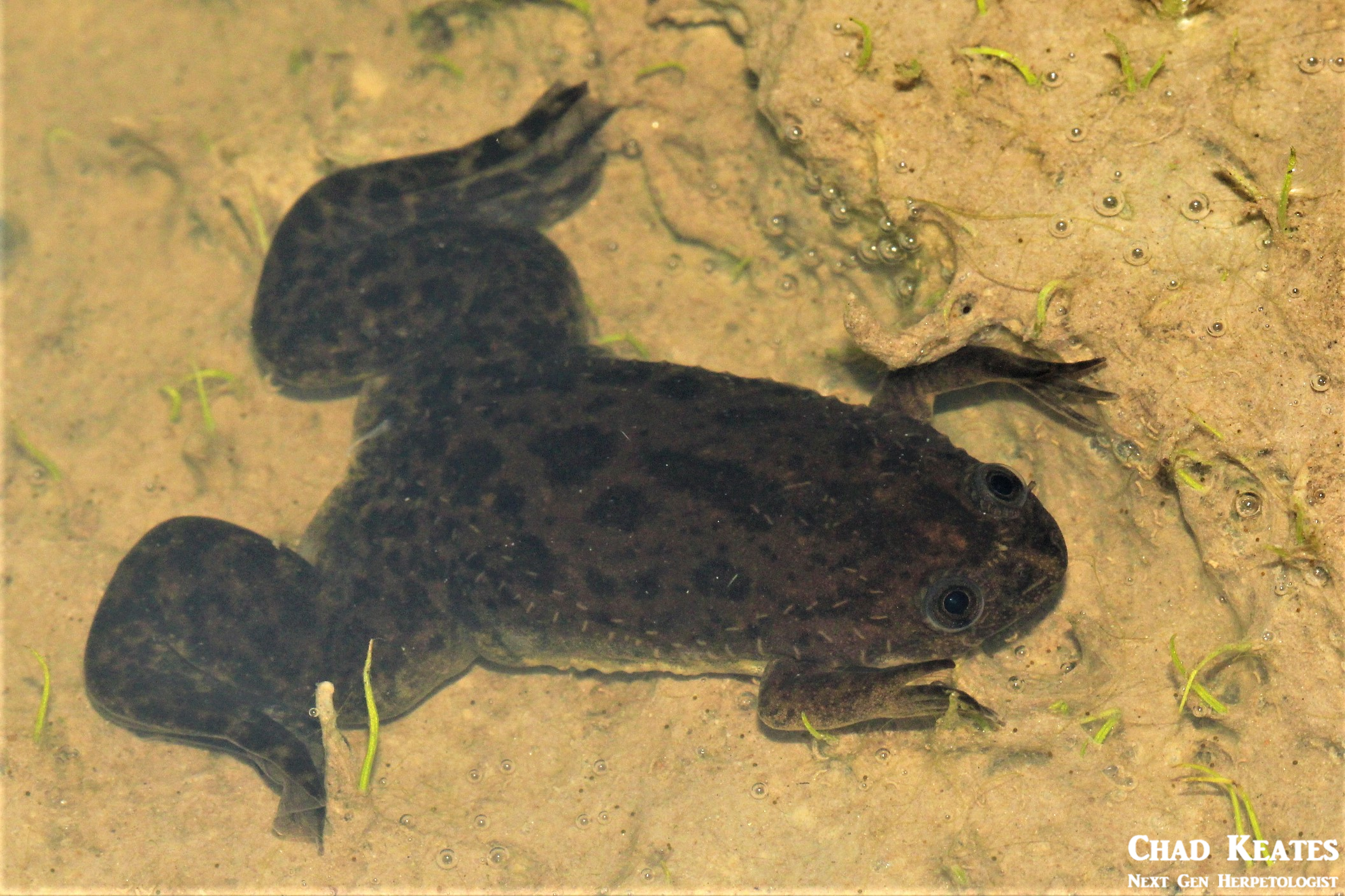
Common Platanna (Xenopus laevis)
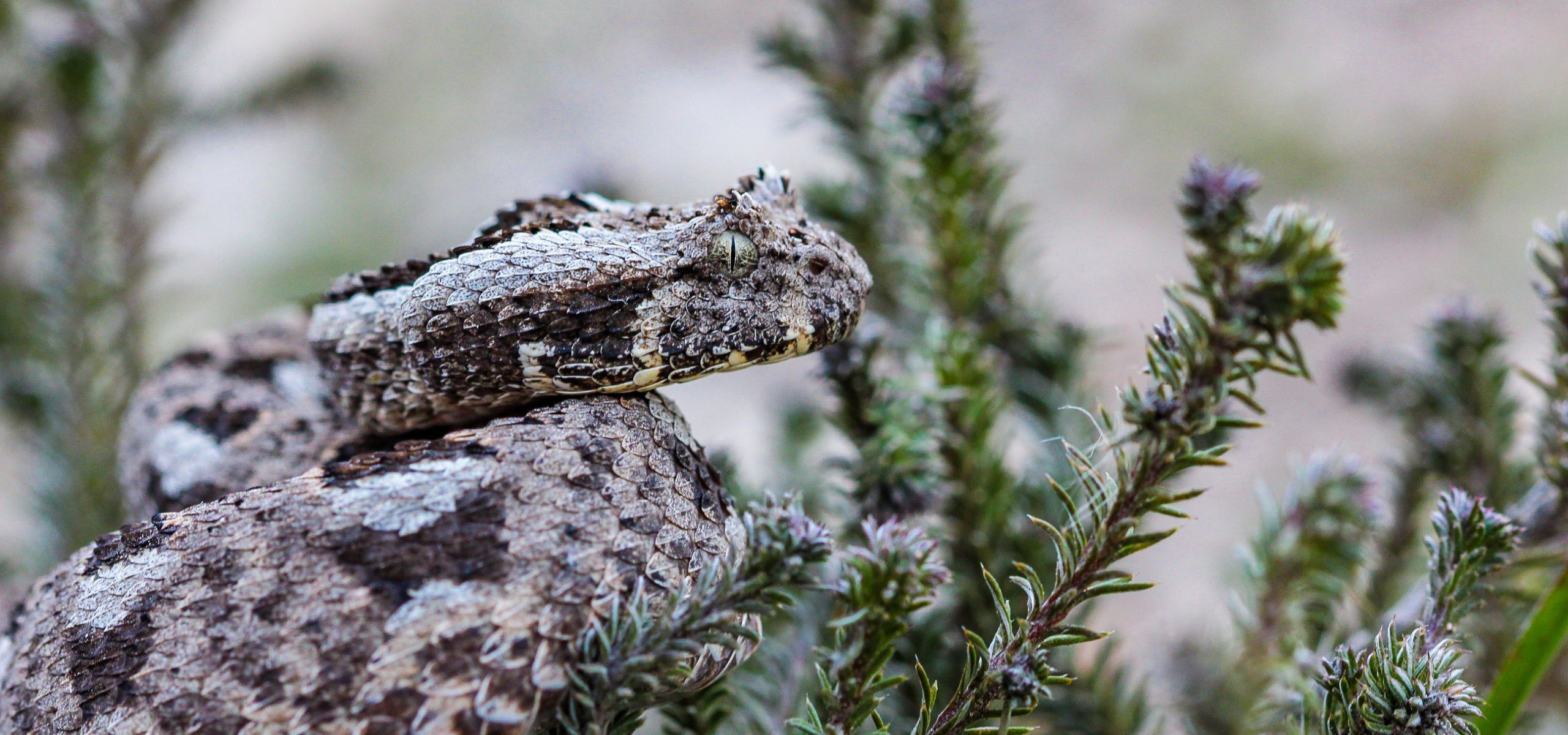
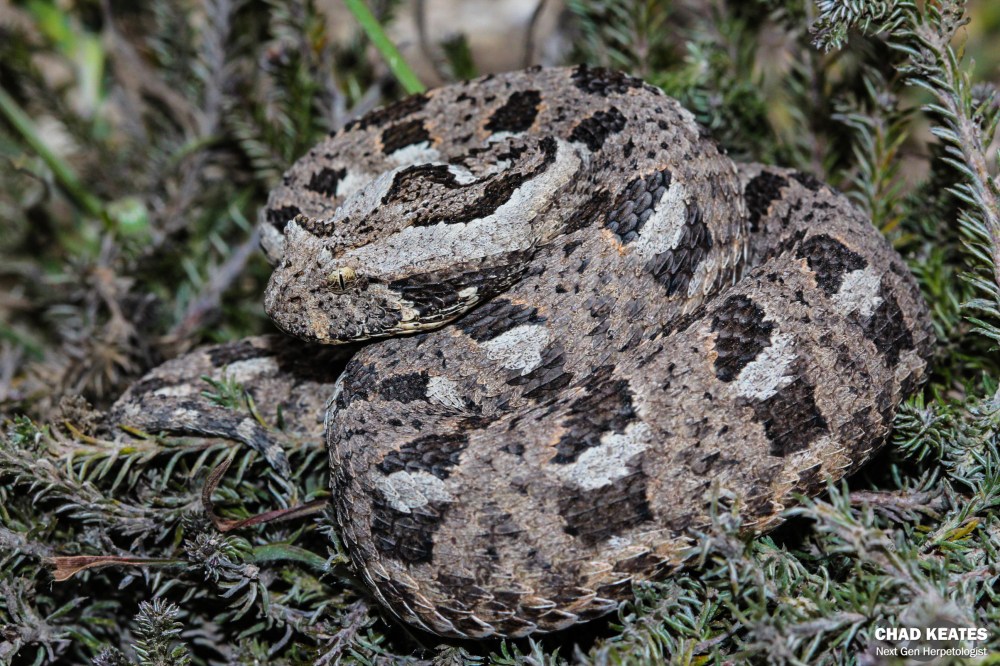
Albany Region, Eastern Cape, South Africa

Albany Region, Eastern Cape, South Africa

Albany Region, Eastern Cape, South Africa
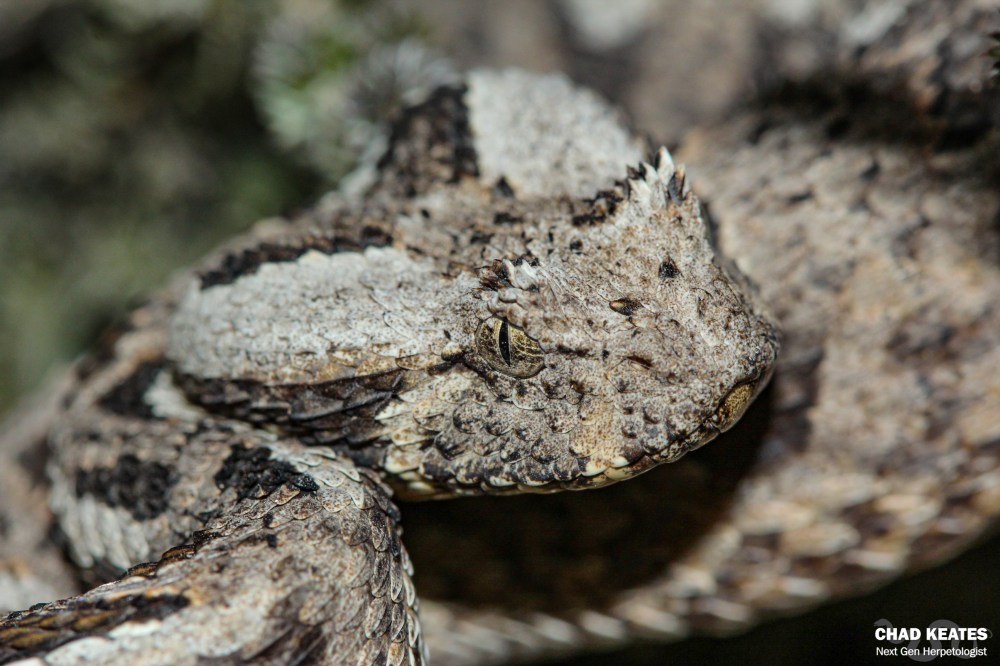
Albany Region, Eastern Cape, South Africa

Albany Region, Eastern Cape, South Africa

Albany Region, Eastern Cape, South Africa
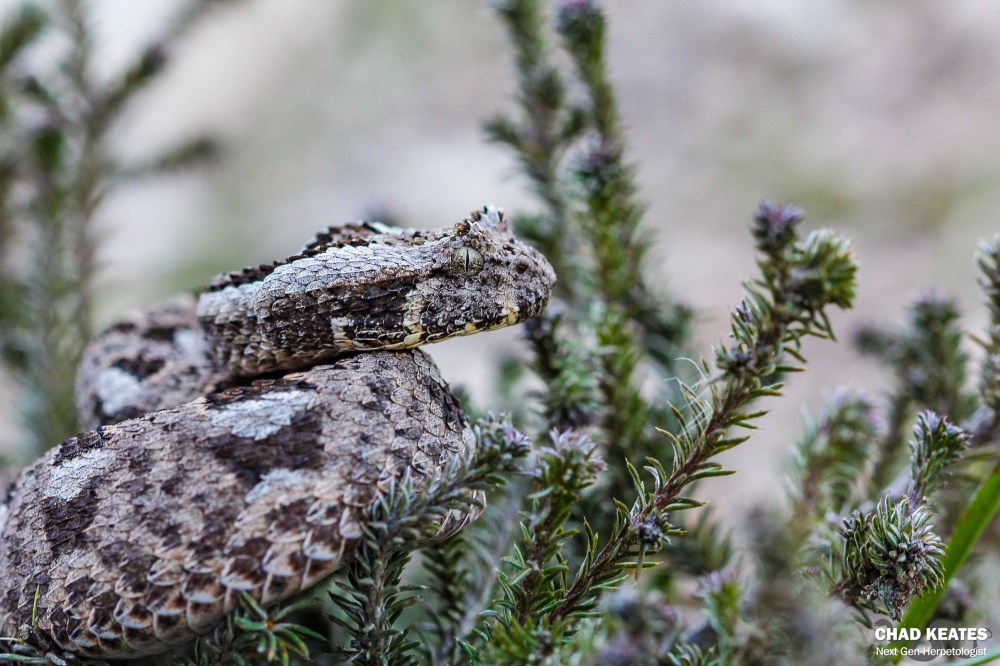
Albany Region, Eastern Cape, South Africa


Adult from Lady’s Slipper, Eastern Cape.
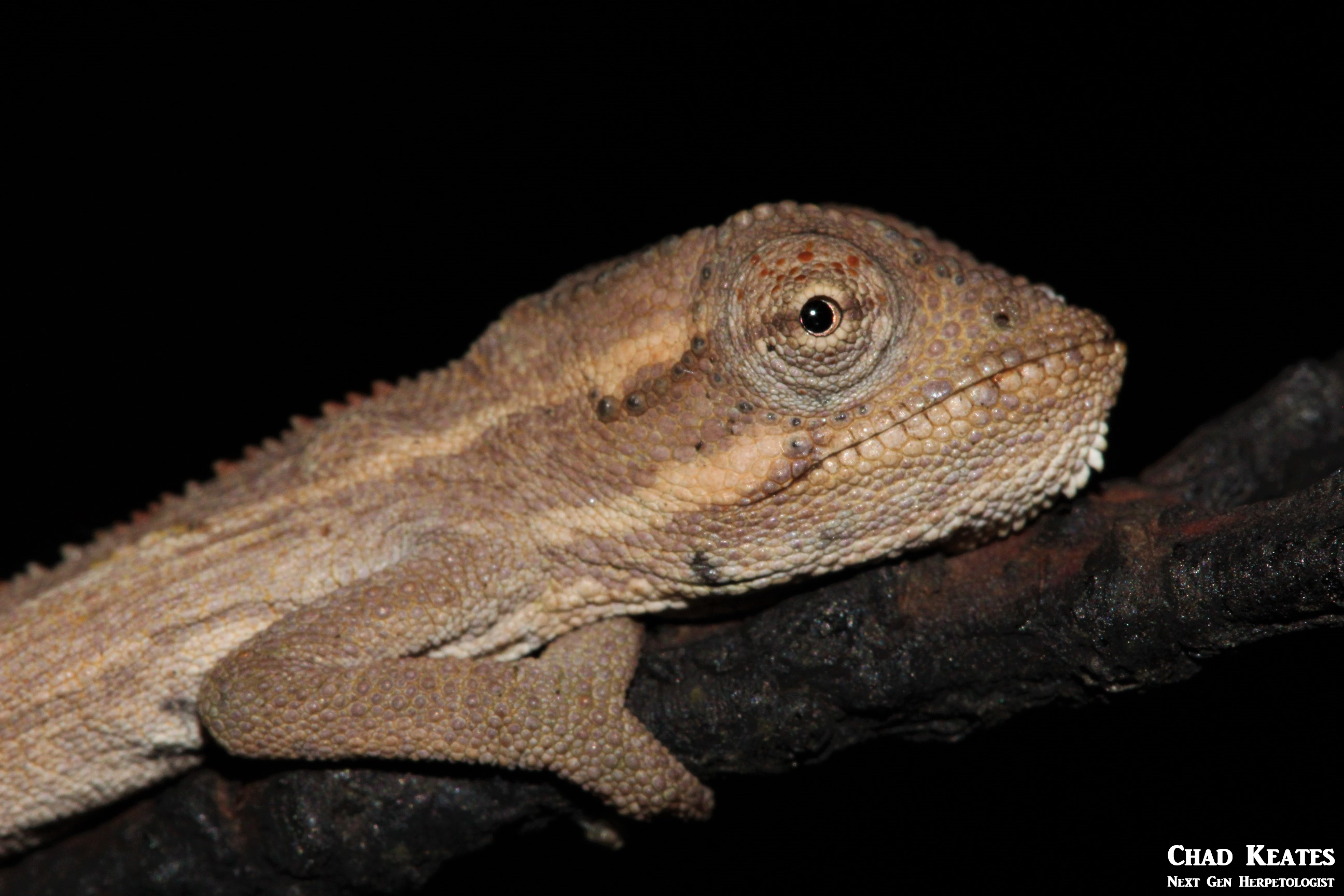
Juvenile from Lady’s Slipper, Eastern Cape.
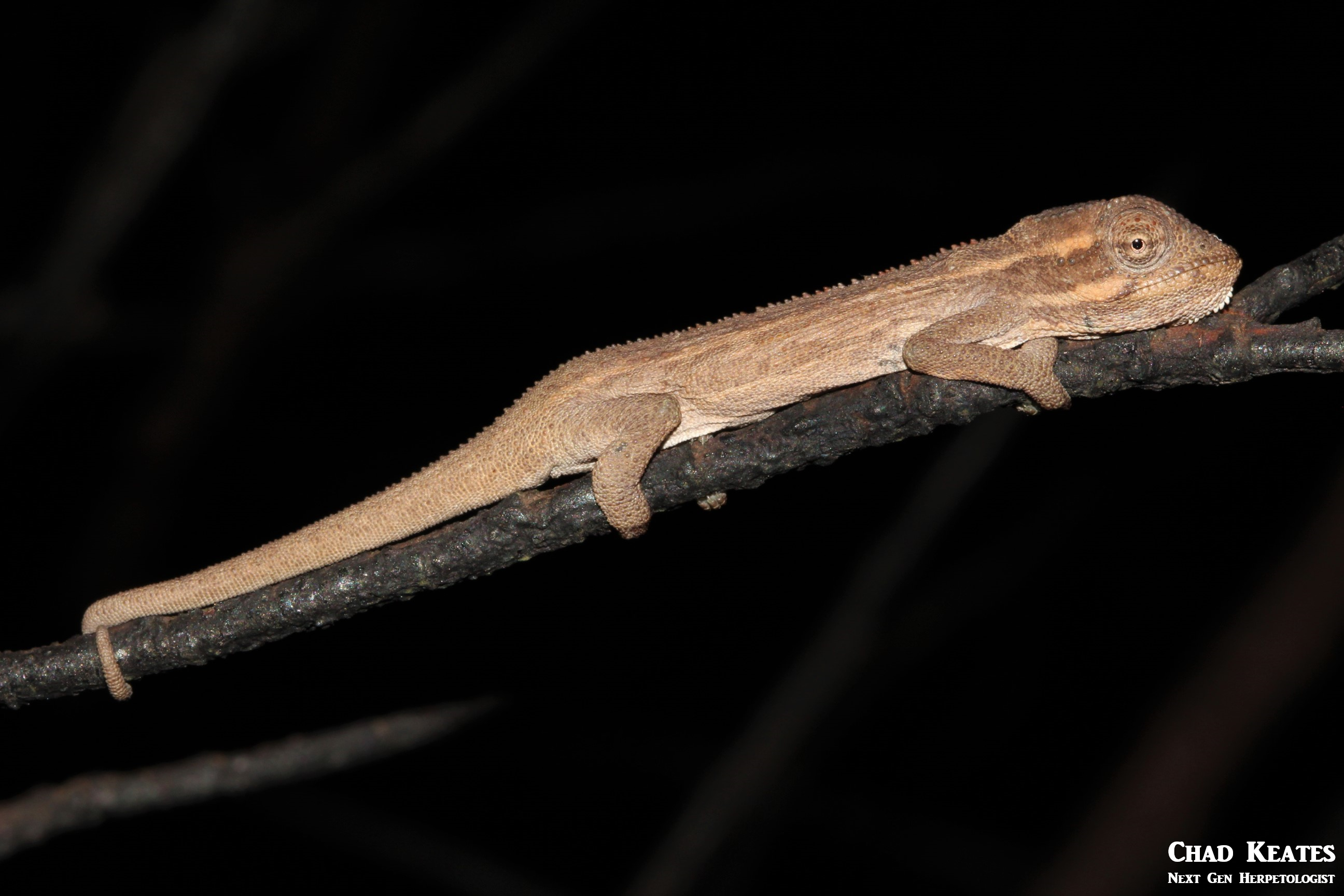
Juvenile from Lady’s Slipper, Eastern Cape.

Juvenile from Lady’s Slipper, Eastern Cape.


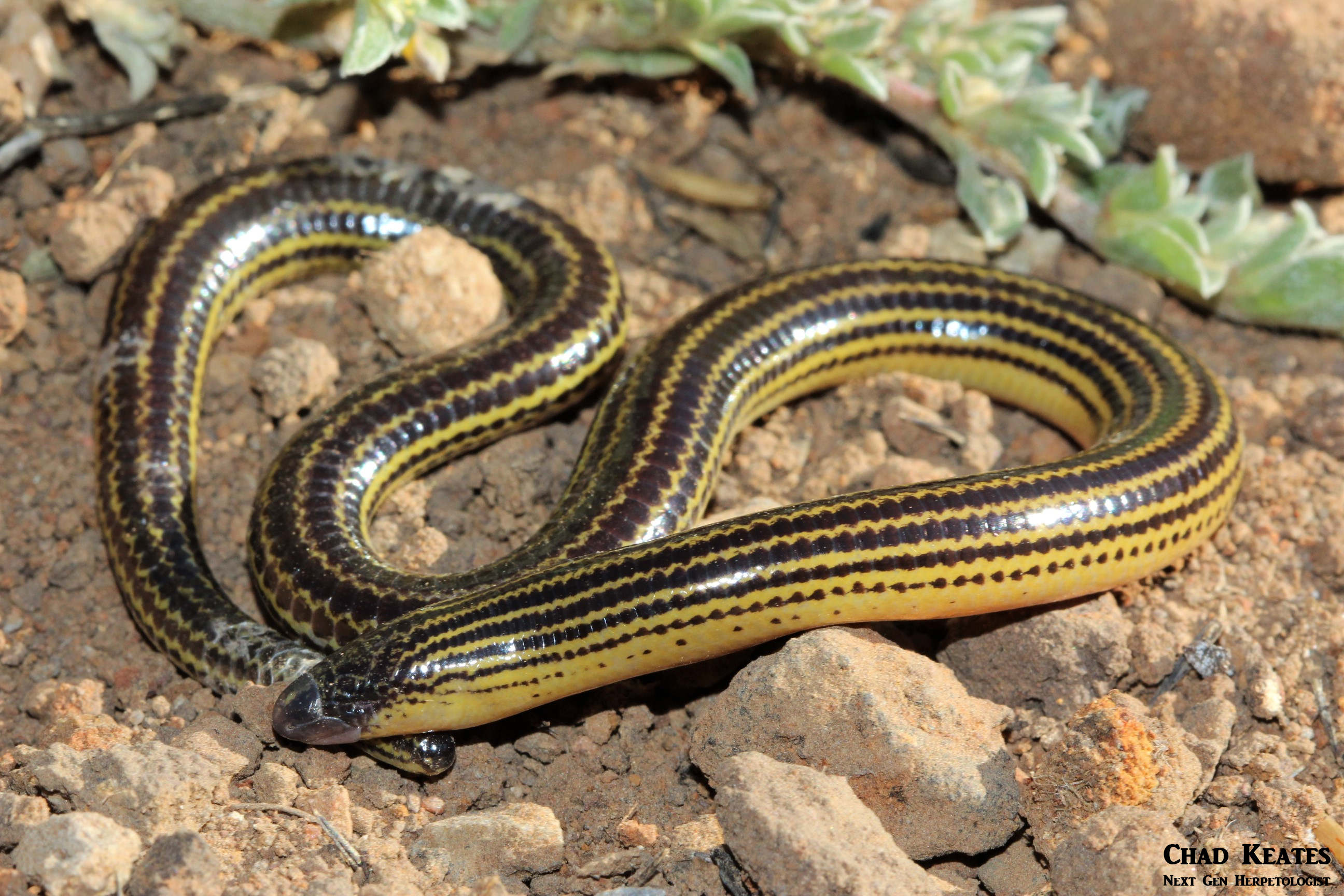





 Chad Keates