 Chad Keates


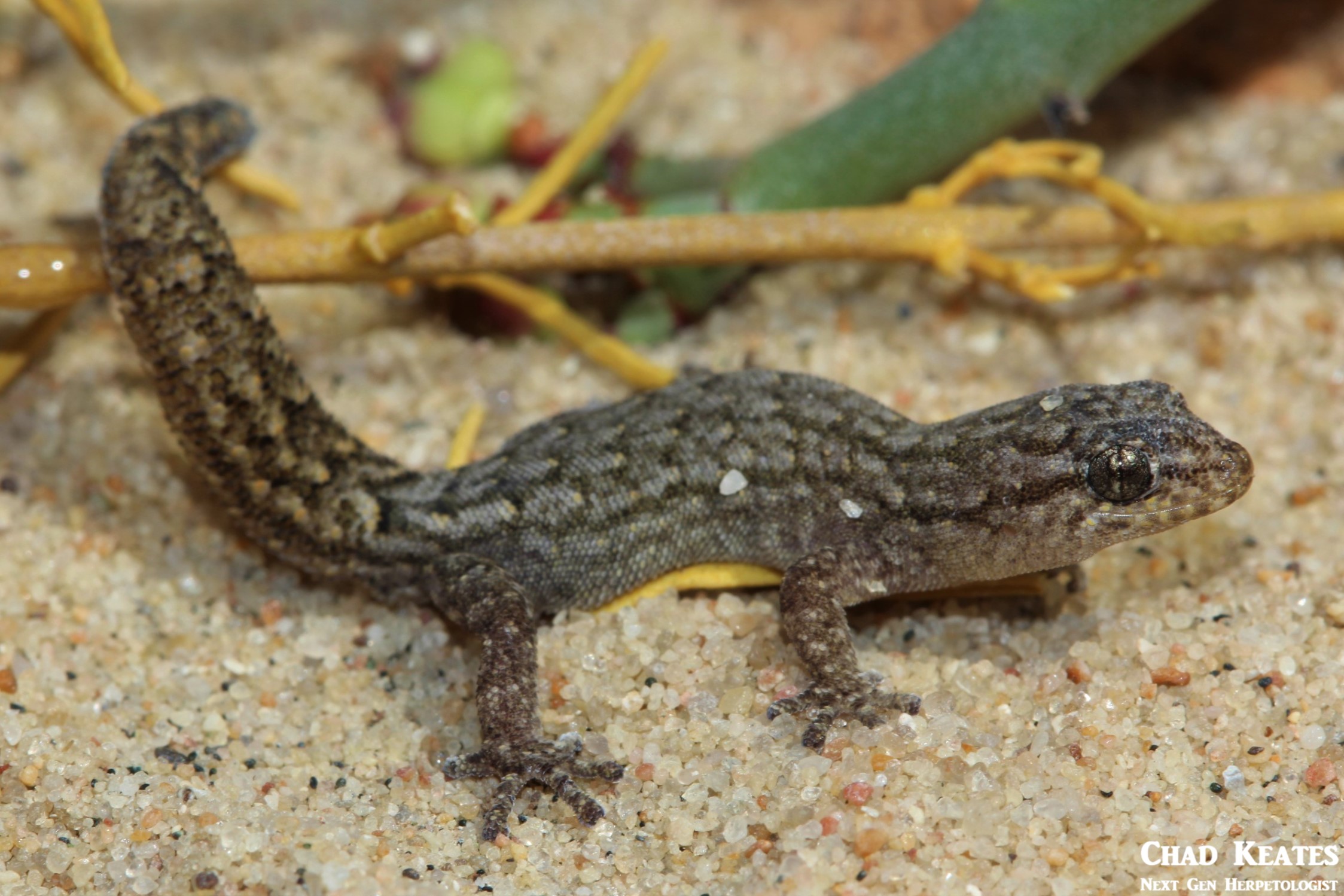


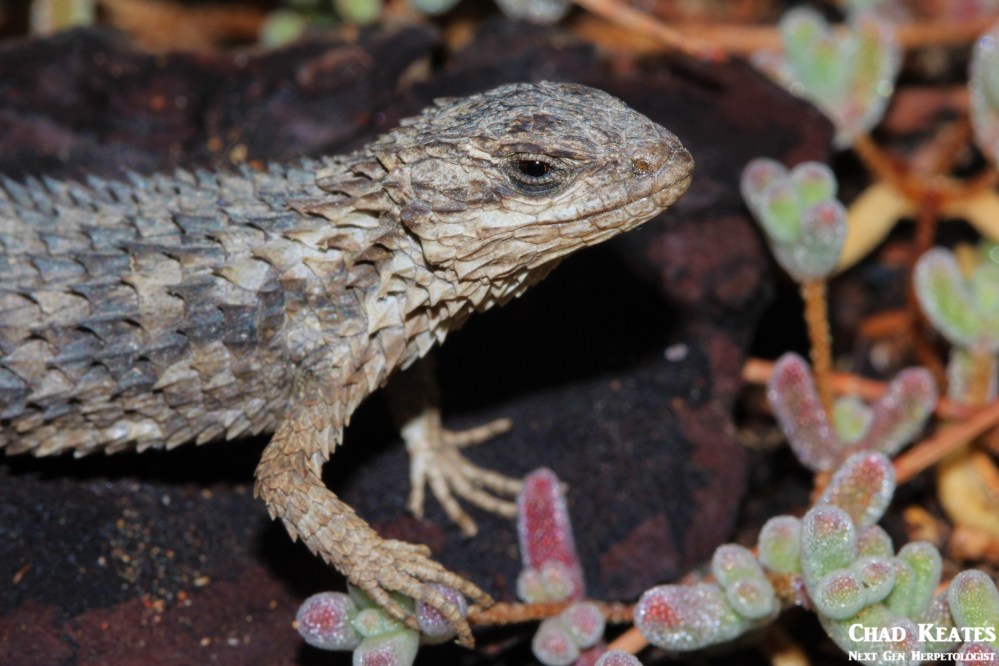


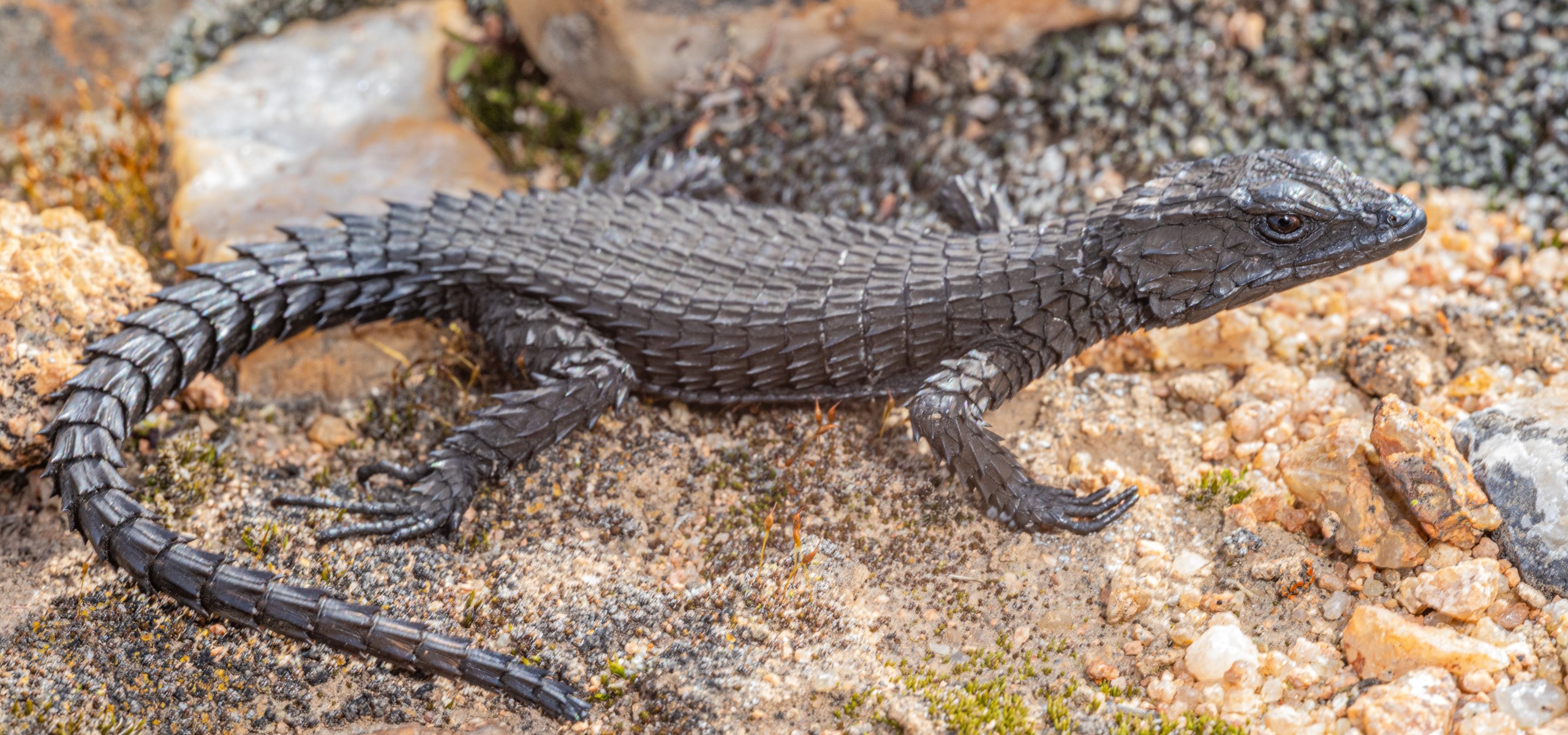
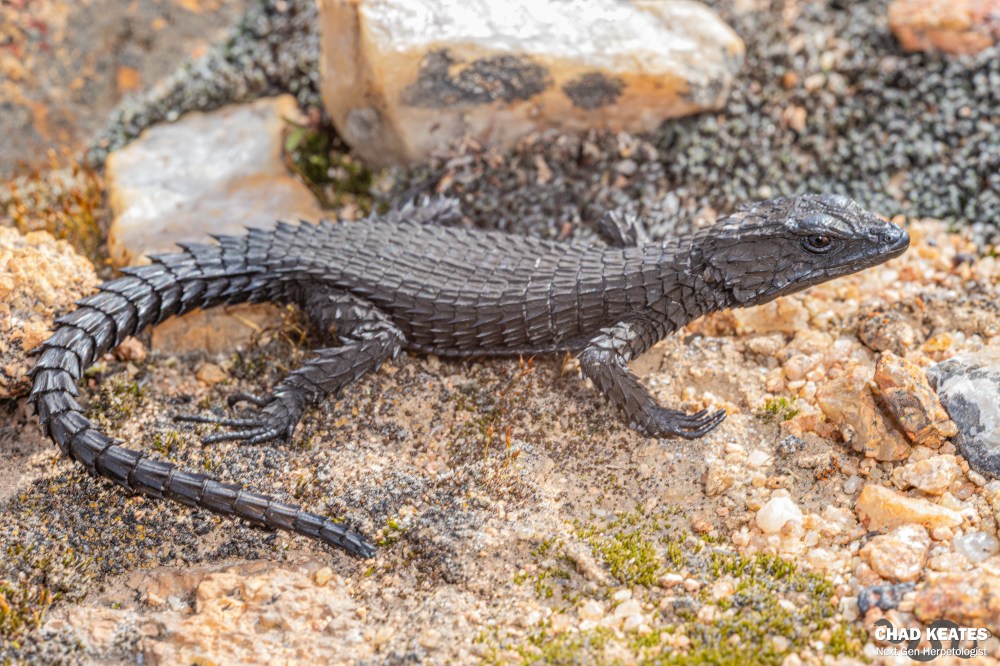
from Kamieskroon, Northern Cape, South Africa

from Springbok, Northern Cape, South Africa
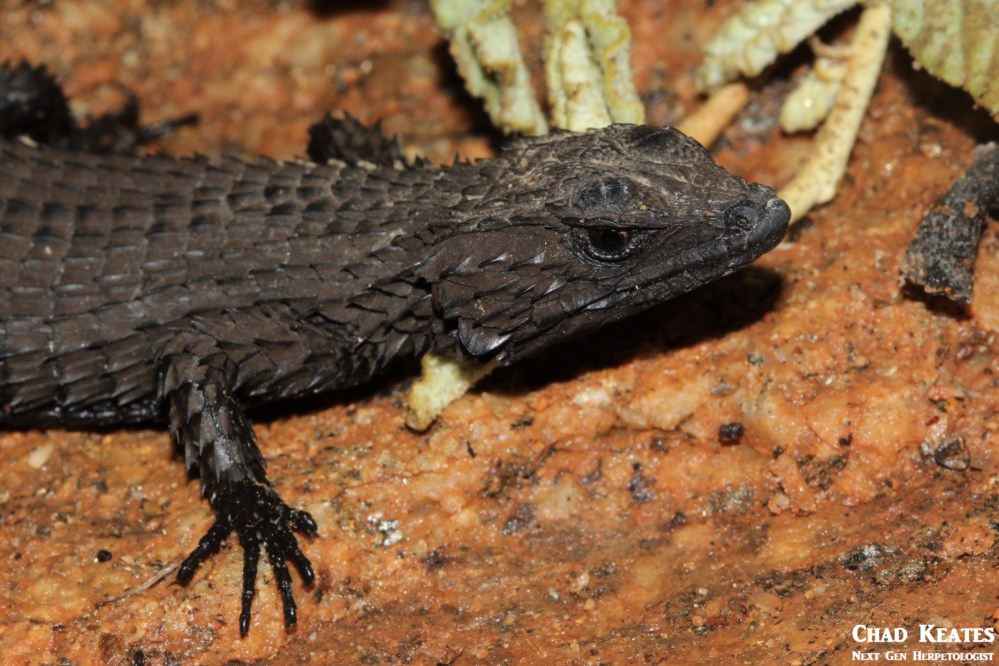
from Springbok, Northern Cape, South Africa
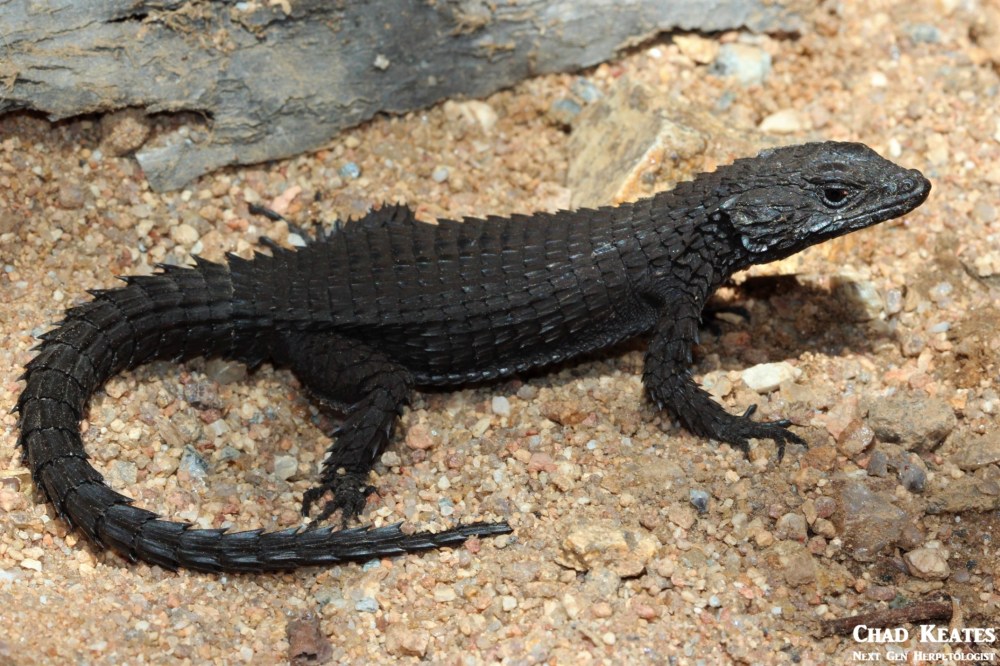
from Springbok, Northern Cape, South Africa
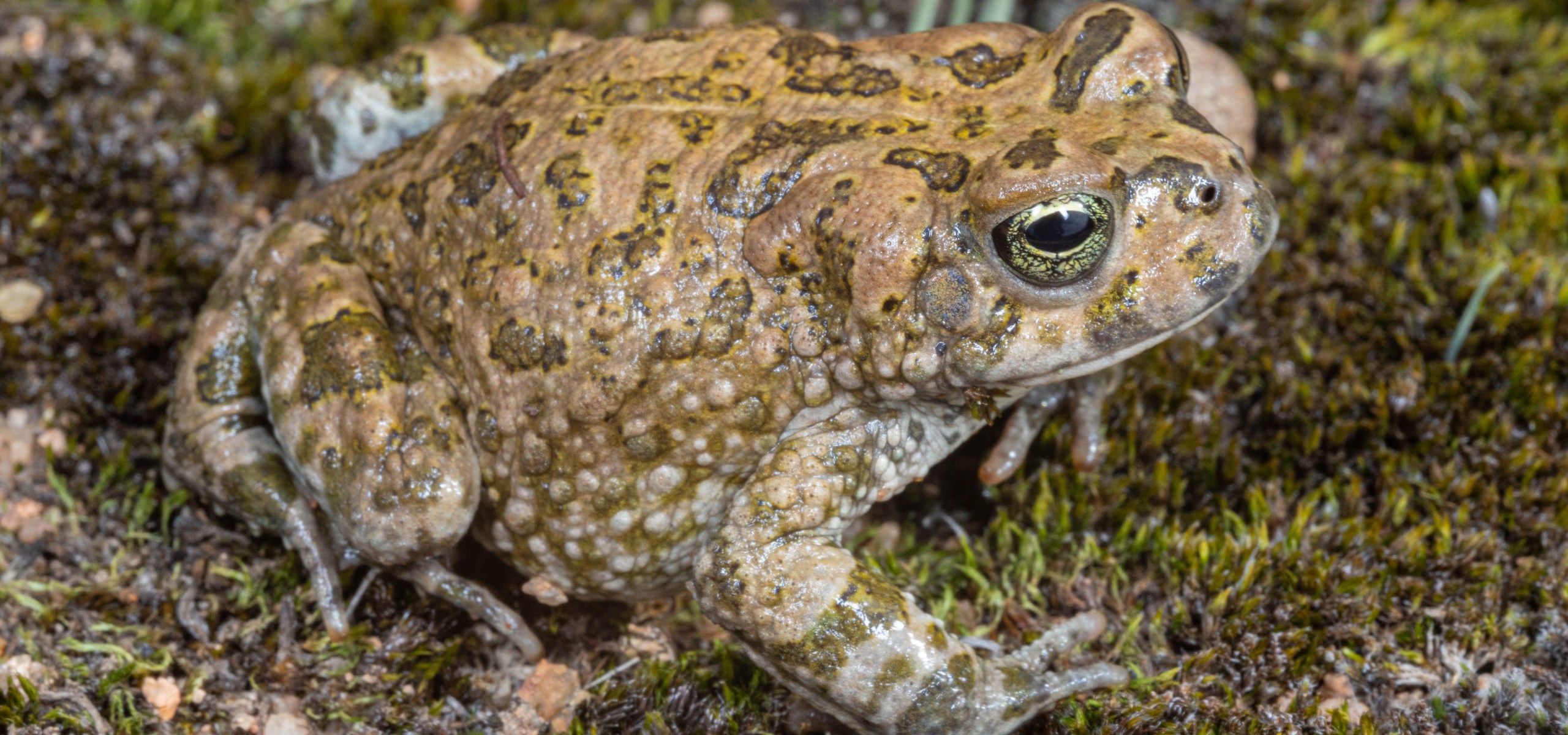

from Springbok, Northern Cape, South Africa
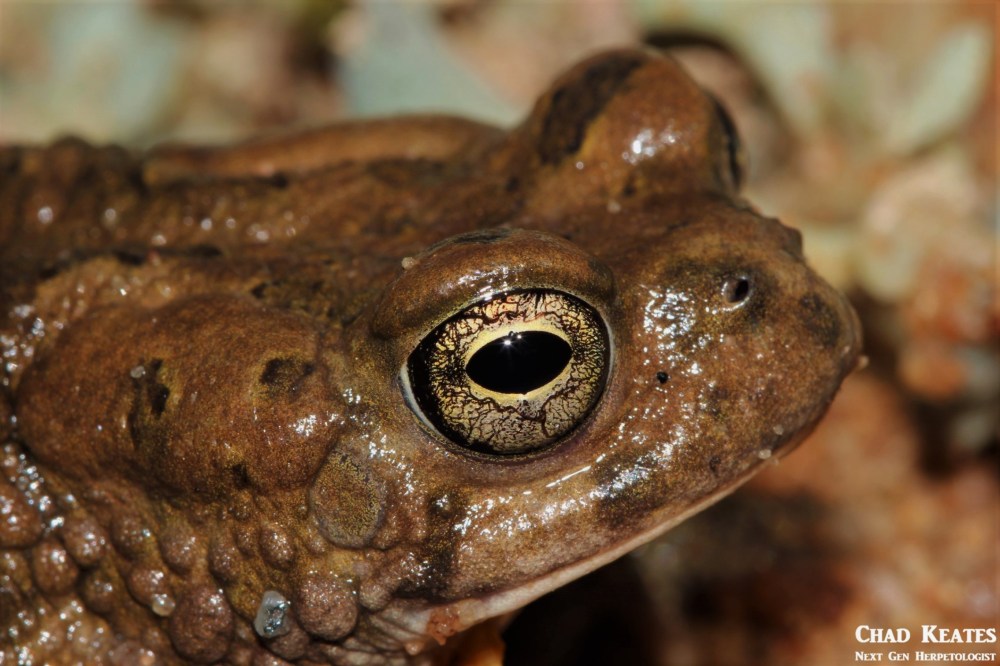
from Springbok, Northern Cape, South Africa

from Springbok, Northern Cape, South Africa

from Kamieskroon, Northern Cape, South Africa

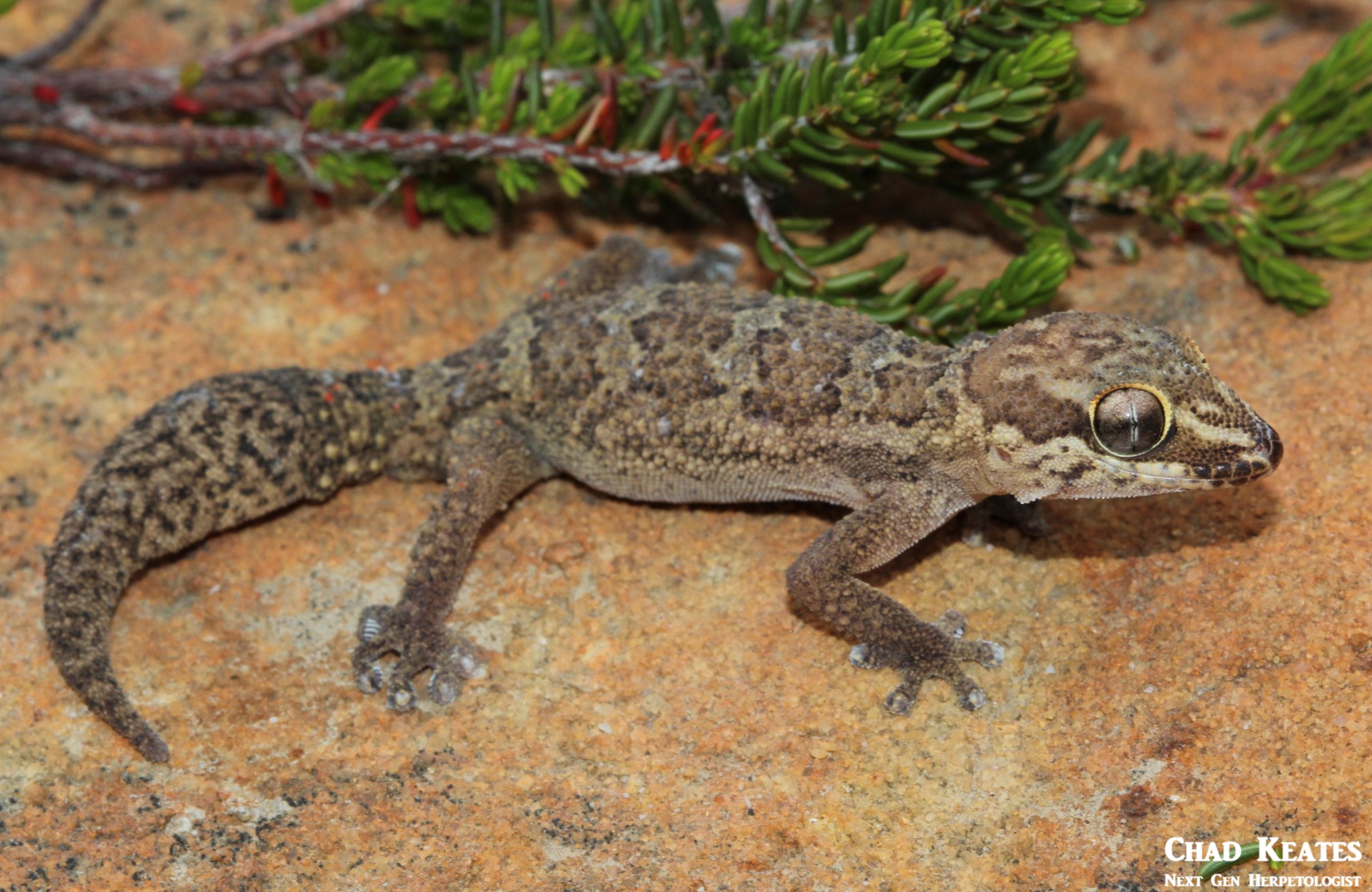
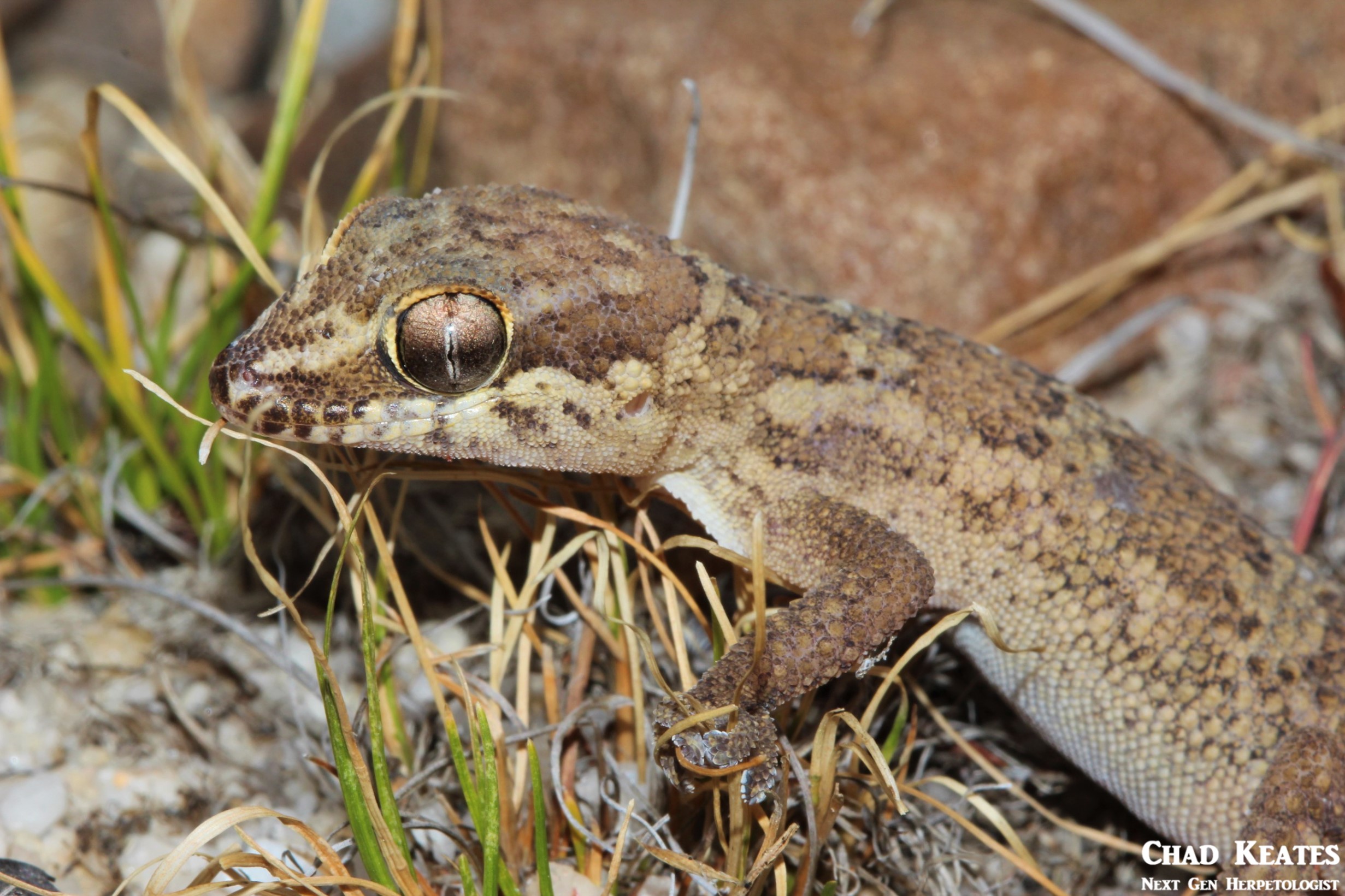

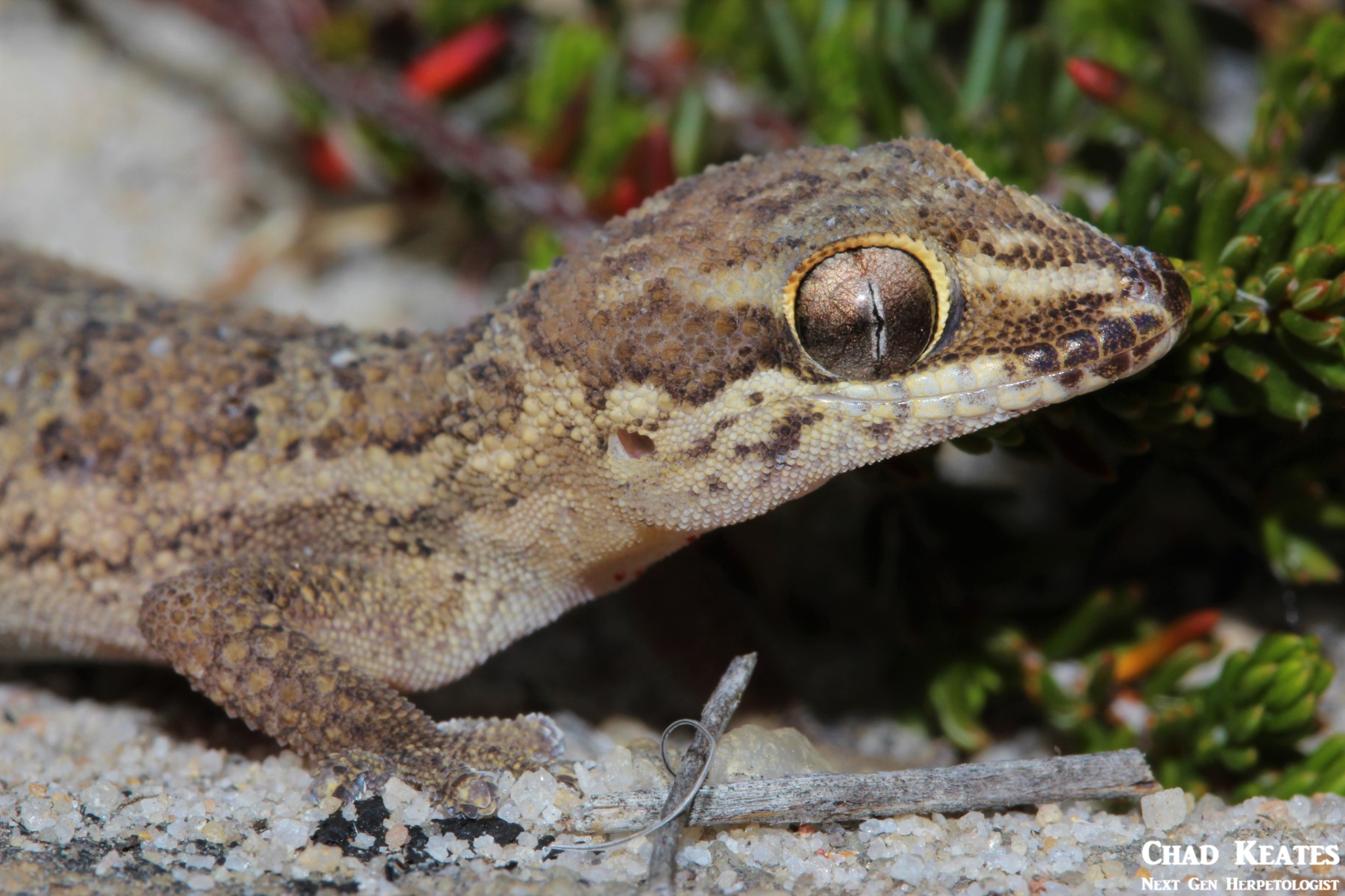
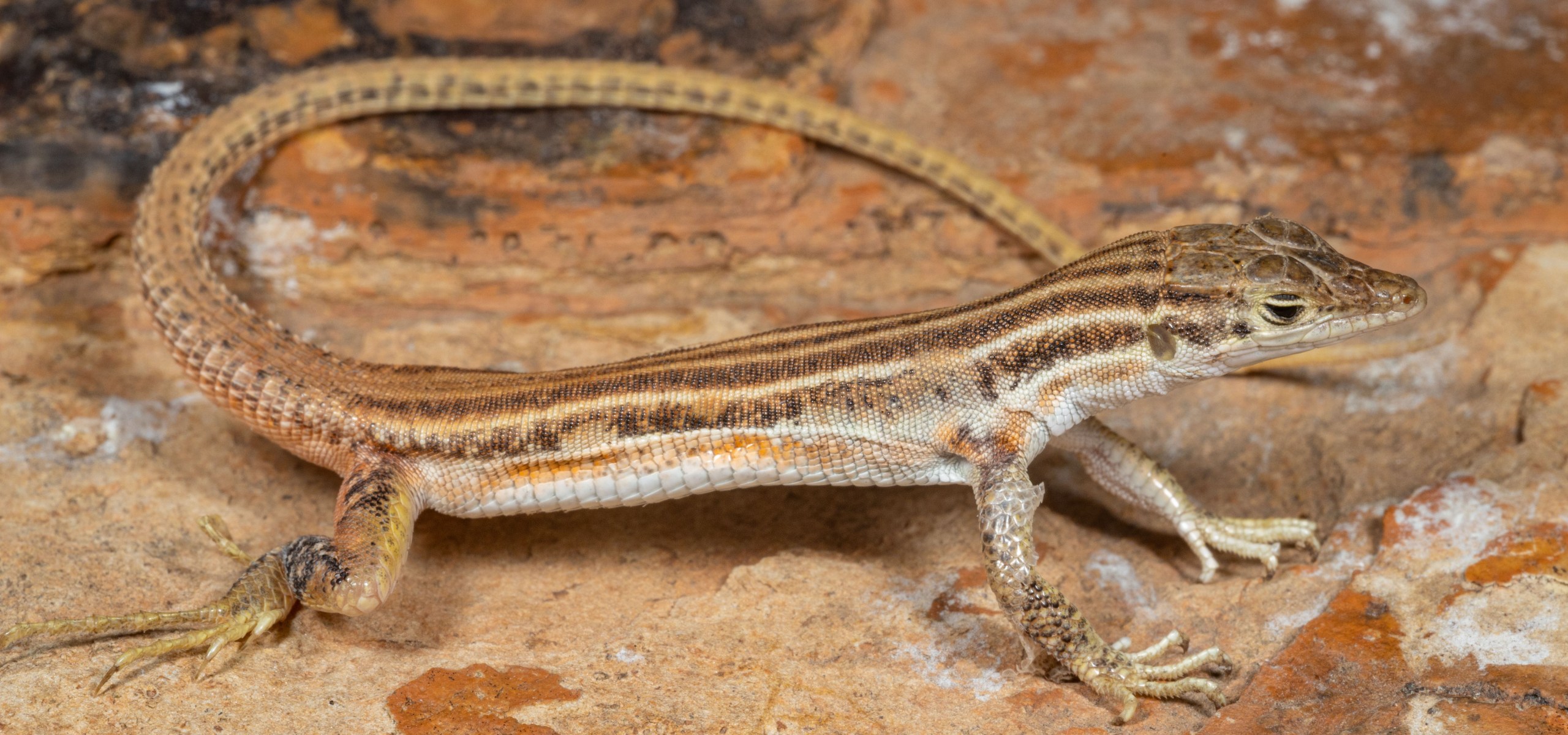
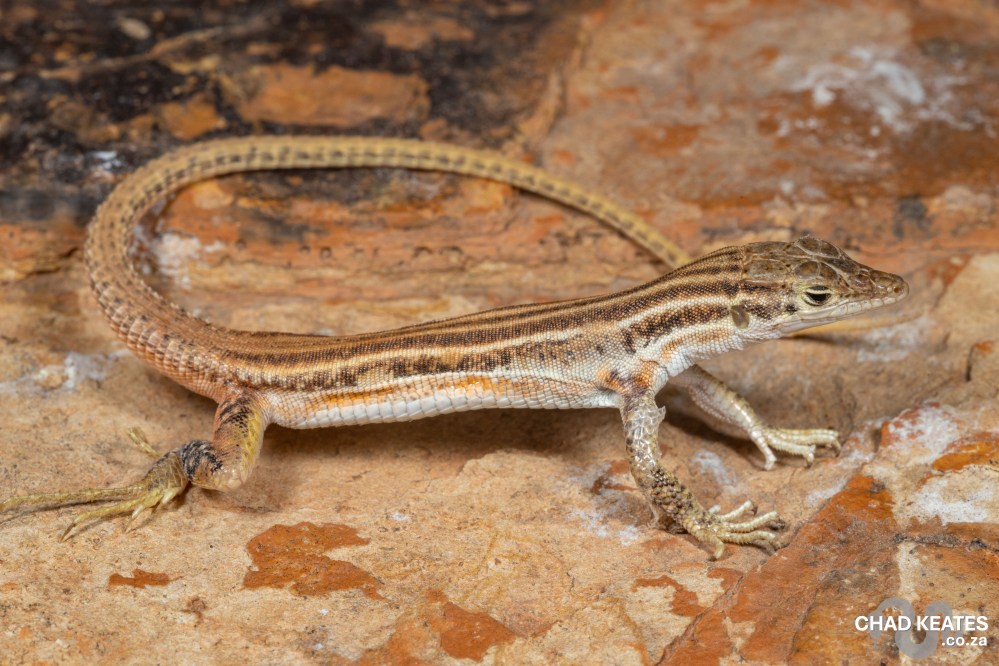
from Richtersveld, Northern Cape, South Africa
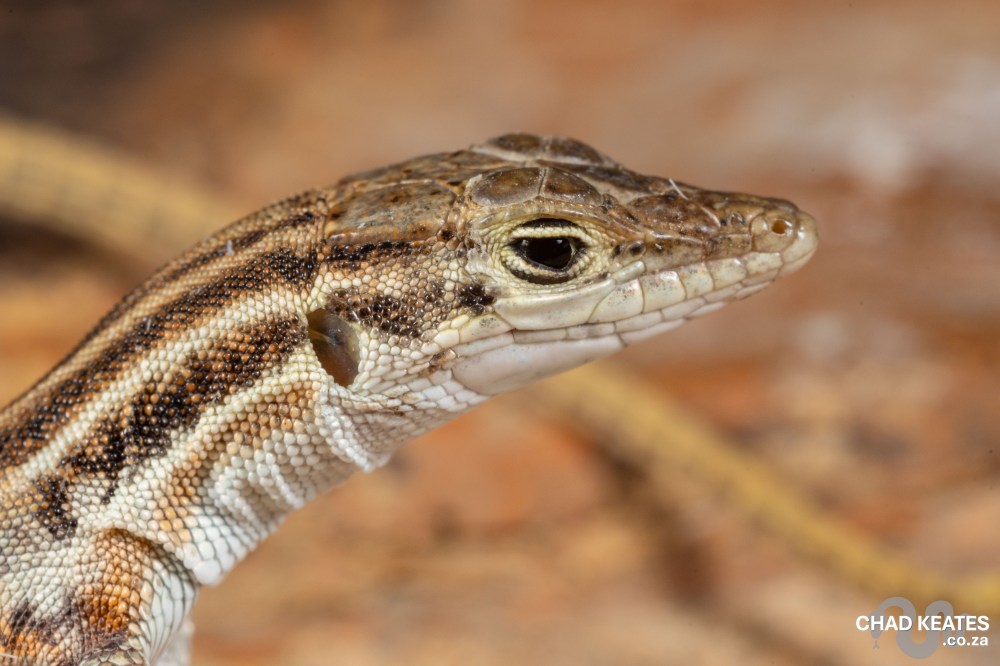
from Richtersveld, Northern Cape, South Africa
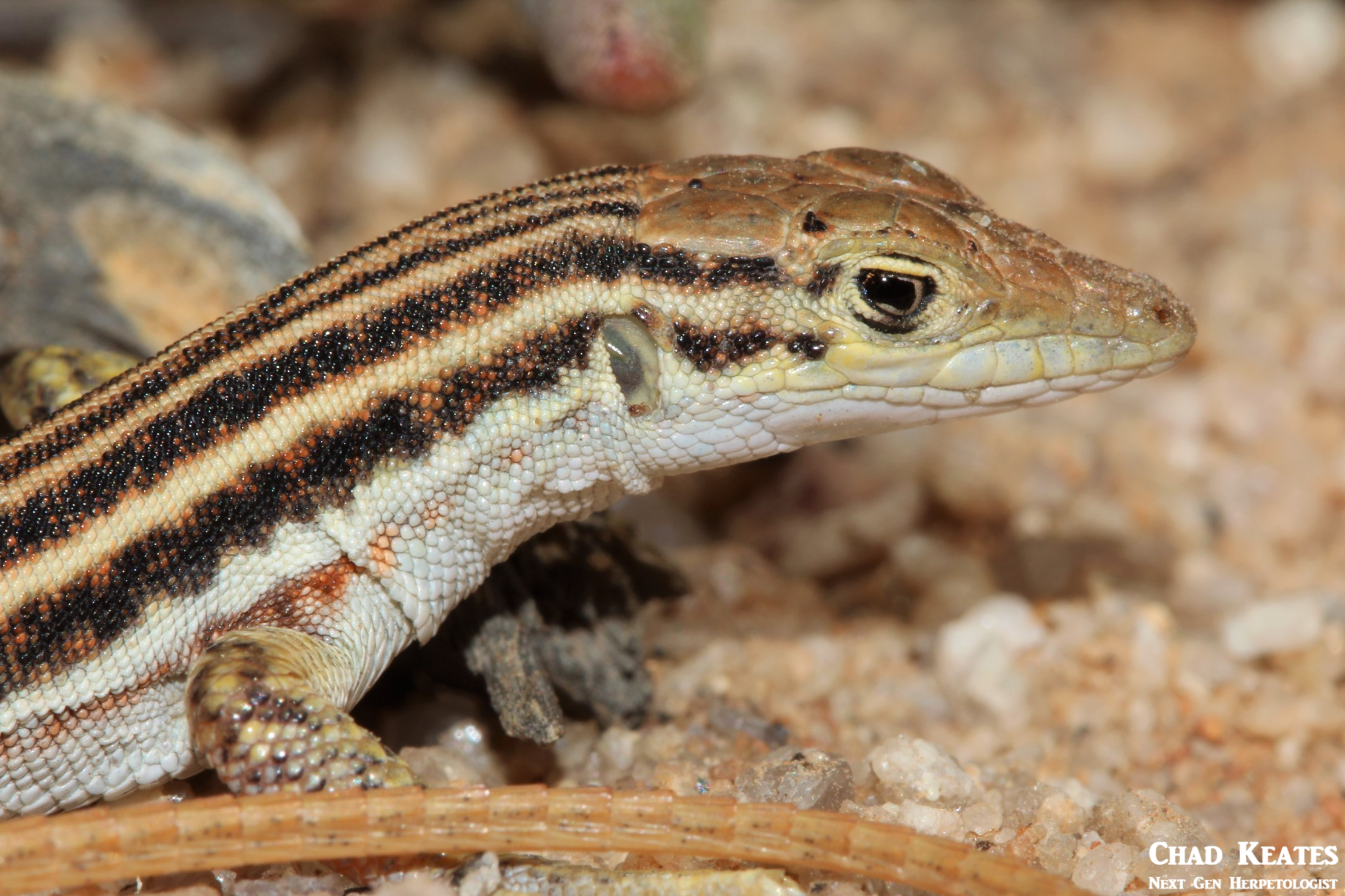
from Steinkopf, Northern Cape, South Africa
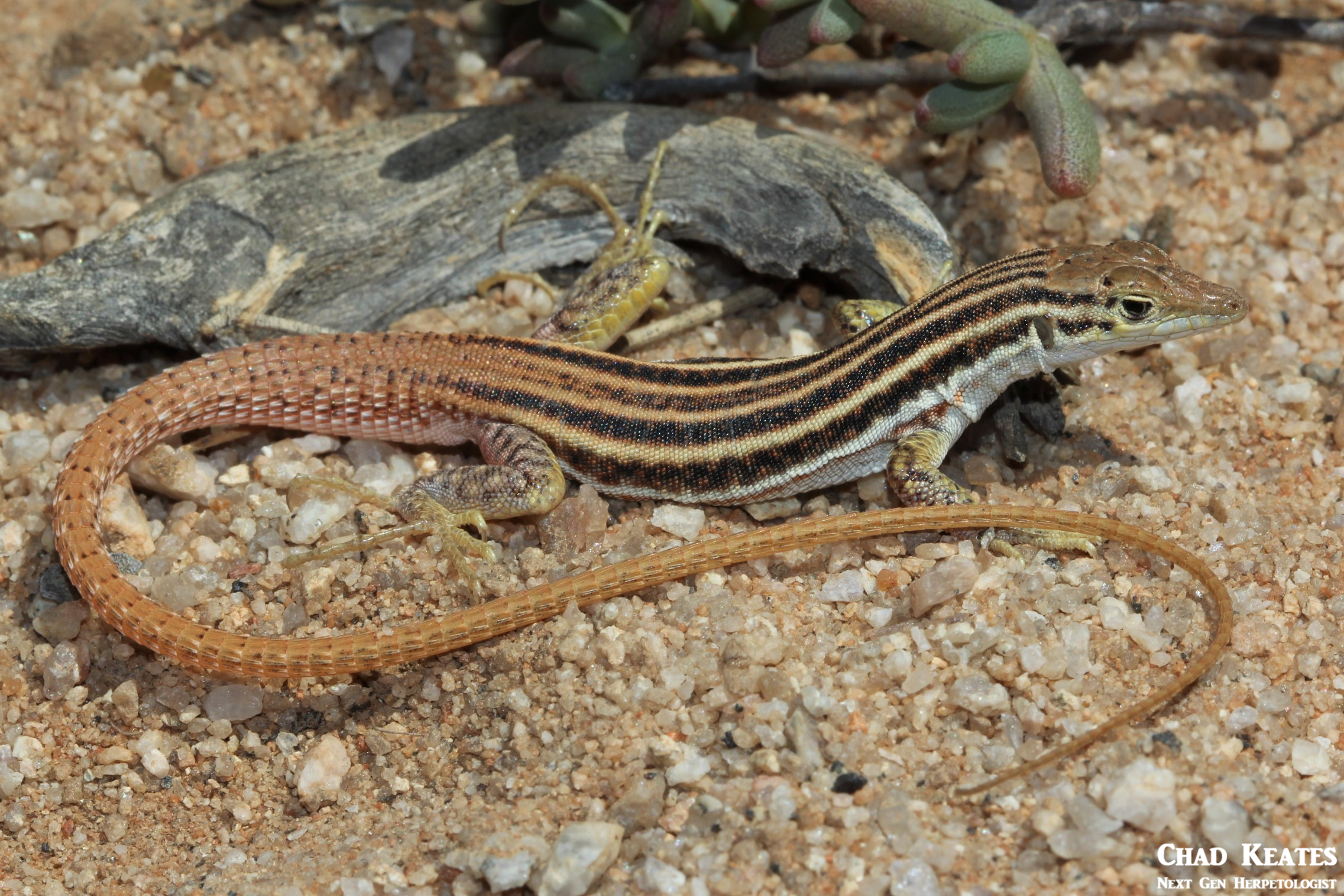
from Steinkopf, Northern Cape, South Africa

Recently myself, Luke Kemp and Courtney Hundermark ventured to St Francis in search of a small, range-restricted species of gecko called the salt marsh gecko (Cryptactites peringueyi). The gecko is commonly found at base of restios, in and around salt marshes. Although we knew where to look, it certainly did not mean that we found them easily.
After spending the whole morning hunting through restios along the estuary, on the outskirts of St Francis, we had nothing. We decided a change of scenery may change our luck, and we pushed on. The logic however turned out sound and a few minutes into our search , we saw our first gecko. It darted beneath leaf litter before we could catch it, but that didn’t bother us, at least we knew they existed. We carried on looking and within no time, we had three geckos and one amazing lifer.
All in all it was a great day of herping, filled with laughs, lifers and more laughs. We also managed to find several other cool reptiles on the day, which I have listed below. Check out the attached video to see what we did, where we went, and what we found on the day.
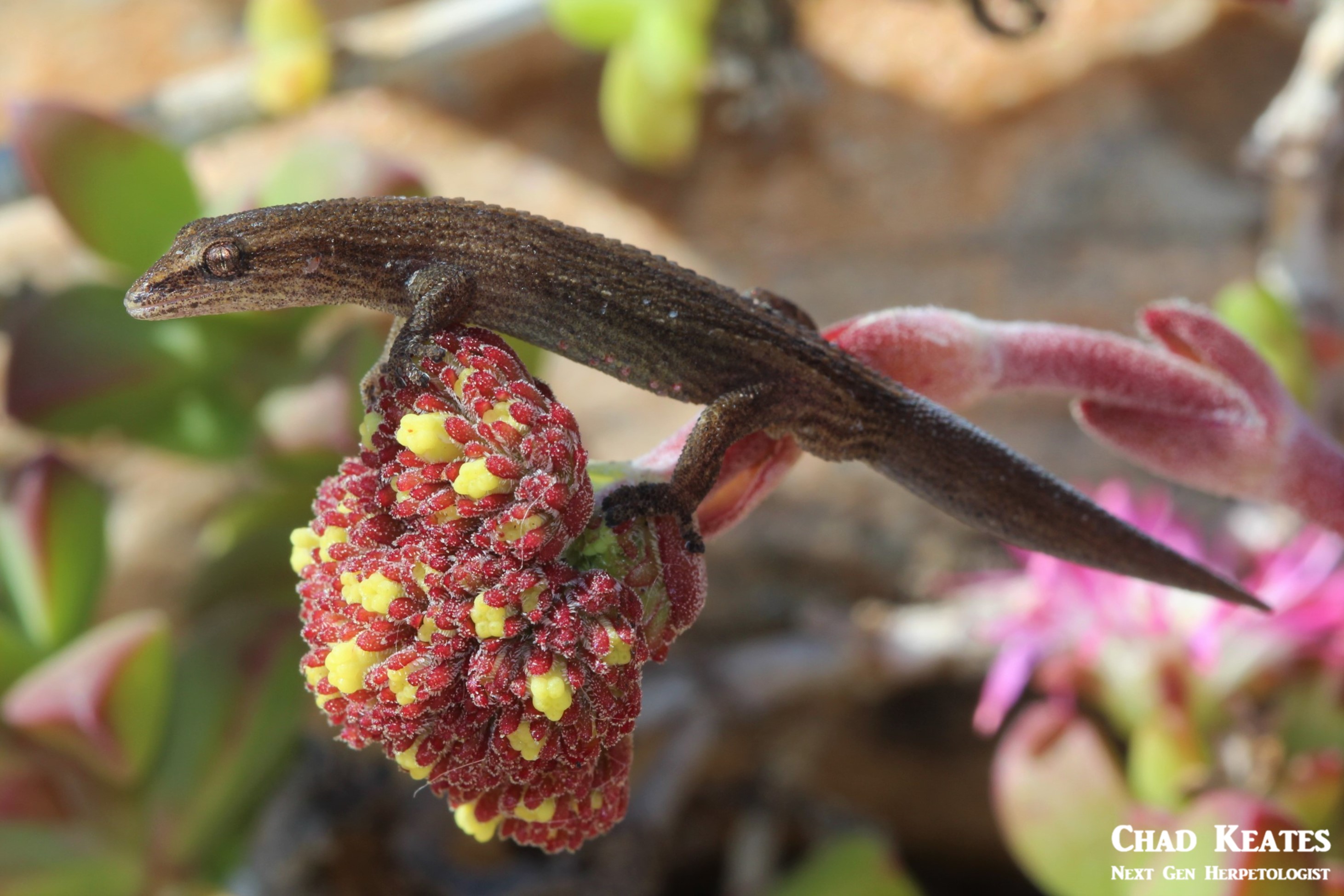
Salt Marsh Gecko (Cryptactites peringueyi)
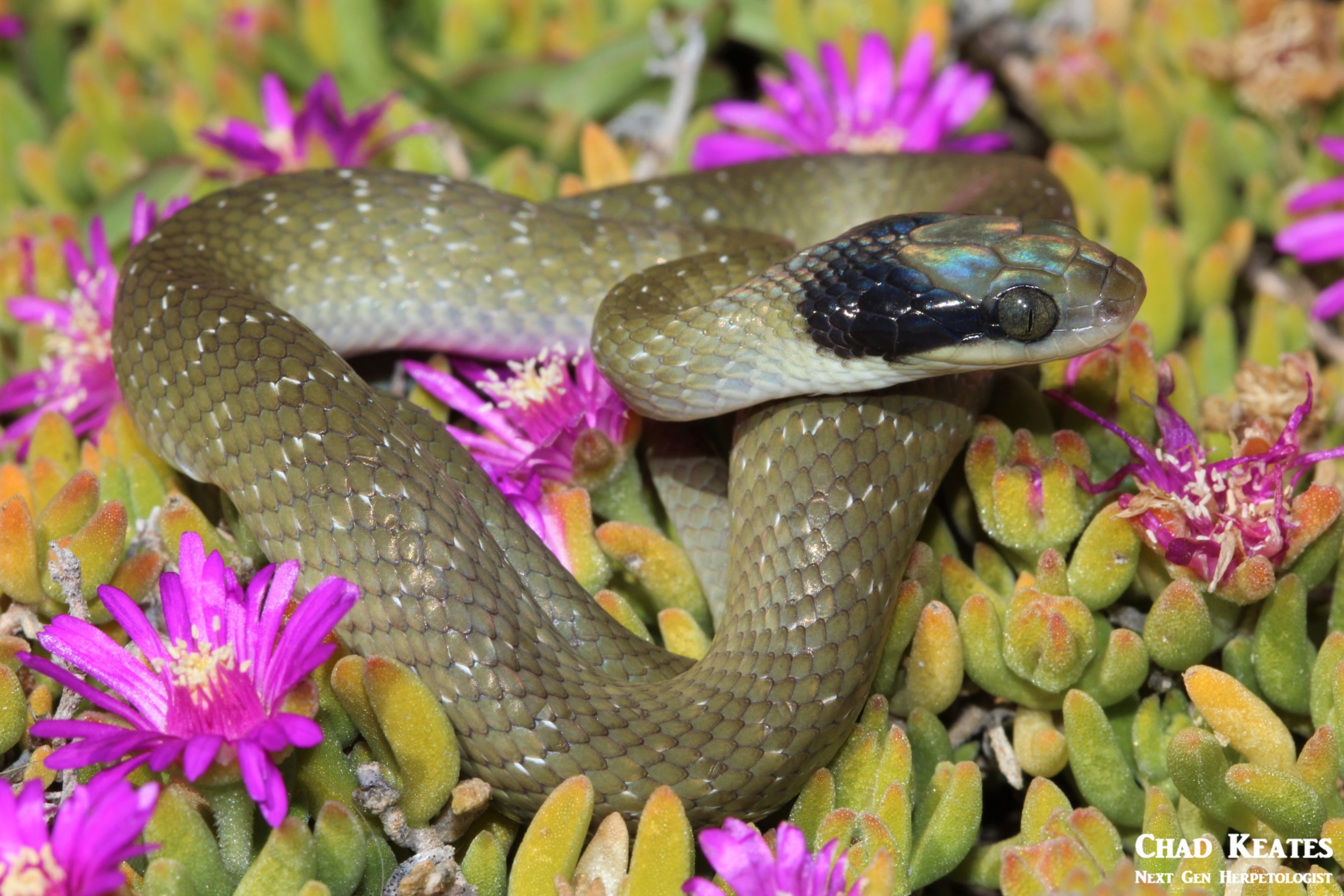
Red-lipped Herald (Crotaphopeltis hotamboeia)
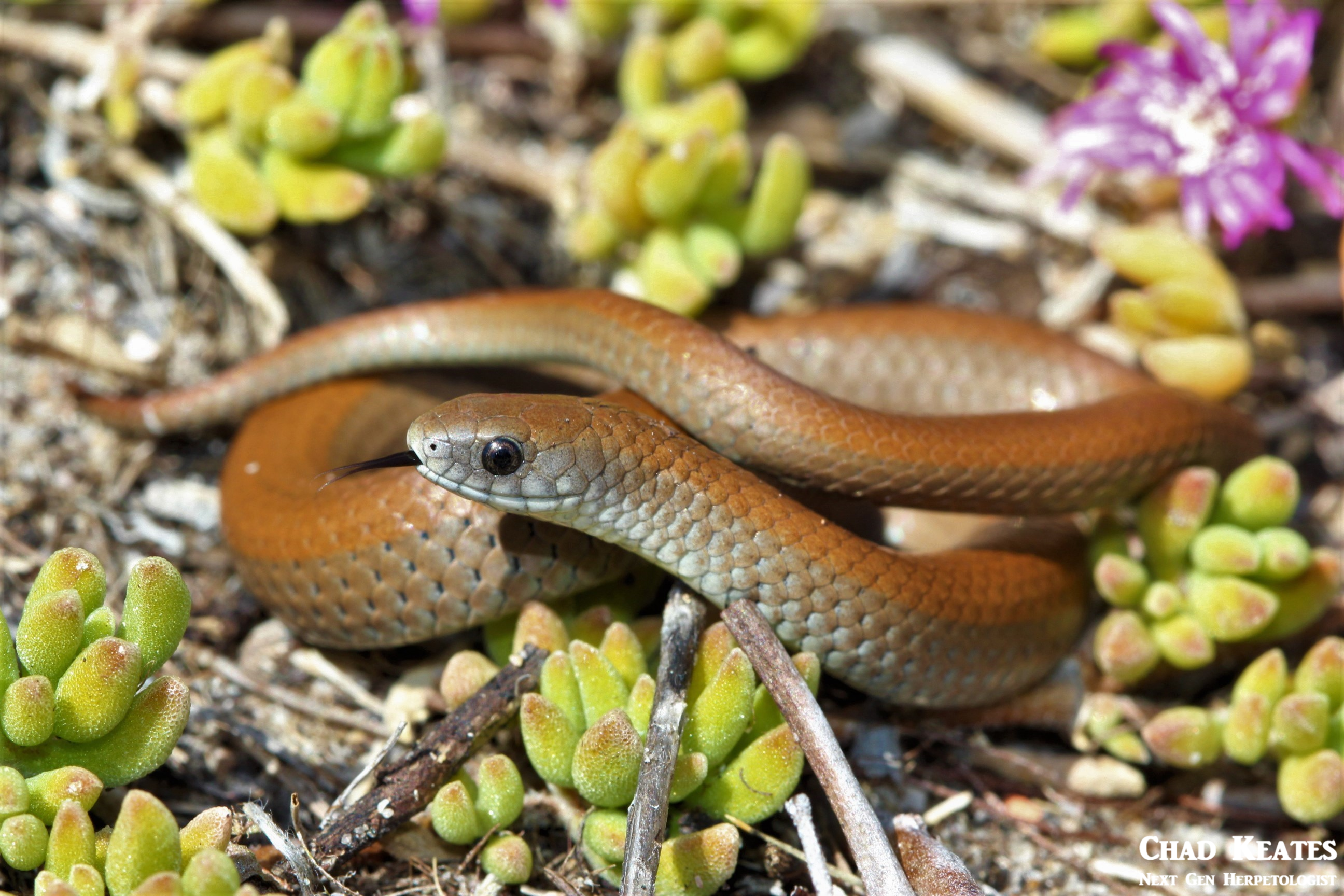
Slug Eater (Duberria lutrix)
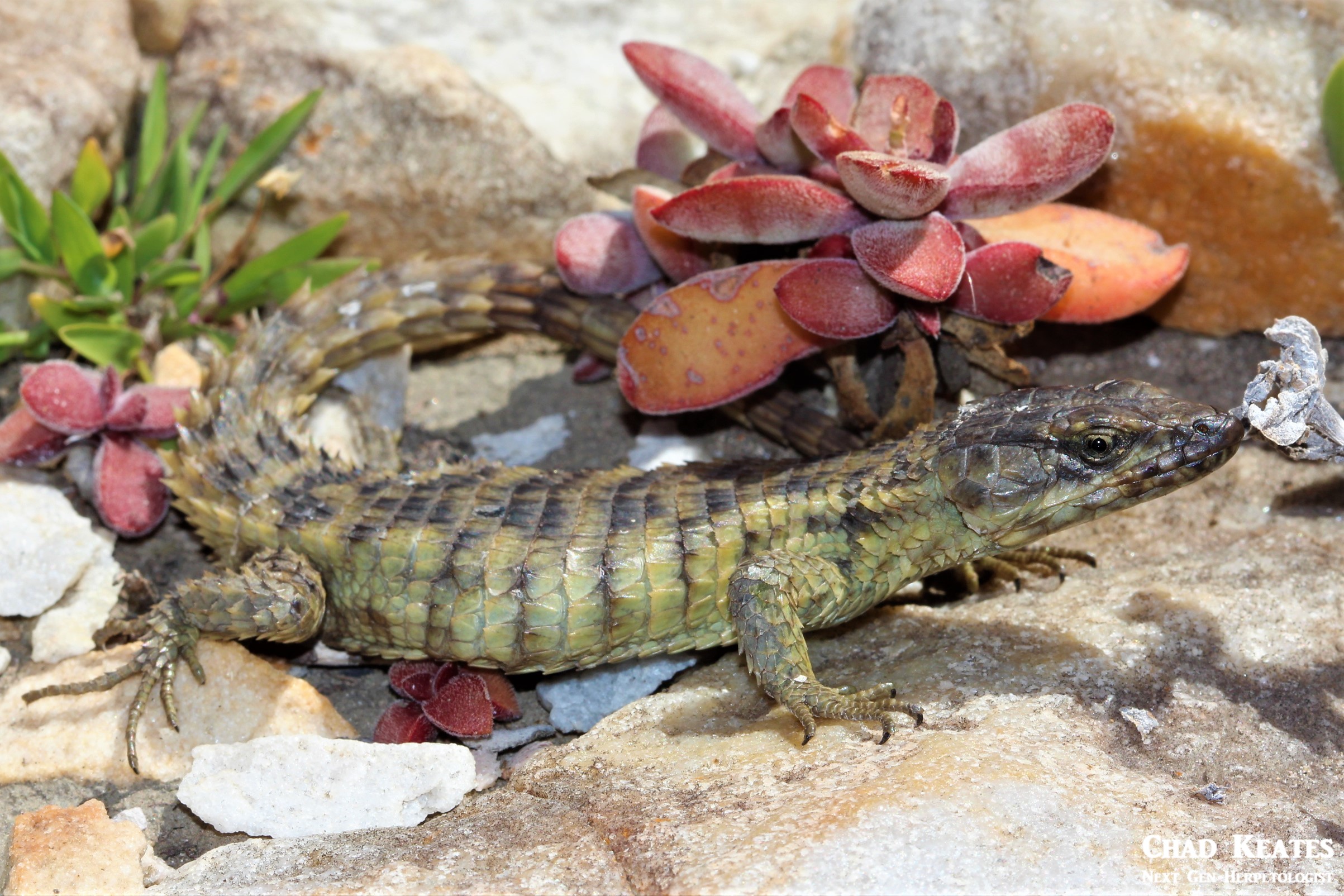
Cape Girdled Lizard (Cordylus cordylus)

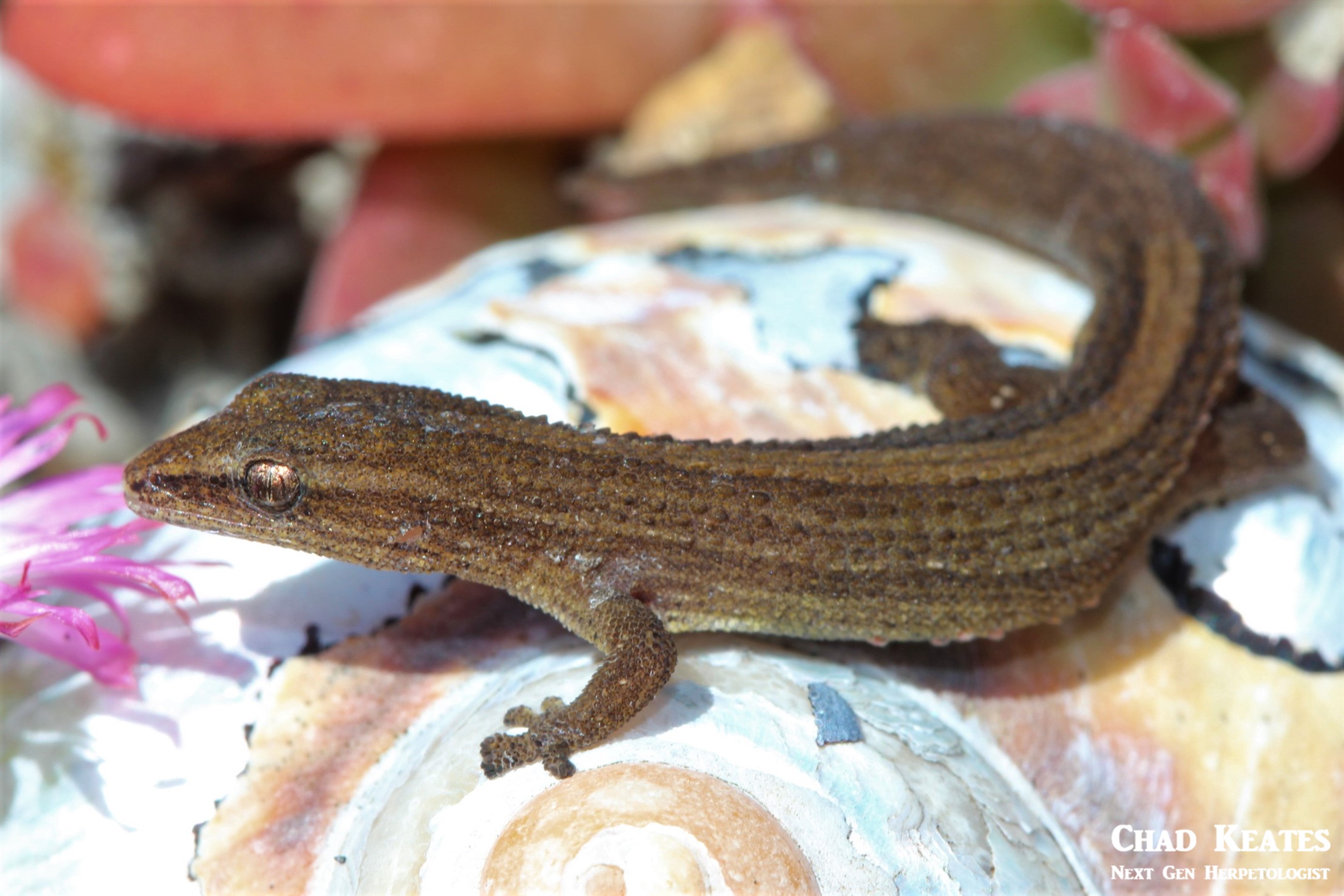

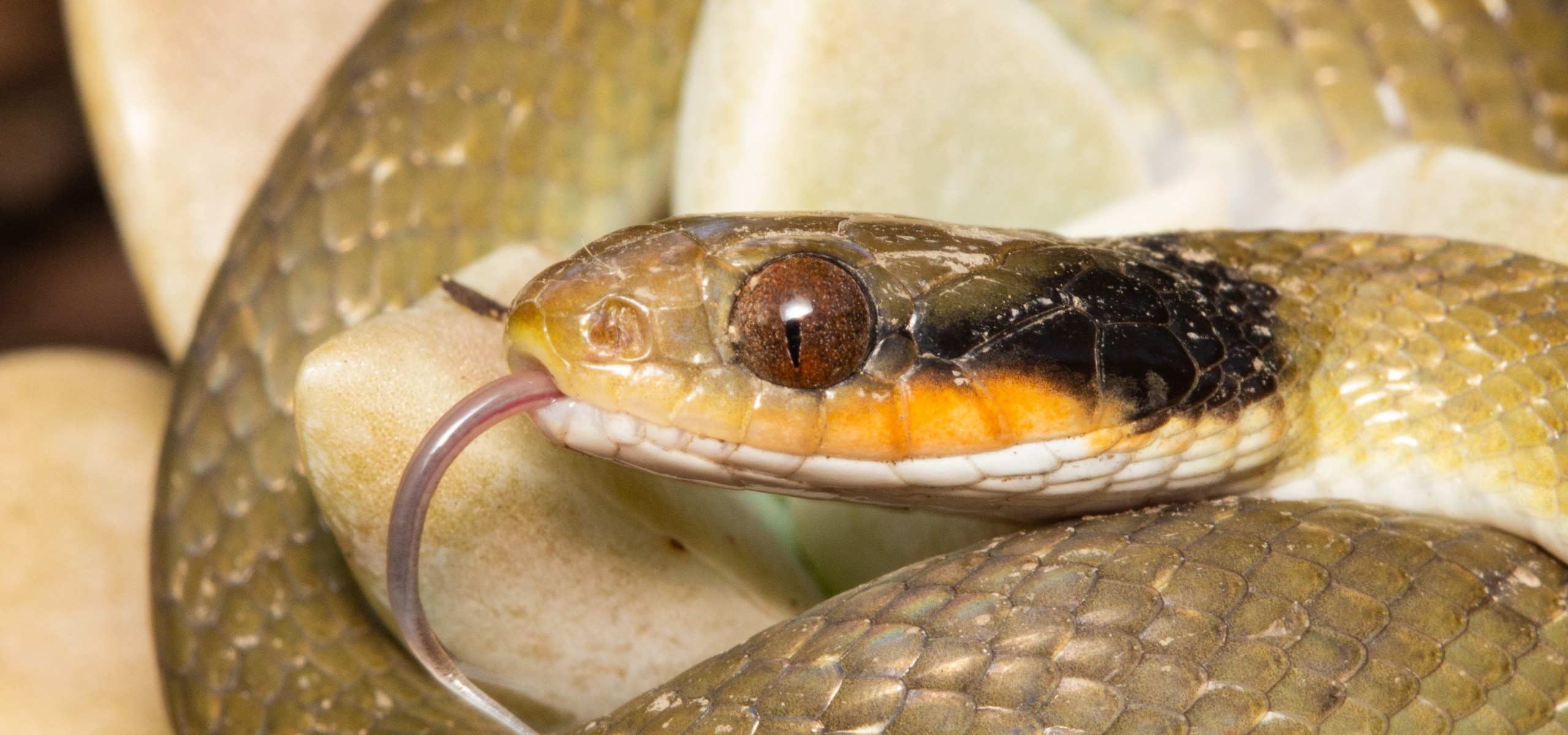
Grahamstown, and the area surrounding, plays host to some amazing reptile diversity. if you are keen on reptiles, like myself, and wish to find them all, you will be surprised at just how much there is to find. There are approximately 24 species of snake in and around Grahamstown, but don’t worry, if you are not looking for them, they’re are only a handful that you really have to watch out for.
Of the 24, only five are considered dangerous with only four being considered potentially lethal. Of these four only two are regularly found on campus, and both of which prefer to avoid people. In the list below I showcase the four most commonly encountered snakes on Rhodes University Campus. Although the other species are found from time to time, the following four snakes are definitely the most common.
Red-Lipped Herald (Crotaphopeltis hotamboeia)
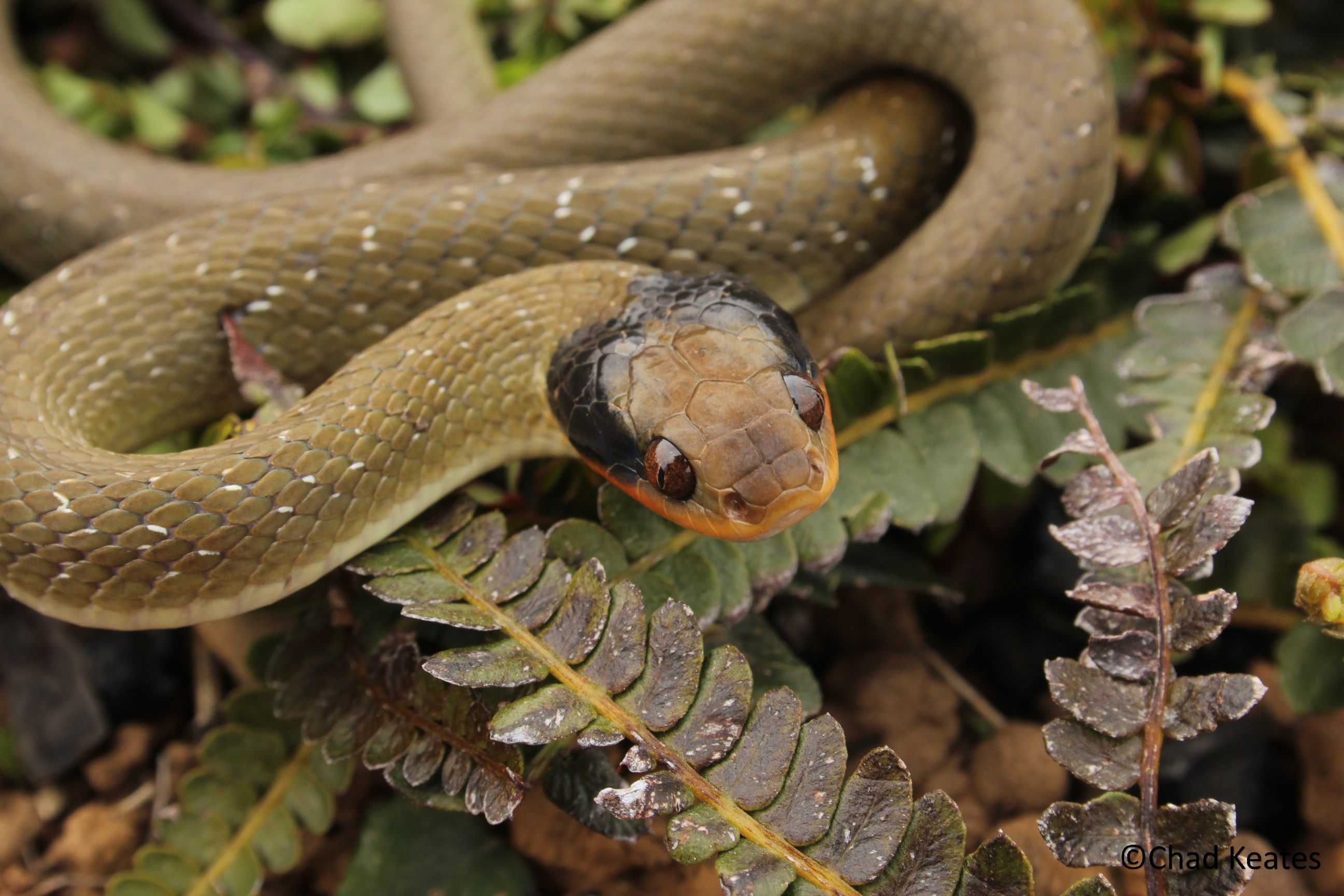
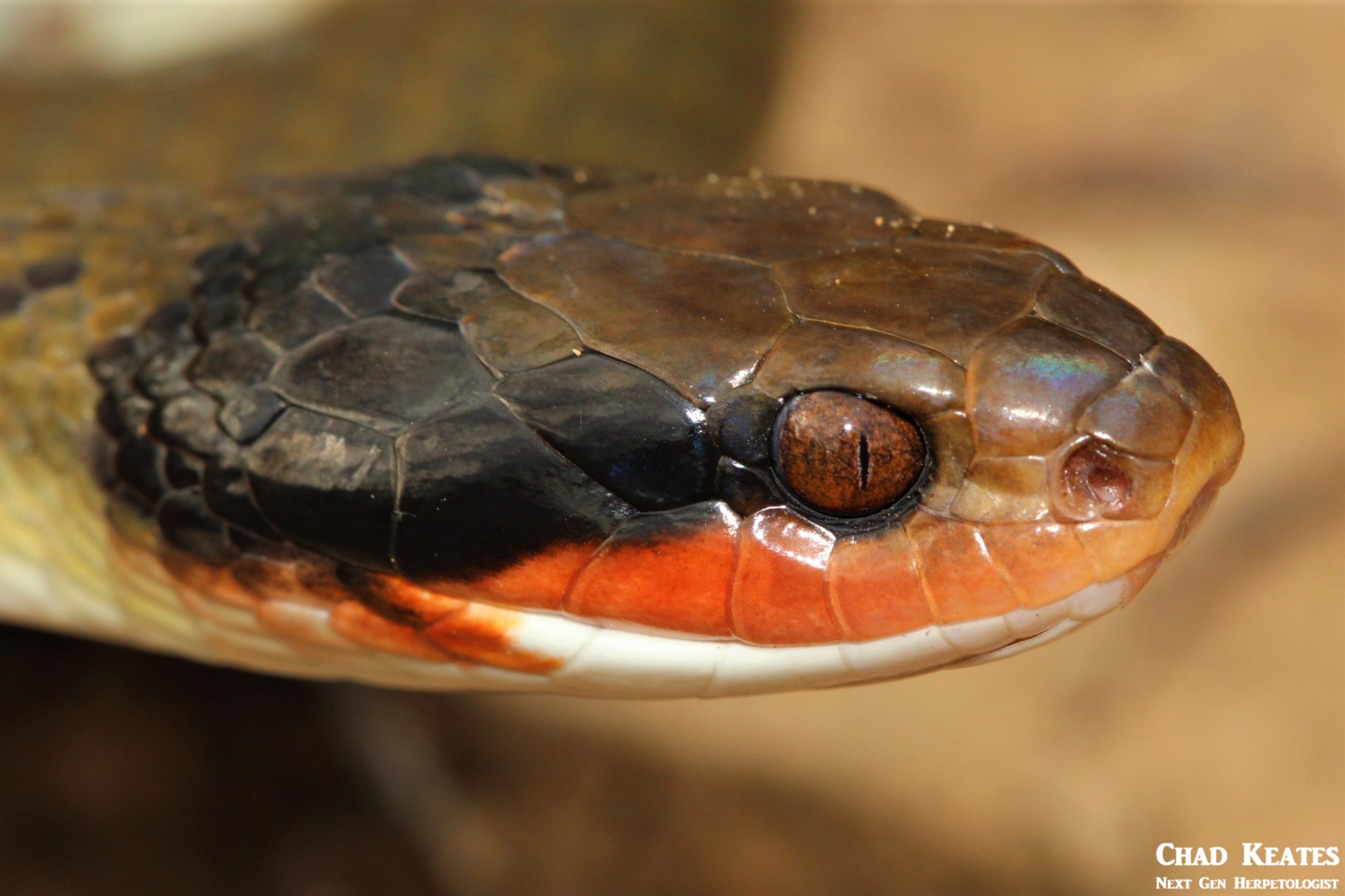
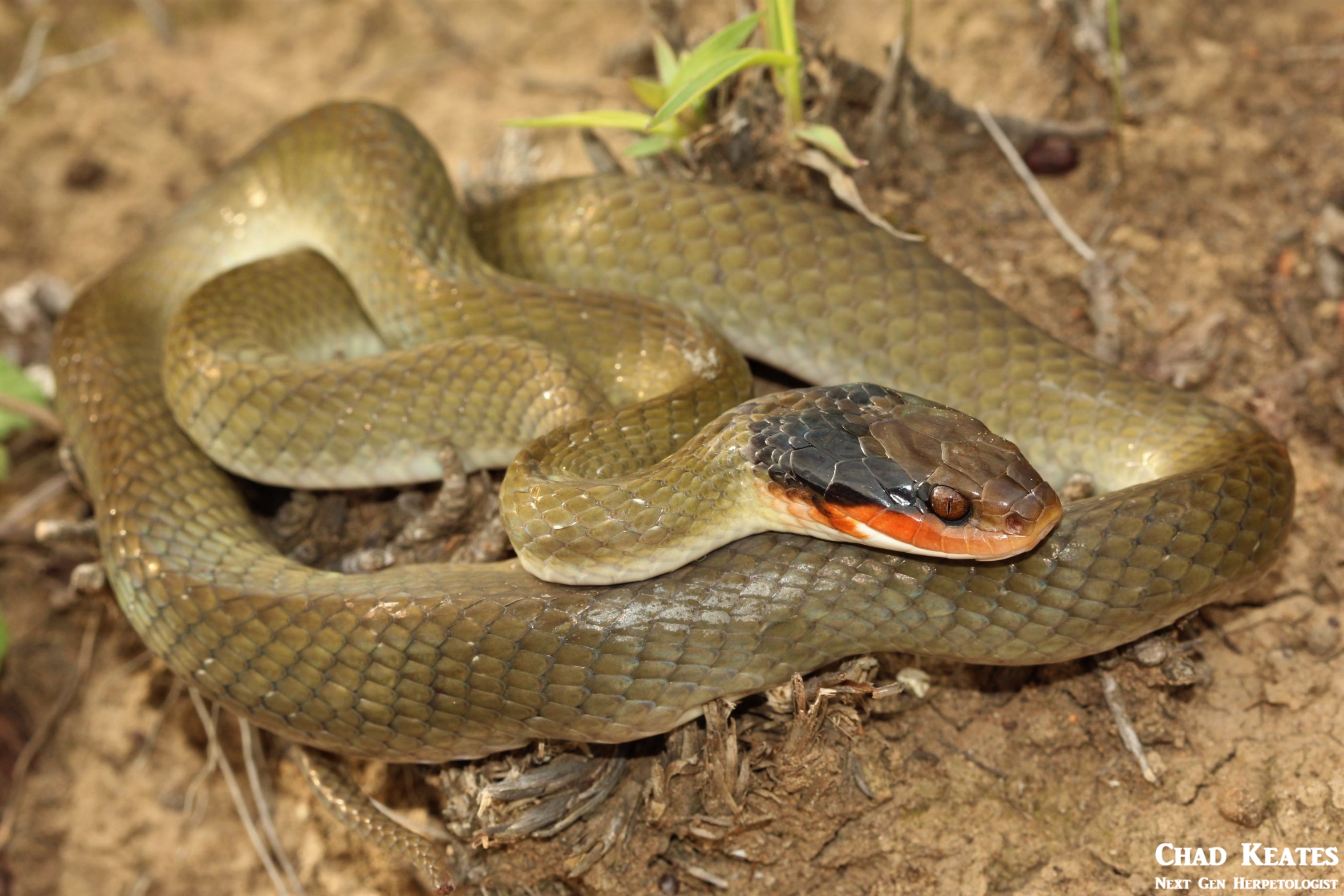
Size: 30-70cm.
Habits: Widespread and abundant species which is commonly found in damp areas, under rocks, building debris and compost heaps.
Diet: Frogs, toads and sometimes lizards.
Danger to man: Mildly venomous, but the venom is of no concern to humans.
Similar species: Although quite distinctive, they are sometimes mistaken for rhombic night adders because of their similar nocturnal behaviourial patterns.
Rhombic Night Adder (Causus rhombeatus)
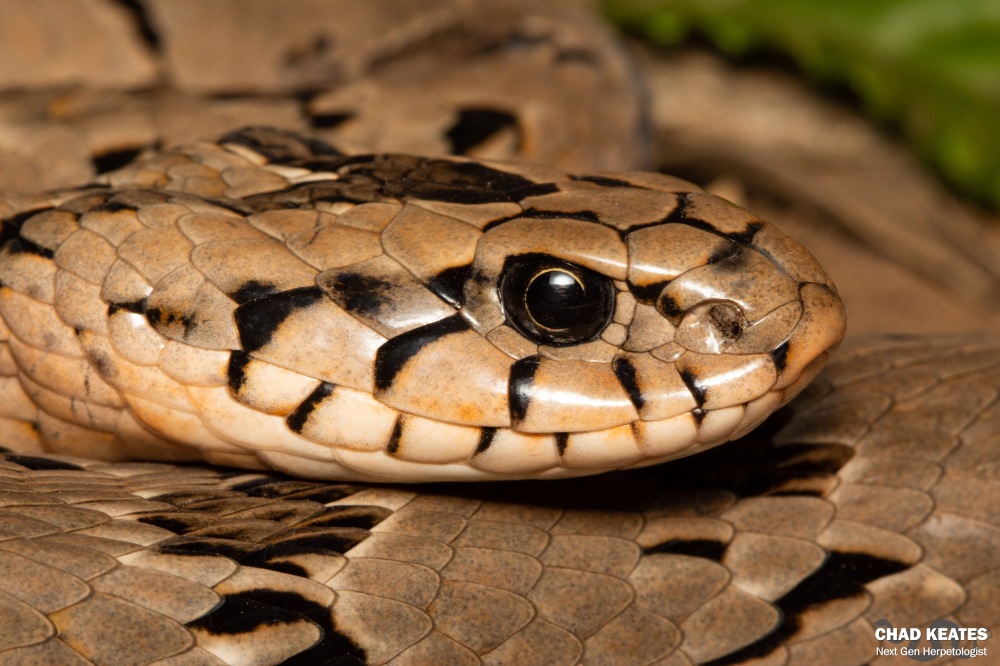

Size: 30-60cm
Habits: Common in damp areas where they can be found under rocks, logs and in abandoned termite mounds.
Diet: Toads and other frogs
Danger to man: Mild cytotoxic venom that is dangerous but not life-threatening, hospitalization may be required though. The venom may be potentially lethal to small dogs.
Similar Species: This snake is very easily confused with the rhombic egg eater. It is also sometimes confused with adders but luckily the puff adder is the only other adder currently recorded in and around Grahamstown.
Boomslang (Dispholidus typus typus)
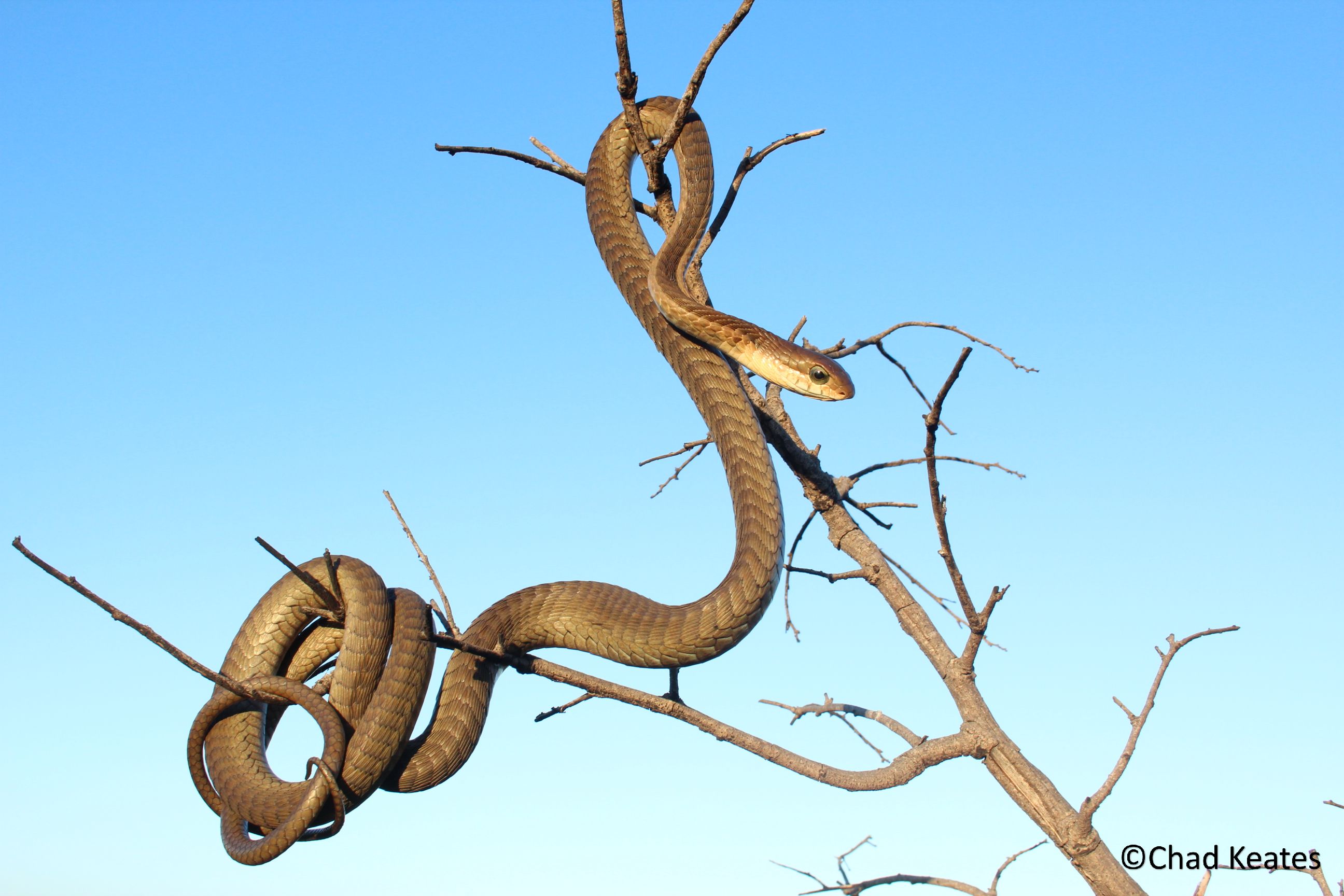

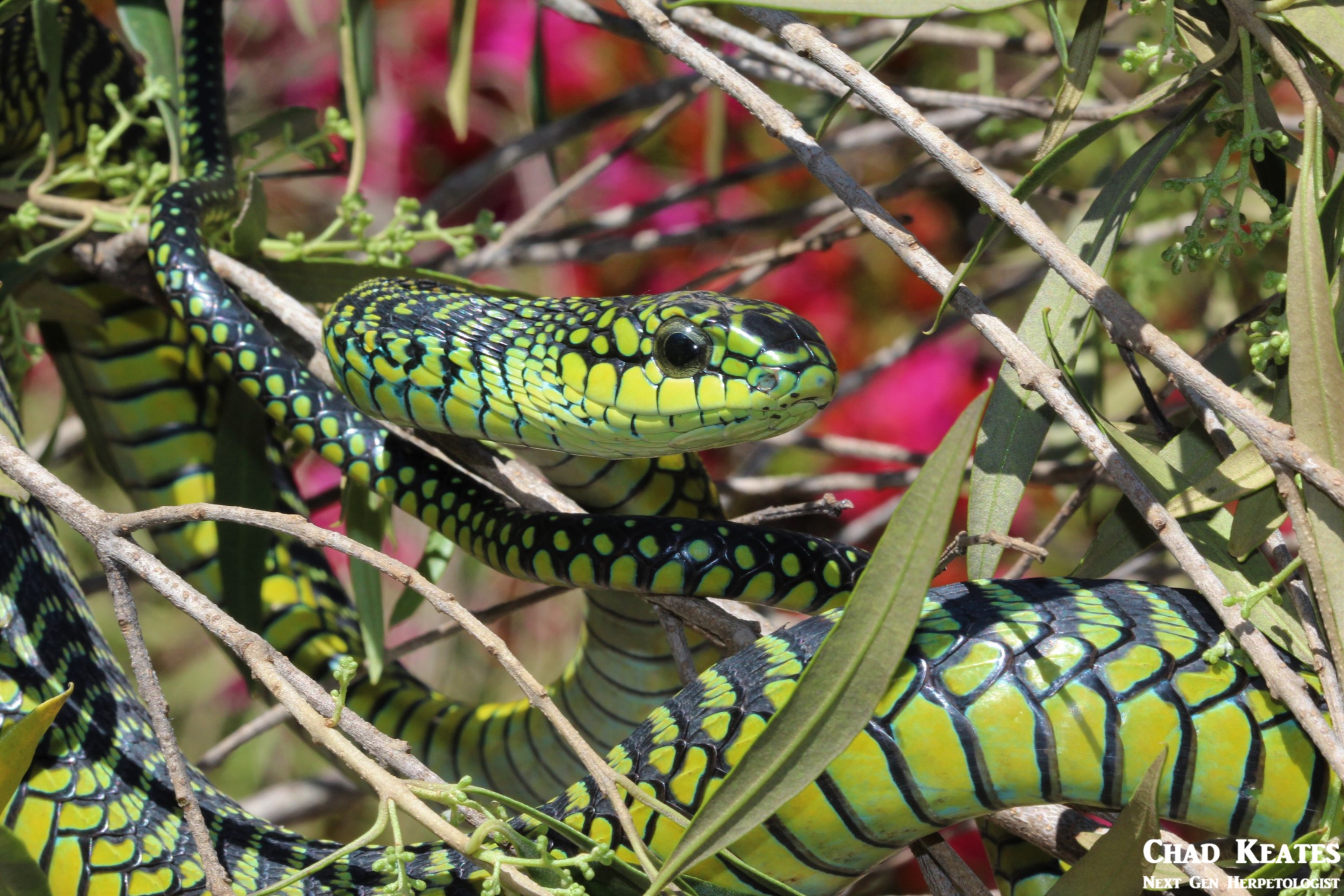
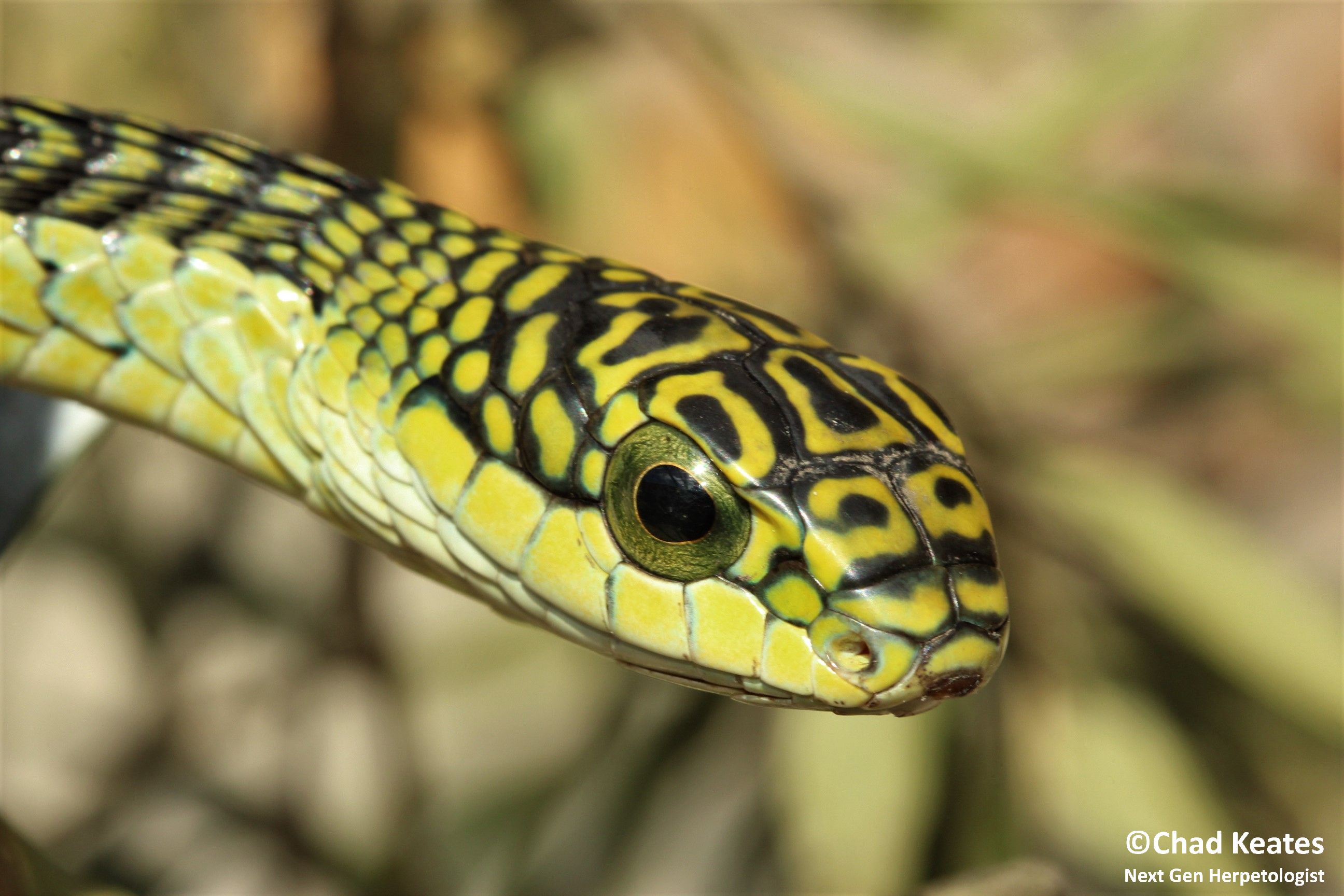
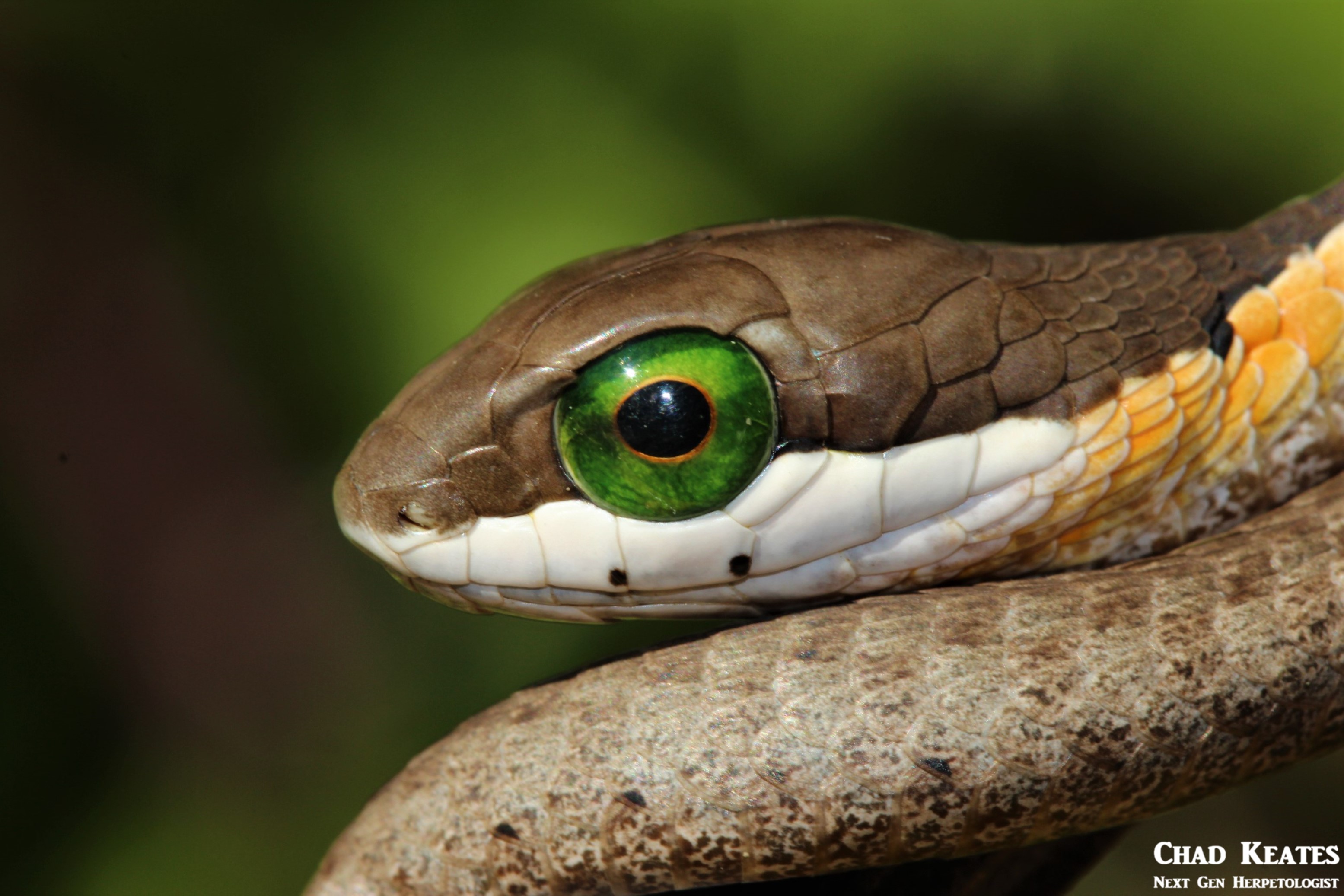
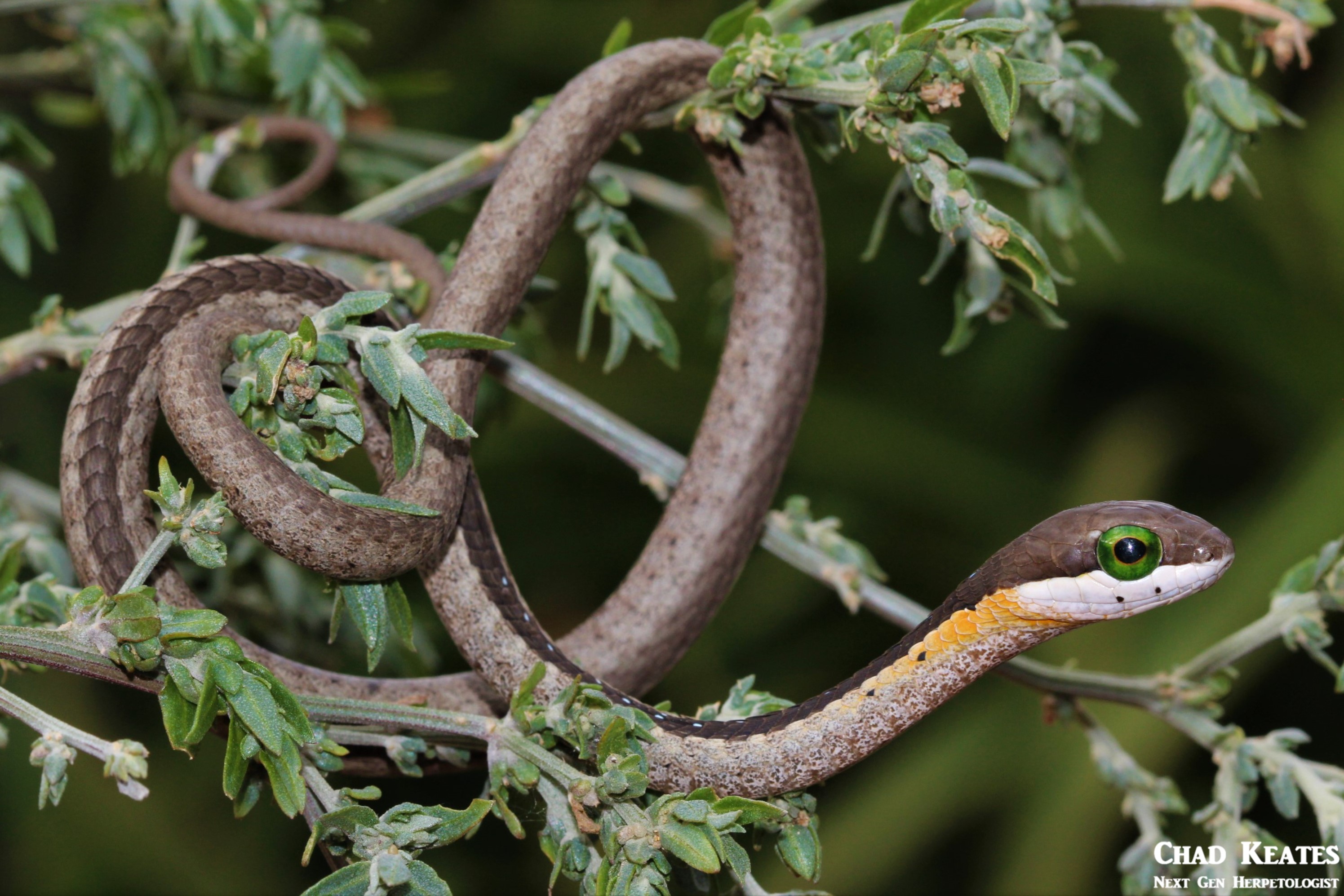
Size: 1.2-1.5m.
Habits: Diurnal snakes which are found in a large variety of habitats, most commonly in trees and shrubs, but may descend to the floor to bask or find food.
Diet: Chameleons, frogs, tree-living lizards, birds and occasionally rodents.
Danger to man: The boomslang possesses a very dangerous haemotoxic venom capable of killing people. Monovalent antivenom is however available and has been found to be very effective in counteracting the venom. Although dangerous, the snake rarely bites, with most bites being received from snake handlers. There is a big misconception that boomslangs cannot inject venom on larger body parts because they are back-fanged. This is however untrue as boomslangs can open their mouth’s 170 degrees and can thus easily inject venom into a leg or an arm. Due to the placid and shy nature of this snake, there is virtually no chance of simply walking past a tree and being bitten.
Similar species: Boomslangs are easily confused with green mambas and members of the genus Philothamnus (green snakes) north of the Transkei because of the uniform green colour but in Grahamstown males tend to be more of a fluorescent green and females tend to be brown.
Puff Adder (Bitis arietans)
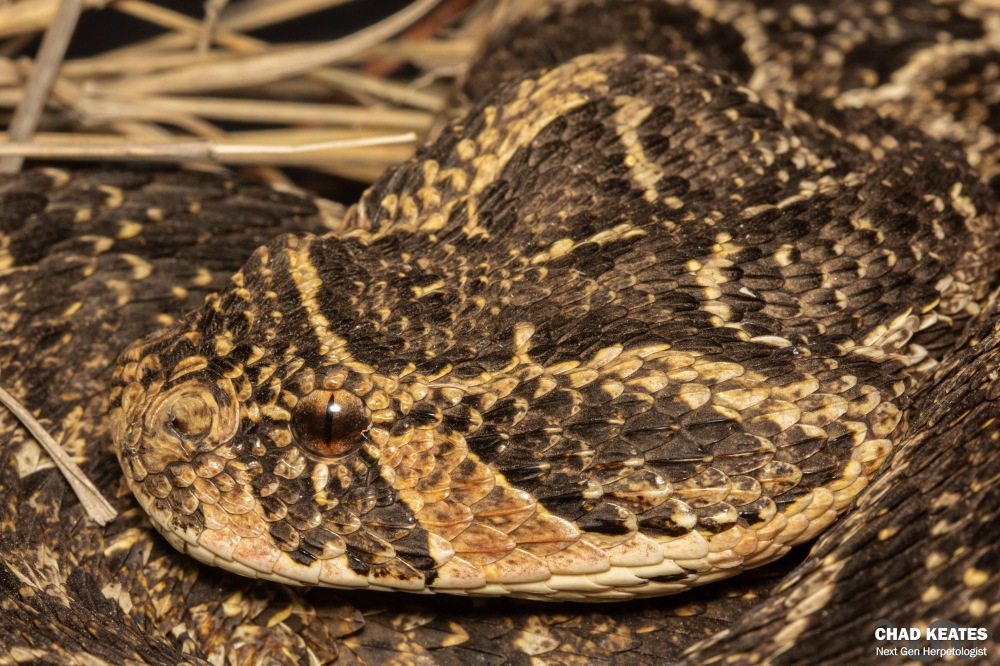
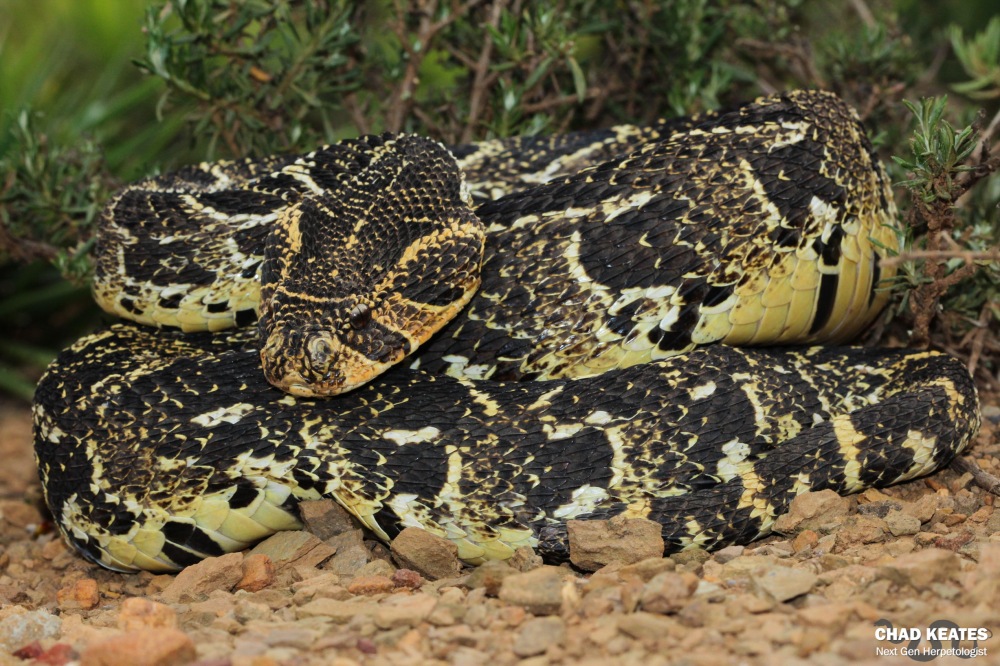
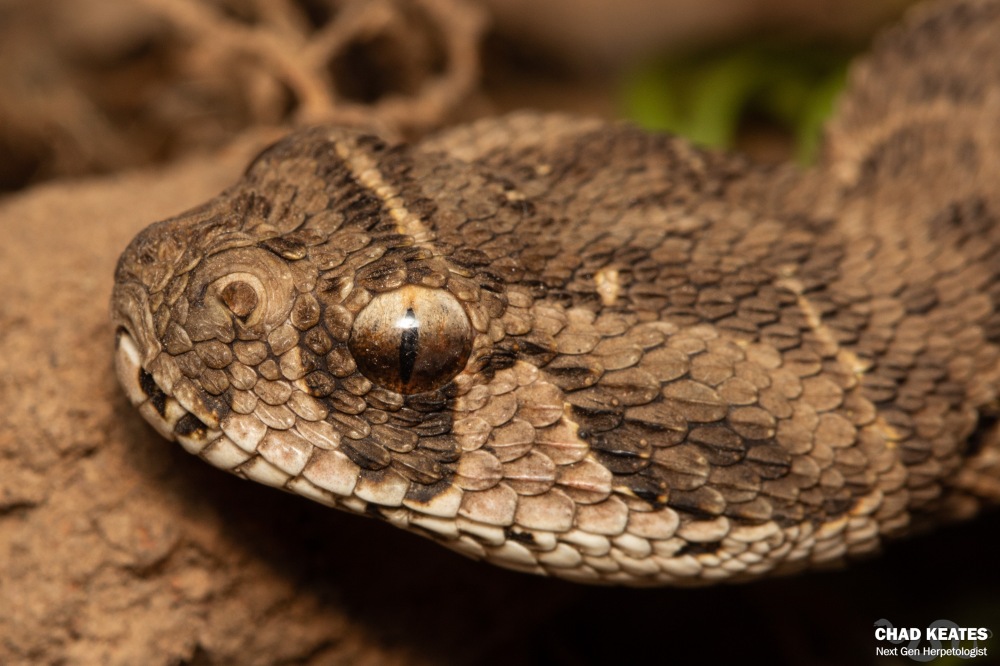
Size: 90-100cm
Habits: This snake spends much of its time under bushy cover where it uses its’ camouflage to blend into its surroundings. During mating season these snakes however become very active and thus become more common to walkers and hikers who often see them cruising through the veld in search of mates
Diet: Rats, mice and other small vertebrates
Danger to man: Very dangerous cytotoxic venom that can kill if left untreated. The venom of this snake is however slow acting leaving victims of this bite much time to get to hospital. Although this snake has a bad reputation because of the sheer amount of bites recorded throughout South Africa as a result of people accidentally stepping on them whilst they are in ambush mode, very few bites actually prove to be fatal.
Similar species: Easily confused with other adders, but luckily, the rhombic night adder is the only other adder found in Grahamstown. There are records of berg and albany adder in and around Grahamstown but neither of these species have been seen for a long time.
Sources:
Alexander, G. & Marais, J. 2007. A Guide to the Reptiles of Southern Africa. Cape Town. STRUIK Nature.
Branch, B. 1988. Snakes and other Reptiles of Southern Africa. Cape Town. STRUIK.
Branch, B. 2016. Snakes and other Reptiles of Southern Africa. Cape Town. STRUIK Nature.
Marais, J. 2004. A Complete Guide to the Snakes of Southern Africa. Cape Town. STRUIK.
Marais, J. 2014. Snakes and Snakebite in Southern Africa. Cape Town. STRUIK Nature.

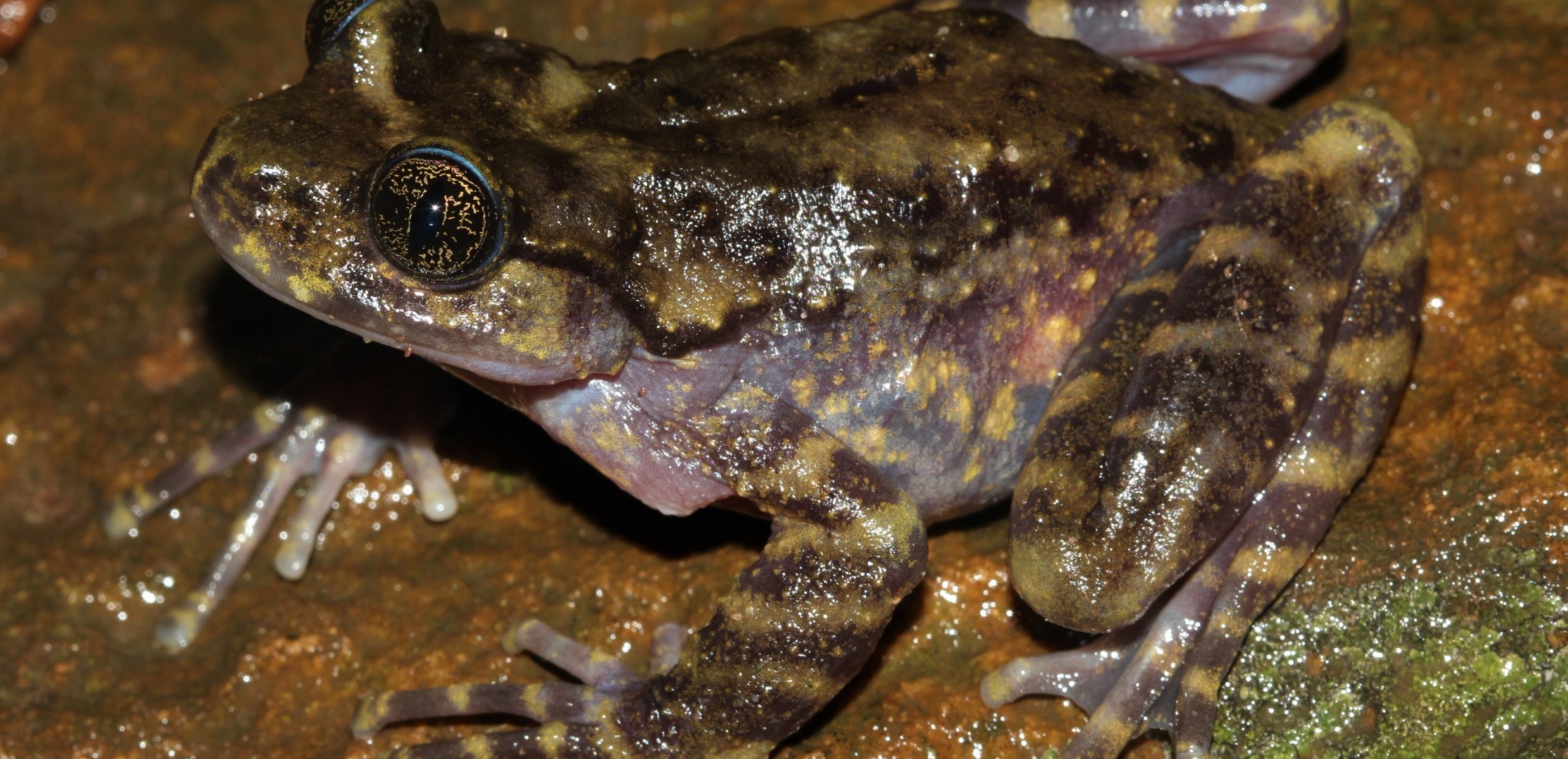

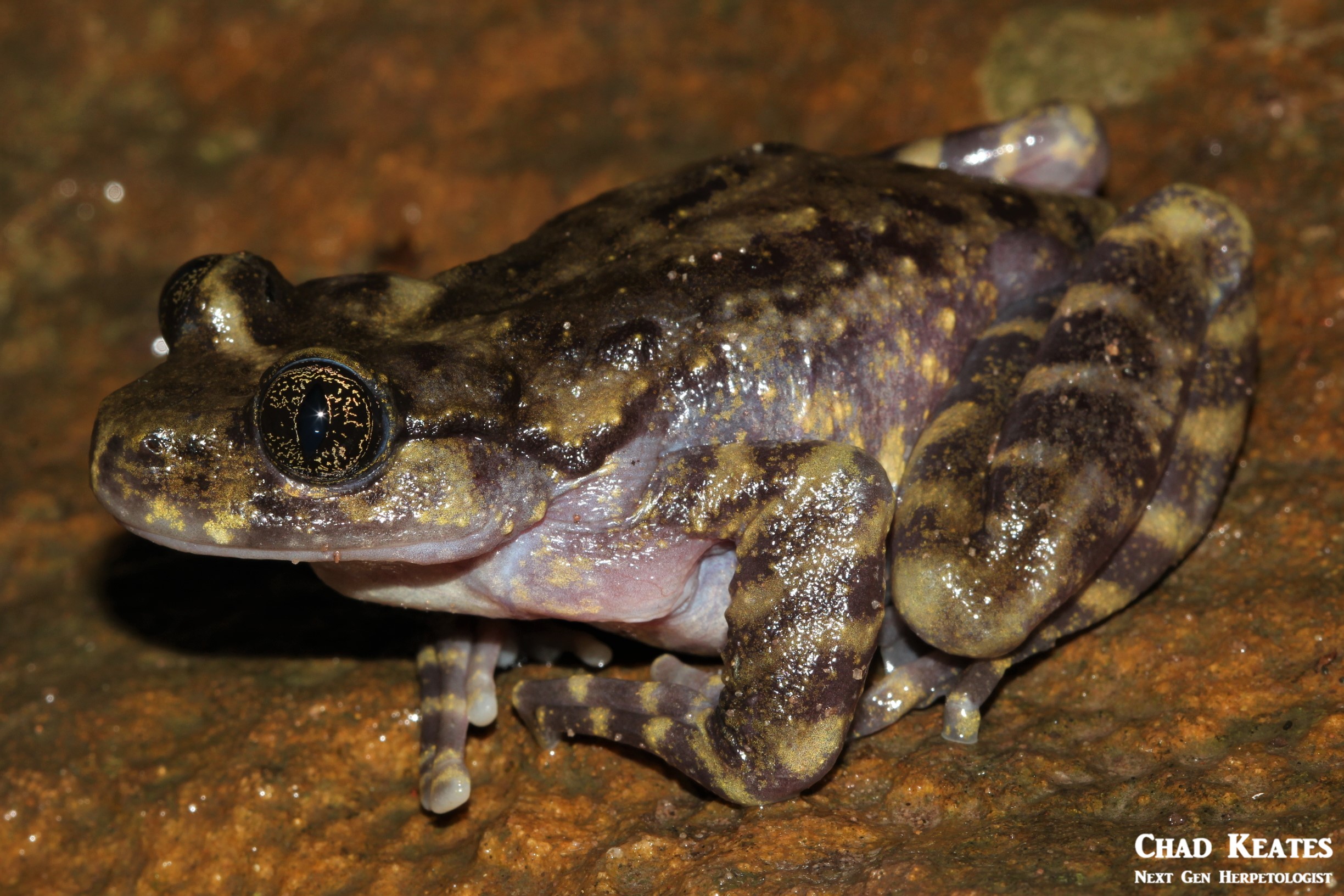


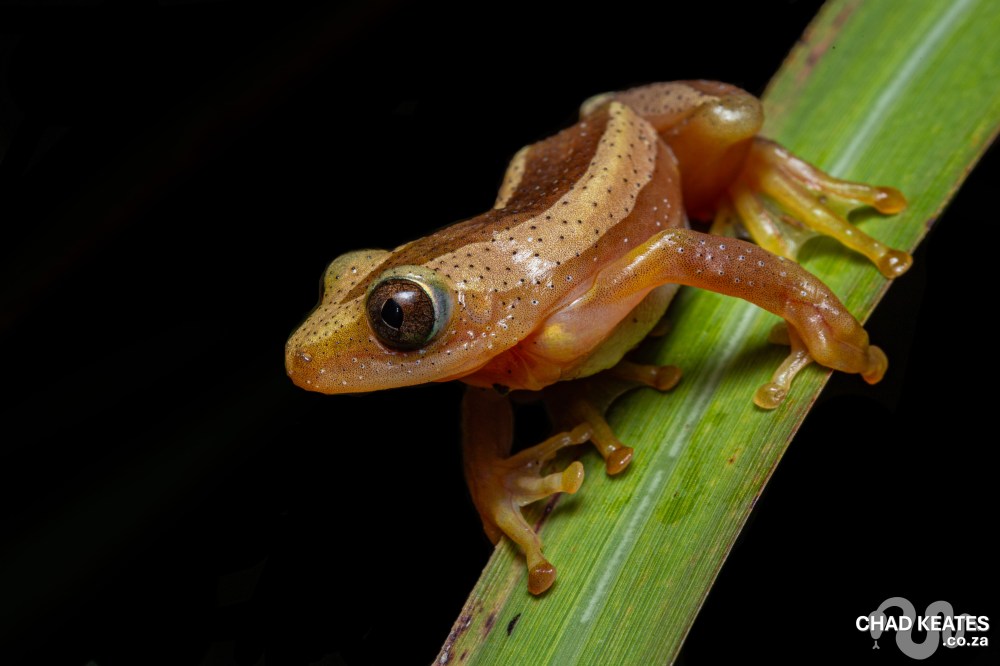
from Mount Moreland, KwaZulu Natal, South Africa

from Mount Moreland, KwaZulu Natal, South Africa
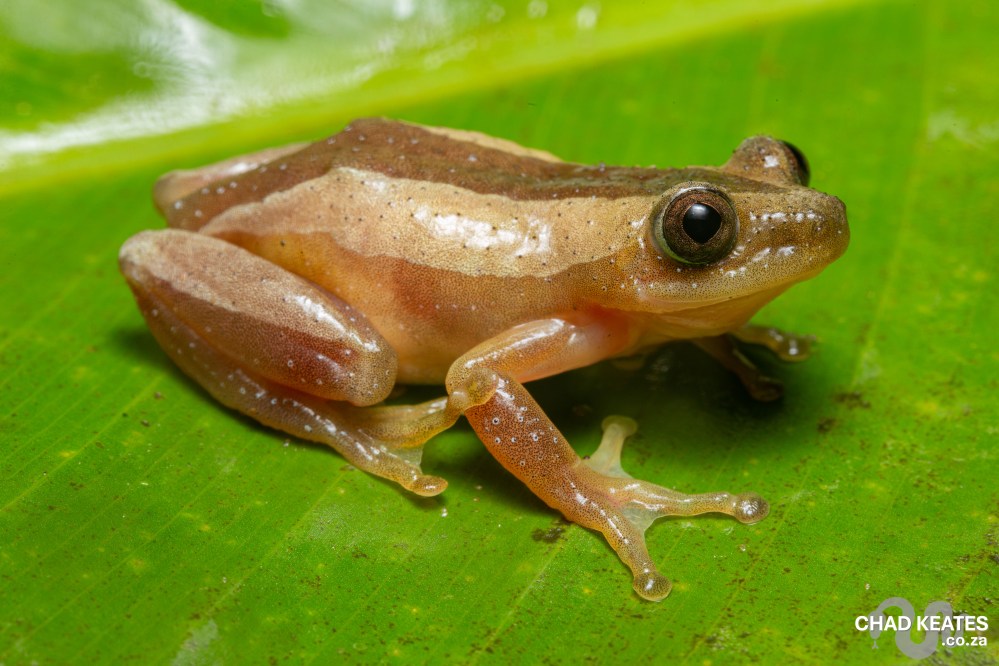
from Umhlanga, KwaZulu Natal, South Africa
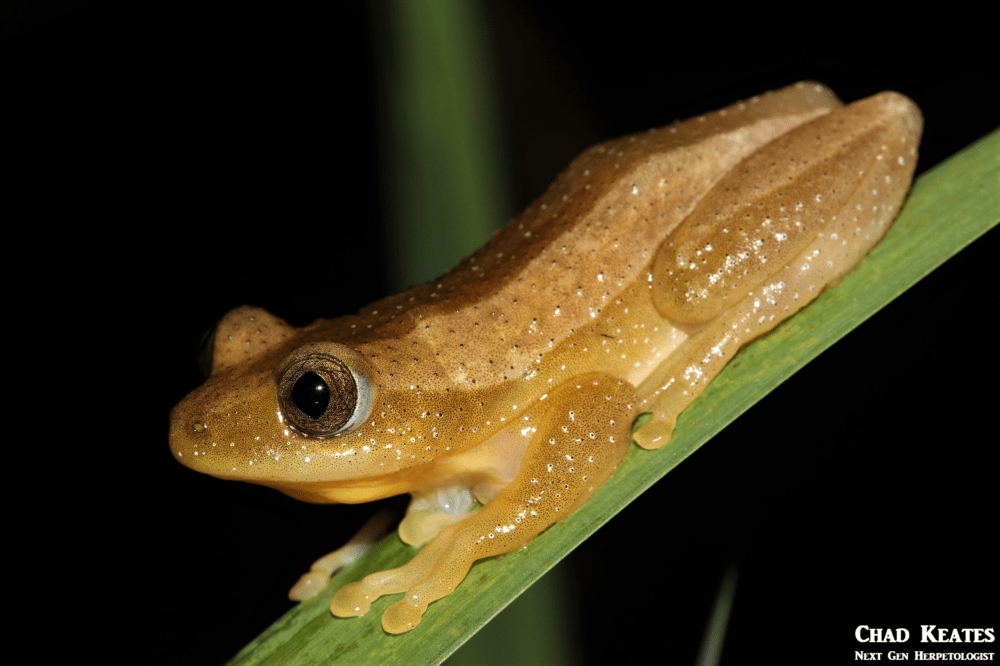
from Westville, KwaZulu Natal, South Africa
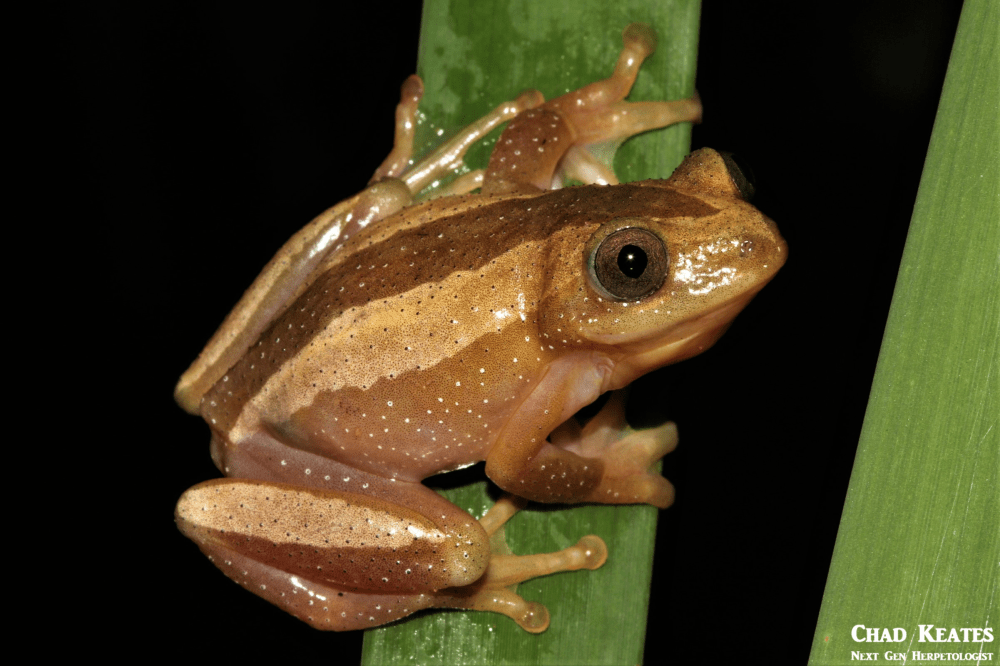
from Westville, KwaZulu Natal, South Africa
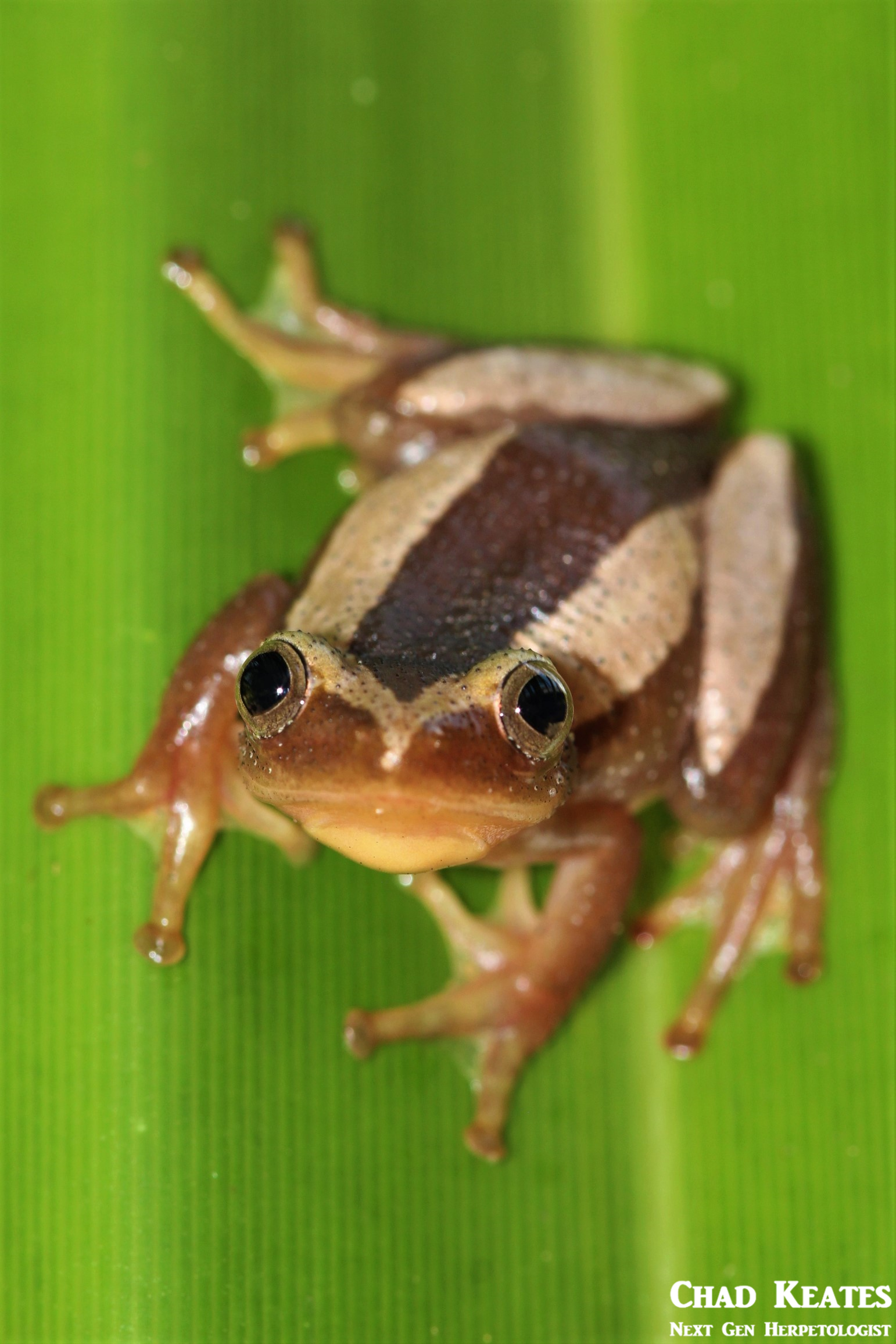
from Westville, KwaZulu Natal, South Africa
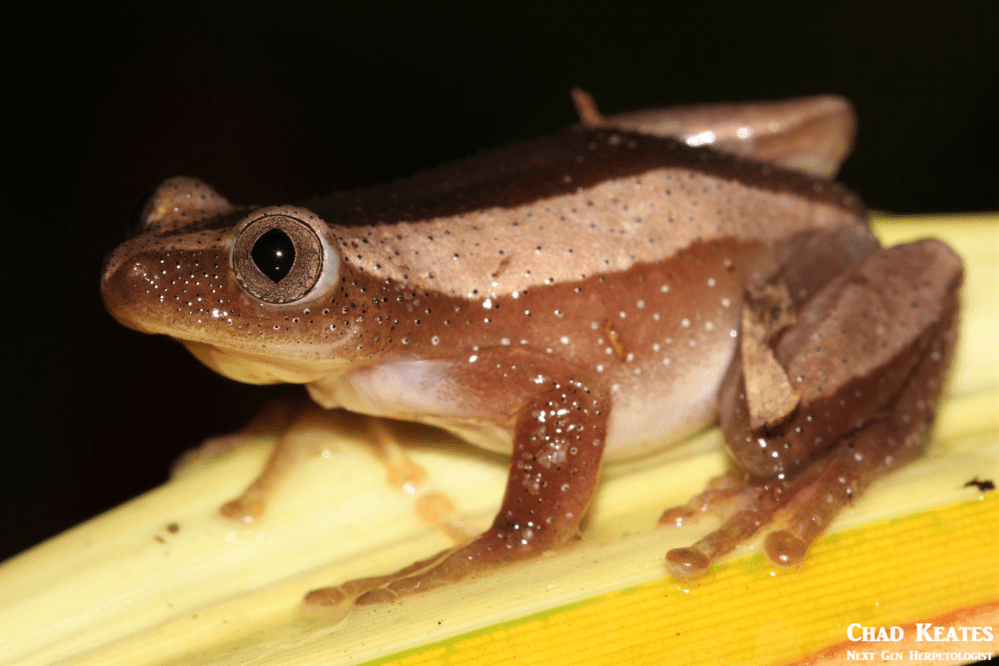
from Vilankulos, Mozambique
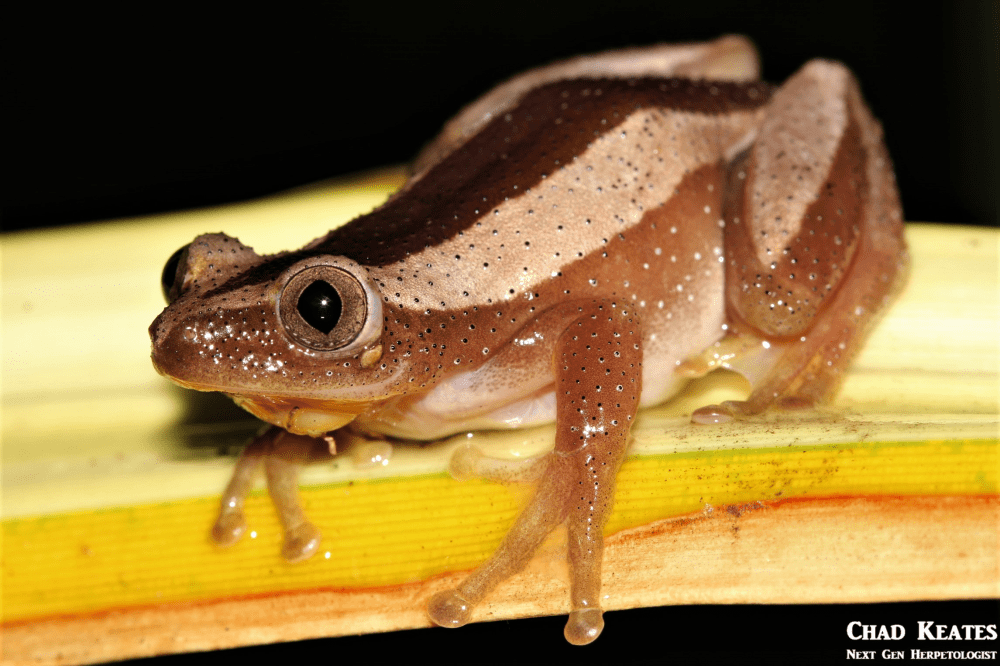
from Vilankulos, Mozambique

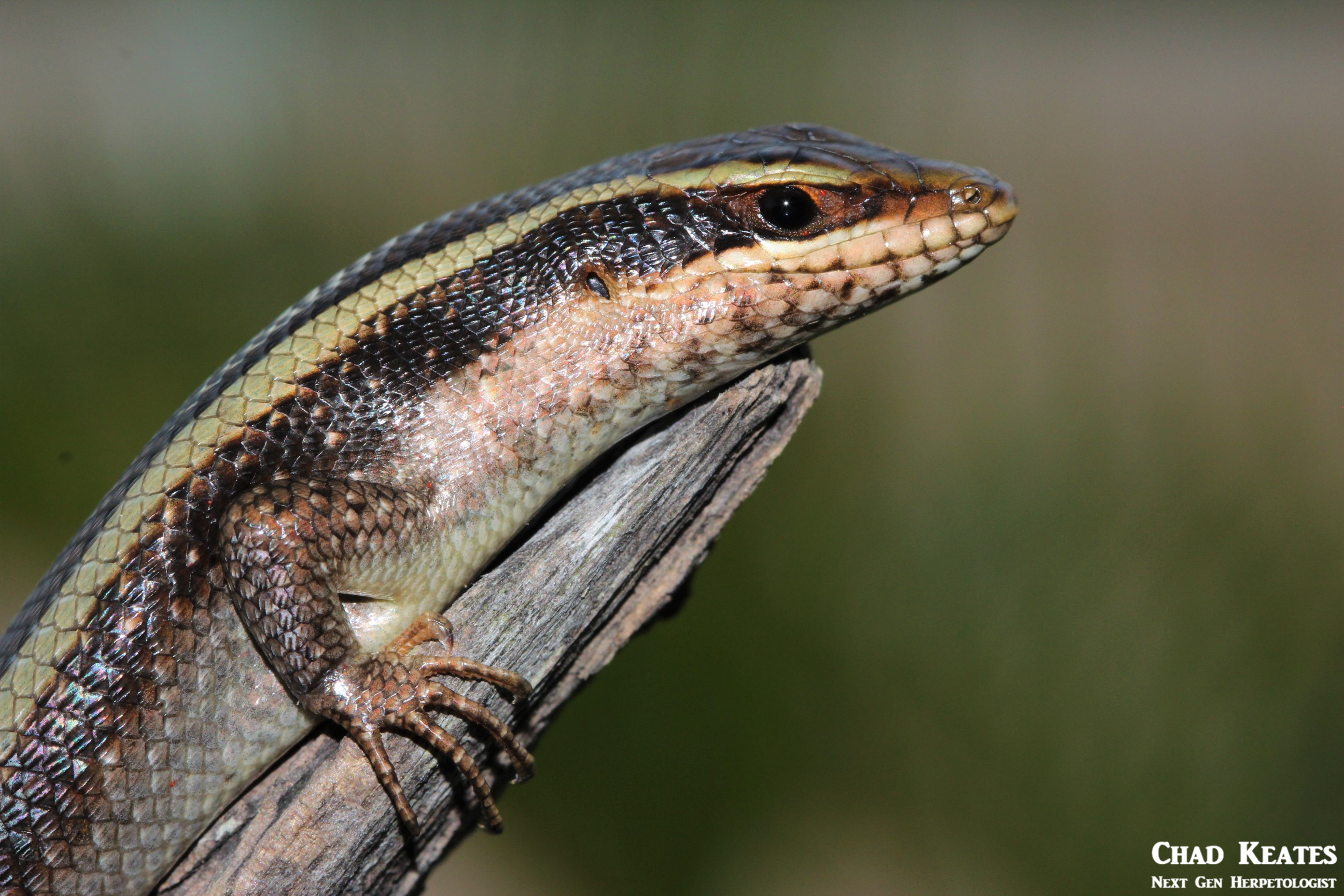
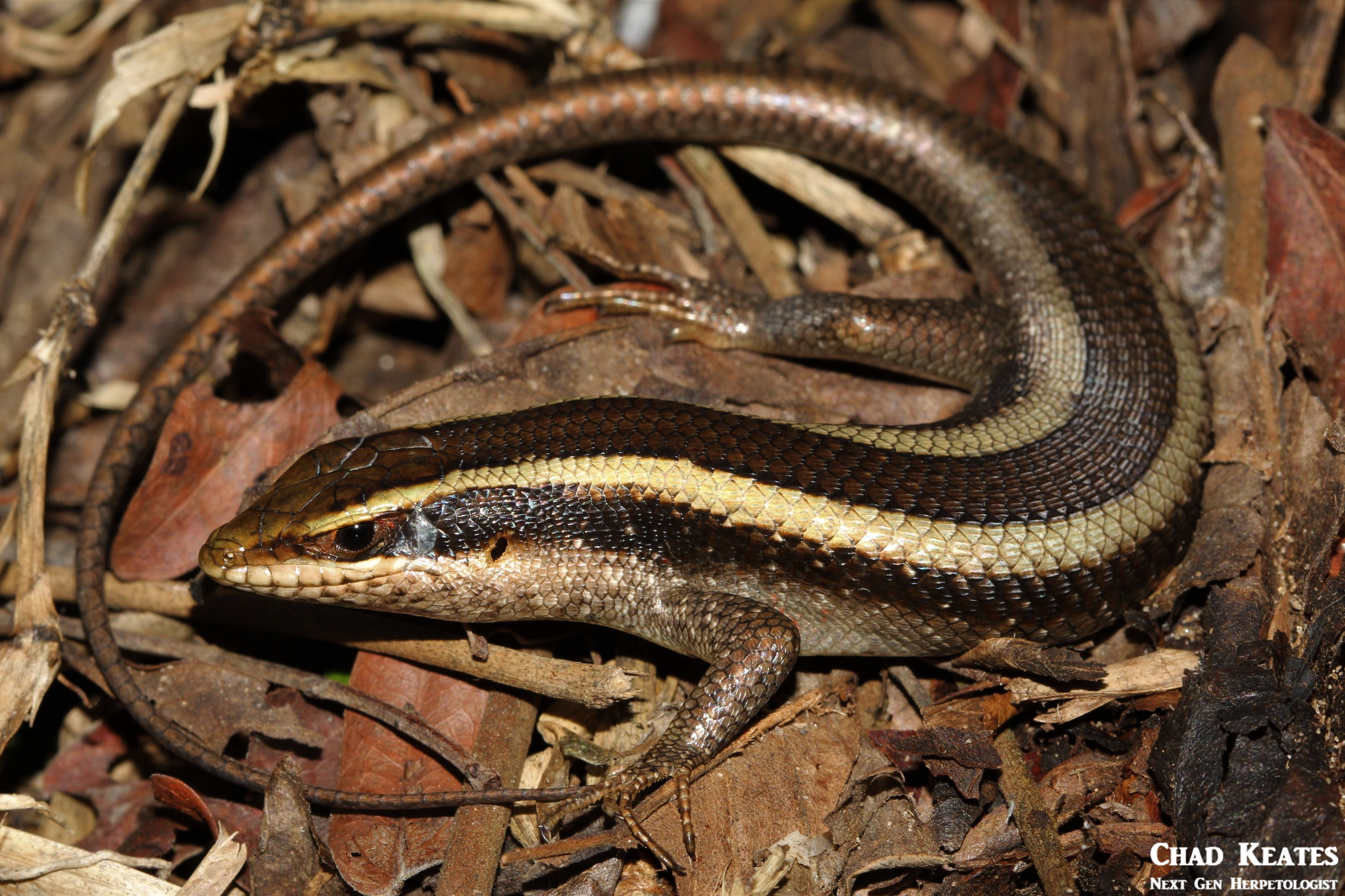
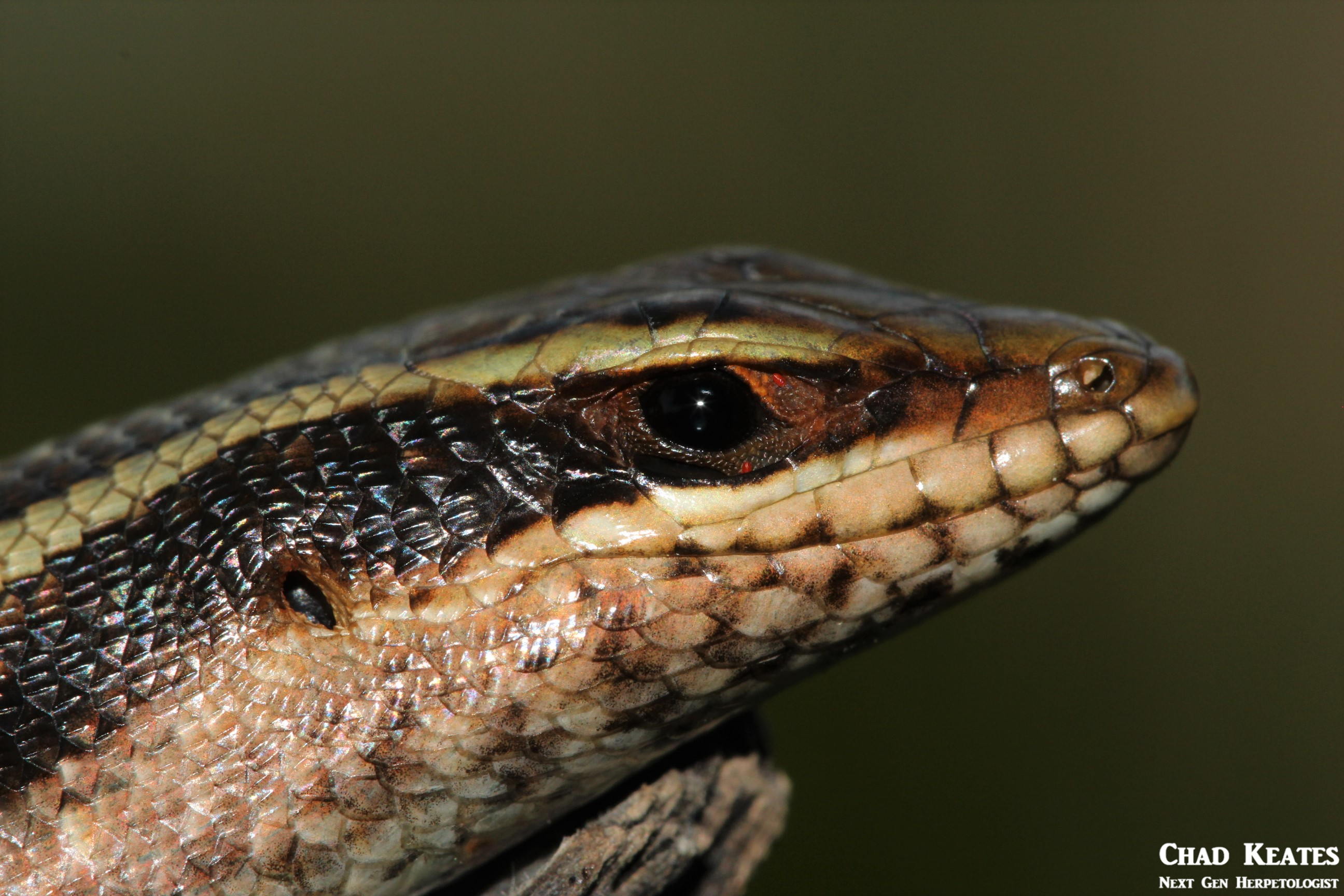
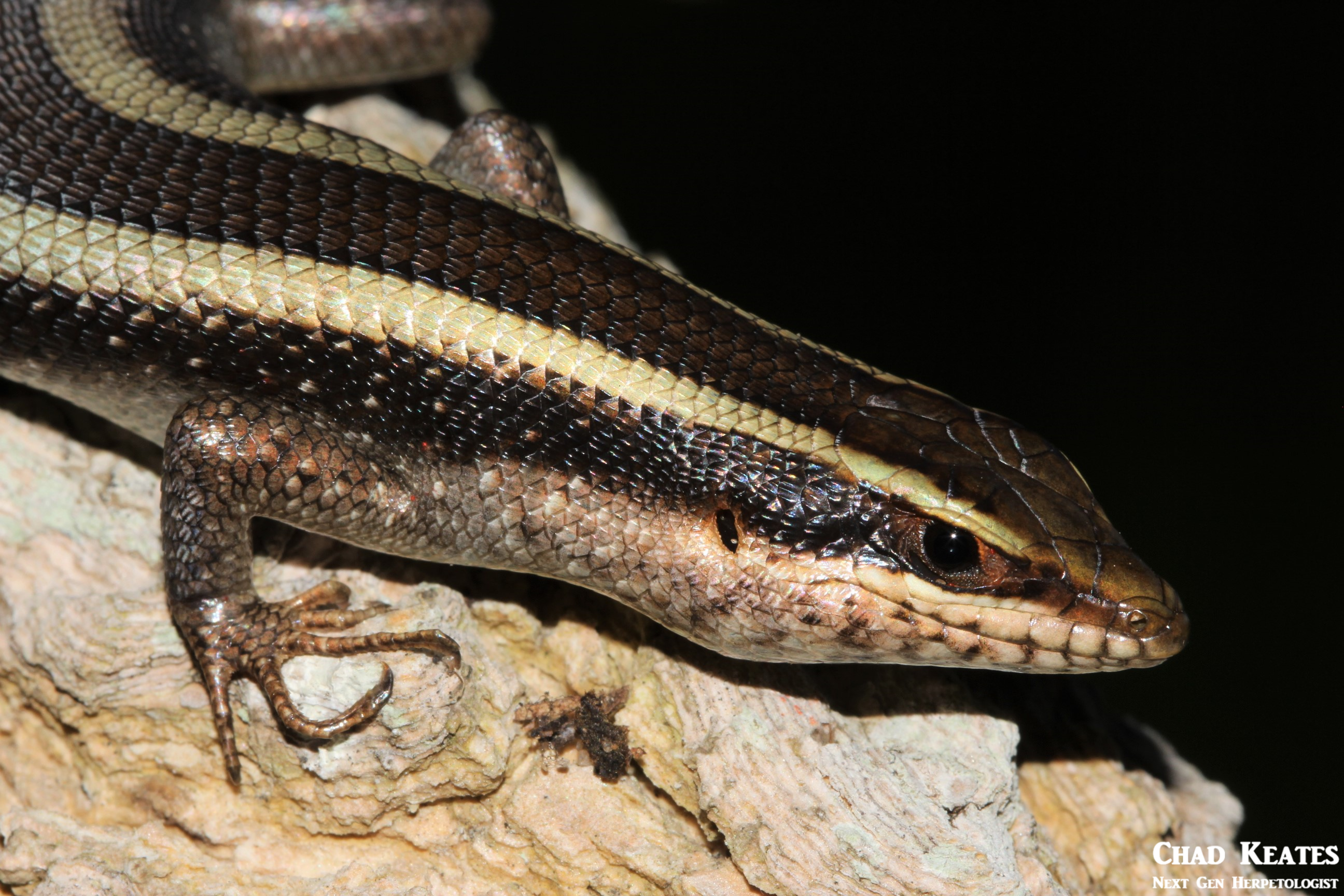
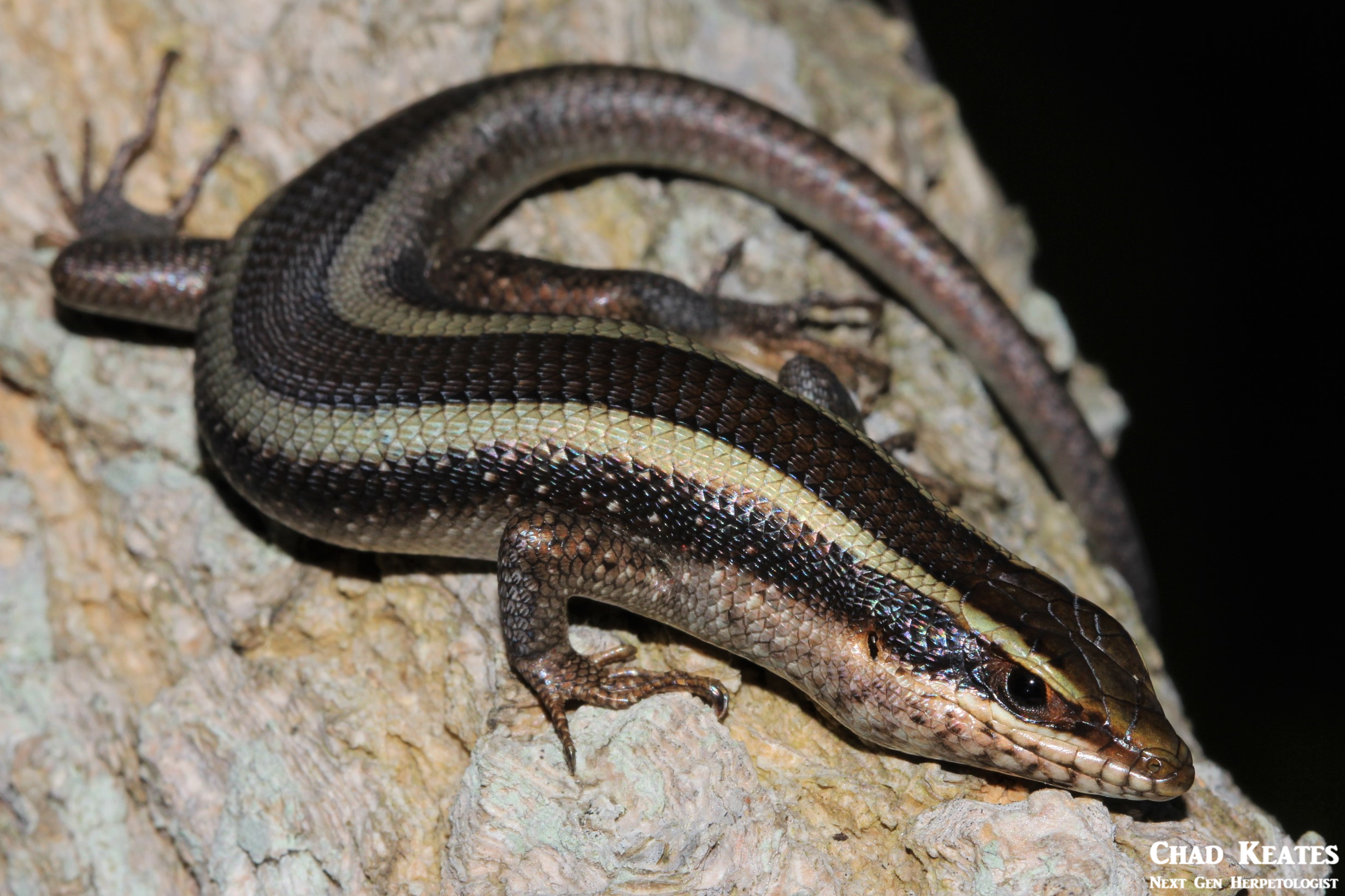
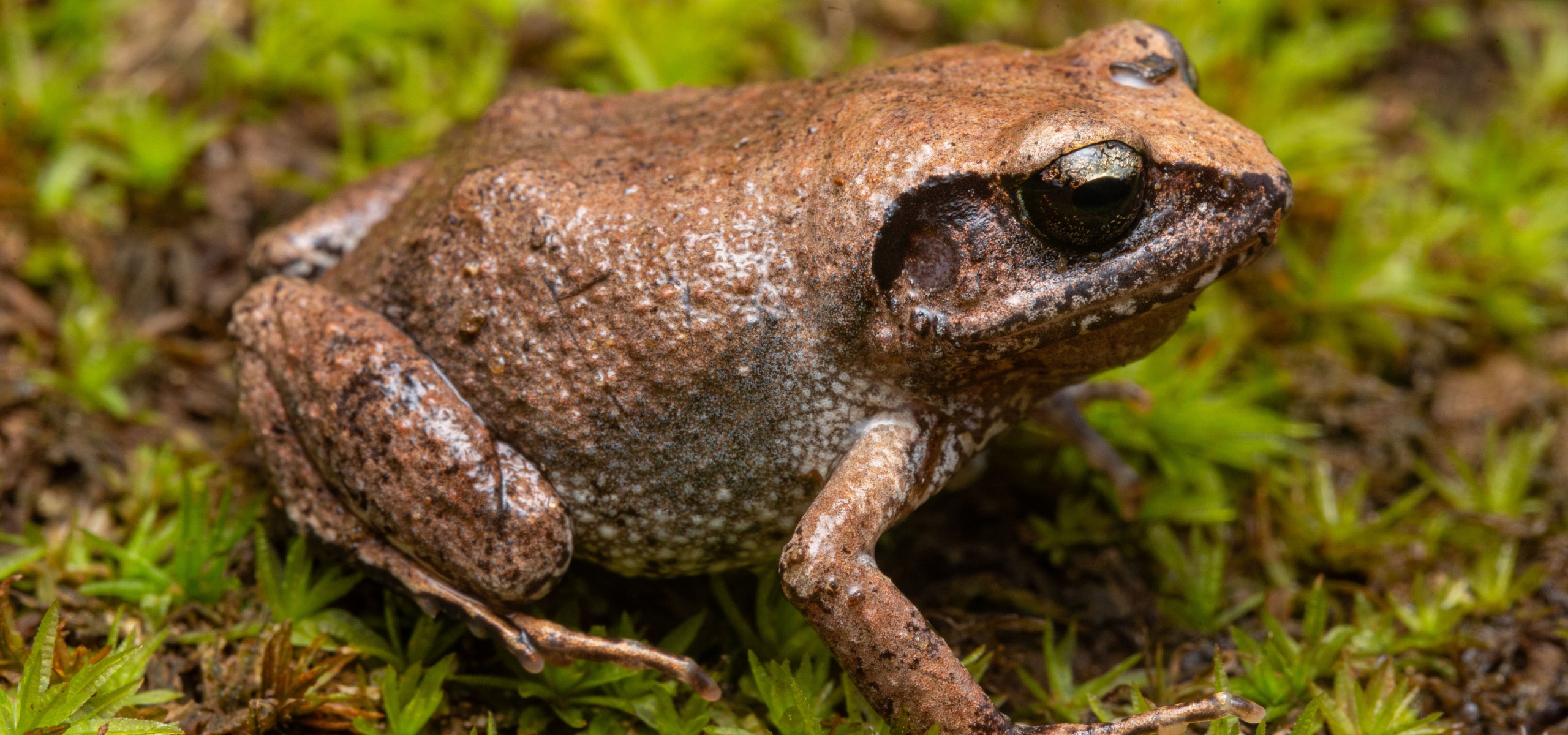
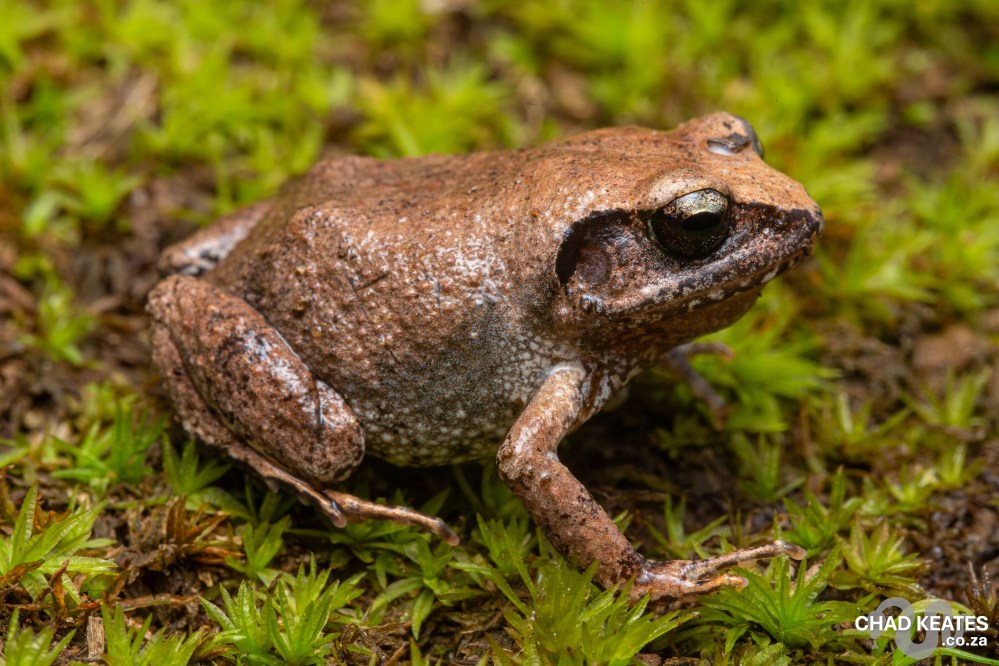
from Nkandla Forest, KwaZulu Natal, South Africa

from Nkandla Forest, KwaZulu Natal, South Africa
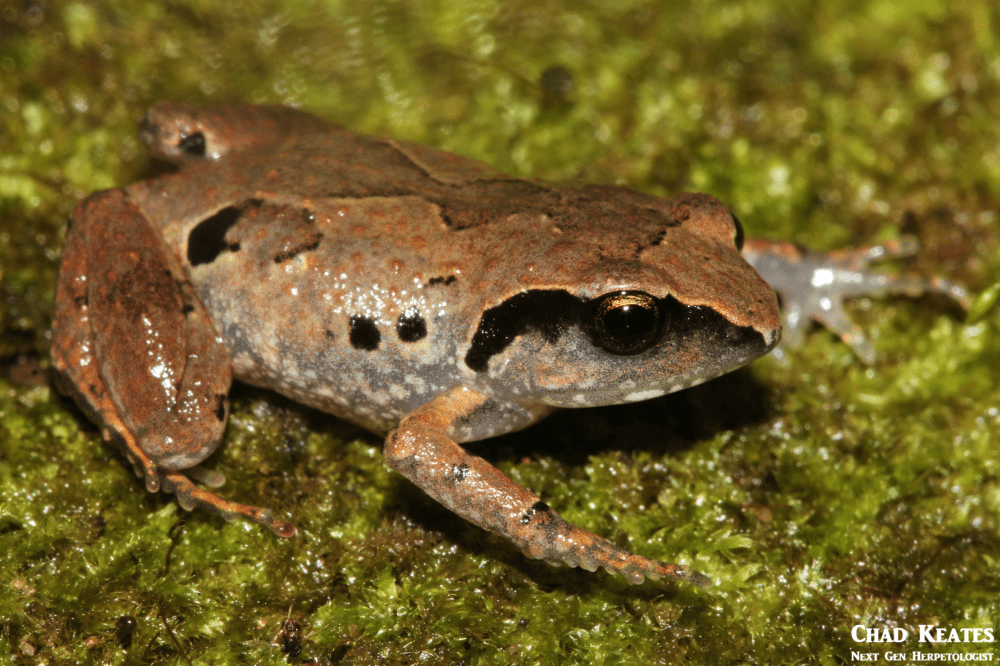
from Kloof, KwaZulu Natal, South Africa
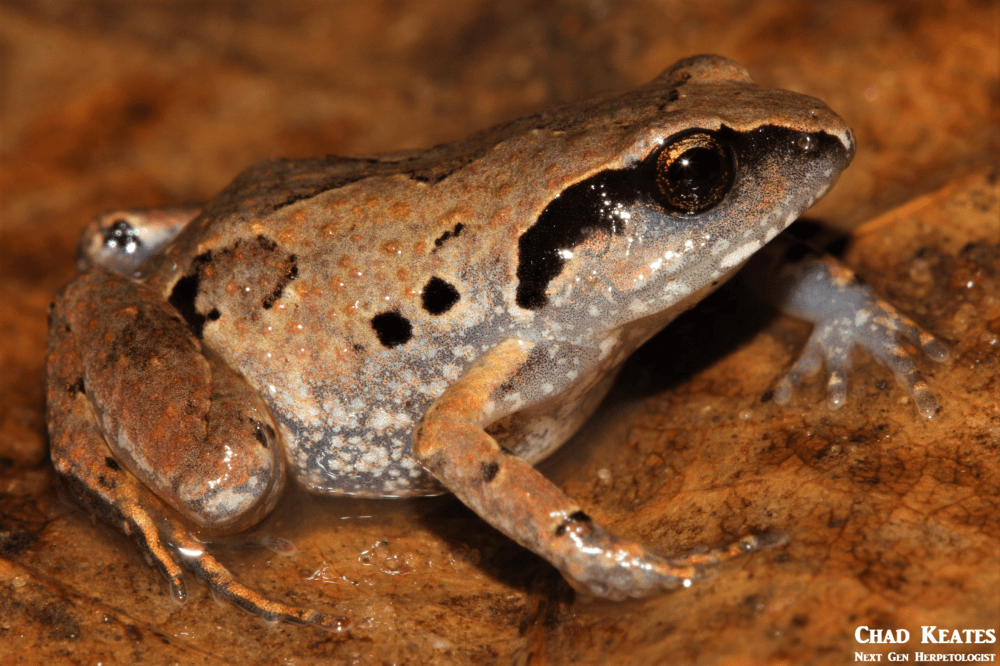
from Kloof, KwaZulu Natal, South Africa

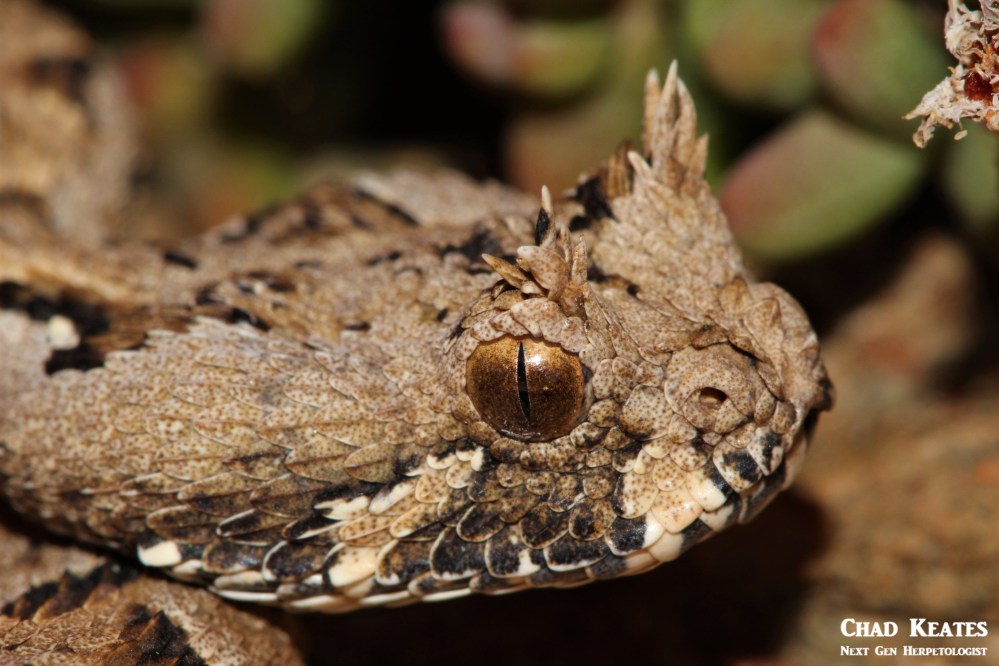
from near Koingnaas, Northern Cape, South Africa
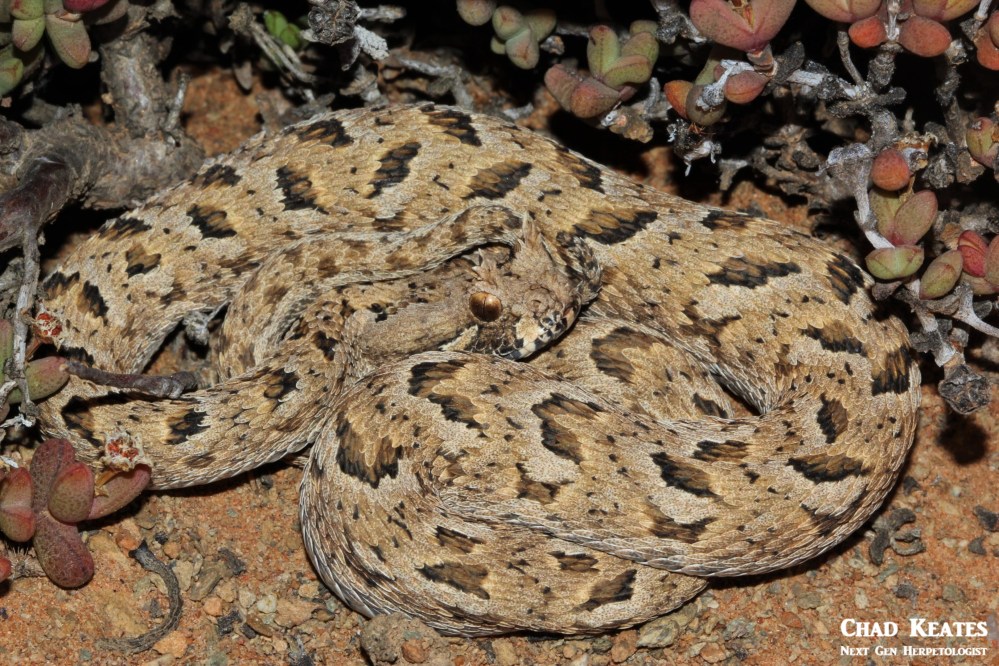
from near Koingnaas, Northern Cape, South Africa
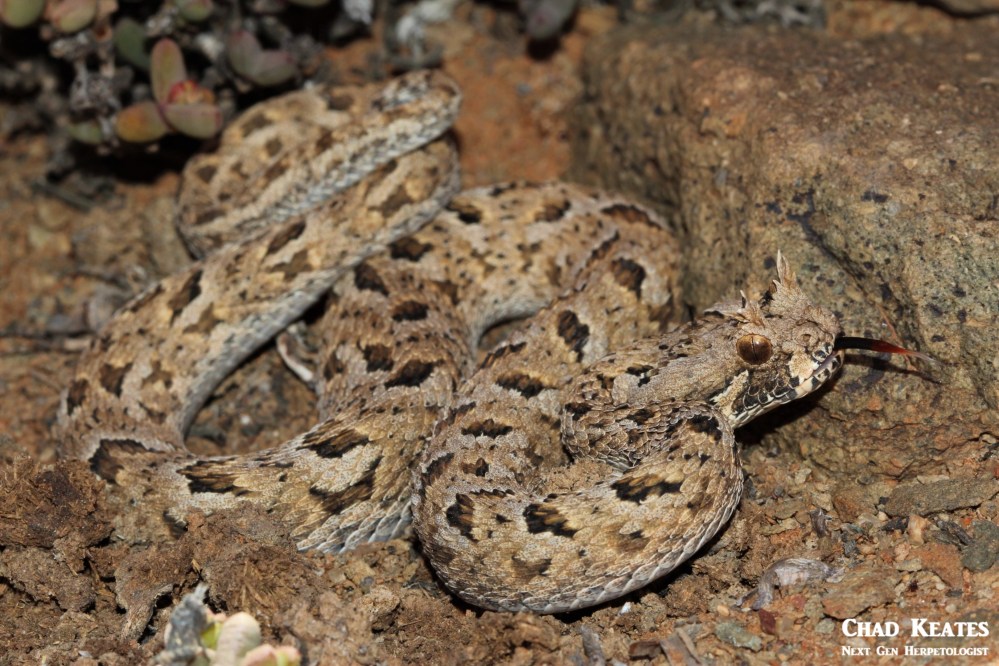
from near Koingnaas, Northern Cape, South Africa

from near Koingnaas, Northern Cape, South Africa

from near Koingnaas, Northern Cape, South Africa
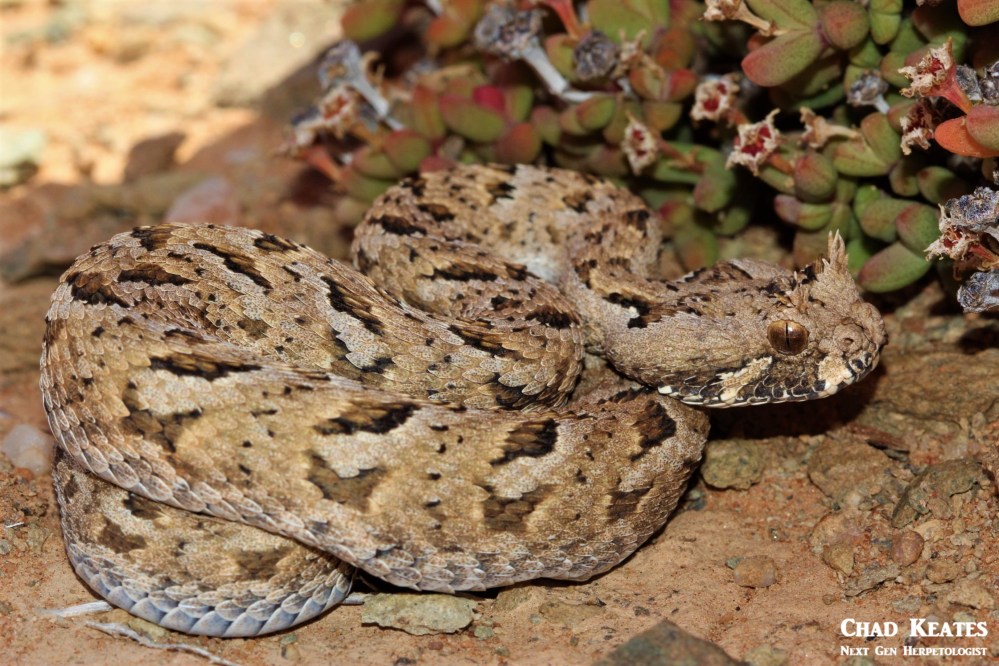
from near Koingnaas, Northern Cape, South Africa


from Kamiesberg, Northern Cape, South Africa

from Kamiesberg, Northern Cape, South Africa

from Springbok, Northern Cape, South Africa

from Springbok, Northern Cape, South Africa

from Springbok, Northern Cape, South Africa


from Gordon’s Bay, Western Cape, South Africa

from Gordon’s Bay, Western Cape, South Africa

from Gordon’s Bay, Western Cape, South Africa

from Stellenbosch, Western Cape, South Africa

from Stellenbosch, Western Cape, South Africa

from Stellenbosch, Western Cape, South Africa
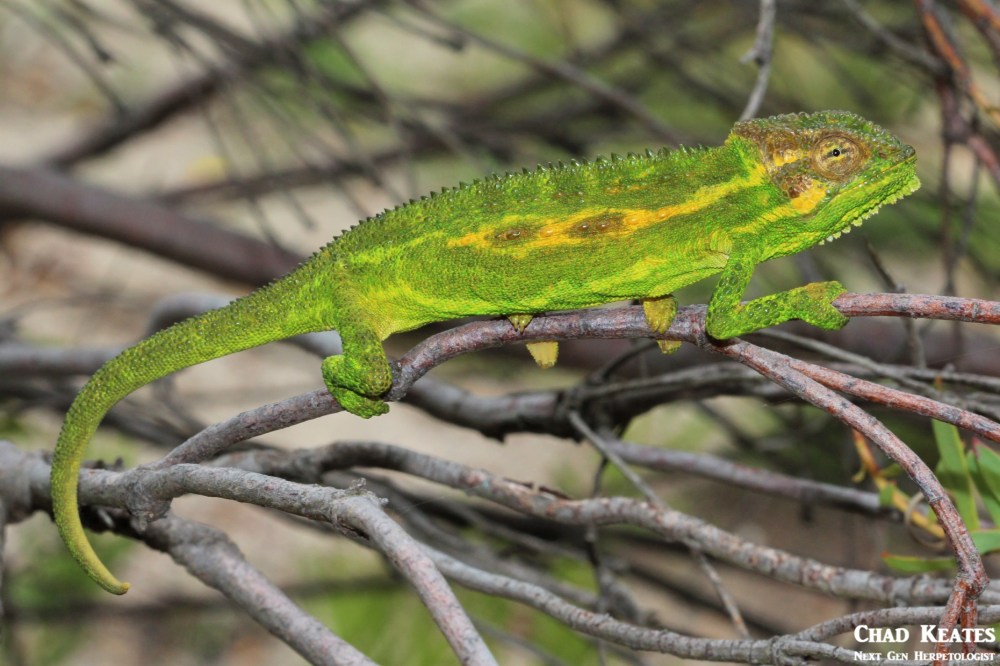
from Stellenbosch, Western Cape, South Africa

from Stellenbosch, Western Cape, South Africa

from Gordon’s Bay, Western Cape, South Africa
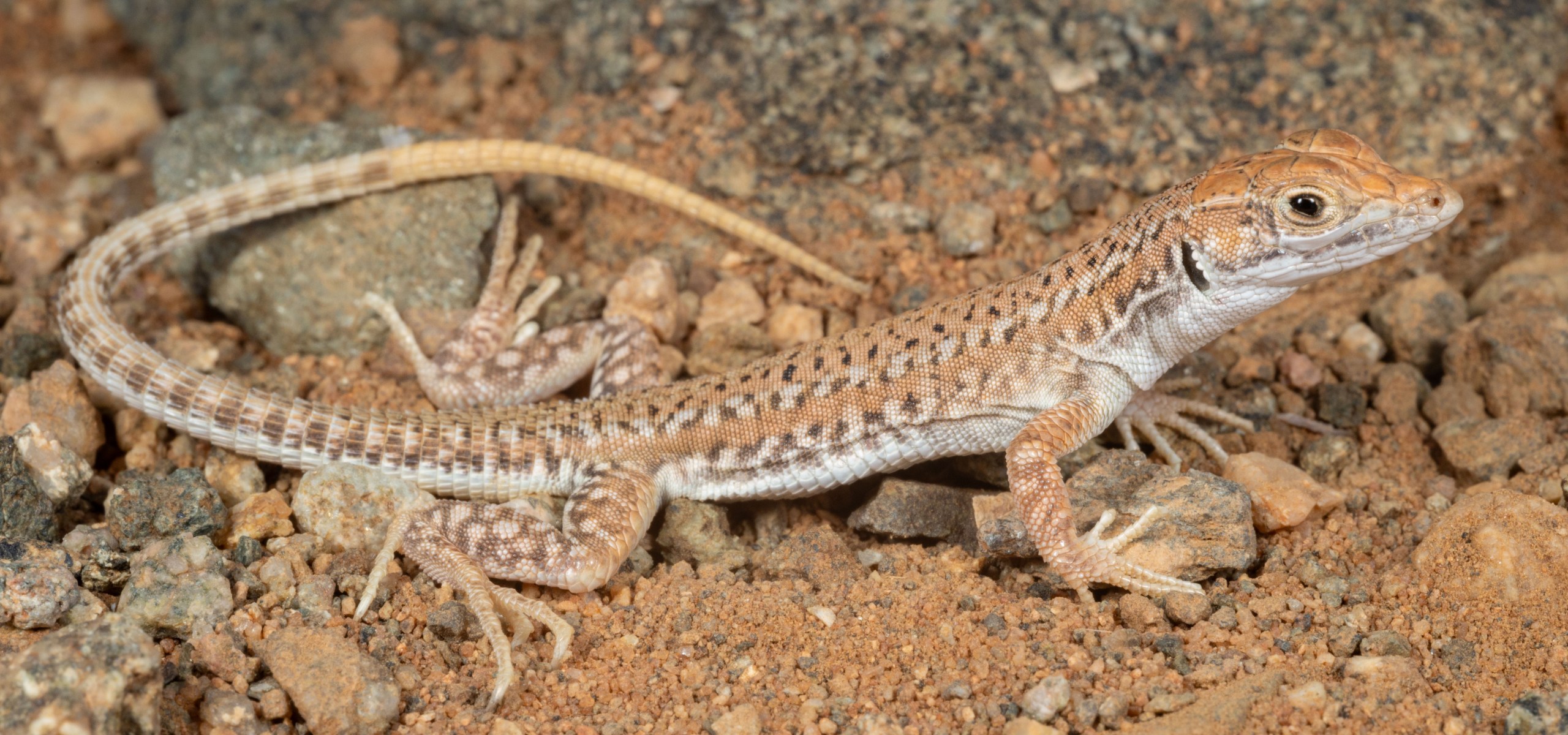
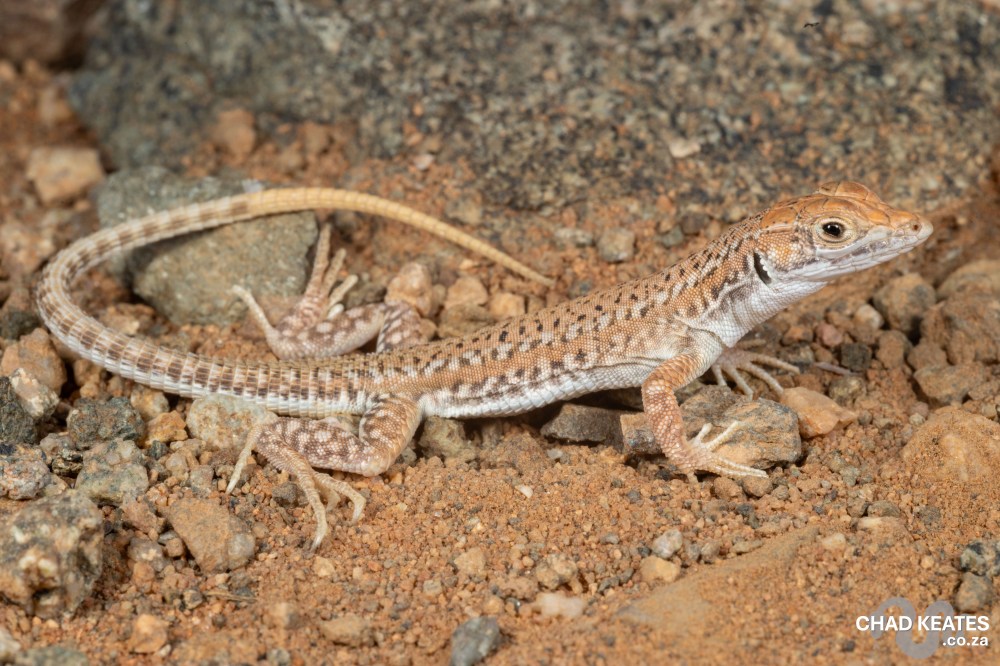
from Richtersveld, Northern Cape, South Africa

from Richtersveld, Northern Cape, South Africa

from Northern Cape, South Africa

from Northern Cape, South Africa

from Lamberts Bay, Western Cape, South Africa

from Lamberts Bay, Western Cape, South Africa


from Cederberg, Western Cape, South Africa

from Kommetjie, Western Cape, South Africa

from Cederberg, Western Cape, South Africa

from Cederberg, Western Cape, South Africa
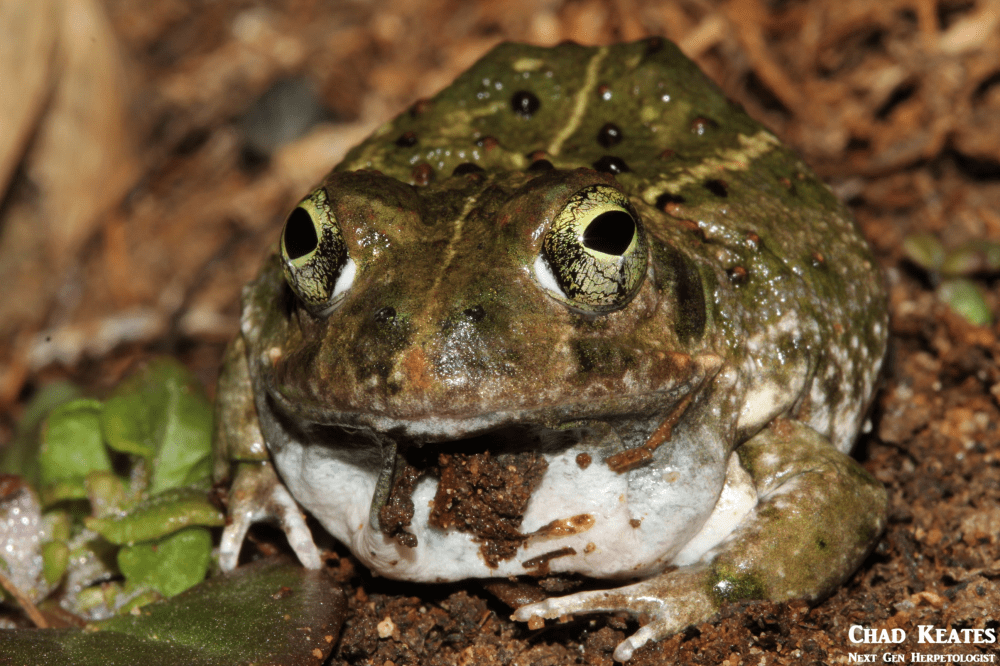
from Cederberg, Western Cape, South Africa

from Cederberg, Western Cape, South Africa
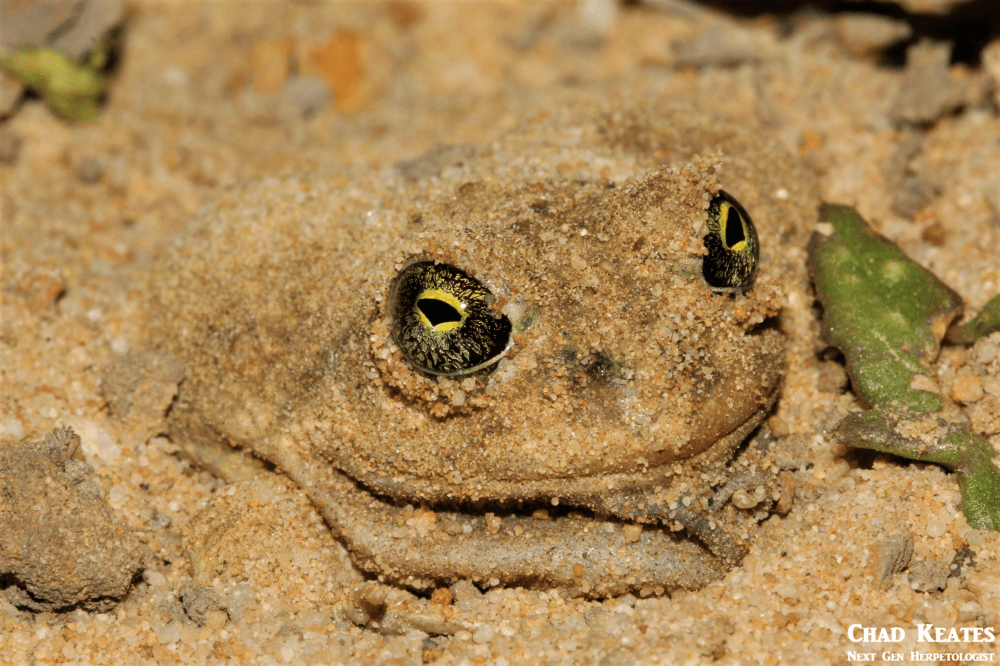
from Cederberg, Western Cape, South Africa
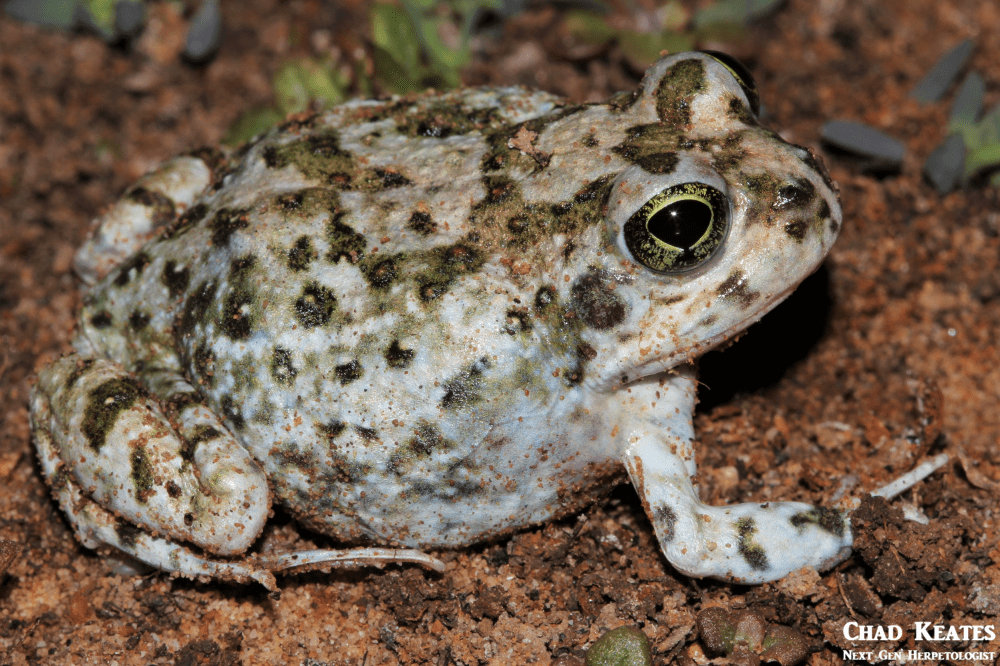
from Western Cape, South Africa




 Chad Keates