 Chad Keates
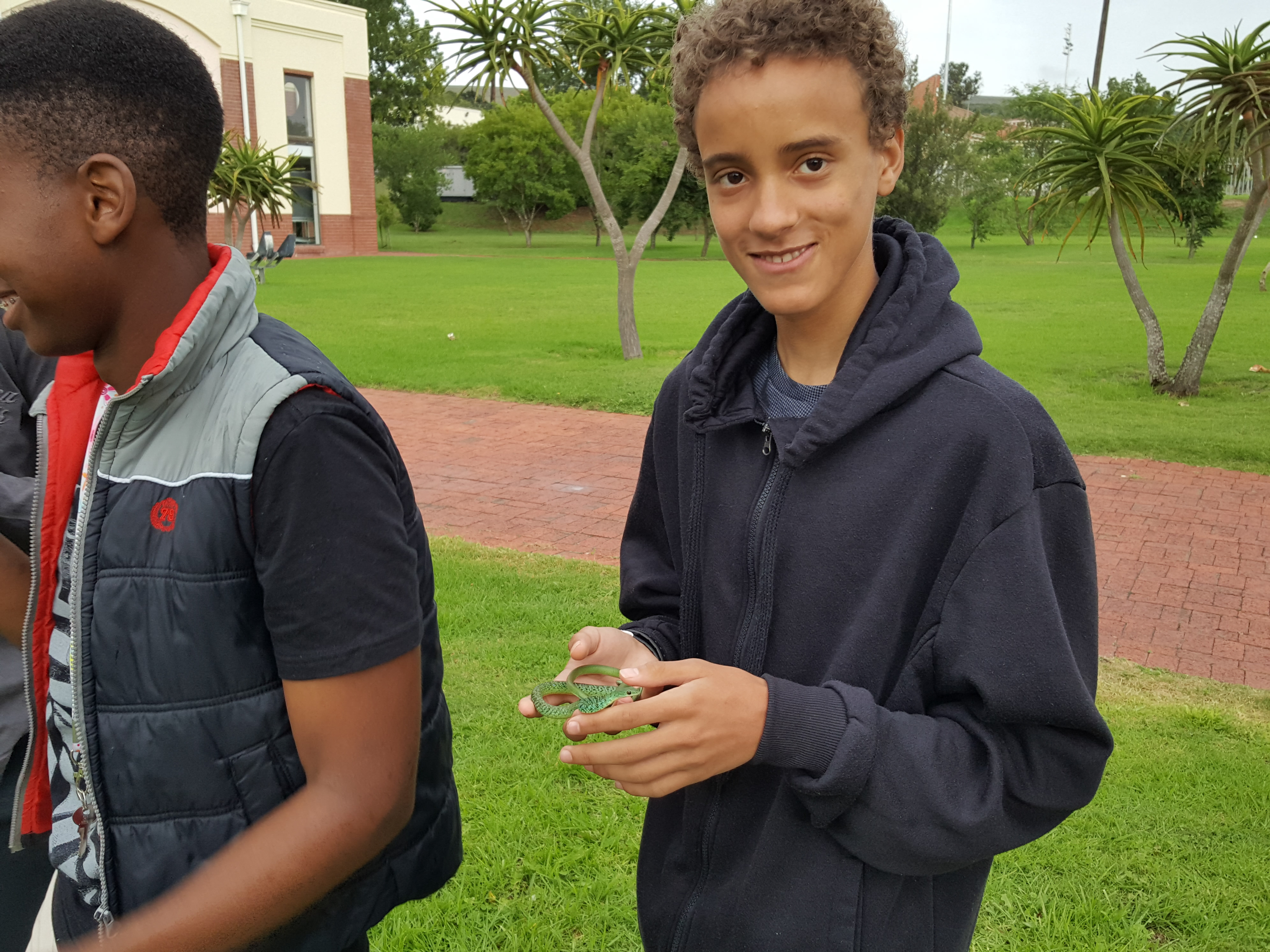
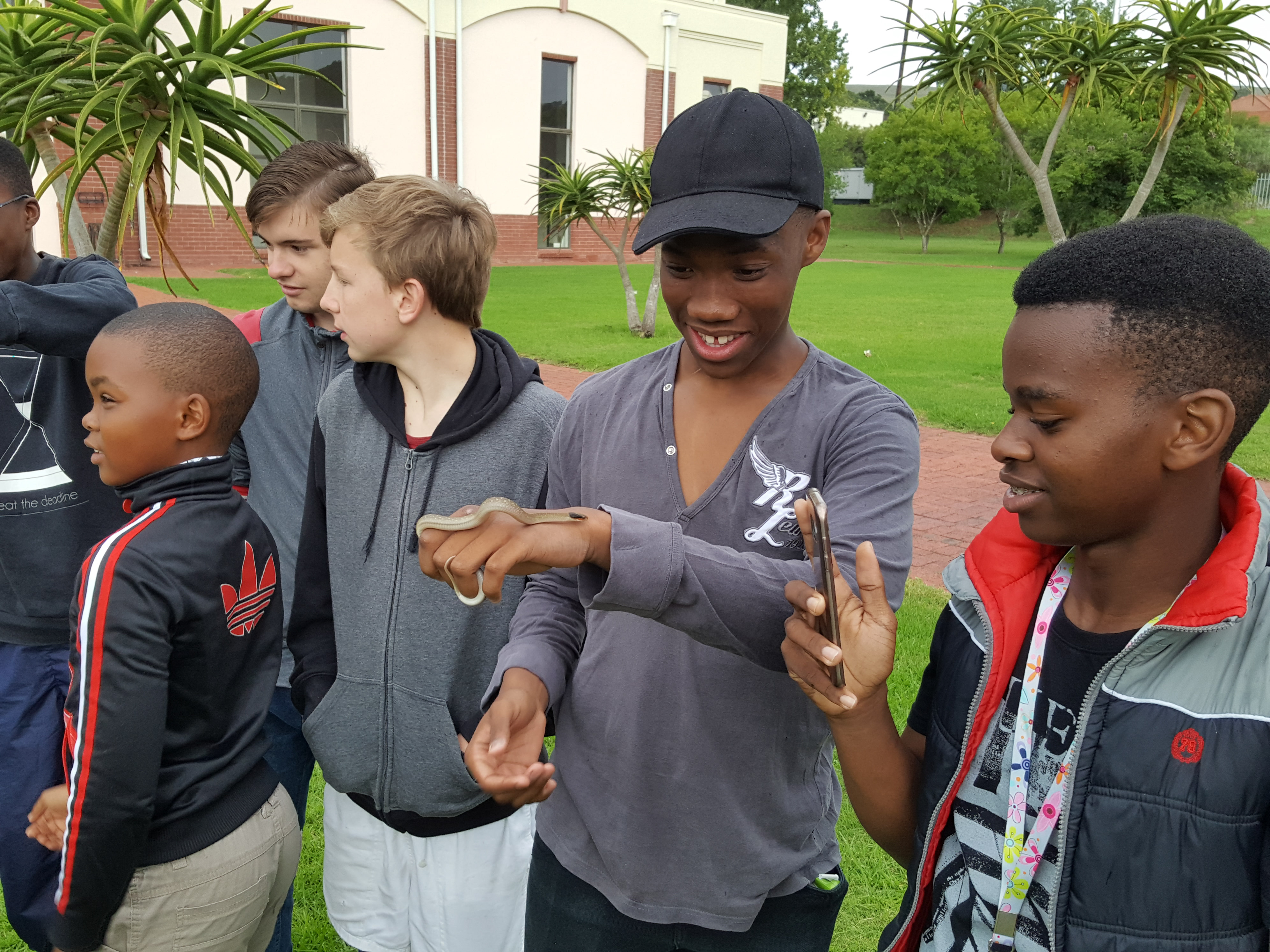
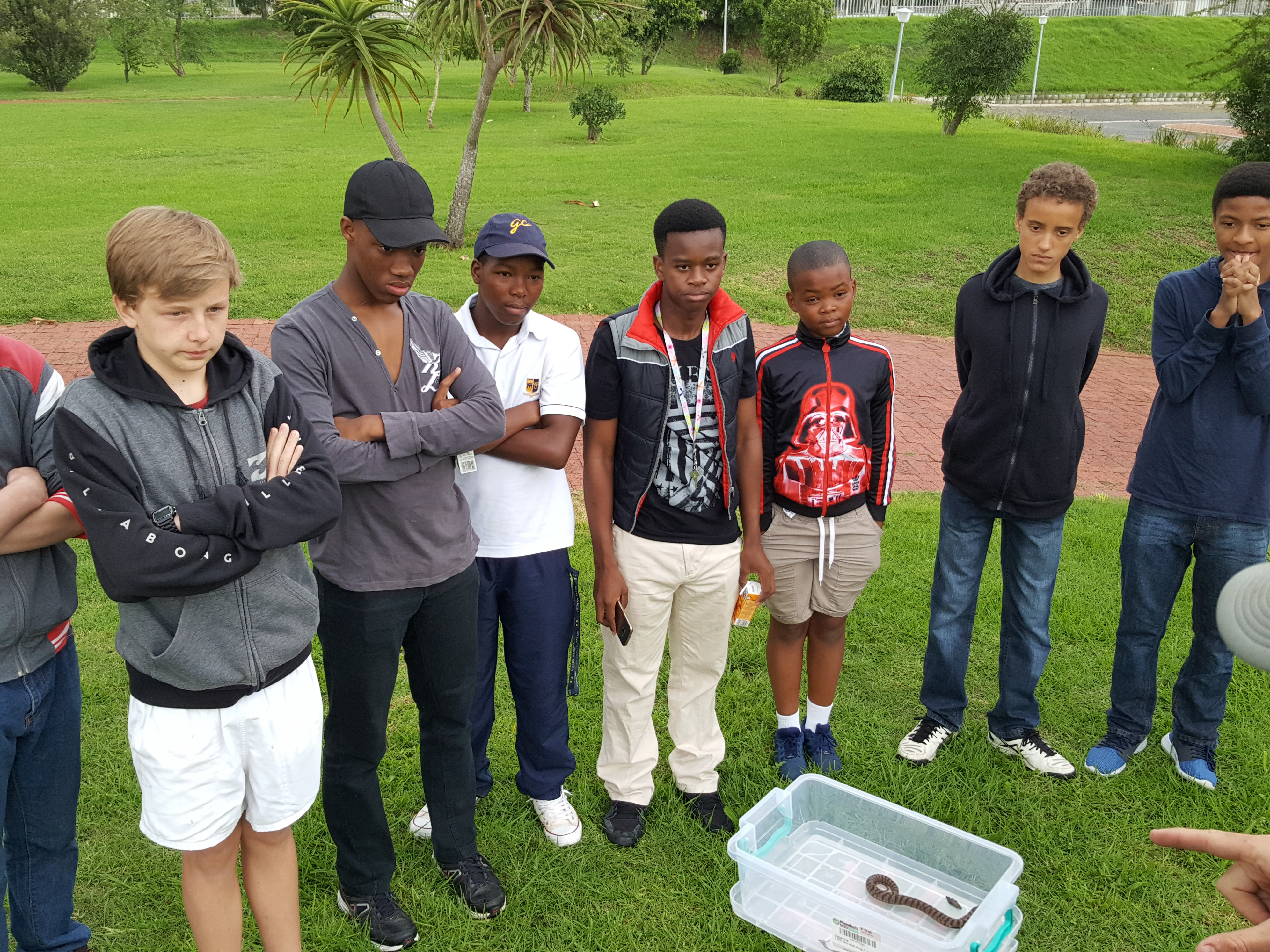
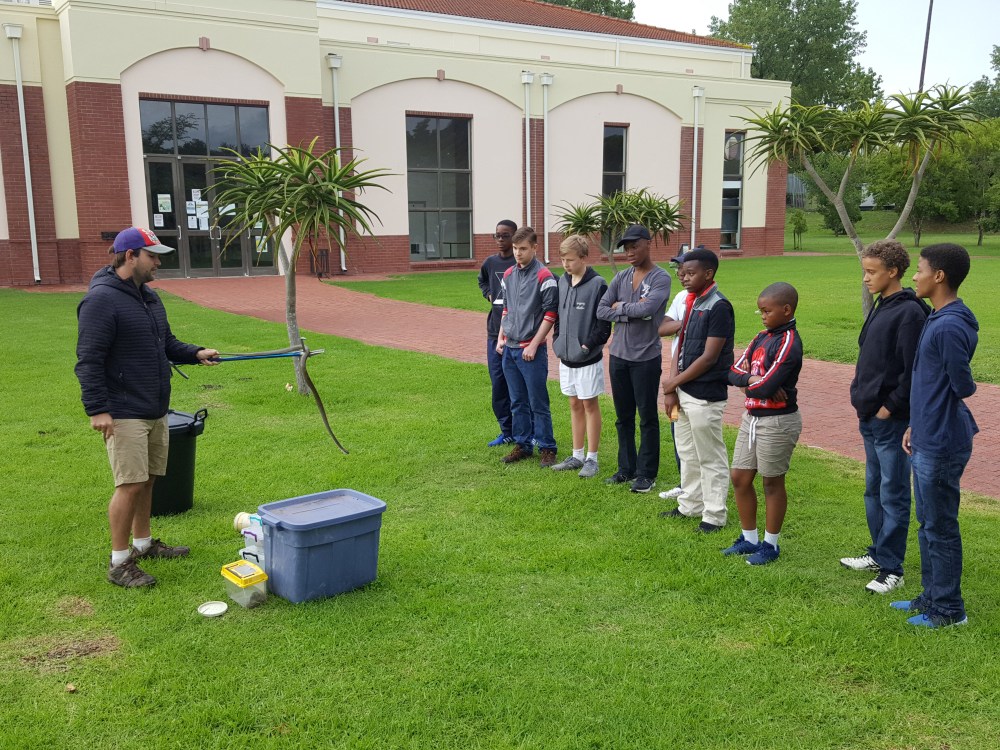
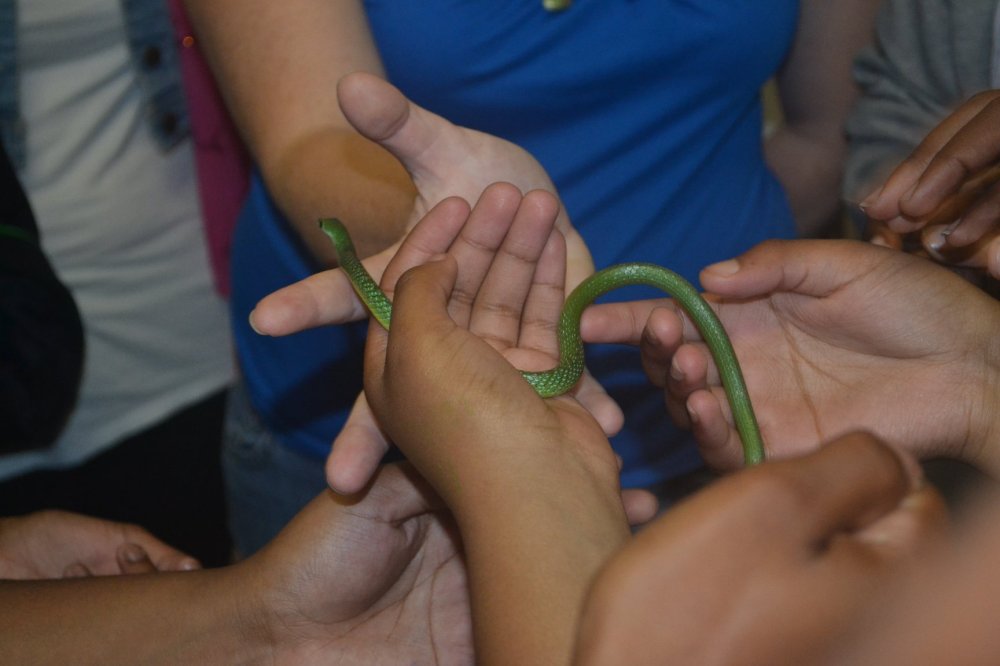
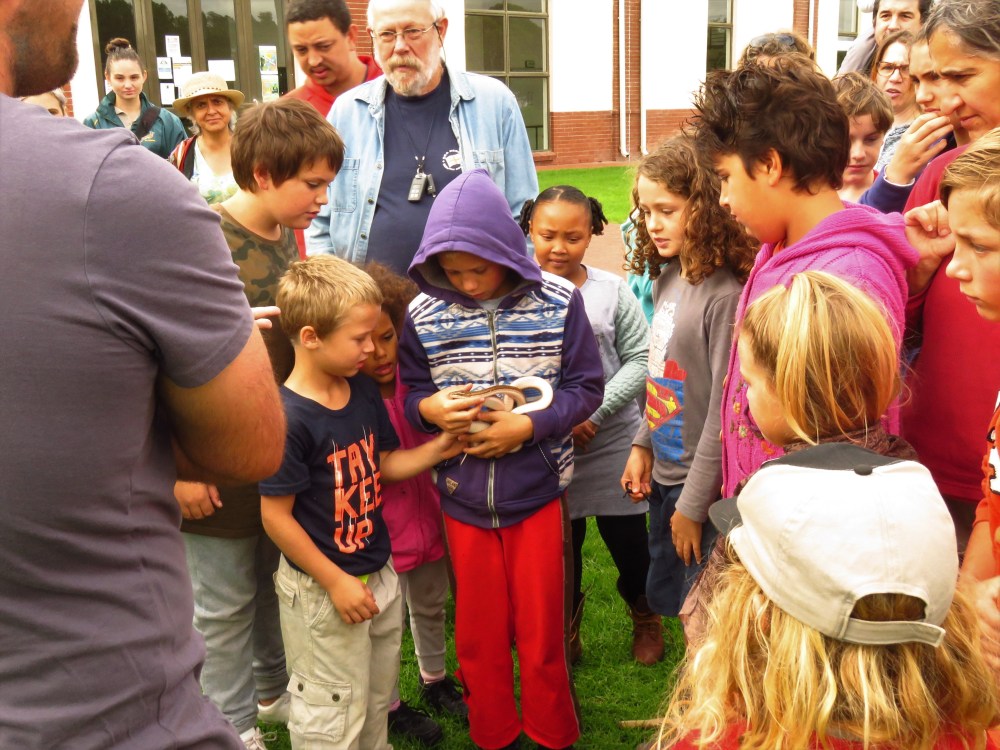
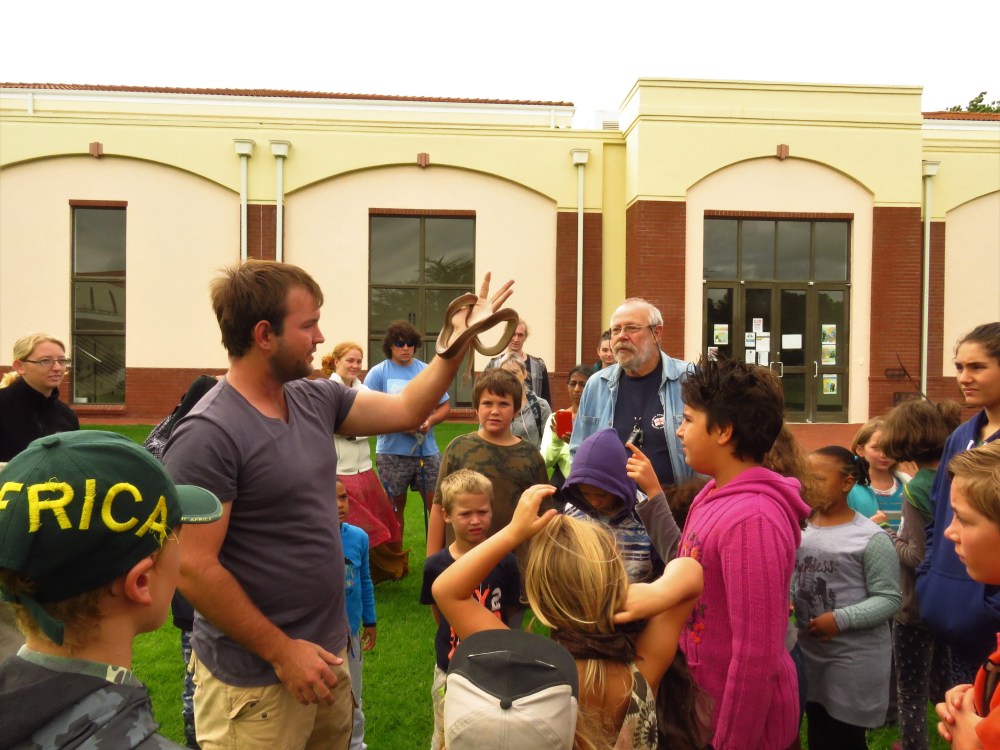
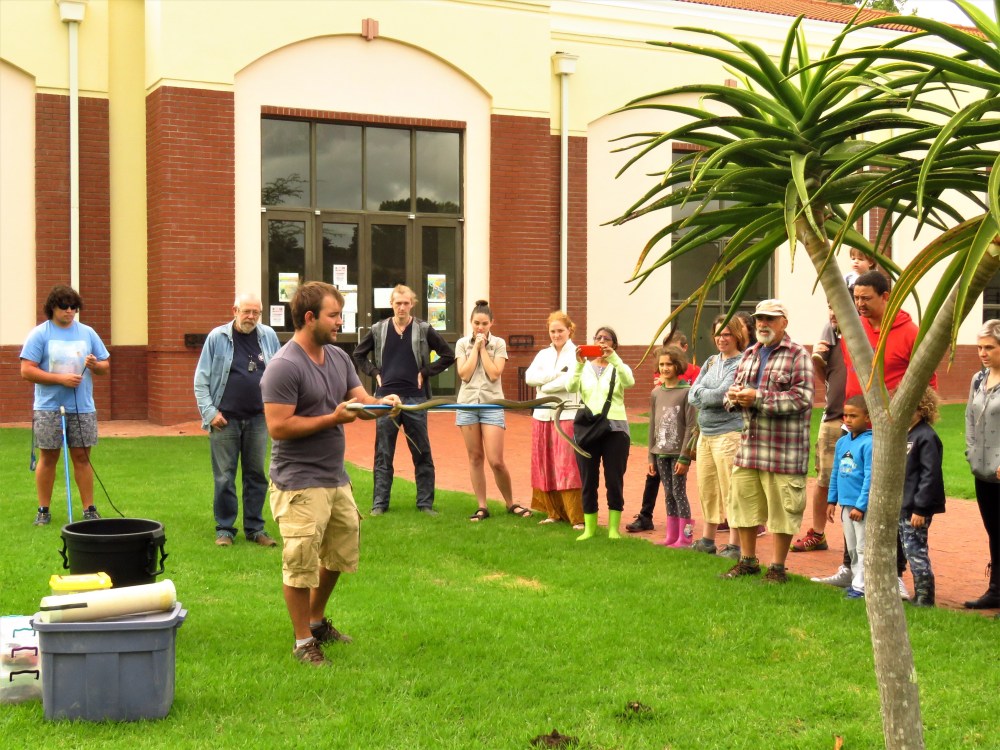
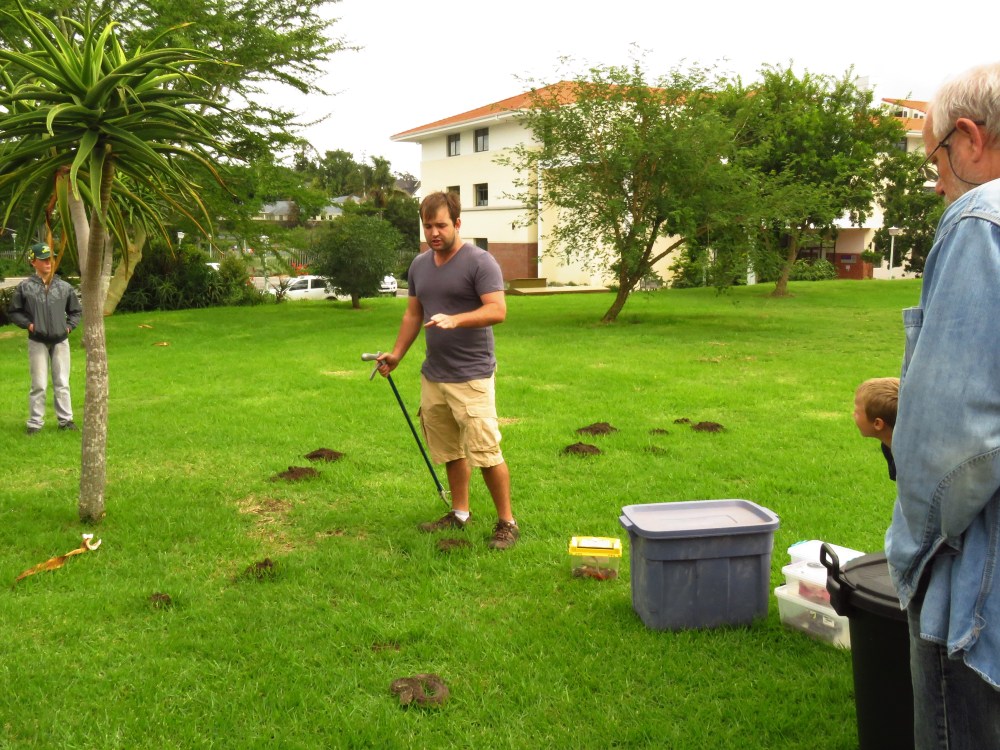
On the 17th of April, I presented an afternoon snake talk for high school learners of Nombulelo Highschool, at their school, on the outskirts of Grahamstown. The talk, which comprised of both a PowerPoint presentation and a live snake demonstration, was a great opportunity to engage with the students about reptiles, and dispel some of the myths that surround snakes in the area.
The PowerPoint presentation was challenging because of the language barrier that existed between myself and the learners, and although some of the facts were ‘lost in translation’, the hands on experience with the live snakes more than made up for it, with many kids handling a snake for the first time. Although not all the learners warmed up to the idea of ‘harmless snakes’, it was great to see that most were very willing to challenge themselves and furthermore, open themselves up to the idea of snakes as a necessary and important part of the ecosystem.
At the end of the talk, many of the learners requested that I came back, so that I could show them more of the awesome snakes that can be found in Grahamstown. I look for to my next talk at Nombulelo Highschool.


from St Lucia, KwaZulu Natal, South Africa
from St Lucia, KwaZulu Natal, South Africa

from St Lucia, KwaZulu Natal, South Africa
from Makuleke Wetland, Kruger National Park, Limpopo, South Africa
from Makuleke Wetland, Kruger National Park, Limpopo, South Africa

from Makuleke Wetland, Kruger National Park, Limpopo, South Africa
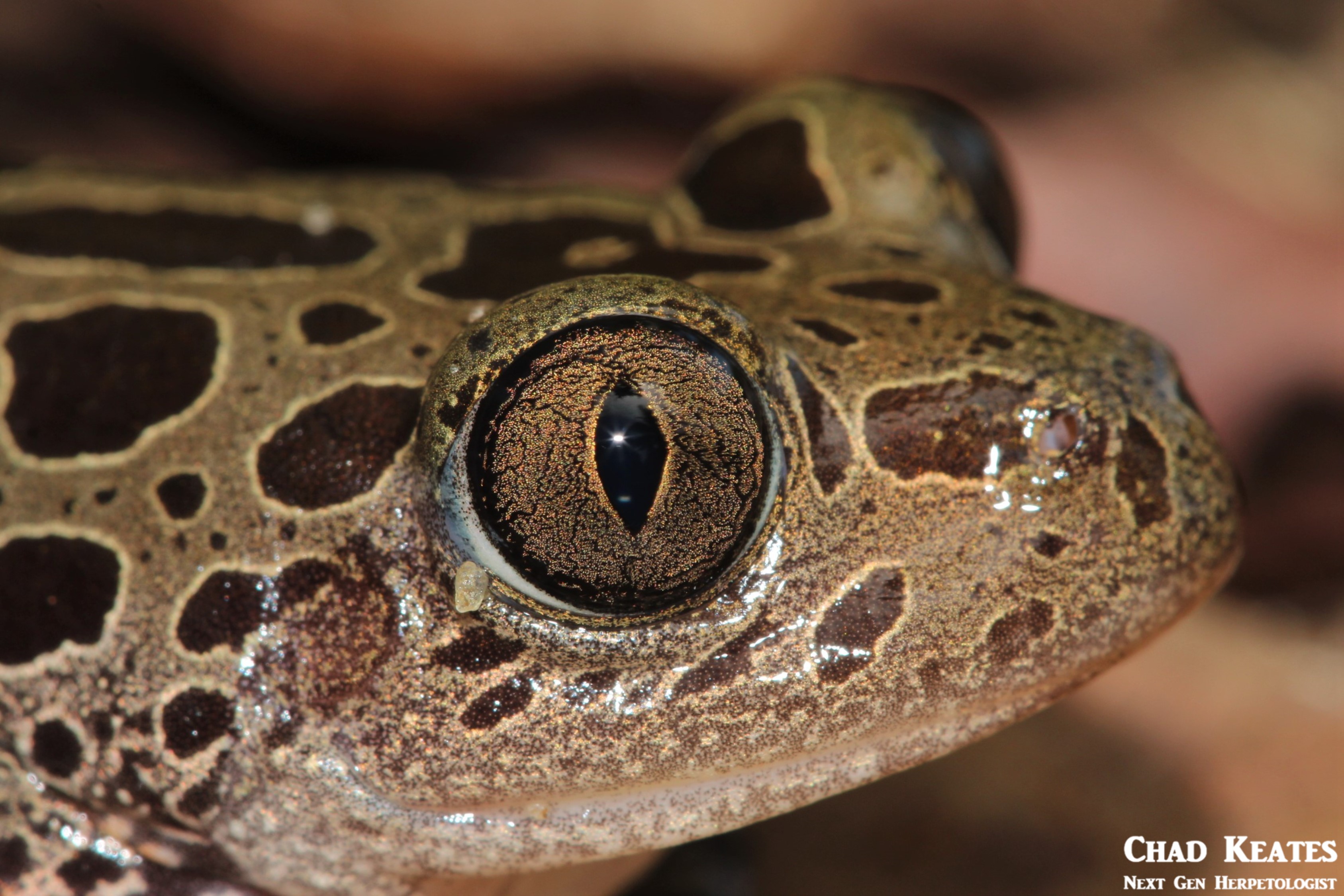
from Mozambique
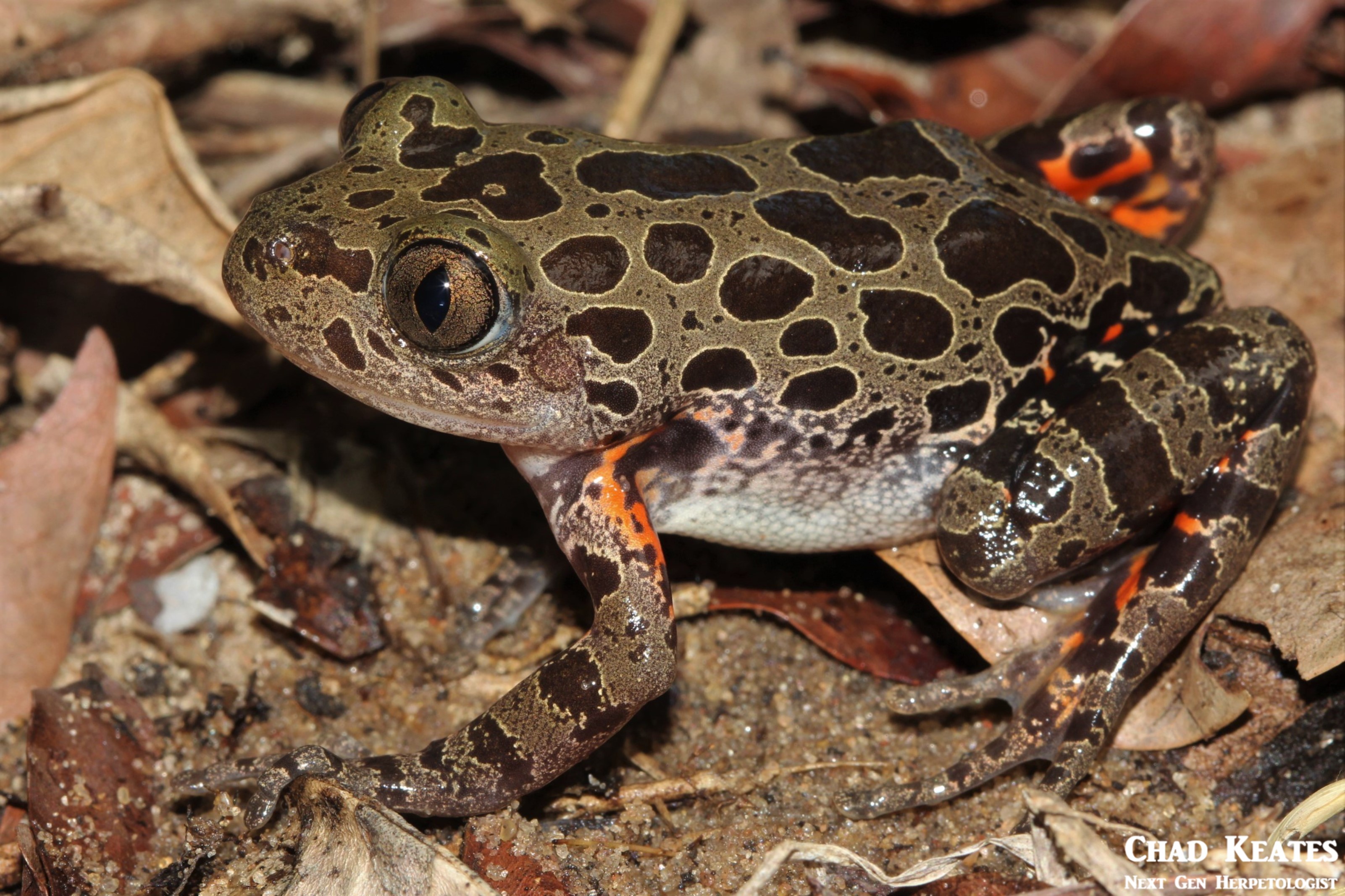
from Mozambique

from Mozambique

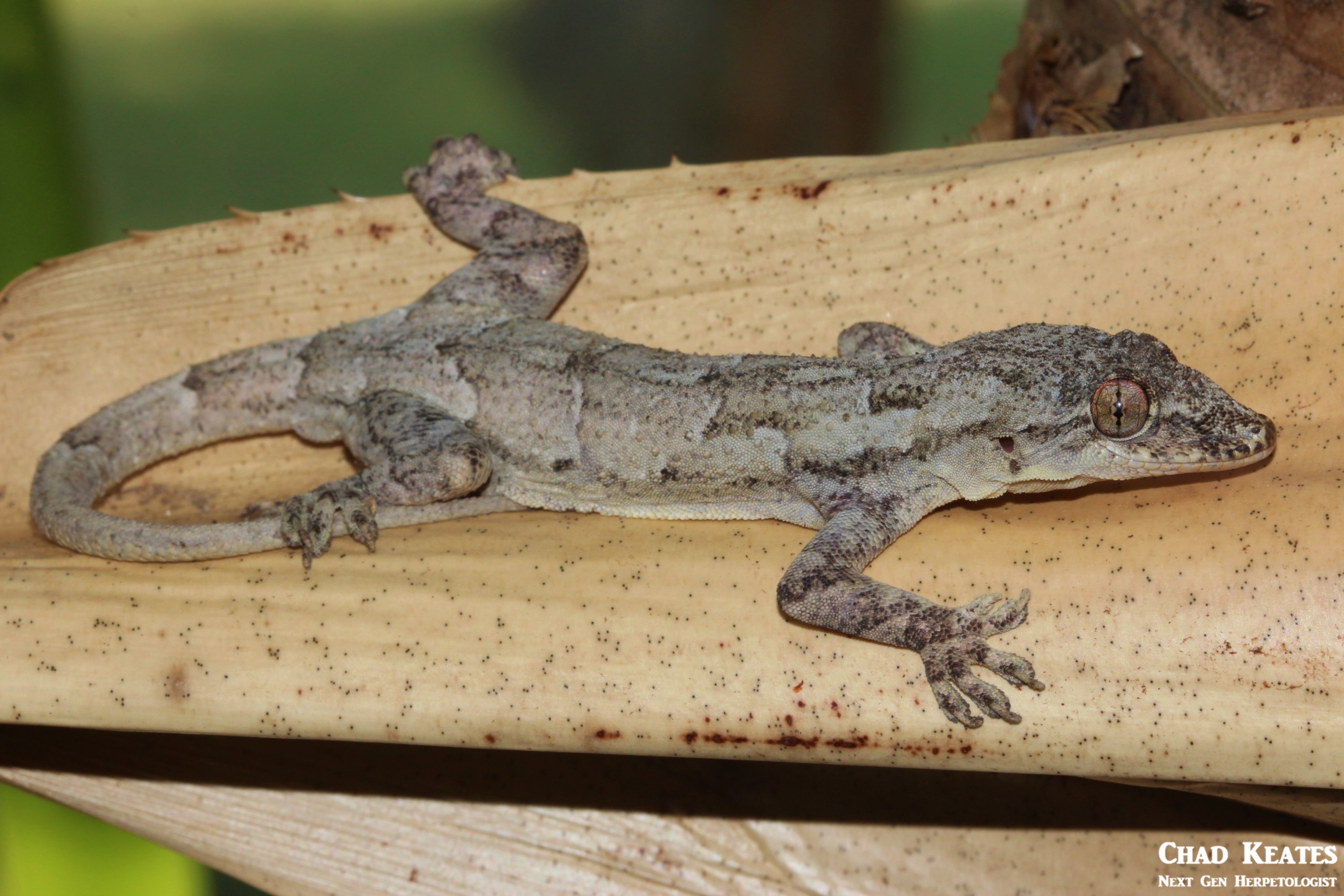
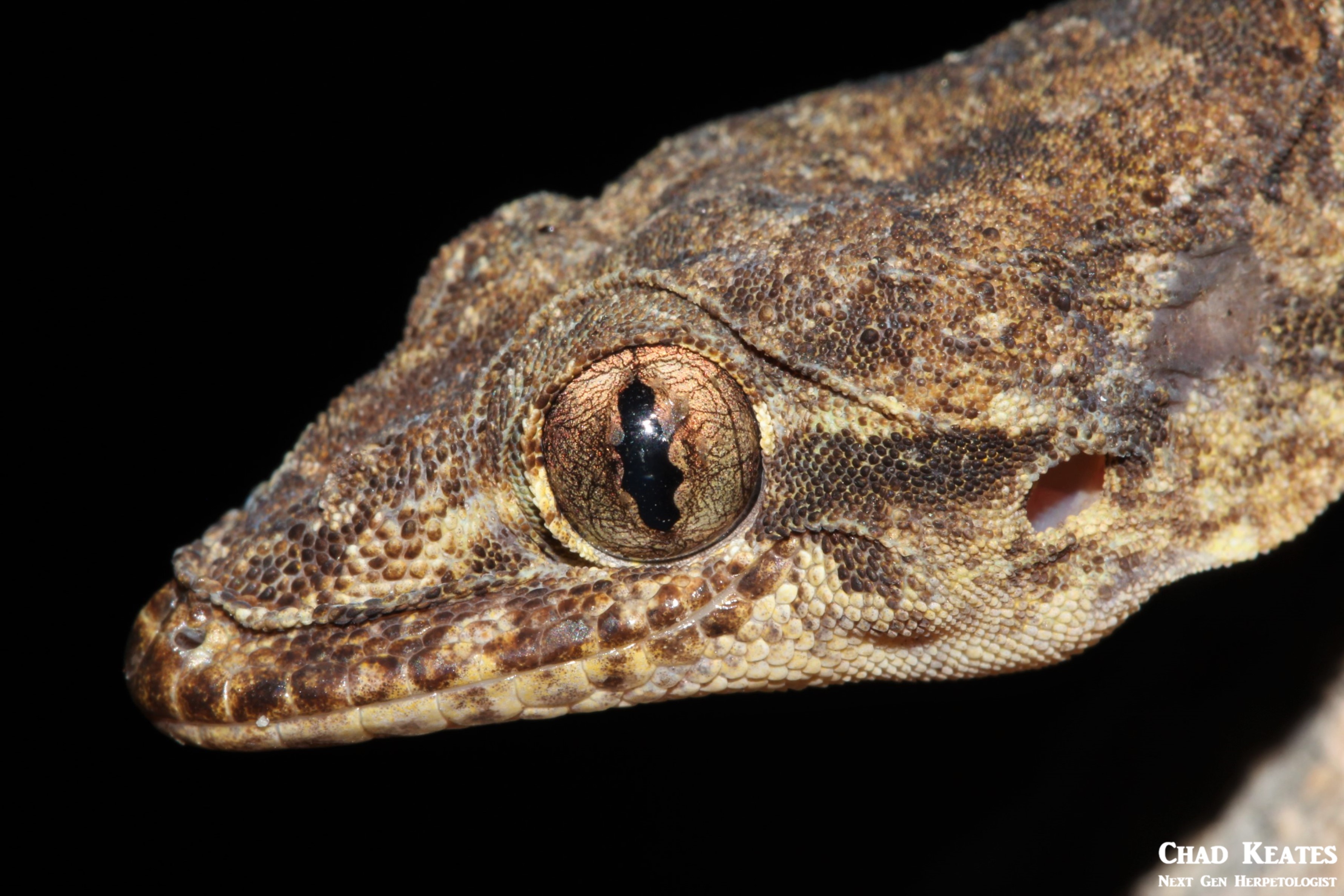
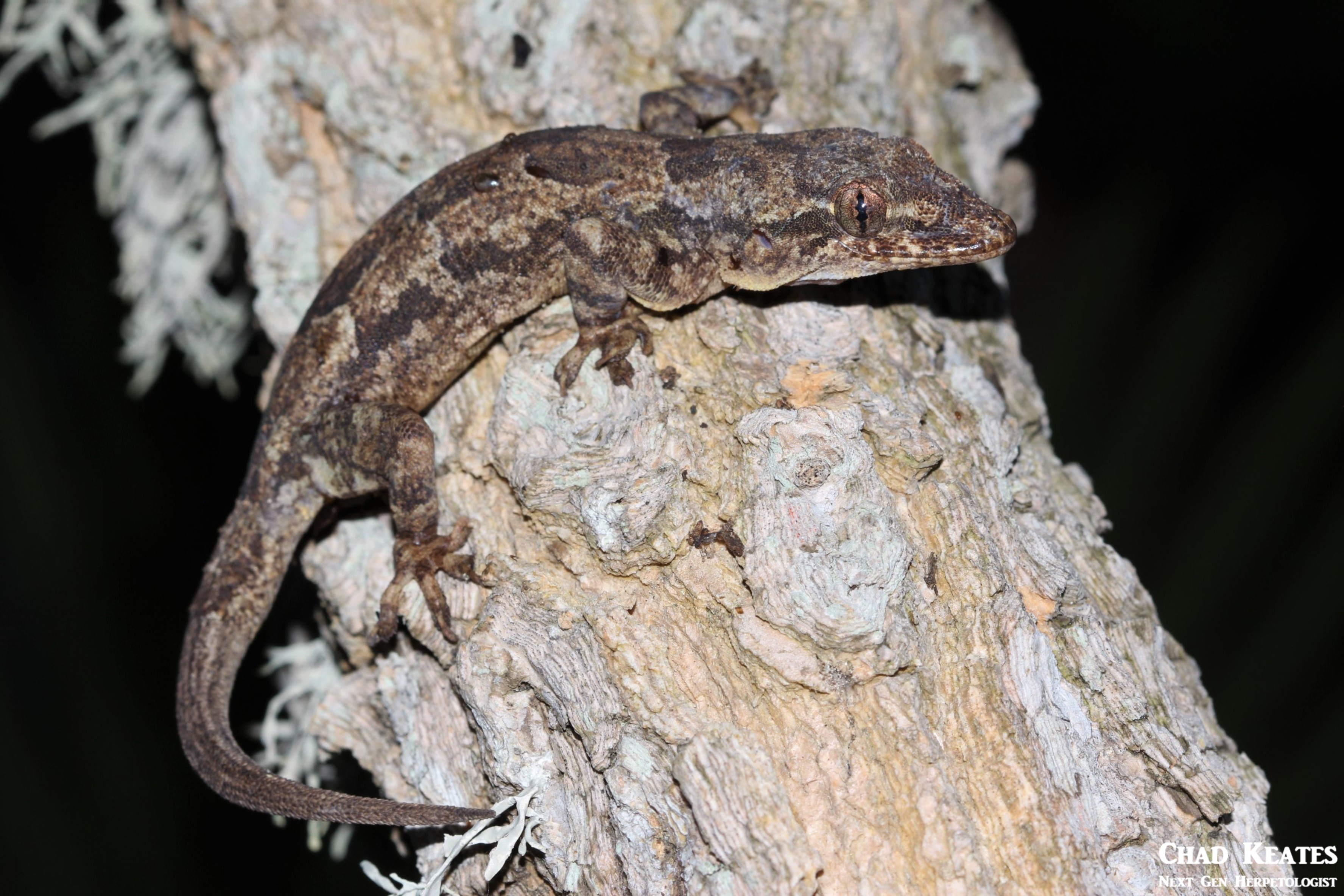
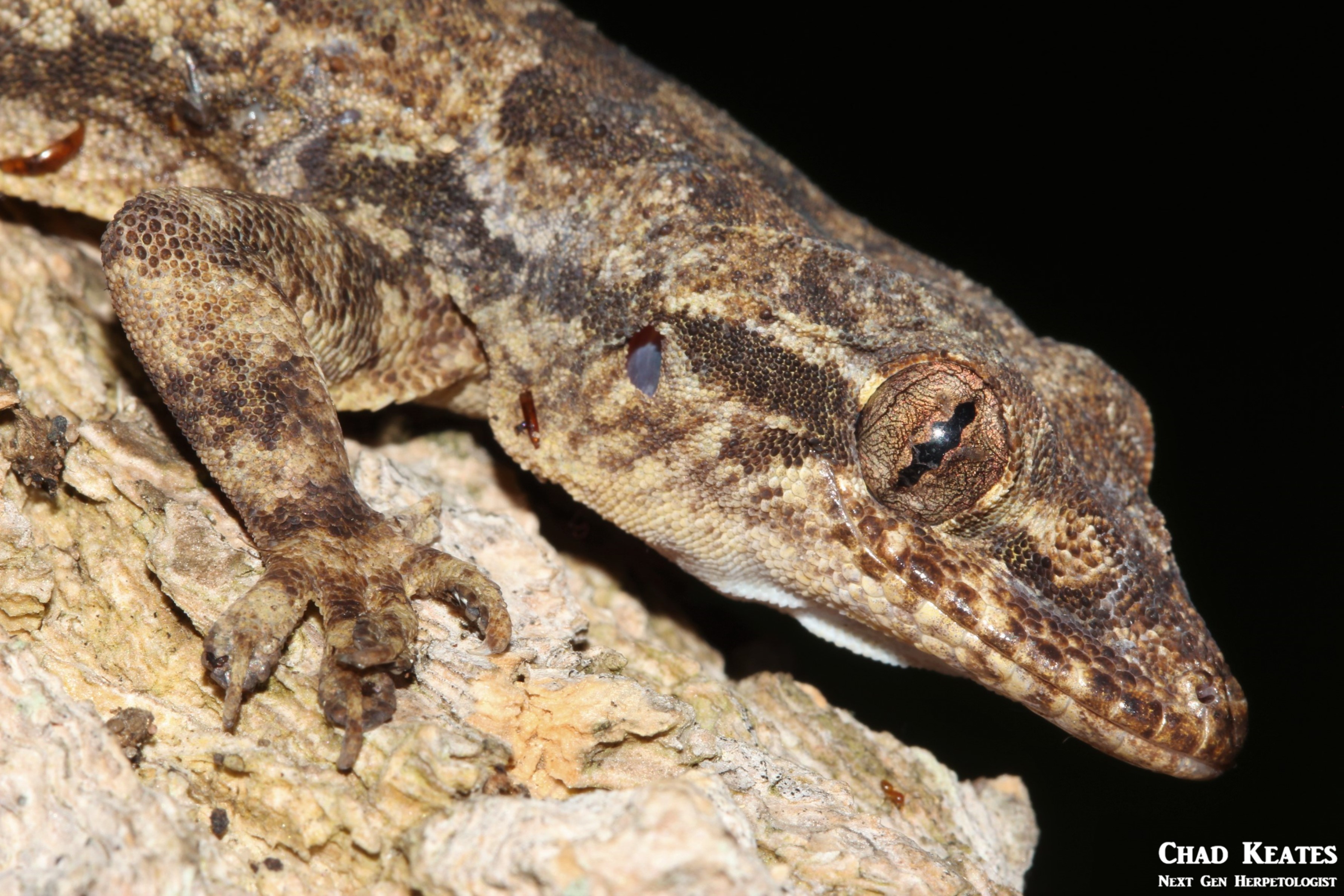
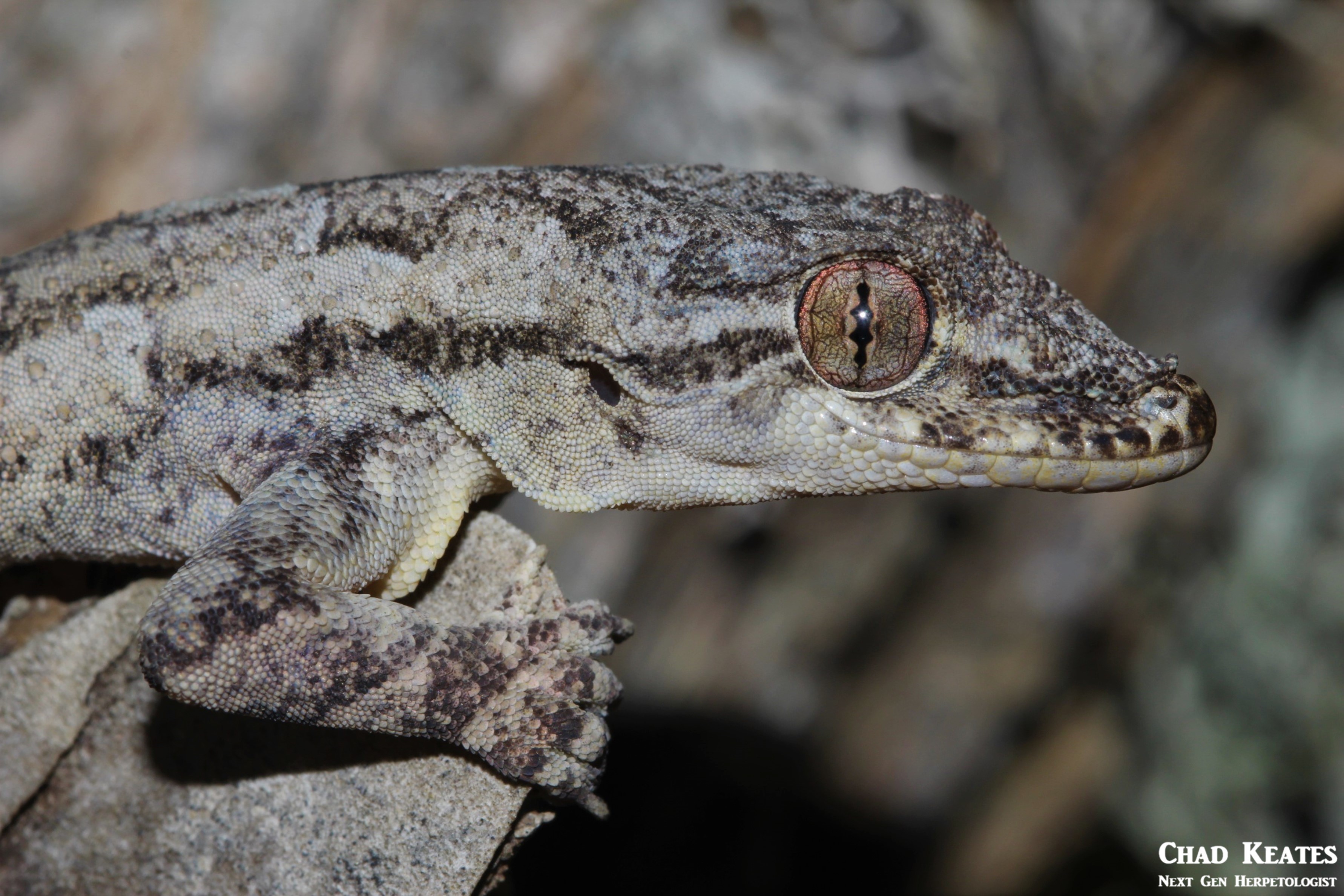

from Pafuri, Kruger National Park, Limpopo, South Africa

from Pafuri, Kruger National Park, Limpopo, South Africa

from Pafuri, Kruger National Park, Limpopo, South Africa

from Pafuri, Kruger National Park, Limpopo, South Africa

from Pafuri, Kruger National Park, Limpopo, South Africa

from Pafuri, Kruger National Park, Limpopo, South Africa

from Vilankulos, Mozambique

from Vilankulos, Mozambique

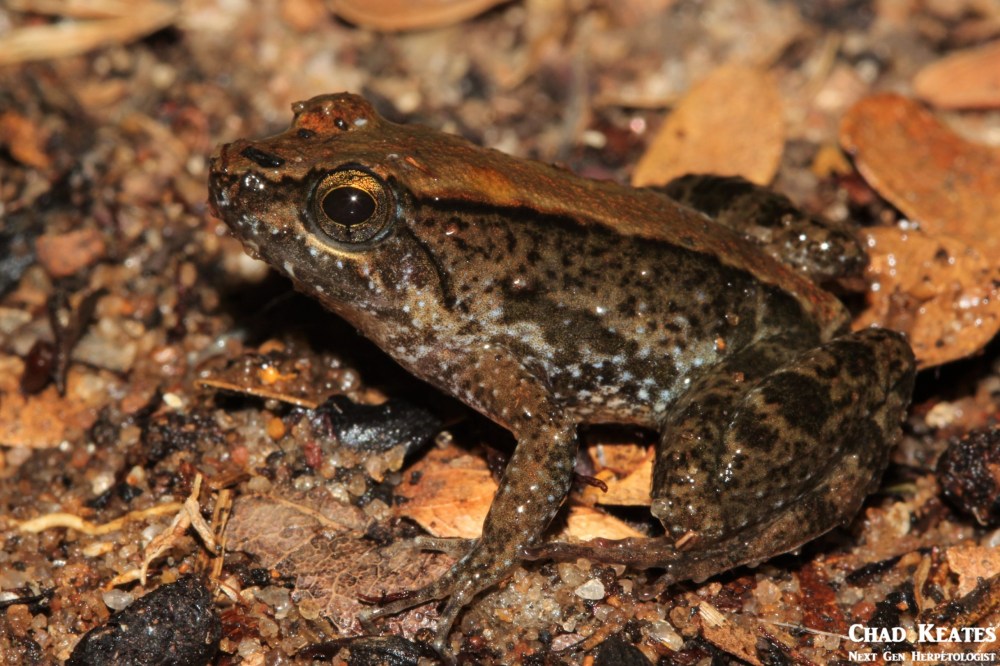
from Mandlakaze, Mozambique
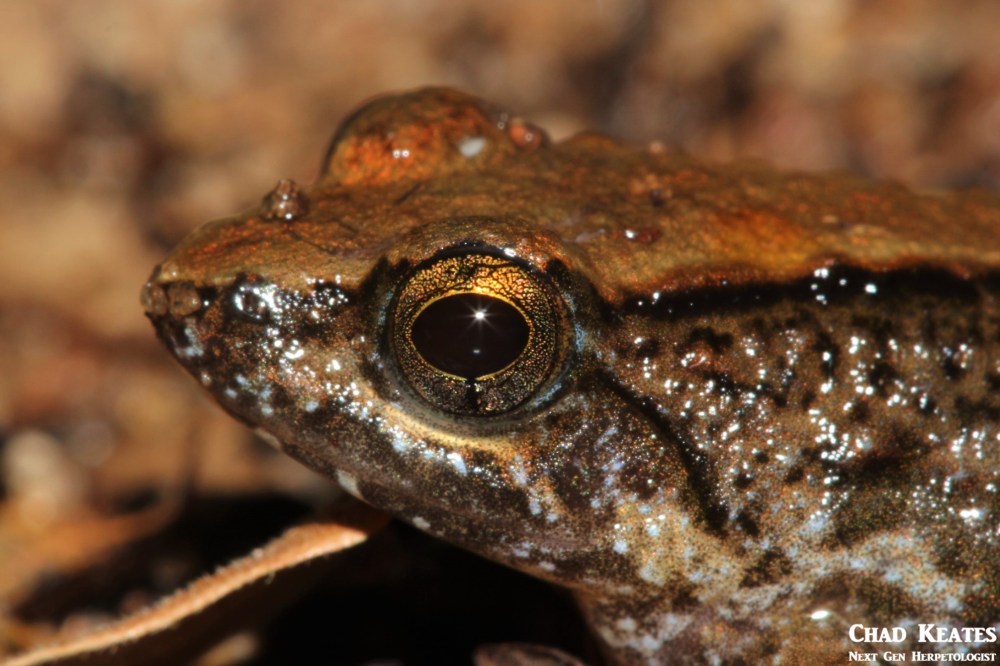
from Mandlakaze, Mozambique
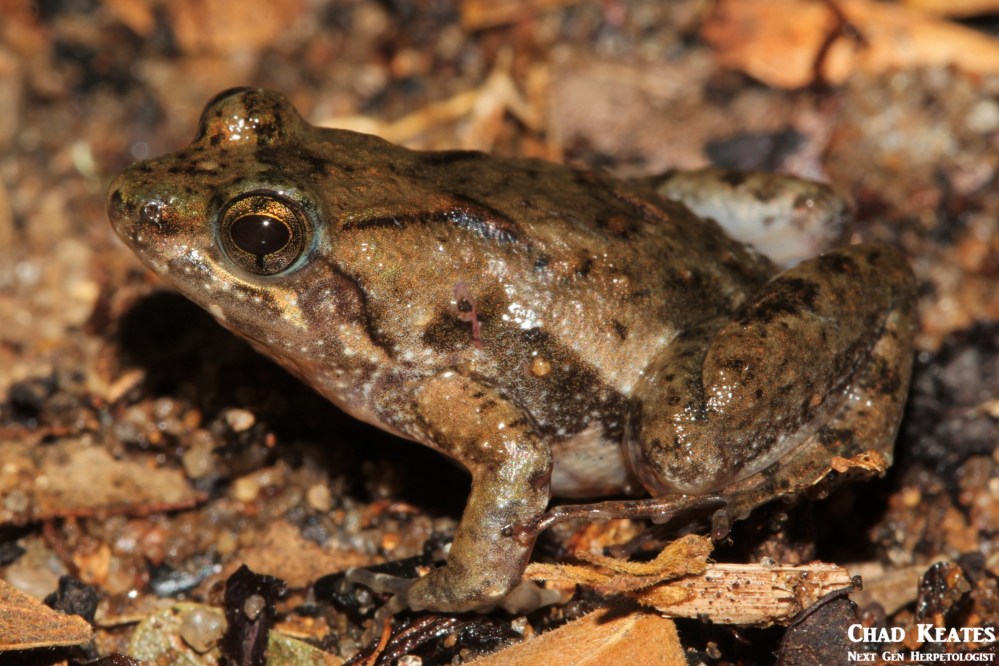
from Mandlakaze, Mozambique
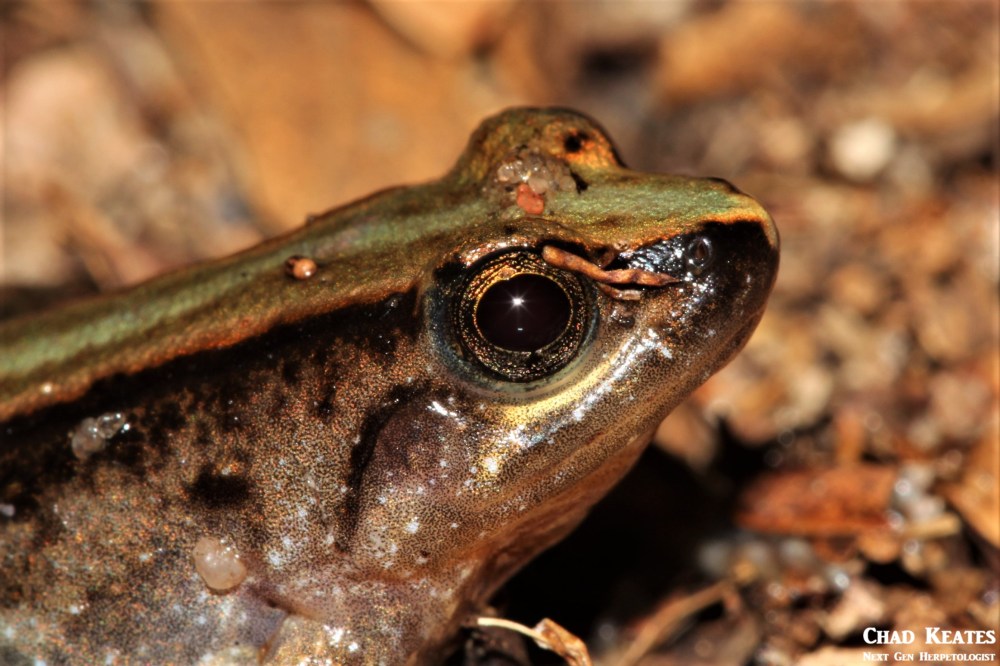
from Mandlakaze, Mozambique
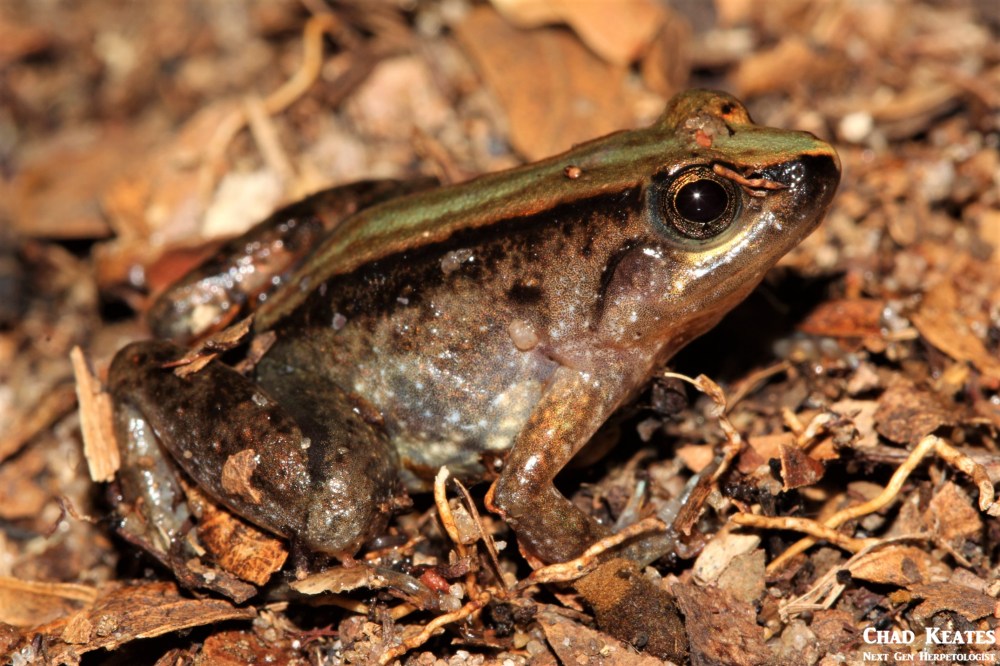
from Mandlakaze, Mozambique
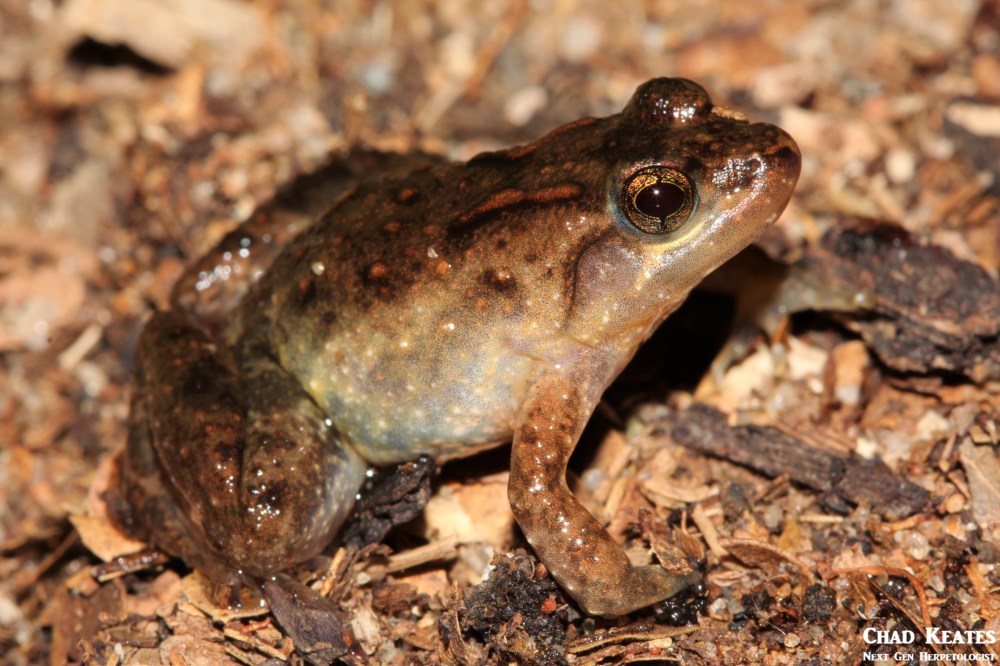
from Mandlakaze, Mozambique
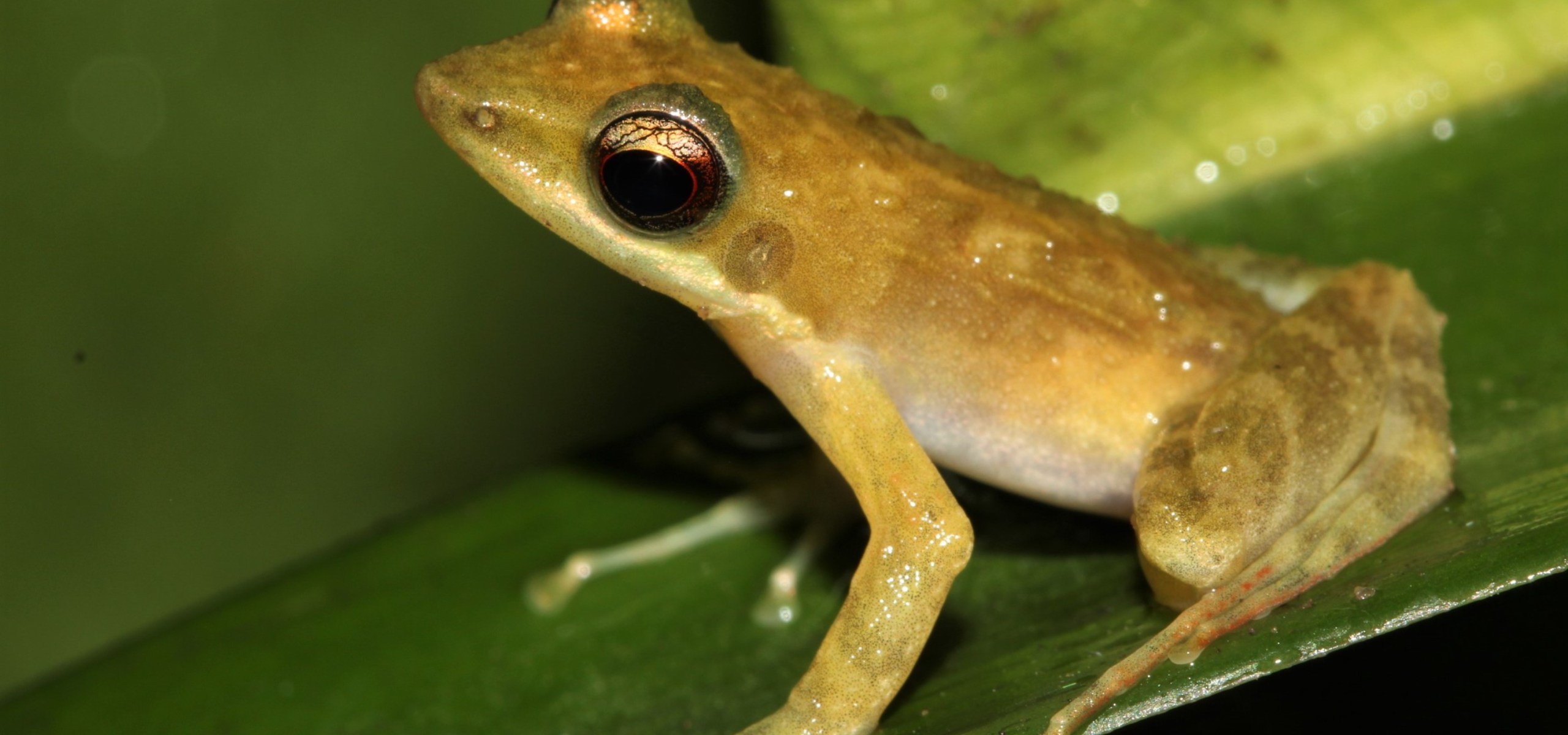
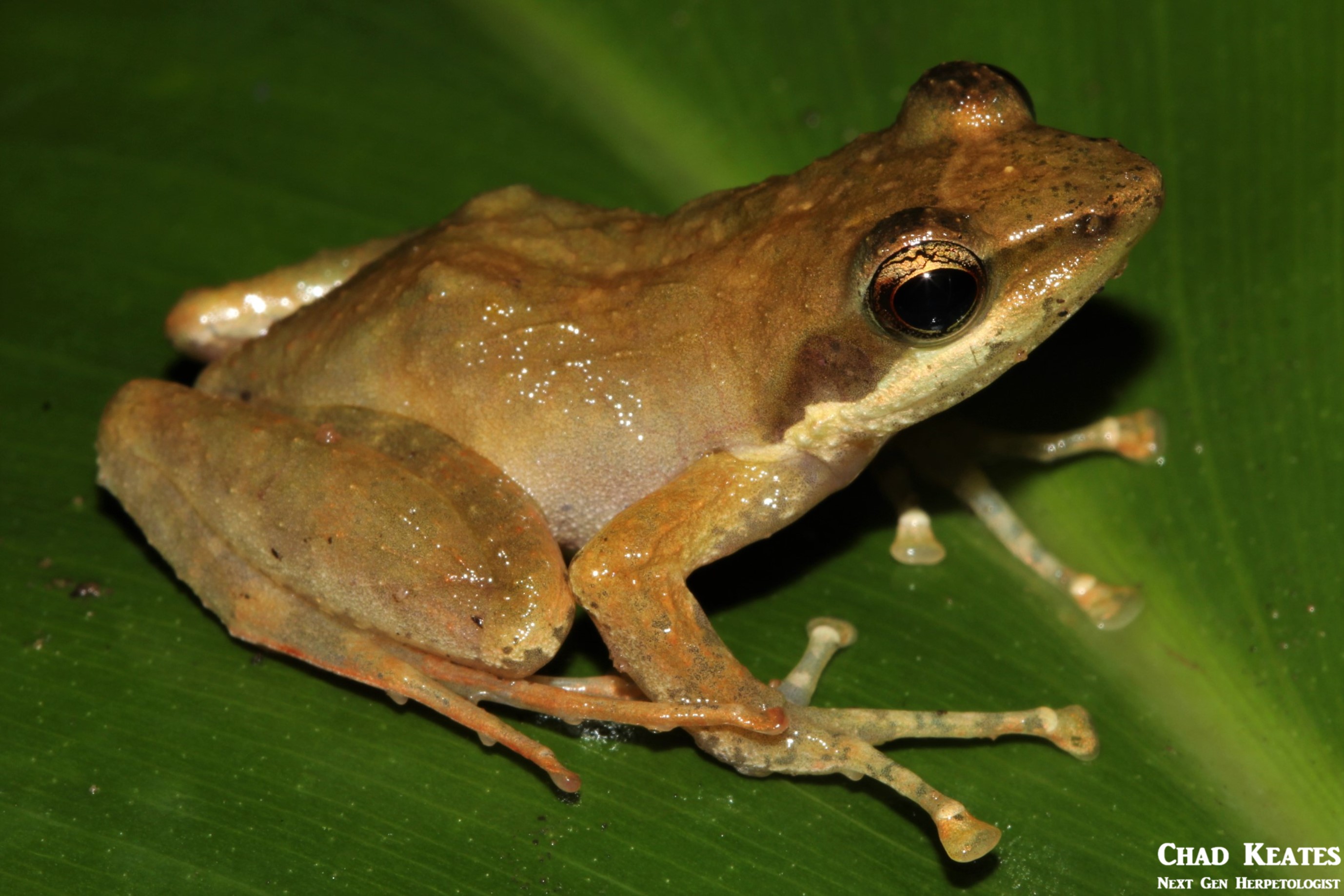
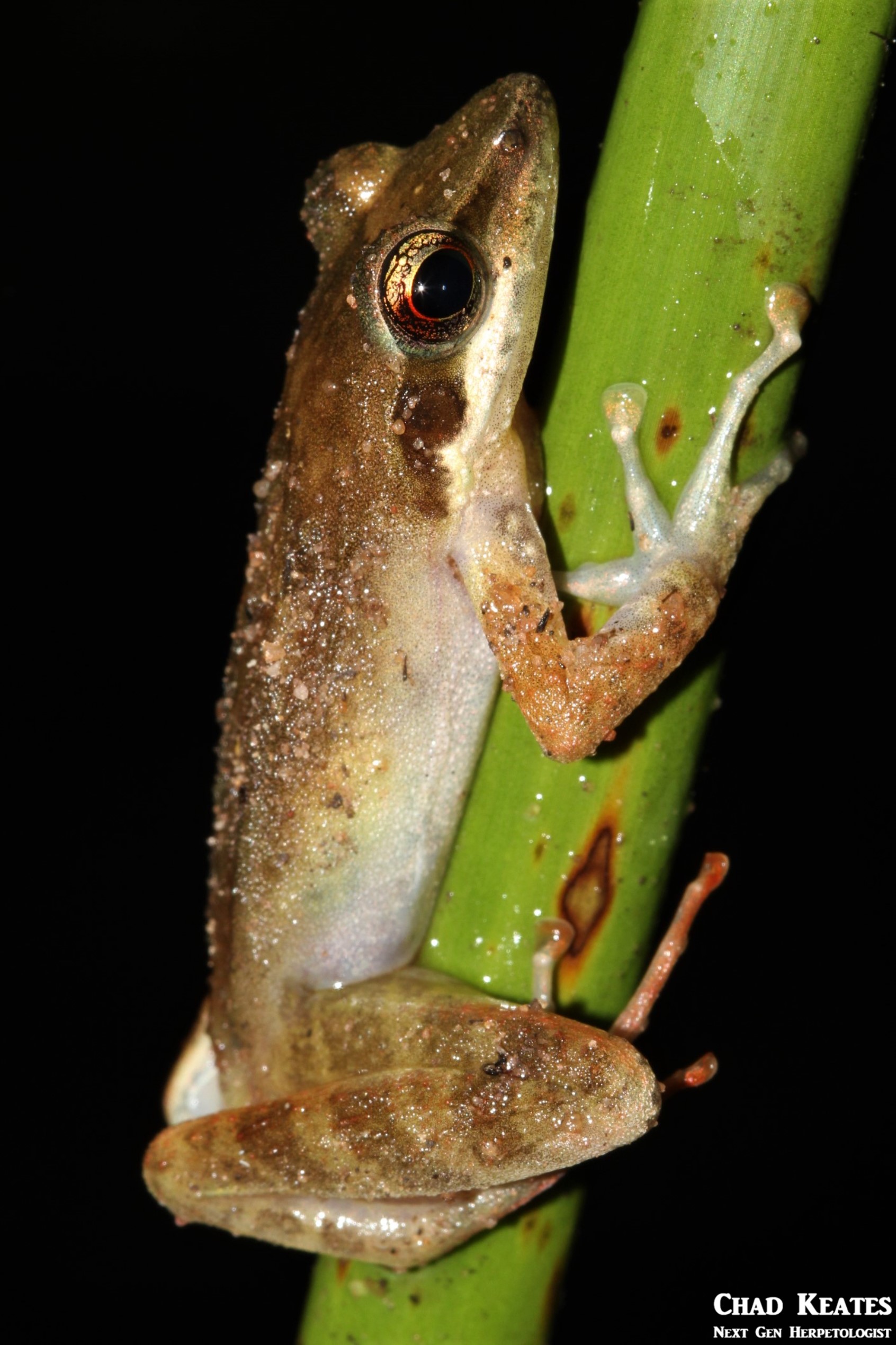
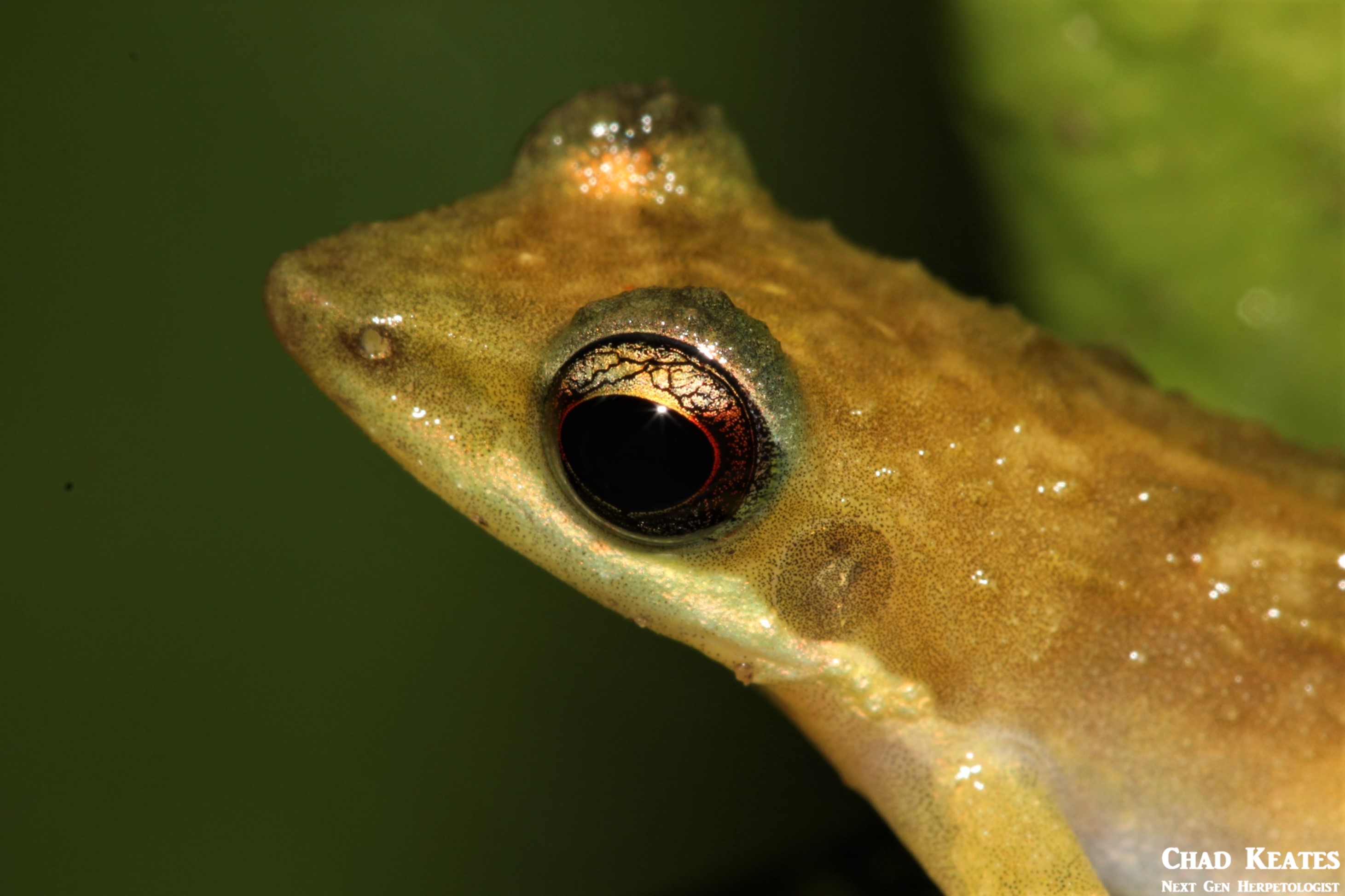
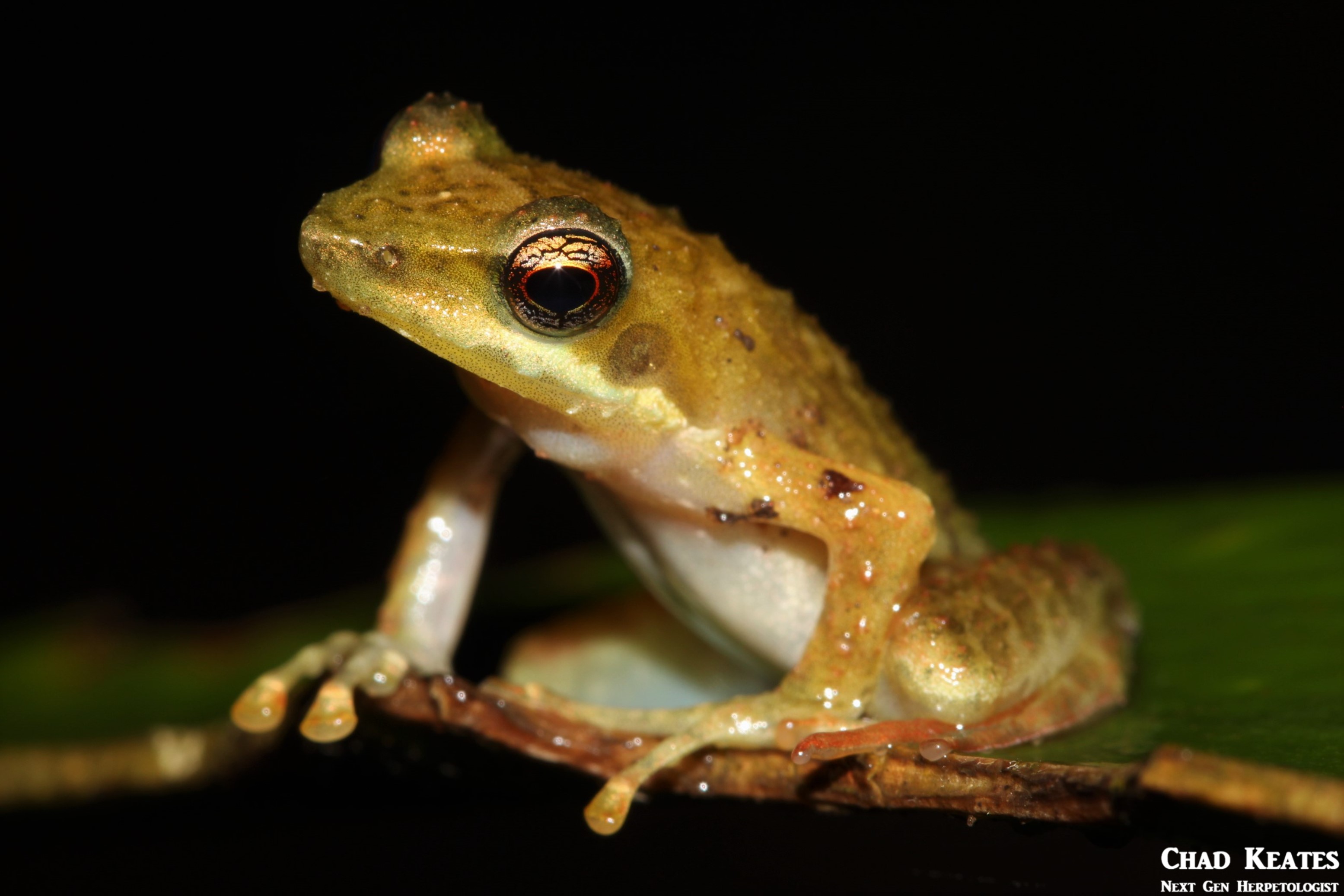
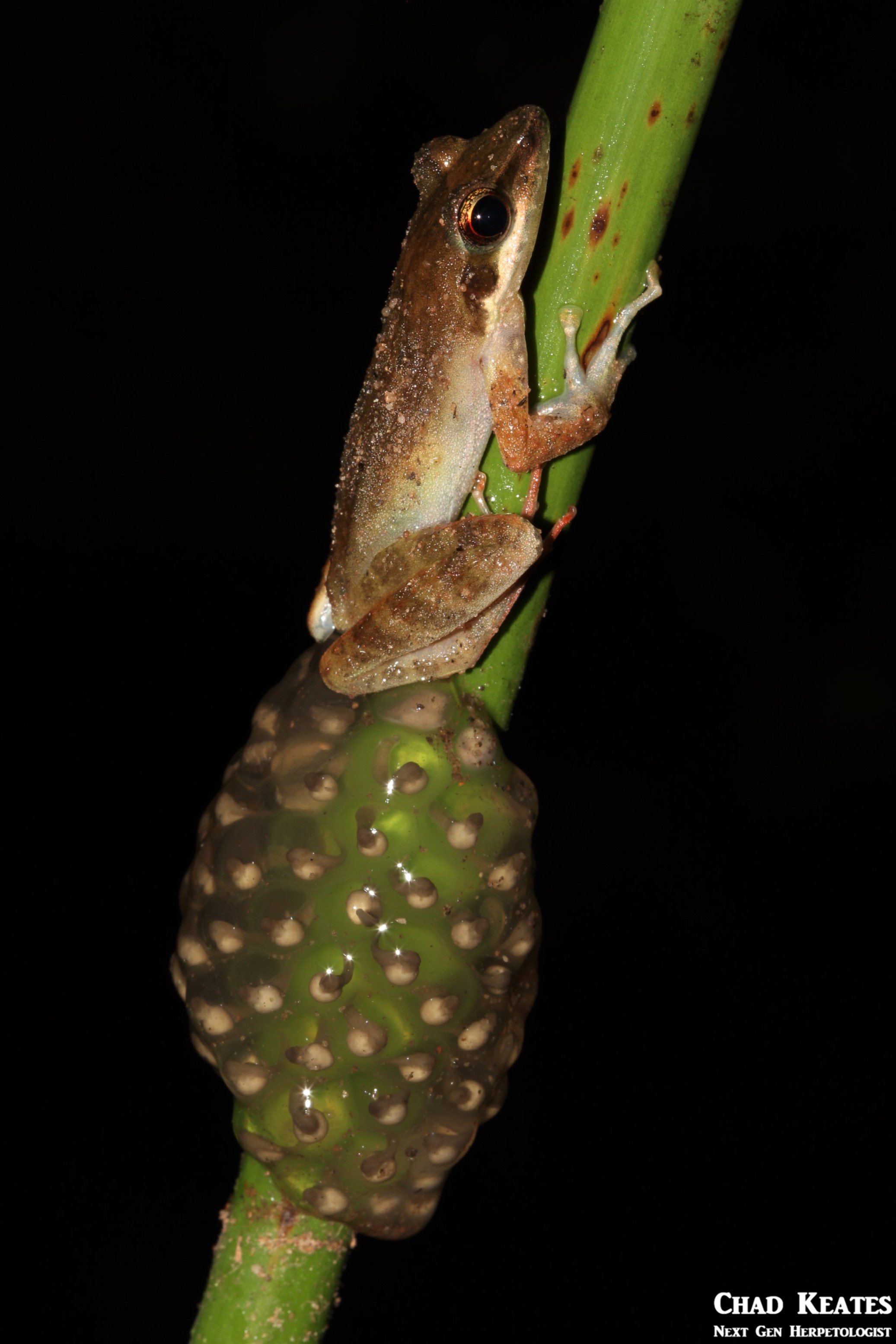

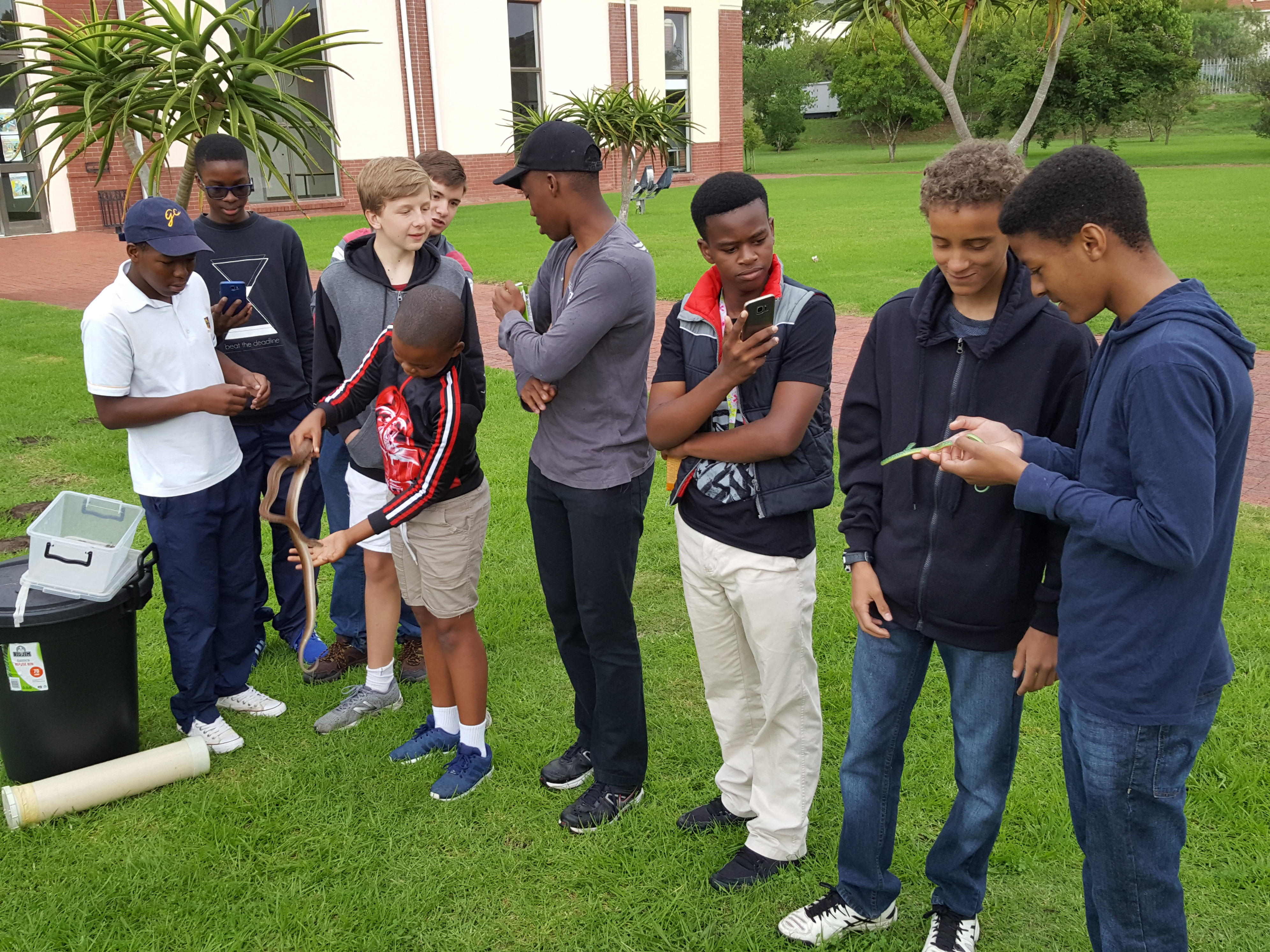
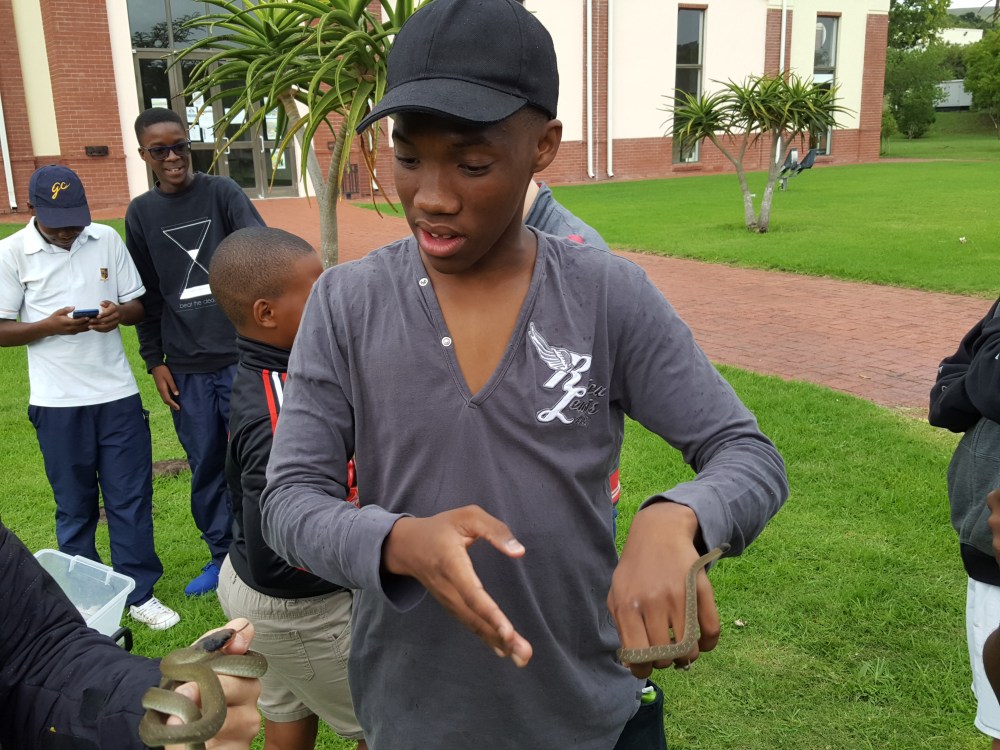
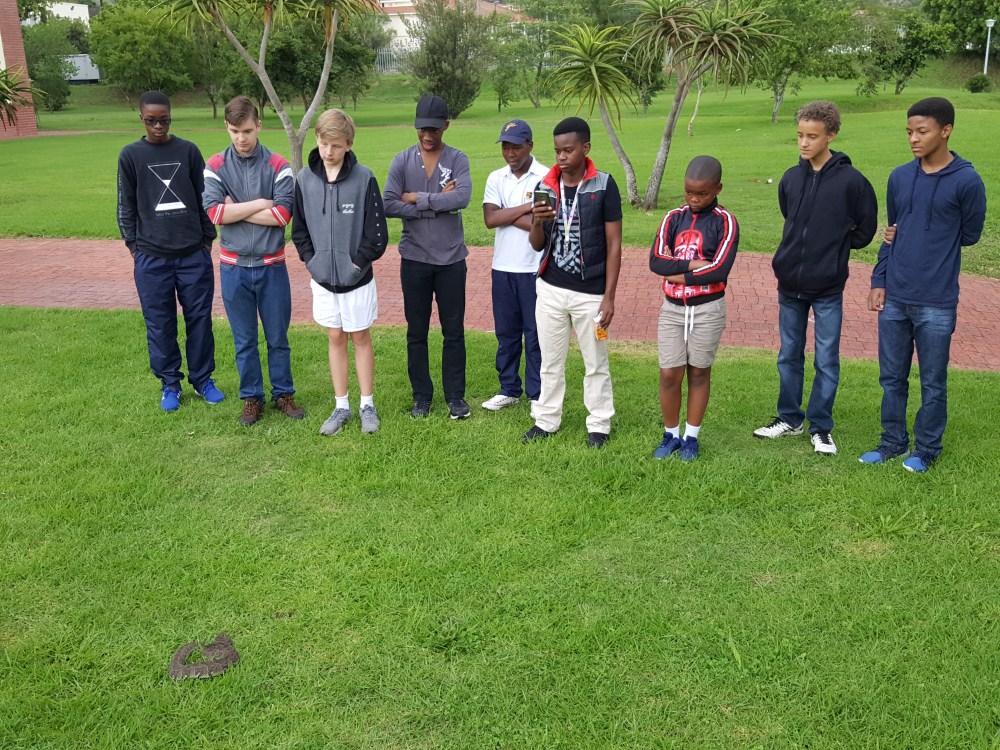
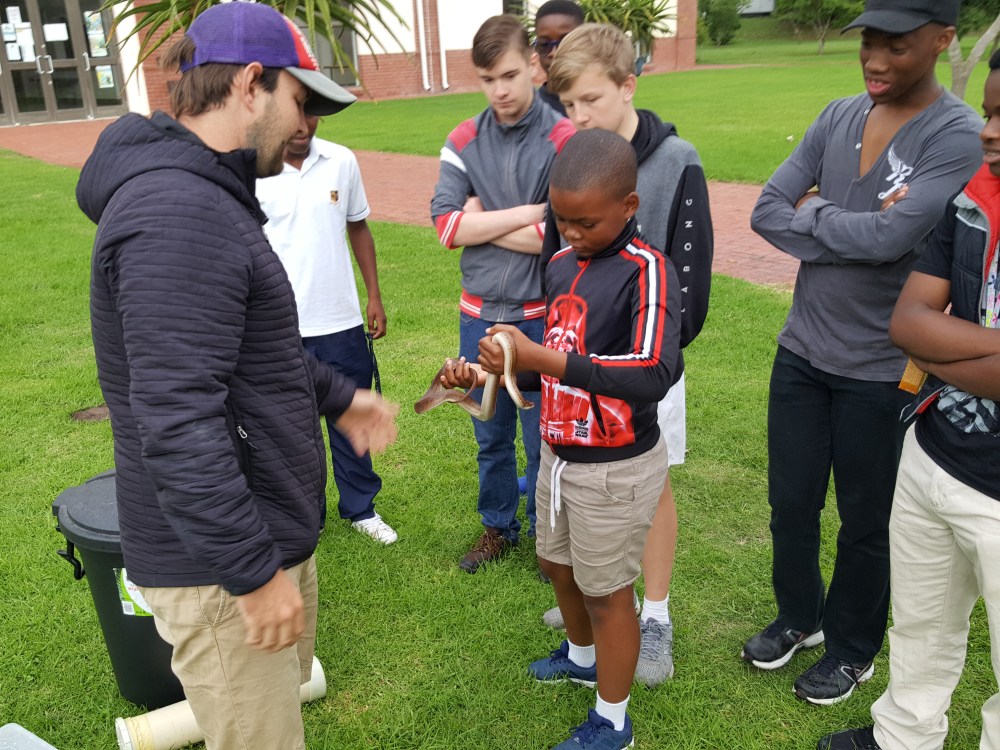
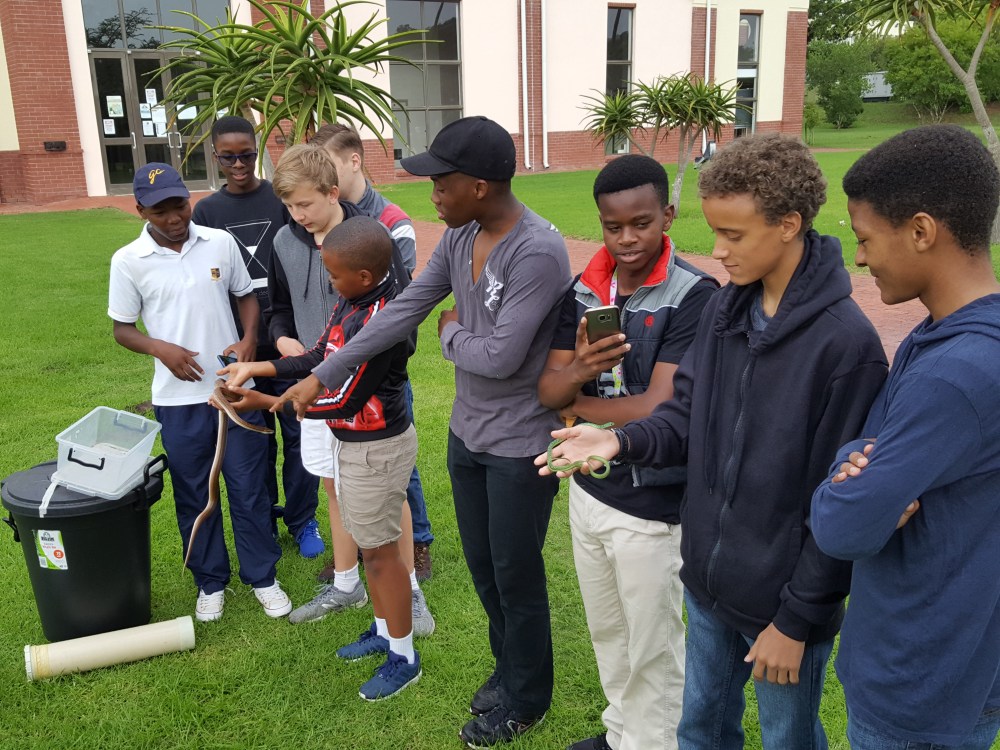
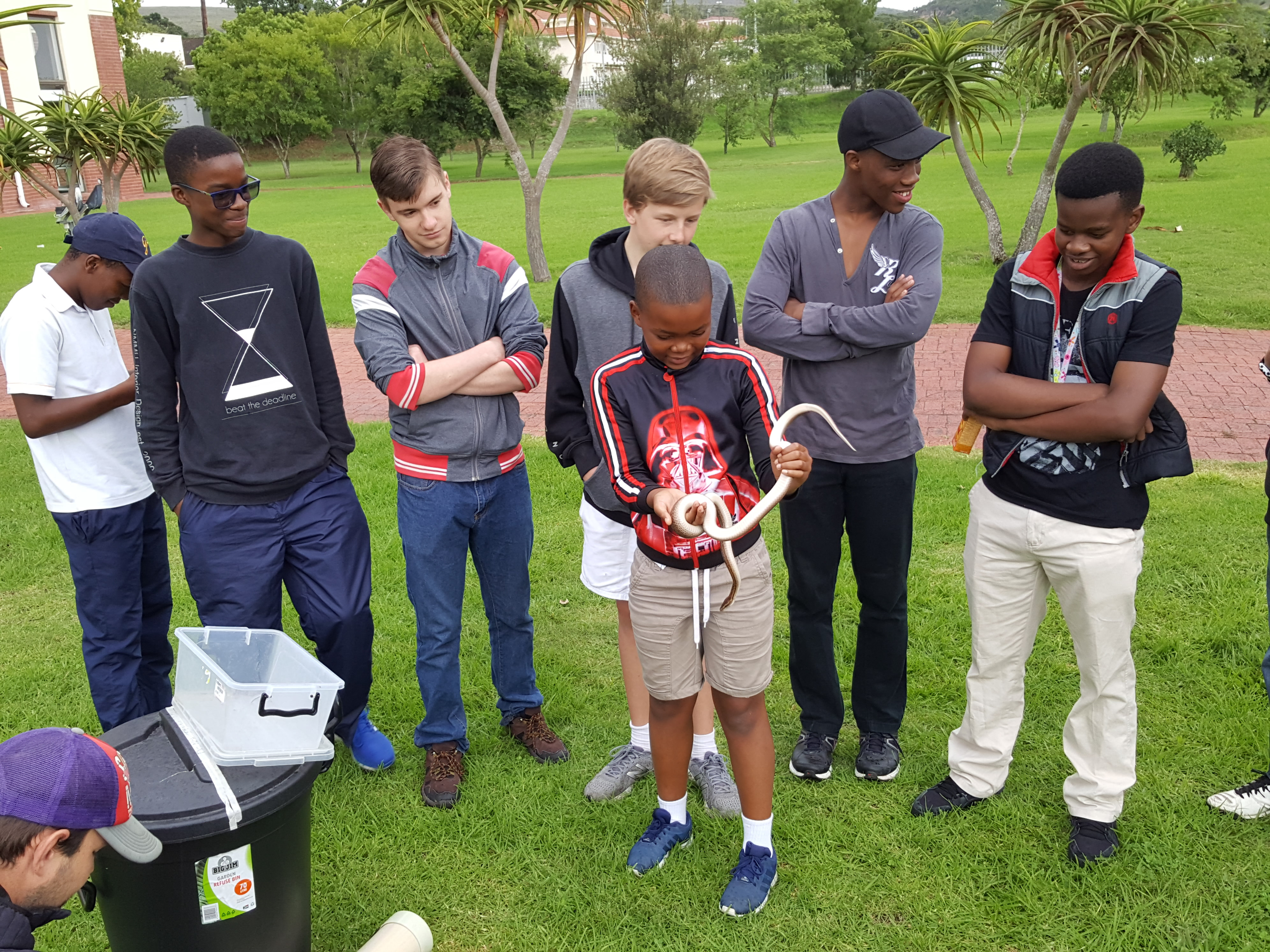
On Sunday the 18th of march I hosted a private snake ‘walk and talk’ for the nature club of Graham High School. Although it was intended as a two part event, only the talk took place because of the bad weather conditions. Due to the cold weather, and the intermittent thunderstorms, we were unable to go out and explore the wilder parts of Grahamstown, in search of reptiles and frogs.
Nevertheless, the talk, which saw me showcasing snakes that I had caught the week before, was a massive success. The guys were very enthusiastic and asked loads of questions about the biology and behaviour of the different snakes species’. Most of them jumped at the opportunity to hold and interact with the less venomous snakes, with some of the guys holding a snake for the first time in their lives. All in all it was a great morning that is sure to be repeated in the not too distant future, provided the weather holds, and the sun shines.

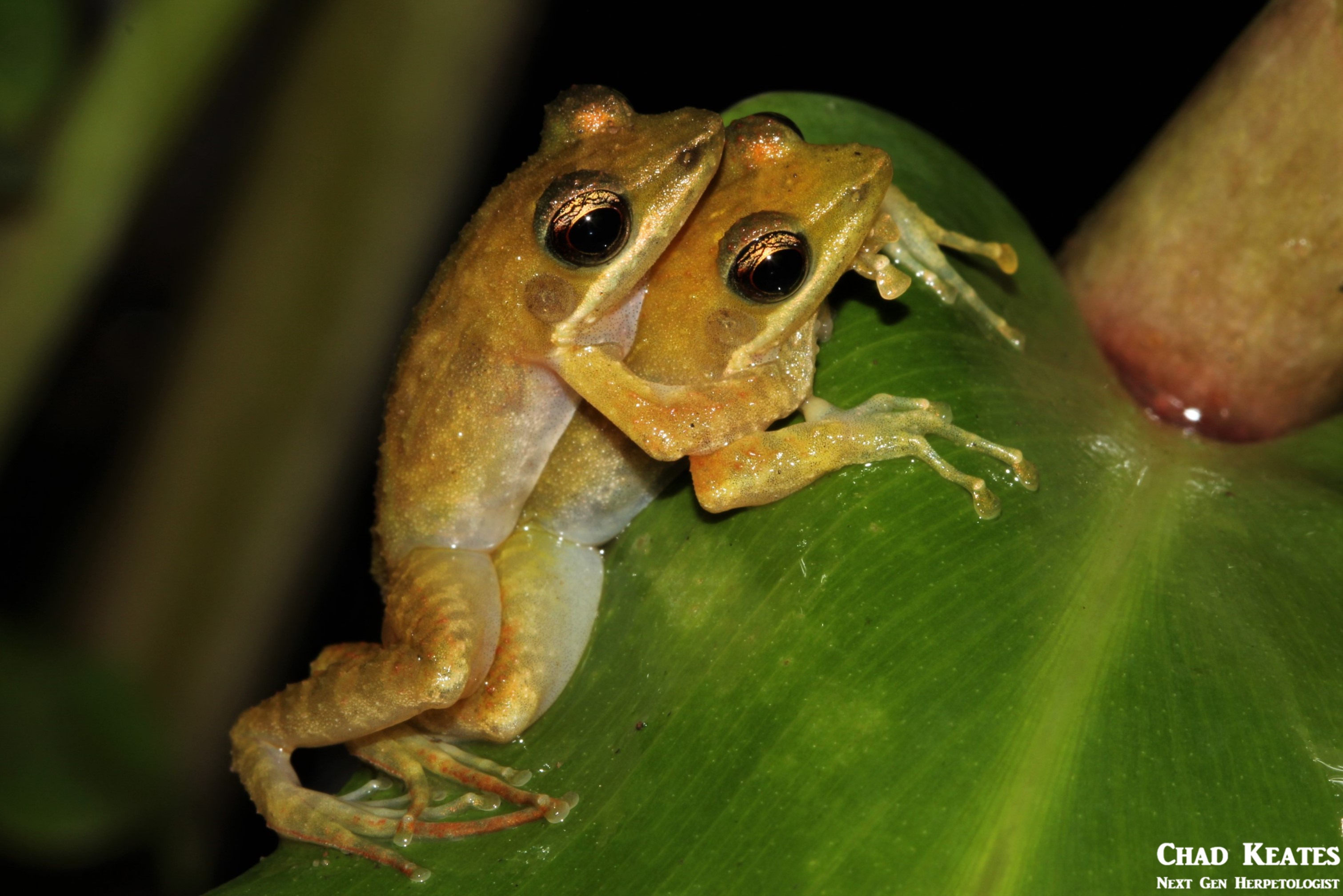
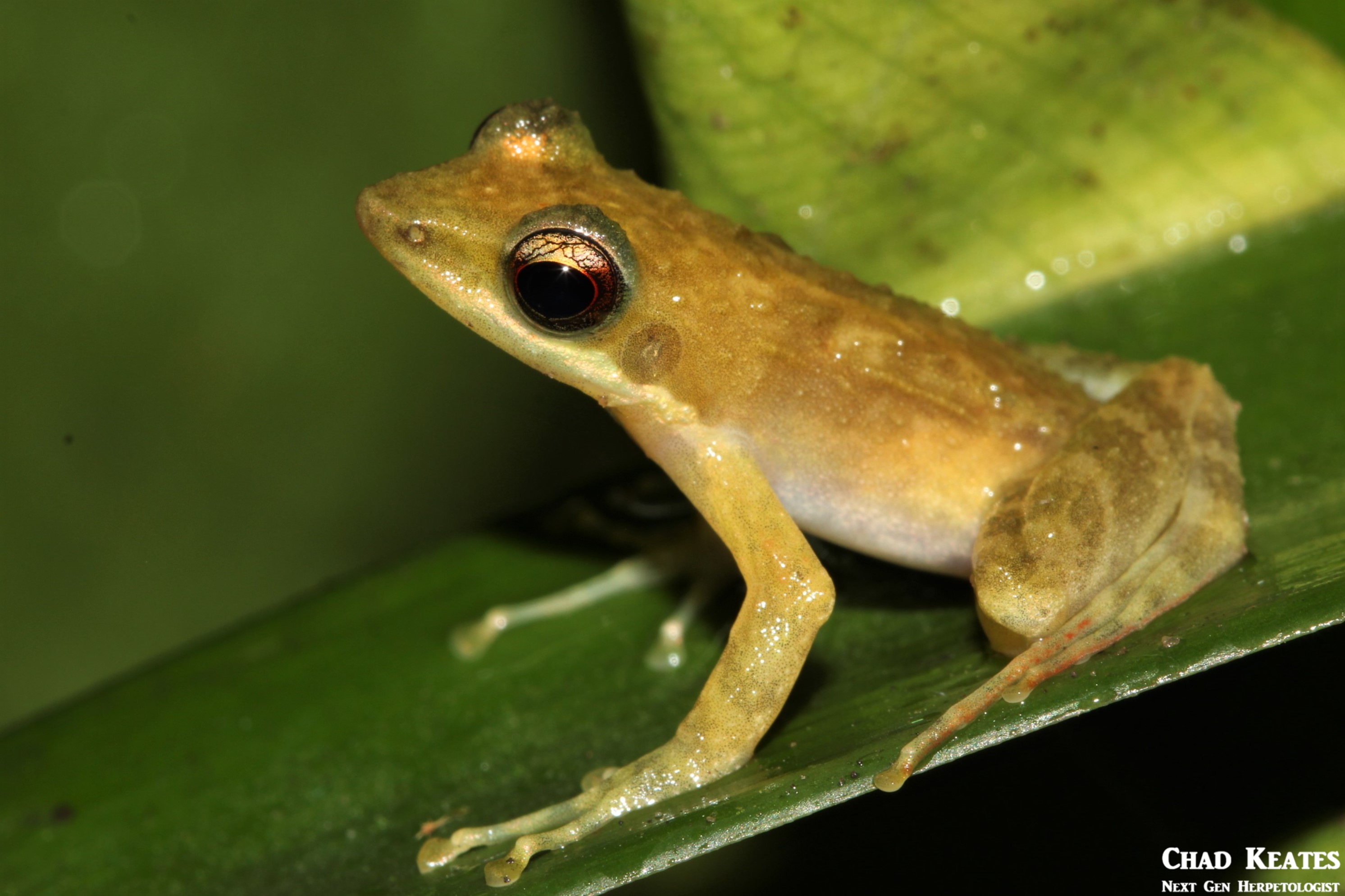
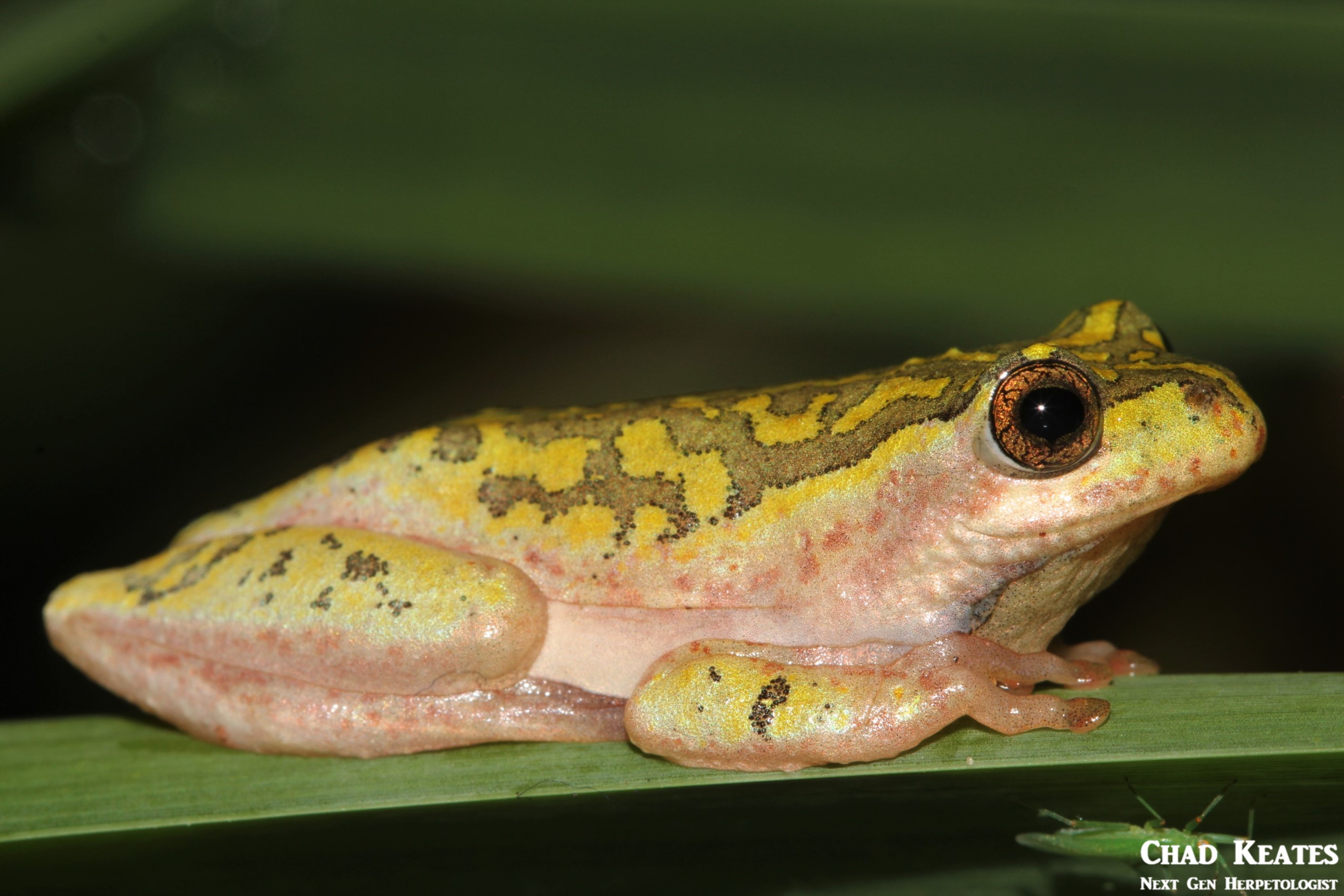
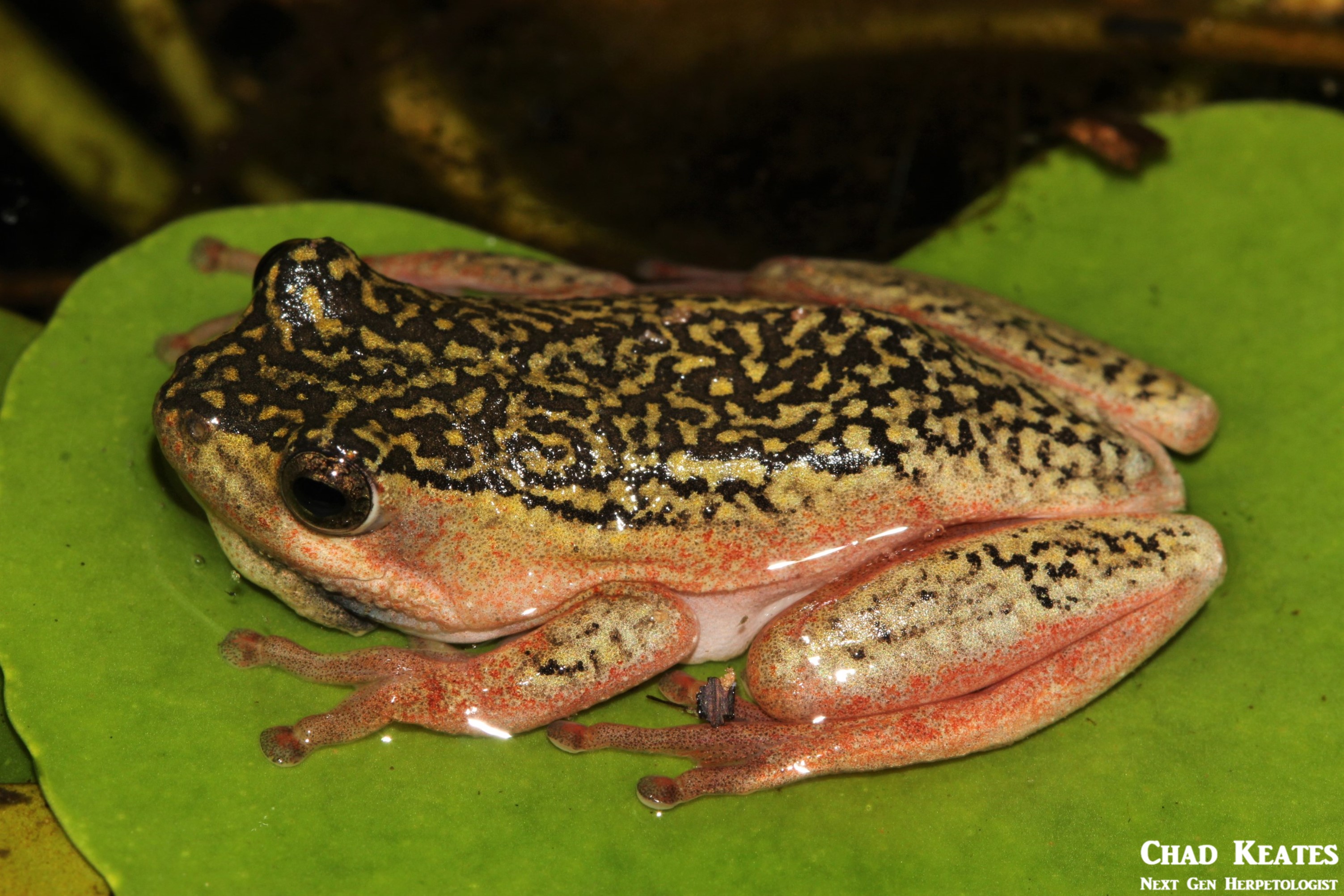
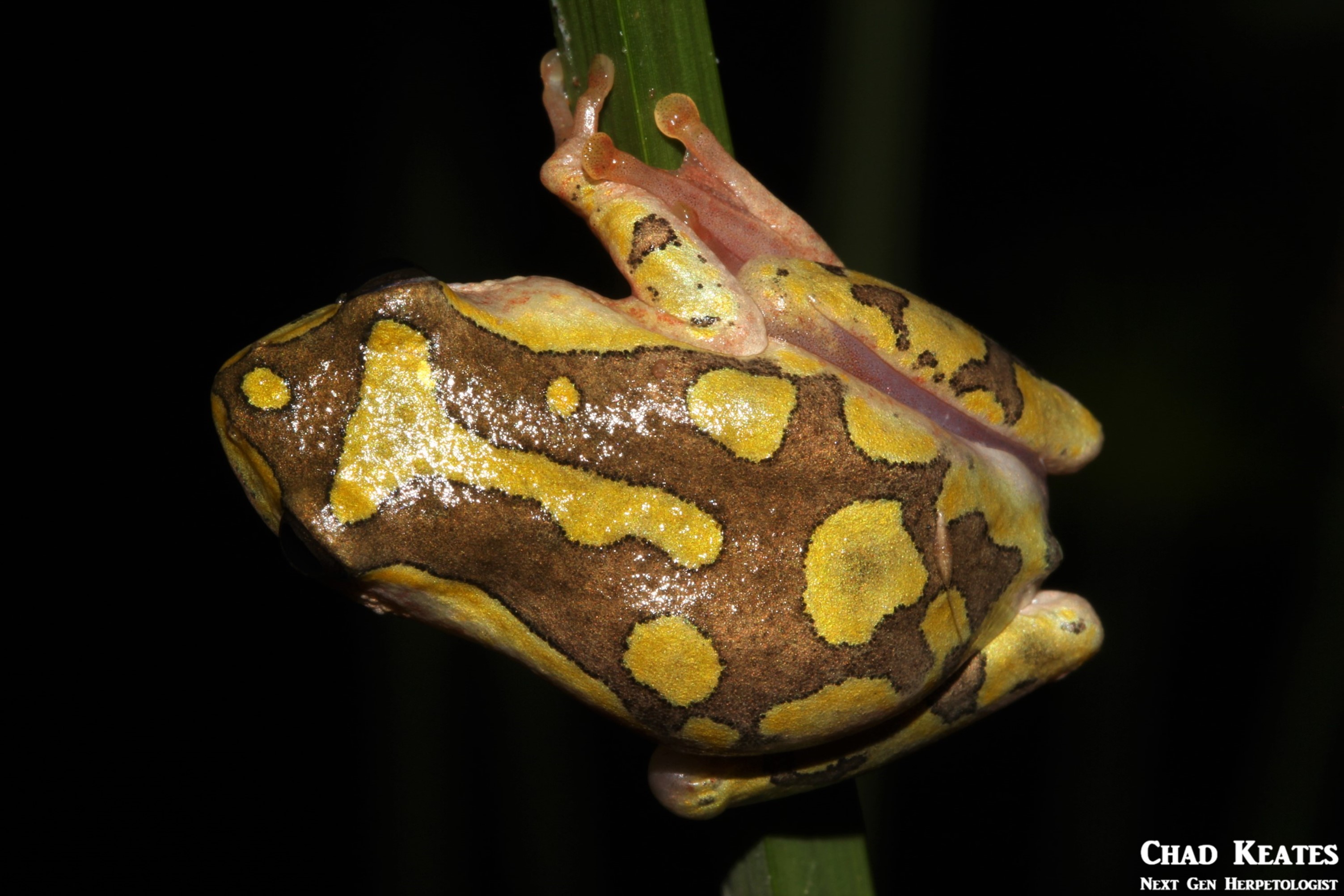
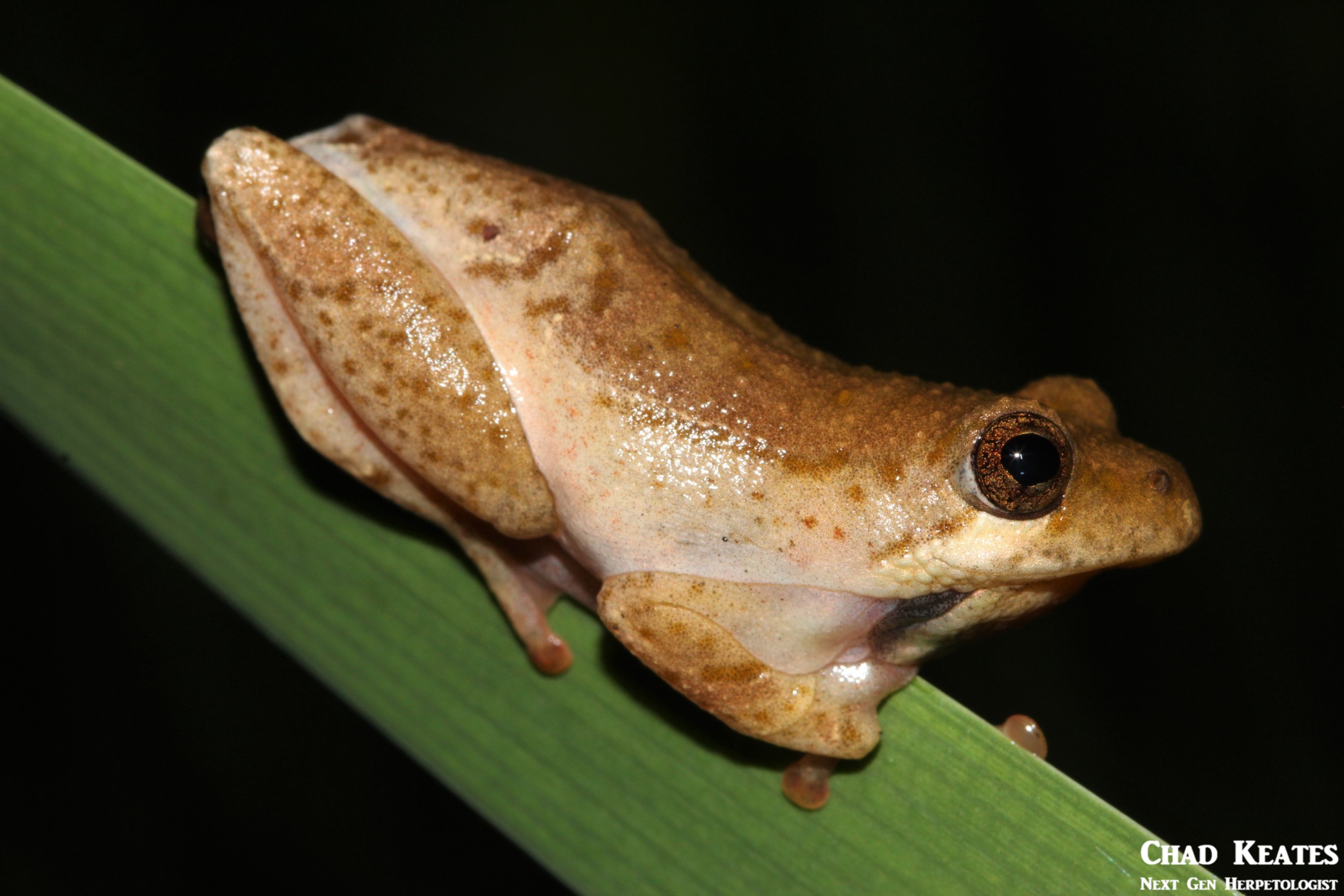
The painted reed frog is the most widespread species of reed frog in Southern Africa, with a distribution that stretches from mid Western Cape, along the coast, to the top of Mozambique. Painted reed frogs are generally quite small with a maximum body size of approximately 33mm. Although restricted to the reeds and similar vegetation, along the fringes of waterbodies, the species is widespread and can be found in grassland, savannah, forest and fynbos. Painted reed frogs are active at night, with males descending from dense vegetation, at dusk, to call for mates during the warmer months. The species tends to retreat to the safety of tall reeds and sedges during the day but sometimes individuals can be found basking in the day, on exposed reeds, with their pigmentation turned to grey/white and their legs and feet tucked underneath their bodies.
There are currently three recognized subspecies of painted reed frogs and each of these has a distinctive colouration and distribution. Hyperolius marmoratus verrucosus is the most widespread sub-species in South Africa, with a distribution that stretches from mid Western Cape to the top of the Eastern Cape. Hyperolius marmoratus marmoratus is the most restricted with a distribution that spans the lower two-thirds of Kwazulu Natal, and a little bit of the Eastern Cape.
Hyperolius marmoratus taeniatus is the most widespread sub-species of painted reed frog with a distribution that stretches from the top of Kwazulu Natal, along the coast to the top of Mozambique. Unlike the other sub-species, H. m. taeniatus is also the only one that is found relatively far inland, being found in Swaziland, Mpumulanga, Limpopo, and eastern Zimbabwe. Although the sub-species’ are geographically and visually distinct, they are genetically identical and thus still referred to as sub-species, rather than full species. Dogs are much the same because although they may look, think and act differently from one another, they are genetically similar and thus are not seen as species.
Although the taxonomy of painted reed frog’s can be tricky at first, it is hard to argue that these little guys are among the most beautiful frogs in all of Africa. Take a look at the pictures below to see the awesome diversity present in this species.
Hyperolius marmoratus marmoratus
Hyperolius marmoratus verrucosus
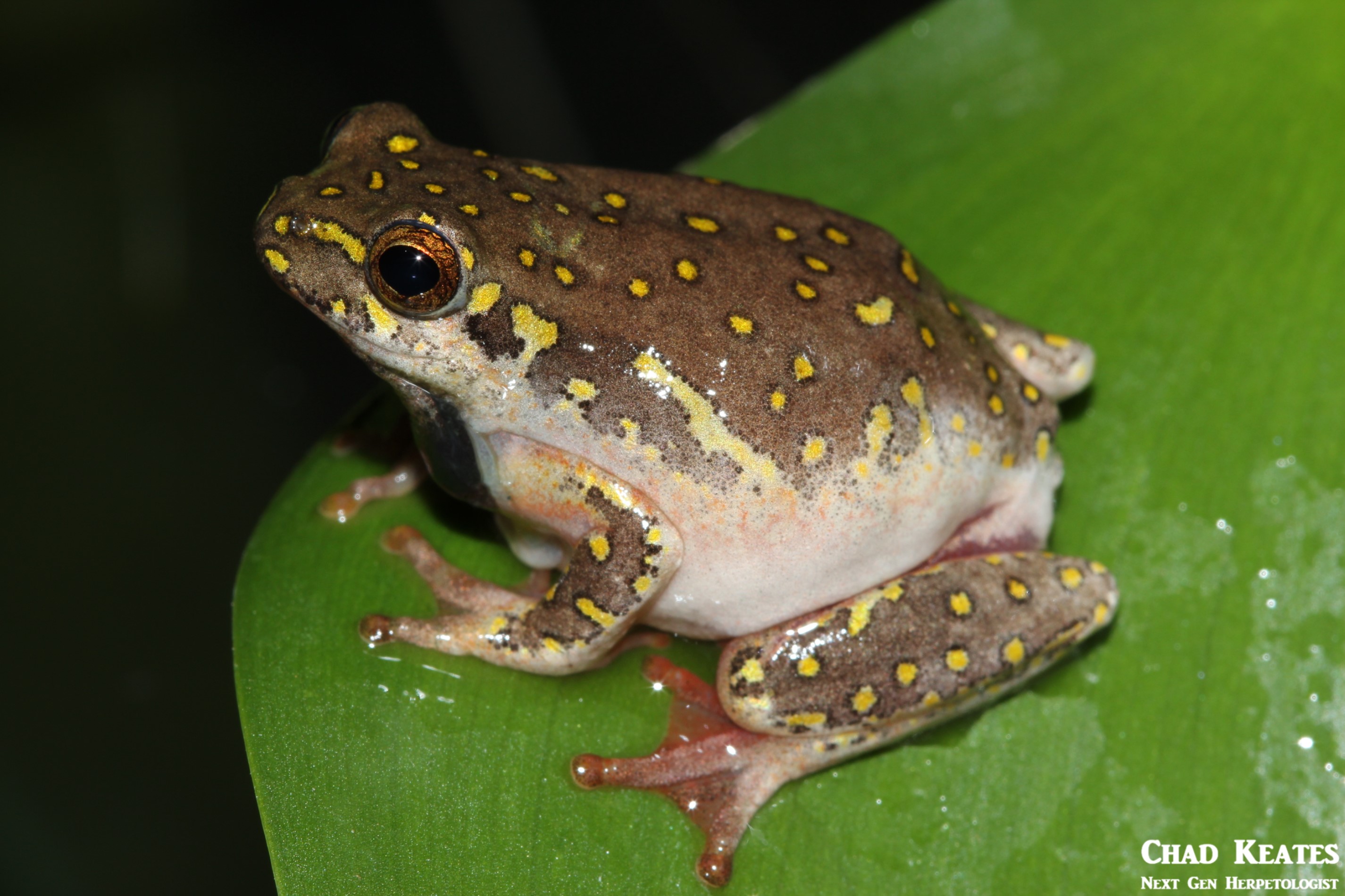
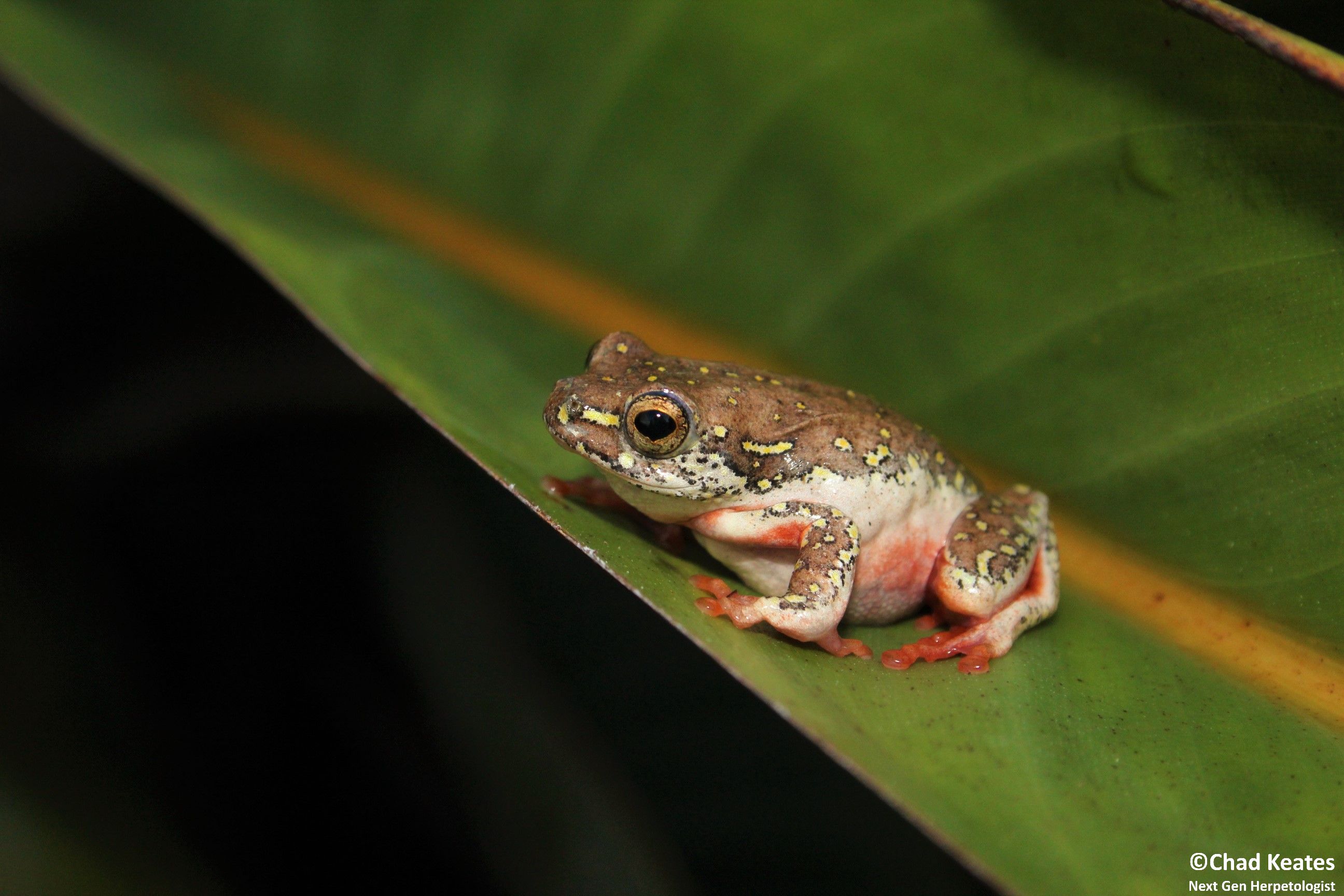
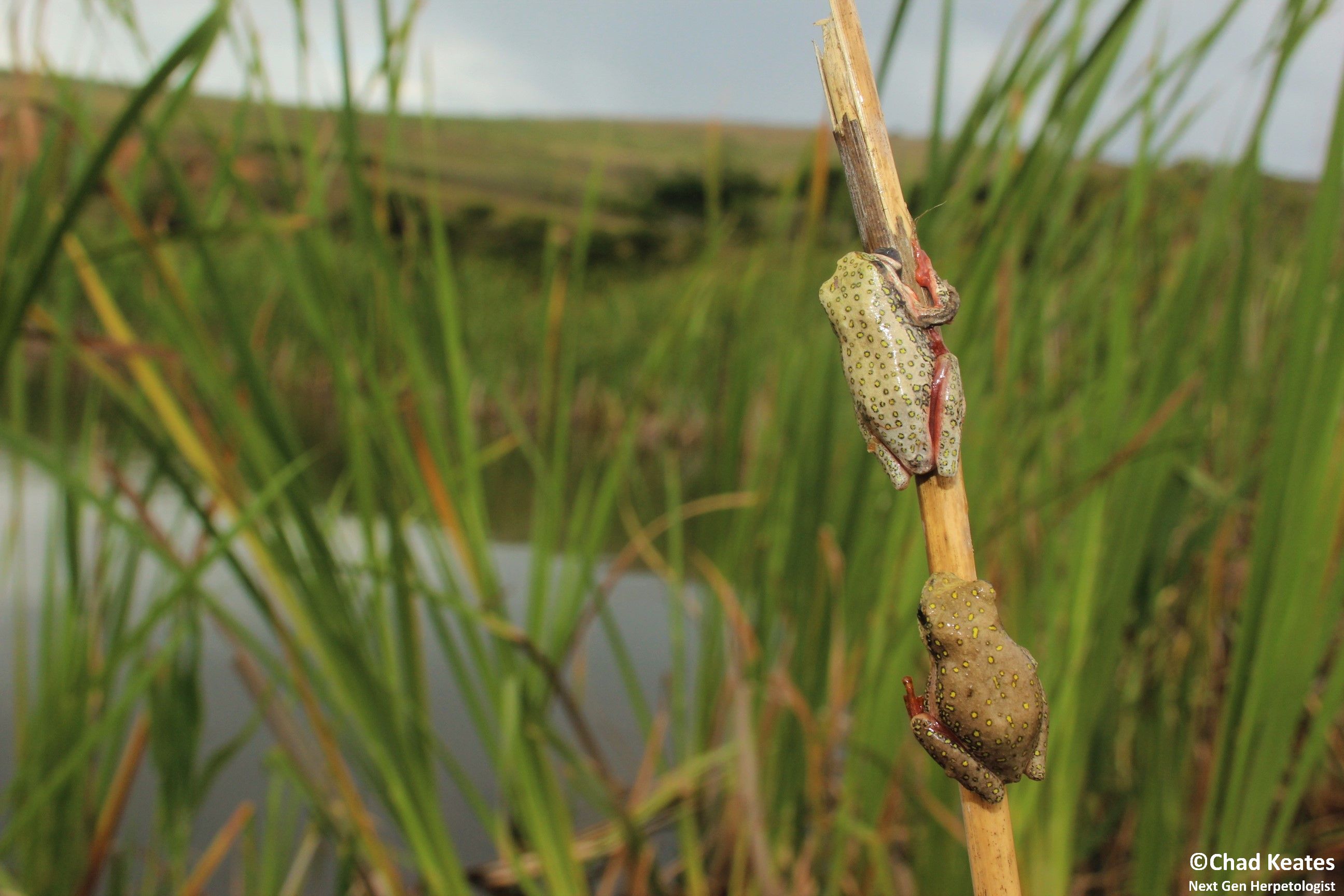
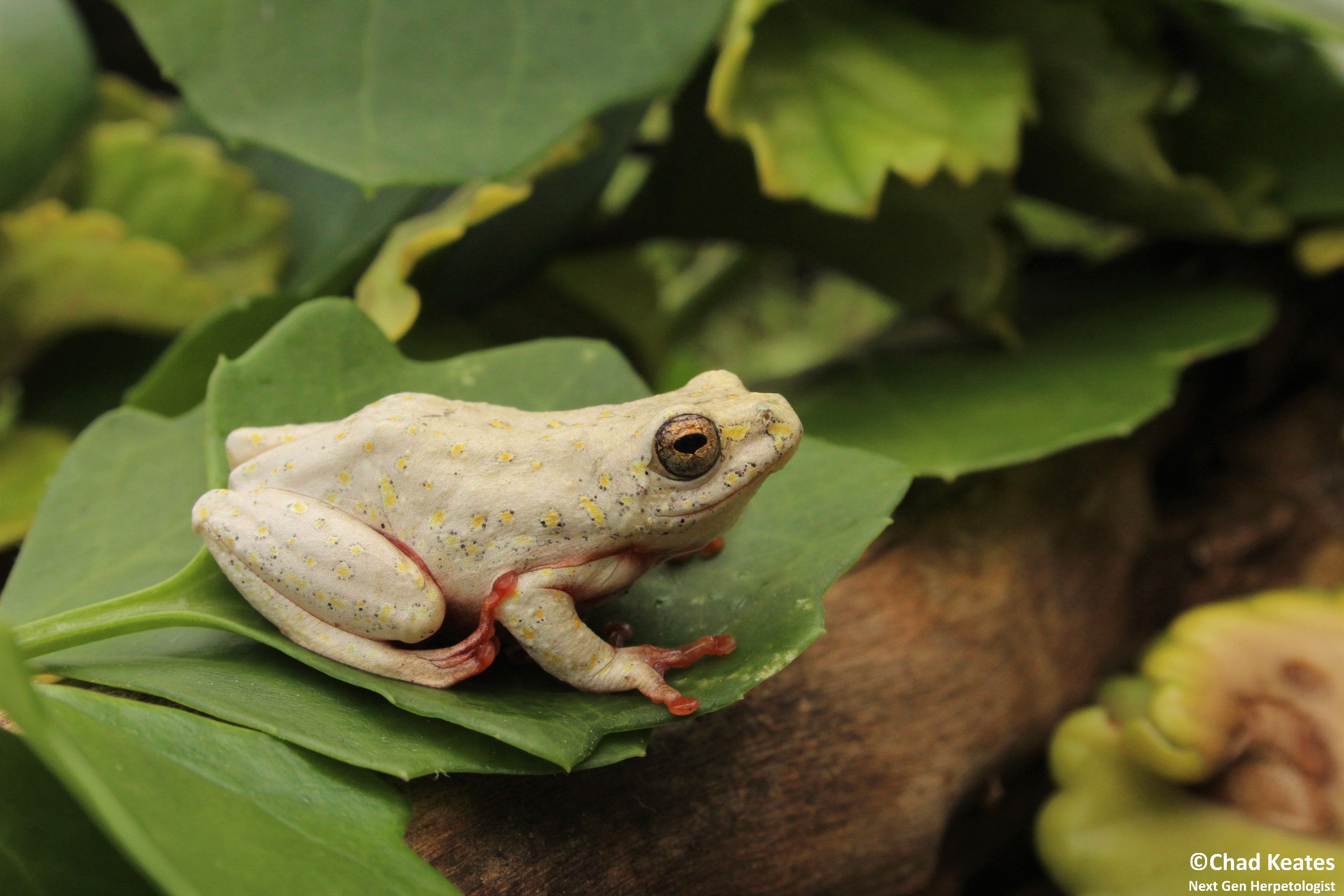
Hyperolius marmoratus taeniatus
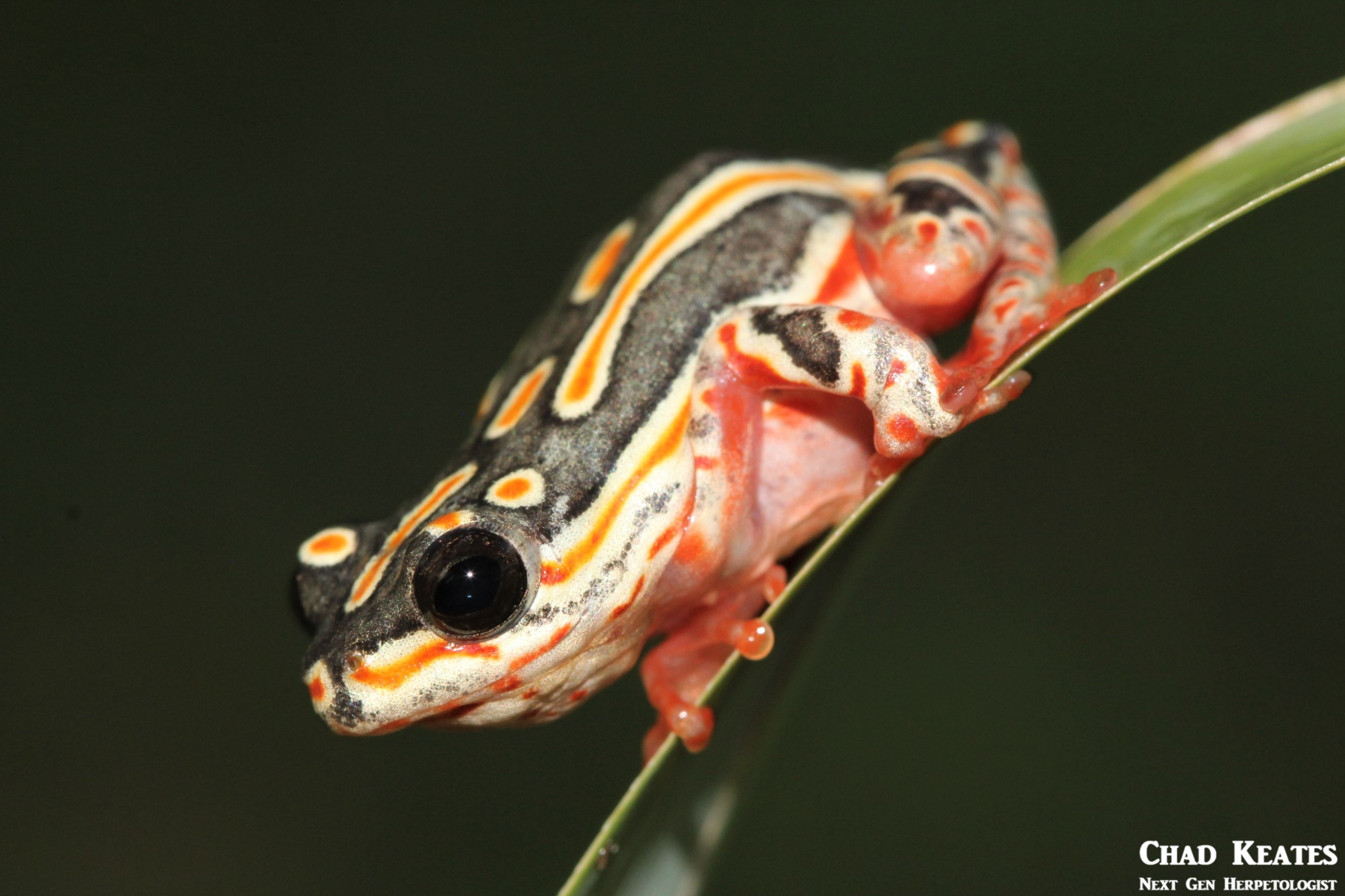
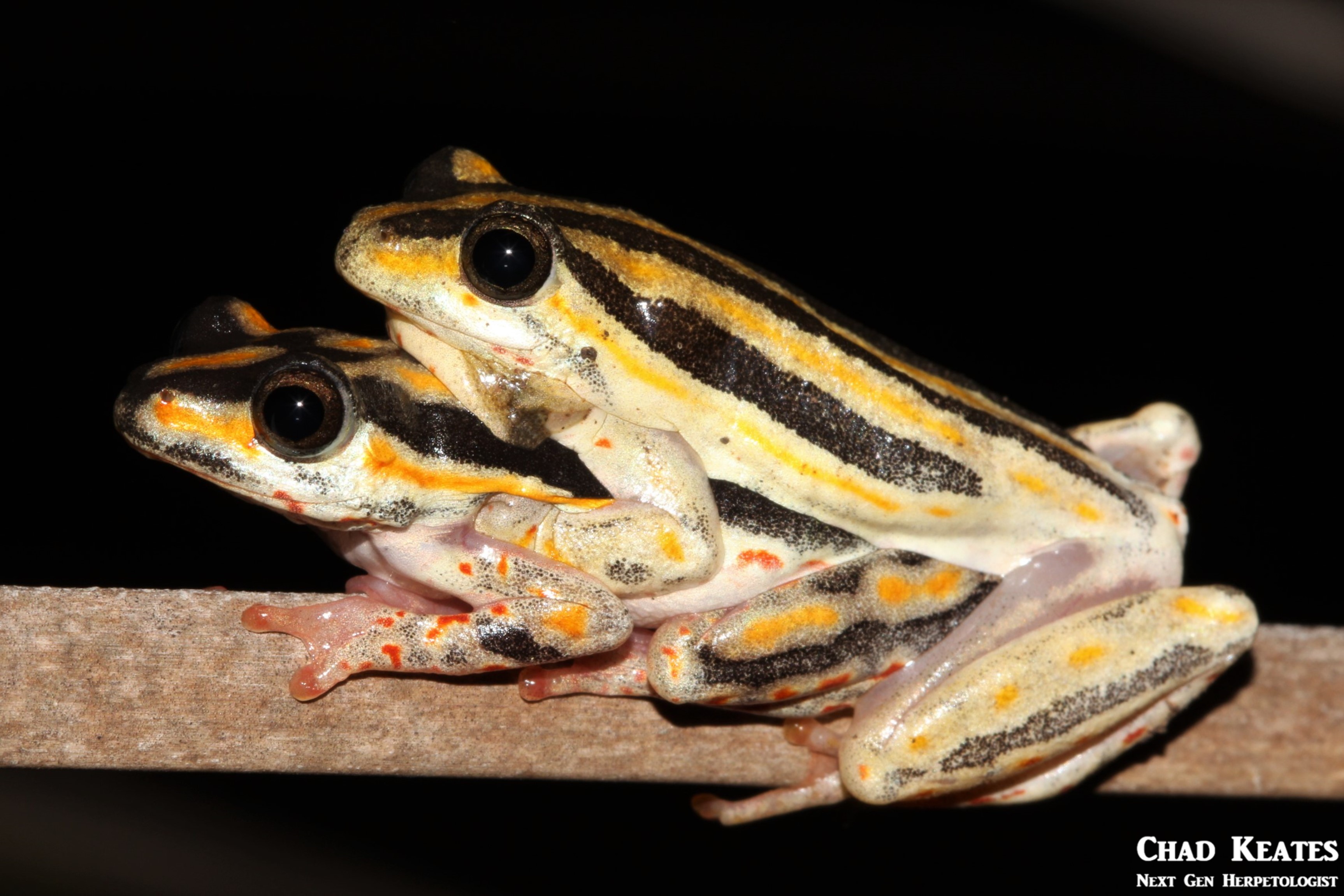
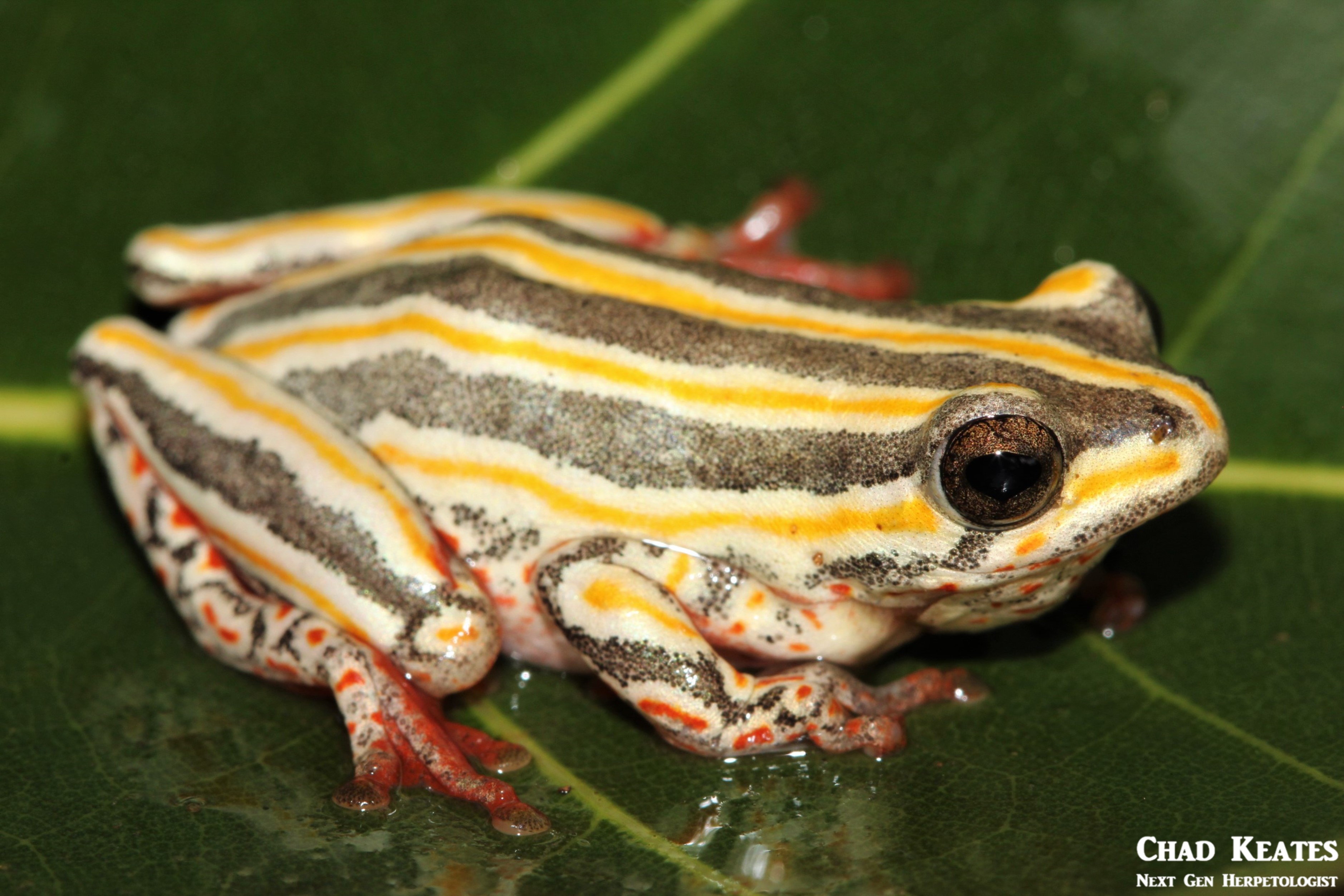
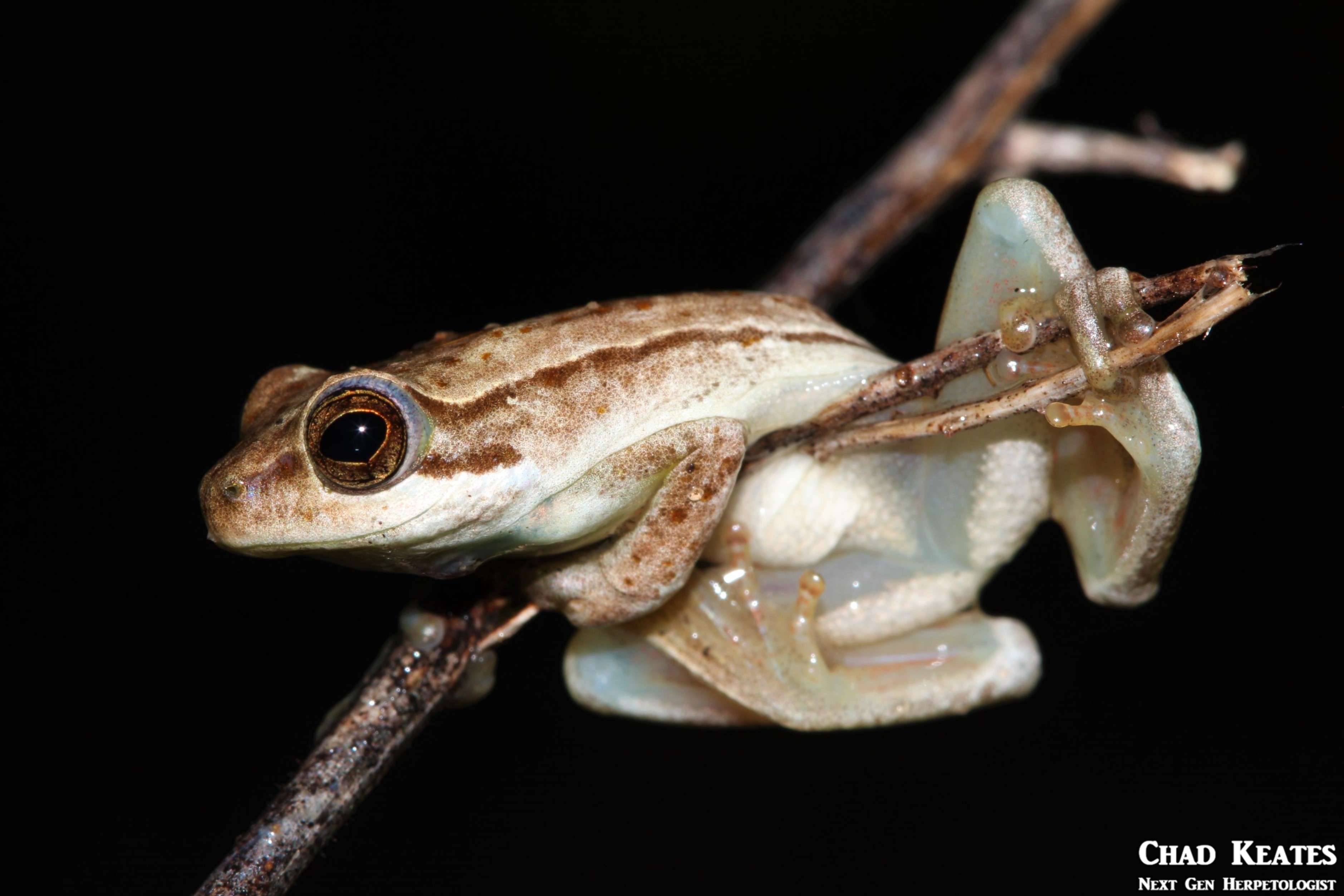
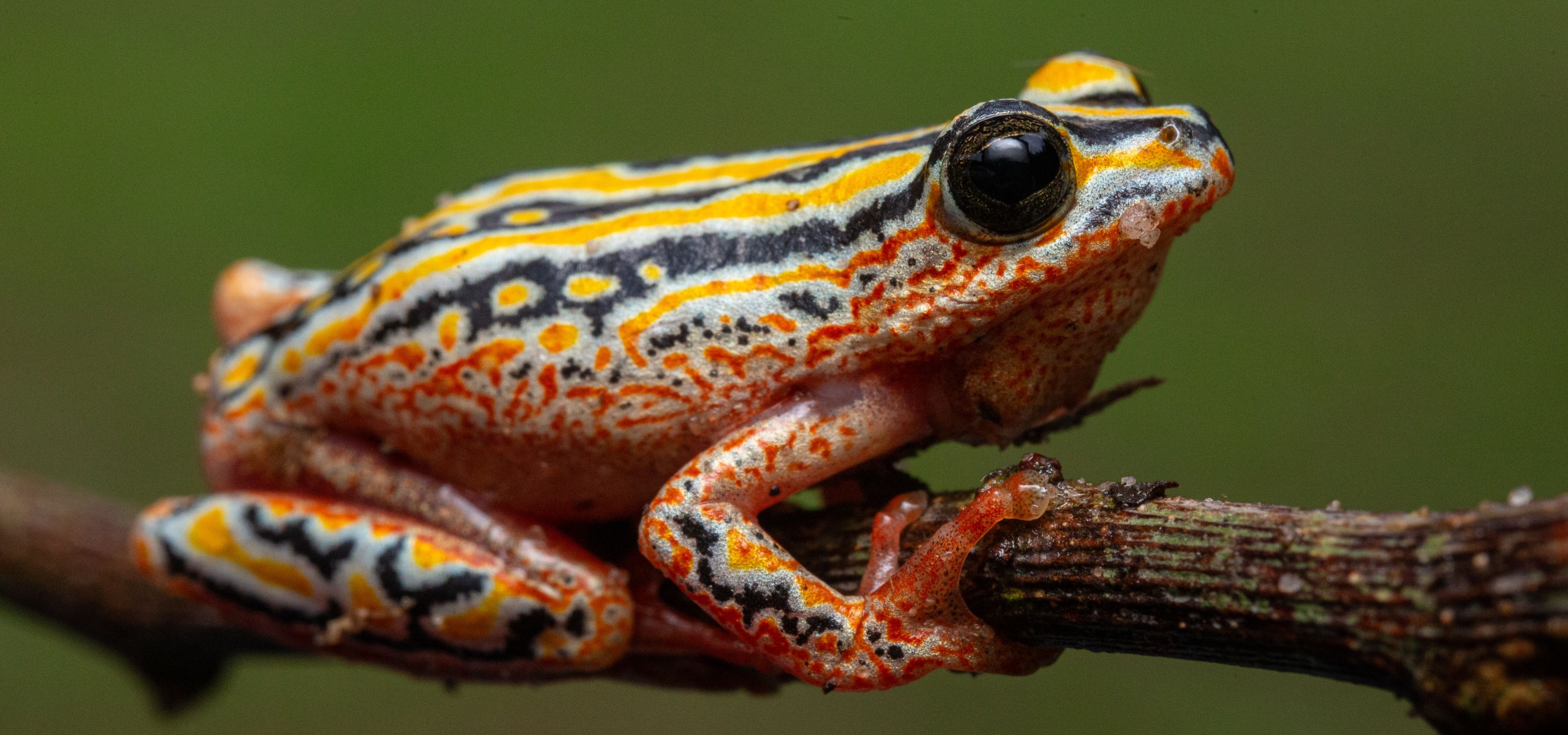

from St Lucia, KwaZulu Natal, South Africa
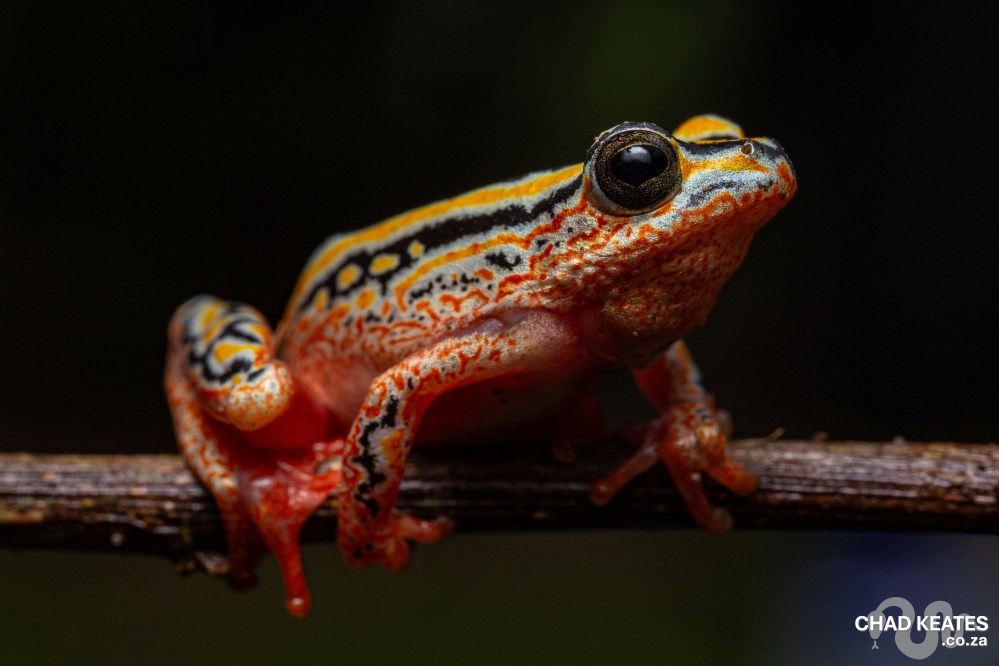
from St Lucia, KwaZulu Natal, South Africa
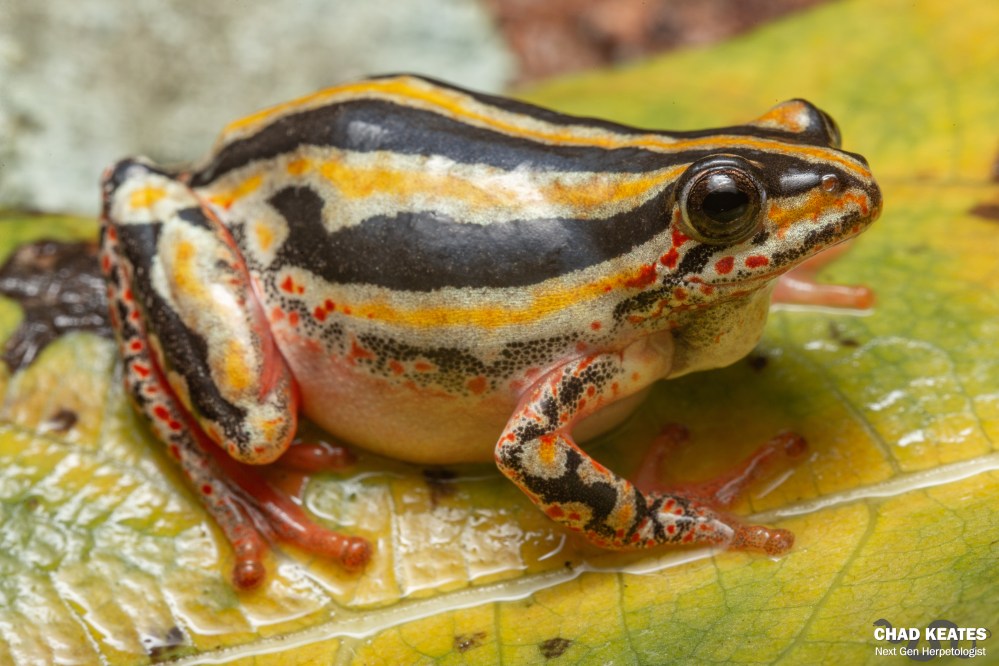
from Waterberg, Limpopo, South Africa

from Waterberg, Limpopo, South Africa
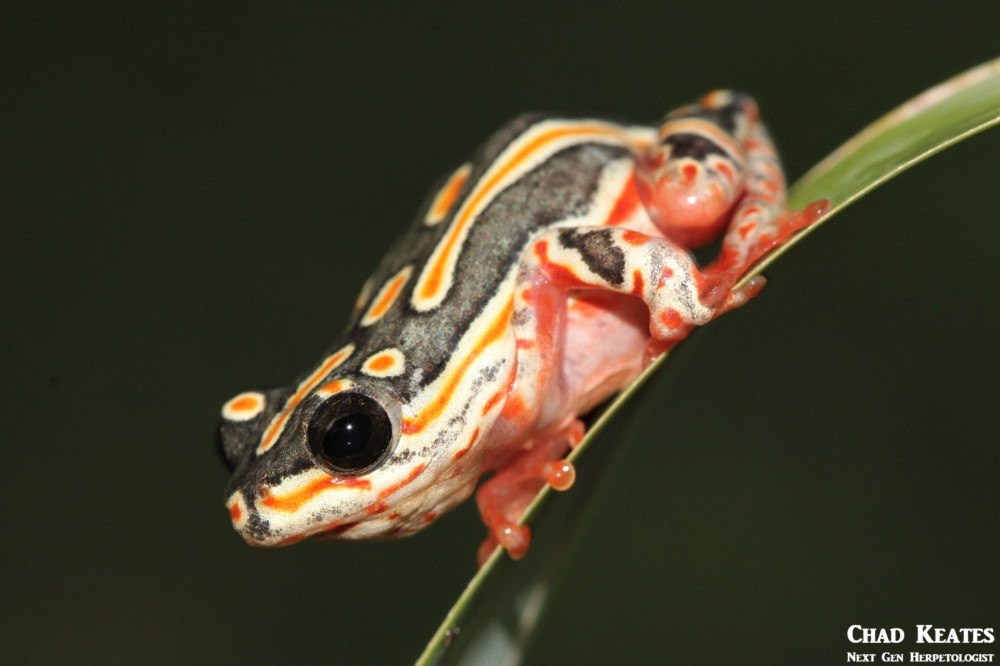
from Xai Xai, Mozambique

from Xai Xai, Mozambique
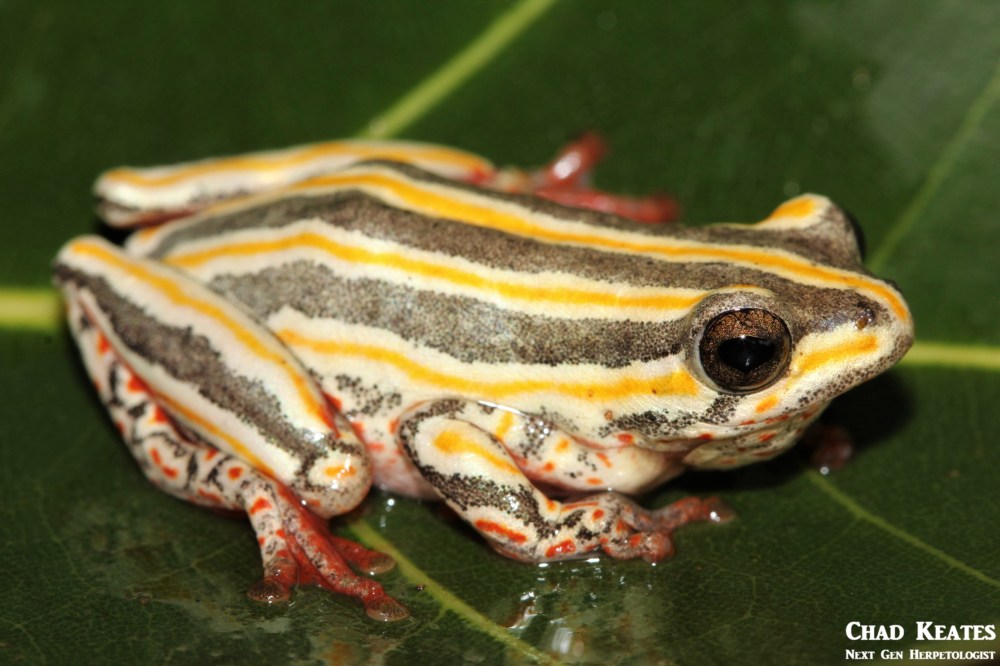
from Ndumo Nature Reserve, KwaZulu Natal, South Africa
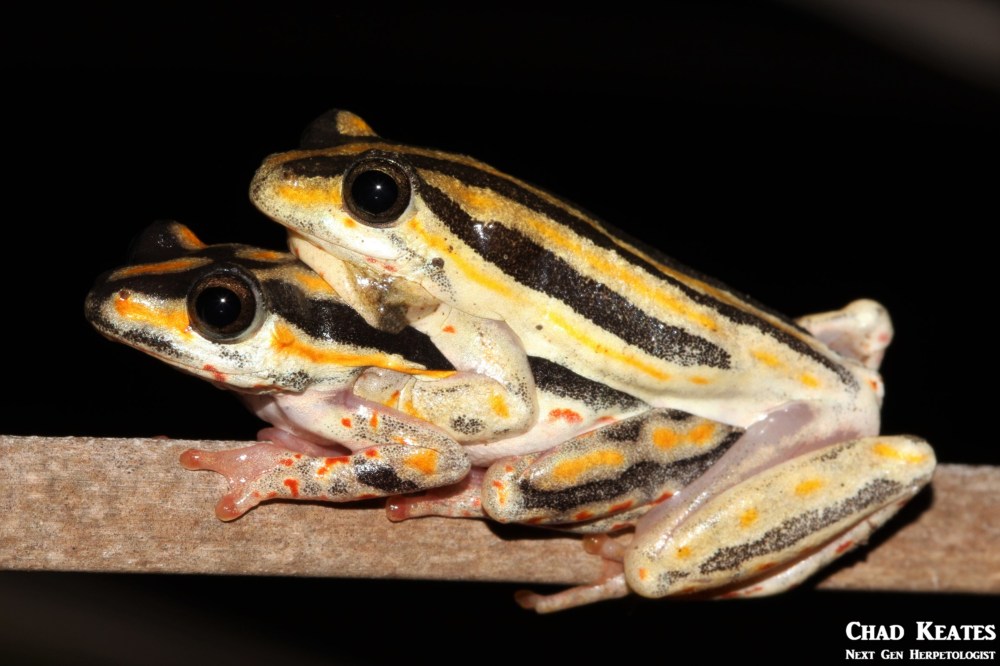
from Ndumo Nature Reserve, KwaZulu Natal, South Africa
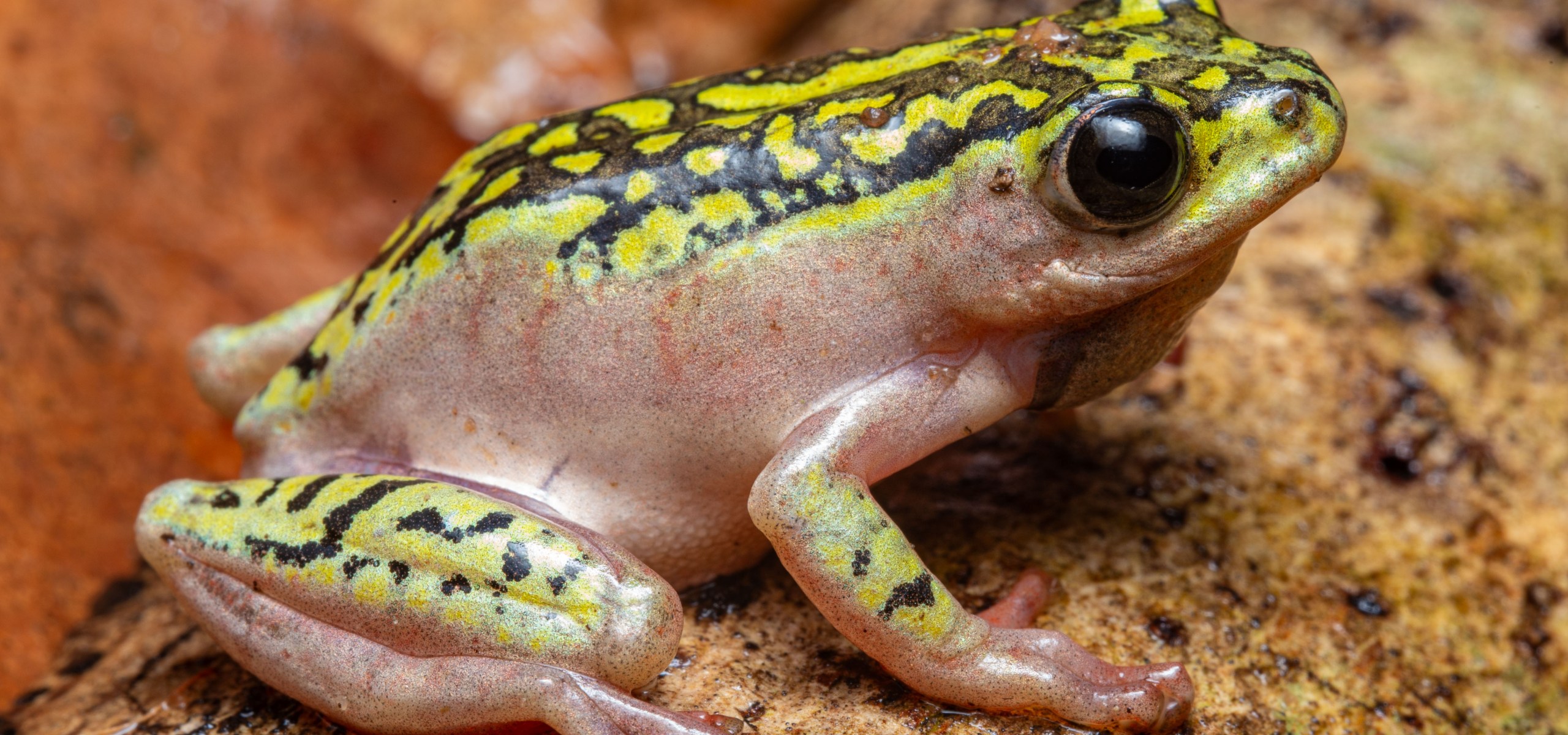

from Westville, KwaZulu Natal, South Africa

from Westville, KwaZulu Natal, South Africa

from Westville, KwaZulu Natal, South Africa

from Westville, KwaZulu Natal, South Africa
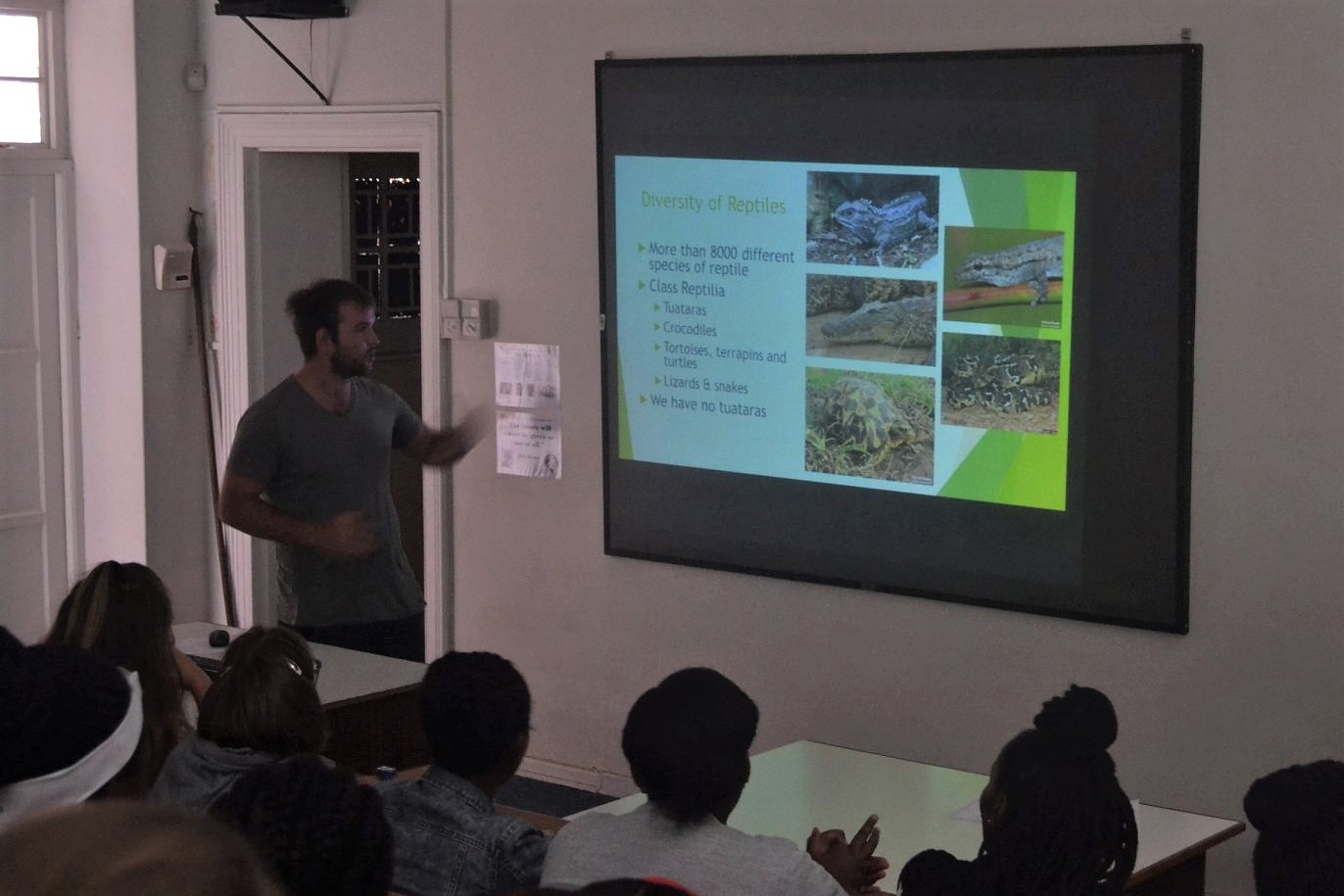
On Wednesday the 14th of February I delivered two back-to-back snake awareness talks at Victoria Girls High School (VGHS) in Grahamstown. The talks, which touched on snake anatomy, behaviour and ecology, were very well received by both classes. Although many of the girls were frightened by the sight of a live snake, most of them took the opportunity to interact with the live snakes on display. Thanks goes to VGHS, and more specifically Nadia Czeredrecki-Schmidt for organising the presentations and thanks also goes to Dr Shelley Edwards, my MSc supervisor, for co-presenting with me on the day.


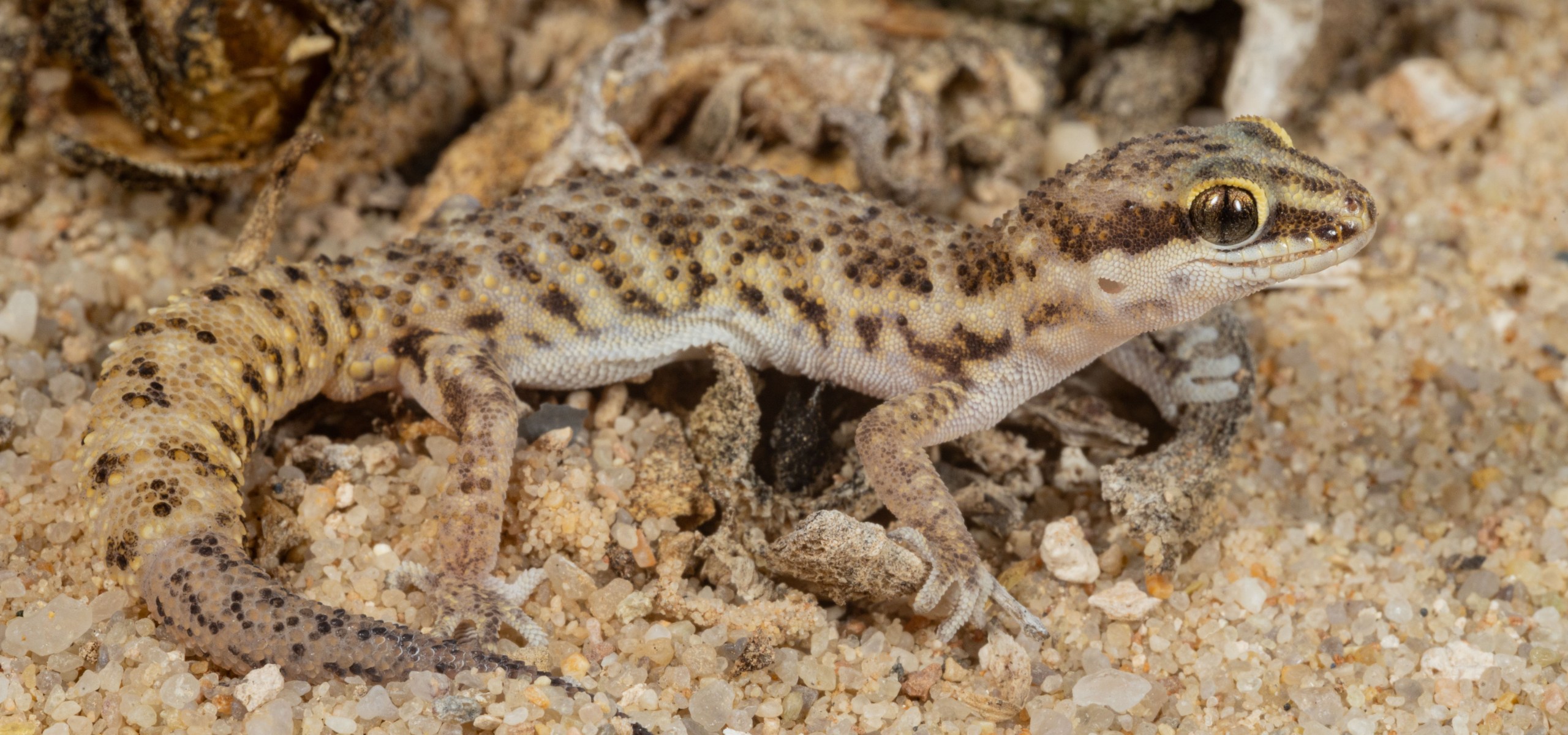

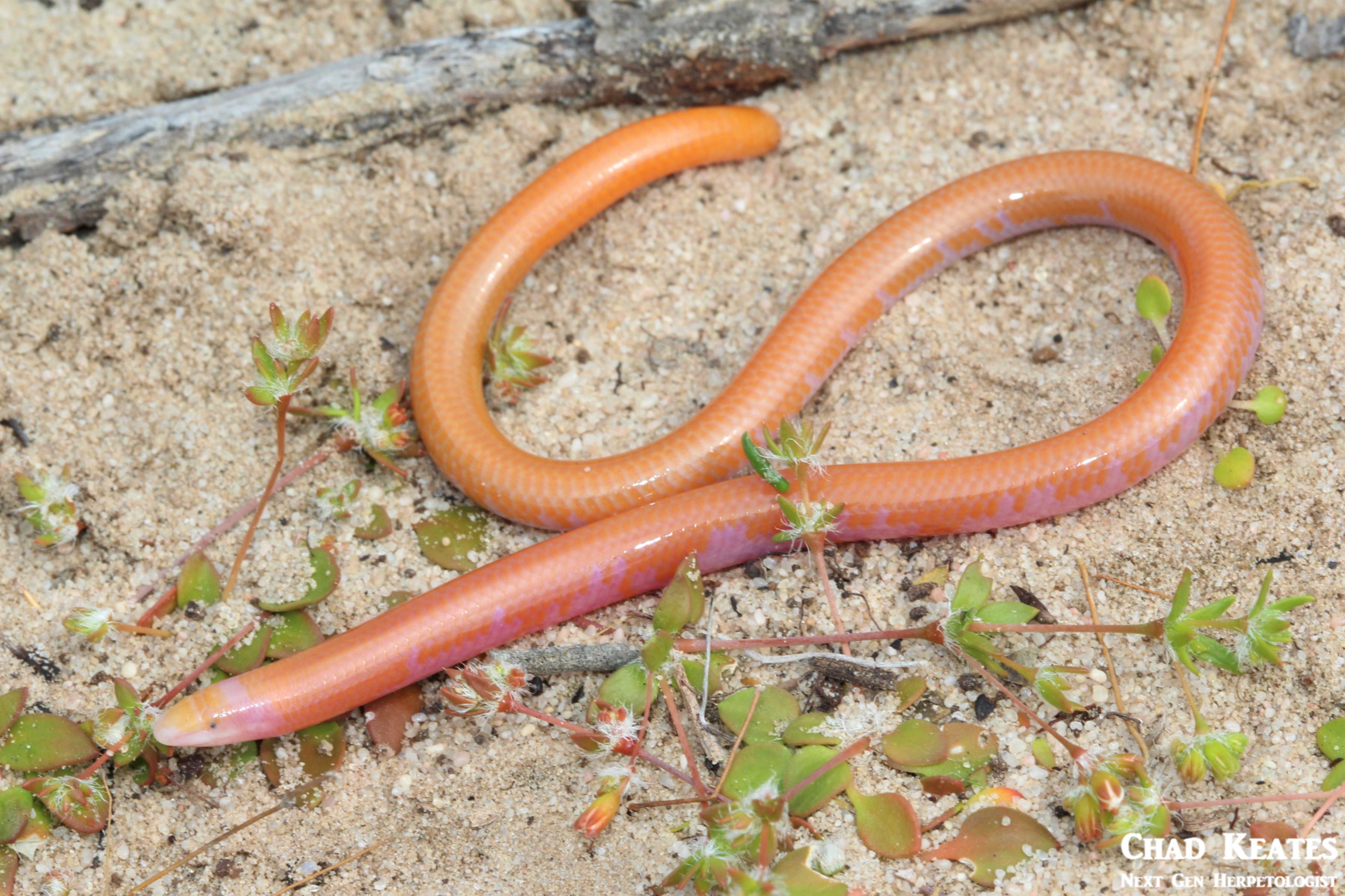
from Port Nolloth, Northern Cape, South Africa

from Port Nolloth, Northern Cape, South Africa
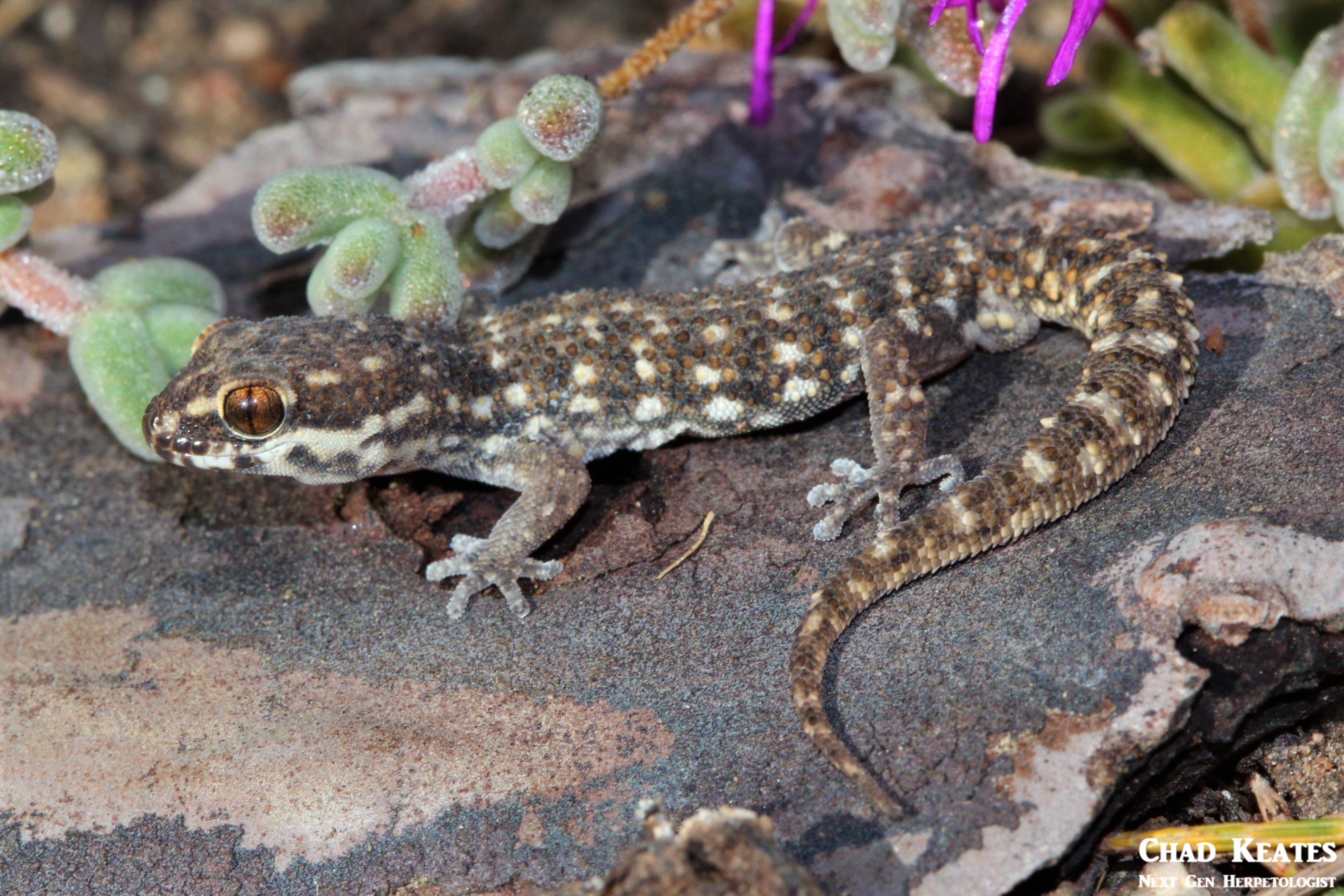
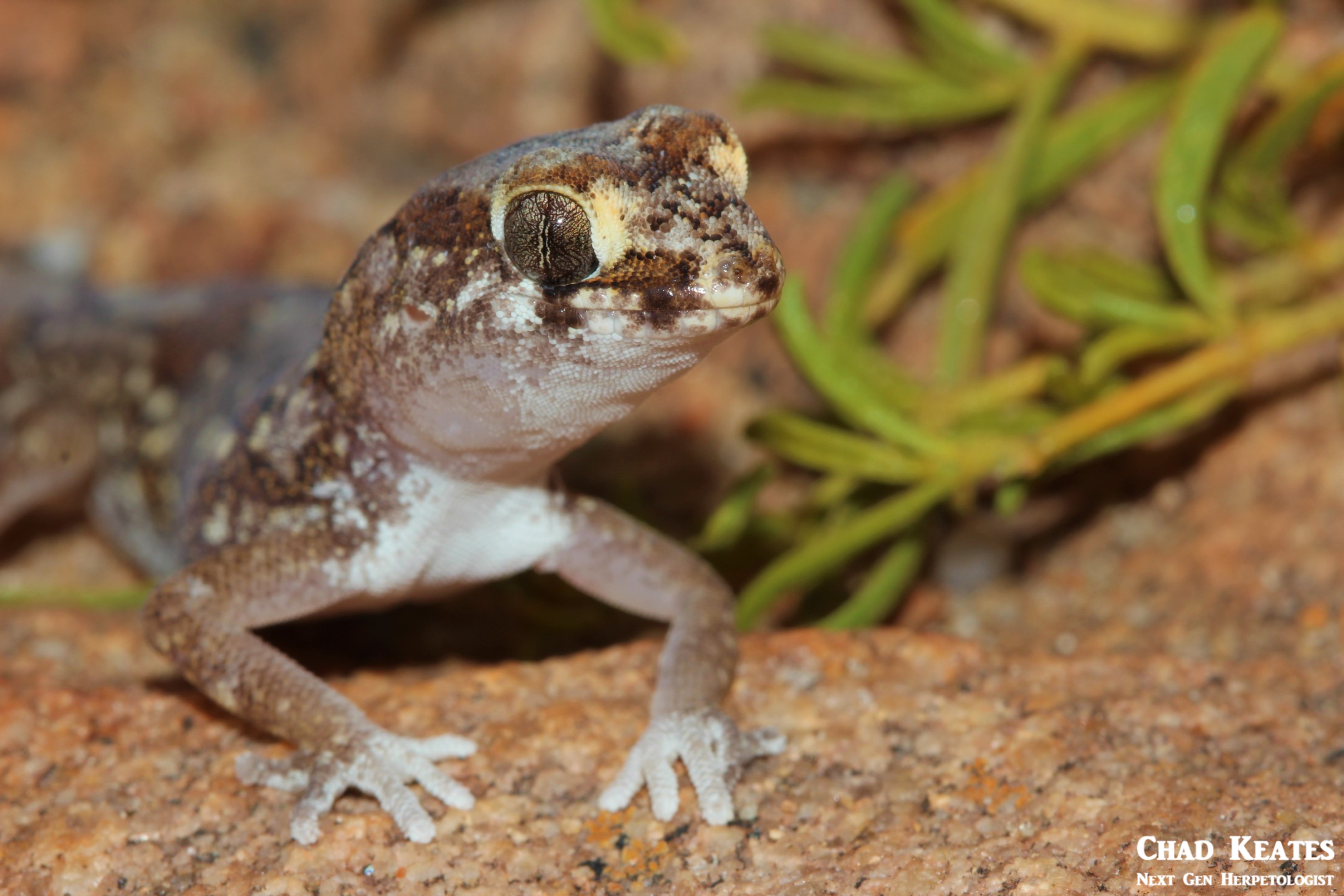
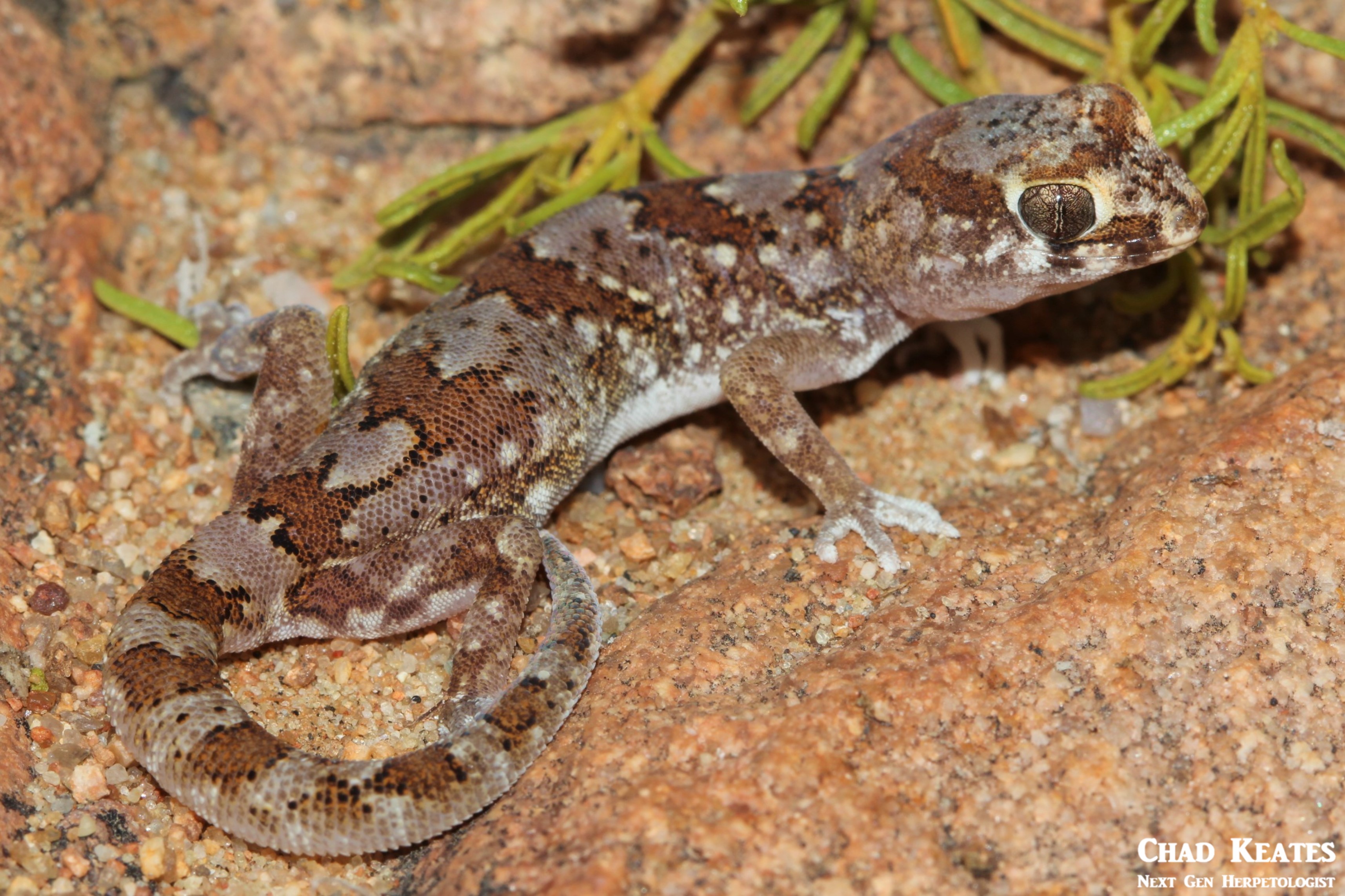
from Koingnaas, Northern Cape, South Africa
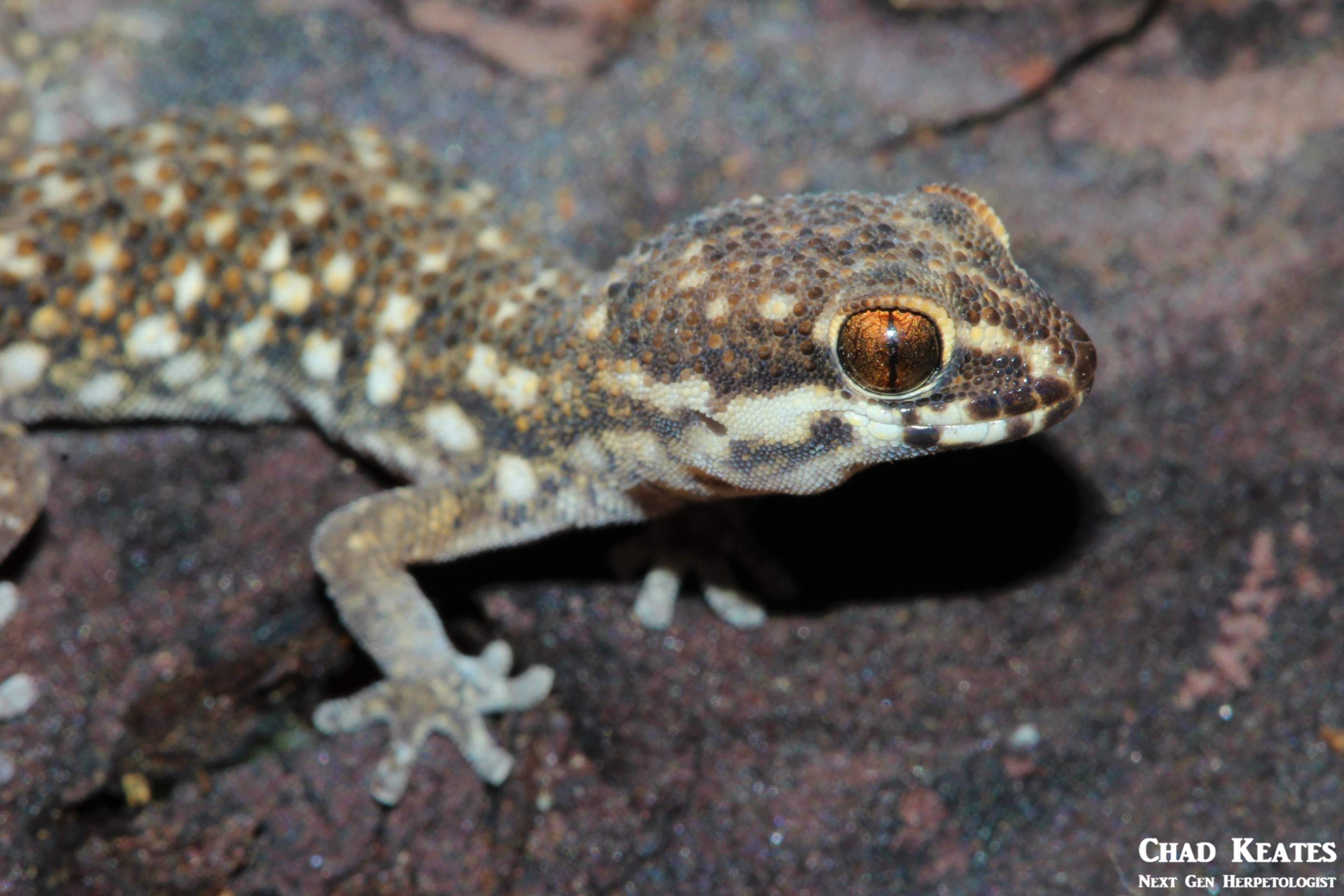
from Koingnaas, Northern Cape, South Africa

from Koingnaas, Northern Cape, South Africa

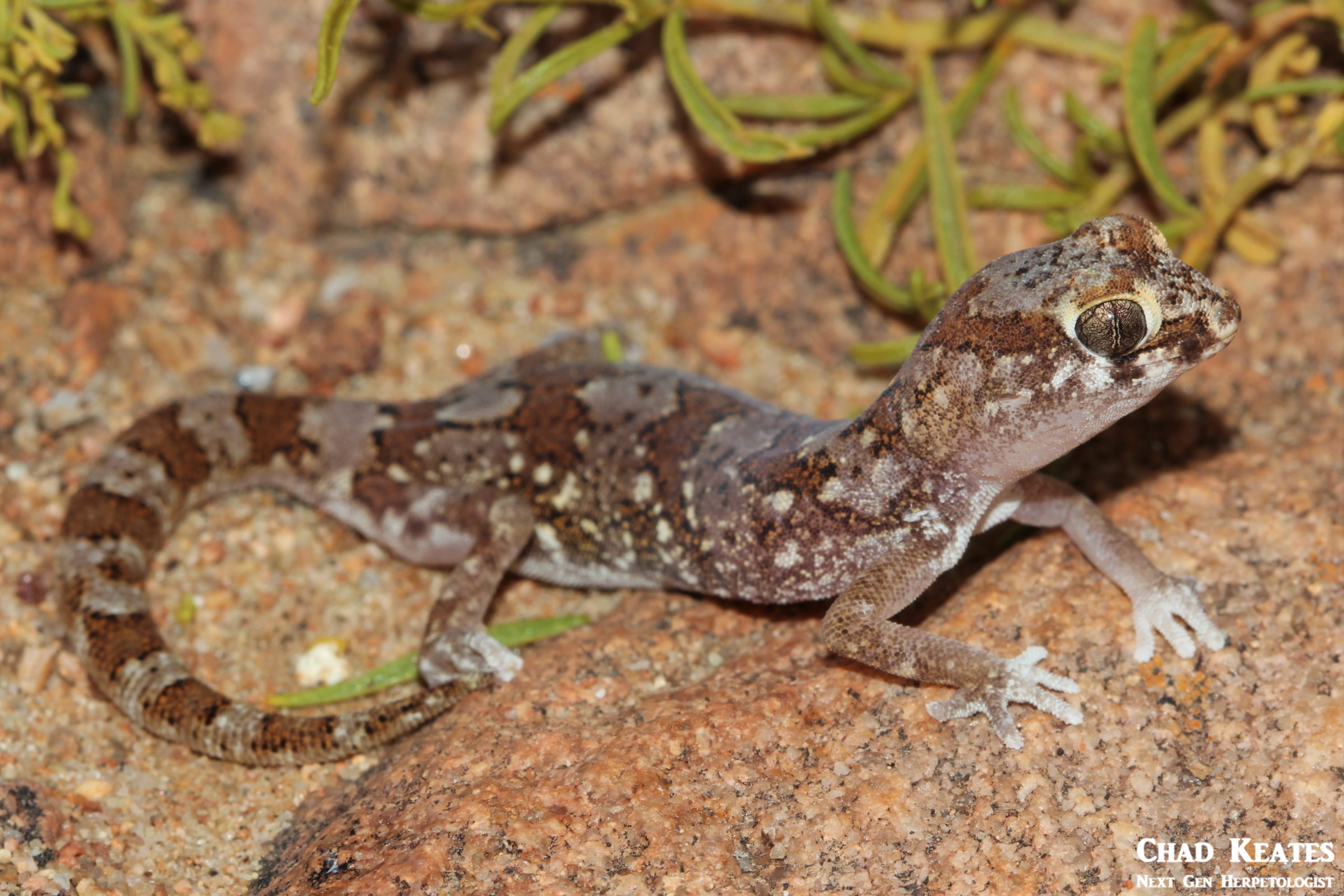
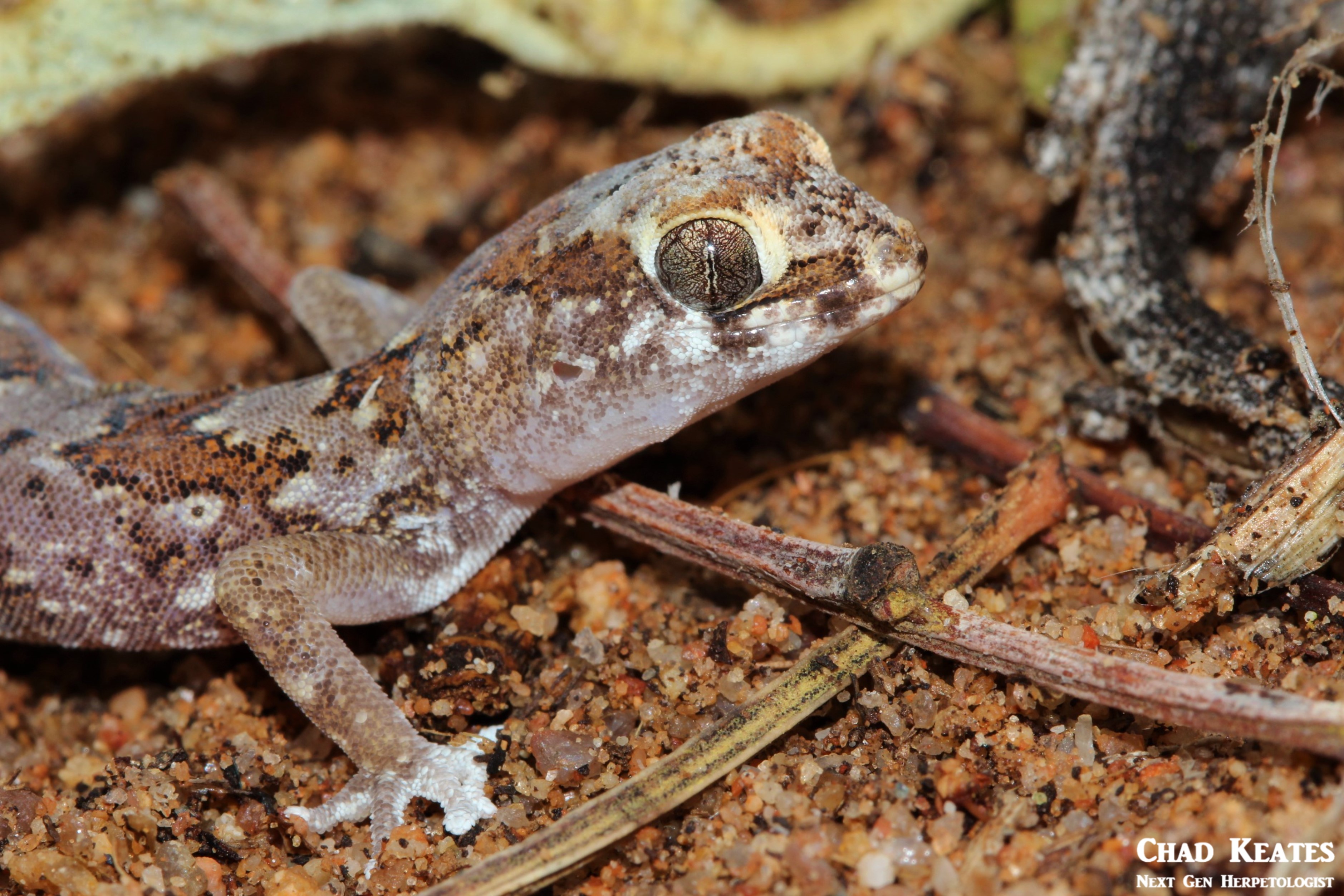
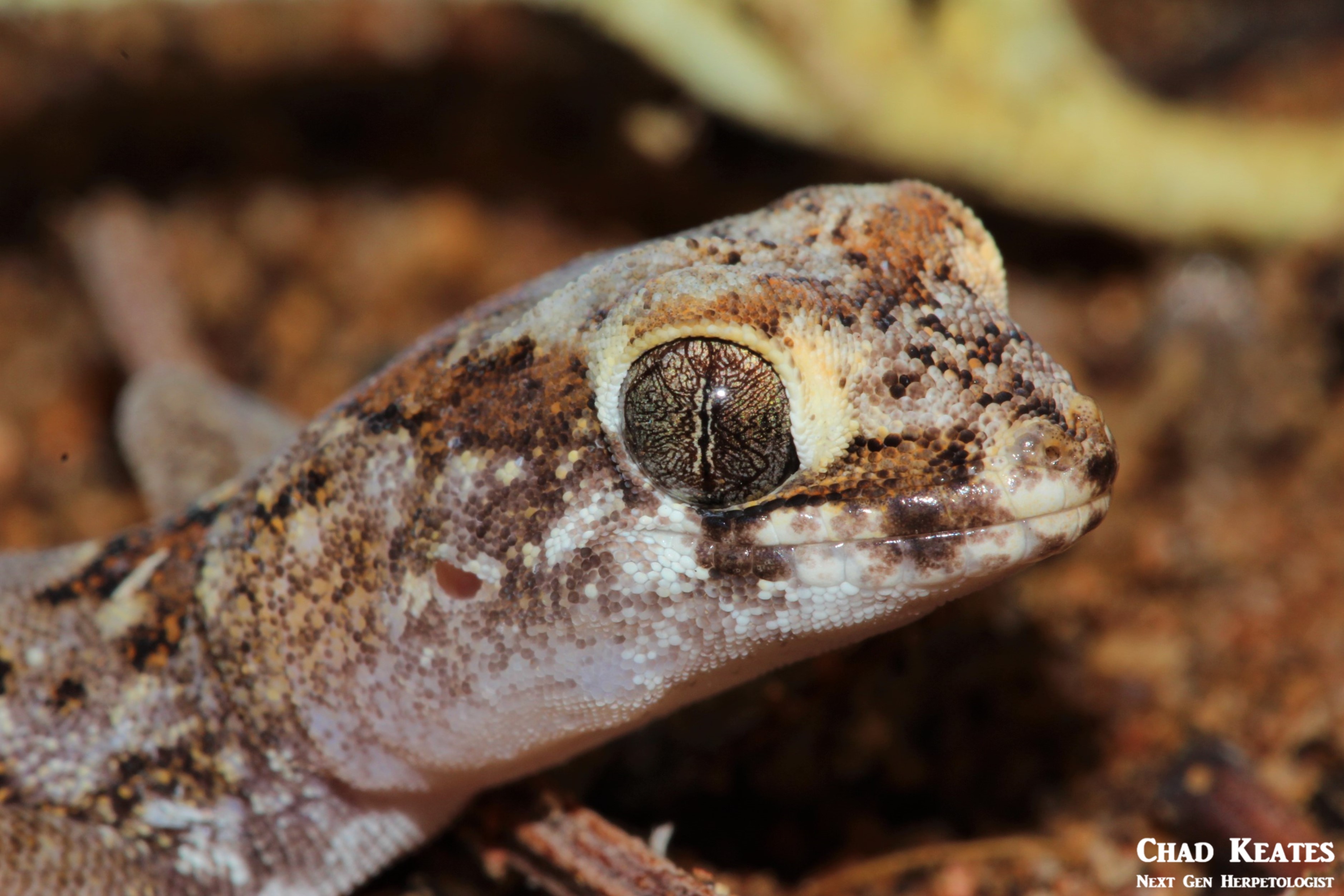
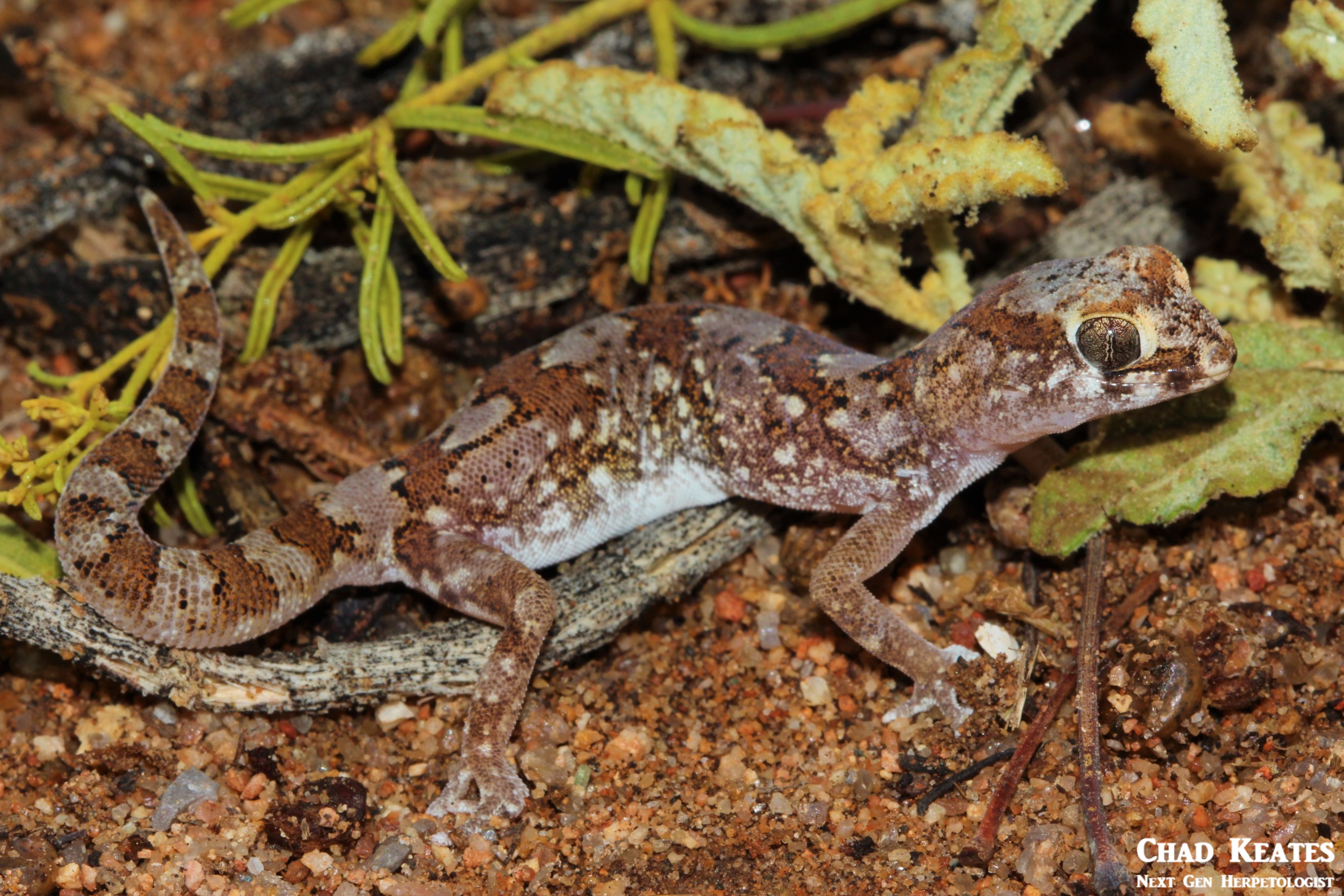
from Northern Cape, South Africa

from Northern Cape, South Africa

from Northern Cape, South Africa

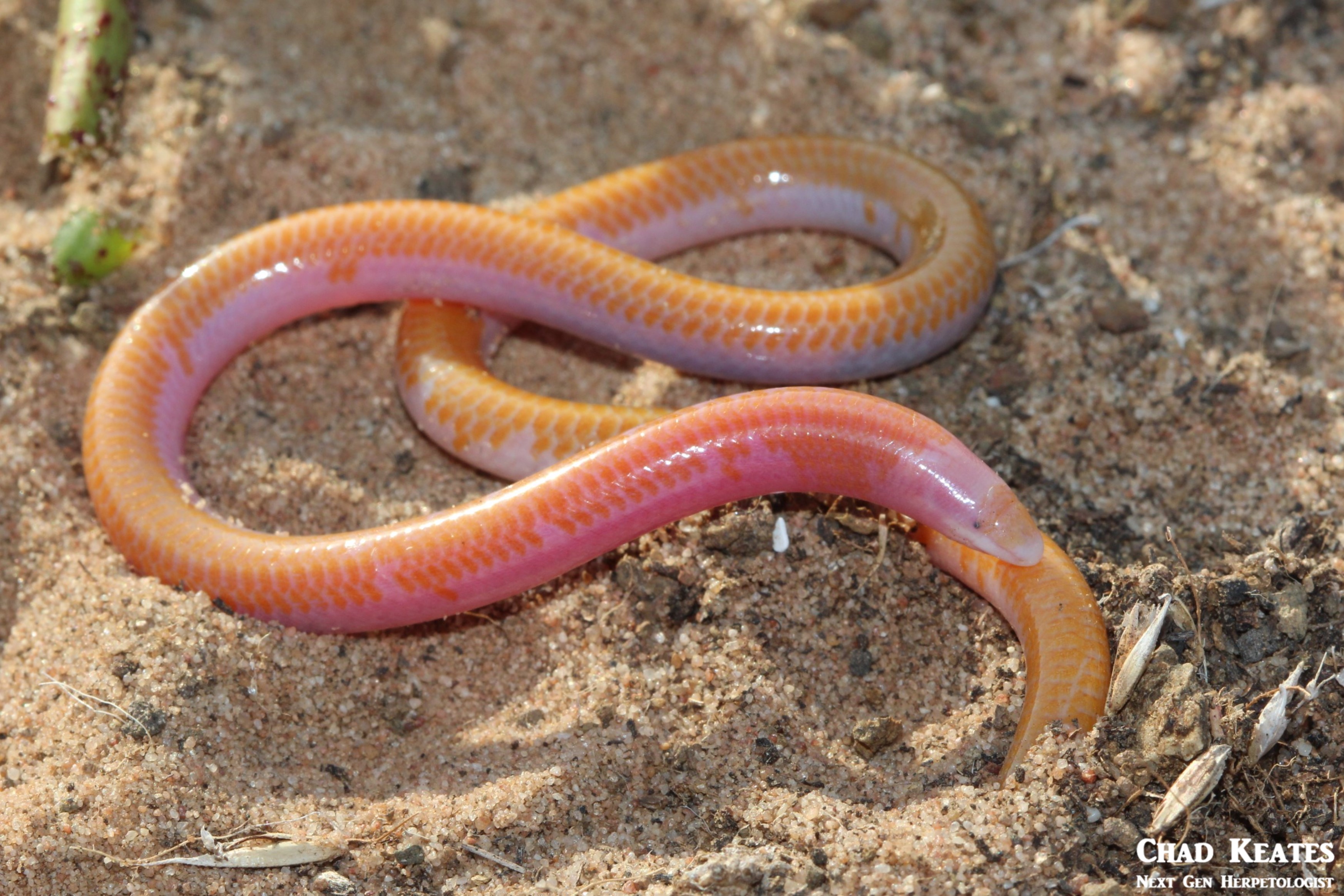
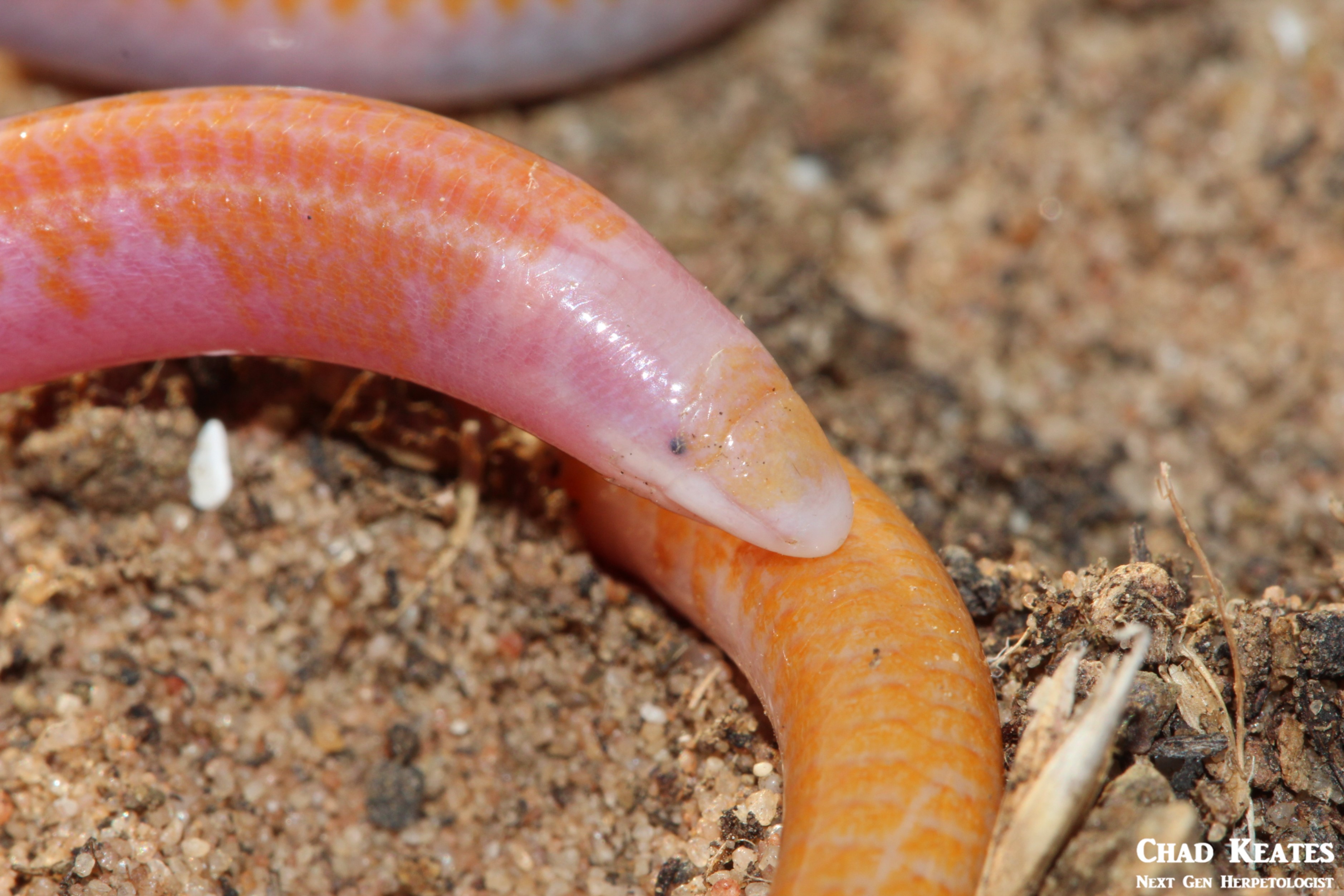
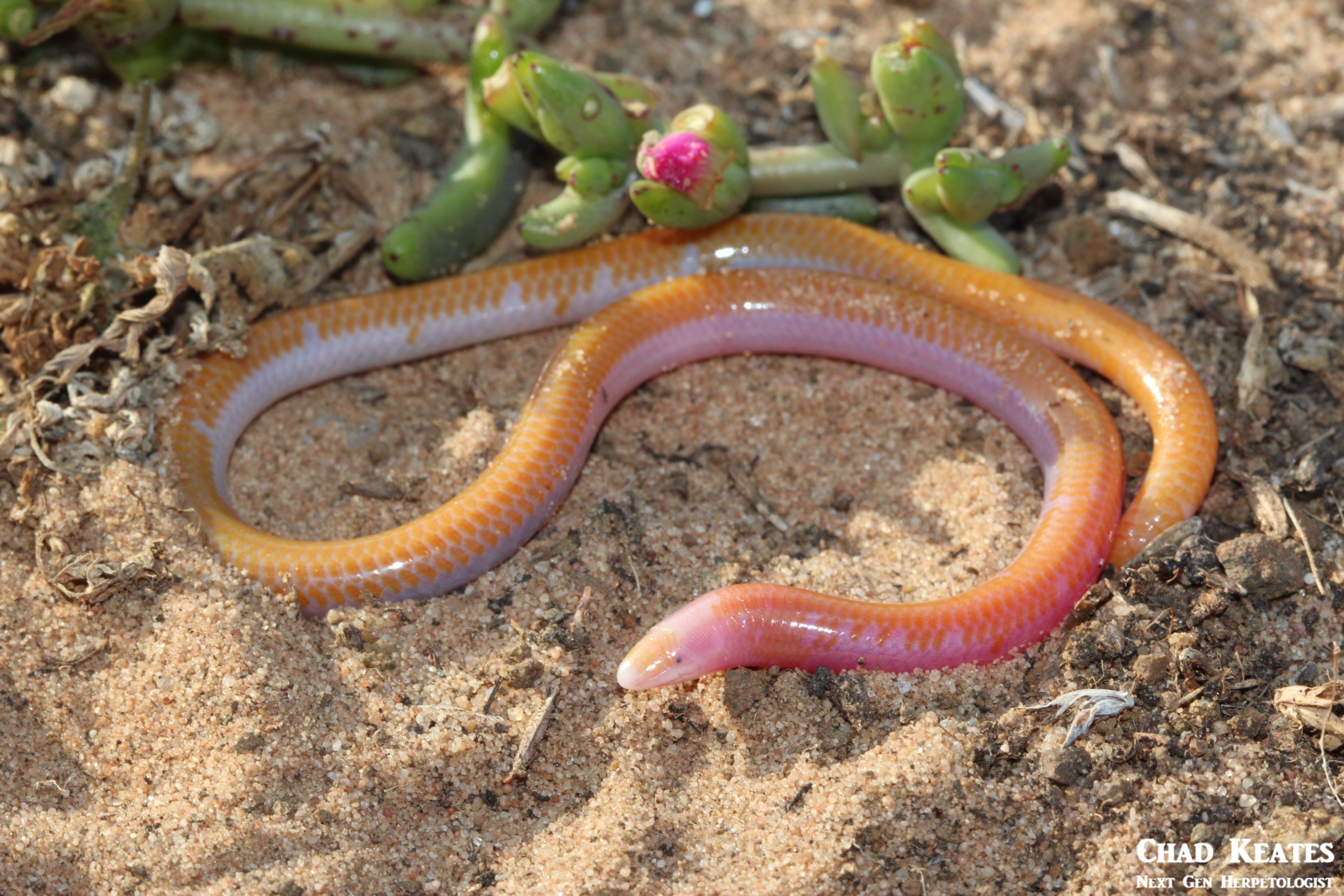
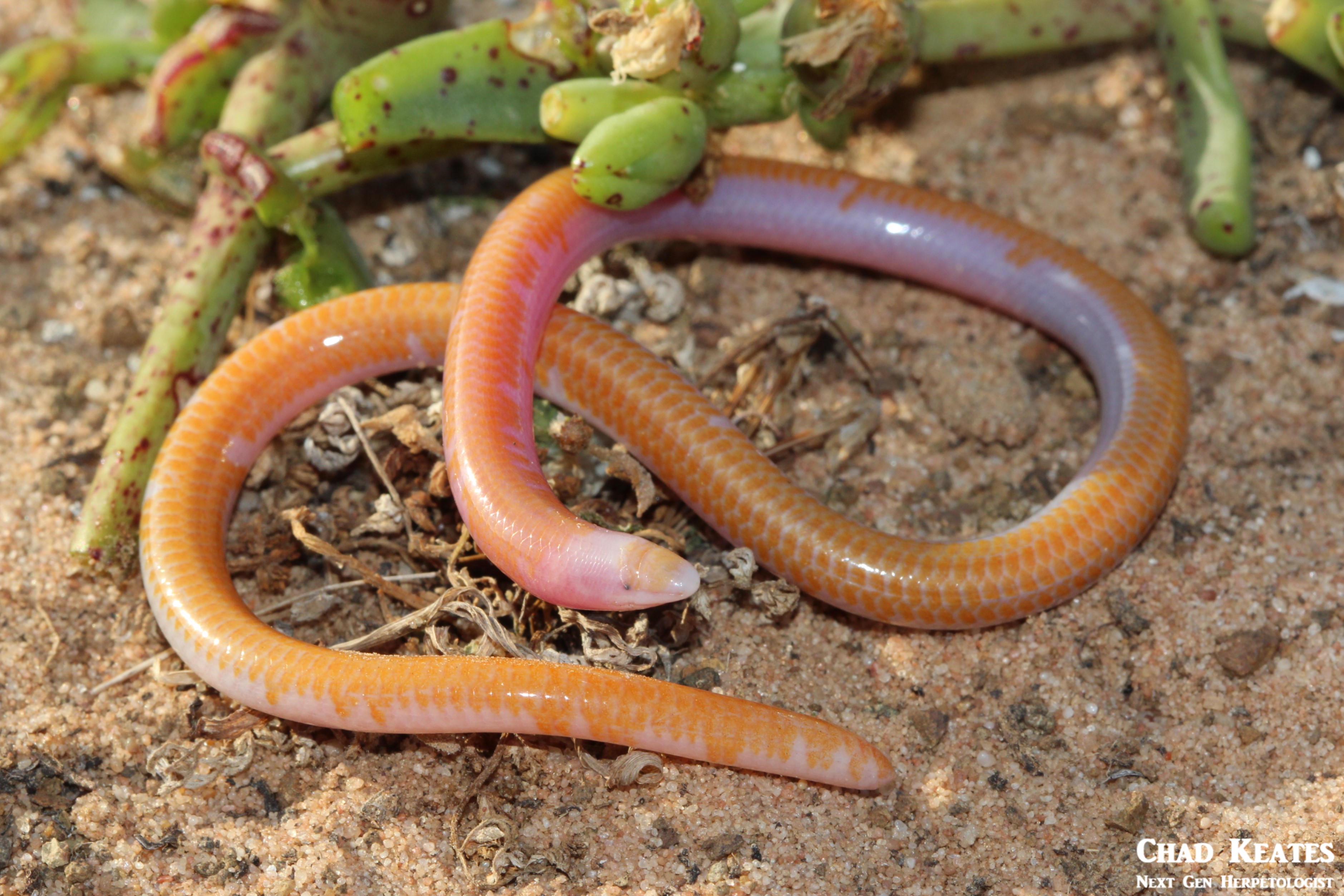

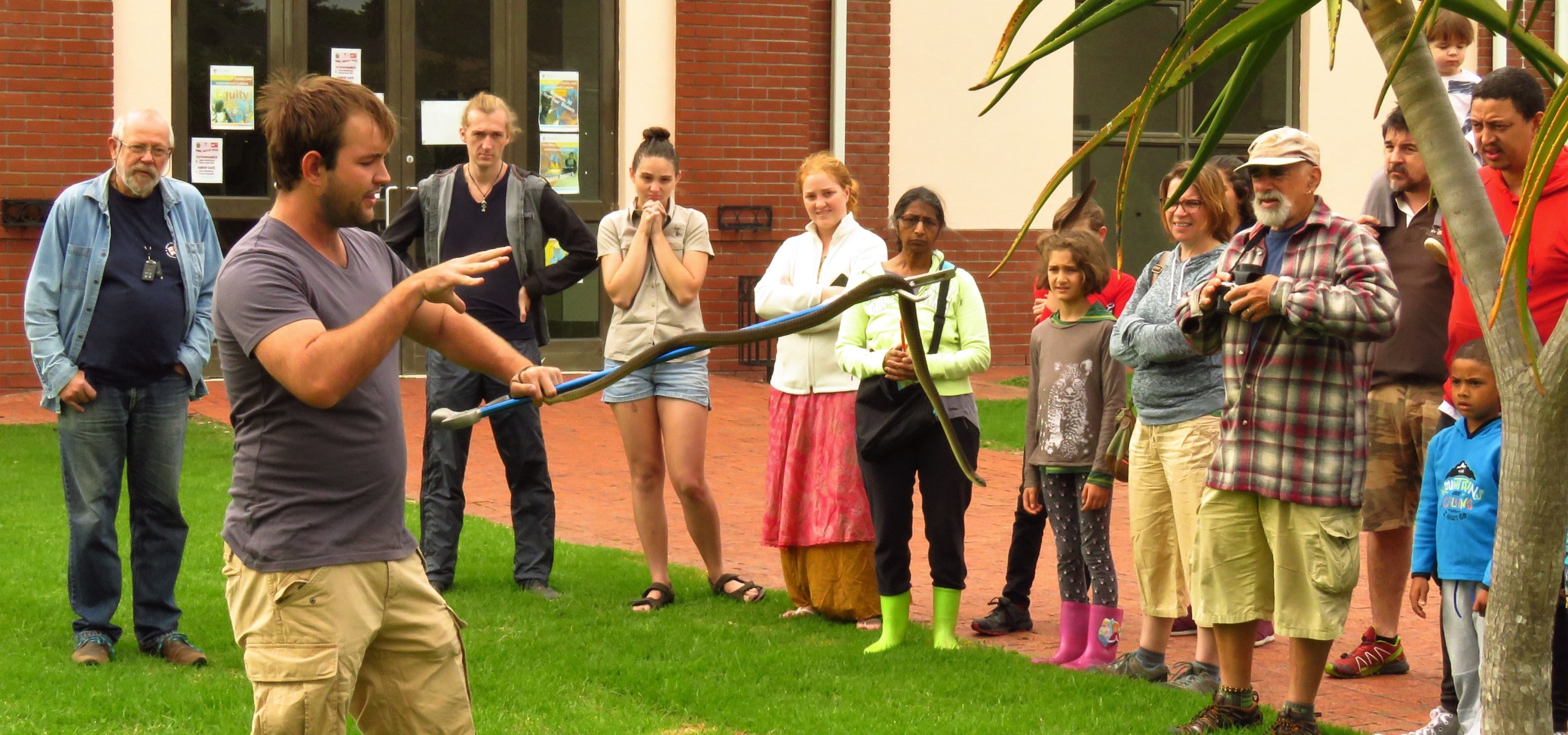
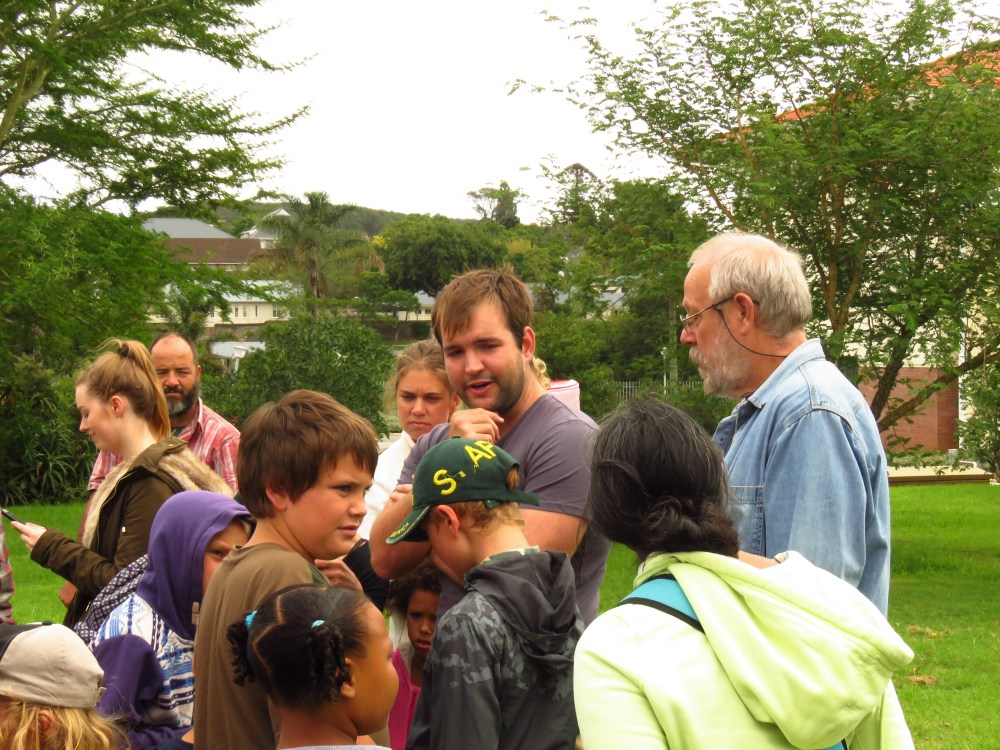
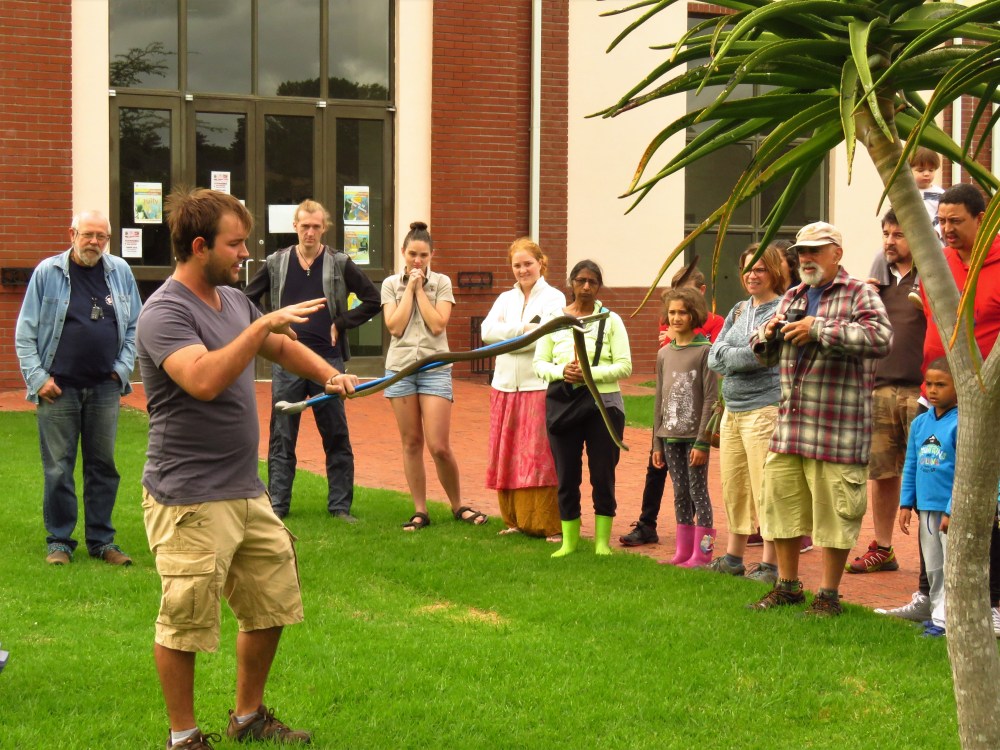
On Saturday the 17th of March I hosted my third critter walk. The event was well received with approximately 35 people attending on the day. The day started out with a short snake demonstration, in which I showcased some of the snakes I had captured the week before on callouts, and was followed by a two hour ‘critter walk’ on a nearby farm. Whilst the weather was not great to start with, it soon warmed, and we managed to find several interesting species of reptile over the course of the morning. Although most people came to see the venomous snakes, it was great to see so much interest with the less ‘exciting’ tortoises and frogs, which we found during the critter walk. Thanks goes to ZEML (Zoology and Entomology Molecular Lab) for helping me run the event.






On Thursday the 1st of March I presented my masters research to the department in the form of a spoken presentation in the Zoology Department tea room. Although I still have a fare way to go before I complete my thesis, the talk was an awesome opportunity for me to show-off what I have done thus far. The abstract for the talk is printed below.
Why ‘splitters’ are winners: a snakes tale
Molecular biology is quickly becoming a integral part of many modern biological science studies because of its increased applications. Genetic analysis renders increased clarity to taxonomic studies, can uncover cryptic speciation, and informs scientists about the hidden mysteries of evolution. Although well utilised across most fields of zoological science, molecular biology has become increasingly more prevalent in the herpetological world, as of late.
The Psammophylax genus is a widespread south-east African genus with six currently described species, and multiple sub-species. Although far-ranging in Africa, the individuals of this genus show little morphological variation, with the most prominent distinguishing characteristics being colouration and patterning. Species variation may be cryptic and thus the use of genetic methods may unearth diversity, previously missed by morphologically-orientated taxonomy. Members of Psammophylax are also understudied from a molecular taxonomy perspective, making them the ideal subject of a genetically-orientated systematic research project.
This masters thesis, which focusses on genetic structuring within Psammophylax, is split into three sections. The first section focusses on the sub-family Psammophinae and the placement of Psammophylax within it. The second section focusses on the Psammophylax genus and the third section is a phylogeographic study of Psammophylax rhombeatus rhombeatus. Although the genus has been looked at in other herpetological literature, this research thesis represents the most complete and current systematic study of the genus to date.

On Sunday the 25th of February I was a guest on the radio show ‘The Book and the Brain’ on RMR 89.7FM. The show which ran for just over 20 minutes discussed snakes and my research within the field of herpetology. The show focussed particularly on species’ of snakes found within Grahamstown, and the controversy that surrounds them. The show, which I was thrilled to be a part of, was great fun and a massive success for snake awareness within the greater Grahamstown area. Thank you to the RMR team for hosting me, and allowing me to share my passion for snakes and why people should protect them. To listen to the show, click on the link below.
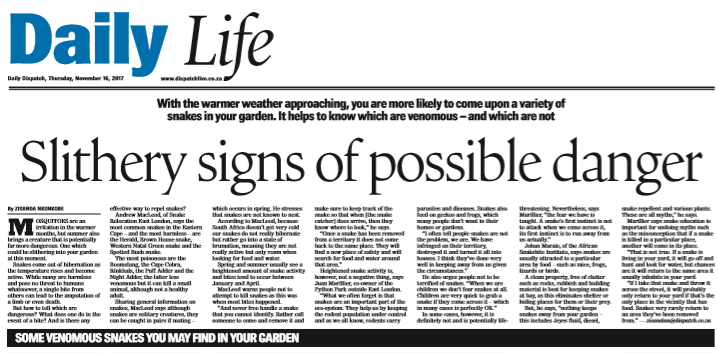
Late last year I was contacted by a journalist from the Daily Dispatch Newspaper in Port Elizabeth, seeking information on snakes. To make a long story short, I made it into the newspaper…again, and I couldn’t be more stoked. It is crazy to think how far I have come since when I started. The fact that people view me as a reputable source of information is a great honour and I feel very privileged to be seen in such a light. Irrespective of how much I have learnt, and how far I have come, I still believe that I have so much I still need to learn. The world of reptiles is vast and complicated, and I haven’t even scratched the surface of what there is to know.
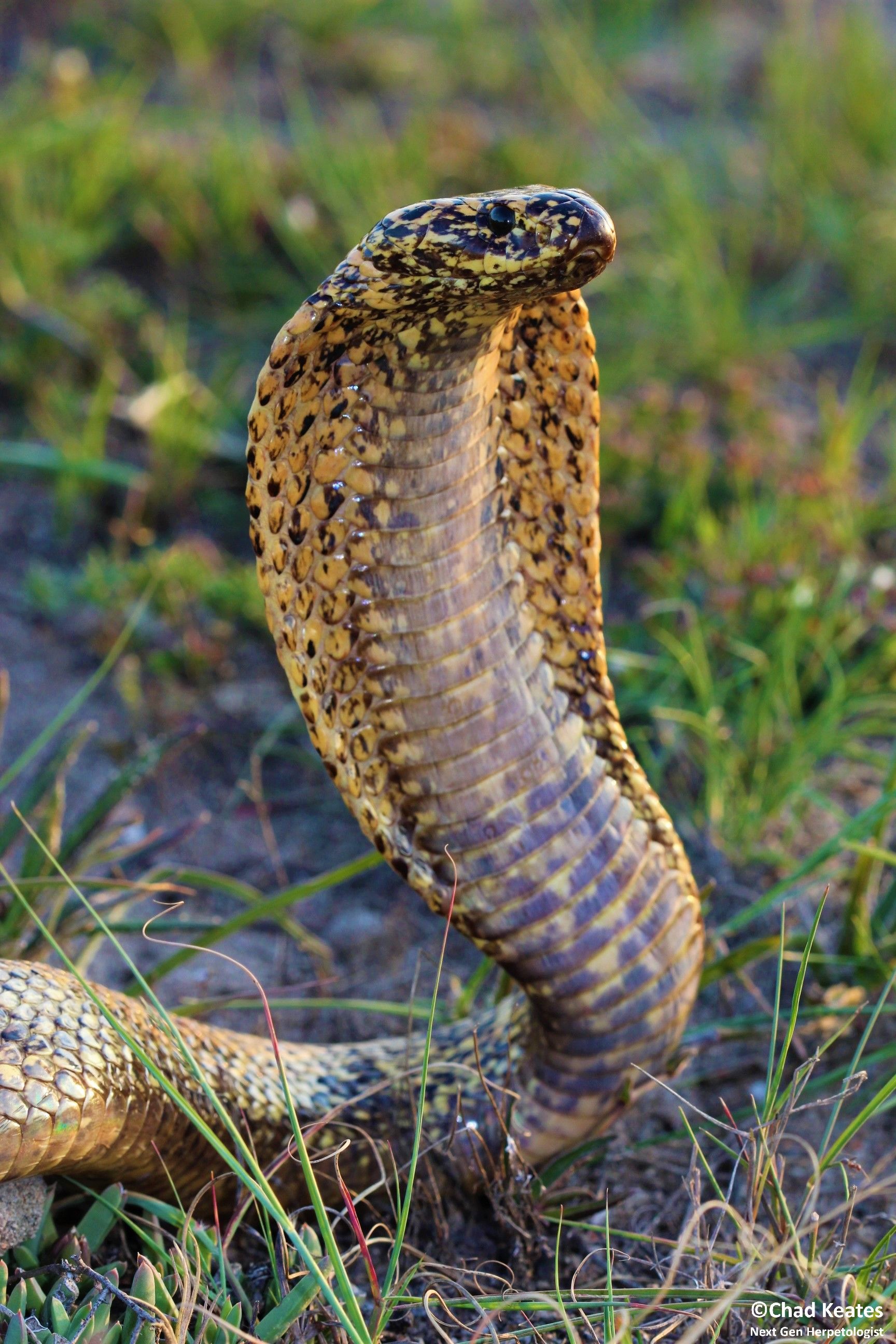
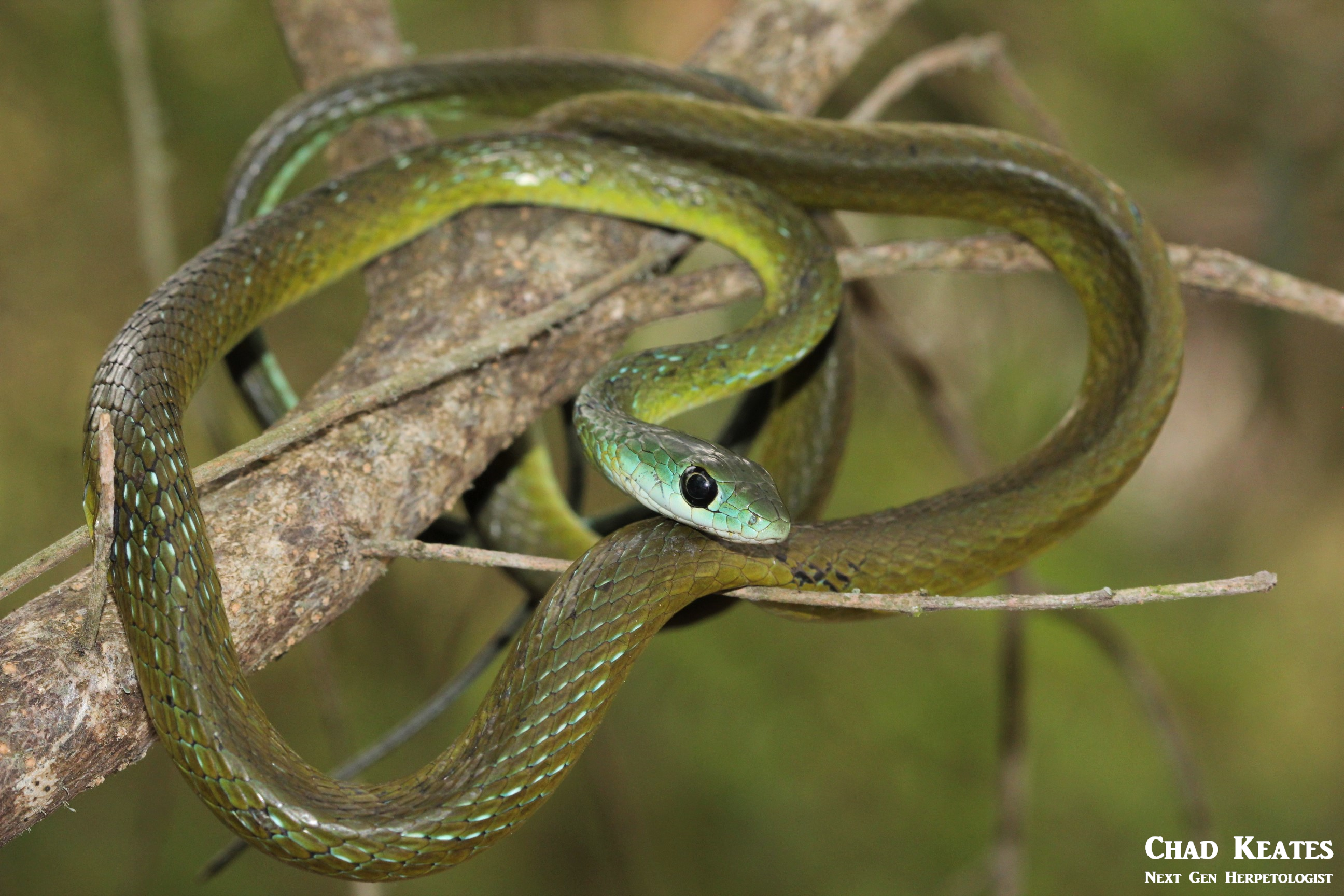
Some of the photos that made it into the article:

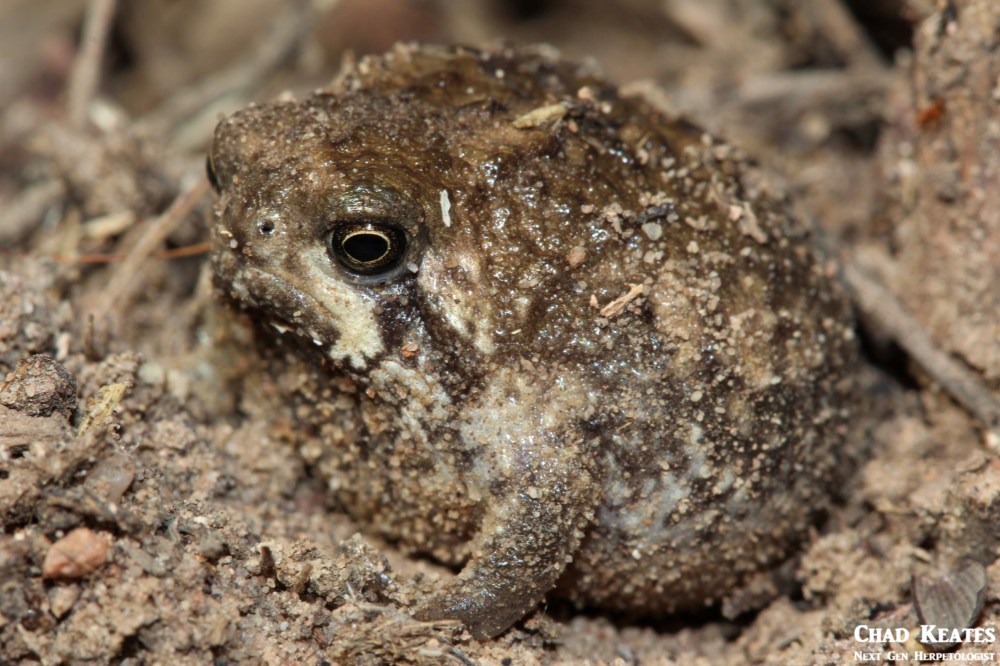
Grahamstown, and its surrounds, plays host to high level of animal diversity. The complexity of the habitat coupled with favourable climatic and environmental conditions has resulted in ideal conditions for many species of frog. In and round Grahamstown, there are just over 15 species of frog. This list contains all the frog species that I have found here. Some are not on the list because I do not have decent photos of them yet. Thanks to all those who have helped me find the great variety of frogs below. This list will be updated as I get better photos.
Bushveld Rain Frog (Breviceps adspersus pentheri)
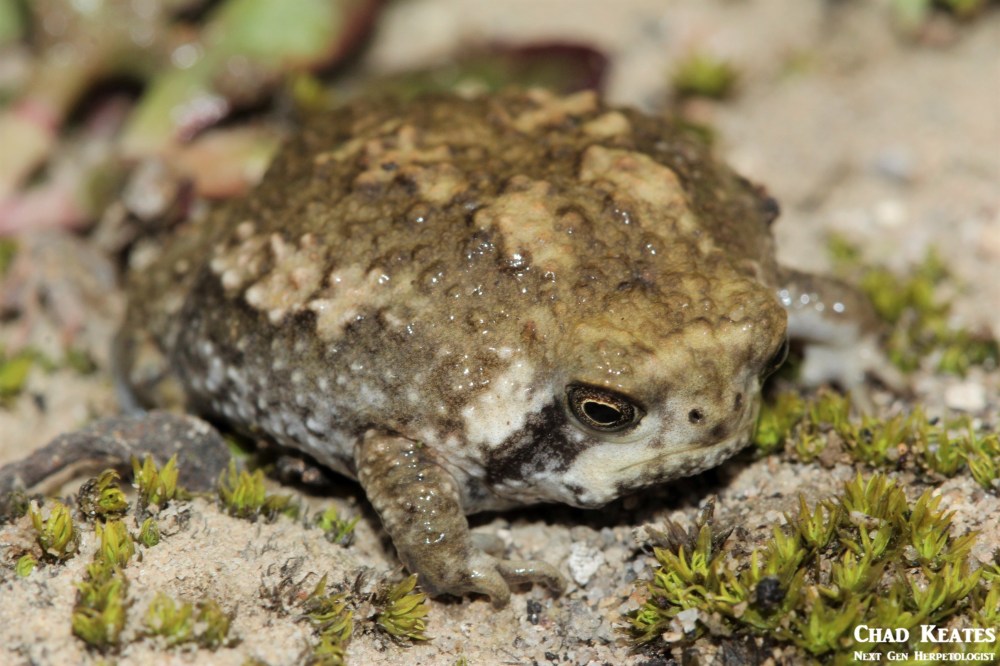
Eastern Leopard Toad (Sclerophrys pardalis)
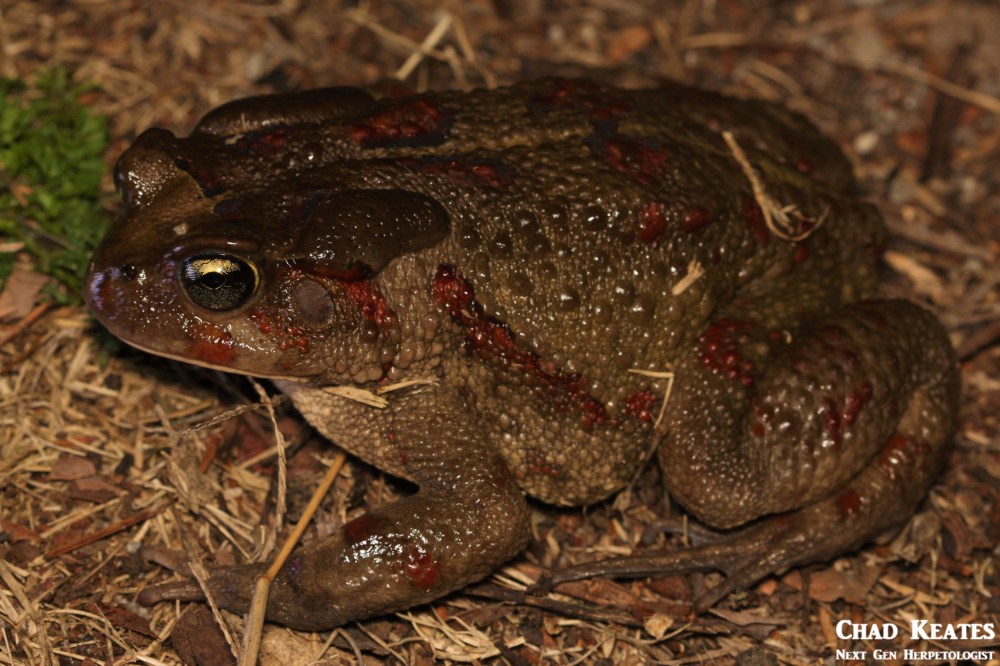
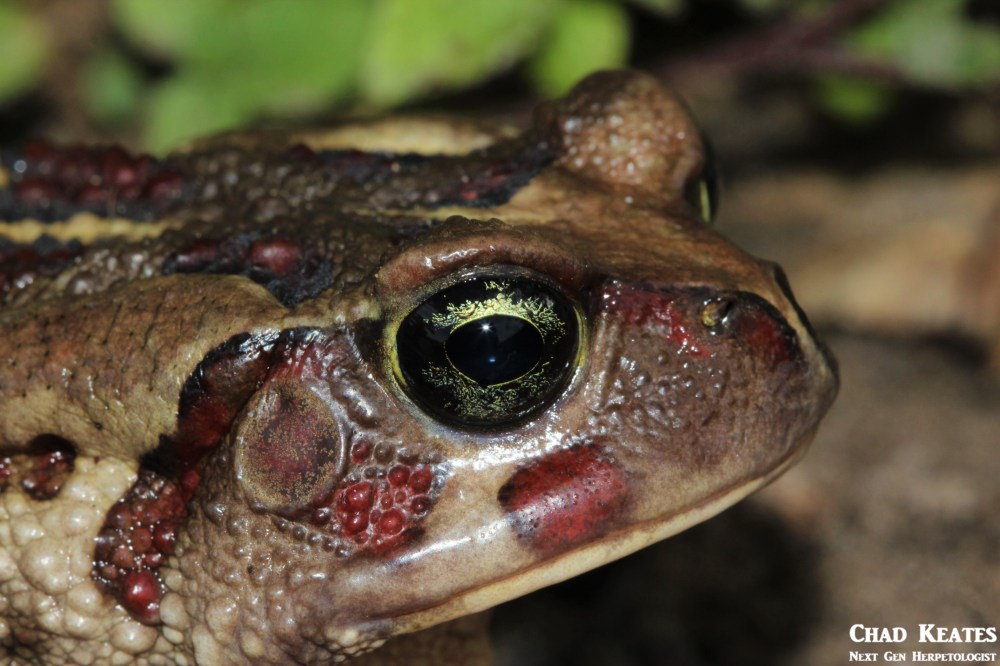
Raucous Toad (Scleophrys capensis)
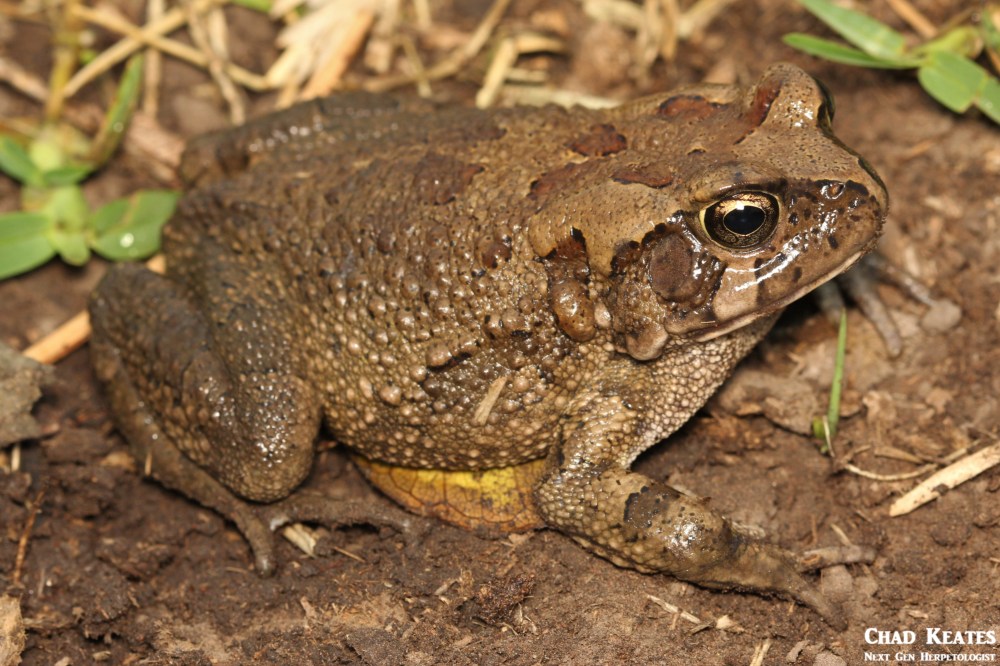
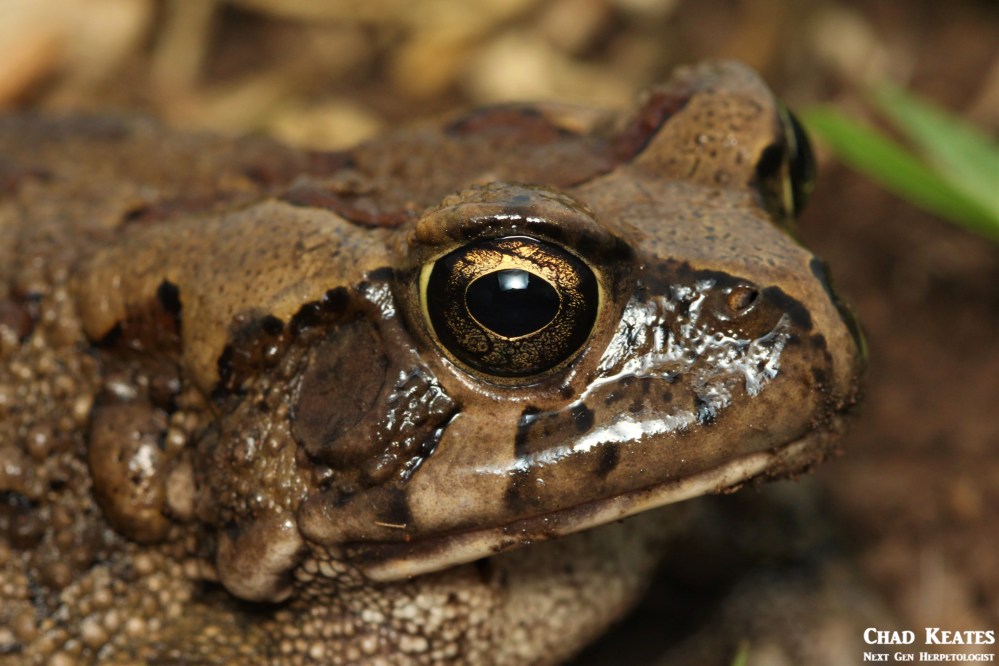
Karoo Toad (Vandiykophrynus gariepensis)
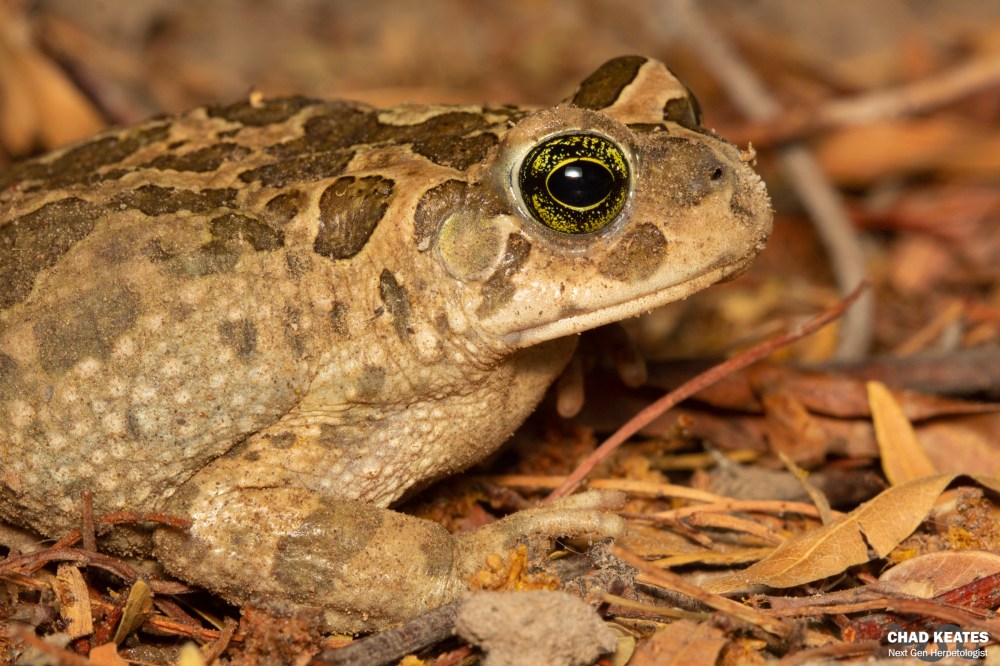
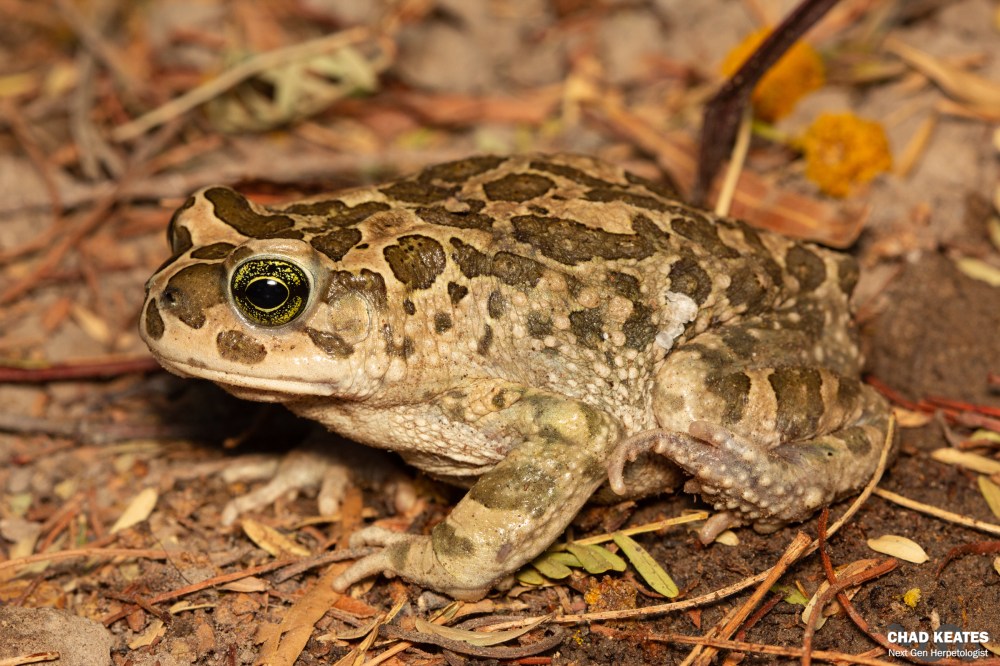
Painted Reed Frog (Hyperolius marmoratus verrucosus)
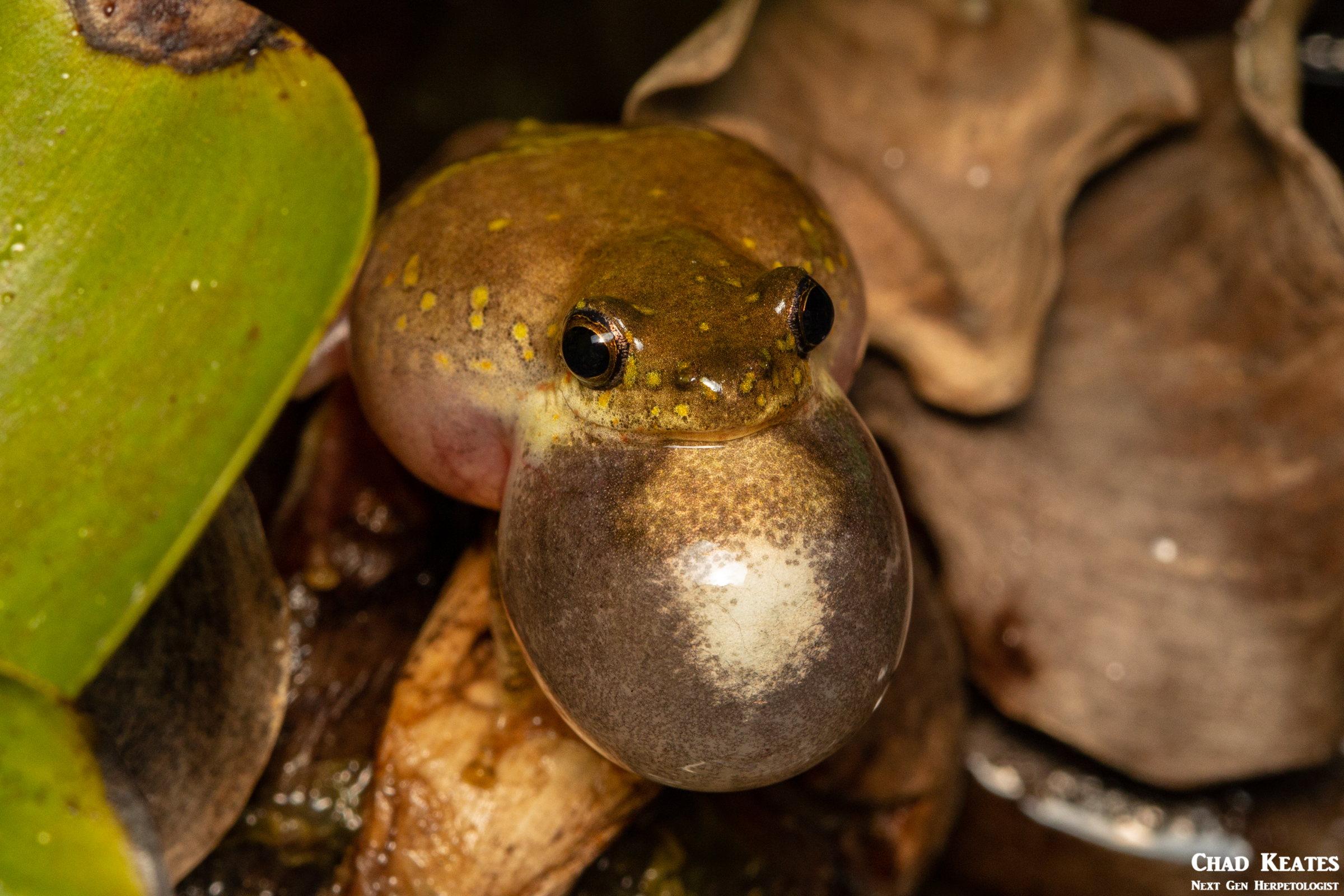
Bubbling Kassina (Kassina senegalensis)
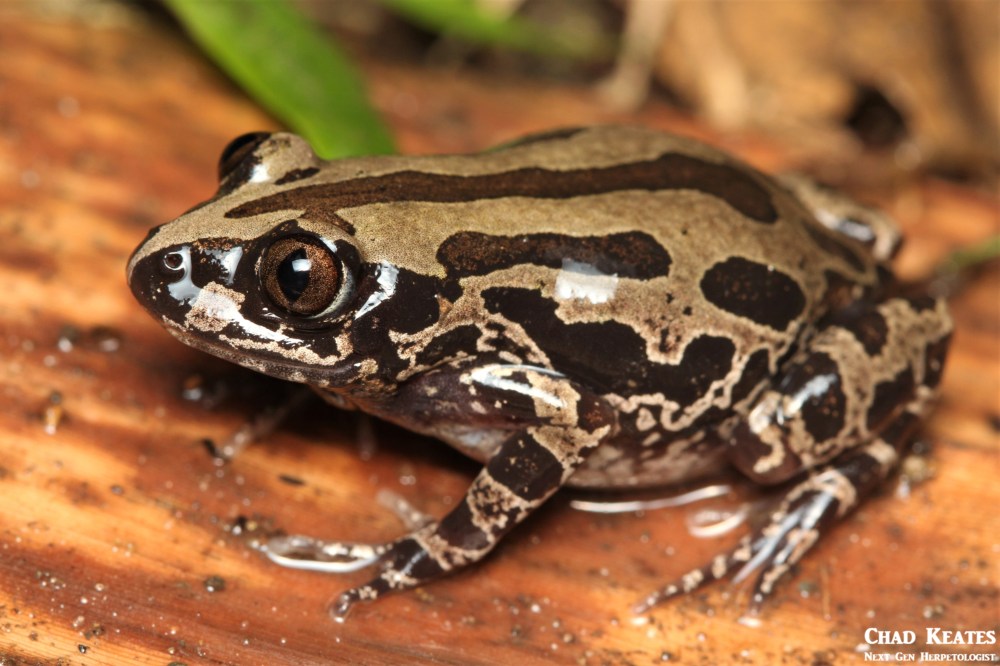
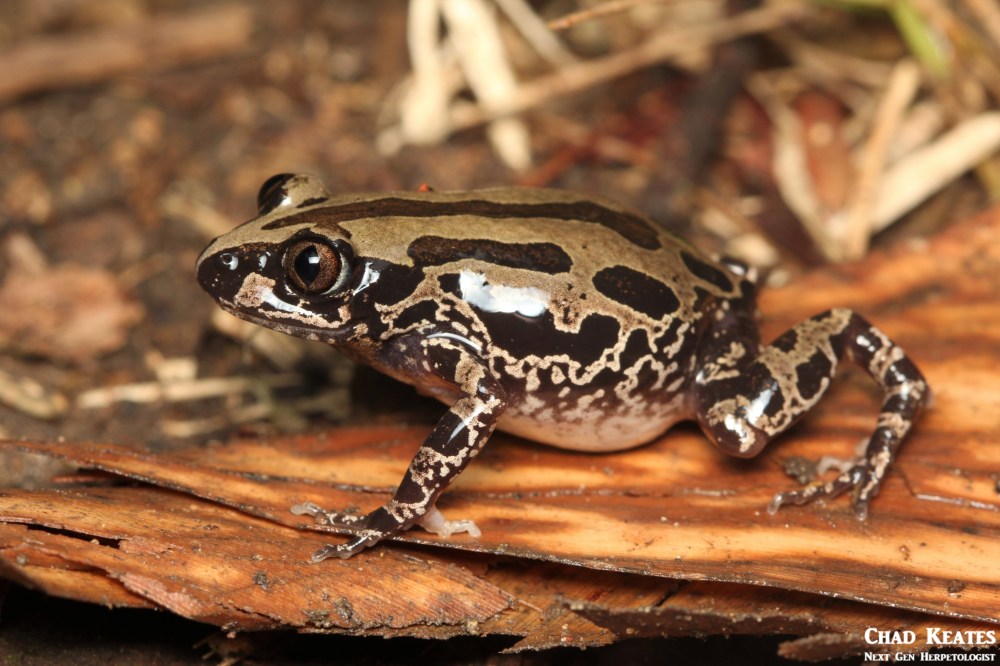
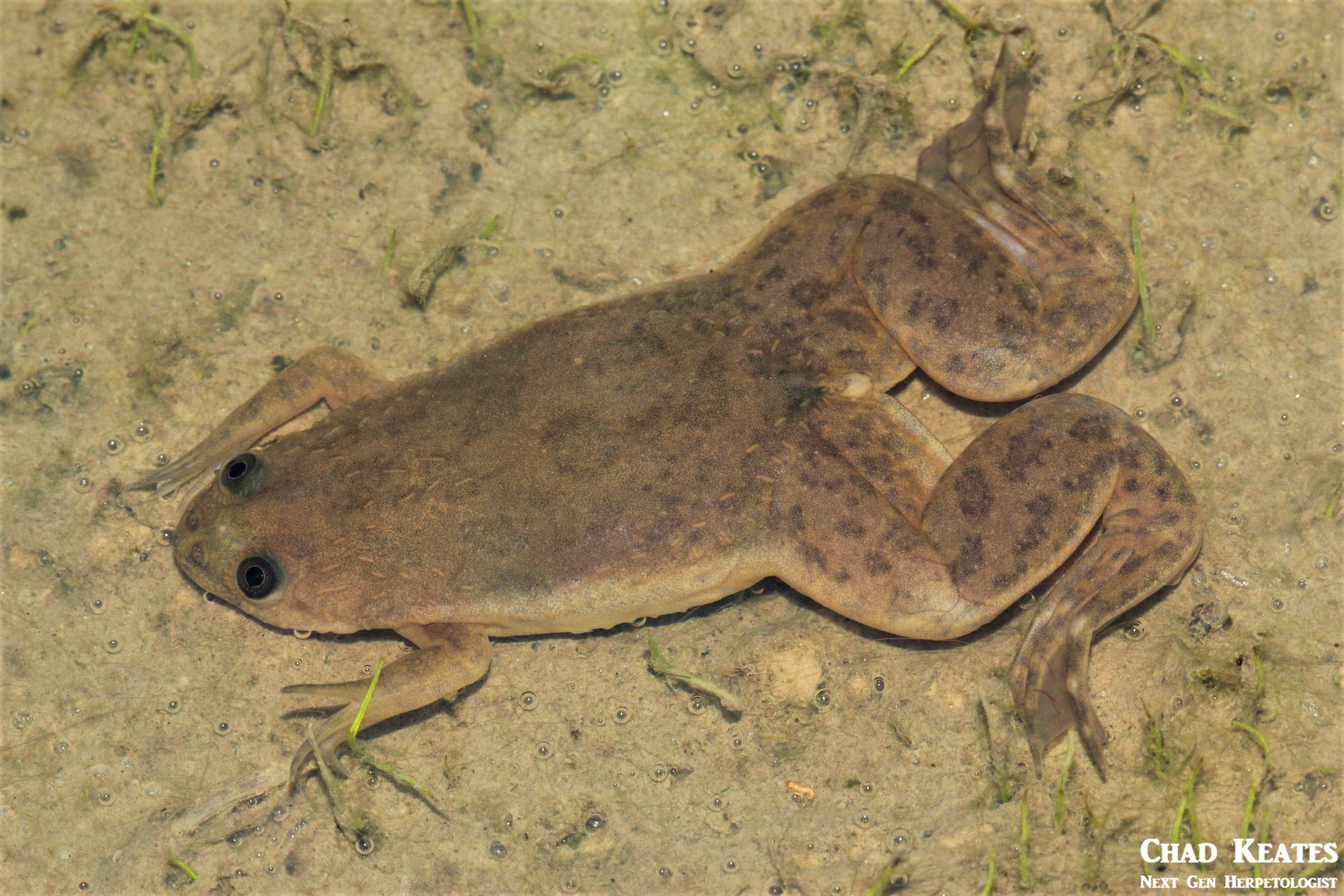
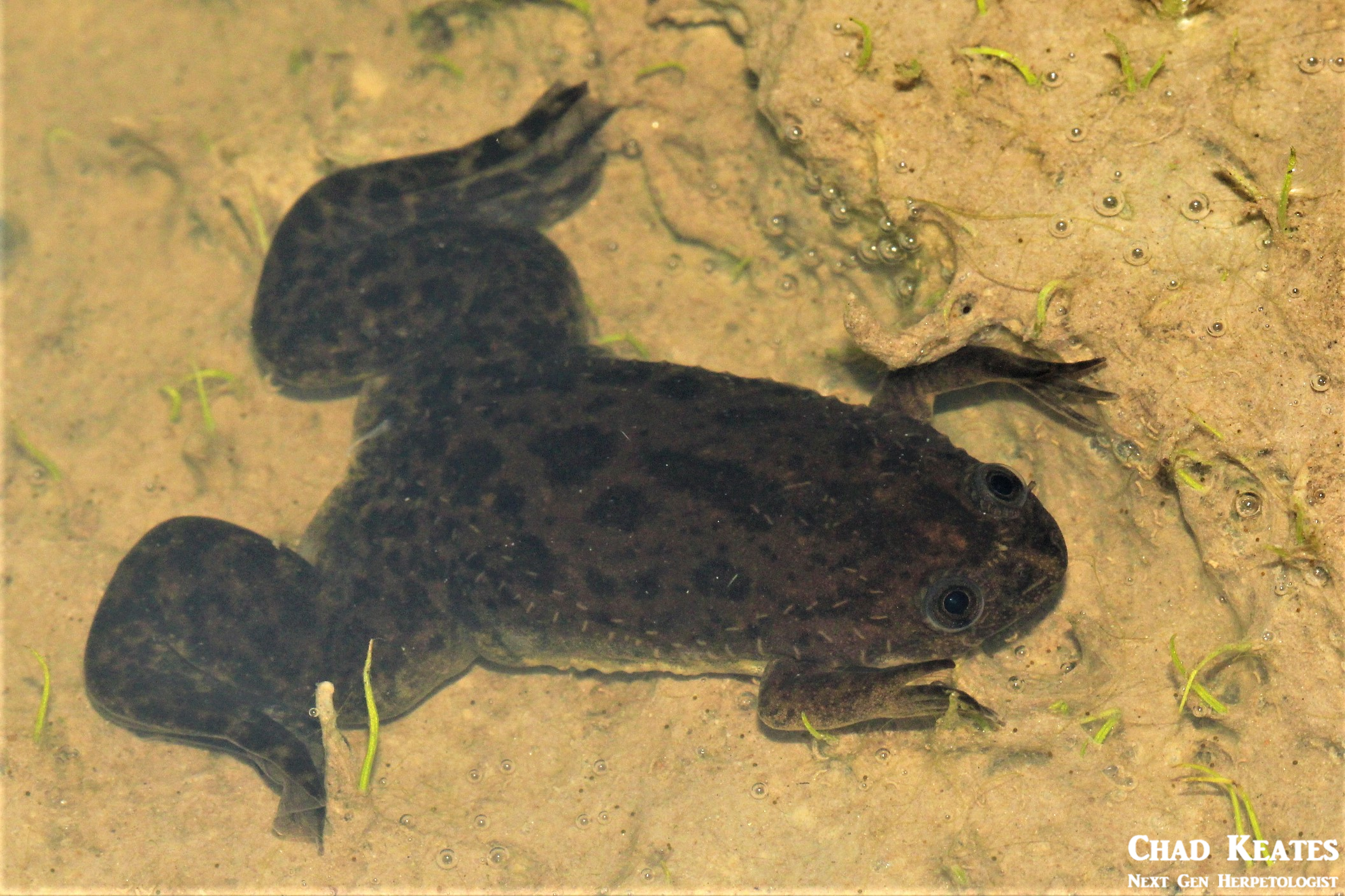
Common Platanna (Xenopus laevis)
Boettger’s Caco (Cacosternum boettgeri)
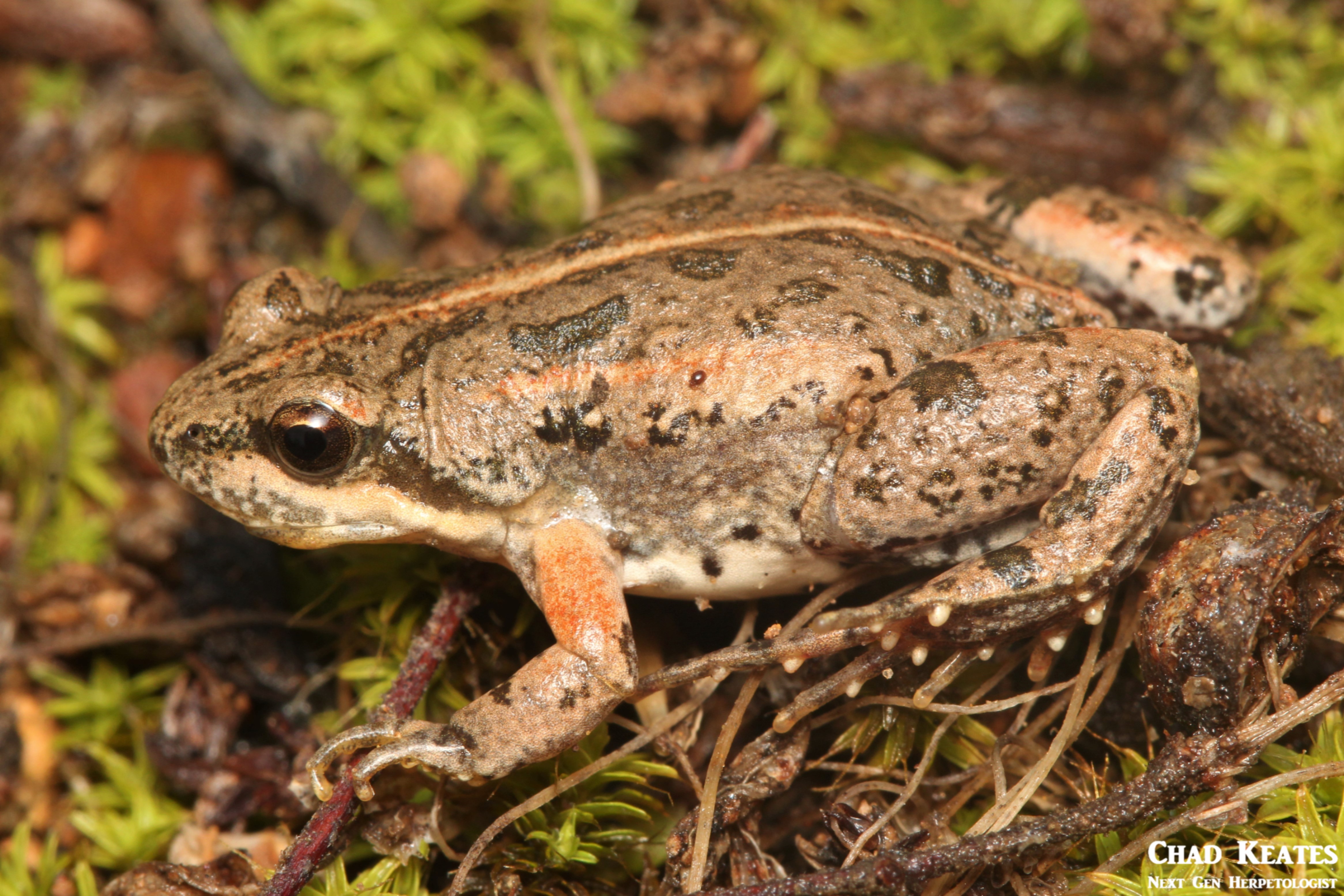
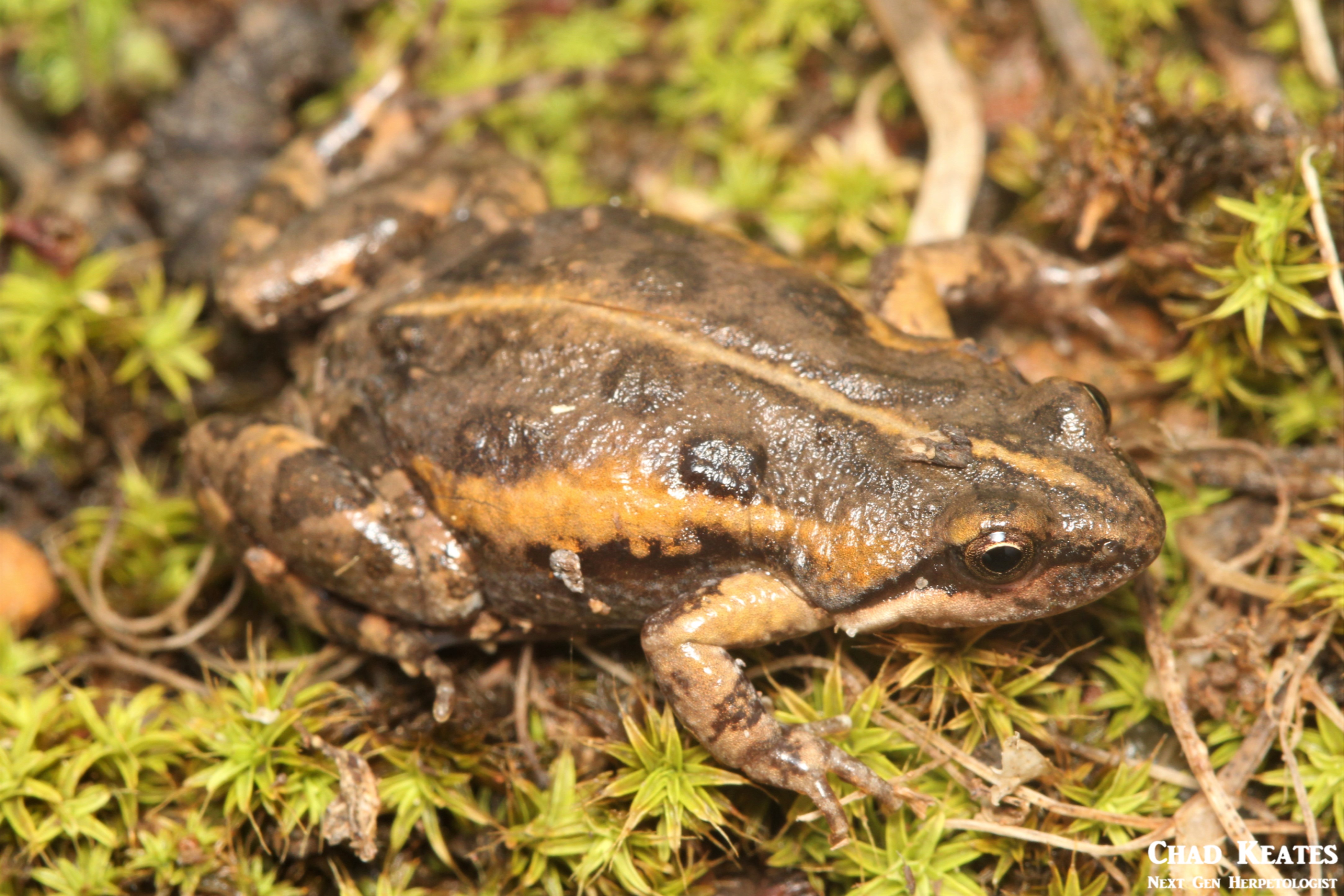
Bronze Caco (Cacosternum nanum)
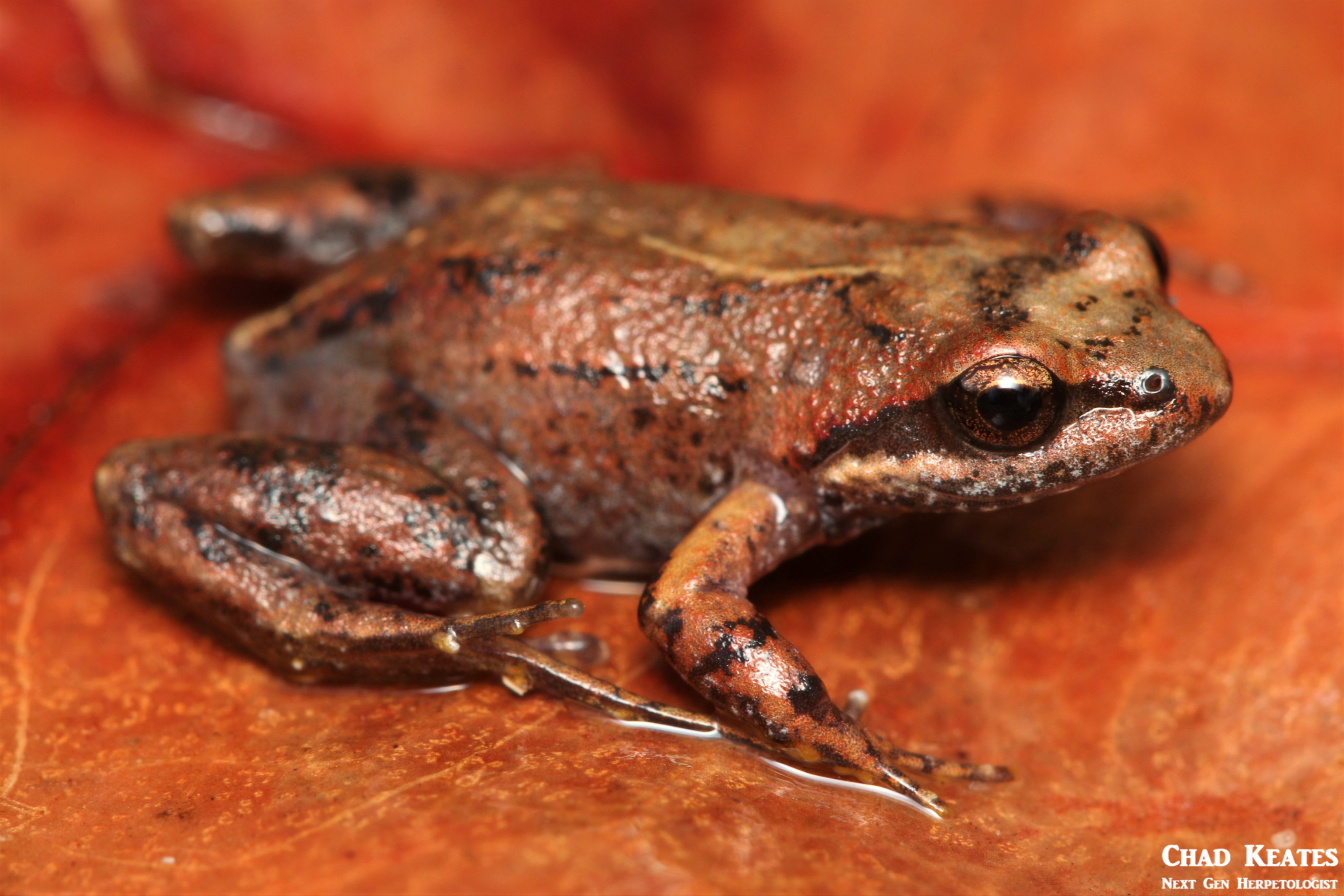
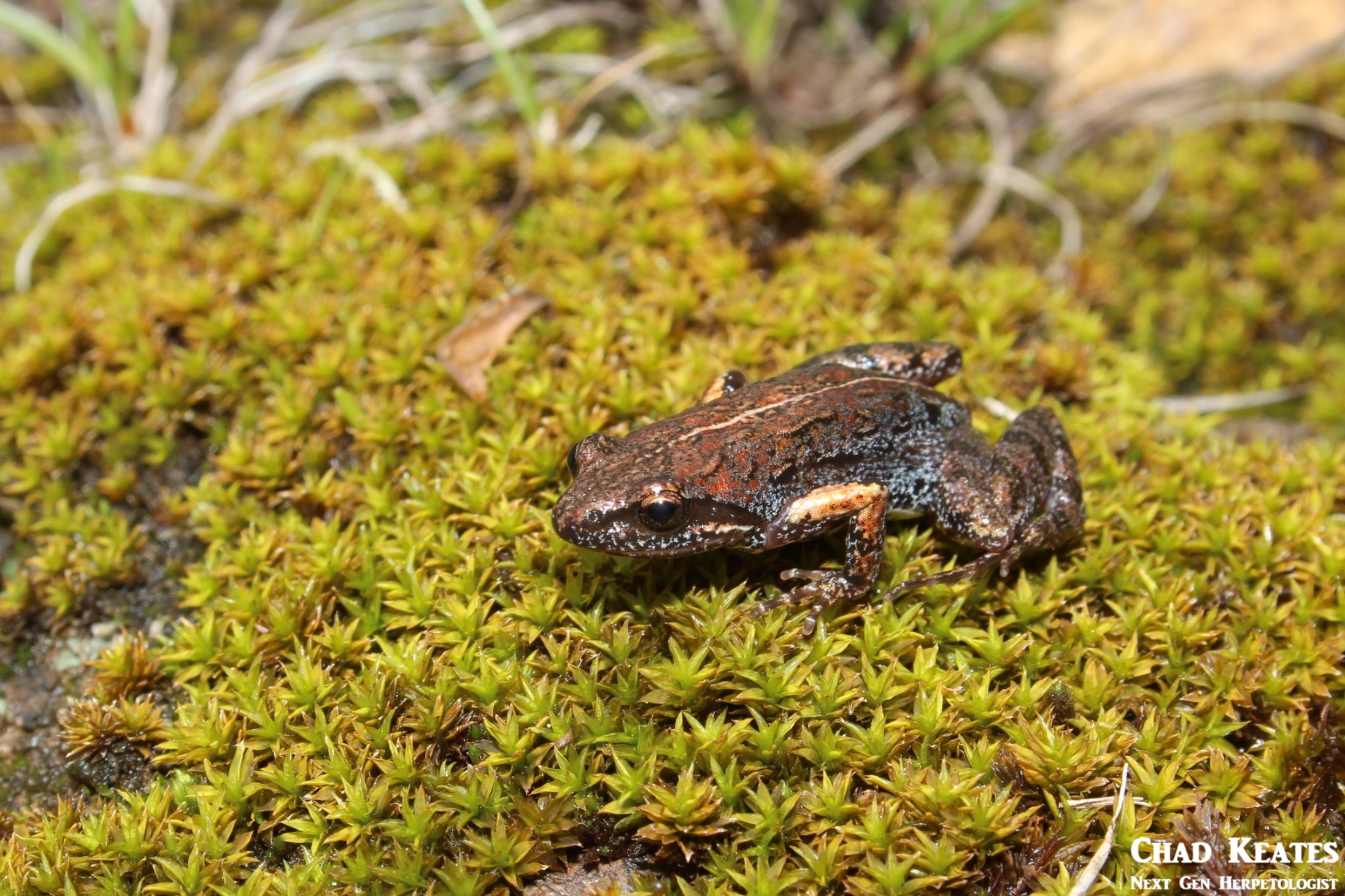
Clicking Stream Frog (Strongylopus grayii)
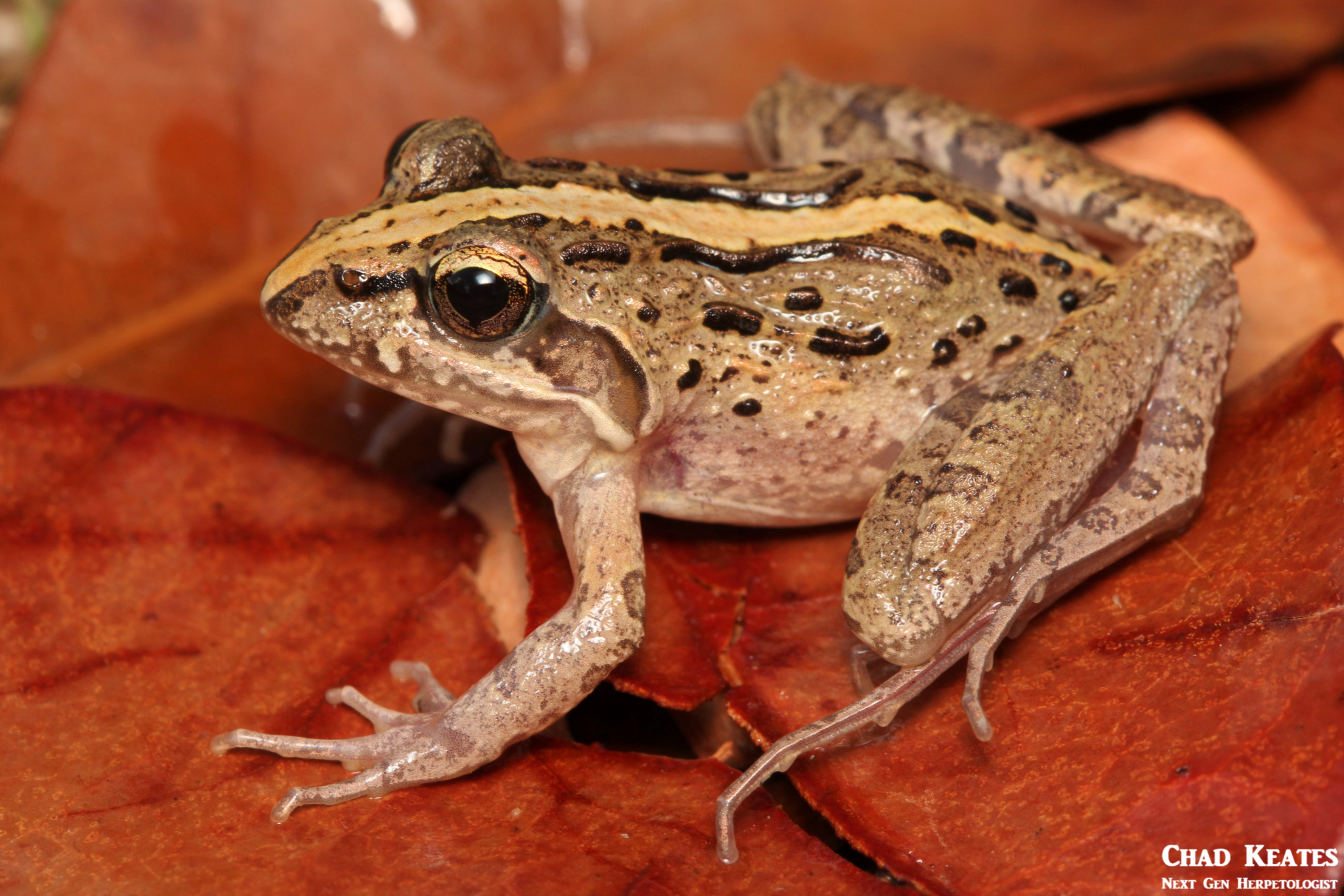
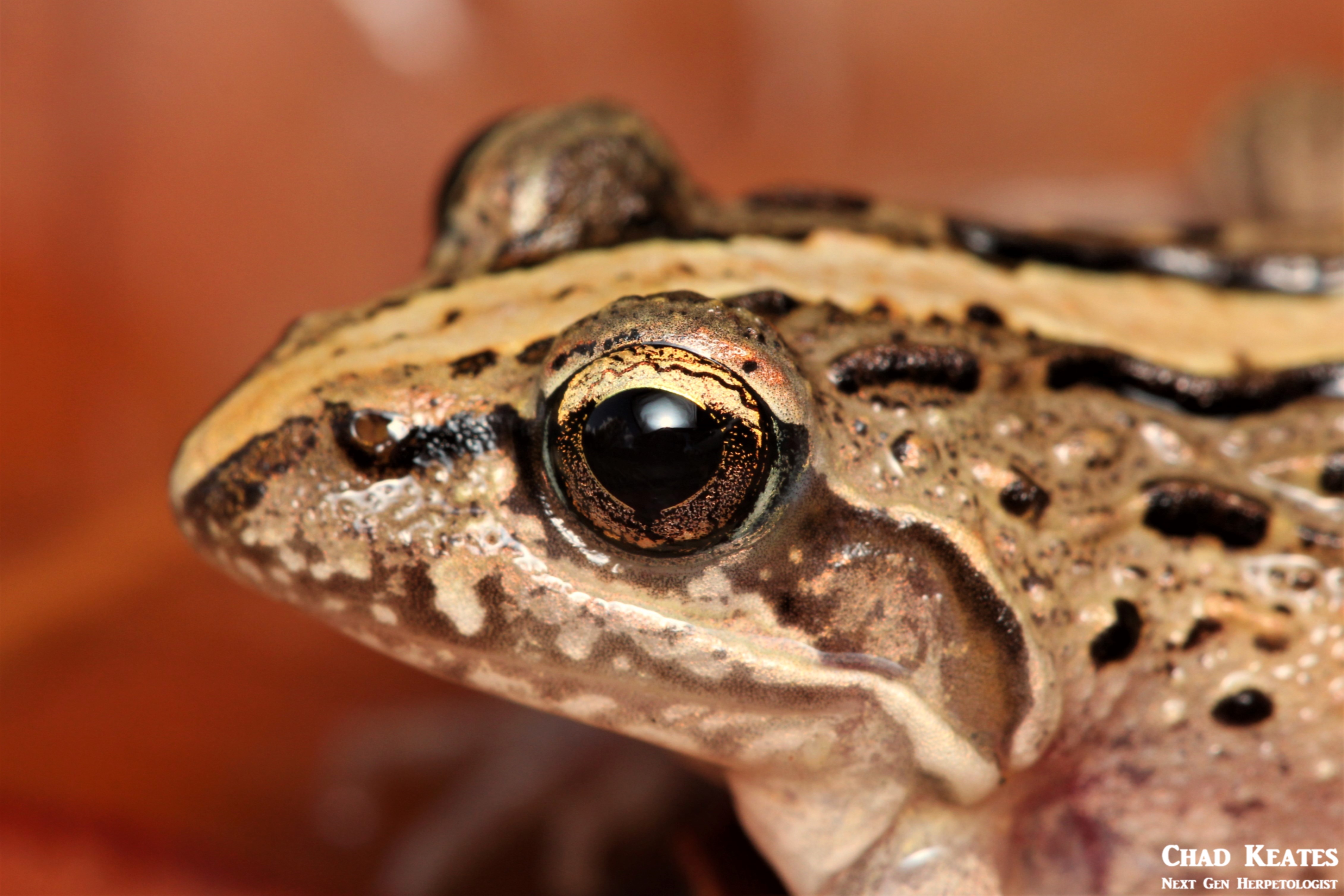
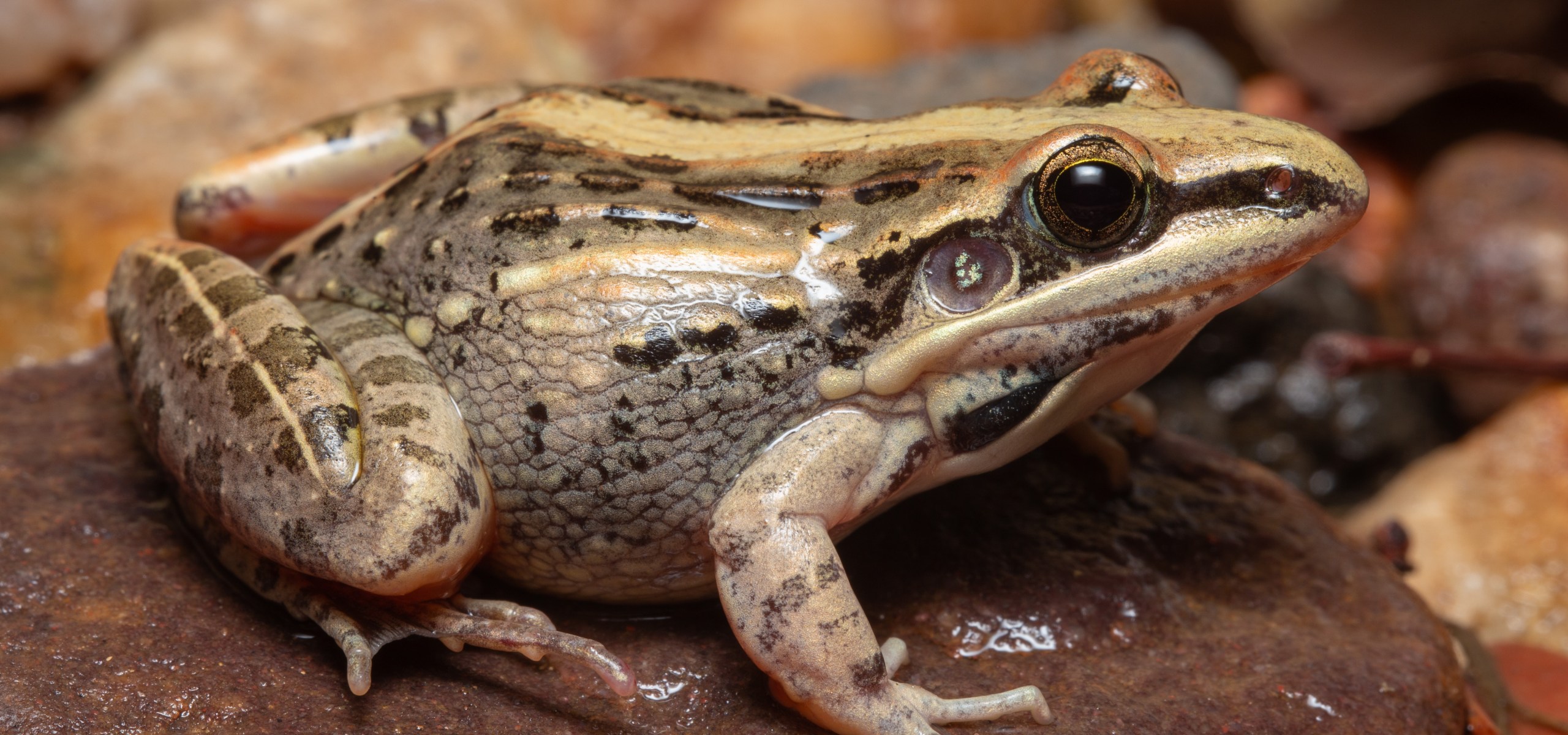
Striped Stream Frog (Strongylopus fasciatus)
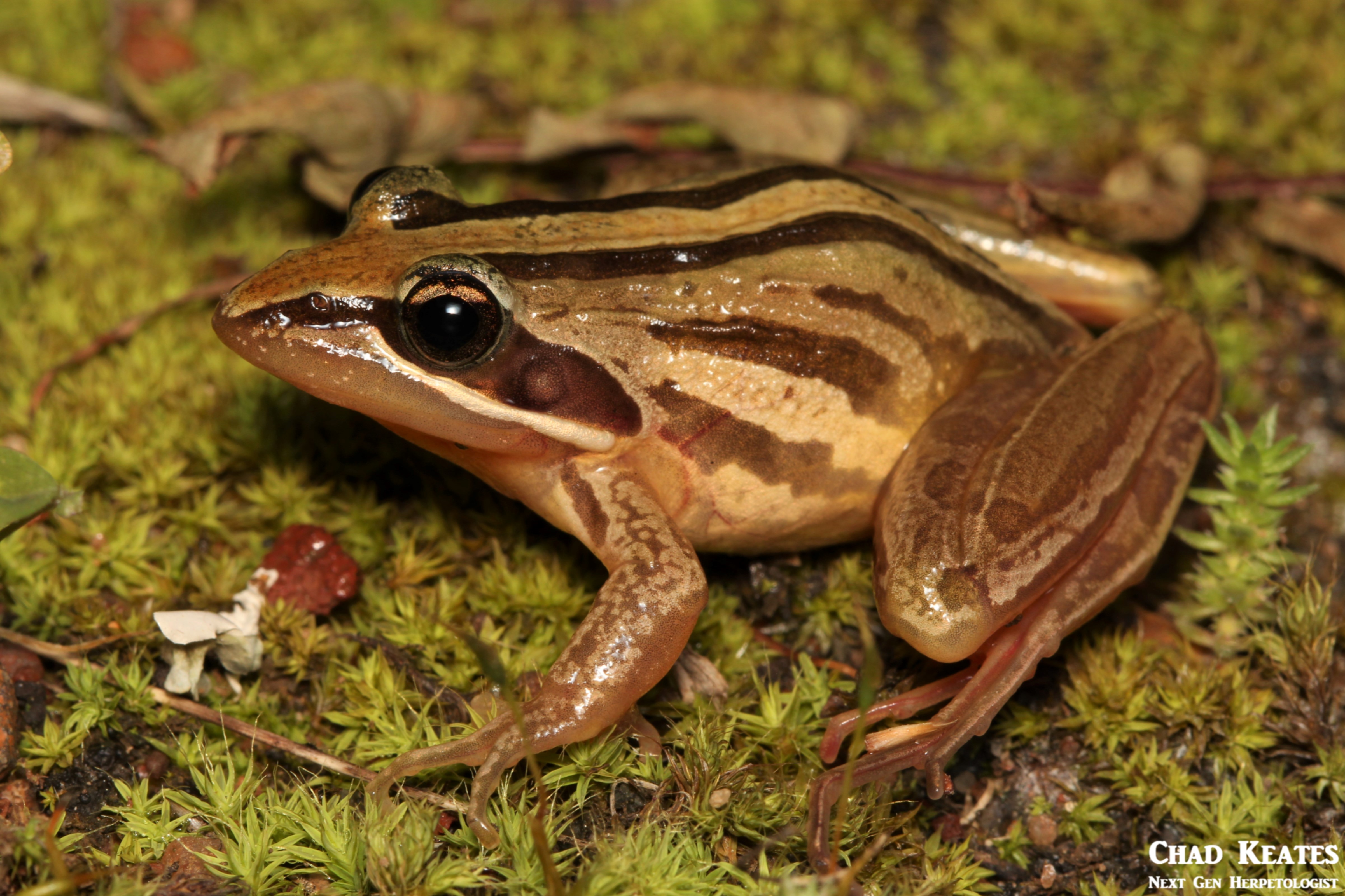
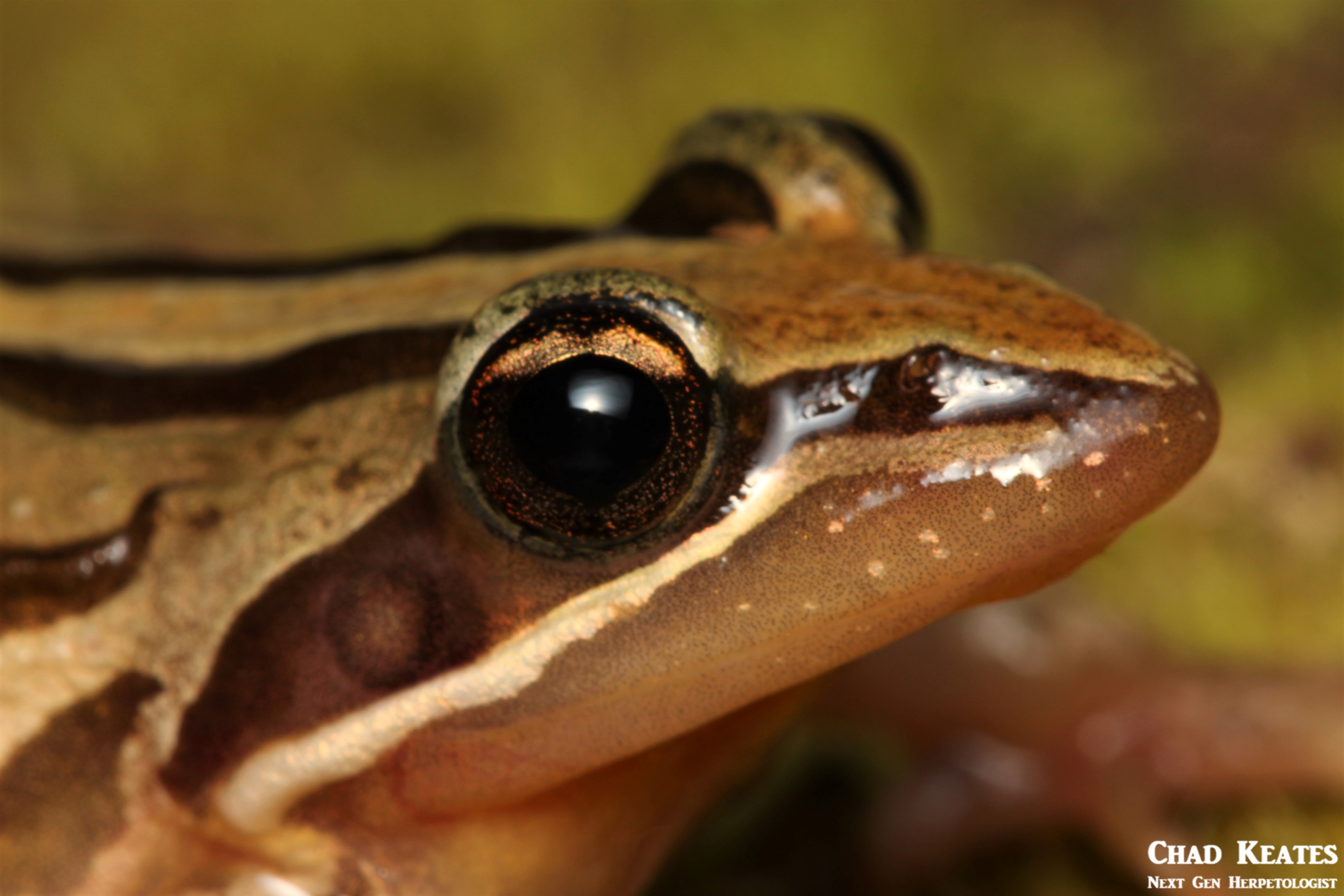
Delalande’s River frog (Amietia delalandii)
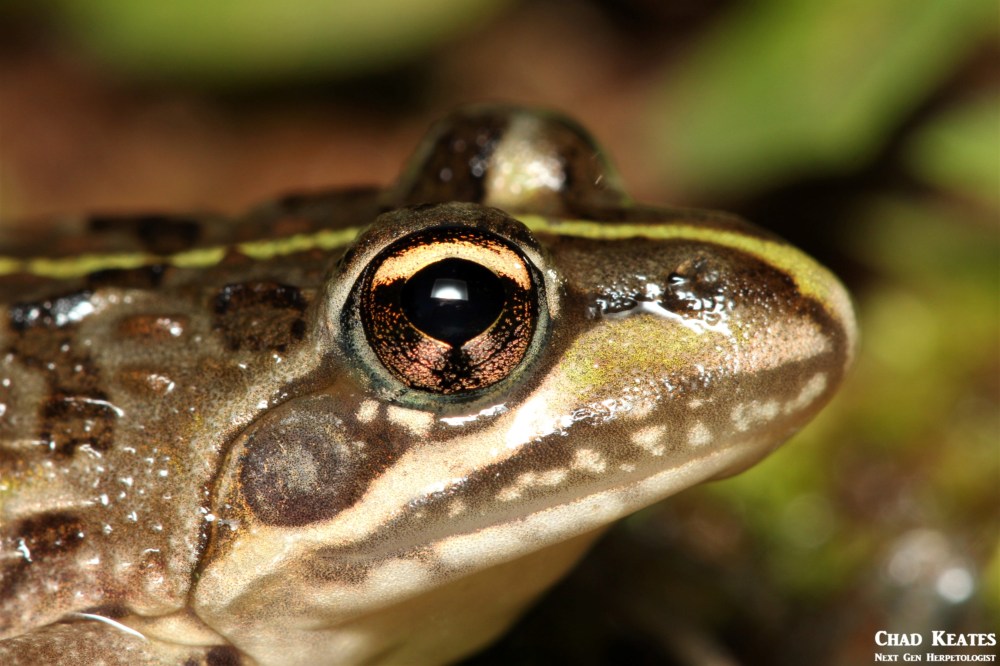
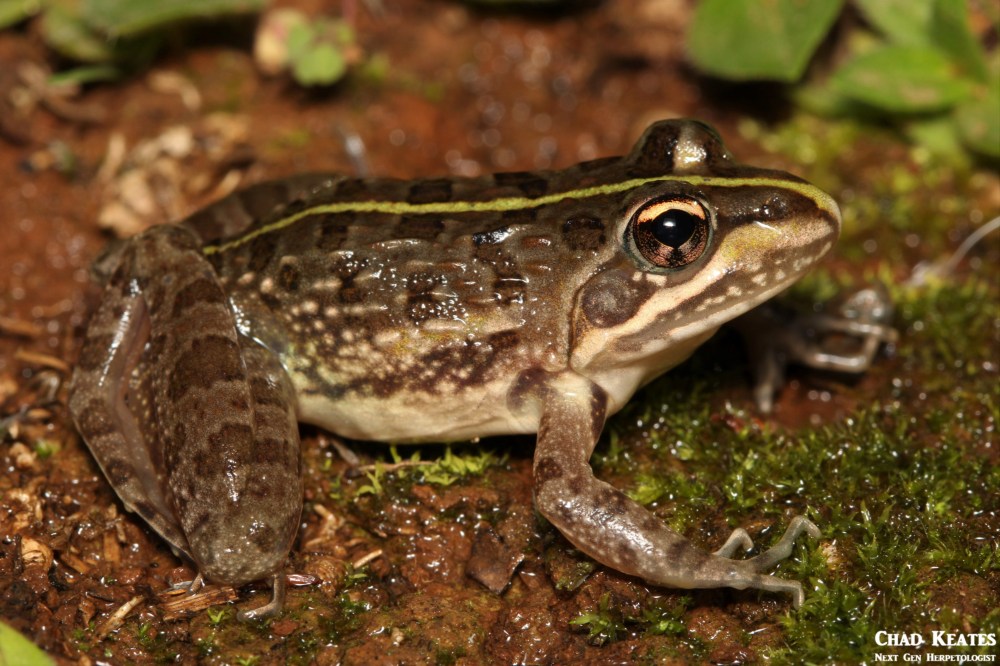
Tandy’s Sand Frog (Tomopterna tandyi)







 Chad Keates