 Chad Keates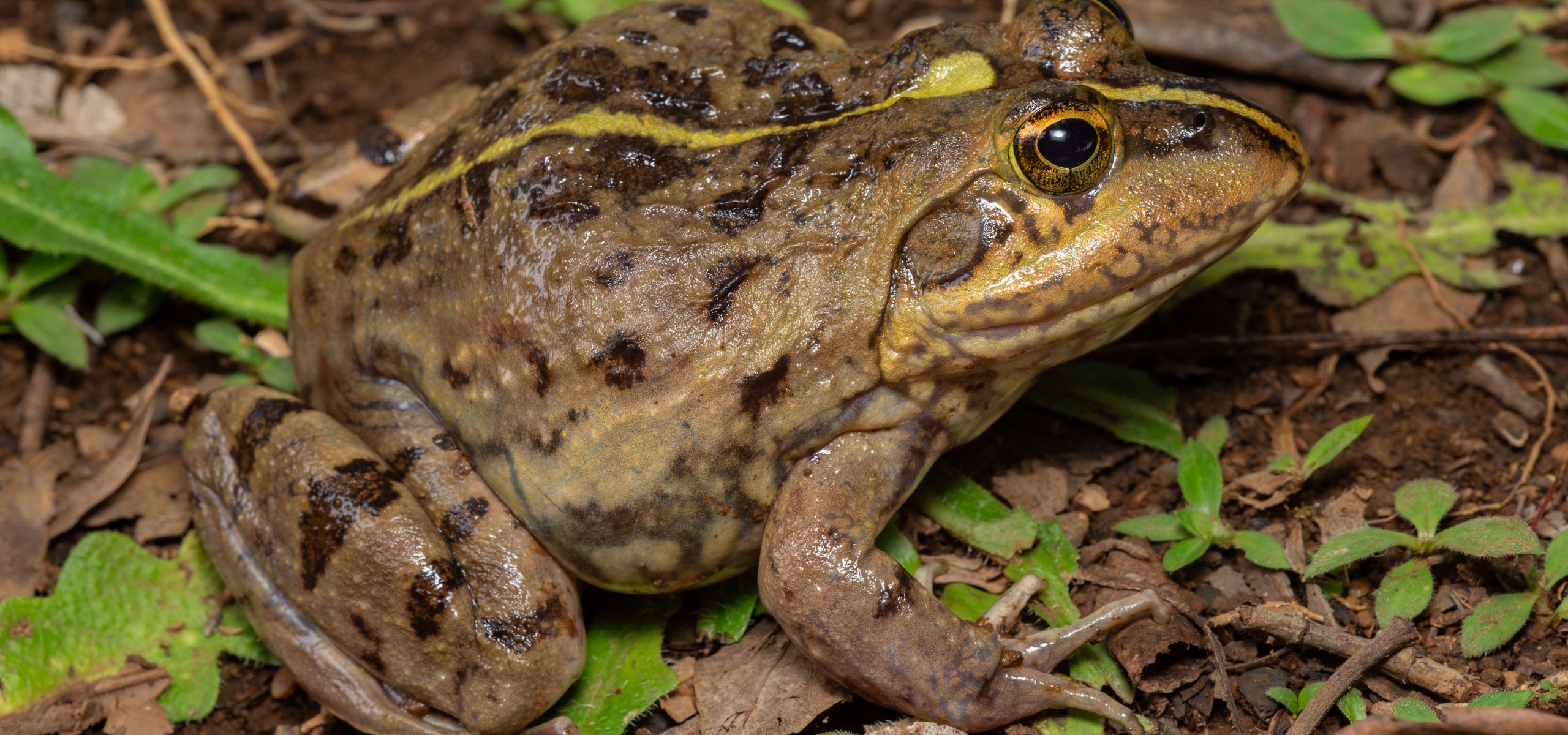
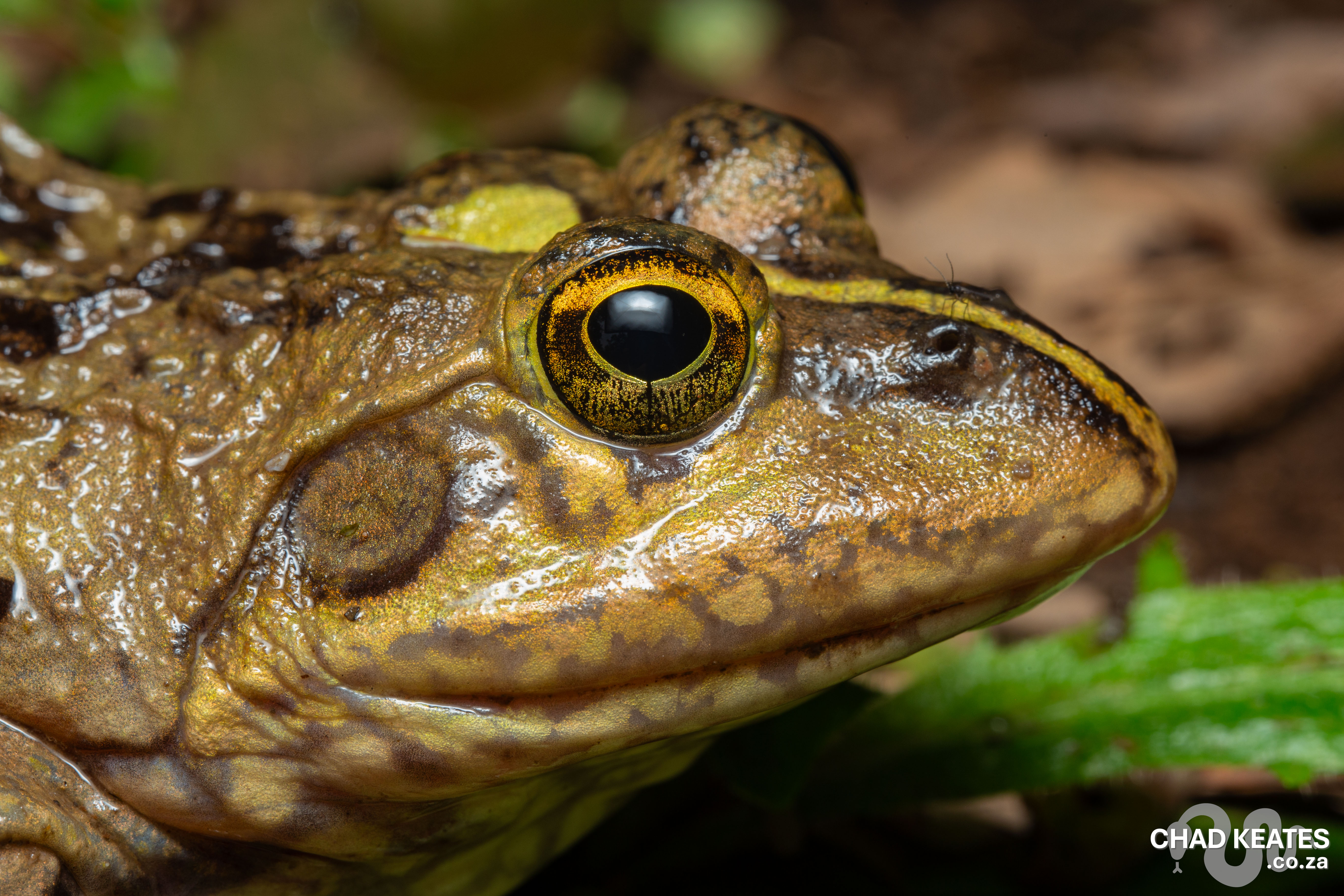
from Midlands, KwaZulu Natal, South Africa
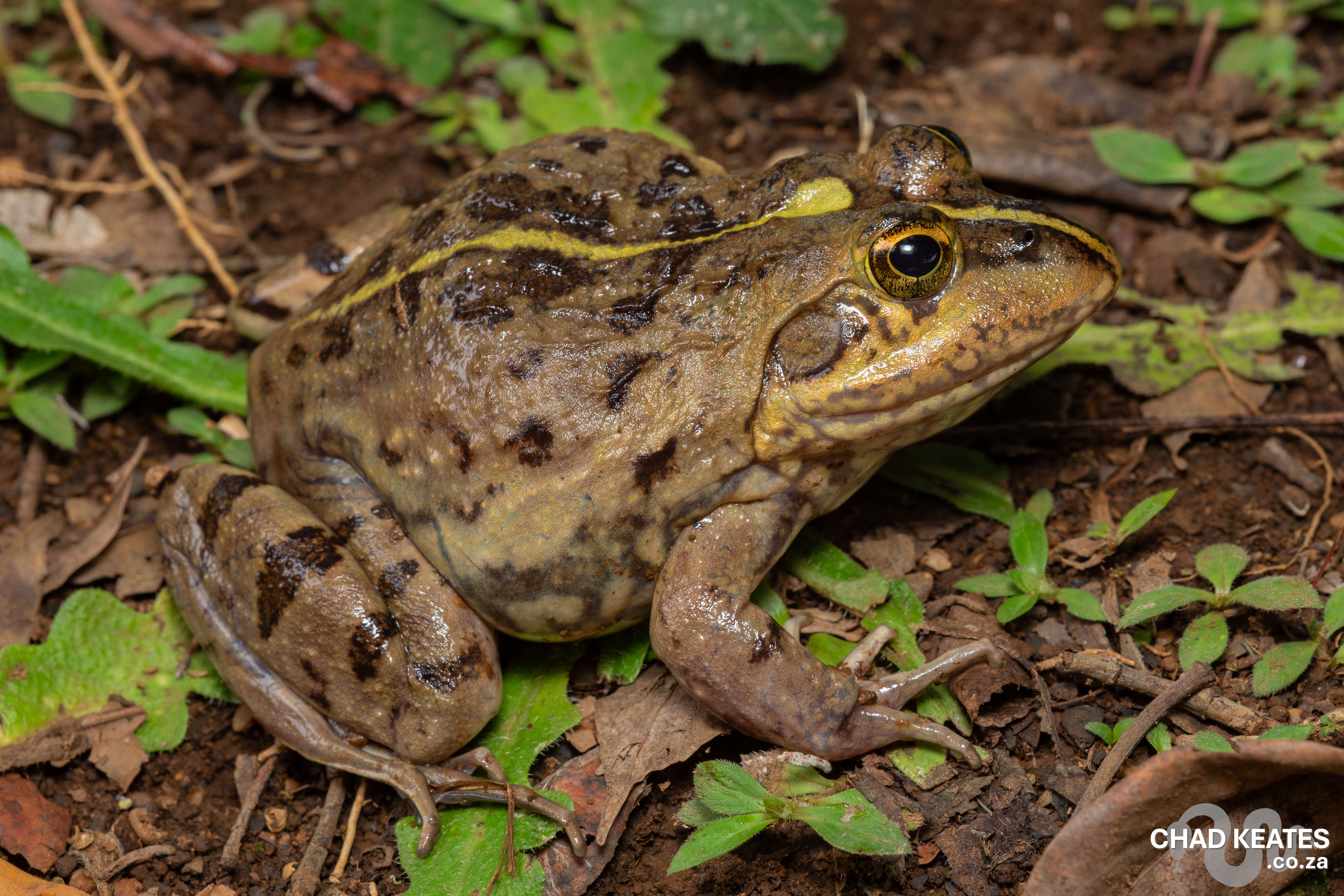
from Midlands, KwaZulu Natal, South Africa
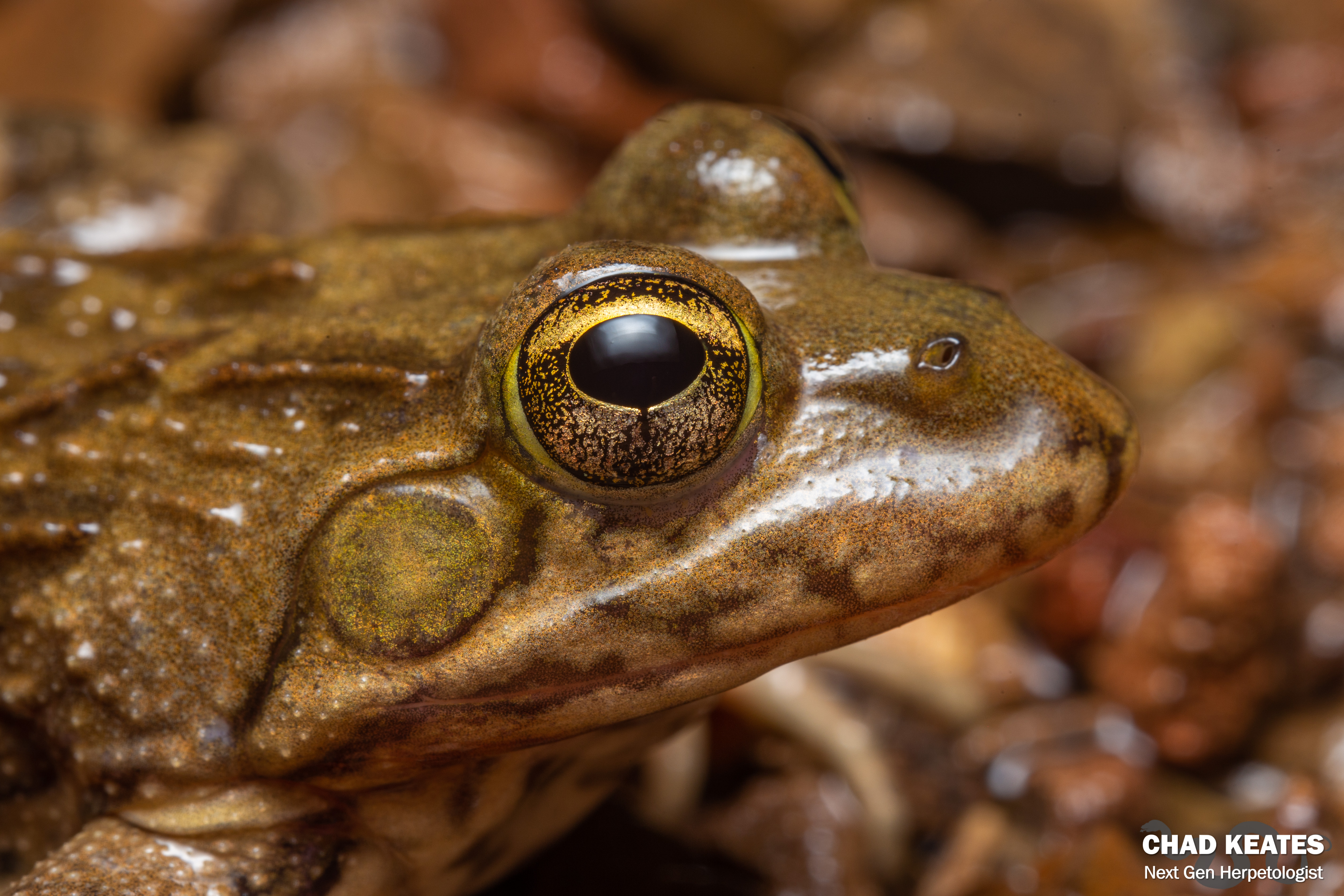
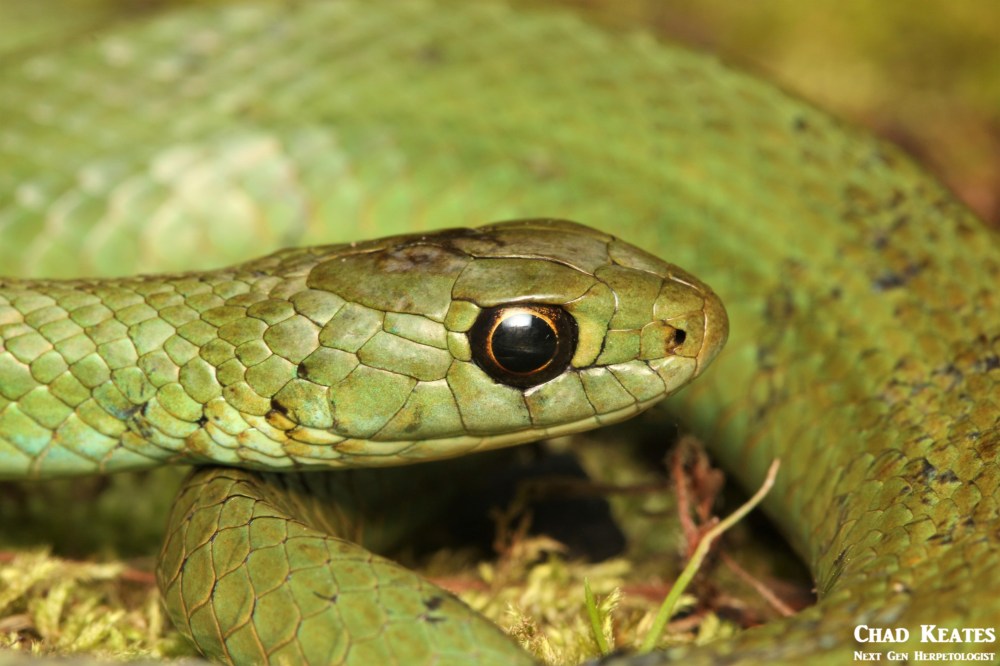
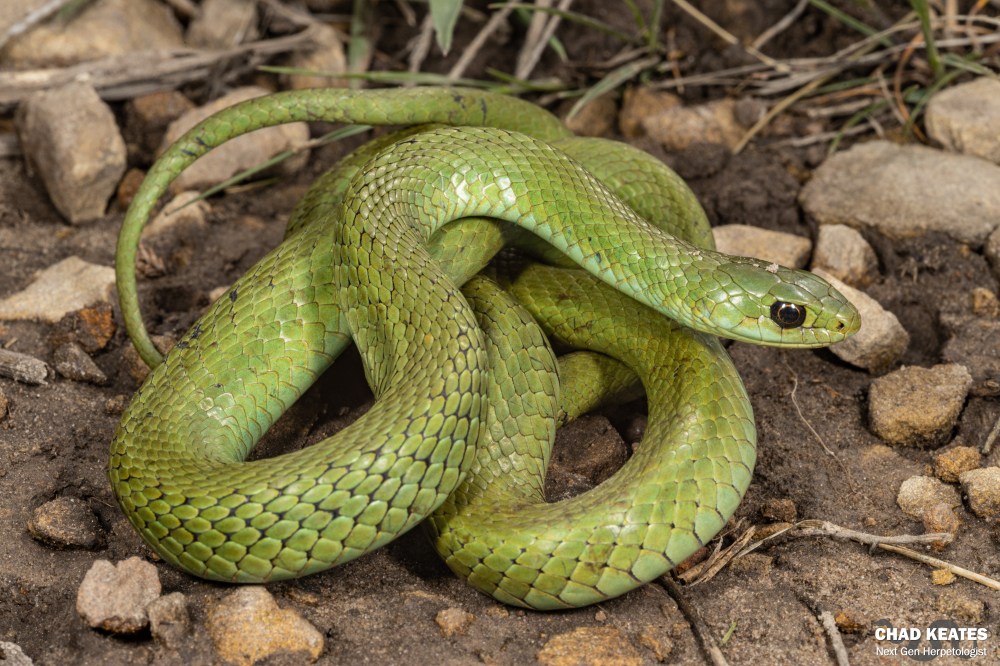
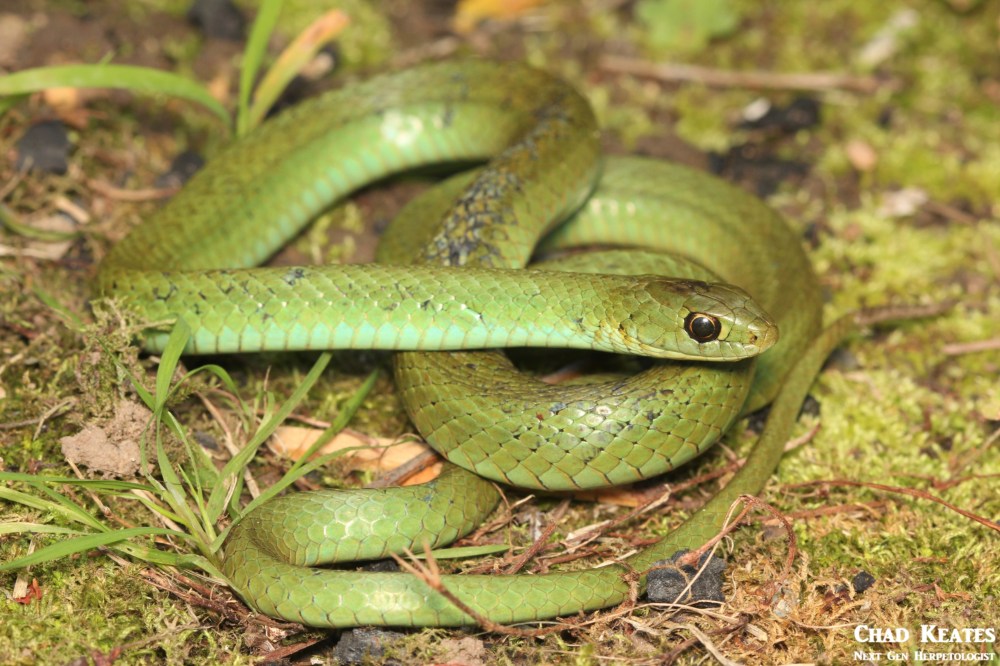
from Nieu Bethesda, Eastern Cape, South Africa
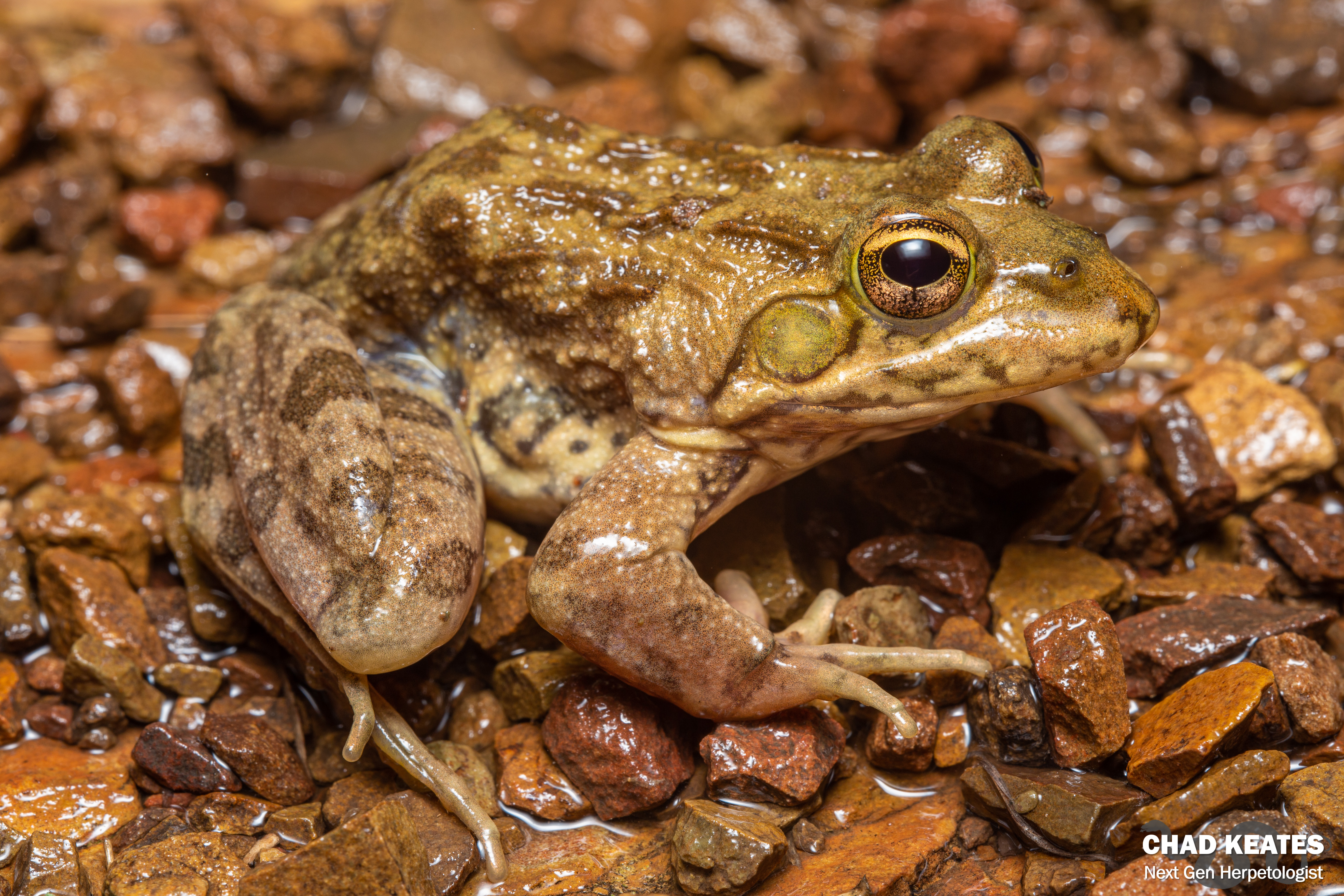
from Nieu Bethesda, Eastern Cape, South Africa
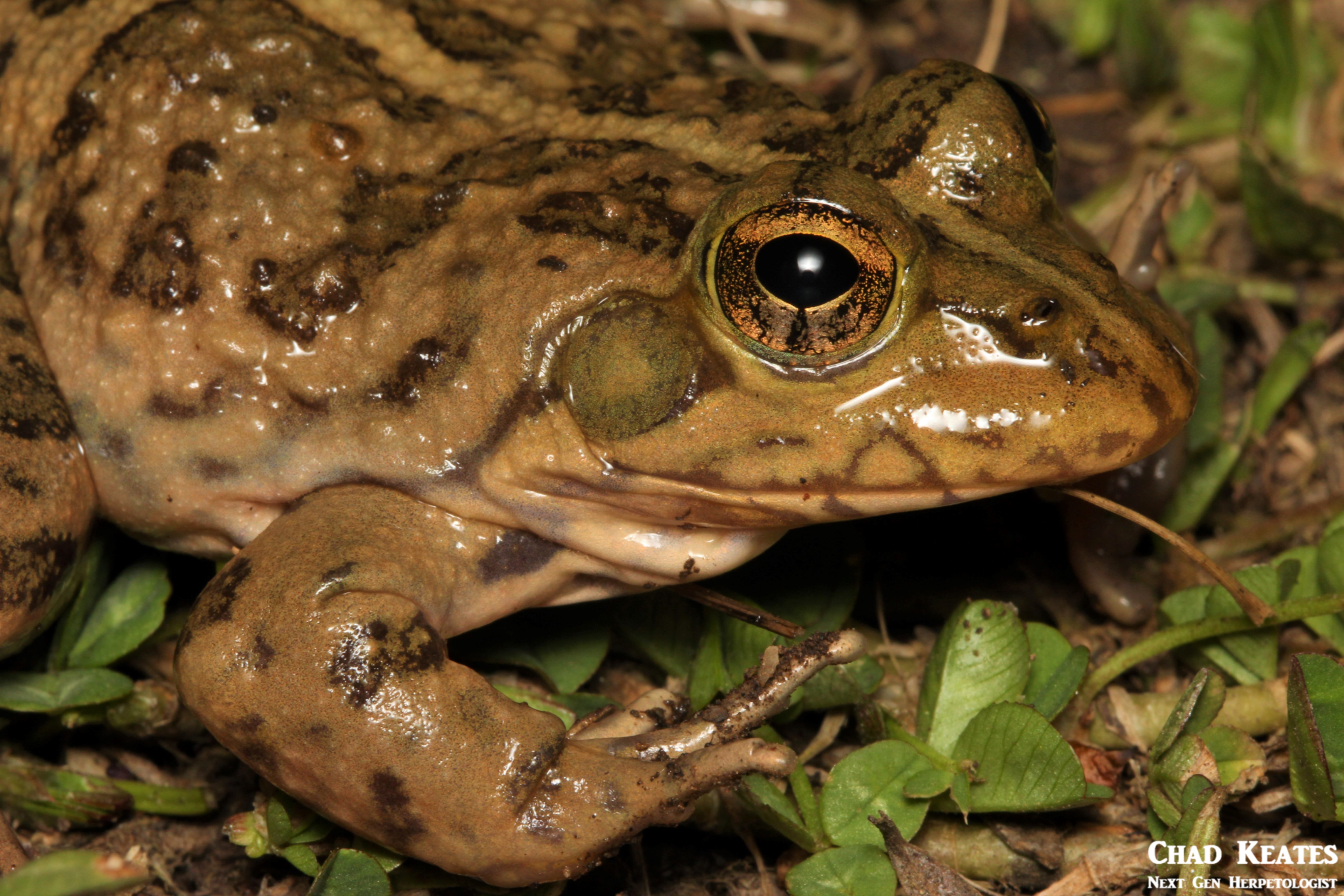
from Nieu Bethesda, Eastern Cape, South Africa
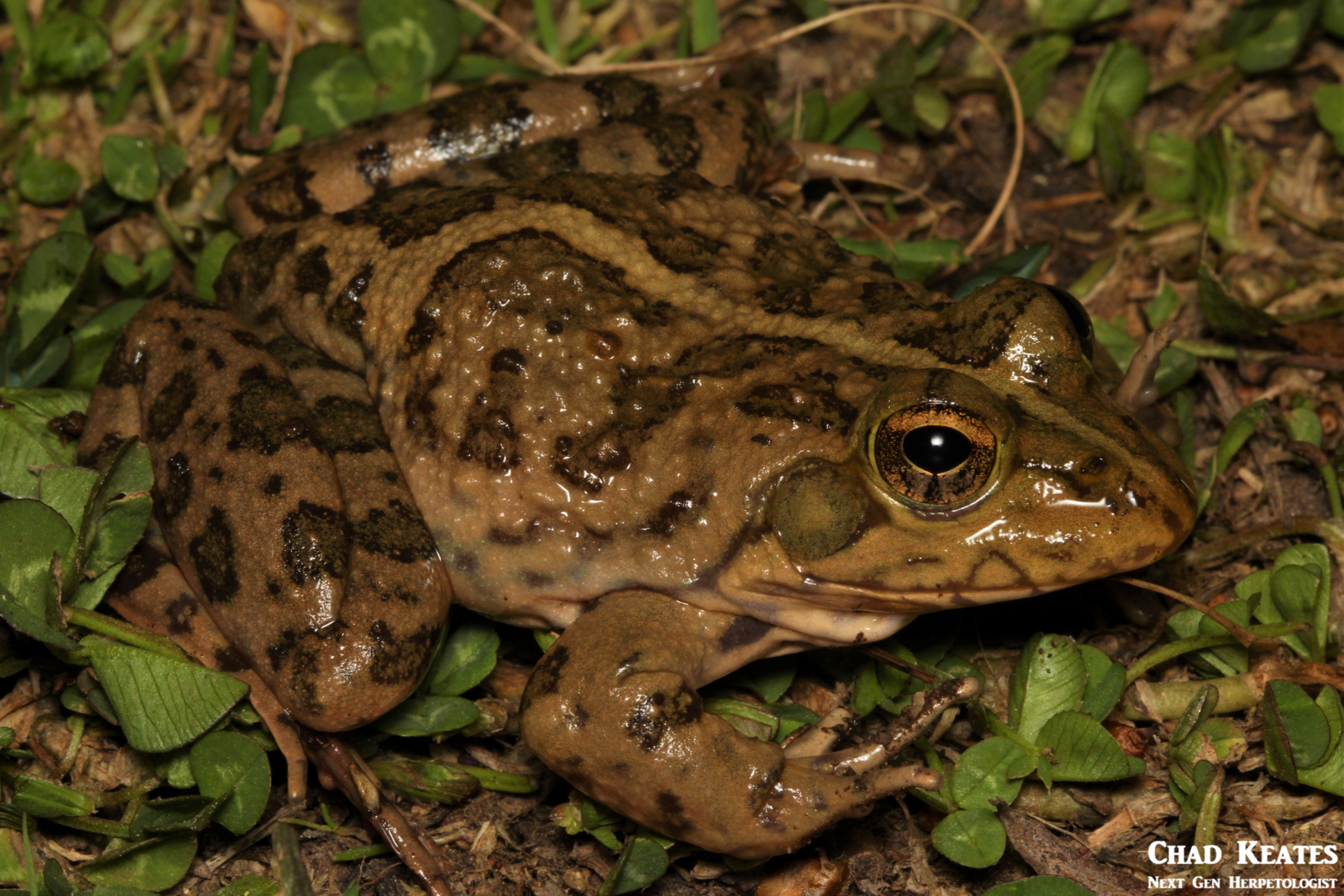
from Nieu Bethesda, Eastern Cape, South Africa

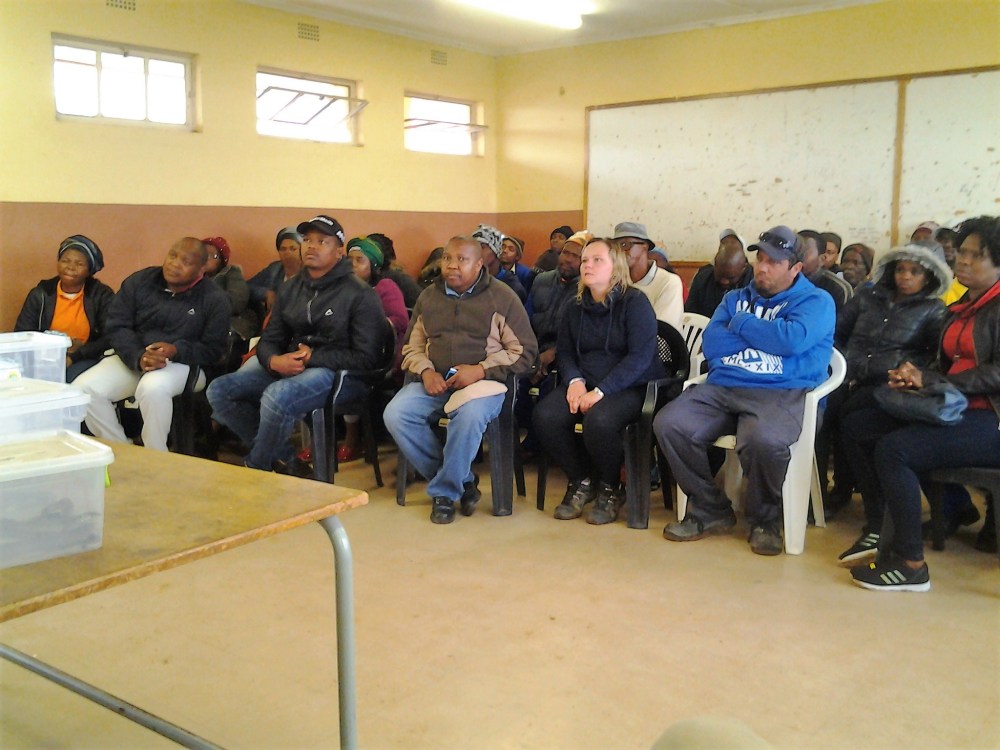
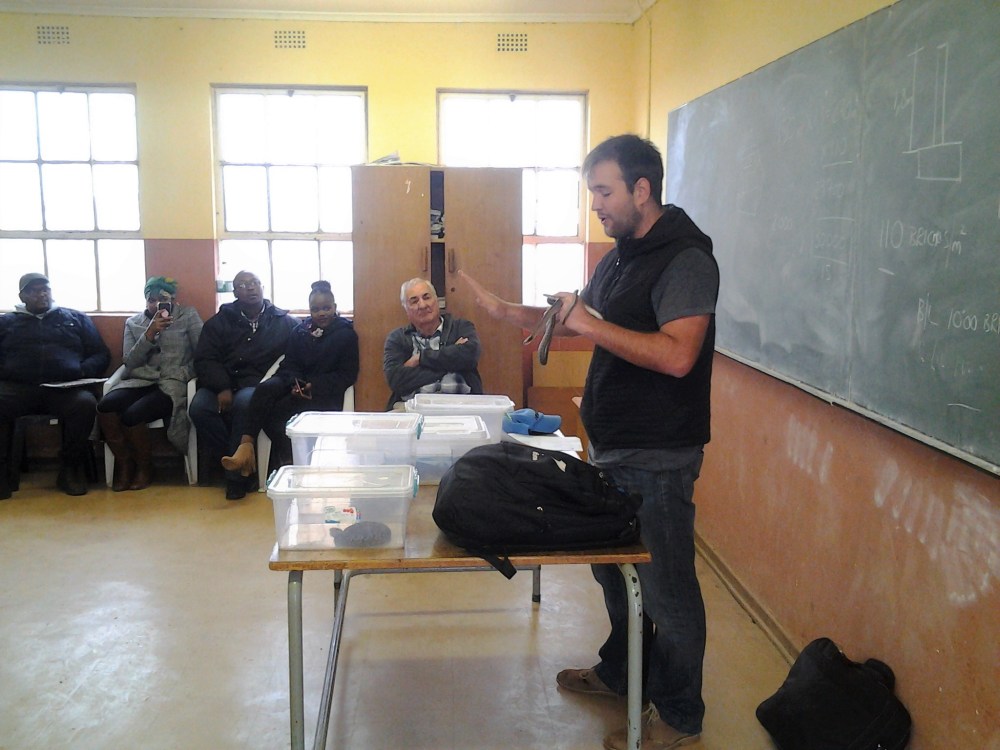
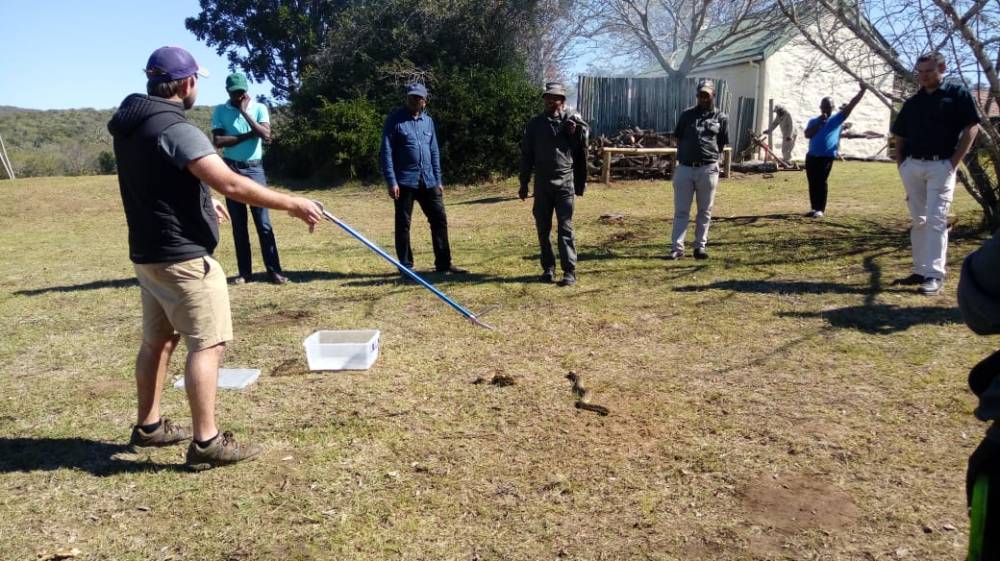
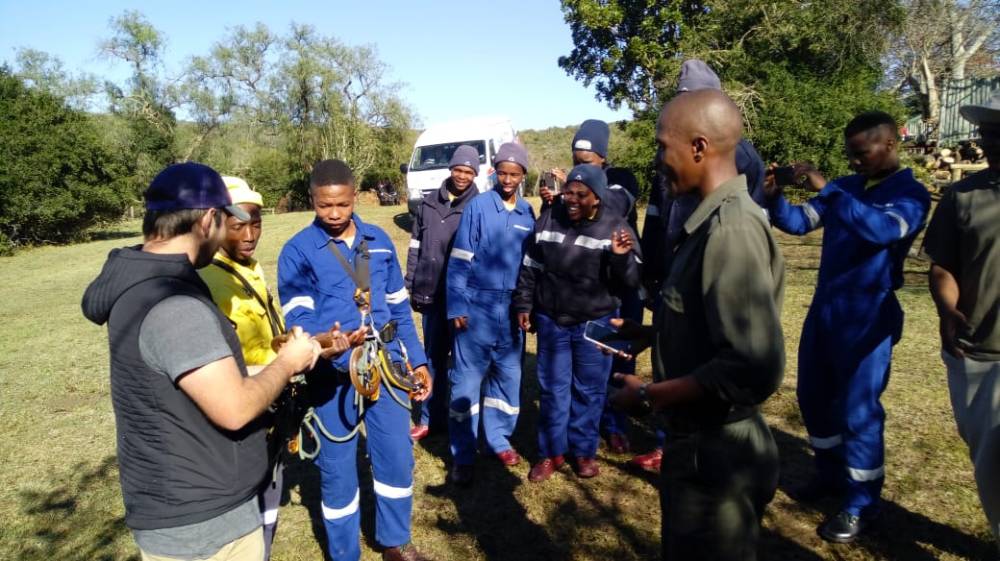
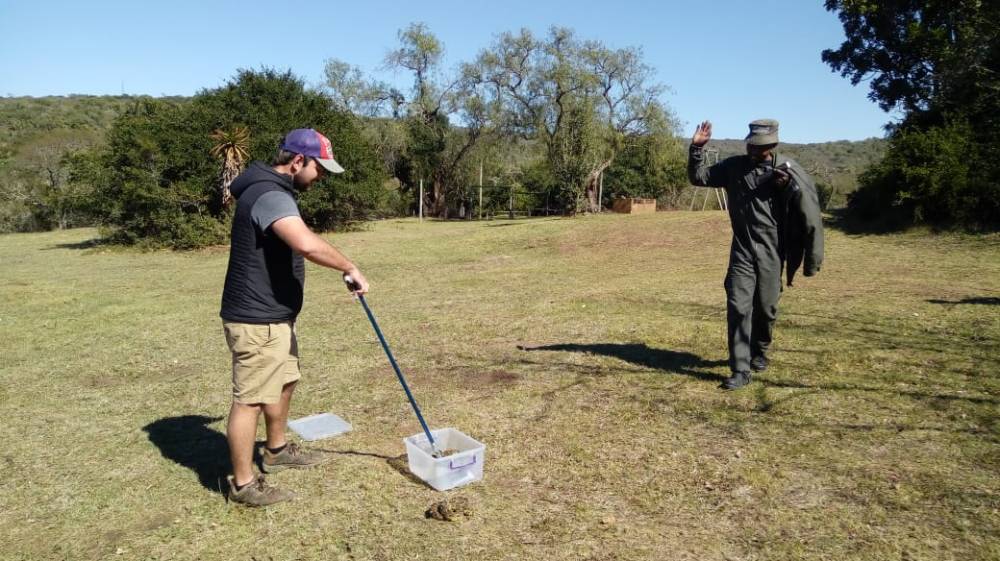
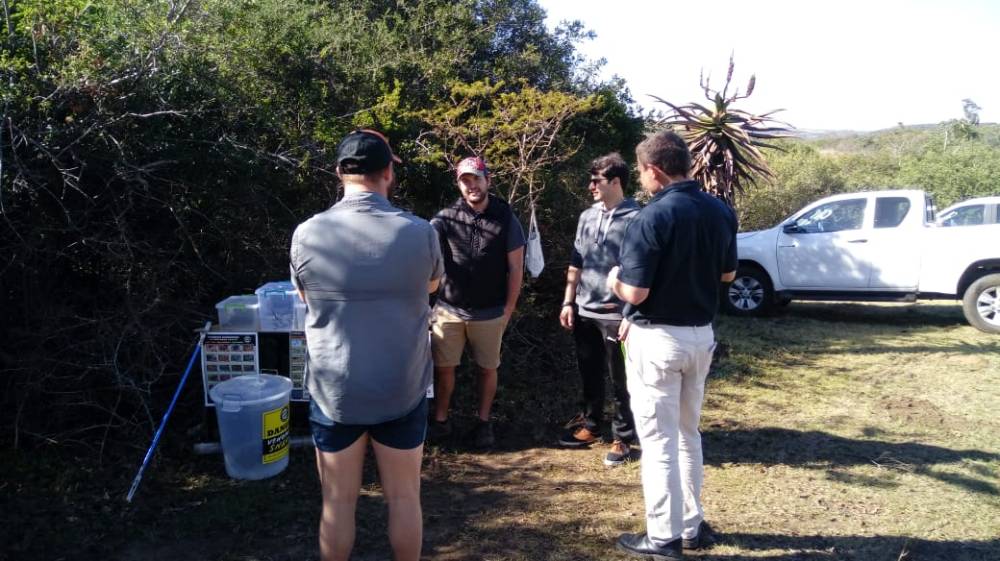
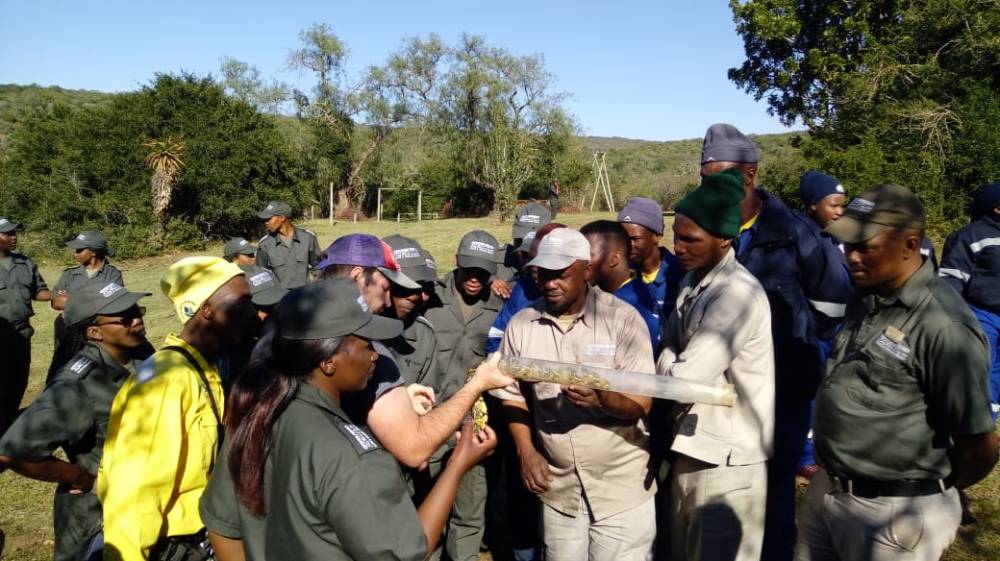
On the 12th of October I accompanied EOH (Coastal and Environmental Services) to Peddie to do an informal talk on snake awareness for workers of the Eastern Cape Roads Service. In Peddie, work is underway to improve the road infrastructure of the area. Unfortunately, human-snake conflict is high due to the remote and wild settings the workers find themselves in. I was called in to help mitigate the conflict by teaching the road workers about snake awareness and what to do if one encounters a snake.
The talk was held in an abandoned class room and due to logistical issues, I ended up having to do the snake talk without a projector or any visual aids, other than the snakes themselves. I started off by talking about snake biology, this was followed by basic snake identification, and lastly, I discussed snakebite prevention and treatment. The talk went very well and it was clear form the response of the crowd that I had put many of their minds at ease. At the end of the talk, I showcased several of the snakes that they were likely to come across in their daily work. Thanks goes to EOH for giving me the opportunity to talk to the workers, thereby reducing human-snake conflict in the area. Photos courtesy of EOH.




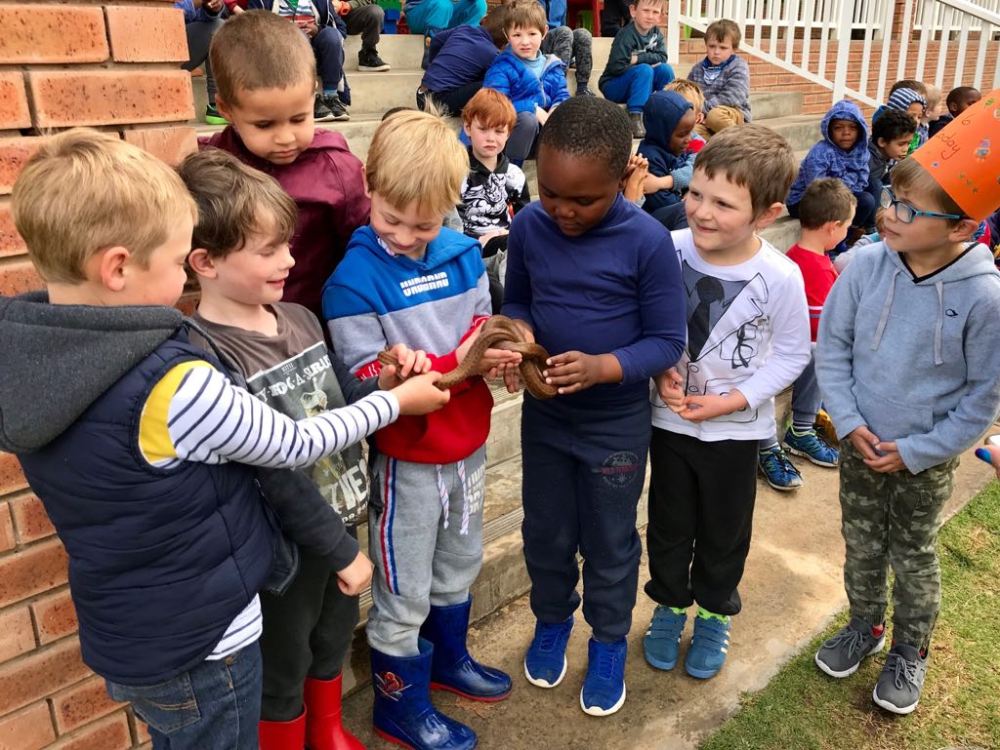
On the third of September I did a snake demonstration for students of the Graeme College Junior School. The demonstration started with a short overview of the snakes of Grahamstown and was followed by a bit of information about snakebite and what to do if one encounters a wild snake. The kids were very excited and eagerly asked questions about all the snakes on display.
After the initial introduction, I showed them the venomous snakes from a safe distance. At the end of the demo, I allowed the kids to hold the non-venomous snakes. Many of the kids eagerly jumped at the opportunity to hold and pose with the snakes and some kids held a snake for the first time. The day was a great success with smiles all around.
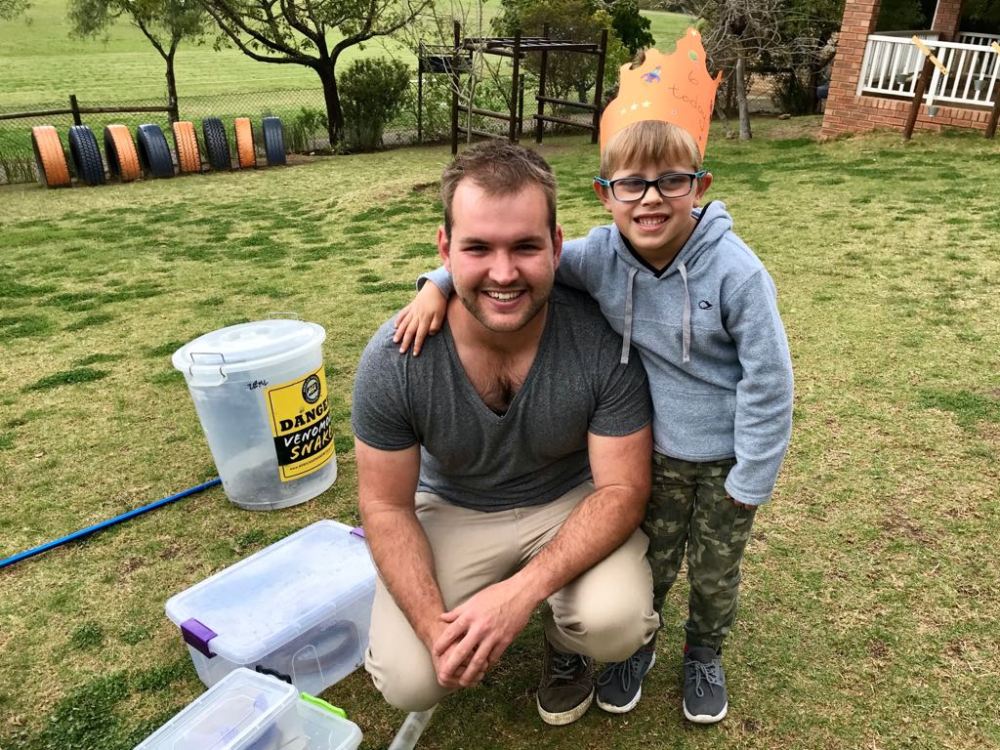
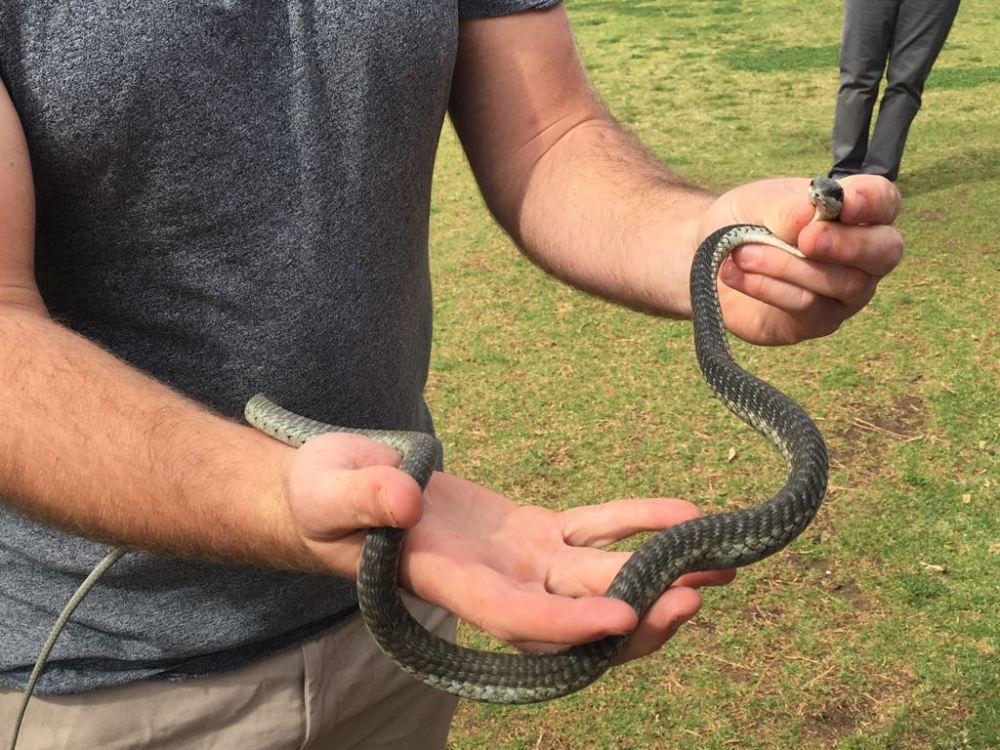

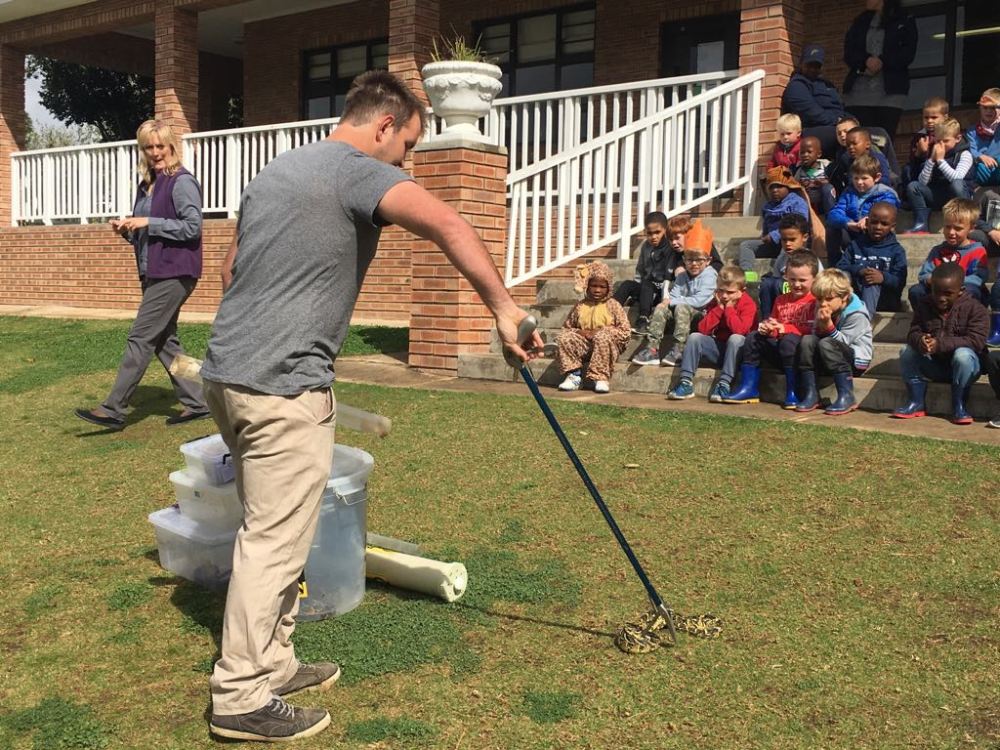

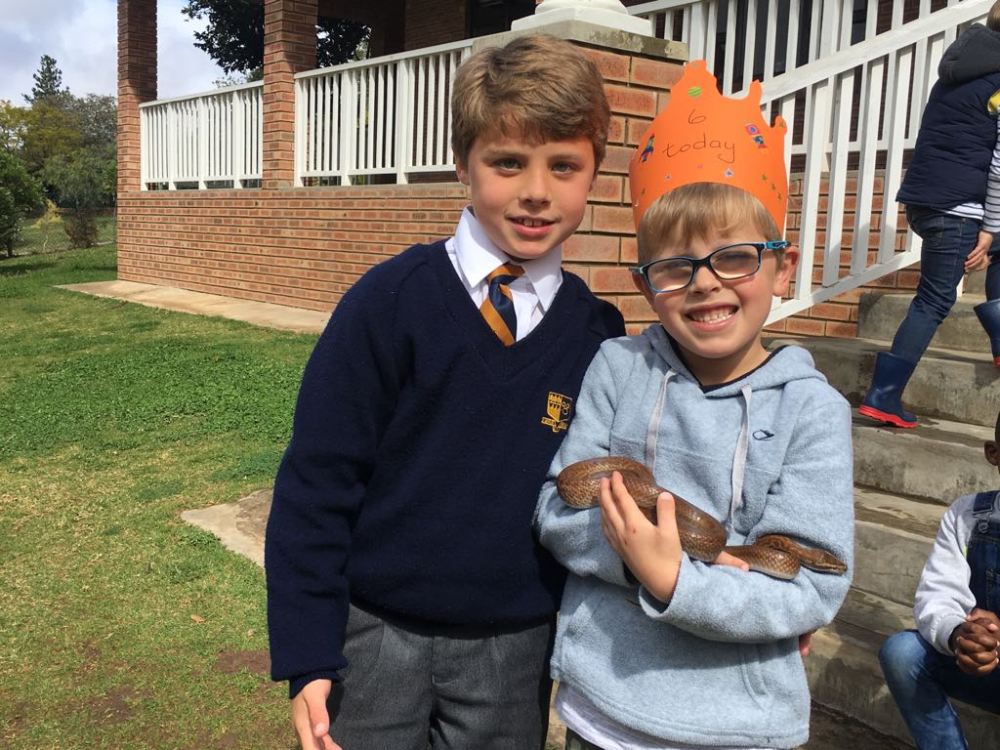

On Monday, the 1st of October I delivered a snake talk to COSATU Project Management Delegates from Rhodes Business School, at the the National English Literary Museum (NELM). The talk dealt with snake identification and myths and was followed by a short section on snakebite treatment. The talk was well received and at the end, a large portion of the delegates took the opportunity to handle and interact with the snakes that I had brought along on the day. Some of the delegates handled a snake for the first time in their lives. Thanks to Rhodes Business school and, more specifically, Evert Knoesen for organising the talk.


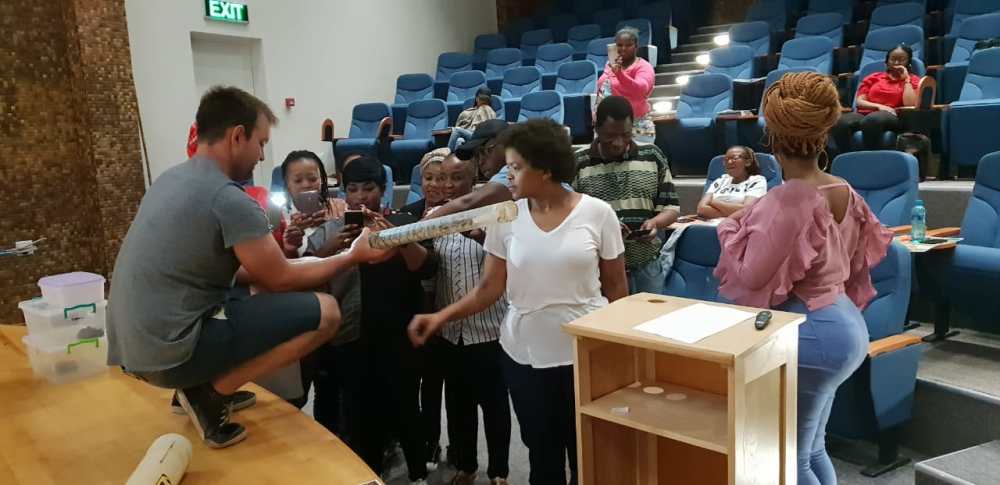


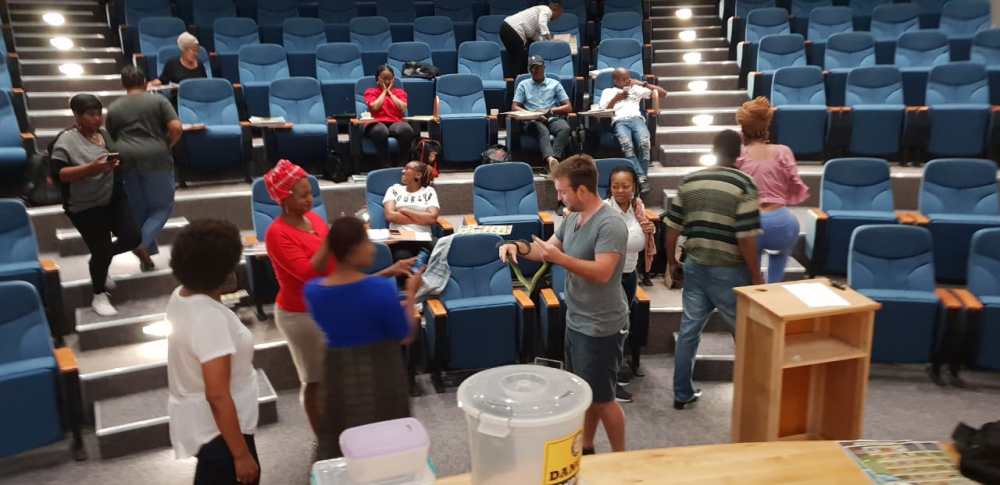
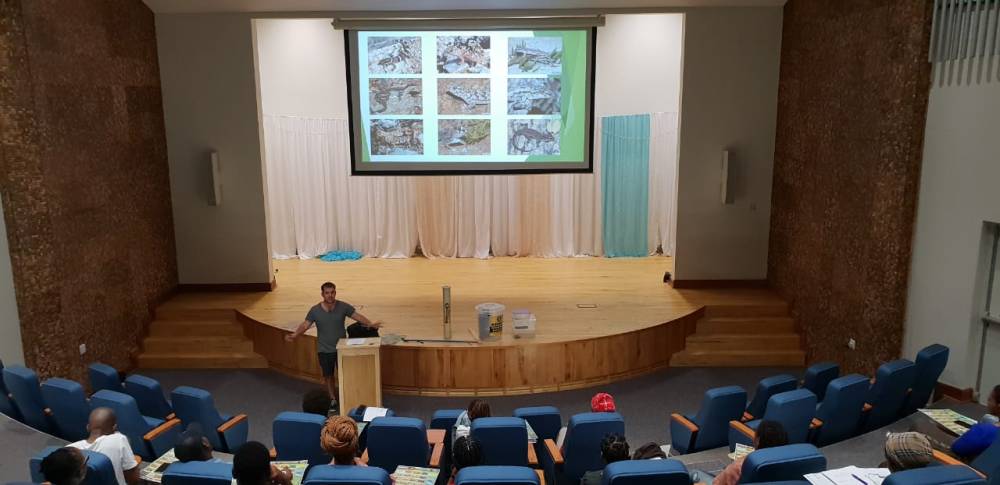

On Friday, the 28th of September myself and Dr Shelley Edwards delivered a snake talk to the entire Kingswood College High School in their school chapel. The talk dealt with snake biology and identification and was followed by a short section on snakebite treatment. The talk was well received and at the end, a large portion of the students stayed behind to see the snakes on display. Although some of the students were scared, many of them took the opportunity to handle and interact with the snakes that we brought on the day. Some of the students handled a snake for the first time in their lives. Thanks to Kingswood College for hosting the talk and Neil Hartzenberg for organising the talk.


On Wednesday, the 26th of September I delivered a snake talk and demonstration to Grade 9 learners at Victoria Girls High School. Although some of the girls were scared of the snakes, many of the girls took the opportunity to handle and interact with the snakes on display. Some of the girls handled a snake for the first time in their lives. The talk was delivered to the entire ninth grade and was a great success. Thanks to Victoria Girls High School for hosting the talk and Chad Emslie for organising the talk.

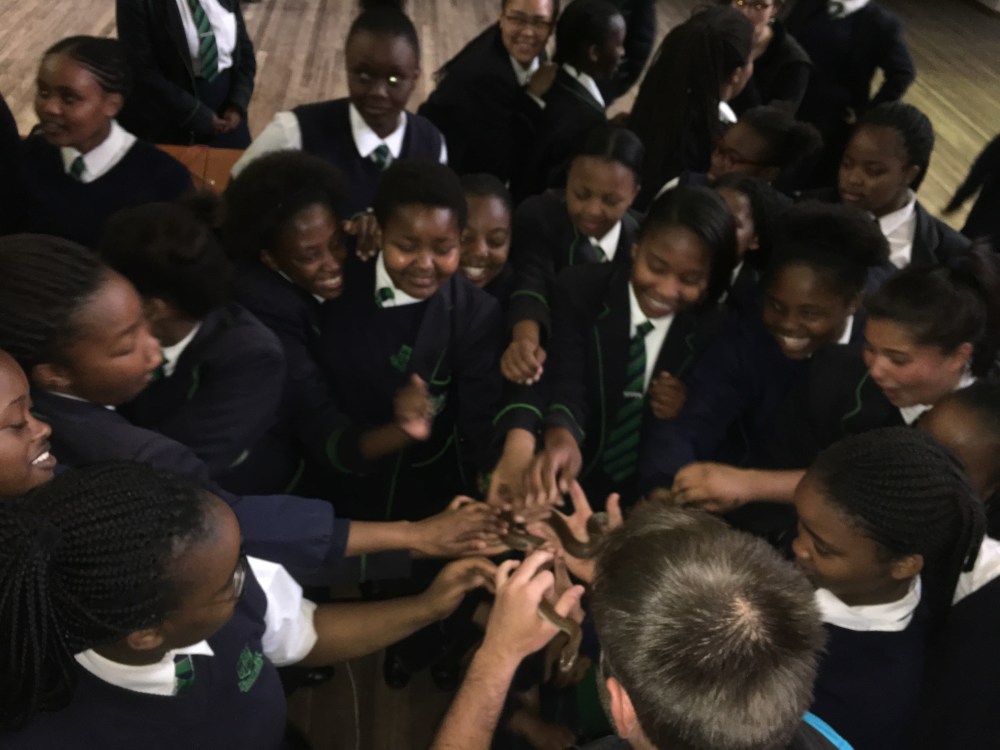
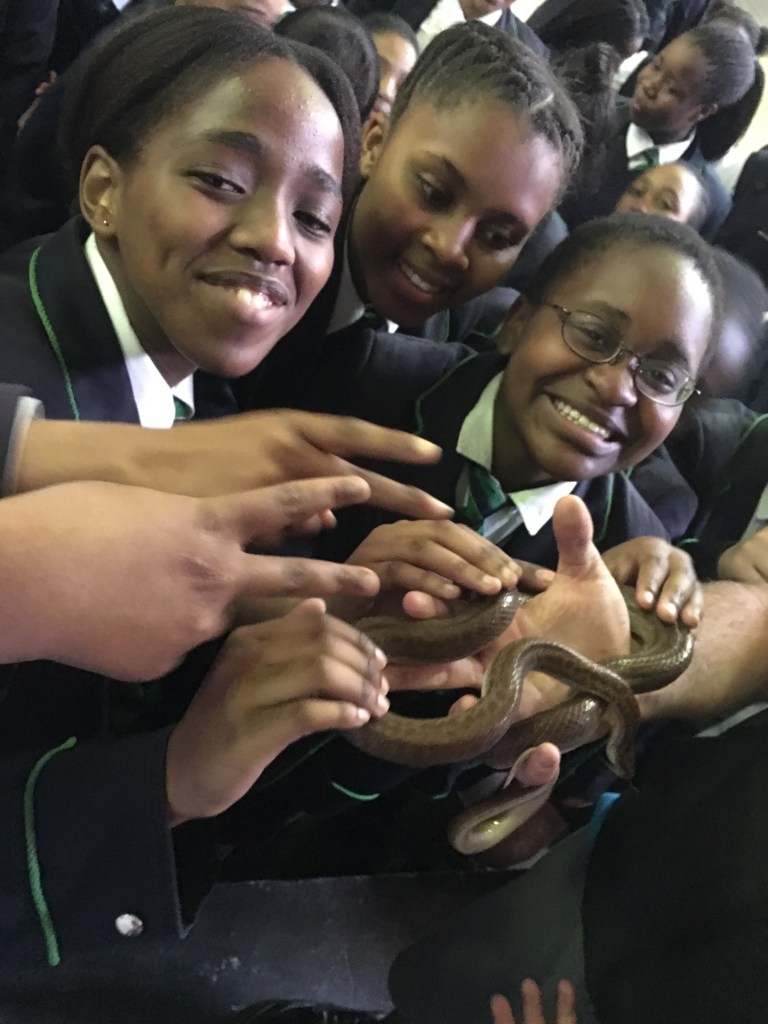


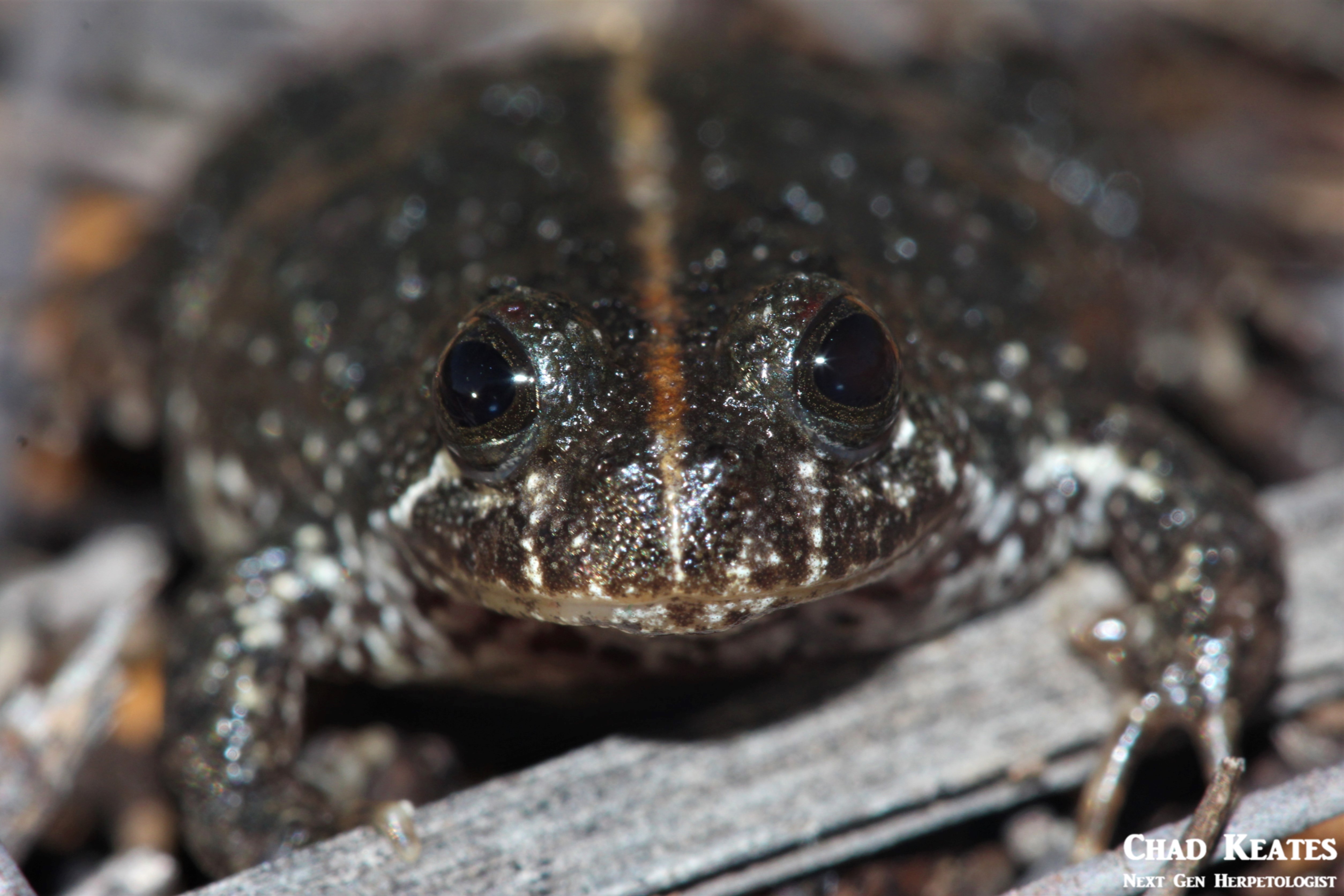
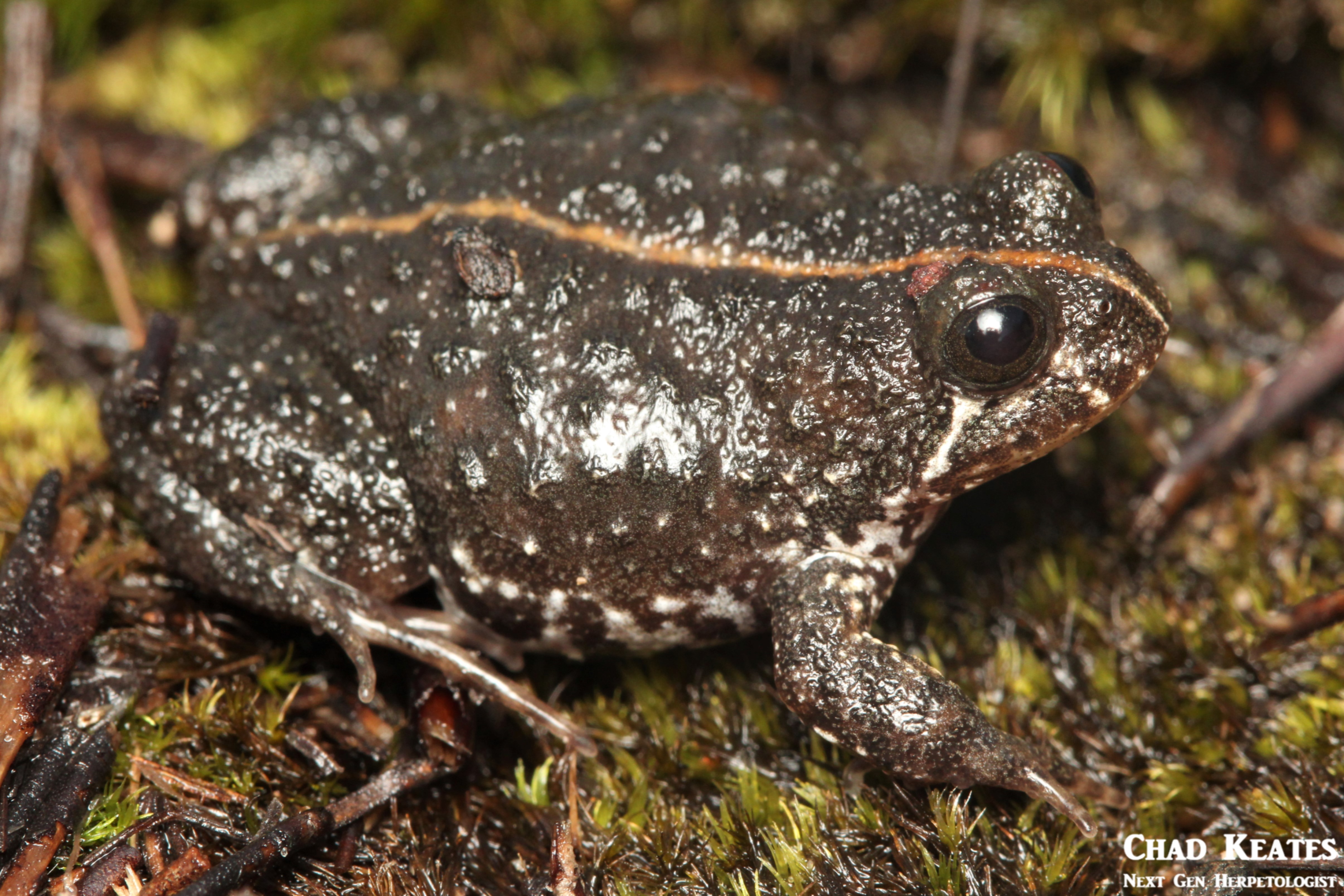

- Two thousand and eighteen was an eventful year for me because not only have I made huge strides in my professional career, but I have also managed to make a sizable impact on the larger Grahamstown community through my ever expanding snake awareness program. In recognition of my contribution to the city, I was nominated for two prestigious awards by Rhodes University; namely the Rhodes Community Engagement Award and the Rhodes Environmental Award.
Although I won neither, I am proud to announce that I came runners-up in the Individual Environmental Award Category (Rhodes Environmental Award) and third place in the Student Researcher of the Year category for the Community Engagement Award (Rhodes Community Engagement Award). Thanks goes to all those that nominated me and to Rhodes University for considering me for the awards.

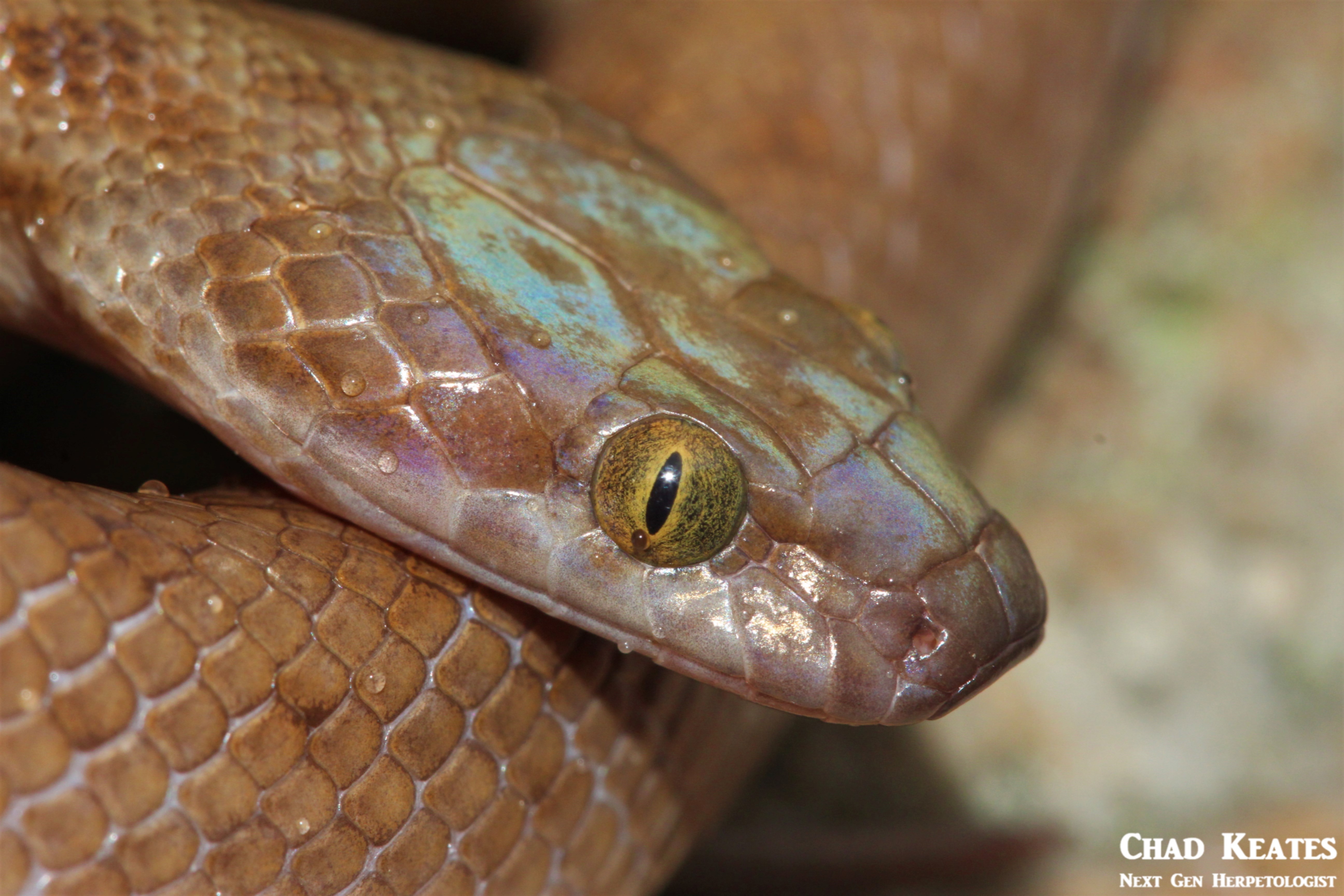
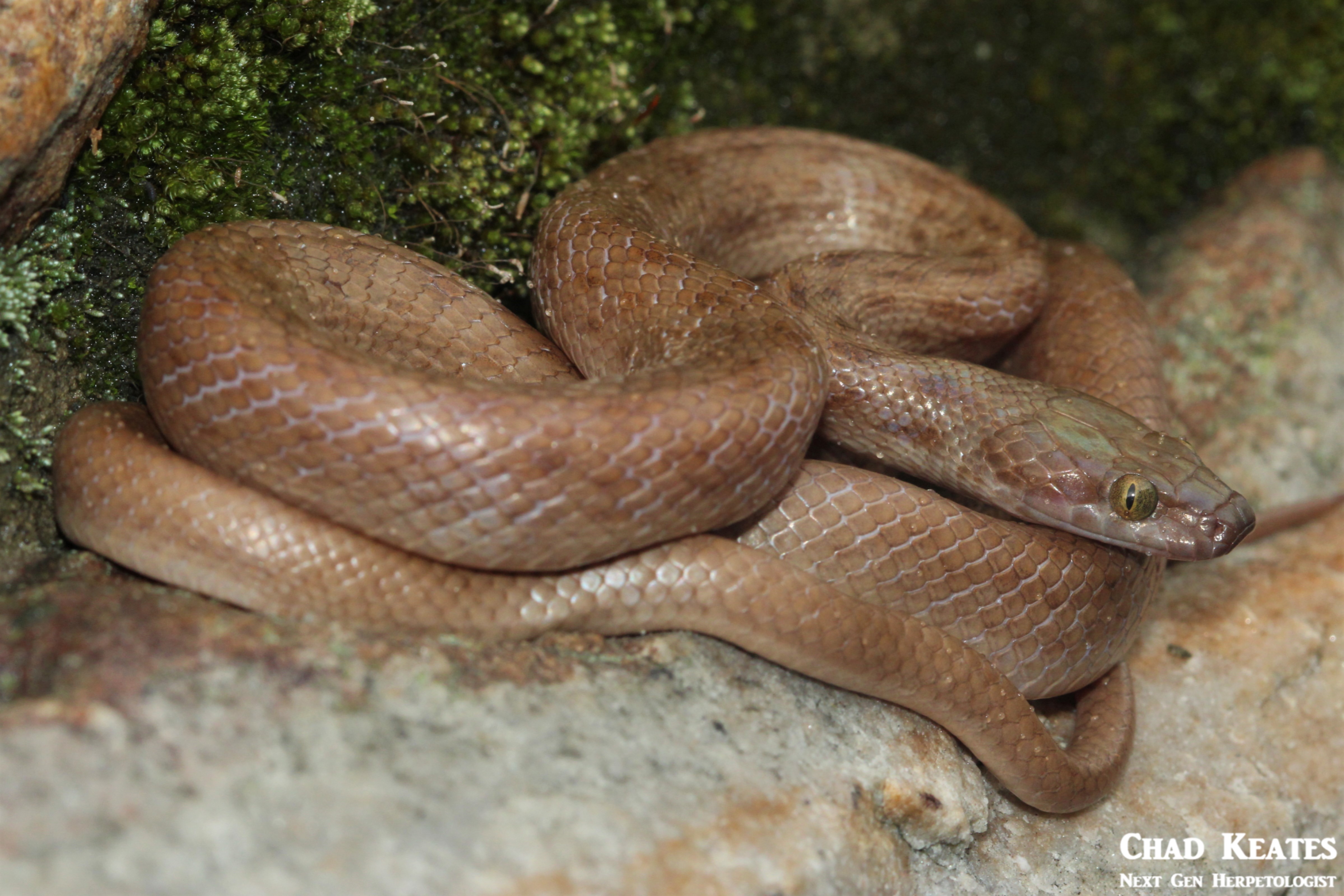
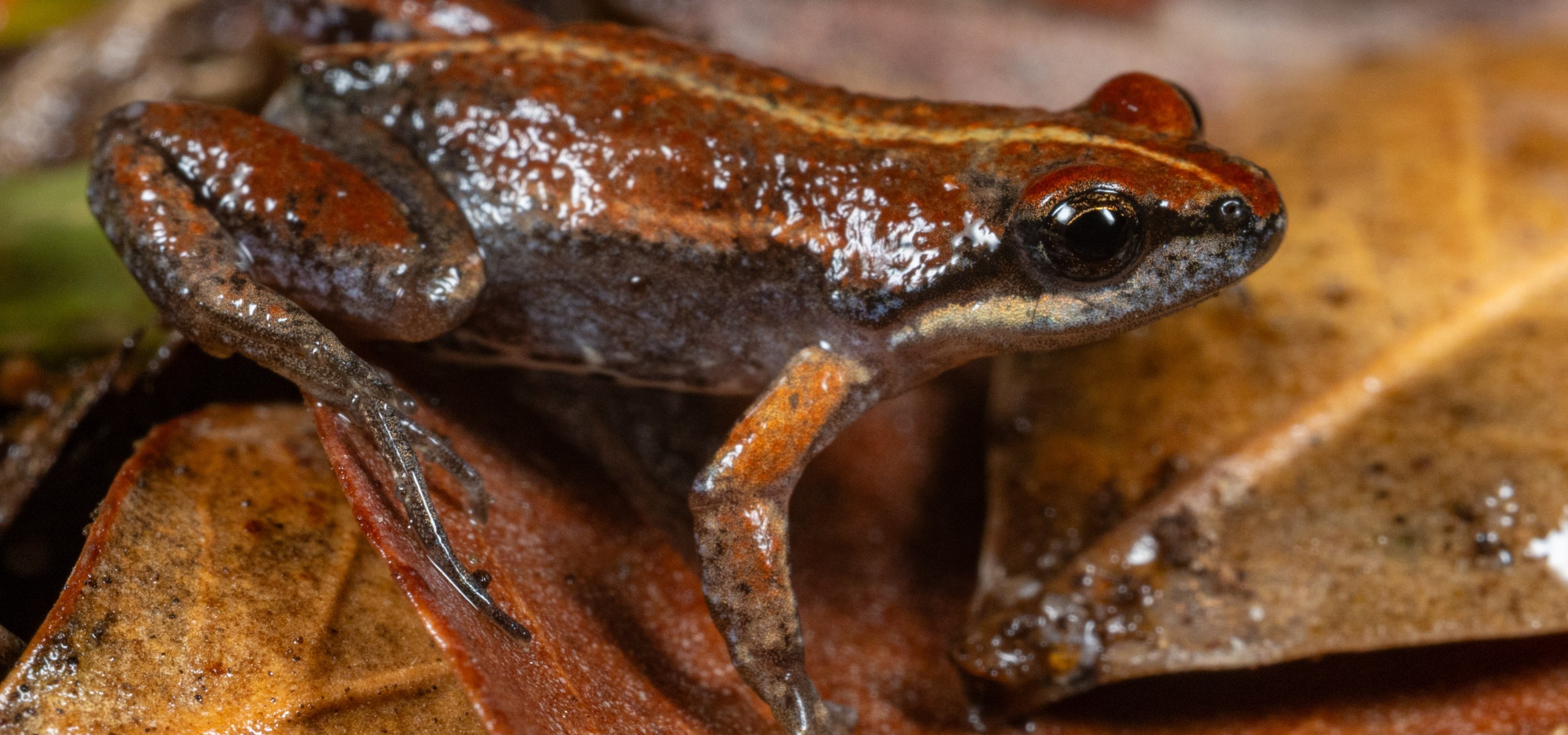
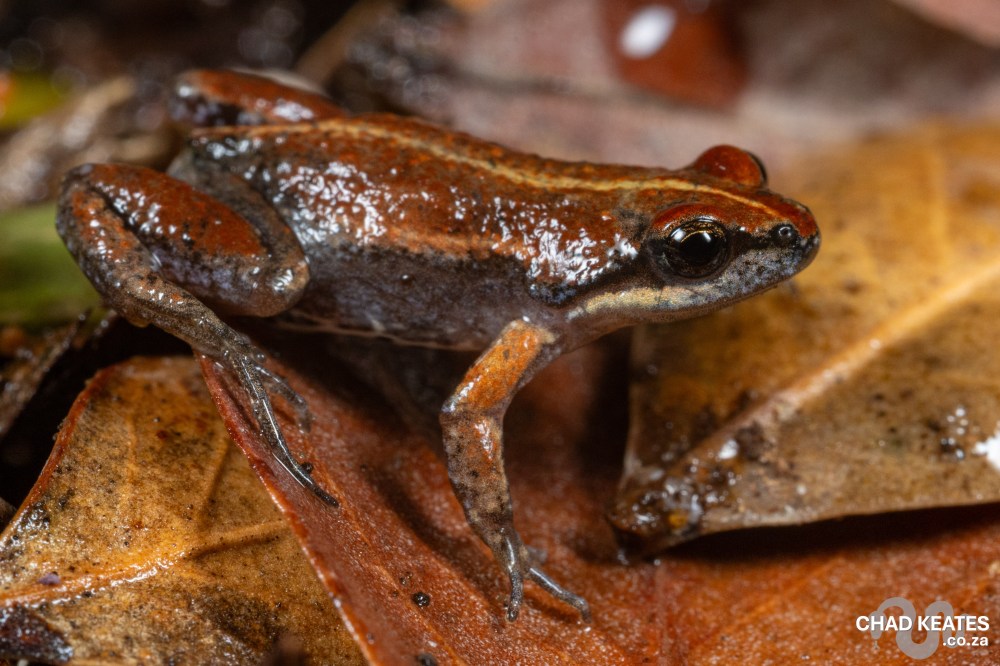
from Bettys Bay, Western Cape, South Africa

from Bettys Bay, Western Cape, South Africa
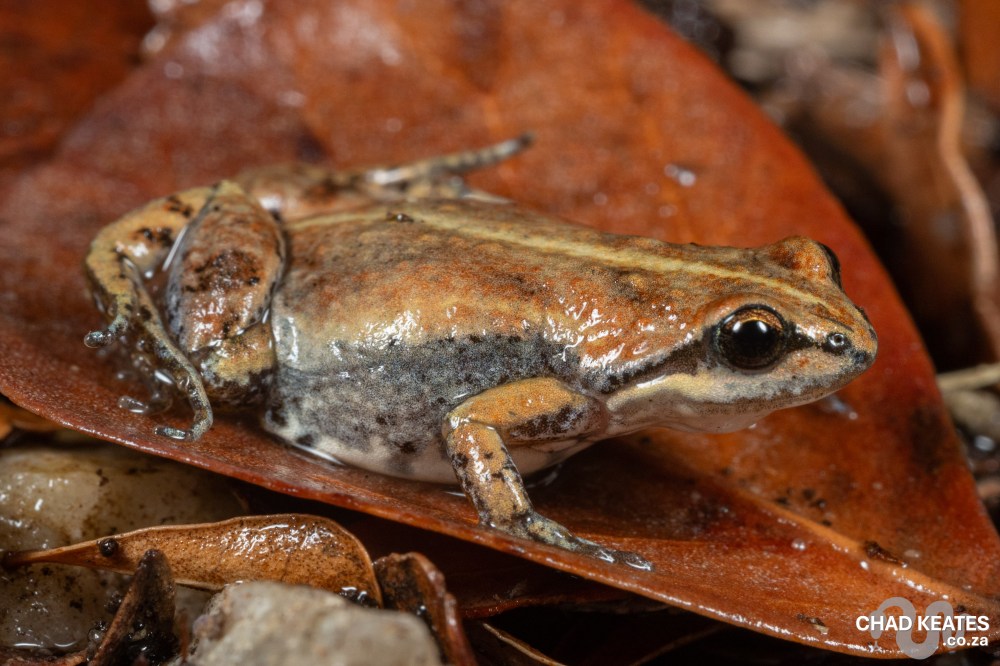
from Bettys Bay, Western Cape, South Africa

from Bettys Bay, Western Cape, South Africa
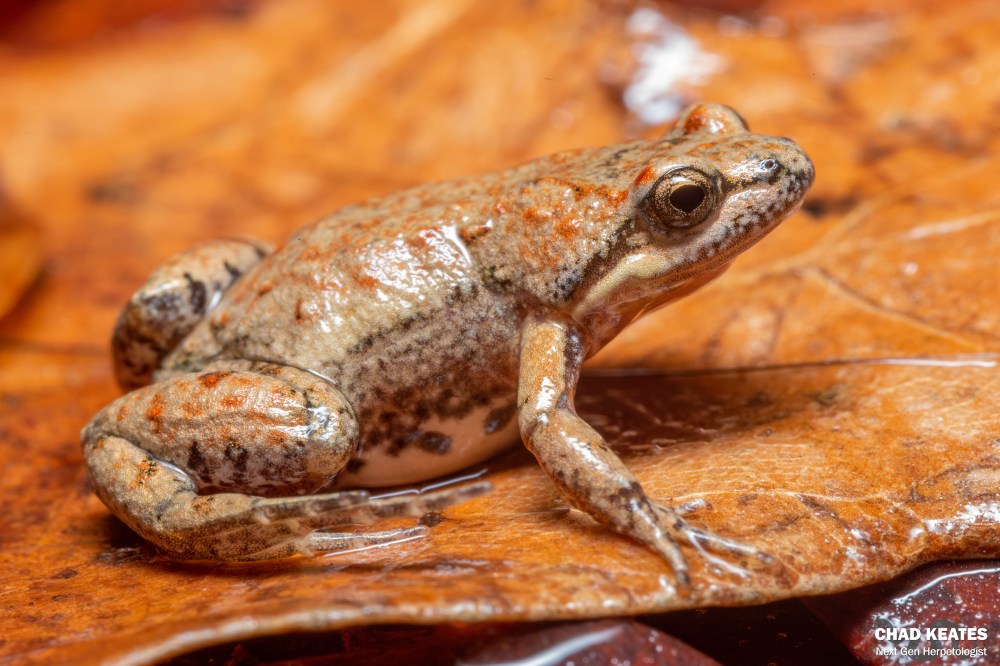
from Greyton, Western Cape, South Africa

from Greyton, Western Cape, South Africa
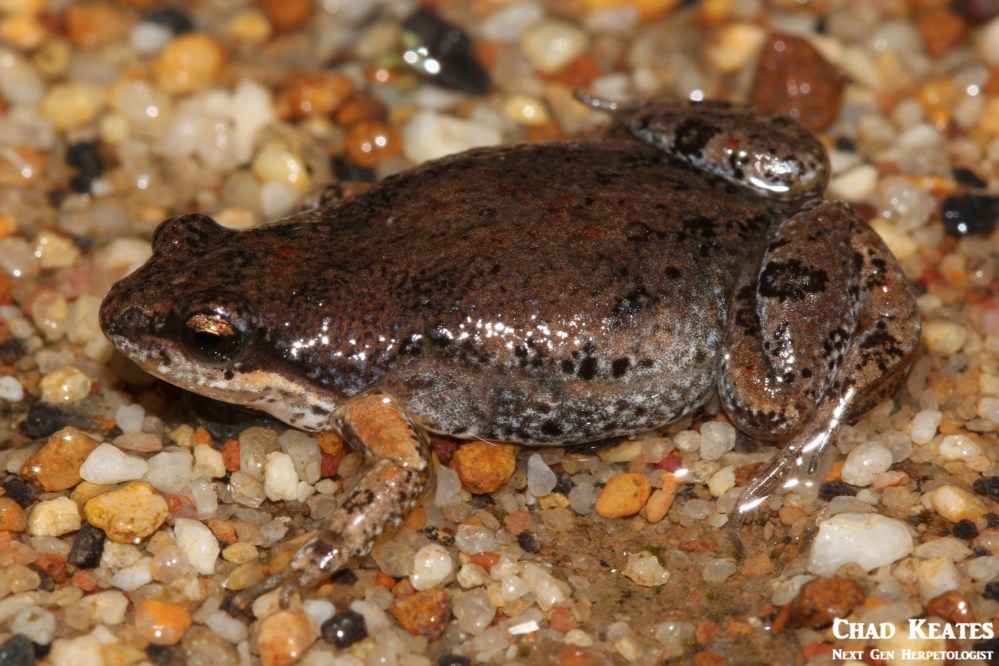
from Bettys Bay, Western Cape, South Africa

from Bettys Bay, Western Cape, South Africa

from the 13th to the 16th of August I attended the Joint SANBI Biodiversity Information Management & Foundational Biodiversity Information Programme (FBIP) Forum in Cape St Francis. I attended the conference with my supervisor Dr Shelley Edwards (Lecturer Rhodes University) and we were joined by my co-supervisor; Werner Conradie (PE Museum Head Herpetological Curator) and friend; Theo Busschau (Masters Student Stellenbosch University).
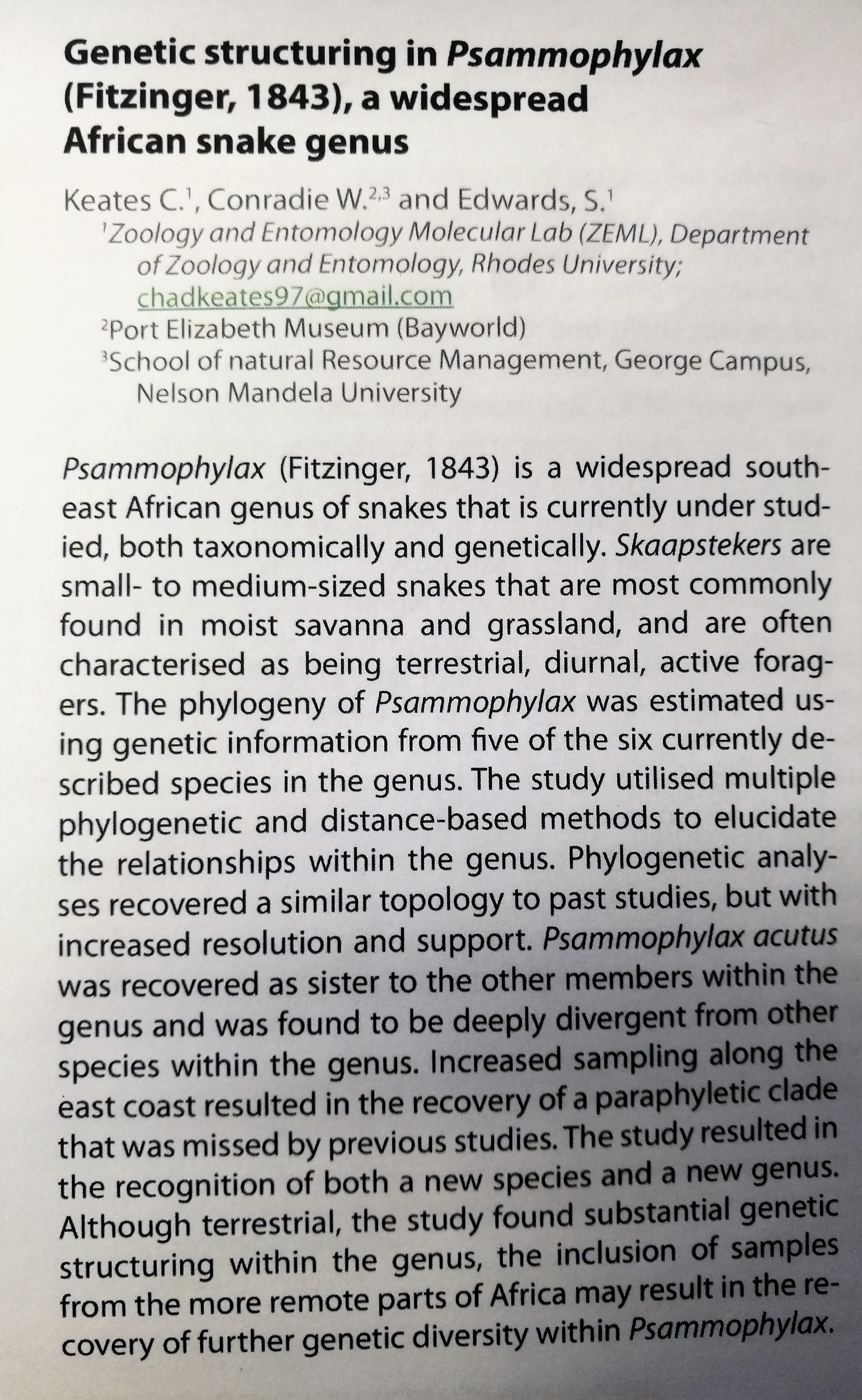
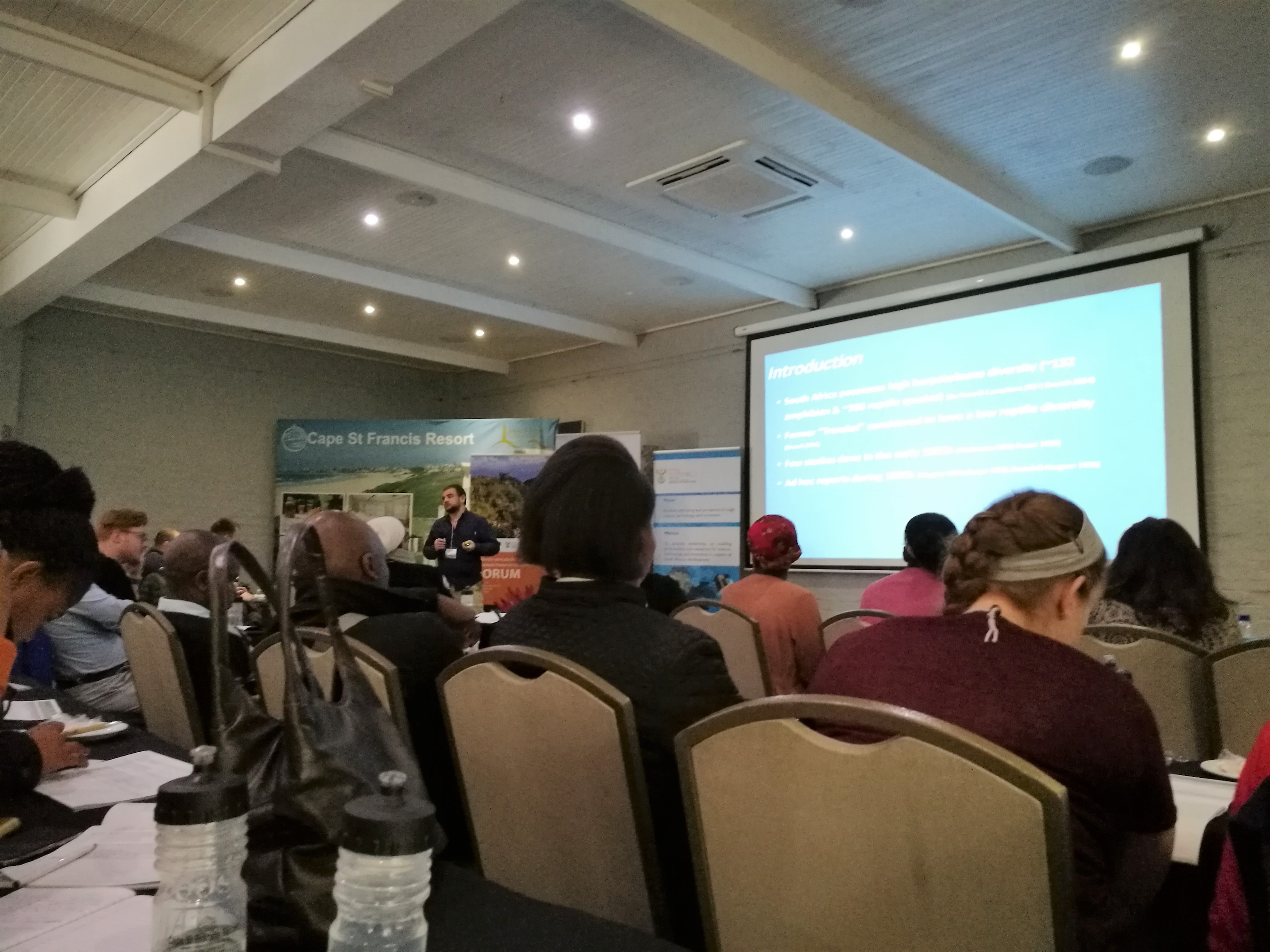
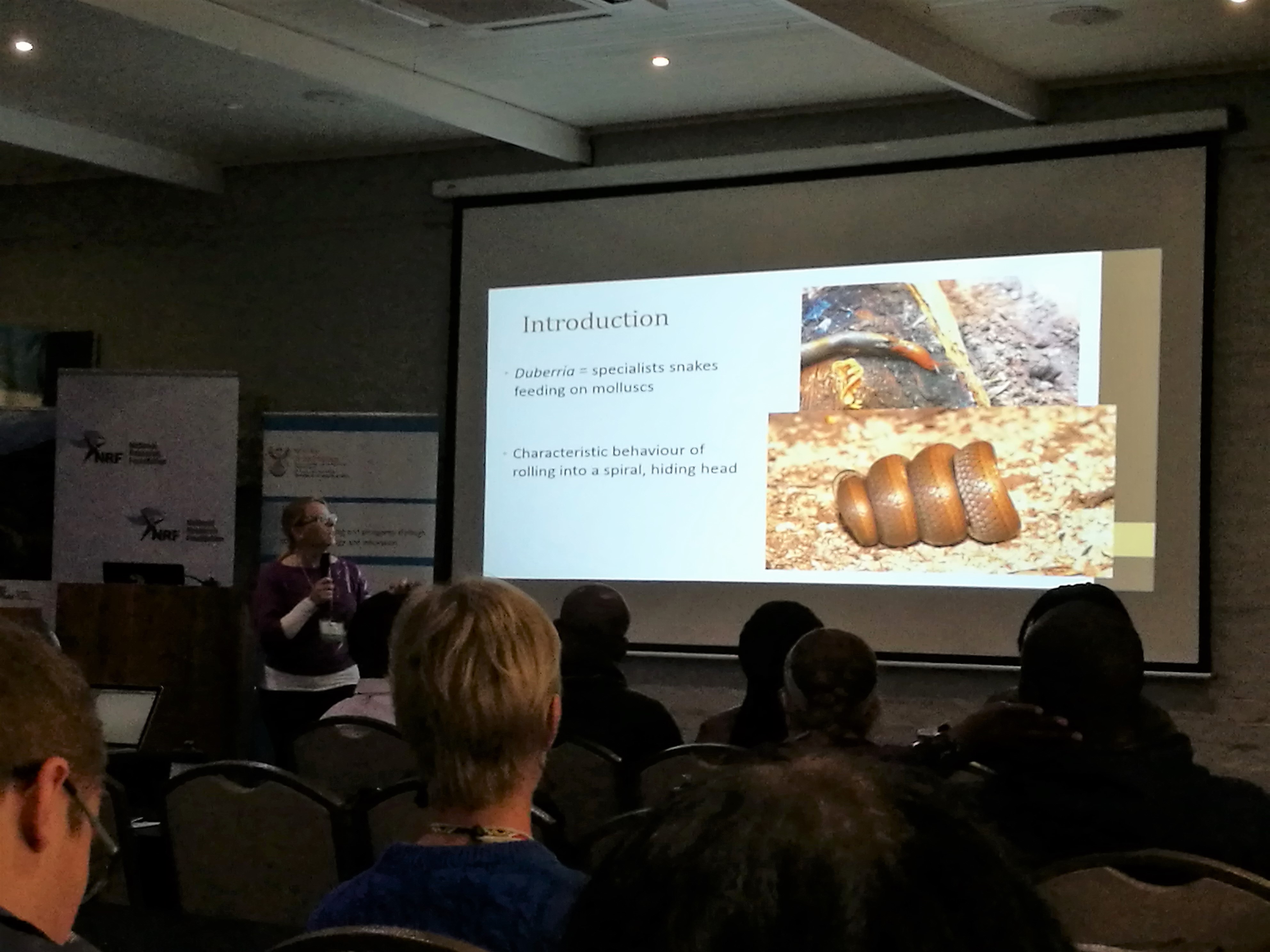
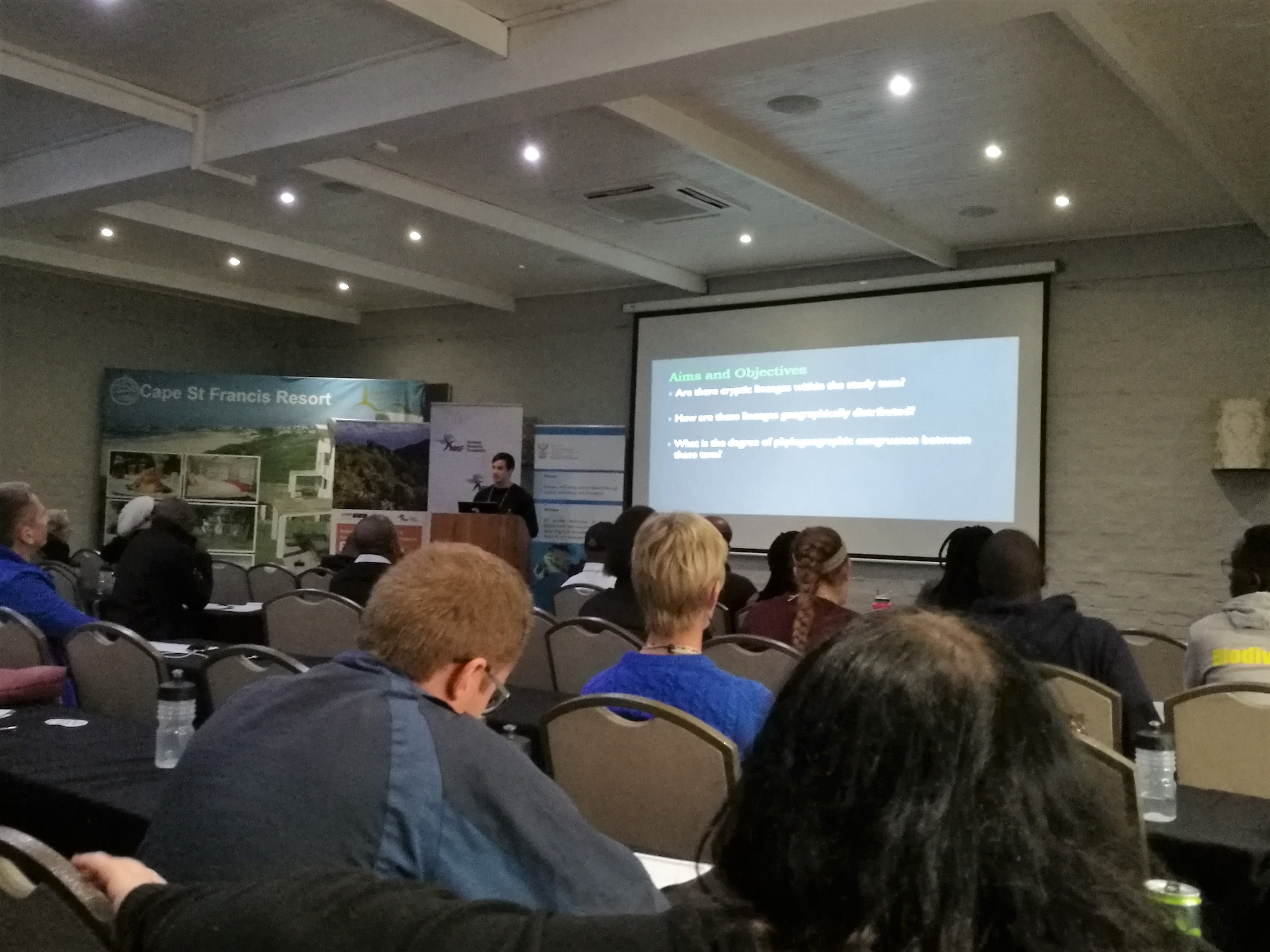
The conference was well-attended with over a hundred delegates from all over the country. While topics varied from ants to fungus, and from snakes to bats, the overarching theme of the conference was simple; Biodiversity, and the study of it within Africa. At the conference I presented my Psammophylax genetic research in the form a five minute speed presentation. The talk was well-received and I got a lot of questions at the end. You can listen to presentation by clicking on the link provided:
On the second last day of the conference, we all took the opportunity to search the nearby coastal town, Oyster bay, for salt marsh geckos. Whilst originally considered to be incredibly restricted, recent targeted searches have been fruitful and our little trip was much the same as we managed to find several geckos on the vegetated outcrops bordering the ocean. Furthermore, it was a new locality for the species.
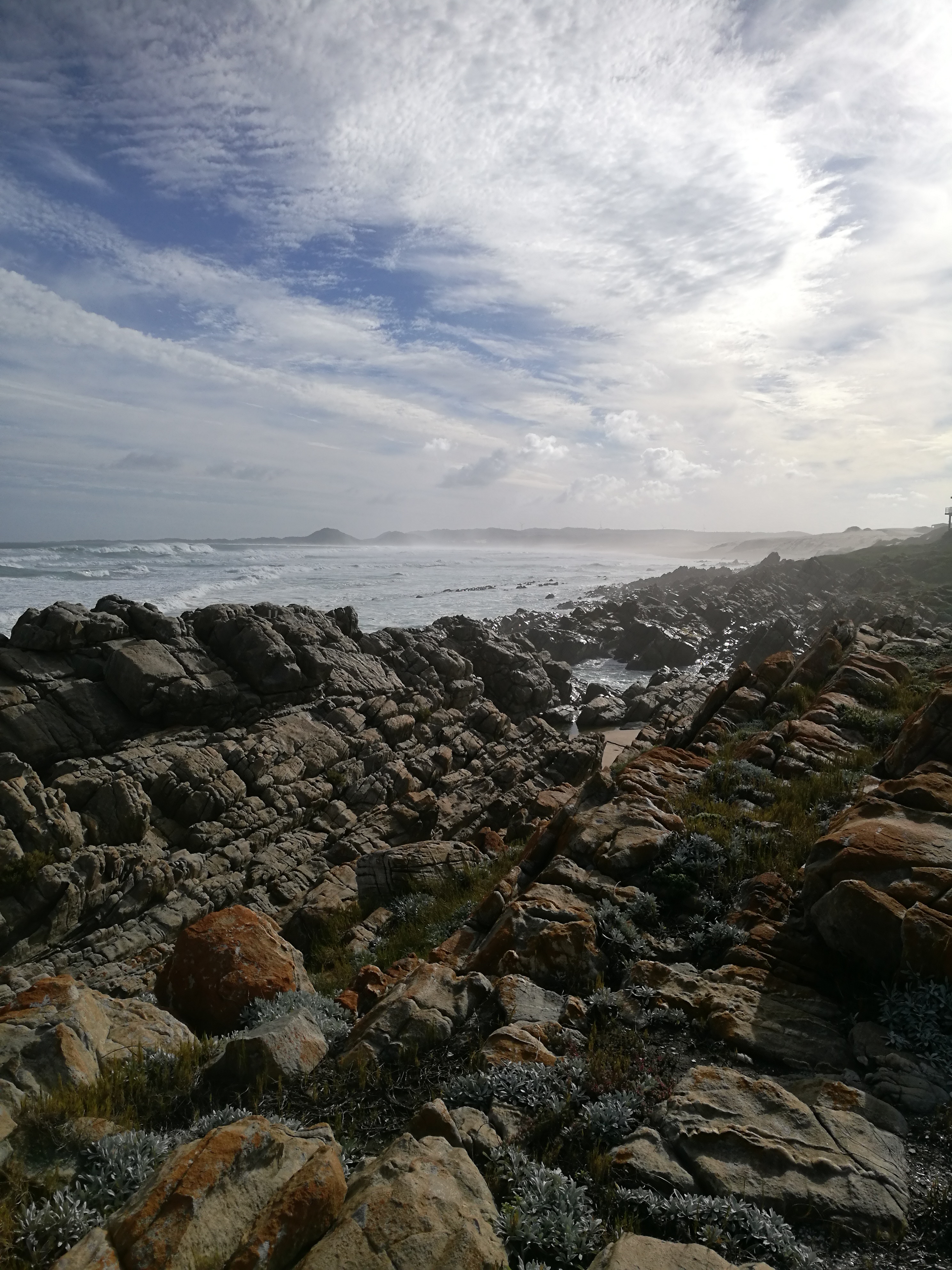
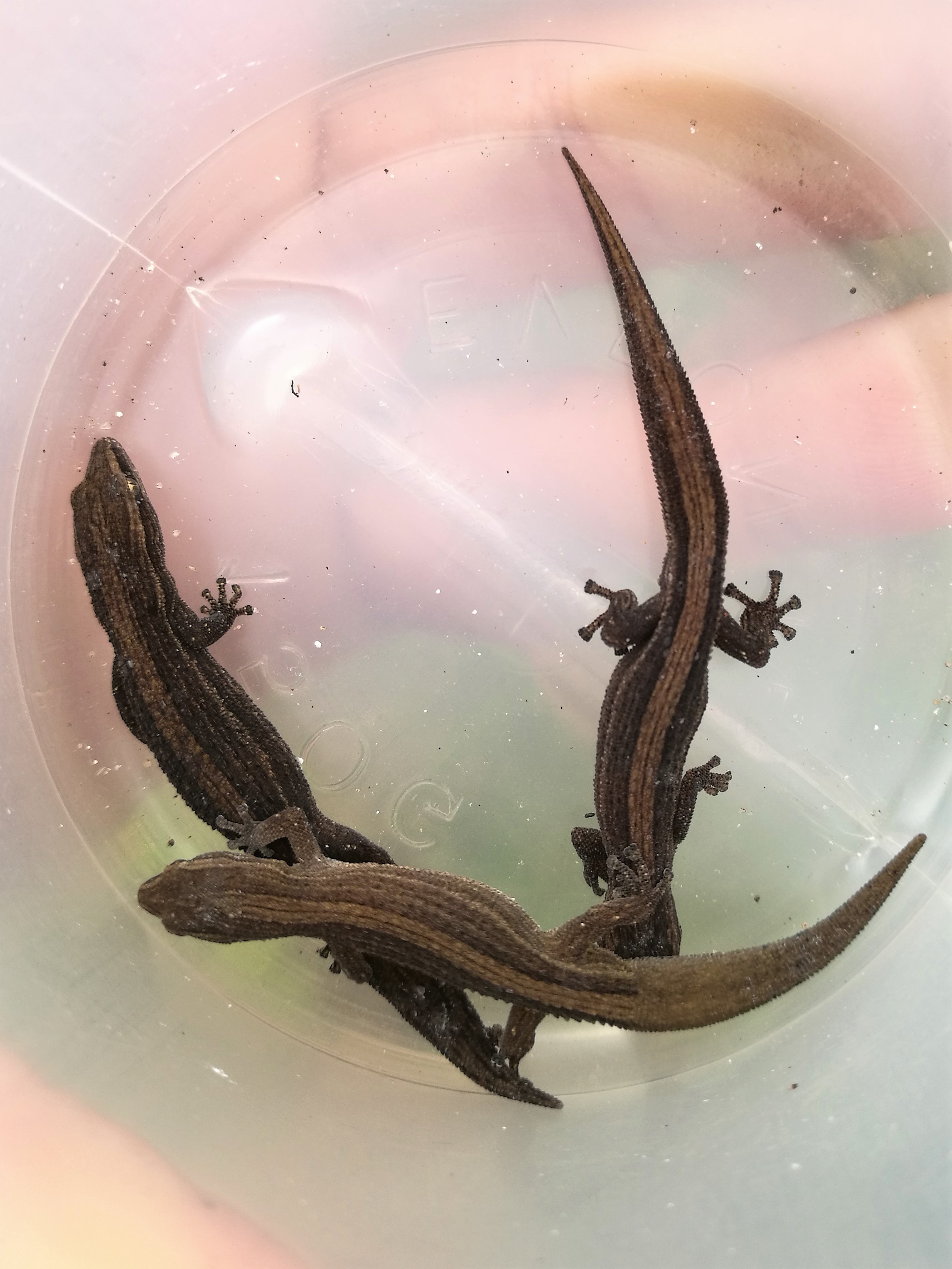
The conference ended on the Friday and while it was very broad in terms of scope, it was a great experience as I was able to present my research to fellow scientists, and better yet, I got the opportunity to see my supervisors in action.

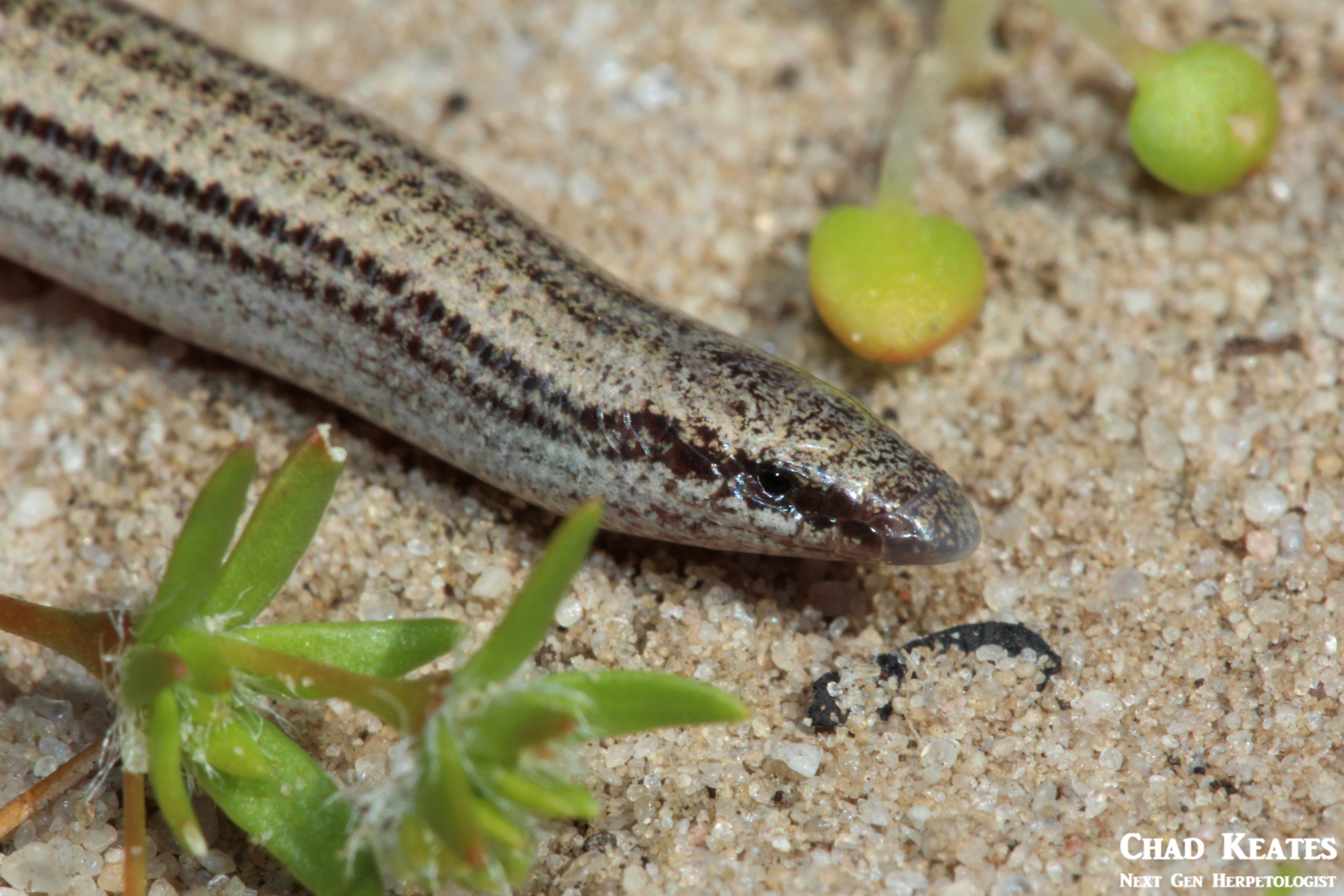
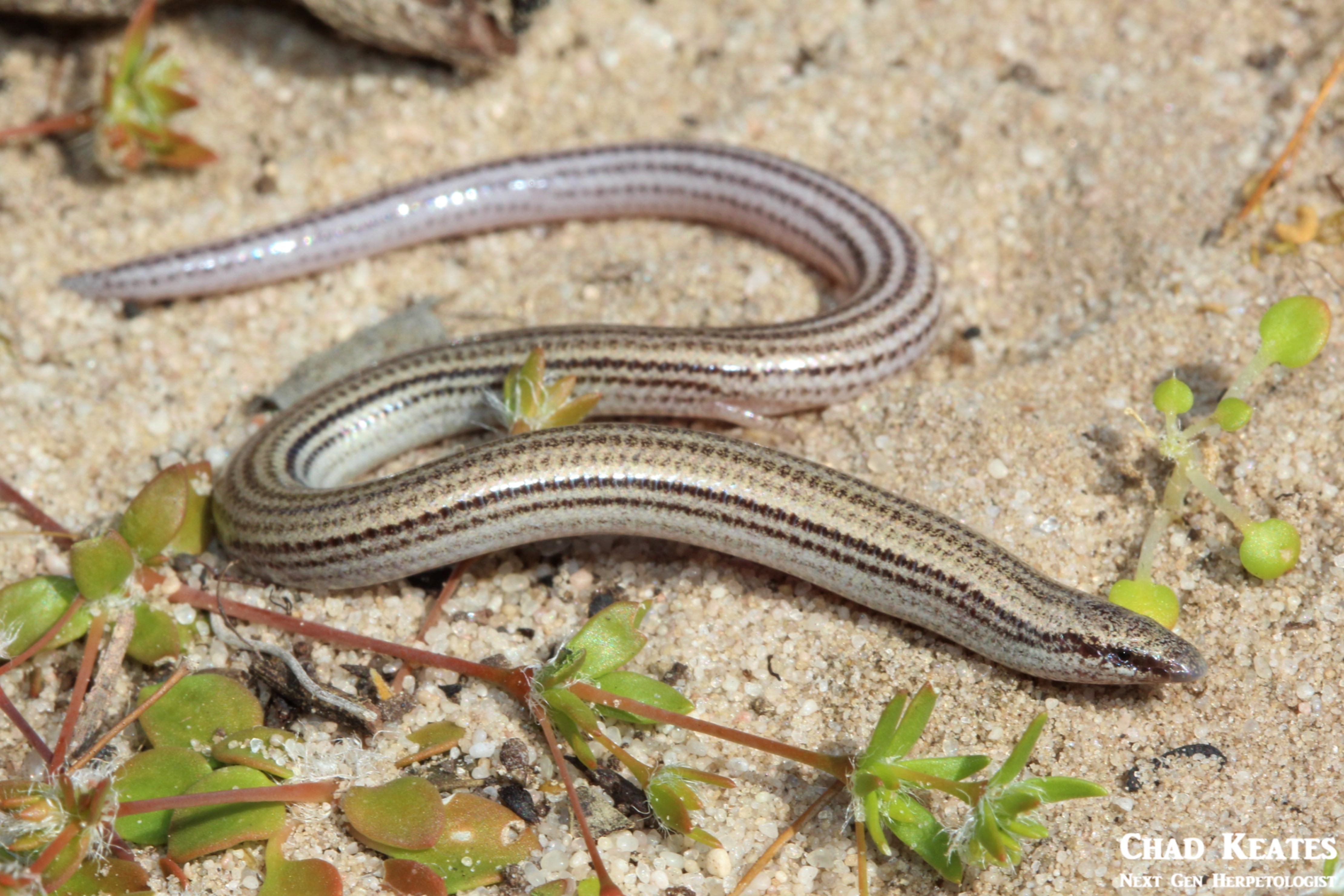

Field report from Myself and Luke Kemp’s West Coast trip
Luke and I are aspiring herpetologists, currently under the supervision of Dr Shelley Edwards in the Zoology and Entomology Molecular Lab (ZEML). Our work, which, focusses on the herpetofauna of Southern Africa spans many orders and many more families, and while we love the hustle and bustle of the raucous molecular lab, that I myself have called home this year, we are always keen to explore the enormous diversity that our wilderness has to offer.
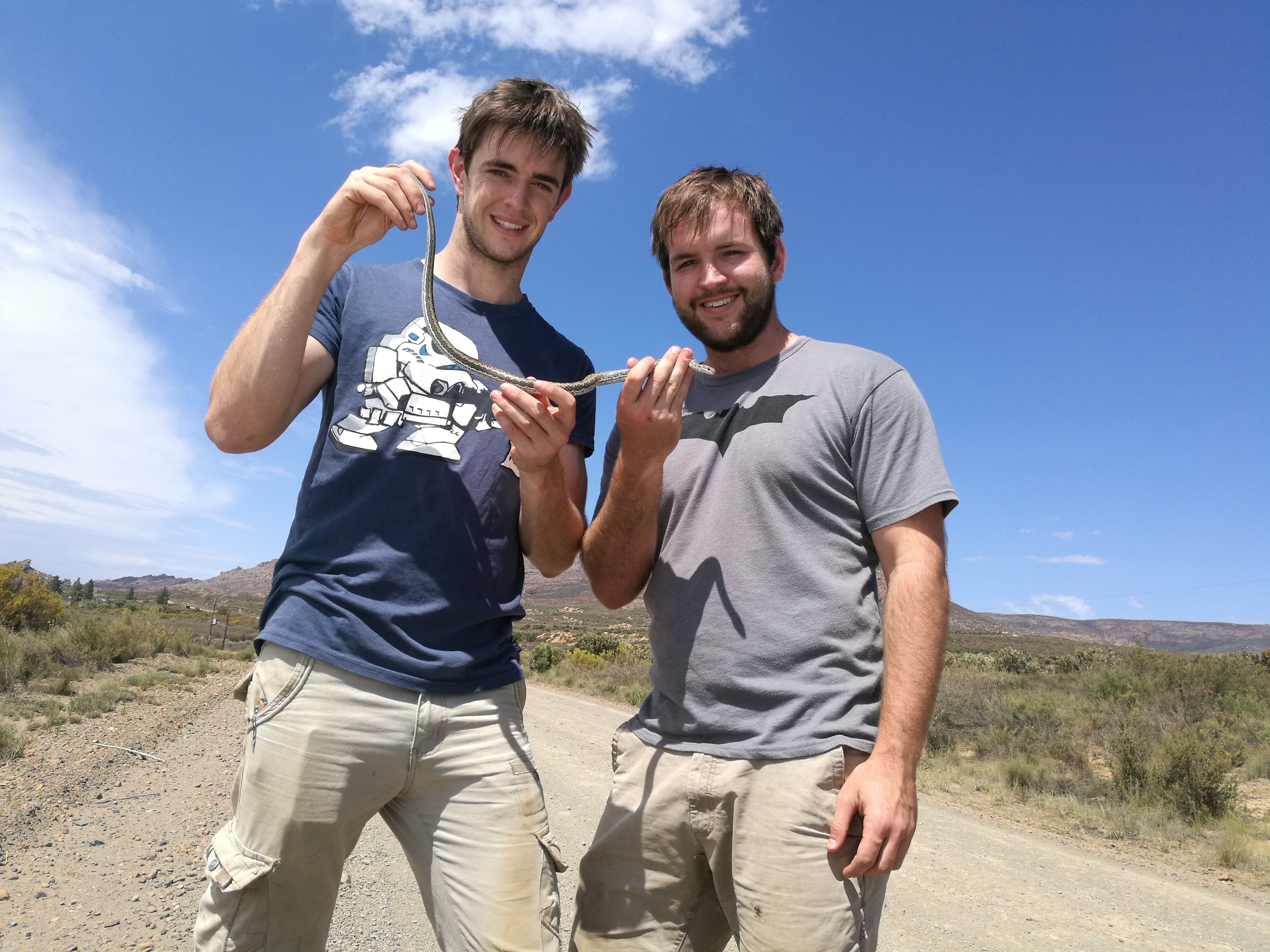
For this reason, we jumped on the opportunity to explore it when we realised that we had a massive sampling gap along the western coast of South Africa. While well-studied in certain localities, South Africa remains rich with under-sampled diversity, if you know where to look. One such place is the west coast, especially if you are talking about reptiles. Luke and I thus set-off on the 28th of October with the aim of finding as many Spotted Skaapstekers and legless skinks as we possibly could… and maybe a few dwarf adders.
We started in Gordons Bay and slowly moved towards the coast, passing through Cederberg along the way. Once at the coast, we missioned north in search of samples, passing through Lamberts Bay Honderklipbaai and Koingnaas until we finally reached our most northerly locality, Port Nolloth. From the coast we set-off eastwards and spent time in Springbok and Aggeneys before moving towards Augrabies, where we spent our last night before coming back to Grahamstown. All in all we travelled just over 3600km, found a dozen specimens from six species of legless skink and three skaapstekers’. In terms of finding the target species, the trip was a massive success as we managed to get samples from over half of the species’ of legless skink found along the western coast.
Much like the manic Pokemon Go players which graced our campus with their antics just over a year ago, Luke and I are much the same. But instead of seeking out the virtual pseudo-animals on our cellphones, we seek out the herpetofauna of South Africa, with the goal of photographing every species we can get our hands on.
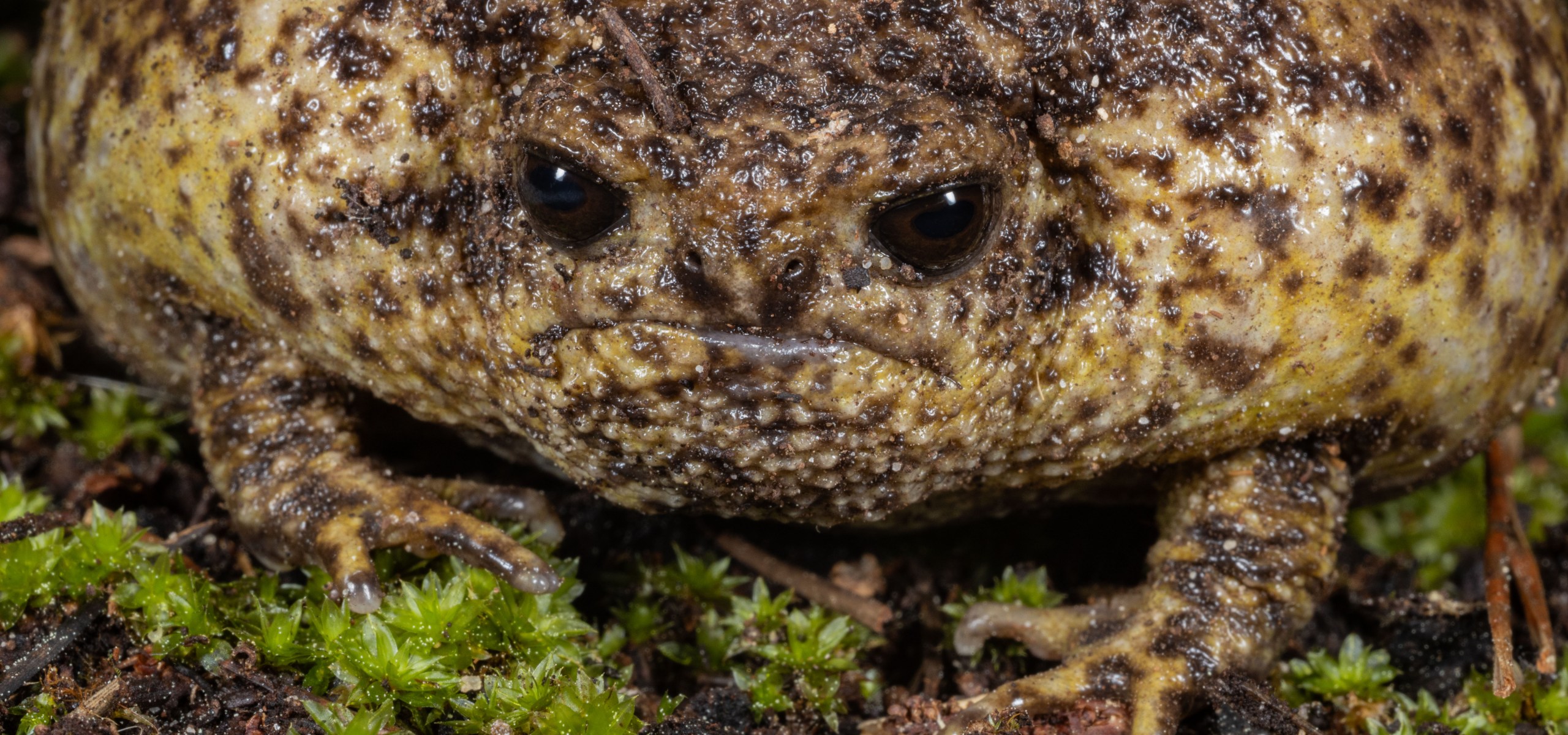
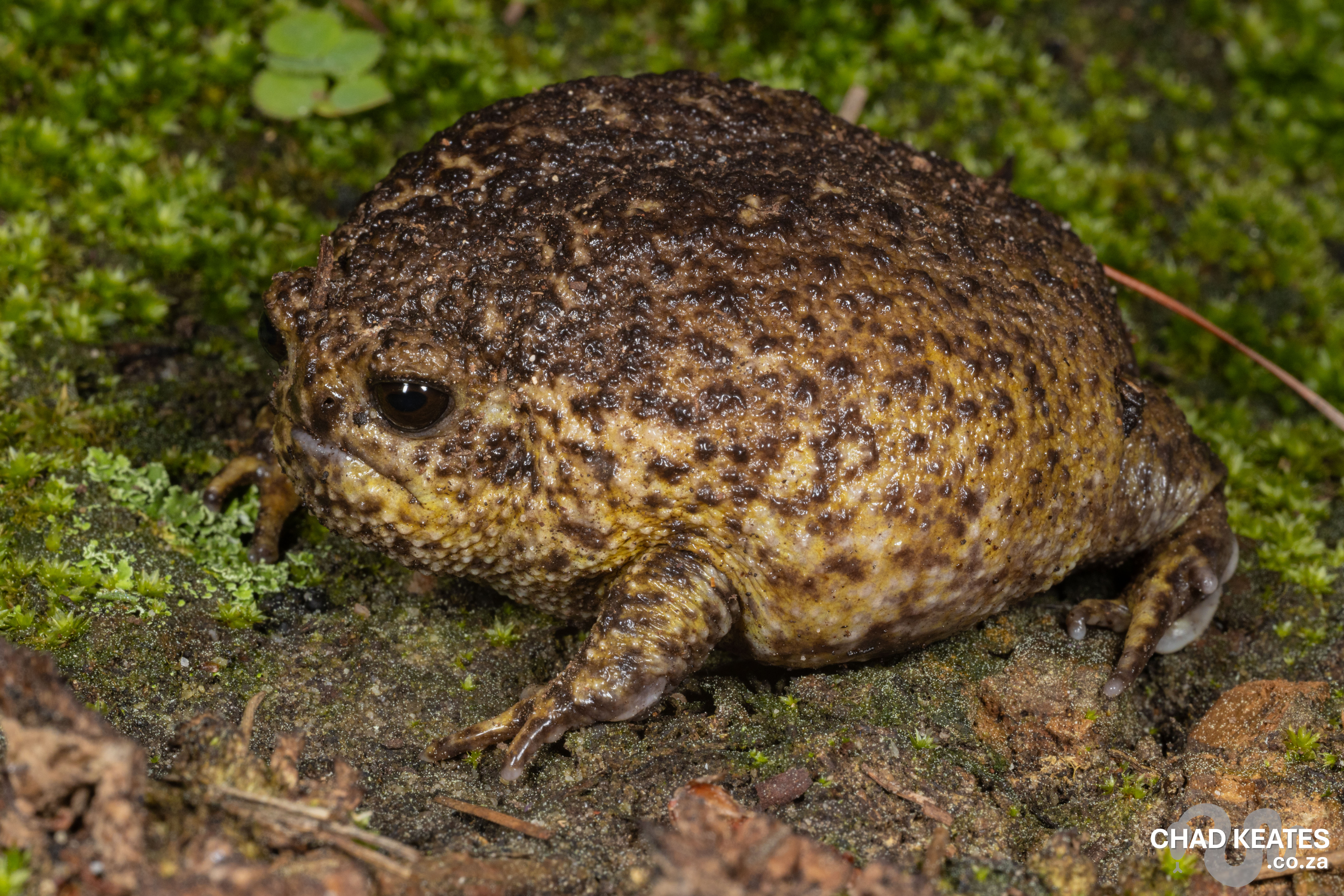
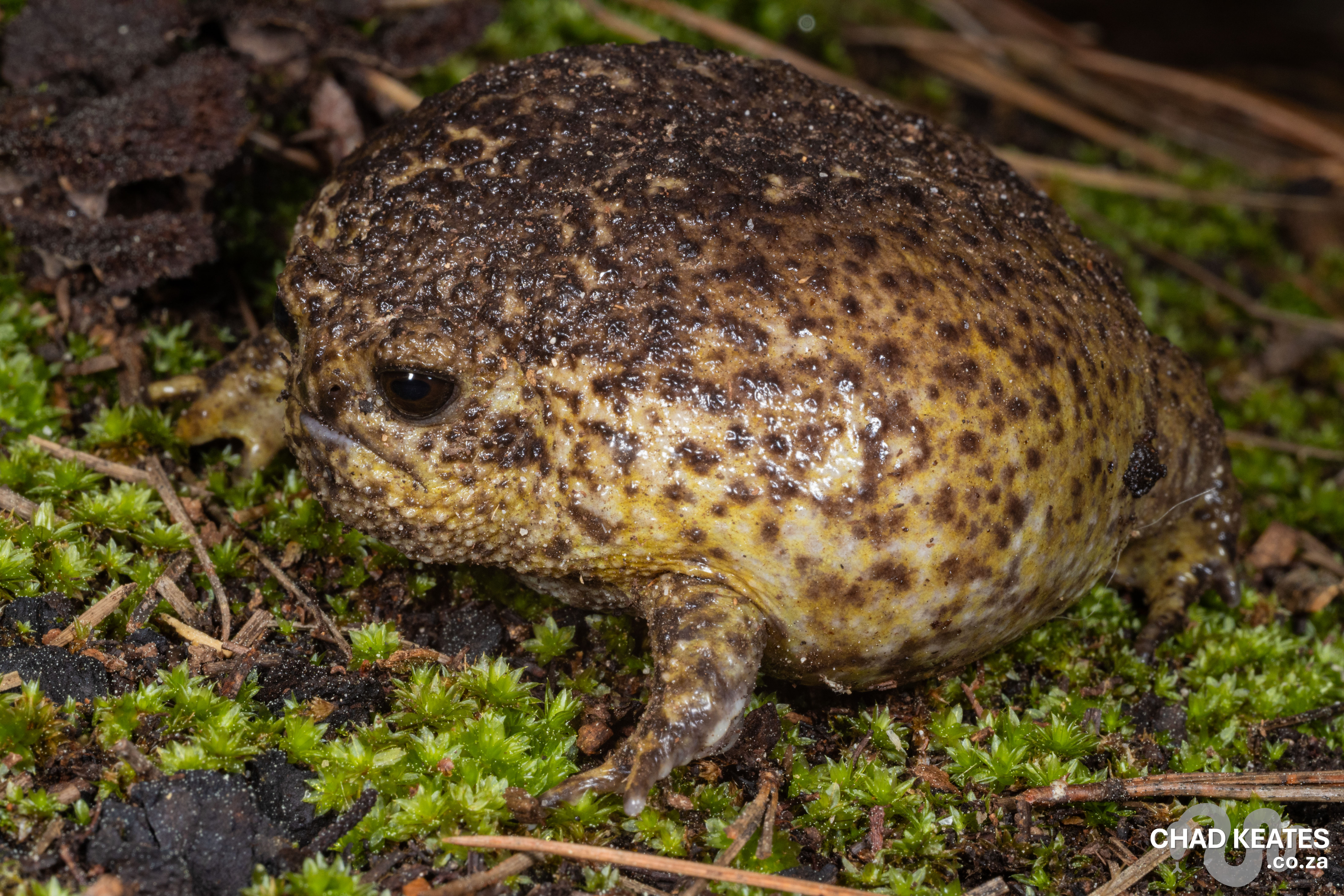
This trip was thus once again a massive success because in the time between digging up acontias in the dumps of South Africa’s quaint coastal towns, we managed to find just over 50 species of reptile, almost 8 percent of South Africa’s known reptile diversity. Some of these include the: many horned adder (Bitis cornuta), namaqua dwarf adder (Bitis schniederi), large-scaled girdled lizard (Cordylus macropholis), armadillo girdled lizard (Ouroborous cataphractus), augrabies gecko (Pachydactylus atorquiatus), cape cobra (Naja nivea), cape dwarf chameleon (Bradypodion pumilum), strawberry rain frog (Breviceps acutirostris).
But most notable of our finds was probably the one we made in Augrabies. It was the last day of our trip and although we were 960km from Grahamstown we still managed to find the famously regal academic, Professor Adrian Craig, perched upon his chair over-looking Augrabies Falls with Daniel Danckwerts by his side. In conclusion, we would like to thank Dr Shelley Edwards for affording us the resources and the time to complete the herpetological expedition, because if it weren’t for this experience, it is unlikely that we ever would have seen Professor Adrian Craig in his natural environment.
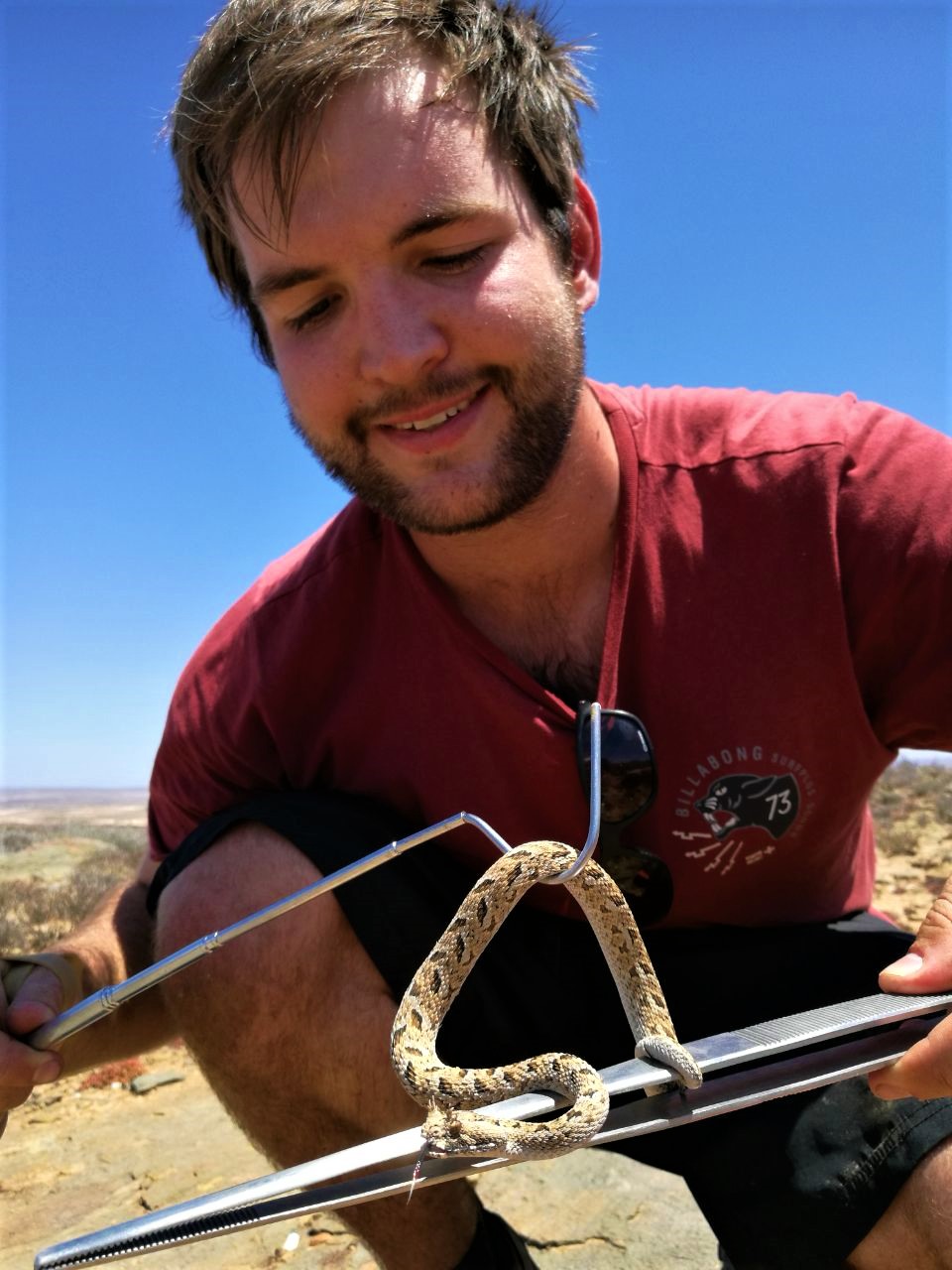
Snakes and their Mates Videos from Trip:


from Cape Town, Western Cape, South Africa

from Cape Town, Western Cape, South Africa
from Cape Town, Western Cape, South Africa
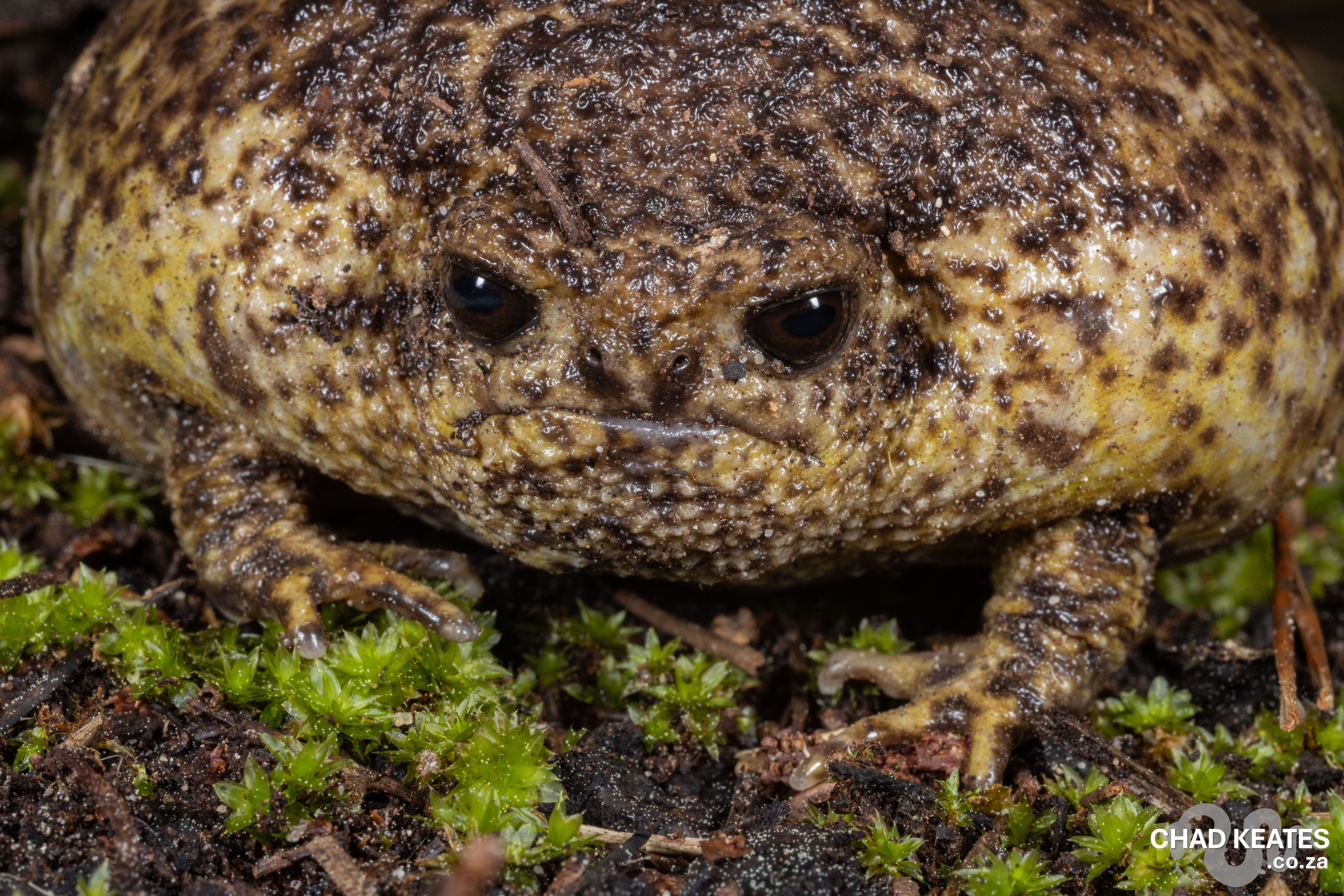
from Cape Town, Western Cape, South Africa

from Cape Town, Western Cape, South Africa
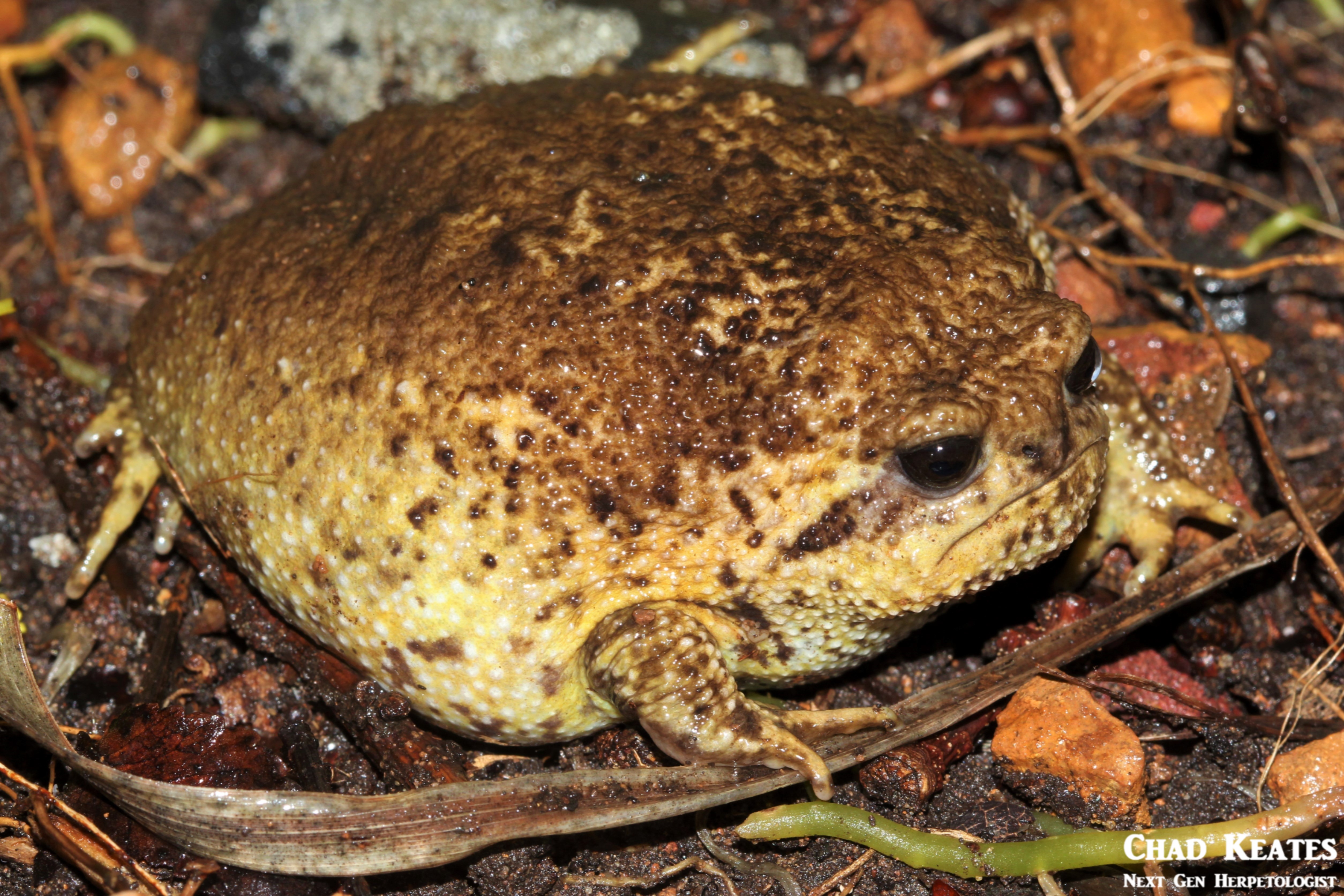
from Cape Town, Western Cape, South Africa
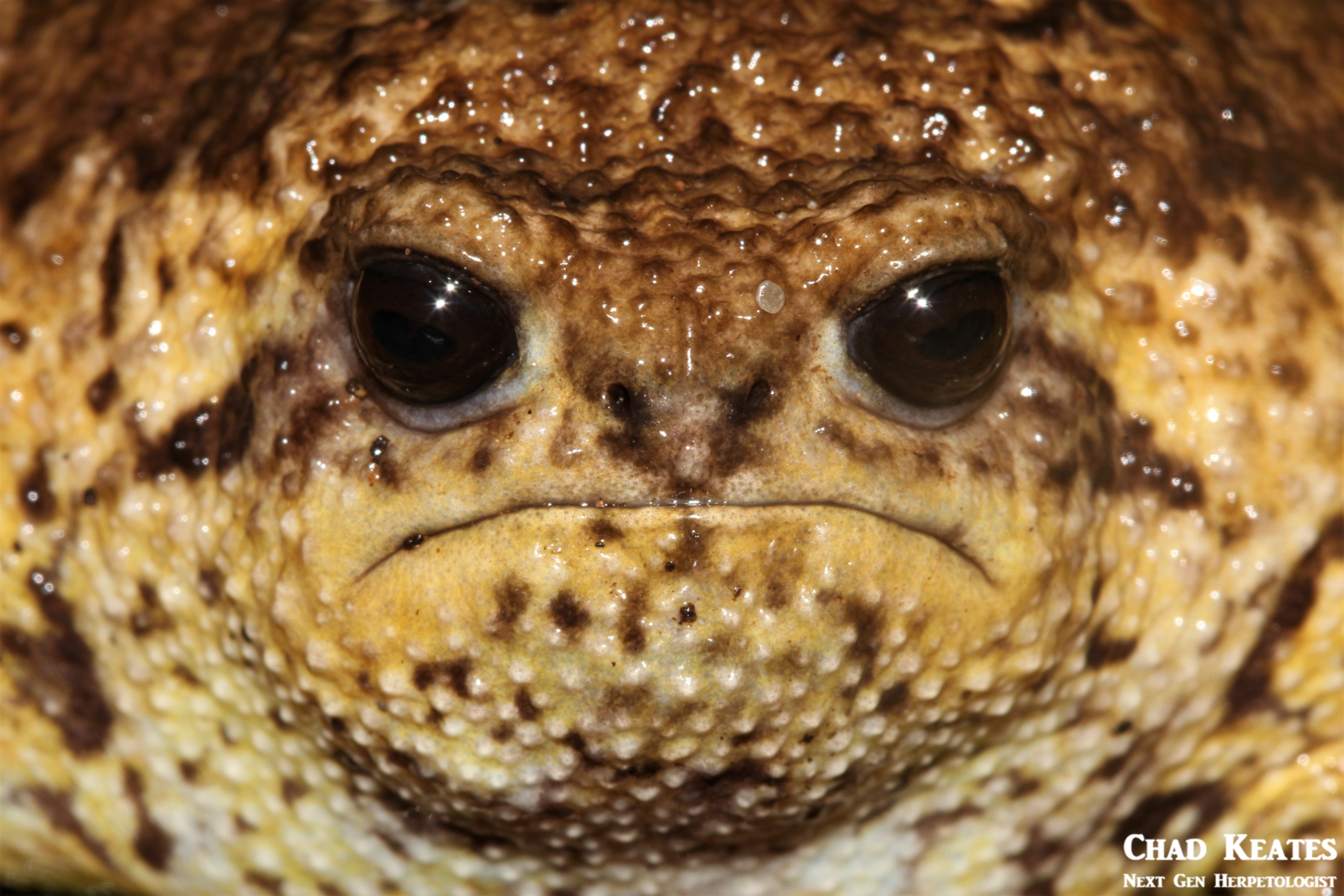
from Cape Town, Western Cape, South Africa

from Cape Town, Western Cape, South Africa


from Kommetjie, Western Cape, South Africa

from Kommetjie, Western Cape, South Africa

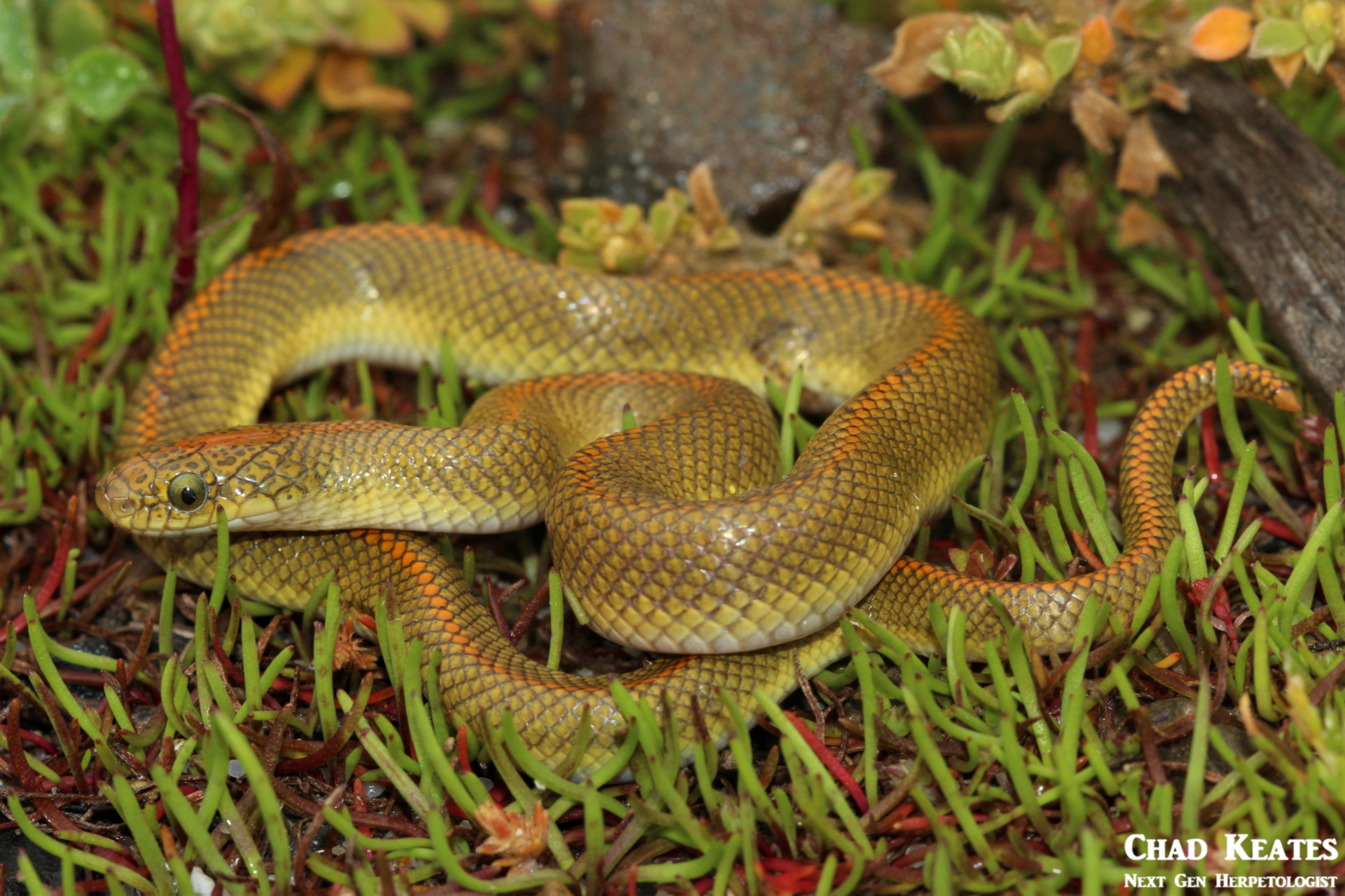

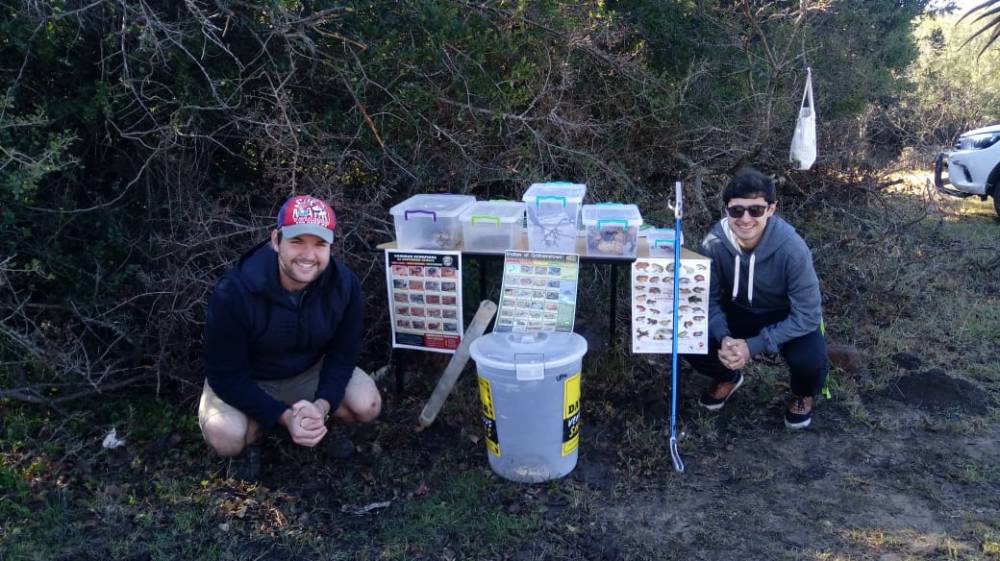
On August the 24th I attended at the ECPTA (Eastern Cape Parks Tourism Association) Field Rangers Day at Thomas Baines Nature Reserve, to showcase some of the reptiles found in the Albany area. I represented ZEML (Zoology and Entomology Molecular Lab) along with my supervisor; Dr Shelley Edwards and my lab colleague Anthony Evlambiou. We were also joined by members of CBC (Centre for Biological Control), who showcased some of the invasive plants found in the area.
The day was a great success and our stand, that comprised of snakes and lizards, was well received by all who attended, with most of the rangers in attendance taking the opportunity to handle their first snake. The event was covered by the Grocotts Mail, and if you look at the front page of the attached article (https://www.pressreader.com/south-africa/grocotts-mail), you will see Shieva, Grahamstown’s most famous brown house snake, perched upon the hands of a brave field ranger.






 Chad Keates