 Chad Keates
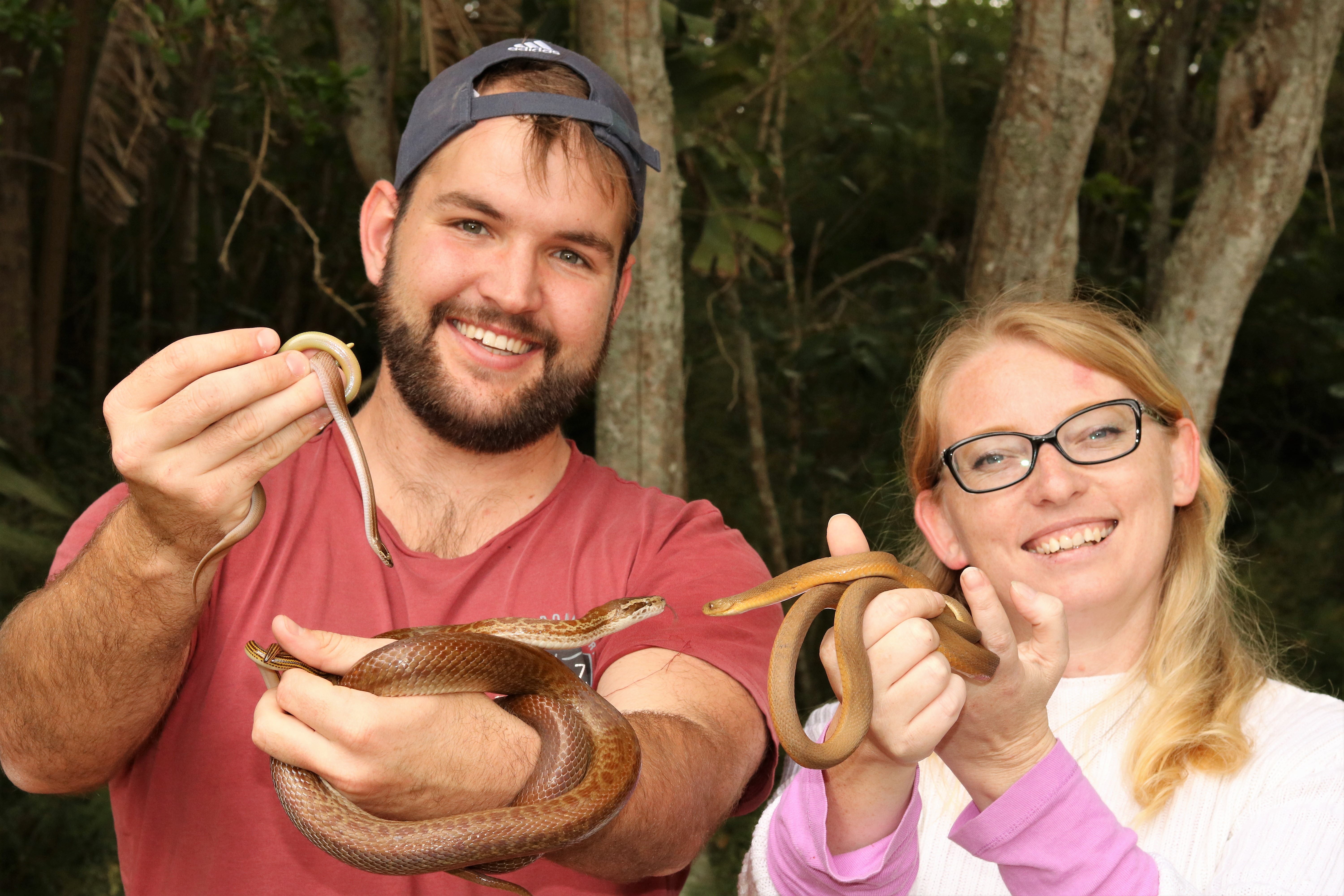
Check out this awesome blog post written by Jessica Evans. The post details my thesis, photography and my general dealings with herpetofauna.
https://www.bite-sizedsci.com/single-post/2019/02/28/Cold-scaley-unloved-but-adored-by-this-guy


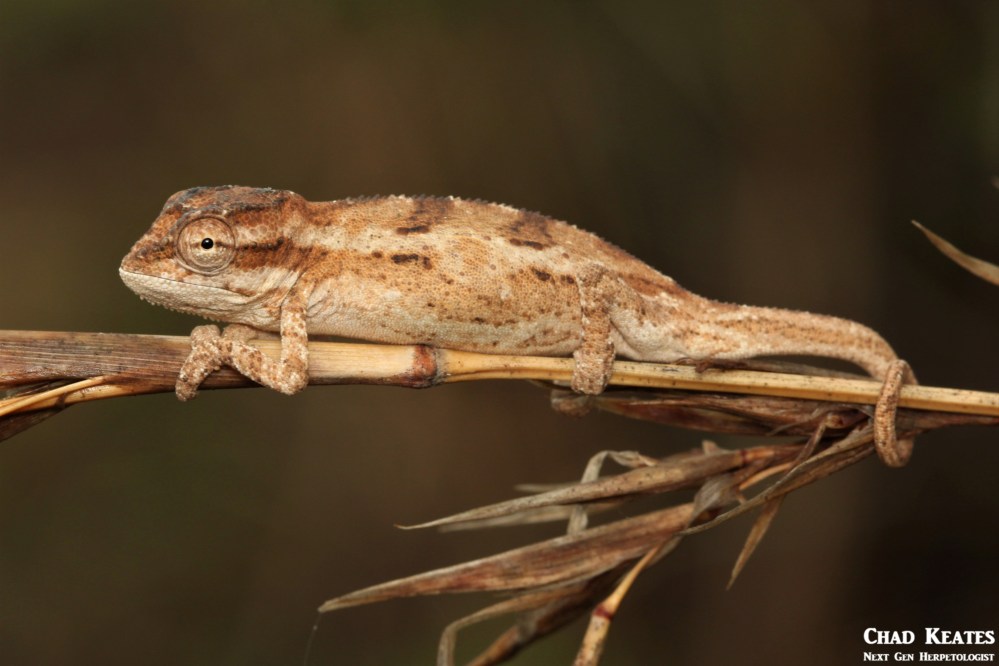

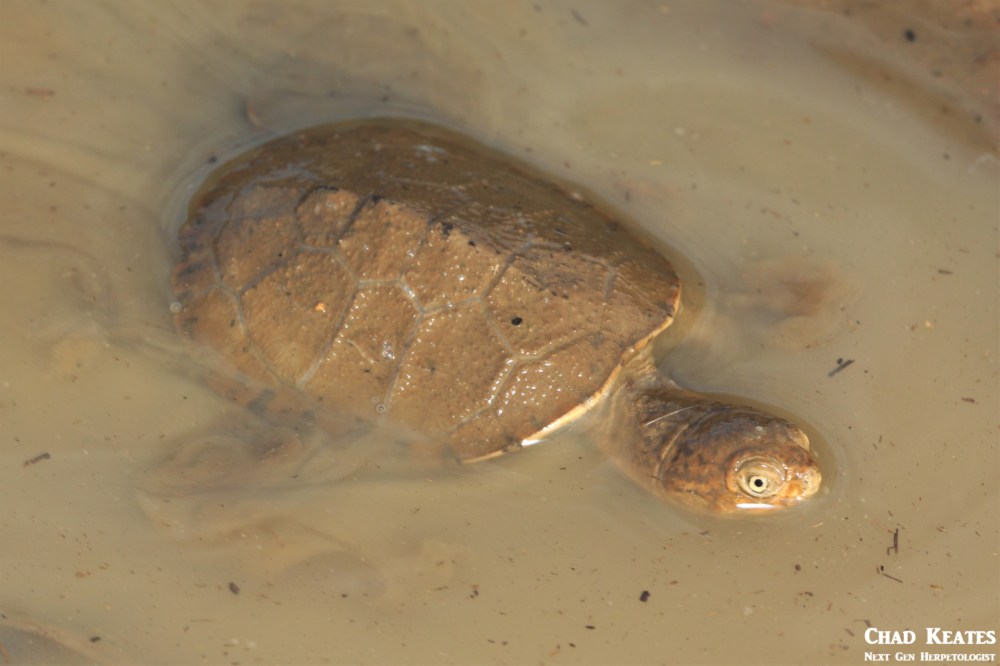
from Gauteng, South Africa
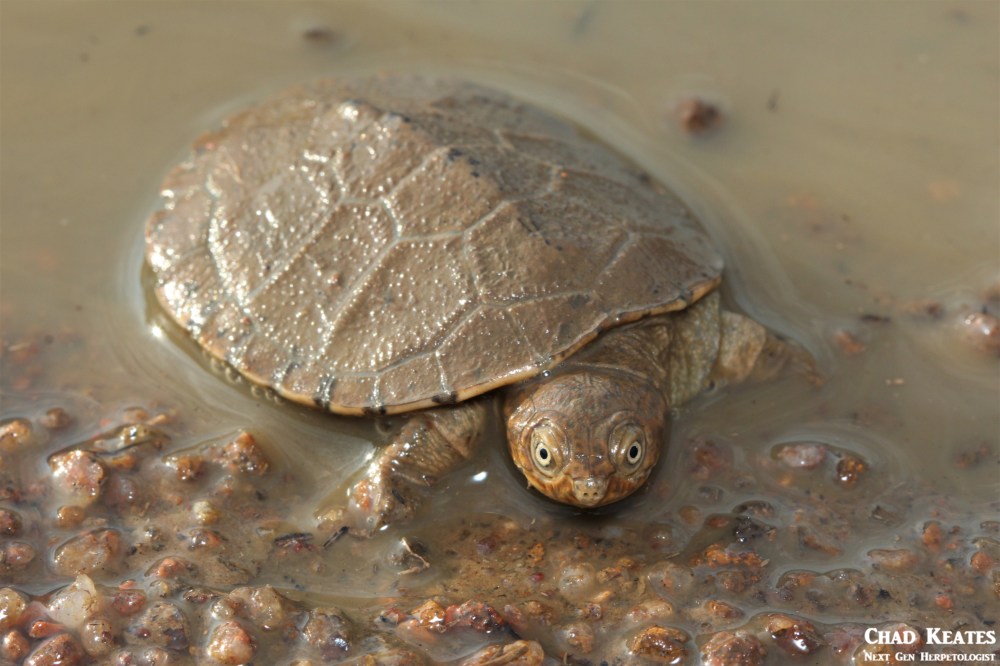
from Gauteng, South Africa
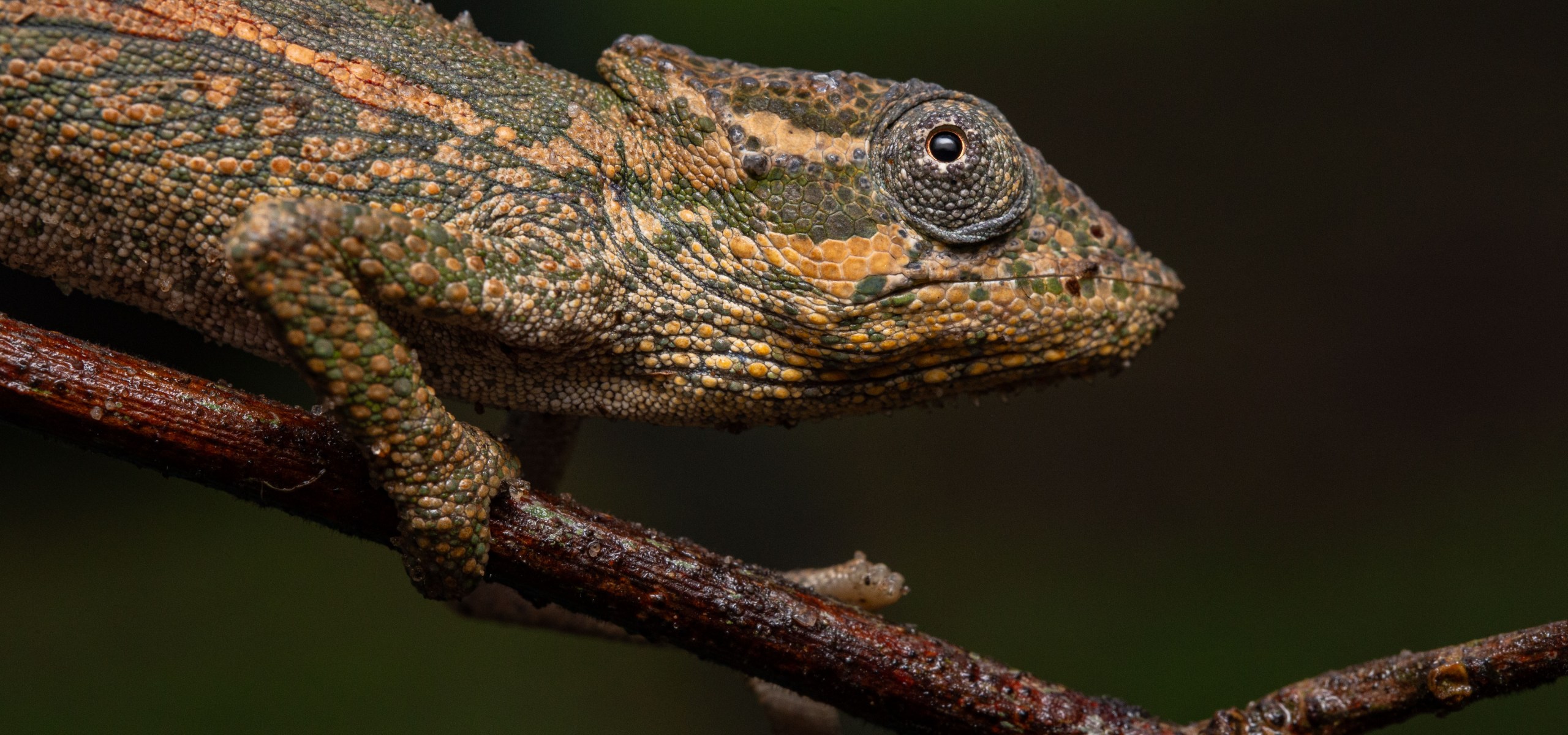

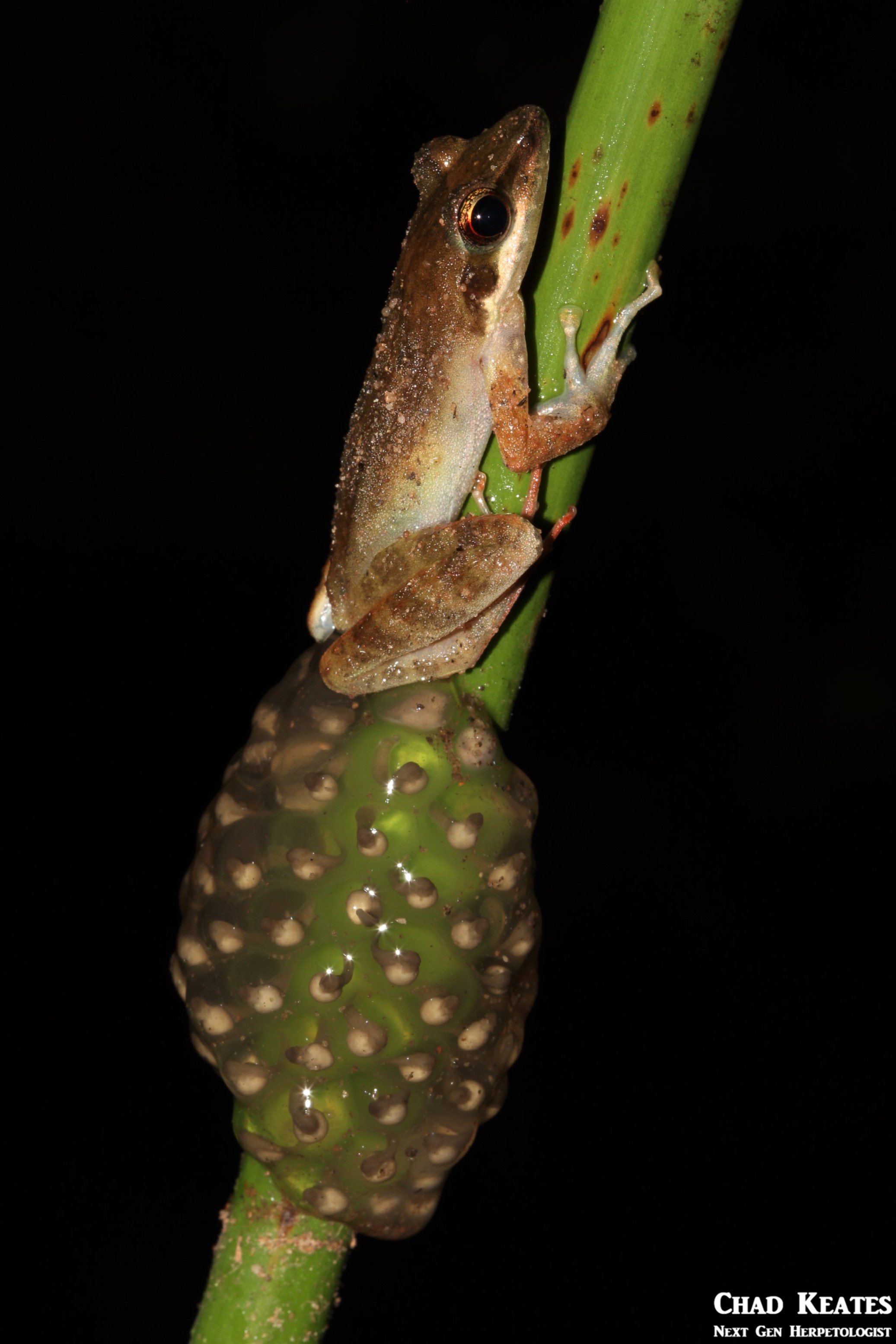
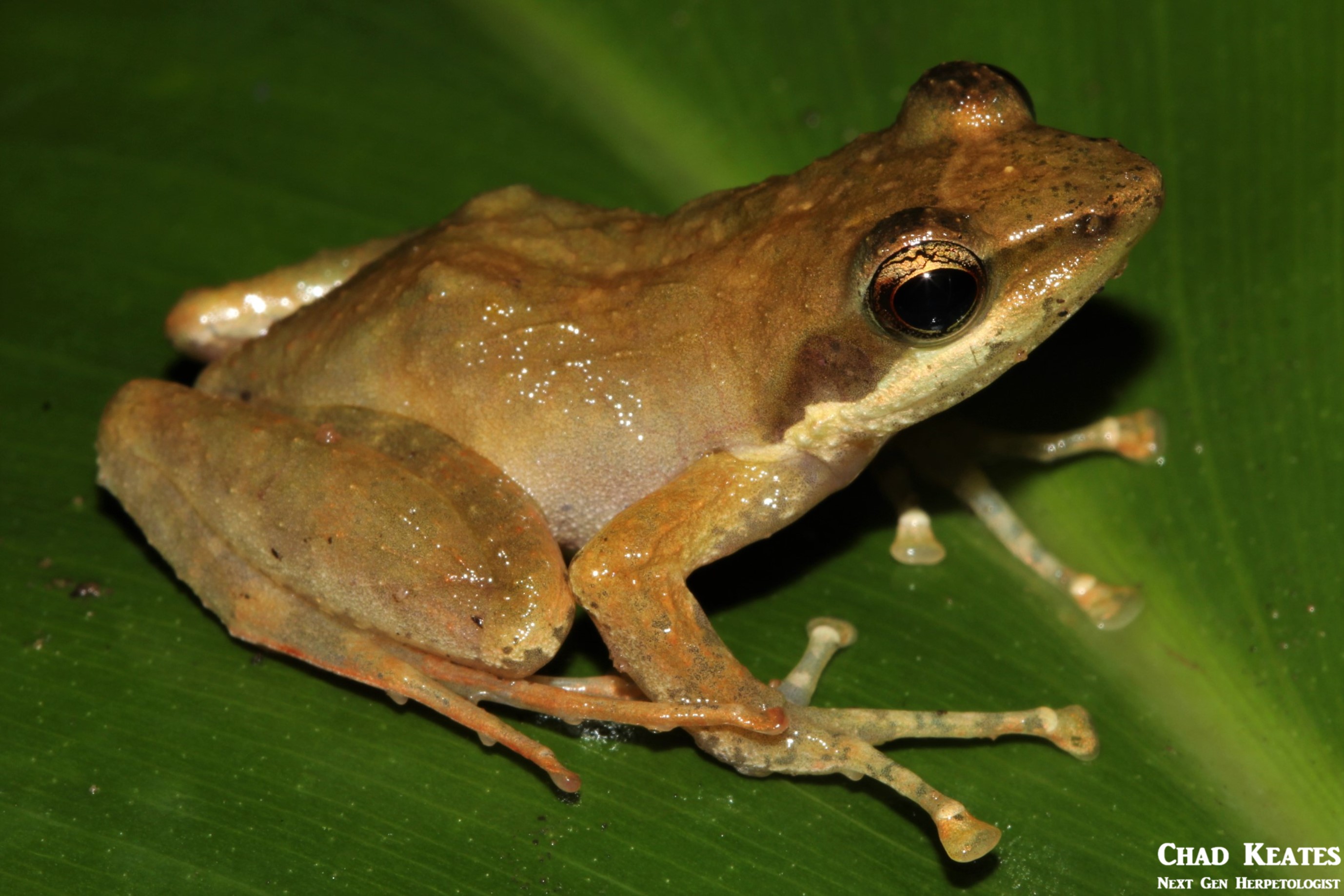
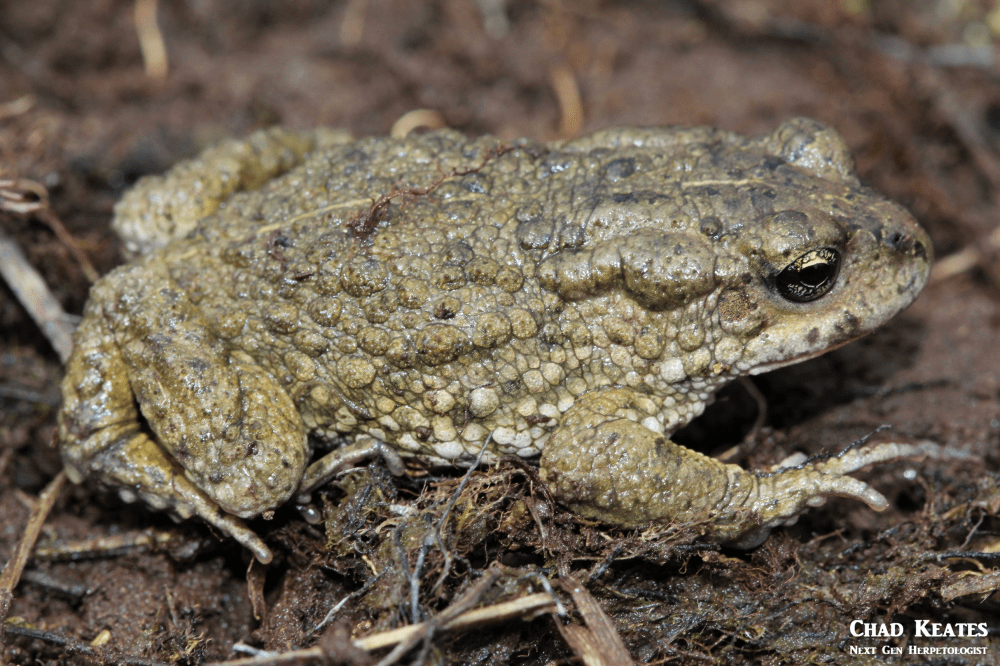
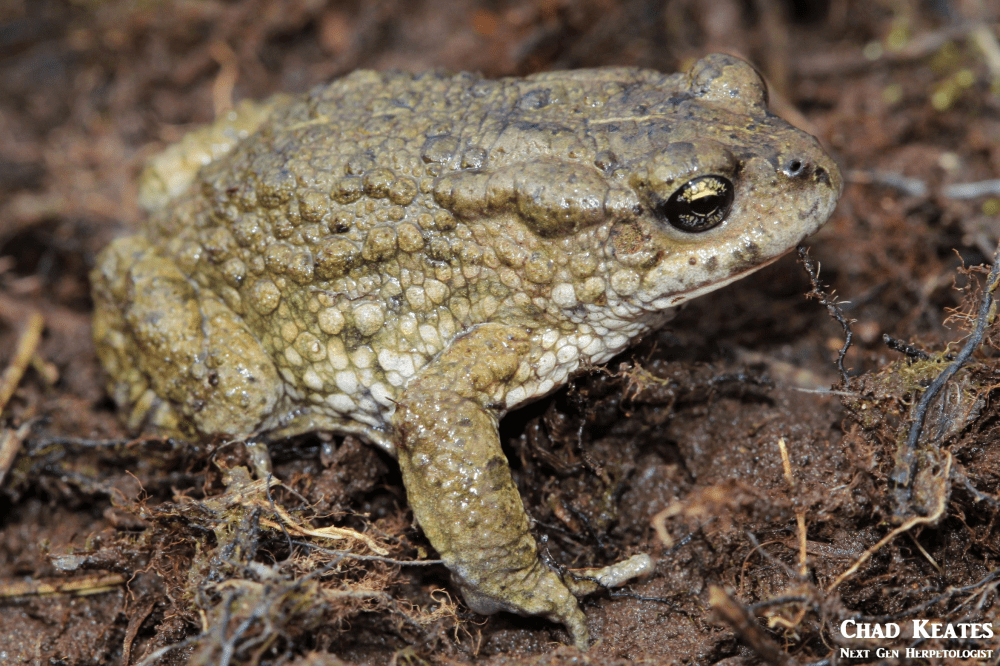
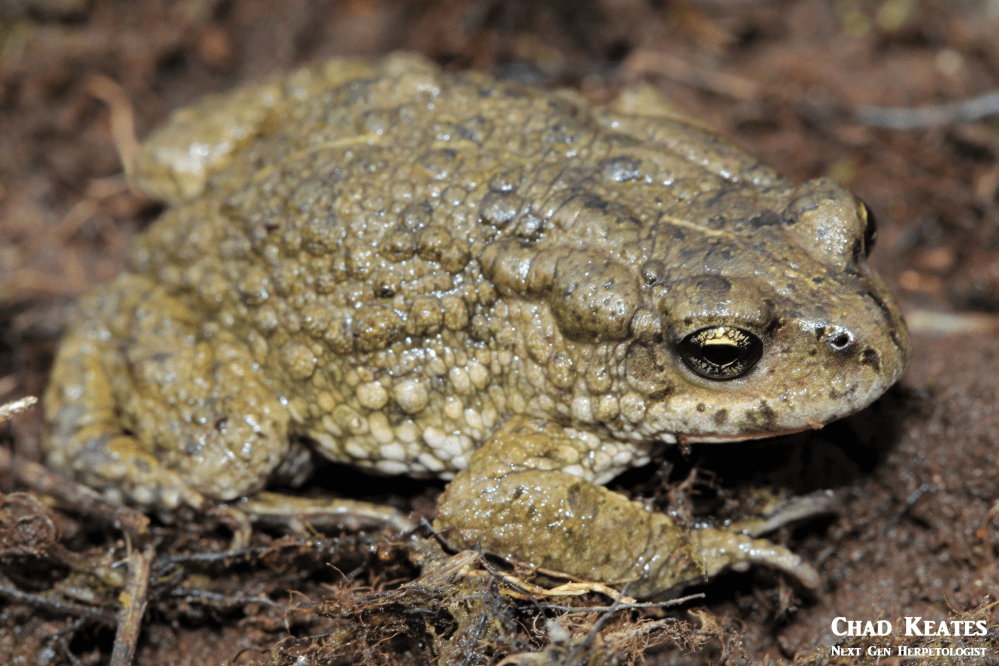
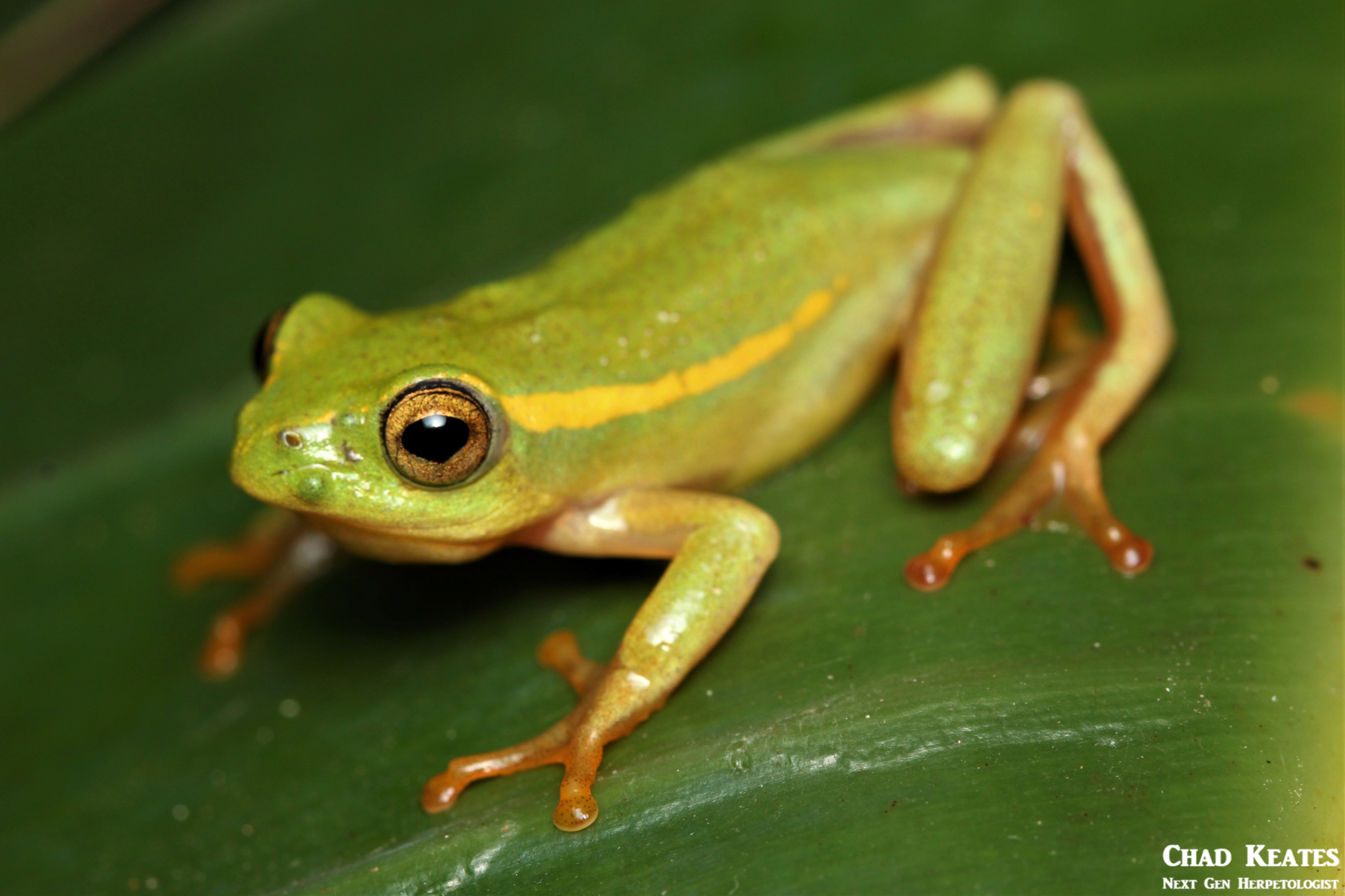
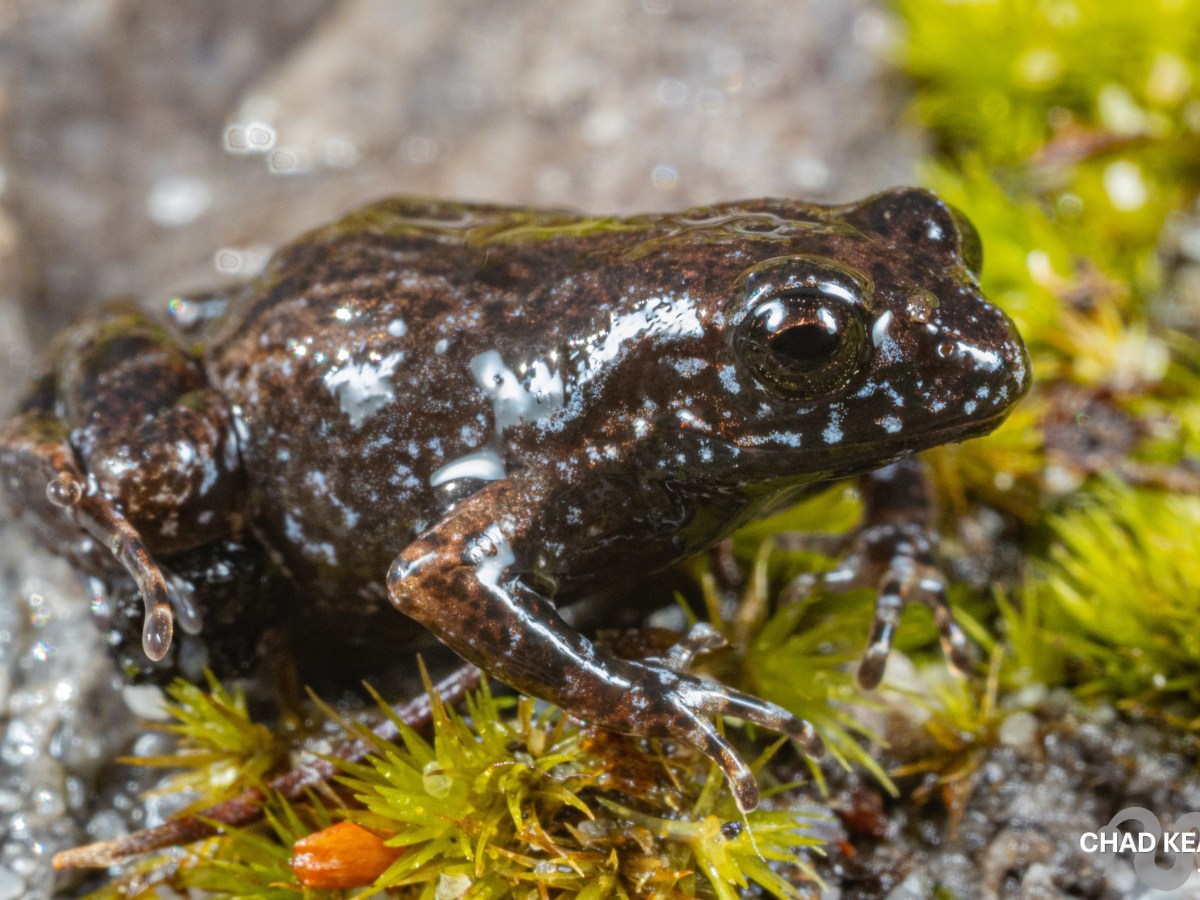
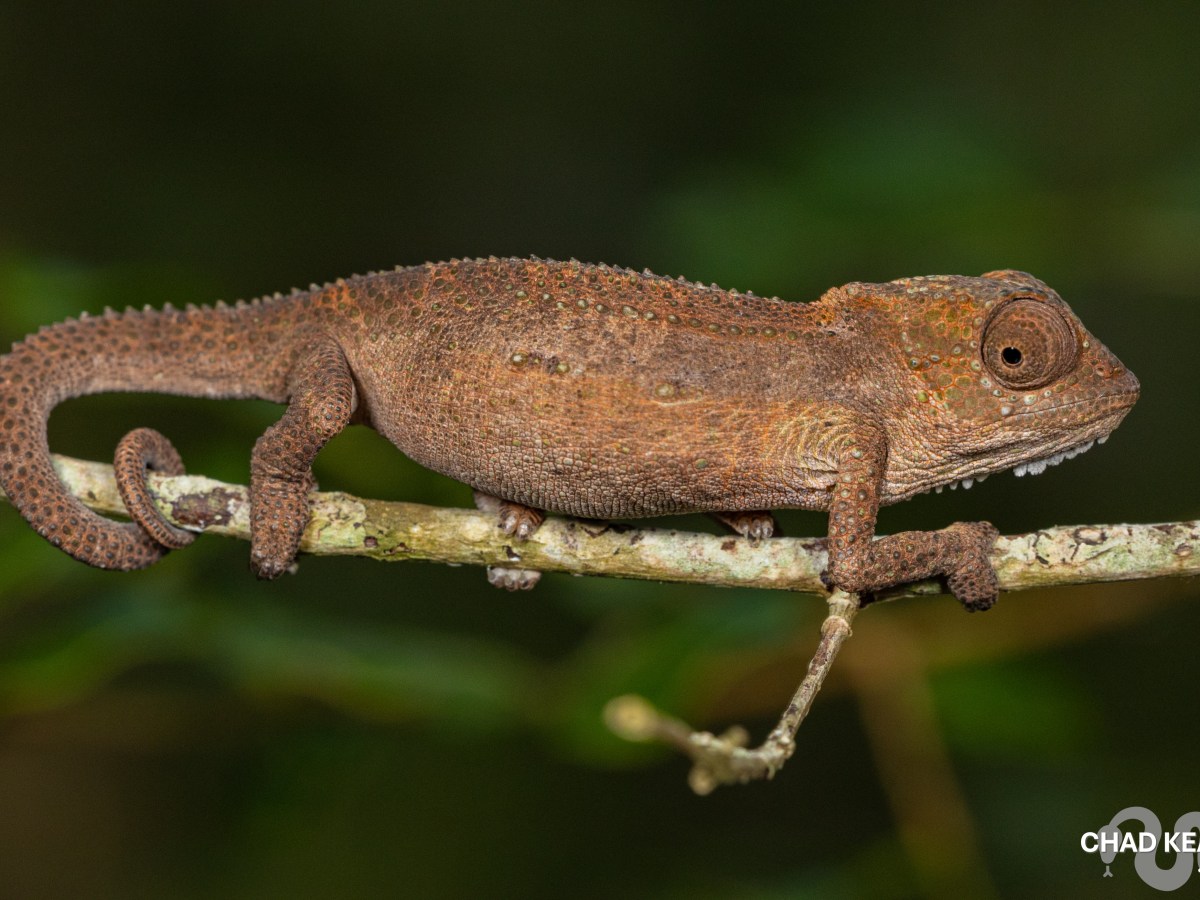
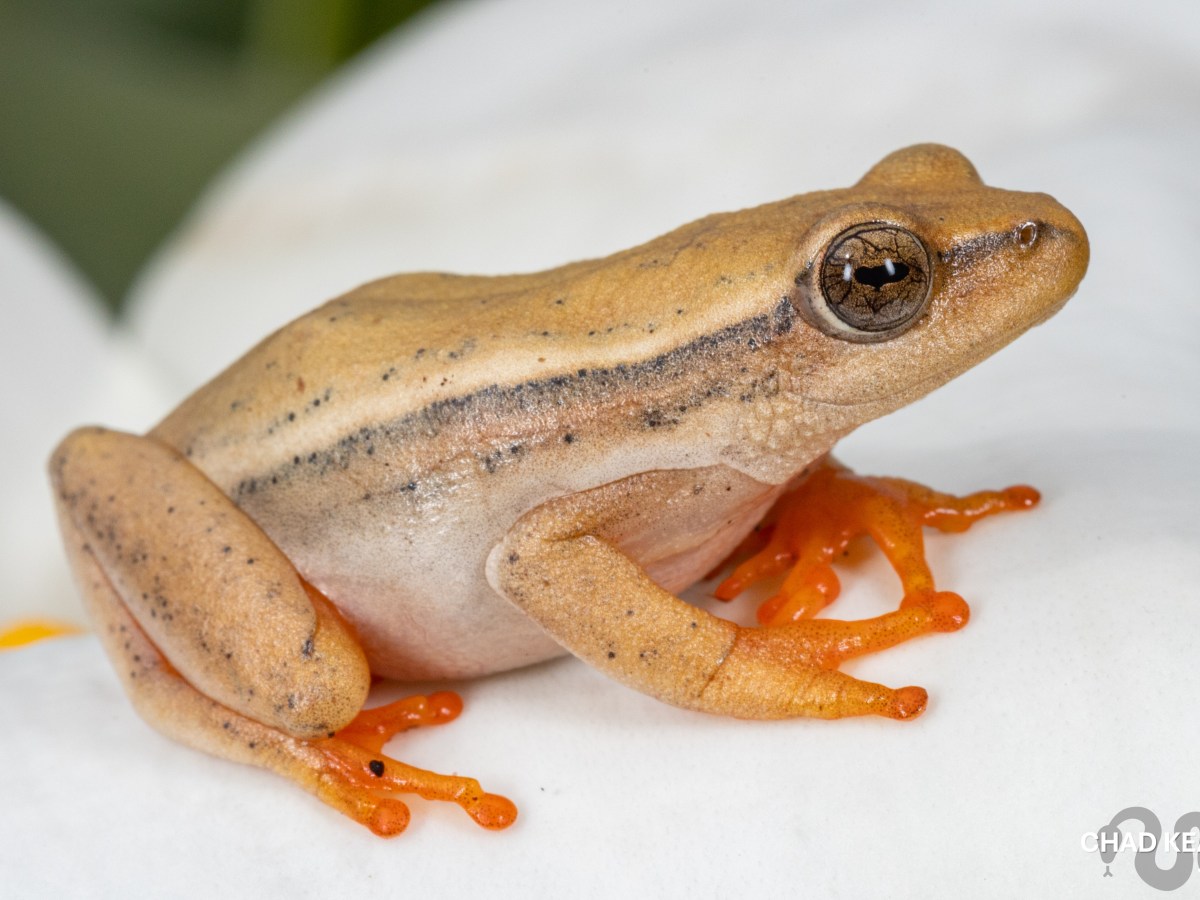
from St Lucia, KwaZulu Natal, South Africa

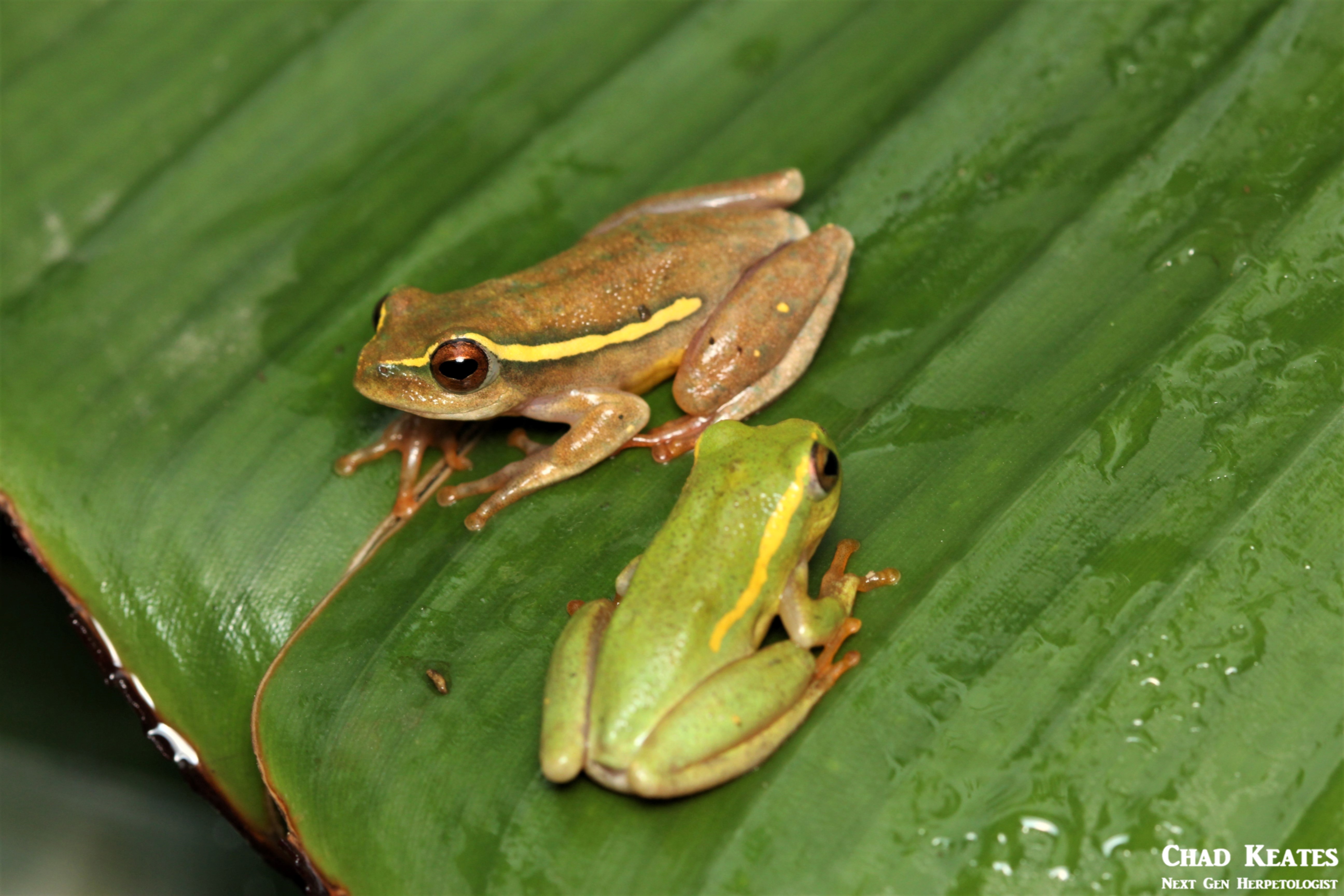
from St Lucia, KwaZulu Natal, South Africa
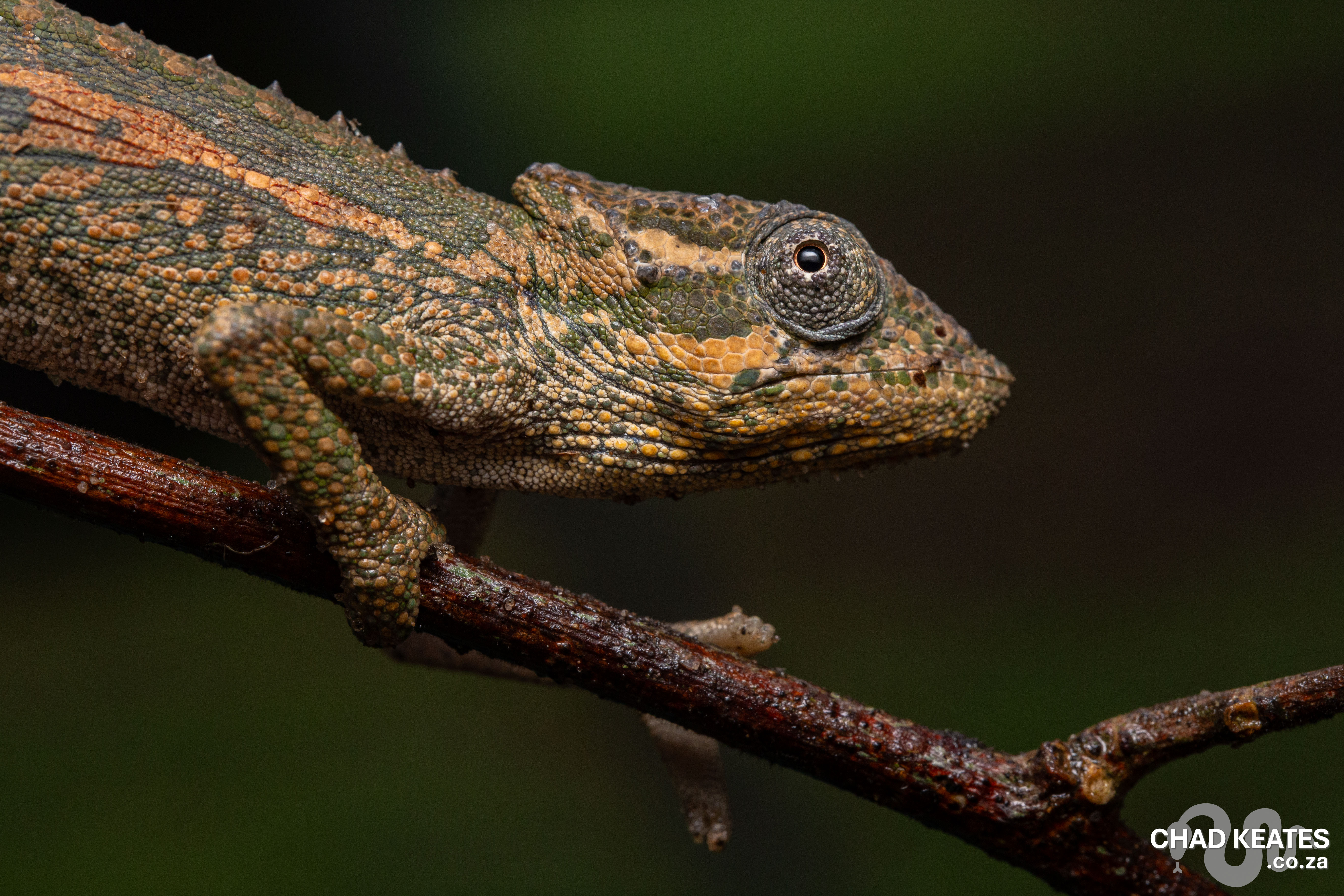
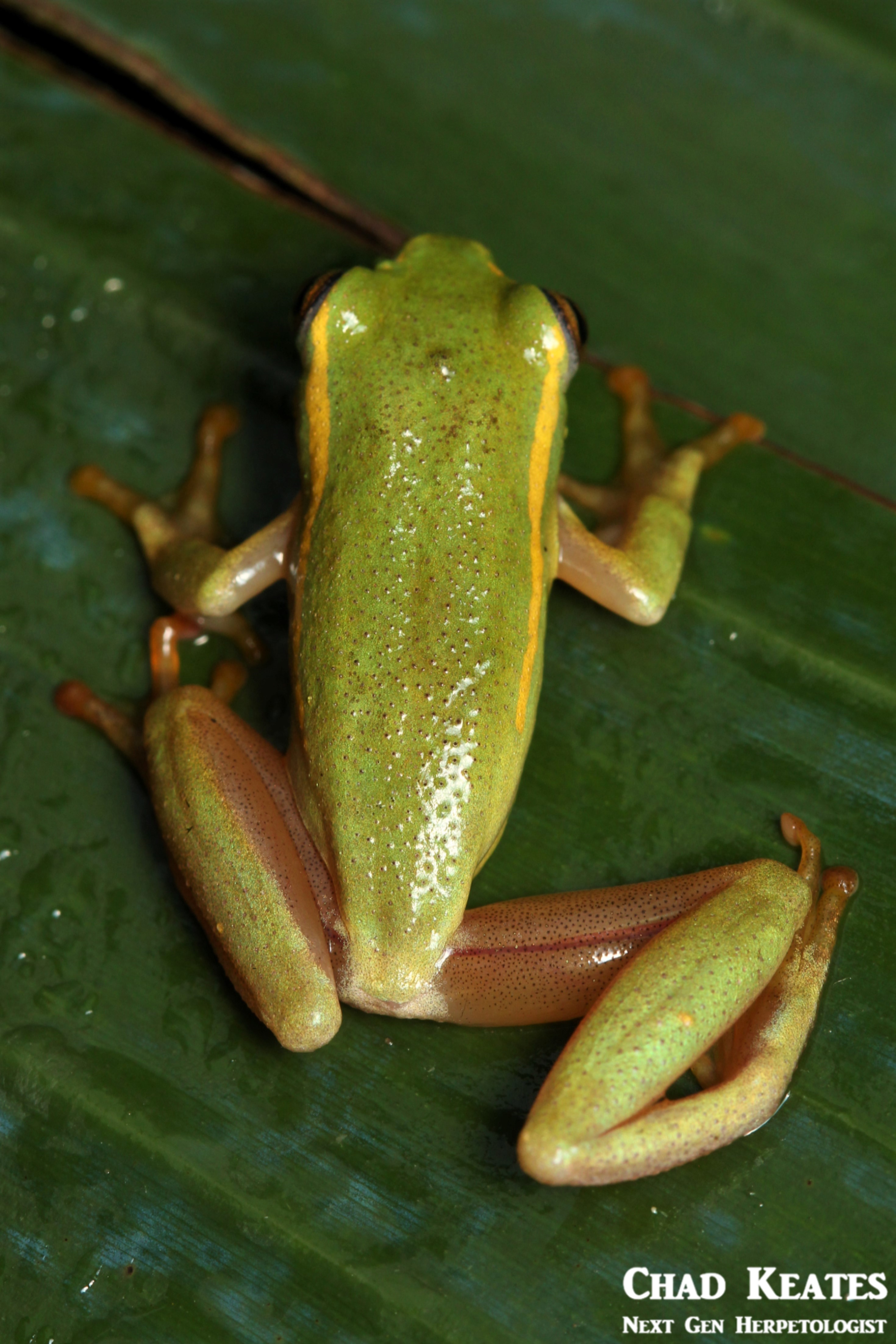
from St Lucia, KwaZulu Natal, South Africa

from St Lucia, KwaZulu Natal, South Africa
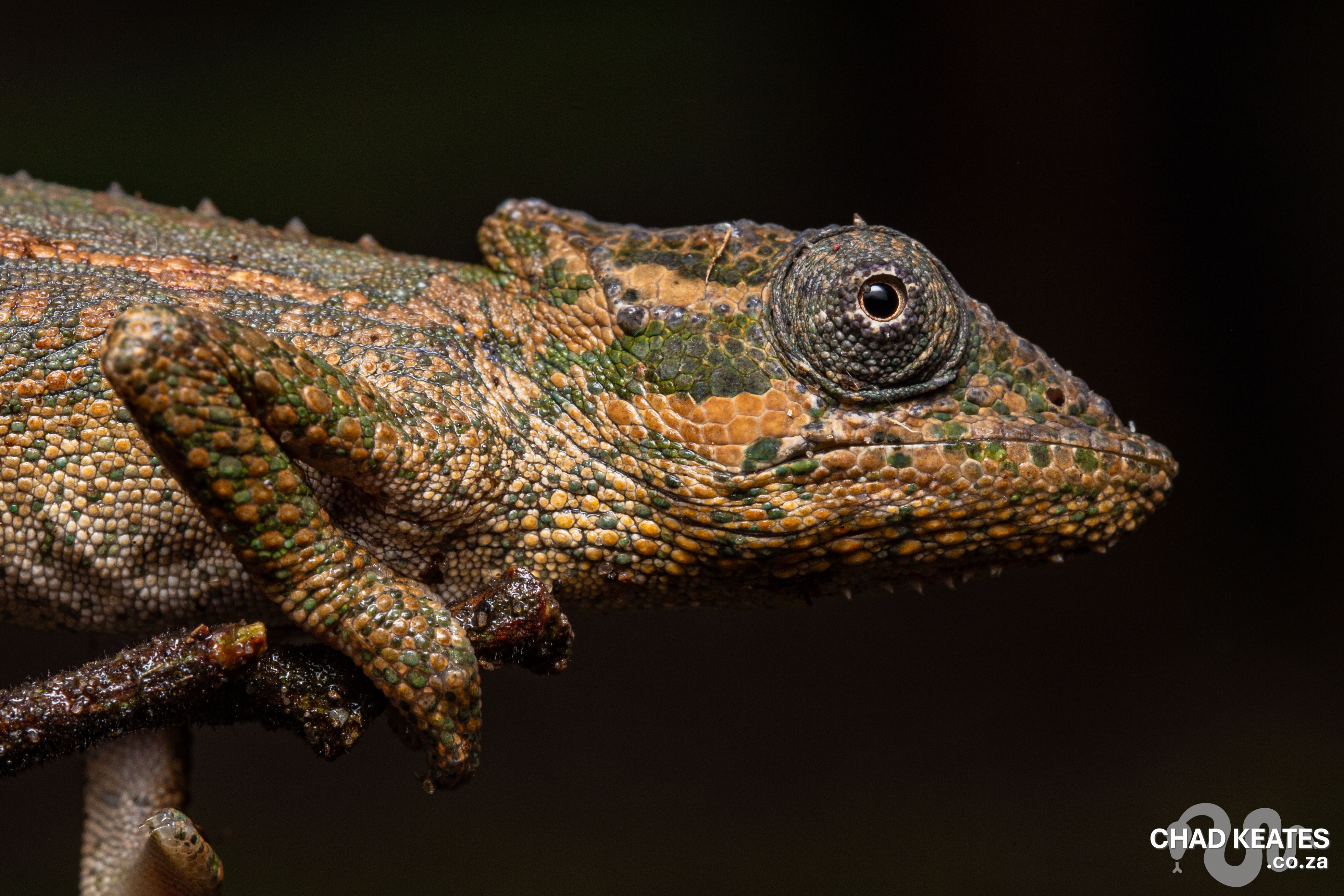
from St Lucia, KwaZulu Natal, South Africa
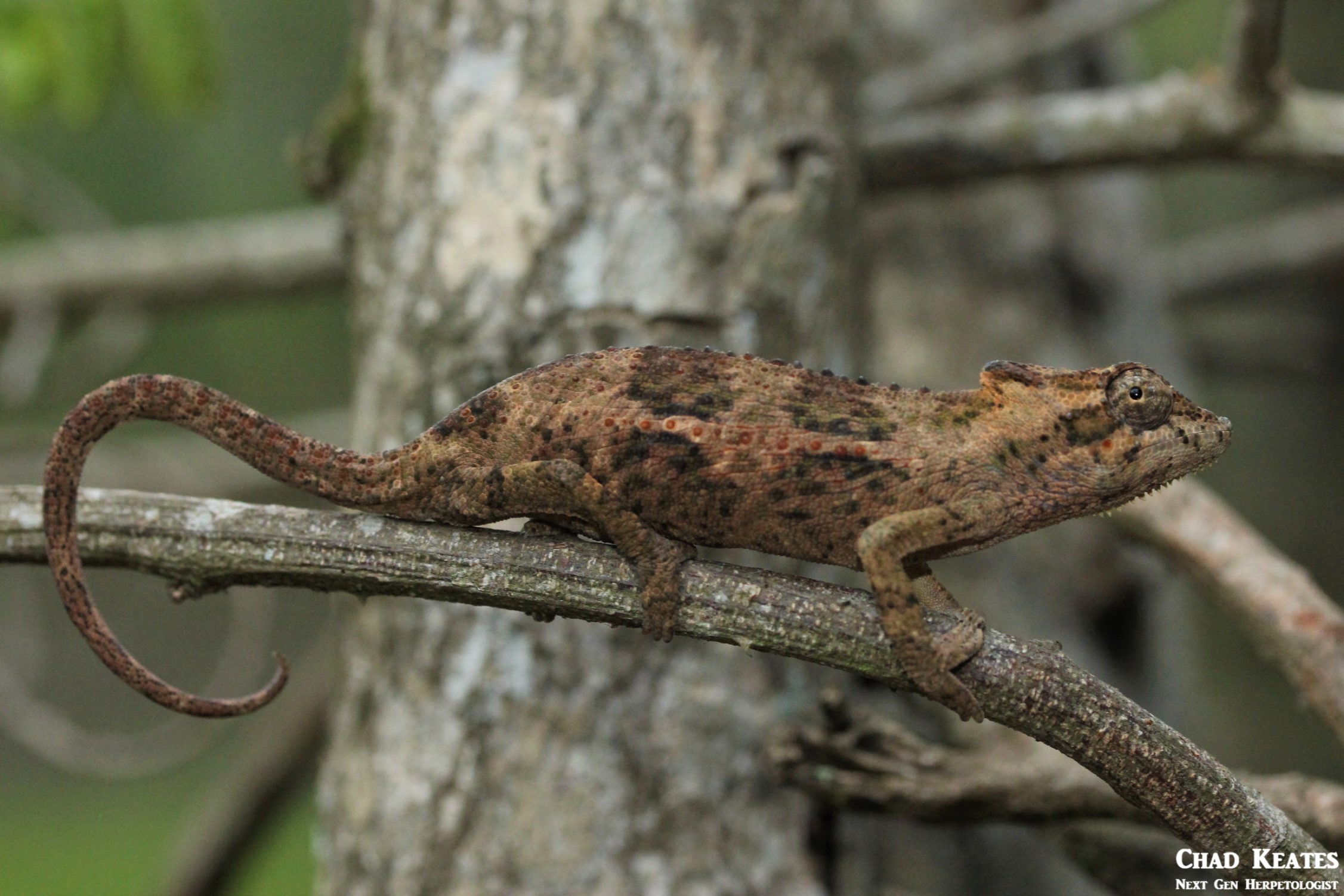
from St Lucia, KwaZulu Natal, South Africa

Southern Africa plays host to just over 150 different species of frog. In the Eastern Cape you can find approximately 32 different species of frog. All but five species have been listed below. These include The Giant Bullfrog (Pyxicephalus adspersus), Natal-leaf Folding Frog (Afrixalus spinifrons), Hogsback Chirping Frog (Anhydrophryne rattrayi), Sharp-nosed Grass Frog (Ptychadena oxyrhynchus) and Hewitt’s Ghost Frog (Heleophryne hewitti). For more information on each species, click on their names.
African Common frogs
Delalande’s River Frog (Amieta delalandii)
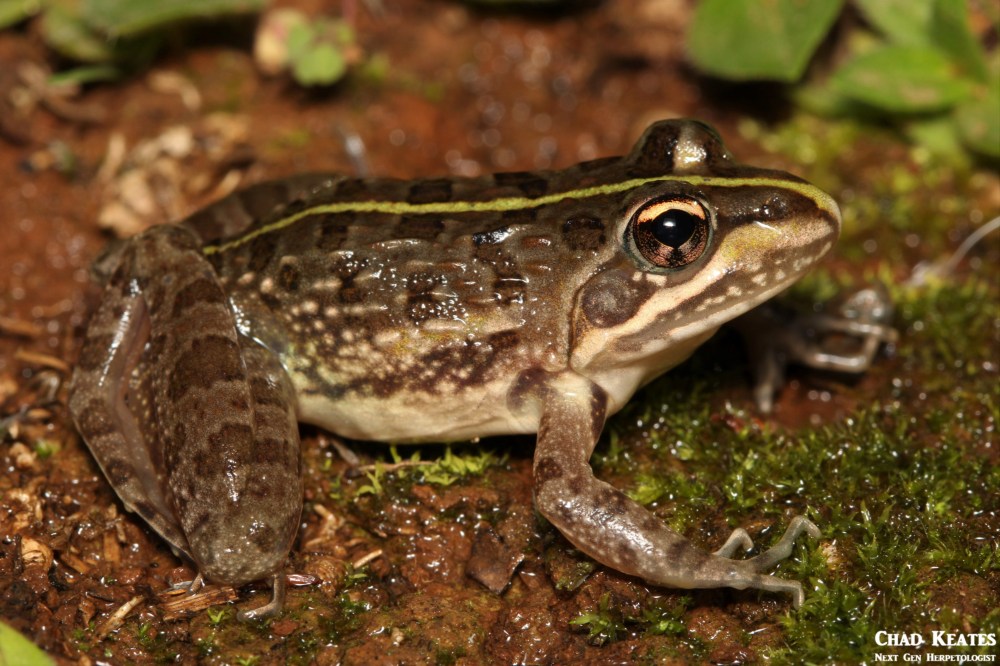
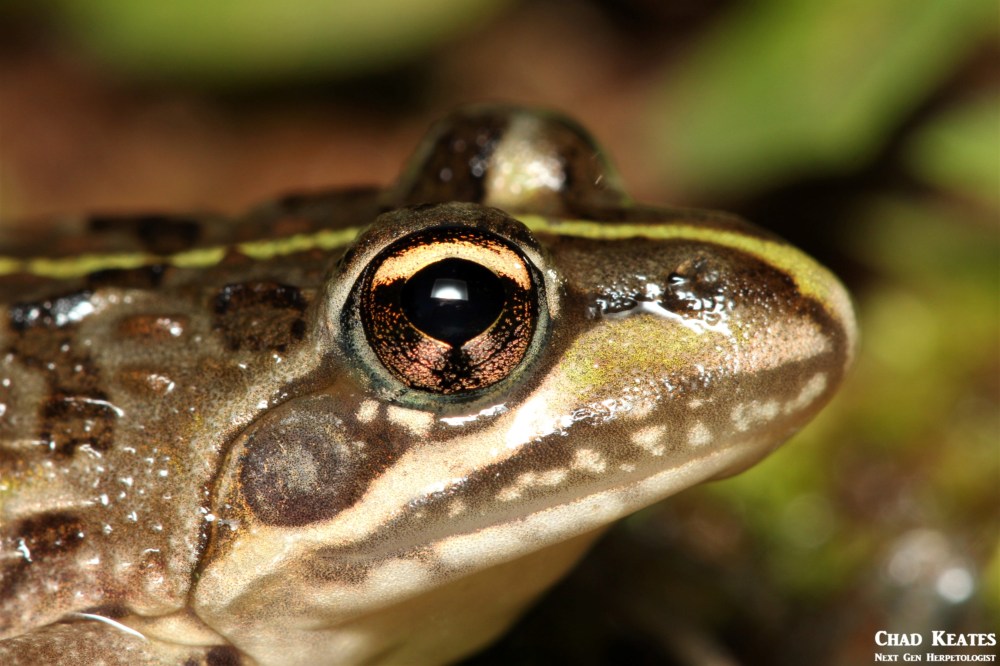
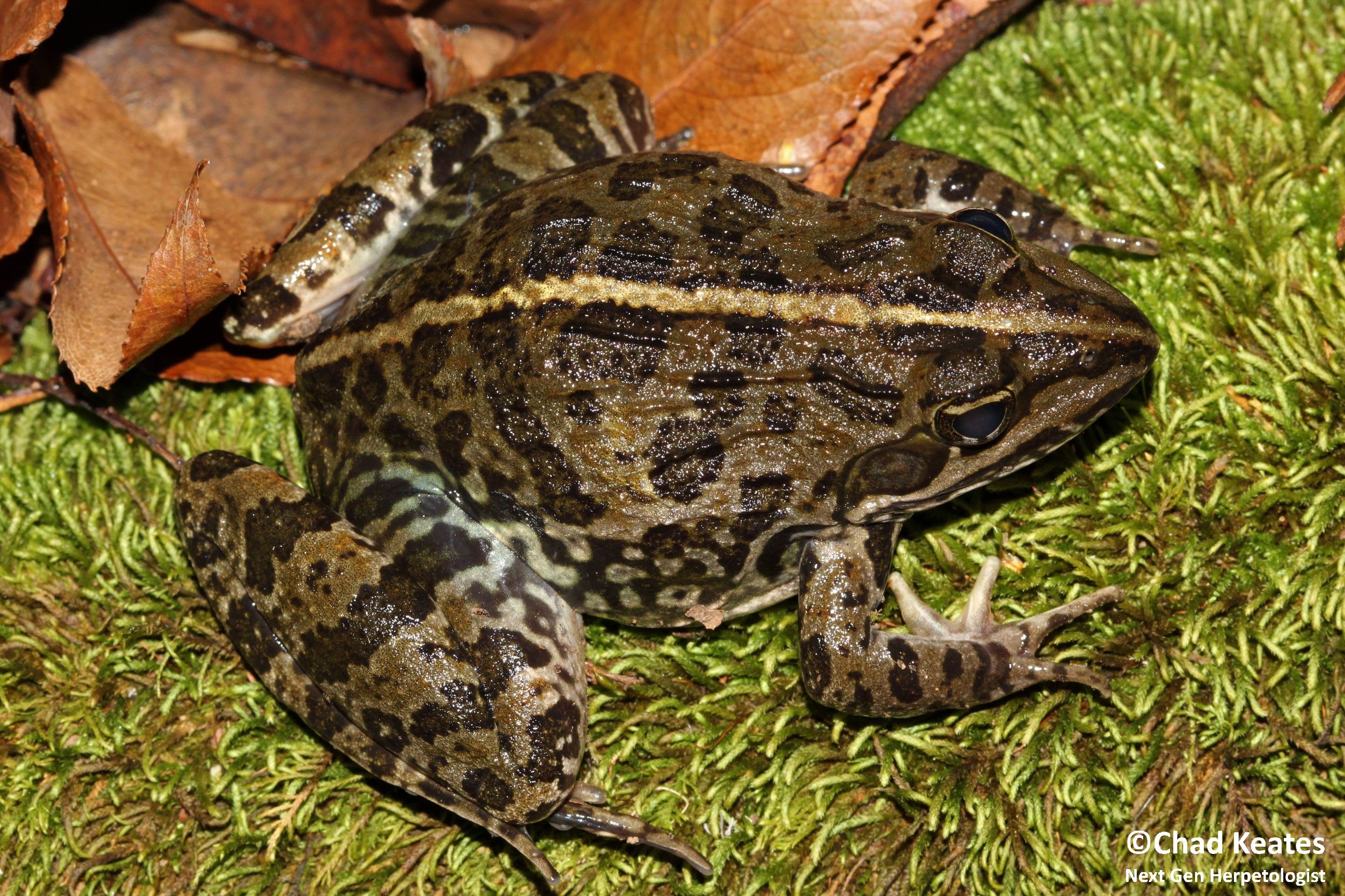
Poynton’s River Frog (Amietia poyntoni)
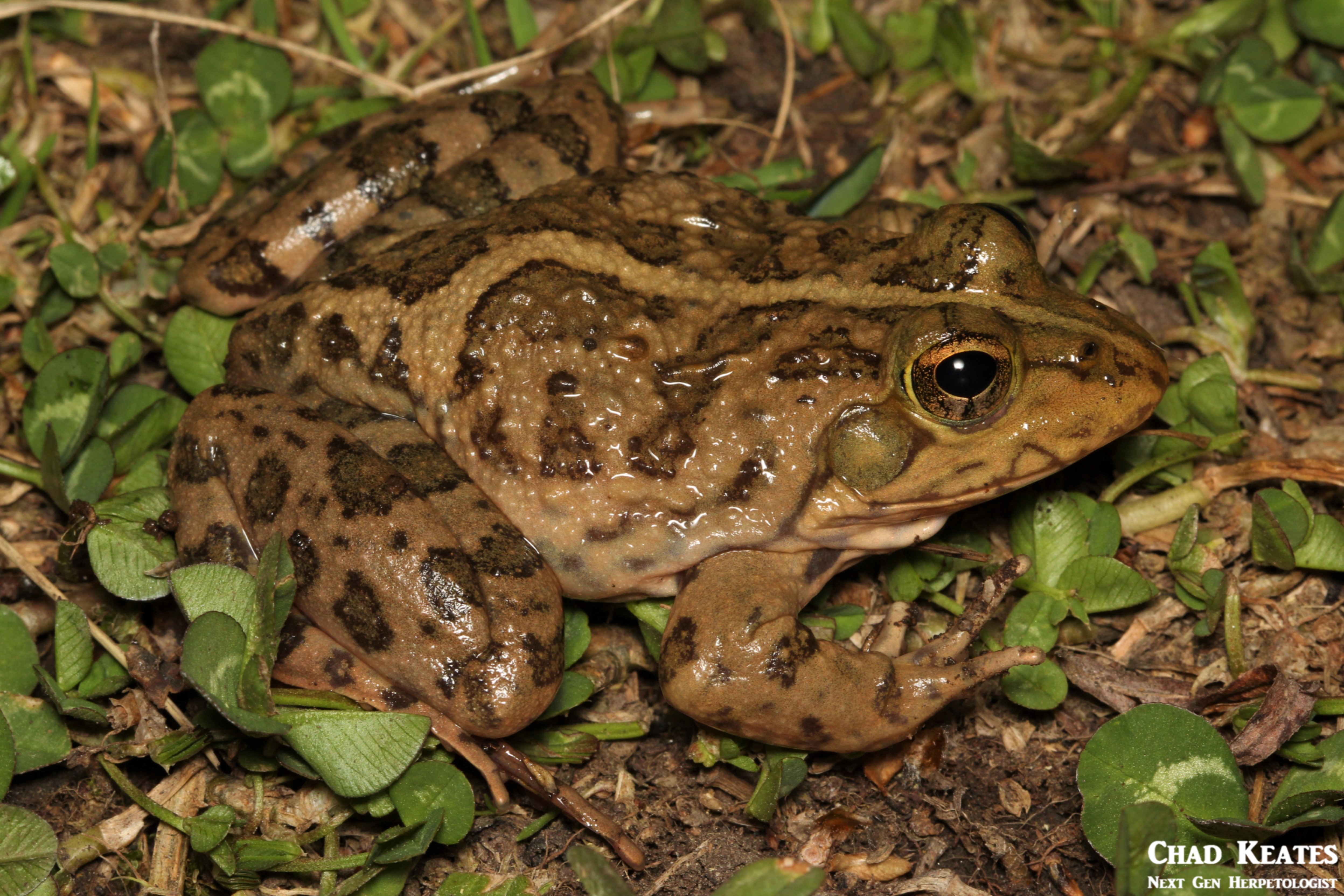
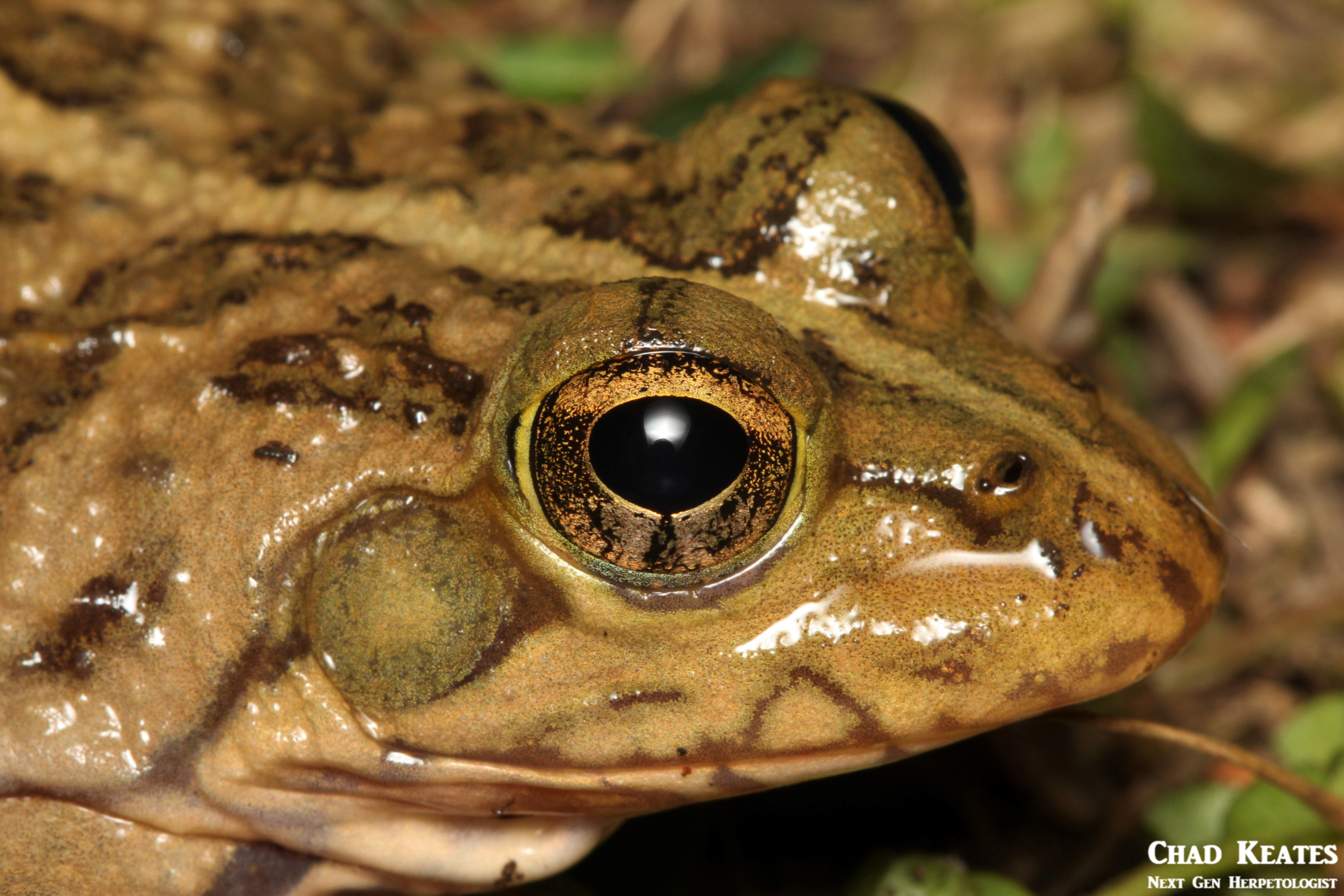
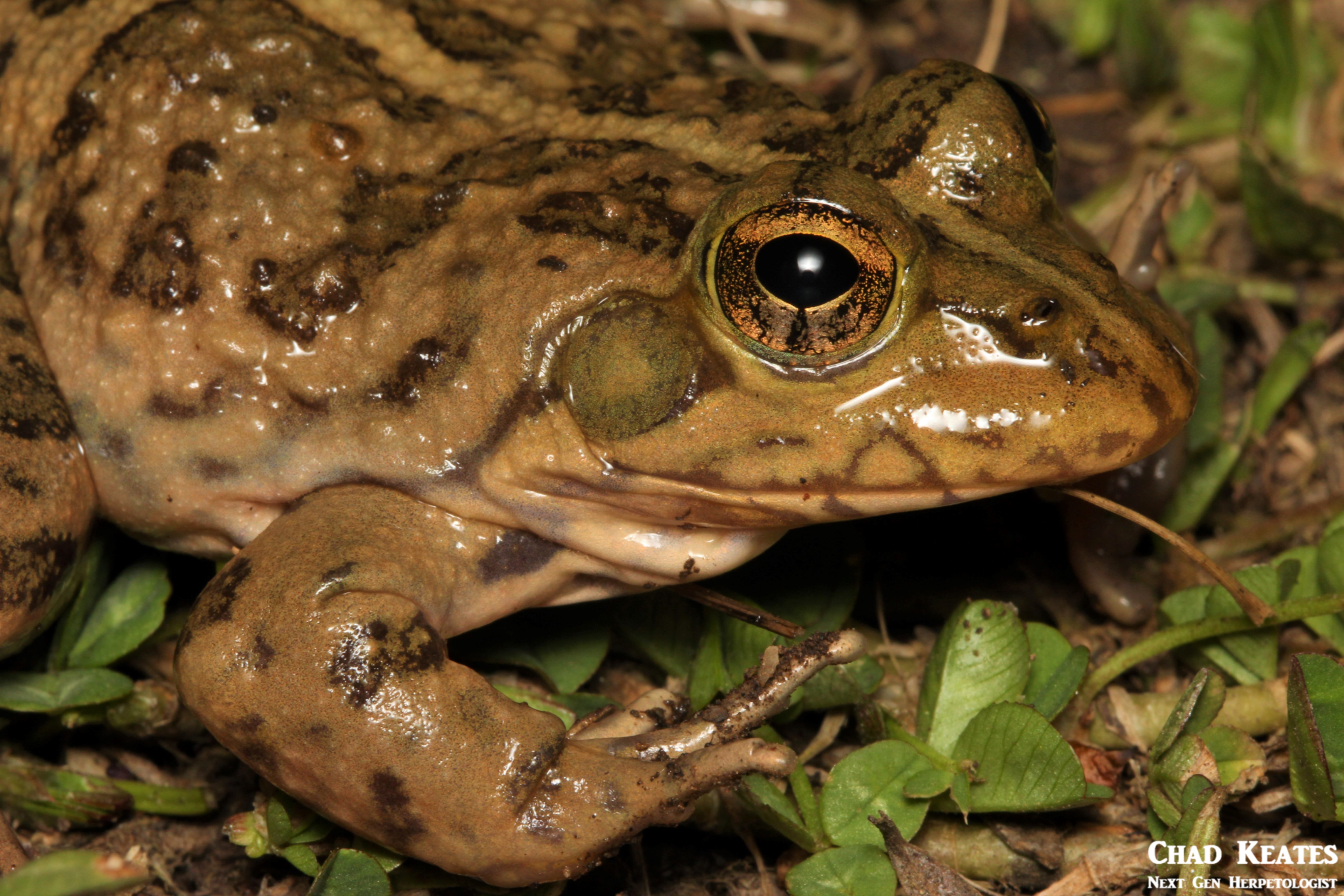
Bronze Caco (Cacosternum nanum)
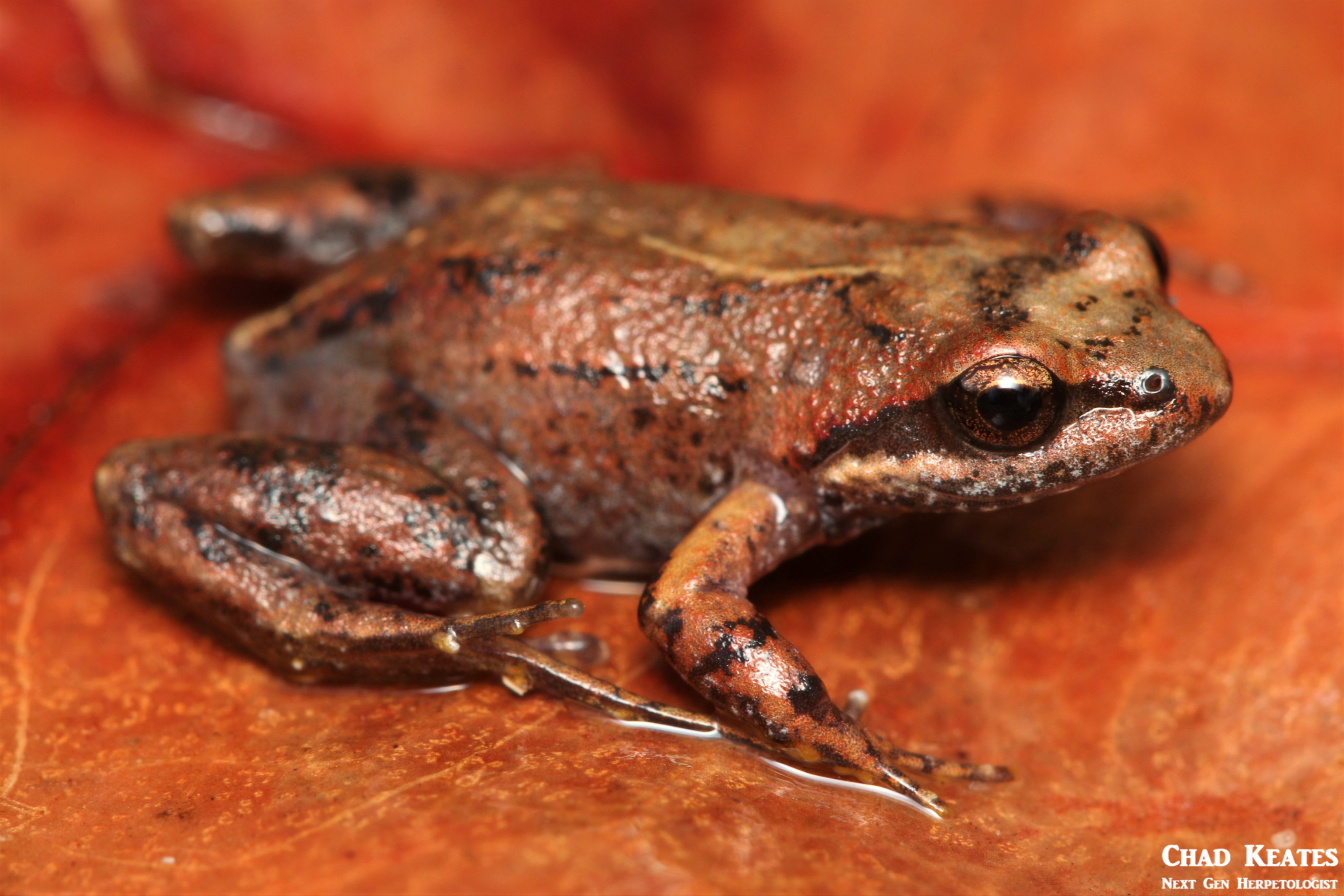
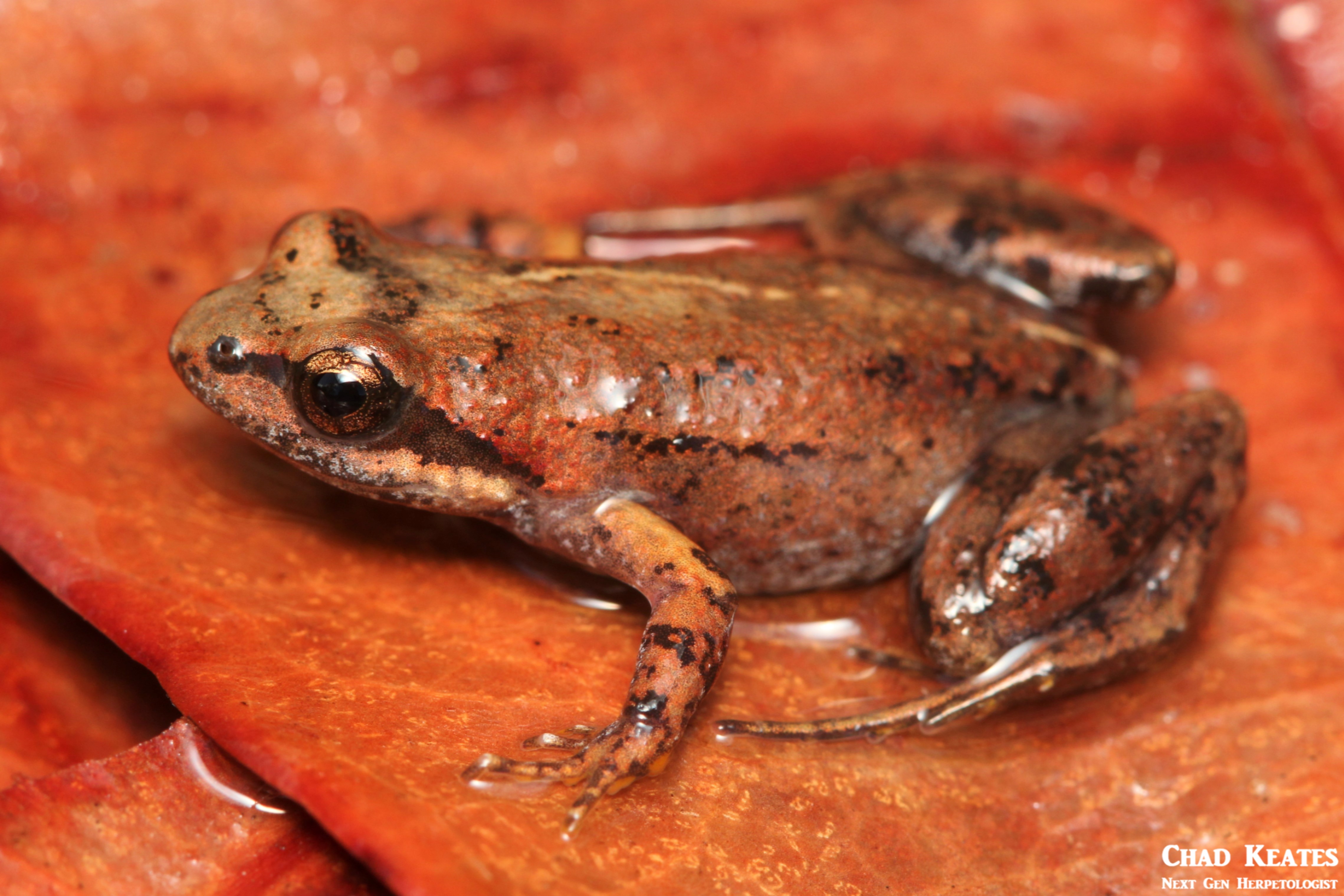
Boettger’s Caco (Cacosternum boettgeri)
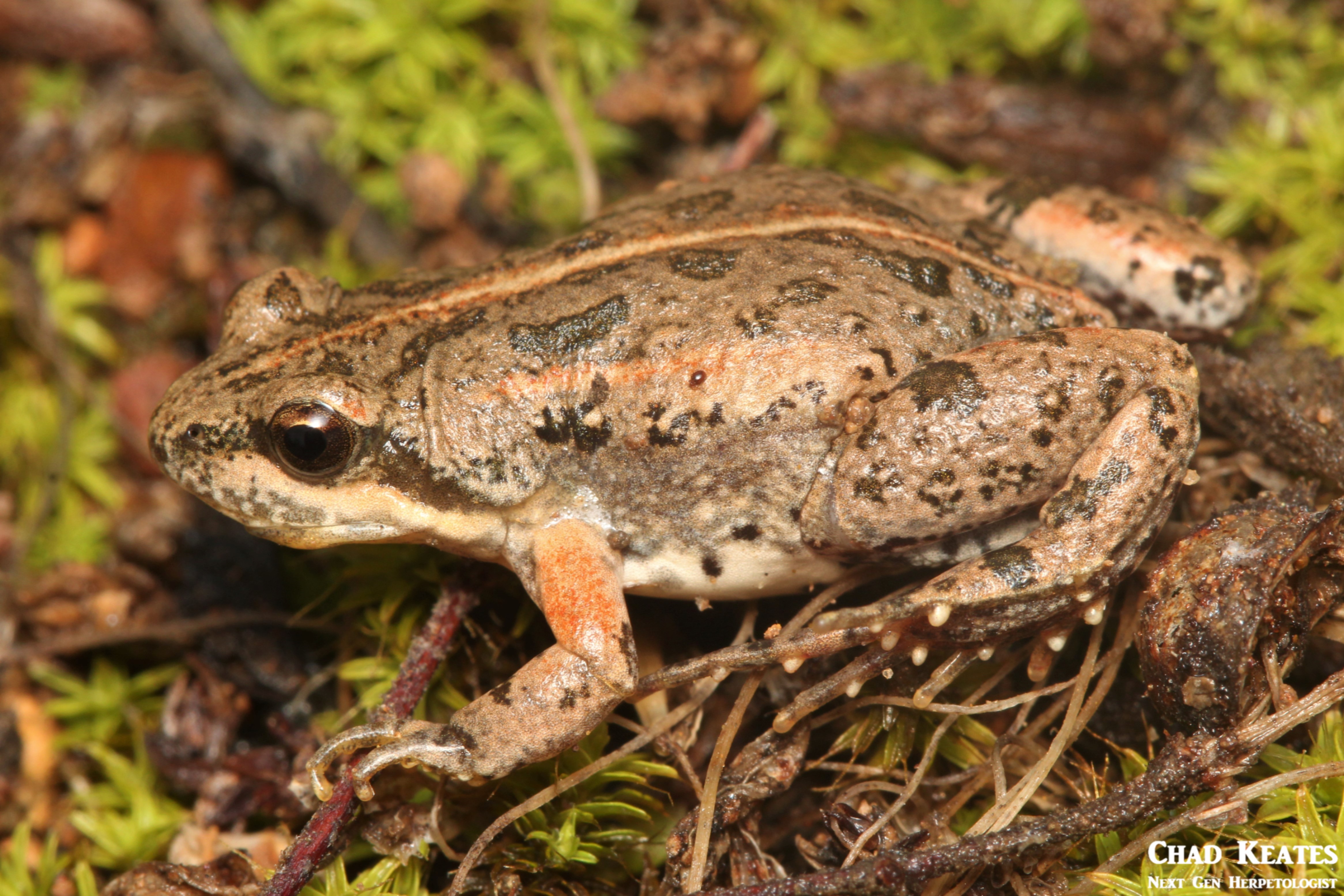
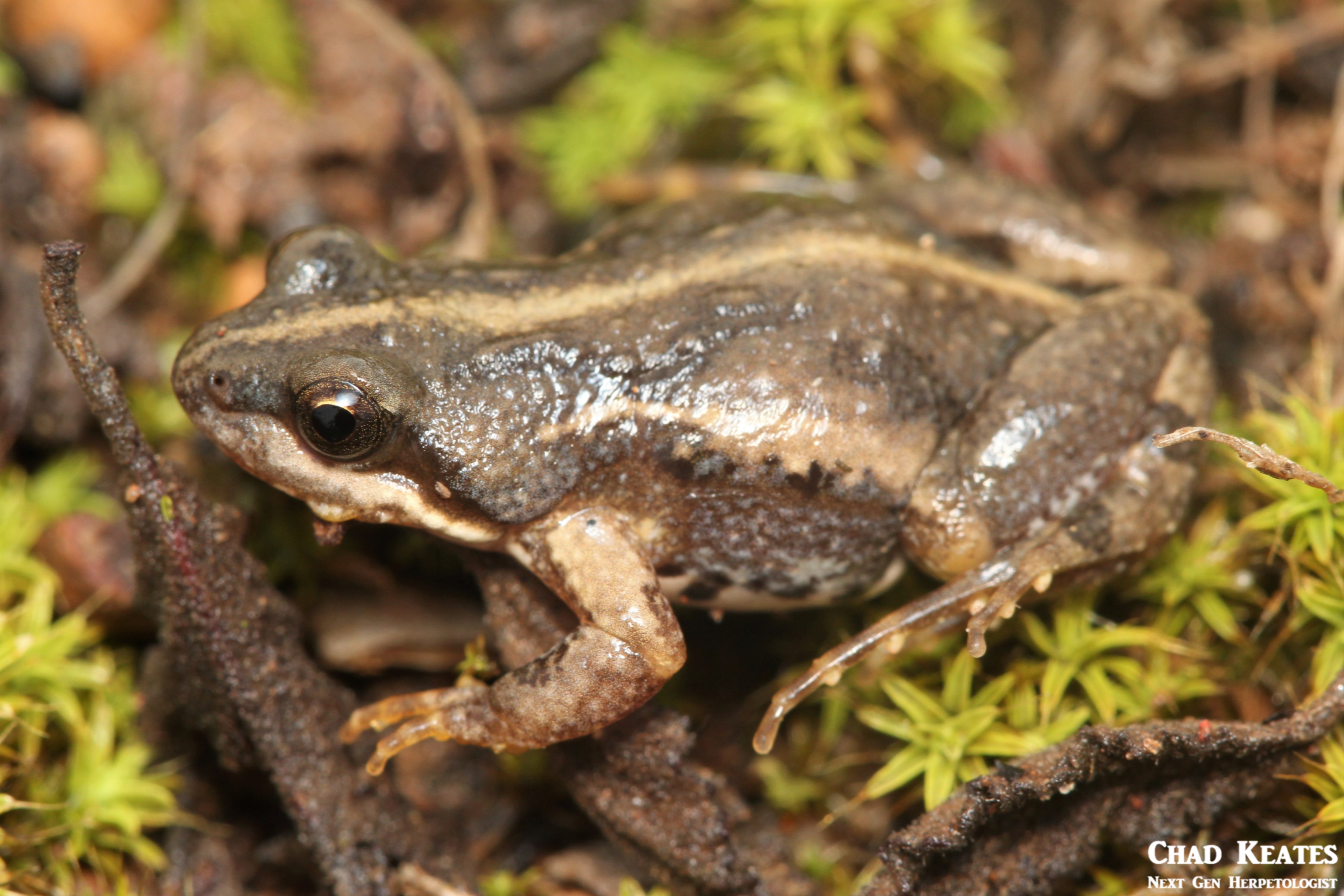
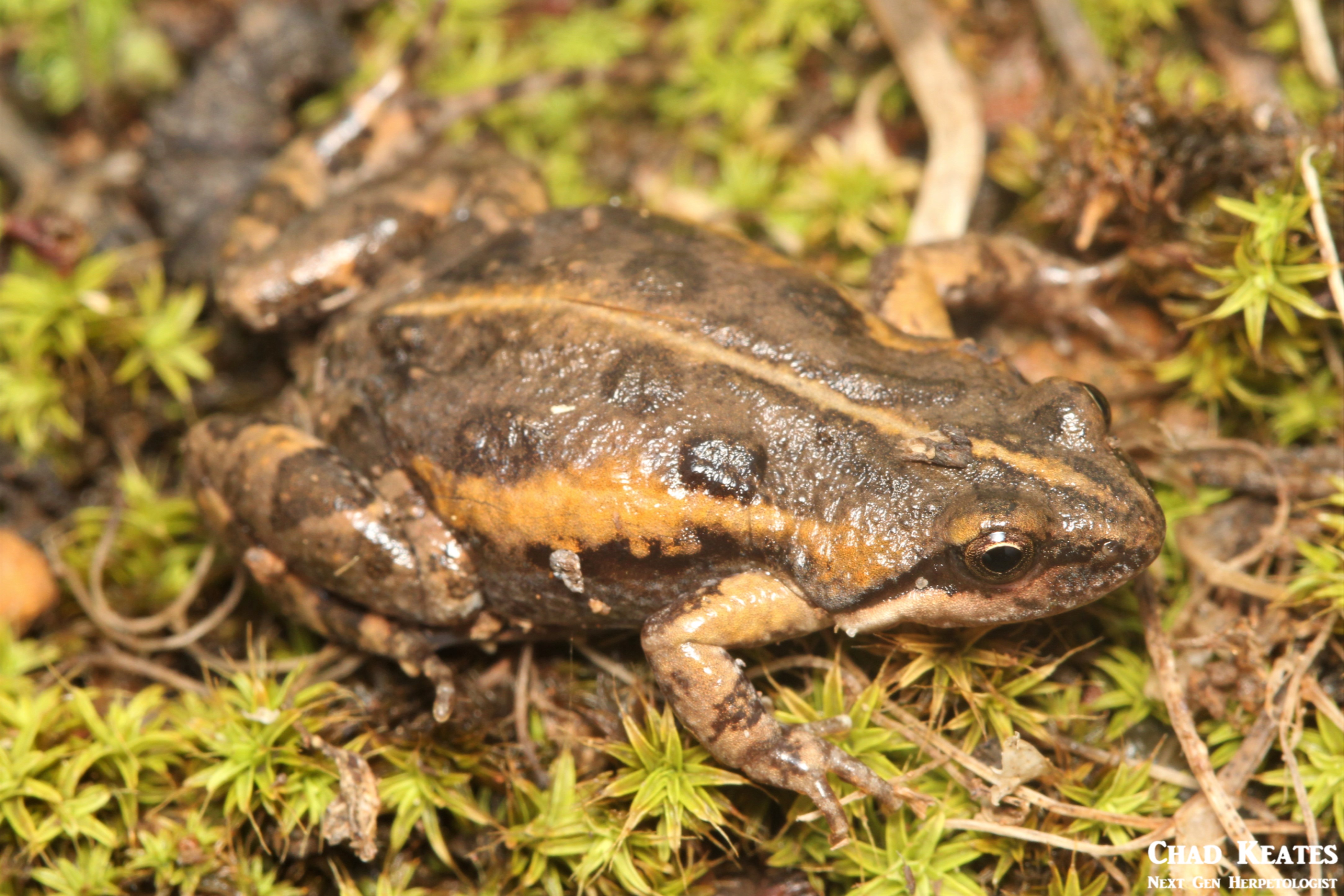
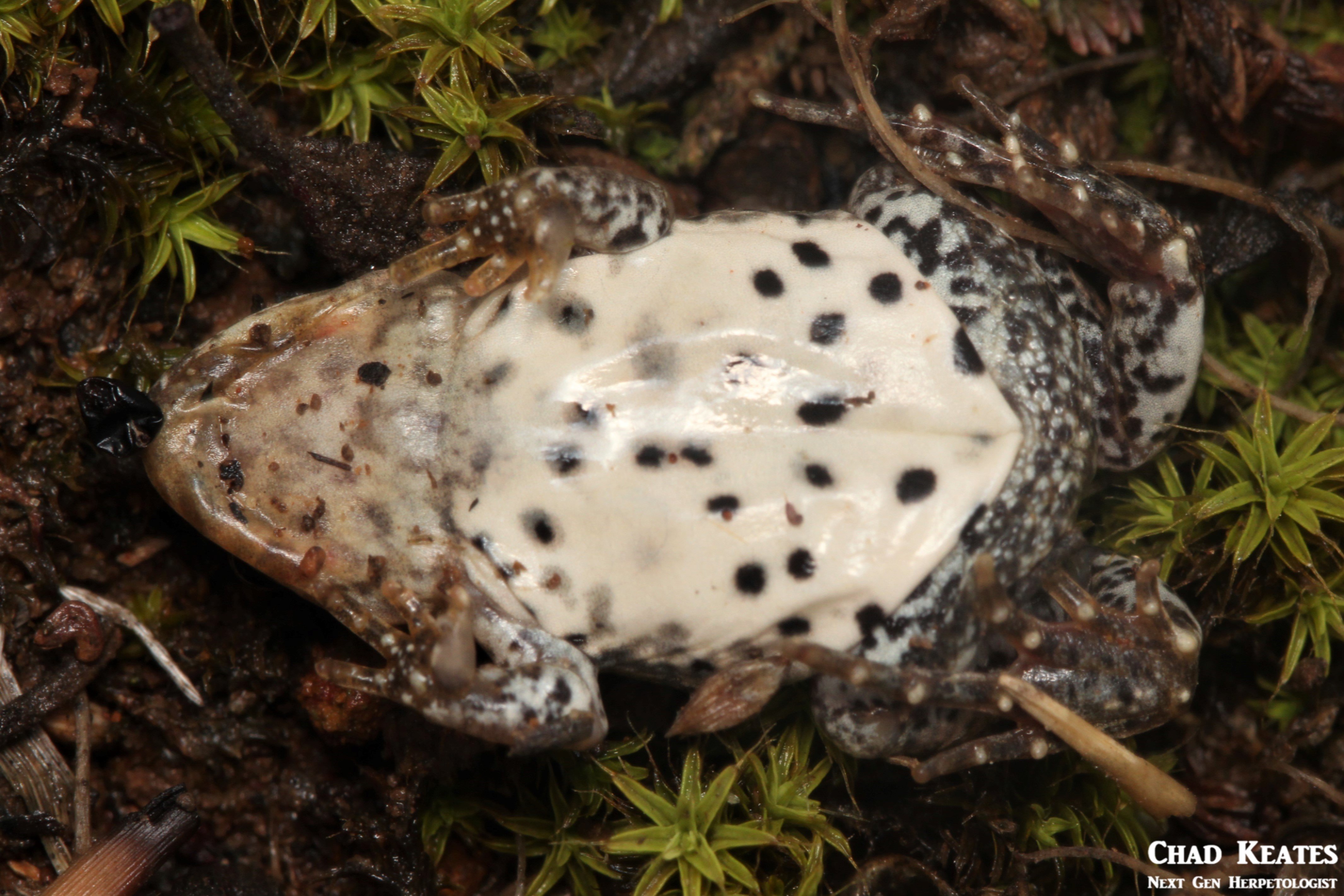
Thorin’s Caco (Cacosternum thorini)
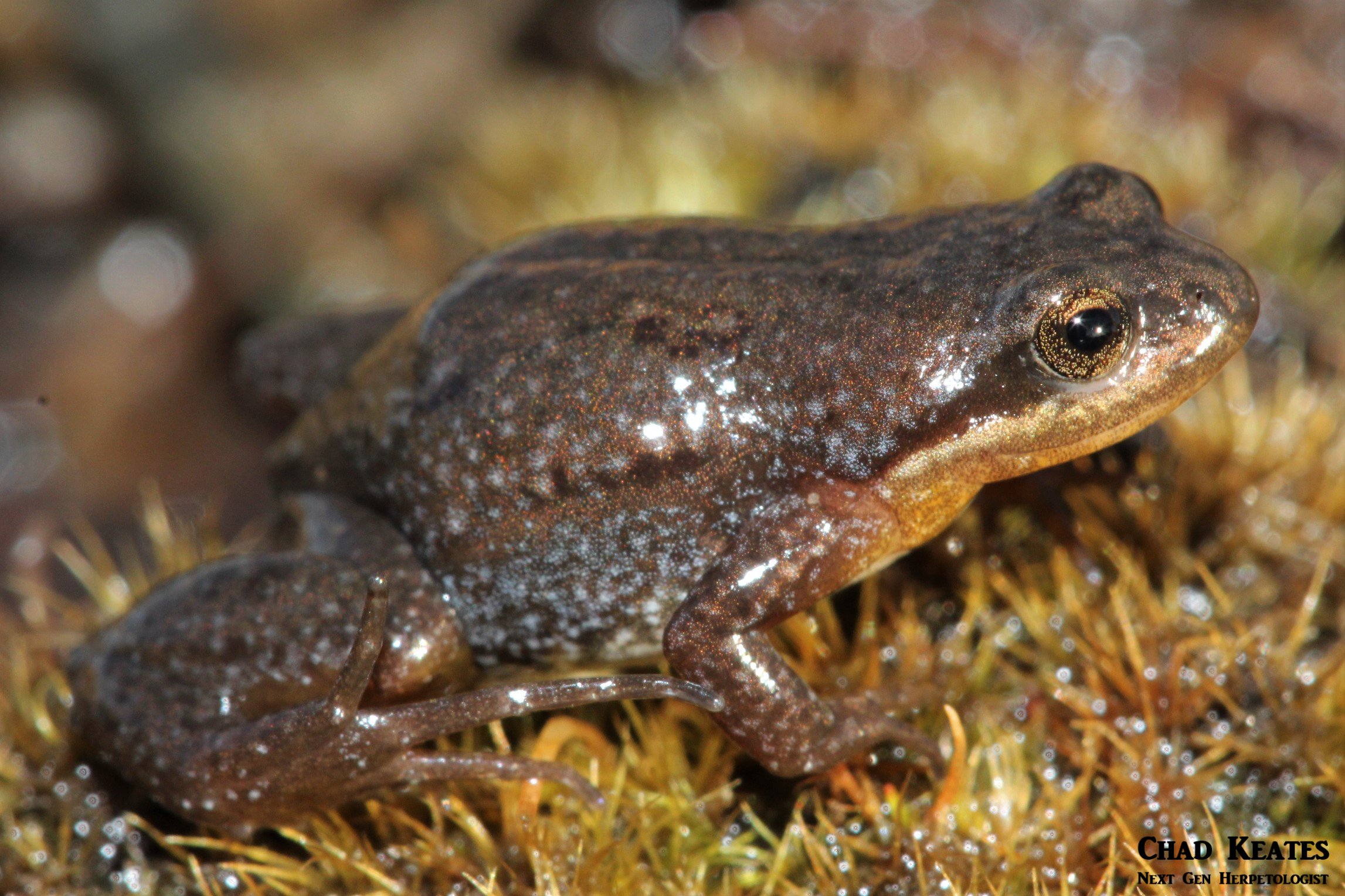
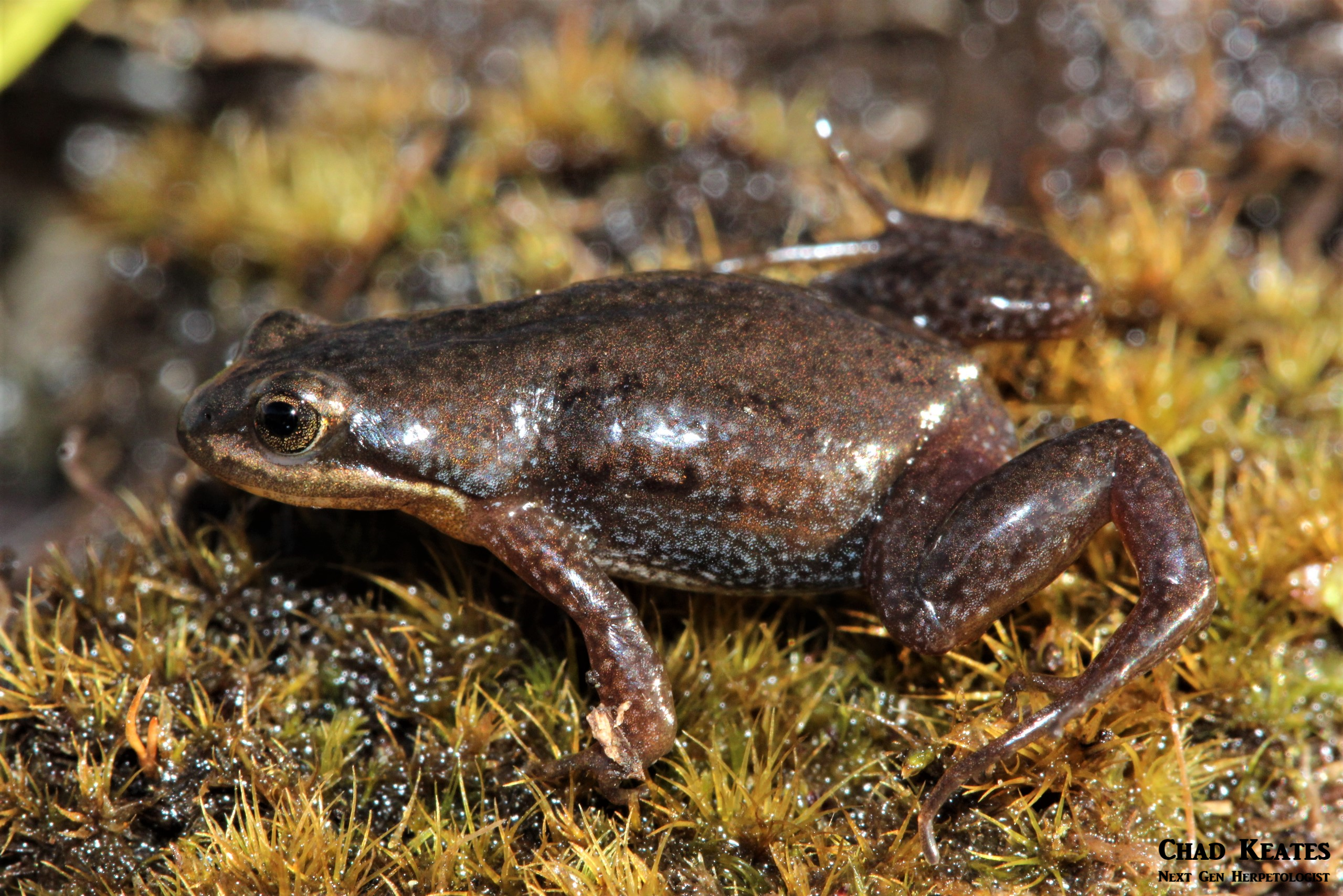
Natal Sand Frog (Tomopterna natalensis)
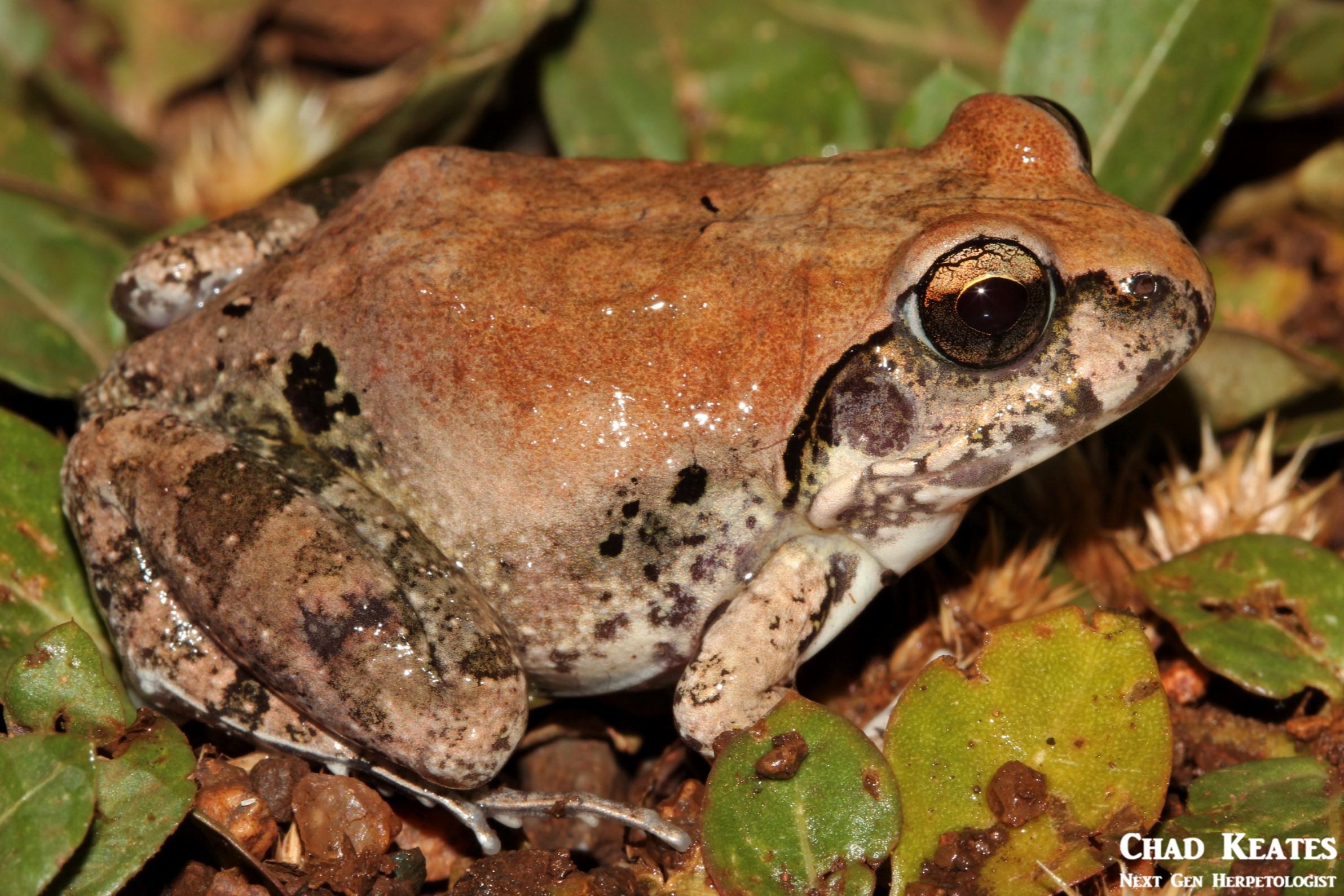
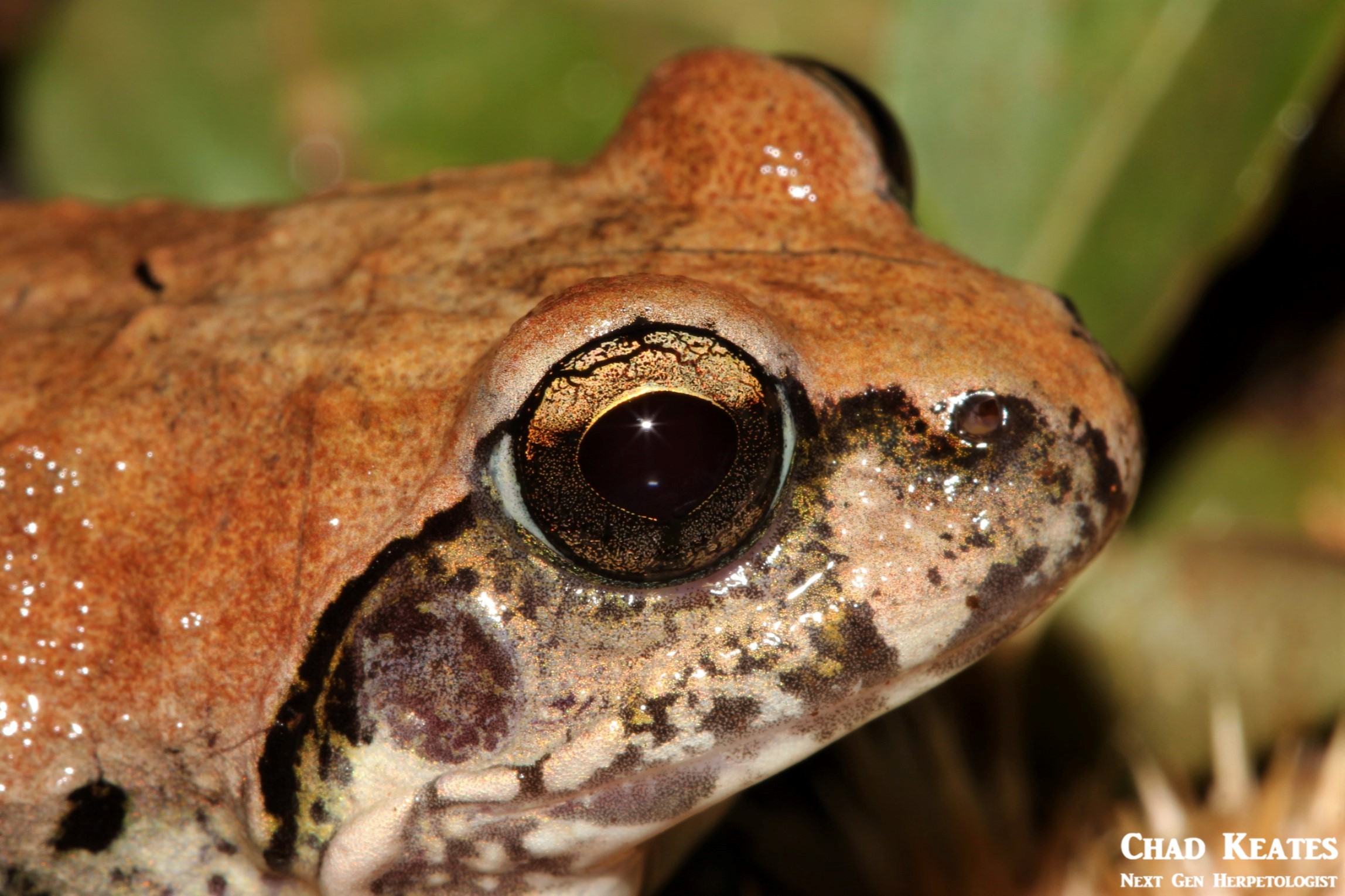
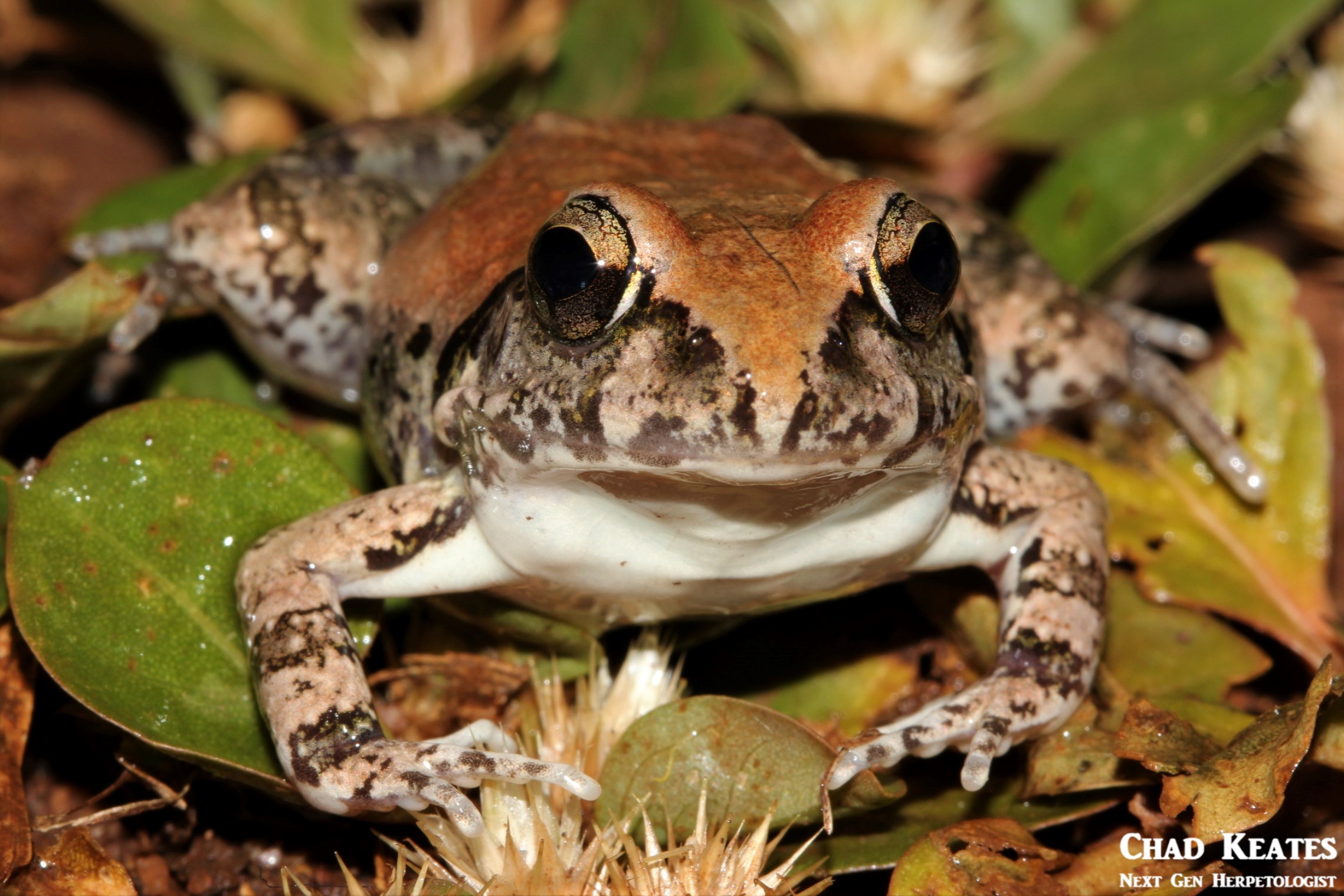
Tandy’s Sand Frog (Tomopterna tandyi)
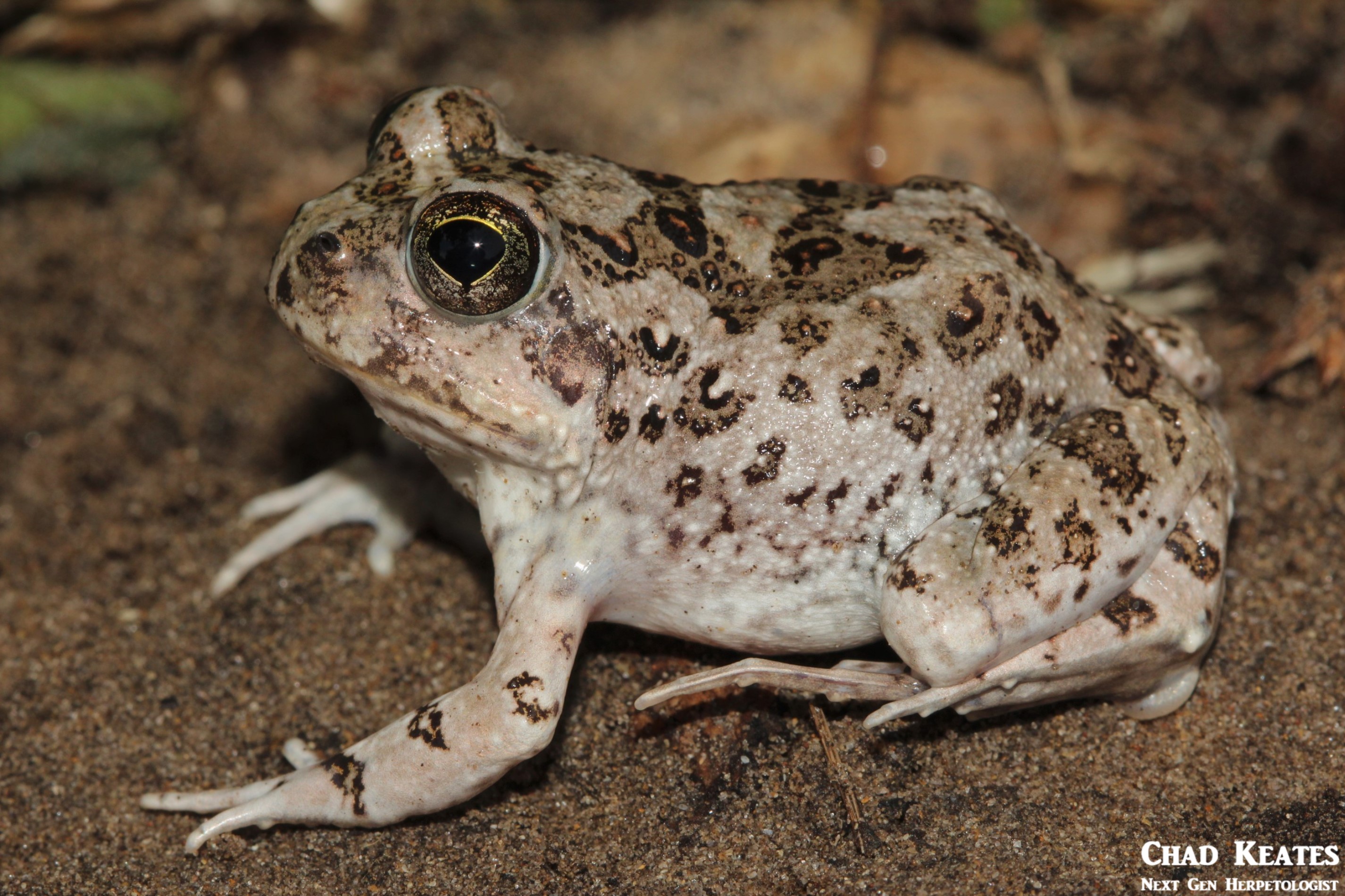
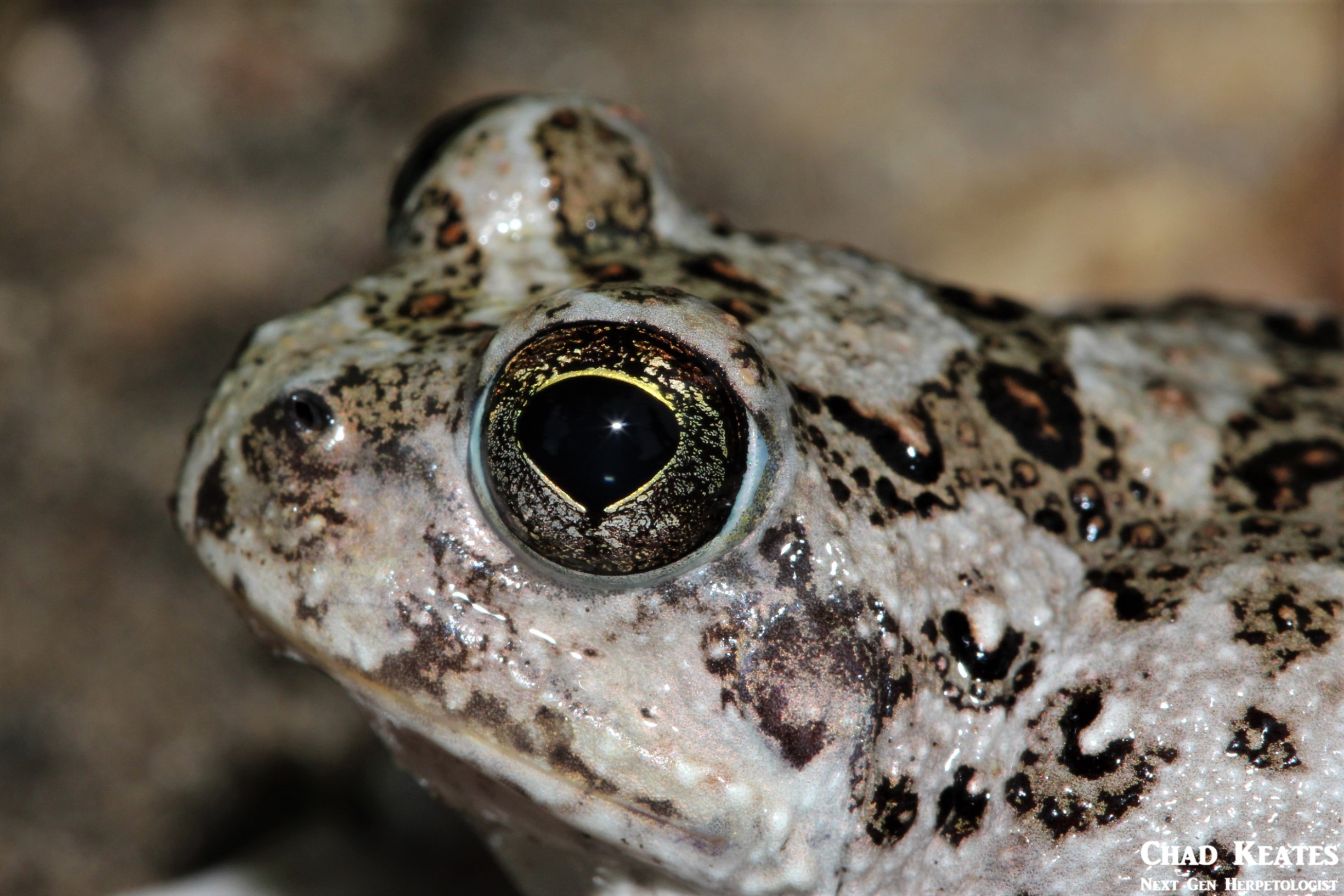
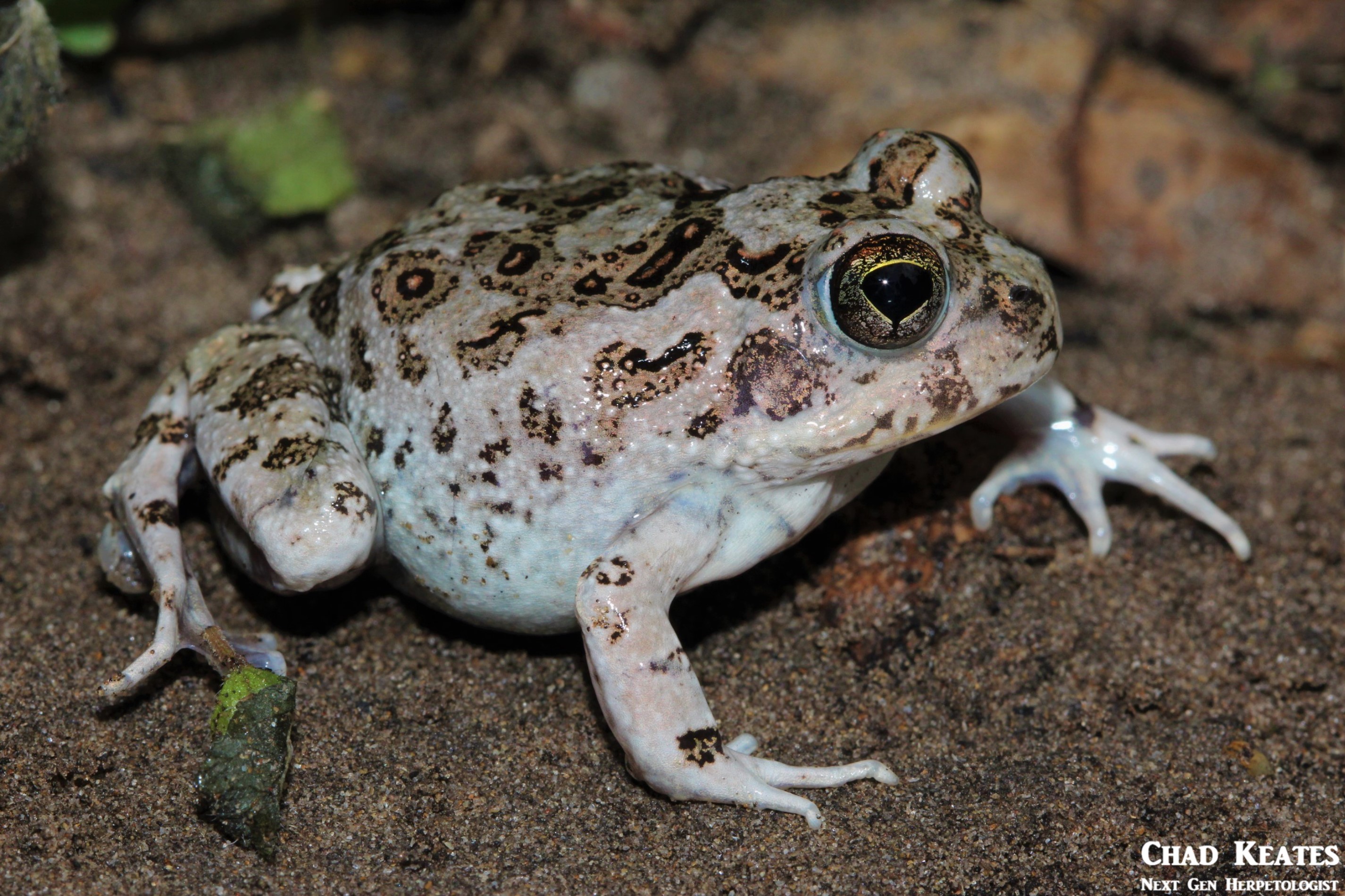
Clicking Stream Frog (Strongylopus grayii)
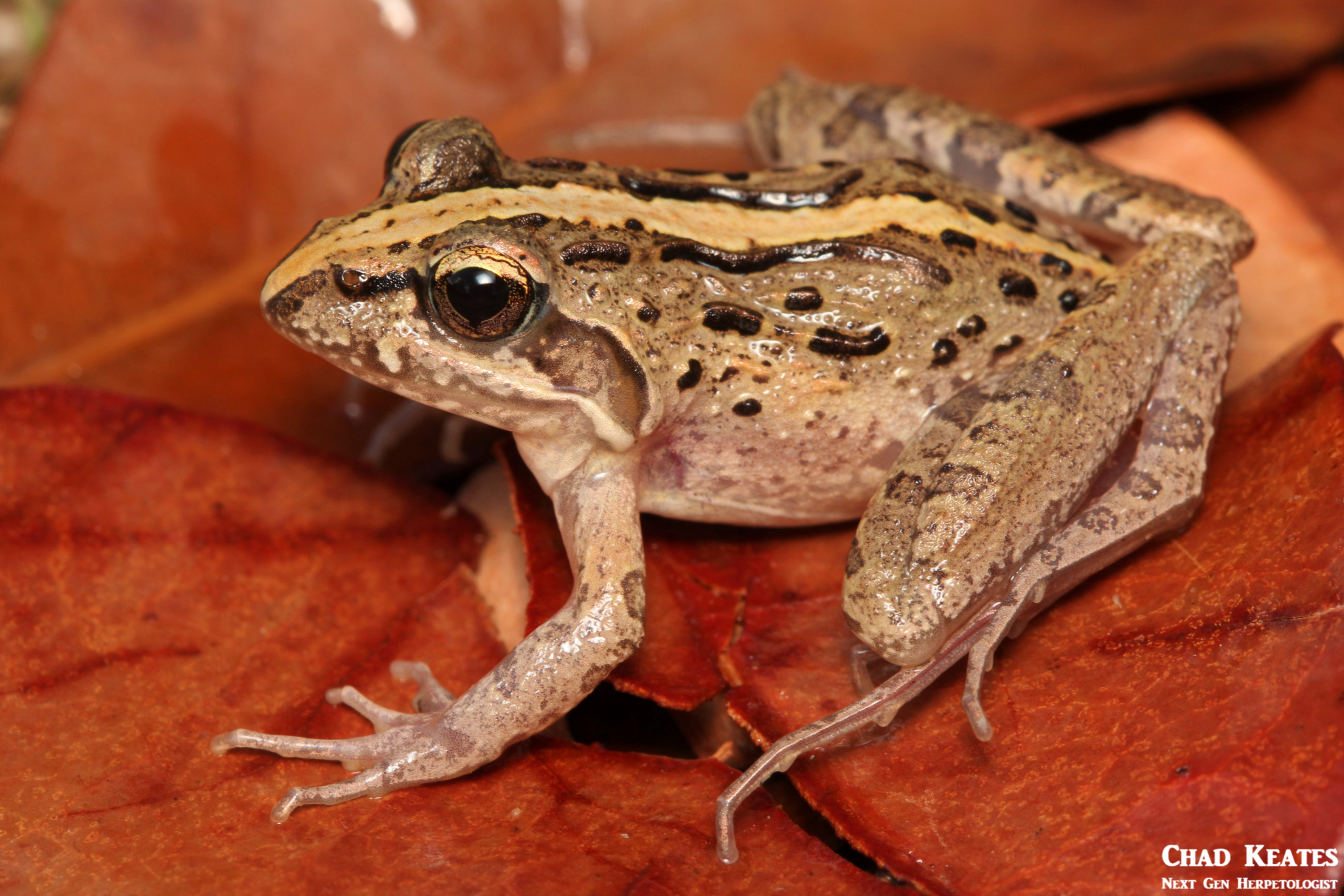
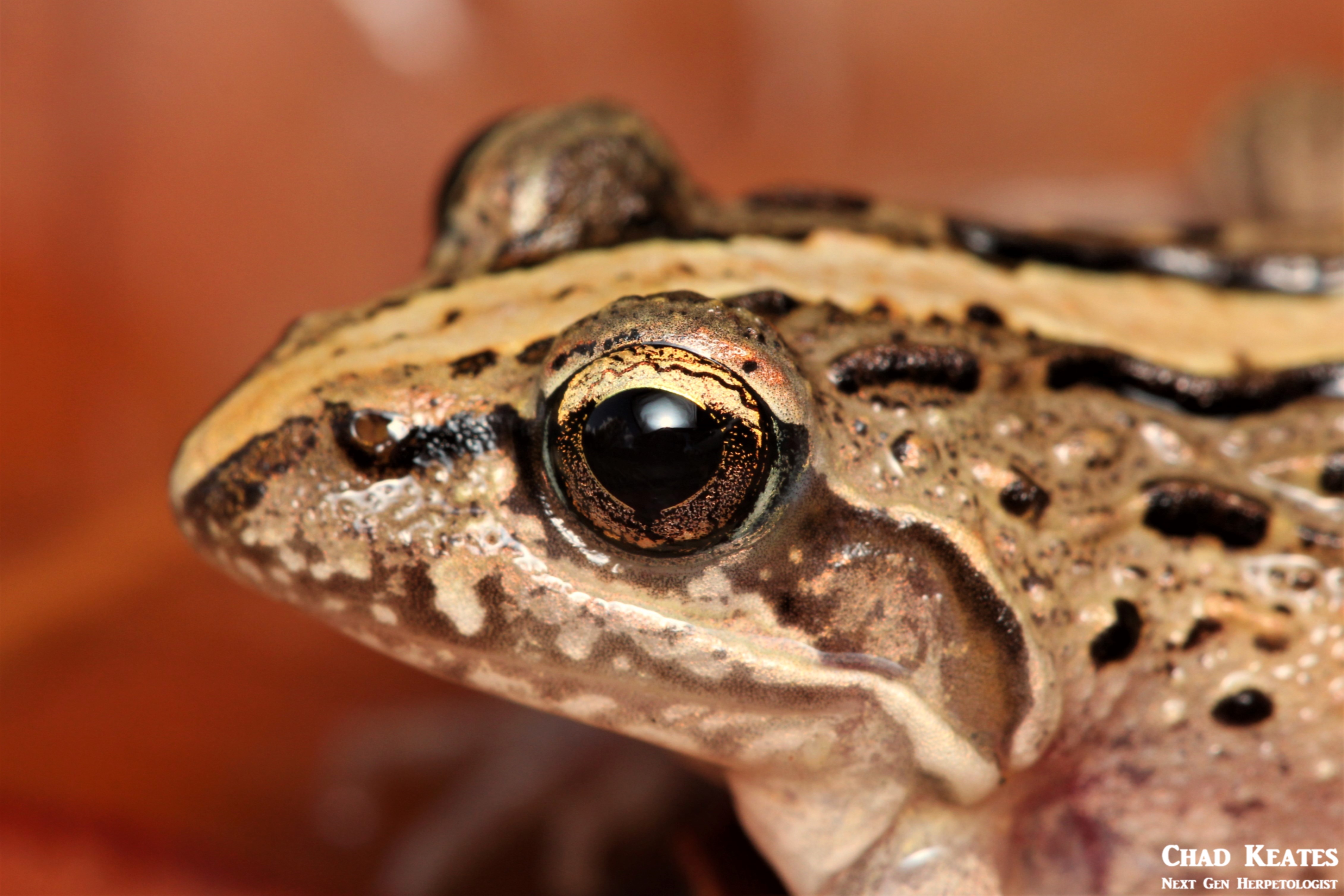
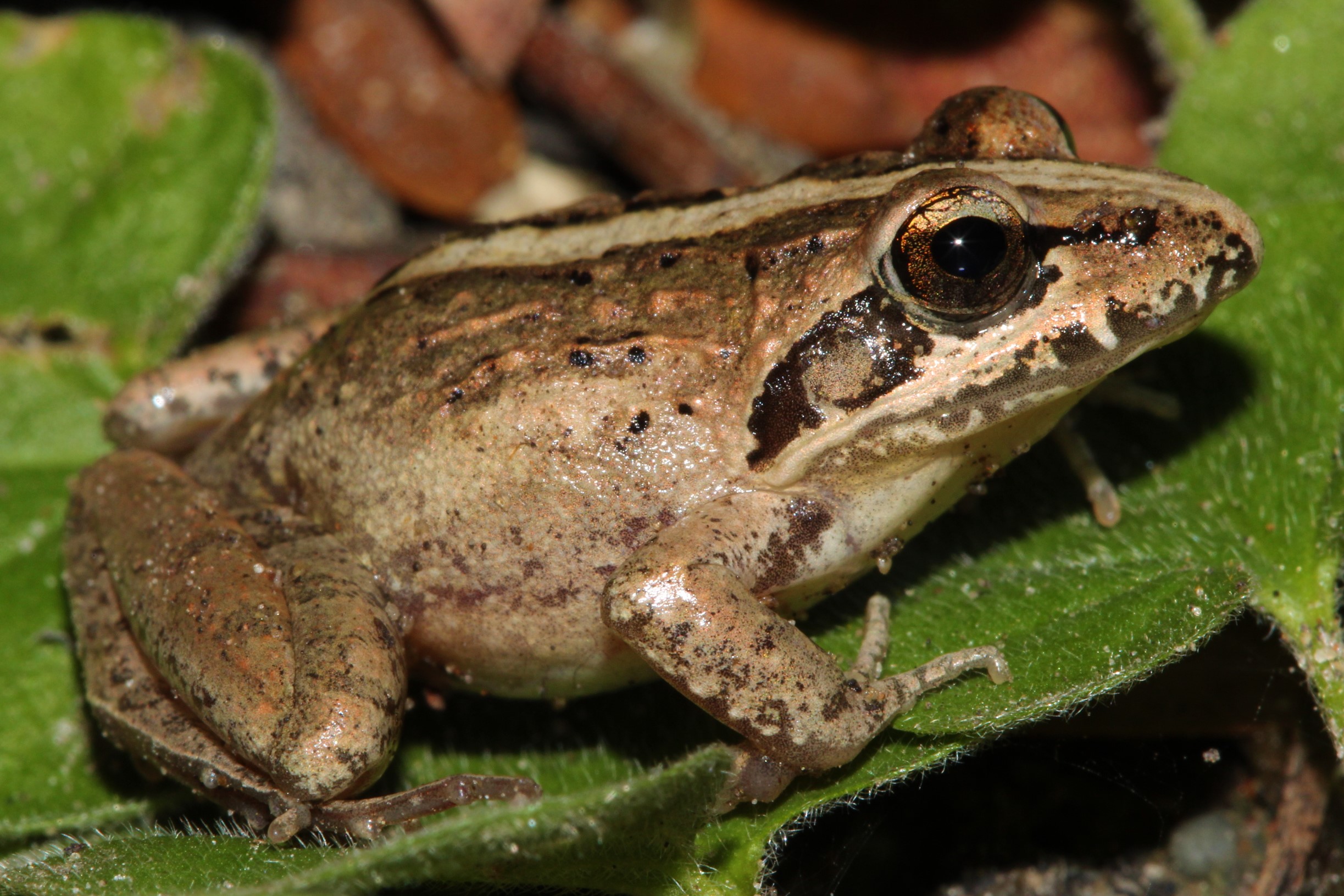
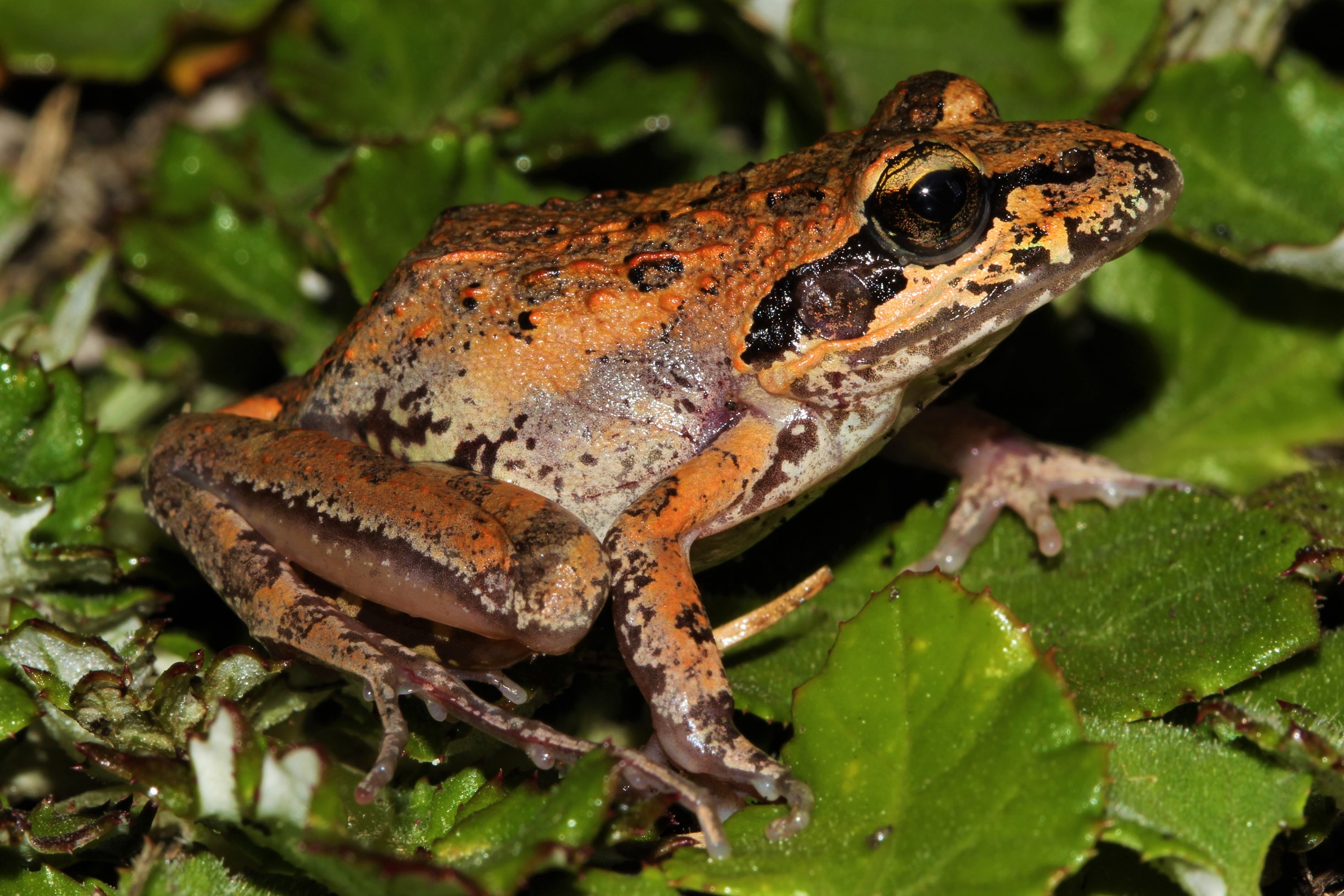
Striped Stream Frog (Strongylopus fasciatus)
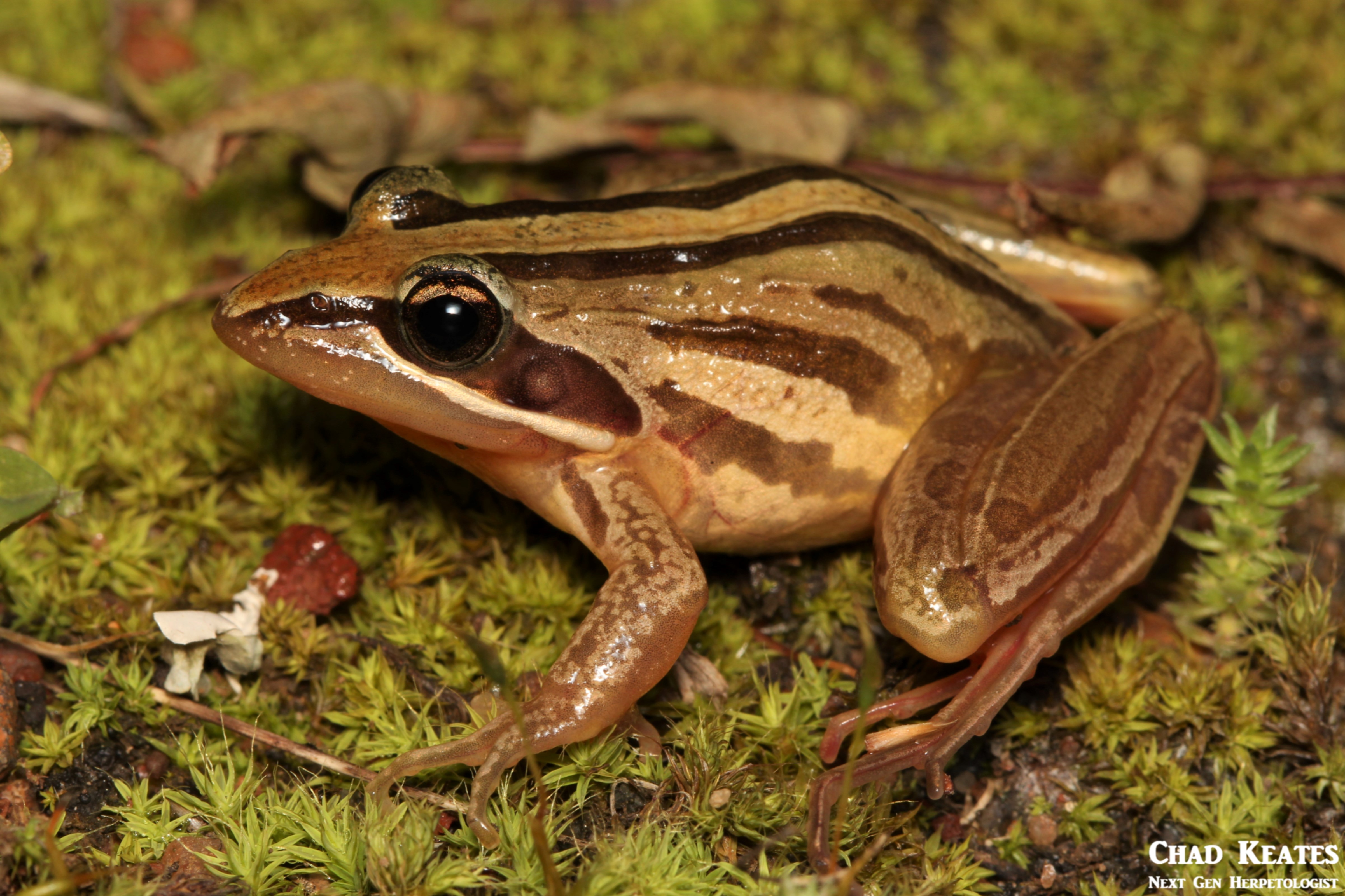
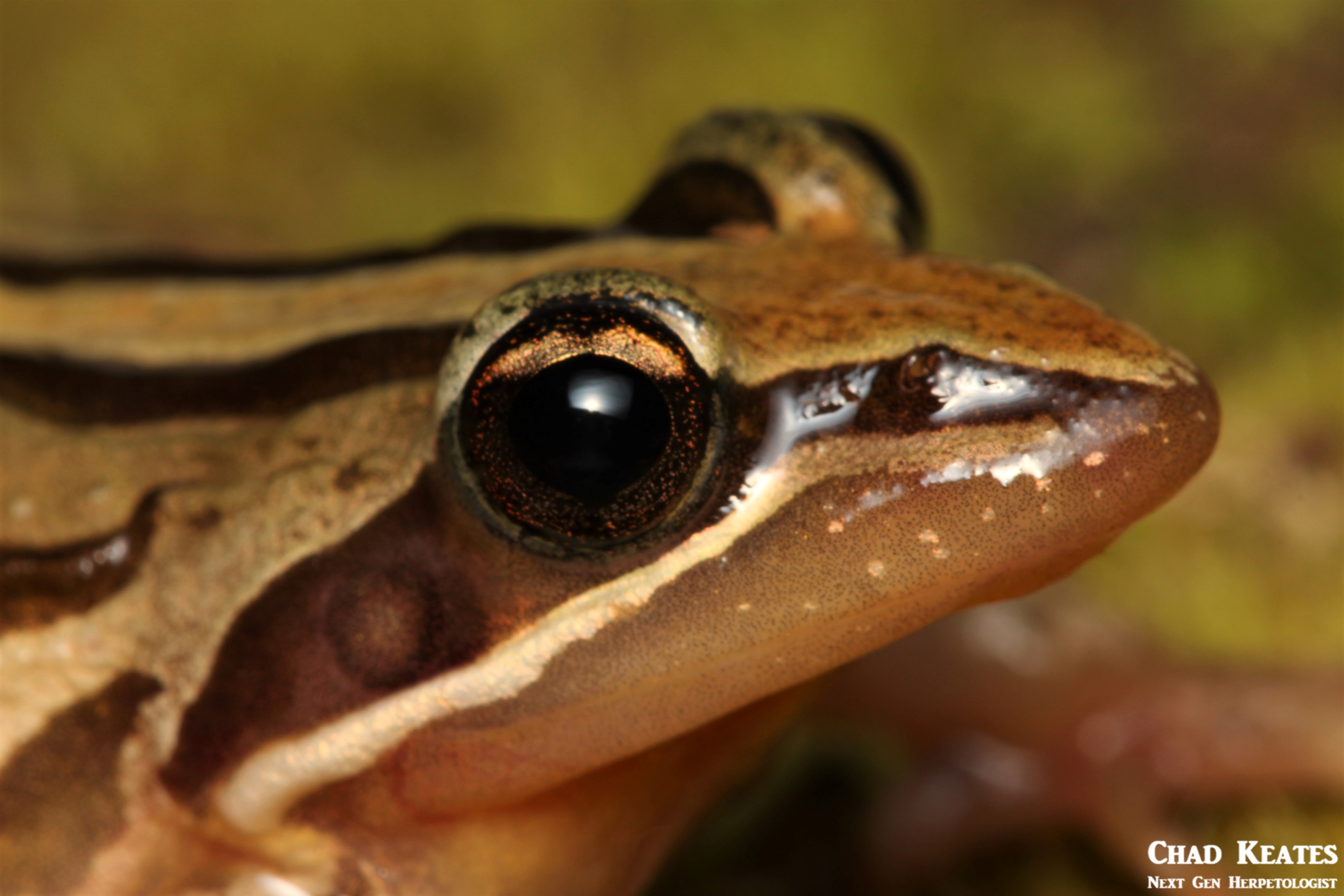
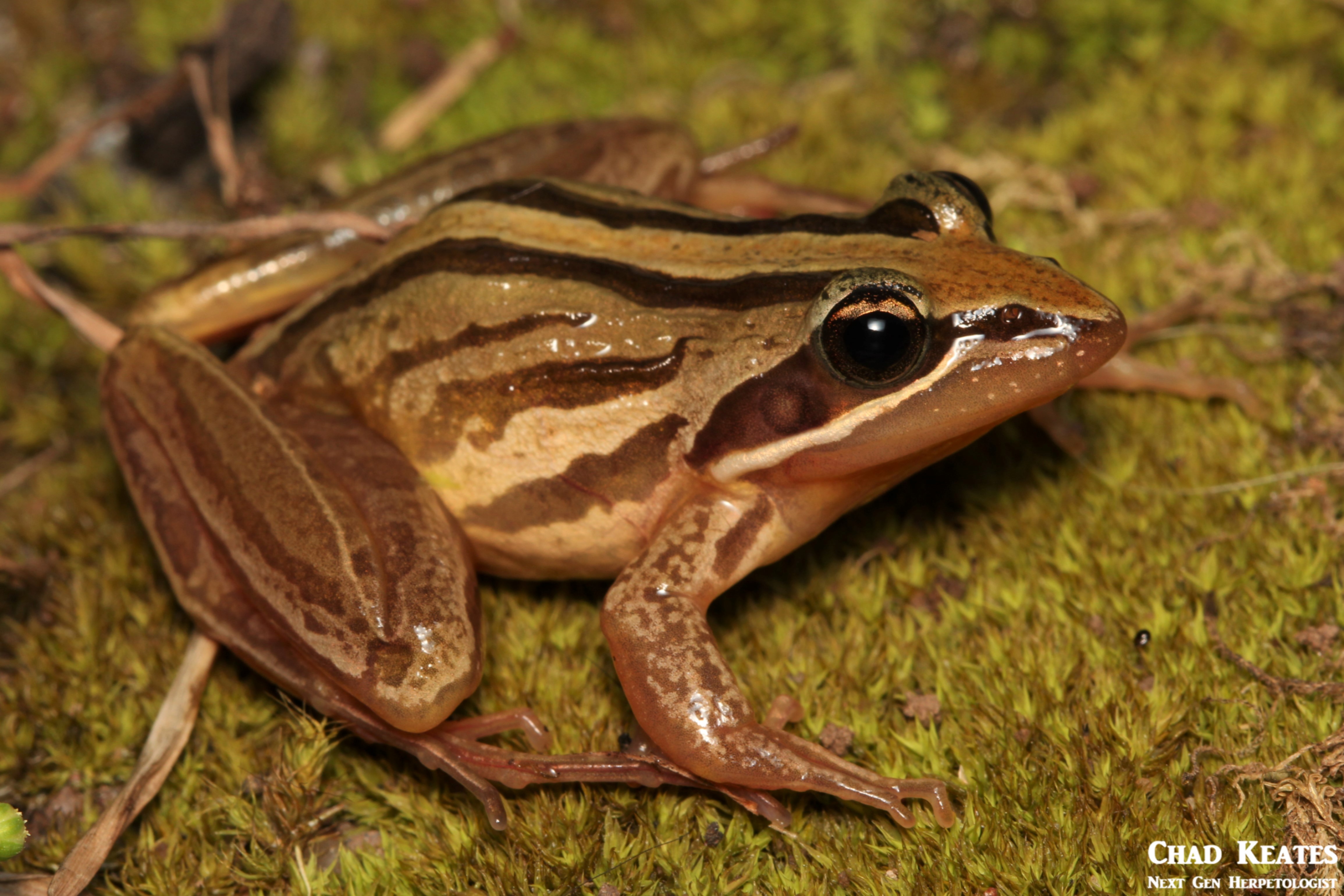
Kloof Frog (Natalobrachus bonebergi)
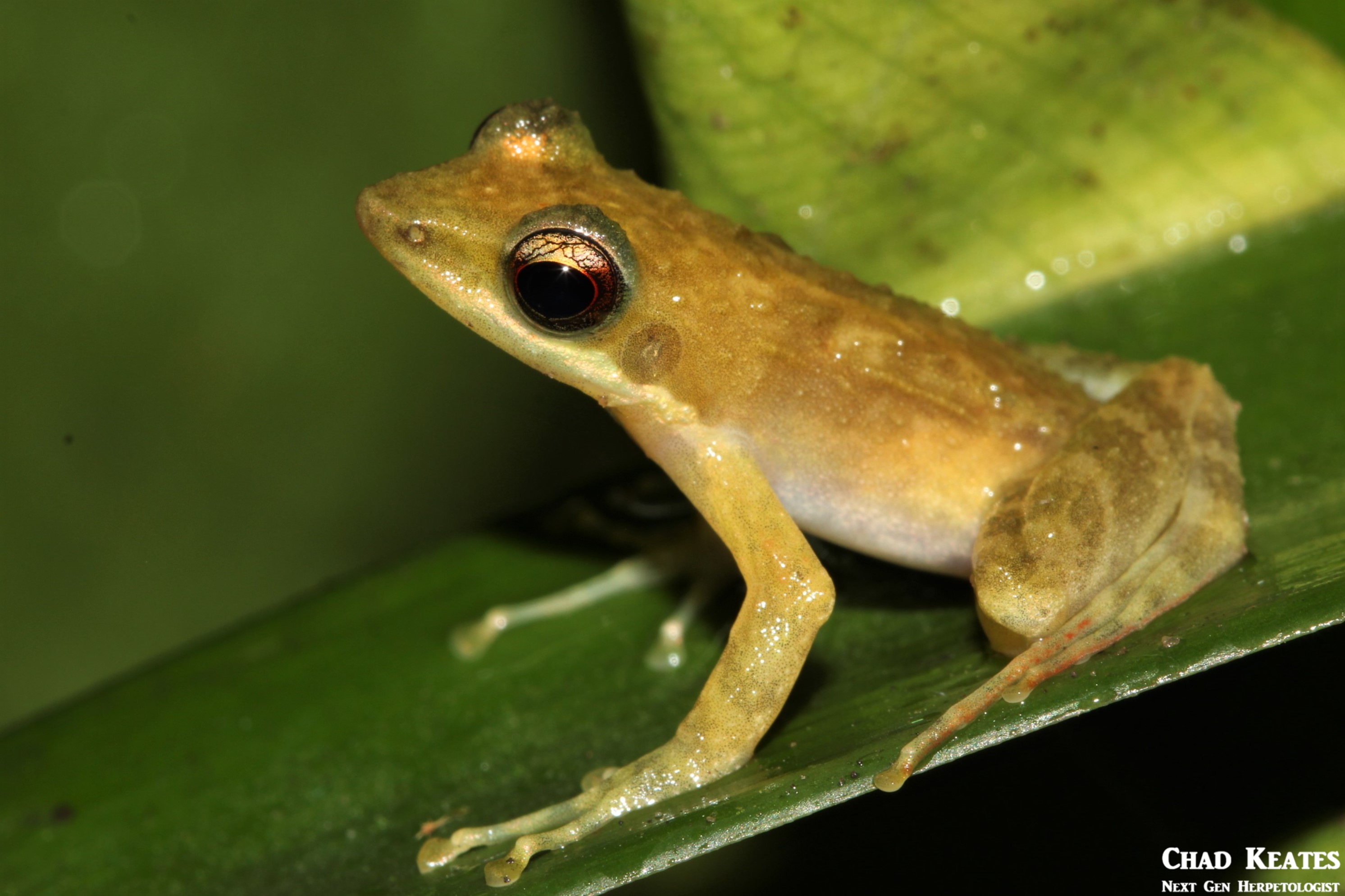
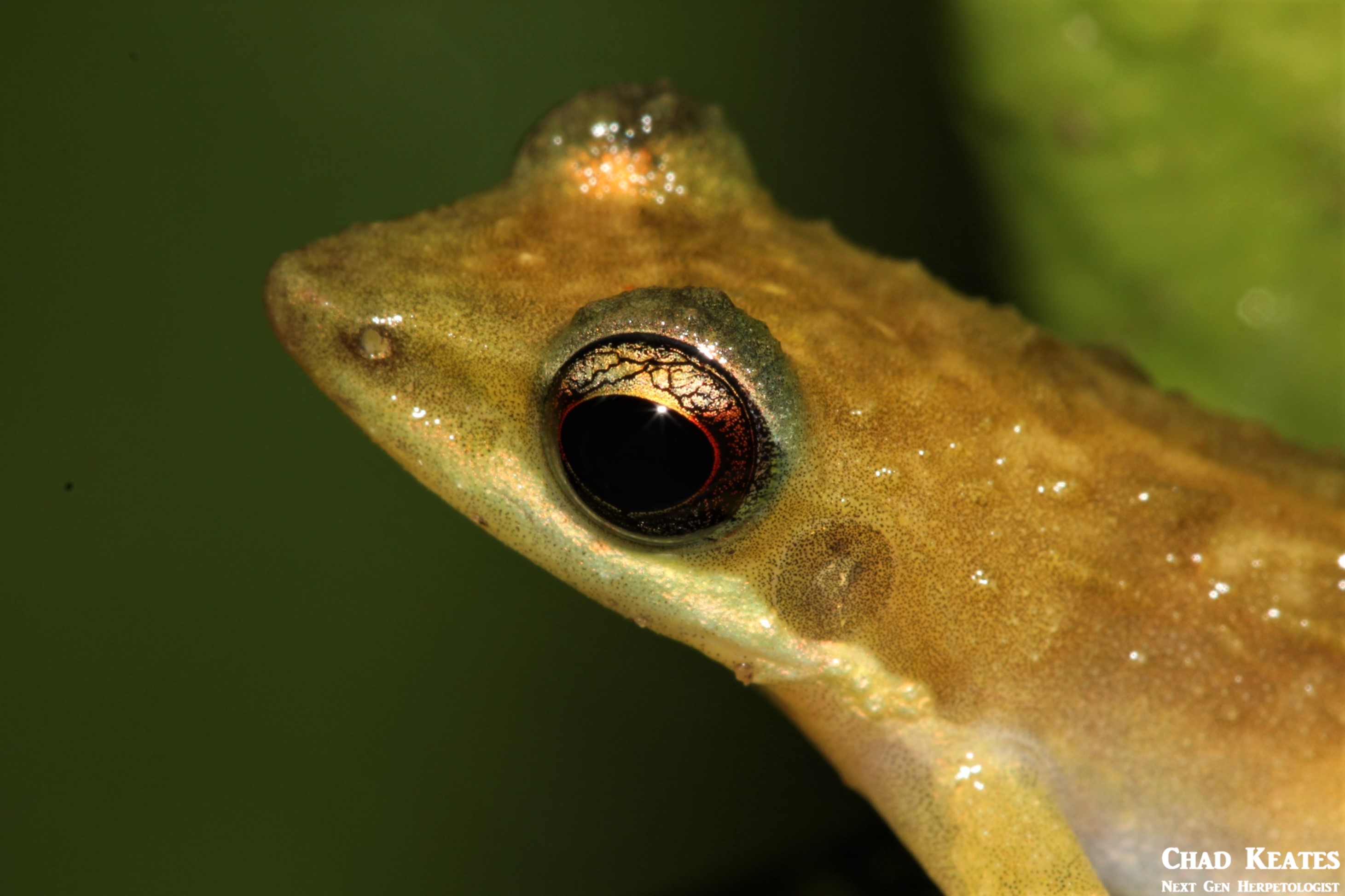
Platannas
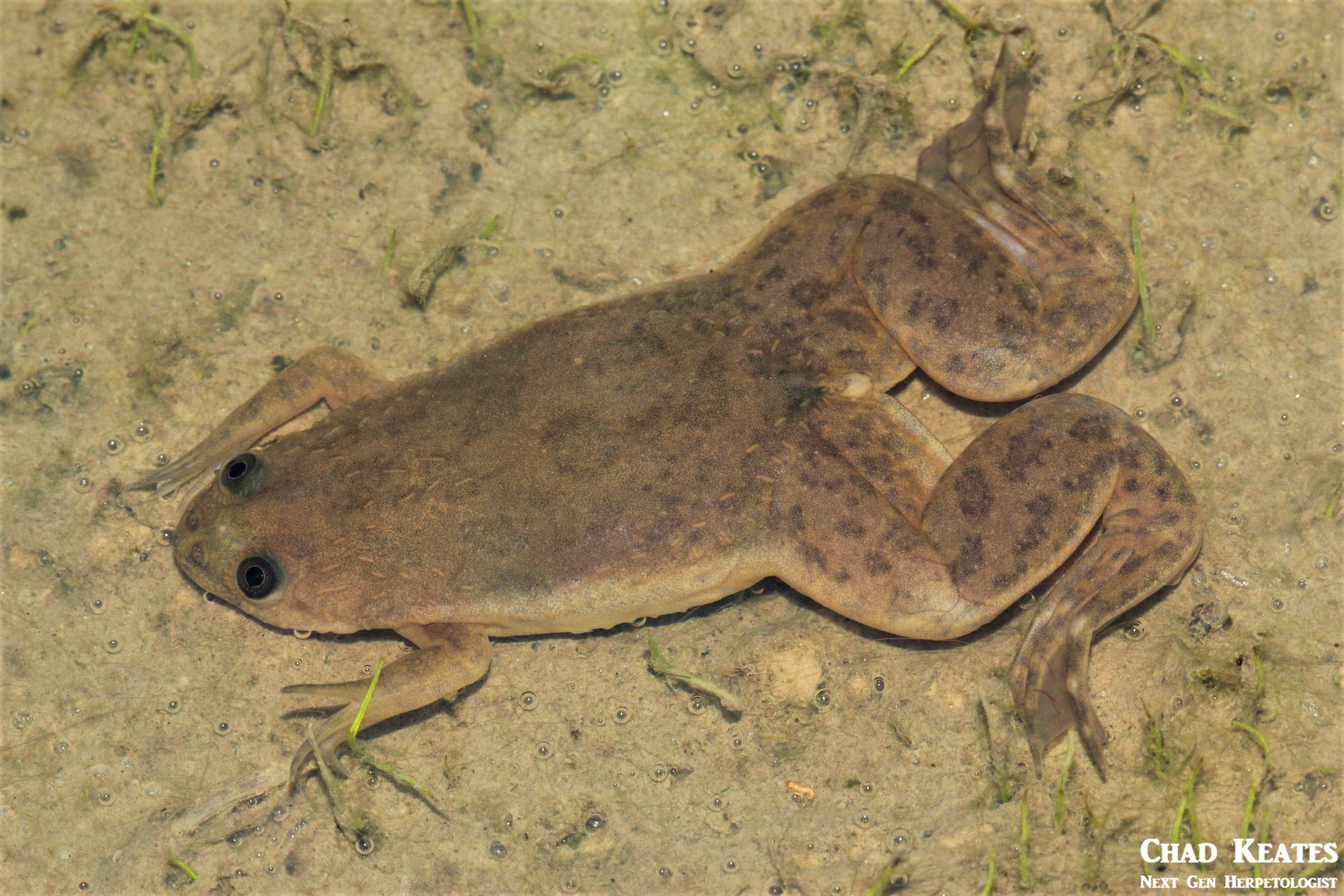
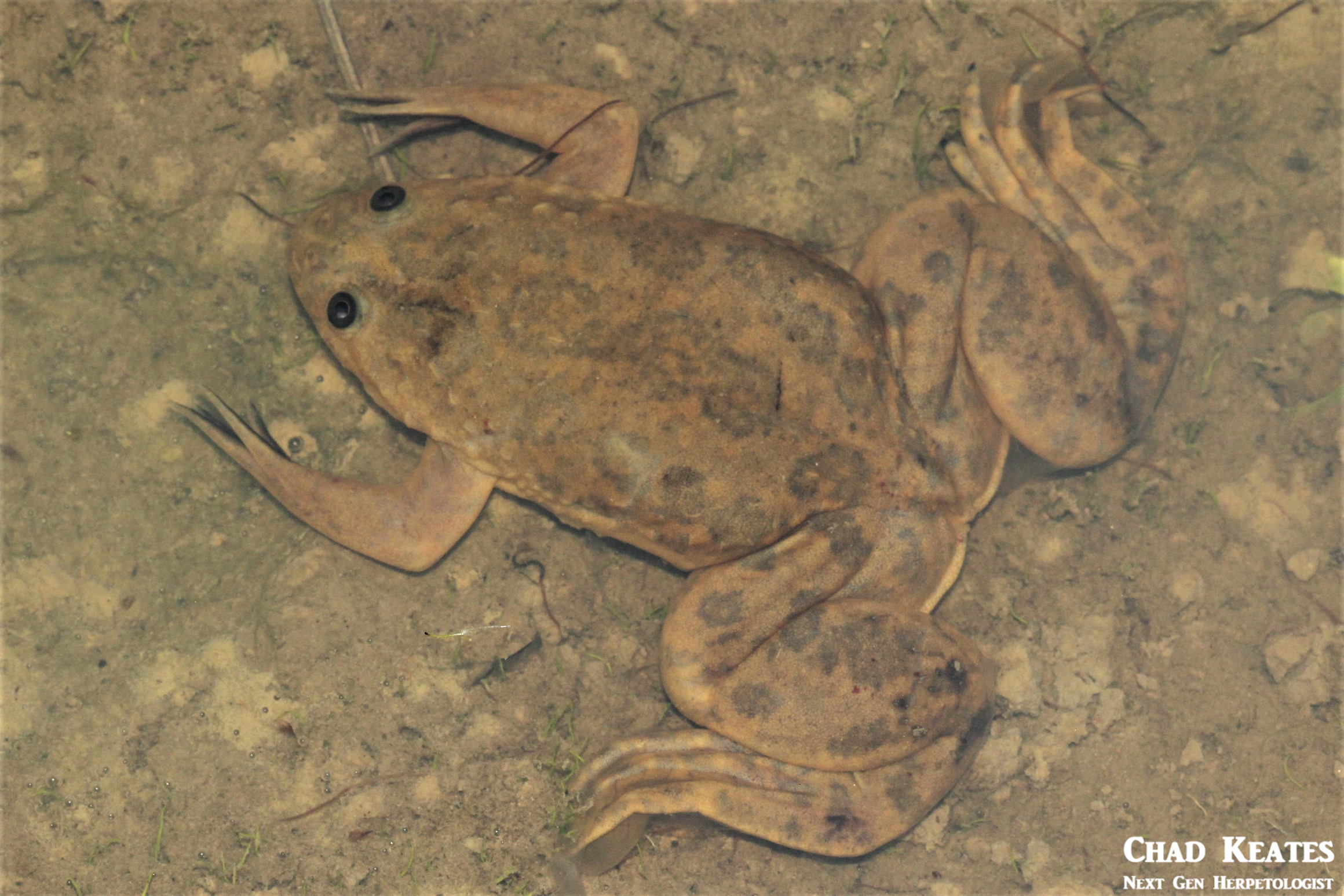
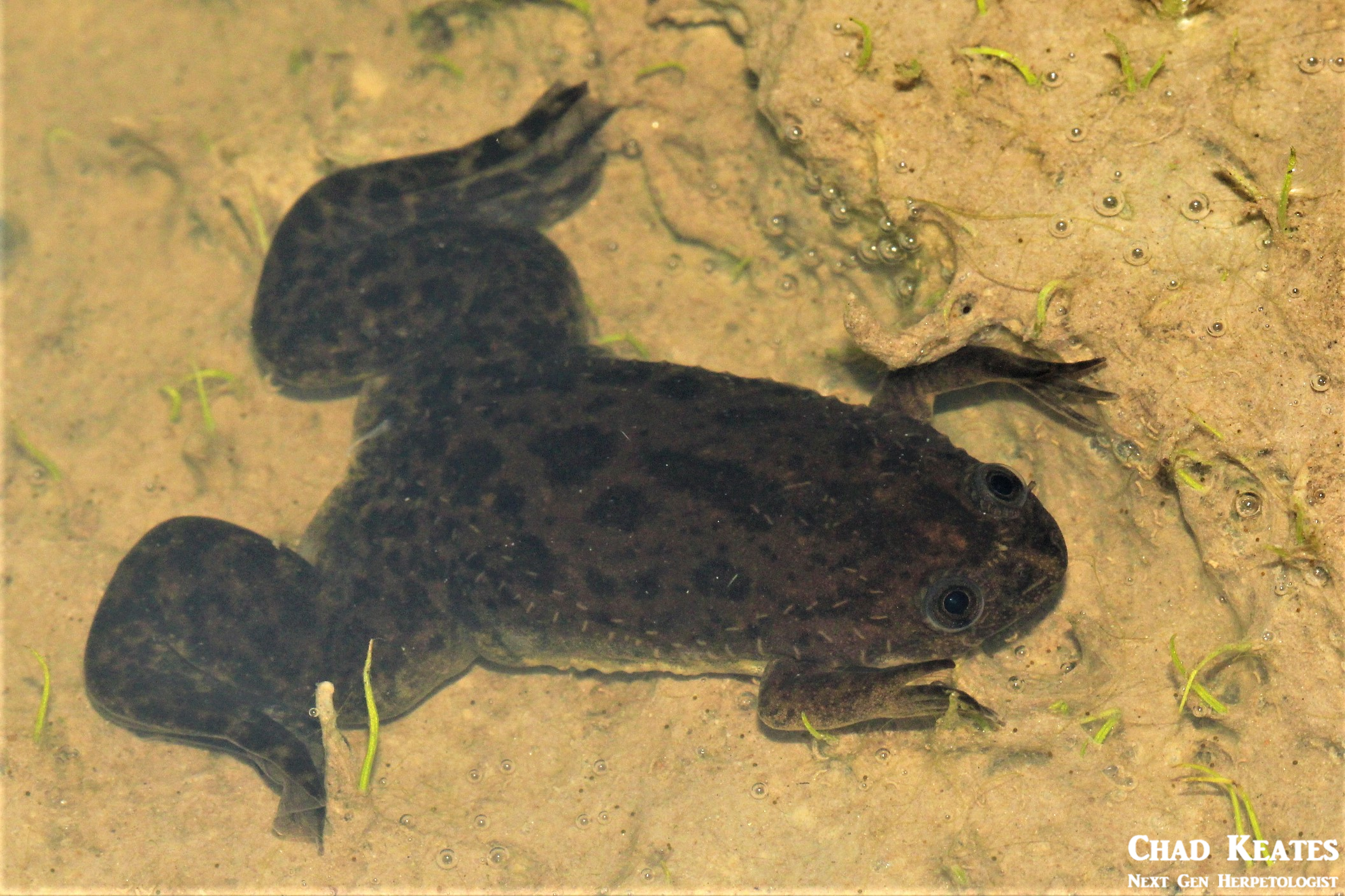
Common Platanna (Xenopus laevis)
Puddle Frogs
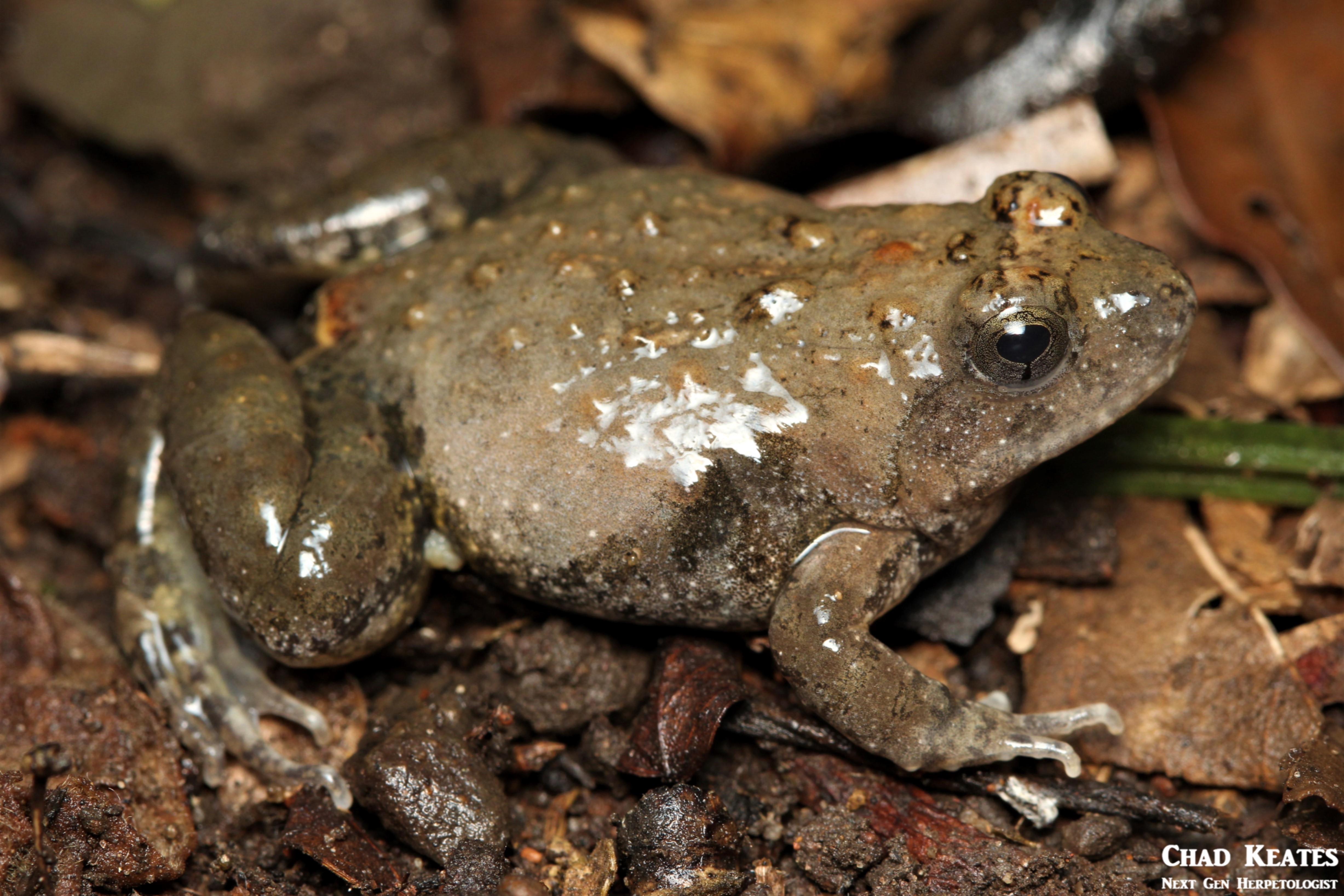
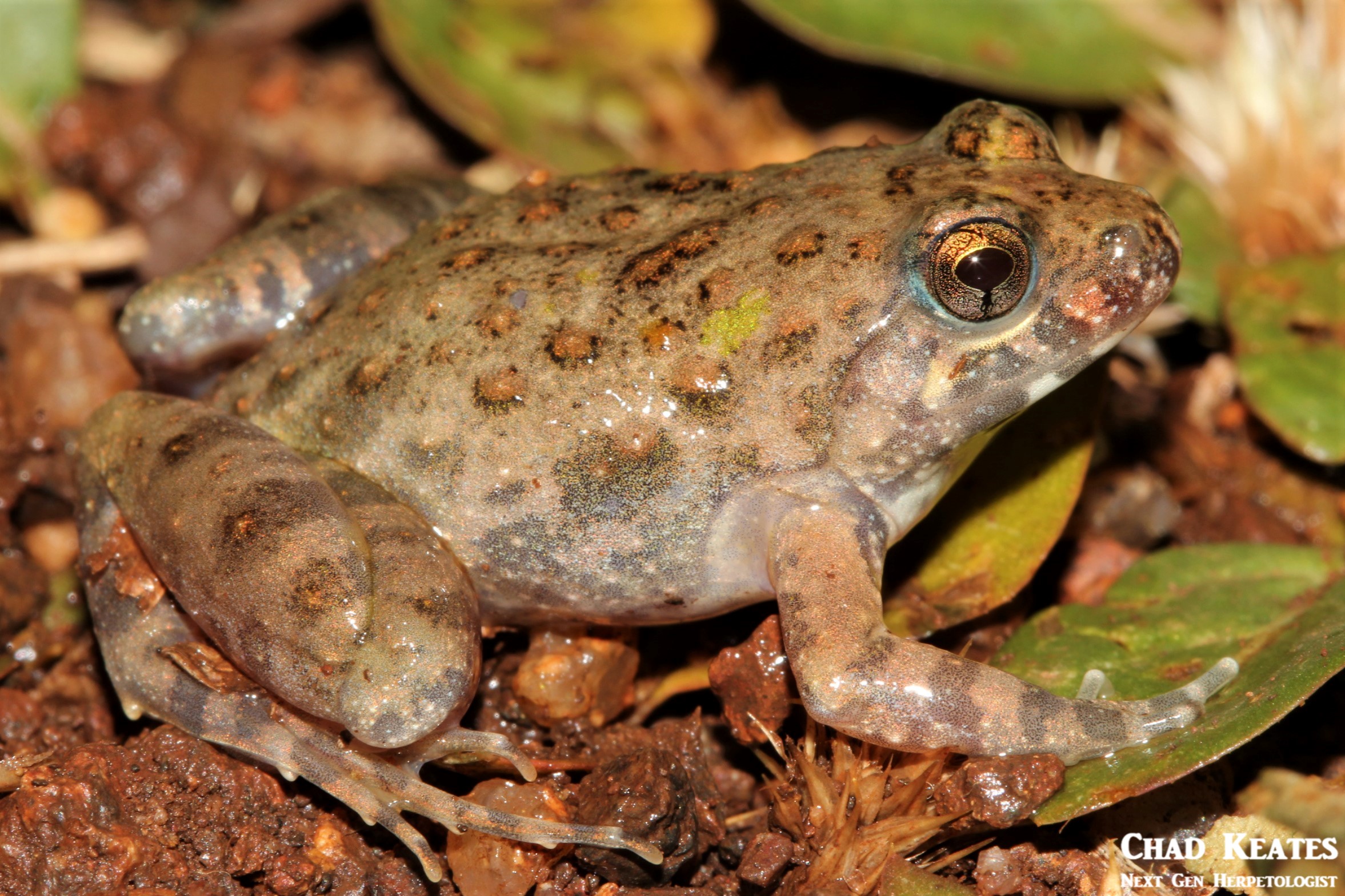
Snoring Puddle Frog (Phrynobatrachus natalensis)
Rain Frogs
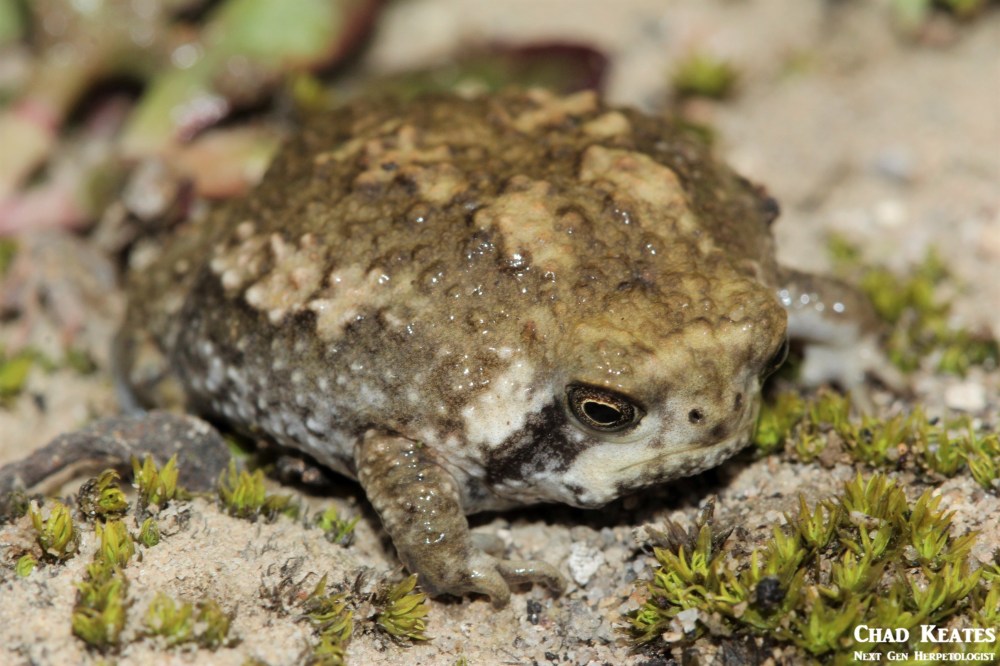
Bushveld Rain Frog (Breviceps adspersus)
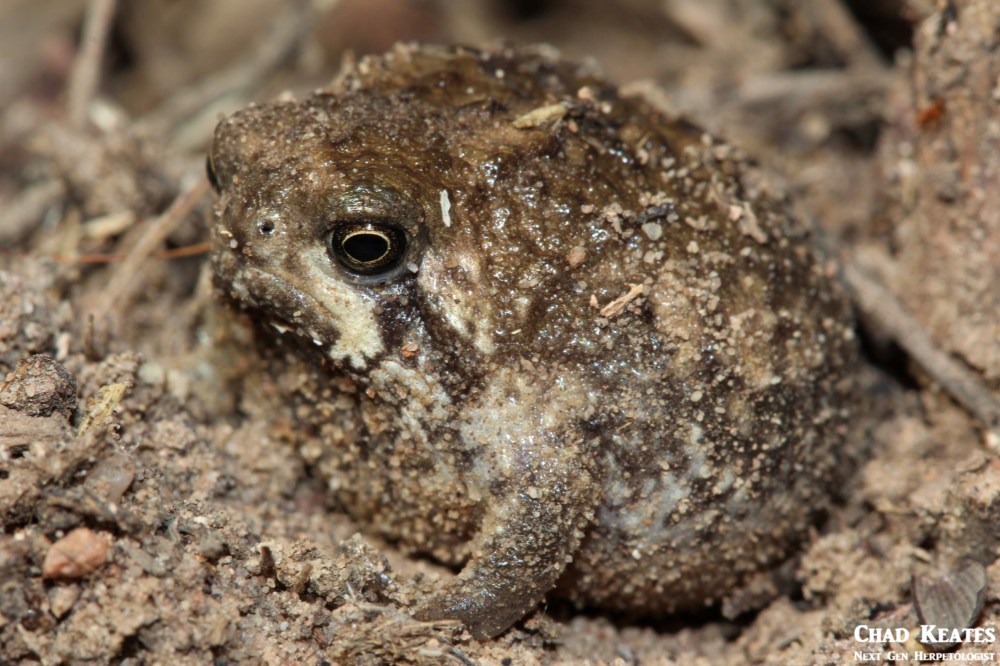
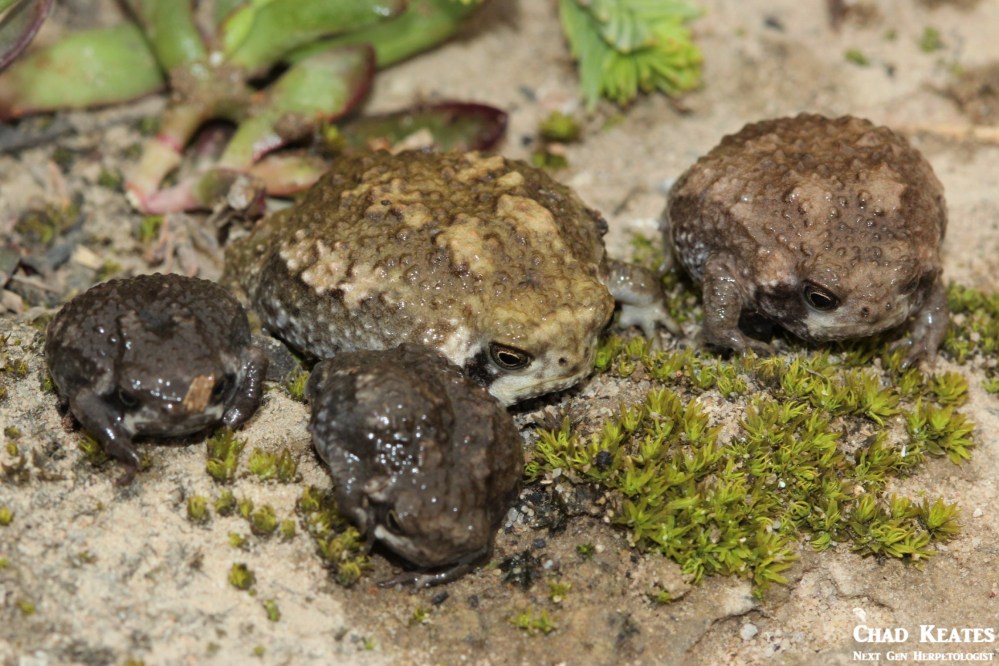
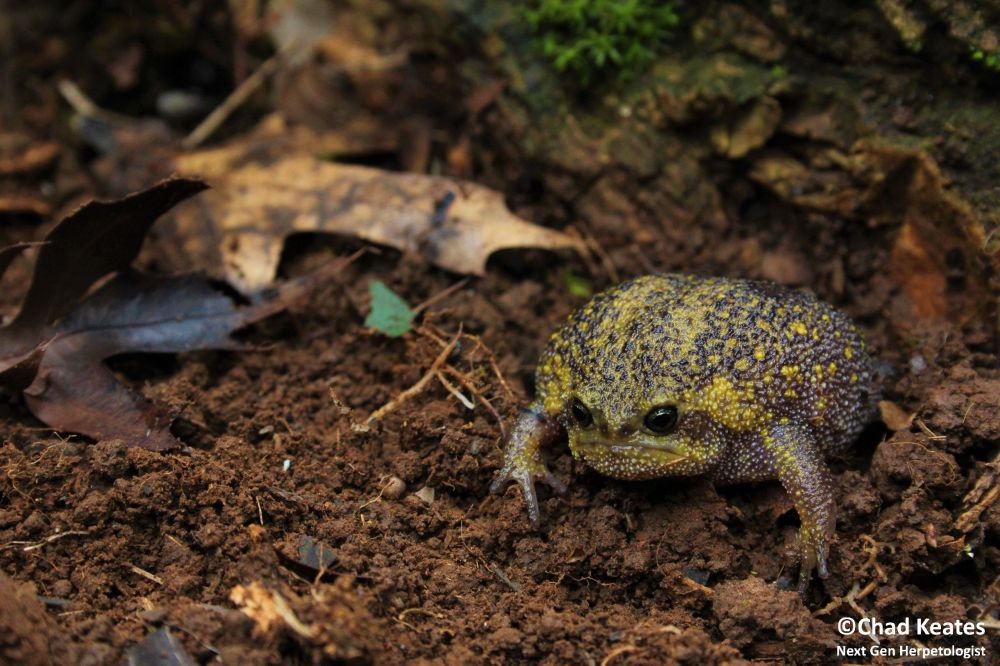
Plaintive Rain Frog (Breviceps verrucosus)
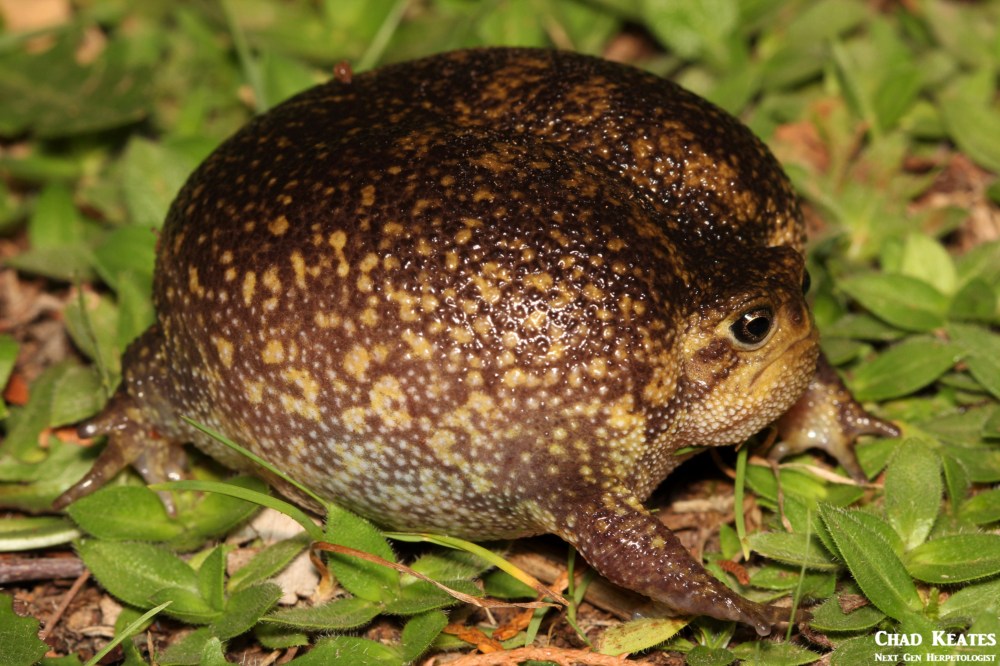
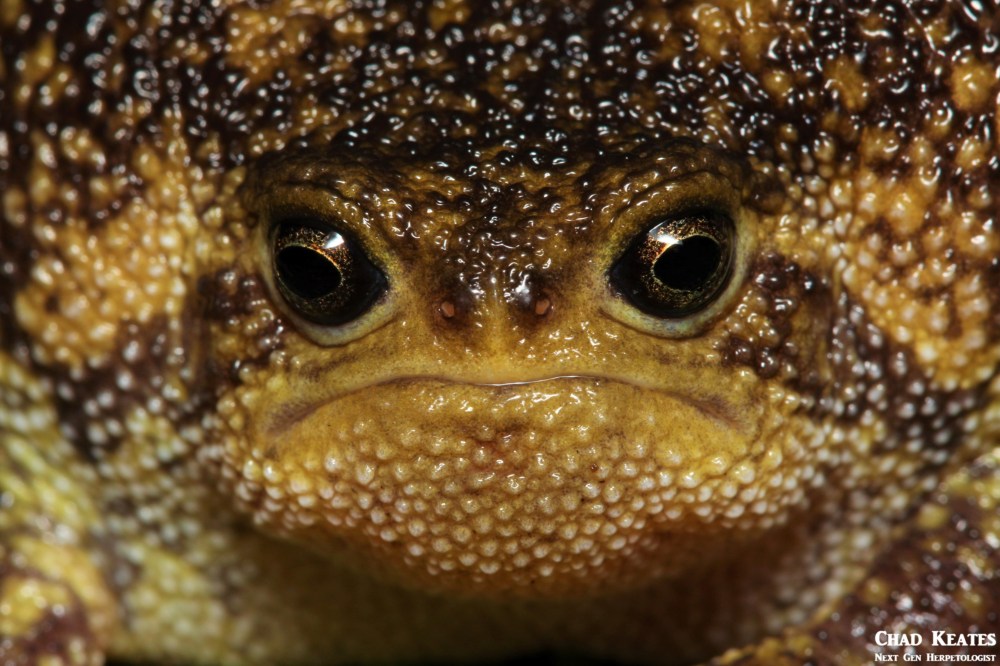
Reed Frogs
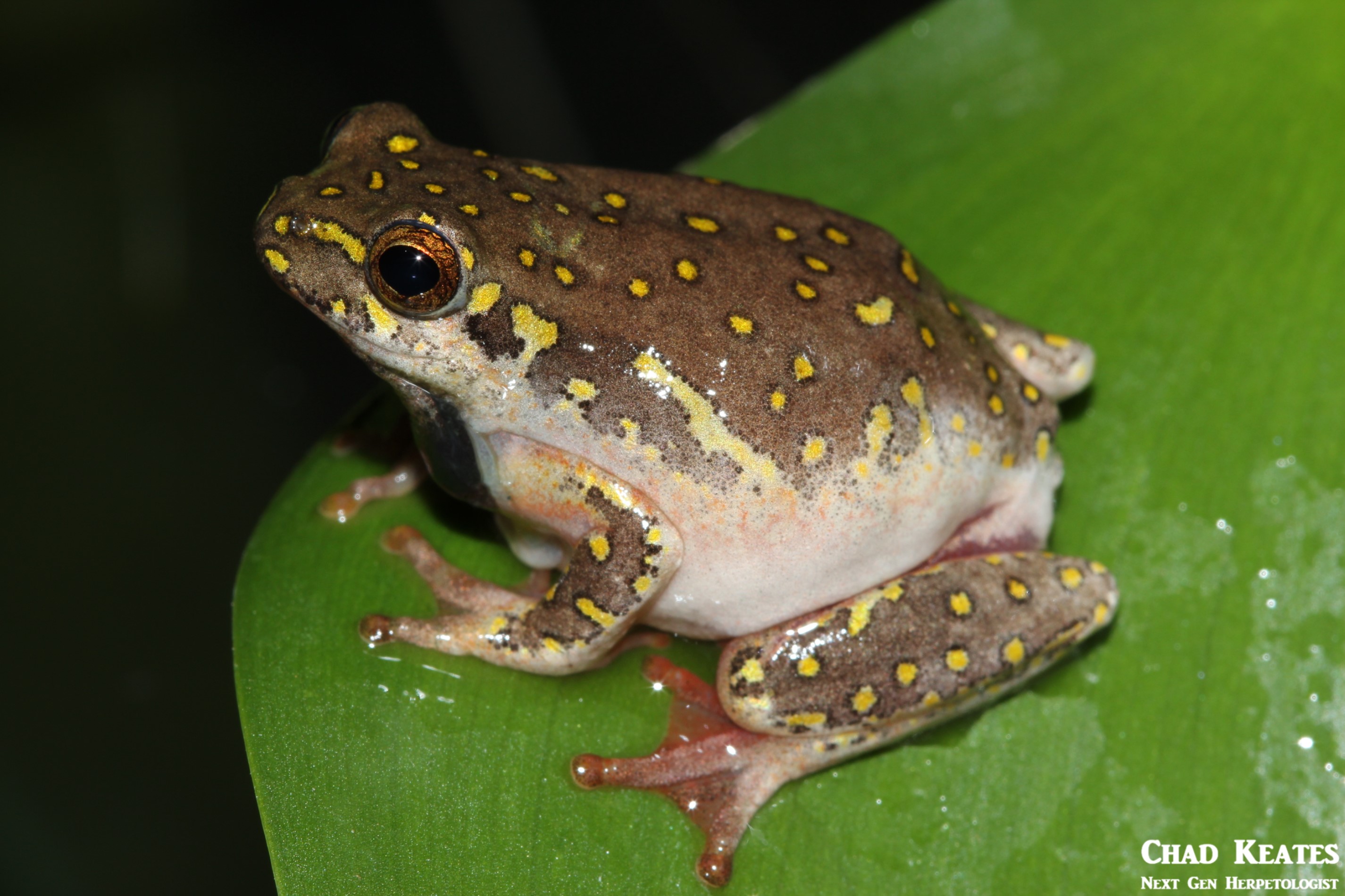
Painted Reed frog (Hyperolius marmoratus verrucosus)
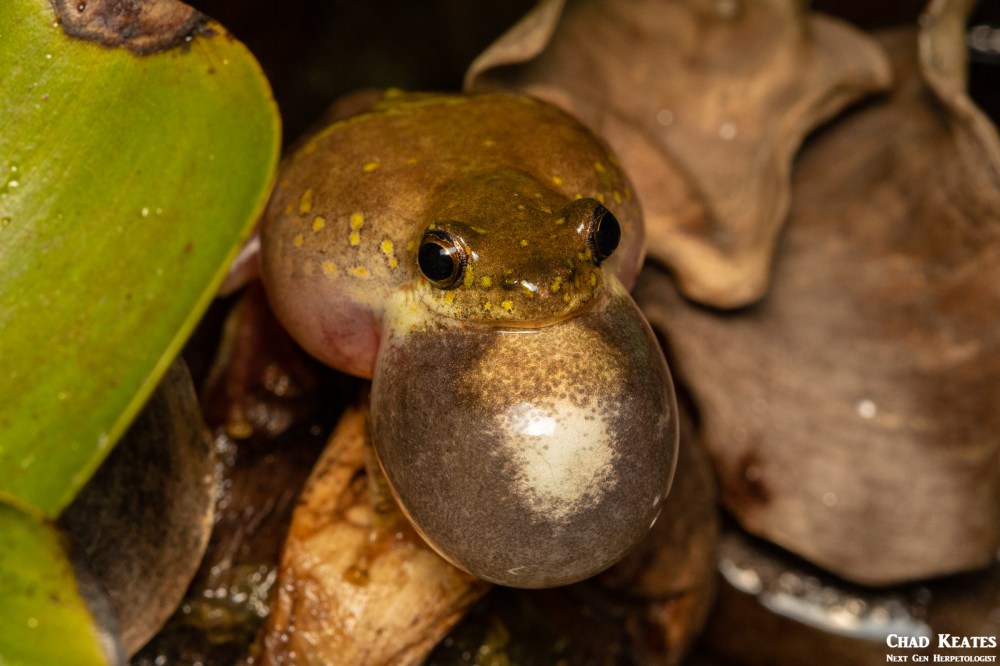
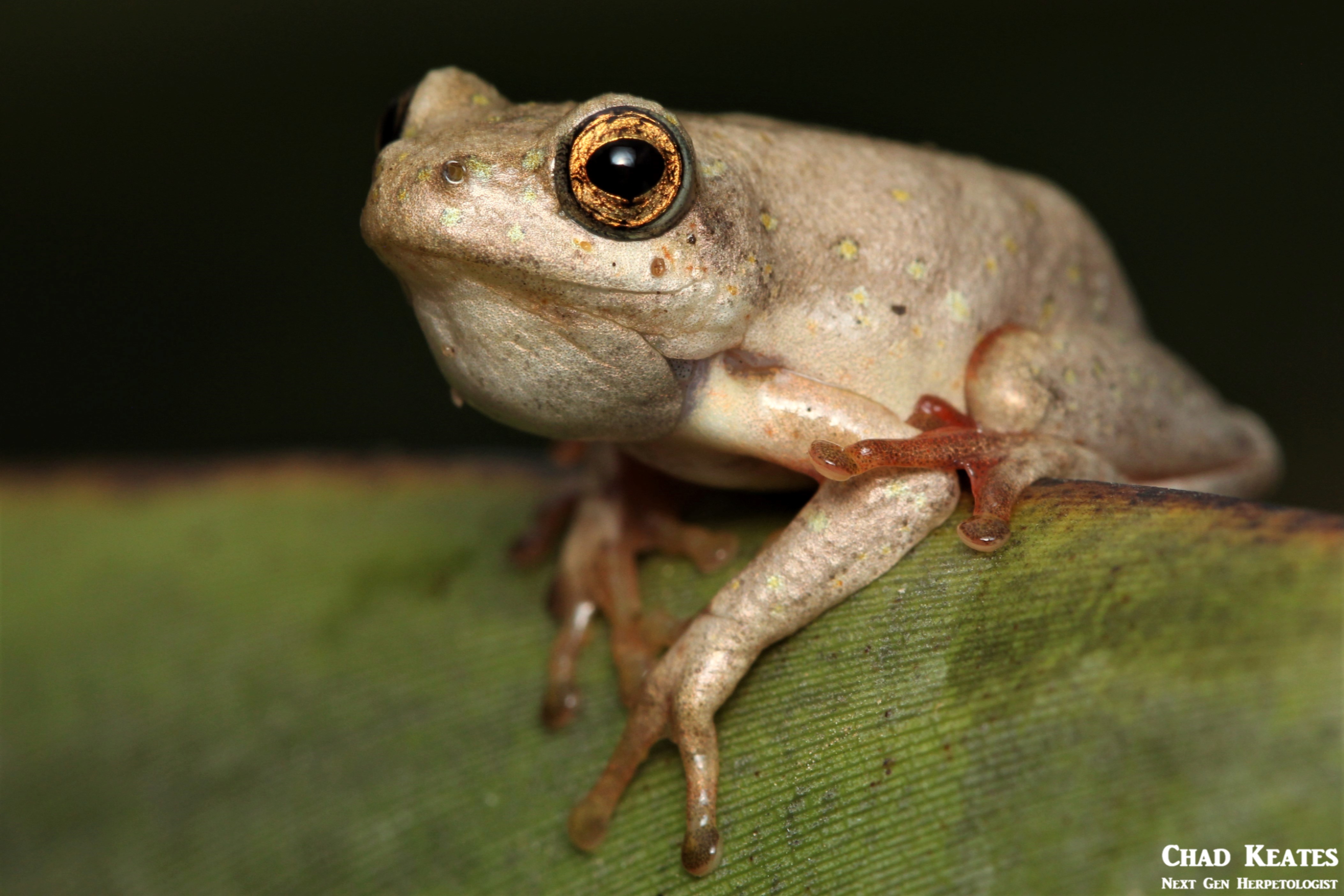
Yellow Striped Reed Frog (Hyperolius semidiscus)
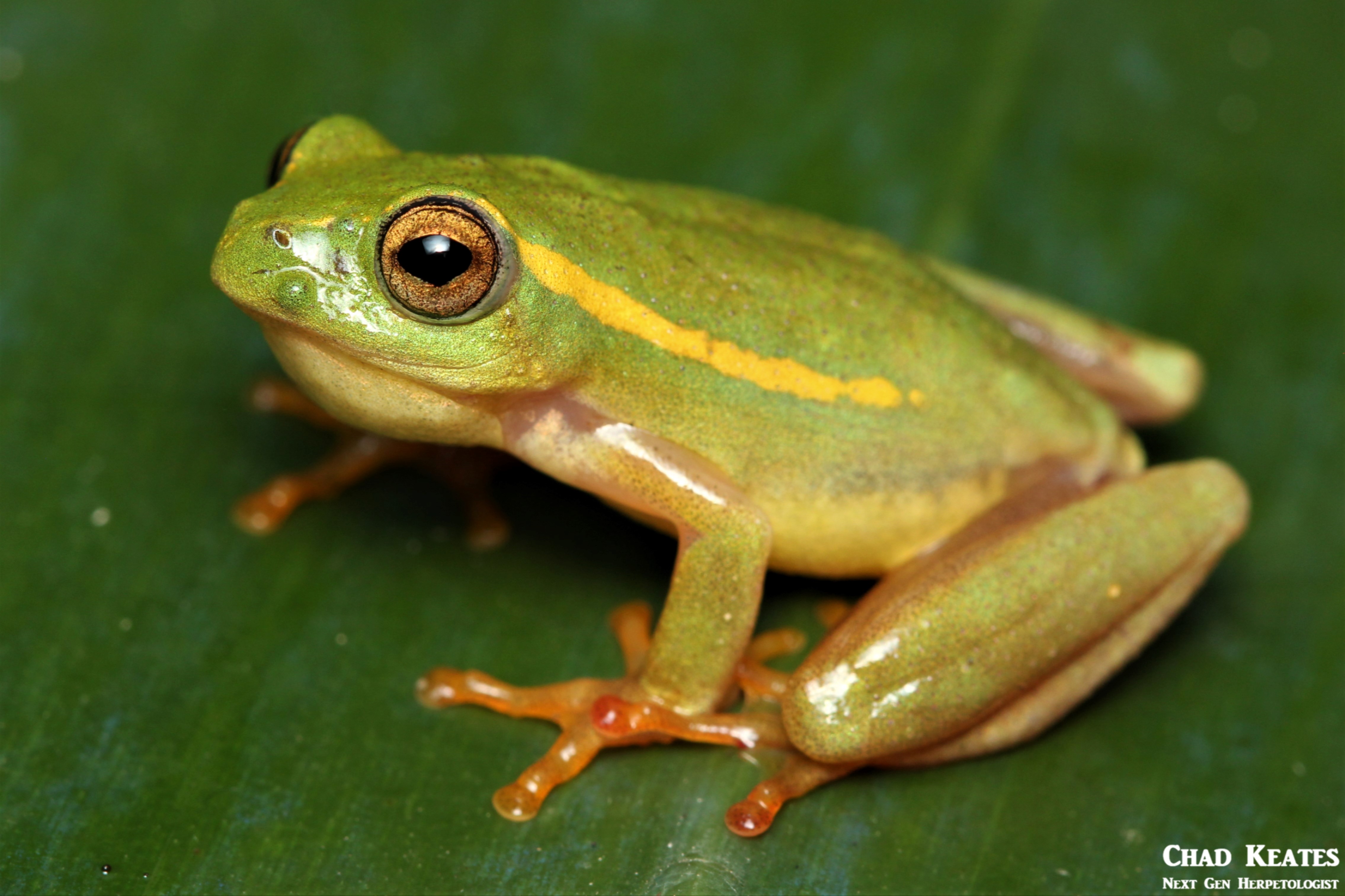
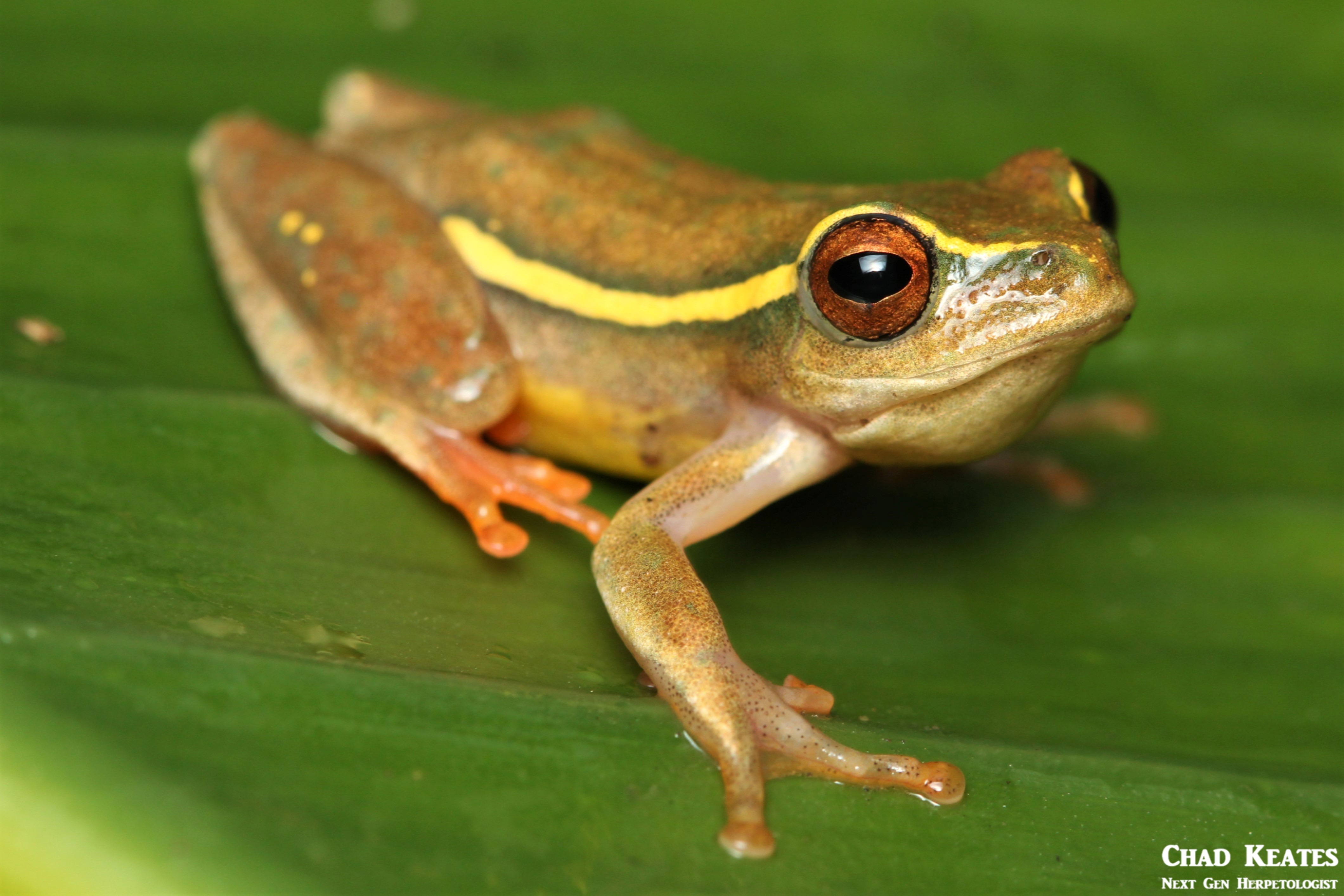
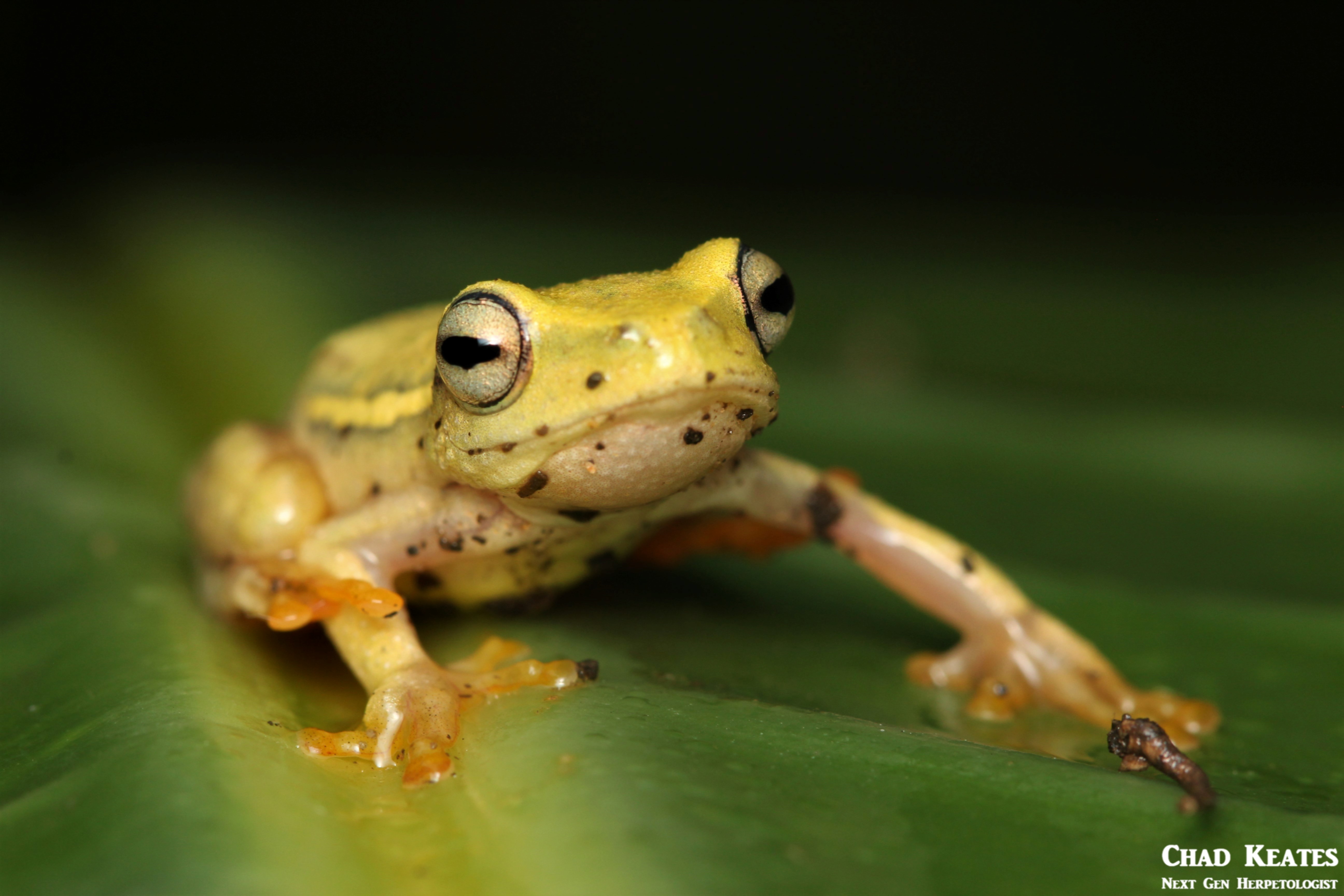
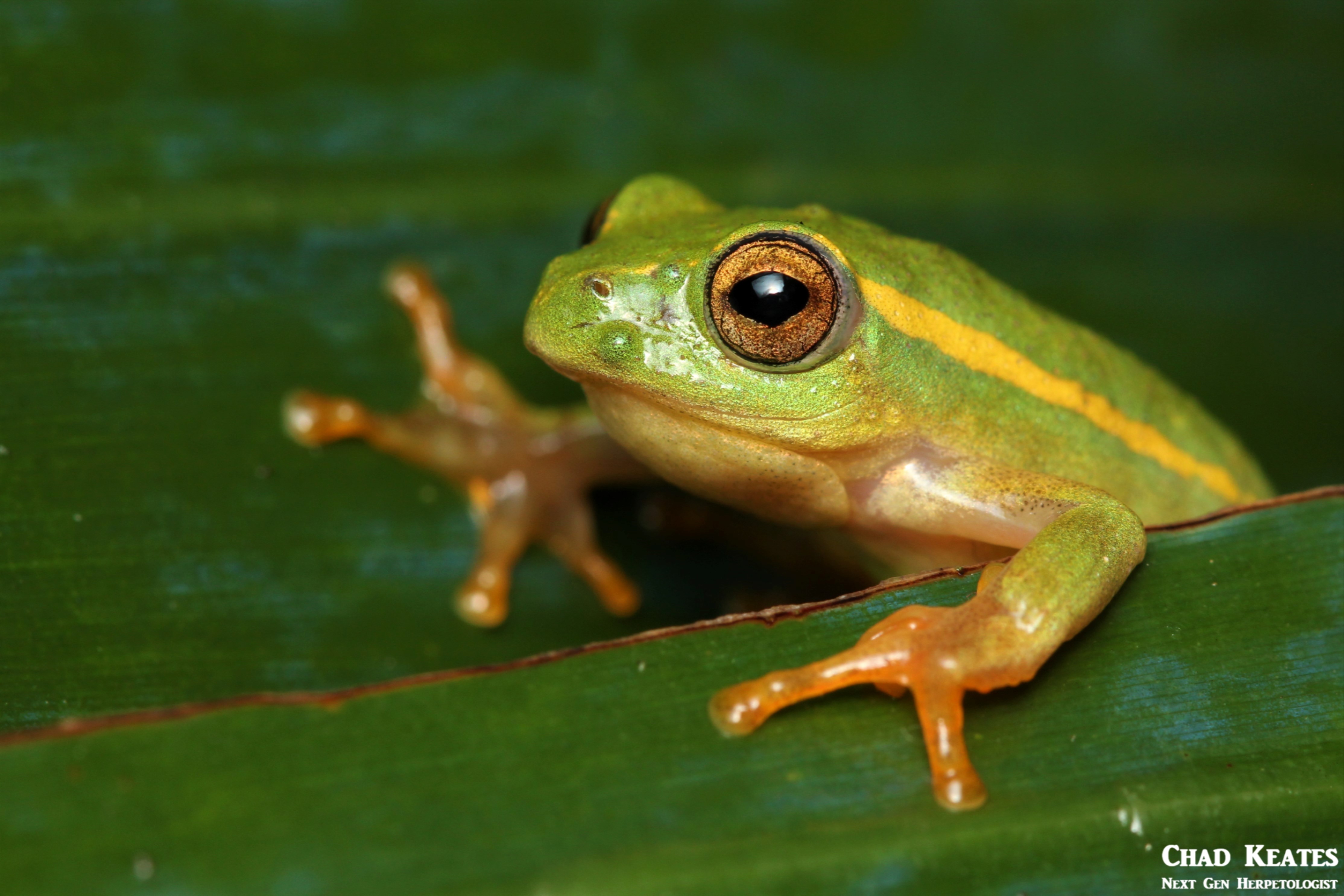
Bubbling Kassina (Kassina senegalensis)
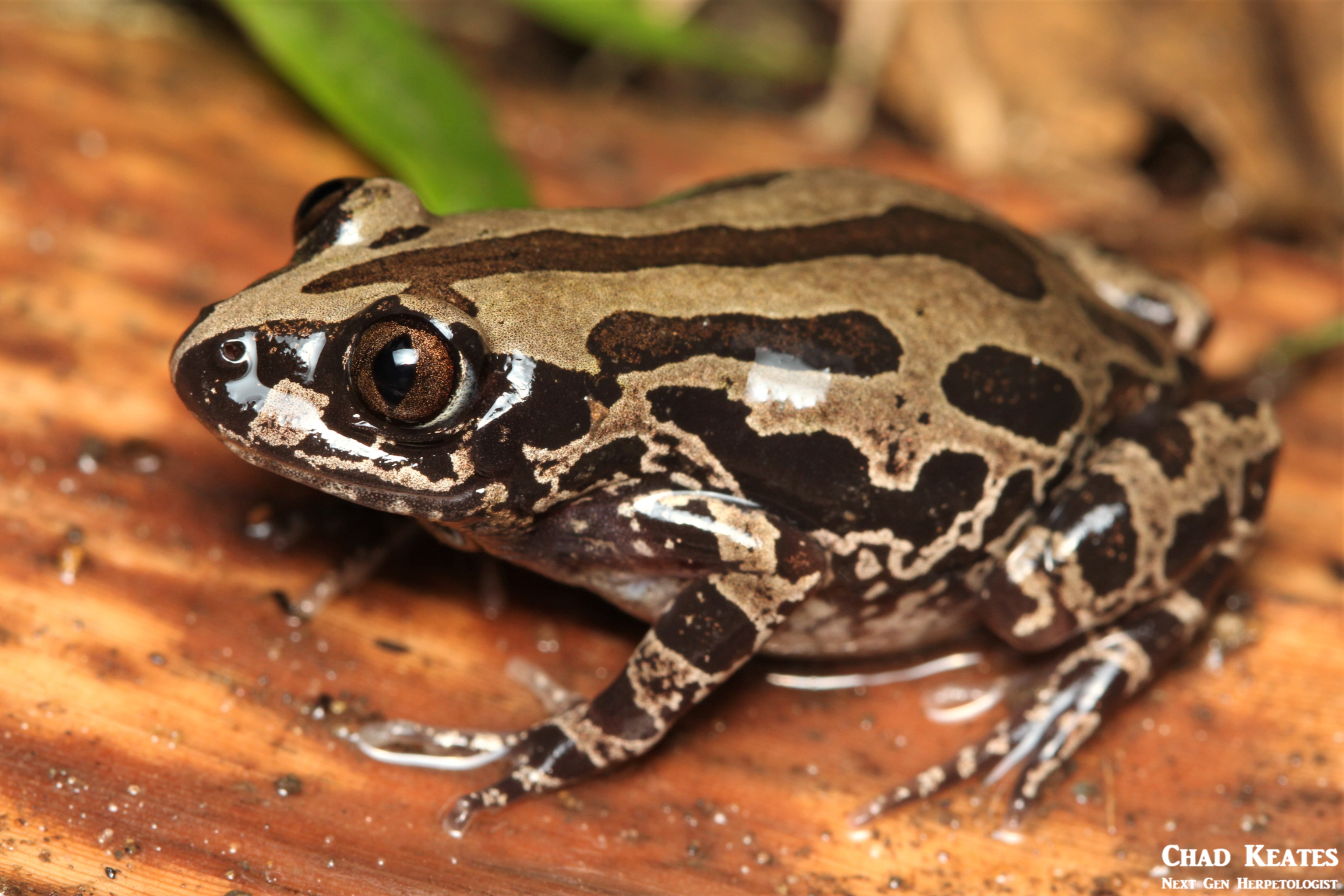
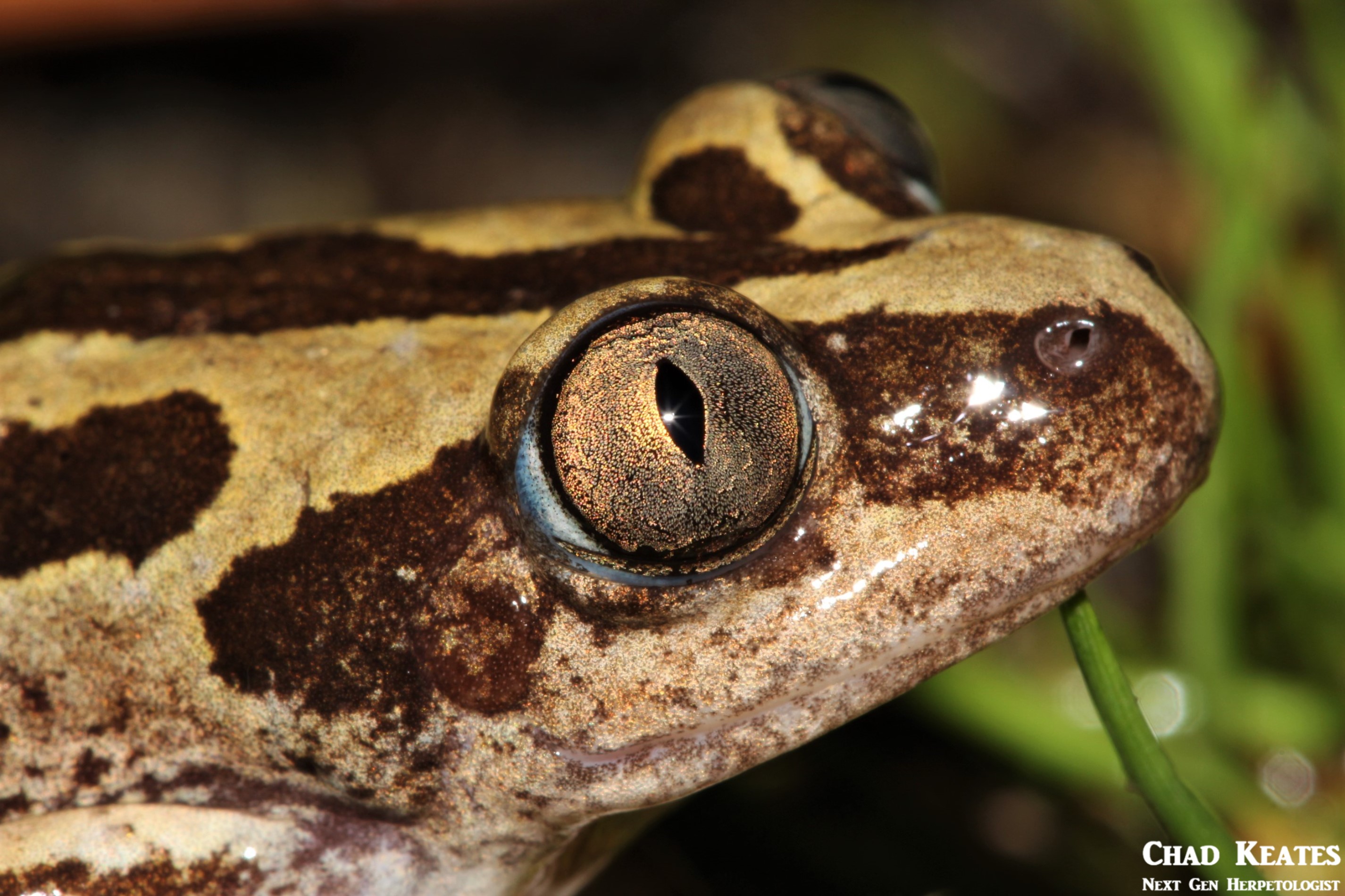
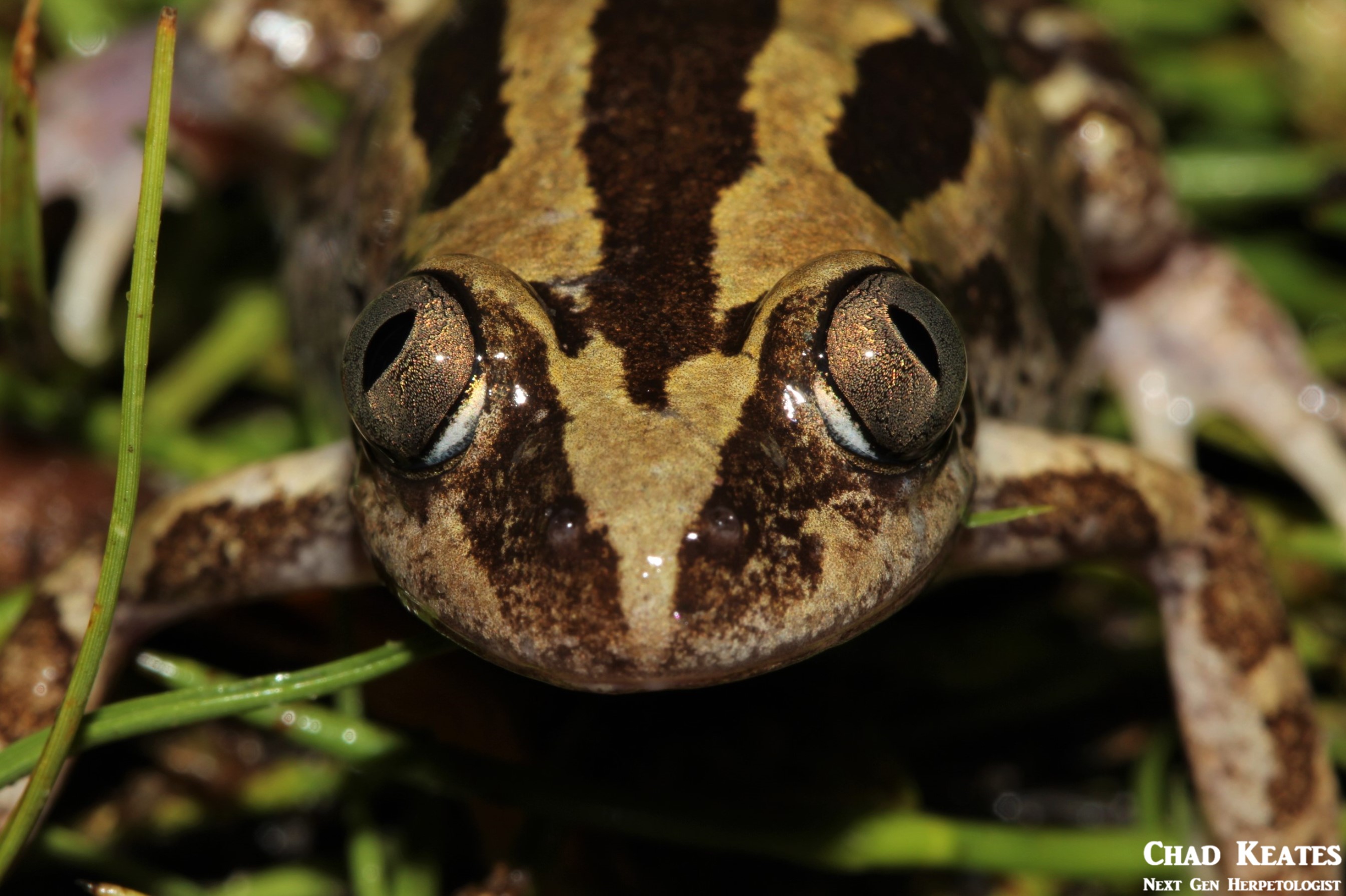
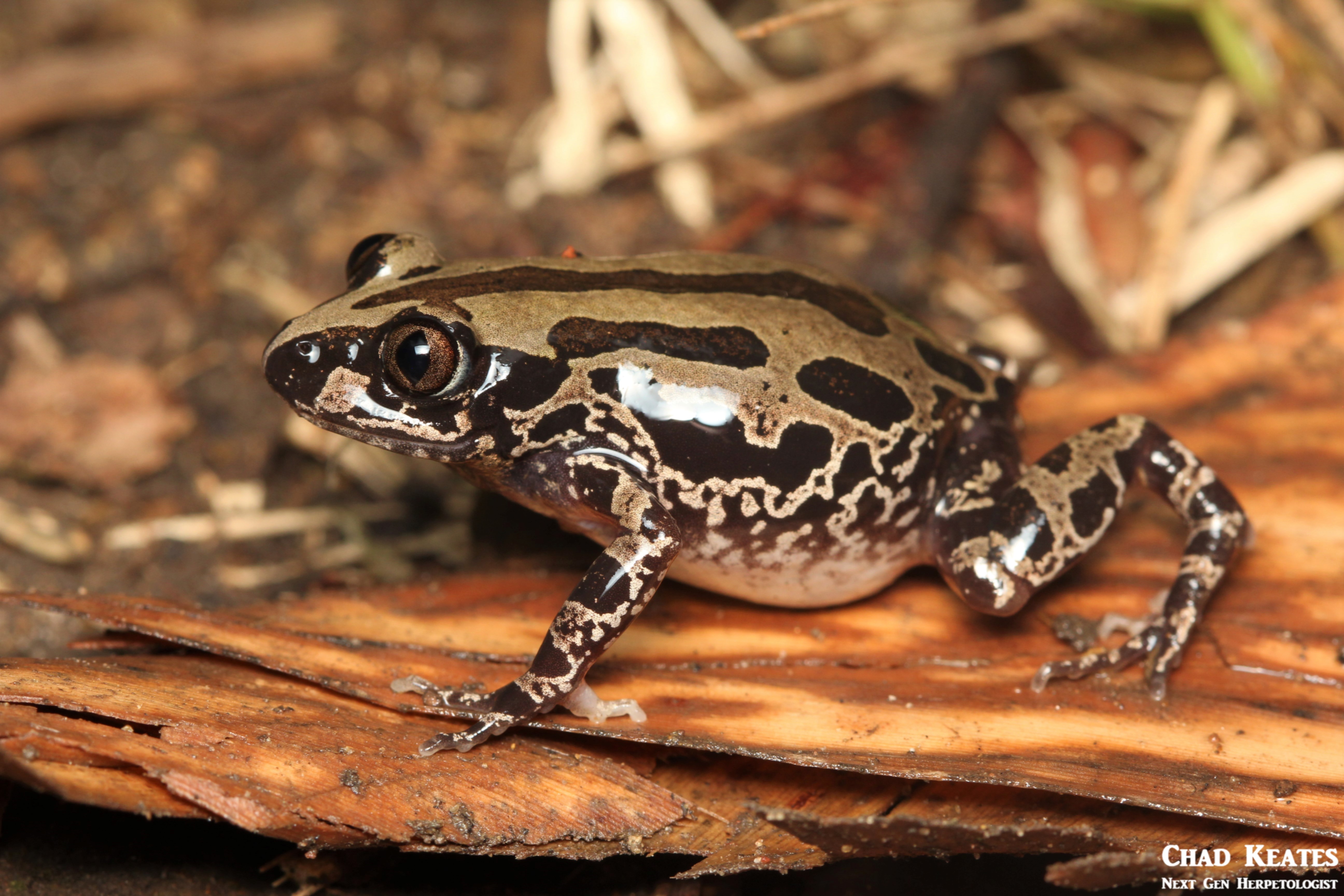
Rattling Frog (Semnodactylus wealii)
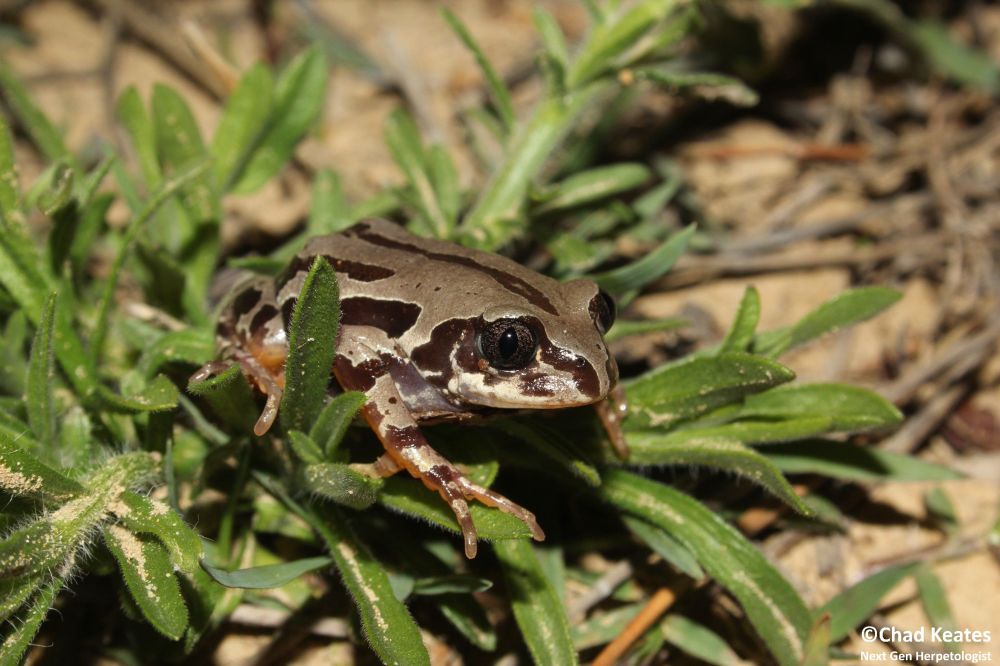
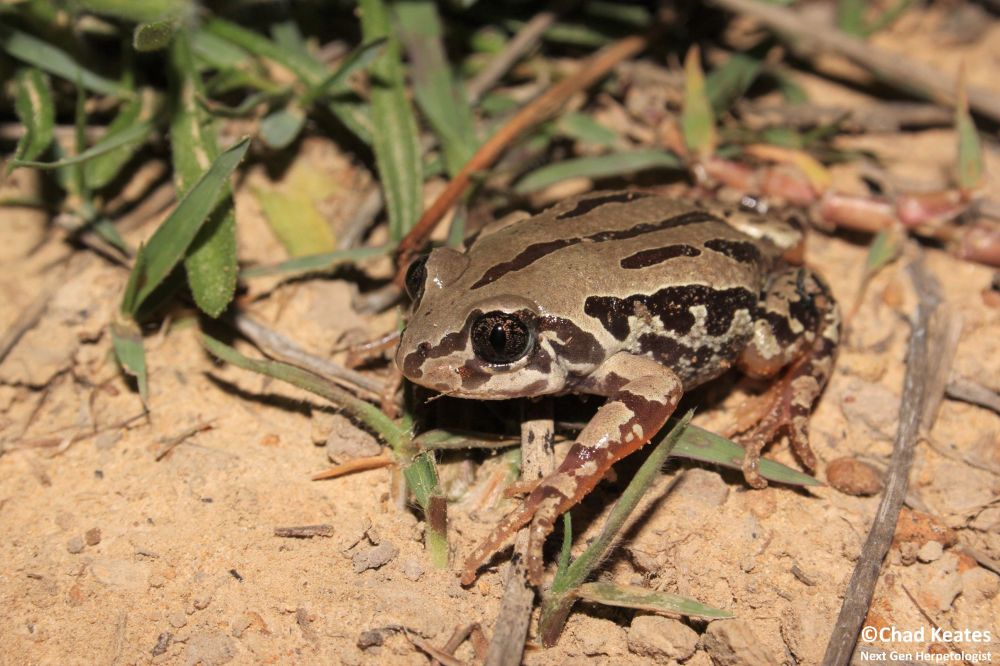
Squeekers and Tree Frogs
Bush Squeeker (Arthroleptis wahlbergii)
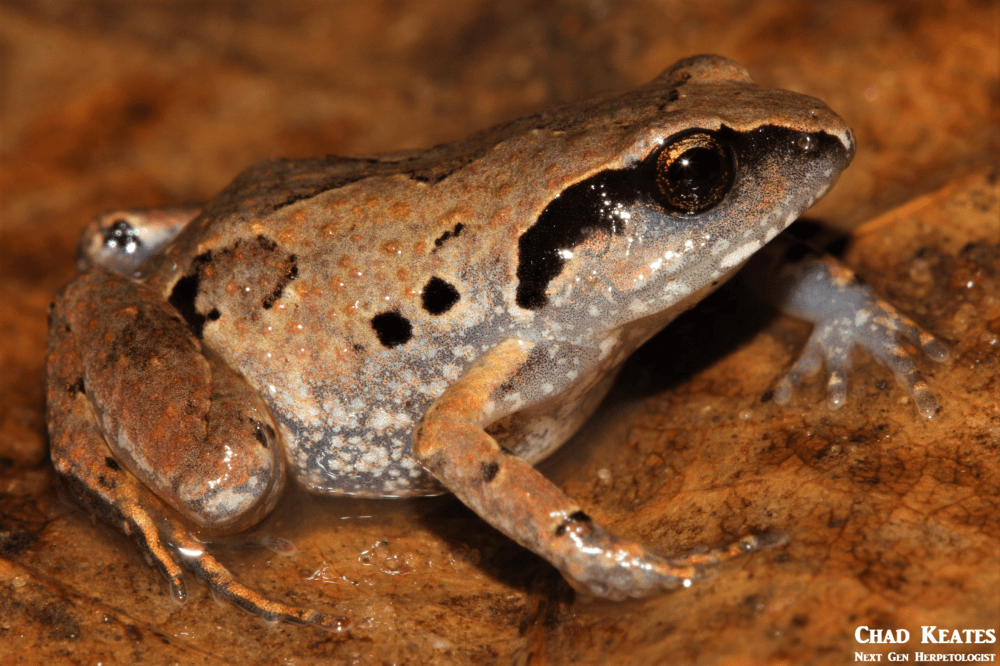
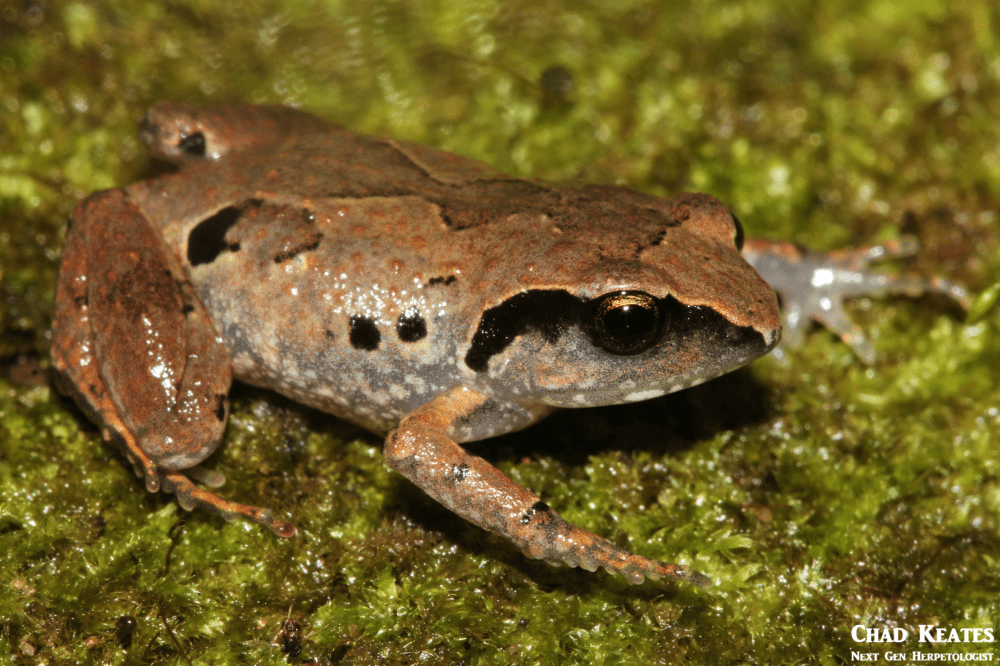
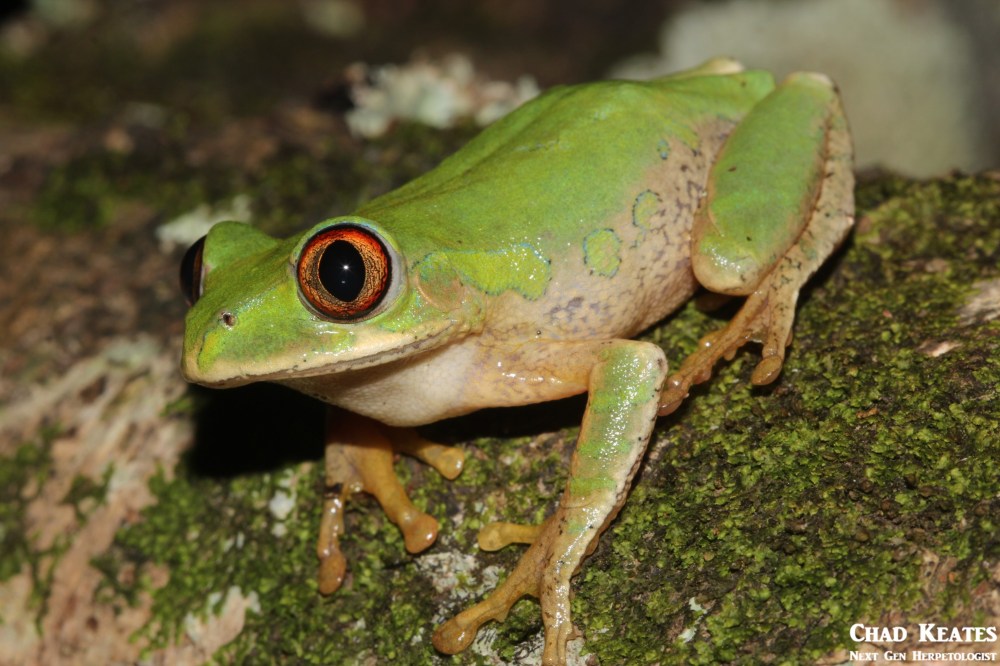
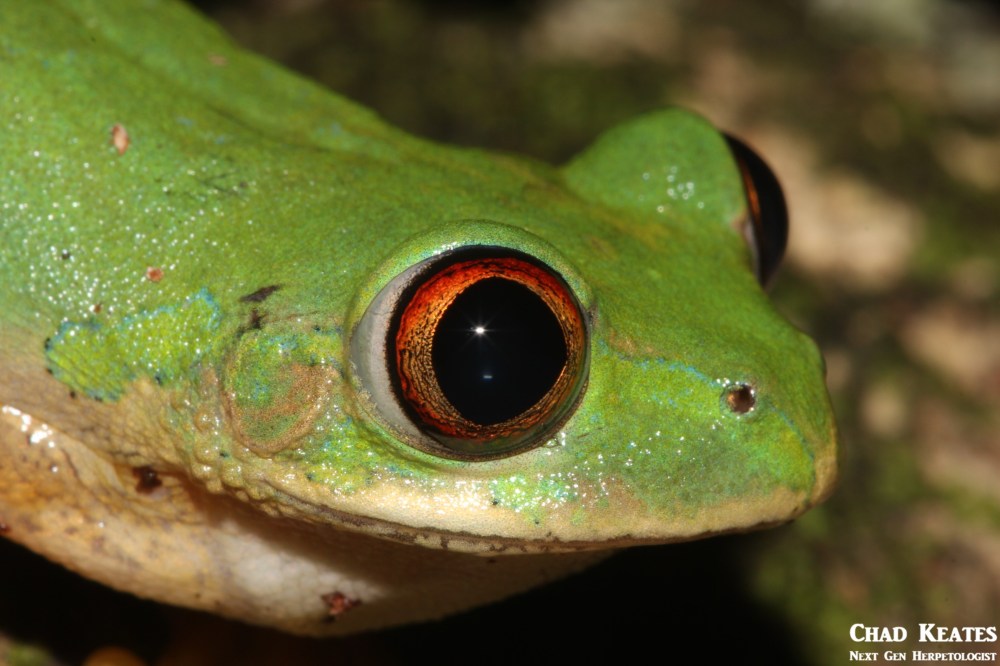
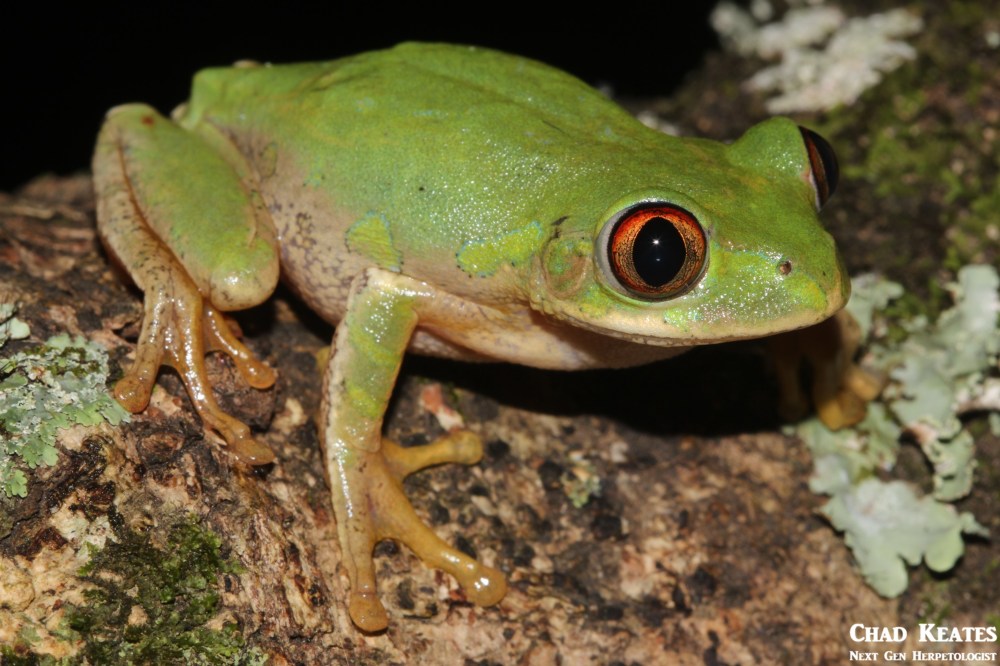
Natal Tree Frog (Leptopelis natalensis)
Toads
Raucous Toad (Sclerophrys capensis)
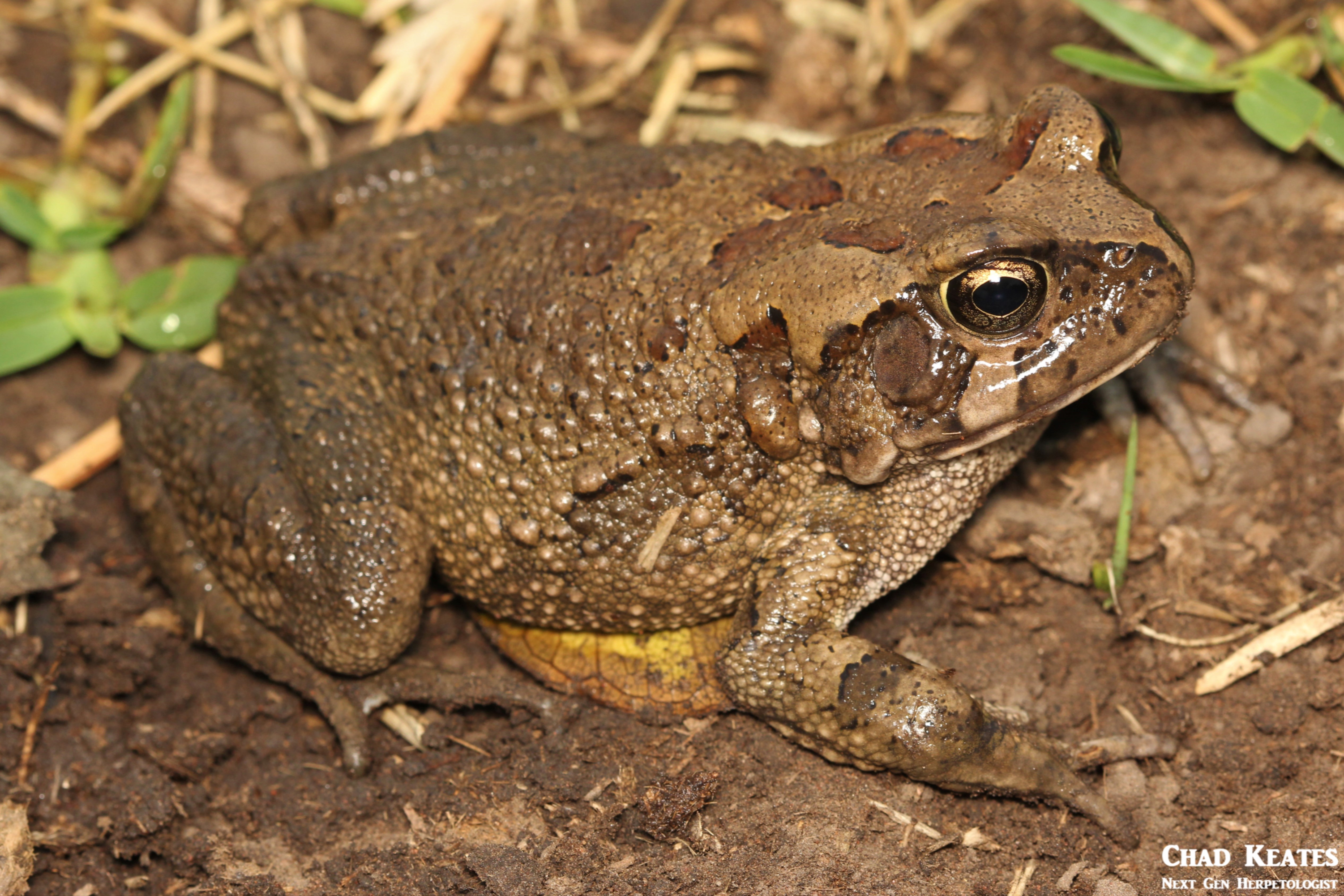
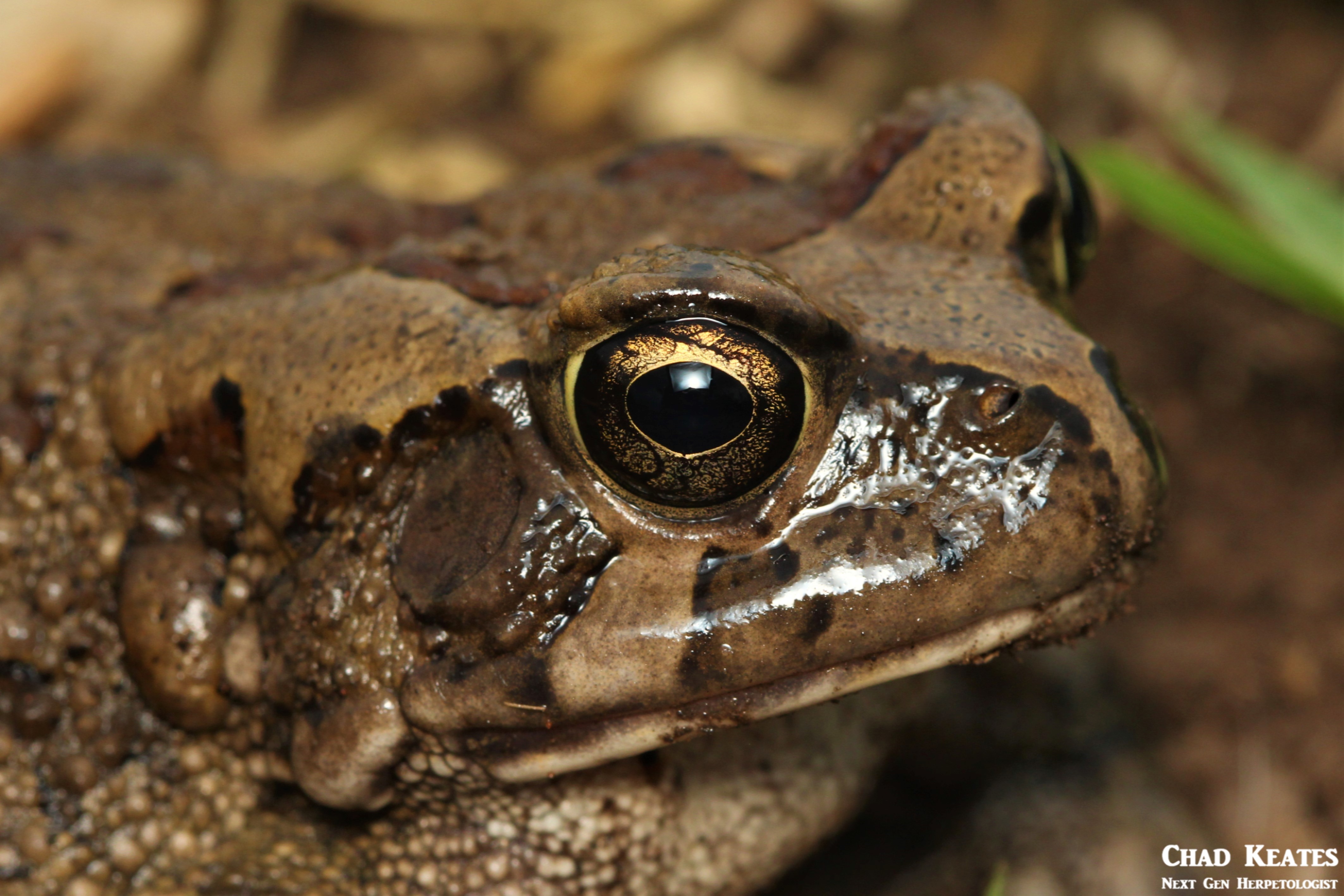
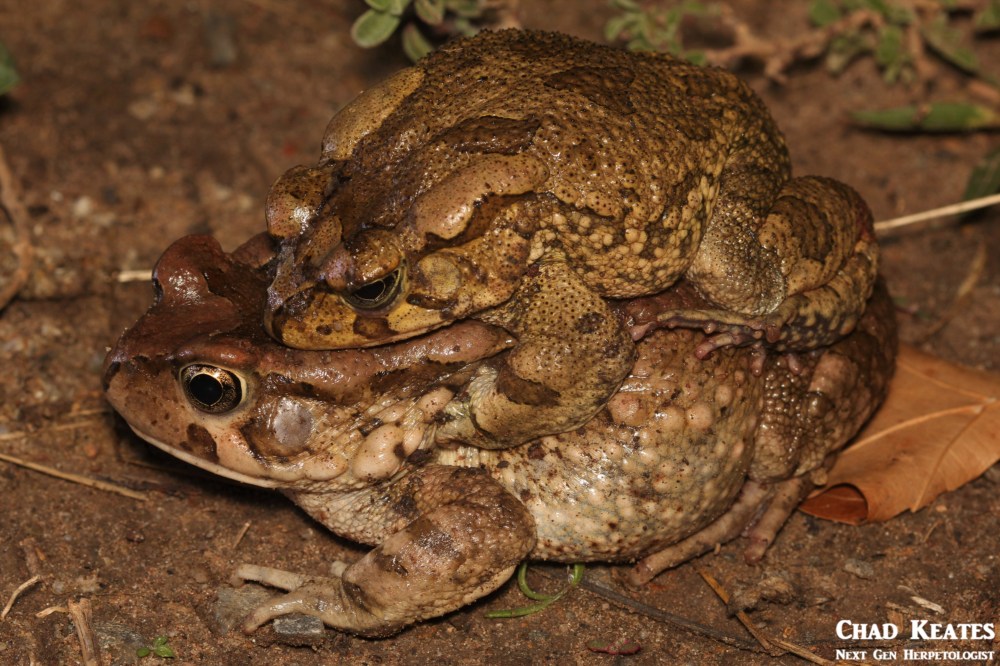
Guttural Toad (Sclerophrys gutturalis)
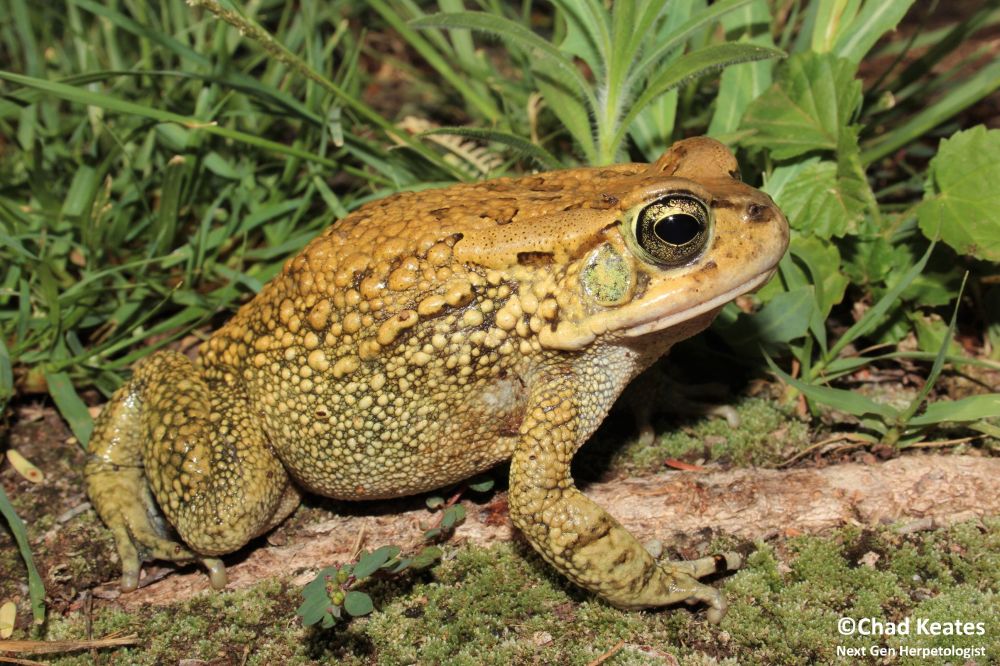
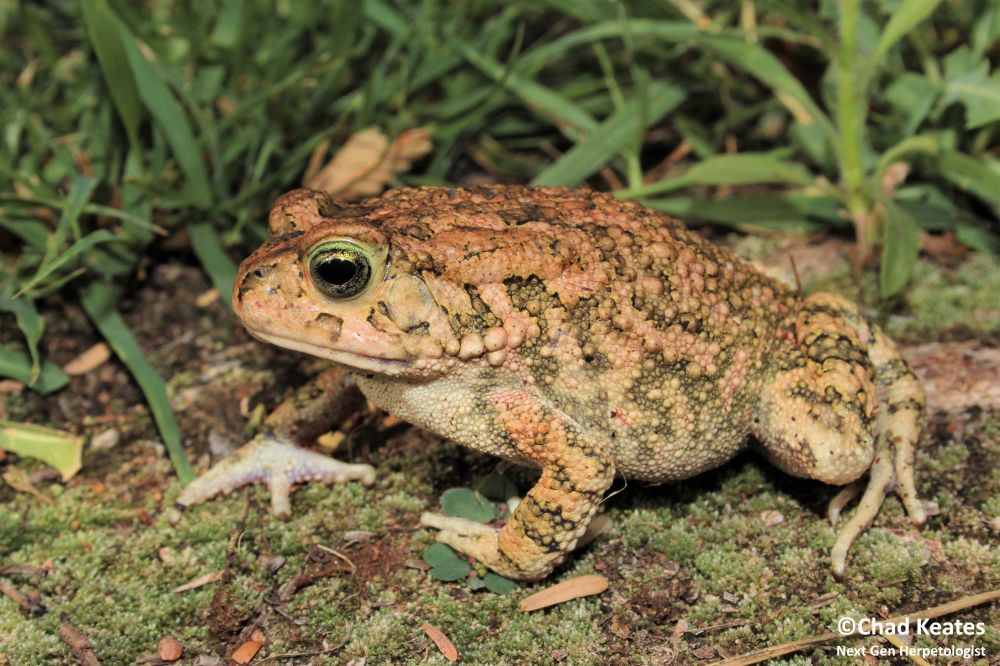
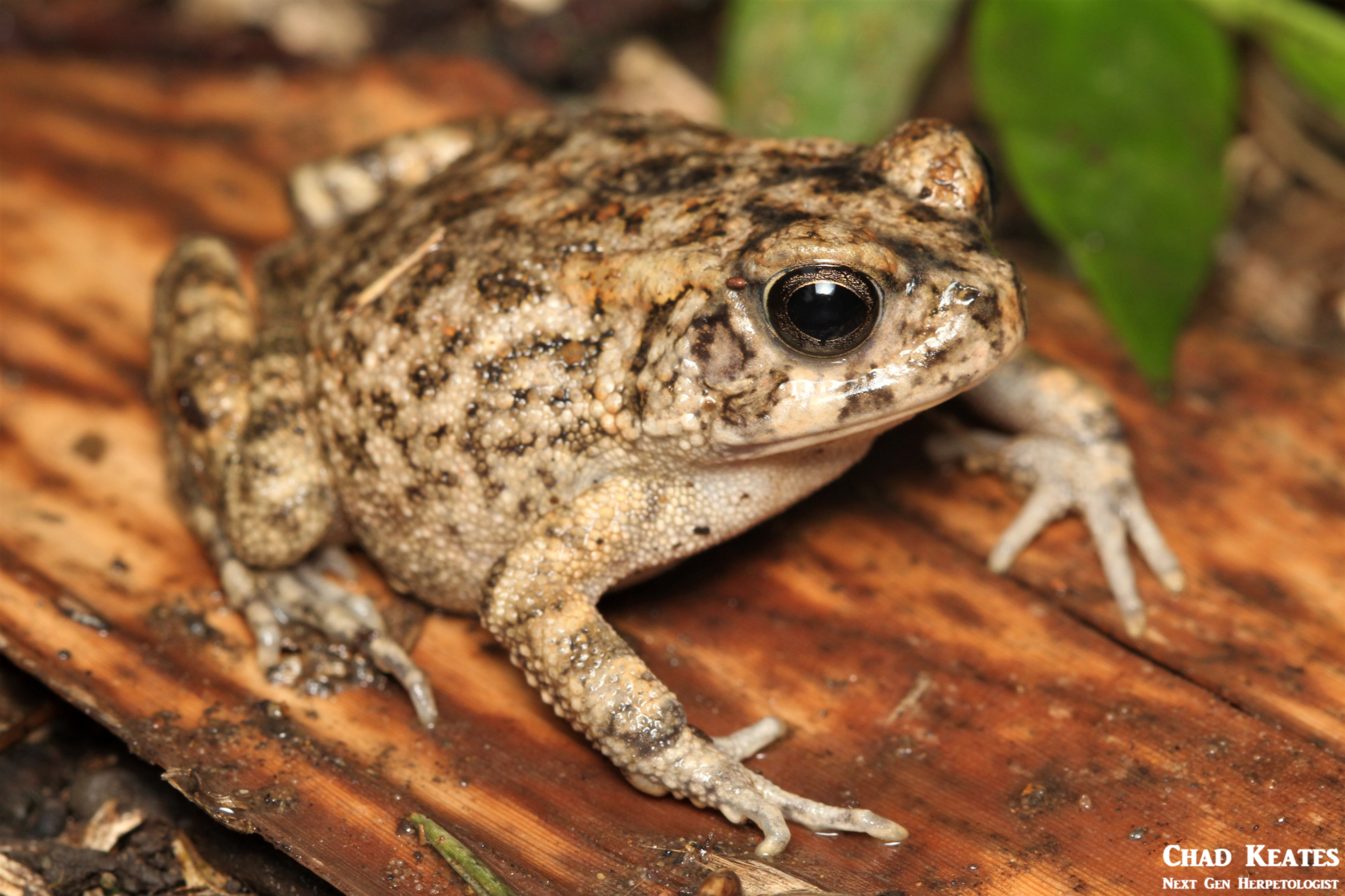
Karoo Toad (Vandijkophrynus gariepensis)
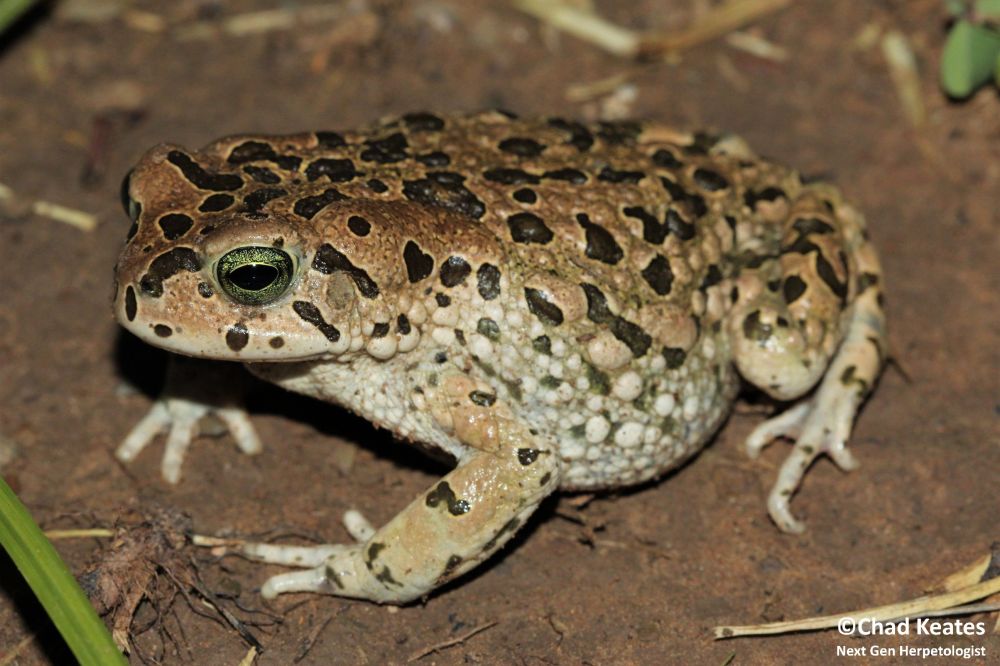
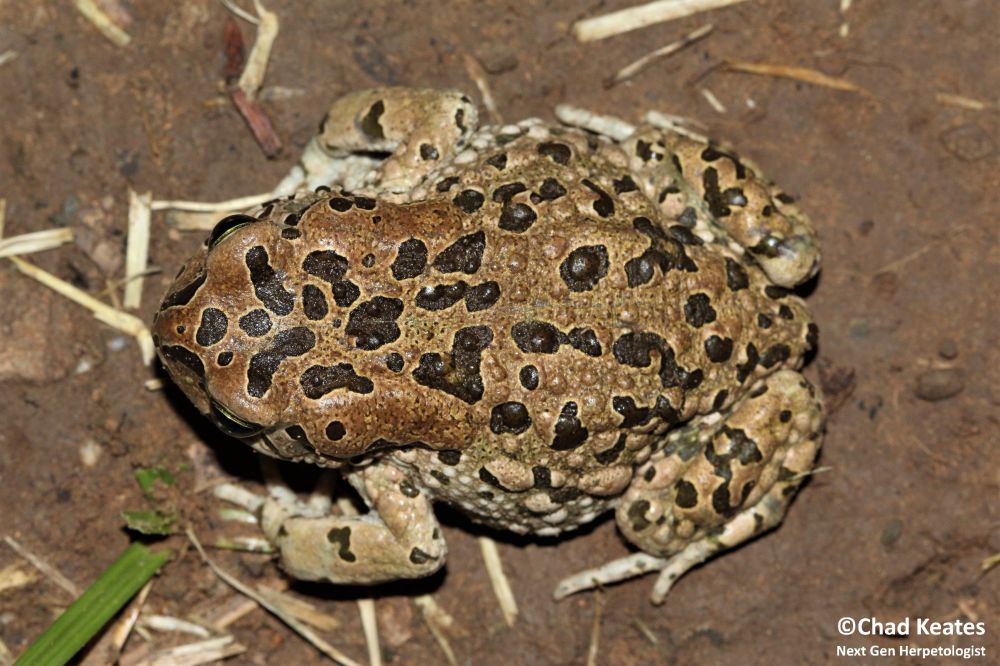
Eastern Leopard Toad (Sclerophrys pardalis)
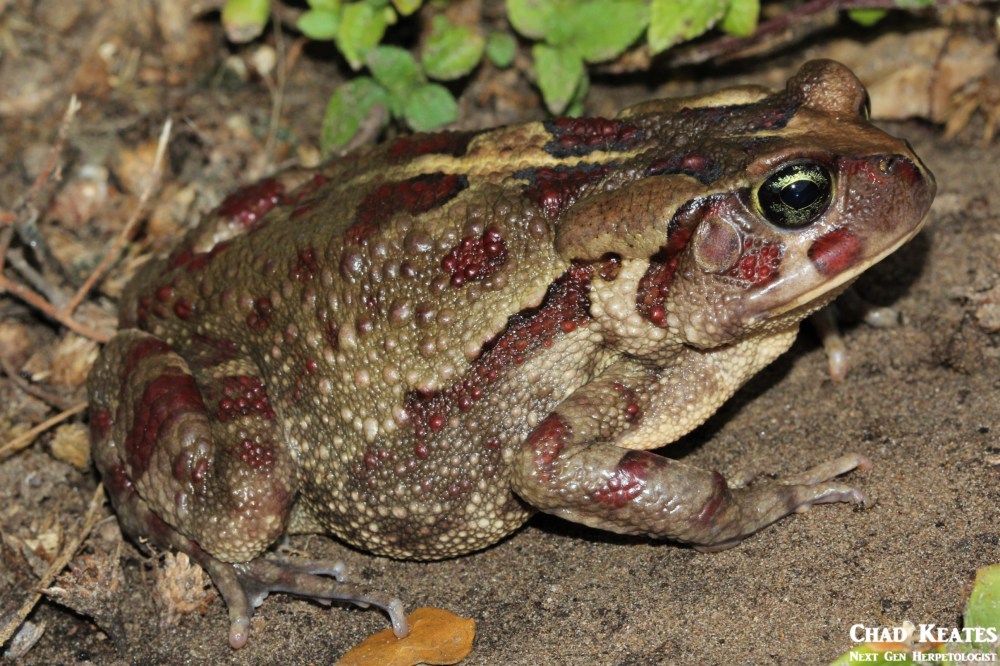
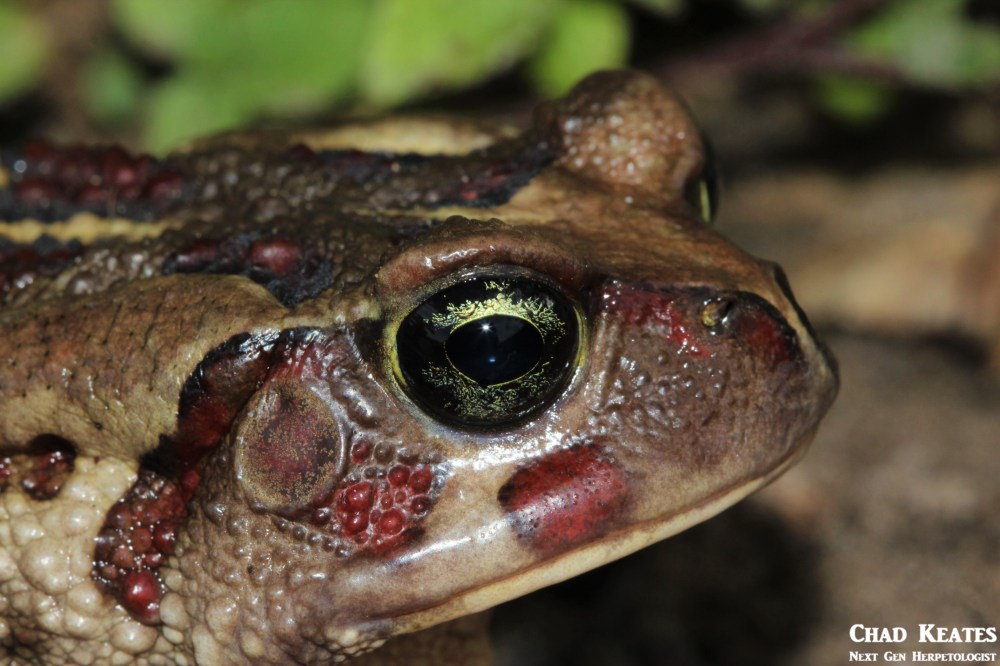
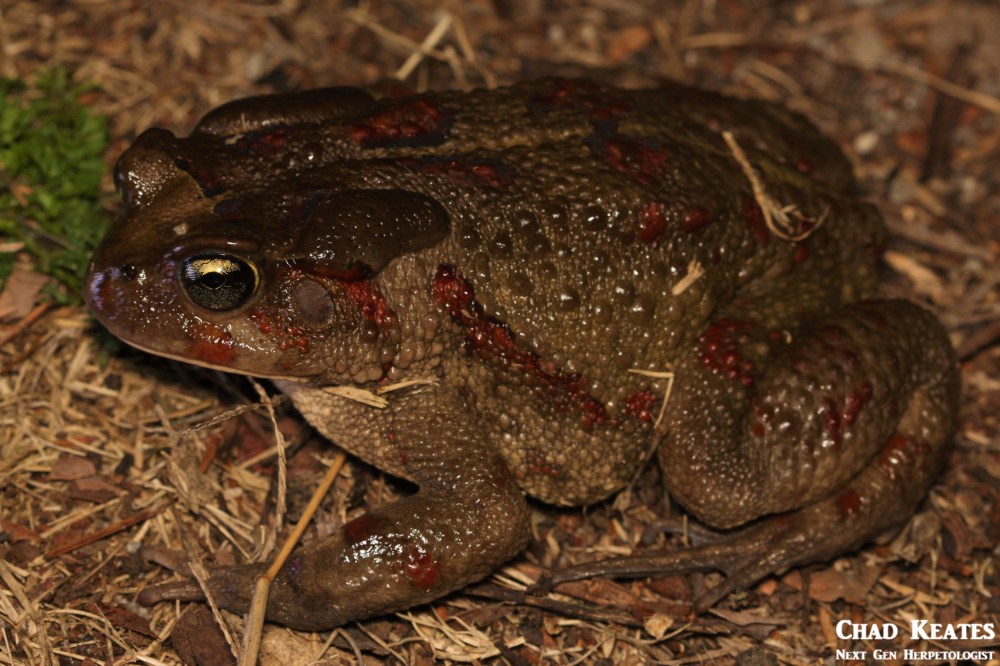
Southern Pygmy Toad (Poyntophrynus vertebralis)
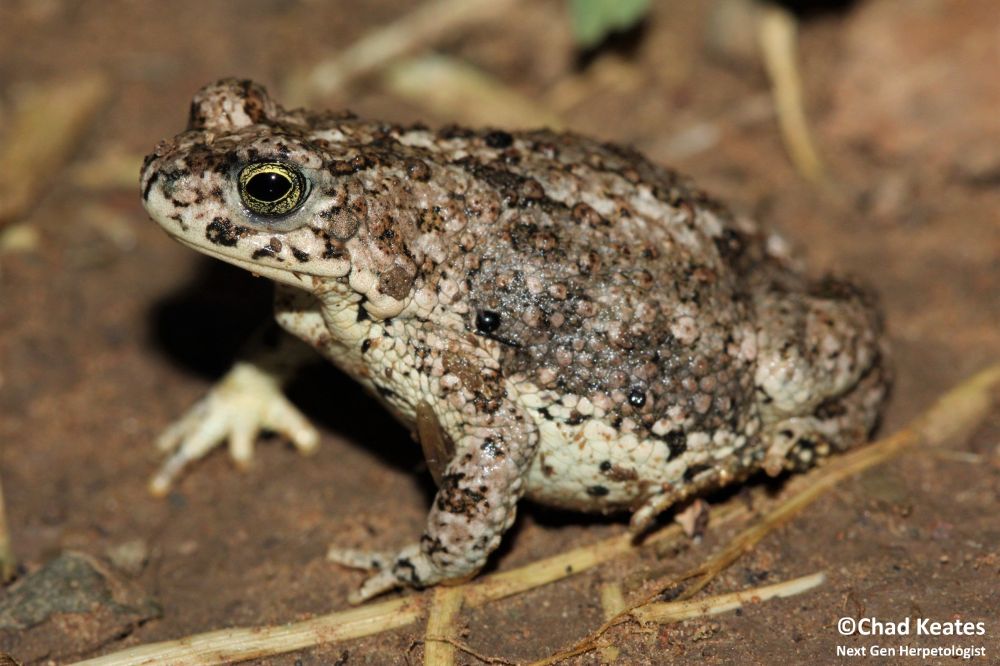
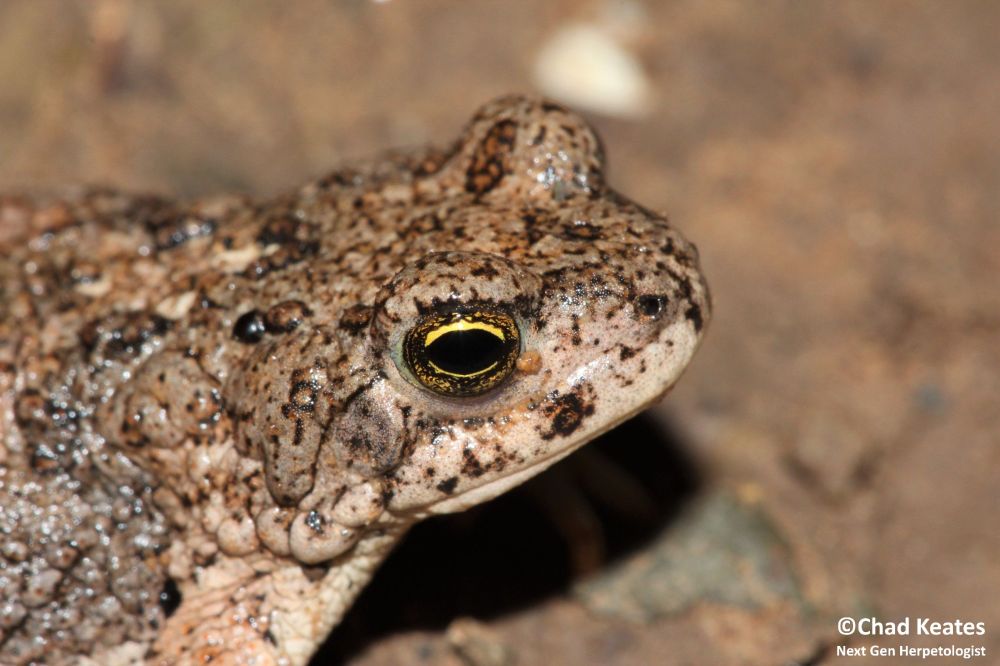
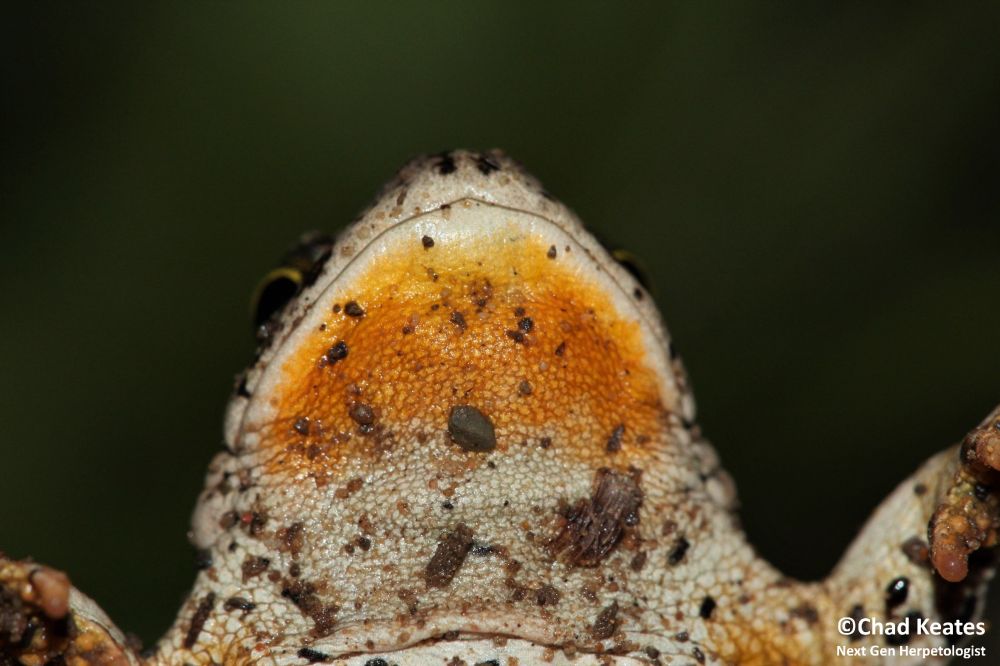
Amatola toad (Vandijkophrynus amatolicus)



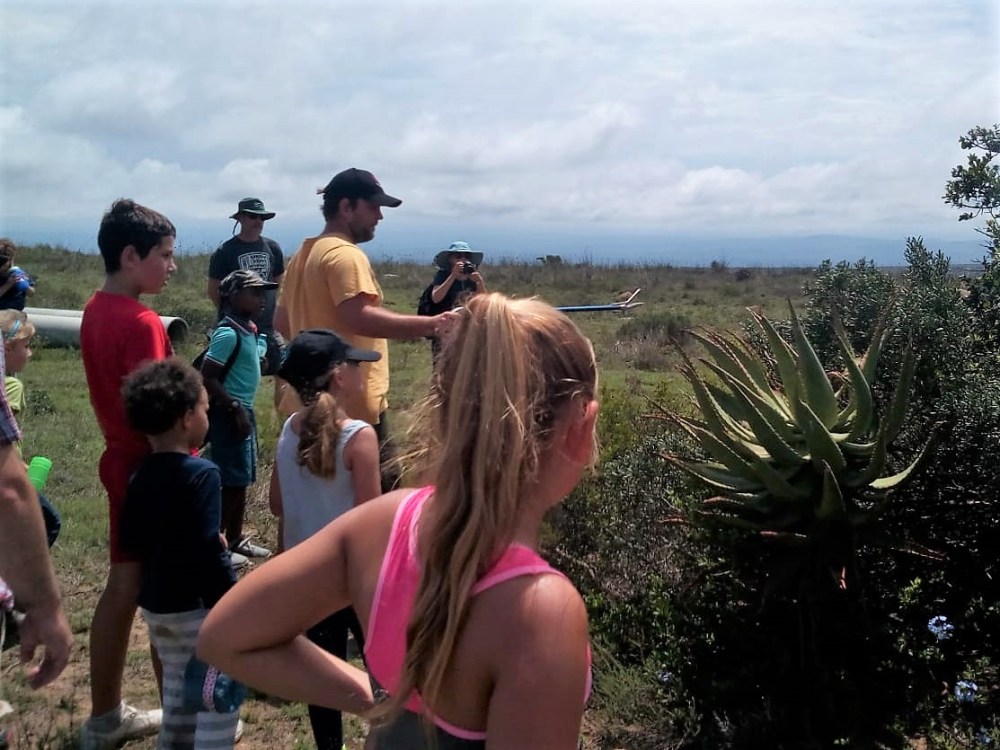
On Sunday the 5th of February I hosted the first critter walk of 2019. Unlike previous critter walks, this one was geared towards collecting food for the Grahamstown branch of the SPCA. The event was well received, with quite a few people coming on the day and donating dog and cat food.
The day started out with a short snake demonstration, in which I showcased some of the snakes I had captured the week before on callouts, and was followed by a two hour ‘critter walk’ on a nearby farm. We managed to find several interesting species of reptile over the course of the morning. Although most people came to see the venomous snakes, it was great to see so much interest with the less ‘exciting’ lizards and snakes, which we found during the critter walk. Thanks goes to all that attended and helped on the day.

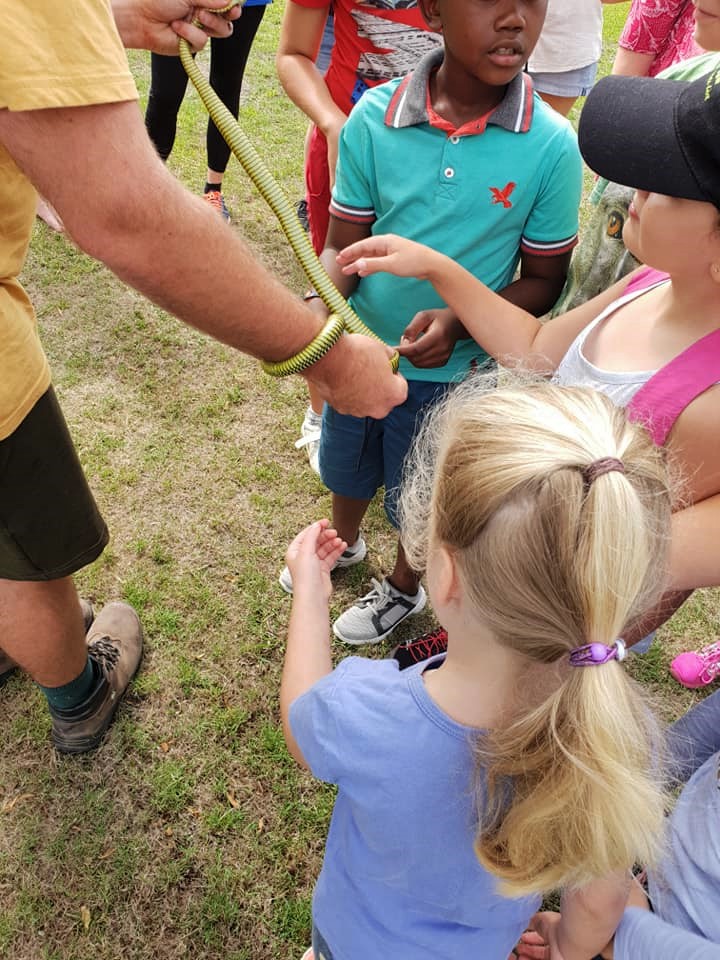
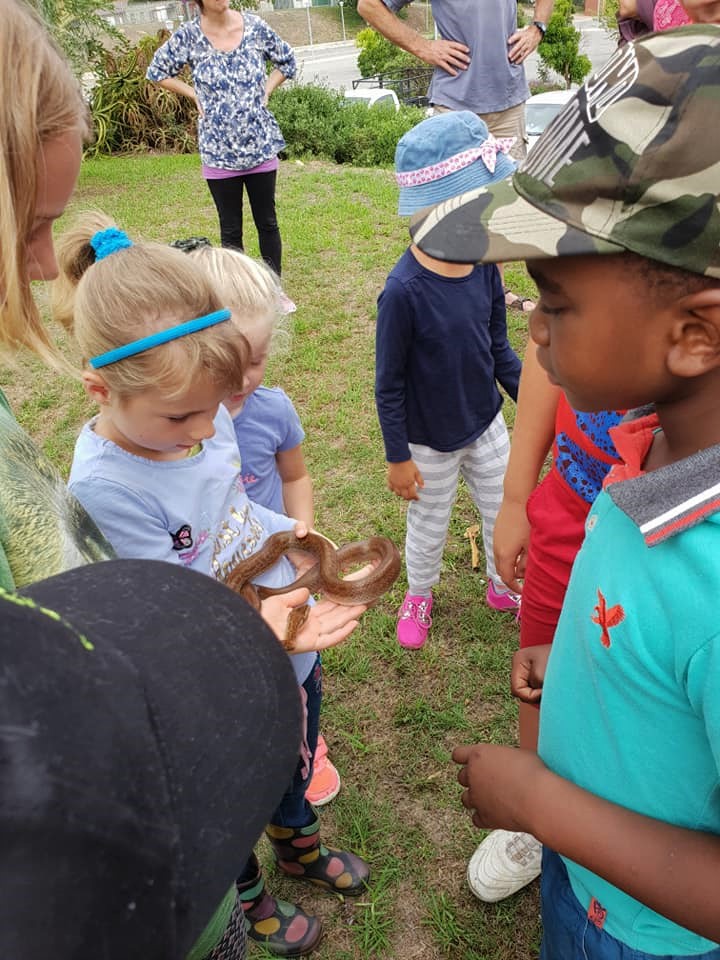


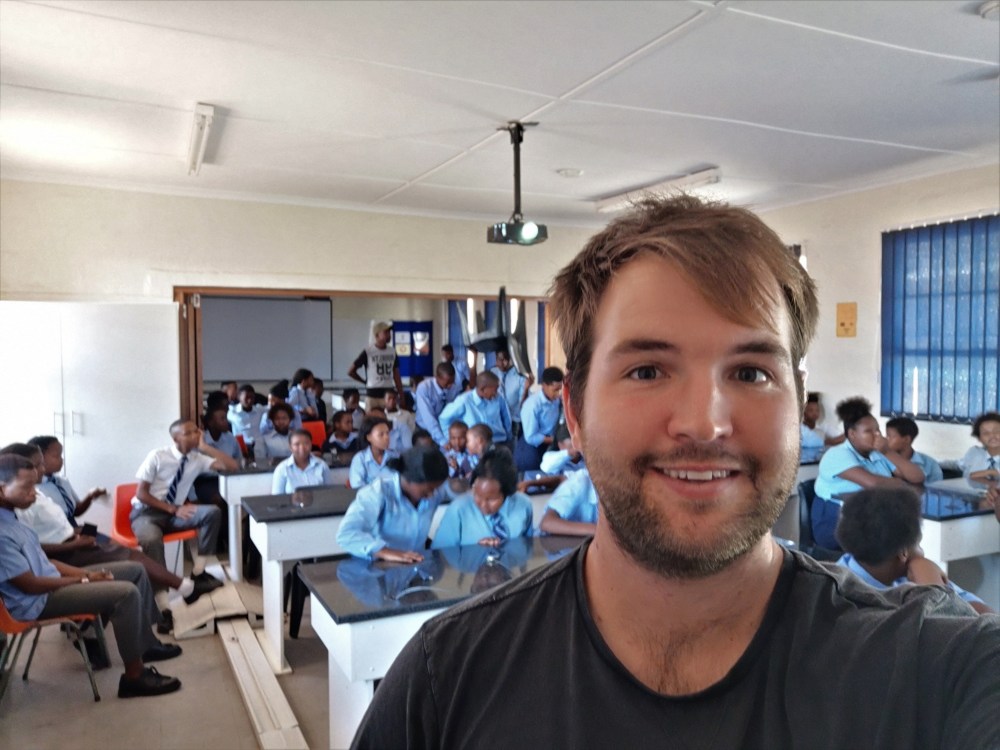
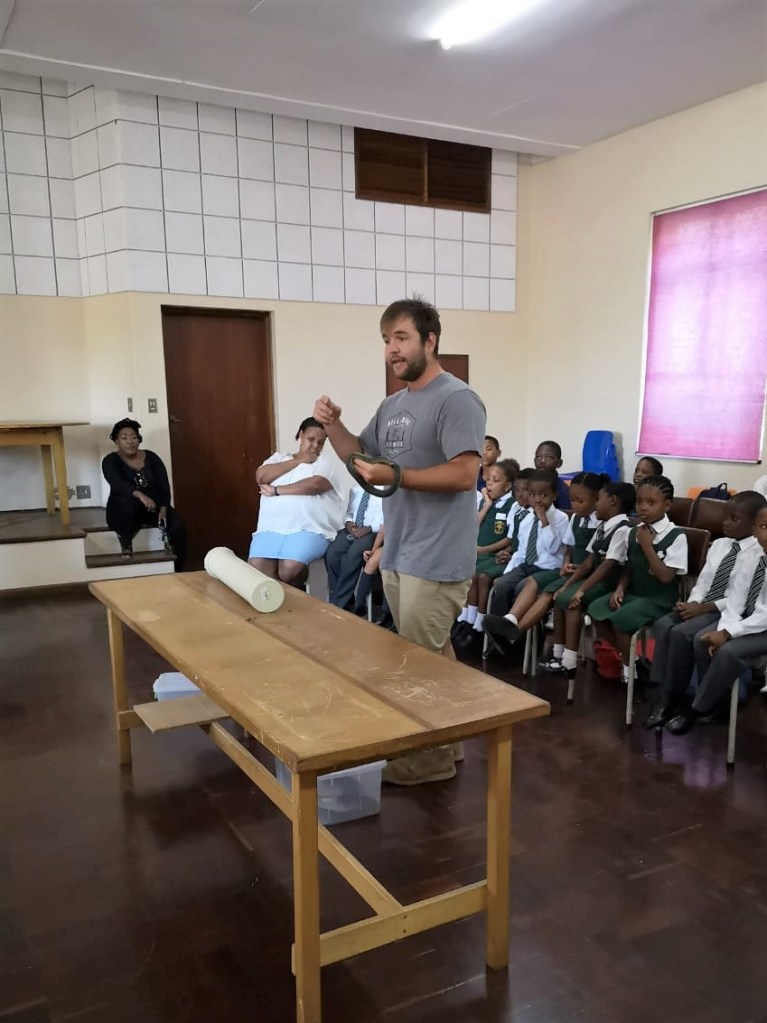
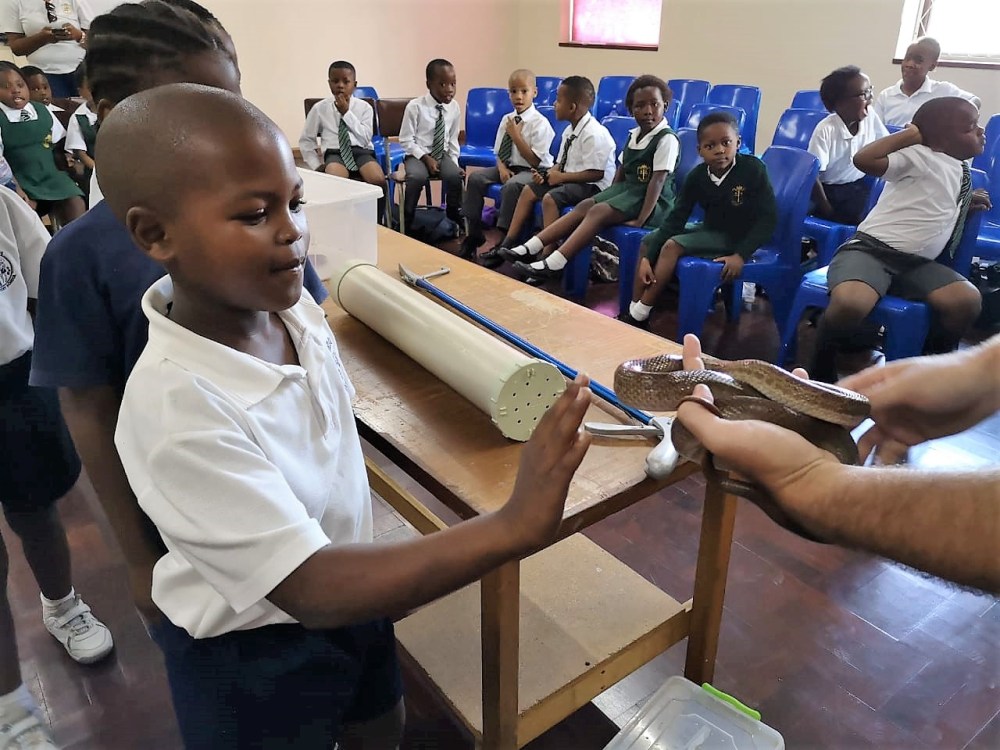
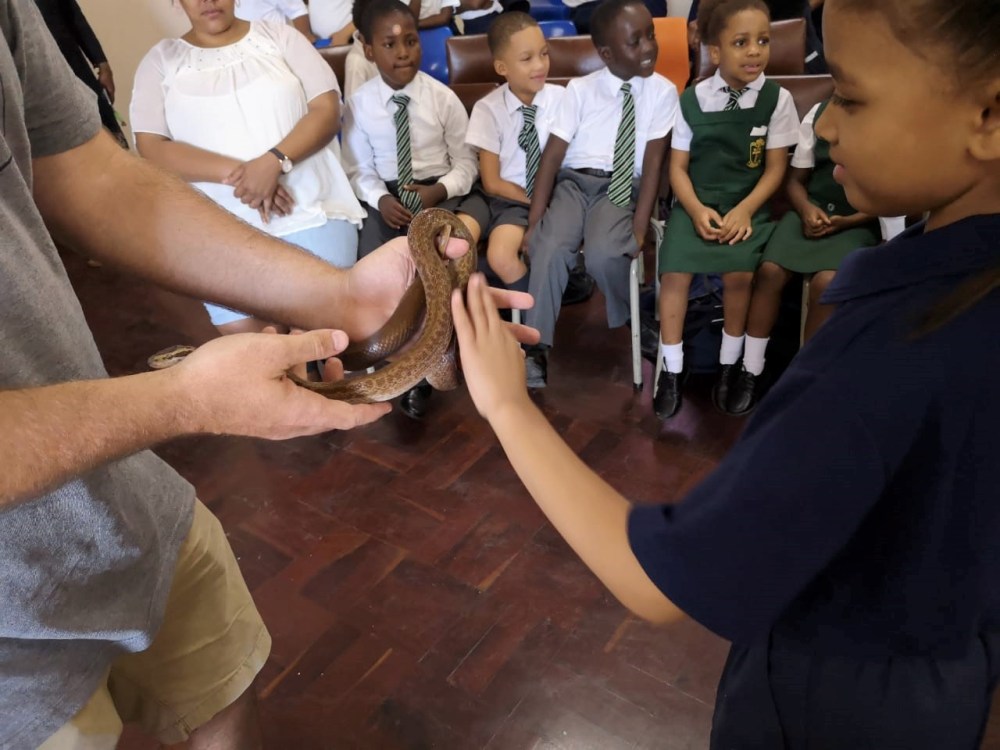
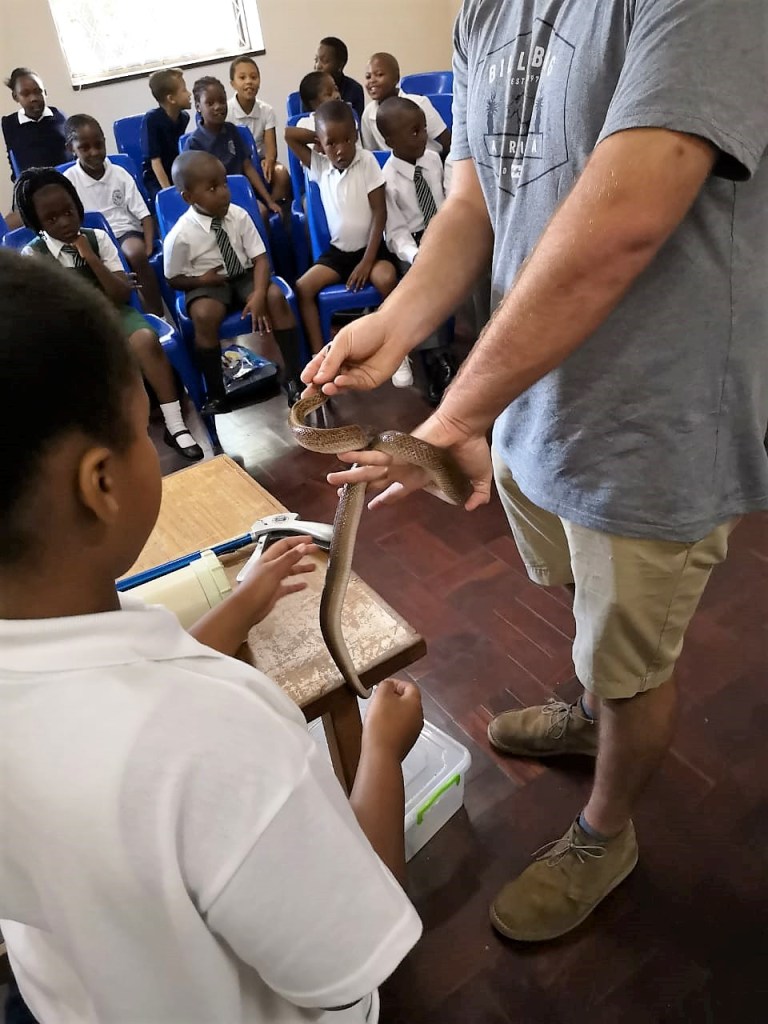
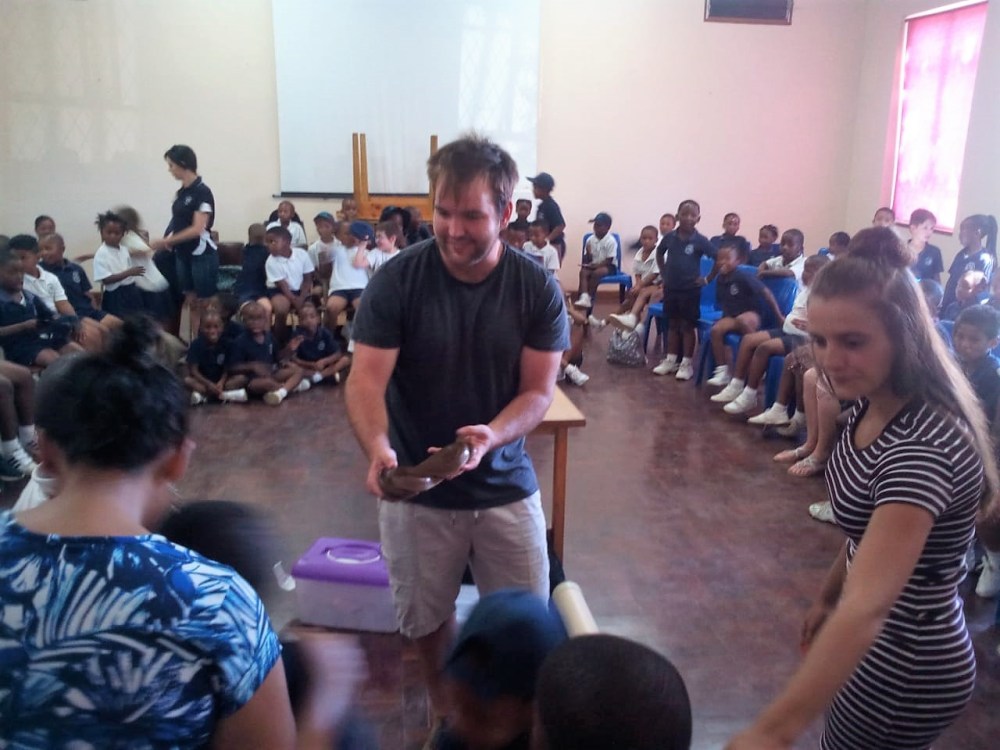
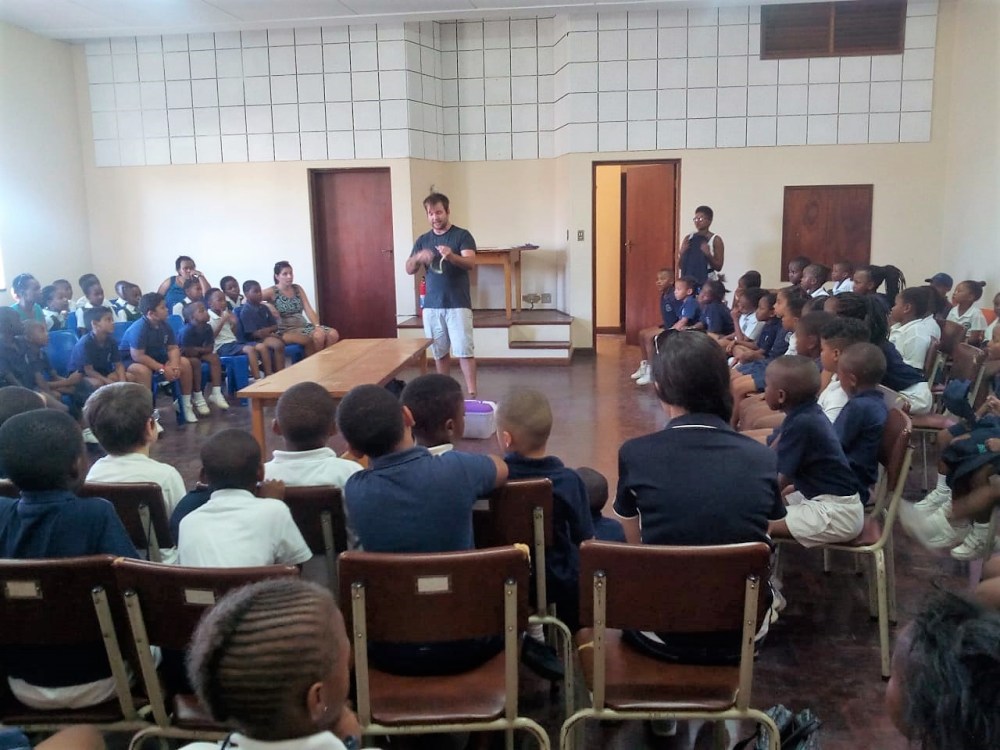
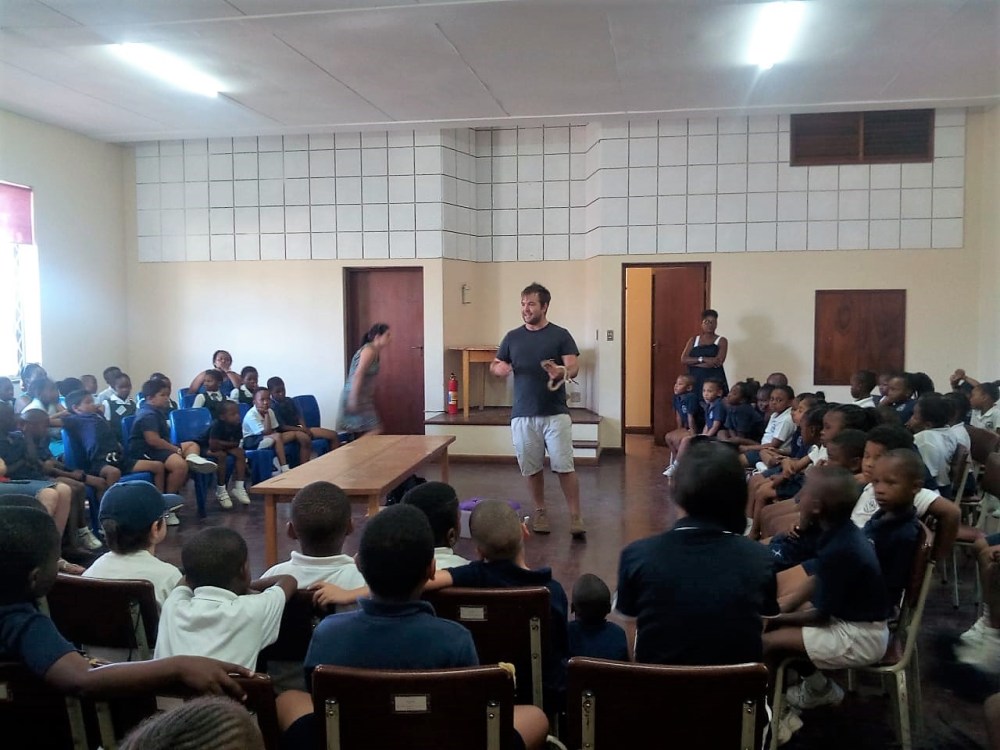
From the 5th to the 8th of February I took part in the Albany Museum, ‘Reptile Week’, in which I presented snake demonstrations to over 550 students in just four days. Although tiring, the experience was incredibly rewarding with many kids taking the opportunity to touch and interact with a snake for the first time in their lives. Most of the students were younger than nine years old and thus I opted to leave the PowerPoint presentation out, and get straight to the point.
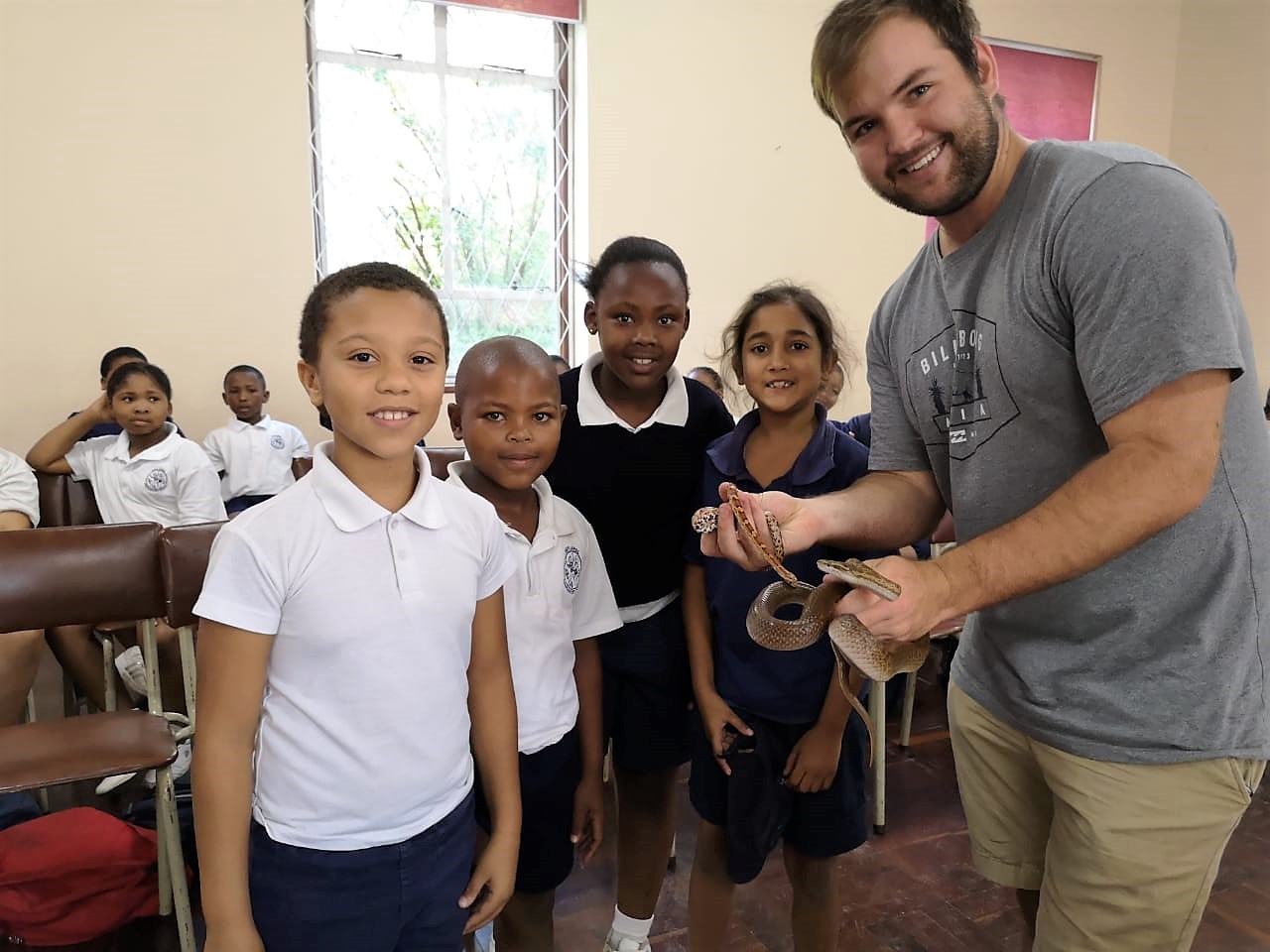
The reptile demonstrations involved me walking around a room, filled with kids, allowing students to ask questions while I discussed the basic biology and ecology of the snakes on display. It was a different format to what I am used to, but all in all it was incredibly rewarding experience both for myself and the students I interacted with. I look forward to next years ‘Reptile Week’ with baited breath.
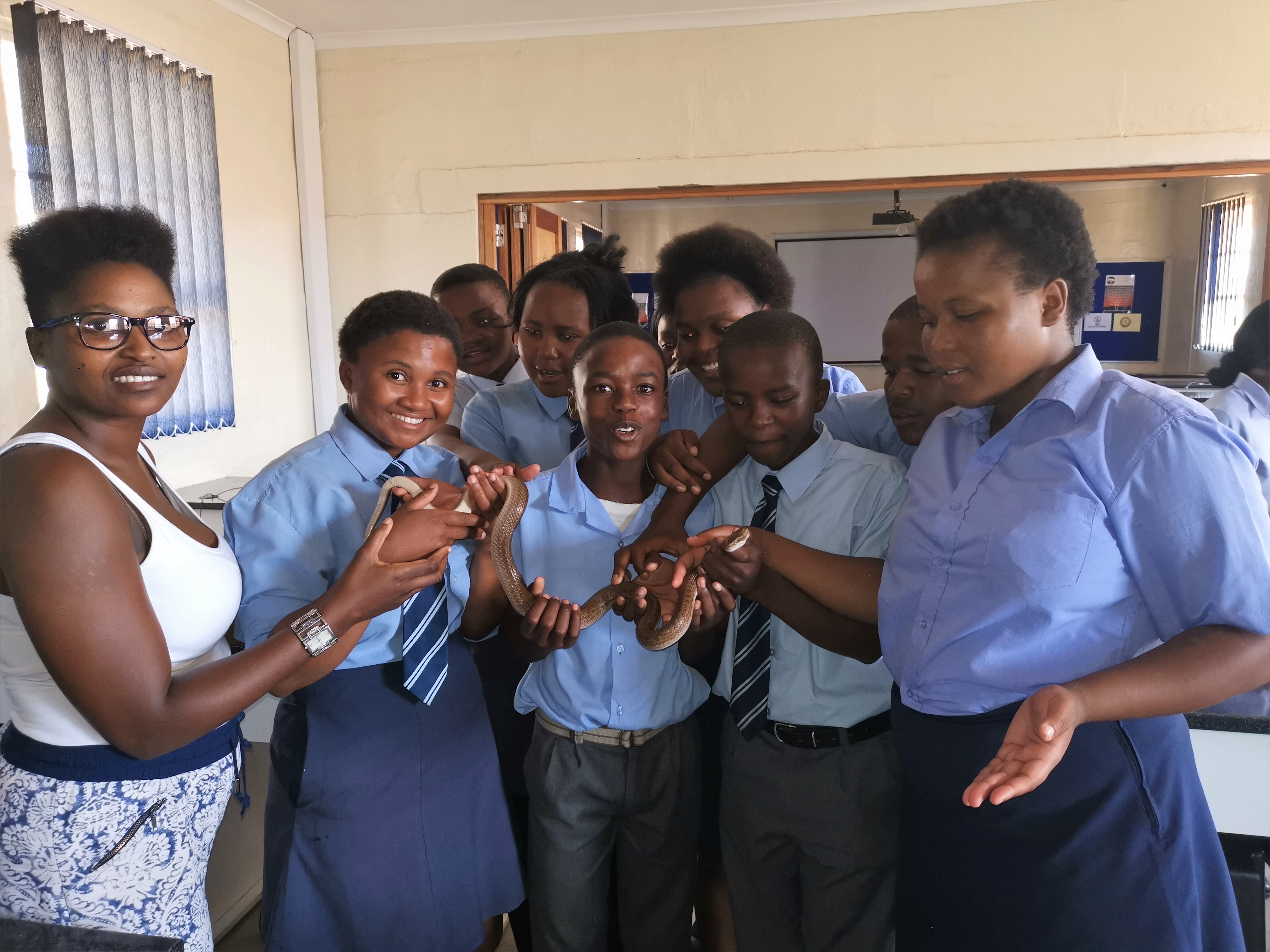
List of Talks
5 Feb Capstone Christian Primary: 23 learners and 3 educators.
6 Feb Capstone Christian Primary: 43 learners and 3 educators Oatlands Prep: 55 learners and 2 educators
7 Feb Capstone Christian Primary: 33 learners and 2 educators
Graeme College: 29 learners and 2 educators Ntaba Maria Primary: 82 learners and 3 educators P.J Olivier: 48 learners and 3 educators
8 Feb
Capstone Christian Primary: 14 learners and 3 educators
Oatlands Prep: 103 learners and 4 educators
Hendrik Kanise: Combined 133 and 6 educators
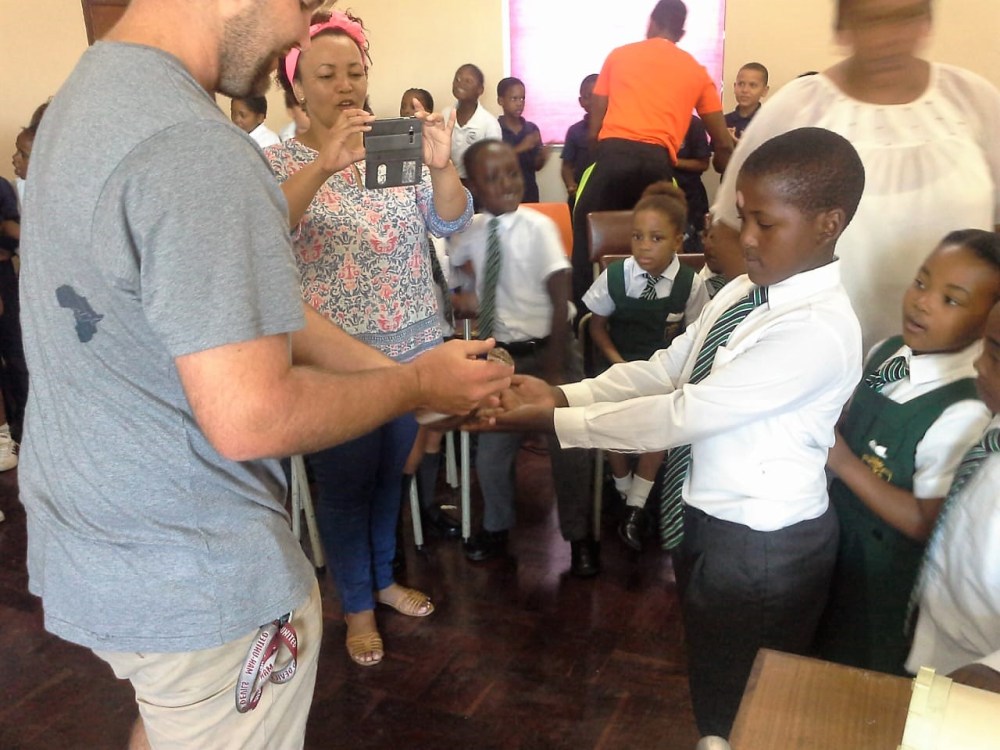

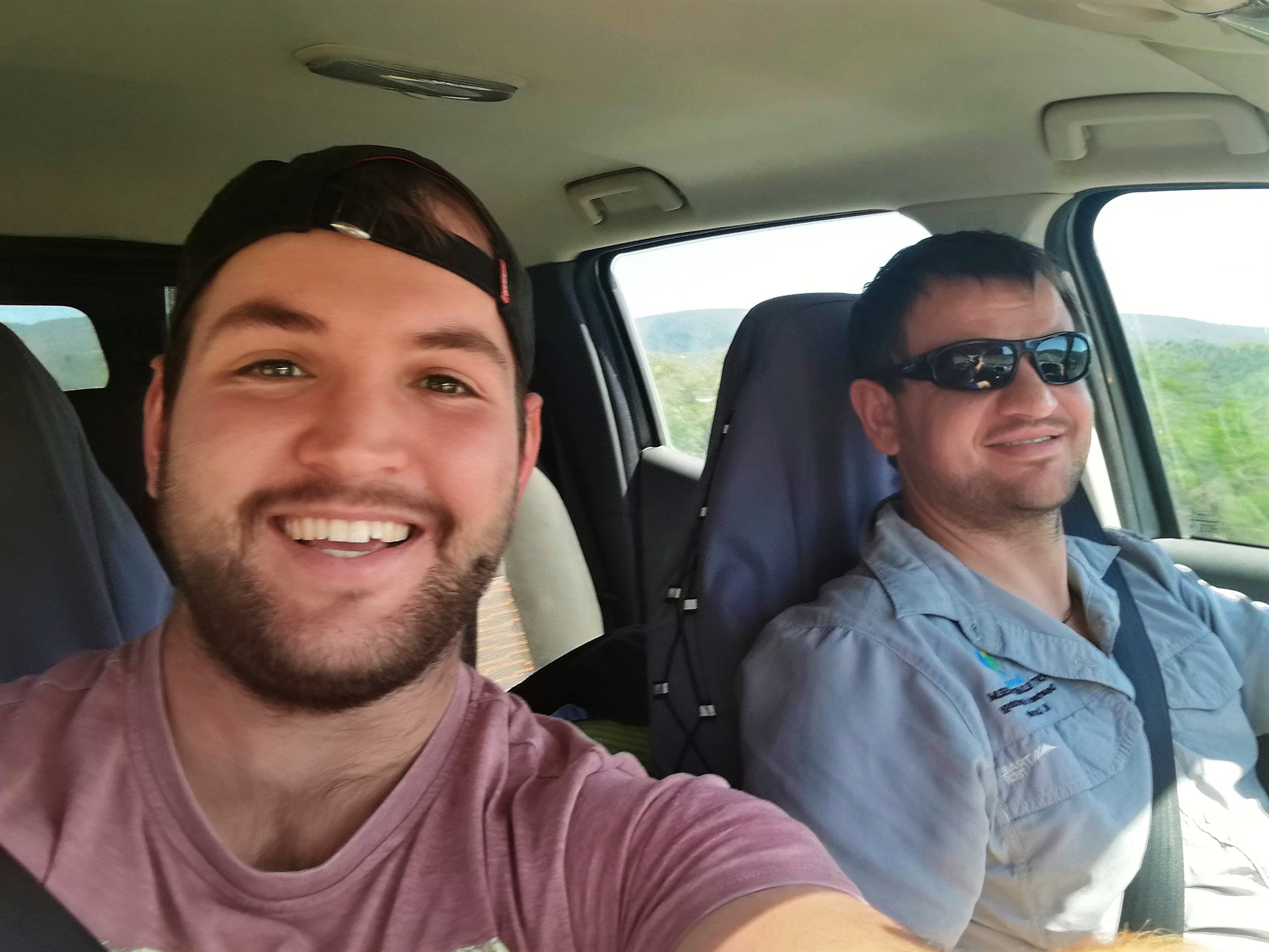
From the 2nd to the 6th of October 2018 I joined Werner Conradie (Head Curator of Herpetology at Port Elizabeth Museum) for a herping expedition to western Kwazulu Natal. We joined a crew of scientists from all over the country in an effort to find as many animals as we could, as part of large scale forest-focussed project, headed by Stellenbosch University. Whilst other scientific groups were tasked with finding snails, birds, bats and invertebrates, myself and Werner were tasked with finding as many reptiles and amphibians as we possibly could.


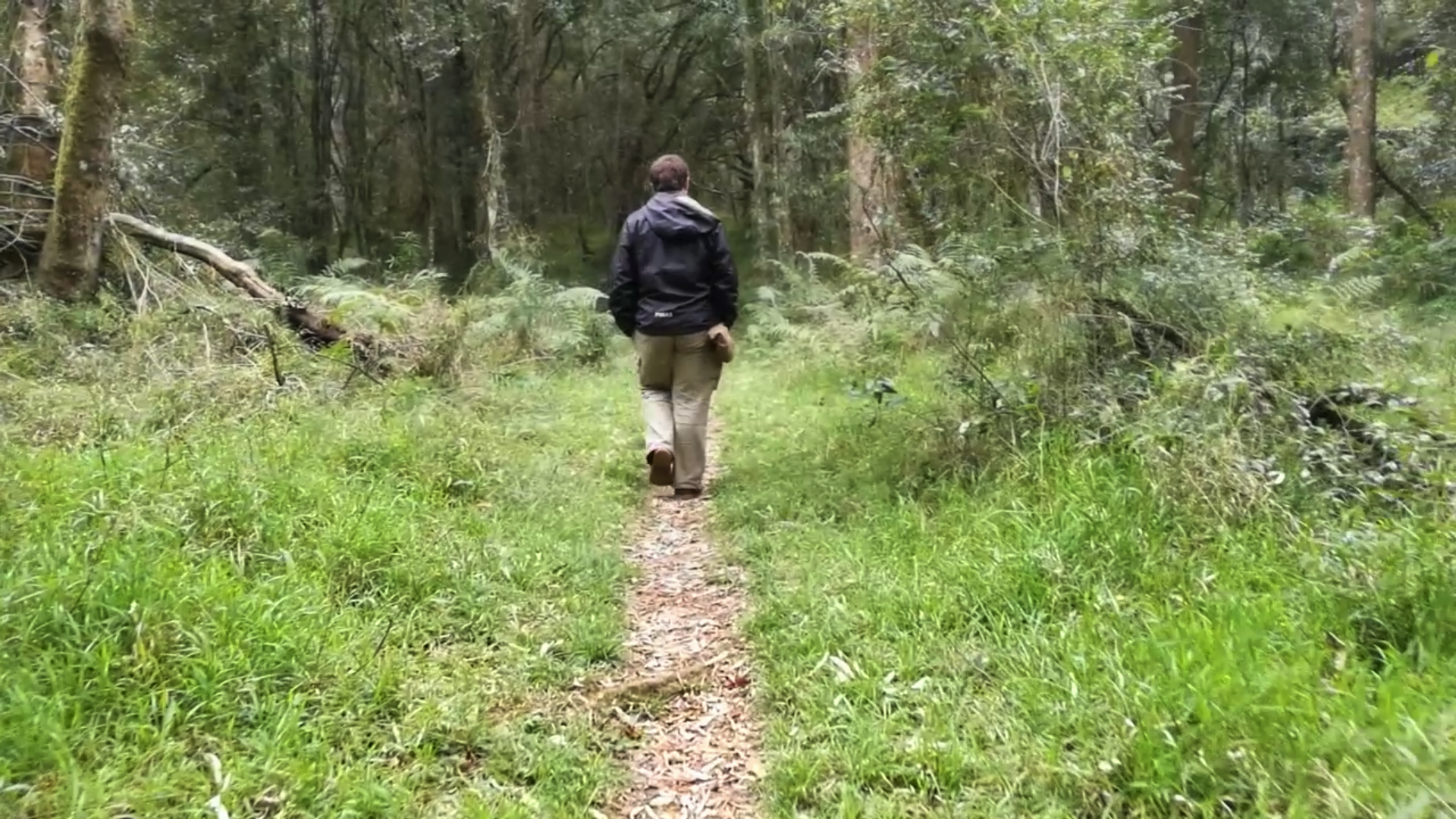

In our time there we traipsed through Ingeli forest and Gomo Forest and scoured the area surrounding Franklin and Kokstad. The trip was a success, with us finding most of our targets. In the end we managed to find over 15 different species of reptile and frog, with some of the most notable finds being natal black snake (Macrelaps microlepidotus), Kwazulu Natal dwarf chameleon (Bradypodion melanocephalum) and plaintive rainfrog (Breviceps verrucosus). We also managed to find a spotted skaapsteker (Psammophylax rhombeatus), my study animal, a massive bonus for the trip.
All in all it was a great trip with lots of laughs. Thanks ‘Werner Man’ for always making it fun.
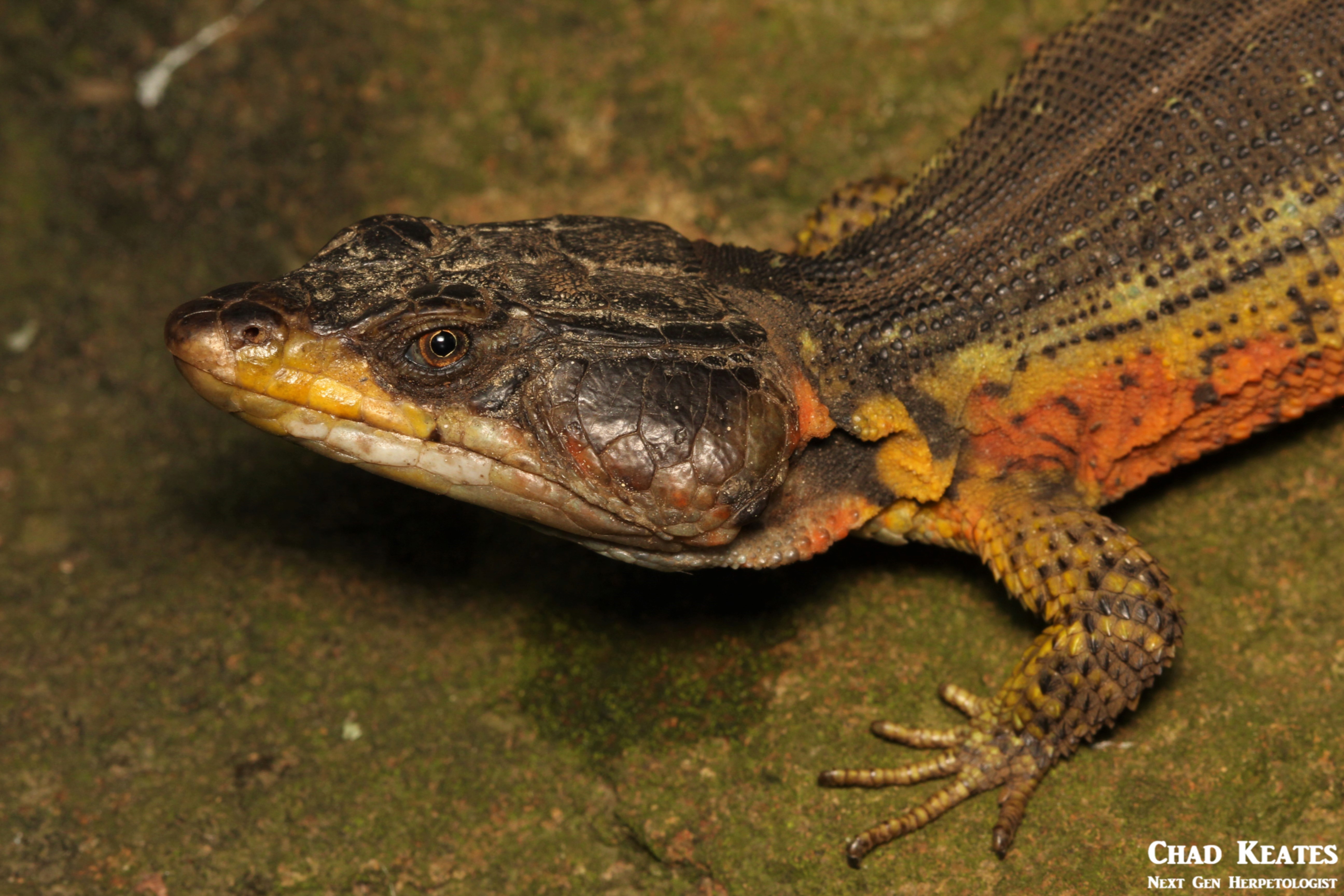

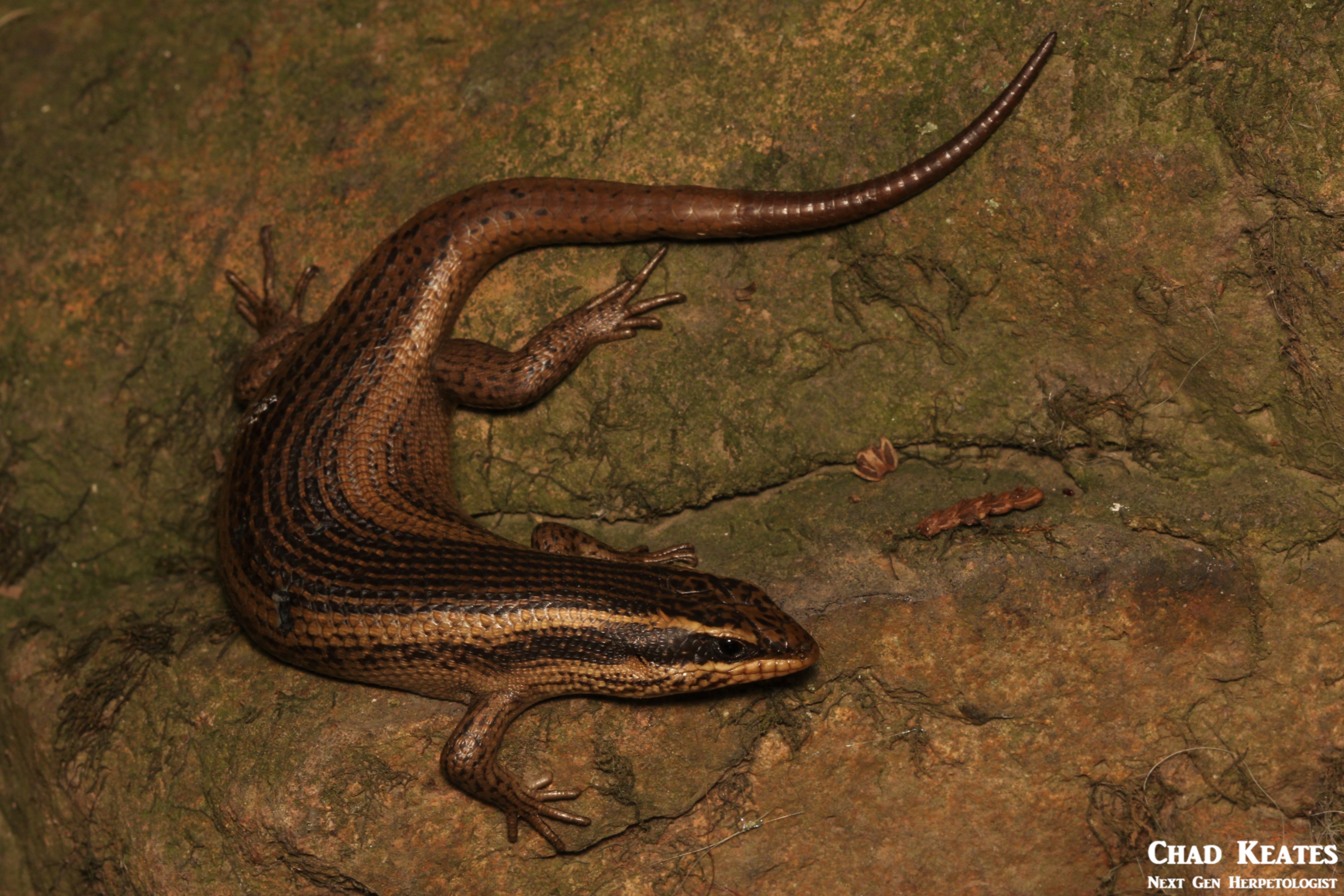


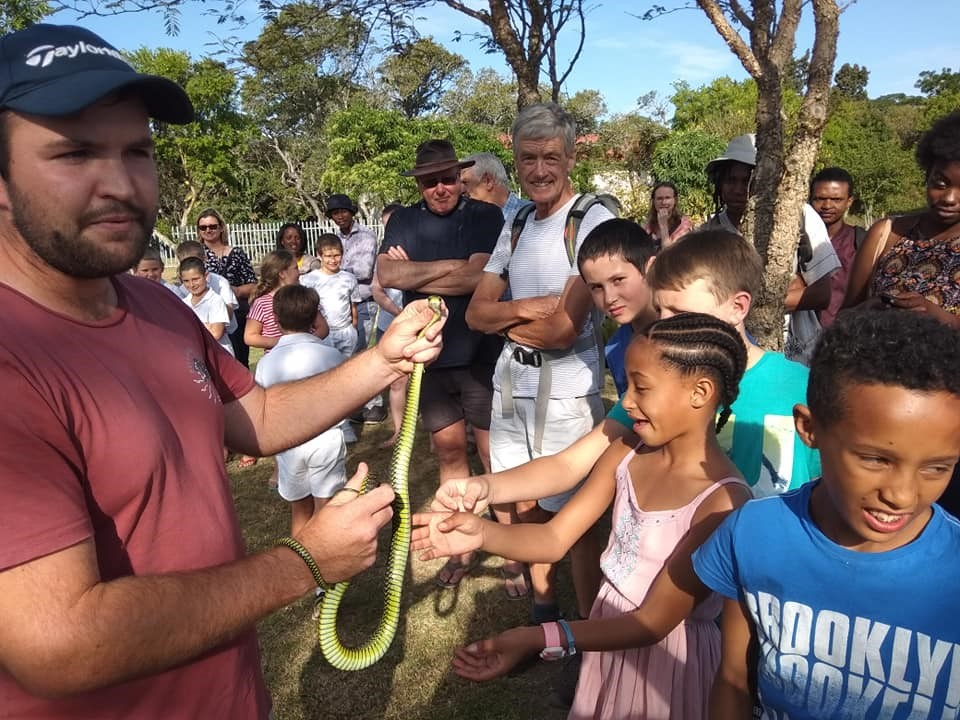
On wednesday the 14th of November I hosted the last snake demonstration of 2018 in front of the Rhodes University, on Barratt lawns. The demo was incredibly well-attended with over fifty coming along on the day. At the snake demo I showcased all the snakes that I had removed from Grahamstown properties the week before.
Because of the warm weather that preceded the demo, the talk was also well-attended. So much so that I showcased over seven different species on the day. It was great day all around with both kids and retirees taking the opportunity to hold and interact with a snake for the first time. Thanks to all that attended, I look forward to hosting the first critter walk of 2019 in the coming weeks.
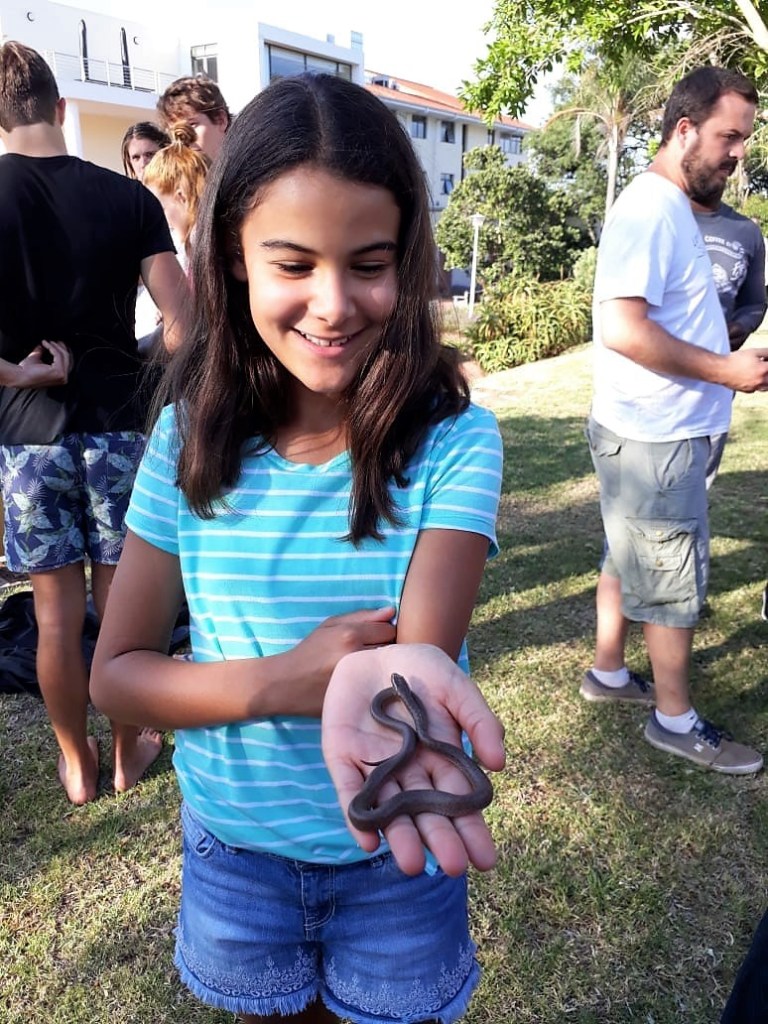
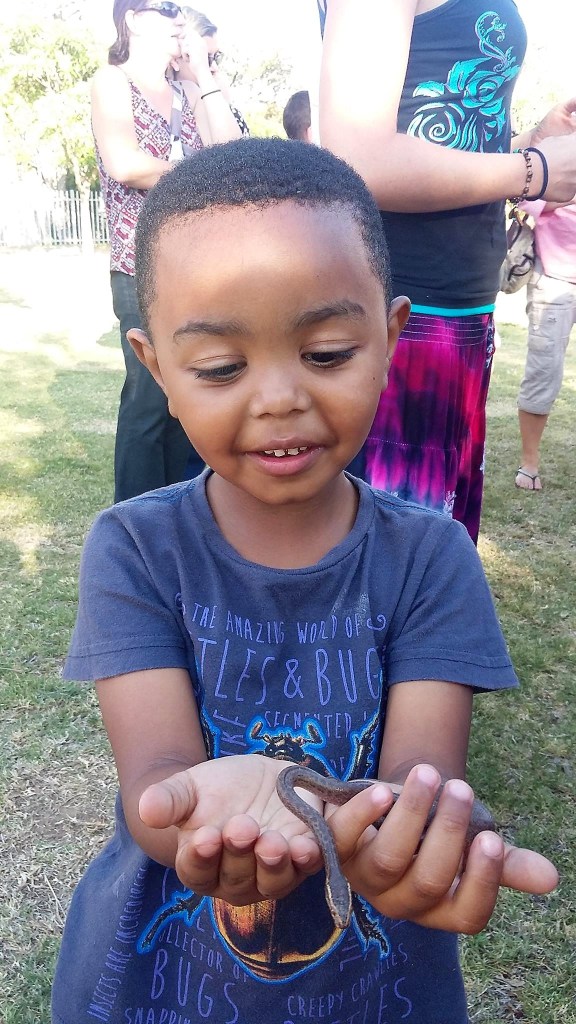
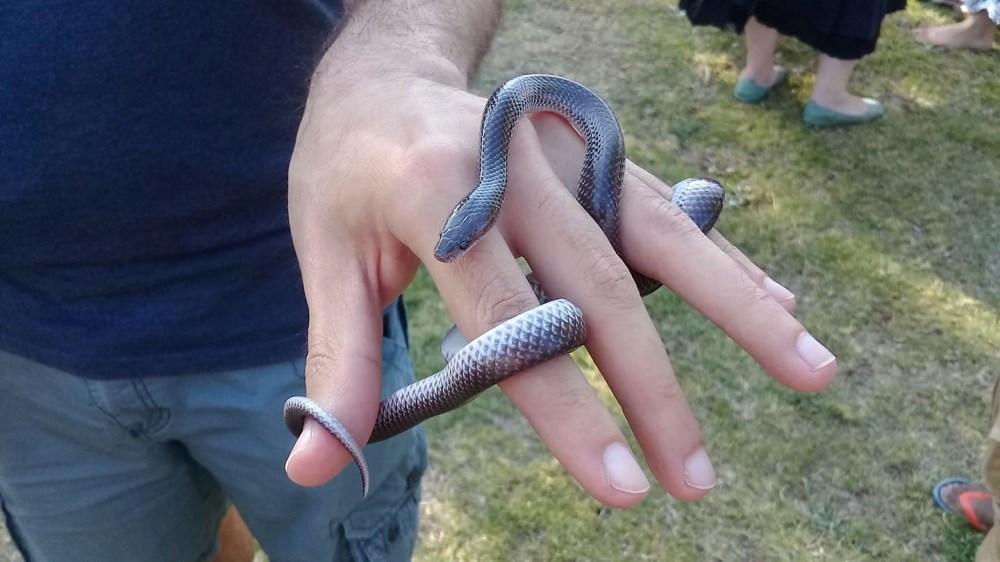
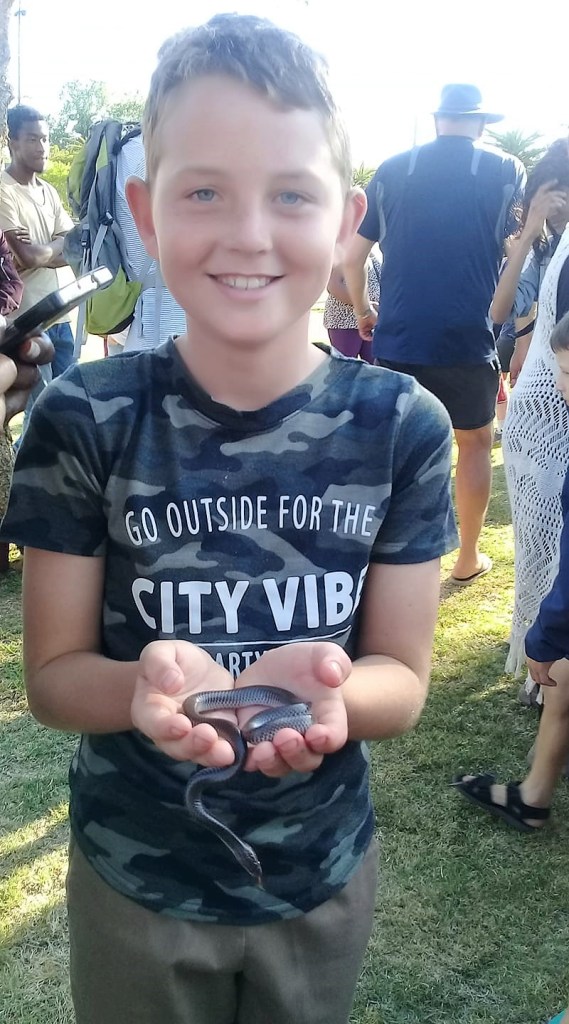
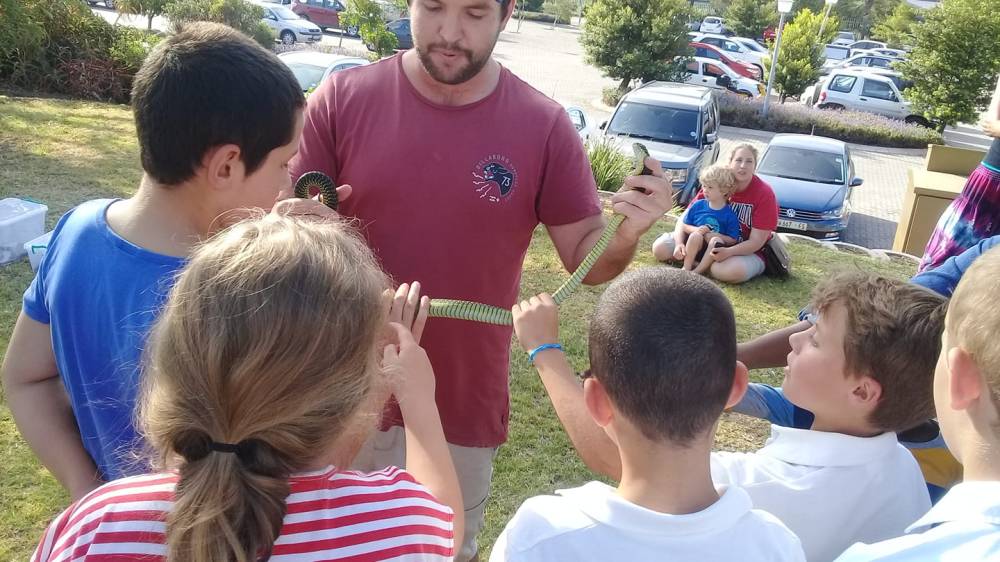
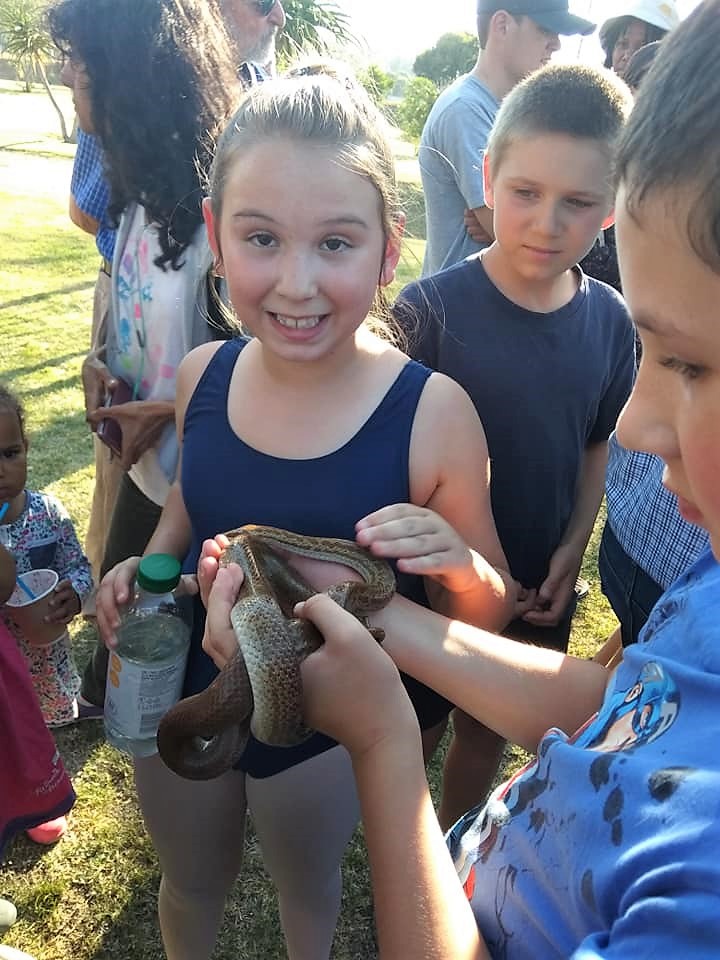
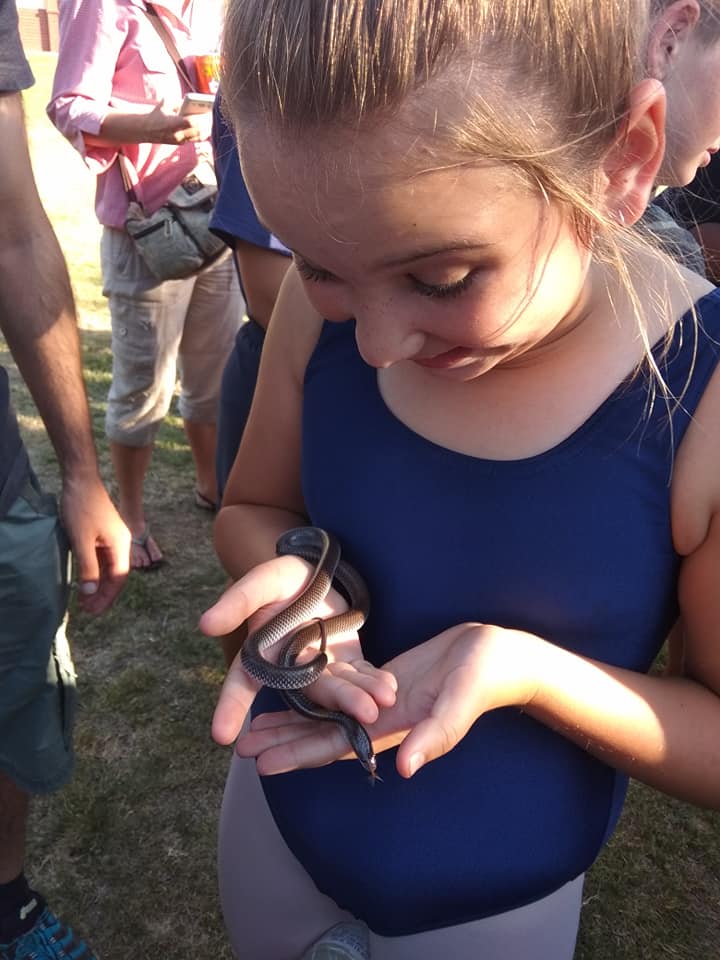
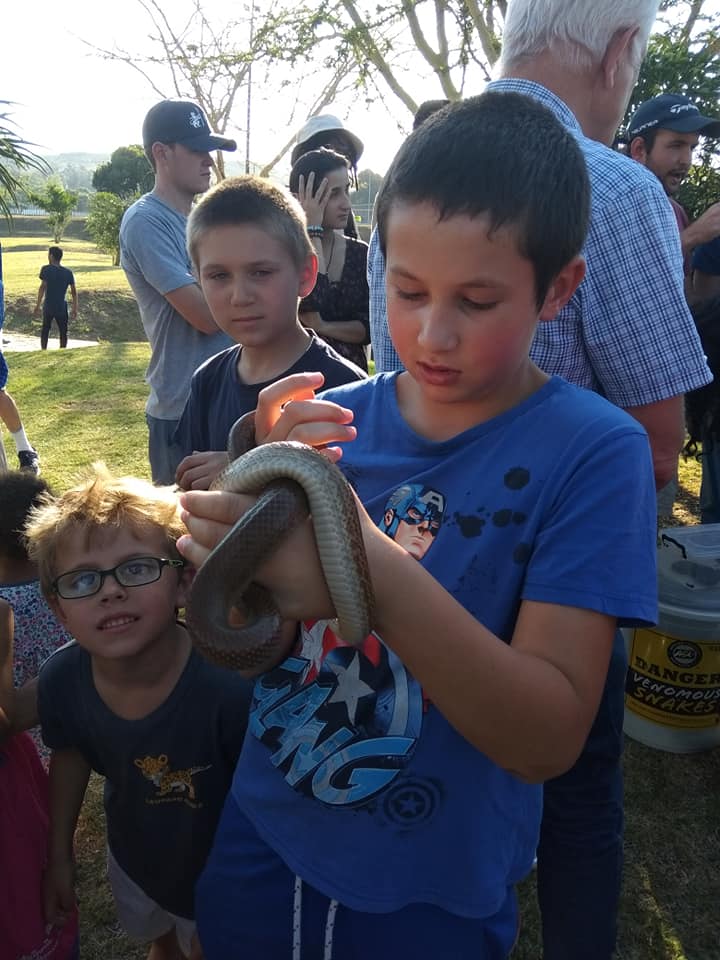
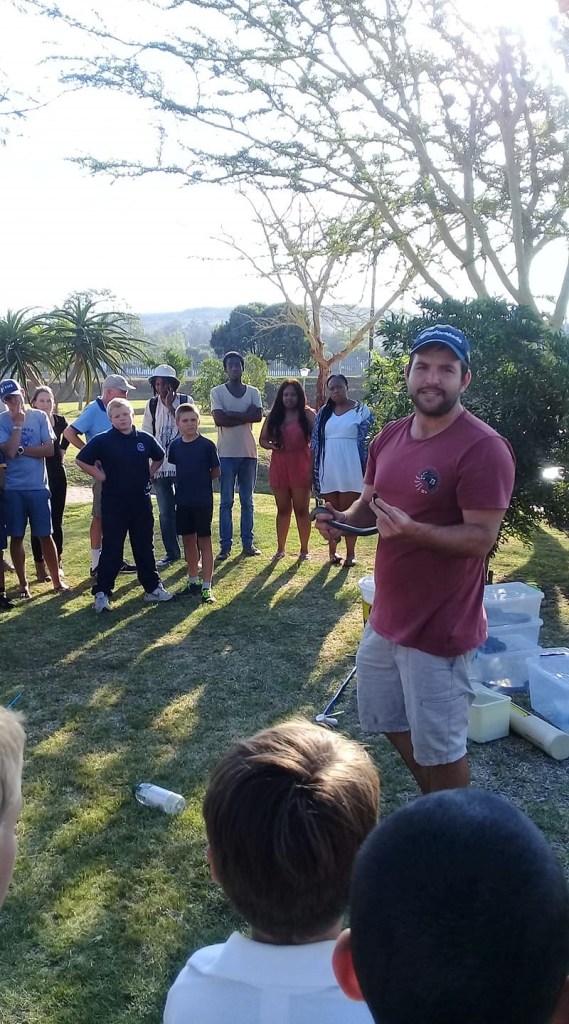

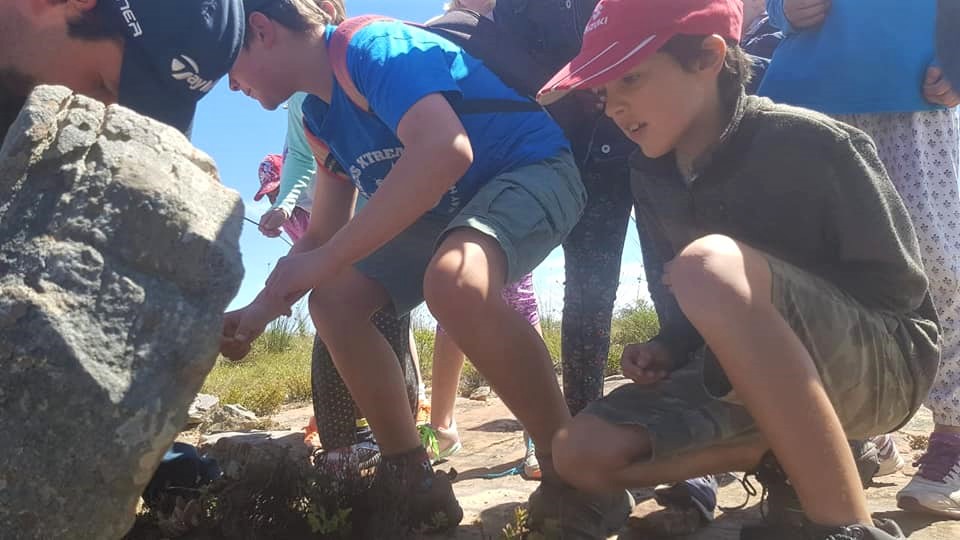
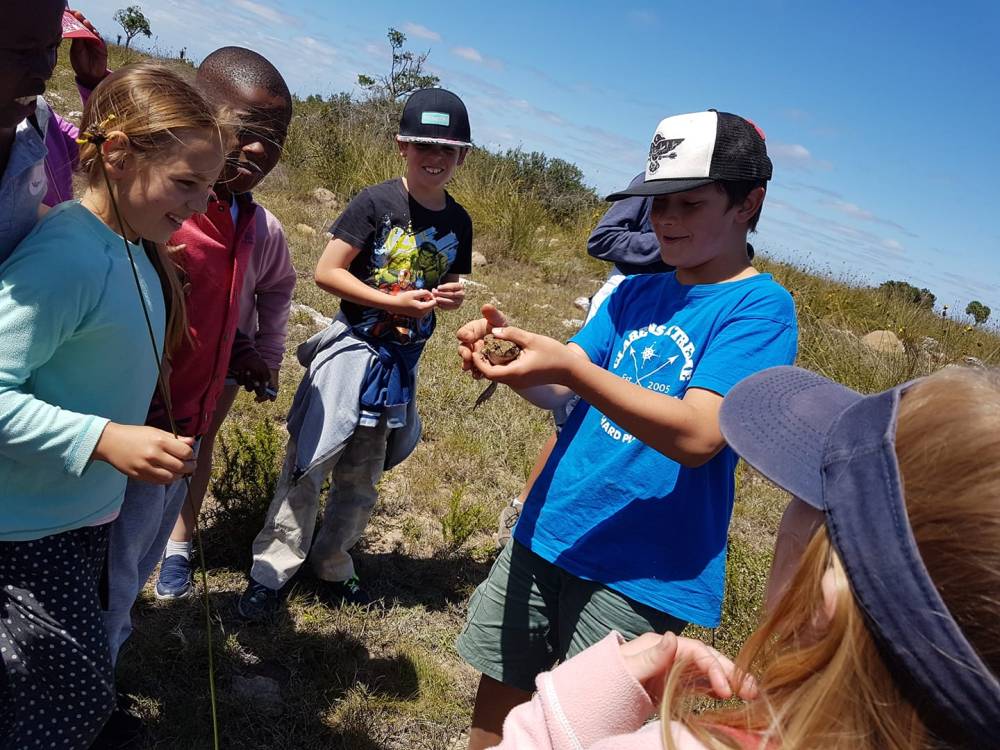
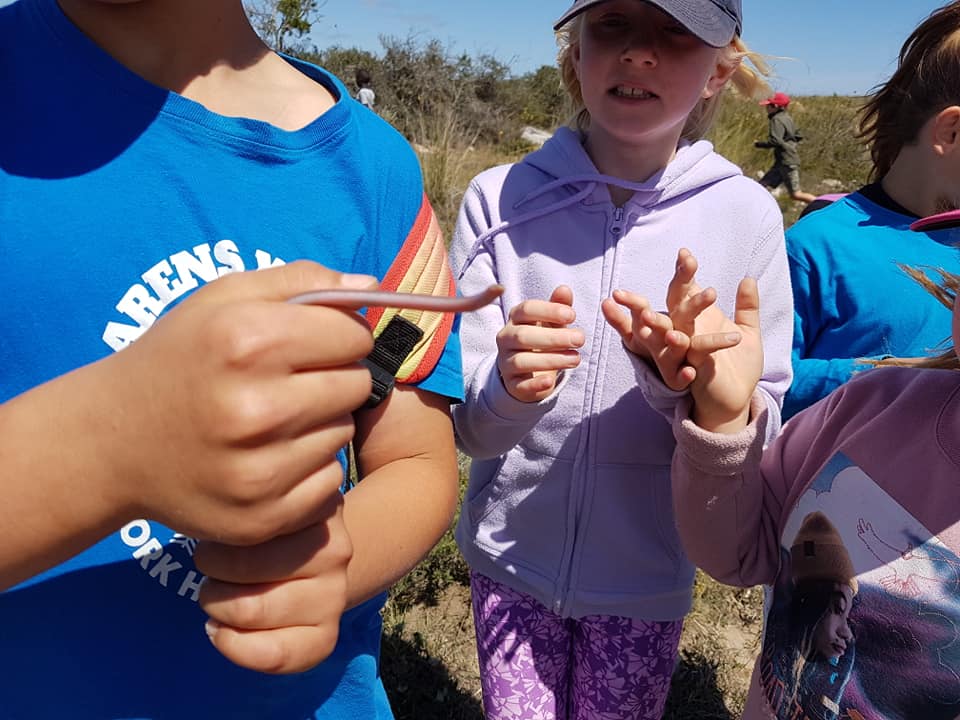
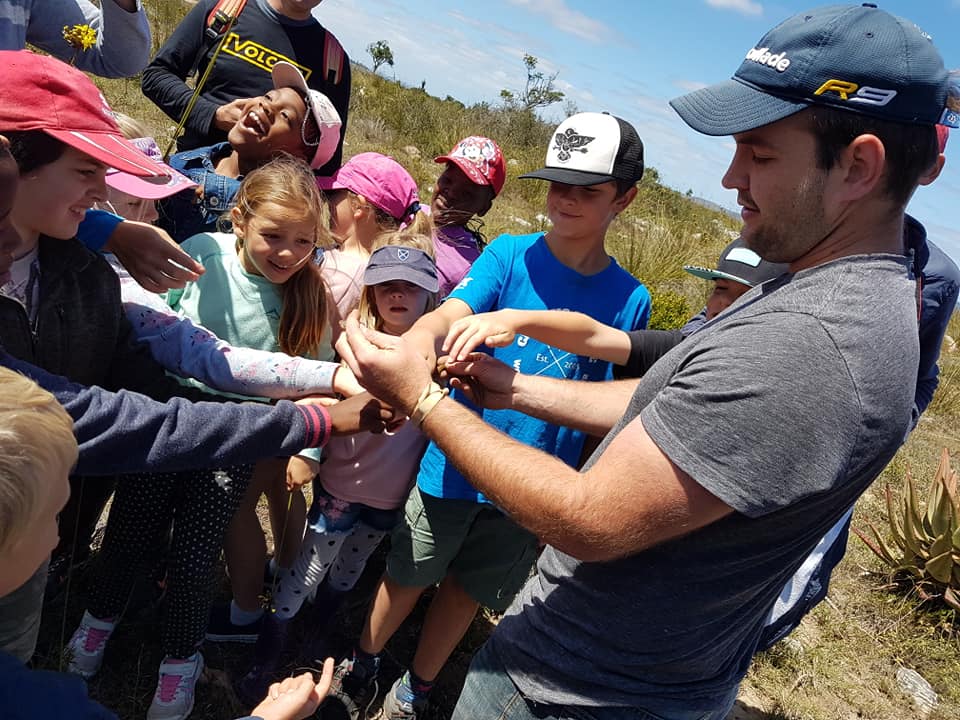
Towards the end of last year I hosted a Birthday Critter Walk for a young Grahamstown boy and all his friends. Whilst some kids like like to go to the cinema, or to the Go Kart track for their birthdays, that doesn’t seem to hold for the youth of Grahamstown, whom have an insatiable appetite for nature. The day was a great success and whilst we weren’t able to find any cape cobras or ‘monster pythons’, we were able to find a whole host of small and wonderful creatures, ranging from scorpions and spiders to frogs and lizards. Overall, It was a great day in the sun, with lots of laughs and even more reptiles.

from Western Cape, South Africa

from Nieu Bethesda, Eastern Cape, South Africa
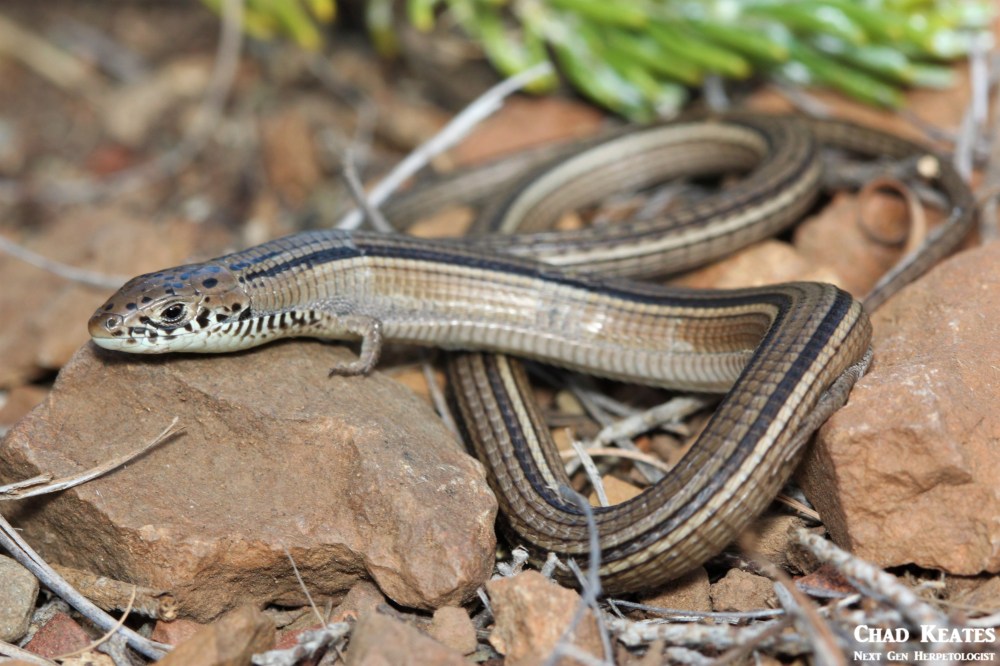
from Nieu Bethesda, Eastern Cape, South Africa

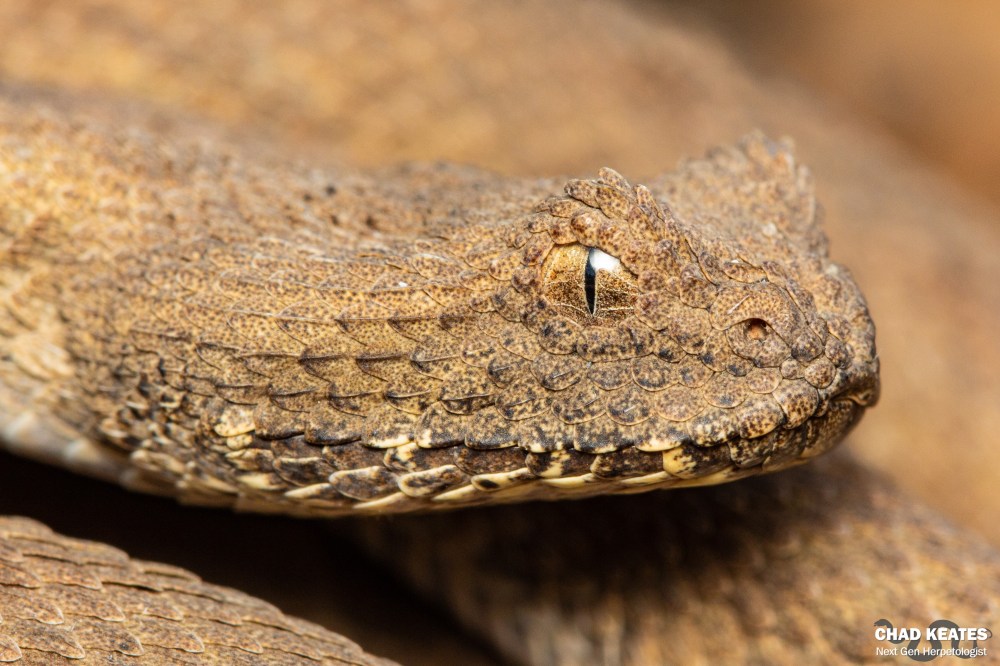
from near Graaff Reinet, Eastern Cape, South Africa
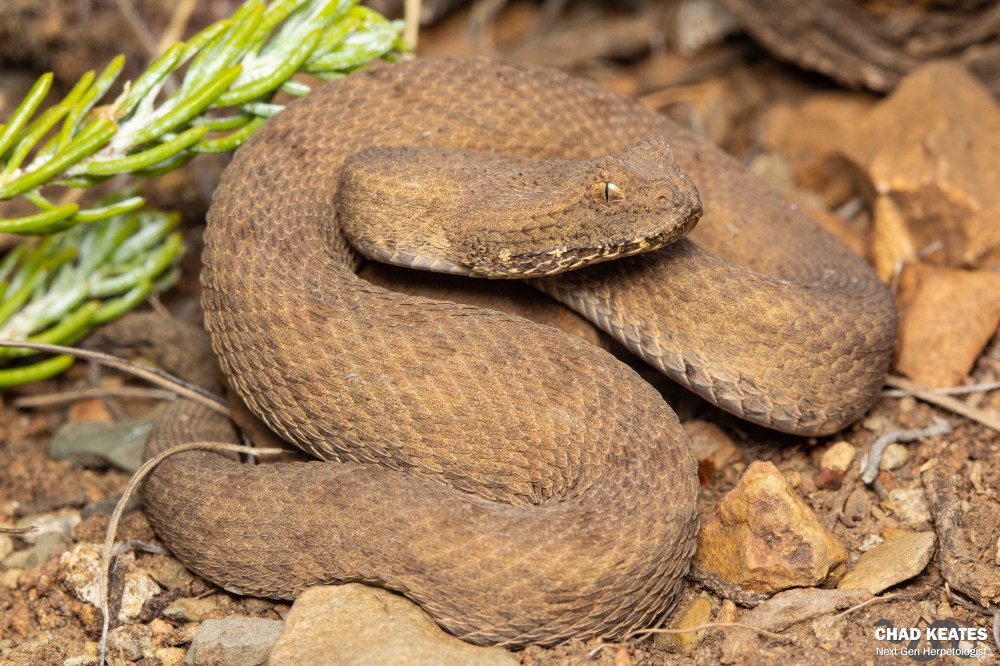
from near Graaff Reinet, Eastern Cape, South Africa
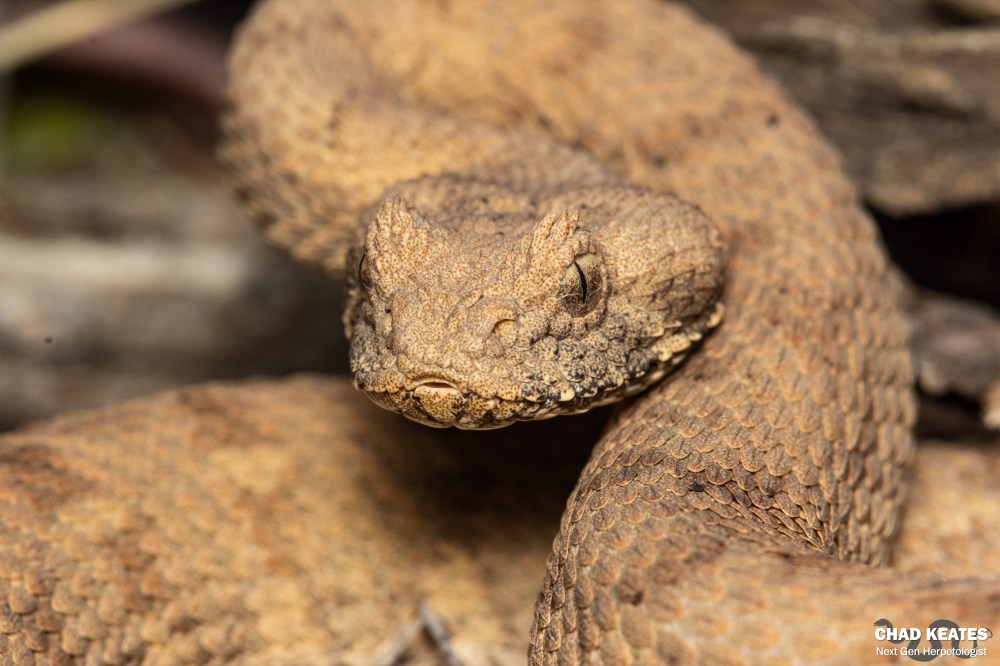
from near Graaff Reinet, Eastern Cape, South Africa
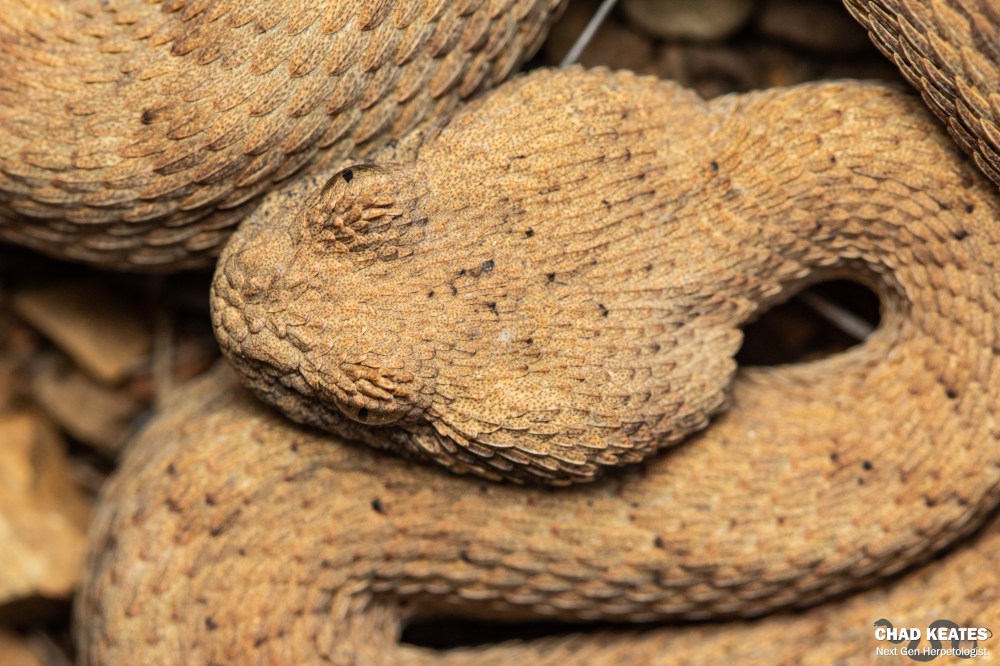
from near Graaff Reinet, Eastern Cape, South Africa

from near Graaff Reinet, Eastern Cape, South Africa

from near Graaff Reinet, Eastern Cape, South Africa
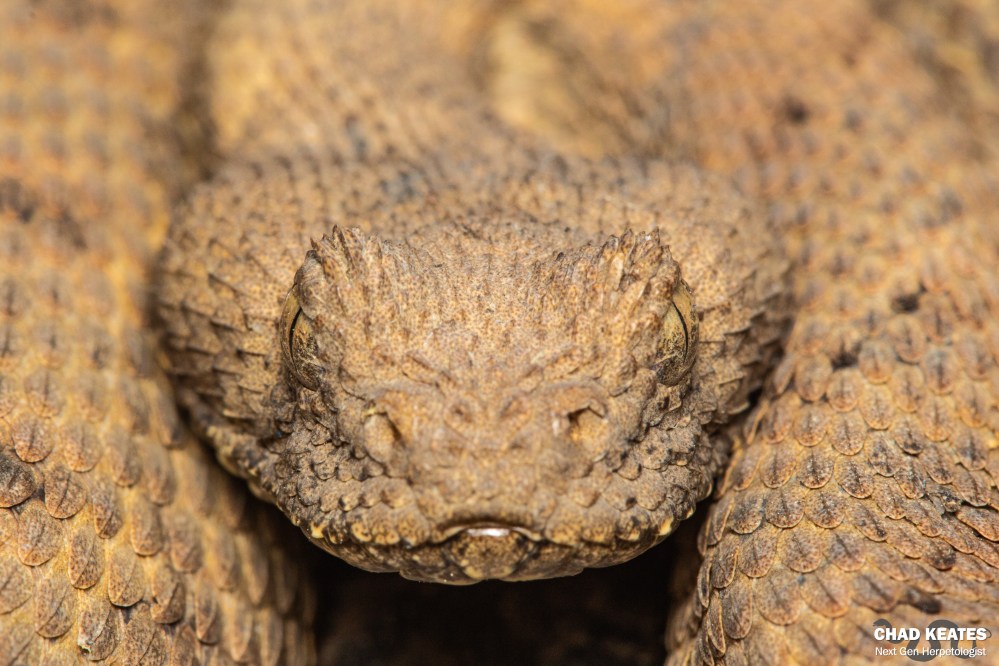
from near Graaff Reinet, Eastern Cape, South Africa

from near Graaff Reinet, Eastern Cape, South Africa
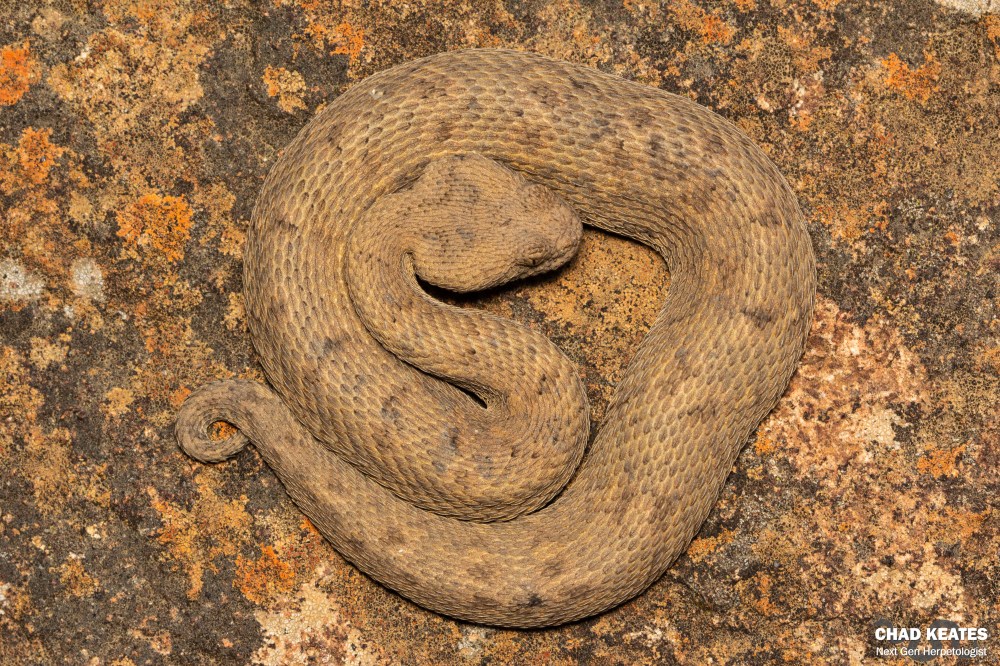
from near Graaff Reinet, Eastern Cape, South Africa

from near Graaff Reinet, Eastern Cape, South Africa
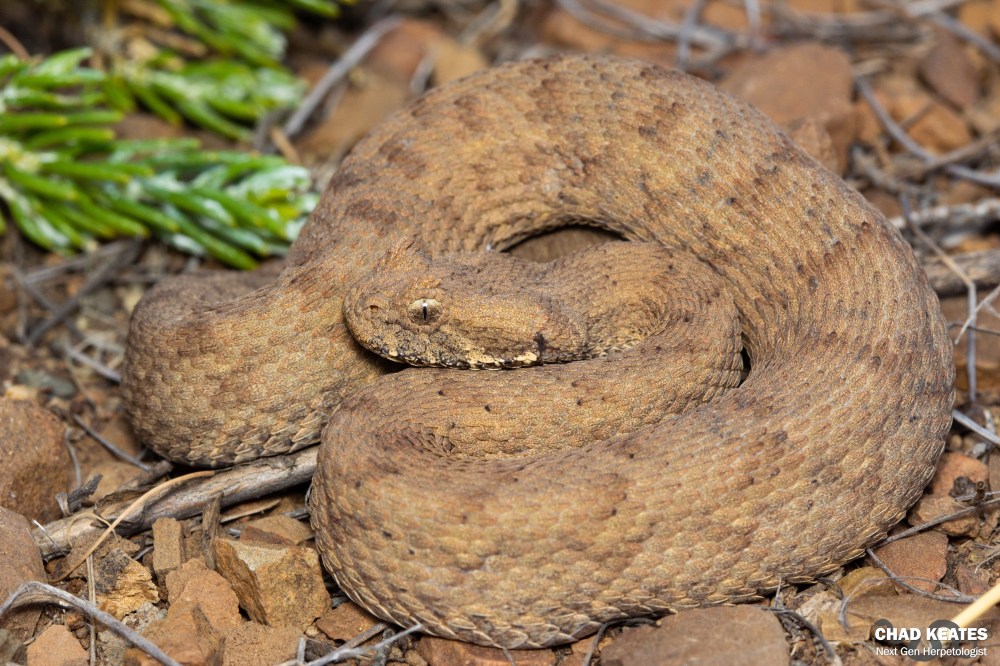
from near Graaff Reinet, Eastern Cape, South Africa

I am proud to announce that I am no longer a Masters of Science student (MSc), as I have recently upgraded to being a PhD candidate. What this basically means is that I forgo masters and go straight to doctorate level. The work that I have been doing, in completion of my MSc, will now be adjusted, modified and expanded upon, to create a PhD dissertation that I will hopefully submit the year after next.
My masters work that originally focused on the skaapsteker genus (Psammophylax), will be expanded upon to create a study that looks at the entire sub-family (Psammophiinae). My updated focus will build on the molecular and morphometric work done in my masters and add an ecological element to create a more rounded, more sophisticated, more thorough explanation of the evolutionary mechanisms influencing the sub-family.
Never in a million years did I ever think I would be in this position. Back in grade ten I was called into the vice-principals office to discuss my subject selection. During this meeting, I was ‘advised’ to drop science, because I was told I lack the academic capabilities to pass the subject. Add Eight years and now I am doing my PhD. Whilst there were a lot of people that did not believe in me, there were a lot of people that did. Thanks to my family, my friends, my colleagues and my supervisors for all the support. Special thanks goes to my supervisors, Dr Shelley Edwards and Werner Conradie, for their constant support and belief in me, it is appreciated more than you can possibly imagine.

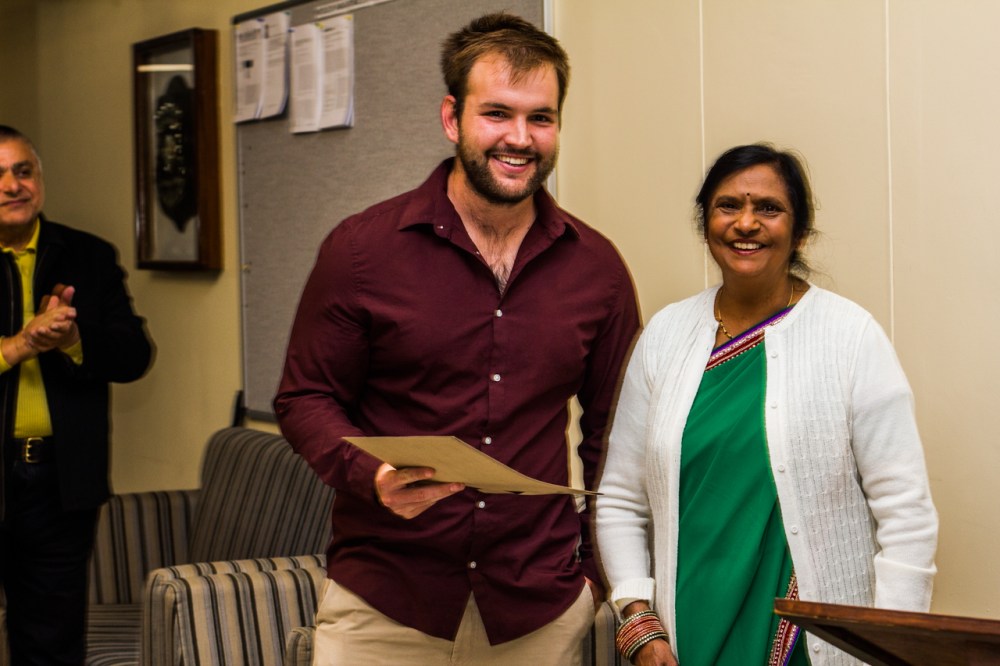
On the 19th of October I was very fortunate to receive the inaugural D&J Ranchhod Bursary in honour of the late Mr Dale Ranchhod, a long-serving member of the Zoology & Entomology Department. I received the certificate from Mrs Jasu Ranchhod at a formal function held in the Department foyer. I was nominated for the award by members of the academic staff making the award an incredible honour.
After the formal ceremony I spoke to members of the family and discussed snakes, snakes and more snakes. Warm thanks goes to the Department and to the Ranchhod family for considering me for this prestigious award.


from Midlands, KwaZulu Natal, South Africa

from Midlands, KwaZulu Natal, South Africa
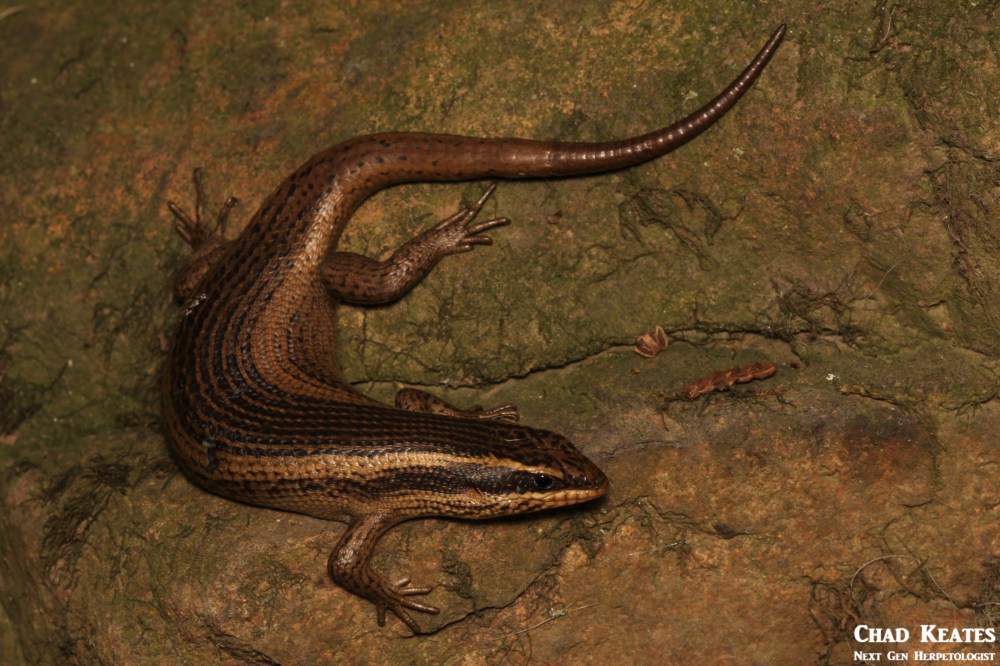
from Kokstad, KwaZulu Natal, South Africa
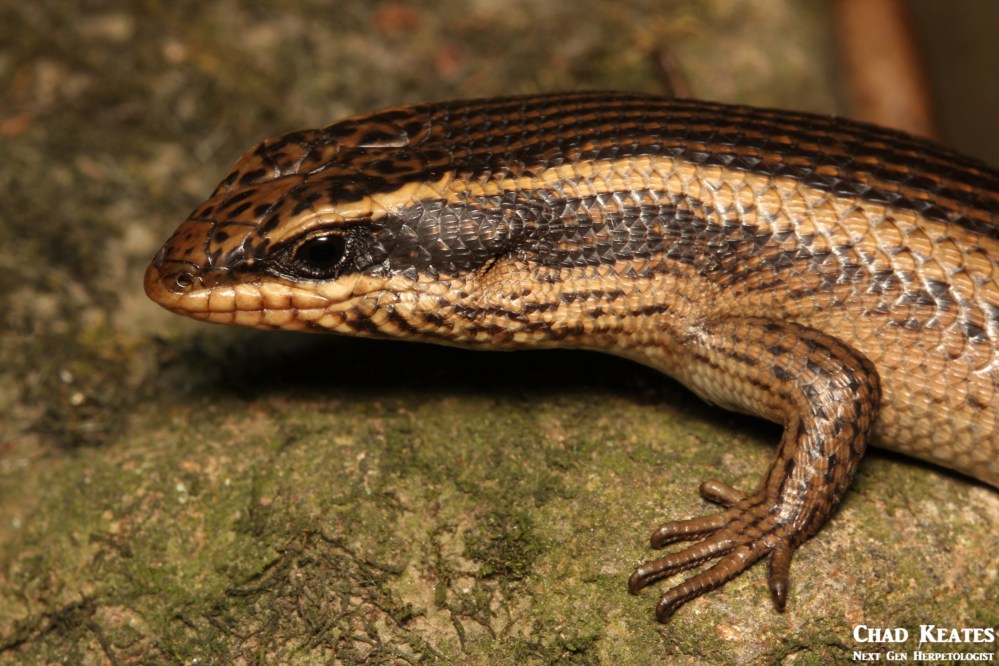
from Kokstad, KwaZulu Natal, South Africa

from Khakea/Bray Transboundary Aquifer Region, North-West, South Africa

I am honoured to announce that this year I received the Laura Starke Memorial Bursary Award for the second time. Unlike many bursaries that focus on academic merit, this bursary is special in the sense that it takes more than ones’ academic achievements into account when selecting a candidate. For this reason I am incredibly grateful to receive this award because it represents the acknowledgement of the sum of my efforts within the field of herpetology, not just what I put down on a piece of paper.
The bursary is in memory of Laura C Starke who graduated in Entomology and Botany at Rhodes University in 1969. She was a true nature lover and worked in the Protea Unit in Stellenbosch. She lost her life in a mountaineering accident on 26 October 1975.
As you may have noticed from my endless supply of content, I like to get out into the world… get into the wild. I like to feel it, touch it, hold it and see it, but above all else, I like to bridge the gap, to show people whats out there, to make science more accessible, so that everyone can marvel at the beauty of the world. Thank you to everyone that nominated me for this award, it is appreciated more than you can possibly imagine.

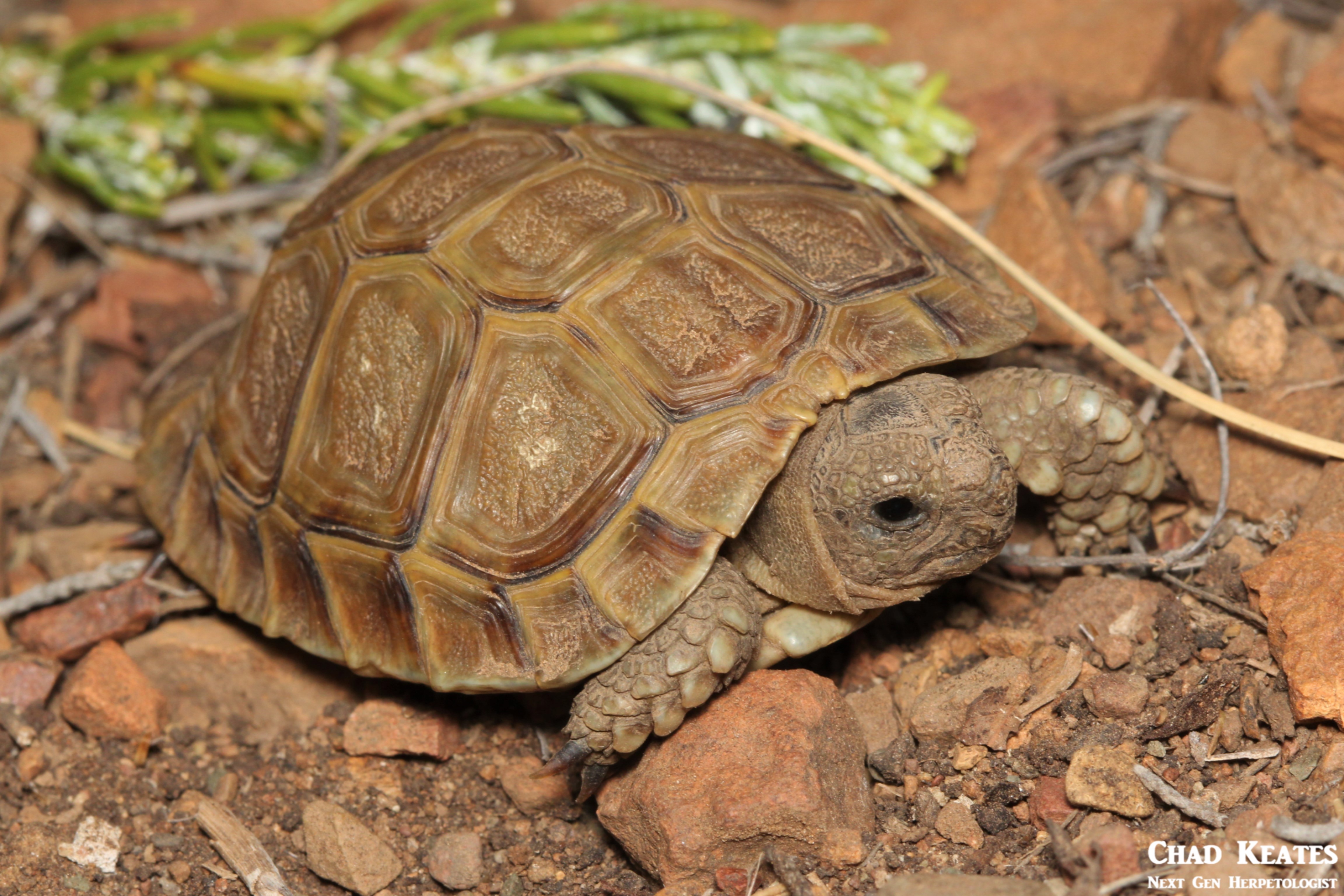
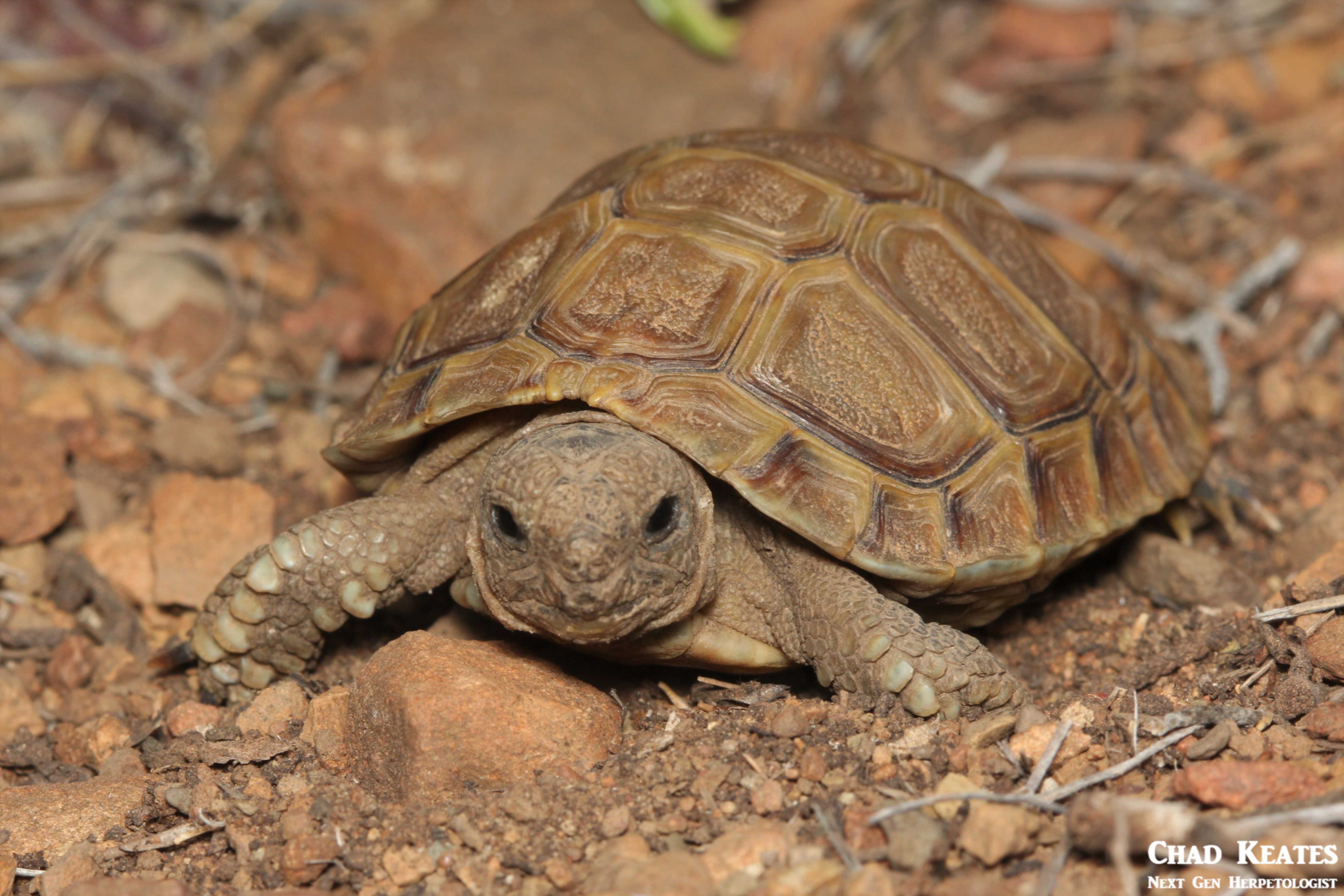
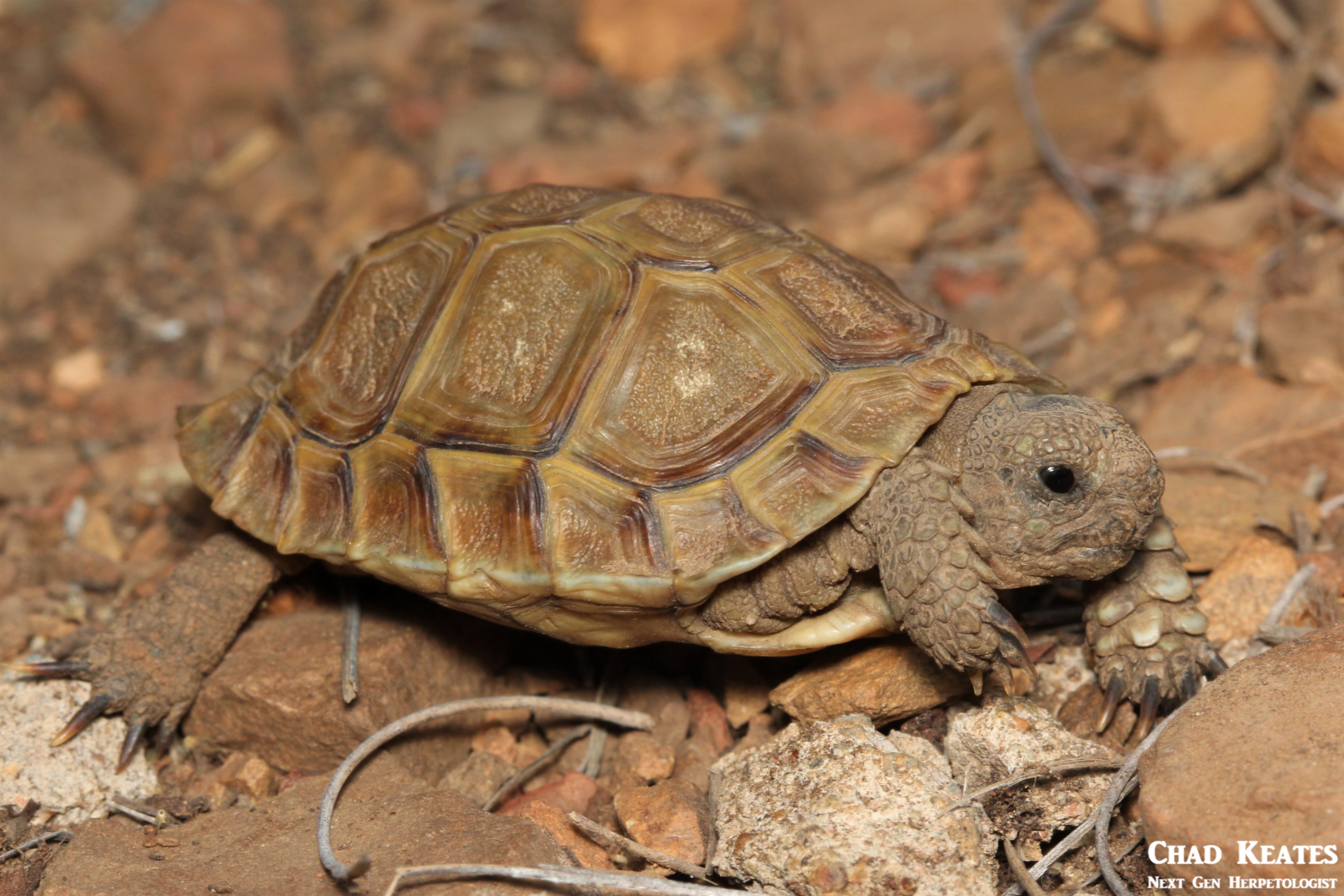

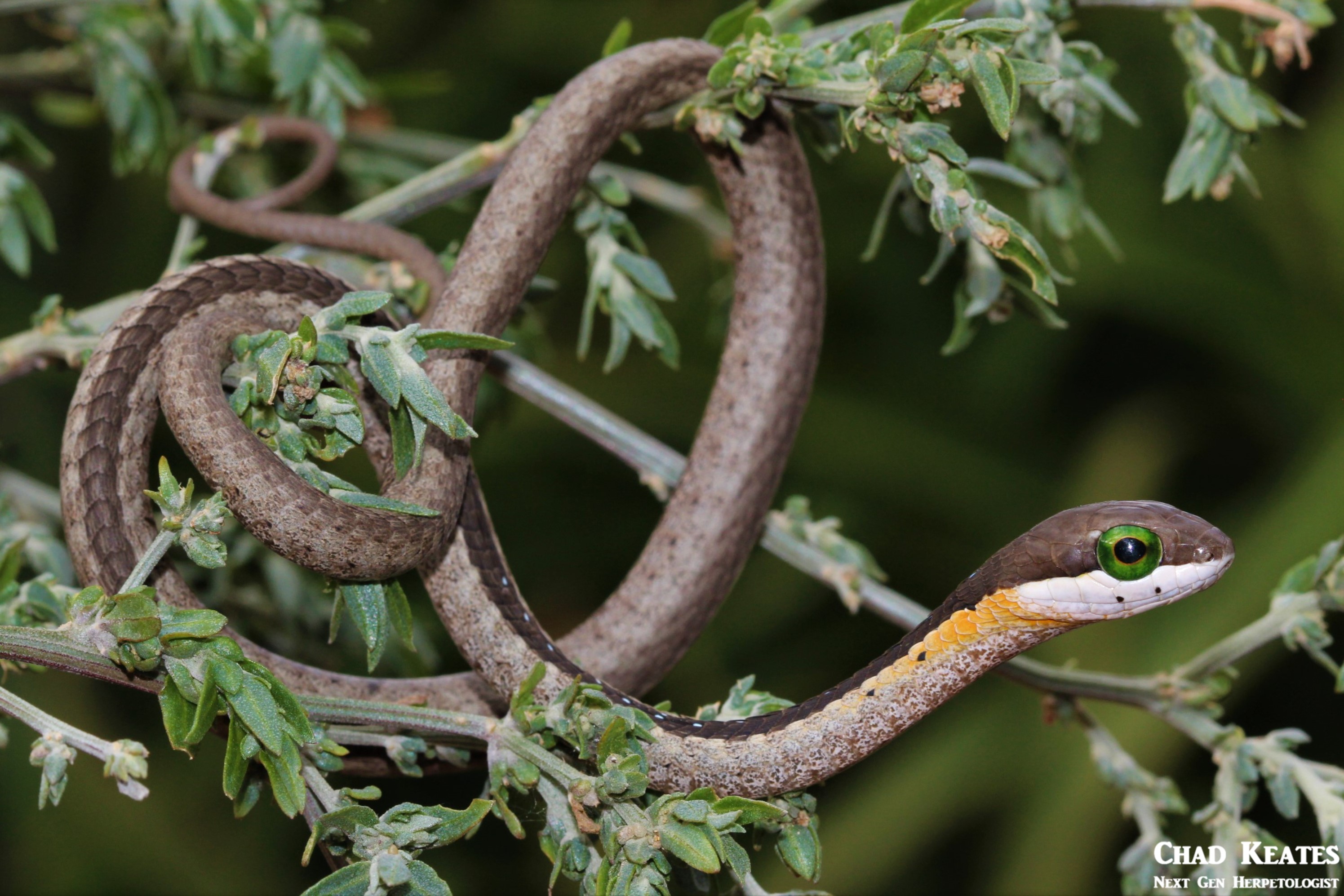
On Wednesday the 10th of October I attended the Prize giving for the WESSA Heritage Day Photo Competition at NELM (National English Literary Museum). The photo competition was open to the public and had three categories, namely: scholar, amateur and professional. I was fortunate enough to win the amateur category with my photo of the juvenile boomslang perched in a tree (Photo below). Thanks goes to all the organisers of the event and to all those that voted for my photo. Photos courtesy of the Grocott’s Mail.
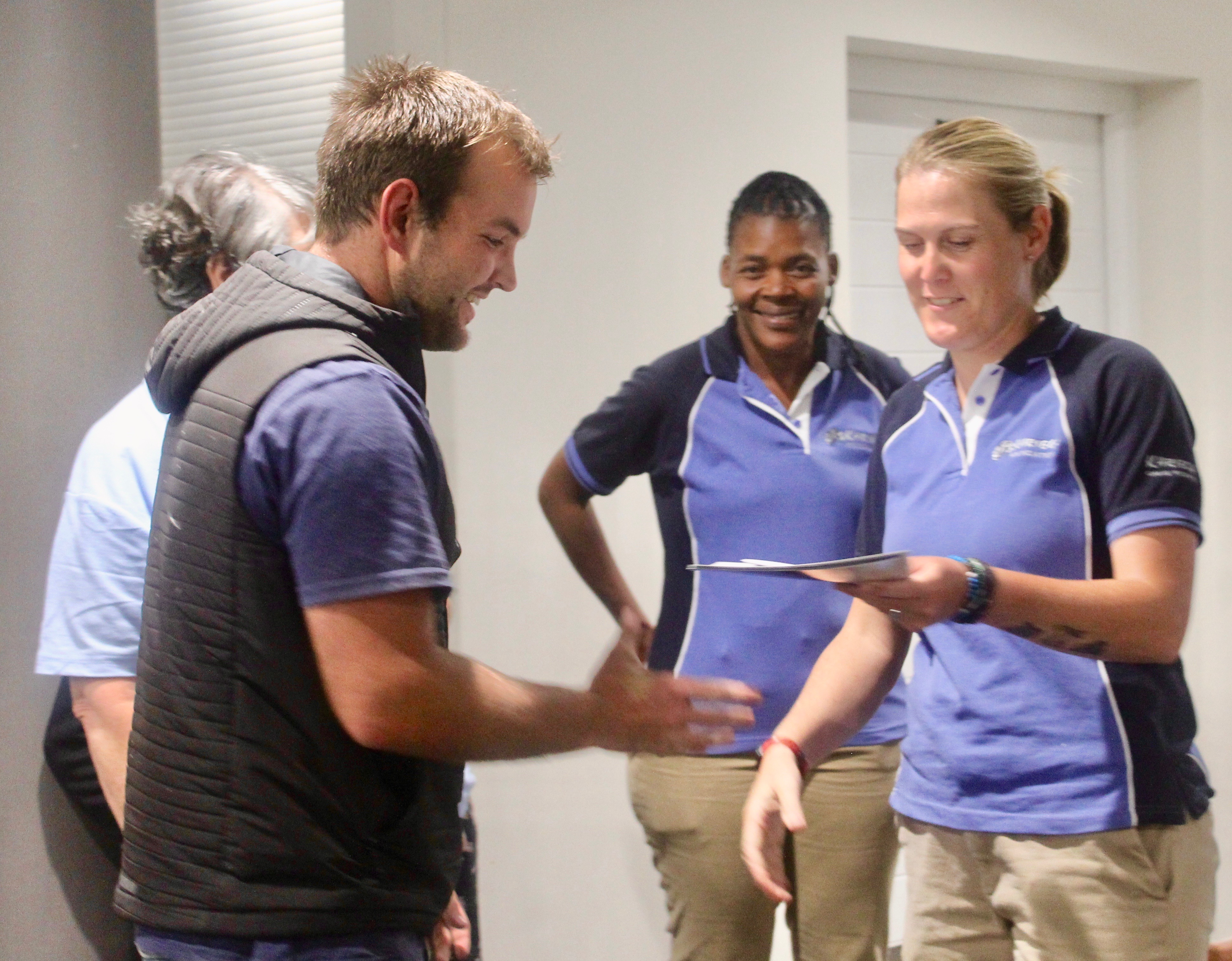
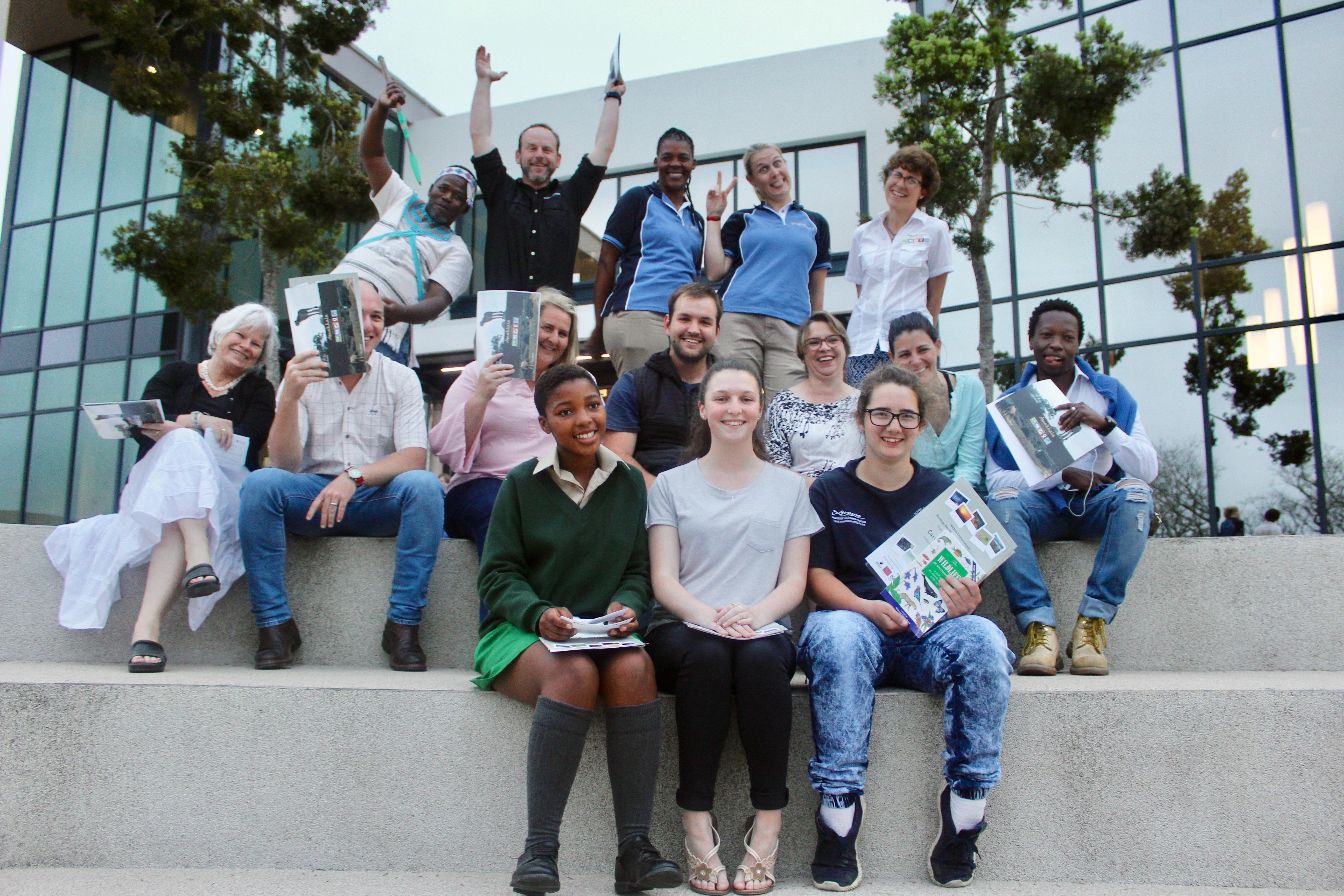

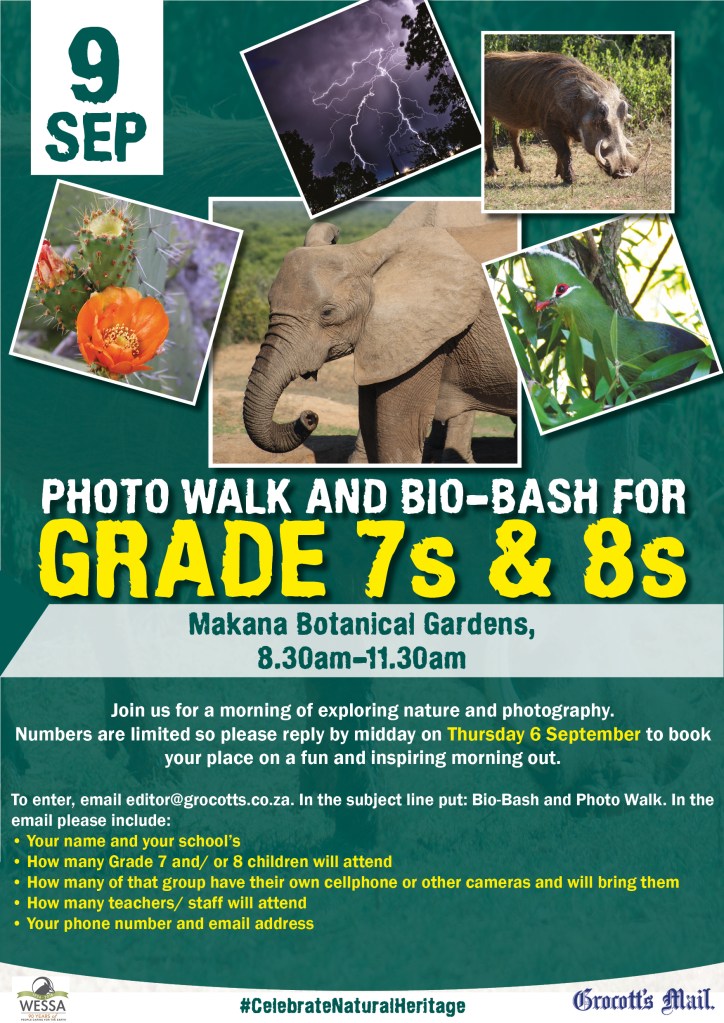
The the 9th of September, I attended the WESSA/ Grocott’s Mail #CelebrateNaturalHeritage Bio-Bash and Photo Walk at the Makana Botanical Gardens. The day was designed to teach the youth of Grahamstown about the amazing wildlife that surrounds them. It also aimed to ignite some creative flair through encouraging artistic expression through photography. My colleagues (Anthony Evlambiou, Bruce Roestoff and Cara Trivella) and I helped out by guiding the students through the gardens and helping them with their photography.
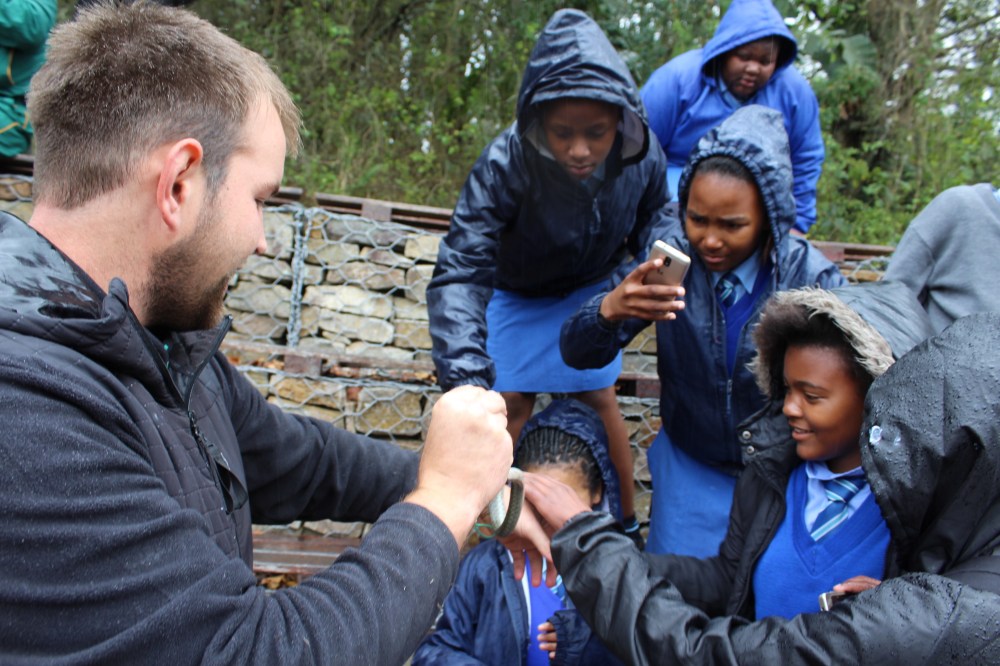
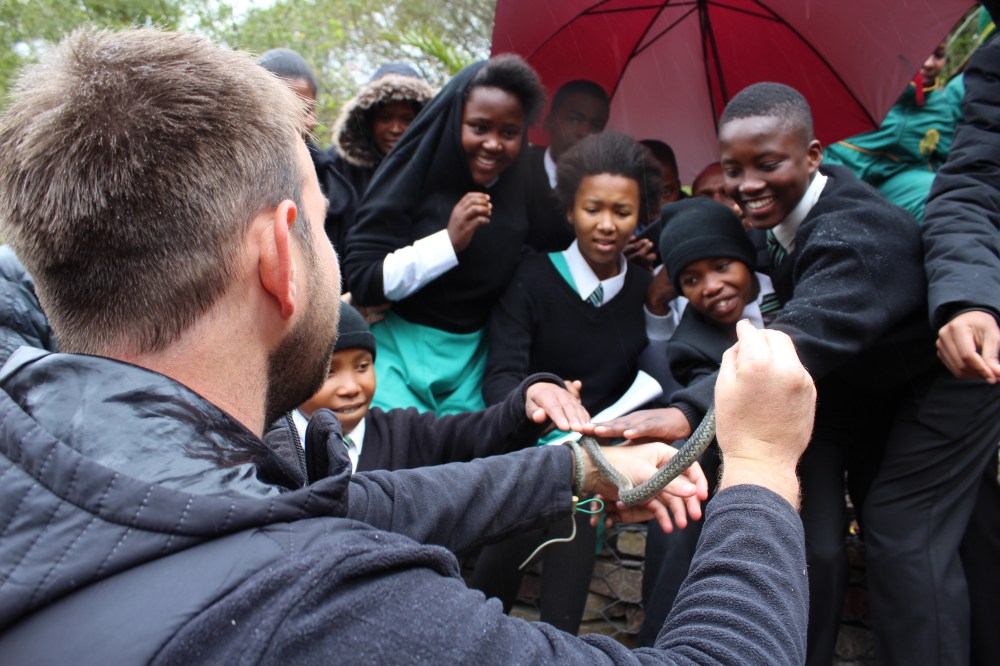
After the Bio-Bash and associated photography session, the students and mentors gathered for a photography crash course by the Rhodes Journalism Department. The day was capped off with me giving a short snake demonstration at the amphitheater at the bottom of the Botanical Gardens. At the end of the snake demo, I gave the kids the opportunity to handle some of the non-venomous on display.
All in all, the day was a great success. Congratulations goes to both WESSA and Grocott’s Mail for organizing such an amazing event. Thanks also goes to both of them for allowing me to be part of such a worthwhile initiative. For more information, check out the attached newspaper article: Kids have a wild time in the city . All Photos are property of Grocott’s Mail.




 Chad Keates