 Chad Keates

from Bitterfontein, Western Cape, South Africa

from Bitterfontein, Western Cape, South Africa

from Bitterfontein, Western Cape, South Africa

from Lambert’s Bay, Western Cape, South Africa
previously Gray’s Dwarf Legless Skink – Acontias grayi
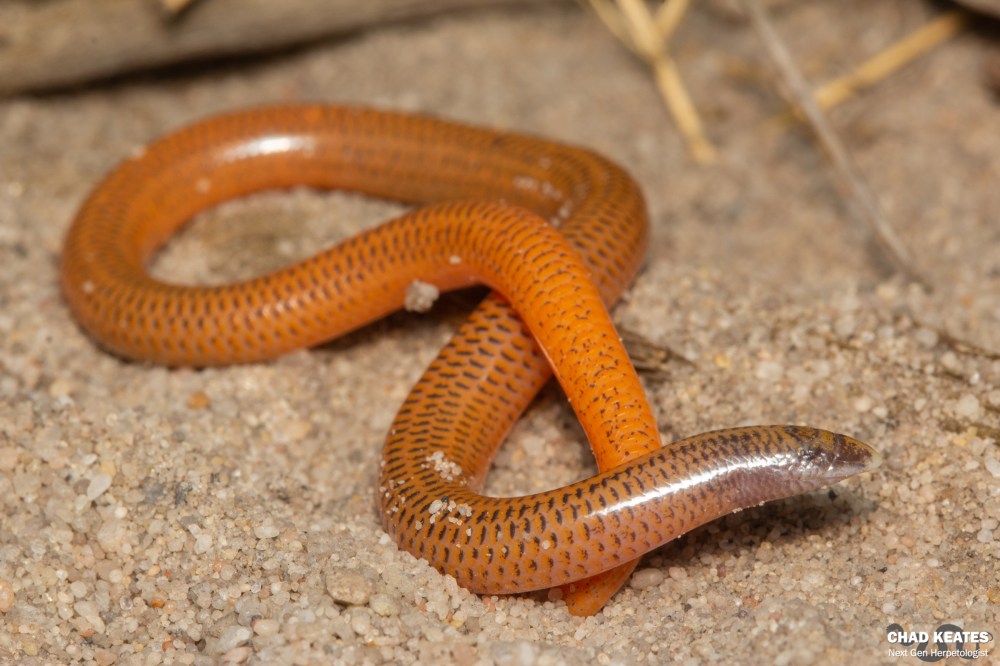
from Lambert’s Bay, Western Cape, South Africa
previously Gray’s Dwarf Legless Skink – Acontias grayi
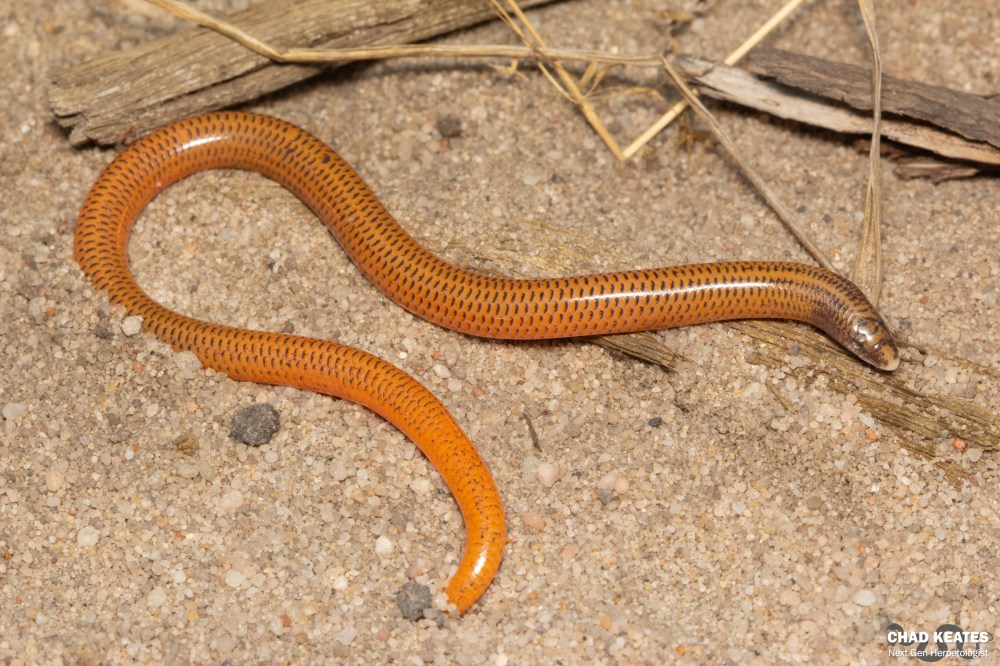
from Lambert’s Bay, Western Cape, South Africa
previously Gray’s Dwarf Legless Skink – Acontias grayi

from Lambert’s Bay, Western Cape, South Africa
previously Gray’s Dwarf Legless Skink – Acontias grayi
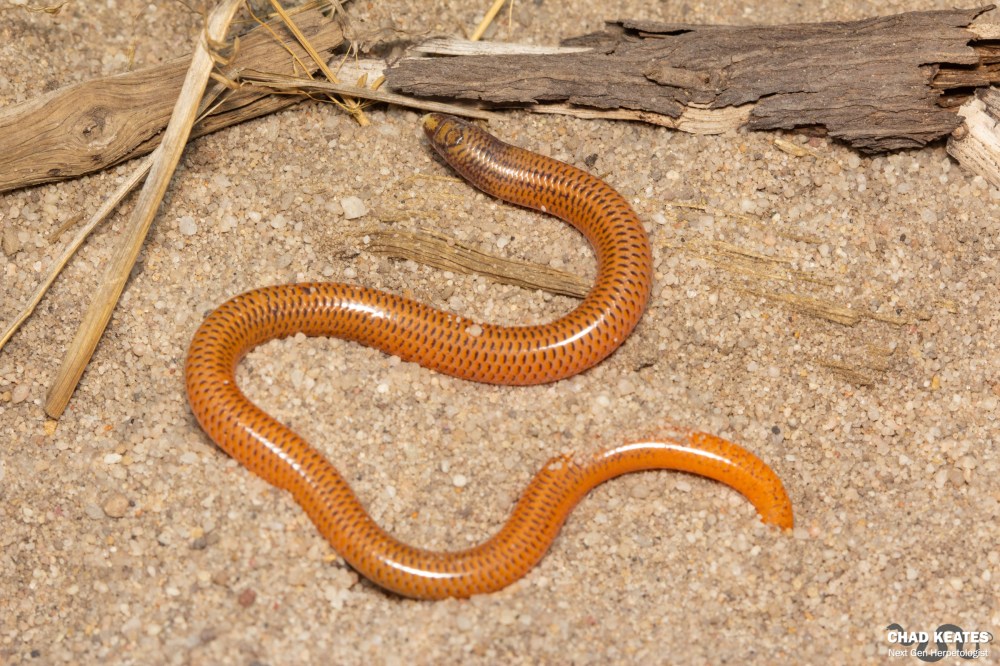
from Lambert’s Bay, Western Cape, South Africa
previously Gray’s Dwarf Legless Skink – Acontias grayi

from Steinkopf, Northern Cape, South Africa
previously Namaqualand Dwarf Legless Skink – Acontias tristis

from Steinkopf, Northern Cape, South Africa
previously Namaqualand Dwarf Legless Skink – Acontias tristis
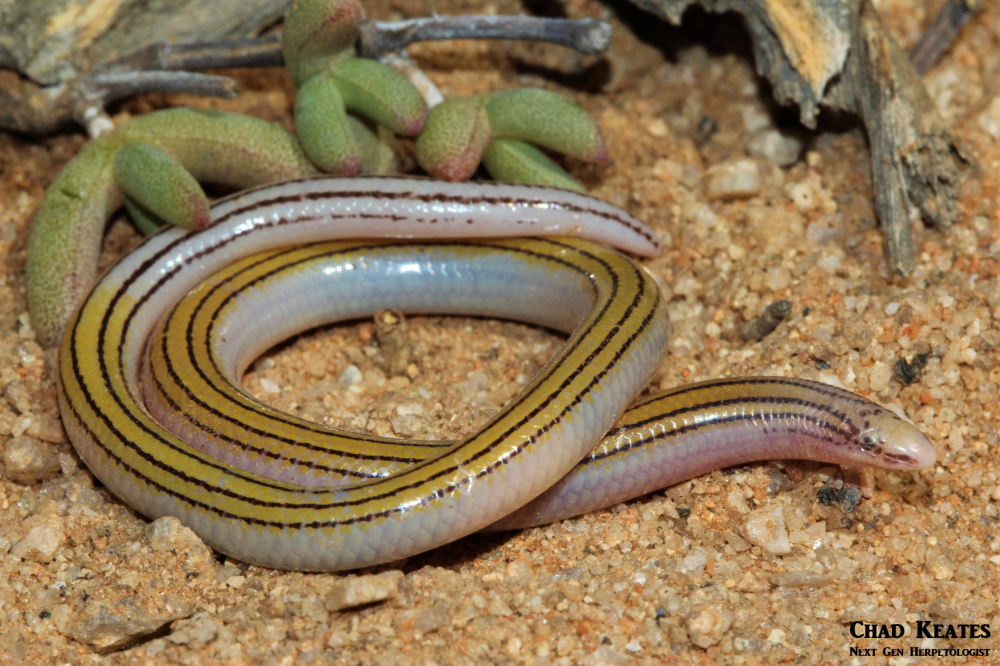
from Steinkopf, Northern Cape, South Africa
previously Namaqualand Dwarf Legless Skink – Acontias tristis

from Koingnaas, Northern Cape, South Africa
previously Coastal Dwarf Legless Skink – Acontias litoralis

from Koingnaas, Northern Cape, South Africa
previously Coastal Dwarf Legless Skink – Acontias litoralis

from Koingnaas, Northern Cape, South Africa
previously Coastal Dwarf Legless Skink – Acontias litoralis

from Koingnaas, Northern Cape, South Africa
previously Coastal Dwarf Legless Skink – Acontias litoralis

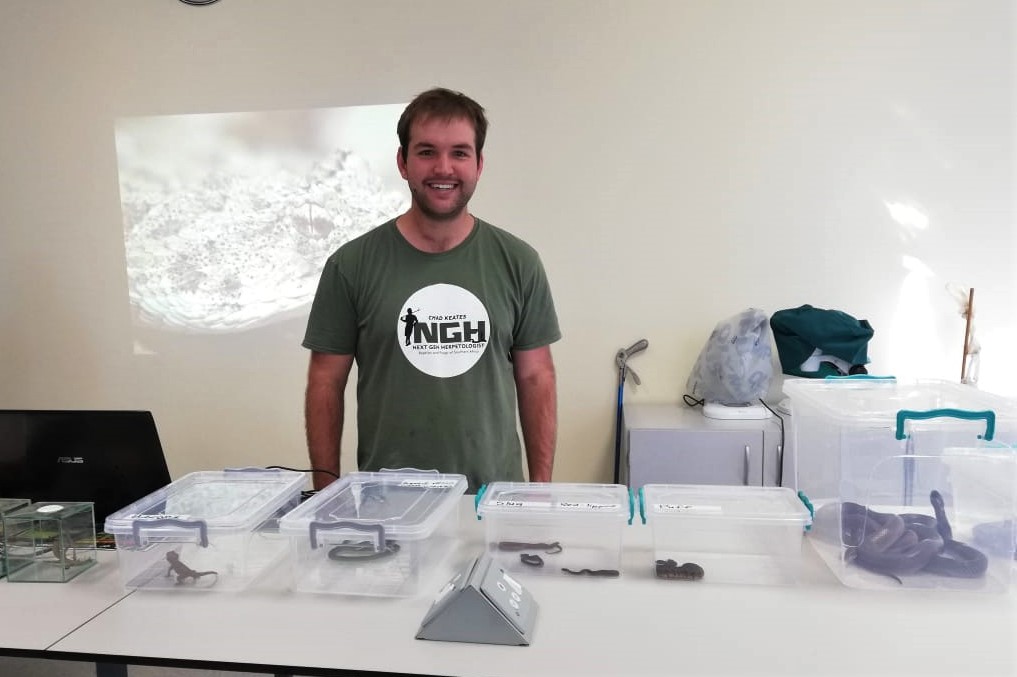
On friday the 10th of May, I set up a stand at the Science Open Day, hosted in the Rhodes University Life Sciences Building. I represented the field of Herpetology alongside several other members of the Zoology and Entomology Department, whom showcased their respective fields (Ornithology, Mammalogy, Biocontrol etc) on the day. The event was also attended by members from all the other departments in the Science Faculty. The event was geared towards sparking interest in science-orientated careers, in the high school students that attended the event. The students thoroughly enjoyed the event and took the opportunity to look at all the awesome things offered by the different departments. As expected, the snakes roused a lot of interest in the students, with many taking the opportunity to handle a snake for the first time. All in all, it was a great day for all that attended.
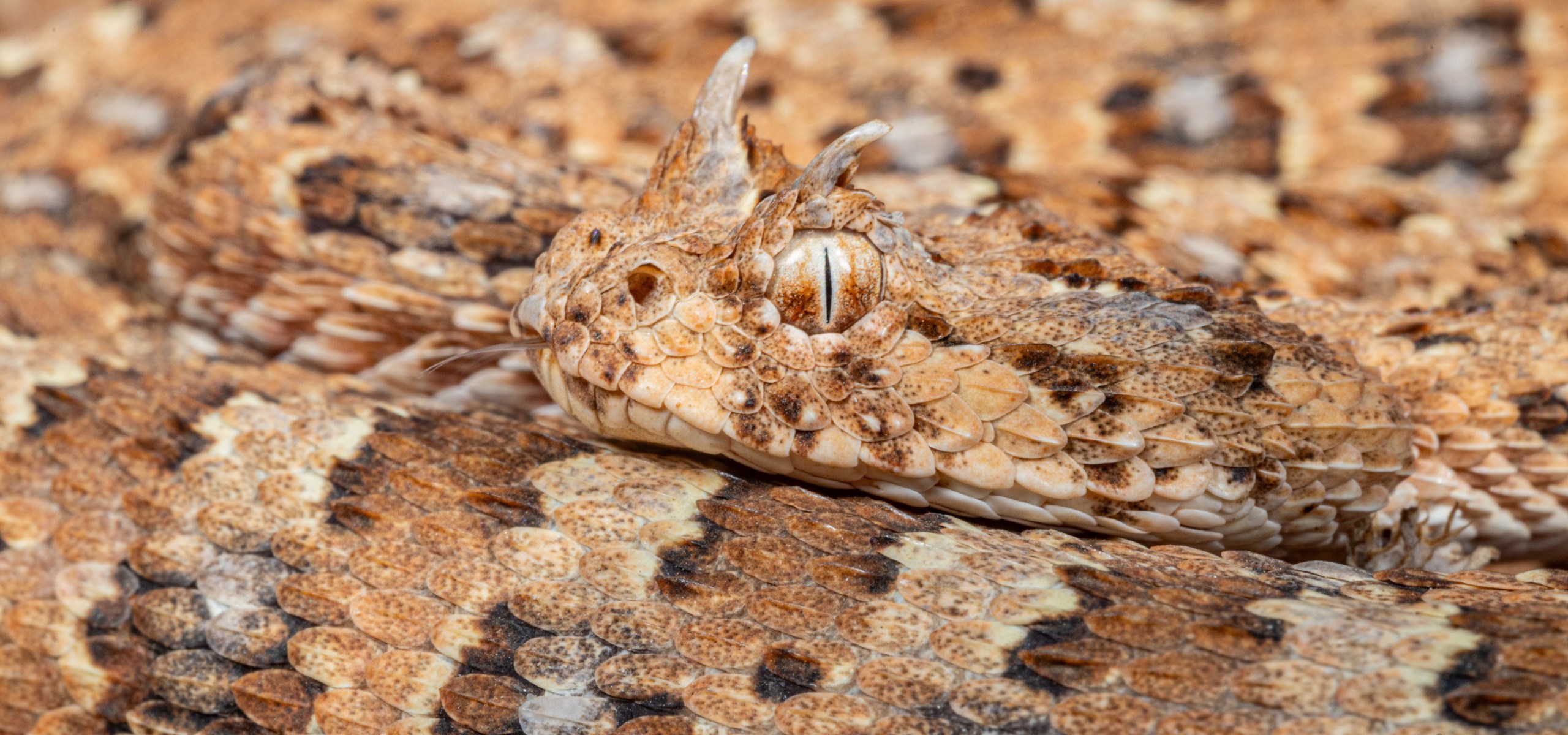
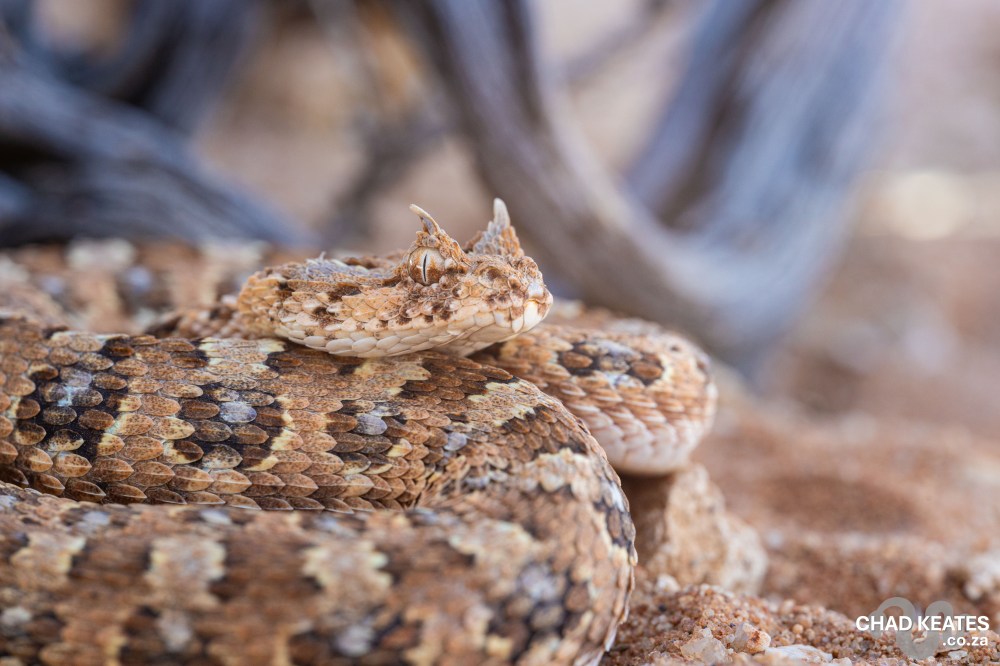
from Steinkopf, Western Cape, South Africa

from Steinkopf, Western Cape, South Africa
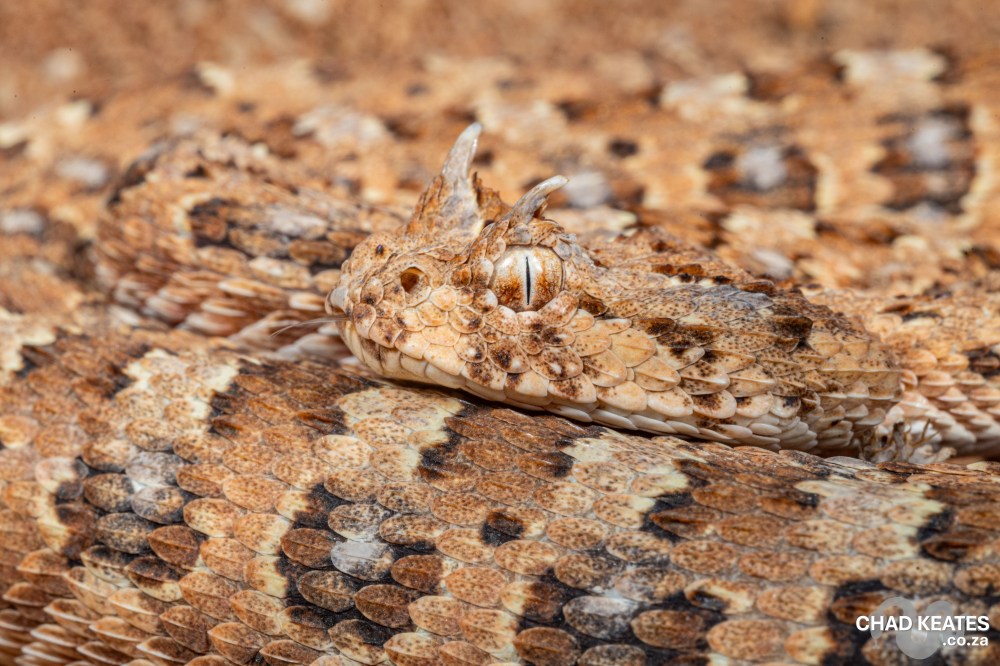
from Steinkopf, Western Cape, South Africa

from Steinkopf, Western Cape, South Africa

from Steinkopf, Western Cape, South Africa
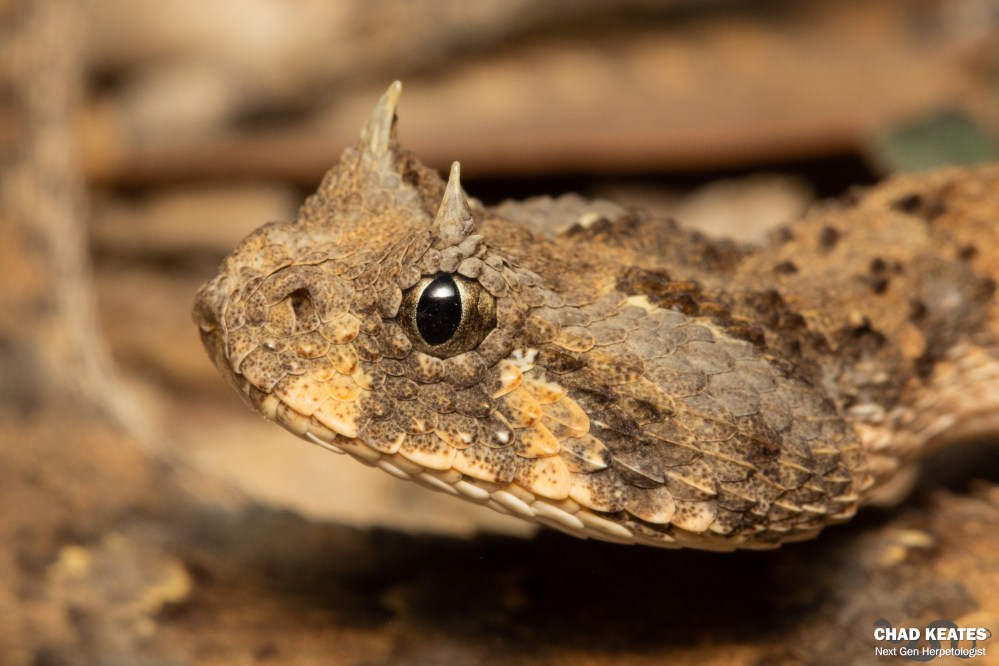
from Leeu Gamka, Western Cape, South Africa

from Leeu Gamka, Western Cape, South Africa

from Leeu Gamka, Western Cape, South Africa
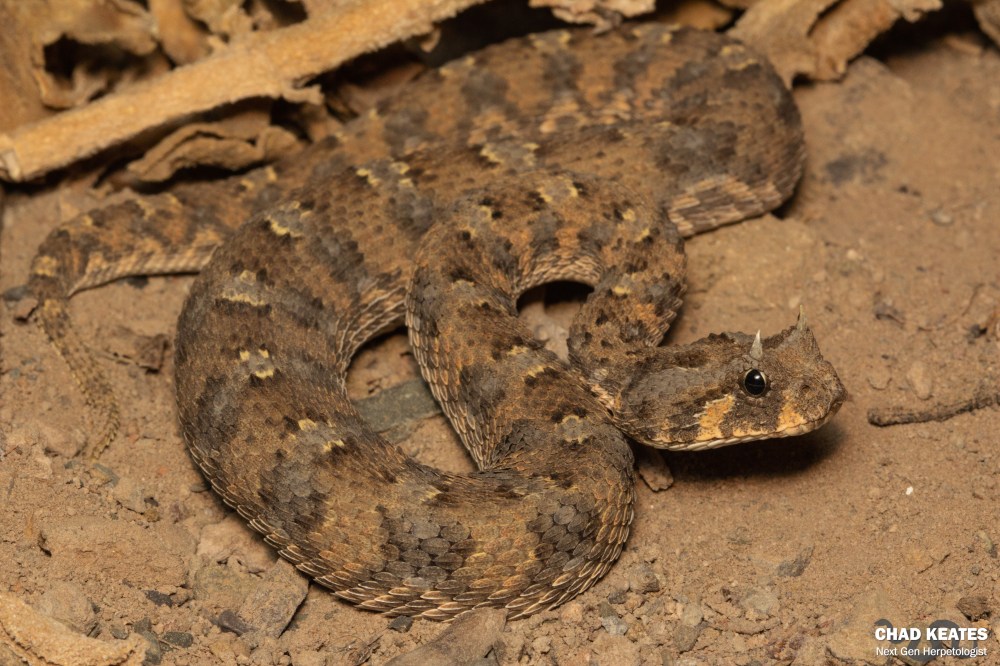
from Leeu Gamka, Western Cape, South Africa

from Leeu Gamka, Western Cape, South Africa

from Leeu Gamka, Western Cape, South Africa
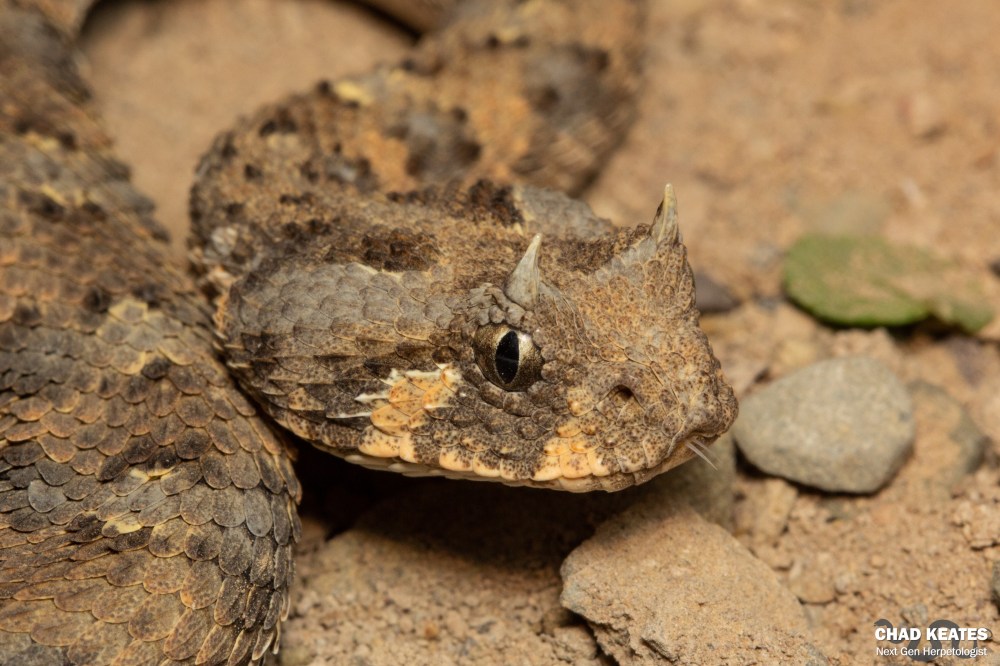
from Leeu Gamka, Western Cape, South Africa

from Leeu Gamka, Western Cape, South Africa
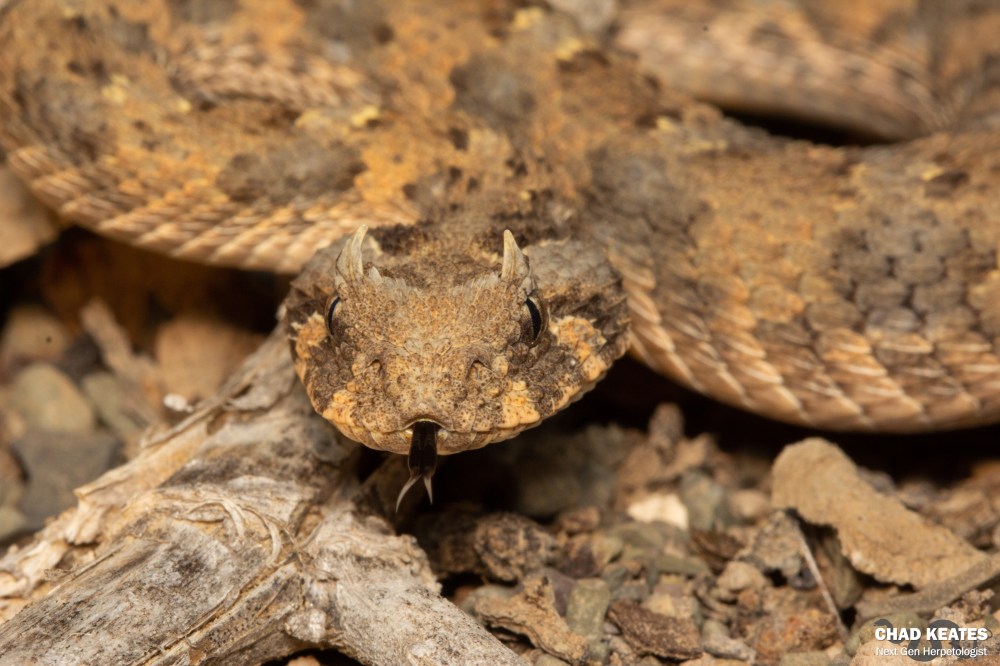
from Leeu Gamka, Western Cape, South Africa
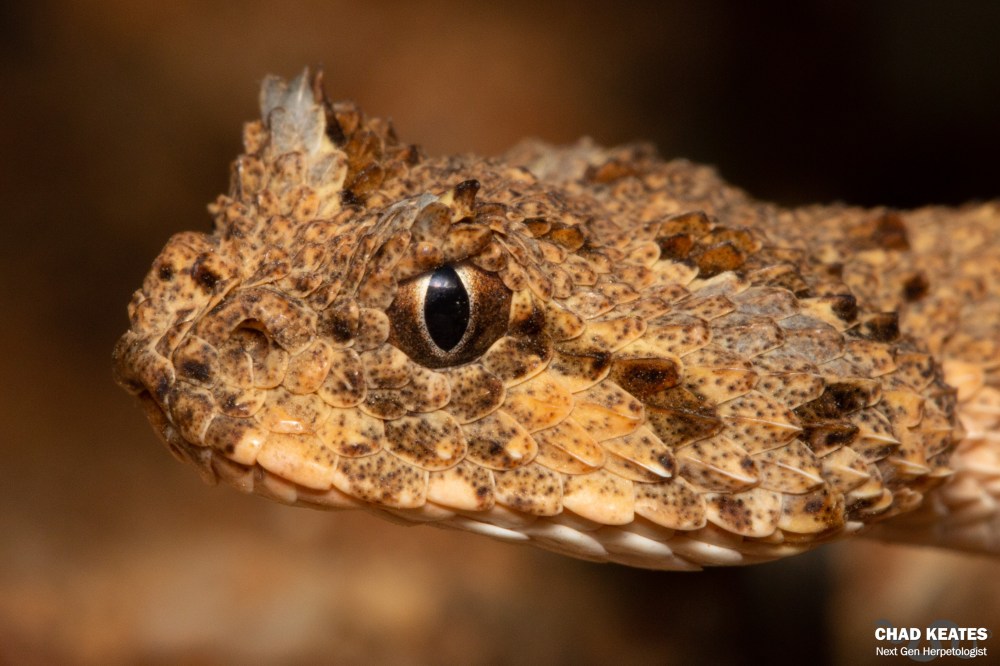
from Bitterfontein, Western Cape, South Africa

from Bitterfontein, Western Cape, South Africa

from Bitterfontein, Western Cape, South Africa

from Magaliesberg, Gauteng, South Africa

from Magaliesberg, Gauteng, South Africa

from Magaliesberg, Gauteng, South Africa

from Magaliesberg, Gauteng, South Africa

from Magaliesberg, Gauteng, South Africa

from Magaliesberg, Gauteng, South Africa
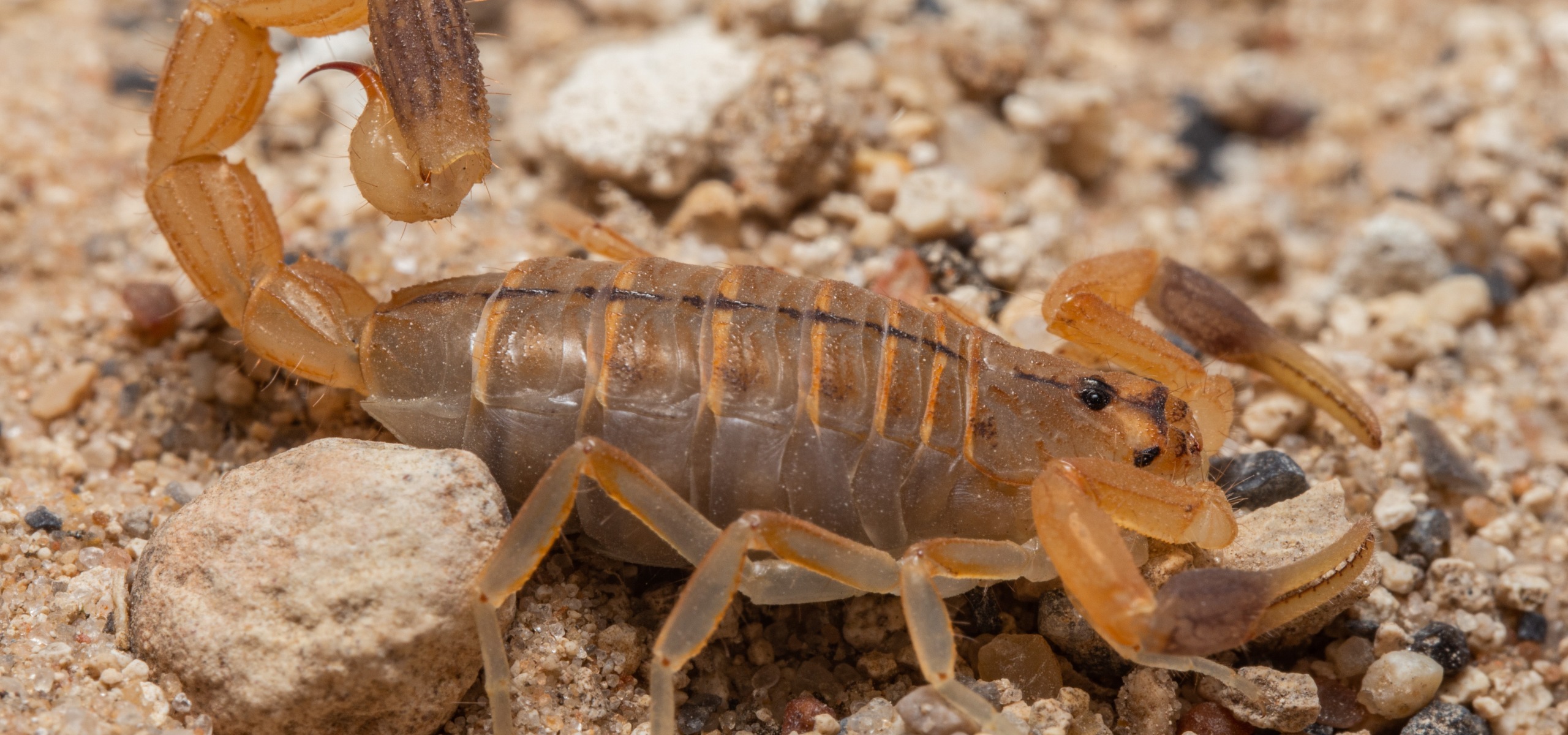

from Khakea/Bray Transboundary Aquifer Region, North-West, South Africa

from Khakea/Bray Transboundary Aquifer Region, North-West, South Africa

from Khakea/Bray Transboundary Aquifer Region, North-West, South Africa

from Magaliesberg, Gauteng, South Africa

from Magaliesberg, Gauteng, South Africa

from Laingsburg, Western Cape, South Africa

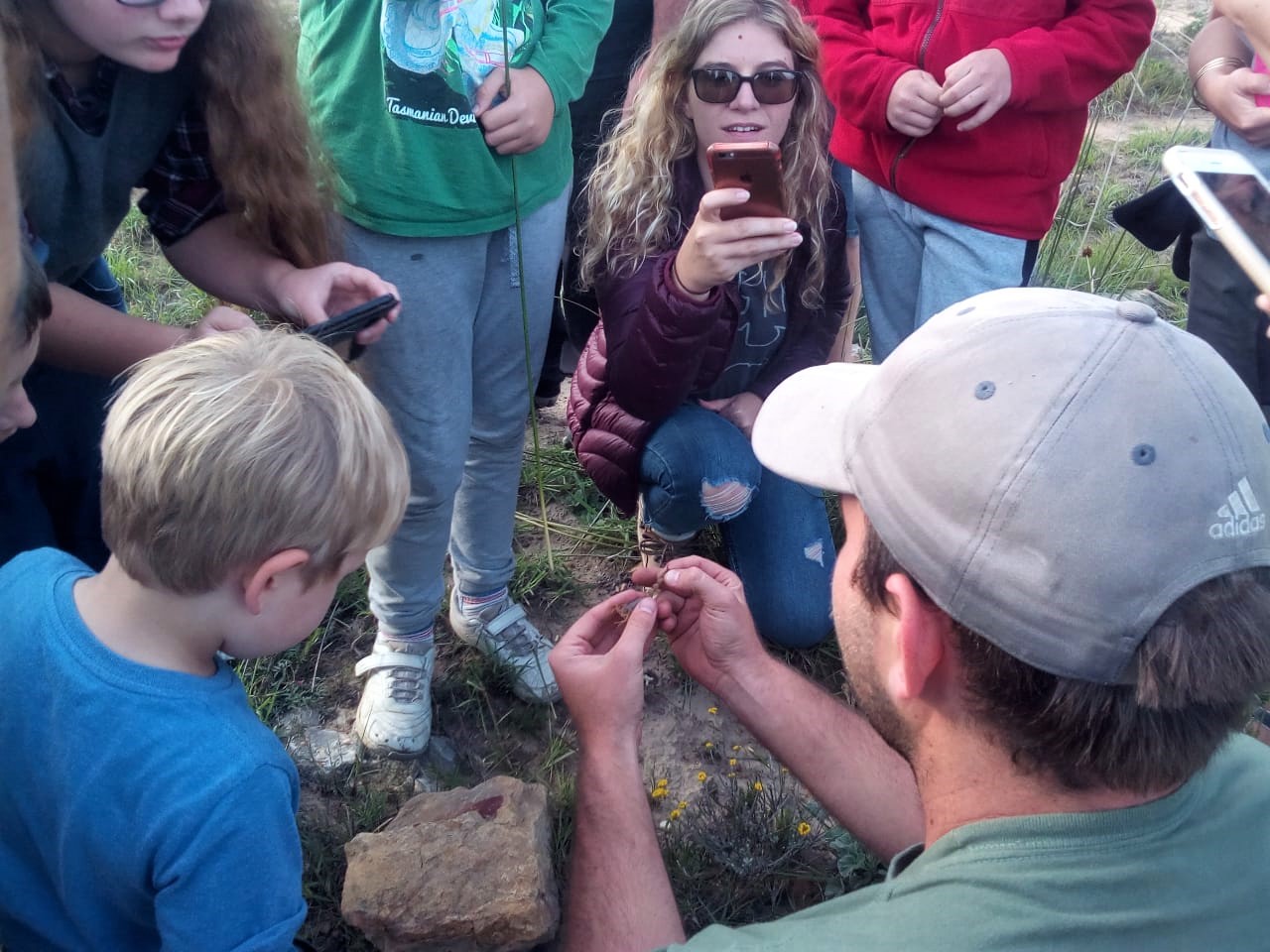
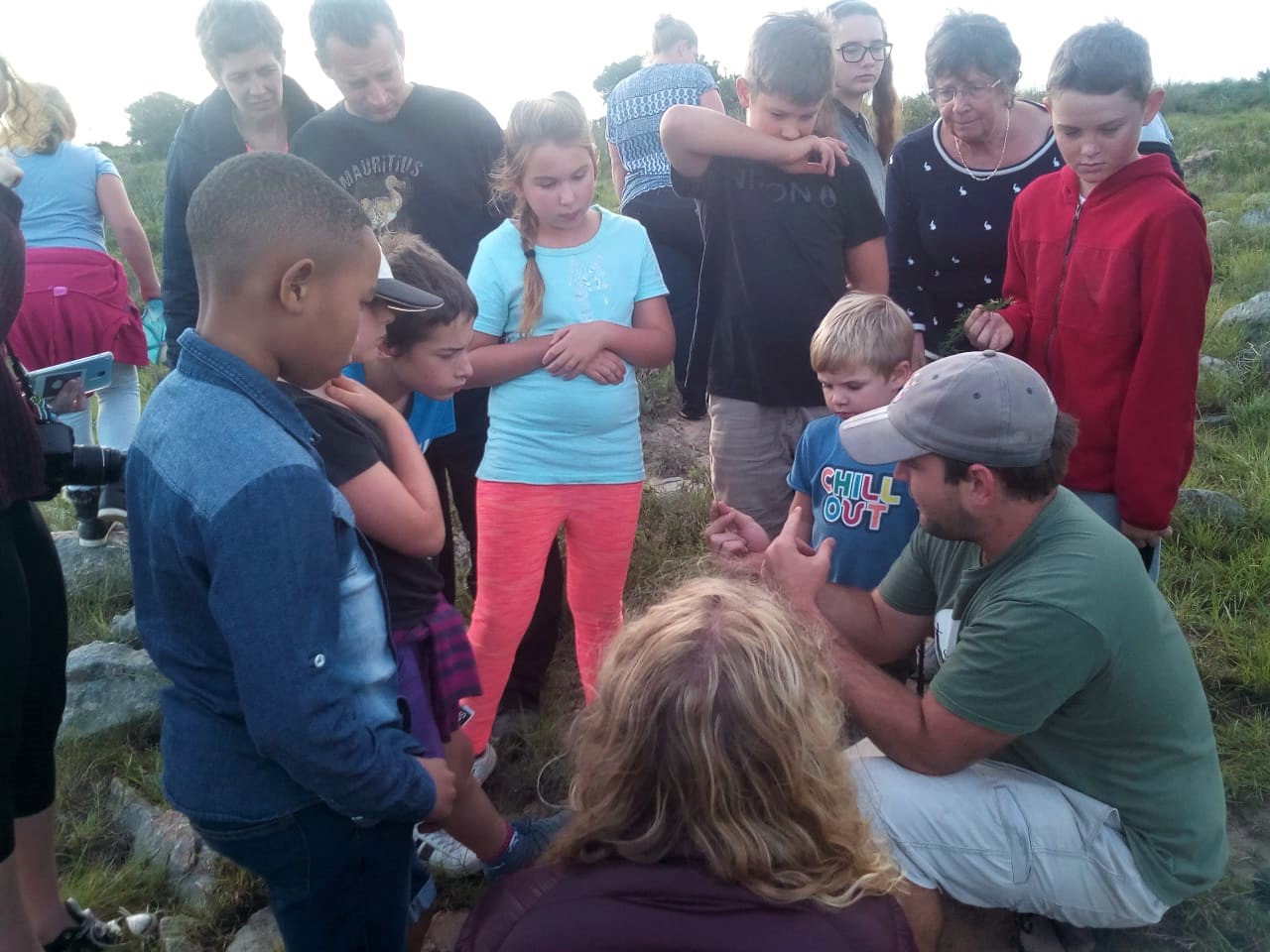
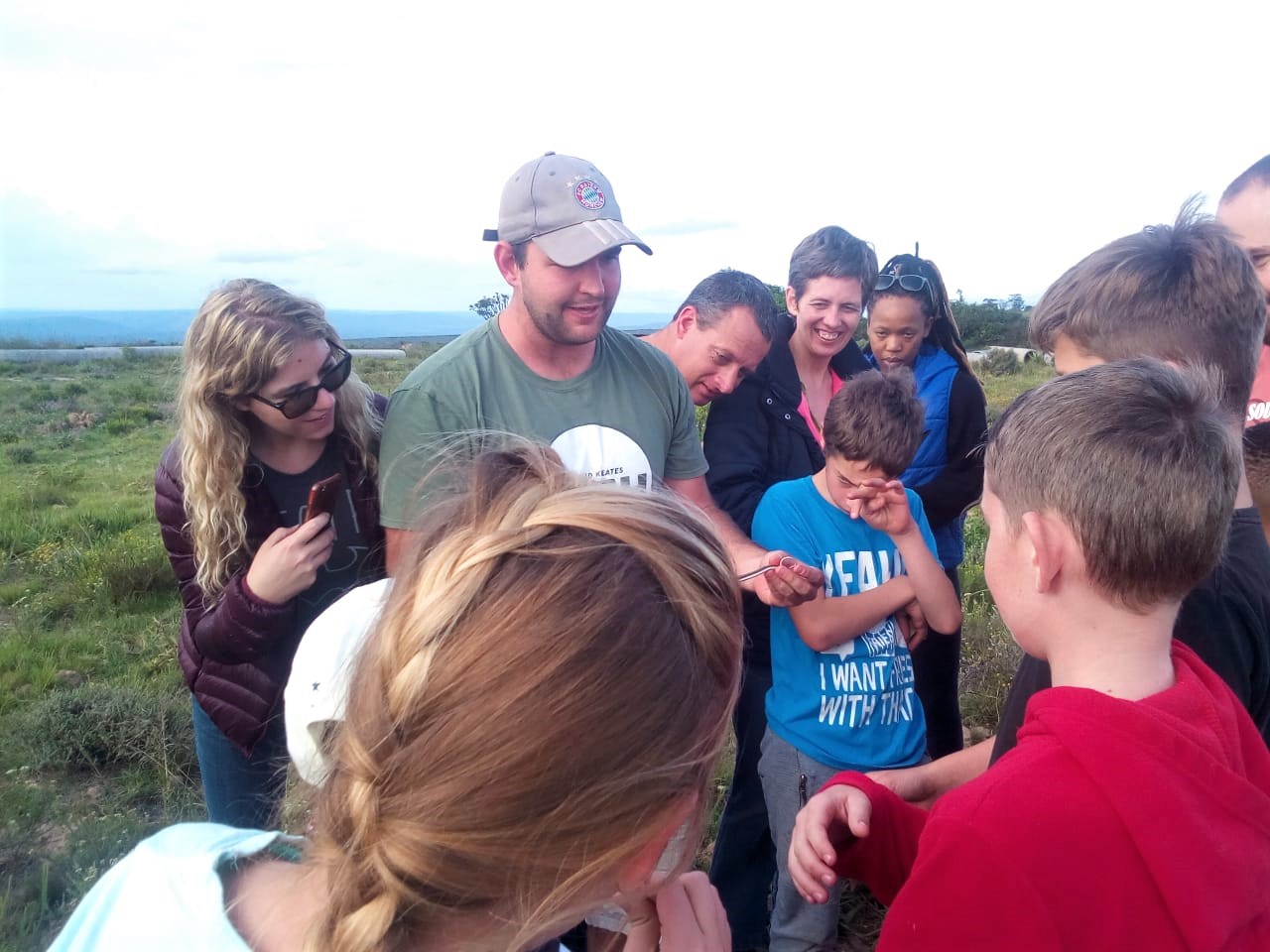
On the 5th of May I hosted the second ‘Critter Walk’ of 2019, for a record breaking crowd. Unlike previous ‘Critter walks’, everyone who attended had to pay a small fee, which was donated to two Rhodes athletes in a effort to raise funds for their Taekwondo World Championships, in Brazil, later this year.
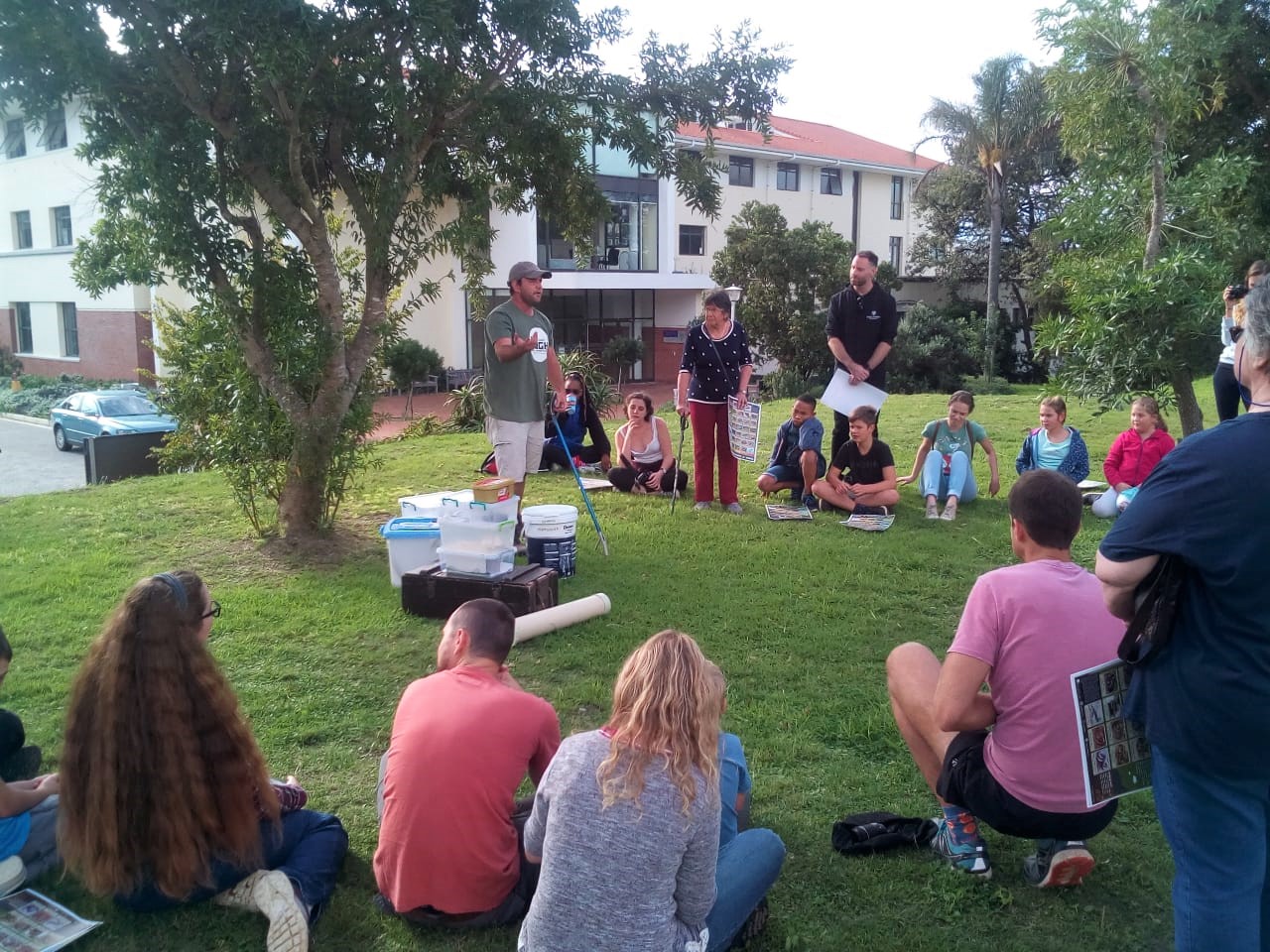
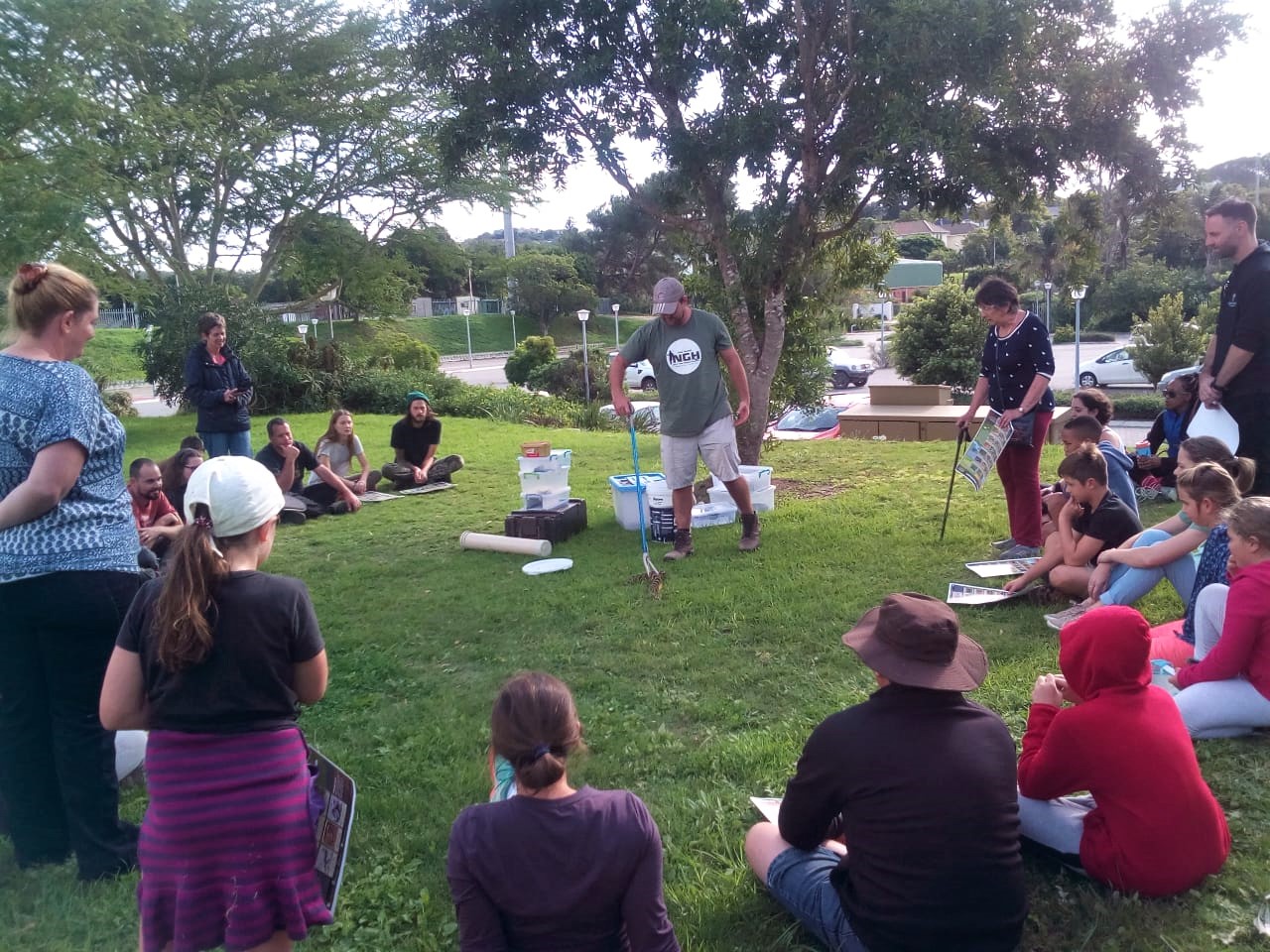
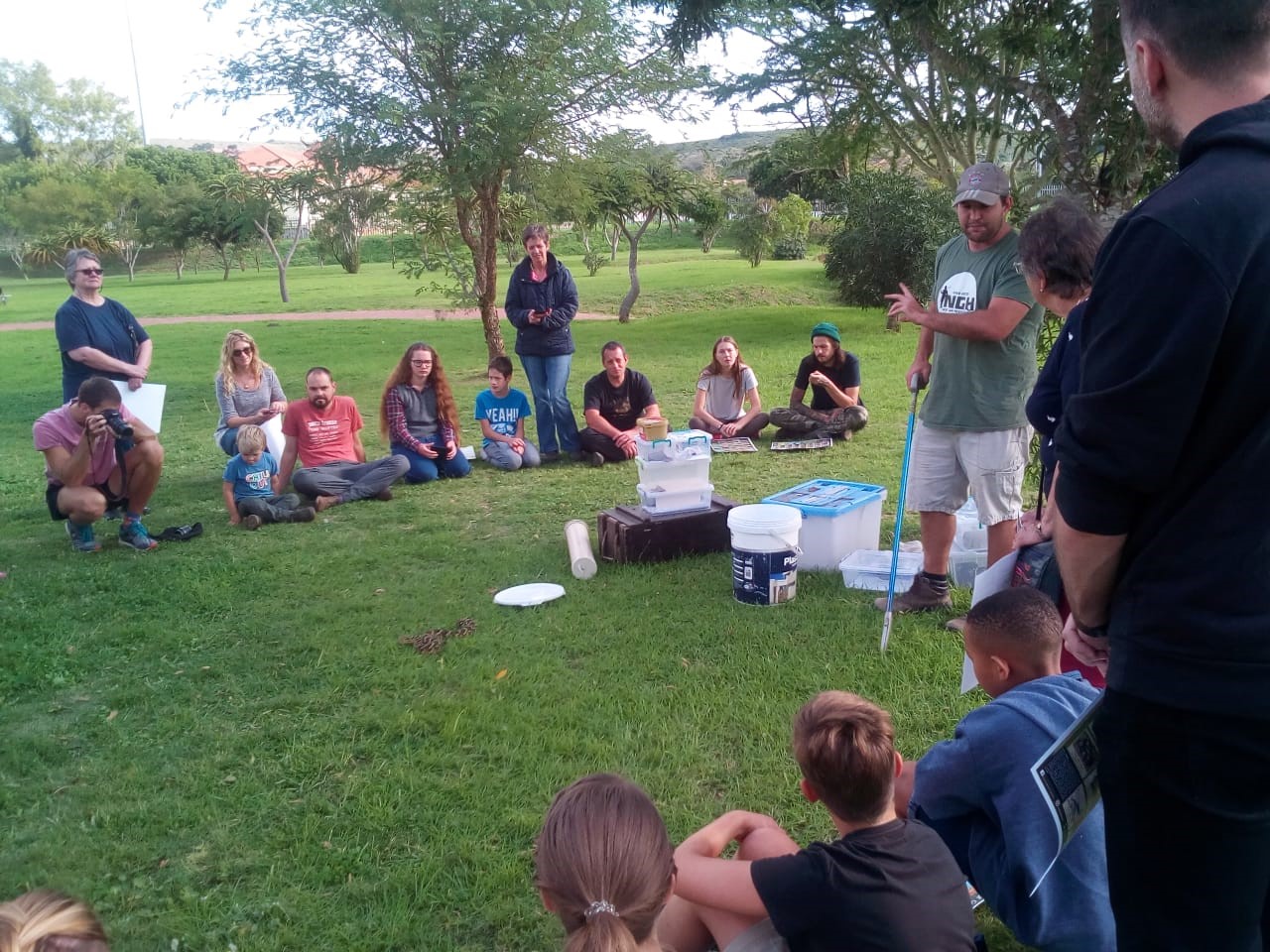
Everyone met in front of the Life Sciences building and they were treated to a 45 minute snakes demonstration, featuring 11 different species of snake. The snaked demo was incredibly well received with several people taking the opportunity to handle a snake for the first time. After the snake demo, we all set off, in convoy, for a lekker piece of land just outside of Grahamstown.
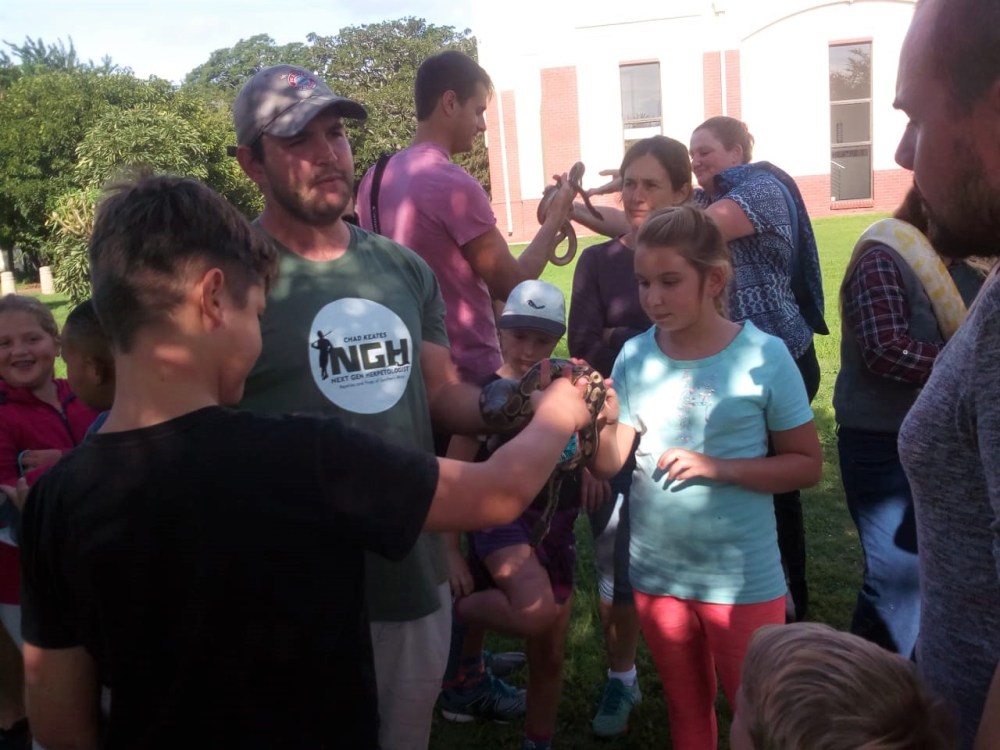
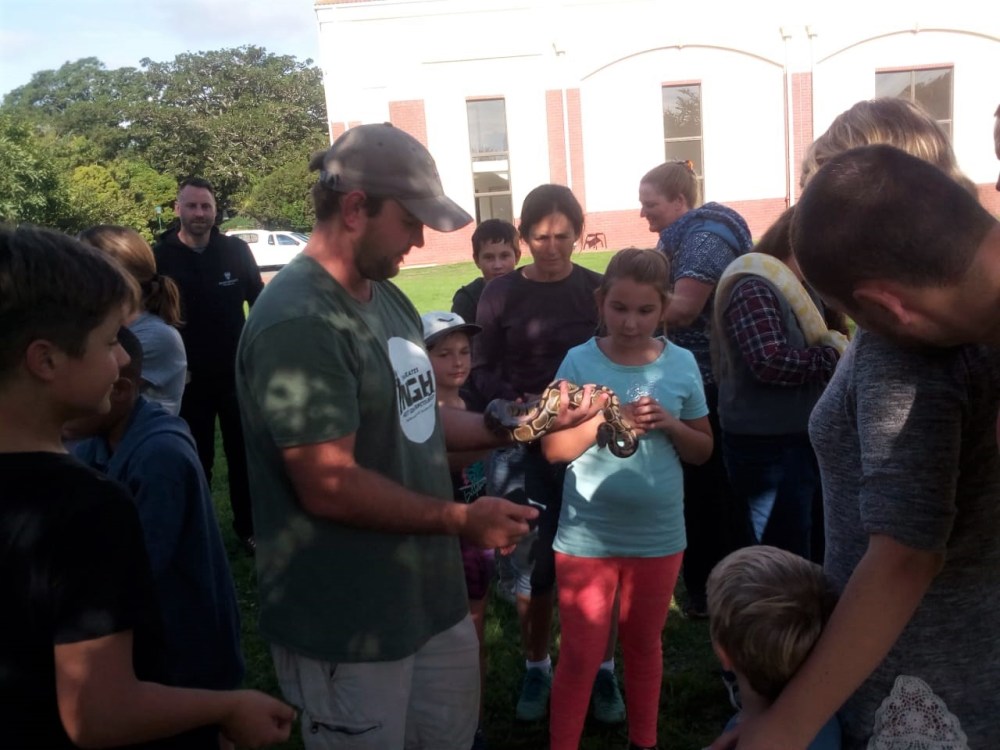
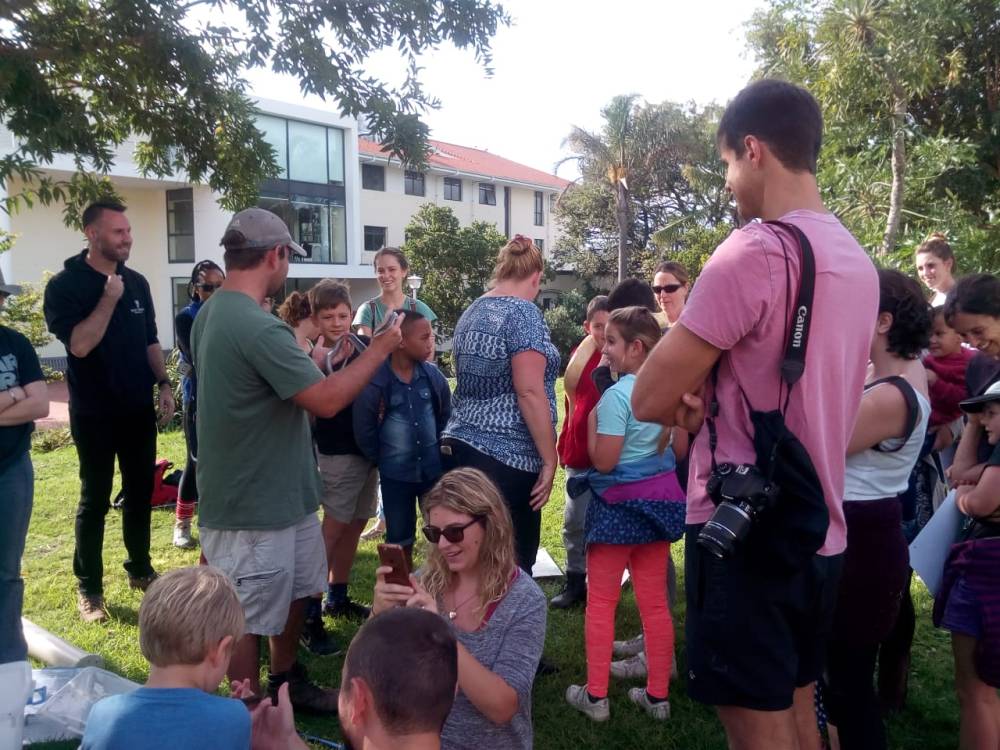
Everyone enjoyed the wide open spaces, with many of the kids running off, only to be rediscovered hours later. The day was a massive success as we managed to find several species of scorpion, many different reptiles and tons of insects. All in all, the day was a massive success and something I am all to keen to replicate, in the not too distant future.

Another great blog entry by Jessica Evans, that lists, explains and debunks some of the most popular myths pertaining to snakes.
https://www.bite-sizedsci.com/single-post/2019/04/25/6-snake-myths—busted
Check out this awesome blog post by Sean McCabe, that details the reptiles of Grahamstown, and what makes them special.
https://conservatemakhanda.home.blog/2019/04/25/reptiles-of-makhanda/

On the 8th of march 2019, I attended the WESSA/ Grocott’s Mail #CelebrateNaturalHeritage Bio-Bash and Photo Walk at the Makana Botanical Gardens (part of Scifest 2019). The day was designed to teach the youth of Grahamstown about the amazing wildlife that surrounds them. It also aimed to ignite some creative flair through encouraging artistic expression through photography. My colleagues and I helped out by guiding the students through the gardens and helping them with their photography.
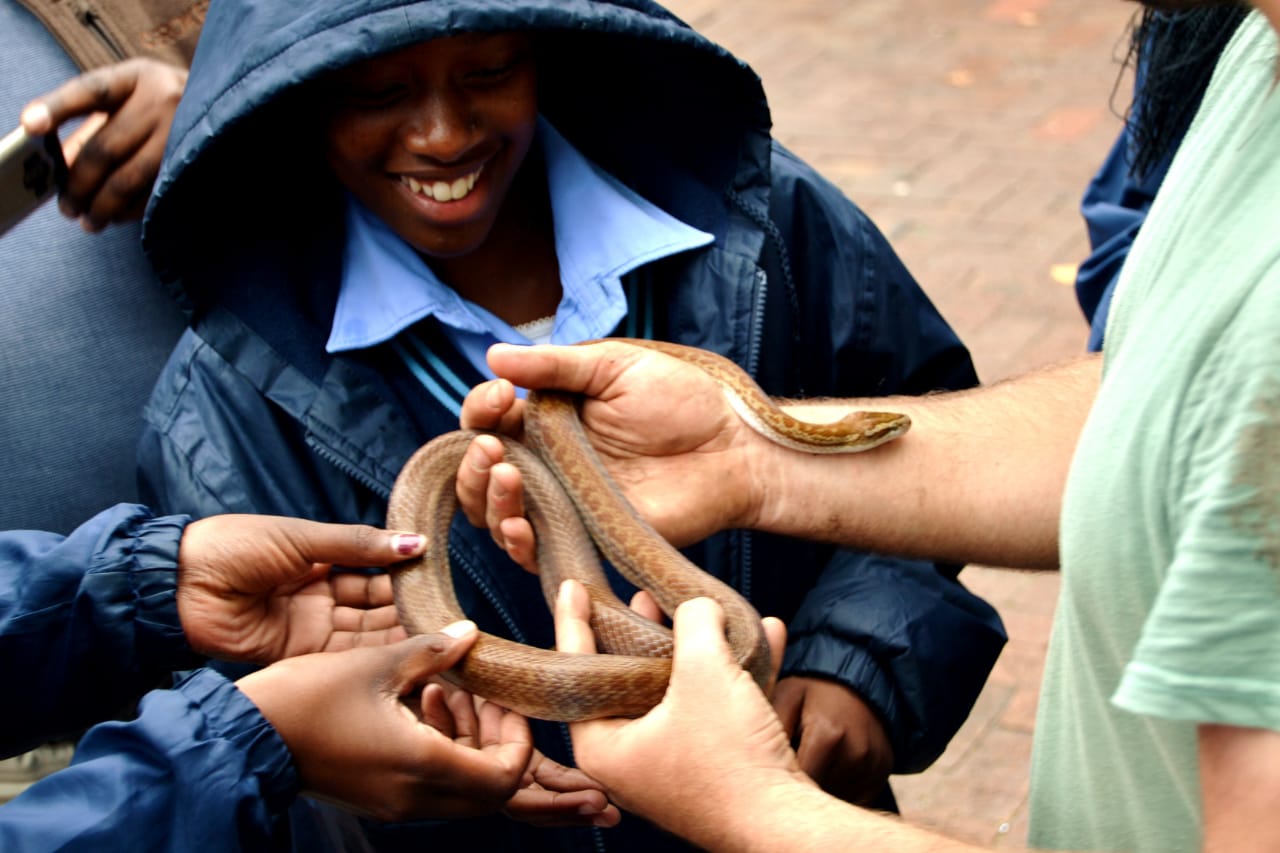
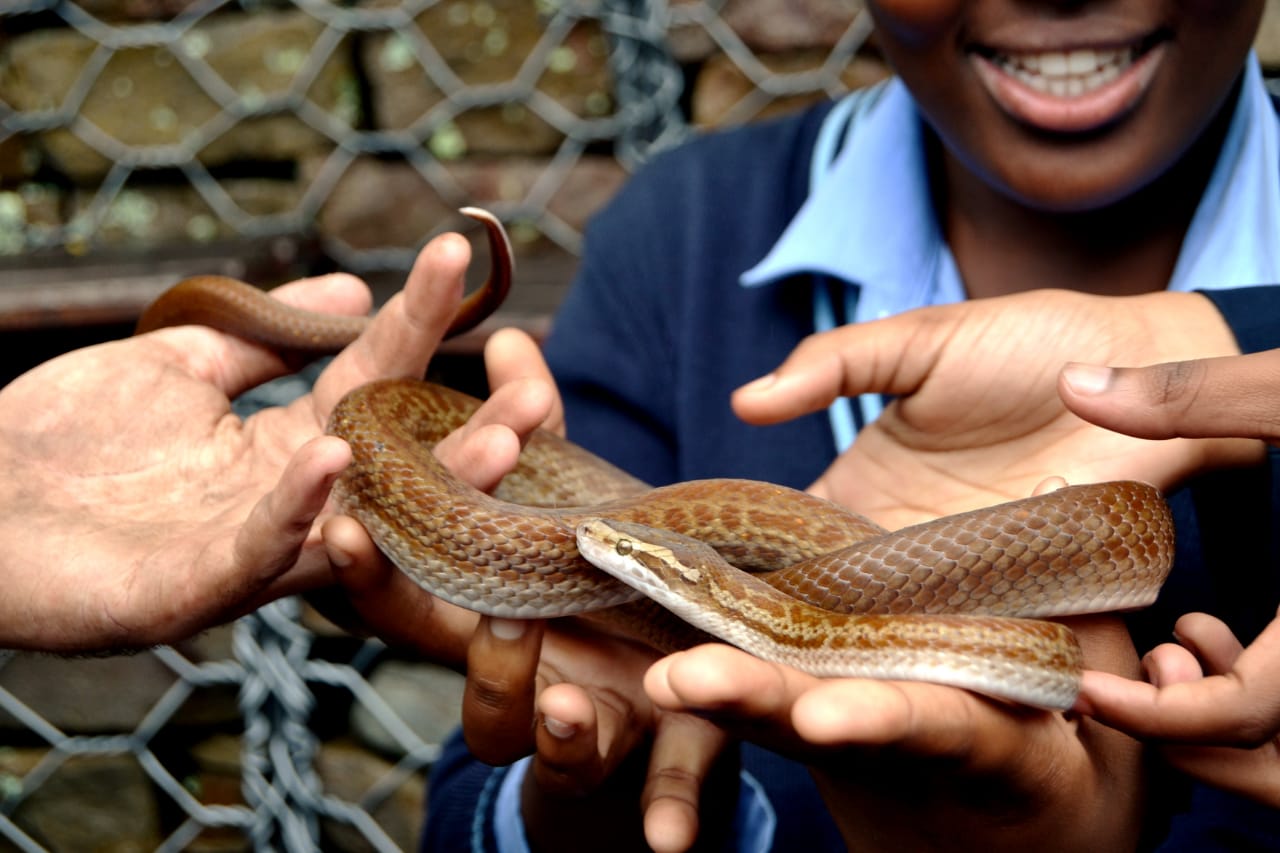
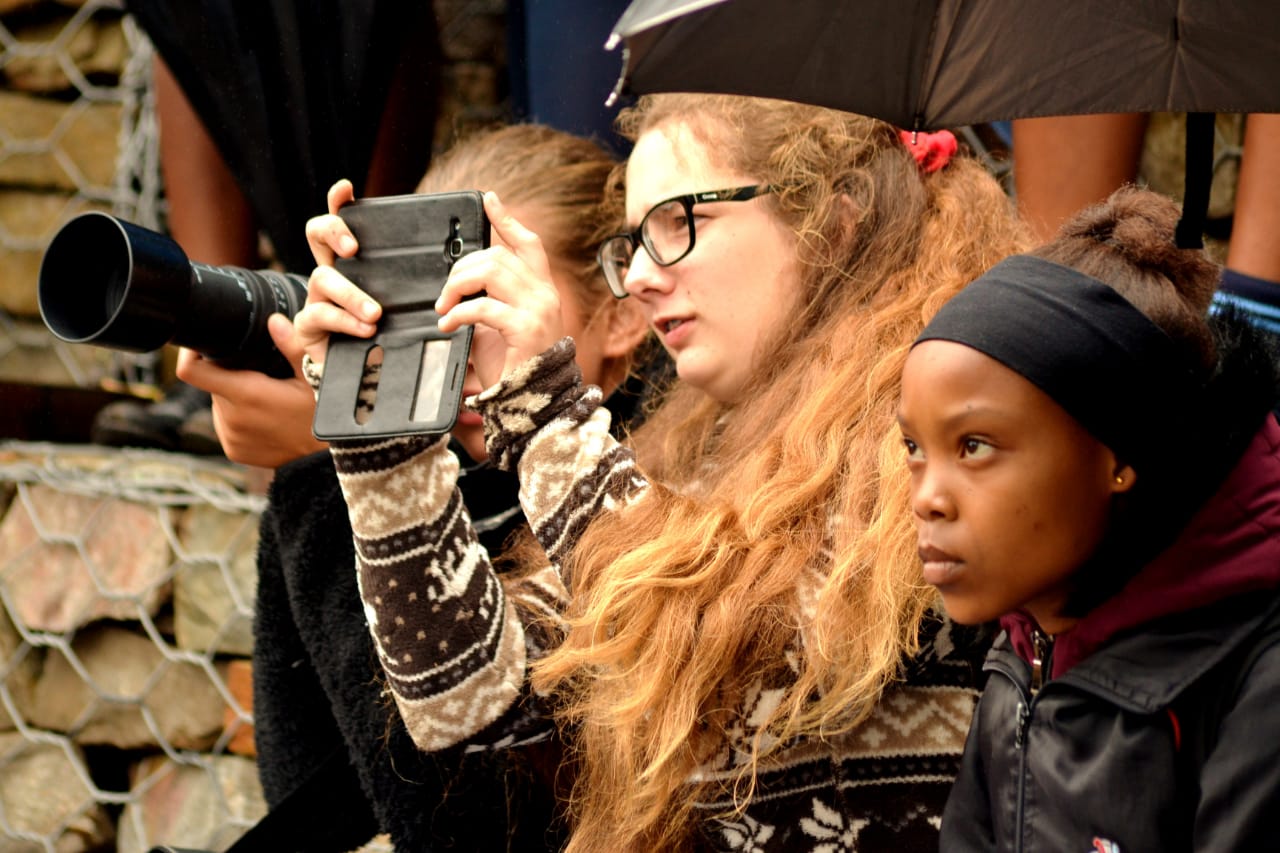
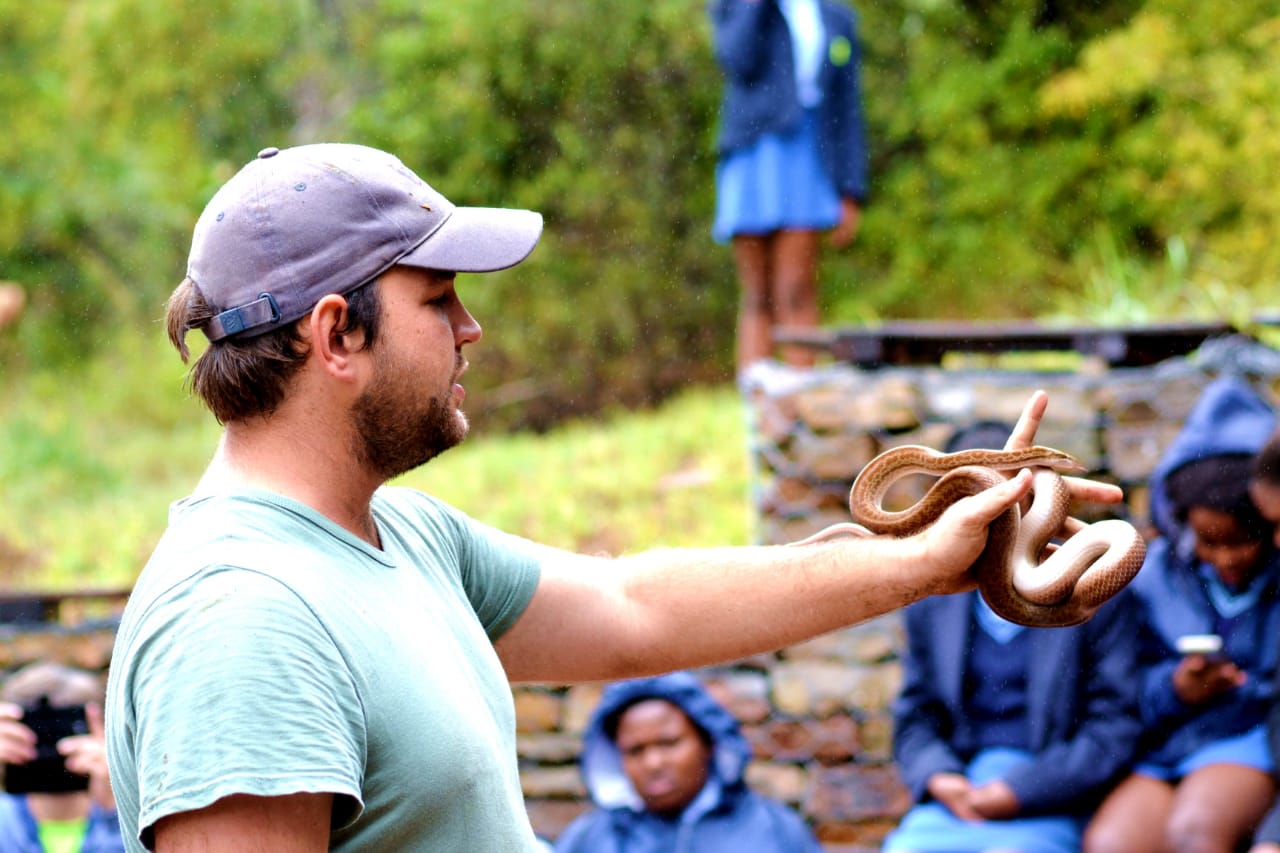
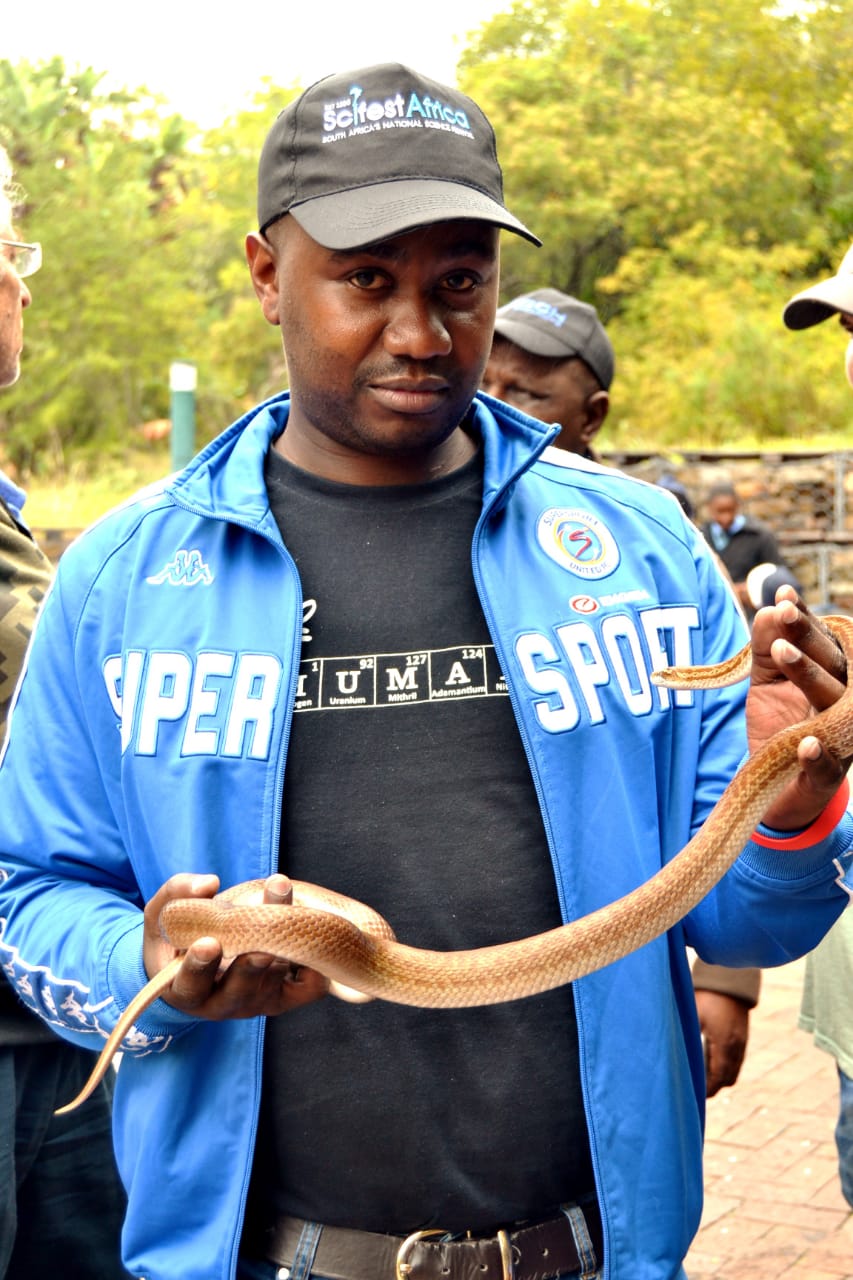
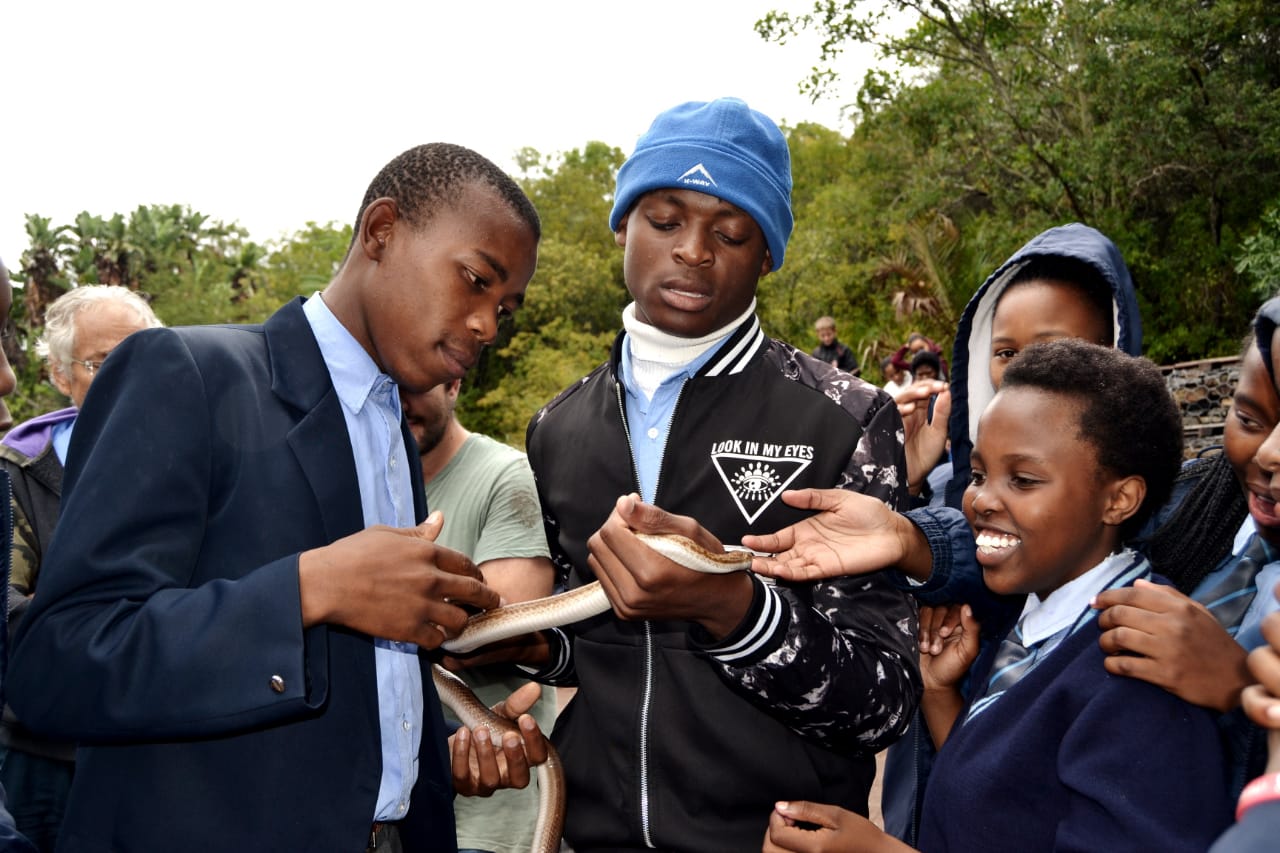
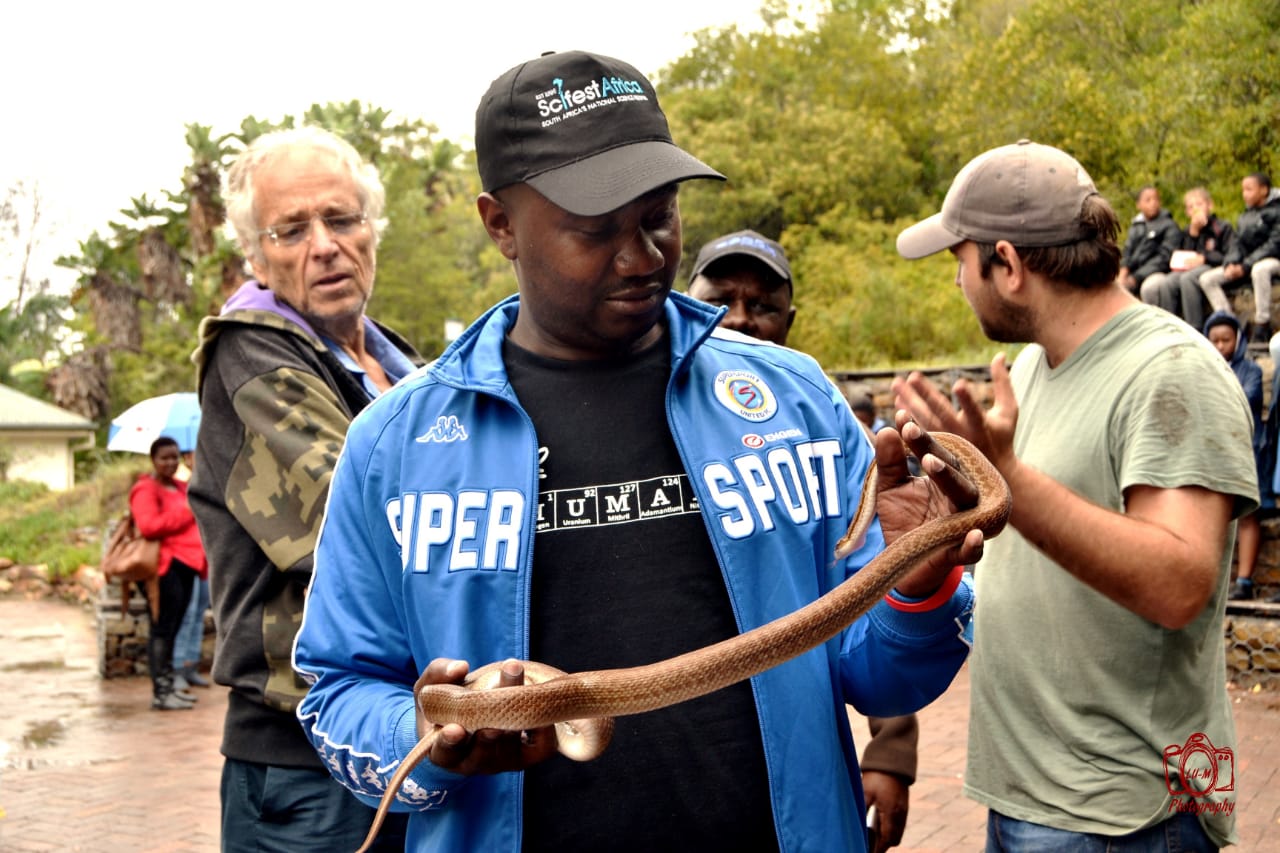
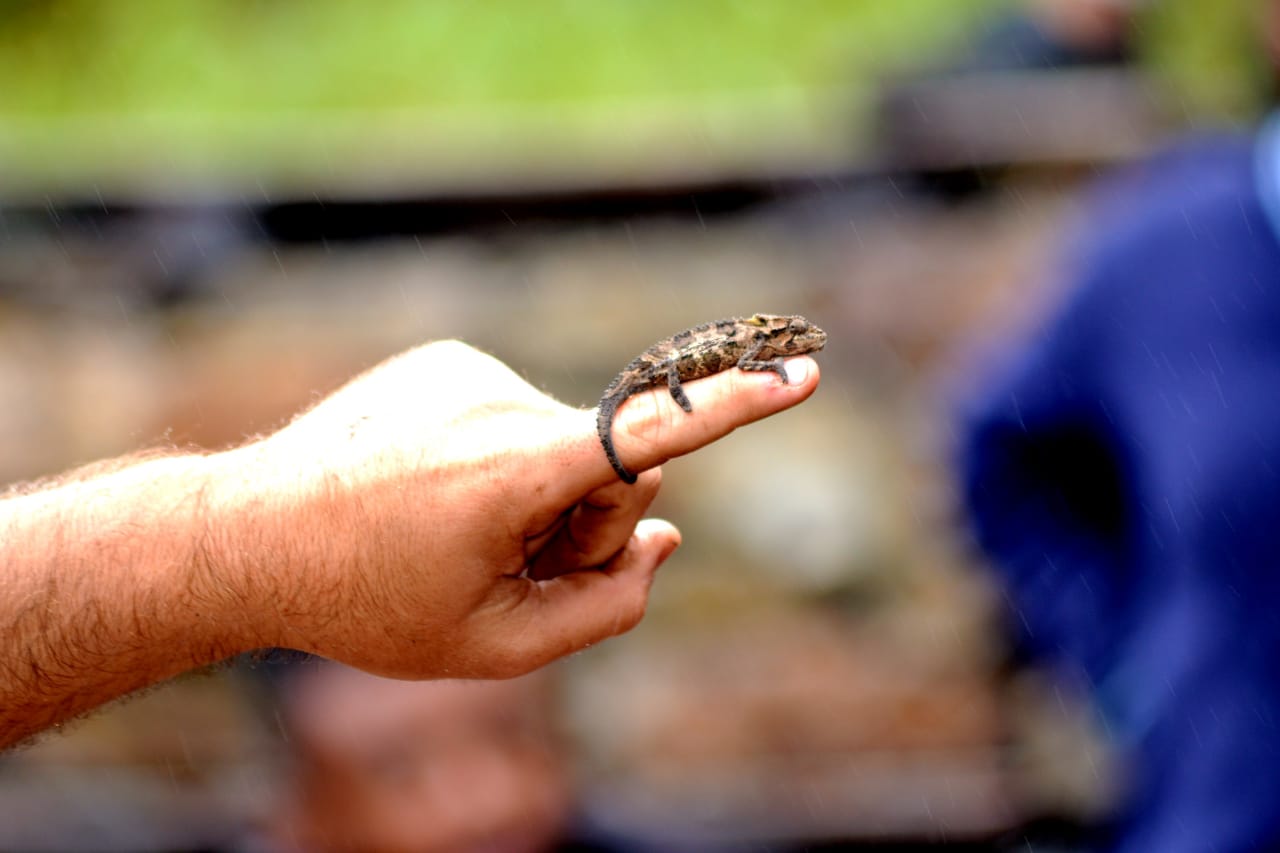
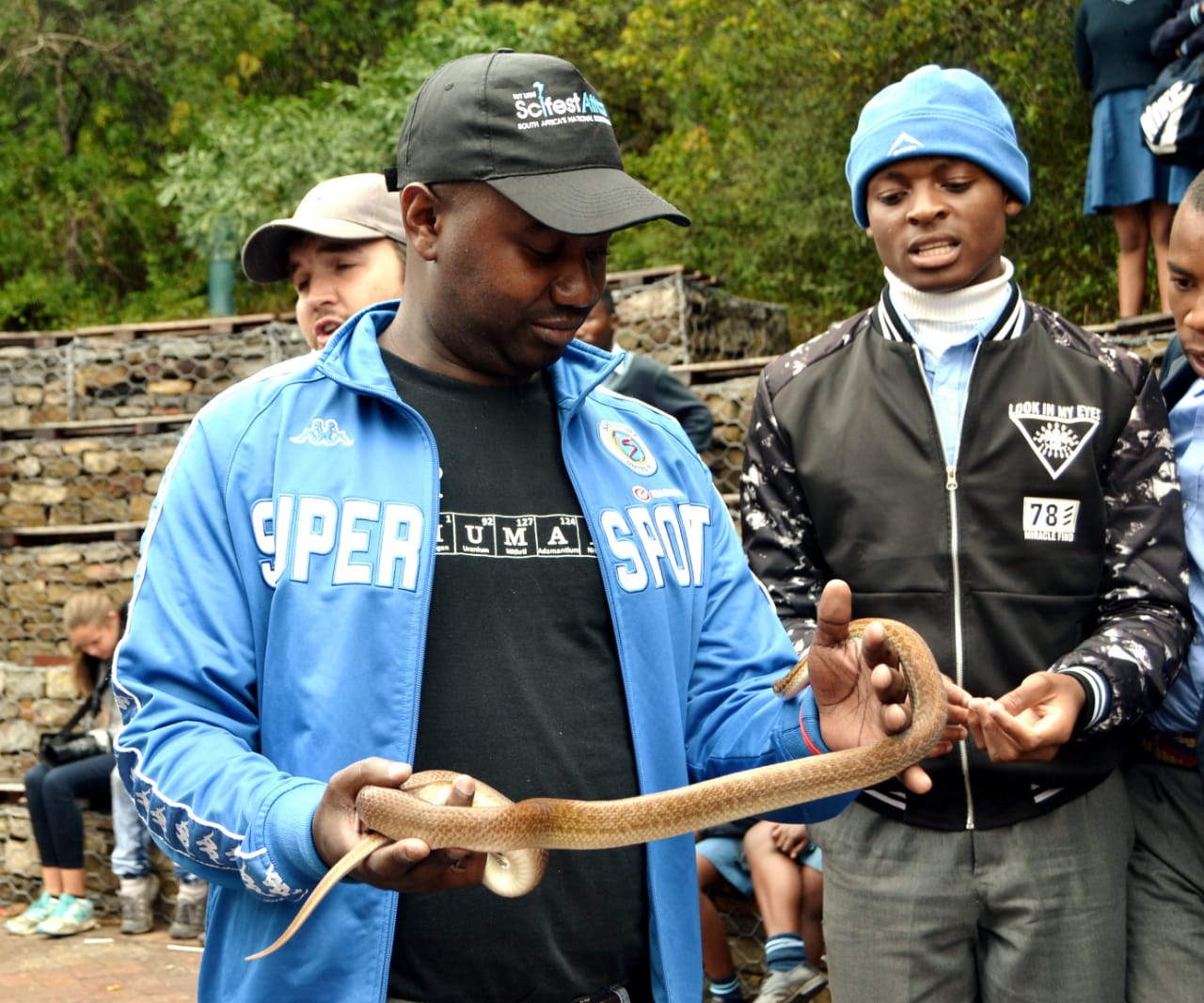

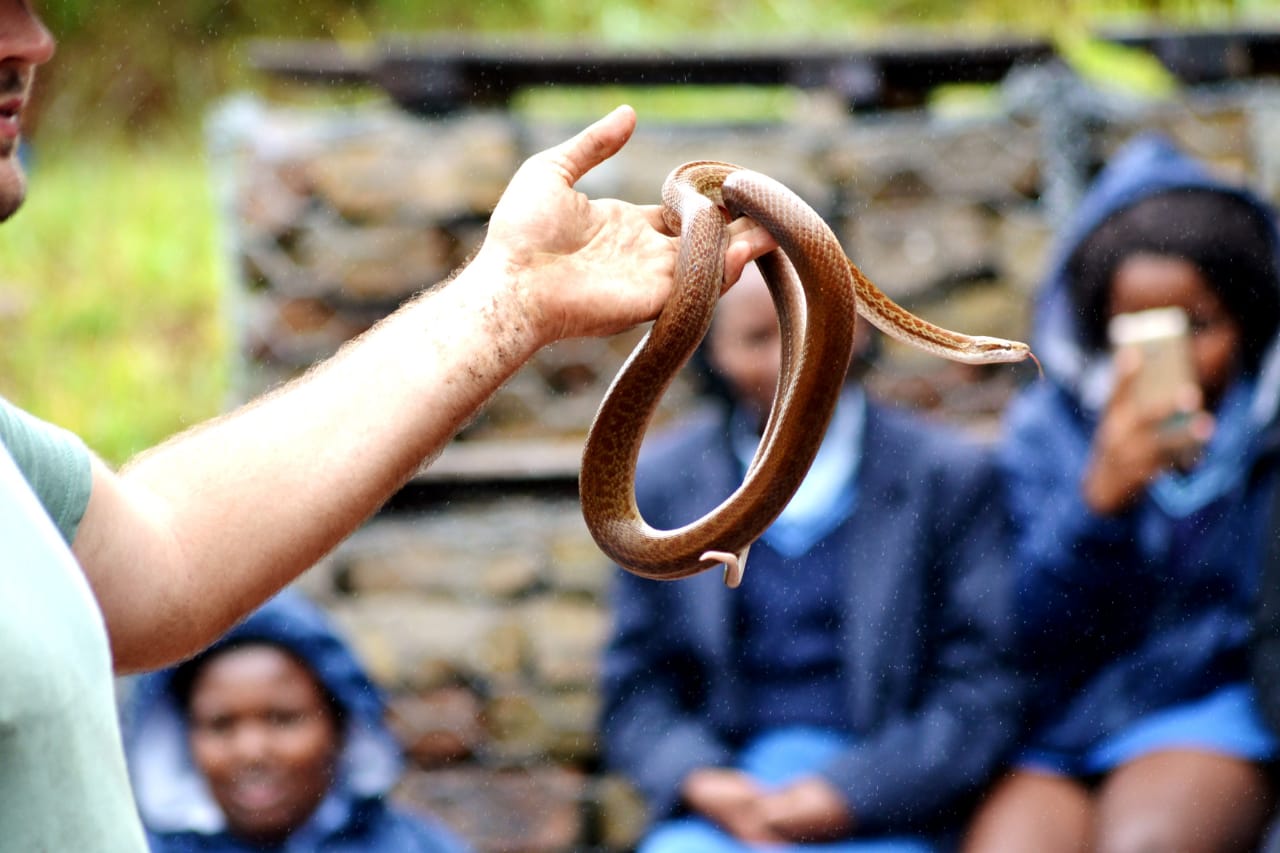
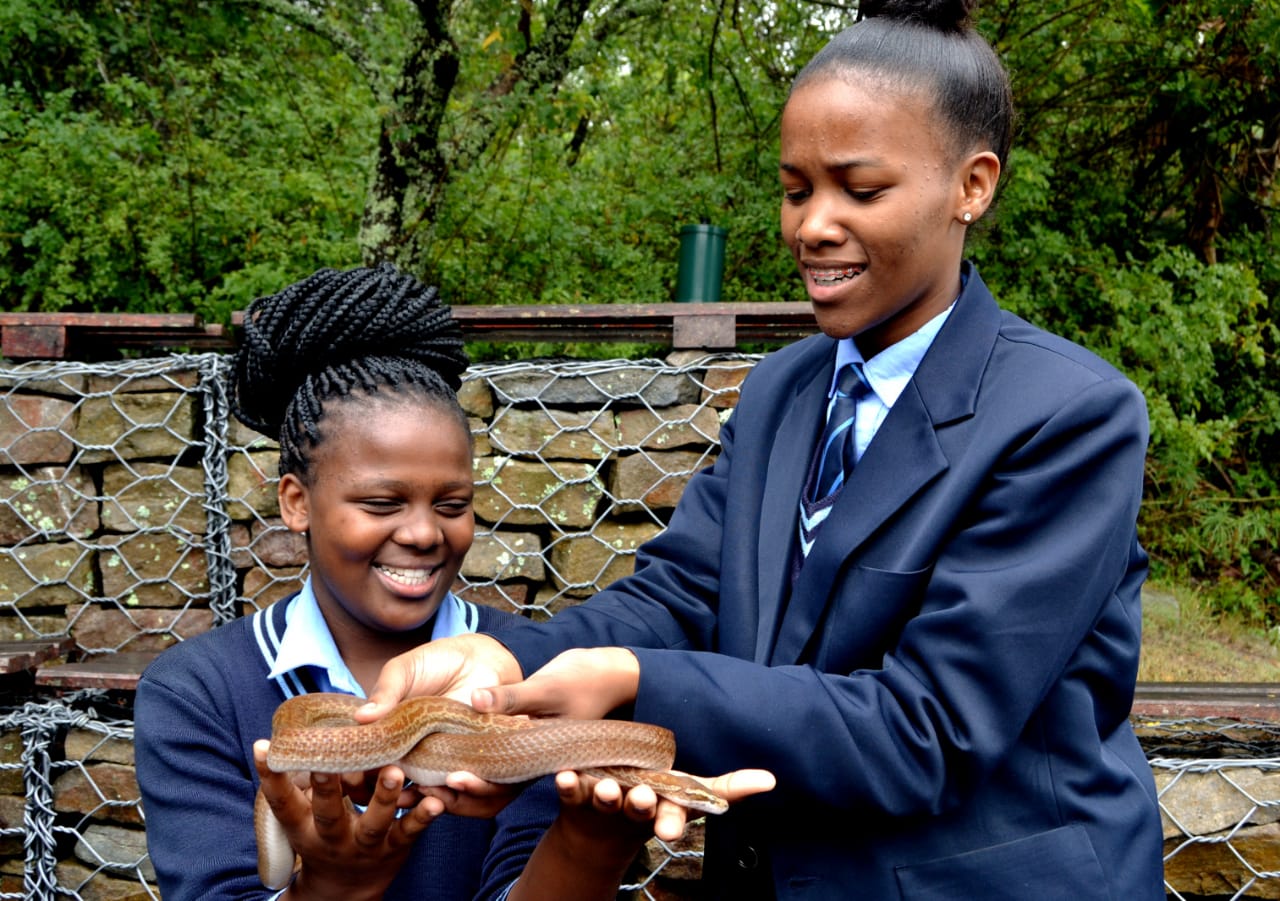
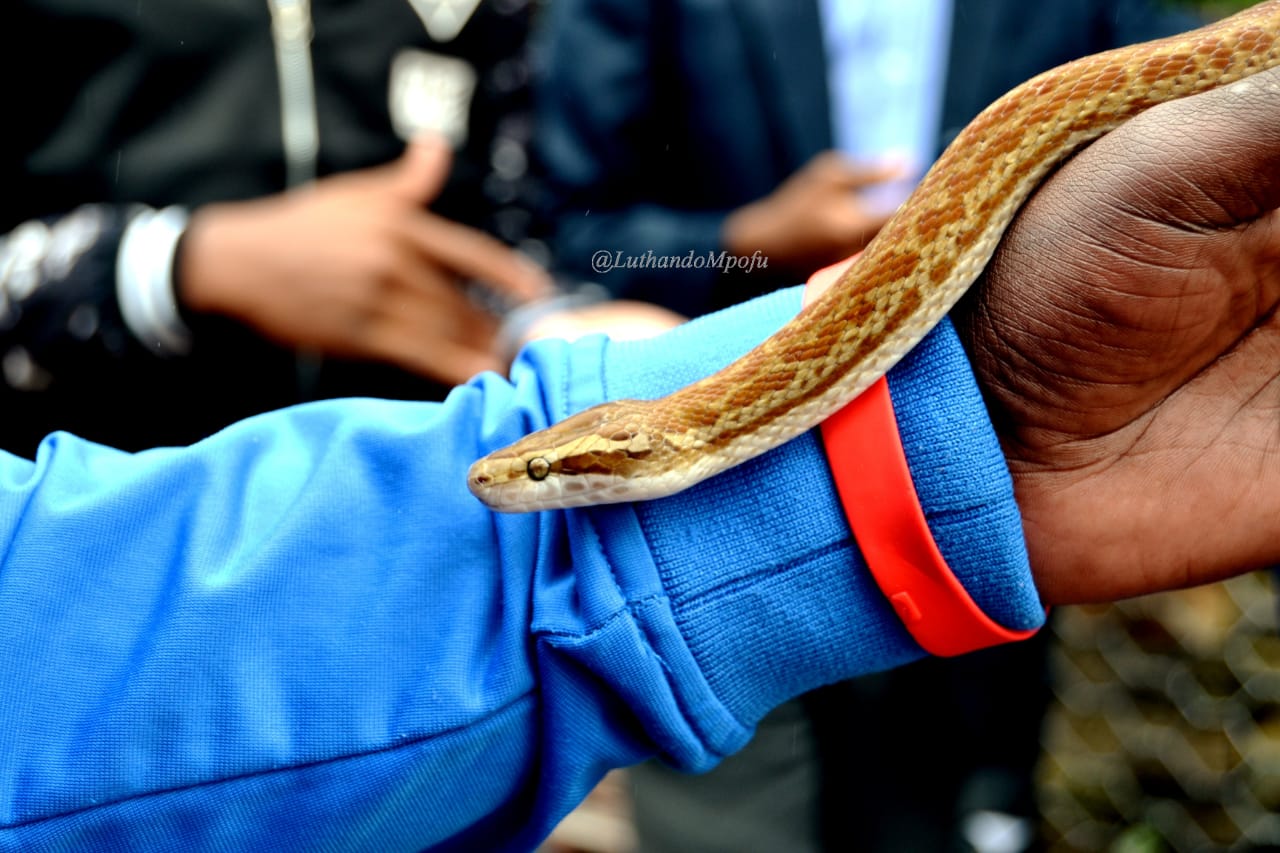
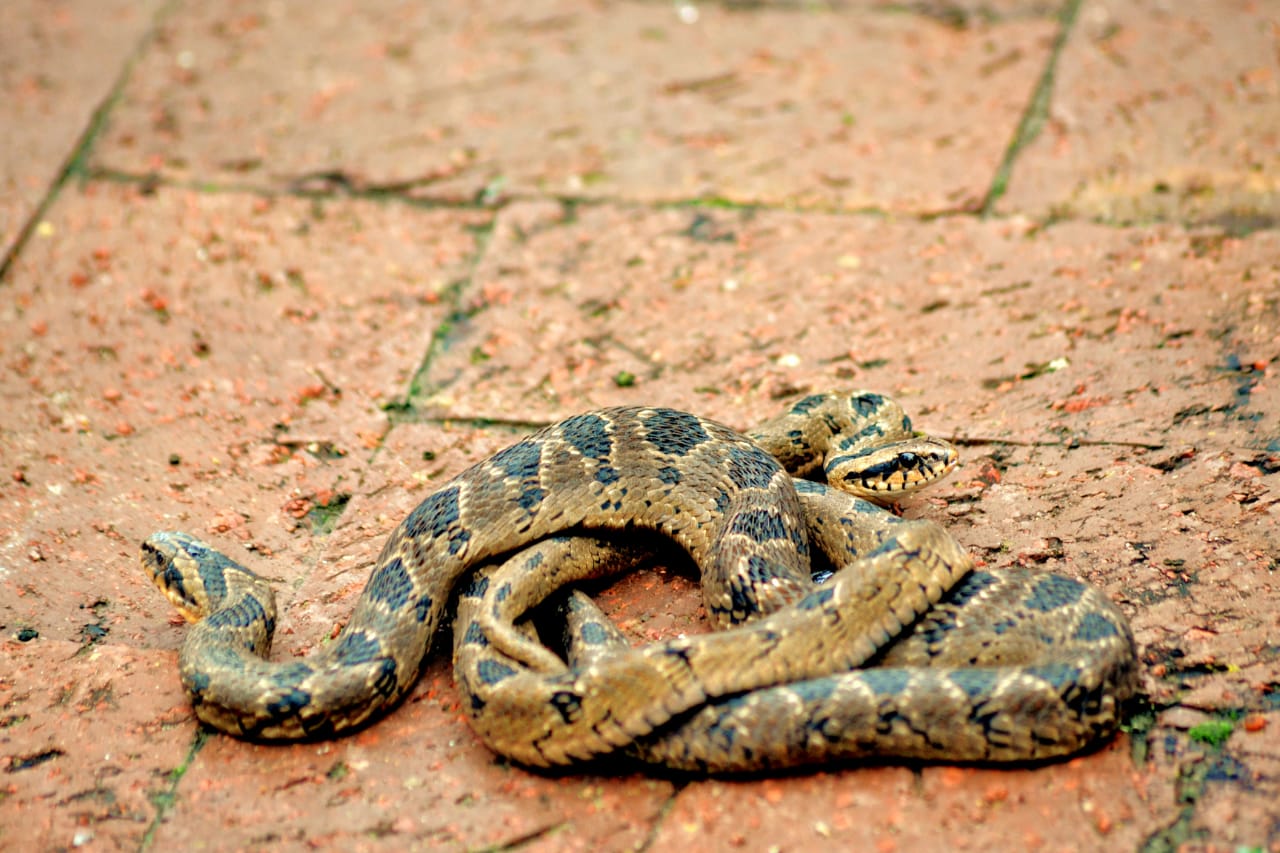
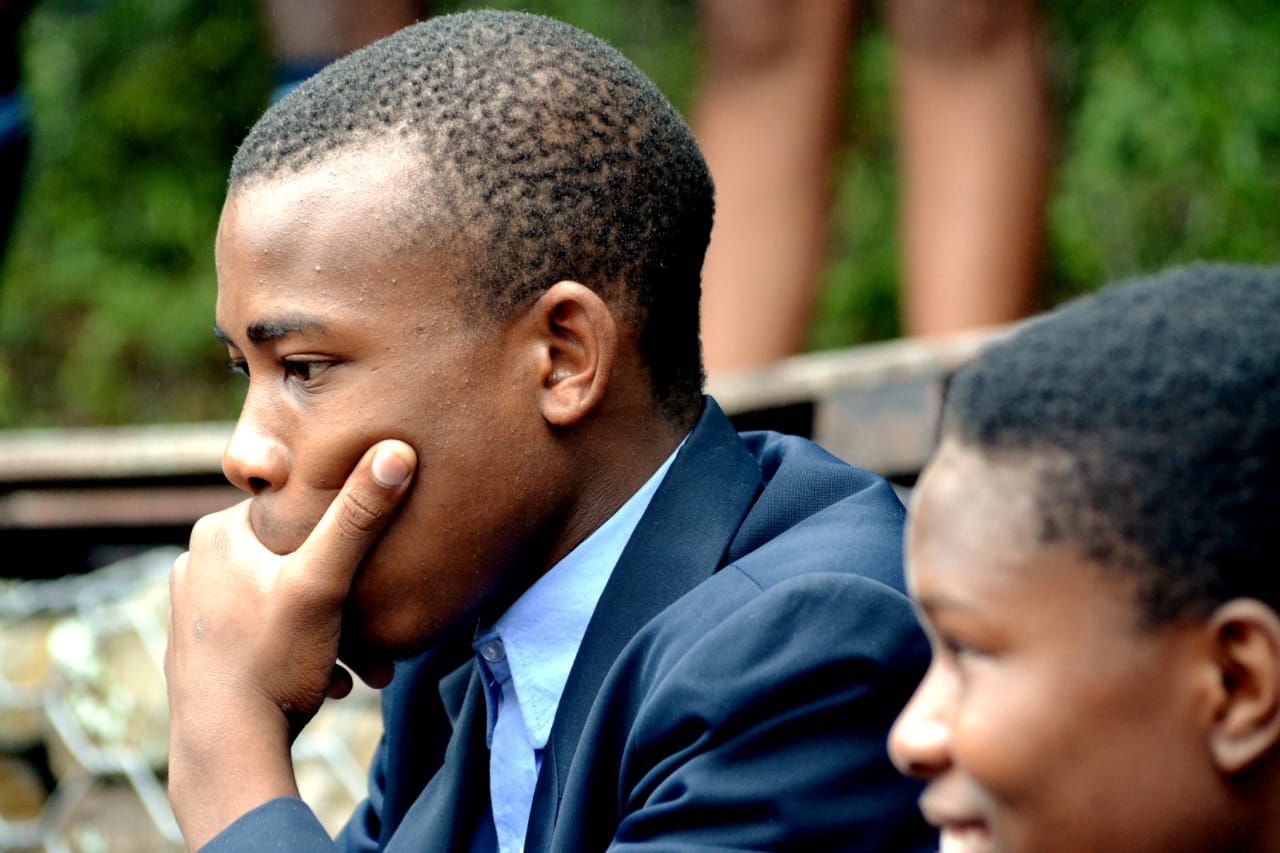
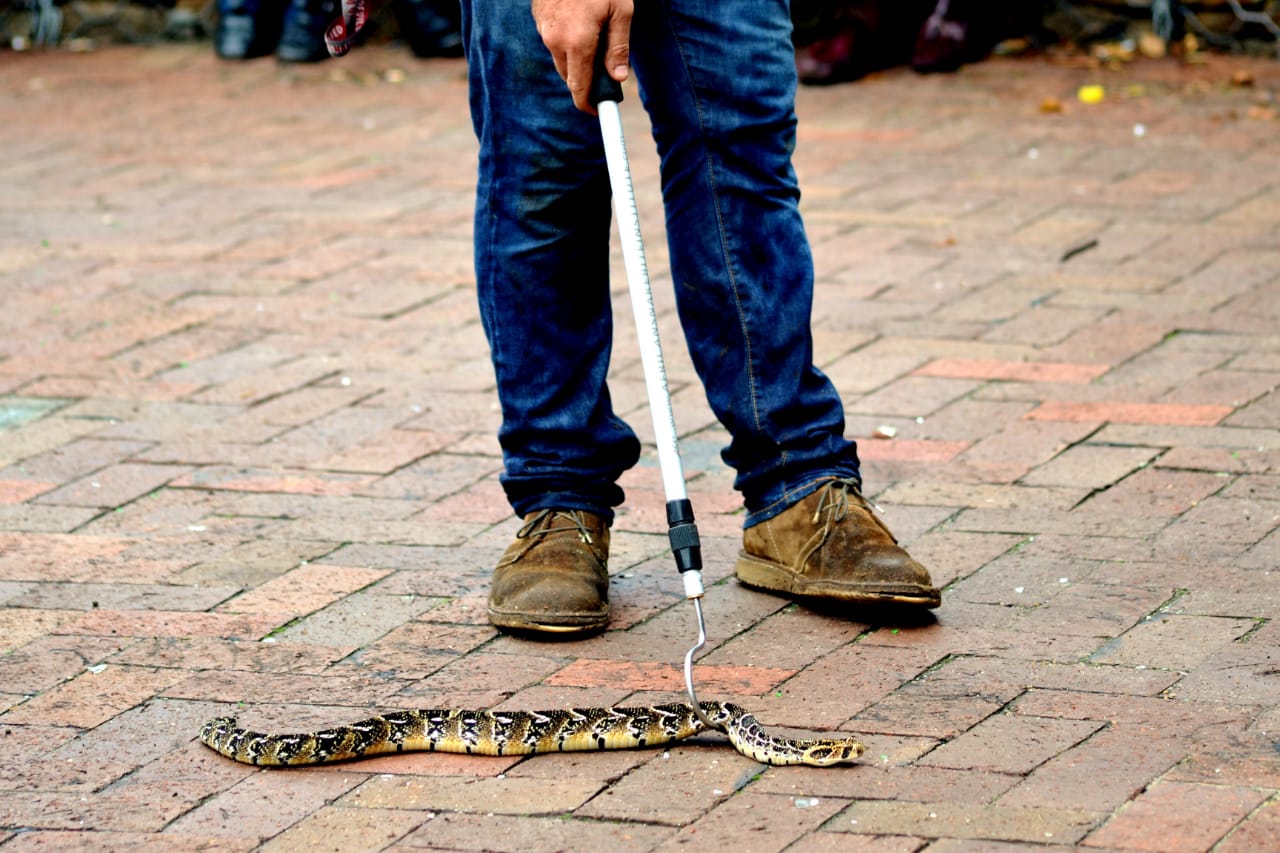
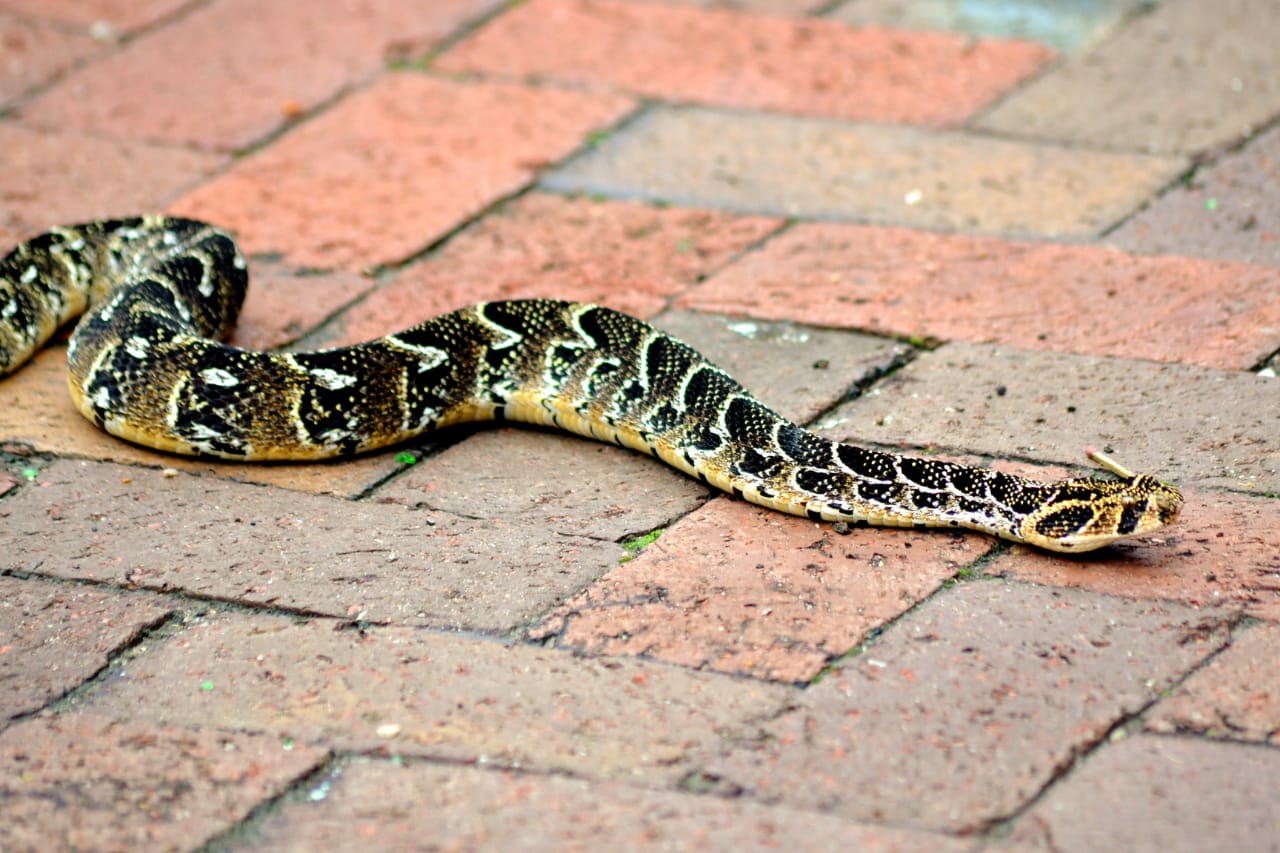
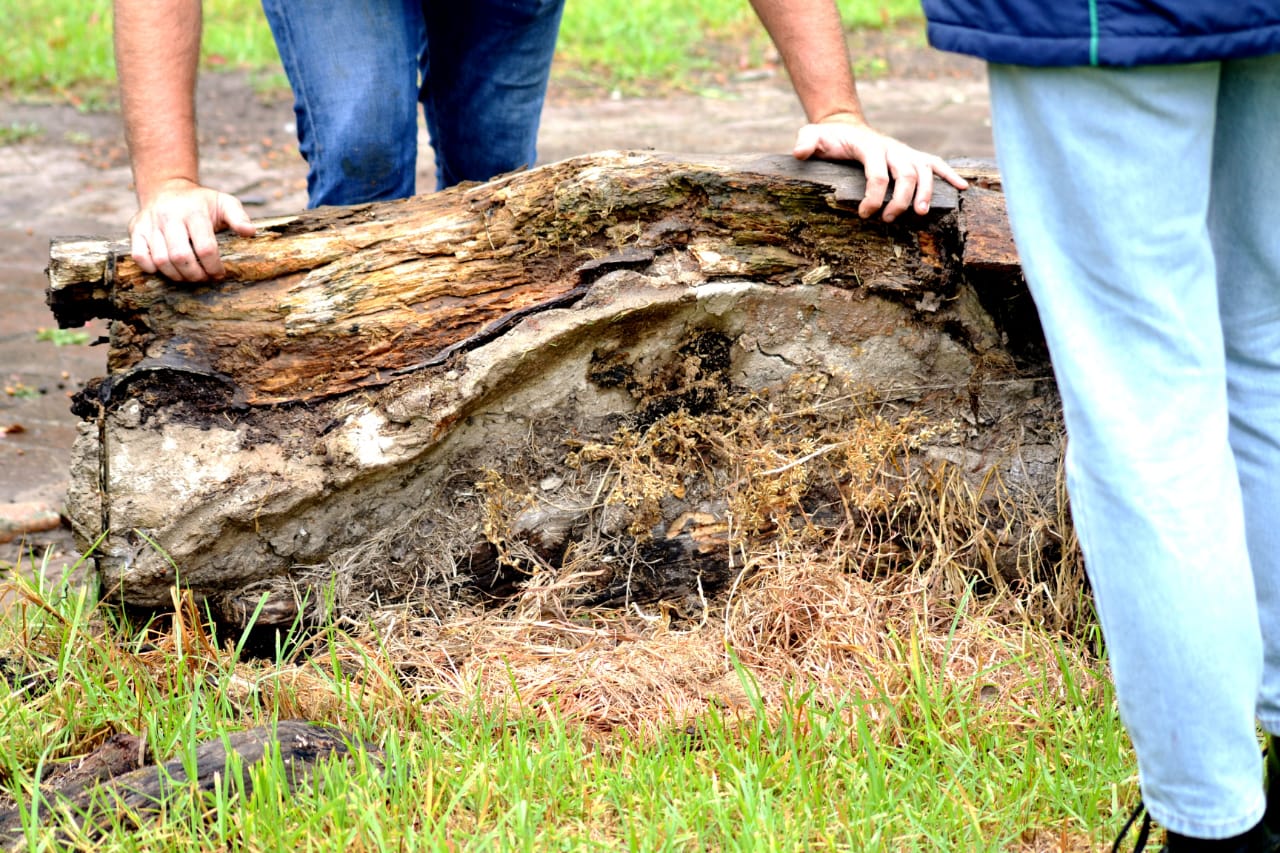
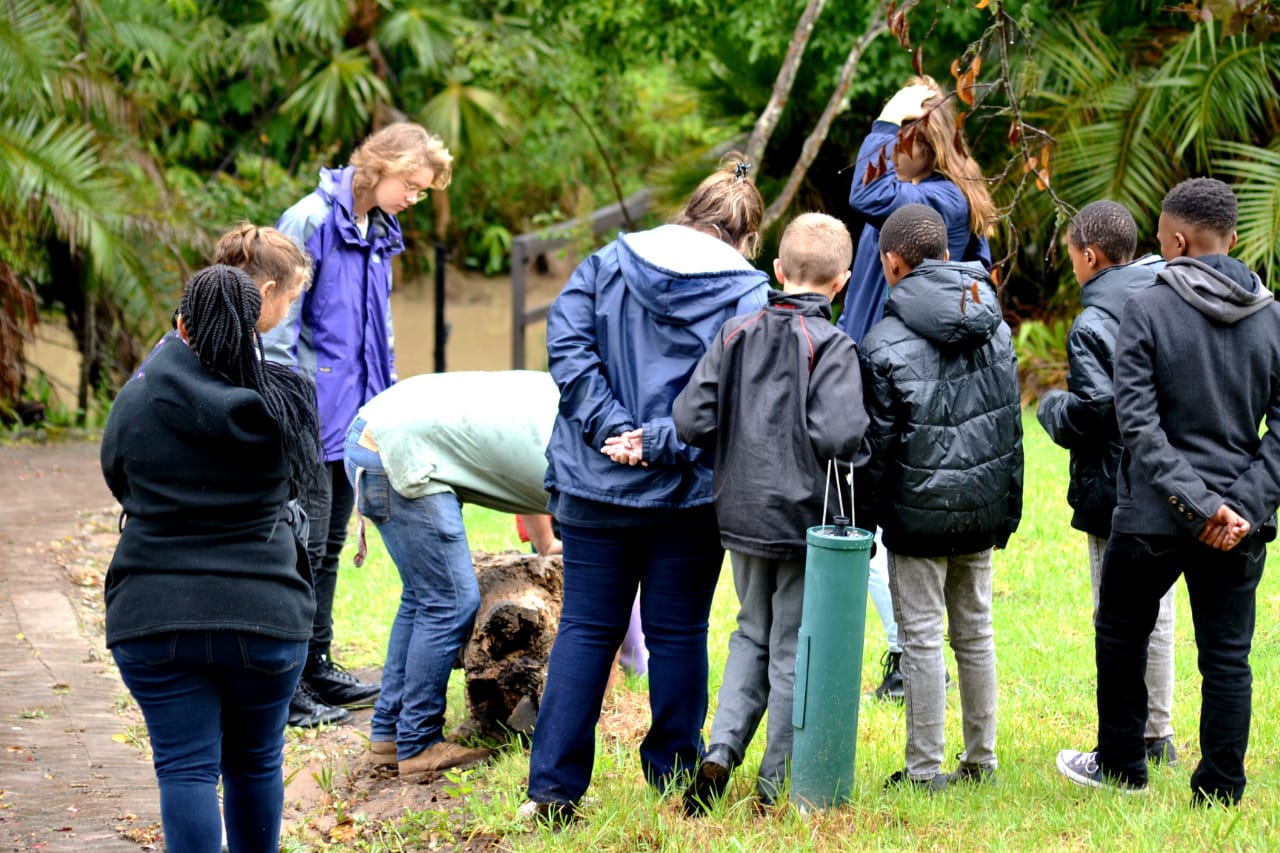
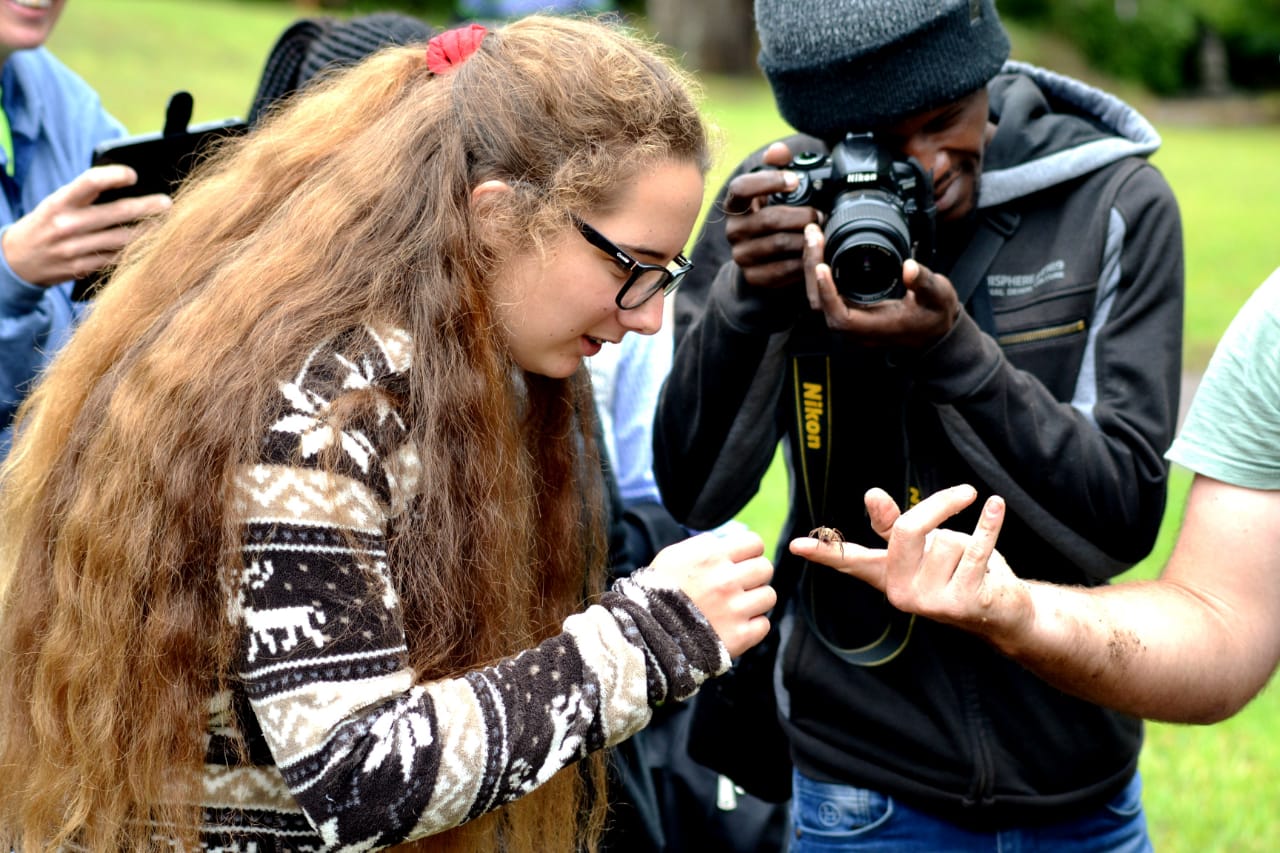
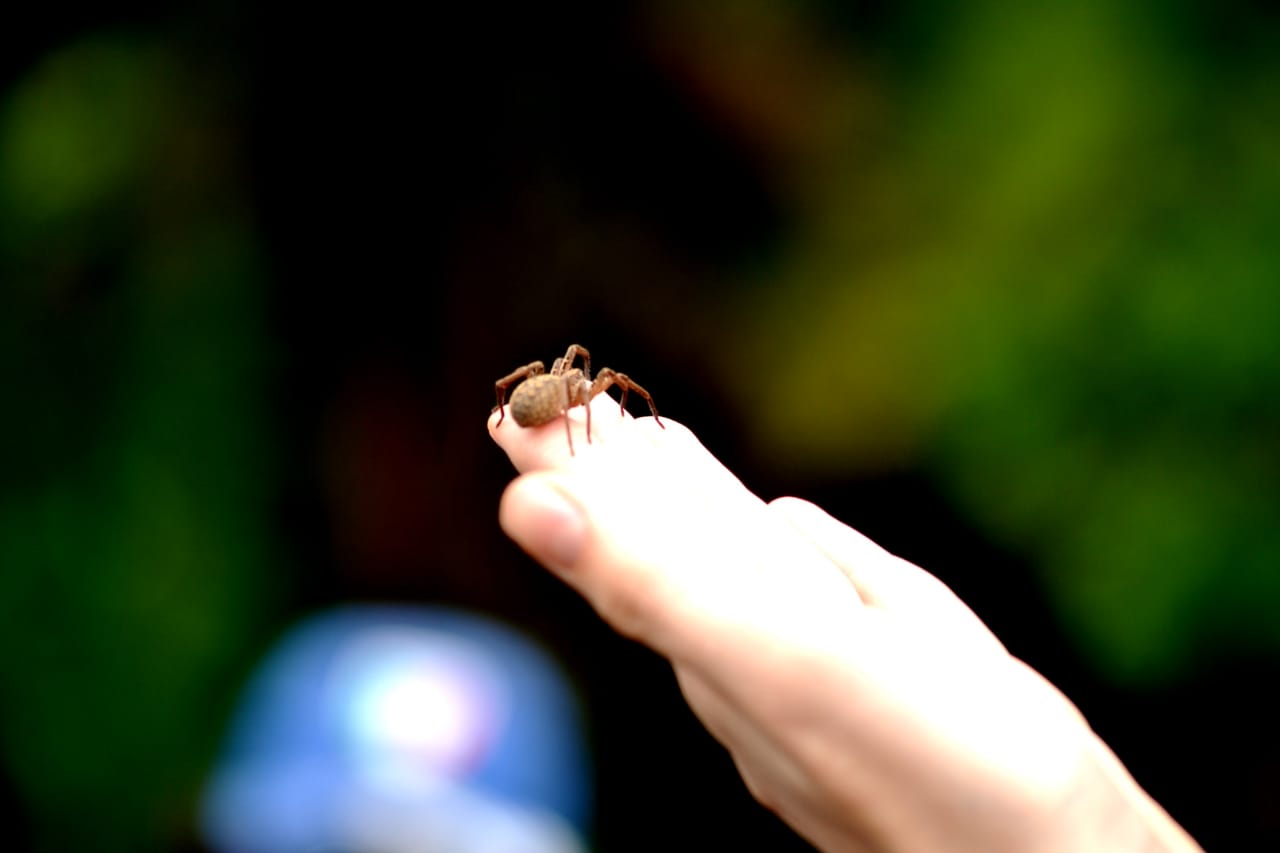
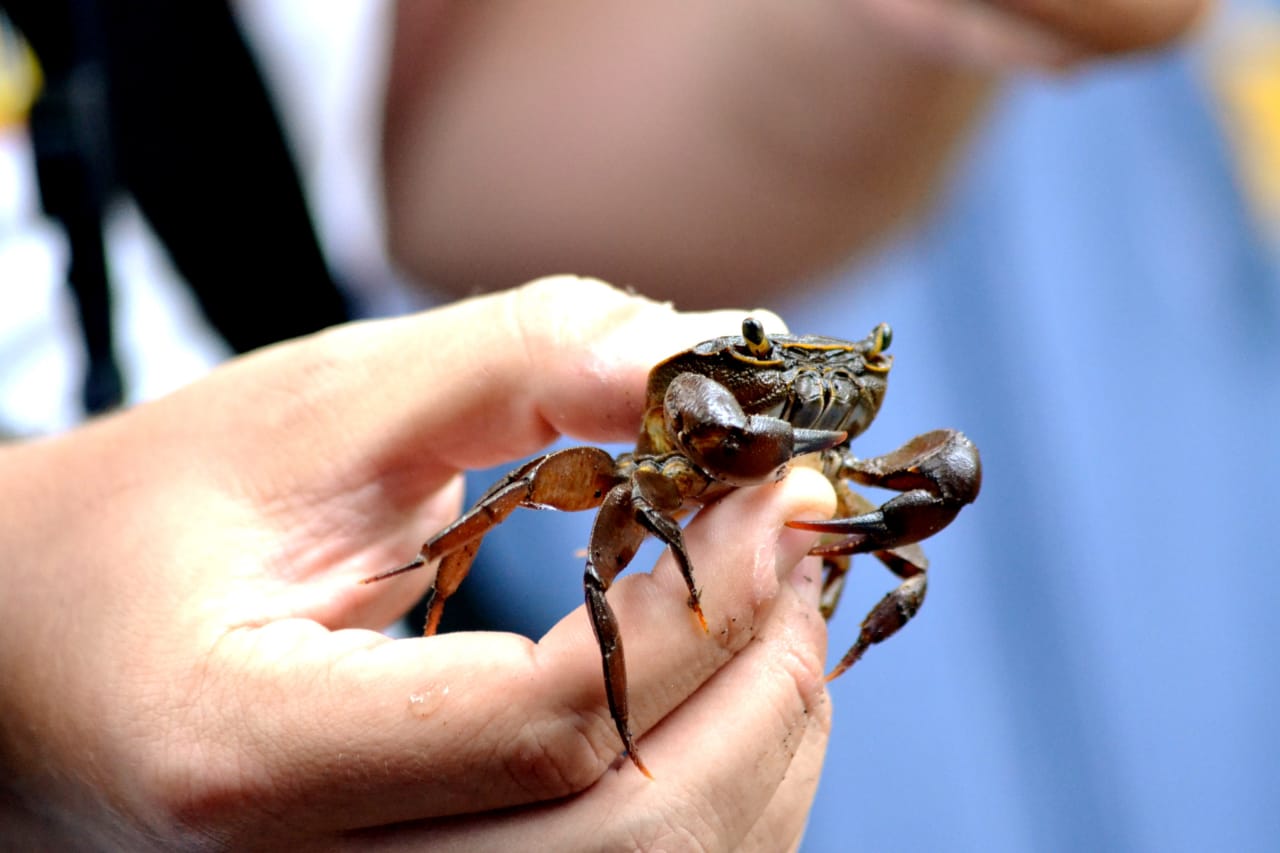
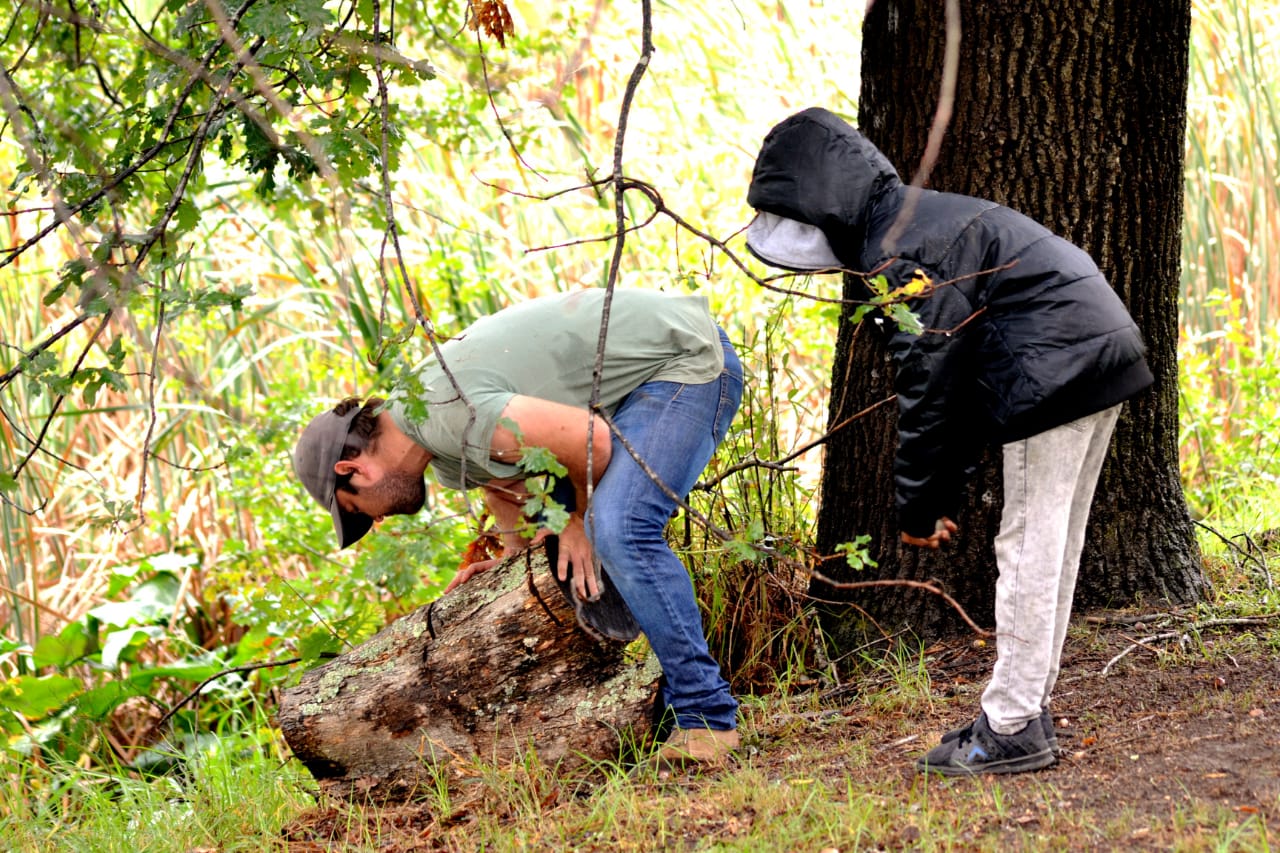
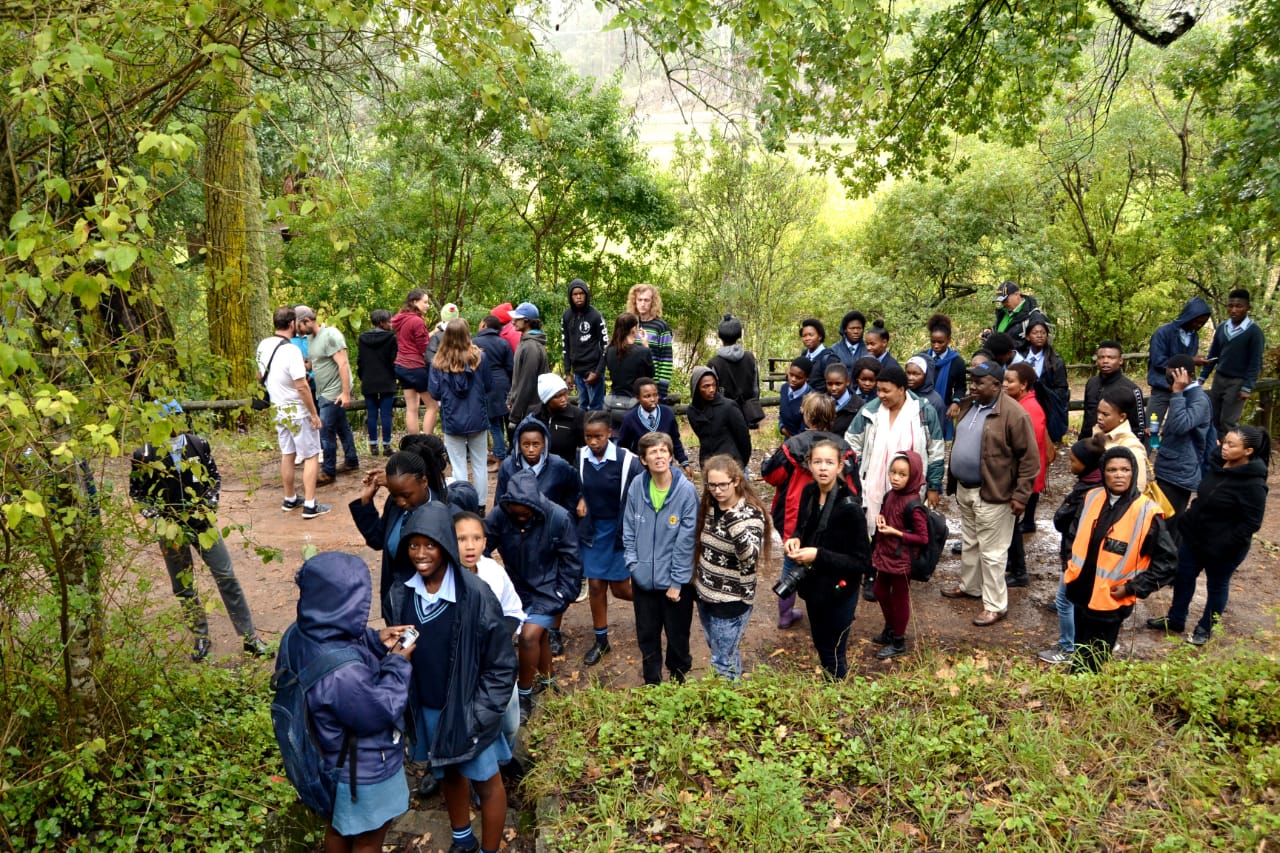
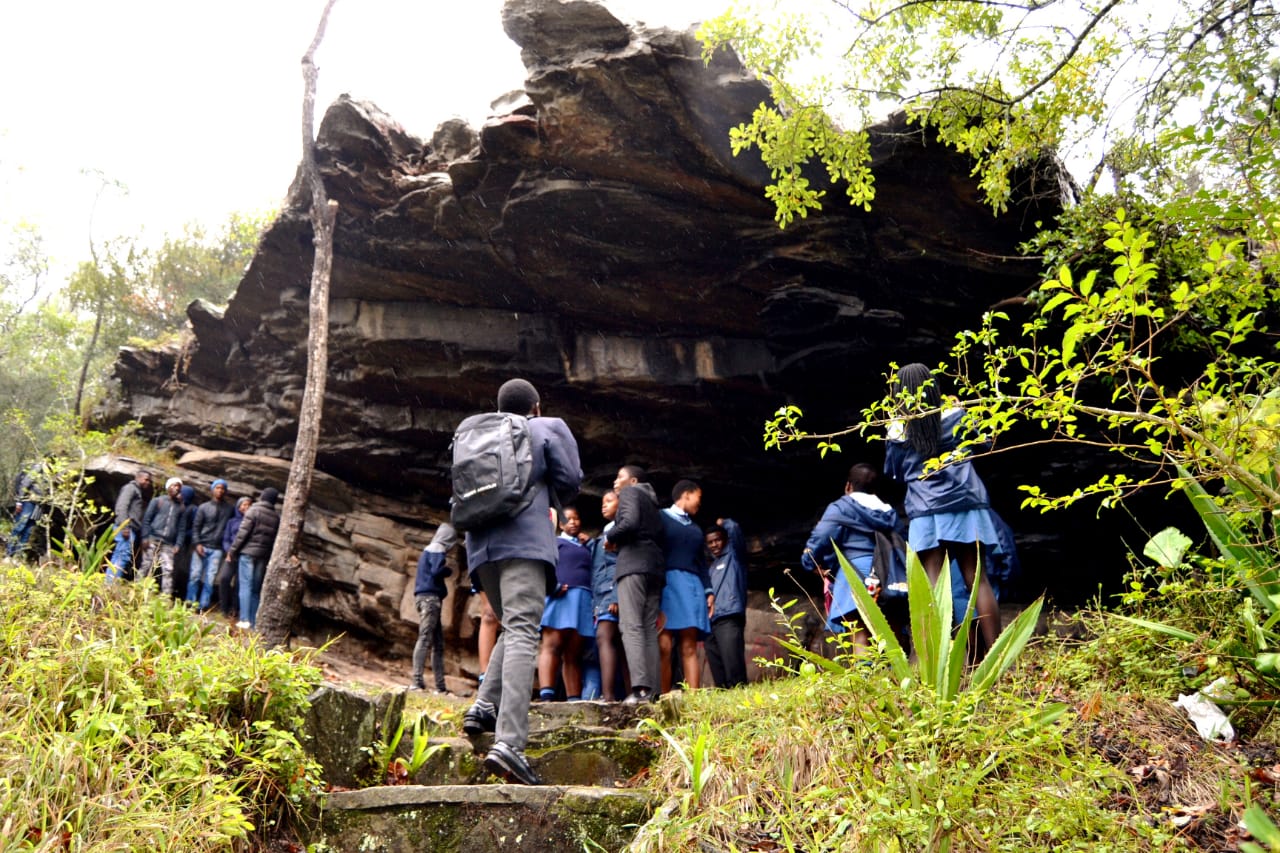
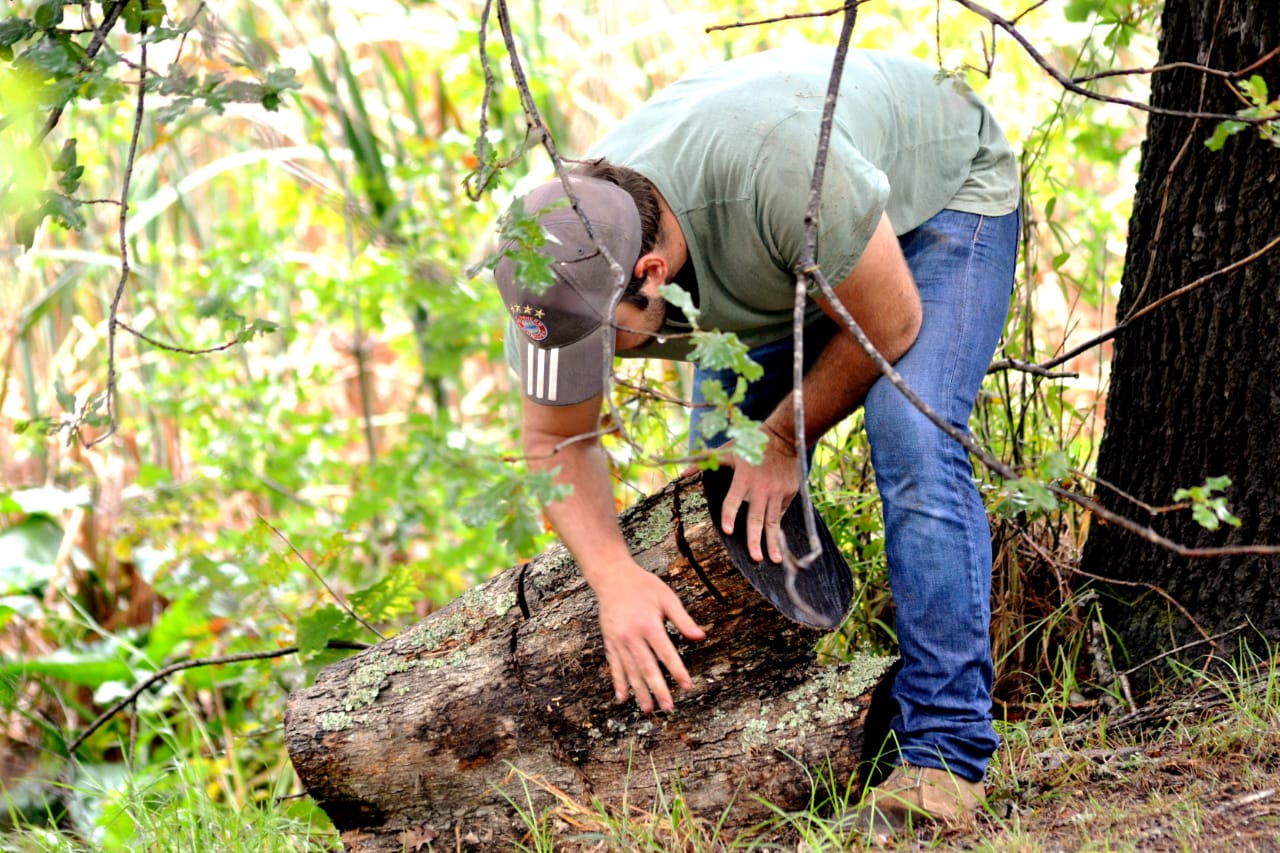
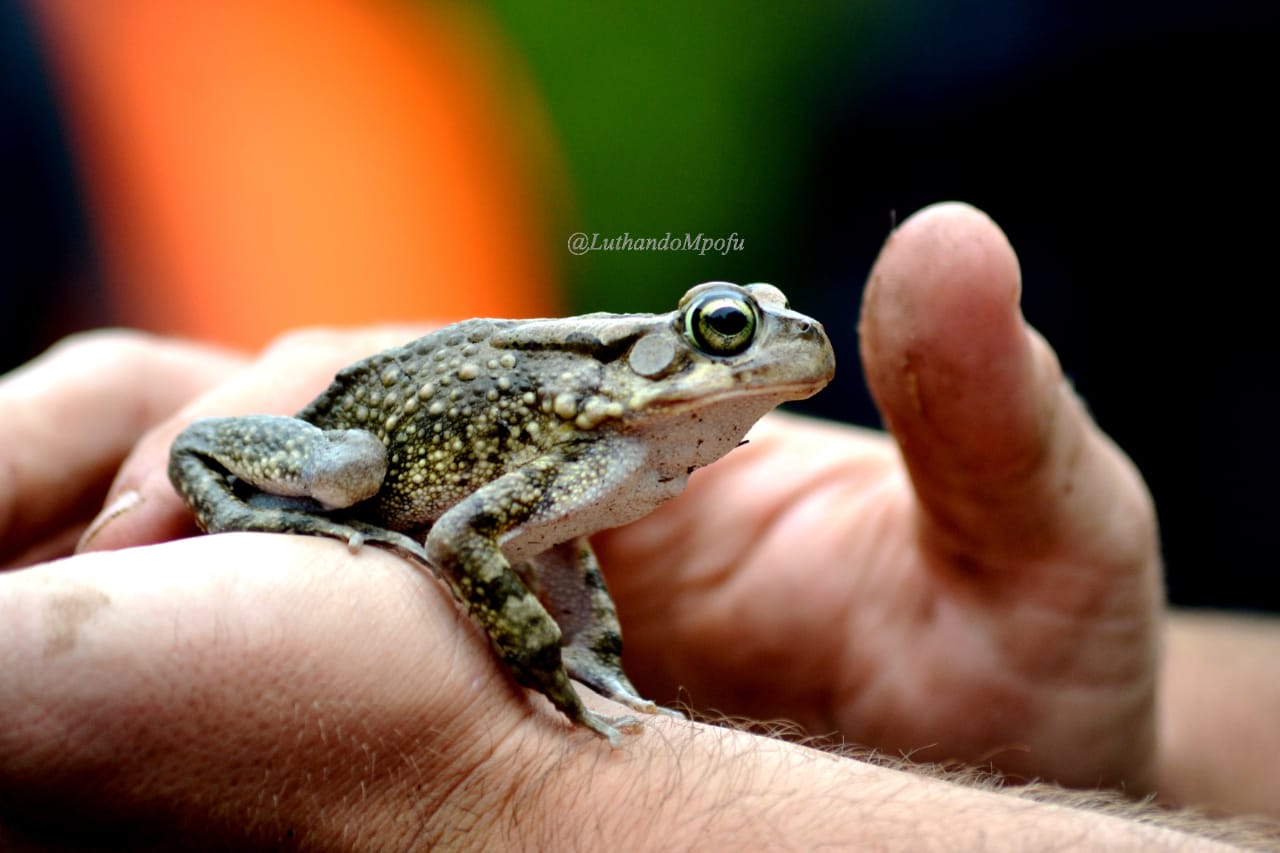
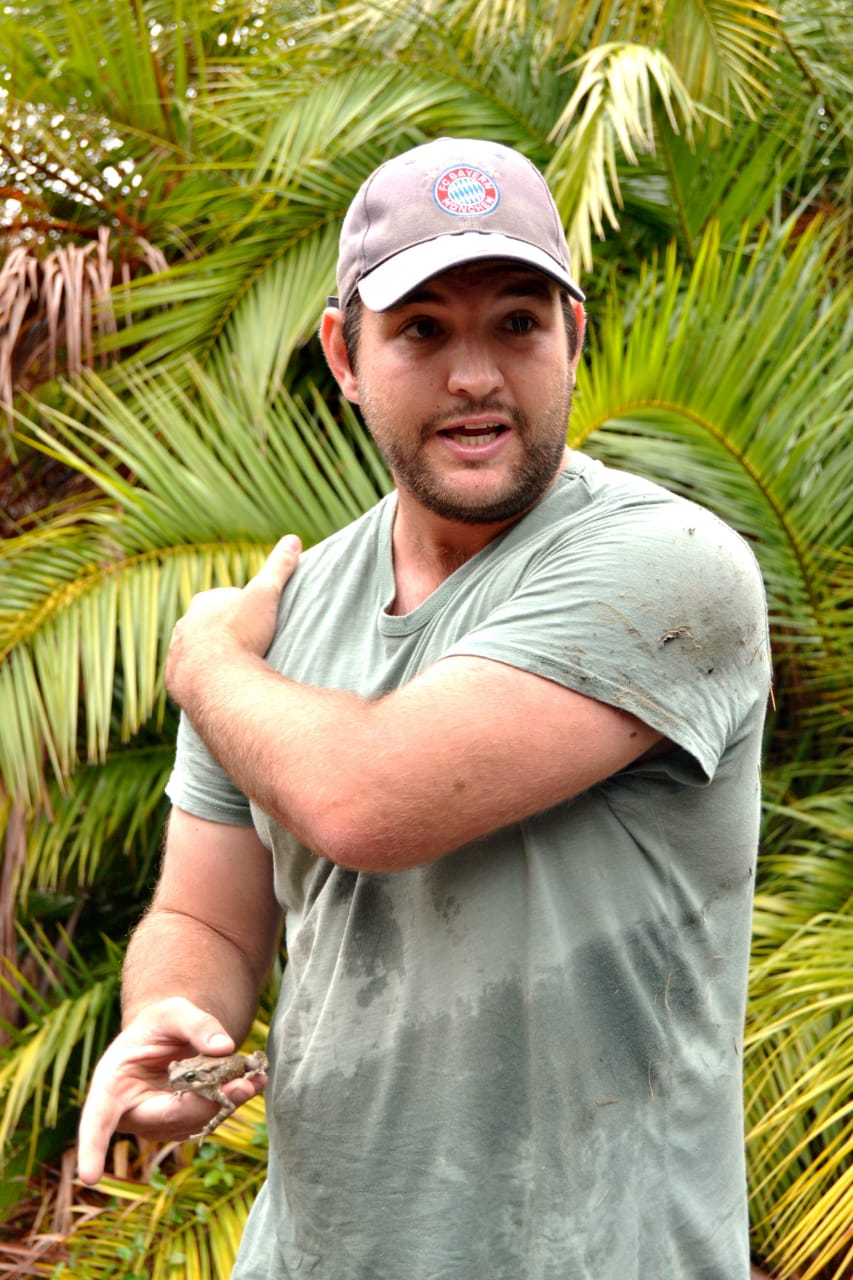
After the Bio-Bash and associated photography session, the students and mentors gathered for a photography crash course by the Rhodes Journalism Department. The day was capped off with me giving a short snake demonstration at the amphitheater at the bottom of the Botanical Gardens. At the end of the snake demo, I gave the kids the opportunity to handle some of the non-venomous on display. All in all, the day was a great success. Congratulations goes to both WESSA and Grocott’s Mail for organizing such an amazing event. Thanks also goes to both of them for allowing me to be part of such a worthwhile initiative. All Photos are property of Luthando Mpofu.
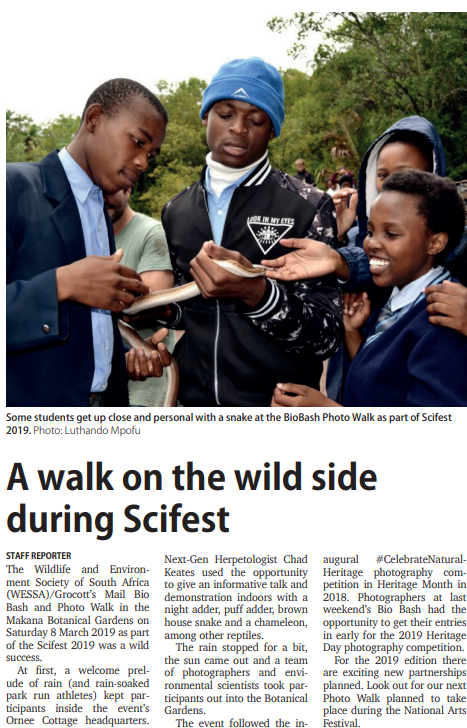
Check out the full article here: https://www.grocotts.co.za/wp-content/uploads/2019/04/15-March-2019.pdf

On the 11th of February 2019, I did a snake presentation for members of the Grahamstown Rotary Club at the Graemian Centre, Graeme College. The talk was well received with over 30 people attending on the day. I spoke about the common and endemic species of snake found in the Albany area, and what to do if one encounters a snake in their daily lives. In addition to detailing the snakes of the area, I also took the opportunity to discuss, in brief, the lizards, tortoises and scorpions found in the area. The talk was capped off with a short explanation of snake venom and what to do in the unlikely instance of a snakebite. Thank you to the Grahamstown Rotary Club for having me, and taking the opportunity to learn more about their local herpetofauna.

On the 27th of March 2019, I did a chameleon presentation for members of the Men’s League in Grahamstown. It was the second time I had addressed the group as I had spoken to the group a year before on the ‘Snakes of Grahamstown’. This time around I spoke about chameleons, their biology, and the different species found throughout South Africa. I capped the talk off with a short discussion of the myths surrounding the animals and the threats facing them. Thank you to the Men’s League for having me, and taking the opportunity to learn more about their local herpetofauna.

On the 12th of February 2019, I did a snake presentation for members of the Port Alfred Garden Club at the Port Alfred Gold Club. The talk was well received with over 50 people attending on the day. I spoke about the common and endemic species of snake found in the Albany area, and what to do if one encounters a snake in their daily lives. In addition to detailing the snakes of the area, I also took the opportunity to discuss, in brief, the lizards, tortoises and scorpions found in the area. The talk was capped off with a short explanation of snake venom and what to do in the unlikely instance of a snakebite. Thank you to the Port Alfred Garden Club for having me, and taking the opportunity to learn more about their local herpetofauna.

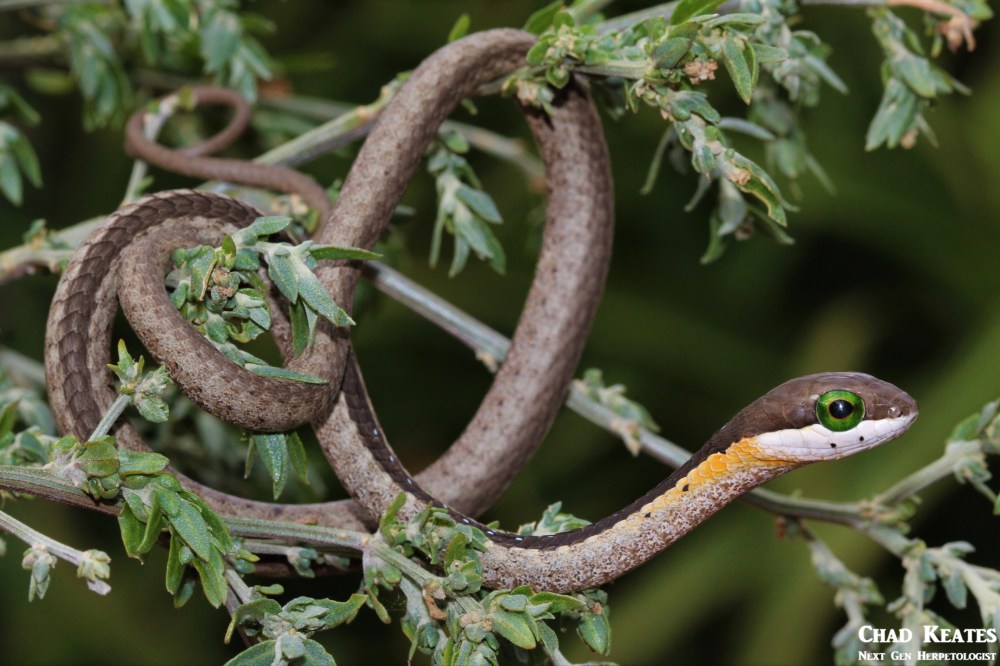
I am proud to announce that I have won best photo for the Terrestrial Vertebrate Category (Juvenile Boomslang) of the 2019 Zoology and Entomology Photo Competition. My prize was to have my photo hung up in the foyer of the Life Sciences Building. Thanks to all that voted.
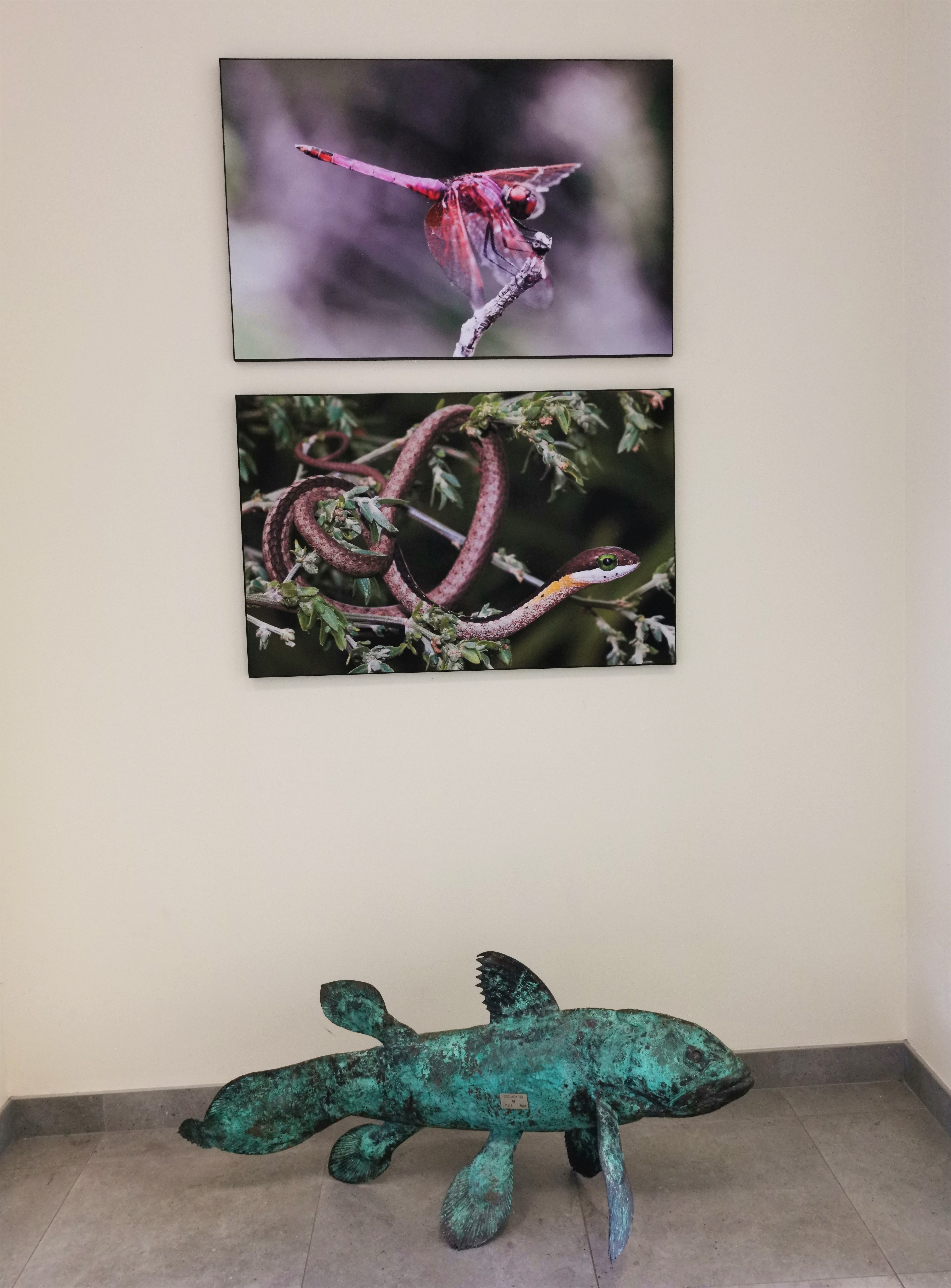
Winning Photo

On 16 December 2018, I ventured to Morgans bay, Eastern Cape with Megan Reid, for one night in search of as many as ‘herps’ as I could find. Whilst I was keen to see anything, I was particularly keen to see the regionally endemic Kentani Dwarf Chameleon (Bradypodion kentanicum), that calls Morgans Bay home. I stayed at the beautiful Yellowwood Forest Campsite, http://www.yellowwoodforest.co.za/, and managed to find many species of reptile and frog on the property itself.


All in all, it was a great trip with over 15 species of reptile and amphibian found. The two most memorable finds would probably be the Yellow-striped Reed Frog (Hyperolius semisdiscus) and the Kentani Dwarf Chameleon (Bradypodion kentanicum). I will definetly be returning in the future.
Some of the Species Found:
Raucous Toad (Sclerophrys capensis)
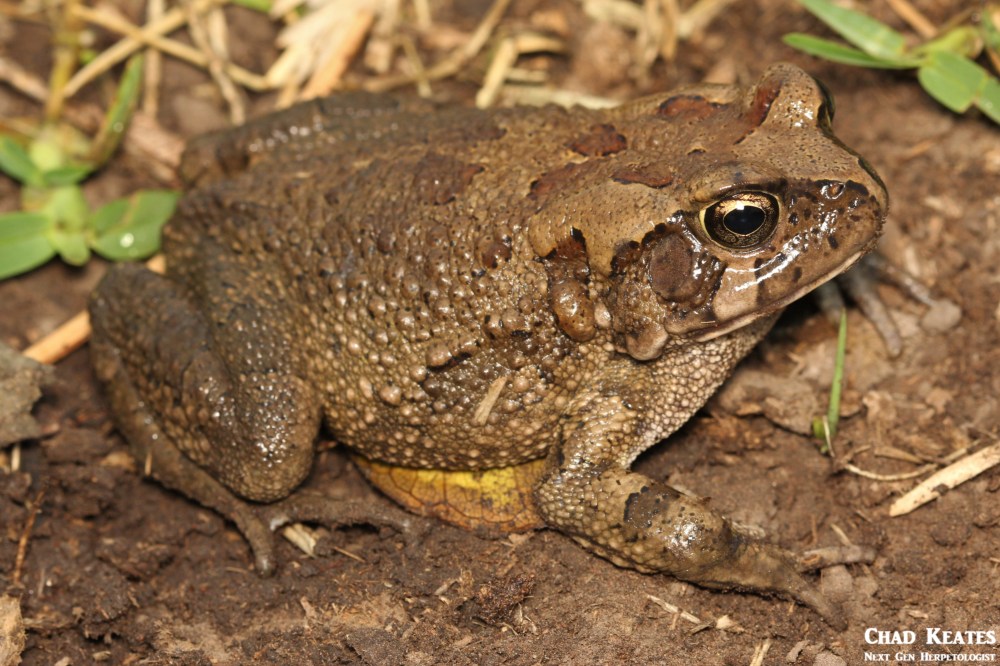
Guttural Toad (Sclerophrys gutturalis)

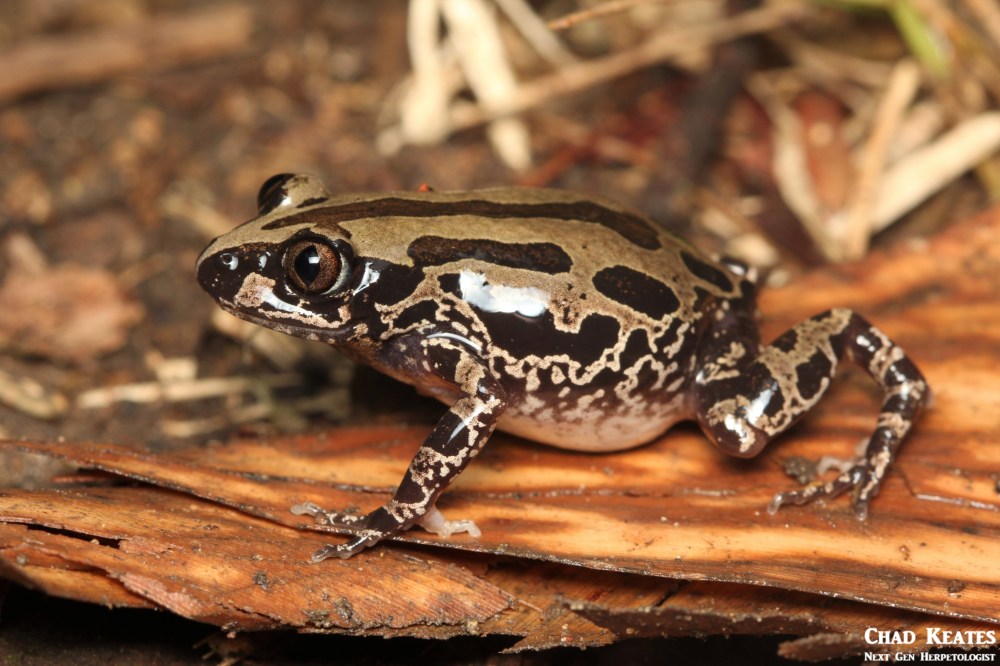
Yellow Striped Reed Frog (Hyperolius semidiscus)

Snoring Puddle Frog (Phrynobatrachus natalensis)

Bubbling Kassina (Kassina senegalensis)
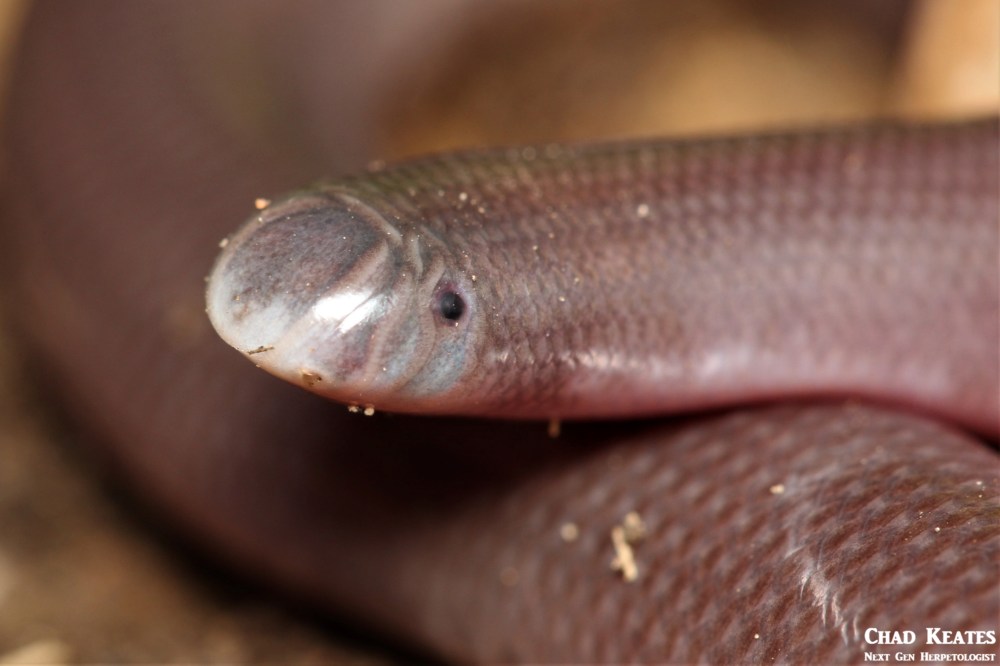
Delalande’s Beaked Blind Snake (Rhinotyphlops lalandei)
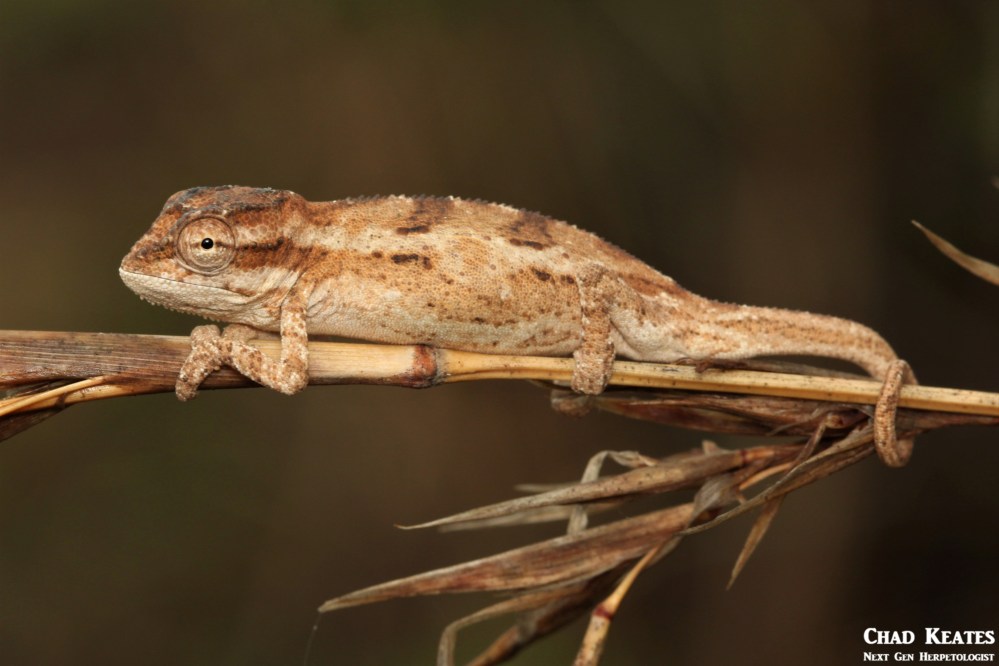
Kentani Dwarf Chameleon (Bradypodion kentanicum)
Another great blog entry by Jessica Evans, that explains what to do if you get bitten by a snake, and the effects of the different types of snake venoms found in South Africa.
Check out this awesome blog post by Sean McCabe, that details myself, my relationship with snakes and the important role that local snakes species play in the ecosystem.
https://conservatemakhanda.home.blog/2019/04/16/saving-snakes-to-save-our-skin/
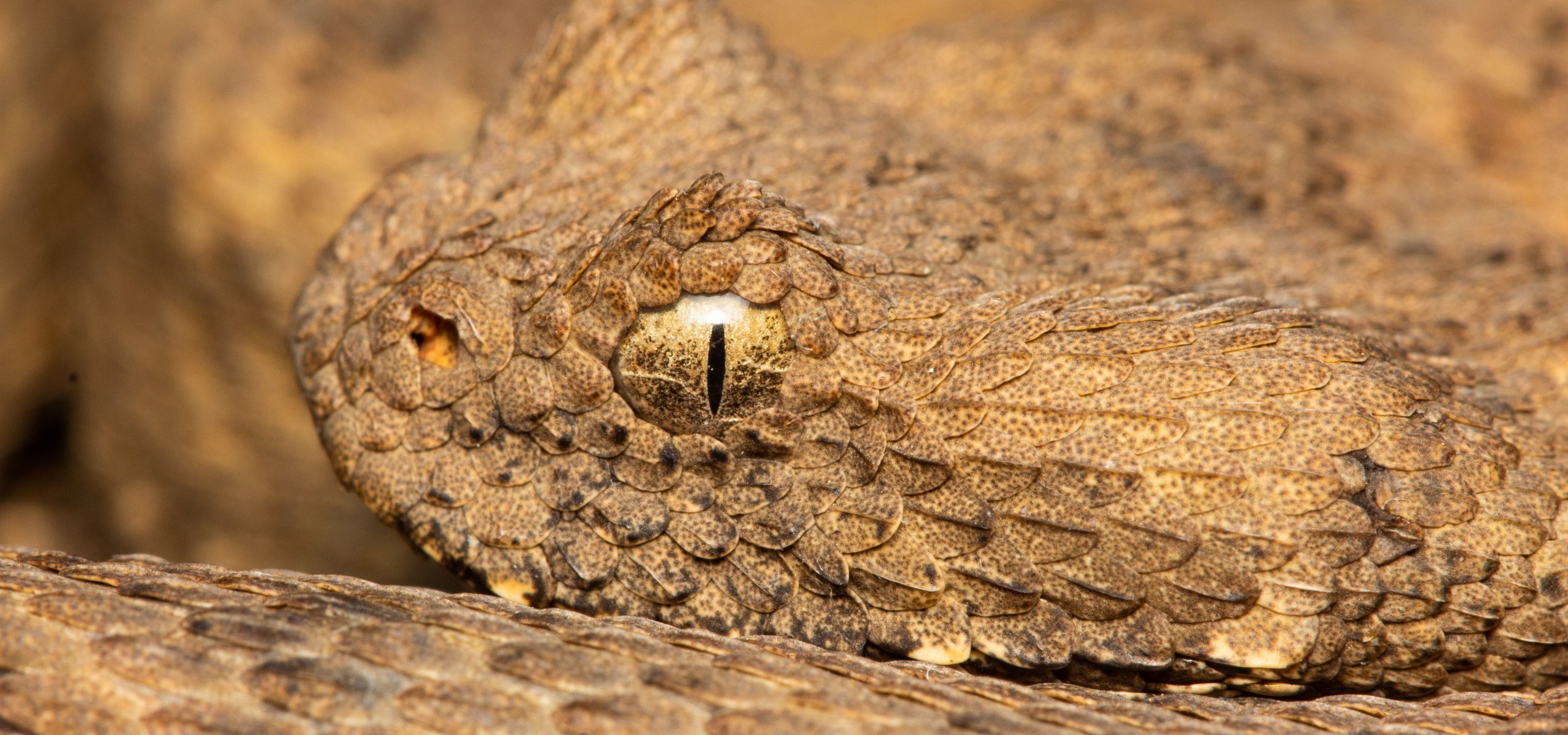
From the 20th to the 23rd of September, last year, myself and nine other researchers, set off for the Sneeuberg, in search of South Africa’s most elusive adder, the plain mountain adder (Bitis inornata). The trip was organised by the Bionerds (Keir and Alouise Lynch) and was attended by myself, Luke Kemp, Jo Buggs Balmer, Justin Rhys Nicolau, Gary Kyle Nicolau, Adriaan Jordaan, Christiaan Klippies Steenkamp and Faansie Peacock.
Plain Mountain Adder (Bitis inornata)
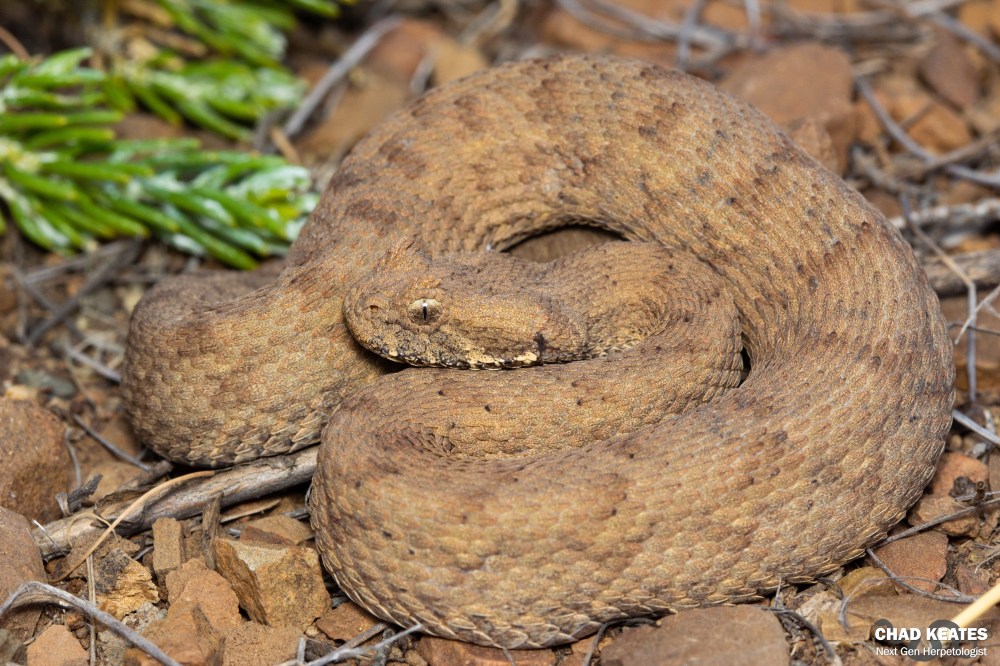
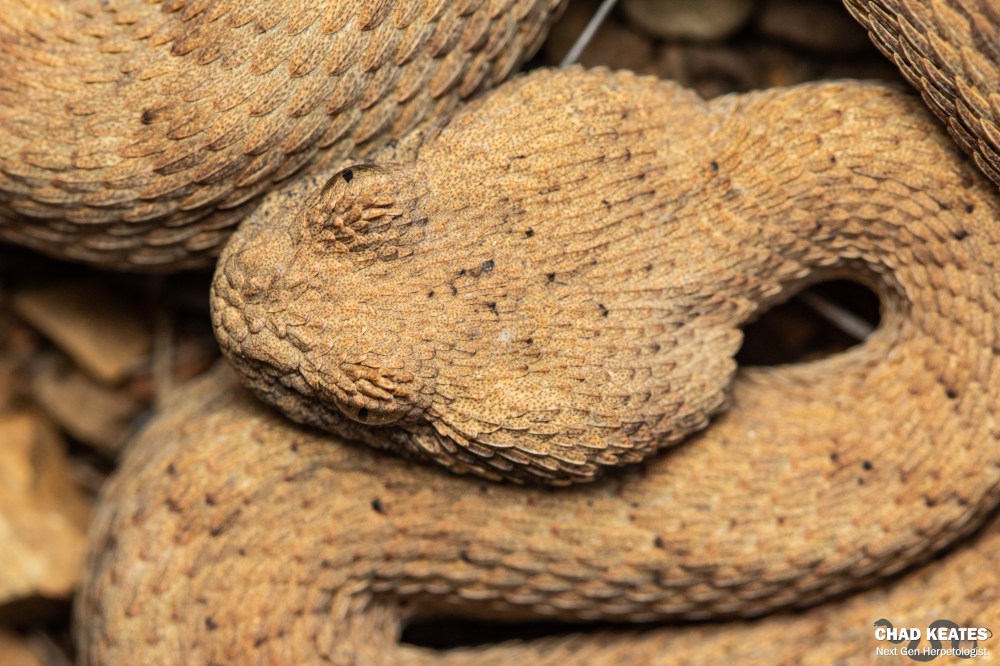
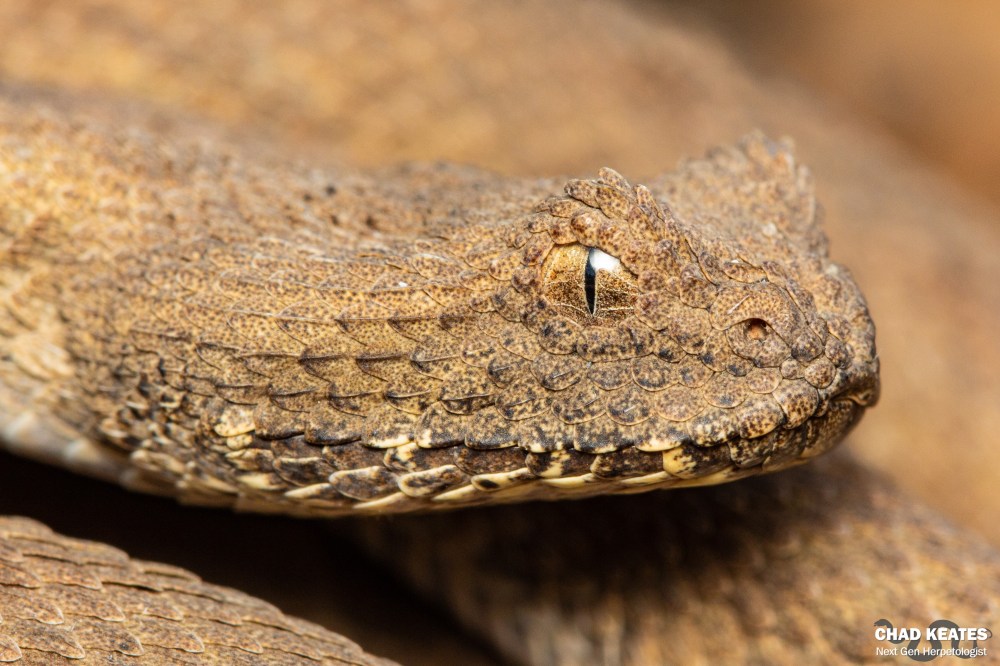
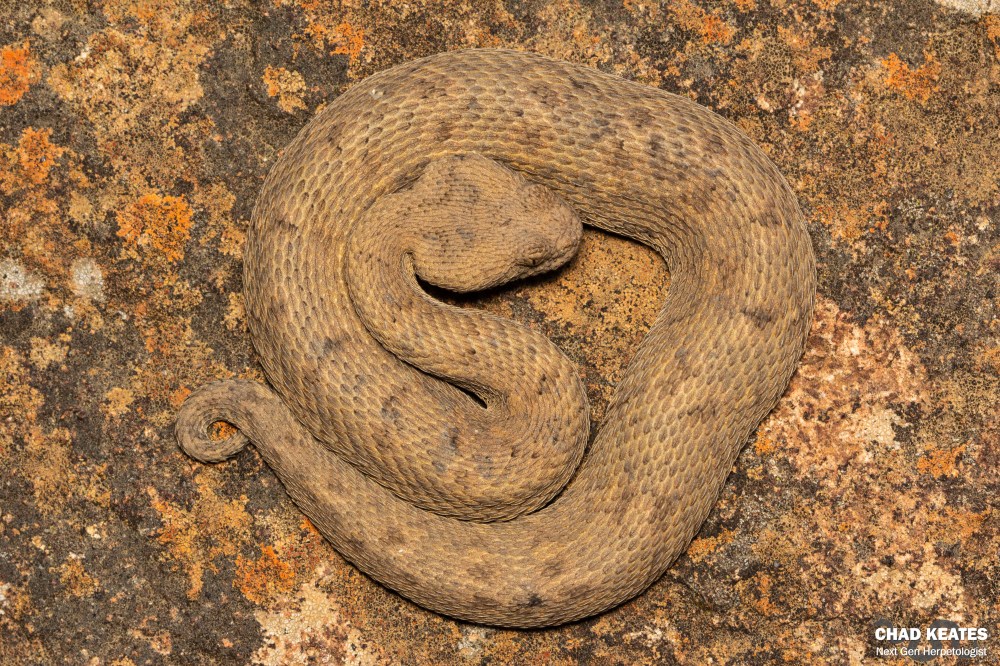
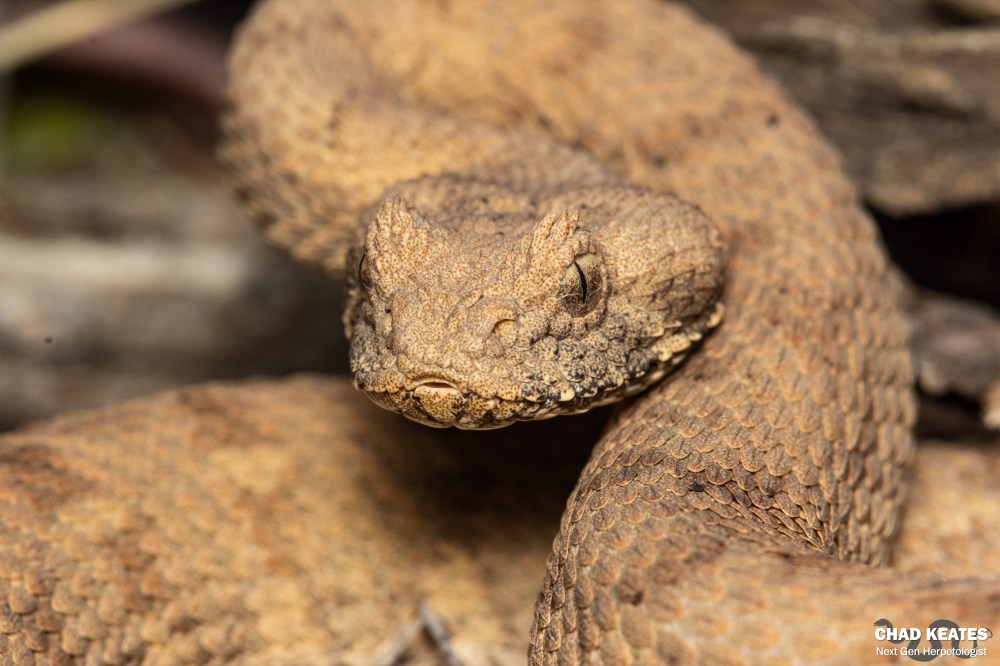
Whilst difficult given the secrecy of the species, we still expected to find at least one snake given the pedigree of scientists attending the trip. We were mistaken as we managed to find not one but three male plain mountain adders in just four days. The finds constituted the ninth, tenth and eleventh record ever found. It’s safe to say the trip was a massive success, we even managed to find several other awesome reptiles while we were there. Thanks to everyone that attended the trip, for the knowledge, the laughs, the lifers and of course… the plain mountain adders. for more information, check out the newspaper article detailing the trip and our awesome finds: https://www.graaffreinetadvertiser.com/News/Article/General/elusive-snake-found-by-school-boys-201810080122
Other Species Found:
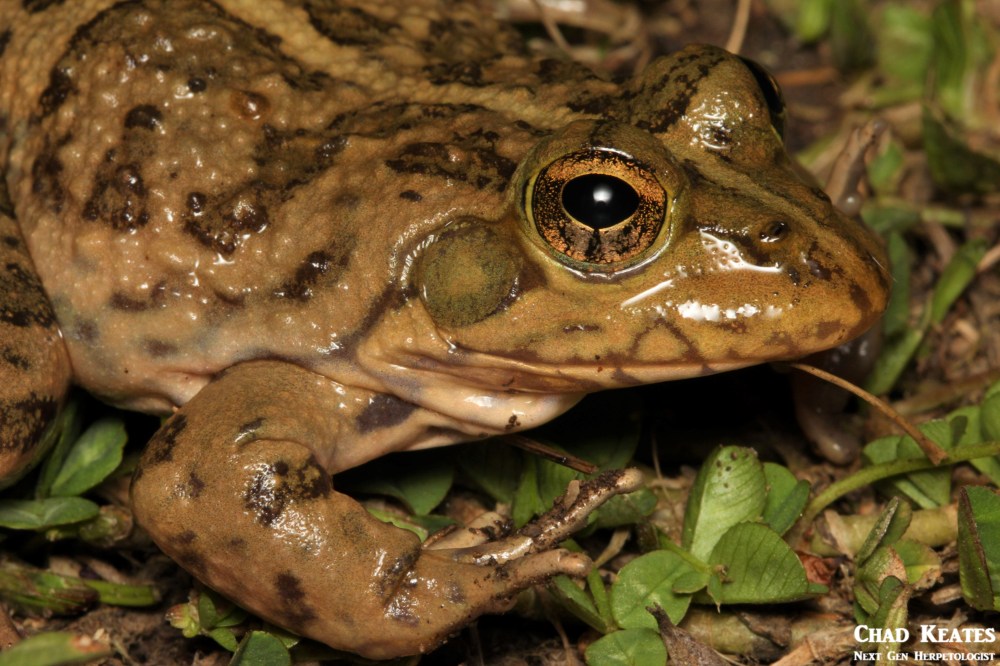
Poynton’s River Frog (Amietia poyntoni)
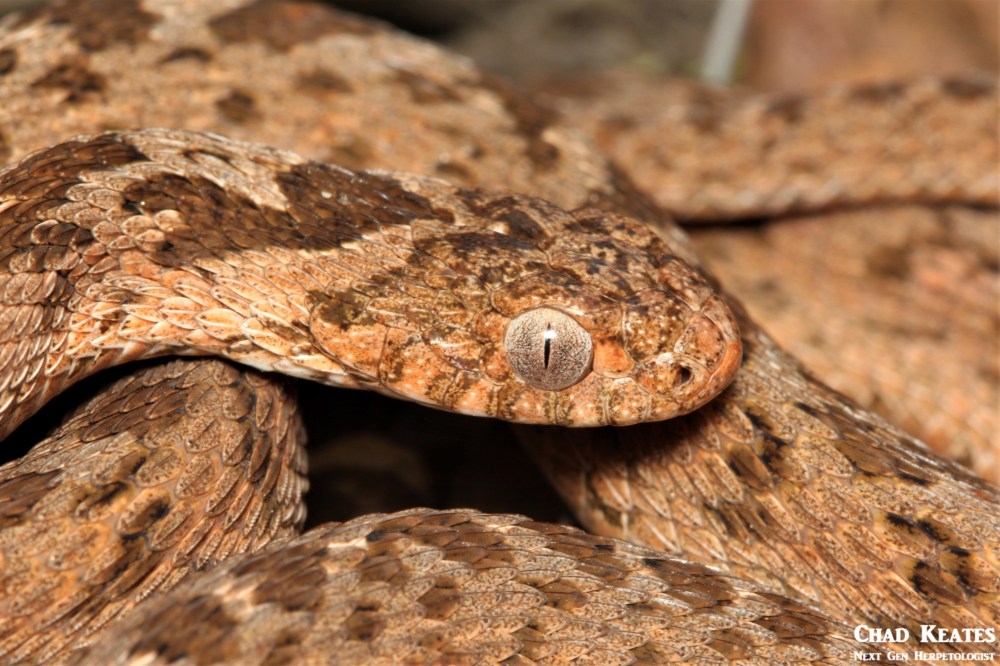
Rhombic Egg Eater (Dasypeltis scabra)
Karoo Girdled Lizard (Kausasaurus polyzonus)

Delalande’s Sandveld Lizard (Nucras lalandii)
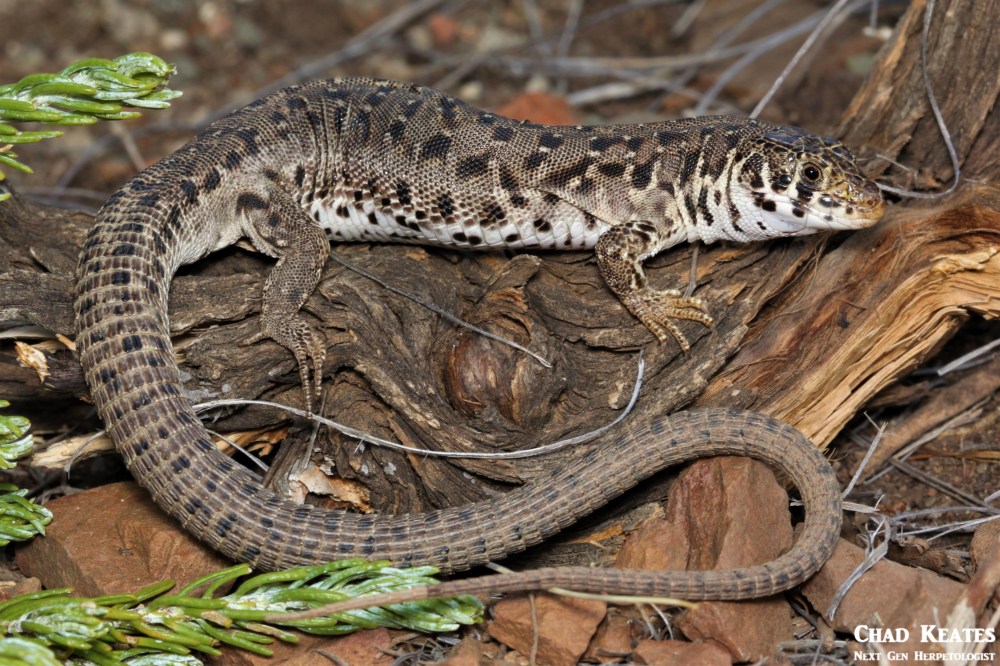
Burchell’s Sand Lizard (Pedioplanis burchelli)
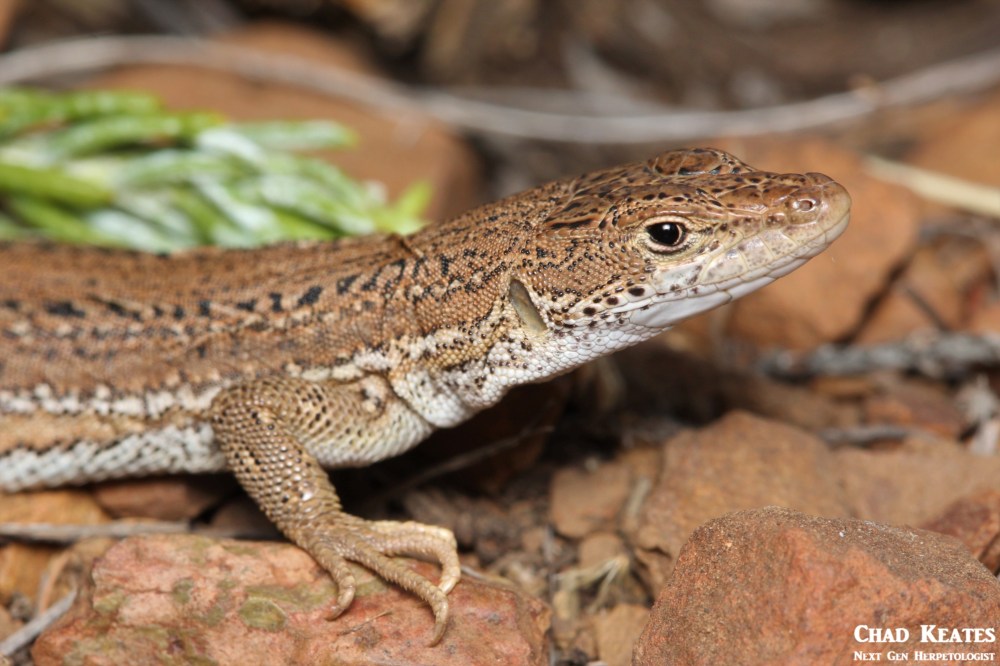
Golden Spotted Thick-toed Gecko (Pachydactylus oculatus)

Greater Padloper (Homopus femoralis)

Common Long-tailed Seps (Tetradactylus tetradactylus)


From the 25th to the 29th of August 2018, myself and Luke Kemp herped in Cape Town, and it’s surrounds. We went towards the end of winter because unlike most trips, we were after the endemic frogs that call the Cape their home, and they love the cold, wet weather that the winter months have to offer. We ventured far and wide, and our travels saw us herping Silvermine, Kirstenbosch Botanical Gardens, Koeberg and Kogelberg Nature Reserve, to name a few.
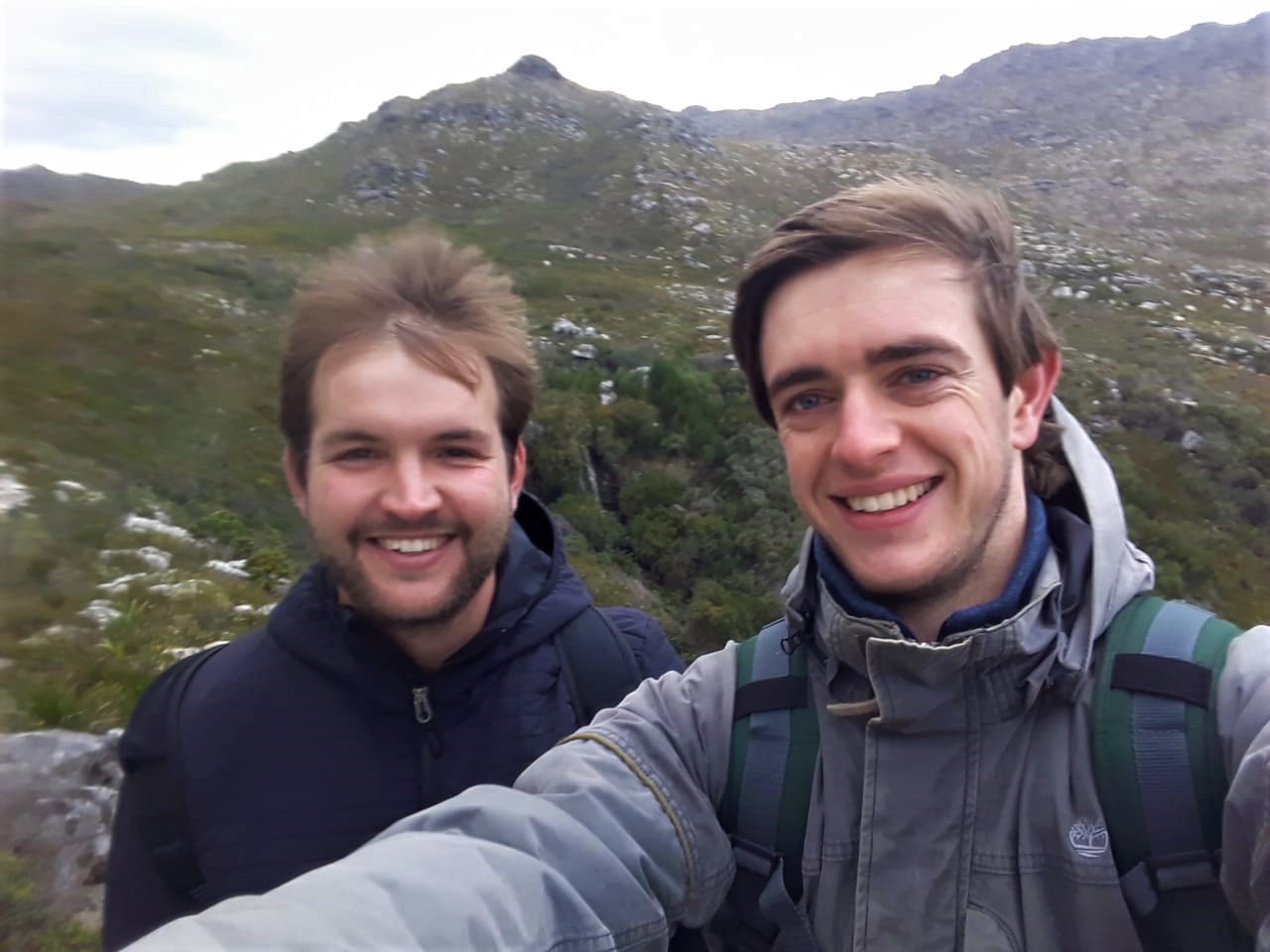




We also met up with several amateur and professional herpers (Bryan Maritz, Theo Busschau, Andries Cilliers, Deon Oosthuizen and Willem van Zyl… to name a few). All in all, the trip was a blast and saw us finding lots of lifers in only a short few days.
Species List:
Cape Legless Skink (Acontias meleagris)

Marbled Leaf-toed Gecko (Afrogecko porphyreus)

Cape Rain Frog (Breviceps gibbosus)

Southern Caco (Cacosternum australis)
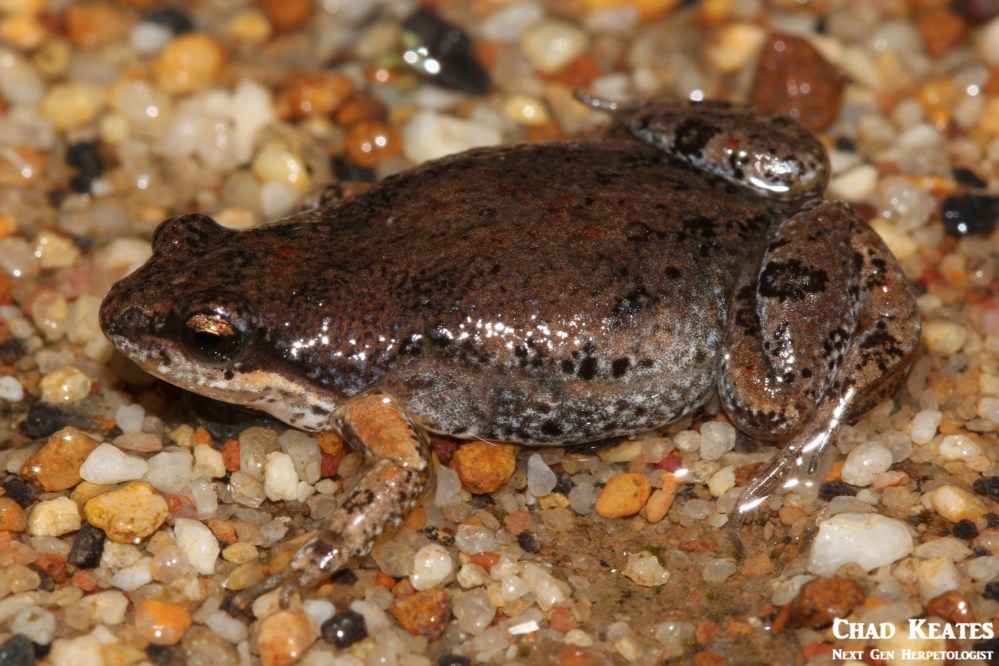
Montane Marsh Frog (Poyntonia Paludicola)

Black Girdled Lizard (Cordylus niger)
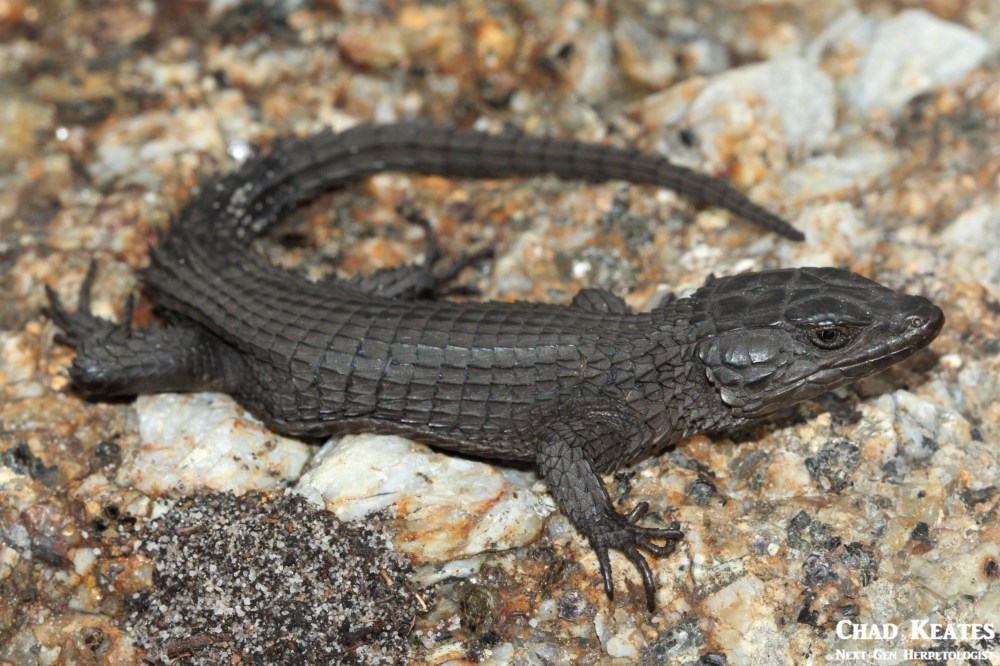
Cross-Marked Whip Snake (Psammophis crucifer)

Spotted Skaapsteker (Psammophylax rhombeatus rhombeatus)
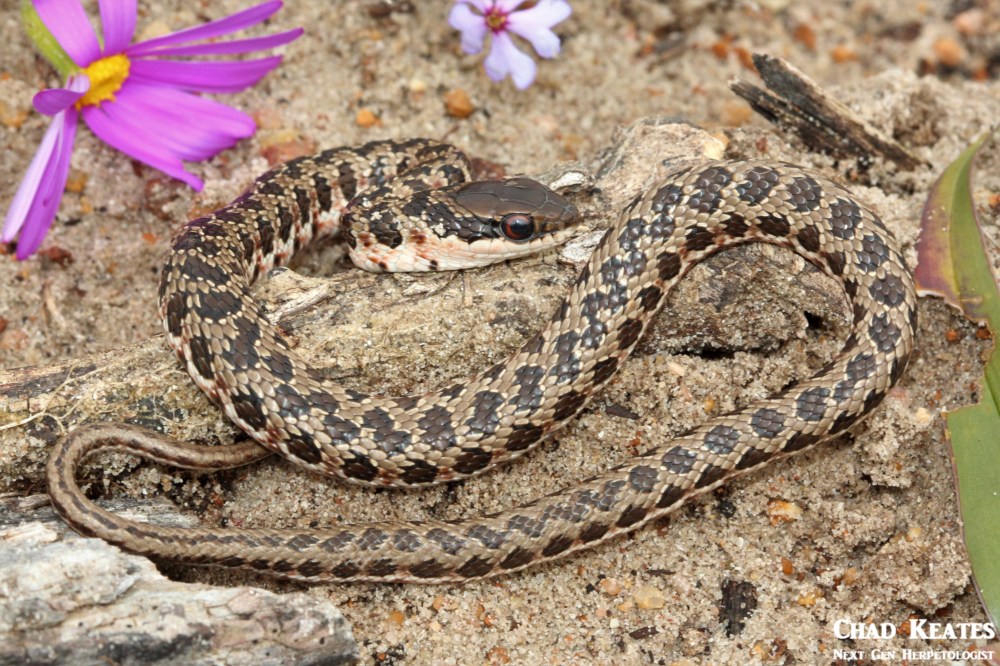
Delalande’s Beaked Blind Snake (Rhinotyphlops lalandei)

Silvery Dwarf Burrowing Skink (Scelotes bipes)

Cape Skink (Trachylepsis capensis)
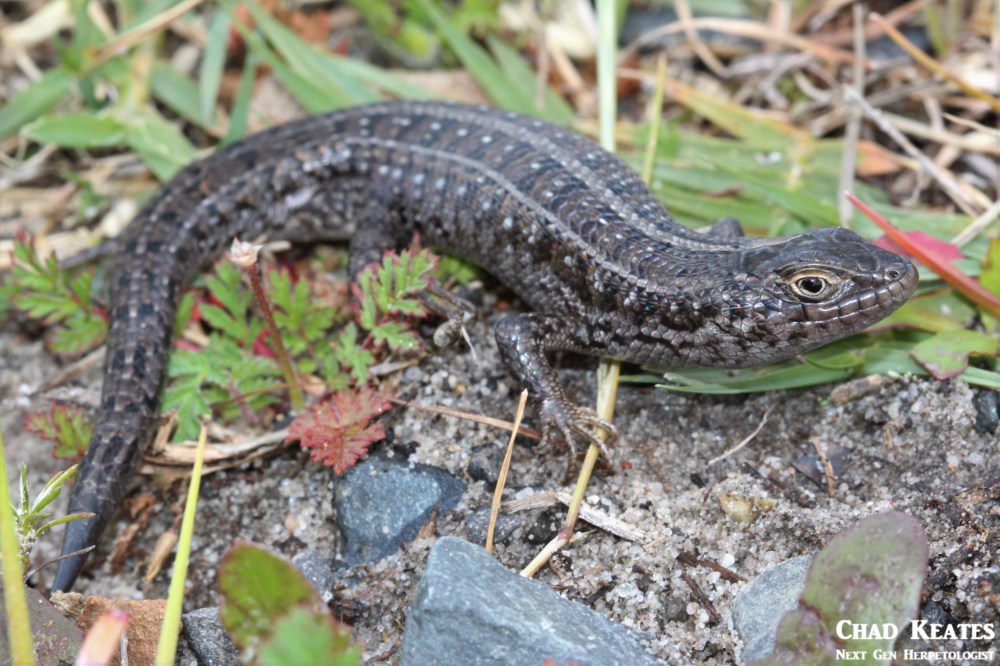
Southern Blind Legless Skink (Typhlosaurus caecus )

Cape Sand Frog (Tomopterna delalandii)

Knysna Dwarf Chameleon (Bradypodion damaranum)


Check out this awesome blog post by Kylie Jamison that details my life as a young herpetologist, and explains how I got to where I am today.
Another great blog entry by Jessica Evans, that explains what to do if you encounter a snake in South Africa.
https://www.bite-sizedsci.com/single-post/2019/03/07/What-to-do-when-you-bump-into-a-snake

Last year I was featured in an article by Oppidan Press, written by Kate Matooane. the article focuses on my ‘critter walks’ and the impact that they have on the people who attend.


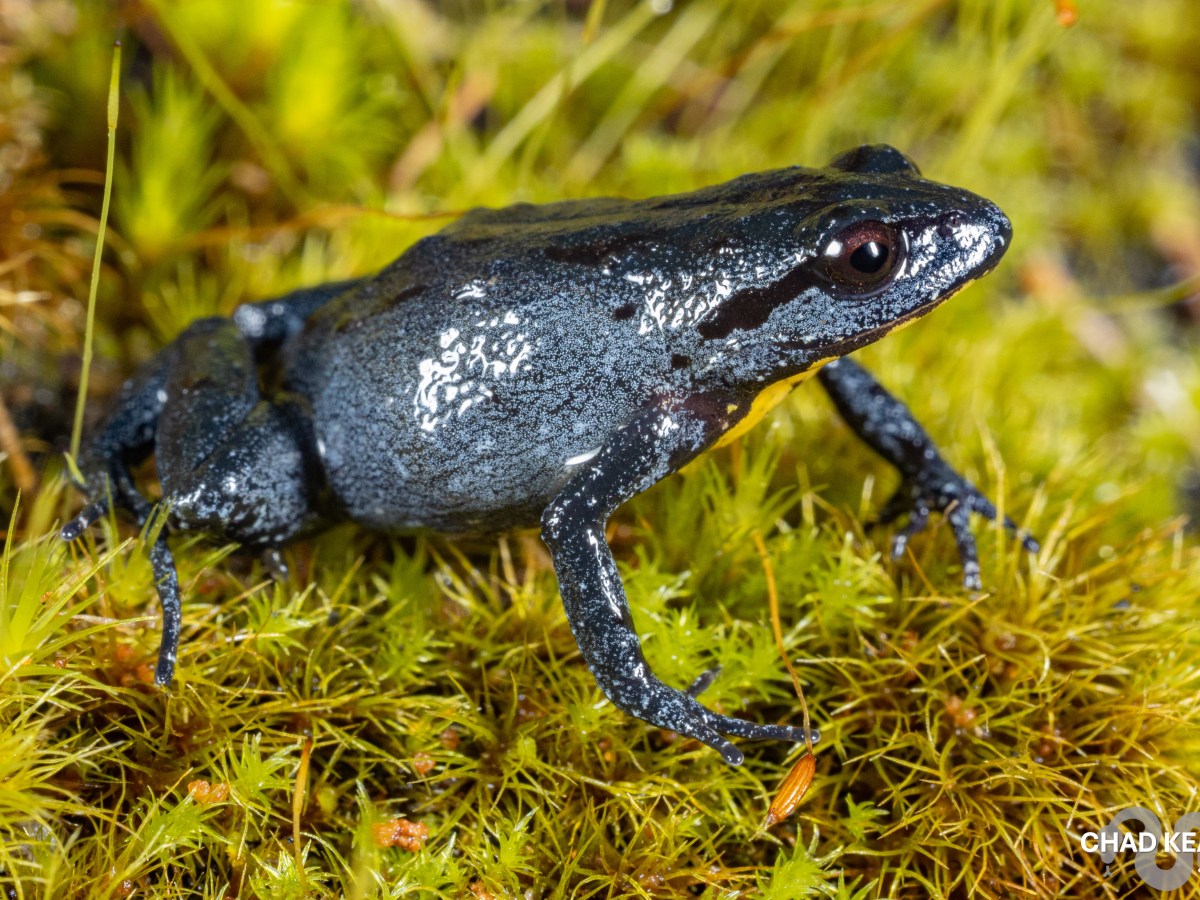



 Chad Keates