 Chad Keates
 Archives

Text adapted from trip report completed by Luke Kemp and I last month . Purpose of trip Recently Luke kemp and I joined a data collecting trip in the Transkei forested region as part of an ongoing study, spearheaded by Stellenbosch University. There were many teams studying many facets of forest ecology but we, Werner Conradie (Head Herpetologist at Bayworld Museum) and Theo Busschau (MSc student at Stellenbosch University) were tasked with collecting herpetological… Read More

Recently Luke Kemp and I ventured to the Northern Cape in search of some of South Africa’s most insane herps. Although we did not find everything we set out to find, we found a lot and had a great time doing it. The trip was filled with some memorable moments and some even more remarkable finds. Thanks Luke for making it such an adventure, and easily the best herping trip I have have done in… Read More

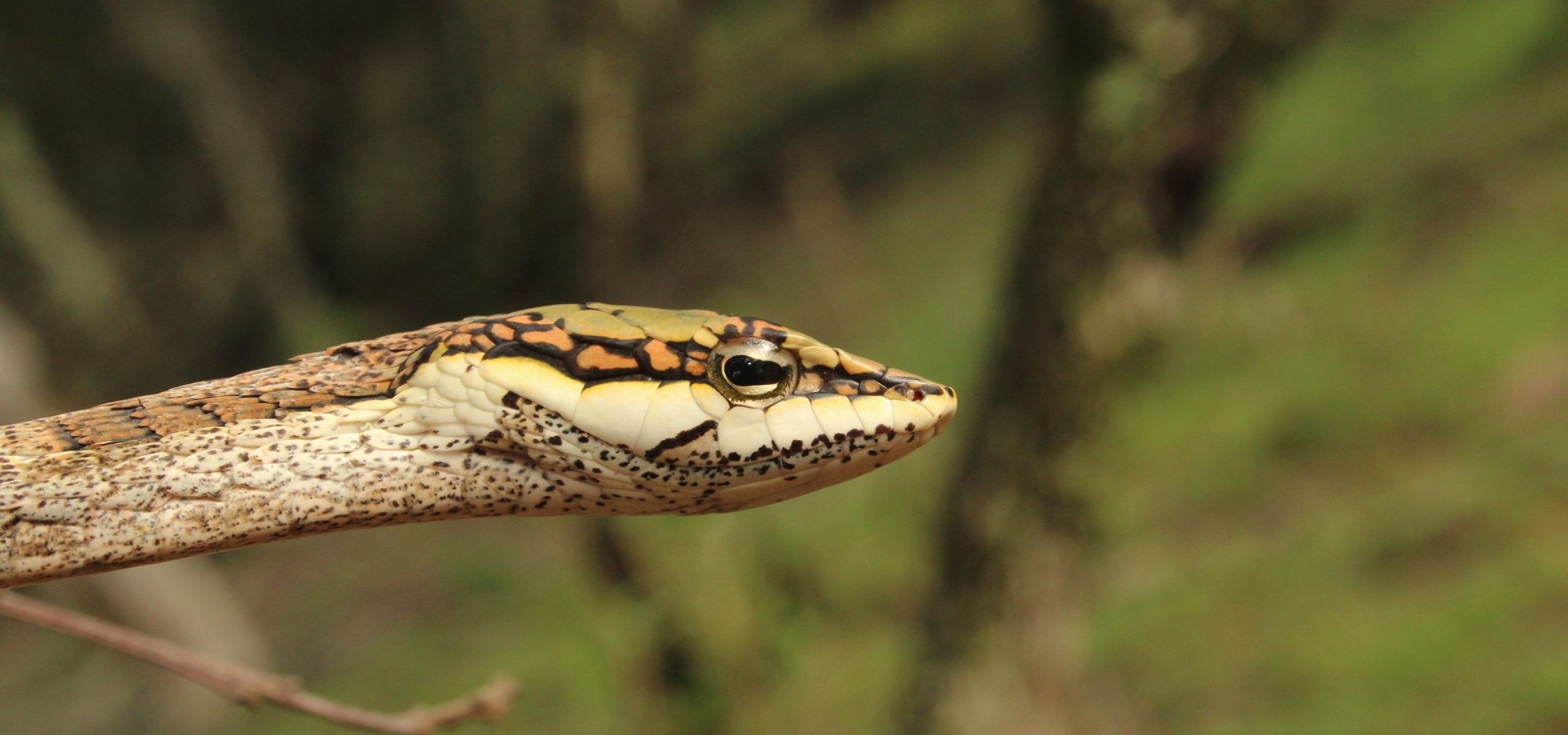
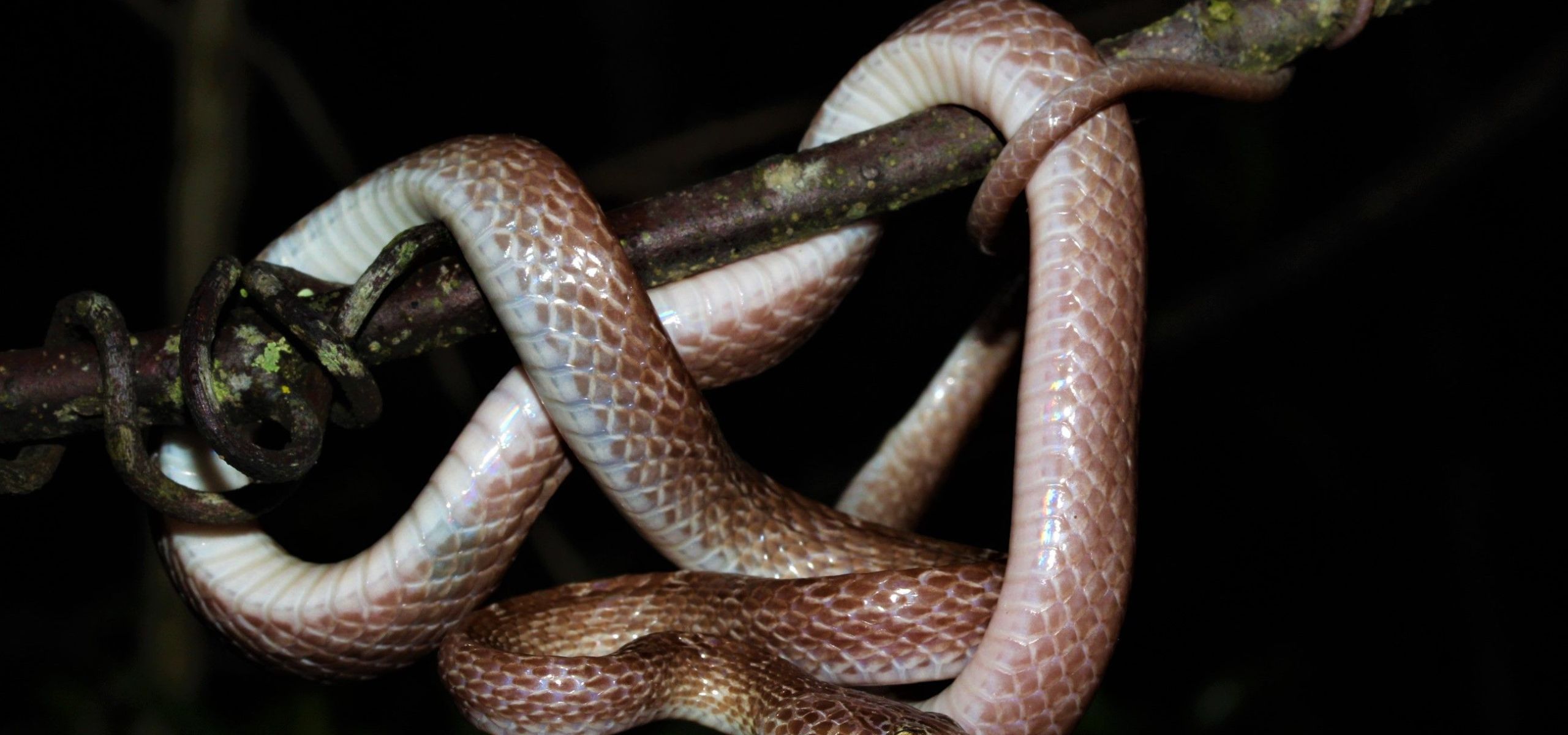

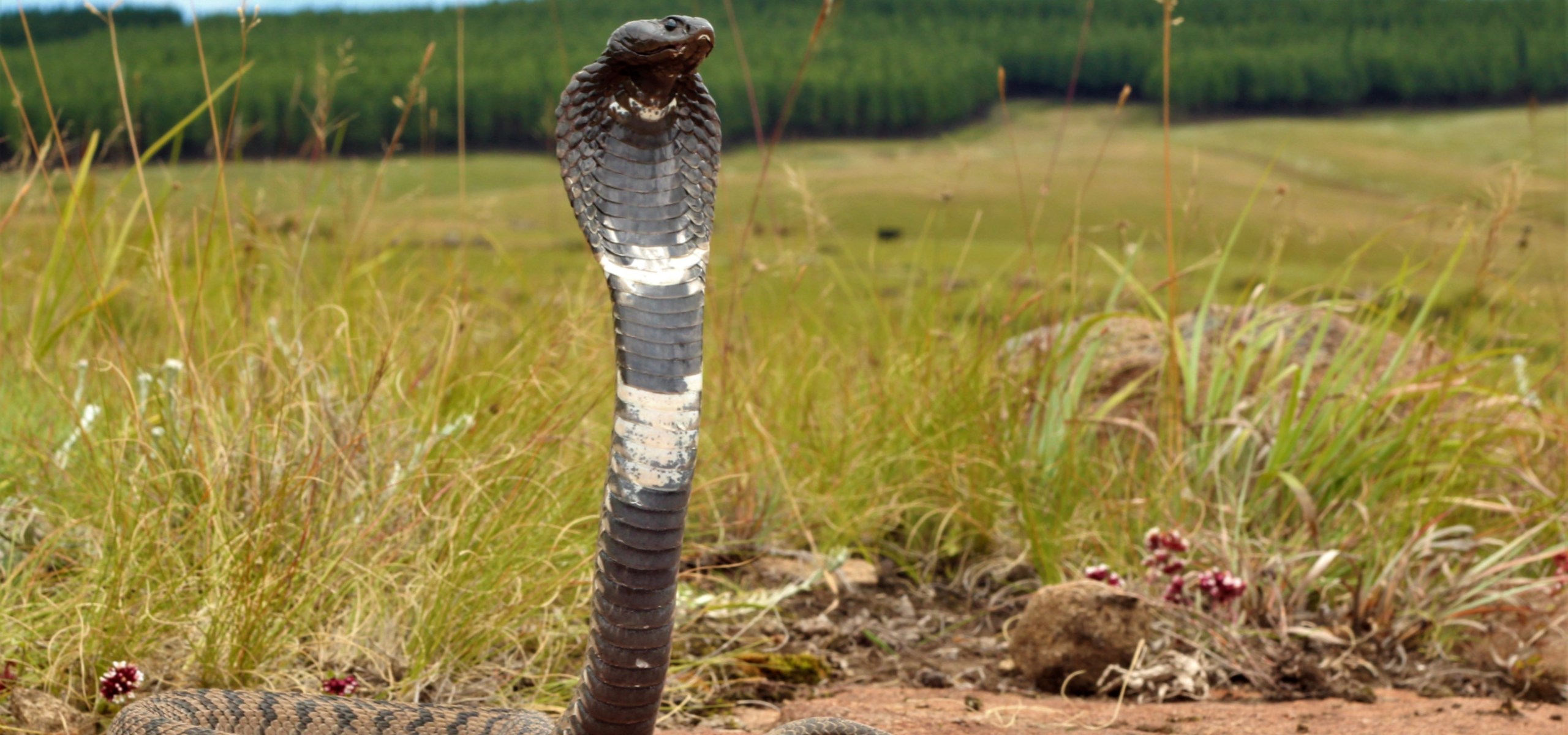
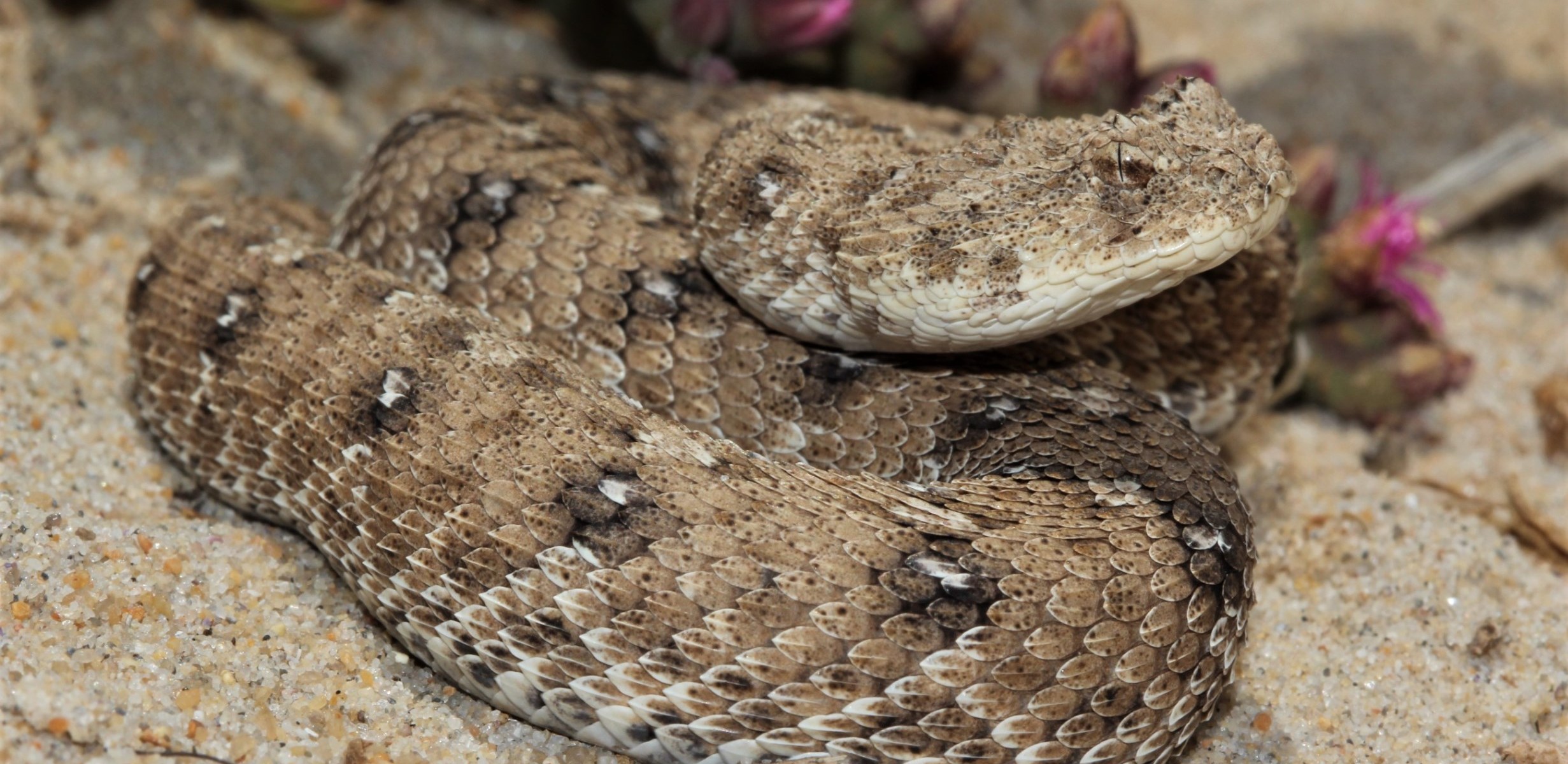

This red-lipped herald (Crotaphopeltis hotamboeia) was found in the process of eating a guttural toad (Amietophrynus gutturalis) last night (9 december 2016) in Westville, Kwazulu Natal. The toad was still alive when the snake started eating it but died during the process of consumption. The snake took over an hour to consume the entire toad.

This list contains all the water snakes that can be found in and around water in the Grahamstown area. As the names suggest, this means that these snakes are usually found in close proximity to water because of their diets that mostly consist of frogs, tadpoles and fish. Although not as closely related to water as the other snakes on this list, the red-lipped herald has been listed at the end because it is closely associated with… Read More
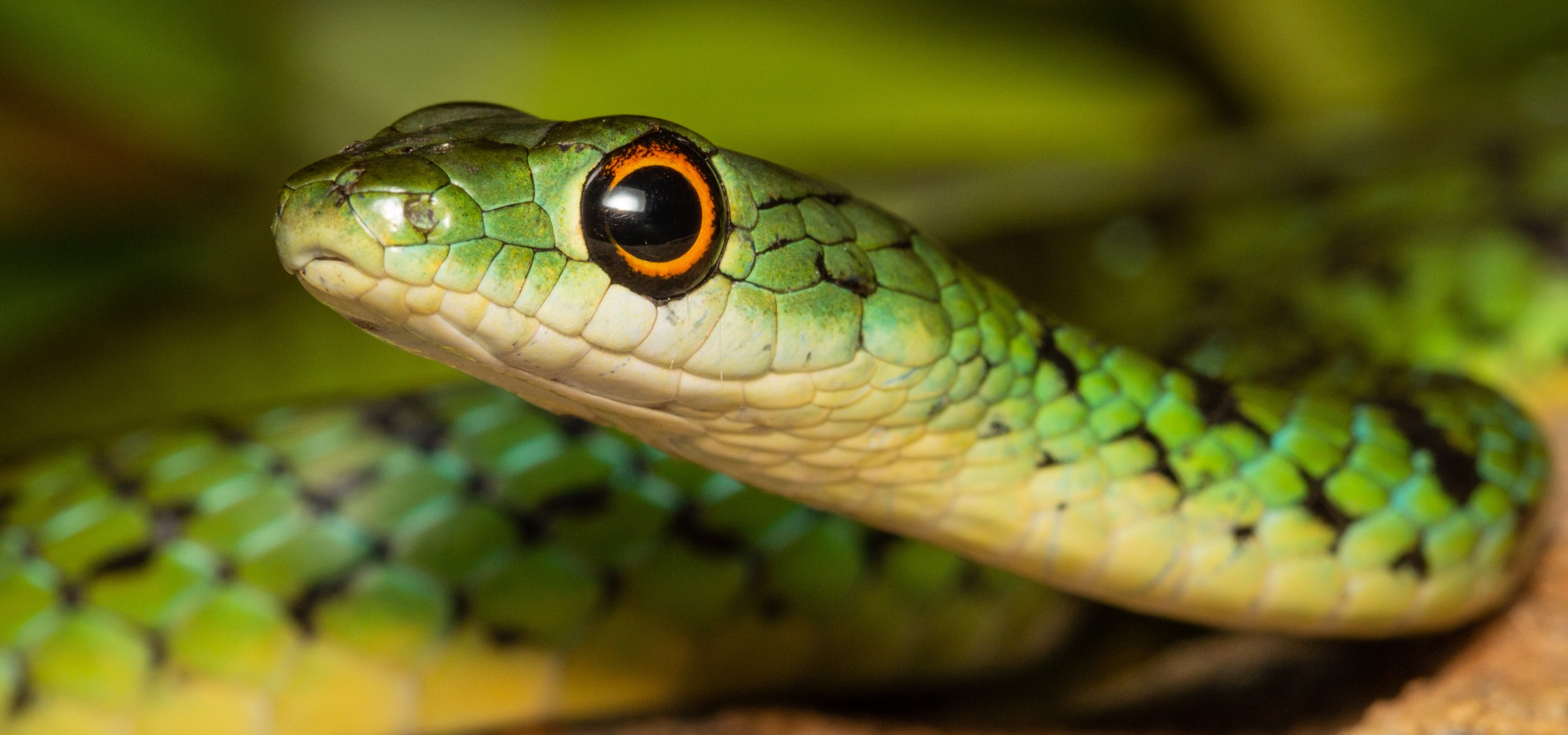
This list includes all the green snakes that can be found in the Eastern Cape. Barring the boomslang (Dispholidus typus) and the many-spotted reed snake (Amplorhinus multimaculatus), all the individuals listed come from the genus Philothamnus and they are all closely related. In the Eastern Cape, the boomslang is not uniform green. Females are olive and males are green/yellow with black barring. Irrespective of this, the boomslang has been included at the end of… Read More


This weekend saw Luke and I on the road again. This time we traveled to a far more magical place – Hogsback, the home of fairies, hobbits and more importantly, Natal black Snakes. We had been to Hogback several months prior and in the grips of winter, we had found many species from a large range of taxa. Last weekend held much promise because unlike last time, it was summer. We were… Read More

Yesterday, Luke and I conquered tick bite fever and to celebrate, we ventured to Alicedale in search of the elusive berg adder, a species of dwarf adder which has not been seen in the region for over 75 years. To give context to the story, we had been in Alicedale one week prior and whilst we did not find the fabled berg adder, we did manage to find pepper ticks, lots… Read More

So now that winter is coming to an end, snakes and other reptiles are starting to become far more abundant. One species that has become particularly abundant in the last few weeks, is the puff adder (Bitis arietans). To give context, in the last week, I have come across three puff adders. Two of them were average-sized adult males and the the third was a very large, very pregnant, female puff adder, which… Read More

I am doing a genetics project, and whilst I have come to understand the ‘fundamental’ processes which underlie molecular biology, there are many people out there that don’t. This post thus serves the purpose of teaching those of you who interested, just a little bit about what I do and how I do it. I don’t claim to be an expert nor do I claim to be good at it, but bear… Read More

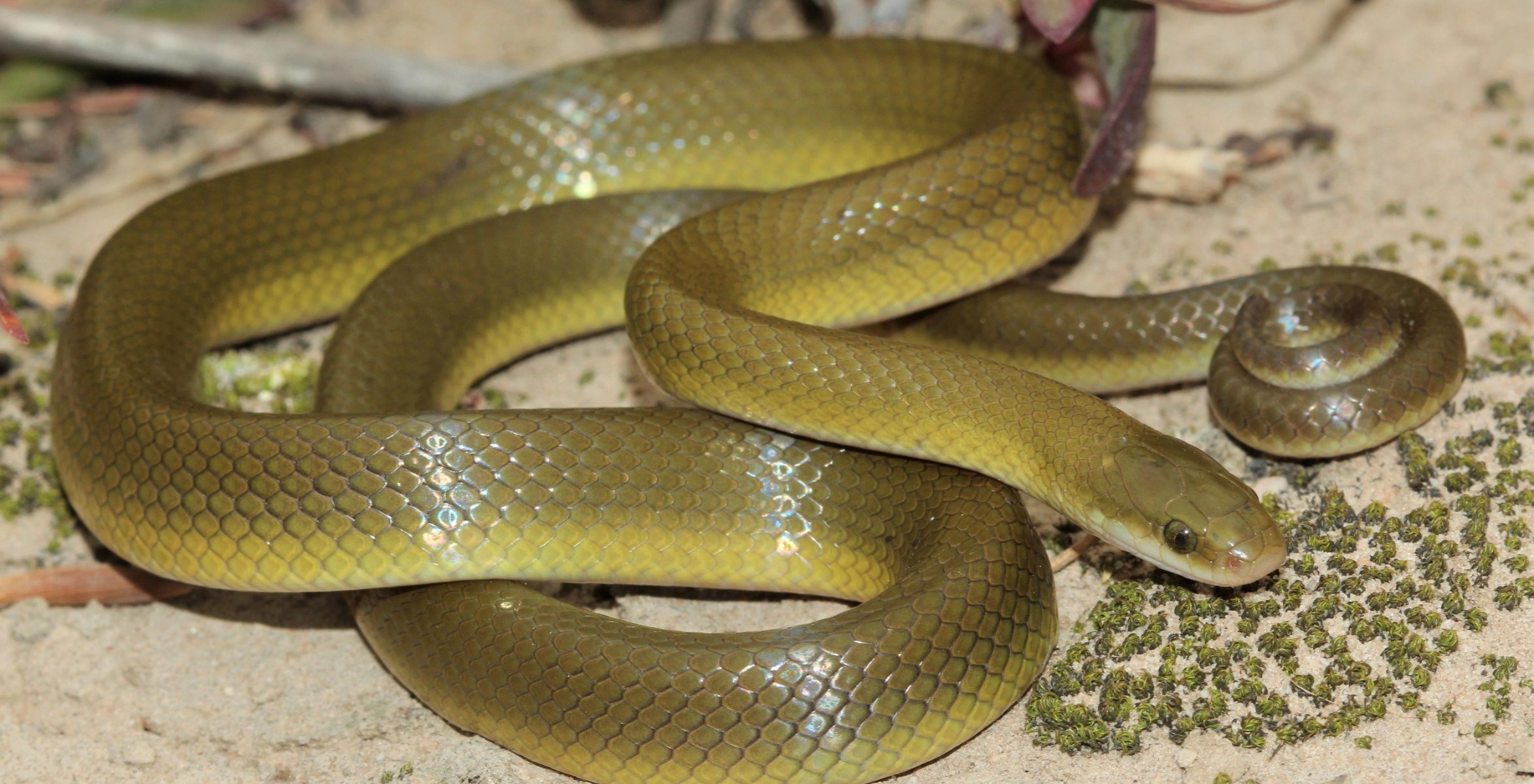
In an attempt to revive a bygone era of mystery and exploration, Luke and I ventured into the unknown in search of the elusive yet locally abundant berg adder Bitis atropos in Barberton (Mpumulanga). Barberton, a hop, a skip and a jump away from civilisation, is one of a few locations famous for berg adders. The trip began on the 13th of July 2016 and was marked by many a sighting. Whilst… Read More




 Chad Keates