 Chad Keates
 Archives

On friday the 17th of November, myself and Luke Kemp hosted a ‘Herpetofauna of Grahamstown talk in the Rhodes Zoology and Entomology tea room for members of the department. The talk discussed all the reptiles and frogs that can be found in Grahamstown and gave tips on how to distinguish morphologically-similar species. The talk also discussed basic snakebite treatment and was capped off with a short demonstration with live specimens. All in… Read More
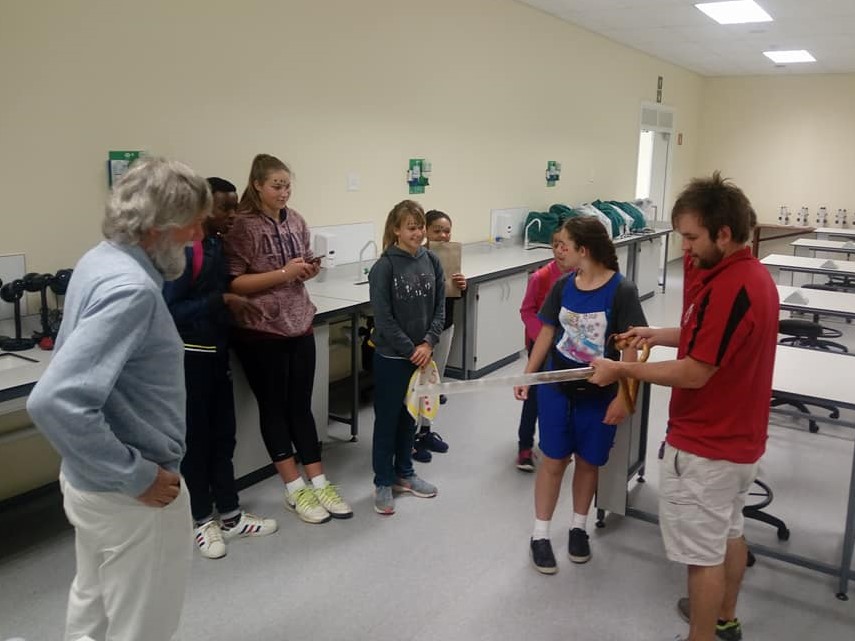
On Monday the 27th of November I was asked by Prof Adrian Craig to do a snake demonstration for students from Hoerskool P.J. Olivier who were visiting the Rhodes Zoology and Entomology Department for the day. The short talk, that was also attended by Dr Shelley Edwards of the Zoology and Entomology molecular lab was a massive hit, with most kids excitedly jumping at the opportunity to handle live snakes. All in… Read More


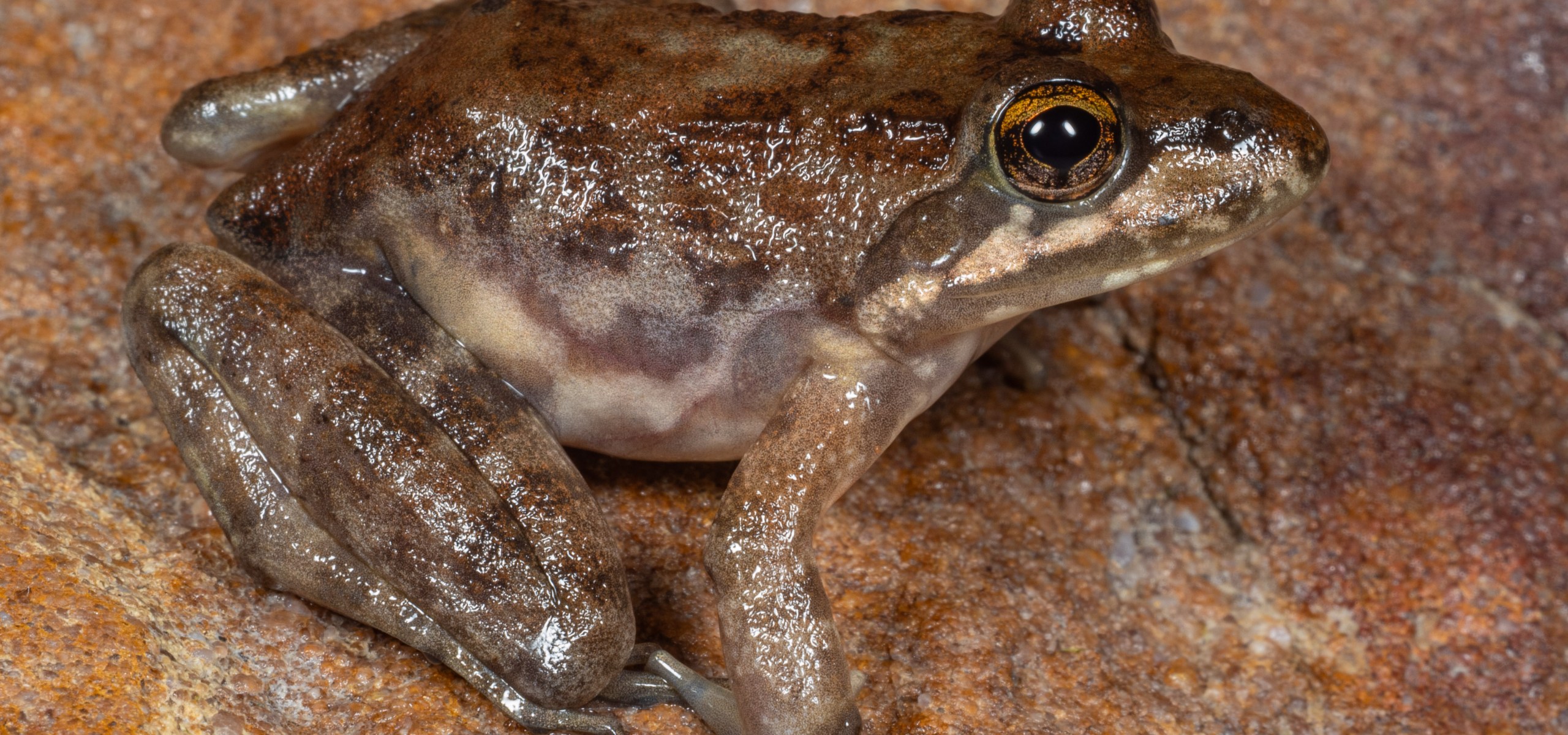
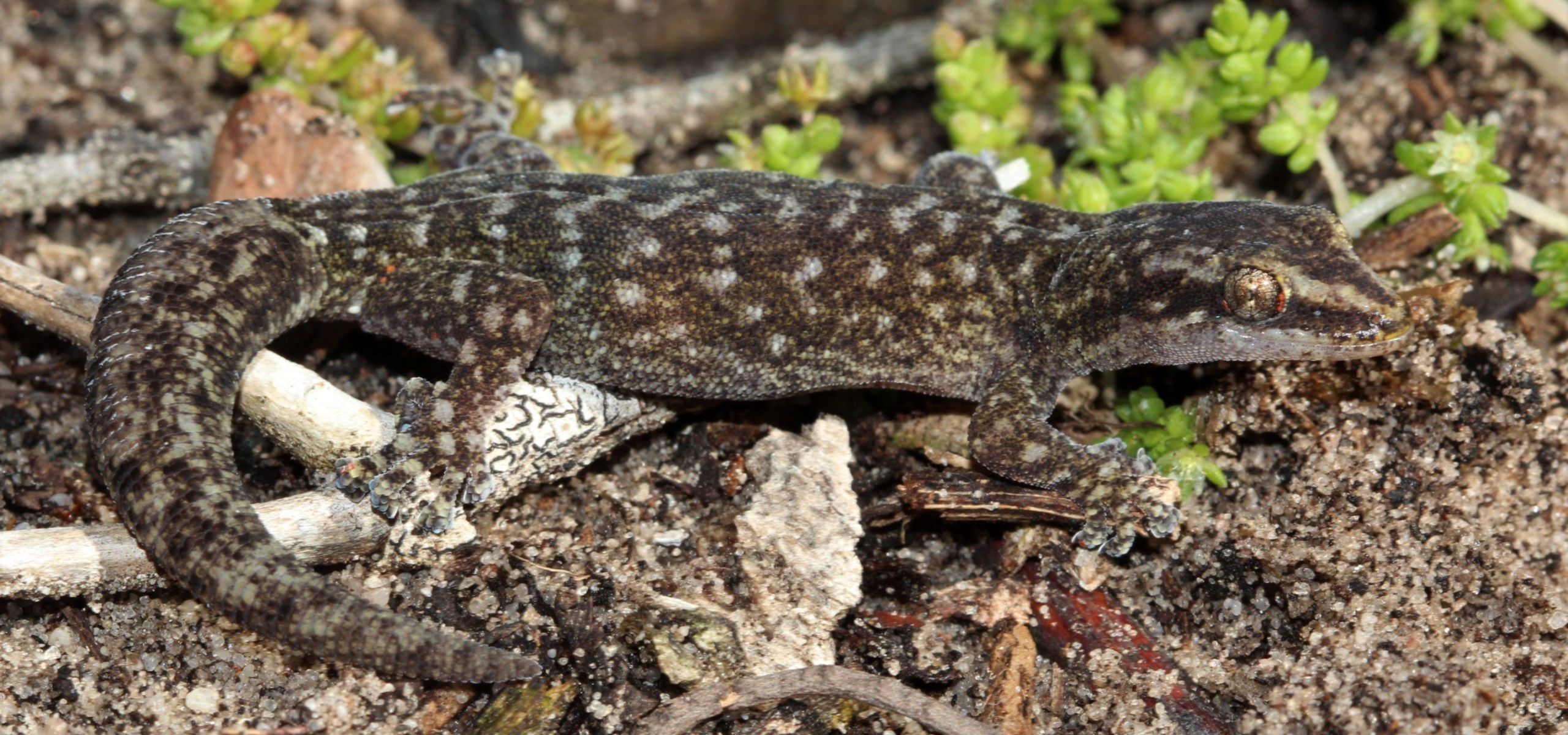


Recently myself, along with Luke Kemp, presented a reptile awareness talk at Diocesan School for girls (DSG). It was a great talk and the Grade five students that we presented too were very enthusiastic and keen to learn about, and interact with the reptiles and frogs that we brought along on the day. Photo credit Diocesan School for Girls.

A few weeks back I performed two back-to-back snake talks at Victoria Girls High School with Luke Kemp. The aim of the talks were to expose the Grade 11 students of the all-girl high school to the wonders of the reptile world. The talk, that ran for 30 minutes, consisted of general information about Grahamstown reptile diversity, followed by information pertaining to snake biology, taxonomy and snakebite awareness. The presentation was capped-off… Read More


This list is in no particular order and is based on what I have seen inside or very close to Grahamstown. Boomslang (Dispholidus typus typus) Size: 1.2-1.5m. Habits: Diurnal snakes which are found in a large variety of habitats, most commonly in trees and shrubs, but may descend to the floor to bask or find food. Diet: Chameleons, frogs, tree-living lizards, birds and occasionally rodents. Danger to man: The boomslang possesses a very dangerous haemotoxic venom… Read More
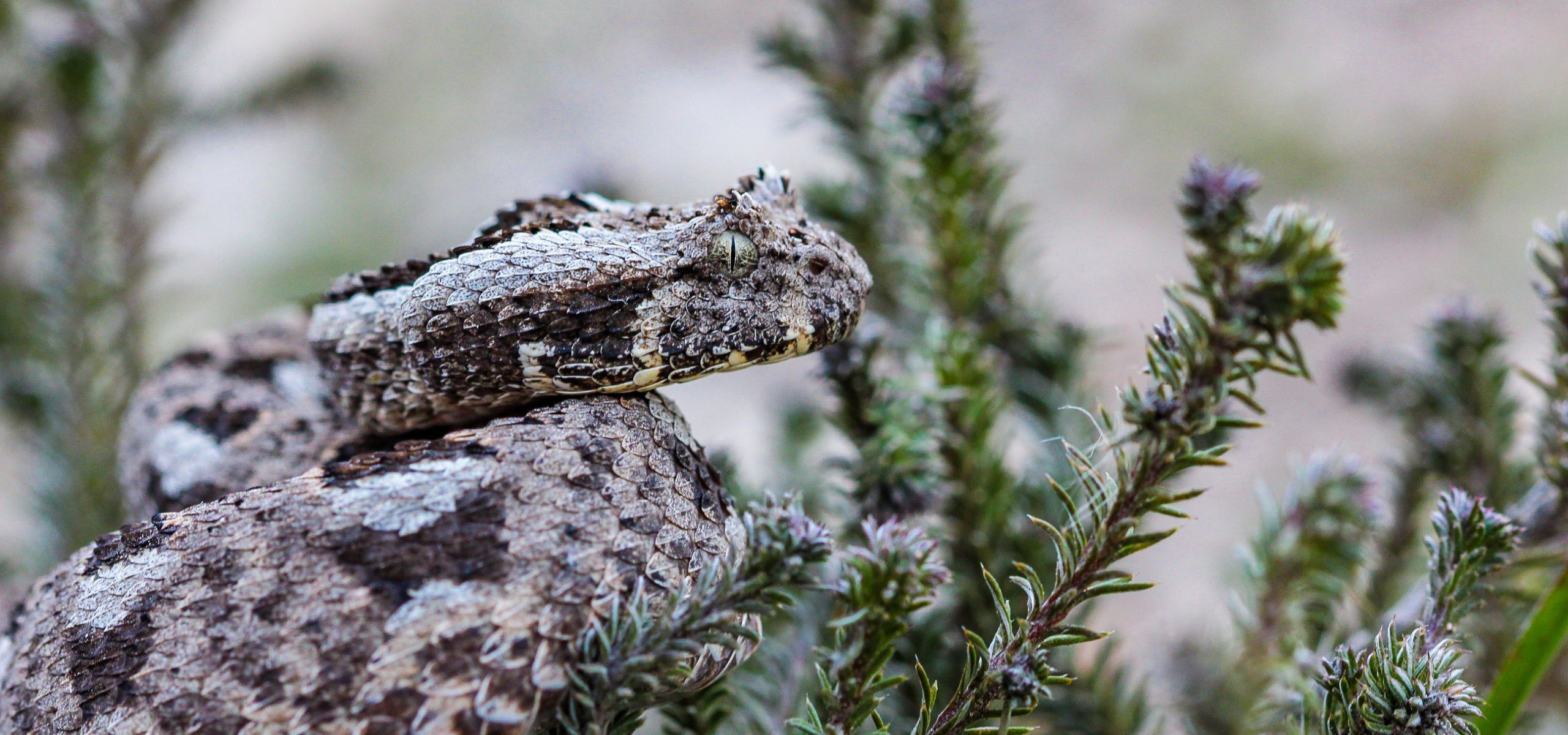


It’s not every day that you can say that you were part of the history of science, but for Luke Kemp and I, a warm summer night in Hluhluwe of this year was just one of those days. In January of this year, Luke and I attended the Herpetological Association of Africa Conference of Africa in Northern Kwazulu-Natal. In addition to presenting our work and learning of the developments in the field… Read More
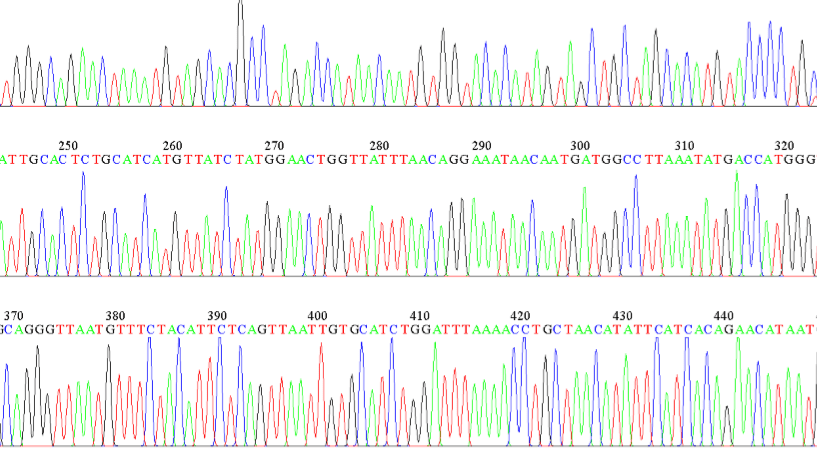
Today I received my samples back from their holiday in Amsterdam, and I am happy to announce that all but one sample worked. The samples from today coupled with the samples I received last month amount to 75 successfully sequenced samples to date. These samples, which comprise four genes, make up a large proportion of my sample set and thus represent a massive step forward in the completion of my thesis. But… Read More

I am roughly six months into my Master’s and this is my second post on the subject. Although I am not overly proud of my Msc coverage on the website, I am rather ‘chuffed’ with my research progress to date. My genetic samples are ‘amplifying’ and better yet, they are translating into clean, usable sequences, that I can move forward with. To put the previous sentence bluntly, my genetics are working and… Read More

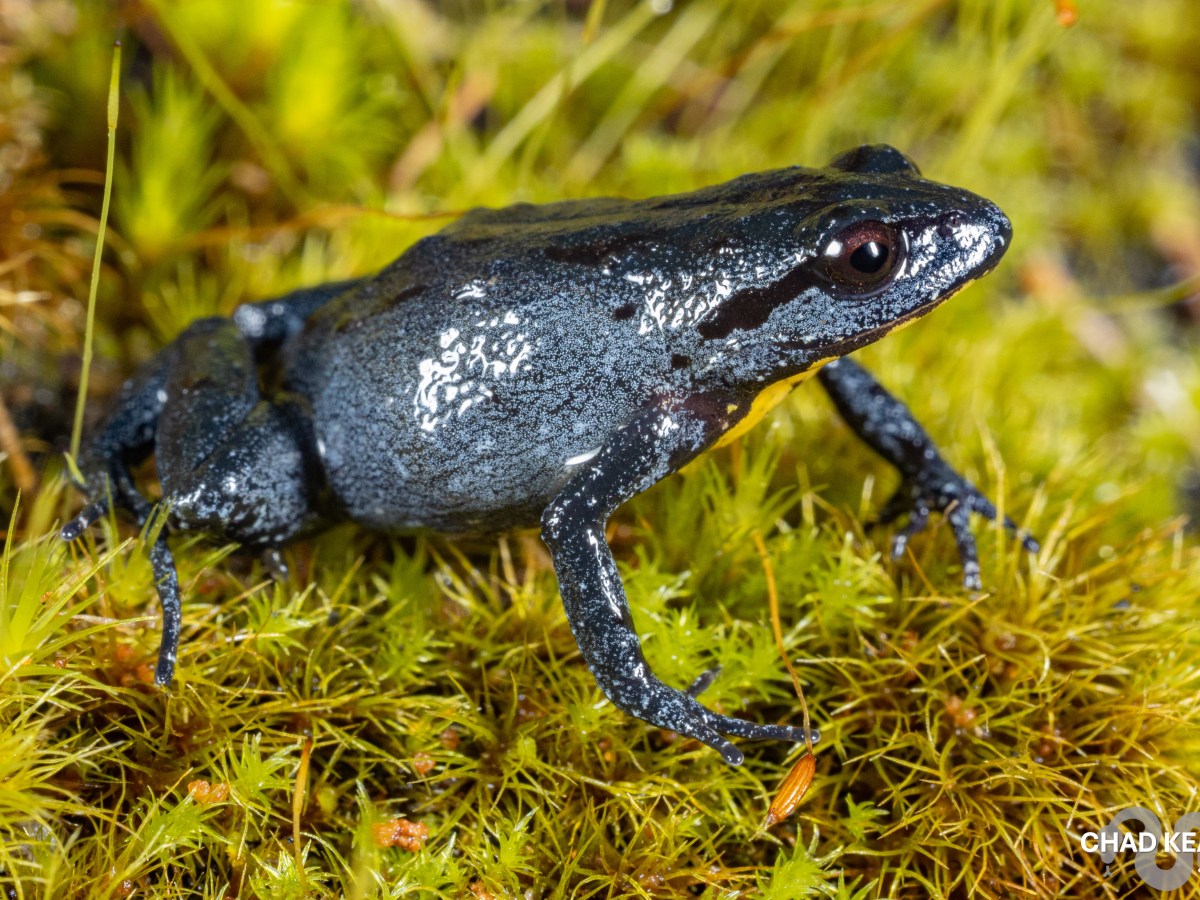
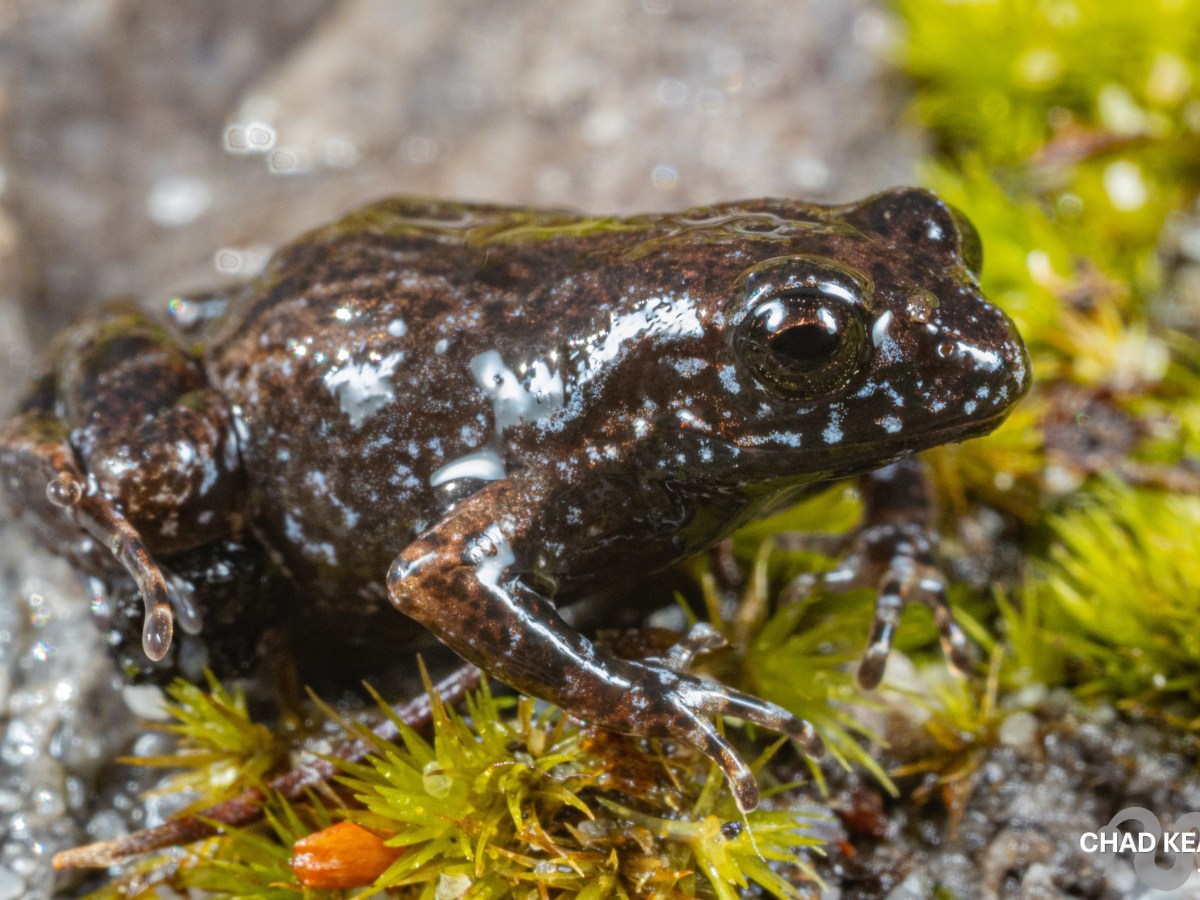
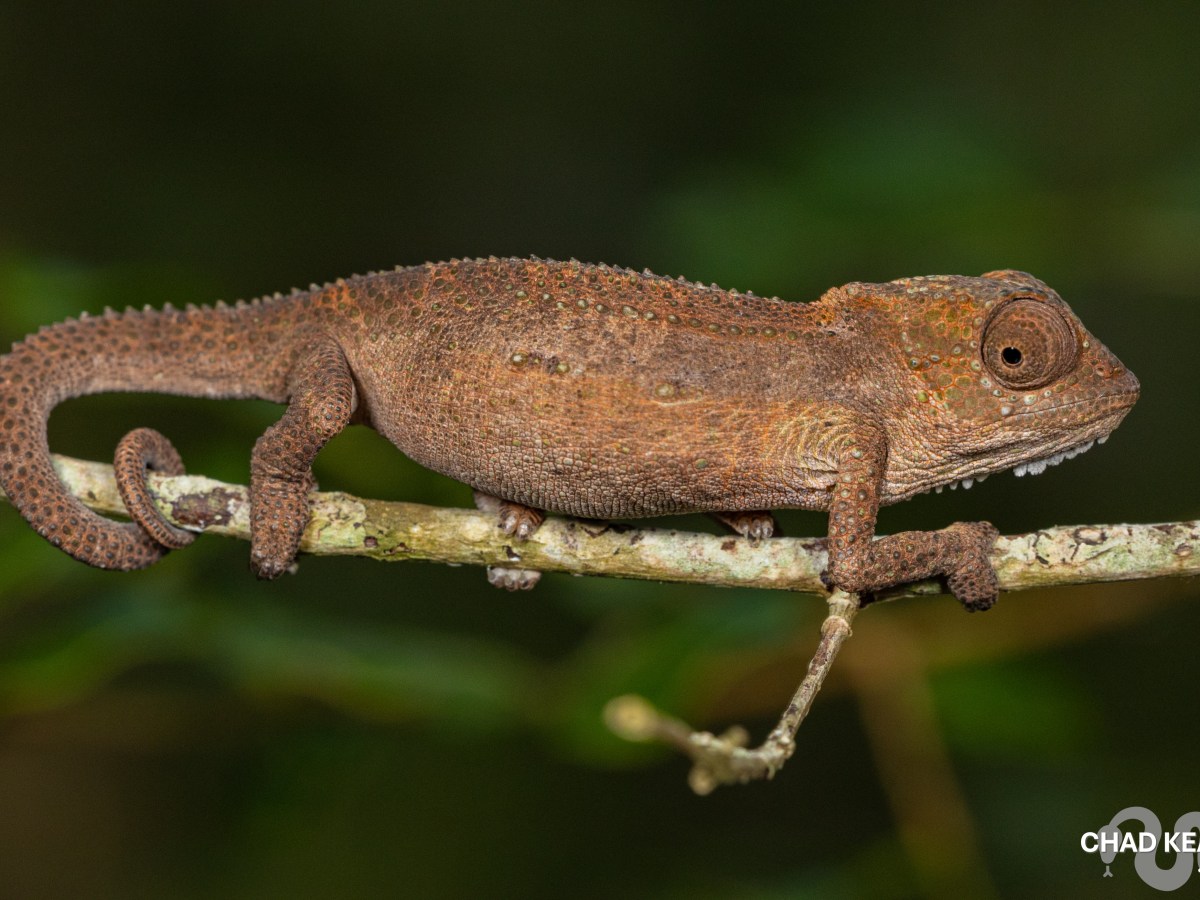
Recently Luke and I (Chad Keates) went on a herping adventure to the Western Cape. We stayed two night in Wilderness and one night in Oudtshoorn, and the function of the trip, as usual, was to find as many reptiles and frogs as we could. Whilst dwarf adders and ghost frogs remained high on our list, the main function of this trip was to find dwarf chameleons. South Africa is home to… Read More




 Chad Keates