 Chad Keates
 Archives

This list is in no particular order and is based on what I have seen inside or very close to Grahamstown. Boomslang (Dispholidus typus typus) Size: 1.2-1.5m. Habits: Diurnal snakes which are found in a large variety of habitats, most commonly in trees and shrubs, but may descend to the floor to bask or find food. Diet: Chameleons, frogs, tree-living lizards, birds and occasionally rodents. Danger to man: The boomslang possesses a very dangerous haemotoxic venom… Read More
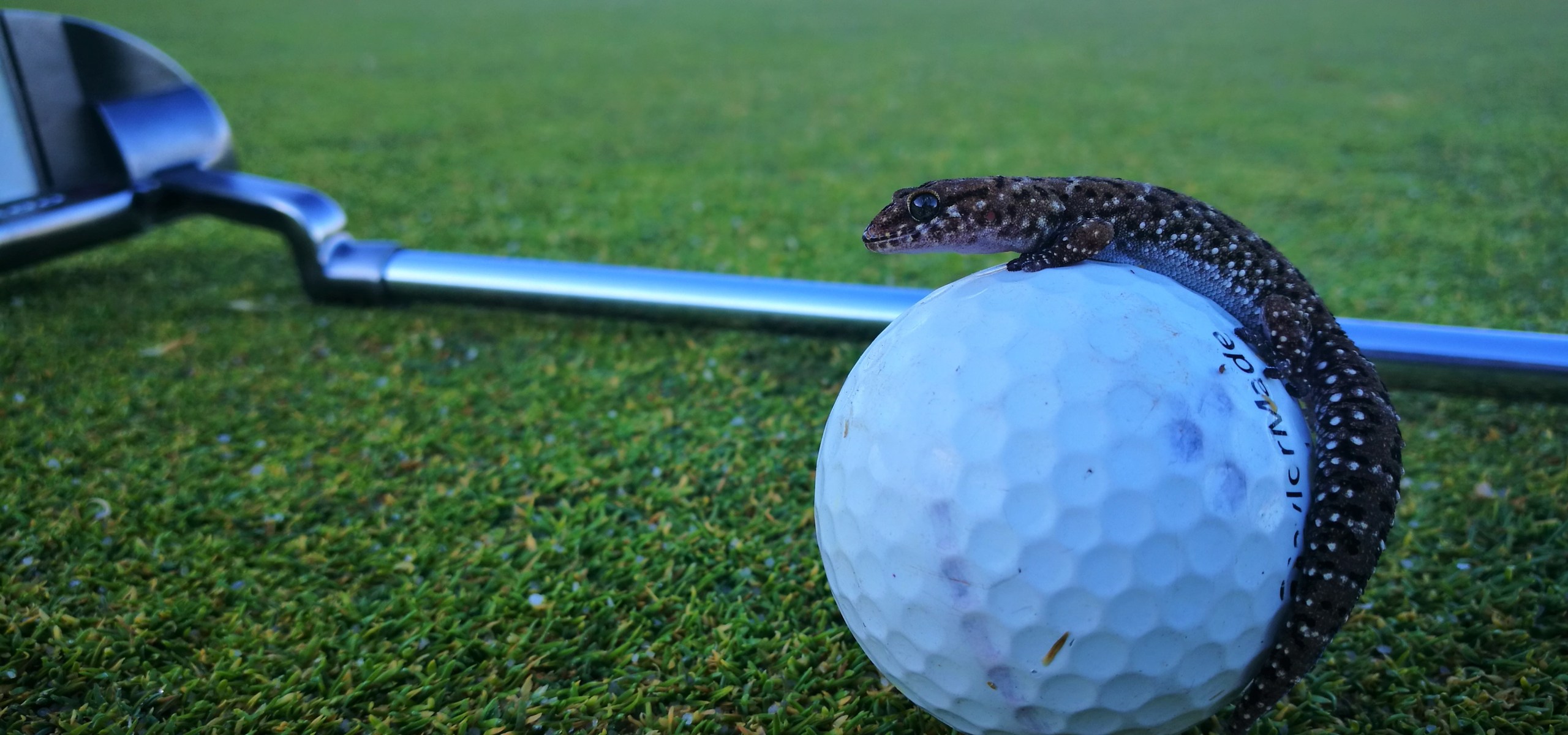
I have lived in Eagle Canyon Since its inception all the one back in 2005. A lot has changed since then and while many species have been forced out by the continuous development, due to habitat loss, many species have remained and can still be found to this day. Although the large expanses of open veld are all but absent from the estate, there still are a few spots where wildlife thrives,… Read More


It’s not every day that you can say that you were part of the history of science, but for Luke Kemp and I, a warm summer night in Hluhluwe of this year was just one of those days. In January of this year, Luke and I attended the Herpetological Association of Africa Conference of Africa in Northern Kwazulu-Natal. In addition to presenting our work and learning of the developments in the field… Read More
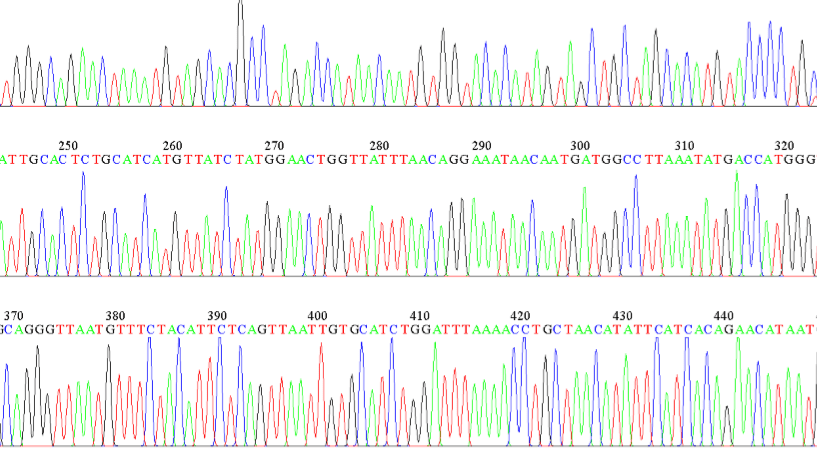
Today I received my samples back from their holiday in Amsterdam, and I am happy to announce that all but one sample worked. The samples from today coupled with the samples I received last month amount to 75 successfully sequenced samples to date. These samples, which comprise four genes, make up a large proportion of my sample set and thus represent a massive step forward in the completion of my thesis. But… Read More

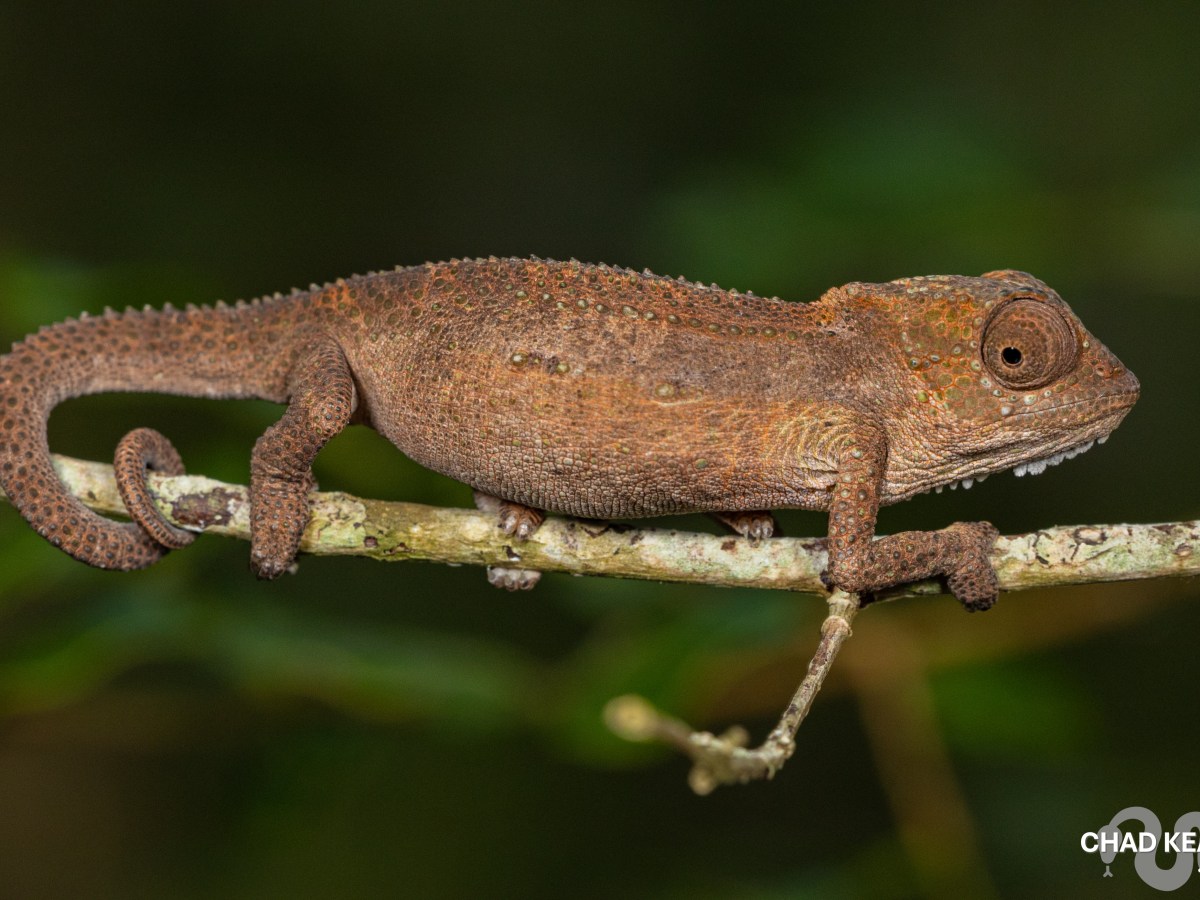
Recently Luke and I (Chad Keates) went on a herping adventure to the Western Cape. We stayed two night in Wilderness and one night in Oudtshoorn, and the function of the trip, as usual, was to find as many reptiles and frogs as we could. Whilst dwarf adders and ghost frogs remained high on our list, the main function of this trip was to find dwarf chameleons. South Africa is home to… Read More


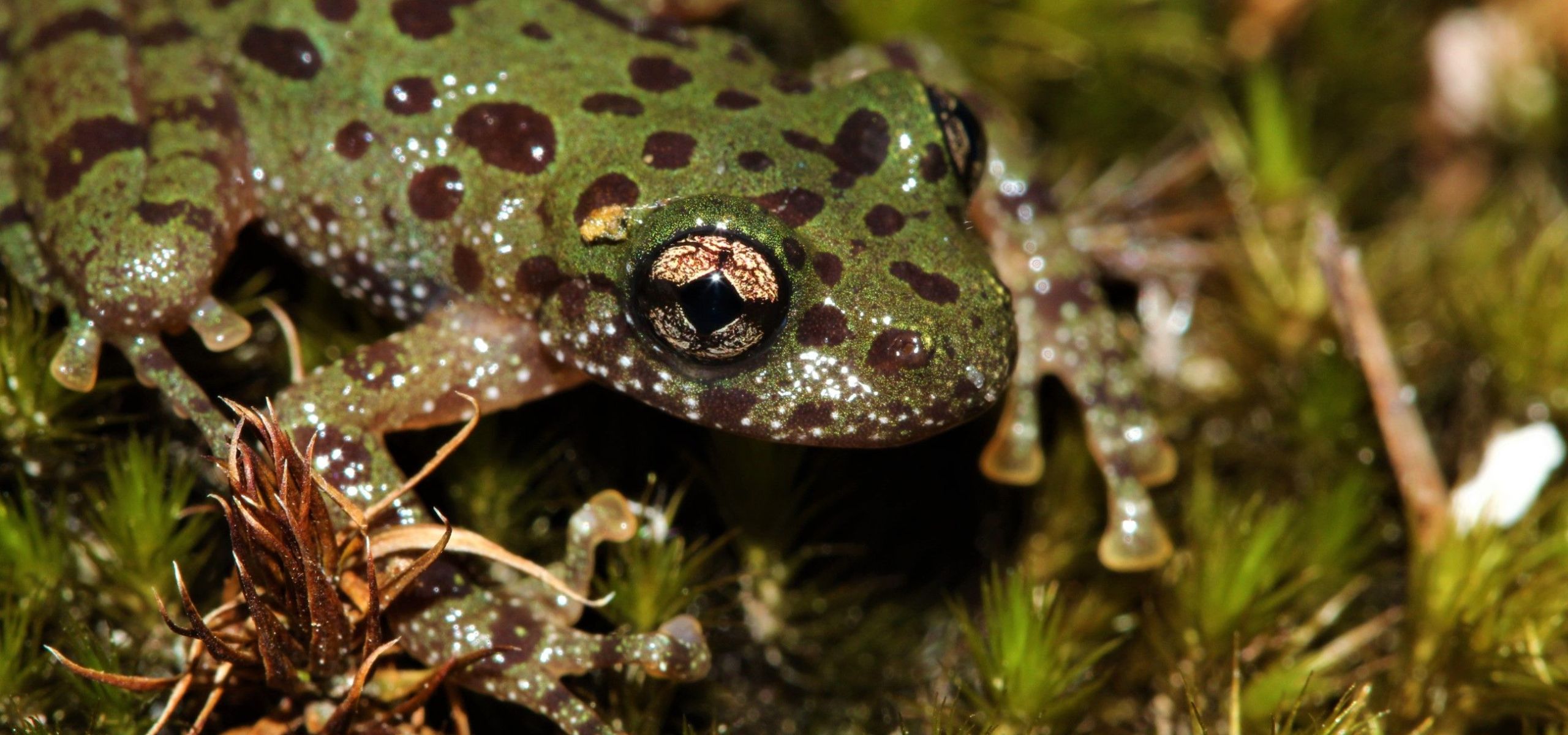


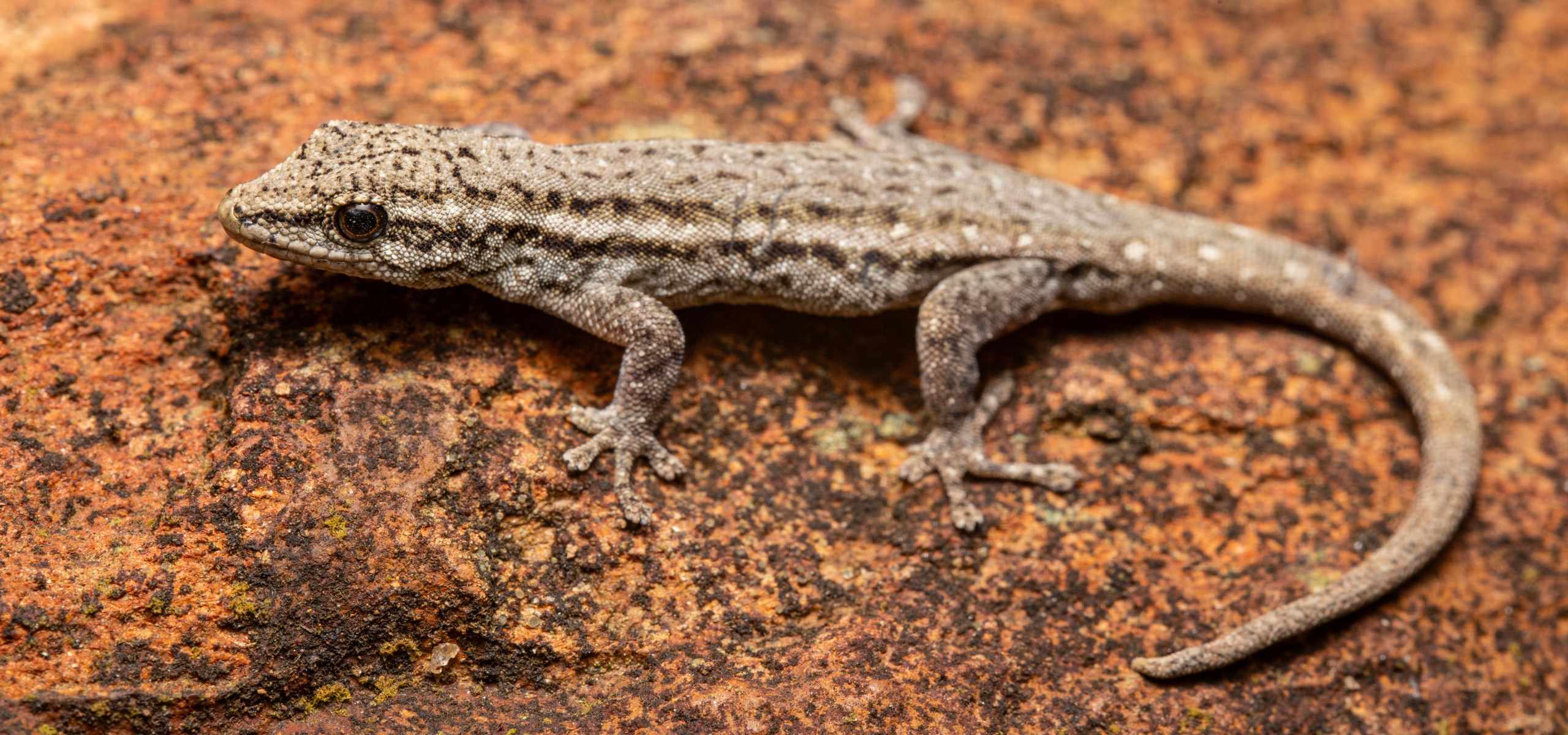


So although I started last year, and even though I have a lot… I mean a lot to learn about reptile photography, I am happy to say that I placed third in this years department photo competition. My picture of the two very cute brown-backed tree frogs now hangs on the wall, in the foyer of the Zoology and Entomology Department, amidst the other photos which placed in the top three for… Read More


Following our trip to the Transkei , Werner Conradie, Luke kemp and I departed for the biennial Herpetological Association of Africa (HAA) conference in Hluhluwe, Kwazulu Natal. We spent the night of the 22nd of January in my cousins beach house in Umhlanga and the next day we departed for Hluhluwe after a quick stop at Ushaka International Airport, to pick up Professor Bill Branch (World-renowned African herpetologist) and Ninda Baptiste (Angolan herpetologist)…. Read More

Text adapted from trip report completed by Luke Kemp and I last month . Purpose of trip Recently Luke kemp and I joined a data collecting trip in the Transkei forested region as part of an ongoing study, spearheaded by Stellenbosch University. There were many teams studying many facets of forest ecology but we, Werner Conradie (Head Herpetologist at Bayworld Museum) and Theo Busschau (MSc student at Stellenbosch University) were tasked with collecting herpetological… Read More

Recently Luke Kemp and I ventured to the Northern Cape in search of some of South Africa’s most insane herps. Although we did not find everything we set out to find, we found a lot and had a great time doing it. The trip was filled with some memorable moments and some even more remarkable finds. Thanks Luke for making it such an adventure, and easily the best herping trip I have have done in… Read More




 Chad Keates