 Chad Keates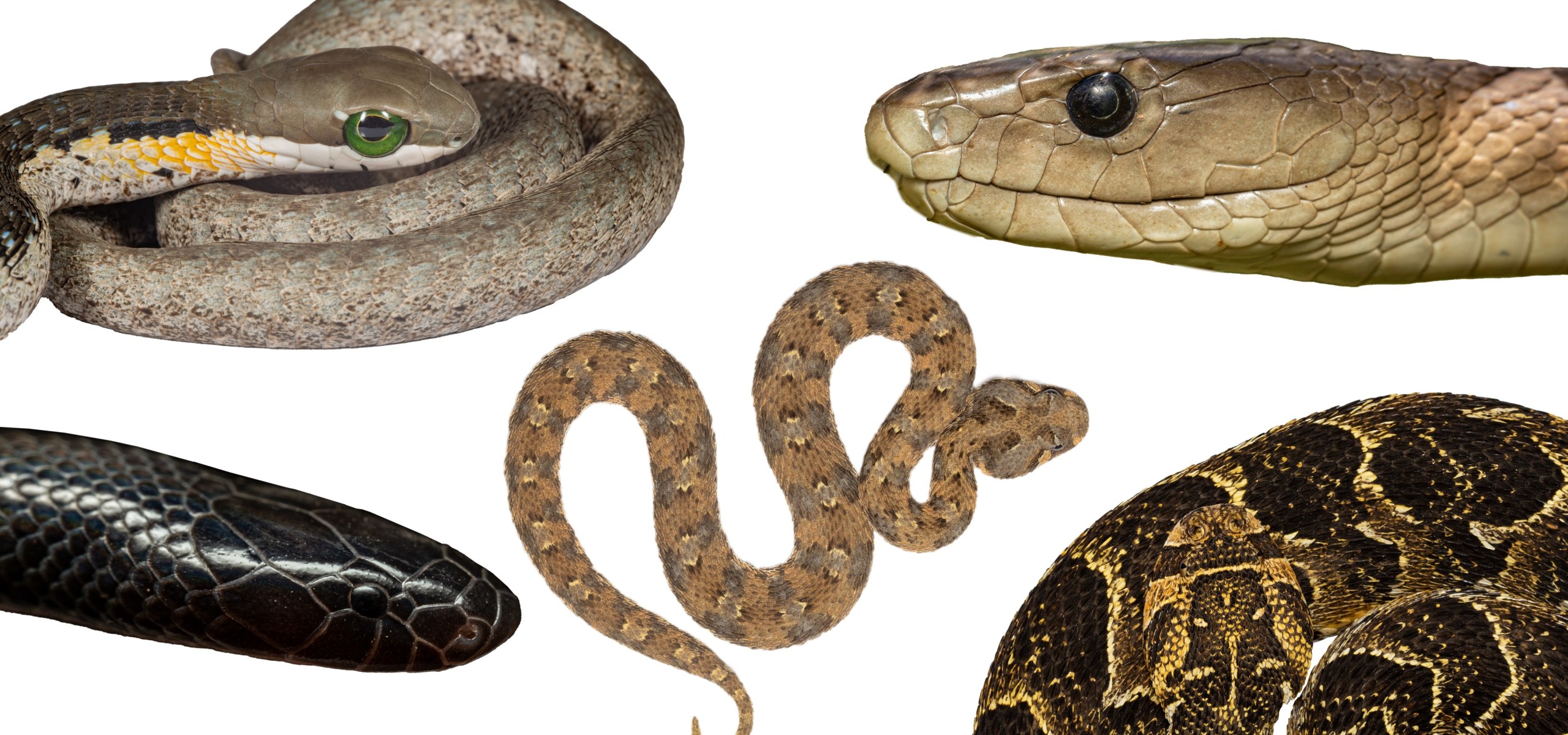
The Dangerous Snakes of Botswana
Botswana is a large, flat, land-locked country found within the southern African region. It is well known for its distinct Kalahari landscape, and the Okavango Delta, one of the largest wetlands on the planet. Although dry, the countries seasonal flooding and distinct topography give rise to lush vegetation, which supports some of the highest densities and diversities of large mammals on the planet. While the region is famed for its elephants, wild dogs, lions, and leopards, it also plays host to approximately 60 different species of snake, eight of which are potentially life-threatening to humans.
Why are snakes Important?
Snakes are incredibly versatile animals that can be found in almost every biome, habitat and ecosystem on Earth. They are both predator and prey and are an integral component of most food webs. They are also famed for feasting on a wide range of animals, which benefits both humans and wildlife. Despite their critical role in virtually every ecosystem on Earth, they are continually persecuted by humans for their perceived danger. Whilst there exist many dangerous snakes, the number of harmless snakes far exceed them with most regions, countries and continents only supporting a handful of truly life-threatening serpents. Botswana is no exception to this rule with most snakes presenting absolutely no threat to humans whatsoever.
Common Harmless Snakes of Botswana
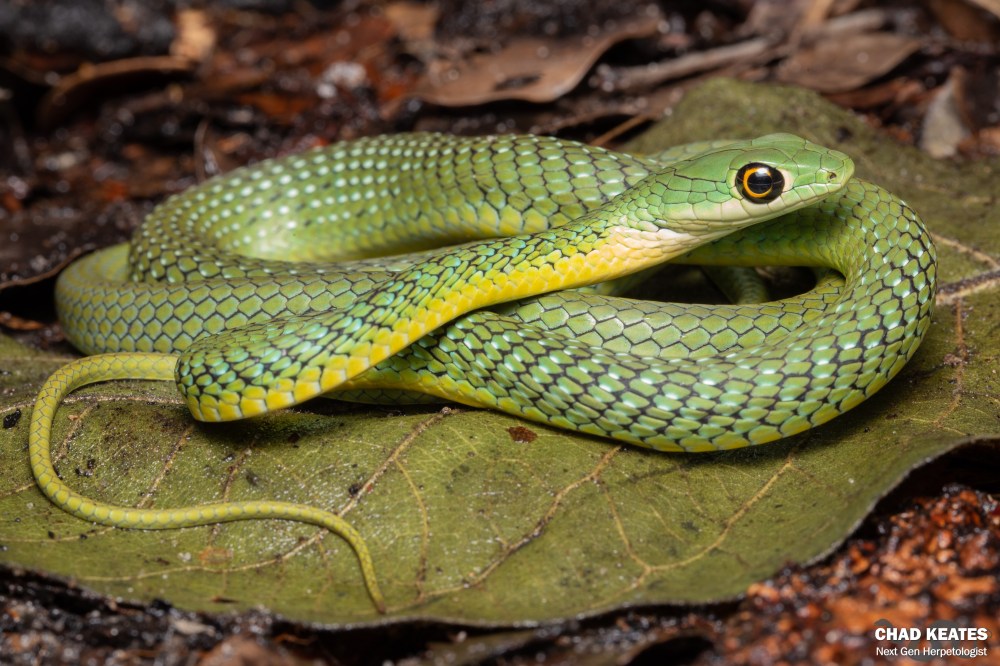
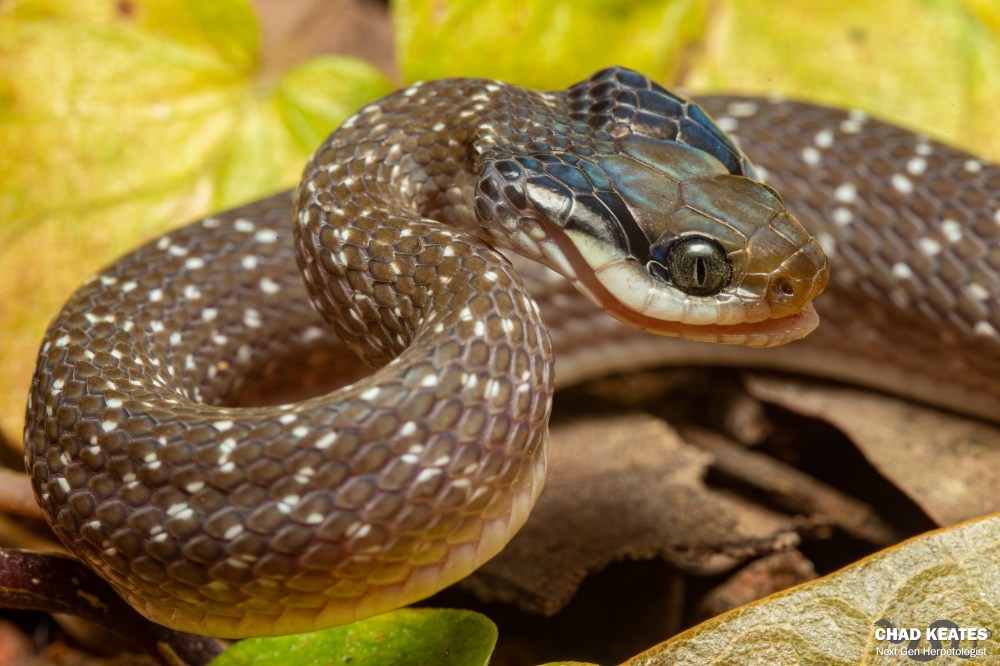
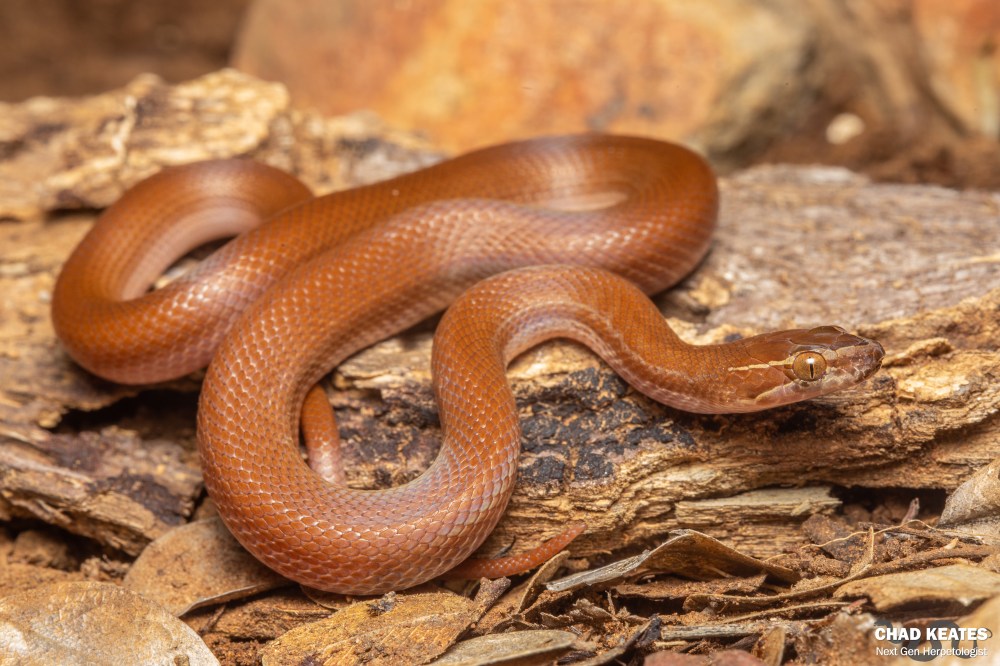
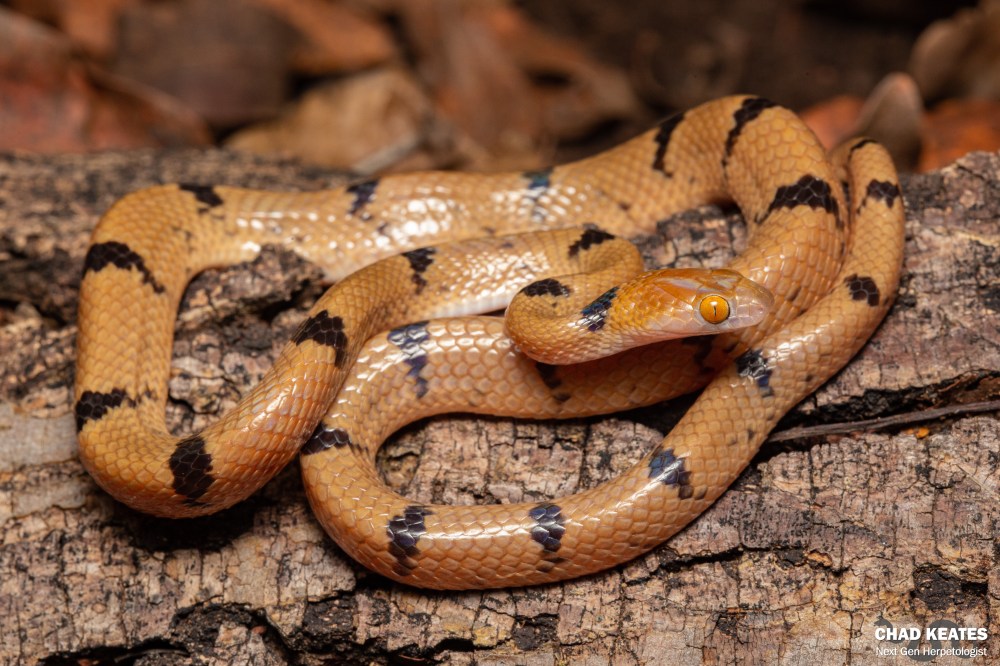
Snakes of Botswana
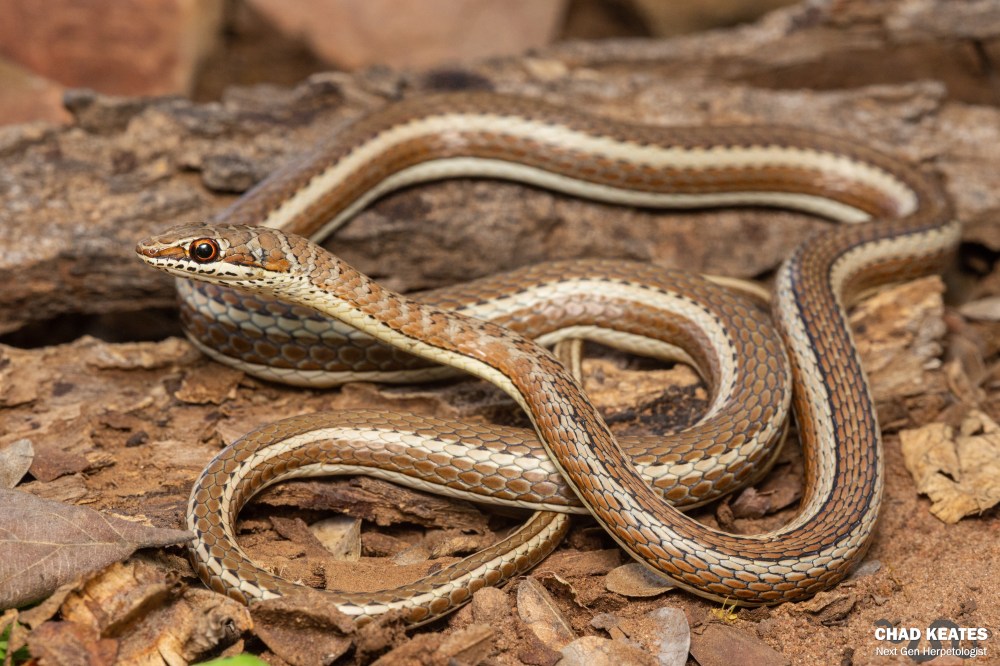
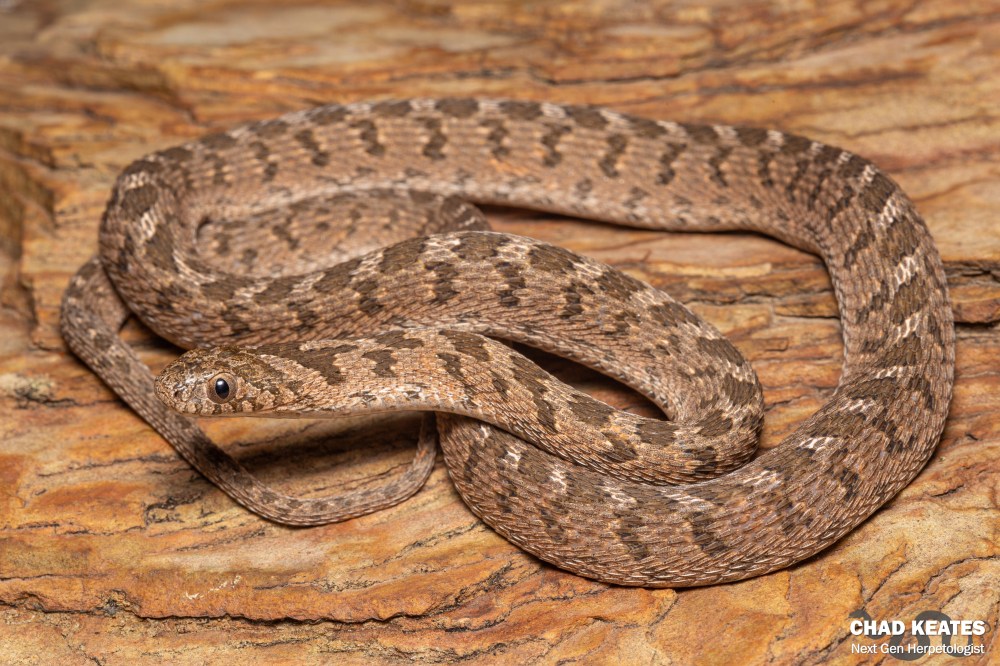
There are approximately 60 snakes in Botswana (not including sub-species). Most of the snakes are either mildly venomous or lack venom completely making them completely harmless, with only a small proportion being dangerous to humans. A snake is only considered dangerous to humans in this article if the bite is considered medically important. By this definition there are 11 dangerous snakes (medically important snakes) in Botswana.
Medically Important Snakes of Botswana
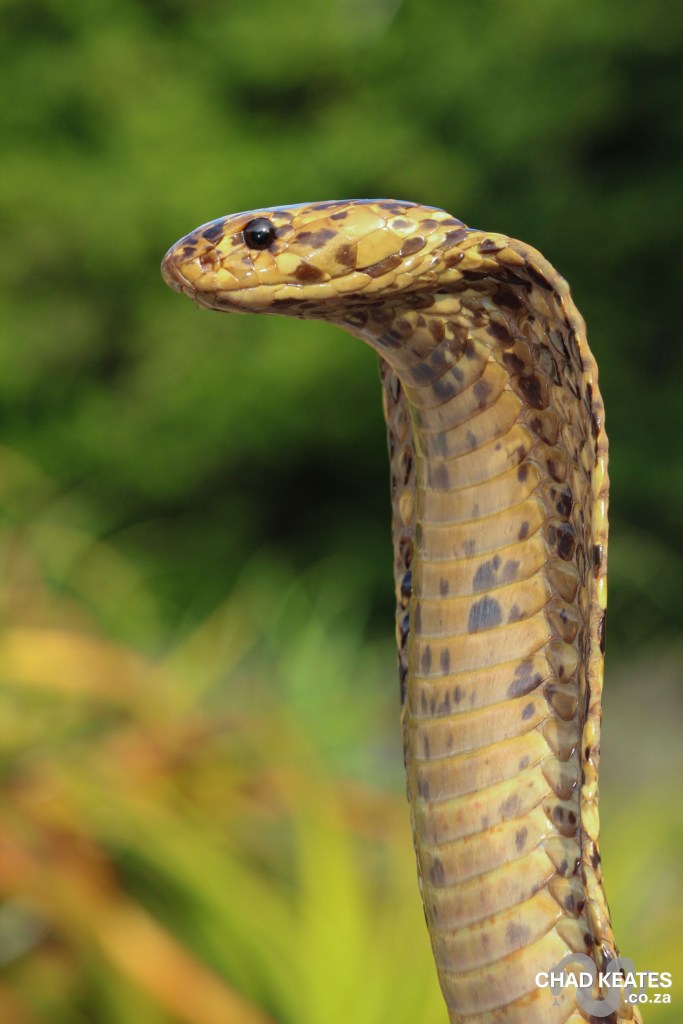
Black Mamba – Dendroaspis polylepis
Snouted Cobra – Naja annulifera
Mozambique Spitting Cobra – Naja mossambica
Cape Cobra – Naja nivea
Anchieta’s Cobra – Naja anchietae
Southern Twig Snake – Thelotornis capensis
Boomslang – Dispholidus typus
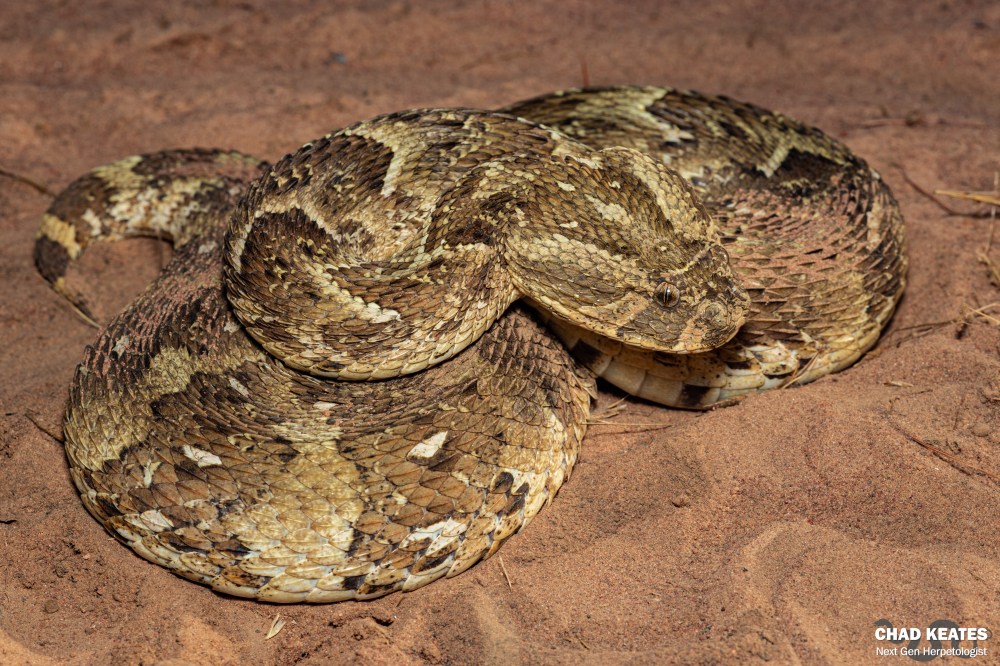
Puff Adder – Bitis arietans
Horned Adder – Bitis caudalis
Speckled Shield Cobra – Aspidelaps scutatus scutatus
Stiletto snake – Atractaspis bibronii
Of the 11 dangerous snakes, only eight are considered very dangerous (potentially life threatening snakes) in Botswana. Snakes such as the Horned Adder, the Speckled Shield Cobra, and the Stiletto Snake can yield some very painful bites (and produce rather serious symptoms), but neither of these bites require antivenom. Neither the Horned Adder, the Speckled Shield Cobra, or the Stiletto Snake are considered potentially life-threatening in Botswana. However, very dangerous snakes are considered life threatening, especially when left untreated. Bites from very dangerous snakes, as is denoted by red in the above figure, may necessitate the use of antivenom depending on the symptoms presented by the patient. Whenever someone is bitten by a very dangerous snake they should seek professional medical treatment as soon as possible.
The Mozambique Spitting Cobra is the only spitting cobra in Botswana.
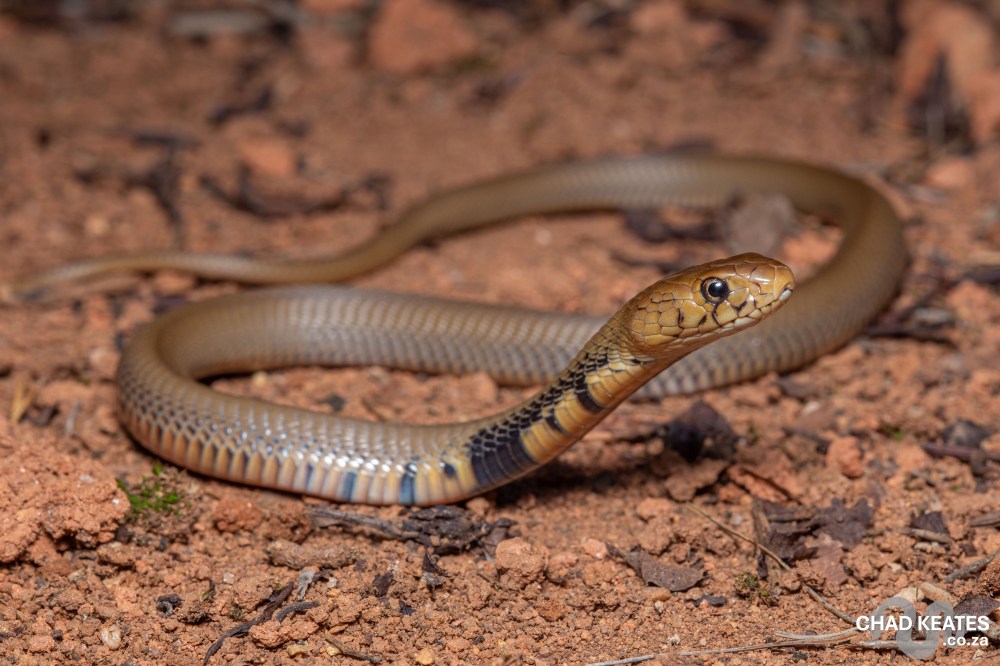
Behaviour, ecology and distribution play a massive role in human/snake interactions, so if a snake rarely bites it does not present an immediate danger to humans, even if it does have incredibly toxic venom. A great example of this is the boomslang because while its’ venom is drop-for-drop amongst the most toxic in the world, the snakes’ timid nature coupled with its’ tendency to flee instead of bite renders bites incredibly rare in South Africa. This makes the snake less of a concern to humans because it doesn’t really matter how venomous it is if it very rarely bites any humans. In other worlds… It takes ‘talent’ to get bitten by a boomslang.
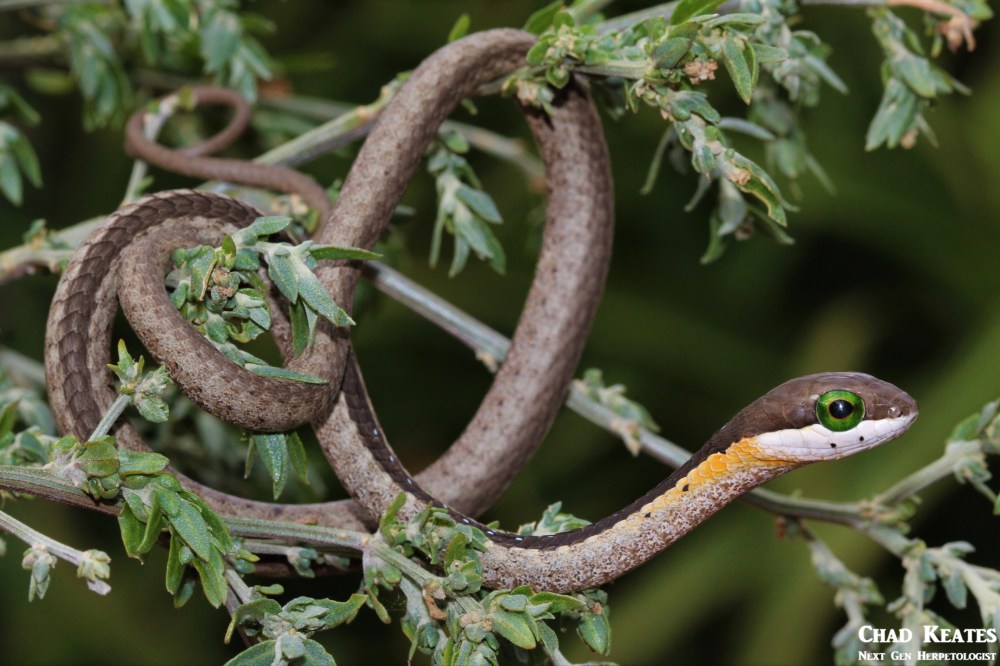
There are less than 10 confirmed fatalities from boomslang bites since 1957
Of the nine very dangerous snakes (i.e. potentially life threatening) in Botswana, four species stand out as the most important, based on a combination of their behavior, their propensity to bite and the toxicity of their venom. These four snakes are the Black Mamba, Cape Cobra, Puff Adder and the Mozambique Spitting Cobra. Of these four, the Black Mamba and Cape Cobra are definitely the most dangerous, not because they produce the most bites or are aggressive but because of the potency of their venom. When either of these snakes bite you it is very serious and if medical treatment is not sought promptly, serious complications are very likely to follow.
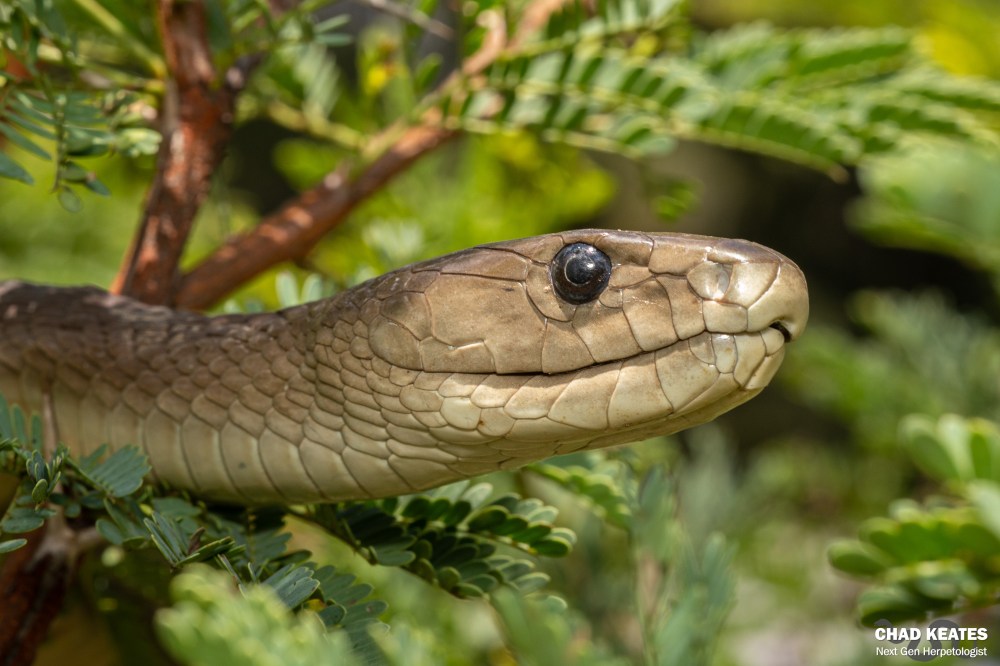
The Black mamba is the largest venomous snake in Africa with a maximum size of 4.5m. Although large, fast, and incredibly agile, these animals are quick to flee when given the opportunity, and are nowhere near as aggressive as people make them out to be.
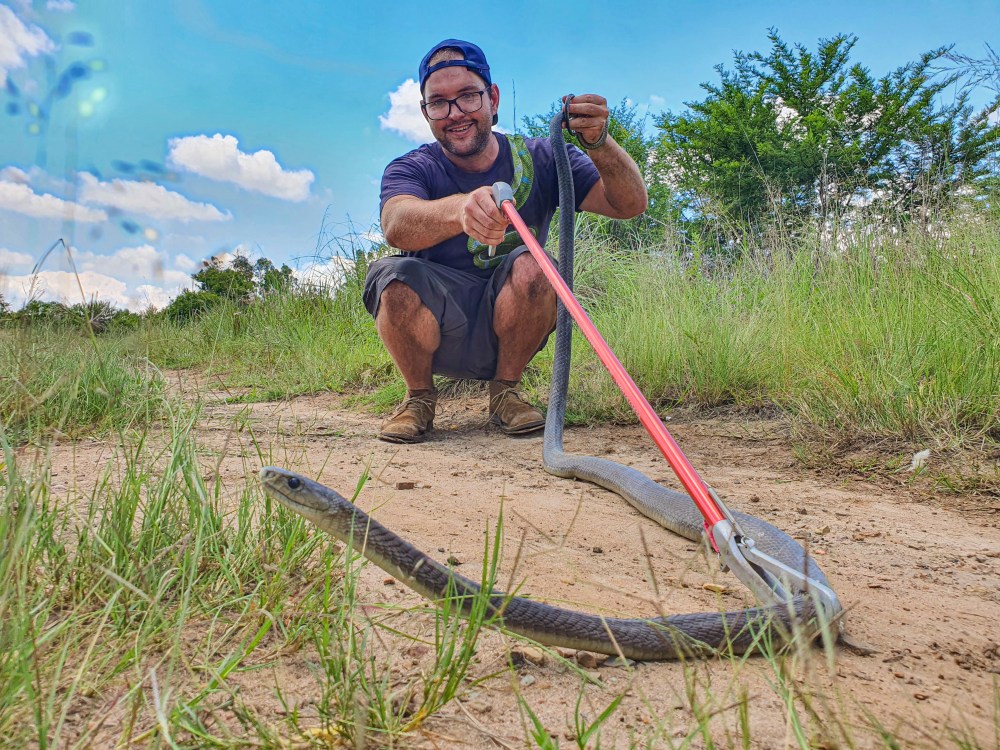
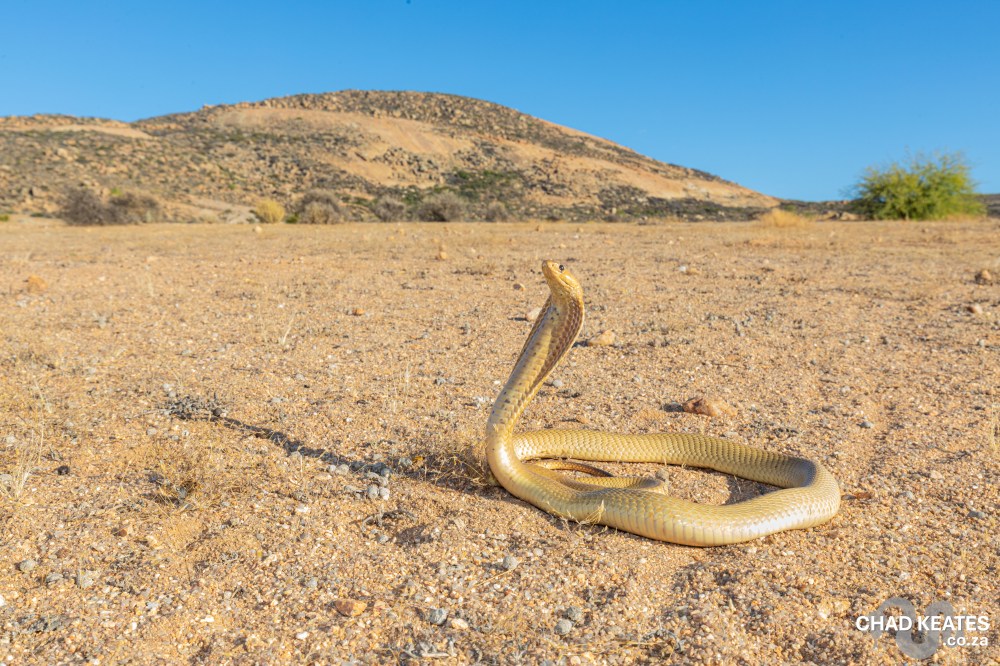
The Cape cobra is responsible for the most snake-related deaths in the Cape provinces of South Africa and it is the most venomous cobra in Africa. The Black Mamba is the most dangerous snake in Botswana with the most confirmed snake-related deaths in the country. The Black mamba is also one the ten most venomous snakes in the world when you take into consideration the toxicity and quantity of venom injected during the average envenomation. The rest of this list belongs to snakes such as the Inland Taipan, Coastal Taipan and Eastern Brown Snake from Australia.
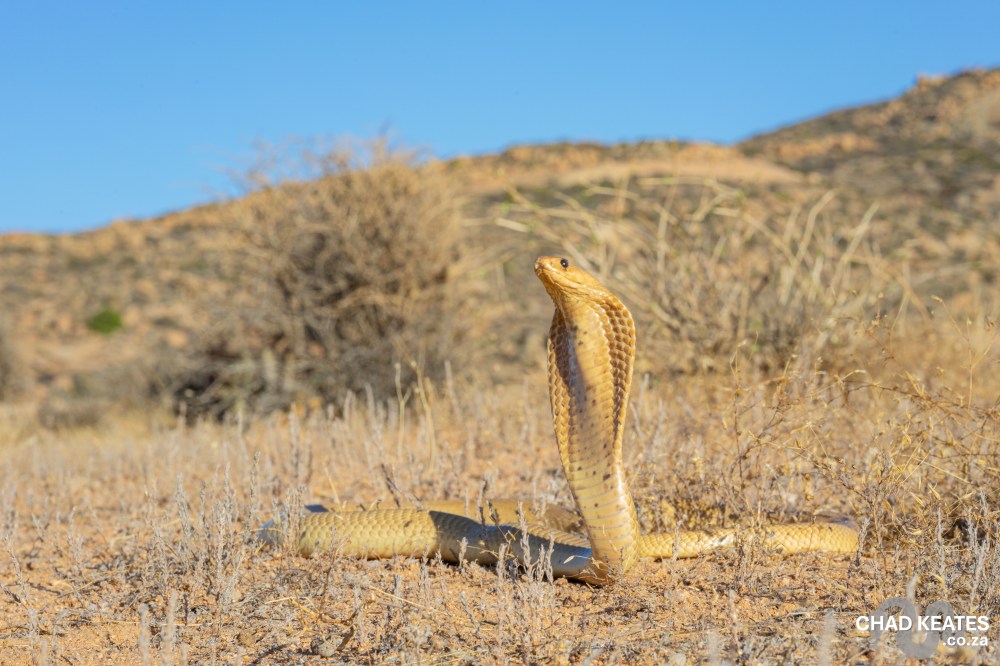
The Cape Cobra is the most venomous cobra in Africa
While bites from the Puff Adder and Mozambique Spitting Cobra rarely result in human fatalities, they along with the Stiletto Snake (Atractaspis bibronii) are responsible for approximately 80% of all serious bites in neighboring South Africa. The venoms from these snakes are primarily cytotoxic meaning they often result in local swelling, severe pain and even limb loss in extreme cases.
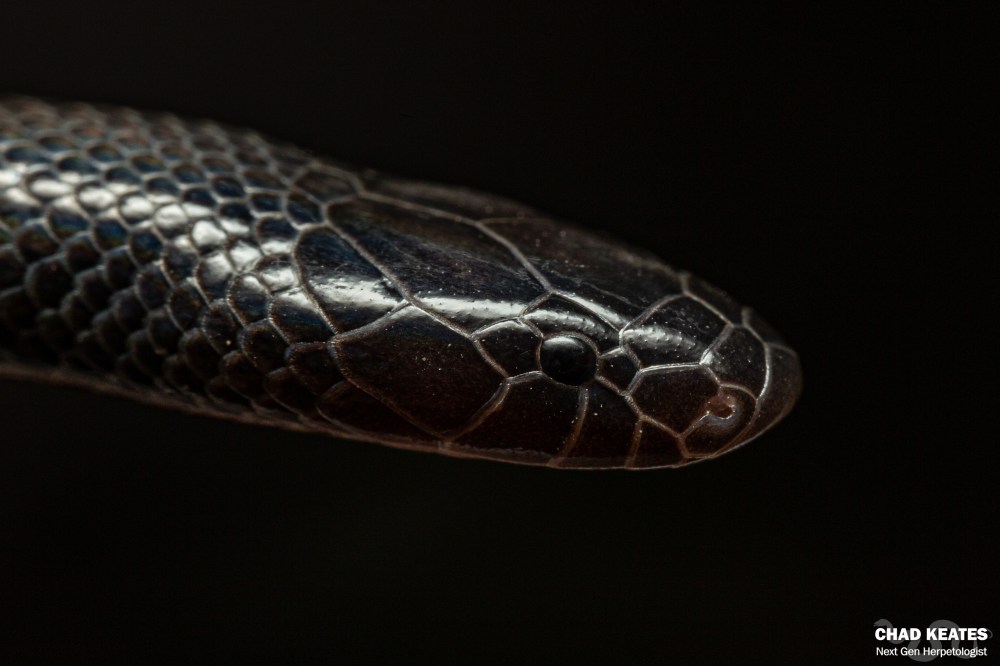
While bites from Stiletto Snakes have not resulted in human deaths in Botswana, there have been fatalities further north in Africa. Similarly, while the Speckled Shield Cobra is not considered to be potentially life threatening in Botswana, its close relative, the Kunene Coral Snake (Aspidelaps lubricus cowlesi) is considered very dangerous with a recent envenomation in Namibia resulting in the death of a two year old.
The Most Deadly Snakes in Botswana
Black Mamba – Dendroaspis polylepis
Cape Cobra – Naja nivea




 Chad Keates