 Chad Keates
The Snakes of Lesotho
Lesotho is a small land-locked country, which is found in the heart of South Africa. The nation, which was once a kingdom, is characterized by rolling grasslands, interconnected streams and towering mountains. The region currently plays host to 21 different snake species (confirmed) with only three of them being potentially dangerous to humans.
The planet currently has approximately 4,145 snakes (as of August 2024), with new species being described all the time. All continents except for Antarctica contain snakes with Africa playing host to some of the highest snake densities on the planet. Snakes are incredibly versatile animals that can be found in almost every biome, habitat and ecosystem on Earth. They are both predator and prey and are an integral component of most food webs. They are also famed for feasting on a wide range of animals, which benefits humans and other wildlife alike. Despite their critical role in virtually every ecosystem on Earth they are continually persecuted by humans for their perceived danger. Whilst there exists many dangerous snakes, the amount of harmless snakes far exceed them with most regions, countries and continents only supporting a handful of truly life threatening serpents. Lesotho is no exception to this rule with the vast majority of snakes bearing absolutely no threat to humans whatsoever.
Snakes that may occur in Lesotho but are yet to be confirmed
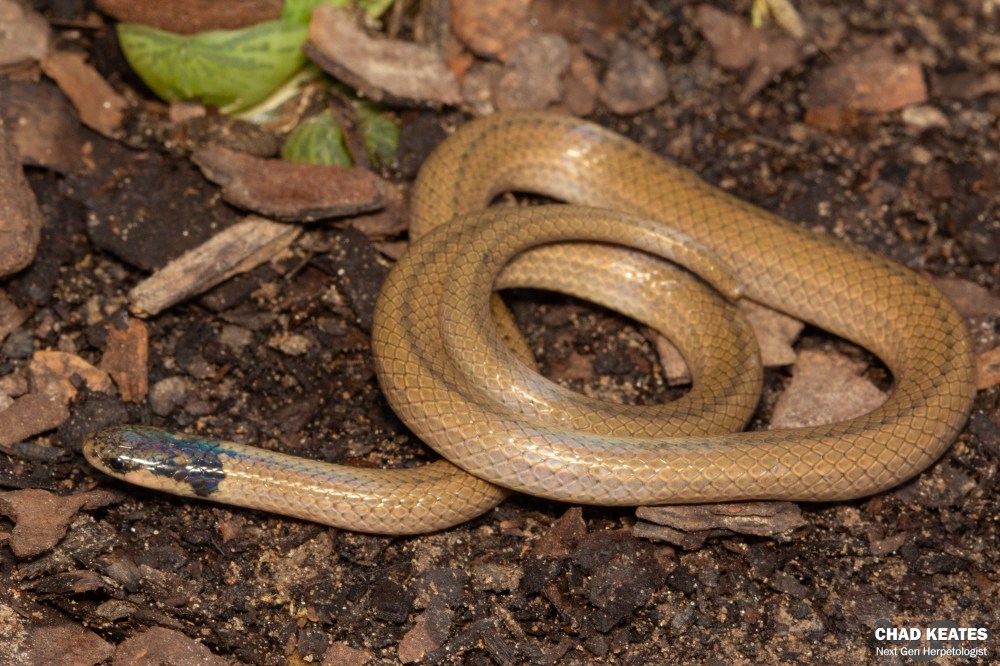
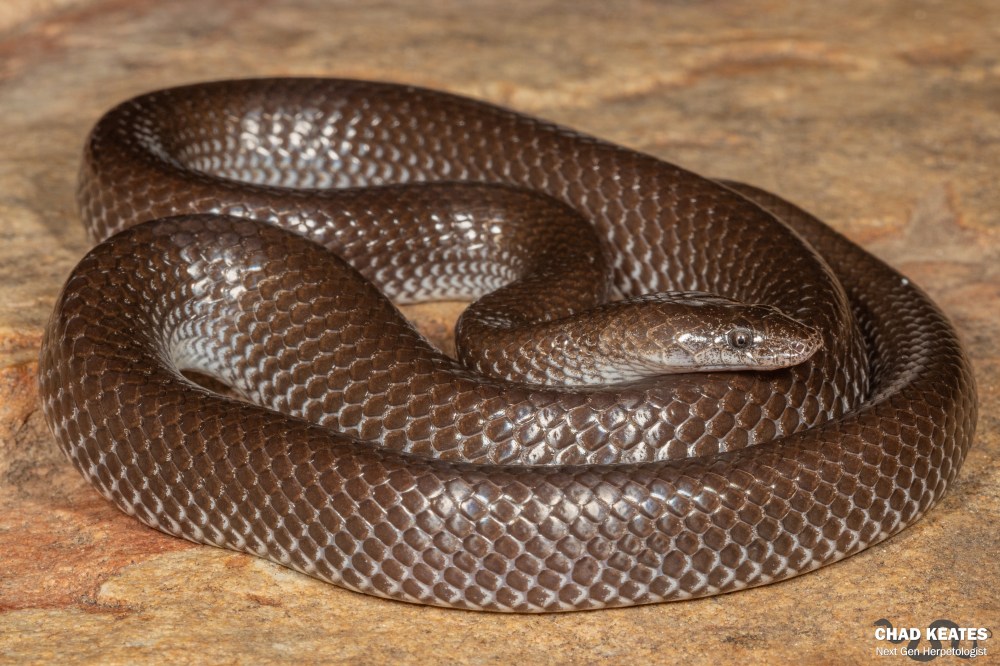
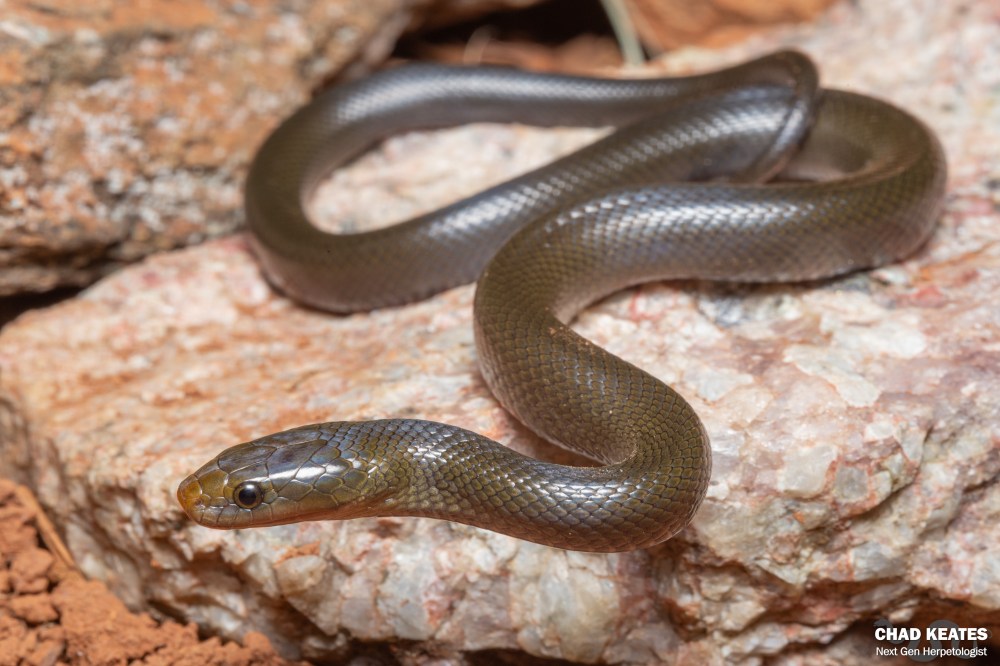

There are approximately 21 snakes in Lesotho (not including sub-species). While not confirmed, its possible that Lesotho also plays host to the black-headed centipede eater (Aparallactus capensis), Cape wolf snake (Lycophidion capense), olive ground snake (Lycodonomorphus inornatus), rhombic night adder (Causus rhombeatus) and the incredibly rare cream-spotted mountain snake (Montaspis gilvomaculata).
Most of the snakes currently found in Lesotho are either mildly venomous or lack venom completely with only a small proportion being dangerous or very dangerous to humans. A snake is only considered very dangerous to humans in this article if their venom is capable of taking a human life. By this definition there are only three snakes capable of killing a human being in Lesotho. These are the Cape cobra, rinkhals and puff adder. While venomous, and capable of a painful bite and some ‘pretty’ serious symptoms, the bite of a berg adder is not considered life threatening.
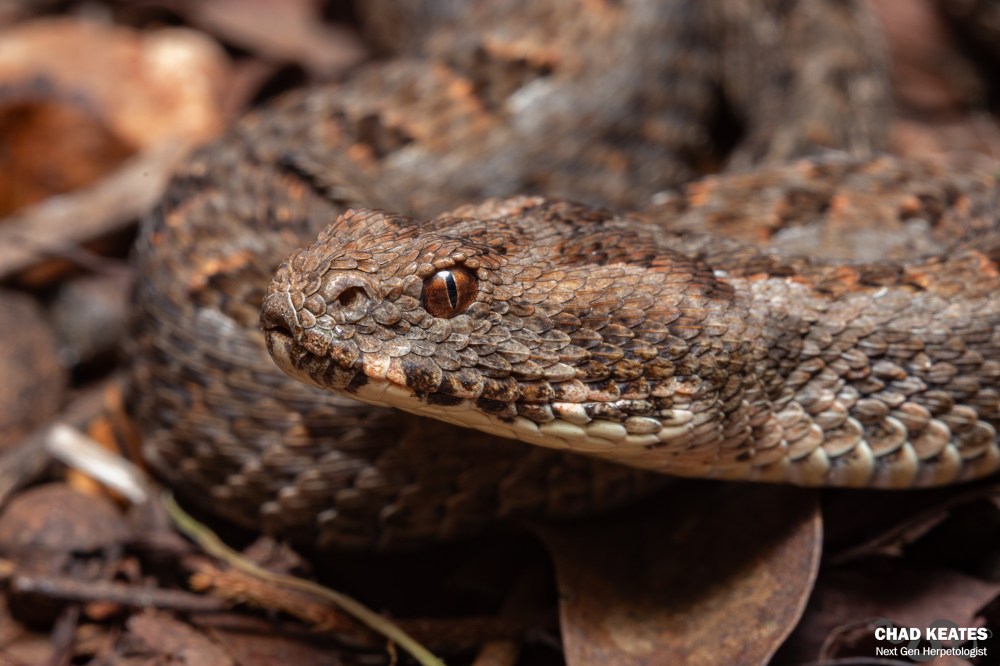
Dangerous Snakes of Lesotho
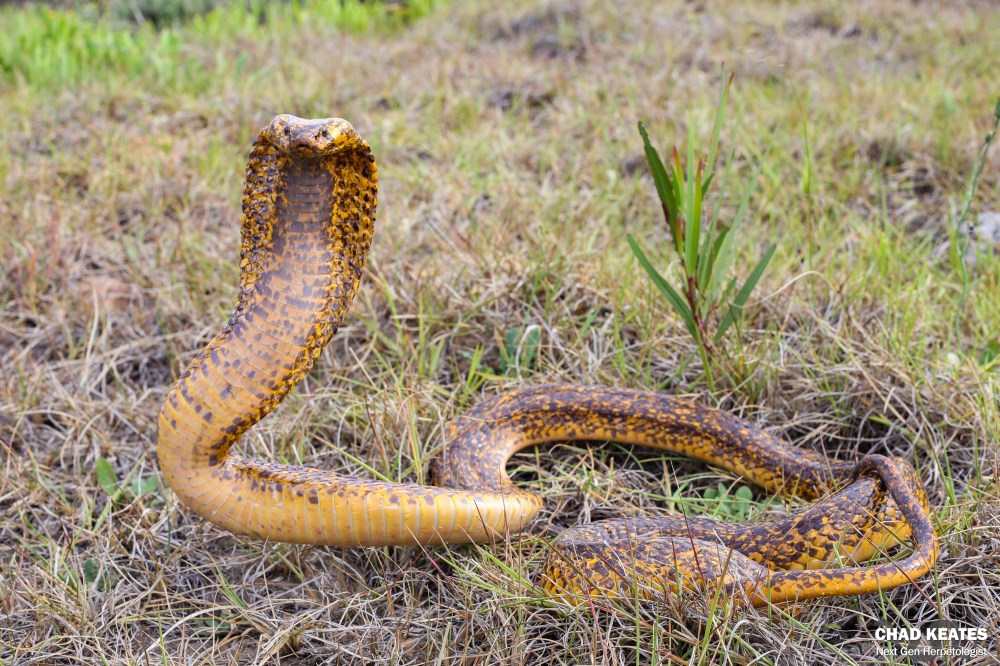
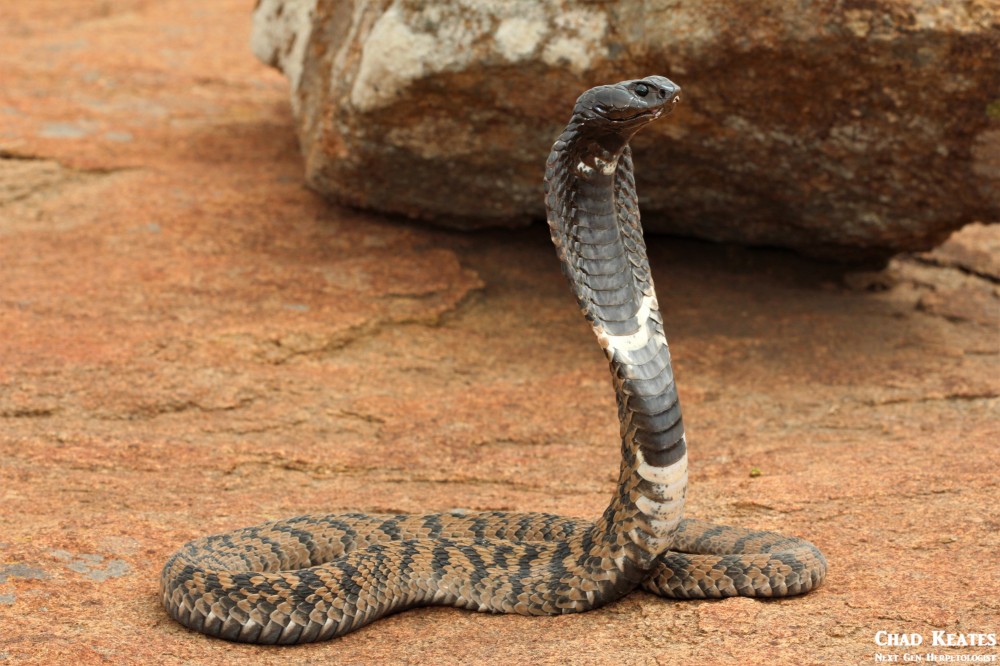
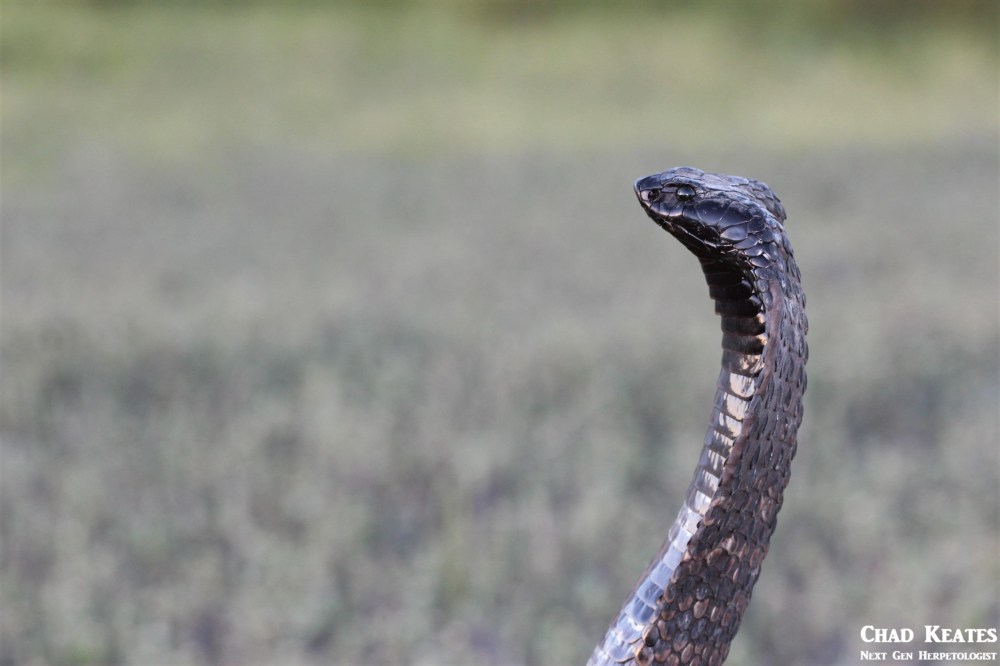
- Rinkhals – Hemachatus haemachatus
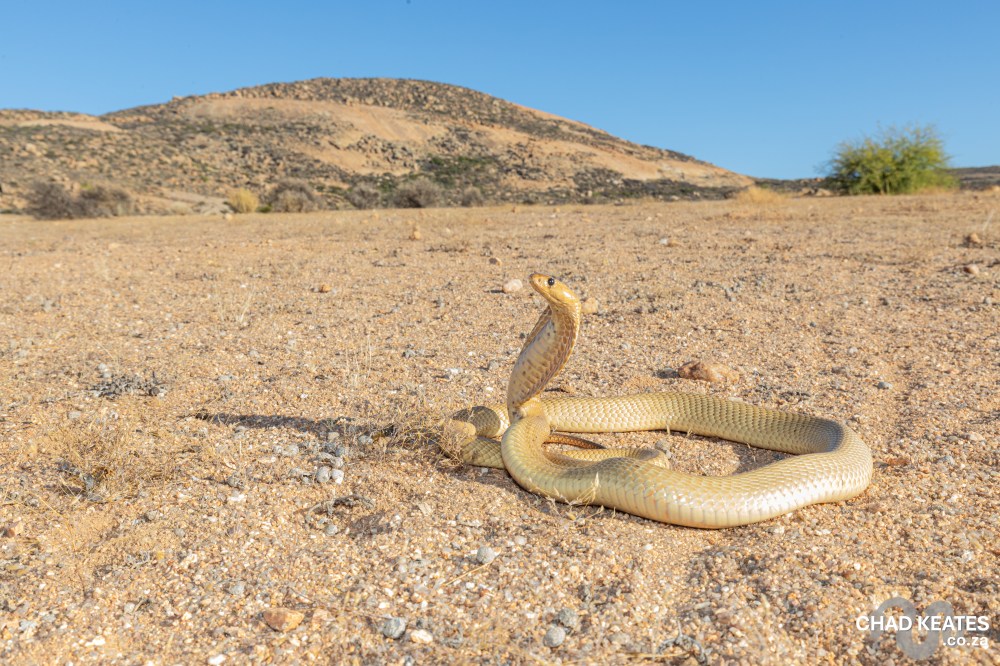
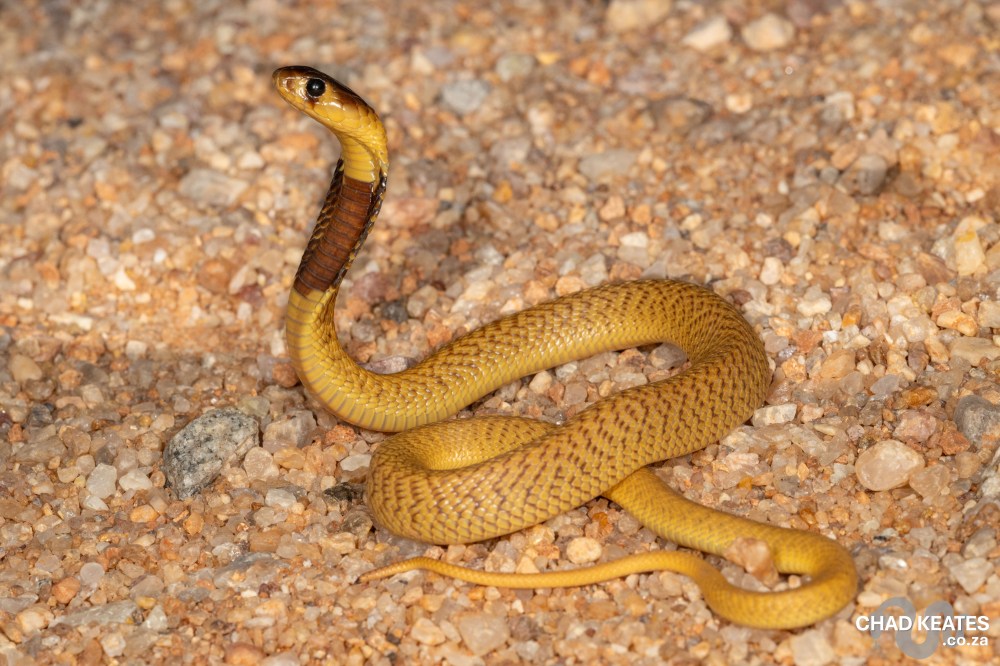
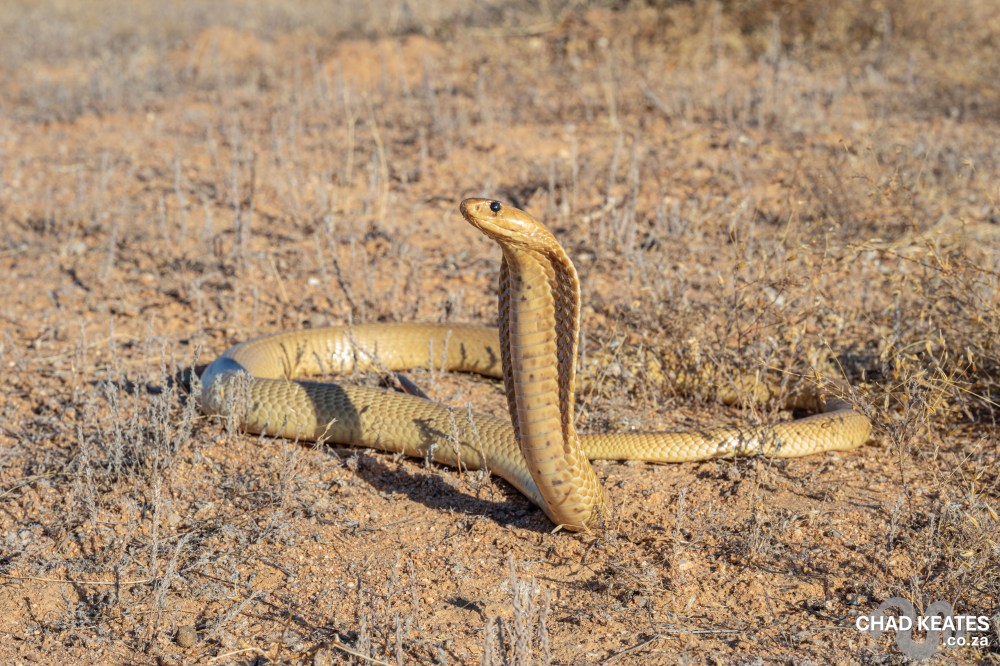
- Cape Cobra – Naja nivea
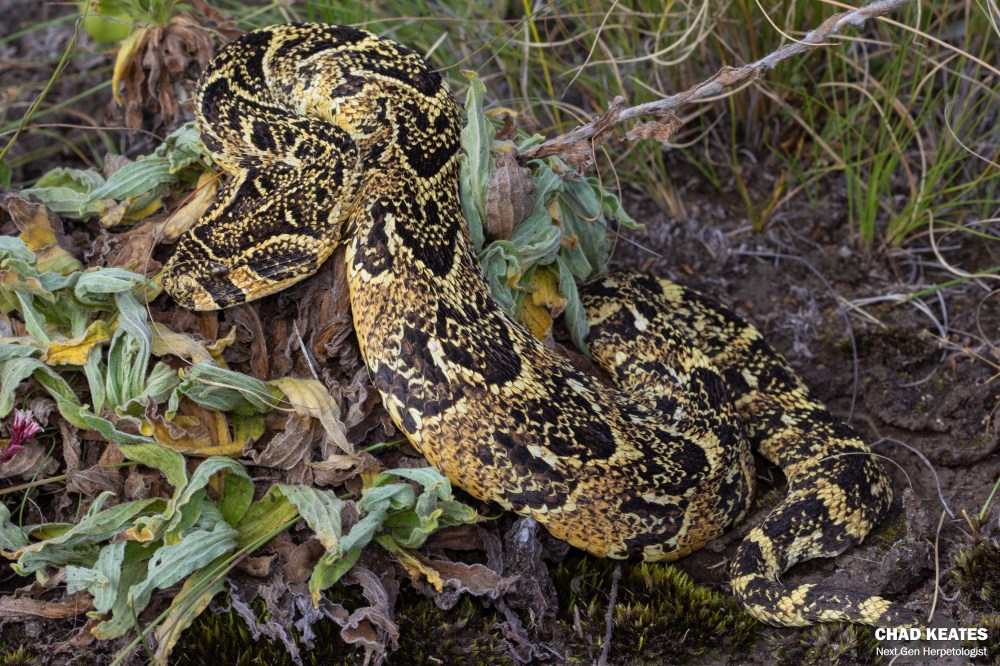
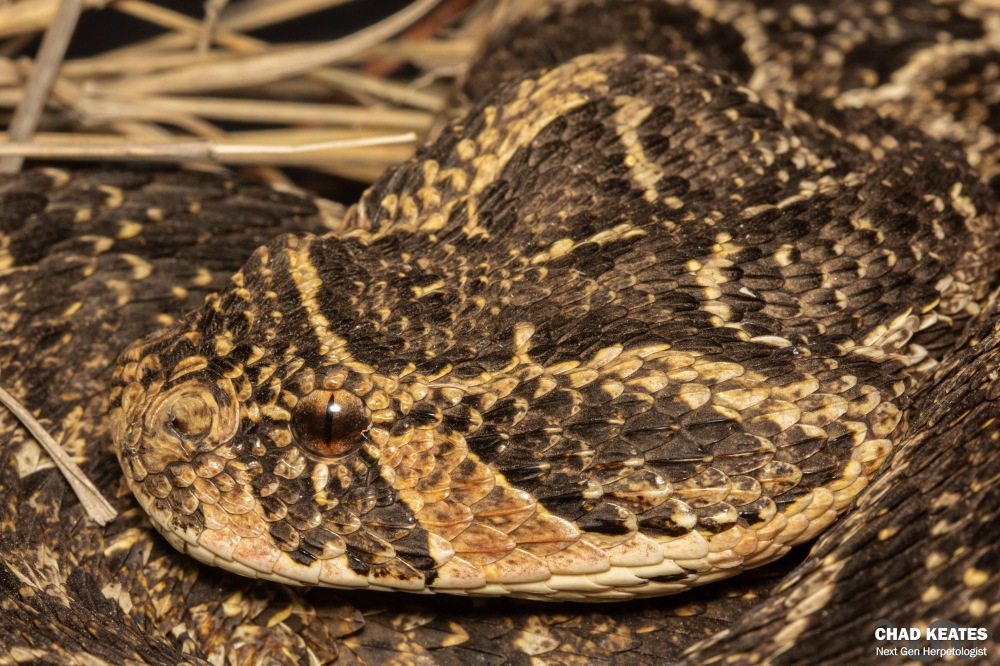
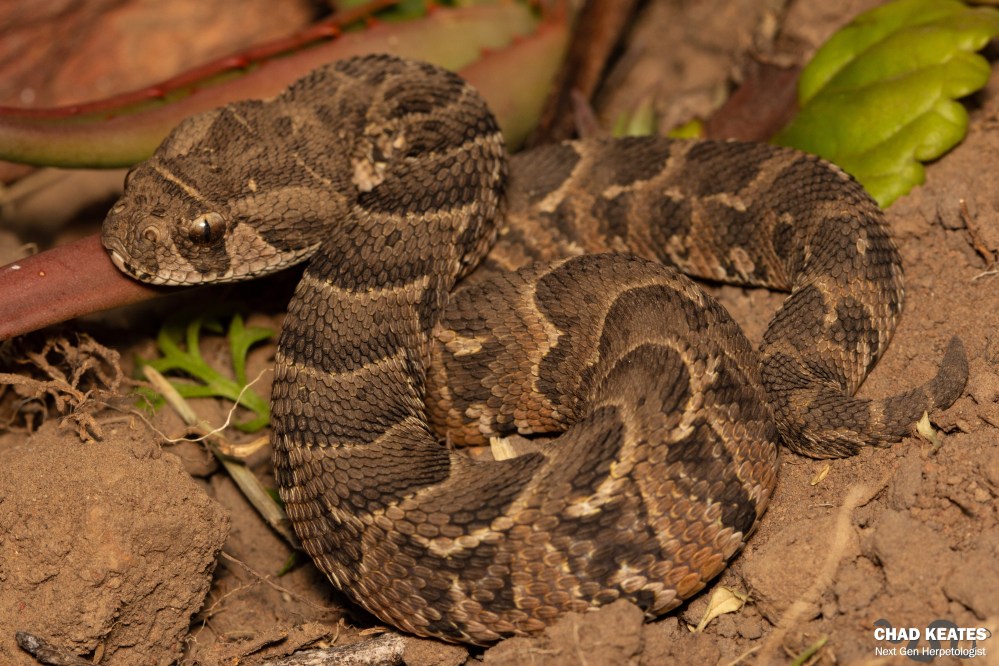
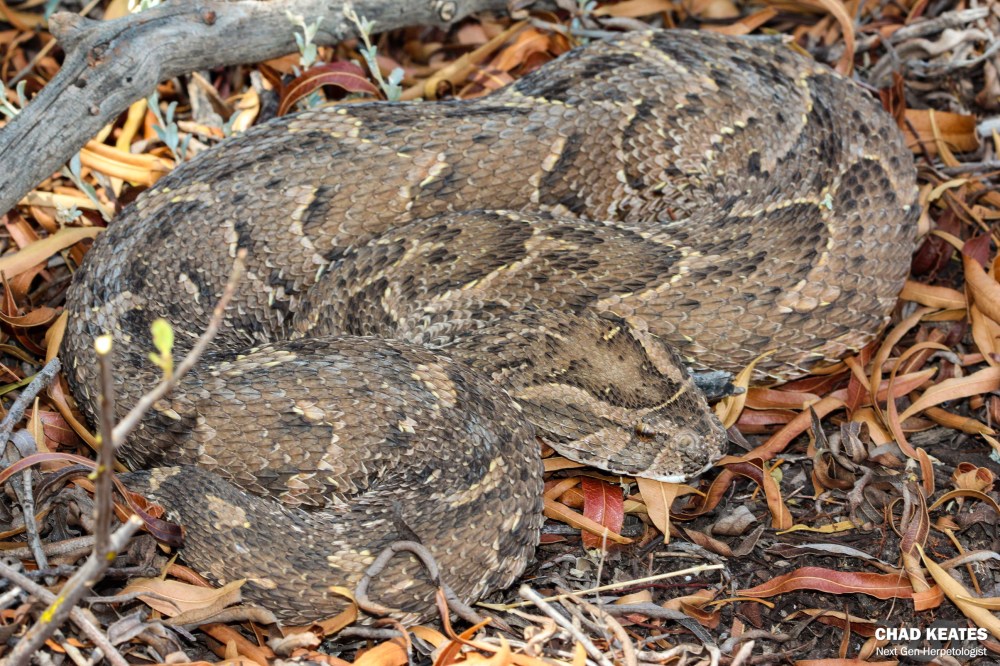
- Puff Adder – Bitis arietans
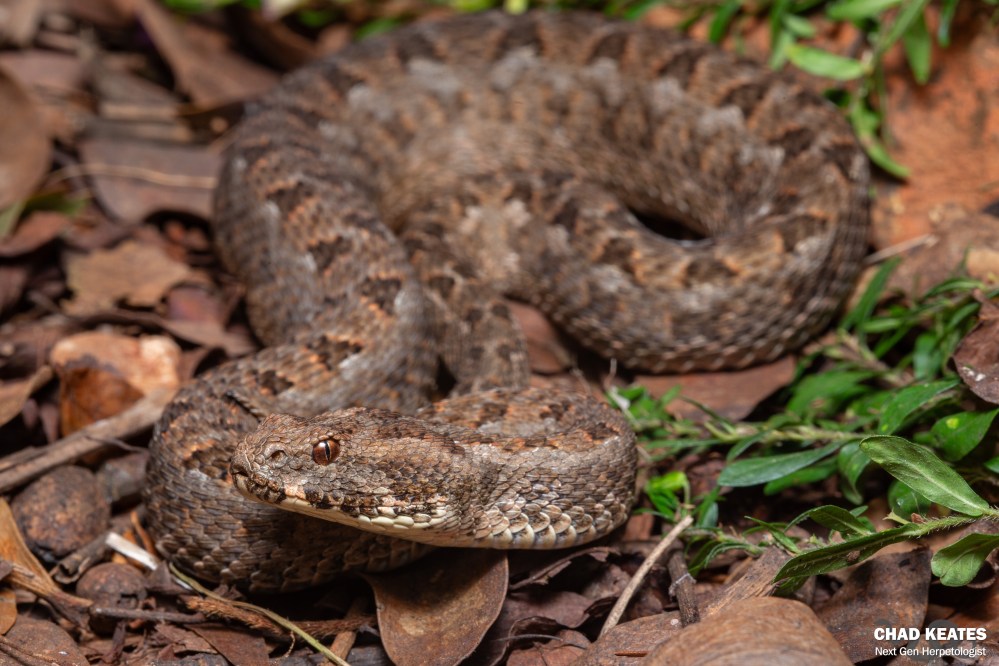
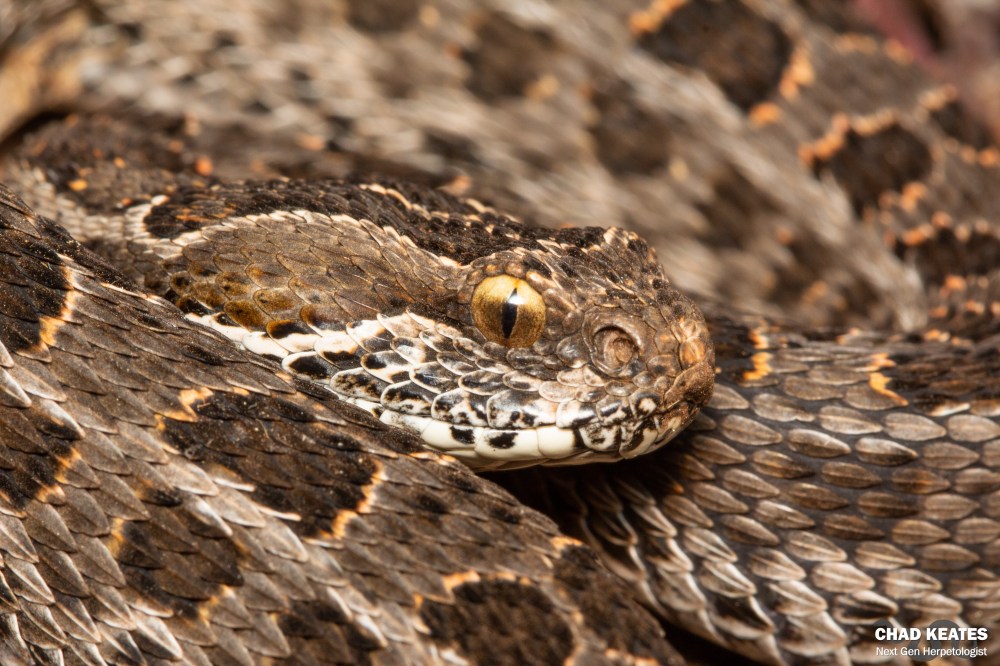
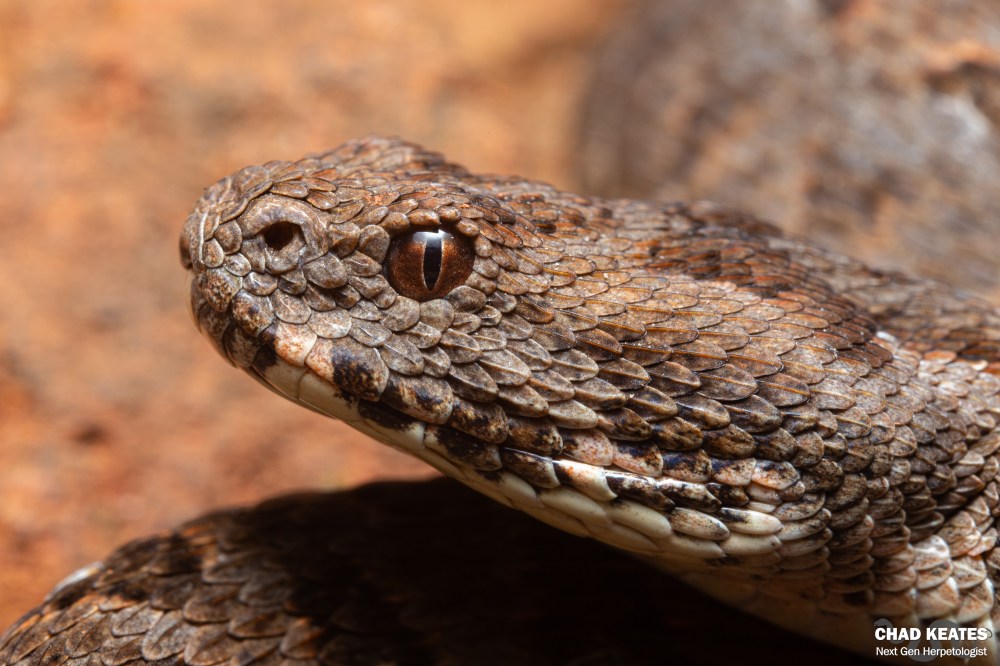
- Berg Adder – Bitis atropos
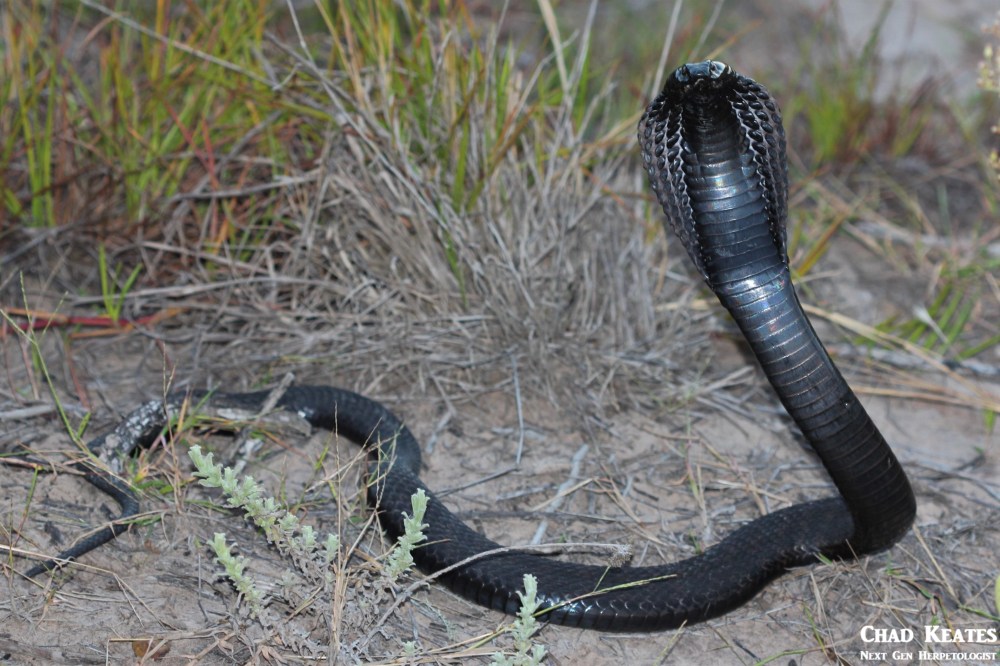
Of the three very dangerous snakes (i.e. potentially life threatening) in Lesotho, two species stand out as the most important, based on a combination of their behavior, their propensity to bite, their proximity to people and the toxicity of their venom. These two snakes are the Cape cobra and the puff adder. Of these two, the Cape cobra is definitely the most dangerous, not because it produces the most bites or because it is aggressive, but because of the potency of its venom. When this snake bites you it is very serious and if medical treatment is not sought promptly serious complications are very likely to follow.
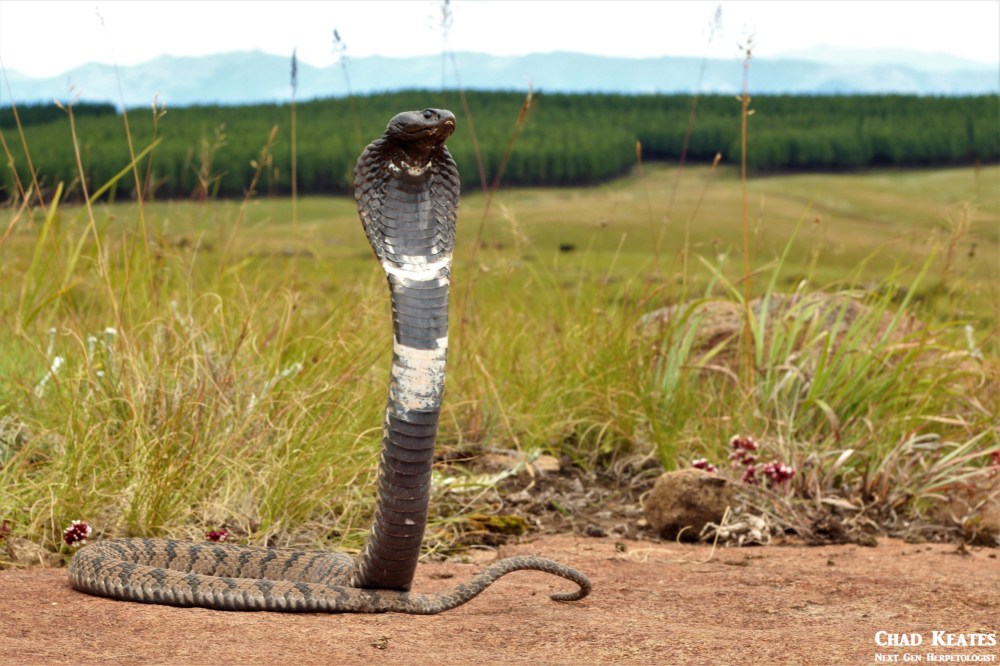
The Cape cobra is responsible for the most snake-related deaths in the Cape provinces of South Africa and is the most venomous cobra in Africa. The Cape cobra is thus the most venomous and most dangerous snake in Lesotho. It is also one the most venomous snakes in the world when you take into consideration the toxicity and quantity of venom injected during the average envenomation. Luckily for Lesothans, most of the world’s most venomous snakes (i.e. inland taipan, coastal taipan and eastern brown snake) are from Australia.
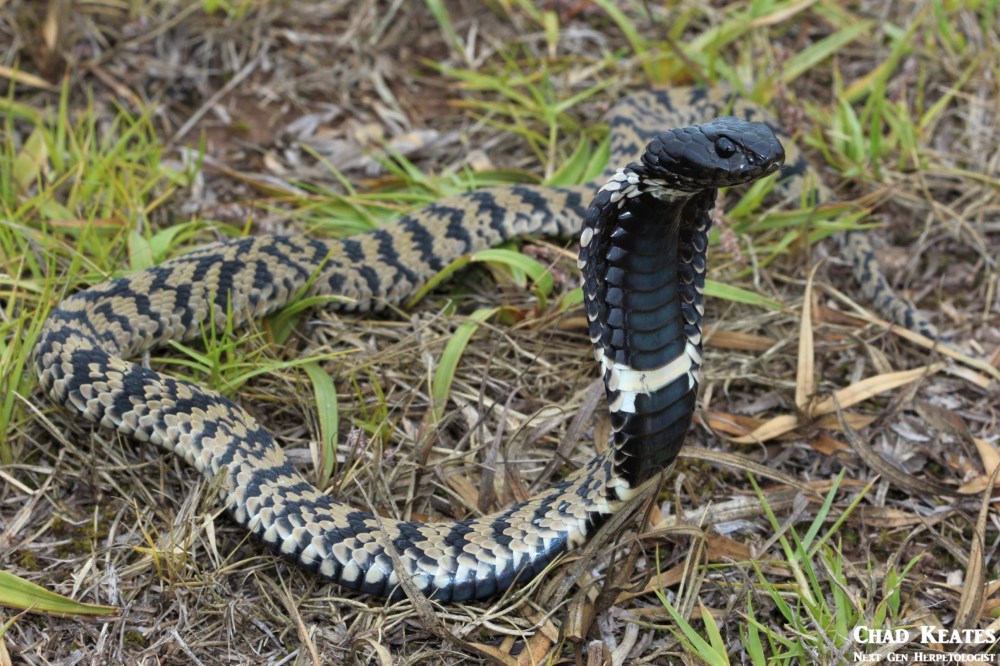
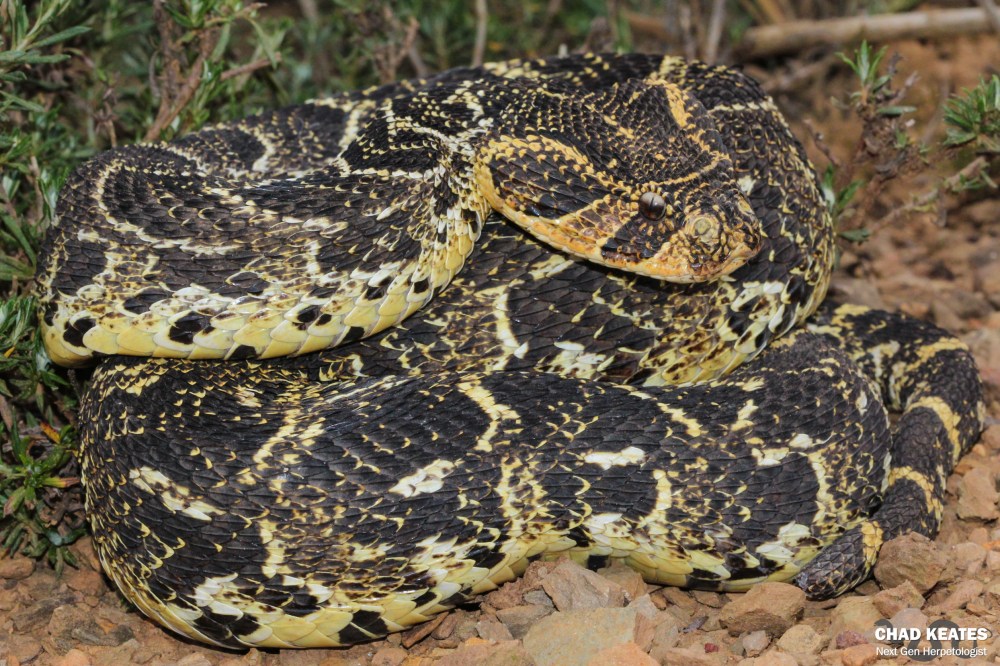
While bites from the Puff Adder rarely result in human fatalities, they are responsible for a large portion of the serious bites in Lesotho. The venom from this snake is primarily cytotoxic meaning it often results in local swelling, severe pain and even limb loss in extreme cases. While the venom of the rinkhals is also incredibly dangerous, and capable of killing a human, it rarely bites. This is largely a product of behaviour of this snakes as it often chooses play dead (thanatosis) or ‘spit’ venom when encountered by humans and other animals. If the venom gets into your eyes it can cause intense pain and if left untreated it can cause partial or permanent blindness
HIGHLY VENOMOUS – VERY DANGEROUS
bites from these snakes are considered potentially life threatening and have resulted in human fatalities in the past. If bitten by any of these snakes, medical treatment should be sought out immediately otherwise serious symptoms will likely arise. Polyvalent antivenom is effective against the bites of all three snakes and will be used if necessary based on the symptoms presented by the patient.
Cape Cobra – Naja nivea
Rinkhals – Hemachatus haemachatus
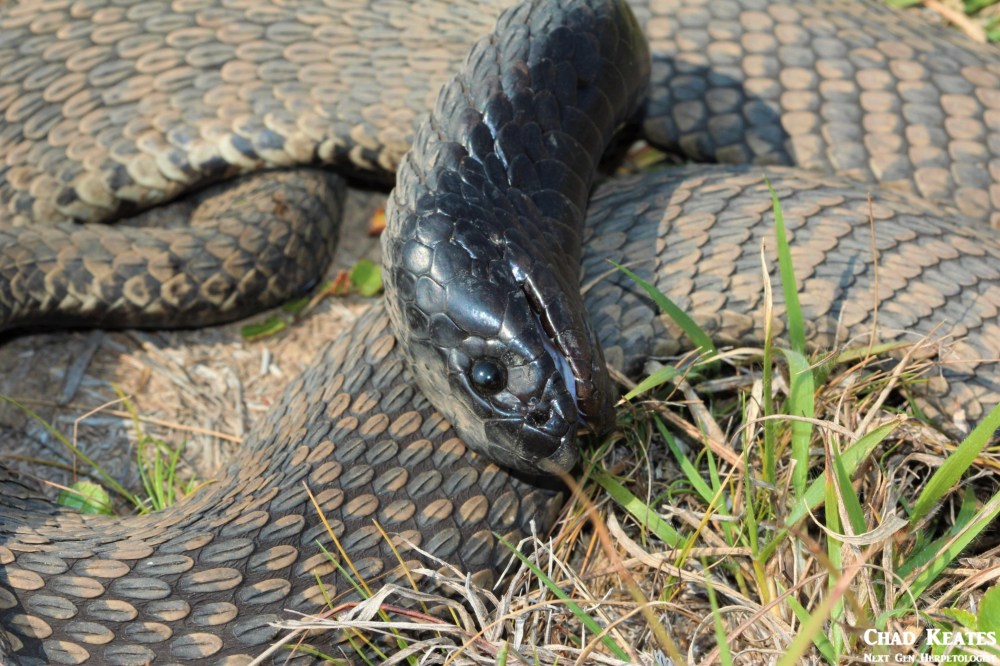
Puff Adder – Bitis arietans
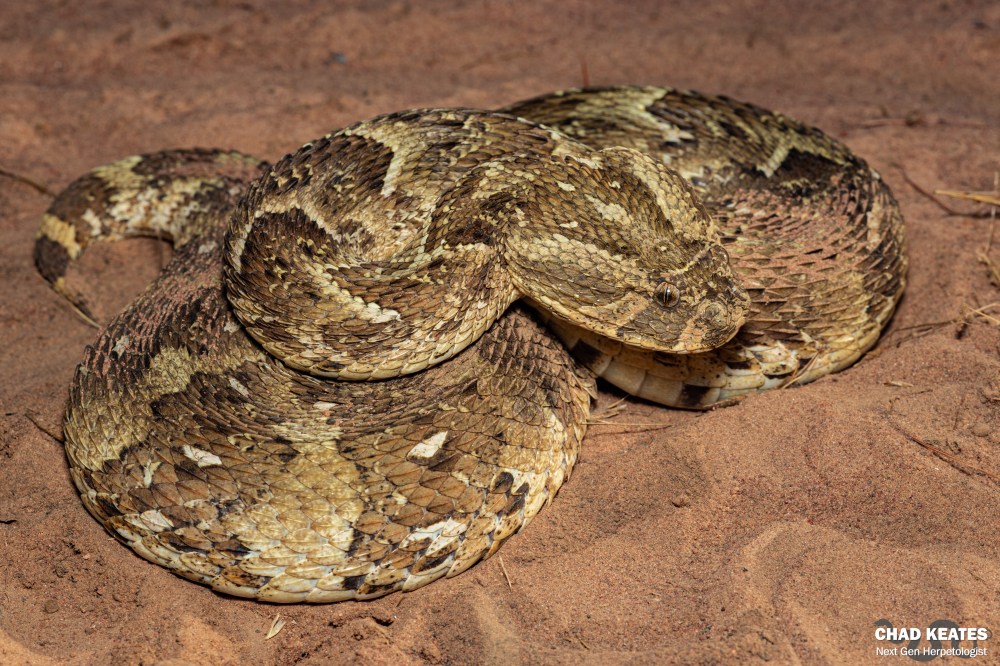
MODERATELY VENOMOUS – DANGEROUS
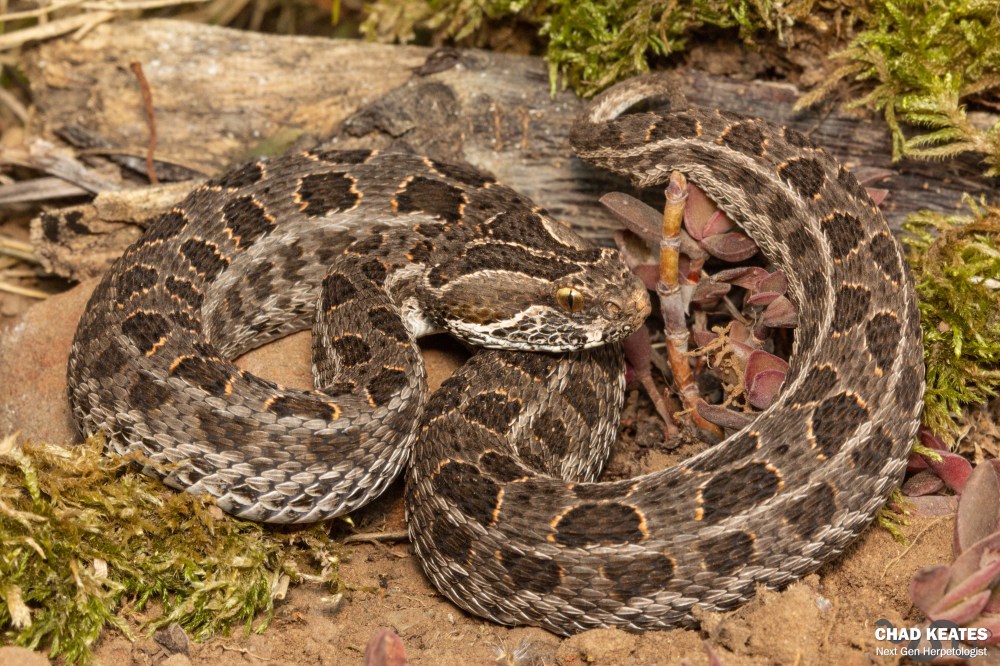
The berg adder’s venom is predominately neurotoxic and it attacks the optical nerves and the facial muscles. Although no fatalities have been recorded from these snakes, bites need to still be treated with caution as they are known to affect breathing and in some cases require the ventilation of the patient. There is no anti venom available for the berg adder.
Berg Adder – Bitis atropos
MILDLY VENOMOUS – HARMLESS
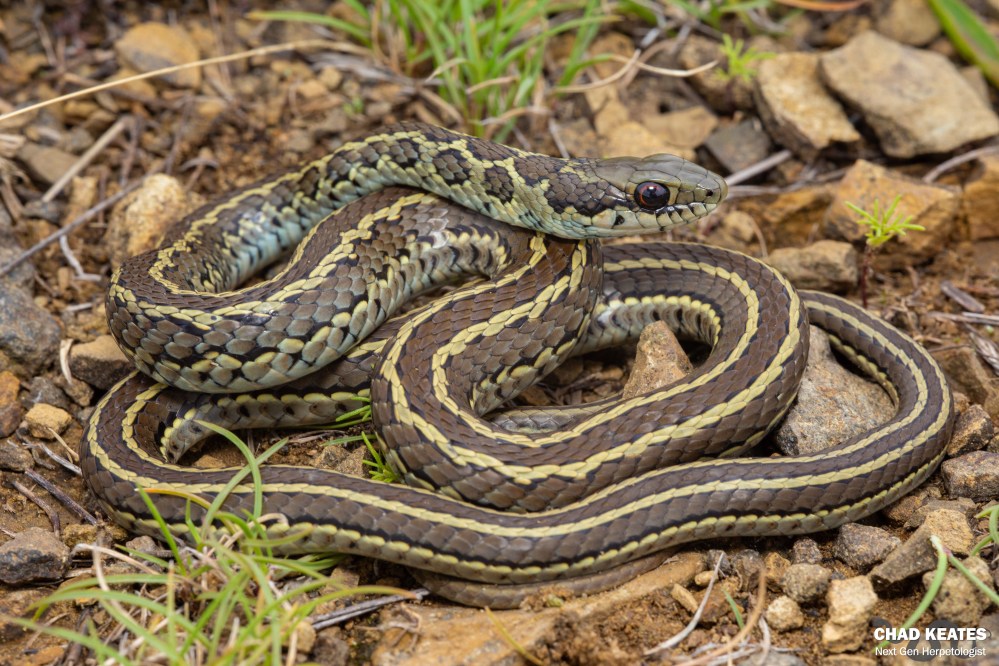
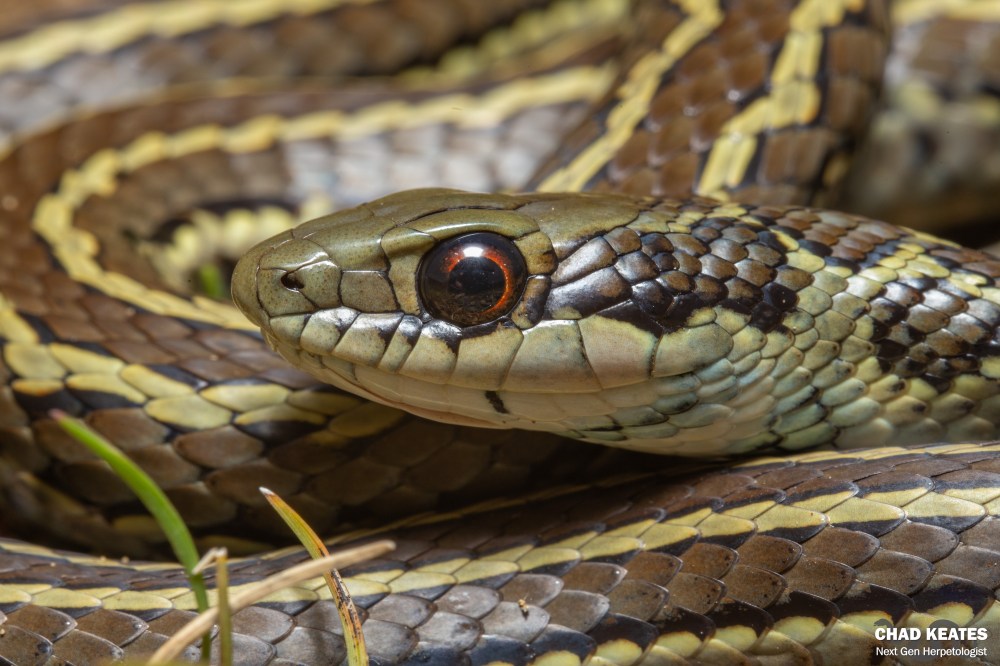
These animals have venom that is largely inconsequential to humans. The venom is intended for use against much smaller prey and thus any human envenomation will result in very mild symptoms or no symptoms at all.
Spotted Grass Snake – Psammophylax rhombeatus
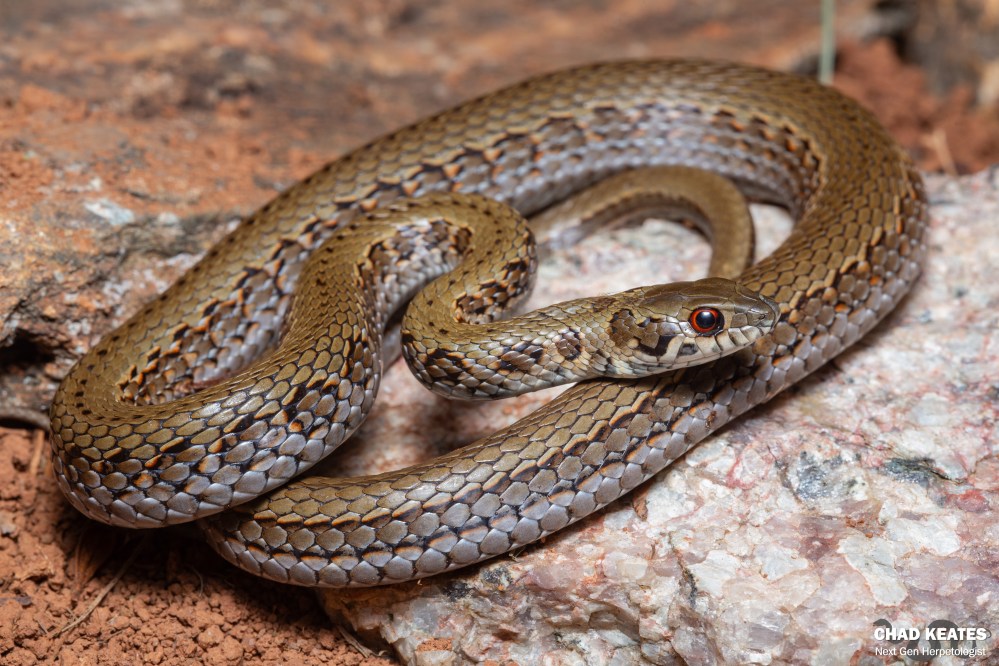
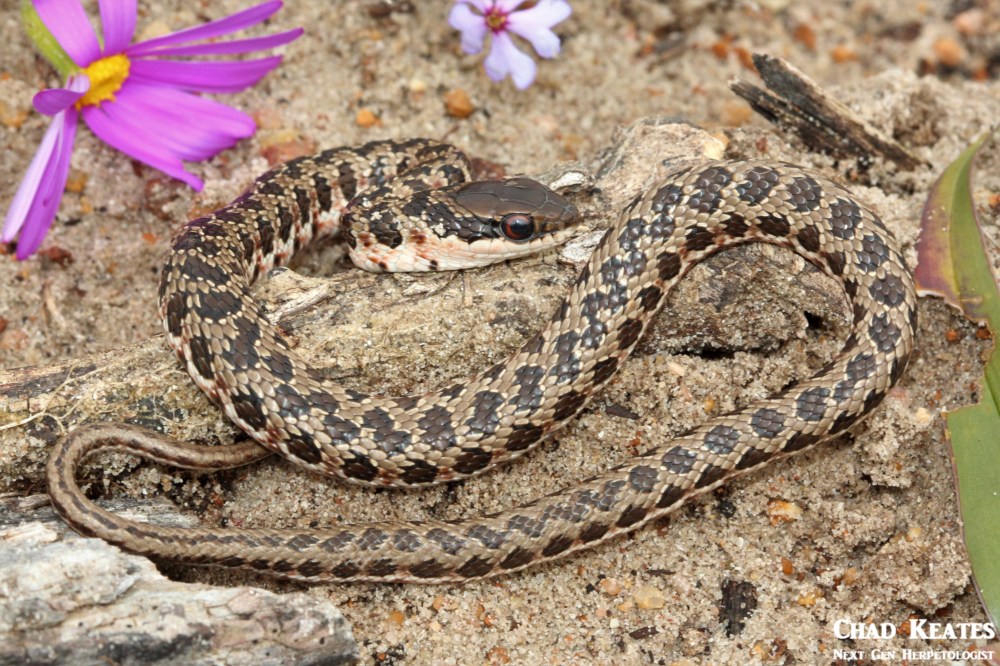
Cross-marked Whip Snake – Psammophis crucifer
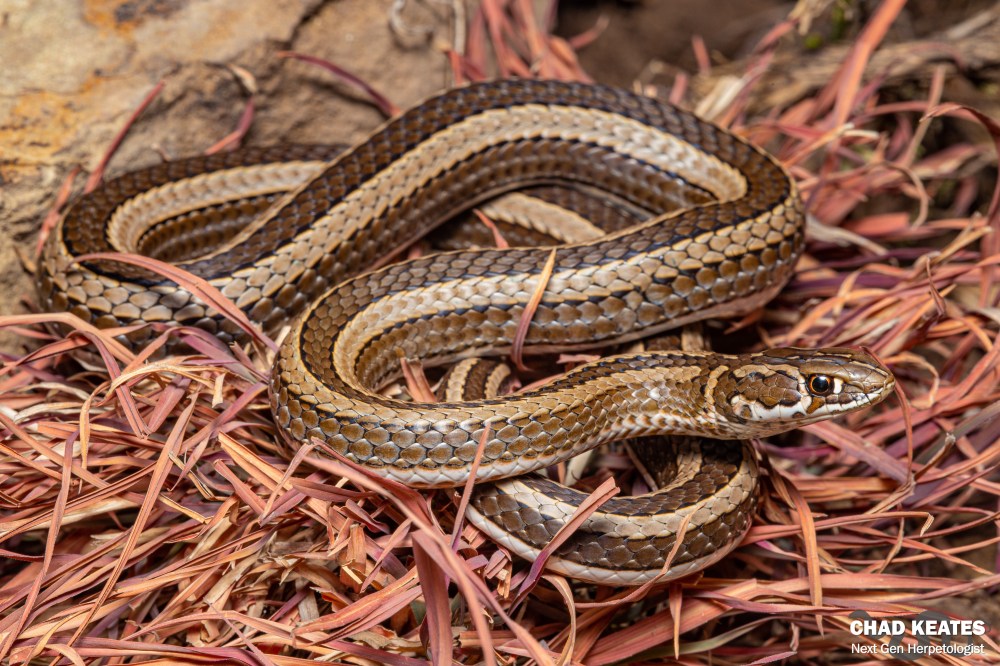
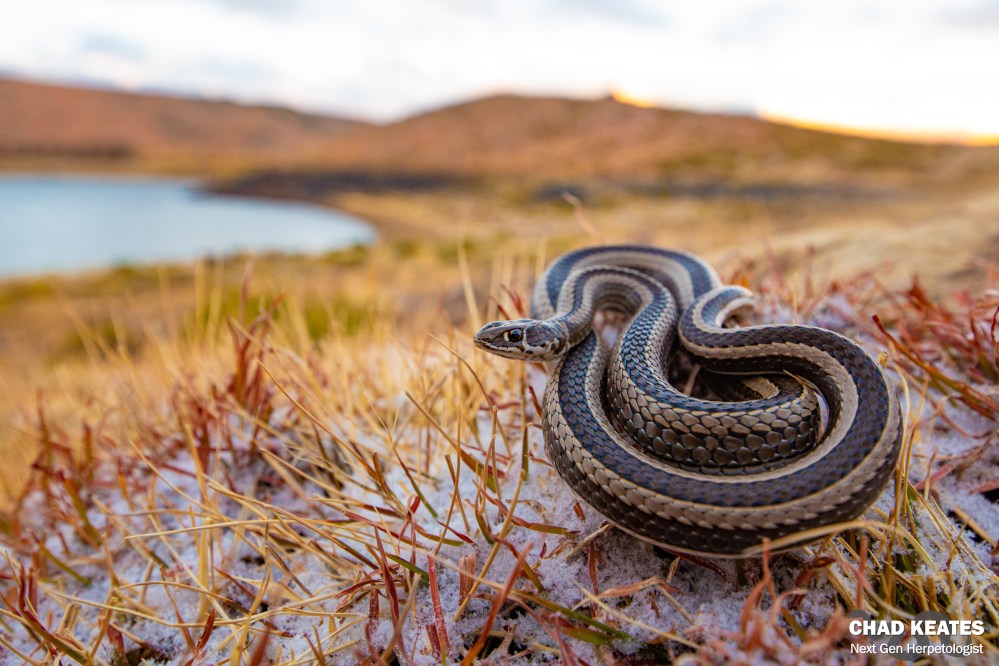
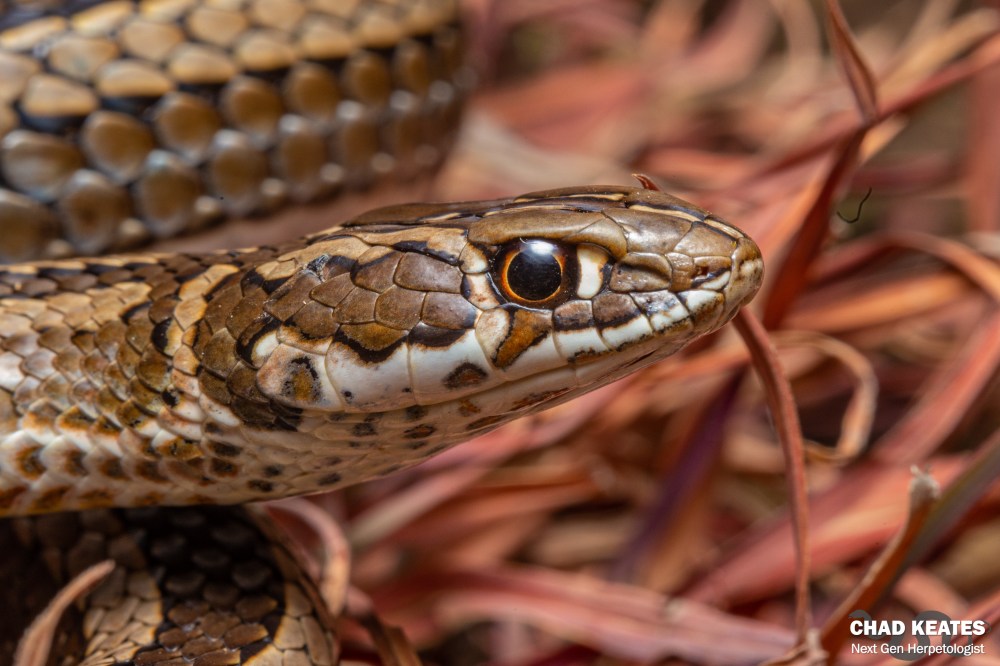
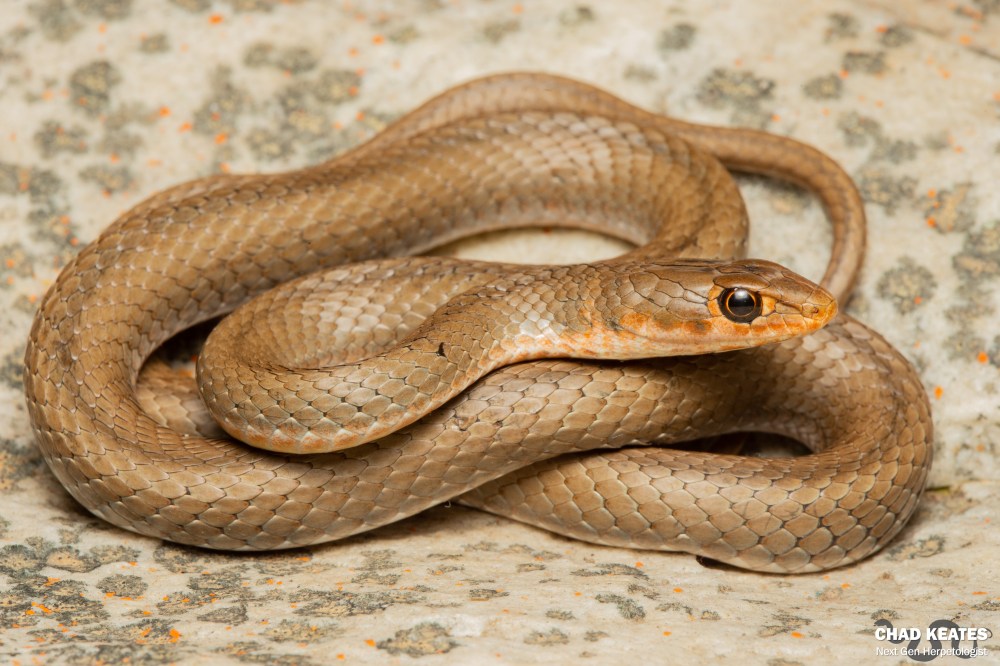
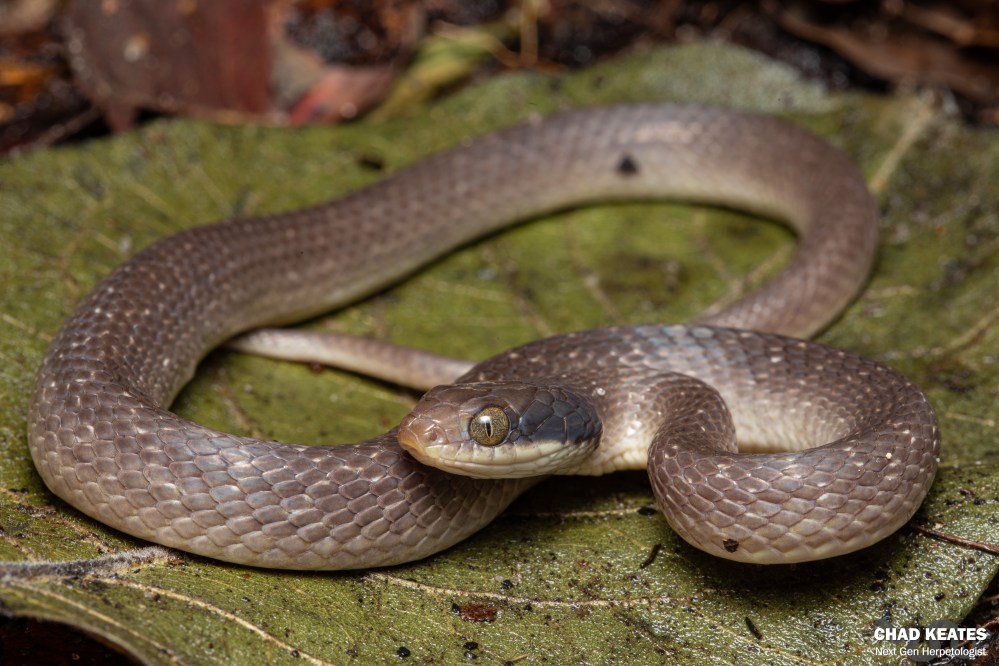
Many Spotted Reed Snake – Amplorhinus multimaculatus
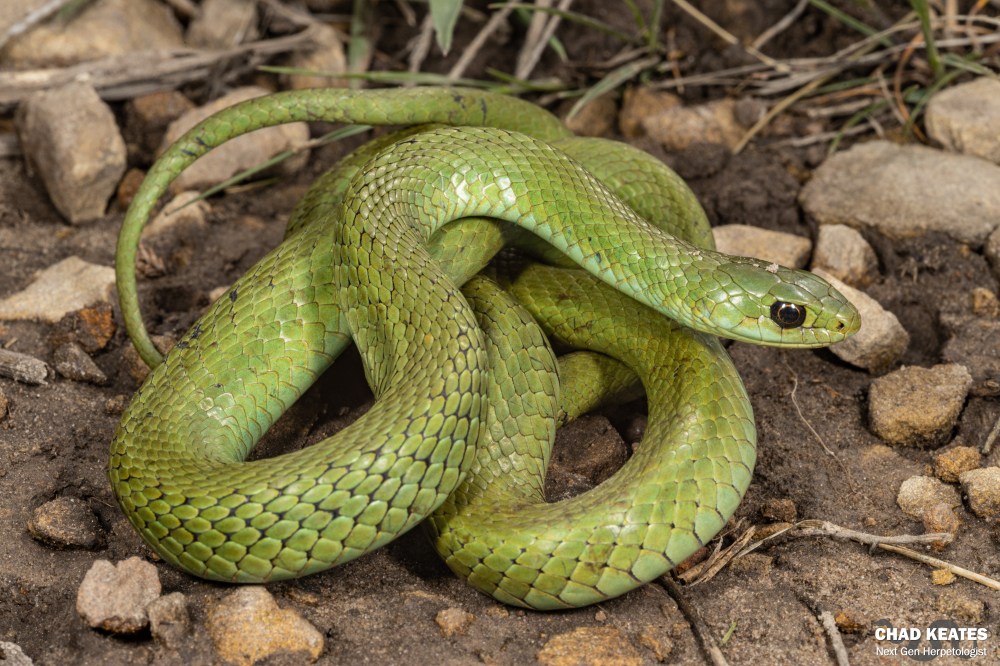
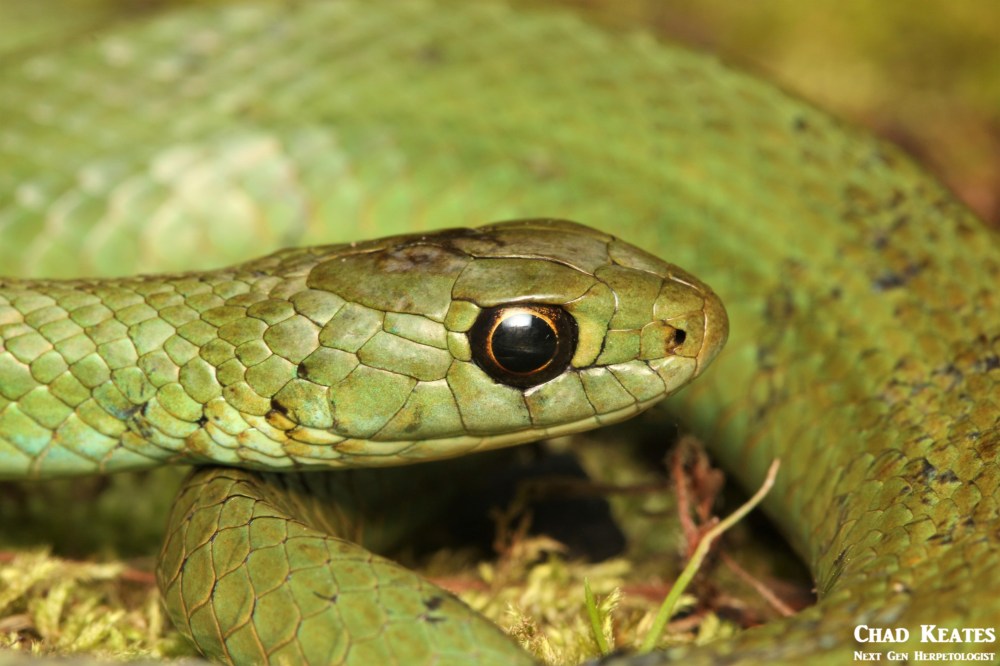
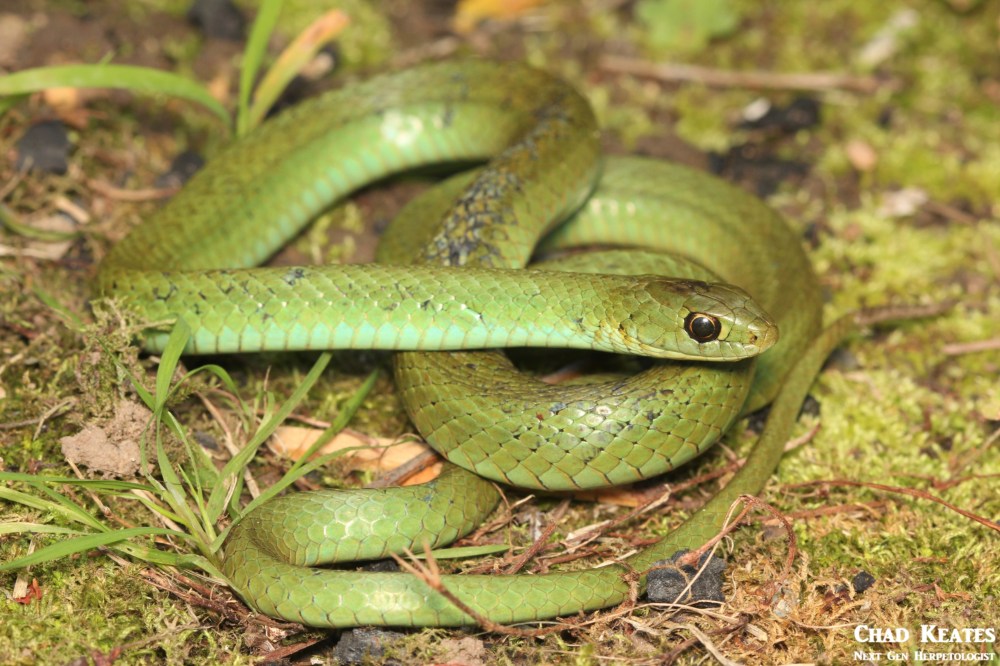
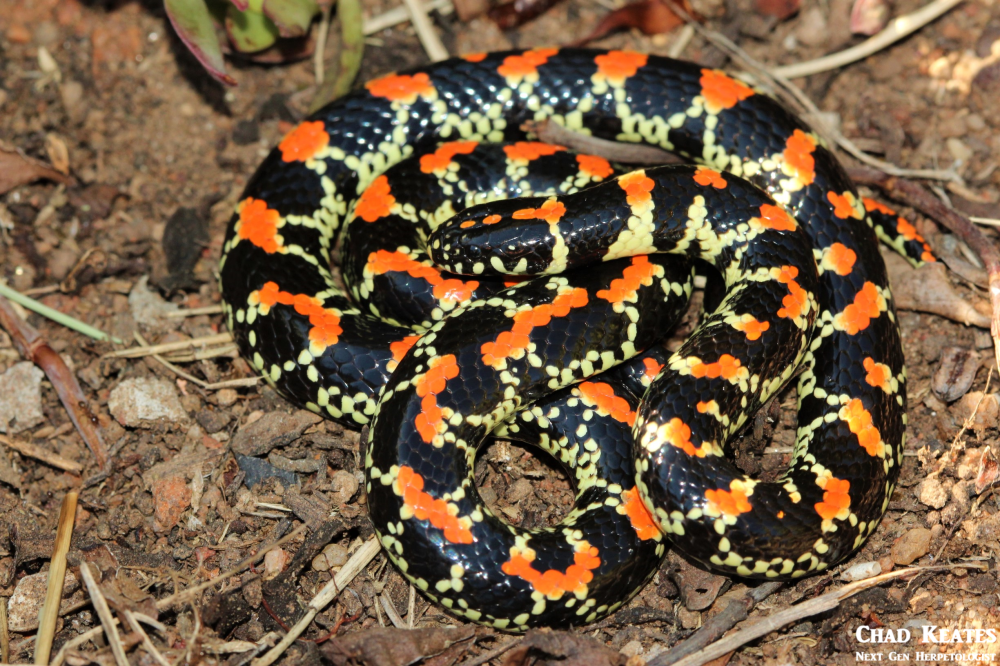
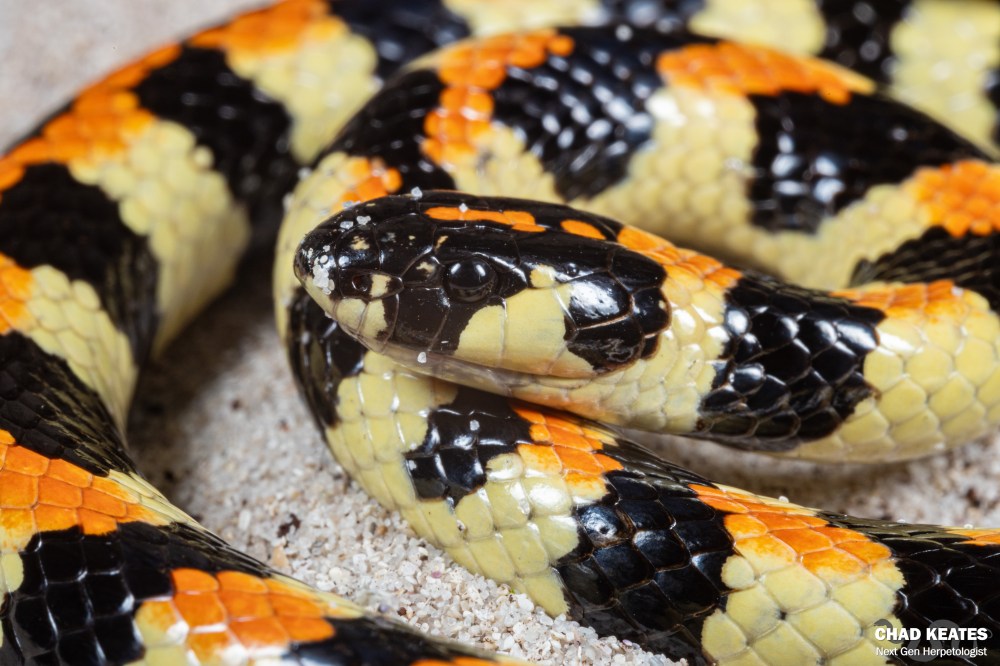
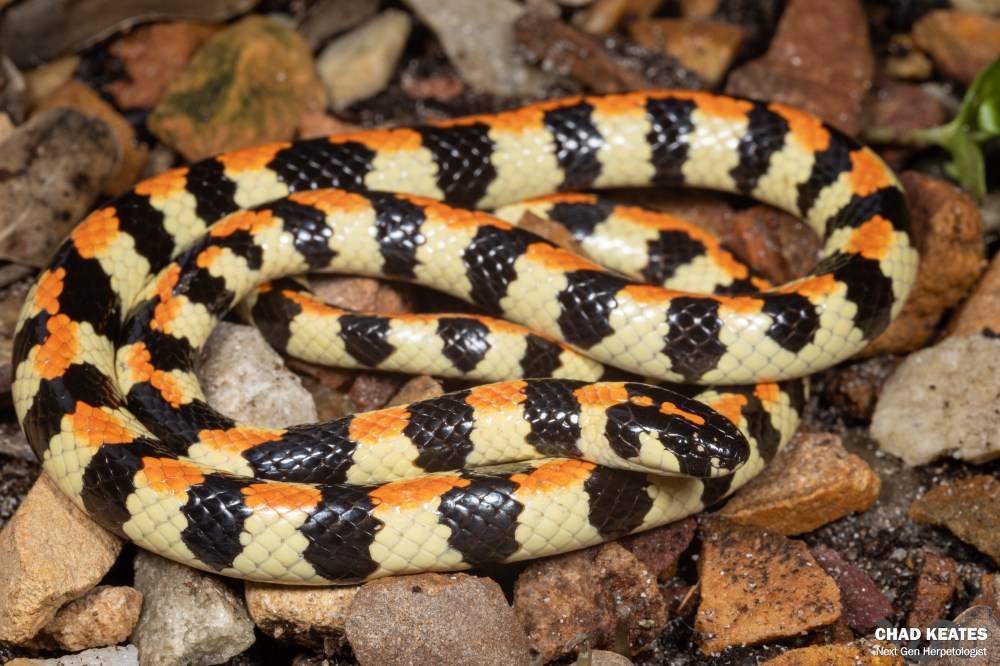
Spotted Harlequin Snake – Homoroselaps lacteus
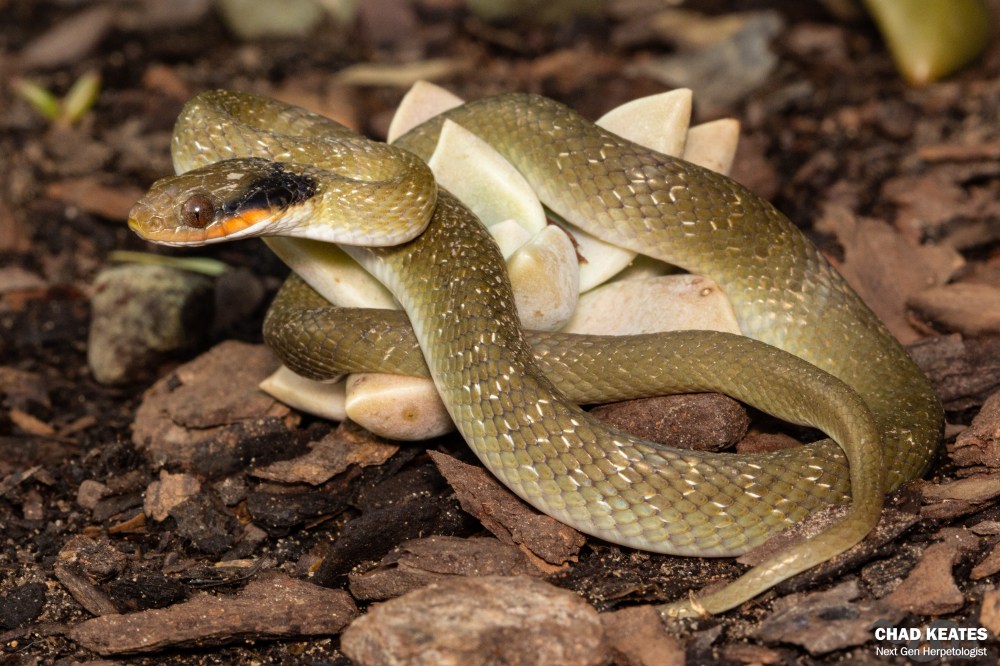
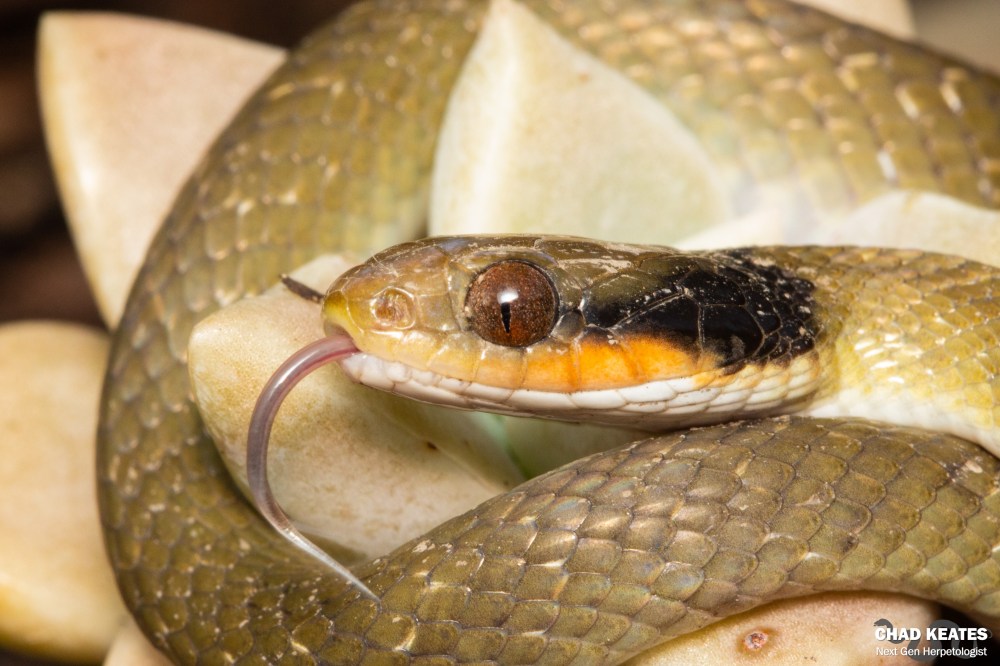
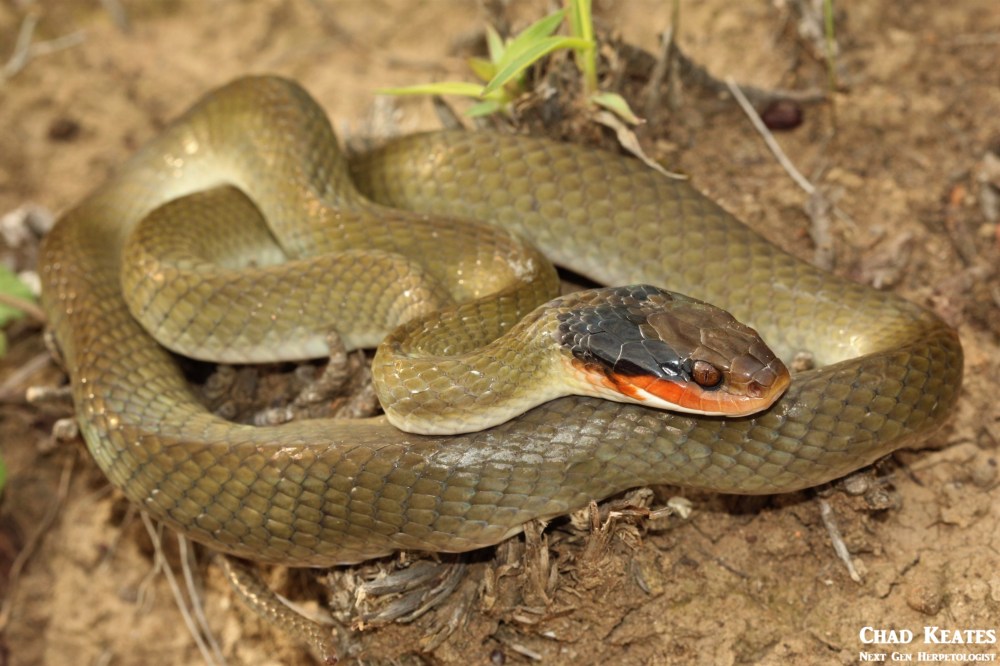
Red-lipped Herald – Crotaphopeltis hotamboeia
NON-VENOMOUS – HARMLESS
These animals have no venom whatsoever and besides the Mole snake, which is known to give a painful bite because of its large teeth, are completely harmless to humans.
Mole Snake – Pseudaspis cana

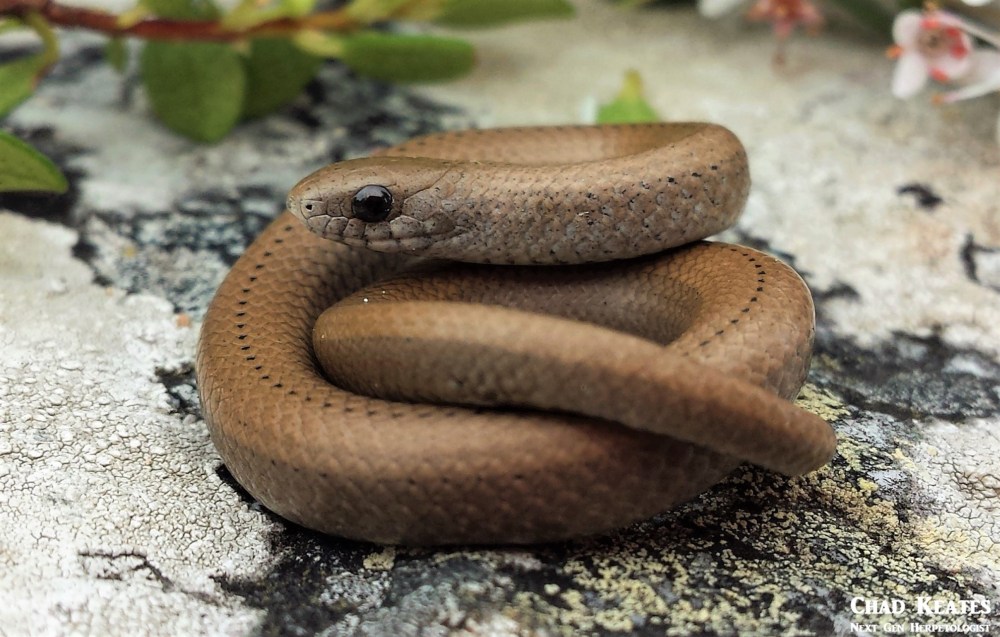
Common Slug-eater – Duberria lutrix
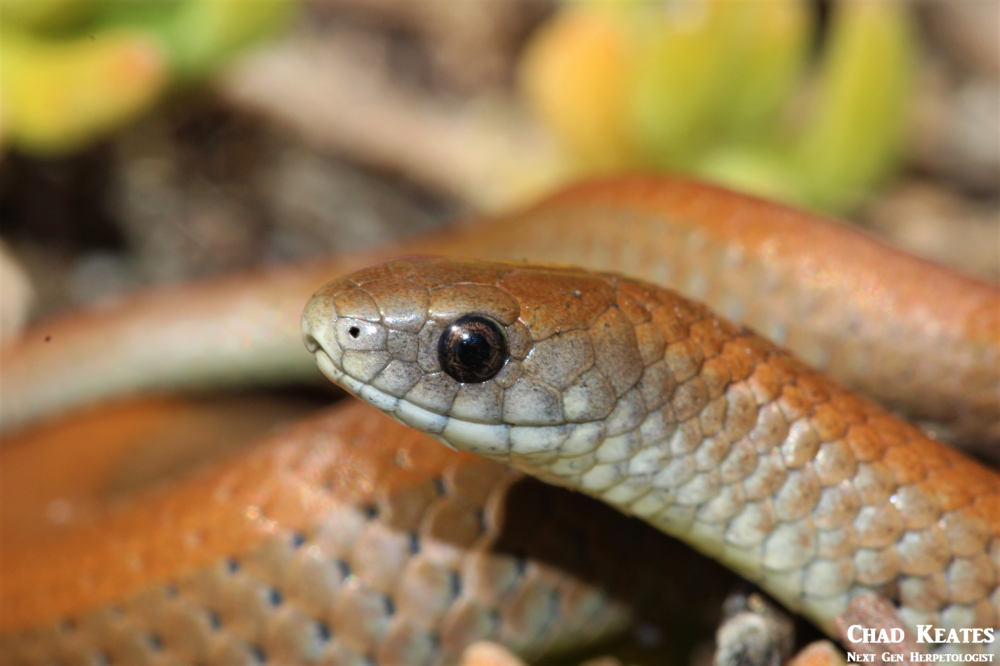
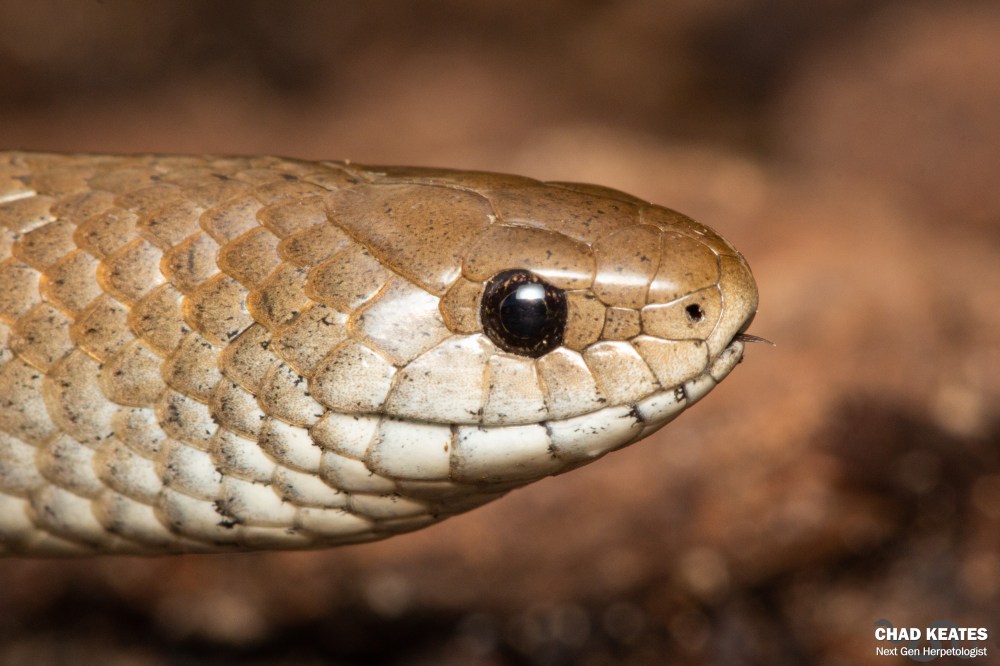
Sundevall’s Shovel-snout – Prosymna sundevallii
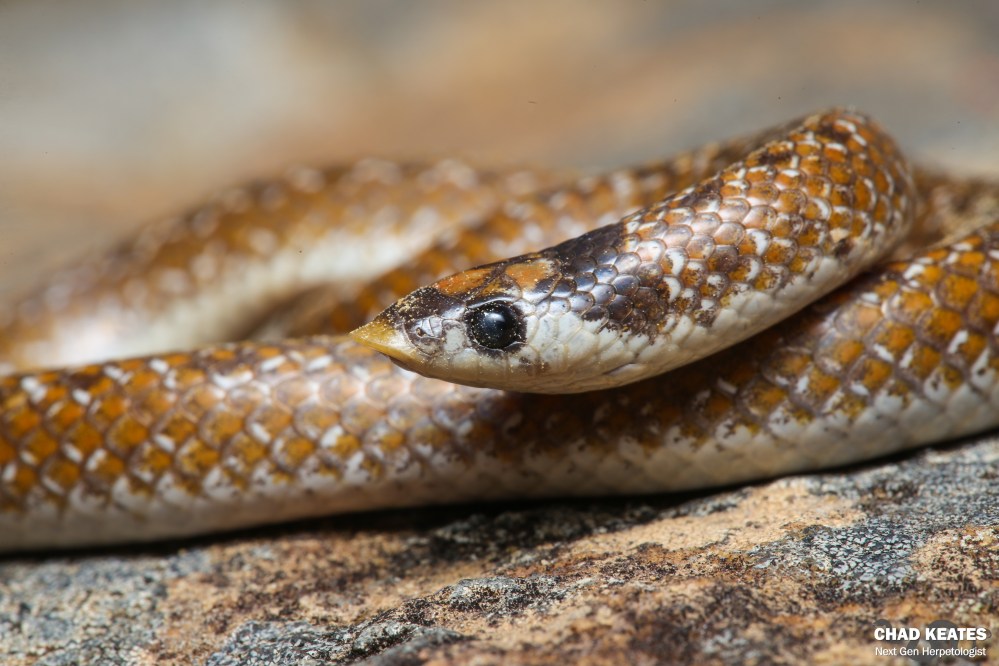
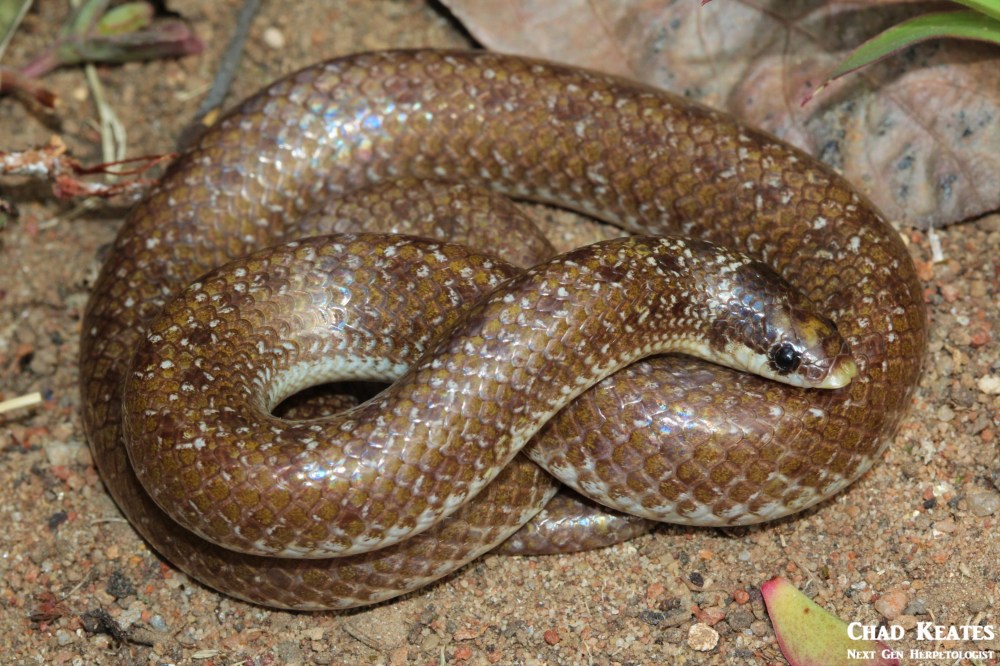
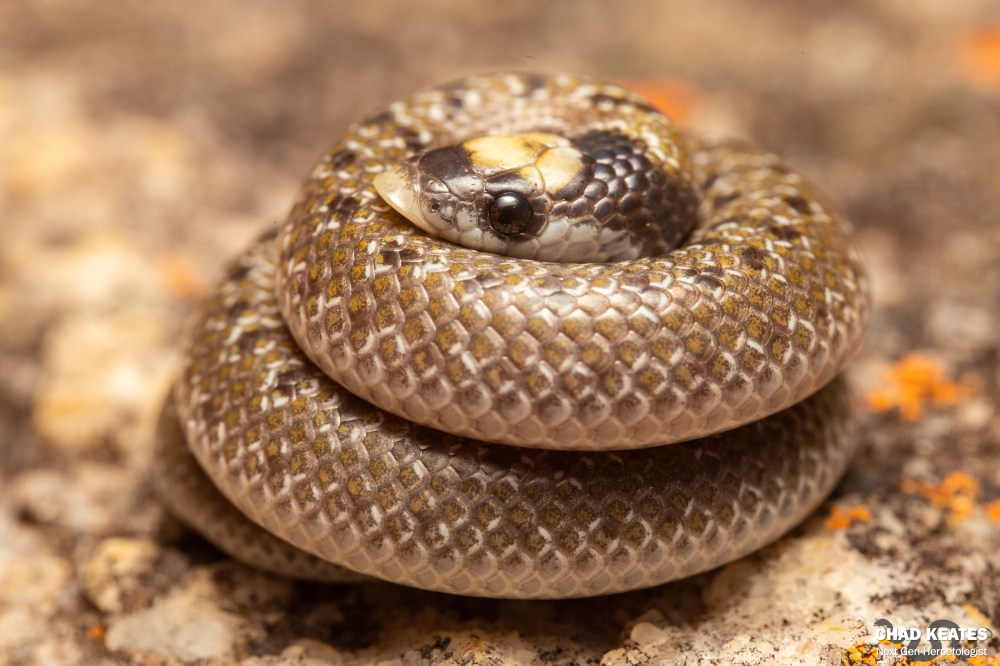
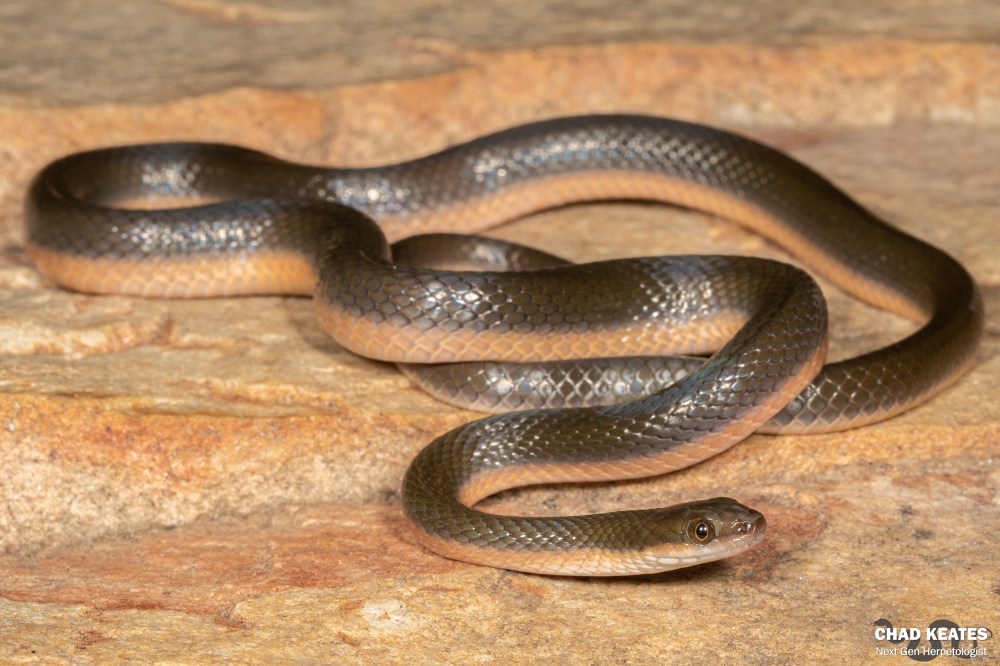
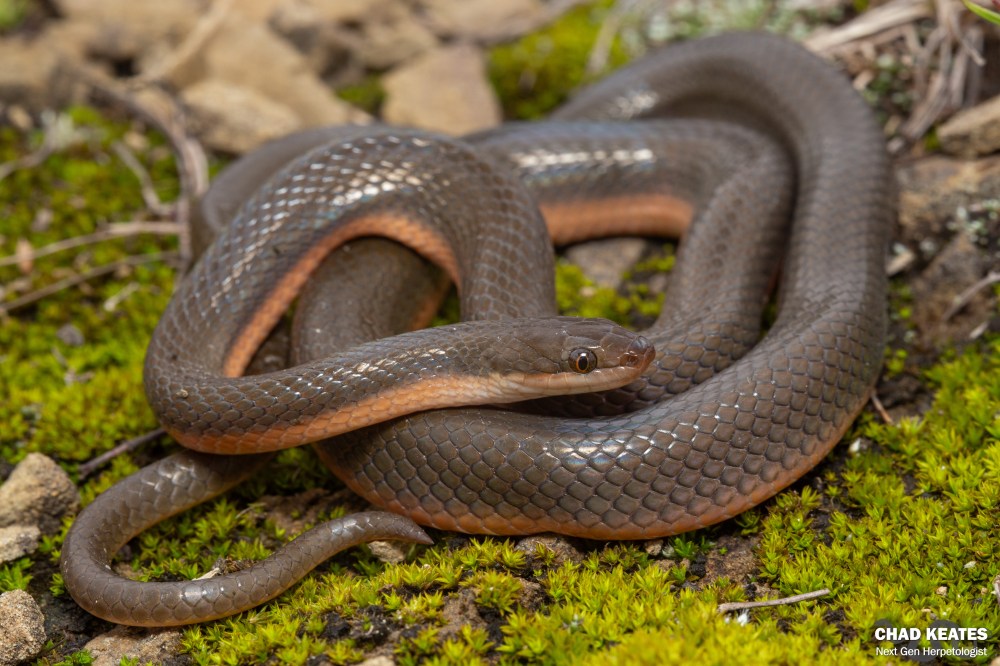
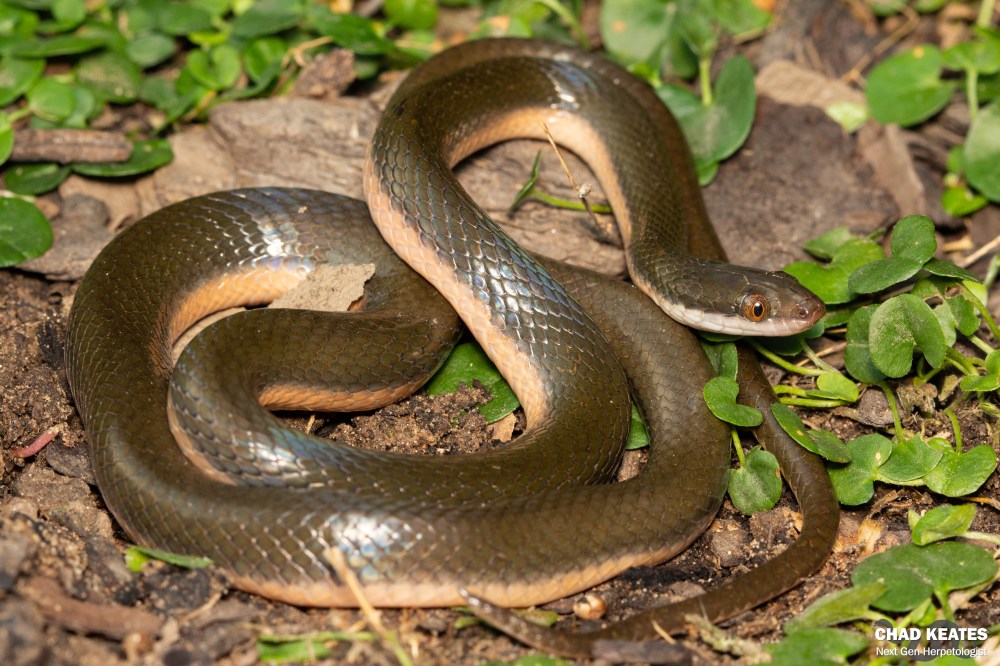
Brown Water Snake – Lycodonomorphus rufulus
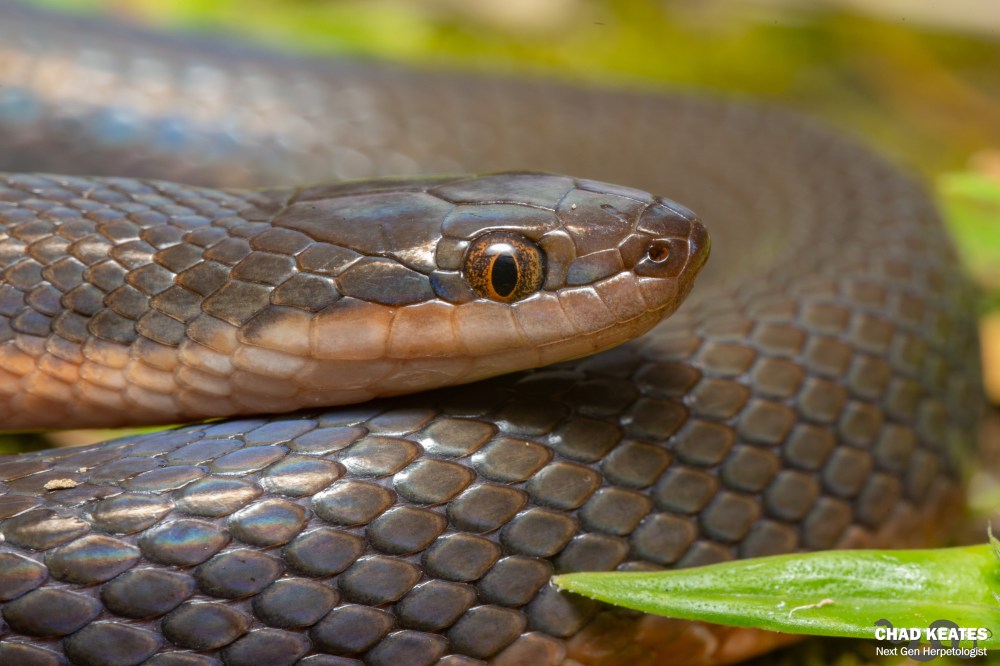
Brown House Snake – Boaedon capensis
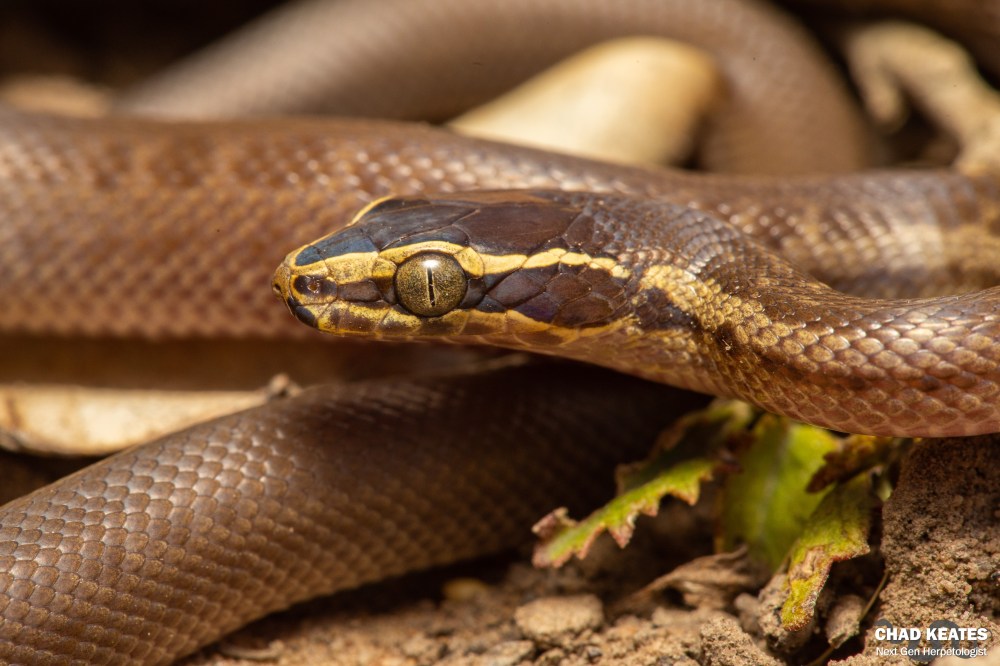
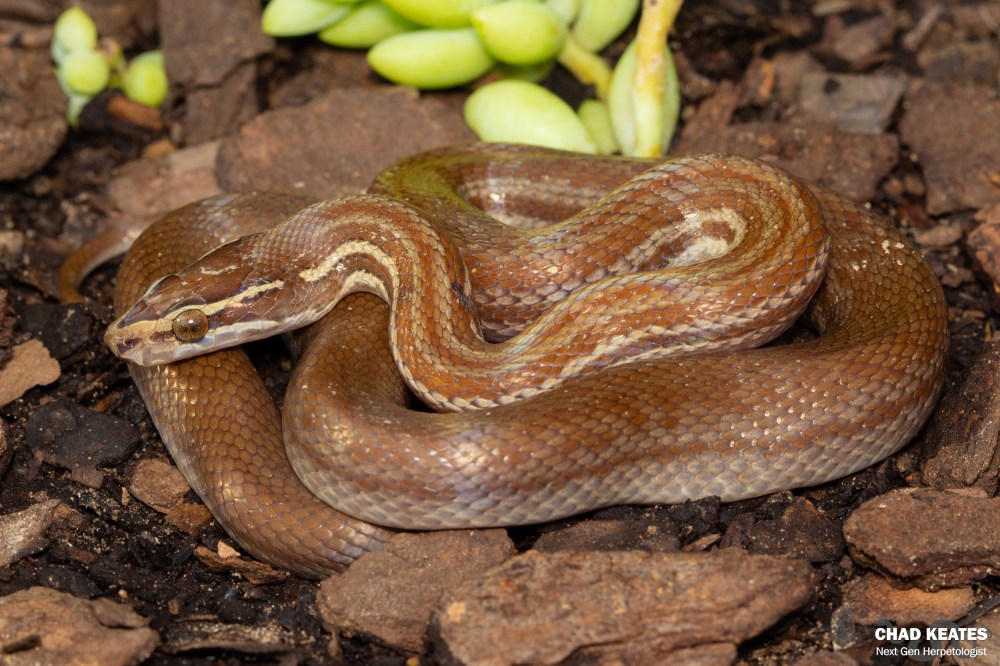
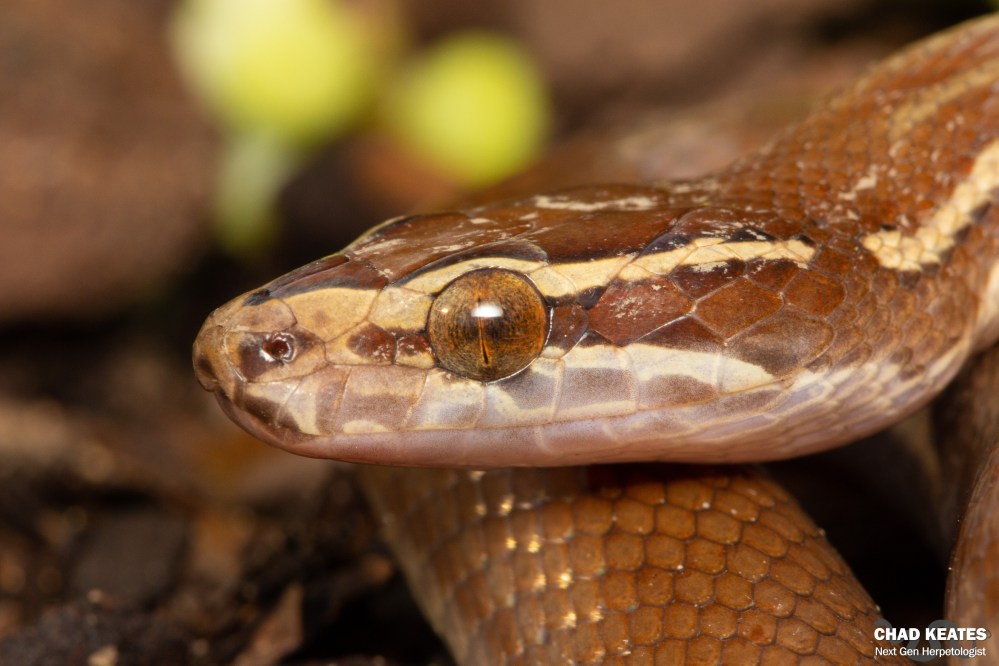
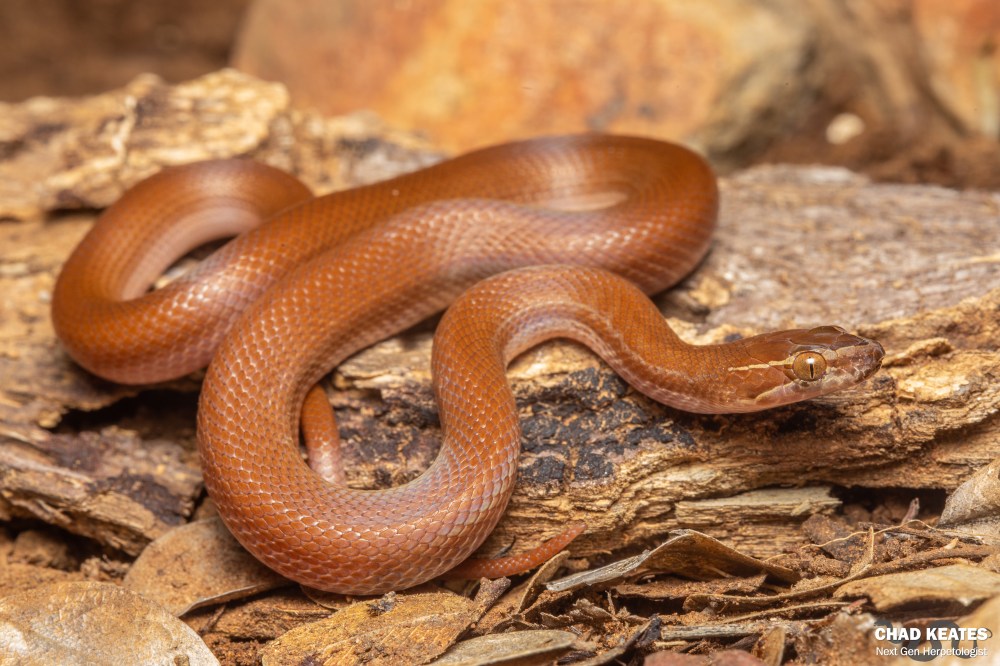
Aurora House Snake – Lamprophis aurora
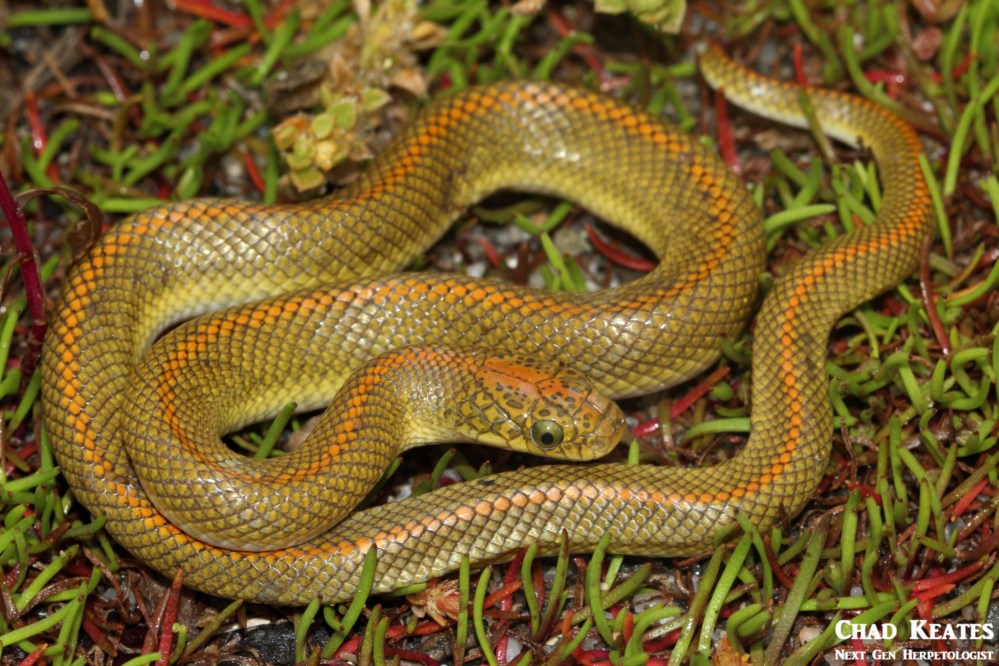
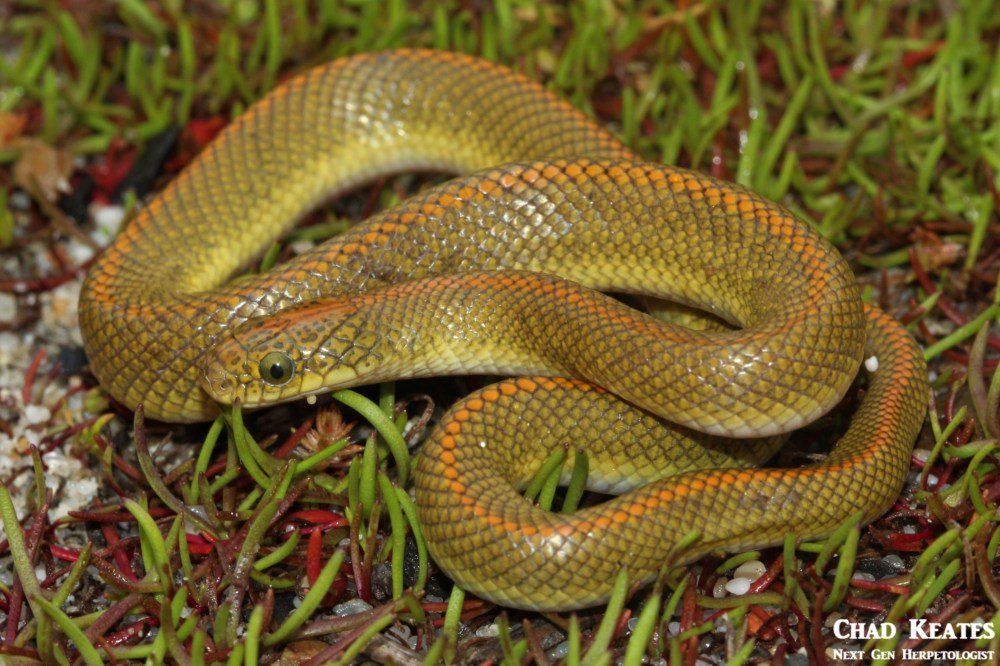
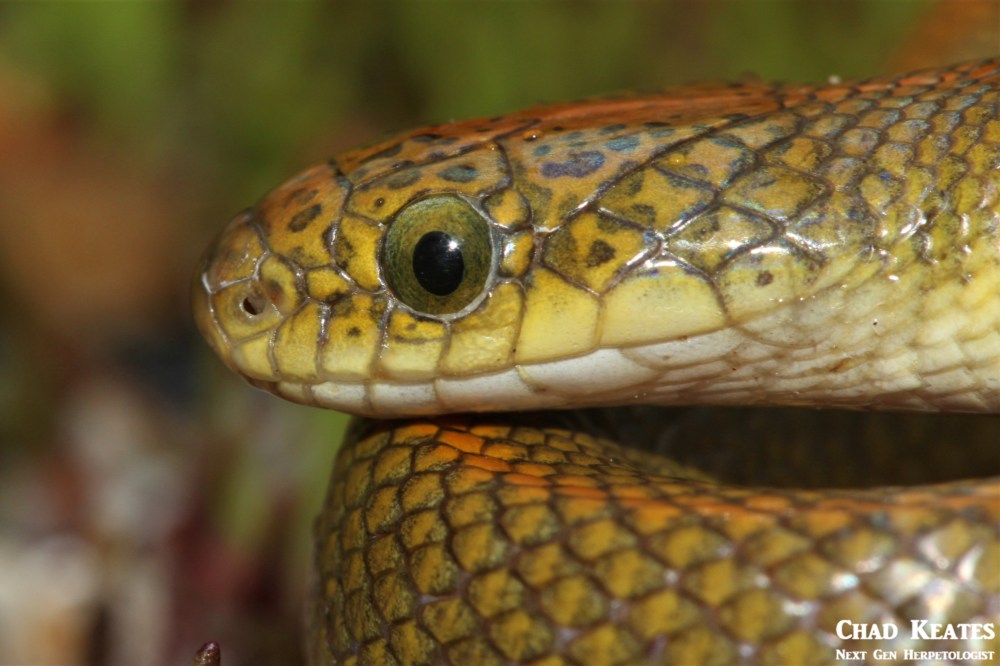
Spotted Rock Snake – Alopecion guttatus
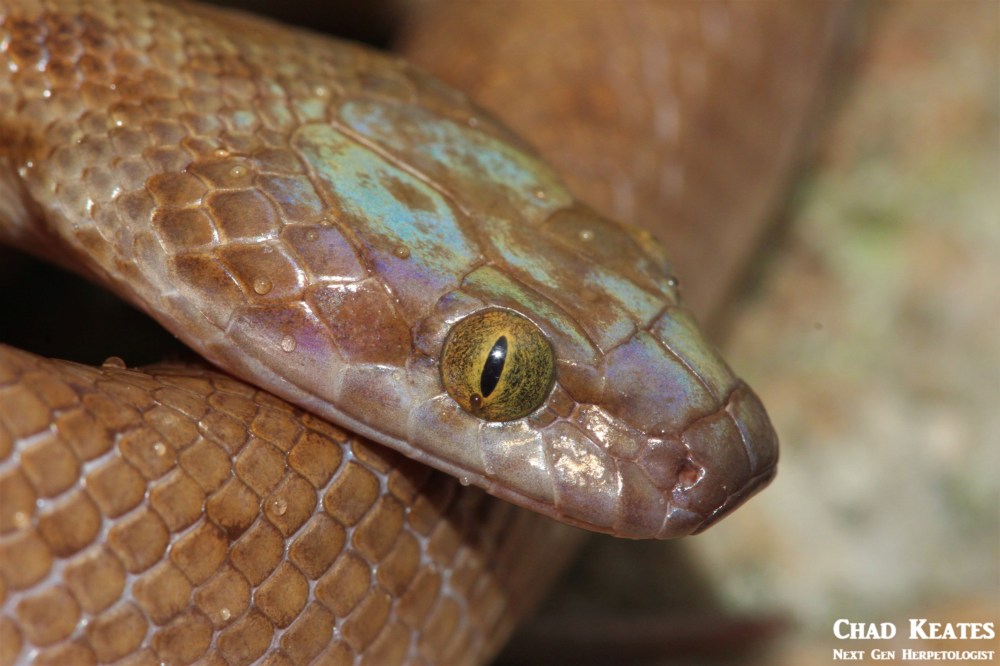
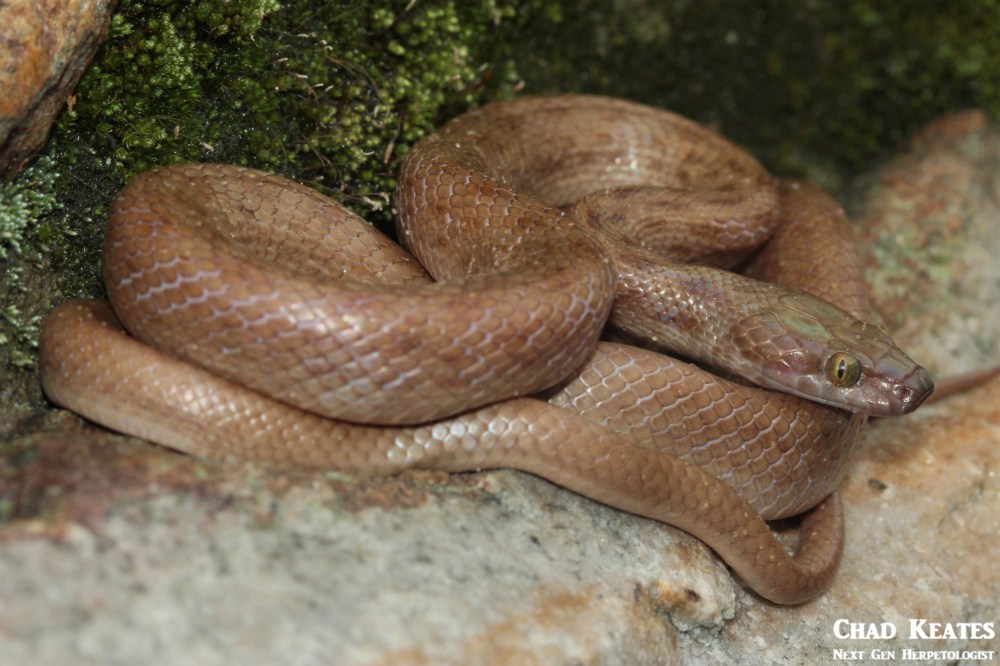
Rhombic Egg-eater – Dasypeltis scabra
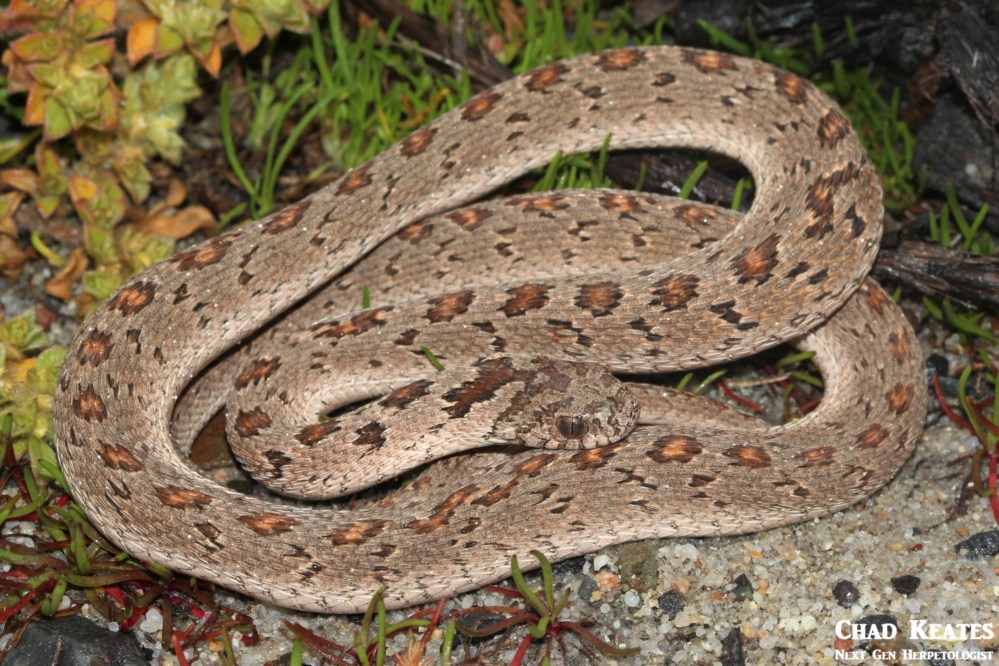
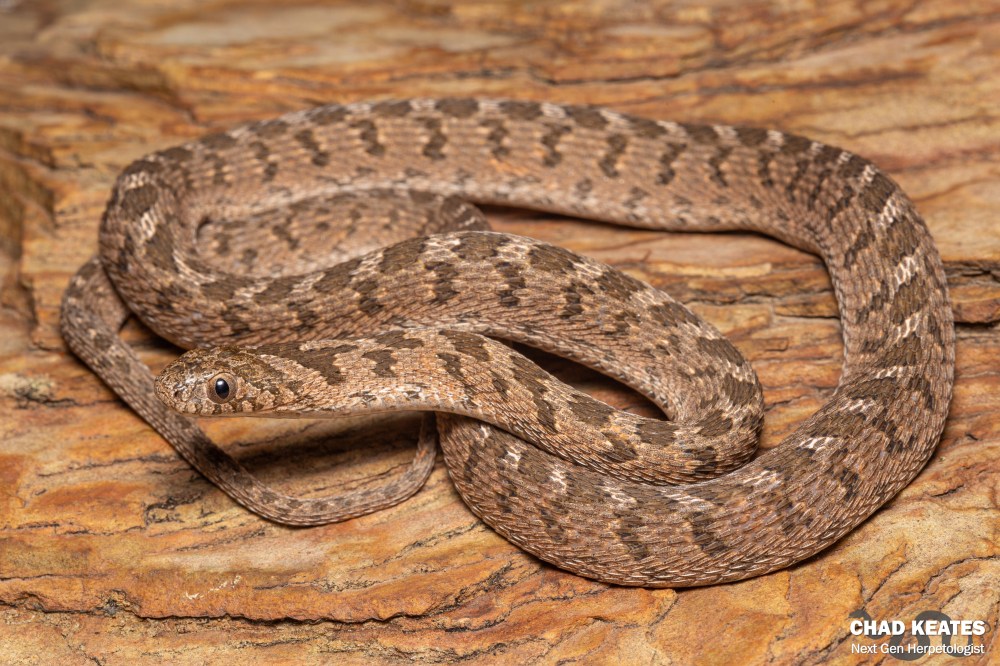
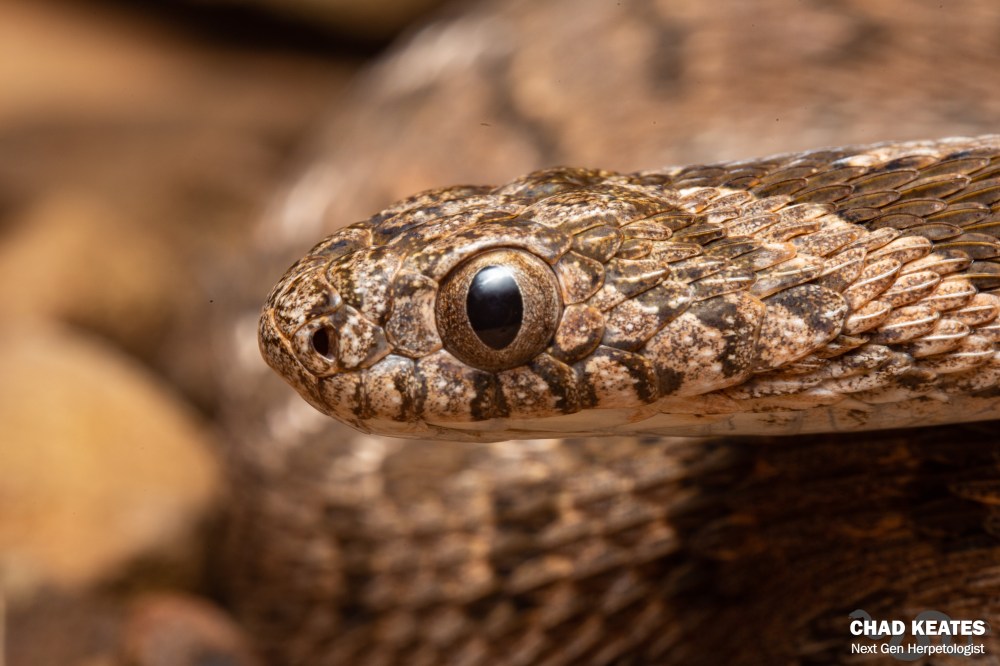
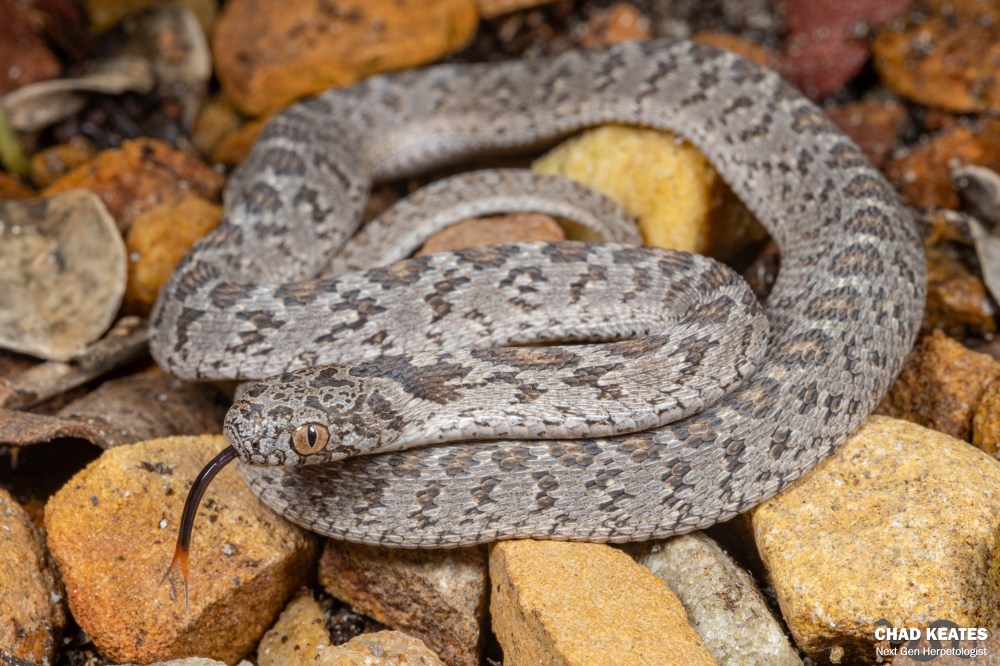
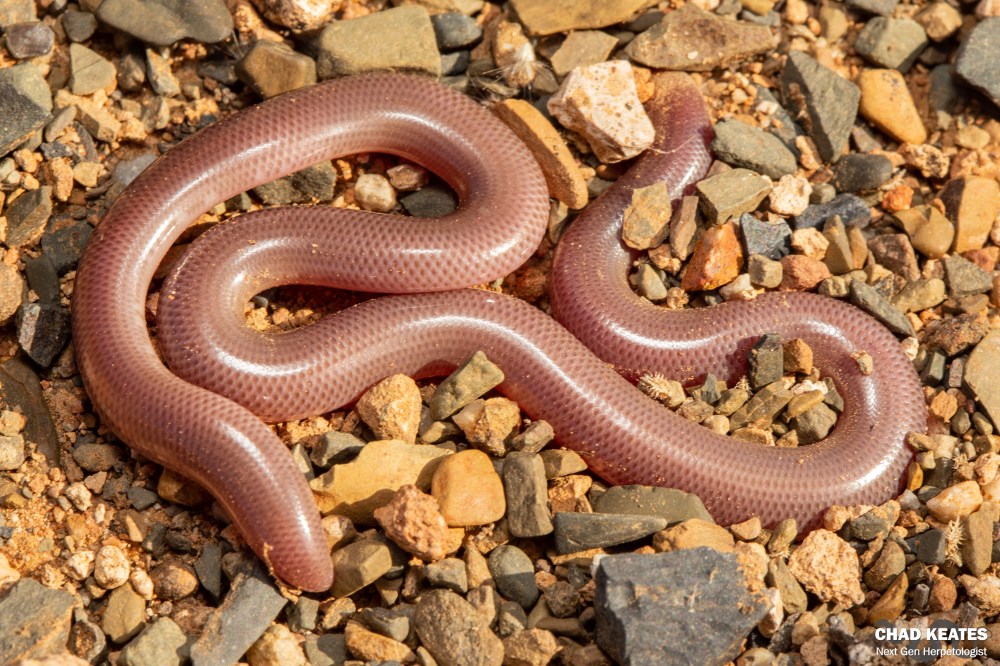
Delalande’s Beaked Blind Snake – Rhinotyphlops lalandei
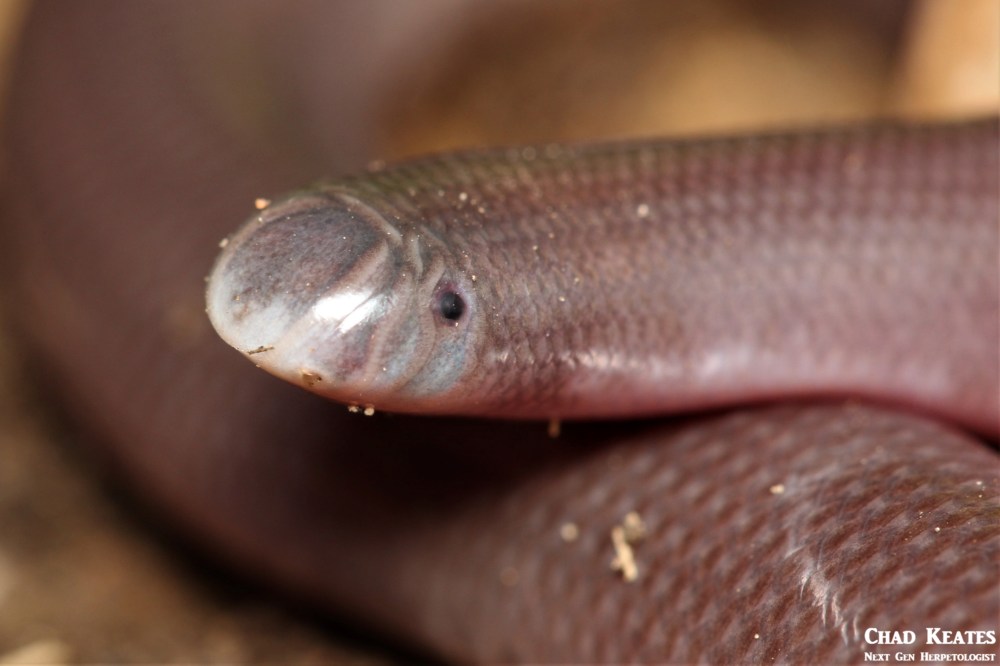
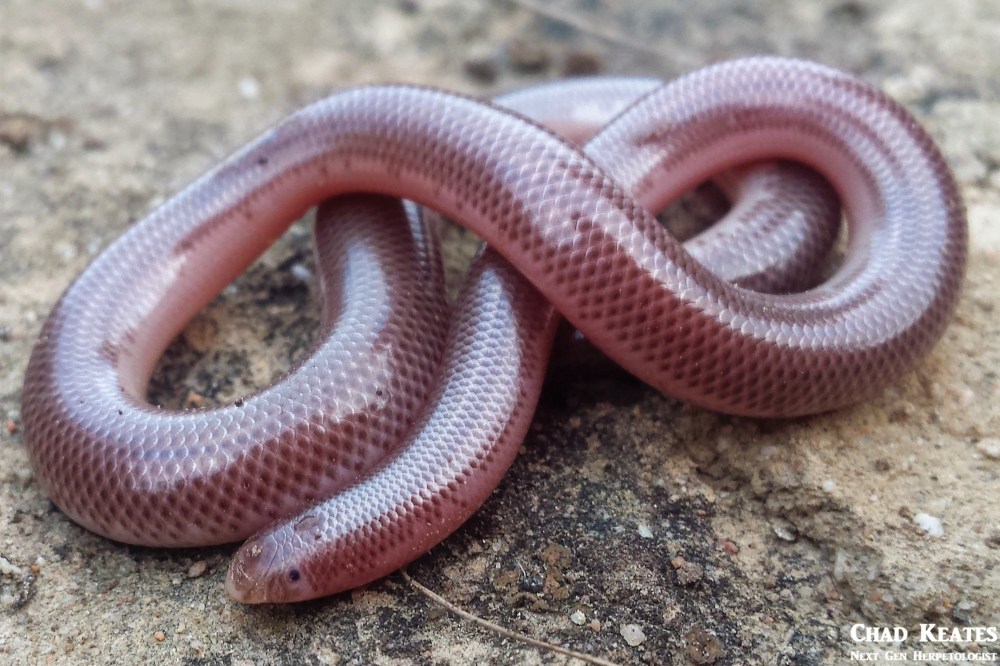
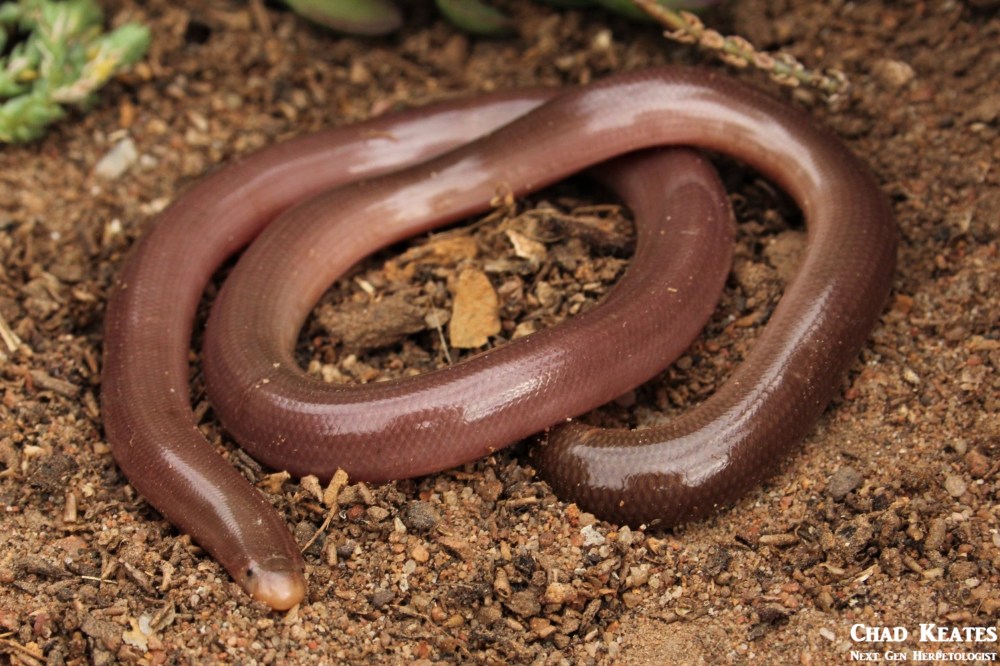
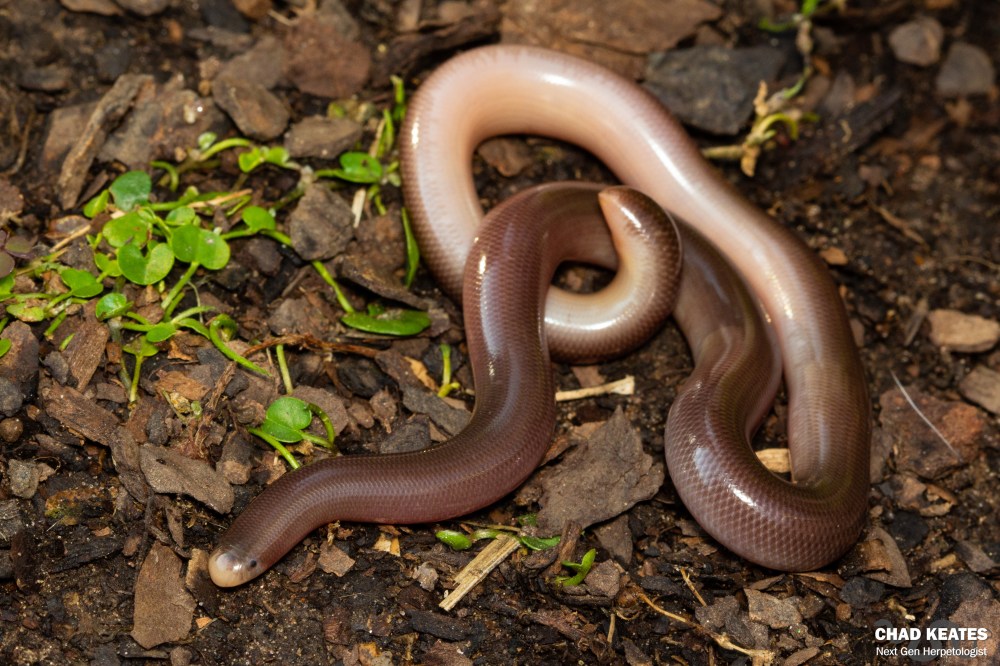
Bibron’s Blind Snake – Afrotyphlops bibronii
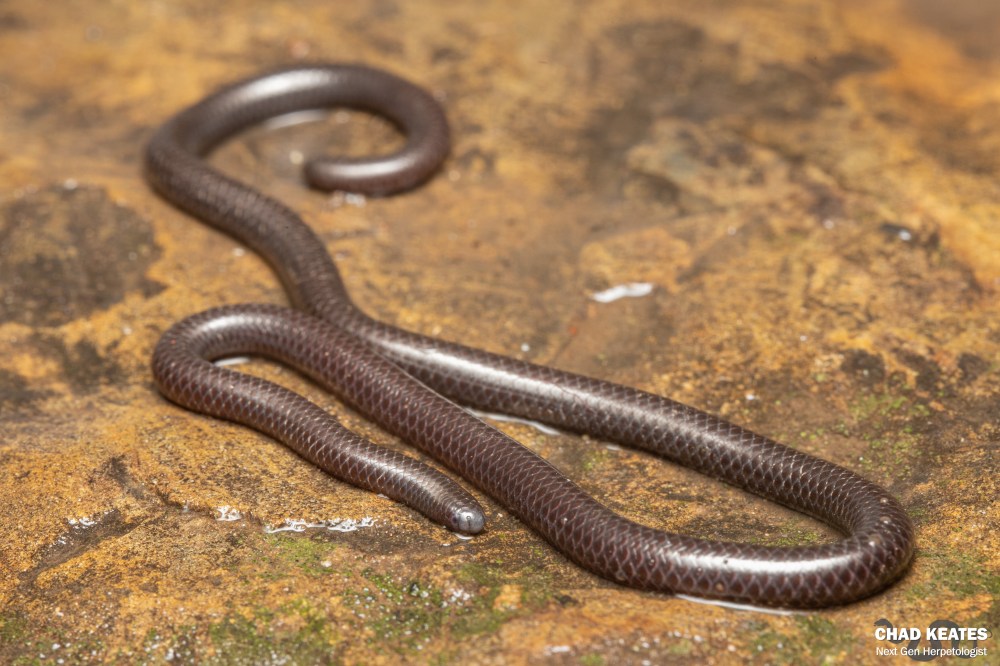
Cape Thread Snake – Leptotyphlops conjunctus
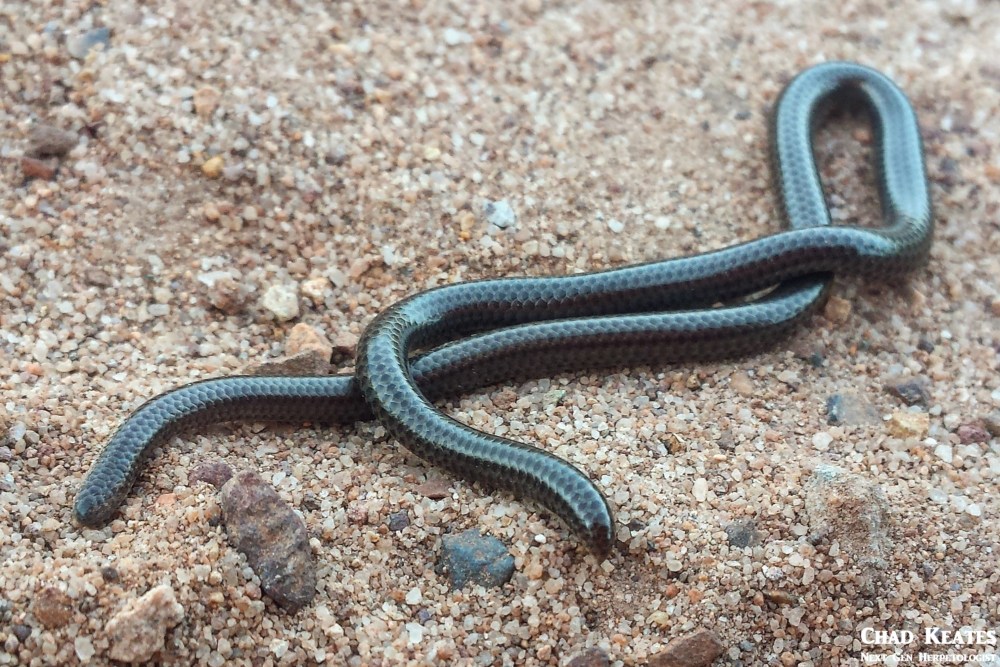
Peters’ Thread Snake – Leptotyphlops scutifrons




 Chad Keates